
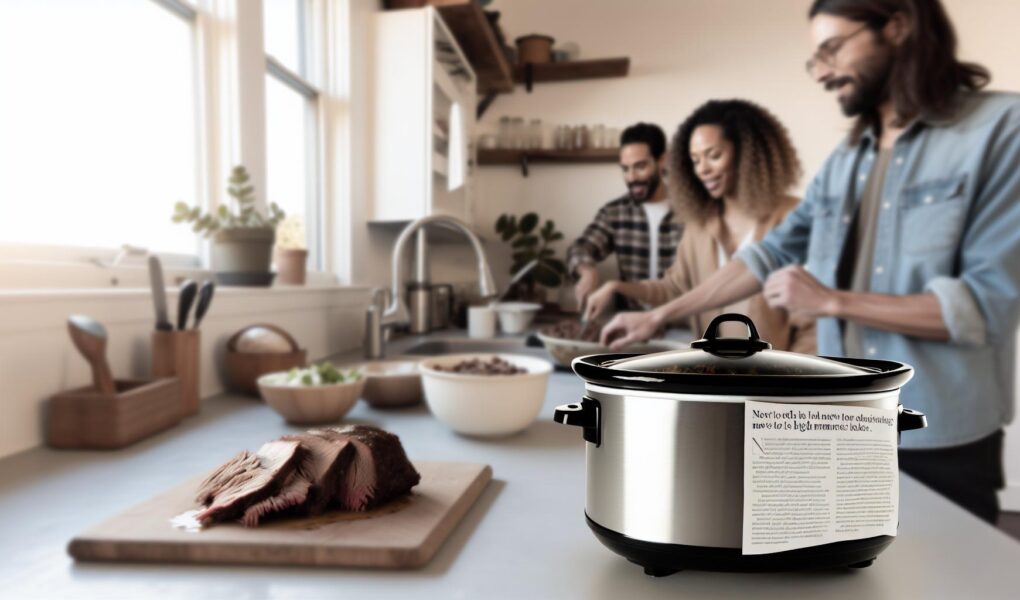
Brisket is one of those cuts that can go from tough and intimidating to melt-in-your-mouth flavorful-but timing is everything, especially when cooking low and slow in a slow cooker. If you’re wondering how long to cook brisket on the HIGH setting, you’re in the right place. Getting this just right means tender, juicy meat without hours of waiting or guessing. Whether you’re short on time but craving that smoky, hearty comfort food or curious how to balance speed with tenderness, understanding the perfect high-heat cook time helps you nail family dinners, casual meals, or paleo and gluten-free feasts without stress. Stick around, and I’ll share not just the timings, but tips and tweaks from my own kitchen experiments to make brisket foolproof and fabulous every time-as you deserve easy, delicious meals that fit your busy life, no judgment, just tasty results.
Table of Contents
- how Long to Cook Brisket in a Slow Cooker on High: Timing Essentials
- Choosing the Right Brisket Cut for Slow Cooking
- Step-by-Step Prep: Seasoning and Searing for Maximum Flavor
- Slow Cooker Settings Explained: Why High Heat Matters
- Perfect Cooking Times by Brisket Size and Thickness
- How to Tell When Your Brisket Is Done on High
- essential Tips for Juicy, Tender Brisket Every Time
- Flavor Boosters: Best Marinades and Rubs for High Slow Cooking
- Quick Sides and Sauces That pair perfectly with Brisket
- Common mistakes to Avoid When Cooking Brisket Fast
- How to Keep Brisket Moist Without Low and Slow
- Creative Leftover Ideas for Your Slow Cooker Brisket
- FAQ
- Q: How can I prevent brisket from drying out when cooking on high in a slow cooker?
- Q: What is the best way to check if brisket is tender after cooking on high in a slow cooker?
- Q: Can I cook frozen brisket in a slow cooker on high,and how does that affect cooking time?
- Q: Why is it not recommended to cook brisket exclusively on high in a slow cooker?
- Q: How does brisket size affect the cooking time on high in a slow cooker?
- Q: What seasoning methods work best for brisket cooked on high in a slow cooker?
- Q: Can I add vegetables to brisket cooked in a slow cooker on high without overcooking them?
- Q: How do I adjust the cooking time if I want a more shredded brisket texture when using high slow cooker setting?
- Final Thoughts
how Long to Cook Brisket in a Slow Cooker on High: Timing Essentials
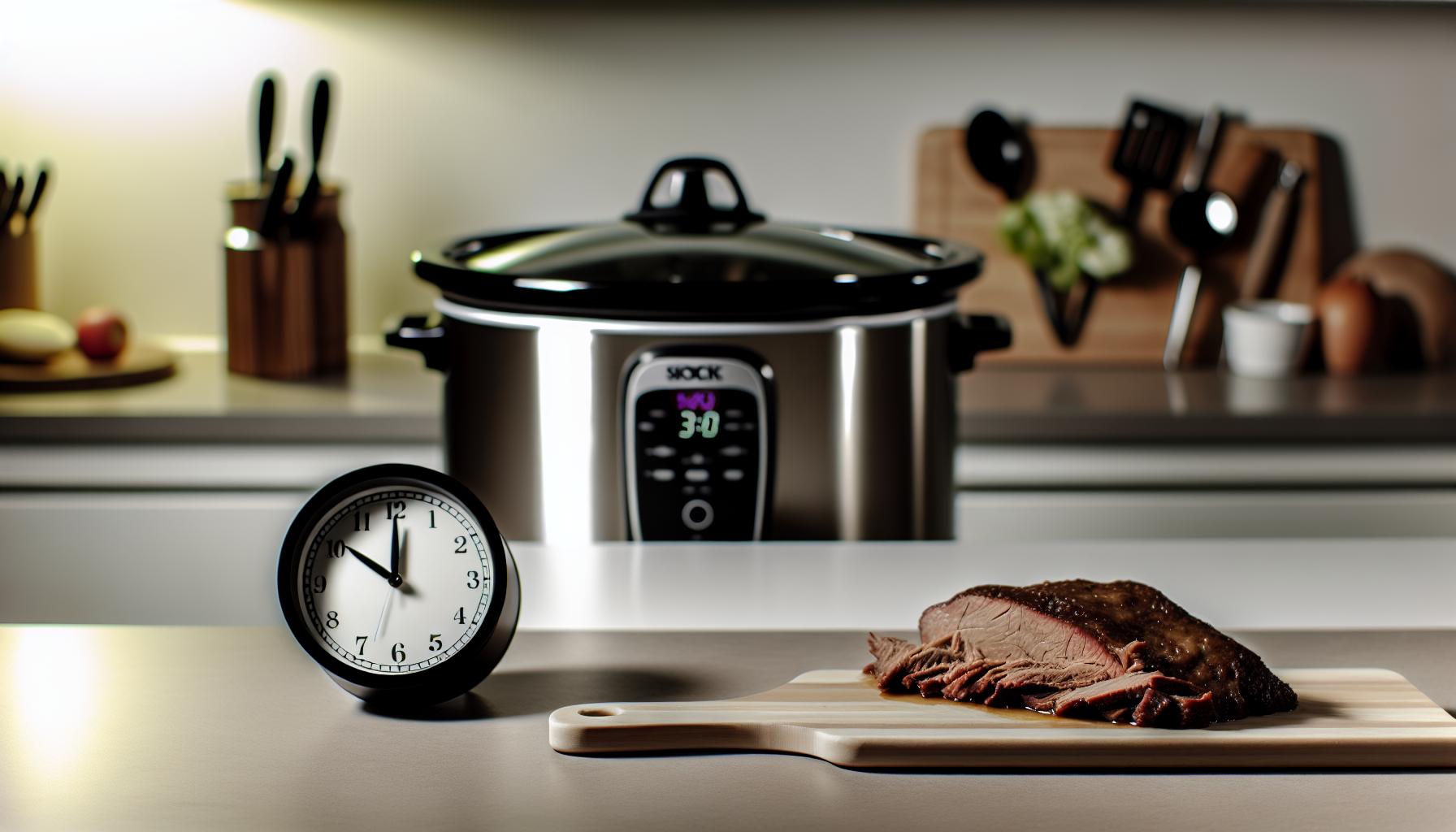
when rushing dinner, using your slow cooker’s high setting can shave hours off traditional cooking times without sacrificing that melt-in-your-mouth brisket texture.But timing is everything-too short, and you might end up with a tough chew, too long and you risk drying out those flavorful, luscious juices. Generally, brisket cooked on high will take about 4 to 6 hours, depending largely on the size and thickness of your cut. Think of it like a slow-cooked embrace that just happens a bit faster.
In my kitchen, I’ve found that a 3- to 4-pound brisket hits the sweet spot around the 5-hour mark on high, leaving you with perfectly tender meat that pulls apart easily with a fork. If you have a larger piece weighing 5 pounds or more, you’re looking at closer to 6 hours, but no more than that or the edges start to resemble jerky territory. A handy tip: always check your brisket at the 4-hour mark to gauge its progress, then adjust the time accordingly. This not only prevents overcooking but also invites some kitchen creativity-maybe a sneak peek means you toss in a splash more broth or your favorite BBQ sauce to brighten flavors.
- Smaller brisket (2-3 lb): 4 to 5 hours on high
- Medium brisket (3-5 lb): 5 to 6 hours on high
- Larger brisket (5+ lb): not recommended on high; consider low setting for tenderness
Remember, slow cooker temperatures can vary, so don’t stress about exact minutes.The key is a tender, fork-ready brisket that makes your kitchen smell incredible and your dinner guests happily full.Using high heat for brisket is like taking the scenic route in fast-forward-just with the same cozy destination [1].
Rapid Pro Tips for Timing Success
- Layer flavor early: Season your meat and add aromatics like garlic and onions before cooking to deepen tastes as brisket simmers.
- Don’t lift the lid: Checking too often on high takes warm air away and slows cooking down.
- Rest after cooking: Let your brisket sit in the resting phase for 20-30 minutes to redistribute juices.
with these timing essentials nailed, you’re well on your way to brisket glory-even on a busy weeknight. No smoker,no fuss,just delicious,tender beef ready to impress.
Choosing the Right Brisket Cut for Slow Cooking
Choosing the perfect brisket cut can feel like the first step on a delicious journey-one that sets the stage for tender, juicy results even when you’re cruising on the slow cooker’s high setting. Not all briskets are created equal, especially when you’re pressed for time but still want that melt-in-your-mouth texture. The good news? With some practical know-how, you can pick the best cut for your schedule and appetite, making your brisket night a total win.
Brisket comes primarily in two main parts: the flat cut and the point cut (sometimes called the deckle). The flat cut is leaner,uniform in shape,and easier to slice-perfect for neat presentations or sandwiches. It’s a fantastic choice if you’re feeding a crowd but want to keep things tidy. On the other hand, the point cut is richer in marbling and fat, which means more natural juiciness, but it can be a bit trickier to cook evenly, especially on high heat. When slow cooking on high,a flat cut between 3 to 5 pounds tends to hit that sweet spot between tenderness and manageable cook times. Larger point cuts or whole briskets often benefit from slower, longer cooking on low to avoid drying out or uneven texture.
If you’re navigating dietary preferences like paleo or gluten-free, brisket is inherently friendly-just watch your seasoning and sauces, but that’s a story for later. For busy home cooks juggling quick meals and quality taste, here’s a little friendly kitchen secret: lean toward a brisket that’s been trimmed but not overly shaved down. That little layer of fat does wonderful things during the cooking process, lending moisture and flavor without turning your slow cooker into a grease trap.
- Flat Cut: Lean, uniform, perfect for clean slices and quicker cooking on high.
- Point Cut: Fatty, rich, best when cooked longer on low to break down connective tissue.
- Whole Brisket: Includes both parts; great for low and slow but can be a challenge on high.
One last nugget from my kitchen experiments: if your brisket feels thick and dense, consider slicing it into a few smaller pieces before seasoning and slow cooking. This trick can reduce overall cooking time on high and still let that magic tenderizing process work like a charm. Plus, smaller pieces fit neatly into your slow cooker, allowing heat to work more evenly. The result? Fork-tender brisket without the wait or worry. So, grab your cut wisely, season generously, and get ready for that rewarding moment when high-speed slow cooking brings brisket bliss straight to your table.
Step-by-Step Prep: Seasoning and Searing for Maximum Flavor
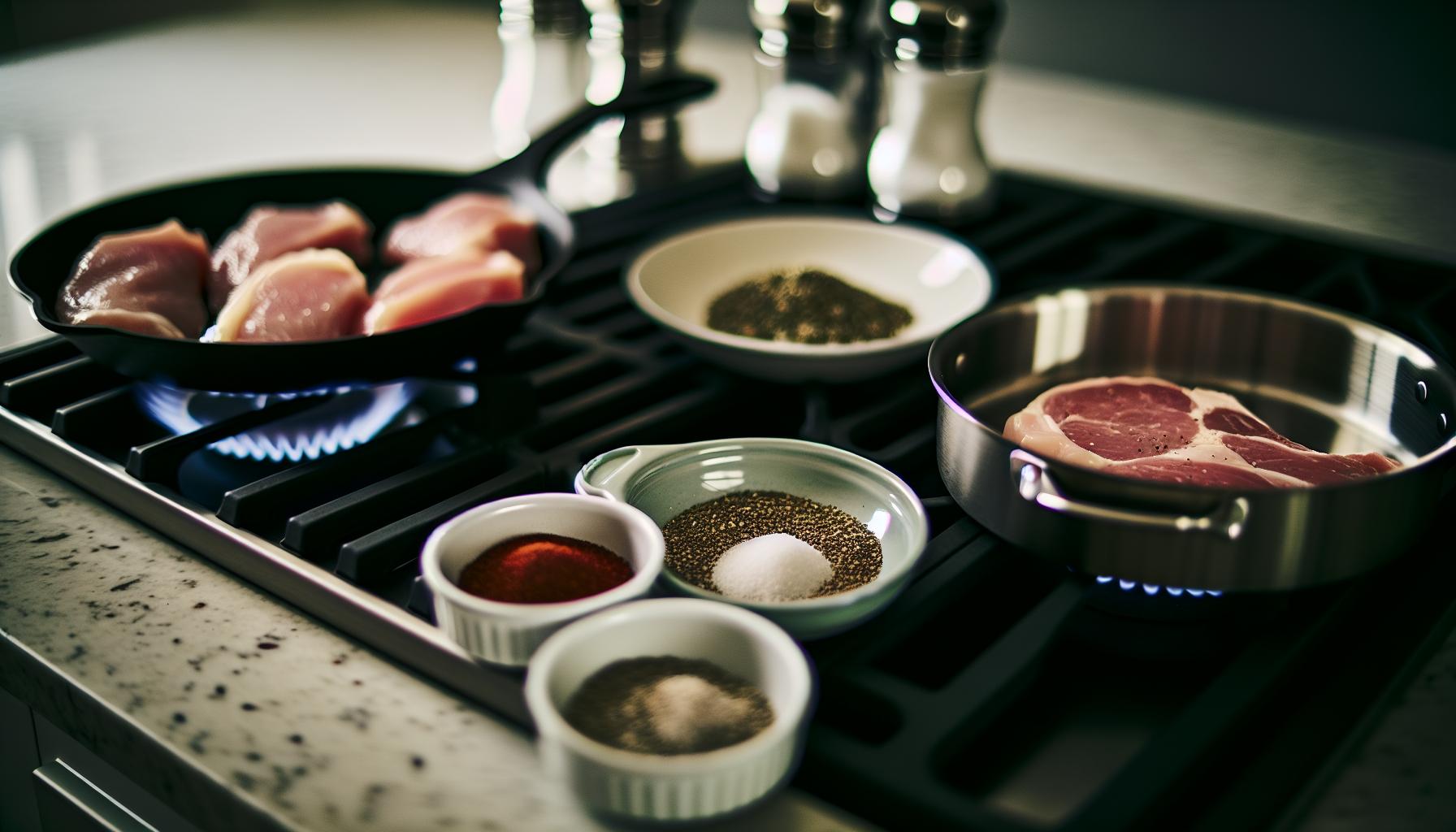
There’s something magical about the moment you take a slab of brisket and transform it from raw to beautifully seasoned and caramelized before it ever hits the slow cooker.It’s this prep ritual that sets the tone for all the rich, tender goodness to come-as seasoning and searing aren’t just about flavor, they’re about unlocking the full potential of your brisket, especially when you’re cooking on the high setting where time is tight but you don’t want to sacrifice taste.Start with a brisket that’s been patted dry-excess moisture is the enemy of a good crust. I like to mix up a simple yet punchy dry rub using pantry staples that work for paleo and gluten-free diets alike. Think kosher salt, freshly cracked black pepper, garlic powder, and a hint of smoked paprika for that deep, almost smoky warmth. If you want a little heat, a pinch of cayenne works wonders. Don’t skimp here: the seasoning should be generous, coating every nook and cranny. This dry rub not only flavors the meat but also helps create that irresistible outer bark during searing.
Getting That Sear: Why It’s a Game-Changer
Although slow cookers do their magic over hours, searing the brisket first-especially when you’re rushing on high heat-adds layers of flavor you simply can’t replicate by just tossing it in raw. Heat a heavy skillet or cast iron pan over medium-high heat, add a splash of neutral oil with a high smoke point (like avocado or grapeseed), and let that pan get seriously hot. then place the brisket down carefully. You’ll want about 3-4 minutes per side, untill you develop a crust so good you want to eat it right off the pan. This Maillard reaction is what browns the surface and seals in those juices for a moist finish. Pro tip: don’t overcrowd the pan! If your brisket is in multiple pieces (a smart move if using high), sear in batches.
Step-by-Step Brisket prep for Slow Cooker Success
- Trim, but don’t overdo it. Keep a thin fat cap intact for moisture; it’s the secret ingredient for that luscious bite later.
- Dry rub time: Combine your seasoning, then rub it firmly all over the brisket. Don’t forget the edges!
- Bring to room temp: Let your brisket sit about 30 minutes after seasoning to absorb flavors evenly.
- Sear with intention: Get your skillet hot and sear 3-4 minutes per side, aiming for that rich, golden crust.
- Transfer carefully: Place the seared brisket into your slow cooker and deglaze the pan with a splash of broth or wine, scraping up those caramelized bits to add back into the cooker-it’s pure gold for your sauce.
This prep approach pays dividends when you’re cooking brisket on high. Rather of rushing blindly, you’re layering flavor and moisture that will keep the meat juicy despite the quicker cook time. Plus, knowing these steps are paleo and gluten-free friendly means no awkward swaps-just pure, satisfying comfort food you can feel great about. Trust me, once you’ve mastered this sear-and-season technique, your slow cooker brisket nights will never be the same.
Slow Cooker Settings Explained: Why High Heat Matters
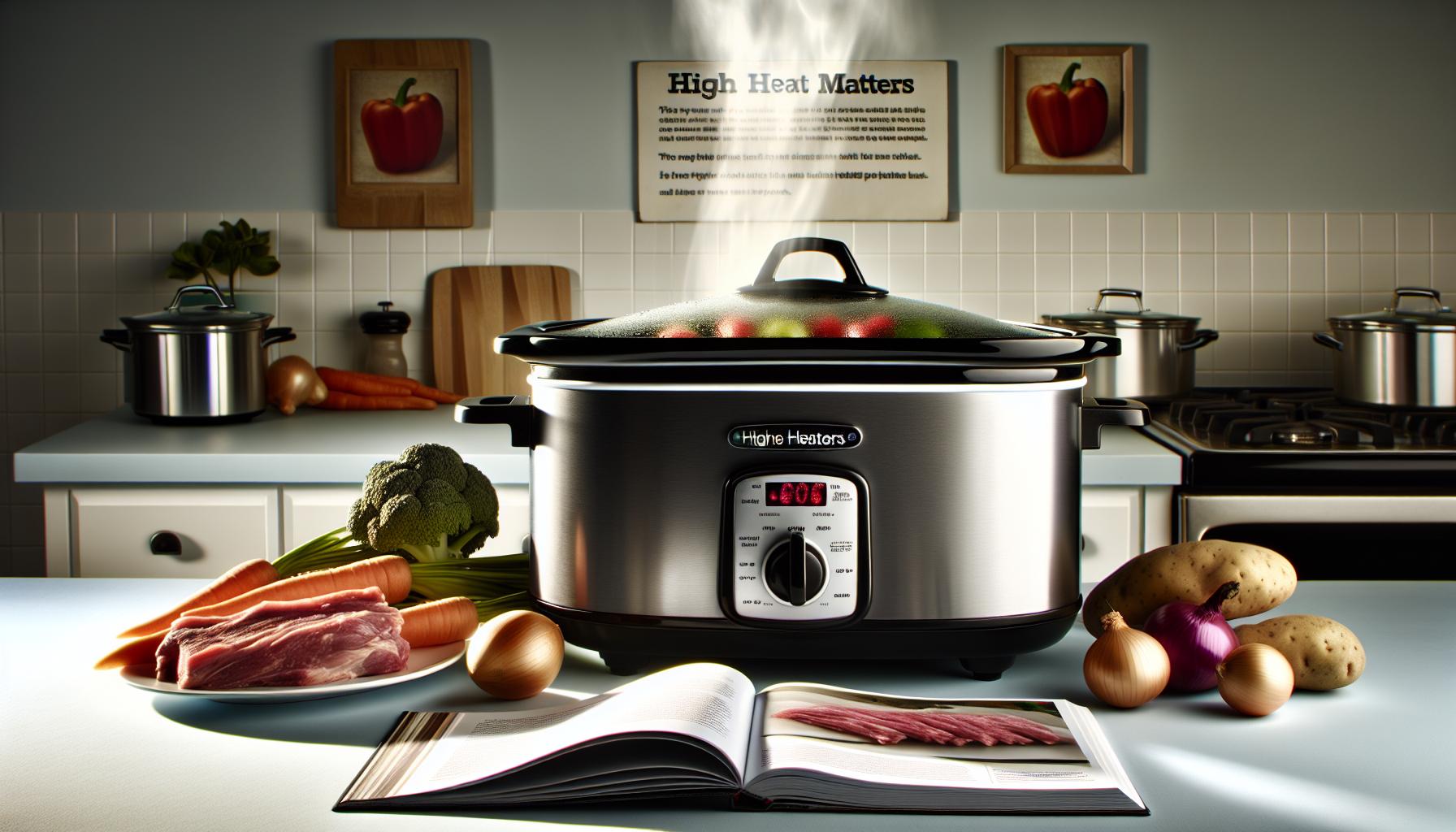
Cooking brisket in a slow cooker on the high setting might seem like a shortcut, but it’s actually a nifty way to get tender, flavorful meat faster without the fuss of a smoker or oven roasting all day.The key is understanding how the high heat setting changes the dynamic of slow cooking, and why it matters to your final bite. unlike the “low and slow” method that gently breaks down tough collagen over a long stretch, high heat accelerates the process – but if you don’t respect that intensity, you can easily end up with dry or unevenly cooked brisket.When you switch your slow cooker to high, the internal temperature of the cooking vessel ramps up quickly, usually hitting around 300°F (150°C) depending on your model. This means the brisket starts breaking down sooner, which slashes your cook time from 8-10 hours on low down to about 4-6 hours on high for an average-sized cut. But, here’s the catch: the brisket has less room for error. The heat can tighten muscle fibers prematurely if your meat isn’t prepped well or if the cooking time overshoots the mark. That’s why getting the seasoning and searing right upfront matters so much – it creates a flavor-packed crust that protects the meat and locks in moisture when the heat cranks up.
- high heat heats fast but can dry fast. Be ready to monitor your brisket closer – this isn’t a “set and forget” scenario.
- Use foil or a tight-fitting lid. Trapping steam inside helps maintain moisture levels, which is crucial when cooking fast.
- Consider adding liquid. Broth, wine, or even a splash of paleo-friendly apple cider vinegar can help keep your brisket juicy despite the quicker cook.
The high setting works wonders when you’re pressed for time or just can’t resist brisket on a weeknight. It’s the perfect bridge between convenience and flavor, especially if you’re aiming for a paleo or gluten-free meal-you still get that tender beefy goodness without extra thickeners or long oven hours. Think of it as giving your brisket a “hot soak” in all those delicious spices and juices you layered in during prep. Just remember: patience with your searing, precision in timing, and keeping an eye on liquid levels will pay off with juicy, fork-tender results that feel anything but rushed.
If you’re curious about exact timing and how size plays into it, hang tight-coming up next, we’ll break down the perfect cooking windows by brisket weight to nail that tender texture every time without guesswork. Meanwhile, embrace the idea that high heat in a slow cooker isn’t a shortcut – it’s a savvy technique that, when done right, brings brisket joy a whole lot faster without compromising taste or texture.
Perfect Cooking Times by Brisket Size and Thickness
cooking brisket on high in your slow cooker turns up the heat on timing, making it feel a bit like a flavorful sprint rather than a marathon. but how long exactly should you let your brisket bask in that higher temperature? Well, it all depends on size and thickness-a factor that jazzes up every cook session with a bit of adventure. Smaller cuts naturally cook faster, but thicker slabs need a little more TLC to break down those beefy fibers and turn loss into lusciousness.
For instance, a 2-3 pound brisket typically reaches tender perfection in about 3.5 to 4.5 hours on high. But if you’re working with a hefty 5-6 pounder, you’re probably in the 5 to 6-hour range. Go much bigger, say 7 pounds or more? Expect it to edge closer to the 6-hour mark or a touch beyond if the cut is particularly thick. The thickness also matters just as much as weight-such as, a 4-pound piece sliced thinly will cook faster than a dense 4-pound slab that’s an inch or more thick.So it’s a bit of a kitchen dance, tuning your timing to the shape and heft of your brisket.
Quick Reference Table for High-Heat Slow Cooker Brisket Timing
| Brisket Weight | Estimated Cook Time on High | Thickness Consideration |
|---|---|---|
| 2-3 lbs | 3.5 – 4.5 hours | Perfect for thinner cuts (1 inch or less) |
| 4-5 lbs | 4.5 – 5.5 hours | Adjust upward if very thick (1.5 inch+) |
| 5-7 lbs | 5 – 6.5 hours | Thicker cuts might need up to 7 hours |
| 7+ lbs | 6+ hours (monitor closely!) | Split if possible for even cooking |
One pro tip: given how quickly high heat works, start checking your brisket around the earlier end of the range, poking it with a fork or meat thermometer. You want that tender “pull apart” texture without veering into dryness territory. I once tried a 6-pounder and left it in for a full 7 hours-not my best move. It was still tasty but just a touch tougher than that perfectly fork-tender magic I’m chasing. So, early check-ins are your best friend here.
- Thickness tweaks timing: If your brisket is bulkier than usual, add 30 minutes to an hour.
- Consider slicing brisket in half: If you’re dealing with a giant cut, halving helps heat penetrate faster and more evenly.
- Turn or rotate halfway: To avoid hot spots and encourage even cooking, give your brisket a gentle flip or reposition about midway through.
Ultimately, think of your slow cooker on high as a brisket accelerator, but not a fast-forward button. It’s a balance between speed and that soft, melt-in-your-mouth texture. Keep a watchful eye, embrace a little kitchen experimentation, and you’ll get to that juicy, satisfying bite faster than you ever imagined-perfect for busy weeknights or when that brisket craving just can’t wait!
For a deeper dive on fitting brisket size, thickness, and cook times into your particular slow cooker’s personality, you might find some extra chatter about brisket duration and variables here helpful to tweak your game[[[[[1]](https://www.reddit.com/r/pelletgrills/comments/1bjeych/brisket_cooking_times/) [[2]](https://www.smokingmeatforums.com/threads/how-long-to-cook-brisket-or-misconception-of-the-1-to-1-5-hours-per-pound-rule.295201/).
How to Tell When Your Brisket Is Done on High
Cooking brisket on high can be a bit like waiting for that perfect wave-you want to catch it right at the moment it’s ready to melt in your mouth, not a moment later when it’s moved from tender to tough. Unlike low-and-slow methods where you can gently probe away for hours, high-heat cooking demands a bit more attentiveness and intuition to avoid overcooking or drying out this flavorful cut.
A reliable way to gauge doneness is by relying on texture rather than just timing. When you poke the brisket with a fork or your fingers, the meat should offer little resistance and feel succulent, not firm. Ideally, it should “pull apart” easily but still hold together so it isn’t stringy or falling to mush. If the brisket resists and feels dense, it likely needs more time; if it’s mushy or crumbs easily, it’s probably passed the prime window. Using a meat thermometer is helpful too, but as brisket gets soft when done, temperature is more of a guideline than a hard stop-aim for around 195°F to 205°F internal temperature for that sweet-spot tenderness.
- Fork test: Slide a fork or skewer into the thickest part of the brisket and twist gently.It should go in easily and turn with minimal resistance.
- Feel the juice: When you press the brisket, juices should stay put but look glistening-too dry, and cooking’s gone on too long.
- Rest before slicing: Letting the brisket rest for 15-20 minutes under warm foil allows the juices to redistribute, ensuring every bite stays moist.
From personal kitchen experiments, I’ve learned that brisket cooked on high is a bit like a Goldilocks challenge. For example, a 4-pound brisket took about 5 hours before it reached that blissfully tender state-any less and you’re biting into chewy beef, longer and it starts to dry out.If you’re a newbie with this technique, start poking around the standard minimum time and trust your senses rather of the clock alone. also, remember to rotate or flip halfway through cooking if your slow cooker tends to have hotspots; this evens out the heat and helps your brisket cook uniformly.
Signs You’re at brisket Bliss
| Indicator | What It Means | Tip for Testing |
|---|---|---|
| Fork twists easily with no resistance | Brisket is tender and ready | Fork or skewer test at thickest part |
| Meat tears naturally but holds shape | Perfect “pull apart” texture achieved | Try pulling a small piece with your fingers |
| Juices are glossy but not pooling | Moisture retained; not overcooked | Press brisket lightly to observe juice |
| Internal temp reads 195°F – 205°F | Optimal collagen breakdown for tenderness | Use instant-read thermometer |
The takeaway? Don’t obsess over the clock. Instead, embrace the tactile experience. Think of yourself as the brisket’s best friend, gently checking in for signs that it’s ready to wow your taste buds.over time, you’ll build a sixth sense for that perfect balance between juicy, tender, and melt-in-your-mouth goodness, all from the convenience of your slow cooker’s high setting.
essential Tips for Juicy, Tender Brisket Every Time
Brisket has this magical way of turning from tough-as-nails to melt-in-your-mouth tenderness-if you treat it right. When cooking brisket on high in a slow cooker, the trick isn’t just speed; it’s about managing moisture and tension so every bite feels like a warm, flavorful hug. Trust me, a few simple habits make all the difference between a dry, sad slab of meat and a juicy, tender centerpiece that everyone will sing praises about.
One of my go-to moves is giving the brisket a quick sear before it hits the slow cooker. This little extra step locks in those savory juices and adds flavor layers worthy of an encore. Plus, it creates a gorgeous crust that keeps the meat moist beneath. when time’s tight or if you want to skip searing, toss in a cup of beef broth or a splash of apple cider vinegar to introduce some acidity and keep the fibers from tightening up too much. I once swapped broth for strong black coffee and was surprised how much depth it added without overpowering the meat.
keep It Covered and Rotate
Since high heat can be unpredictable, keeping the slow cooker lid on tightly helps trap steam and maintain a moist habitat. If your slow cooker has hotspots (ours loves to bake one side a little more), flip or rotate the brisket halfway through cooking. This ensures even heat exposure, preventing any dried edges that can sneak up on you when you least expect it.
rest Like a Pro
Just like a big bear waking up from hibernation needs a moment to stretch, your brisket deserves a solid rest after cooking. Wrapping it loosely in foil and letting it recline for at least 15-20 minutes redistributes the juices so the meat isn’t just juicy on the surface, but throughout every tender strand.I learned this the hard way after slicing too soon once and ending up with a juice pool on the cutting board instead of in every bite.
- Try using a probe thermometer: It lets you peek without disturbing the slow cooker lid constantly.
- Add fat strategically: A slab with some fat cap or basting with butter keeps things luscious and flavorful.
- Don’t rush the texture: Fork-tender is great, but the “fork slides in and twirls easily” stage means the collagen has done its magic.
Embracing these small steps transforms your high-speed slow cooker brisket into a juicy, tender marvel. Remember, perfection comes with practice-not pressure-and every batch makes you better at sensing when your brisket hits that luscious sweet spot. So get cozy, keep an eye on that fork test, and savor the delicious rewards!
Flavor Boosters: Best Marinades and Rubs for High Slow Cooking
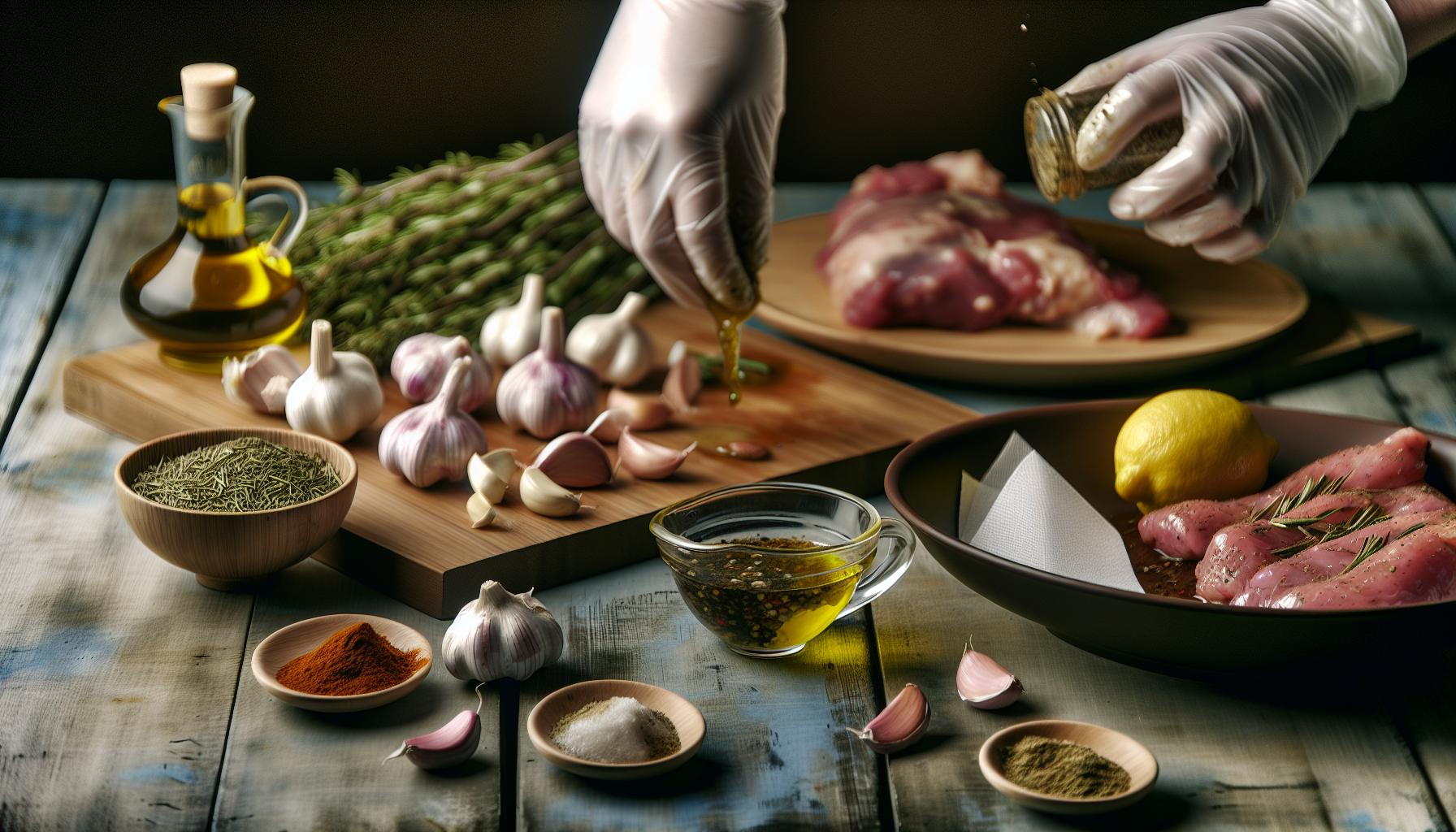
Brisket is a canvas for flavors, especially when cooking on high in a slow cooker. The right marinade or rub can elevate even the simplest cut into a succulent, flavorful centerpiece that dazzles your taste buds. As high slow cooking intensifies heat and reduces cooking time, bold, concentrated flavors are your best friend-they penetrate the meat quickly and stand up beautifully to the robust cooking environment.When it comes to marinades, acidity and fat are your power duo. A blend of apple cider vinegar or lemon juice with olive oil, fresh herbs, garlic, and a touch of sweetness like honey or maple syrup not only tenderizes but also creates a complex flavor profile that’s balanced and irresistible. One of my favorite quick marinades is super simple: just apple cider vinegar, worcestershire sauce, minced garlic, and a pinch of smoked paprika. It uses pantry staples, works wonders in about 30 minutes of marinating, and pairs perfectly with the slow cooker’s moist heat. For my paleo and gluten-free friends, swapping out soy-based ingredients for coconut aminos keeps this crowd-pleaser both safe and delicious.
Dry rubs bring out a different magic-think smoky, spicy, and slightly sweet. This is where paprika,chili powder,cumin,garlic powder,and brown sugar (or coconut sugar for paleo) shine. A good dry rub creates a flavorful crust while the slow cooker seals in moisture. Here’s a quick rub recipe I keep handy:
- 2 tbsp smoked paprika
- 1 tbsp chili powder
- 1 tbsp garlic powder
- 1 tsp cumin
- 1 tbsp coconut sugar or brown sugar
- 1 tsp salt
- 1/2 tsp black pepper
Rub it generously all over your brisket before popping it into the slow cooker. If time allows,toss the rubbed brisket in the fridge for a couple of hours or overnight to deepen the flavors-but don’t fret if you’re rushed; the high heat helps cook those spices right into the meat in a matter of hours.
Extra Boosters to Amp Up Flavor
If you want to get fancy without complicating your life, throw in aromatics like sliced onions, smashed garlic cloves, or fresh herbs right into the slow cooker. Natural smoke flavor additions-like a few drops of liquid smoke or smoked salt-work beautifully in a slow cooker where actual smoke isn’t playing a part.For a gourmet twist, splash some strong brewed black coffee or a bit of dark beer into the marinade or cooking liquid; both add depth and richness without overpowering your brisket. I once swapped broth for coffee on a whim, and my family was convinced it was a secret BBQ trick.
Whether you go wet with marinades or dry with rubs, a great brisket flavor comes down to balance and layering. With these straightforward flavor boosters and a little planning, your high slow cooker brisket will pack all the taste and tenderness you deserve-even when time’s tight and life is busy.
Quick Sides and Sauces That pair perfectly with Brisket
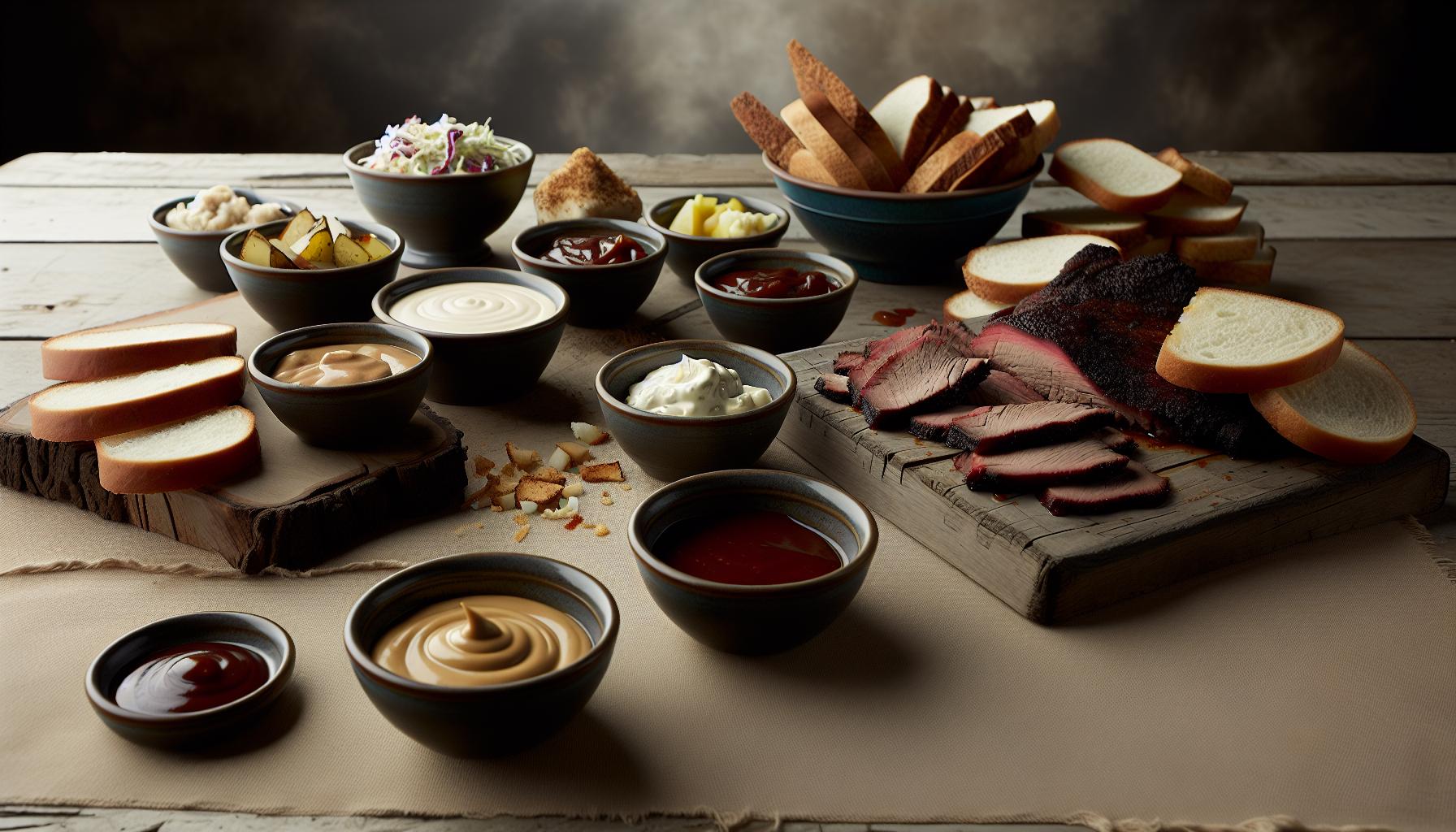
Nothing rounds out a brisket meal quite like sides and sauces that complement its bold, savory richness. Since brisket cooked on high in a slow cooker tends to be juicy with robust flavor, pairing it with quick, vibrant, and sometimes slightly tangy accompaniments creates a balanced and memorable plate. The best pairings highlight the meat without overshadowing it, and thankfully many come together in just minutes while the brisket does its magic.
For speedy,crowd-pleasing veggie sides,think roasted or sautéed options that bring color and a touch of brightness. Garlic green beans tossed with toasted almonds or lemon-zested sautéed spinach takes less than 15 minutes and adds fresh contrast. Classic paleo-and-gluten-free-friendly roasted sweet potatoes with a sprinkle of smoked paprika or cumin echo some of the brisket’s smoky notes without stealing the spotlight. If you want something super easy, a crisp cabbage slaw with apple cider vinegar and a pinch of honey adds refreshing crunch and a palate-cleansing effect that’s downright addictive after rich meat.
Simple Sauces to Elevate Your brisket
Sauces are where your brisket’s flavors can realy shine or find a lovely counterpoint. A homemade BBQ sauce-quick smoked paprika, tomato paste, apple cider vinegar, a touch of honey, and garlic-can be whipped up in about 10 minutes and saved plenty on store-bought sugar bombs. For a tangy kick that pairs especially well with high-heat slow cooker brisket, try a chimichurri-style sauce with fresh parsley, oregano, garlic, red pepper flakes, olive oil, and lemon juice. It’s vibrant, herbaceous, and practically shouts ”eat me!” alongside the rich meat.Looking for paleo and gluten-free-approved options? A creamy avocado cilantro sauce made from ripe avocado, lime juice, cilantro, garlic, and a splash of olive oil brings cool creaminess and zest without dairy or gluten.Also,don’t underestimate the impact of using the brisket’s own juices-after slow cooking,strain a few cups of that liquid and reduce it over medium heat until it’s thickened into a glossy pan sauce. Bonus: zero waste and pure, concentrated brisket flavor in every bite.
- Quick Side Idea: Roasted Sweet Potatoes with Smoked Paprika (35 minutes, paleo, gluten-free)
- Sauce Hero: 10-minute Chimichurri (gluten-free, paleo-friendly)
- Easy Veggie: Garlic Green Beans with Toasted Almonds (15 minutes, paleo, gluten-free)
- Pan Sauce Tip: reduce slow cooker juices for a natural gravy (as the brisket rests)
The takeaway? Keeping things simple but thoughtful is key when your brisket is cooking on high-give yourself some grace with easy sides and sauces you can toss together while the kitchen fills with that unmistakable, mouthwatering aroma. Those little touches make every forkful feel like a celebration without turning dinner into a marathon. After all, cooking should lift you up, not slow you down!
Common mistakes to Avoid When Cooking Brisket Fast
Cooking brisket quickly in a slow cooker might seem straightforward, but it’s surprisingly easy to stumble into a few pitfalls that rob your meat of its full potential. While the allure of a fast dinner is real,rushing too much or skipping key steps can lead to brisket that’s dry,tough,or lacking depth. Think of brisket as a culinary marathon, not a sprint-even on high, patience and technique work hand in hand.
One of the biggest traps is jumping straight into the slow cooker without seasoning and searing first. Yes, you want that smoky, caramelized crust that locks in flavor. Skipping this step saves a few minutes but costs you a ton in taste and texture. searing over medium-high heat before cooking introduces Maillard magic that can’t be replicated later. Also, don’t overcrowd the pot or cut the brisket too thin thinking it’ll cook faster. Thin pieces often dry out quickly, while a whole uncut brisket retains juices better and responds well to the steady heat. If you’re pressed for time, consider trimming fat but keep a layer to maintain moisture.
Another all-too-common mistake is not trusting the slow cooker’s high setting enough to let the brisket develop properly. High heat doesn’t mean tossing in your brisket and flipping it after two hours. It usually requires 4 to 6 hours on high depending on size, plus a little resting time to redistribute juices after cooking. Using a thermometer is your best friend here-aim for an internal temp of around 195-205°F for that melt-in-your-mouth tenderness. Pulling it too early means a chewy workout for your teeth, and overshooting leaves it dry and stringy. Don’t peek obsessively either; lifting the lid wastes heat and stretches your cook time.
Simple Tips to Stay on Track
- Season early and sear well: Dry rub at least 30 minutes ahead and brown the brisket to kick-start those flavors.
- Choose wisely: Pick a flat or point cut brisket around 3-5 pounds for manageable cooking times and juiciness.
- don’t skip the thermometer: Check internal temps near the thickest part for accuracy.
- Rest the meat: Once done, let it sit in the cooker on warm or loosely tented foil for 15-20 minutes.
- Keep liquids balanced: Resist drowning your brisket in broth; a little goes a long way to create steam and moisture without washing out flavor.
even seasoned home cooks learn this the hard way-one brisket cooked too fast or without care can turn a coveted family dinner into a lesson in patience. But with a few simple tweaks, you’ll get that tender, juicy brisket that tastes like you spent all day slow-cooking even when you didn’t. after all, everyone deserves a brisket that makes their kitchen smell like celebration, no matter the clock!
How to Keep Brisket Moist Without Low and Slow
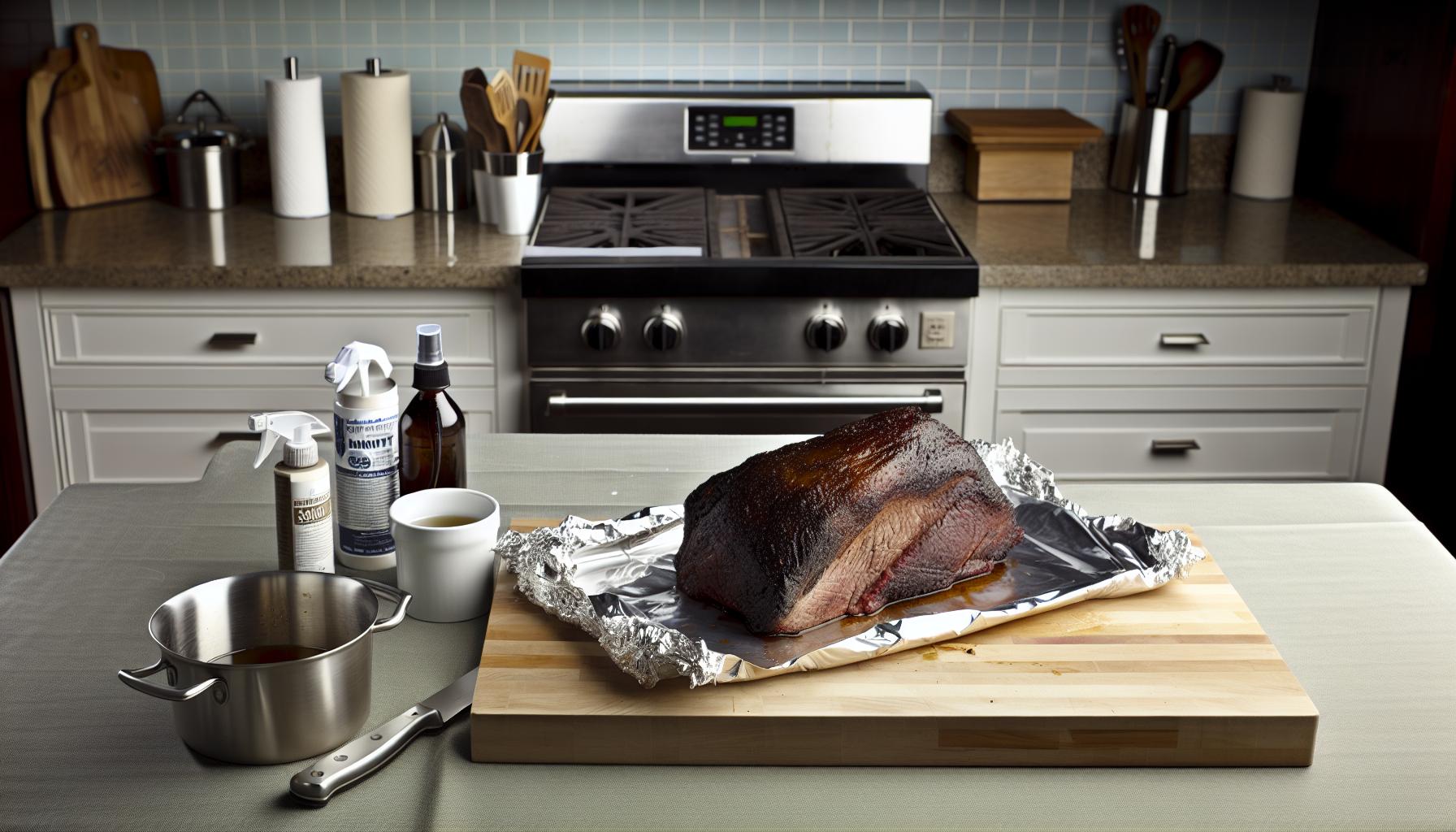
Brisket is famously forgiving when cooked “low and slow,” but when you want to speed things up using the high setting on your slow cooker,keeping it juicy can feel like walking a tightrope. The key is balancing heat, moisture, and timing without turning the meat into a dry, stringy disappointment. Luckily, a few well-tested tricks will help you achieve the magic of tender brisket even when you’re in a hurry or avoiding overnight cooking.
One of my favorite game-changers is not overloading the slow cooker with liquid. It’s tempting to drown the brisket in broth or sauce, thinking it will help it stay moist-spoiler alert: it often washes away flavor and makes the brisket stew-like. Instead, add just enough to create steam, which acts like a gentle pressure cooker in your slow cooker. About a half cup to one cup of liquid depending on the brisket size usually does the trick. If you want a paleo or gluten-free sauce punch, think tangy tomato paste or a splash of cider vinegar combined with aromatics like onion and garlic. These add moisture without thinning your crust or risking sogginess.
Another key is the fat cap. Don’t trim it all off! Leaving a thin layer (about ¼ inch) helps the brisket bastes itself as it cooks. Fat renders slowly in the slow cooker and melts into the meat, bringing luscious moisture and rich flavor.My kitchen confession? I occasionally trim off excess fat, but I keep enough “armor” to prevent drying out, especially on high heat. if your brisket is lean or you’re worried about dryness, consider adding a tablespoon of butter or avocado oil on top just before cooking. It’s a simple boost and the slow cooker turns it into liquid gold.
Keep the Lid On – Seriously
Every time you peek under the lid or lift it to flip the brisket, you lose precious heat and slow cooker humidity. This sneaky temperature drop makes cooking times unpredictable and dries out the meat’s surface.Trust the process – slow cookers are designed to create an enclosed moist environment. If you need to check doneness, limit it to one quick peek at the end, and use a probe thermometer that doesn’t require lid removal.
Rest and Redistribute
After the brisket hits your target 195-205°F internal temp, don’t rush to carve.Rest it in the slow cooker on the ”warm” setting or wrapped loosely in foil for 15-20 minutes. Resting lets the juices redistribute, making every bite juicy and effortless. It’s like giving your brisket a little spa break to rebound from the heat, which is priceless if you’re cooking on the quicker and hotter side.In my busy household, I’ve learned to embrace these practical hacks that bypass the classic “low and slow” mantra while still delivering a moist, tender brisket worthy of Sunday feasts-and no one’s complaining about the shortcuts. With just a bit of planning and love, your brisket can taste like you had hours to linger in the kitchen, all while fitting perfectly into your fast-paced life.
- Use minimal liquid to generate steam, not swim your brisket.
- Keep a thin fat cap on the brisket to self-baste during cooking.
- Avoid lifting the lid frequently to maintain steady heat and moisture.
- Rest your brisket after cooking to let juices settle and intensify flavors.
Creative Leftover Ideas for Your Slow Cooker Brisket
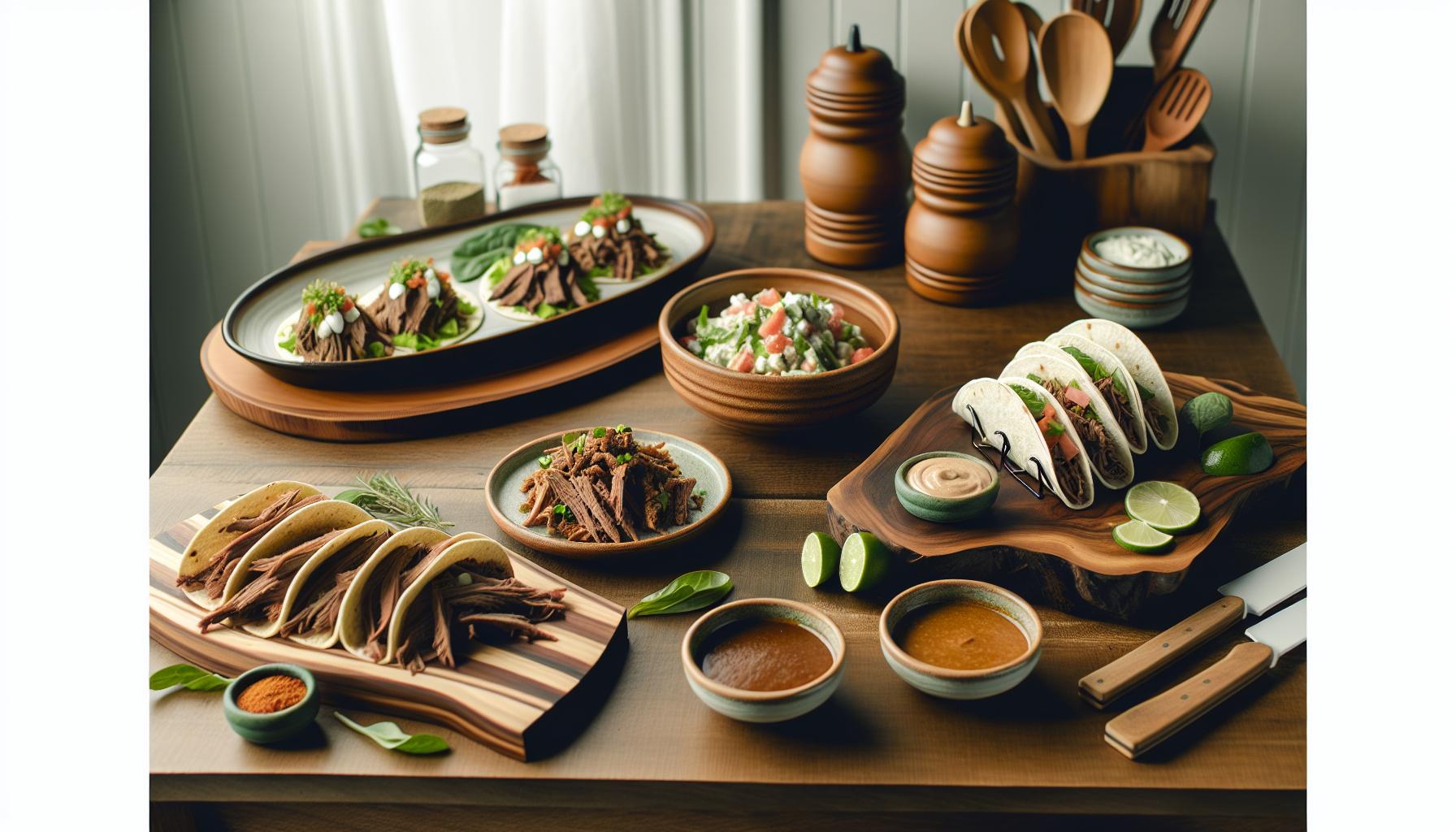
One of the unspoken joys of brisket is how well it transforms the next day. Leftover slow cooker brisket, especially when cooked on high for a faster finish, holds enough flavor and tenderness to inspire some seriously creative meals-no soggy sandwiches or boring reheats here. Plus, if you’re into paleo or gluten-free eating, these ideas keep your meals wholesome without skimping on comfort or flavor. Ready to turn that juicy brisket into a week’s worth of culinary magic? Let’s dive in.
Elevated brisket Tacos (Gluten-Free, paleo-Friendly)
Taco night just got an upgrade with your brisket leftovers. The shredded meat, already tender and flavorful, needs just a quick reheat tossed with some smoky chipotle or a splash of lime juice to brighten it up. Serve on warm, grain-free tortillas or crisp romaine leaves. Add avocado slices, pickled onions, and a drizzle of cilantro-lime crema (use coconut yogurt for paleo). This is a fast 15-minute meal that feels like a fiesta, no matter the day.
Brisket Breakfast Hash: A Lazy Morning Winner
Who said brisket belongs only to dinner? Chop your cold brisket into bite-size pieces and sauté with diced sweet potatoes, bell peppers, and onions for a breakfast hash that’s hearty and energizing. Top with a fried egg or two, and you’ve got a protein-packed start that plays well with paleo and gluten-free diets. It’s perfect for meal-prepping breakfasts to heat up quickly during busy mornings.
- Tip: Use leftover cooking juices as a flavor booster in your hash rather of adding extra oil.
- Make it vegan-friendly: swap brisket for smoked mushrooms or tempeh in a pinch.
Comforting Brisket Soup or Stew
Leftover brisket is ideal for throwing into a robust stew or soup. dice the meat and simmer it gently with bone broth, diced tomatoes, carrots, celery, and any sturdy greens you have on hand like kale or collards. let it cook just long enough to marry flavors without breaking down the brisket further. This approach turns brisket into a comforting, paleo-friendly bowl of goodness that’s even easier to prepare than your initial slow cooker session and stretches your meals with minimal hands-on time.
Simple Brisket Salad with a Zesty Dressing
For those days when lighter meals sound better, cold brisket makes an unexpected and delicious salad protein. Toss chopped brisket with mixed greens, roasted nuts or seeds, thinly sliced radishes, and a shining mustard vinaigrette. The warm, smoky meat adds satisfying heartiness while keeping things fresh and bright-perfect for paleo eaters who crave variety and texture.
- quick dressing idea: whisk 2 tbsp olive oil, 1 tbsp apple cider vinegar, 1 tsp Dijon mustard, pinch of salt, and black pepper.
No matter how you slice it-or shred it-your brisket leftovers are a blank canvas ready for reinvention. these recipes not only save time and reduce waste but also invite you to keep the joyous flavors of slow-cooked brisket alive all week long, even if you’re cooking fast and eating on the go. Trust me, leftover brisket done right is the secret sauce to keeping dinner exciting without turning your kitchen upside down.
FAQ
Q: How can I prevent brisket from drying out when cooking on high in a slow cooker?
A: To keep brisket moist when cooking on high, add liquid like broth or barbecue sauce and avoid lifting the lid during cooking. Wrapping the brisket in foil before slow cooking also helps retain juices. For more moisture tips, see How to Keep Brisket Moist Without Low and Slow in the main article.
Q: What is the best way to check if brisket is tender after cooking on high in a slow cooker?
A: The brisket is tender when a fork easily slides in and twists without resistance.You can also gently press the meat; it should feel soft but not mushy. Refer to How to Tell When Your Brisket Is Done on High for detailed doneness signals.
Q: Can I cook frozen brisket in a slow cooker on high,and how does that affect cooking time?
A: Yes,but cooking frozen brisket on high will increase cooking time by 50%. Expect it to take roughly 6 to 8 hours rather of 4 to 6. Always ensure the internal temperature reaches a safe 195-205°F for tenderness.
Q: Why is it not recommended to cook brisket exclusively on high in a slow cooker?
A: Cooking only on high can cause brisket to dry out or cook unevenly. High heat speeds up cooking but risks toughness without slow collagen breakdown. For balanced results,consider starting on high then switching to low,or follow timing guides under Slow Cooker Settings Explained: Why High Heat Matters.
Q: How does brisket size affect the cooking time on high in a slow cooker?
A: Larger briskets (5+ pounds) need 6 to 8 hours on high, while smaller cuts (3-4 pounds) cook well in 4 to 6 hours. Thickness also matters; thicker brisket needs longer. Check Perfect Cooking Times by Brisket Size and Thickness for exact times and tips.
Q: What seasoning methods work best for brisket cooked on high in a slow cooker?
A: Dry rubs combined with a quick sear before slow cooking deepen flavor and create a crust. Marinating overnight enhances tenderness. Visit Step-by-Step Prep: Seasoning and Searing for Maximum Flavor for detailed rub recipes and searing techniques.
Q: Can I add vegetables to brisket cooked in a slow cooker on high without overcooking them?
A: Yes! Add hard vegetables like carrots and potatoes at the start, but softer veggies like bell peppers should go in during the last 1-2 hours to keep texture. See Quick Sides and Sauces That Pair Perfectly with Brisket for pairing ideas.
Q: How do I adjust the cooking time if I want a more shredded brisket texture when using high slow cooker setting?
A: For a shreddable texture on high, extend cooking to 7-8 hours and ensure brisket reaches 200°F internal temperature. Longer cooking breaks down more collagen, making shredding easier. Refer to Essential Tips for Juicy, Tender Brisket Every Time for texture tricks.
For more slow cooker brisket secrets and delicious recipes, don’t hesitate to explore our full guide and try out the flavorful rub combinations mentioned! Your next tender, juicy brisket is just a crockpot away.
Final Thoughts
Now that you know exactly how long to cook brisket in a slow cooker on high, you’re well on your way to tender, flavorful meals that fit perfectly into your busy week.Whether you’re prepping a gluten-free dinner or looking for a cozy paleo-friendly recipe, this easy, hands-off method delivers consistently delicious results with minimal fuss. For best outcomes, remember to trim your brisket thoughtfully and consider seasoning it ahead, just like the pros do for that extra depth of flavor.Ready to take your brisket game further? Check out our detailed guides on smoking brisket for rich BBQ flavor or mastering the hot and fast cooking methods that cut down your wait without sacrificing taste. Don’t forget to subscribe to our newsletter for weekly recipes, kitchen hacks, and exclusive slow cooker tips. Got questions or tweaks? Drop a comment below and join a community of home cooks who love sharing simple, tested recipes that celebrate comfort food without stress. your next perfect brisket is just a click away!
Get our latest guides, news, and insights highlighted in your Google Search & AI Overviews.


