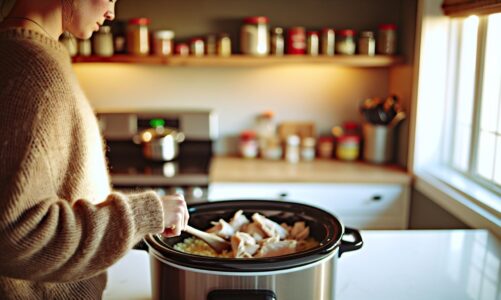
did you know that slow-cooked oxtails are not only delicious but a powerhouse of gelatin-a natural collagen that turns your dish into a rich, silky comfort food? Getting that perfect gelatinous texture can be tricky if your new to slow cooking. Whether you’re aiming for a paleo-pleasant dinner, gluten-free comfort, or simply craving a hearty meal that melts in your mouth, knowing exactly how long to cook oxtails in a slow cooker is key. Too short, and the meat stays tough; too long, and you risk losing that luscious texture you’re after.
From my own kitchen adventures,I’ve found that patience really pays off here-think low and slow for hours,with simple steps that anyone can follow,even on busy days.This guide will walk you through the ideal cook times and handy tips to get that melt-in-your-mouth, gelatin-rich oxtail dinner without fuss. Ready to turn this humble cut of meat into something magical? Stick around-your slow cooker is about to become your new best friend.
Table of Contents
- How Slow Cooking Unlocks Oxtail gelatinous Texture
- Choosing the Best Oxtails for Slow cooking Success
- Optimal Slow Cooker Settings and Timing for Tender Oxtails
- Step-by-Step Guide: Preparing Oxtails for Maximum Gelatin
- flavor Boosters That Enhance Oxtail gelatinous Goodness
- Troubleshooting: Why Your Oxtails aren’t Gelatinous Enough
- Creative Recipes featuring Perfectly Slow-cooked Oxtails
- Diet-Friendly Tips: Paleo and Gluten-Free Oxtail Cooking
- Make-Ahead and Storage Hacks for Slow Cooker Oxtails
- Pairing Sides and Sauces to Complement Gelatinous Oxtails
- FAQ
- Q: How does the size of oxtail pieces affect slow cooking time for gelatinous texture?
- Q: Can I speed up gelatin formation in a slow cooker without compromising texture?
- Q: What role does the initial searing of oxtails play in slow cooker gelatin development?
- Q: How do variations in slow cooker models affect oxtail cooking time for gelatinous results?
- Q: Why does resting oxtails after slow cooking improve gelatin consistency?
- Q: How does adding bones or cartilage to the slow cooker influence gelatin extraction from oxtails?
- Q: Can I use a pressure cooker rather of a slow cooker for gelatinous oxtails, and how does timing compare?
- Q: What are signs that oxtails have been cooked long enough in the slow cooker to achieve gelatinous perfection?
- To Conclude
How Slow Cooking Unlocks Oxtail gelatinous Texture
It’s no secret that oxtails are a collagen powerhouse just waiting for the right kind of love-and slow cooking is the magic key that transforms them into that luscious, gelatinous delight. When you slow cook oxtails low and slow, the tough connective tissues and bones break down gently over hours, releasing gelatin into the cooking liquid. This is what creates that silky, rich mouthfeel that turns simple broth or sauce into a comforting, body-warming experience. It’s like cozying up to a flavorful hug from your pot!
Why Slow and Low Is a Game Changer
The secret lies in temperature and time. Collagen, the protein responsible for that tender jiggly texture, melts only when cooked slowly at a low temperature-think 170°F to 190°F (75°C to 88°C) for many hours. Rush the process with high heat or a short cook time, and you’ll end up with tough meat and cloudy broth rather of that beautiful gelatinous finish.Slow cooking for 8 to 10 hours gently dissolves the collagen without toughening the muscle fibers, resulting in a tender fall-off-the-bone texture and that signature silky mouthfeel in the sauce or stew.
The Science and the Sizzle
Oxtails have a lot of connective tissue and marrow-rich bones packed with collagen. As the collagen heats over time, it turns into gelatin, which thickens the cooking liquid naturally and gives you that satisfying sticky texture. this isn’t just about texture-gelatin also adds depth and richness to the flavor,making every bite feel indulgent yet wholesome. Slow cookers are perfect for this because they maintain a consistent, moderate temperature, allowing the collagen to patiently develop without the risk of scorching or drying out the meat.
Pro Tips From My Slow Cooker
- Don’t rush the cook time. Aim for at least 8 hours on low for best gelatin extraction.
- Sear first for flavor. Brown your oxtails before slow cooking to add caramelized notes that complement the rich gelatinous base.
- Use a bit of acid. Adding a splash of vinegar or tomato-based ingredients helps break down collagen and boosts tenderness without messing with the final texture.
Over my many weekend experiments, I’ve found that patience pays off big time. In fact, slow-cooked oxtails tend to reheat beautifully while locking in that glossy, rich texture that’s hard to find in other cuts of beef. Whether you’re cooking paleo,gluten-free,or just want a comforting meal without fuss,slow cooking is the trusted friend that unlocks oxtail’s gelatinous goodness every time.
For detailed recipes and inspiration on slow-cooked oxtails that bring this gel-powered magic to life, there are some grate guides out there like the Southern-style smothered oxtails or red wine-braised styles that perfectly showcase this gentle technique [[1]](https://iheartrecipes.com/southern-smothered-oxtails/) [[2]](https://gardeninthekitchen.com/slow-cooker-oxtail-recipe/).
Choosing the Best Oxtails for Slow cooking Success
Choosing the right oxtails can be the secret sauce to a slow-cooked masterpiece that melts in your mouth with that crave-worthy gelatinous richness. Not all oxtails are created equal, and knowing what to look for can save you from dry or chewy disappointments. Start by seeking out oxtails with a generous amount of marbling and connective tissue. These are your collagen treasure troves. The more collagen, the better the slow cooker can work its magic, turning tough cuts into silky tender bites and luscious, thickened sauces.
If you’re shopping at a local butcher or a well-stocked market, don’t hesitate to ask questions. Good oxtails shoudl be firm, with a vibrant red color, and you’ll want a decent size per piece-about 2 to 3 inches thick works well for slow cooking. Too thin, and your oxtails might overcook and dry out; too thick, and they might need extra time to get that perfect tenderness. Look out for bones with a little marrow in the center, too-this adds a bonus layer of richness that seeps into the broth during those long hours in the slow cooker.
What About Frozen vs. Fresh?
Frozen oxtails can be a convenient option and frequently enough just as good once thawed properly. The key is to let them defrost slowly in the fridge to maintain their texture and moisture. If pressed for time, I’ve found a swift cold-water bath works, but avoid hot water as it can toughen the meat. Fresh oxtails usually win on flavor and texture, but don’t let “fresh” become a hurdle if you stumble upon frozen gems during your grocery runs.
Extra Tips for the Cooking Journey
- Smaller oxtail cuts: Ideal for quick weeknight dinners, but keep cooking time gentle and watch closely to avoid drying out.
- Grass-fed vs. grain-fed: Grass-fed oxtails can have a leaner profile and a slightly different flavor – great for paleo lovers wanting that clean,gamey note.
- Quality trumps quantity: Investing a little more in well-sourced oxtails can elevate your dish, ensuring more gelatinous goodness and a luxurious finish.
In my own kitchen, picking oxtails with ample connective tissue made all the difference between a decent stew and one that warranted a double take. Remember, the right oxtail is like the perfect dance partner for your slow cooker-when paired well, they’ll tango their way into tender, gelatin-rich perfection. And don’t worry, no matter what you pick, slow cooking’s forgiving nature means that even if your oxtails aren’t “top shelf,” the process will coax out as much goodness as possible, leaving you with a soul-satisfying dish every time.
Optimal Slow Cooker Settings and Timing for Tender Oxtails
The magic to unlocking those luscious, melt-off-the-bone oxtails lies in the slow cooker’s steady, low-and-slow heat. Getting the timing and temperature just right transforms tough, gelatin-rich connective tissue into silkily tender meat and a rich, sticky broth that feels like a warm hug in a bowl. Typically, cooking oxtails on low heat for 7 to 8 hours is the sweet spot to coax out that irresistible gelatinous texture without drying out the meat. The slow cooker has this superpower to break down collagen gradually, turning it into natural gelatin that thickens your sauce delightfully.
Cooking on high isn’t off the table if you’re in a pinch – you can expect tender results closer to 4-5 hours, but be vigilant. High heat can sometimes toughen oxtail if rushed as the collagen hasn’t quite had time to fully melt down.I’ve had weekends where life happened and high was my only option, but those extra hours on low feel way more gourmet in the end. The oxtails come out more tender, and the broth gains that signature glossy sheen that signals it’s packed with rich gelatin. For paleo or gluten-free eaters, this lengthy simmer means you get a protein-packed meal full of collagen, perfect to support skin, joints, and all-around wellness.
Slow Cooker Timing Cheat Sheet
| Setting | Cook Time | Result |
|---|---|---|
| Low | 7 – 8 hours | Fall-off-the-bone tender, rich gelatin release |
| High | 4 – 5 hours | Tender but requires careful watching to avoid drying |
Tips for Best Results
- Don’t rush the process: The collagen in oxtails melts best under steady, gentle heat. A rushed cook means chewier meat and less luscious gelatin in your sauce.
- Resist the urge to peek: Every time you lift the lid, heat escapes and adds cooking time. Trust your timer and let the slow cooker do its thing.
- Layer flavors early: Adding aromatics like garlic, onion, thyme, and a bit of acid (tomato paste or a splash of vinegar) upfront accelerates collagen breakdown and rounds out the broth.
In my kitchen, I’ve found that starting your slow cooker when you head off to work or before bed guarantees perfectly tender oxtails by dinner or breakfast. On Sundays, I toss everything in and let my slow cooker run overnight – waking up to oxtails so tender they practically demand a fork instead of a knife. If you’re cooking smaller oxtail cuts, adjust time slightly shorter, but don’t skip the full range – collagen isn’t just about time; it’s about that low simmer loving your meat slowly.Ultimately, mastering these slow cooker settings takes the guesswork out of making oxtails gelatinous and luxurious. The balance of patience and temperature turns humble oxtails into a show-stopping, nourishing main that’s as joyful to make as it is to eat.
Step-by-Step Guide: Preparing Oxtails for Maximum Gelatin
Few things beat the joy of prepping oxtails for a slow cooker so that every bite oozes that dreamy gelatinous goodness. The secret lies in treating those rich, collagen-packed bones with a bit of TLC before they hit the slow cooker. Taking the time to properly pre-treat and prepare the oxtails transforms what can sometimes be a tough cut into silky, fall-apart meat surrounded by a luxurious, sticky sauce – perfect for paleo, gluten-free, or any comfort food lover.
Start by giving your oxtails a quick rinse under cold water, then pat them dry thoroughly with paper towels. Dry meat browns better and develops more flavor. Next up, a quick sear in a hot skillet. Don’t skip this step! It’s where flavor really takes a leap. Brown the oxtails in batches with just a little oil until each piece is golden on all sides – this locks in juices and adds what chefs call “maillard magic.” Plus, those little caramelized bits stuck to the pan are pure flavor gold that you want to scrape up later. Yes, it adds a few extra minutes but trust me, it’s worth it.
simple Prep: Breaking It down
- Trim excess fat: Oxtails can carry a fair bit of fat – trim the big globs so your broth doesn’t get greasy, but don’t strip it all away; a bit of fat adds richness and mouthfeel.
- Cut if needed: If you have really large oxtail sections, cutting them into smaller pieces helps the slow cooker work its magic evenly.
- Optional soak: Some cooks swear by soaking oxtails in cold water with a splash of vinegar for 30 minutes before cooking – this can help draw out impurities and subtly tenderize the meat.
While your oxtails are cooling down after their hot skillet debut, prep the aromatics. Garlic, onion, herbs like thyme or bay leaves, and a splash of acidic notes-like tomato paste or a dash of apple cider vinegar-help break down collagen more quickly and layer in complexity to the broth. Toss these into the slow cooker first and nestle the browned oxtails on top.
Practical Step-by-Step
| Step | Action | Why It Matters |
|---|---|---|
| 1 | Rinse and blot dry oxtails | removes excess blood for cleaner broth and ensures better browning |
| 2 | Sear in hot skillet, rotating until browned | Builds flavor with caramelization and seals in juices |
| 3 | Trim large fat pieces & cut big sections | Ensures even cooking and prevents greasy sauce |
| 4 | Add aromatics and acid to slow cooker | Supports collagen breakdown and enriches flavor |
| 5 | Layer browned oxtails atop aromatics | Keeps flavors concentrated around meat during slow simmer |
My go-to ritual is to start this prep in the morning. I usually sear the oxtails while the coffee brews and chop the other ingredients during my second cup. Then, everything goes into the slow cooker by 8 or 9 a.m., so it’s rockin’ and rollin’ by lunchtime and ready to go for dinner. The long, low heat does the heavy lifting while I get on with my day – and honestly, waking up or coming home to that gelatinous, lovingly tender oxtail magic is a small triumph every time.
Remember,prepping isn’t just busy work; it’s the foundation for unlocking that signature gelatinous texture and deep flavor that make slow-cooked oxtails an unforgettable meal. Whether you’re paleo, gluten-free, or just here for good food vibes, these steps set you up for success without stress – because oxtail happiness should taste luxurious, not complex.
flavor Boosters That Enhance Oxtail gelatinous Goodness
One of the secrets to unlocking that luscious, gelatin-rich texture in slow-cooked oxtails lies not just in the cooking time, but in the flavor boosters you choose to team up with those collagen-packed bones. The magic of gelatin isn’t just a textural party-it’s enhanced by layers of complementary acidity, herbs, and umami that coax collagen to break down perfectly and infuse the meat and broth with deep, soulful taste. Think of these ingredients as your slow cooker’s best friends, gently nudging the collagen into creamy submission while turning your kitchen into a fragrant, cozy haven.
A trusty acid is your gelatin’s best teammate,helping to break down connective tissues more efficiently. Common household pantry heroes like a splash of apple cider vinegar, a tablespoon of tomato paste, or even a little tamarind paste can work wonders. I’ve found adding these acids early in the cooking process not only speeds up collagen breakdown but also balances out the richness so your sauce isn’t just sticky, but vibrantly flavored. Don’t worry about the vinegar overpowering your dish-slow cooking mellows and rounds it out beautifully. For paleo and gluten-free friends, these add-ons fit right in without fuss.
Layering Aromatics for Depth and Complexity
Slow cooker oxtails aren’t just about bones and broth-they sing when paired with a well-chosen squad of aromatics. Garlic and onions bring natural sweetness and earthy undertones, while herbs like thyme, bay leaves, and rosemary add those warm, woodsy notes that cozy up to gelatin’s silky texture. I seriously recommend tossing in fresh herbs alongside dried versions for bursts of herbal brightness. A small pinch of allspice or cloves can add a subtle background warmth, especially if you’re aiming for that Caribbean-inspired vibe. These flavor players ramp up the savory goodness and make each spoonful unforgettable.
Umami and Seasoning: The Ultimate Boosters
To really round out the flavor, a salty, savory kick is key. Think of including homemade bone broth or gluten-free beef stock for a richer base, along with a splash of red wine or a dash of coconut aminos to deepen the umami without gluten. For those avoiding wheat-based soy sauces, coconut aminos are a fantastic substitution, adding mild sweetness and complexity. Salt works better sprinkled gradually during cooking – start light and adjust at the end to keep that gelatinous sauce from tasting flat or too salty. For extra indulgence, stirring in browned bits from seared oxtails right into your broth carries “maillard magic” that’s pure flavor gold.
- Tip: Reserve the sticky pan bits after searing and deglaze with a splash of broth or wine-you’ll create a rich glue that binds with gelatin for dreamy mouthfeel.
- Herb swaps: Don’t have thyme? Oregano or marjoram are great mild alternatives.
- Acid tweaks: Lemon juice or a dash of balsamic vinegar can be playful substitutions if you want a lighter zing.
Adding these flavor boosters doesn’t have to complicate your life.Toss them in at the start, and let your slow cooker do the rest while you sip your coffee or binge-watch your favorite show. The result? Tender, sticky oxtails with a sauce that’s jam-packed with vibrancy, richness, and just the right amount of silky gelatinous texture. Trust me, these little tweaks mean the difference between “meh” broth and a slow-cooked treasure pot you’ll want to savor again and again.
Troubleshooting: Why Your Oxtails aren’t Gelatinous Enough
Sometimes, despite following a recipe to the letter, those luscious, gelatin-rich oxtails don’t quite hit the silky, sticky mark you’re craving. It can be downright frustrating when you expect that slow-cooked magic, but instead get slightly chewy meat or a broth that’s more watery than luxurious. The good news? There are a handful of common slip-ups that can keep your oxtails from developing that signature gelatinous texture-and most of them are quick fixes you can tackle in your next batch.
First off, collagen, the magic protein that transforms into gelatin during cooking, needs both time and moisture to break down properly. Rushing the cooking time or using too high heat can leave your oxtails undercooked and less gelatinous. Slow cooking at low temperatures for a longer stretch (think 6-8 hours on LOW in the slow cooker) is your best friend here. The low & slow method gently coerces the tough connective tissues into tender, luscious gelatin that bathes the meat in silky richness. if you’re tempted to cut cooking short-resist! Your patience pays off in tender bites that fall right off the bone.
Moisture Matters More Than You Think
Don’t skimp on the liquid. Oxtails need enough liquid to cover at least half of the meat to promote proper collagen breakdown. too little liquid, and collagen won’t have enough environment to melt smoothly into luscious gelatin. Using flavorful liquids such as homemade bone broth or even a mix of broth and tomato paste-based sauces adds extra richness while keeping your meal paleo and gluten-free friendly. Quick tip: Adding a splash of apple cider vinegar or any acidic component early in the cooking process helps “unlock” collagen even faster-think of it as a secret handshake between acidity and gelatin.
- Not enough cooking time: Collagen needs hours to fully dissolve-try a minimum of 6 hours on low heat. Some recipes stretch to 8-10 hours or even overnight for ultra-soft results.
- Improper temperature: Cooking on high can “shrink” collagen, causing tougher meat. If pressed for time, alternate between searing first for flavor, then low heat for tenderness.
- Insufficient liquid or acidity: Collagen breaks down best in moist, acidic environments. A quarter cup of vinegar or a splash of lemon juice can make a huge difference here.
Trim and prep Like a Pro
Believe it or not,how you prepthose oxtails matters. Leaving excess silver skin or too much fat can keep your dish from achieving that melt-in-your-mouth texture. Trimming with kitchen shears before cooking can reduce excess fat that often leaves a greasy mouthfeel without contributing to gelatinous succulence.Plus, don’t underestimate the power of a good sear. Browning the oxtails before slow cooking not only adds complex Maillard flavors but actually helps “seal” in juices, contributing to luscious broth. Save those sticky brown bits from the pan and deglaze with broth or wine later-it’s a flavor jackpot that teams beautifully with gelatin.
From my own test kitchen, I’ve found that skipping the sear step is a common culprit for flat-tasting, less gelatin-rich oxtails. Even when it’s tempting to toss everything in and walk away, do yourself a flavor favor and brown those babies first.
Adjusting for Your Slow Cooker Model and Altitude
Not all slow cookers are created equal-and altitude can even affect cooking times slightly. If your slow cooker runs hot, or you’re cooking at higher altitude, collagen may not have enough time to fully dissolve before the meat toughens. Consider using a meat thermometer to verify tenderness, or extend cooking times incrementally until you hit that perfect gelatin texture. If you notice your sauce is watery instead of stickily thick, try removing the lid for the last hour to reduce excess liquid.
| Common Issue | Cause | Quick Fix |
|---|---|---|
| Tough or chewy meat | Cooking time too short or temperature too high | Cook 6-8 hours on low; avoid high heat |
| Lack of gelatinous sauce | Insufficient liquid or acid | Add broth + splash of vinegar or tomato paste |
| Greasy or heavy texture | Too much fat left on meat | Trim fat pre-cook; skim fat after cooking |
| Watery sauce | Too much liquid or covered cooking throughout | remove lid last hour; reduce liquid next time |
remember, cooking oxtails is a joyful slow dance between heat, time, and moisture. Each kitchen and slow cooker has its quirks, and embracing the process with a bit of experimentation turns every pot into a delicious, gelatinously glorious success. You’re only a tweak or two away from that silky, sticky oxtail stew that’ll have everyone asking for seconds (and maybe even thirds). Keep that warm, homey spirit alive-those rich flavors are totally worth the wait!
Creative Recipes featuring Perfectly Slow-cooked Oxtails
Few cuts boast the nostalgic depth and silky texture of slow-cooked oxtails. When those rich, fall-off-the-bone morsels hit your plate with that perfect gelatinous hug, you know you’ve unlocked a culinary treasure.But the joy doesn’t have to stop at a simple stew-slow cooker oxtails are wildly versatile,adapting beautifully to numerous dishes across cuisines and dietary preferences. Whether you’re craving something classic or adventurous, oxtails shine brightly, lending their unique, luscious mouthfeel to everything from rustic comfort food to elegant dinner plates.
classic Comfort: Hearty Slow Cooker Oxtail Stew
Ready in about 8 hours (mostly hands-off), this stew is a celebration of slow cooking magic. Use paleo-friendly bone broth, root veggies like carrots and celery, and a splash of tomato paste for acidity. Start by browning the oxtails for extra flavor,then toss everything into the slow cooker. By dinnertime, you’ll have tender, gelatin-rich meat swimming in a luscious sauce that doubles as a gravy. Bonus: this is naturally gluten-free and can easily be made dairy-free by skipping any cream or butter finishes.
Flavor Twist: Slow Cooker Oxtails with Red wine and Herbs
If you love your meals with a touch of sophistication (and time for a lovely aroma to fill the kitchen),this dish is a winner. The red wine’s acidity and tannins elevate the gelatinous broth,while herbs like thyme and rosemary add depth. Prep time is 15 minutes with an 8-hour slow cooker magic window. If red wine isn’t your vibe,a mix of pomegranate molasses and balsamic vinegar can deliver similar luscious tang.
Global Inspirations: Caribbean-Style Oxtails
Slow-cooked oxtails in a jerk seasoning marinade with Scotch bonnet peppers bring that addictive sweet-heat balance. The long, low simmer (about 8 hours on low) coax the collagen into its silky state while infusing the meat with fiery island spices. For a paleo-friendly twist, opt for coconut aminos rather of soy sauce and serve with cauliflower rice for a complete meal.
Quick Pro Tips to Maximize Flavor & Gelatin (because patience counts but smart shortcuts help!)
- Sear first: Don’t skip! It locks in juices and generates savory fond that your slow cooker will love.
- Layer flavors: Add vinegar early; it’s the gentle collagen whisperer that speeds gelatin formation.
- Use bone broth: More gelatin potential and deeper flavor vs. plain water.
- Don’t overcrowd: Air circulation matters. Give those oxtails room for heat and liquids to do their work.
in my kitchen, one of the quickest weeknight “cheater” meals is a simplified oxtail stew where I swap potatoes for sweet potatoes and a generous handful of leafy greens at the end. it’s cozy comfort that feels like Sunday dinner in a hurry and keeps everyone asking for leftovers.Whatever your slow cooker style or timeline, perfectly gelatinous oxtails aren’t just achievable-they’re a gateway to countless soul-satisfying meals.So grab that slow cooker, embrace the long wait, and let these recipes inspire your next unforgettable dinner.
For more detailed recipes and inspiration on turn-your-slow-cooker-into-a-gelatin-goldmine oxtails,these great resources offer testing and tips that streamline the process beautifully [[1]](https://www.youtube.com/watch?v=nZnDja44JJM), [[2]](https://gardeninthekitchen.com/slow-cooker-oxtail-recipe/), [[3]](https://www.allrecipes.com/recipe/270818/slow-cooker-oxtail-stew/).
Diet-Friendly Tips: Paleo and Gluten-Free Oxtail Cooking
There’s something magic about slow-cooked oxtails that fits perfectly with both paleo and gluten-free diets. The secret weapon? That luscious gelatin. It not only adds a silky, almost indulgent texture but also boosts nutrition with collagen and minerals, making your meal both comforting and nourishing. The best news? You don’t need fancy skills or ingredients to nail this, just a slow cooker, good oxtails, and a few smart swaps that keep it clean and delicious.
When I cook oxtails paleo style, I lean into whole-food ingredients that amplify gelatin without compromising flavor. Bone broth is an absolute game-changer-it naturally packs more collagen than water and blends beautifully with slow-cooked meats. Swap out any soy sauce for coconut aminos to keep it paleo and gluten-free, and ditch the common wheat-based thickeners wholly. Instead, rely on naturally starchy root veggies like carrots, parsnips, or sweet potatoes to add substance and a hint of sweetness.This keeps your stew hearty and satisfying without sneaky gluten lurking in the background.
Simple Steps for Paleo & Gluten-Free Oxtail Bliss
- Prep: Brown your oxtails to lock in flavor-don’t shortchange yourself here! It forms a savory crust that builds a rich base for your stew.
- Use acidity: Add a splash of apple cider vinegar or lemon juice early in cooking. This helps break down collagen faster, giving you that silky mouthfeel without waiting forever.
- Season smart: Use natural herbs and spices like thyme, garlic, and bay leaves. They complement the meat’s depth without any gluten risk.
- Check your broths: Some commercial broths contain additives or gluten,so opt for homemade or trusted paleo-friendly brands.
- Slow & low: Cook on low for 7-9 hours. This timeframe lets the collagen fully melt and transforms the meat into tender, gelatin-rich goodness.
One of my favorite weeknight hacks is throwing the browned oxtails, bone broth, and veggies into the slow cooker before work. By evening, the kitchen smells like gourmet magic, and dinner feels both indulgent and wholesome. For an extra boost, I toss in chopped kale or spinach just before serving – which sneaks in greens without any fuss and keeps things paleo and gluten-free.
Easy Substitutions and Flavor Boosters
| Ingredient | Paleo & Gluten-Free Swap | Flavor Perk |
|---|---|---|
| Soy Sauce | Coconut Aminos | Slightly sweet, less salty umami |
| Flour (thickener) | Arrowroot or Tapioca Starch | Clear, shiny sauce without gluten |
| Potatoes | Sweet Potatoes or Parsnips | Adds natural sweetness and fiber |
| Regular Broth | Homemade Bone Broth | Higher collagen, richer mouthfeel |
So really, embracing paleo or gluten-free isn’t about sacrifice-it’s about celebrating the oxtail’s natural richness with thoughtful ingredients.This style of cooking turns your slow cooker into a collagen factory, producing bowls of comfort that feel special but require zero stress. If you want to impress yourself (and anyone lucky enough to taste your creation), just follow these tips. You’ll have that famous gelatinous texture without gluten or grains stealing the spotlight. And hey, bonus: it’s totally okay to cheat once in a while with shortcuts or pre-made broths – this journey is about joy, not perfection.
Make-Ahead and Storage Hacks for Slow Cooker Oxtails
if there’s one thing I’ve learned from making slow cooker oxtail magic, it’s that these rich, gelatinous beauties only get better with time-and planning ahead can turn weeknight chaos into a tasty, stress-free win. The trick to make-ahead success? Cook your oxtails fully, then cool and store them properly so the collagen and flavors settle into that signature silky texture you crave. This means you can enjoy gourmet-level indulgence any day of the week with minimal effort.
Oxtails reheat like champs and often taste even better the next day because the gelatin thickens and infuses every bite with deep, luscious richness. After your slow cooker has finished its low-and-slow session (about 7-9 hours on low for that perfect melt-in-your-mouth quality), give the dish a good cool-down at room temperature for no more than two hours to avoid any food safety sneaky spots. Then, portion into airtight containers and refrigerate for up to 4 days or freeze for up to 3 months. When freezing, I like to spoon out some extra cooking liquid separately-that luscious gelatinous broth is gold, and reheats beautifully without watering down the meat.
Pro Tips for Effortless Storage and Reheating
- Cool completely before sealing: Let leftovers chill uncovered just until lukewarm, then pop on a lid. This prevents condensation, which can turn your stew watery.
- Portion with purpose: Use single- or family-sized containers so defrosting matches your meal plan-no wasted food or soggy leftovers!
- Gentle reheating wins: Slow and low is your buddy here. Reheat on the stovetop or in a microwave with short bursts of heat, stirring often to keep that gelatin silky and intact.
- Boost with fresh greens: If you want to brighten up reheated oxtail stew, toss in chopped kale or spinach a few minutes before serving-fresh texture and a veggie boost without starting over.
For those juggling a paleo or gluten-free lifestyle,leftovers are a golden possibility to really lean into nourishing meals without extra fuss. And if you want to switch things up, that collagen-rich broth makes a phenomenal base for soups or stews during colder months. Just add your favorite seasonal veggies or an extra protein swap, and voilà-a fresh meal without reinventing the wheel.
Storage Made Simple: A Quick Reference Table
| Storage Method | Best Practice | Duration |
|---|---|---|
| Refrigeration | cool fully before airtight seal; single-family portions | 3-4 days |
| Freezing | Freeze in airtight containers; freeze broth separately if possible | Up to 3 months |
| Reheating | Slow stovetop heat or microwave in short bursts with stirring | Until steaming hot |
Life’s busy, and sometimes last-minute plans mean ready-to-go meals are a lifesaver. Embracing make-ahead and storage hacks doesn’t just save you time but also elevates your slow-cooked oxtails to new heights of convenience and flavor. Trust me, waking up to the smell of reheated, gelatin-rich oxtail stew is like a warm hug that says, “You’ve got this.”
Pairing Sides and Sauces to Complement Gelatinous Oxtails
You know that rich,silky gelatin from slow-cooked oxtails deserves more than just a simple side – it needs companions that either soak up the luscious sauce or provide a fresh contrast without stealing the spotlight. The magic lies in balancing textures and flavors so every bite feels like a perfectly choreographed dance on your palate. Whether you’re cooking paleo,gluten-free,or just hungry for a hearty soul-warming meal,picking the right sides and sauces can elevate your gelatinous oxtails from delicious to downright unforgettable.
For starchy sides, think about what will cradle that sticky, tender meat and soak up all the glorious juices. Classic creamy mashed sweet potatoes or cauliflower mash (a paleo winner!) do wonders with their smooth texture and mild sweetness. A simple coconut milk-infused cauliflower mash adds a subtle tropical twist while keeping the dish dairy-free. Crusty gluten-free bread or a rustic cauliflower “rice” pilaf can also play this role beautifully,especially if you want a lighter carb option. If you’ve got more time and want to show off, oven-roasted root vegetables like carrots, parsnips, and beets bring an earthy contrast that complements the gelatin’s richness without overpowering it.
Fresh, Bright, and Crunchy: The Perfect Veggie Counterbalance
Rich oxtail dishes benefit from a crisp, acidic partner that cuts through the fat and gelatin with a refreshing zing. A tangy arugula salad dressed with lemon vinaigrette is my go-to-easy to toss together and it wakes up the palate instantly. Pickled veggies like quick-pickled red onions or cucumber ribbons work wonders here too.They bring that bright acidity and just enough crunch to offer textural contrast. If you’re keen on greens, sautéed kale or spinach with a splash of garlic and chili flakes adds a warm, slightly bitter note that complements oxtail’s deep flavor while sticking to paleo and gluten-free principles.
Sauces That make You Want to Slurp Every Last Drop
Despite its inherent richness,oxtail loves a saucy friend that can amplify its flavors or add an unexpected twist. A classic red wine reduction or balsamic glaze gives a subtle sweetness and acidity that balances the gelatin’s indulgence.For a jamaican-style vibe (hello, jerk seasoning fans!), a spicy, tangy scotch bonnet pepper sauce or a zesty chimichurri brings those island flavors front and center.Prefer something creamy but still paleo-friendly? A coconut curry sauce or cashew cream drizzle stays dairy-free but adds ‘wow’ factor, echoing the silky texture of the gelatinous broth.
- Tip: When reheating leftovers with sides or sauces, add fresh herbs like cilantro or parsley right before serving to freshen the dish and brighten flavors.
- Easy swap: If you’re avoiding certain ingredients, swap arugula salad for a simple shredded cabbage slaw with apple cider vinegar for that perfect crisp bite.
No matter which combo you choose, keep the portions manageable so the oxtail remains the star. After all, the joy of gelatin-rich, slow-cooked oxtails comes from that melt-in-your-mouth meat and silky sauce – the sides are just the perfect supporting cast to make your meal sing. Trust me, after a slow cooker session locking in gelatinous goodness, these pairings will have you savoring every rich, soulful bite while feeling effortlessly nourished.
FAQ
Q: How does the size of oxtail pieces affect slow cooking time for gelatinous texture?
A: Larger oxtail pieces take longer to cook, typically needing 8-10 hours on low to release maximum gelatin. Smaller pieces may be done in 6-7 hours but watch for overcooking. Cutting oxtails into uniform sizes helps ensure even gelatin extraction and tender texture. For detailed prep tips, check the Step-by-Step Guide section.
Q: Can I speed up gelatin formation in a slow cooker without compromising texture?
A: To speed up gelatin development, use higher heat settings like medium or high for 4-6 hours, then simmer on low to finish. Adding an acidic ingredient such as vinegar or wine also helps break down collagen faster. Though, avoid rushing completely to preserve tender, rich flavor. See flavor boosters in our guide for best results.
Q: What role does the initial searing of oxtails play in slow cooker gelatin development?
A: Searing oxtails before slow cooking locks in juices and enhances rich flavor but doesn’t significantly affect gelatin extraction. It adds a delicious caramelized crust, improving overall taste.For maximum gelatin, focus on long, slow cooking times after searing as explained in the How Slow Cooking Unlocks Oxtail Gelatinous Texture section.
Q: How do variations in slow cooker models affect oxtail cooking time for gelatinous results?
A: Slow cooker heat levels vary, so oxtail cooking times may differ by 30-60 minutes. Check for fall-off-the-bone tenderness and rich broth thickness as your true doneness signs. If unsure, use a food thermometer and adjust timing for your specific appliance, referencing our Optimal Slow Cooker Settings tips.
Q: Why does resting oxtails after slow cooking improve gelatin consistency?
A: Resting oxtails for 15-20 minutes after slow cooking allows gelatin to settle and thicken the broth, enhancing mouthfeel and richness. Serving promptly might give a thinner texture. This simple step is a great trick to elevate your slow cooker oxtail dishes-find more serving tips in our pairing Sides and Sauces section.
Q: How does adding bones or cartilage to the slow cooker influence gelatin extraction from oxtails?
A: including extra bones or cartilage boosts gelatin richness since collagen concentration increases. Slow cooking oxtails with bones maximizes natural gelatin release and deepens flavor. For paleo and gluten-free-friendly recipes, see our Diet-Friendly Tips for ingredient insights.
Q: Can I use a pressure cooker rather of a slow cooker for gelatinous oxtails, and how does timing compare?
A: Pressure cookers reduce cooking time drastically-oxtails become gelatinous in about 90 minutes compared to 8+ hours slow cooking. however, slow cooking often yields deeper flavor and texture. Use pressure cooker for quick meals, but for the luxurious gelatinous texture, slow cooking remains ideal.
Q: What are signs that oxtails have been cooked long enough in the slow cooker to achieve gelatinous perfection?
A: Look for meat falling off the bone effortlessly and a broth that thickens to a rich, silky consistency when cooled. Ideally, cooking time is 8-10 hours on low, but texture and broth appearance are your best doneness indicators. More troubleshooting tips are available in the Why Your Oxtails Aren’t Gelatinous Enough section.
Feel free to explore those linked sections for detailed tips, and enjoy your perfectly gelatinous slow-cooked oxtails with ease and confidence!
To Conclude
Now that you know the perfect slow cooker time to achieve that rich, gelatinous goodness in oxtails-typically low and slow for 8-10 hours-you’re all set to enjoy a comforting, paleo- and gluten-free-friendly meal that’s surprisingly easy to make. Whether you’re short on time or experimenting with ingredient swaps like bone broth or collagen-boosting herbs, this recipe adapts to your kitchen hustle without sacrificing flavor or texture.
Hungry for more? Check out our guide to slow cooking beef bones for extra depth, or explore our top collagen-rich recipes to boost your wellness routine deliciously. Don’t forget to sign up for our newsletter-packed with tested kitchen tips and cozy recipes delivered straight to your inbox. Got questions or oxtail tips of your own? Drop a comment below and join the conversation; your next great meal idea coudl be just a scroll away!
Remember, mastering the art of slow-cooked oxtails isn’t just about timing-it’s about savoring every bite of that tender, gelatinous magic. Keep experimenting, share your journey, and come back soon for more tried-and-true recipes that make specialized cooking feel easy and joyful.
Get our latest guides, news, and insights highlighted in your Google Search & AI Overviews.