There’s something magical about a ribeye roast-rich, juicy, and packed with steakhouse-worthy flavor-but getting that perfect tenderness at home can feel tricky, especially when using a slow cooker. If you’ve ever wondered how long too cook a ribeye roast in a slow cooker to hit that ideal medium-rare or medium without drying it out, you’re not alone. Slow cooking is a fantastic way to transform this prime cut into a melt-in-your-mouth meal with minimal fuss, perfect for busy days or when you want a hands-off recipe that impresses. In this guide, I’ll share the ideal cooking times and helpful tips so your ribeye roast comes out flavorful and tender every time-whether you’re paleo, gluten-free, or simply craving comfort food. Ready to turn your slow cooker into a steakhouse-worthy kitchen hero? Let’s dive in and make this classic roast a delicious centerpiece of your next meal.
Table of Contents
- How to Choose the Best Ribeye Roast for Slow Cooking
- Preparing Your Ribeye Roast: Trimming and Seasoning Tips
- Slow Cooker Settings and Timing for Perfect Ribeye
- Step-by-Step Guide to Cooking Ribeye Roast in a Slow Cooker
- Achieving Steakhouse Flavor: Expert Tips and Tricks
- How to Check Doneness Without Overcooking
- Best Side Dishes to Pair with Slow Cooker Ribeye
- Gluten-Free and Paleo-Friendly ribeye Slow cooker Recipes
- Common Mistakes to Avoid When Slow Cooking Ribeye
- Storing, Reheating, and Leftover Ideas for Ribeye Roast
- Alternative Cuts and Variations for Slow Cooker Steaks
- Frequently Asked Questions
- Q: How long does it take to cook a 3-pound ribeye roast in a slow cooker for steakhouse-quality results?
- Q: Can I use the slow cooker to sear a ribeye roast and how does this effect cooking time?
- Q: What is the best way to check ribeye roast doneness in a slow cooker without cutting into it?
- Q: Should I add liquid to the slow cooker when cooking ribeye roast for juicy steakhouse results?
- Q: Why does slow cooker ribeye roast sometimes turn out less tender than expected?
- Q: Can I cook a frozen ribeye roast in the slow cooker for steakhouse-quality results?
- Q: How do slow cooker cooking times for ribeye roast compare with oven roasting for steakhouse results?
- Q: What herbs and spices enhance the slow-cooked ribeye roast for authentic steakhouse flavor?
- Concluding Remarks
How to Choose the Best Ribeye Roast for Slow Cooking
Choosing the perfect ribeye roast for slow cooking might sound like a treat reserved for fancy steakhouse chefs, but it’s actually pretty straightforward-and totally worth the few extra minutes spent picking it out. The beauty of a ribeye roast lies in its rich marbling, which melts slowly over time, keeping the meat juicy, tender, and packed with flavor even when cooked low and slow in your favorite slow cooker. It’s that marbling-the thin ribbons of fat woven throughout the muscle-that really makes or breaks the final bite.
When you shop for your ribeye roast, look for a piece with a good balance of fat and meat. You want the fat to be creamy white and evenly distributed; avoid any roasts that look dry or have large patches of dark fat, which can signal less-than-fresh meat. size matters, too: a 3 to 5-pound roast is ideal for slow cooking, offering enough meat to feed a crowd without stretching your patience or slow cooker’s capacity.If your slow cooker is on the smaller side, go with a smaller roast or consider trimming it down before cooking.Don’t shy away from bone-in ribeye roasts-they add flavor and help keep the meat moist during the long cooking process. Plus,they make the presentation a little more extraordinary when you’re ready to serve. And here’s a little tip I learned from my own kitchen trials: always opt for a roast labeled “choice” or “prime” if your budget allows. The extra tenderness and flavor payoff are definitely worth it,especially if you’re aiming for that steakhouse-worthy slow cooker roast everyone will rave about.
What to Check at the Butcher or Store
- Marbling: Look for fine, even streaks of white fat throughout the meat.
- Colour & Texture: Bright, rich red color with a firm but slightly springy texture.
- Weight: 3-5 pounds works best for slow cookers.
- Bone-In vs.Boneless: Bone-in adds flavor and moisture, but boneless is easier to carve.
- Grade: USDA Choice or Prime for the juiciest results.
Selecting a ribeye that meets these key points sets you on the right path for juicy, melt-in-your-mouth slow cooker steak. And hey, don’t sweat if you can’t find the perfect roast right away-slow cooking is pretty forgiving, and a decent quality ribeye will still turn into a crowd-pleaser.Just think of the whole process as your ticket to savoring steakhouse-level flavor with less fuss and lots of home-cooked love.
Preparing Your Ribeye Roast: Trimming and Seasoning Tips
One of the best things about ribeye roast is its natural marbling, which means it already comes packing flavor and juiciness without needing a ton of fuss.But before you toss the roast into the slow cooker, a little prep work can elevate your meal from good to unforgettable. Trimming is a great first step-removing any thick, hard fat caps that won’t render down during the slow cooking process helps avoid greasy pockets later. That said, keep a thin layer of fat; it bastes the meat as it slowly cooks, locking in moisture and delivering that melt-in-your-mouth quality everyone loves.
Seasoning your ribeye roast doesn’t have to be intricate to be impressive. If you’re aiming for something Paleo or gluten-free, stick with simple, clean ingredients: fresh garlic, coarse salt, cracked black pepper, and maybe a splash of olive oil. These basics let the ribeye’s natural flavors shine through. but don’t hesitate to get creative! Incorporating herbs like rosemary or thyme, or a dash of smoked paprika, can add layers of warmth and depth without requiring any gluten-laden sauces. For a shortcut that still sings, premade ranch and au jus seasoning packets, paired with pepperoncini peppers and butter, can create Southern-style magic right in your slow cooker, turning your roast into a juicy, tender feast that practically falls apart [[1]](https://www.youtube.com/watch?v=WrN507RThQo).
Simple Steps to Get Your Roast Ready
- Trim the fat: Remove excessive fat caps, but keep a thin layer.
- Pat dry: Use paper towels to remove moisture-this helps seasonings stick better.
- Season generously: Rub your chosen herbs and spices all over the surface, don’t be shy!
- Optional searing: A rapid sear in a hot skillet before slow cooking adds extra caramelization and depth, but isn’t mandatory.
If you’re feeling like skipping the sear, no worries-it’s not a deal-breaker. Slow cooking steers the roast to tender perfection, even without pre-browning. But if you do decide to sear, make sure your pan is hot enough to get a nice crust without overcooking the inside-think quick and hot rather than slow and low.
One final note from my own kitchen mishaps: don’t over-season early on if your slow cooker tends to concentrate flavors aggressively. Start with a moderate amount of salt and seasoning-you can always adjust your gravy or finishing sauce later. Preparing your ribeye this way is like giving yourself a head start on dinner, all while embracing a carefree, delicious home cooking vibe that anyone can nail-even on a busy weeknight.
Slow Cooker Settings and Timing for Perfect Ribeye
Slow cooking a ribeye roast might seem like a slow dance with your dinner, but nailing the timing and settings takes the guesswork out and brings you straight to juicy, tender steakhouse-style results. Ribeye’s beautiful marbling melts into the meat at a pace that demands patience but rewards you with a luxurious texture that’s perfect for any occasion. The magic number usually floats around 4 to 5 hours on low, but size, slow cooker model, and whether you seared it first definitely play their parts.
The low setting on your slow cooker is your best friend here. It gently coaxing the fat to render slowly and the connective tissue to dissolve luscious into the meat, keeping it moist and flavorful without drying out or toughening up. Cooking on high might speed things up,but it’s a bit of a gamble if you want steakhouse-level tenderness because high temps risk overcooking the exterior before the inside’s ready. For average ribeye roasts around 3 to 4 pounds,4 to 5 hours on low is a sweet spot.If your roast is bigger or a bit thicker, you might want to nudge the time closer to six hours but keep an eye on it-remember, slow cookers aren’t all created equal[[1]](https://www.quora.com/How-do-you-cook-a-rib-eye-roast-in-a-Crock-Pot).
Tips for Perfect timing and Settings
- Low and steady wins the race: Set your slow cooker to low for 4-5 hours to keep the ribeye tender and juicy without sacrificing texture.
- Use a meat thermometer: Internal temperature is your best guide – aim for about 130°F (54°C) for medium-rare, or 140°F (60°C) if you prefer medium.
- searing optional but delightful: A quick, hot sear before slow cooking can deepen flavor but is by no means mandatory.
- Avoid lifting the lid: Each peek lets heat escape and can mess with your slow cooker’s rhythm, so trust the process.
I once skipped the sear because I was running late, and the roast still came out fabulous-fall-apart tender with that buttery goodness you crave. On the flip side,if you’ve got a day to plan around,searing your ribeye beforehand adds that golden crust that even slow cooking can’t replicate. Just don’t sweat it if time’s tight; slow cooking is forgiving and a great way to savor good food without the fuss.
| Slow Cooker Setting | Approximate cook Time for 3-4 lb Ribeye | Target Internal Temp | Result |
|---|---|---|---|
| Low | 4-5 hours | 130°F (54°C) – 140°F (60°C) | Perfectly tender, juicy medium-rare to medium |
| High | 2.5-3 hours | 130°F (54°C) – 140°F (60°C) | Faster, but higher risk of uneven cooking and dryness |
Remember, slow cooking is an adventure rather than a strict science. Your best tools are patience and a trusty meat thermometer-you’ll know when your ribeye reaches that ideal melt-in-your-mouth moment. Plus, the slow cooker lets you set it and forget it, freeing you up for everything else on your to-do list without sacrificing flavor or texture[[2]](https://www.facebook.com/groups/342713867152231/posts/1294909485265993/).
So,embrace the slow cooker’s pace,keep an eye on internal temps,and trust that by the time the timer dings,you’re sitting down to a ribeye roast that feels worthy of a fancy steakhouse,without all the stress. It’s the perfect companion for busy weeknights or leisurely weekend meals, especially when you want Paleo or gluten-free meals that don’t skimp on indulgence.
Step-by-Step Guide to Cooking Ribeye Roast in a Slow Cooker
There’s something truly magical about walking away from your kitchen while a ribeye roast slowly transforms into tender, juicy perfection. The slow cooker is the ultimate “set it and forget it” hero, turning a cut that might intimidate some into a stress-free, flavorful centerpiece. Whether you’re new to slow cooking or just looking for a streamlined method,the steps below will guide you in turning that beautiful ribeye into a melt-in-your-mouth dinner that’ll have everyone asking for seconds.
Start by seasoning your ribeye generously-think simple salt and freshly cracked black pepper, or add your favorite herbs like rosemary and thyme. If you have extra time and love that steakhouse crust, a quick sear in a hot skillet before slow cooking can elevate the flavor and texture; I usually do this when my schedule isn’t too hectic. Then place the roast into the slow cooker, fat side up to allow all those delicious juices to baste the meat as it cooks. Add a splash of broth,red wine,or even a few crushed garlic cloves around the roast if you want to layer in flavor without overwhelming the purity of the ribeye.No crowded roast pan necessary.
Step-by-Step Cooking Process
- Step 1: Pat your ribeye dry, season it well, and optionally sear all sides in a hot pan to lock in juices.
- Step 2: place the roast fat-side up in the slow cooker. Add a splash of liquid-beef broth, a bit of red wine, or even water works just fine.
- Step 3: Put the lid on and set the cooker to low. Plan for about 4 to 5 hours for a 3-4 lb roast, but check at 4 hours with a meat thermometer (aim for 130°F for medium-rare).
- Step 4: Resist the urge to lift the lid! Each peek wastes precious heat and slows cooking.
- Step 5: Once done, let the roast rest for 10-15 minutes before slicing. This seals in juices and ensures every bite is tender and flavorful.
I once experimented with a 4.5 lb ribeye and nudged the cooking time to 6 hours on low-still incredibly tender, but I made sure to check every hour after the 4-hour mark to avoid overcooking. That slow, gentle heat renders the marbling perfectly, leaving you with buttery soft meat that tastes like something straight from a high-end steakhouse.
| Slow cooker Setting | Cook Time for 3-4 lb Ribeye | Target Temperature | Result |
|---|---|---|---|
| Low | 4-5 hours | 130°F (54°C) – 140°F (60°C) | Juicy, tender medium-rare to medium |
| High | 2.5-3 hours | 130°F (54°C) – 140°F (60°C) | Faster but risks drying or uneven cooking |
Don’t worry if life gets busy and you can’t manage the sear or exact timing. The slow cooker is incredibly forgiving. It’s like your chill, reliable friend in the kitchen-working quietly while you handle the chaos of the day. you’ll end up with steakhouse-worthy results, Paleo and gluten-free friendly, without any fancy equipment or complicated fuss. Just trust your trusty meat thermometer and let the slow cooker do its magic.
Achieving Steakhouse Flavor: Expert Tips and Tricks
There’s a certain magic in coaxing that rich, buttery ribeye roast to deliver steakhouse-quality flavor right from your slow cooker. The secret lies beyond just the cooking time-it’s about layering flavors and textures without losing the simplicity that lets the beef shine. Slow cooking naturally tenderizes ribeye, but a few extra tweaks will lift your roast from good to unforgettable.
Start with a quick, flavorful sear if time allows. This little step creates the Maillard reaction-a fancy term for caramelization-that builds a savory crust packed with umami and that beautiful golden color you expect from a steakhouse. It’s worth the effort even if you’re short on time because it locks in juices and adds depth. don’t worry about fancy oils; a dab of avocado or ghee works perfectly for paleo and gluten-free kitchens. If you skip this, no sweat-the slow cooker’s gentle heat will still deliver tender meat, but you might miss out on some of that signature crusty goodness.
Enhancing the slow cooker’s environment also boosts flavor. Instead of plain water, think about adding a splash of beef broth, dry red wine, or even a spoonful of balsamic vinegar to the pot. A couple of smashed garlic cloves, fresh rosemary springs, or a light sprinkle of smoked paprika can turn the roast into a fragrant centerpiece without overpowering ribeye’s natural richness. I like to tuck herbs under the roast so they infuse the meat subtly during cooking rather than sitting on top where they might burn or get lost.
Simple Flavor-Boosting Tips That Work
- Season generously: Salt is your best friend here. It enhances natural meat flavors and helps in moisture retention.
- don’t crowd the cooker: Give your roast room. Too much liquid or too tight a fit steams the meat instead of roasting it.
- Use a meat thermometer: Aim for 130°F to 135°F for medium-rare. This avoids that “overcooked” dry strip steak taste.
- rest to impress: Letting your ribeye rest 10-15 minutes after slow cooking allows juices to redistribute, delivering tender, juicy slices every time.
Trust me-these little primer steps pay off in spades. I remember rushing dinner once and skipping the sear.The slow cooker still worked its magic, but the next time I added a quick sear and a splash of wine and herbs, the difference was night and day: caramelized, aromatic, fall-apart tender layers of flavor reminiscent of a fancy steakhouse meal but with way less stress. Plus, all this fits right into paleo and gluten-free lifestyles, no compromise required.
Give yourself permission to experiment-swap rosemary for thyme, or use bone broth rather of beef broth. the slow cooker is forgiving and loves a bit of personalization.With these expert touches, you’re not just cooking a ribeye roast; you’re crafting an experience that feels indulgent, celebratory, and perfectly doable on a busy weeknight.
How to Check Doneness Without Overcooking
There’s a fine art to pulling a ribeye roast out of the slow cooker at just the right time-too early,and you miss out on that melt-in-your-mouth tenderness; too late,and you risk drying it out. Unlike oven roasting, where you can eyeball doneness more easily, slow cookers demand a little extra finesse to avoid overcooking. The good news? With a trusty meat thermometer, a bit of patience, and some insider tips, you’ll hit steakhouse-quality doneness without the guesswork.
First off, never rely on cooking time alone.Slow cookers can vary widely in heat output, even on “low” settings, and factors like roast size, shape, and even your altitude can nudge cooking times. The absolute game-changer? Use an instant-read or probe meat thermometer. For a paleo- and gluten-free-friendly slow cooker ribeye, aim to remove your roast at around 130°F to 135°F for that perfect medium-rare. This temp range ensures the beef stays juicy and tender, brimming with flavor, rather than turning into an overcooked dry strip steak. If you like it more on the medium side, target 140°F to 145°F-just keep in mind the slow cooker’s residual heat means the internal temp will rise a few degrees while resting.
Checking the temperature is pretty straightforward-simply insert the thermometer into the thickest part of the roast, avoiding bones or fatty pockets, which can give misleading readings. If you have a thermometer with an alarm or a slow cooker-compatible probe, even better.This tech lets you monitor the roast without lifting the lid (which releases heat and slows cooking). Pro tip: start checking the temperature about 30 minutes before your anticipated cook time ends. This saves you from the dreaded “last-minute overcooked surprise” and empowers you to pull the roast right on cue.
Resting is Your Secret Weapon
After you’ve nailed the temperature, resist the urge to slice immediatly! Give your ribeye a solid 10-15 minutes of rest under loose foil. This allows juices to redistribute, turning those rich meaty layers buttery and sumptuous. Skipping this isn’t just a rookie mistake-it actually wastes precious flavor and moisture. I once rushed dinner, serving right from the pot, and the roast was fine-just not amazing. Next time,with resting,dinner guests were all smiles,and the meat literally sliced itself apart with juices pooling perfectly on each plate.
- Use proper thermometer placement: Insert into the thickest center, avoiding fat or bone.
- set alerts if available: Probe thermometers with alarms can save your bacon (or in this case, your ribeye).
- Check temps early: Start probing 30 minutes ahead of expected cook time to avoid overcooking.
- Don’t skip rest time: 10-15 minutes under foil is key for juicy, tender slices.
with these simple yet game-changing tips, you’ll sidestep the pitfalls of slow cooker guesswork and serve up a ribeye roast that’s every bit as delightful as your favorite steakhouse-without the stress or fuss. Trust me, your taste buds (and your busy schedule) will thank you.
Best Side Dishes to Pair with Slow Cooker Ribeye
Pairing the perfectly slow-cooked ribeye roast with just the right sides can truly elevate your meal from “dinner” to “dining experience.” The juicy, tender ribs practically demand vibrant, thoughtfully chosen accompaniments that balance richness without stealing the spotlight. Whether you’re aiming for paleo-friendly simplicity or a gluten-free celebration, the good news is that a slow cooker ribeye pairs beautifully with a spectrum of flavors and textures, making the whole meal feel indulgent yet effortlessly approachable.
One of my all-time favorite pairing strategies is to lean into roasted or steamed vegetables that add both color and crunch. Think crispy roasted Brussels sprouts tossed with a splash of balsamic vinegar, or oven-charred asparagus drizzled with garlic lemon butter – bright, fresh veggies cut through the beef’s richness like a dream. for a cozy, paleo-friendly starch, roasted cauliflower “mashed potatoes” or sweet potato wedges bring warmth and sweetness, without piling on grains or gluten. If you’re feeling fancy, whip up a quick chimichurri or a balsamic glaze on the side, turning every bite into a flavor fiesta.
Comfort Classics with a Healthy Twist
If you’re craving something that tastes like Sunday dinner but works with your lifestyle, a creamy garlic mashed cauliflower provides that luscious mouthfeel without the carb overload. Here’s a quick recipe to keep handy:
- Steam one head of cauliflower until fork-tender (about 10 minutes).
- Blend with 2 tablespoons olive oil, 2 cloves garlic (roasted or fresh), salt, and pepper.
- Add chopped fresh chives or parsley for an herby lift.
This creamy, paleo-friendly side complements the slow cooker ribeye’s meaty depth while keeping the plate vibrant and gluten-free. Plus,prep time is quick,giving you more downtime to savor that rich roast.
Salads and Greens that Brighten Each Bite
Don’t underestimate the power of a crisp salad alongside your warm roast. A simple arugula and baby spinach salad tossed with lemon vinaigrette brings pep and acidity to the table – perfect for balancing slow-cooked beef‘s savory weight. Add toasted walnuts or sliced avocado for healthy fats and texture without fuss. Bonus: It’s naturally gluten-free and keeps the meal feeling fresh, no matter the season.
For something heartier, try roasted root vegetable hash with beets, carrots, and parsnips. The earthiness harmonizes beautifully with ribeye,and you can easily make this paleo-friendly by cooking veggies in coconut oil or olive oil,seasoned with rosemary and thyme. The aroma alone makes lazier cook days feel gourmet.
—
In my kitchen, these pairing ideas have become trusty go-tos that rarely disappoint. They help the ribeye shine while giving guests-ahem, family-plates full of color and nourishment. Remember, great sides don’t have to be complicated. Sometimes, it’s just about highlighting your star protein with accompaniments that bring balance, excitement, and a little wow factor, even on busy weeknights. so go ahead-mix and match to your taste, and enjoy a meal that feels as joyful as it tastes!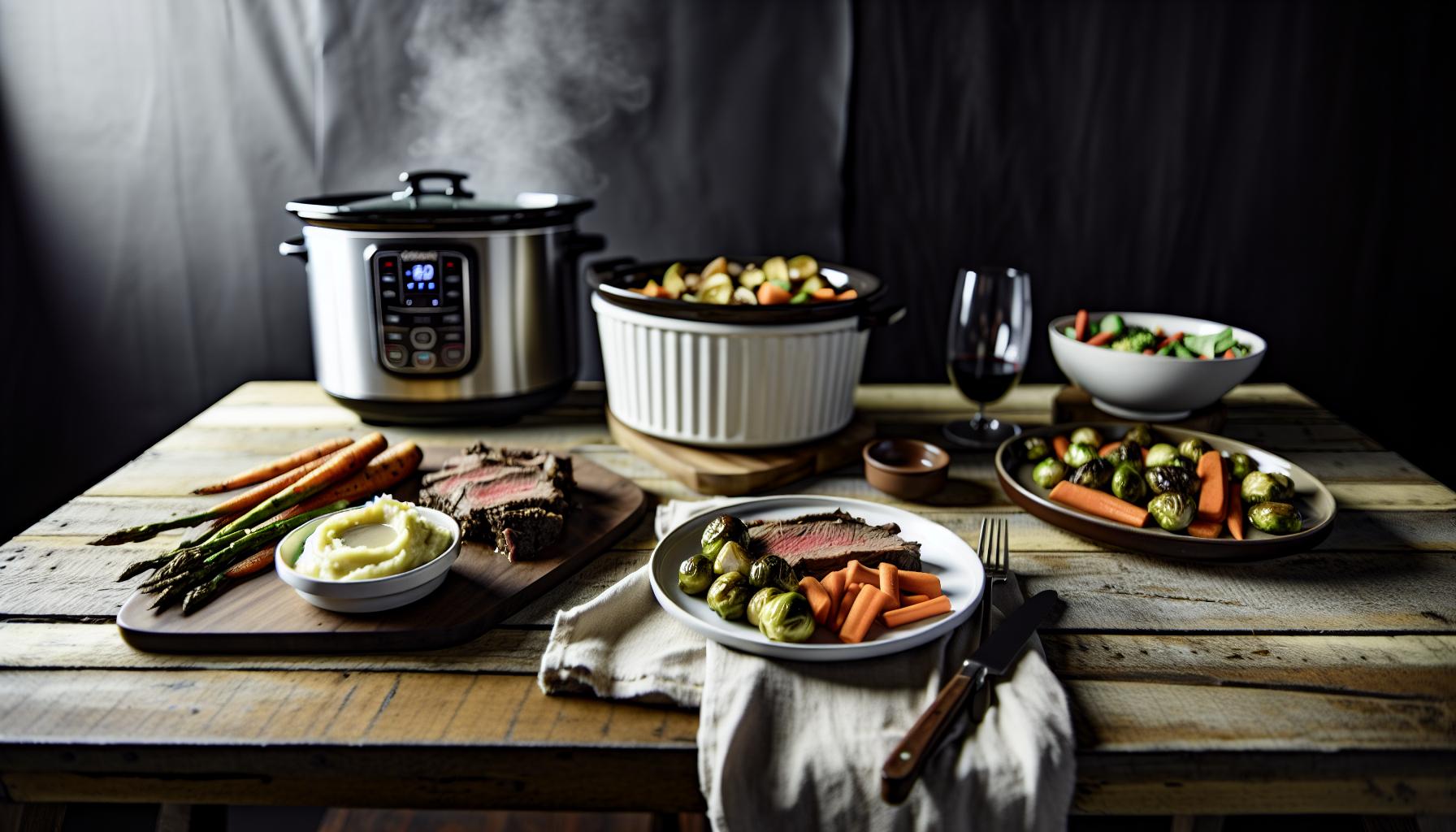
Gluten-Free and Paleo-Friendly ribeye Slow cooker Recipes
When it comes to enjoying a slow cooker ribeye roast that’s both gluten-free and paleo-friendly, you’re in for a treat-these diets don’t mean sacrificing flavor or comfort. Slow cooking is the secret weapon here, helping this beautifully marbled cut turn irresistibly tender without any fuss.Plus, it’s a fantastic way to infuse meat with simple, real-food ingredients that align perfectly with paleo and gluten-free guidelines.
To keep things straightforward but impressive, start with a basic seasoning palette: good-quality sea salt, freshly cracked black pepper, garlic powder, and dried herbs like thyme or rosemary. These pantry staples amp up the beef’s natural richness without any hidden gluten or additives. For an extra punch and moist result, add a splash of gluten-free beef broth or coconut aminos instead of soy sauce. These swaps keep that umami vibe intact and keep your dish clean and nourishing. I like to throw in a few whole garlic cloves and fresh herb sprigs right into the slow cooker for layering flavor without any extra work.
Simple Slow Cooker Ribeye Roast (Gluten-Free & Paleo)
- Prep Time: 10-15 minutes
- Cook Time: 3.5 to 4 hours on low
- Difficulty: Easy, hands-off
- Pat your ribeye roast dry and season generously with salt, pepper, and herbs.
- Heat a skillet on high and sear all sides for that steakhouse crust before slow cooking-this makes a huge flavor difference.
- Place the roast in your slow cooker along with 1 cup of homemade or store-bought gluten-free beef broth (or coconut aminos for a touch of sweetness).
- Add aromatics like garlic cloves, onion wedges, or fresh rosemary sprigs.
- Cook low and slow, checking for an internal temperature of 130-135°F for medium rare, or longer if you prefer more done.
This approach creates melt-in-your-mouth meat great for slicing thin over leafy greens or paleo-friendly root vegetable mash. Bonus point: it’s super adaptable-swap in a splash of apple cider vinegar or a sprinkle of smoked paprika to keep the flavor profile fresh and dynamic.
Tips for paleo and Gluten-Free Success
the beauty of paleo and gluten-free cooking is its adaptability. Don’t be shy about experimenting with coconut oil or avocado oil for searing, both paleo-friendly fats that enhance the roast’s juicy texture. Pick slow cooker-safe veggies that add nutrition while soaking up the beefy goodness: think carrots, parsnips, or celery root. Avoid bottled seasoning blends loaded with sneaky gluten-you’re better off mixing your own to control every ingredient.
Storing leftovers? Keep them in an airtight container refrigerated for up to 3 days. When reheating, a gentle warm-up in a skillet or covered in the oven preserves that lovely tenderness without drying it out. If you’re needing quick meal ideas, dice leftover ribeye into a paleo and gluten-free beef stew or toss it into a hearty salad with avocado and walnuts for a nutrient-dense lunch.
With just a handful of ingredients and some thoughtful cooking, you can have a slow cooker ribeye roast that fits your dietary needs and tastes like you spent hours in a fancy steakhouse kitchen-no gluten, no grains, no guilt, all delicious satisfaction. trust me, once you give this method a whirl, it’ll become your go-to for a warm, comforting meal that’s both healthy and indulgent.
Common Mistakes to Avoid When Slow Cooking Ribeye
Getting a tender, juicy ribeye roast out of the slow cooker isn’t just about setting it and forgetting it-tweaking your technique can make or break your results. Slow cooking ribeye is forgiving, but there are a few classic slip-ups that can turn your dream steakhouse-style roast into a dry, flavorless disappointment. Let’s cut through the guesswork and keep your kitchen adventures stress-free and delicious.
One of the biggest pitfalls is skipping the sear. It might sound like an extra hassle for a “low and slow” method, but slapping that ribeye in a hot skillet before it goes into the cooker locks in those meaty juices and builds a crave-worthy crust that no slow cooker alone can achieve. Trust me, I’ve tried both ways, and a quick sear adds a bona fide steakhouse vibe that sauce or seasonings alone can’t replace.also, resist the temptation to overcrowd the slow cooker-air circulation matters even in a closed pot. Overloading leads to uneven cooking, and part of the joy is that perfect medium rare center, not a sad patch of overcooked edges.
Timing is another tricky area. The slow cooker is wonderful but it’s not magic; ribeye roast needs a delicate balance of heat and patience to stay tender. Cooking too long-even on low-can mean mushy meat as the fat and connective tissue either vanish or leave a weird texture. For most ribeye roasts, 3.5 to 4.5 hours on low hits the sweet spot, but I advise using a meat thermometer rather than relying blindly on time. Avoid the “set it and forget it for 8 hours” mindset unless it’s a particularly large cut or you want something approaching pot roast texture. Also, don’t peek too often-that precious heat escapes every time you lift the lid, extending your cook time and messing with doneness.
- Don’t skip searing: It’s your ticket to flavor and juicy texture.
- Avoid overcrowding: Leave space to cook evenly.
- Check timing and temp, don’t just eyeball: Use a thermometer to catch that perfect medium rare (130-135°F).
- Limit lid-lifting: Resist the urge to peek; slow cooking thrives on steady warmth.
- Choose seasonings carefully: Homemade blends prevent surprise gluten or additives that detract from your paleo or gluten-free goal.
One final curveball I’ve encountered is the seasoning game.It’s easy to reach for bottled ranch mixes or au jus packets, but many come loaded with hidden glutens, sugars, or preservatives that clash with clean-eating lifestyles. Instead, mix your own herbs and spices or opt for simple staples like garlic powder, sea salt, cracked pepper, and dried thyme. it might sound plain,but it beautifully highlights the ribeye’s rich,beefy profile,while letting your slow cooker work its magic without overpowering the natural goodness.Treat yourself and your slow cooker roast like the culinary team they are-a little prep, some patience, and thoughtful seasoning. Avoiding these rookie mistakes means you’ll be carving slices of perfectly cooked ribeye that could fool even the most seasoned steakhouse critic… all from your cozy kitchen!
Storing, Reheating, and Leftover Ideas for Ribeye Roast
If you’ve cooked a ribeye roast that knocked it out of the park, you’re probably wondering how to keep that magic going with leftovers. Proper storage is the unsung hero here – it preserves flavor and texture so your next meal feels nearly as special as the first. After your roast has cooled to room temperature (no more than two hours on the counter, please!), wrap it tightly in plastic wrap or store in an airtight container to lock in moisture and keep out unwanted fridge odors. For the best flavor and safety, enjoy refrigerated leftovers within 3 to 4 days. If you want to save it longer,slice,wrap portions well,and freeze for up to three months without a noticeable loss in taste.
Reheating cooked ribeye doesn’t have to turn into a sad, dry afterthought. The secret is gentle heat and moisture. I like to slice the roast thinly and heat it in a covered skillet over low heat – splash in a little beef broth, bone broth, or even a dab of filtered water to keep those juices flowing. This also works wonderfully in the microwave if you cover the meat with a damp paper towel and use medium-low power in short bursts, stirring or flipping between intervals. Avoid blasting the meat with high heat or long cooking times, as that’s a surefire way to overcook your precious leftovers.
Creative Leftover Uses That Beat the Usual Sandwich
Transforming ribeye leftovers is a fun way to keep dinner exciting, especially when you’re catering to paleo or gluten-free diets. Here are some simple, crowd-pleasing ideas that make the most of your slow cooker masterpiece:
- Steak Salad: Thin slices tossed over arugula or baby spinach, with avocado, cherry tomatoes, and a lemon-olive oil dressing.
- Stuffed Sweet Potatoes: Pile warm mashed sweet potatoes high with chopped ribeye,sautéed onions,and a sprinkle of fresh herbs.
- Eggs & ribeye Hash: Dice leftover meat and pan-fry with diced veggies, then top with poached or fried eggs for a hearty brunch.
- Paleo beef Stir-fry: Use ribeye strips in a quick stir with broccoli, bell peppers, and coconut aminos for an easy weeknight meal.
Beyond keeping your meals gluten-free and paleo-friendly, these creative answers highlight just how versatile your slow cooker ribeye can be.Don’t forget, little tweaks like adding fresh herbs or a squeeze of citrus can lift leftovers into something fresh and flavorful, proving that good food doesn’t have to be complicated or time-consuming.
Quick tips for safe Storing and Reheating
| Step | Tip | Why It Matters |
|---|---|---|
| Cool Quickly | let roast cool no longer than 2 hours before refrigerating | Prevents bacteria growth |
| Use Airtight Containers | Wrap tightly or use sealable containers | Maintains moisture and prevents flavor transfer |
| Reheat Gently | Low heat, add moisture (broth or water), cover during reheating | Keeps meat tender and juicy |
| Check Temperature | Reheat leftovers to 165°F (74°C) internal temp | Ensures food safety |
Keep these storage and reheating steps in your back pocket, and your ribeye roast leftovers will be just as satisfying as the fresh-from-the-slow-cooker experience. Life’s busy, and good food should make it easier – not harder.So go ahead, make that ribeye roast once and savor it all week long without sacrificing any of that juicy satisfaction.
Alternative Cuts and Variations for Slow Cooker Steaks
When you’re craving that tender, juicy slow cooker steak experience but want to switch things up-or maybe save a little money-there are plenty of alternative cuts that can shine just as brightly as ribeye. Each cut has its own personality, from melt-in-your-mouth richness to a leaner, more robust flavor profile. The trick? adjusting your approach to cooking times and prep so you get the best results without any kitchen drama.
Such as, chuck roast is a crowd favorite in slow cooker circles. It’s more affordable than ribeye and contains enough marbling to break down beautifully over low, slow heat. The key is giving it enough time-usually about 6 to 8 hours on low-to turn that connective tissue into buttery tenderness. If you’re into paleo or gluten-free meals,chuck roast takes well to simple seasonings like garlic,rosemary,and black pepper,soaking up flavors without getting overpowering.
Another worthy contender is sirloin tip roast, which is leaner but still has solid flavor when cooked slowly. As it’s less fatty, trimming any excess silver skin is crucial before seasoning to avoid chewiness. Keep a close eye on cooking time here-around 5 to 6 hours on low-to prevent drying out. For busy cooks wanting in and out,you can slice it into thick steaks before slow cooking,which shortens the required time while preserving juiciness.
Unleashing variety with Less Common Cuts
If you want to venture further off the beaten path, try blade steaks or bottom round roast for a rich beefy bite that’s perfect for stews or steaky slices. These cuts appreciate a splash of acid-think balsamic vinegar or a squeeze of fresh lemon-to help tenderize and brighten the flavor profile. A quick tip: add vegetables like carrots and onions for moisture and extra flavor. These cuts usually take 7 to 9 hours on low to hit optimal tenderness, so it’s a great make-ahead choice for relaxed weekend meals.
Here’s a simple table to guide you on cut choices, cook times, and flavor notes:
| Cut | Cook Time (Low) | Flavor Profile | Best Use |
|---|---|---|---|
| Chuck Roast | 6-8 hours | Rich, beefy, well-marbled | Steaks, shredded beef, pot roast |
| Sirloin Tip Roast | 5-6 hours | Lean, mild beef flavor | Steak slices, roast beef |
| Blade Steak | 7-9 hours | Hearty, robust | Stews, thick steak slices |
| Bottom Round Roast | 7-9 hours | Lean, slightly chewy if overcooked | pot roast, thin slices, roast beef |
Seasoning and Prep Tips for Alternative Cuts
Whichever cut you choose, don’t shy away from trimming excess fat or silver skin-it helps seasonings penetrate better and keeps the texture pleasant. Marinades and dry rubs including smoked paprika, garlic powder, and herbs like thyme or oregano work wonders across the board. Want to keep it paleo and gluten-free? stick to natural spice blends and fresh aromatics.
Remember, slow cookers aren’t just about tough cuts-you can gently slow cook smaller, leaner steaks like skirt or flank if you keep an eye on timing (usually 2-3 hours on low to avoid drying out). Thin slices sear briefly before slow cooking enhance flavor without sacrificing texture, making weeknight steak dinners totally doable without stress.
Switching up your beef cuts makes slow cooker dinners exciting and approachable,so experiment freely! Your slow cooker is your kitchen’s best friend,ready to turn simpler cuts into star-worthy meals-one cozy,flavorful bite at a time.
Frequently Asked Questions
Q: How long does it take to cook a 3-pound ribeye roast in a slow cooker for steakhouse-quality results?
A: For a 3-pound ribeye roast, cook on low heat for 4-5 hours or on high for 2.5-3 hours to achieve juicy, medium-rare steakhouse flavor. Use a meat thermometer to check for an internal temperature of 125°F before resting. For detailed timing tips, see the Slow Cooker Settings and Timing section.
Q: Can I use the slow cooker to sear a ribeye roast and how does this effect cooking time?
A: Searing your ribeye roast before slow cooking adds flavor and locks in juices but doesn’t considerably change cook time. Sear 2-3 minutes per side on high heat, then transfer to the slow cooker for usual timing. this boosts steakhouse taste while keeping slow cook convenience intact. More in Achieving Steakhouse Flavor.
Q: What is the best way to check ribeye roast doneness in a slow cooker without cutting into it?
A: use an instant-read meat thermometer inserted into the thickest part of the roast. aim for 125°F for medium-rare or 135°F for medium before resting. This prevents overcooking and maintains that perfect steakhouse texture. Find tips on doneness in the How to Check Doneness Without Overcooking section.
Q: Should I add liquid to the slow cooker when cooking ribeye roast for juicy steakhouse results?
A: Adding a small amount of beef broth, wine, or water (about ½ cup) helps create steam and tenderizes the meat without diluting flavor. Avoid overfilling to keep the roast seared and rich. This technique enhances moist, tender results-covered in Slow Cooker Settings and Timing.
Q: Why does slow cooker ribeye roast sometimes turn out less tender than expected?
A: Overcooking or cooking at too high a temperature can dry out ribeye in a slow cooker. Also, skipping searing or under-seasoning affects tenderness and flavor. Use low heat and monitor internal temp for a consistent medium-rare finish. See common pitfalls in Common Mistakes to Avoid.
Q: Can I cook a frozen ribeye roast in the slow cooker for steakhouse-quality results?
A: It’s best to thaw ribeye roast fully before slow cooking. Cooking frozen meat results in uneven cooking and risk of food safety issues. Plan ahead to thaw in the fridge overnight for the best steakhouse-quality texture and flavor. More thawing and prep tips in Preparing Your Ribeye Roast.
Q: How do slow cooker cooking times for ribeye roast compare with oven roasting for steakhouse results?
A: Slow cooker times are longer but gentler-4-5 hours on low vs.1.5-2 hours in the oven at 225°F-resulting in melt-in-your-mouth tenderness. Oven roasting yields a crisp outer crust; slow cooking maximizes juiciness. For a hybrid approach, sear and slow cook, check the step-by-Step Guide.
Q: What herbs and spices enhance the slow-cooked ribeye roast for authentic steakhouse flavor?
A: Use robust herbs like rosemary, thyme, garlic, and black pepper for classic steakhouse aroma. Add a touch of smoked paprika or onion powder for extra depth. Season generously before slow cooking to infuse rich flavor throughout the roast. Explore seasoning in Preparing your Ribeye Roast.
—
Explore more step-by-step recipes and tips in the main article to nail the perfect slow cooker ribeye every time. Your next steakhouse-quality feast awaits!
Concluding Remarks
Mastering the perfect ribeye roast in your slow cooker is easier than you think-gluten-free, paleo-friendly, and utterly delicious with just simple steps and common ingredients. Whether you’re short on time or aiming for that rich, steakhouse flavor, slow cooking transforms this cut into tender perfection with minimal fuss. Ready to impress your family tonight? Don’t wait-grab your slow cooker, adjust your seasoning, and let this recipe work its magic while you relax.If you loved exploring how long to cook ribeye roast in slow cooker for that flawless steakhouse result,check out our Slow Cooker Pot Roast Recipes or dive into our gluten-Free Dinner Ideas for more wholesome family meals. Looking to sharpen your kitchen skills further? Our Guide to Cooking Times for Different Meat Cuts is a fantastic next step to keep those flavor wins coming.
Got questions on substitutions, cooking times, or technique tweaks? Drop a comment below or sign up for our newsletter for weekly tips, tested recipes, and handy guides crafted by a home cook who gets that life’s busy but food should always be worth it. Let’s make every meal a celebration, no stress needed!
Get our latest guides, news, and insights highlighted in your Google Search & AI Overviews.