Did you know that cooking spaghetti in a slow cooker can be a total game-changer for busy weeknights-but only if it doesn’t turn into a sticky, glue-like mess? Getting the timing just right is key to enjoying perfectly tender pasta without the frustration of mushy noodles. If you’ve ever wondered how long to cook spaghetti in a slow cooker so it stays al dente and absorbs all those rich flavors, you’re in the right place. Whether you’re juggling paleo, gluten-free needs, or just craving comfort food made easy, mastering this simple timing hack means less babysitting and more savoring. Let’s dive into the sweet spot between gooey and firm, so your next slow cooker spaghetti will be a crowd-pleaser, not a kitchen nightmare. trust me, once you nail this, slow cooker spaghetti becomes your new weeknight best friend.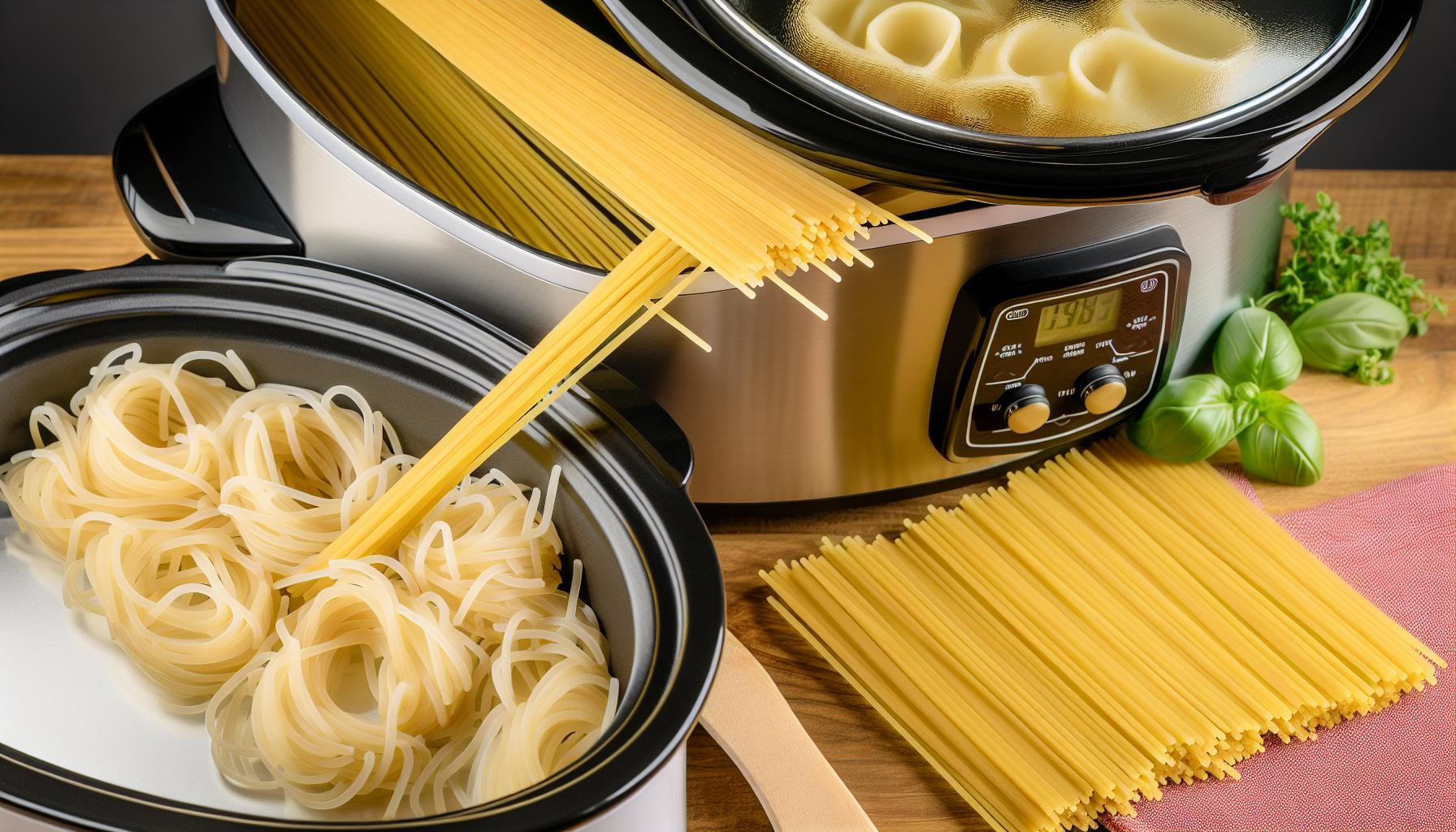
Table of Contents
- How Slow Cookers Change Spaghetti Texture
- Perfect Cooking Times To Avoid Gluey Pasta
- Choosing The Right Pasta For Slow Cooking
- Essential Ingredients To Prevent Overcooking
- Step-By-Step Slow Cooker Spaghetti Guide
- Common Mistakes That Turn Pasta To glue
- Creative Slow Cooker Spaghetti Variations
- How To Adjust Recipes For Gluten-Free & Paleo
- Real Home Cook Tips For Best Slow Cooker Results
- Using sauce Types That Complement Slow Cooking
- Troubleshooting Sticky Or Mushy Spaghetti Problems
- Faq
- Q: How do I prevent spaghetti from sticking together in a slow cooker?
- Q: Can I add uncooked spaghetti directly to the slow cooker without pre-boiling?
- Q: what’s the best slow cooker setting for cooking spaghetti without overcooking it?
- Q: How much water or liquid should I use when cooking spaghetti in a slow cooker?
- Q: Why does slow cooker spaghetti sometimes turn mushy even when I follow the recipe?
- Q: Are there specific pasta types that cook better in a slow cooker without becoming gluey?
- Q: How can I reheat leftover slow cooker spaghetti without it turning sticky?
- Q: can I cook gluten-free spaghetti in a slow cooker without it turning to glue?
- Key Takeaways
How Slow Cookers Change Spaghetti Texture
Cooking spaghetti in a slow cooker is a bit like embarking on a culinary tightrope walk: the low and slow heat that makes casseroles and roasts so tender can quickly turn delicate pasta into a gluey mess if you’re not careful. Unlike stovetop boiling, where pasta cooks fast and you can control the texture by tasting as you go, slow cookers envelop the spaghetti in a warm, moist environment for extended periods. This prolonged exposure to heat causes the pasta’s starches to break down gradually, releasing sugars and moisture that thicken the sauce but can also cause strands to stick together and become mushy if timing and preparation aren’t spot on.
One key difference is that the slow cooker’s sealed environment traps steam, which effectively “steams” the pasta rather than boiling it in a large volume of water like conventional methods. while this gentle cooking can deepen the flavors of your sauce and infuse the noodles with richness, it also means the pasta continues to absorb liquid and swell over time, frequently enough after it’s technically done. This ongoing absorption softens the pasta past the perfect al dente bite and leads to that dreaded gummy texture.Cooking pasta directly in a sauce-heavy slow cooker dish requires mindfulness because the sauce’s acidity, salt content, and thickness all influence how the starch behaves. High acidity, for example, can toughen or break down gluten structures, subtly changing the chewiness of your spaghetti.
why Timing and Technique Matter More Here Than Anywhere Else
It’s no surprise then that slow cooker spaghetti recipes frequently enough suggest adding the pasta halfway through cooking-or even near the end. If pasta is submerged for hours, it’ll soak up liquid and swell, resulting in overcooked mush. As one seasoned home cook shared (with a laugh) on Reddit, trying to slow-cook spaghetti from start to finish felt like making noodles dissolve into a pot of gluey sadness [[1]](https://www.reddit.com/r/slowcooking/comments/rld9rq/spaghetti/). Rather, integrating the noodles toward the end preserves their structure and keeps the whole dish balanced.
Another texture tidbit comes from the type of pasta used. Long, thin spaghetti is more prone to sticking and mushiness with prolonged cooking than sturdier shapes like penne or rigatoni. You can also tweak the sauce thickness to slow starch absorption-thicker, meat-rich sauces made in a slow cooker help coat noodles and prevent them from swallowing up too much liquid [[2]](https://www.allrecipes.com/recipe/213266/meat-lovers-slow-cooker-spaghetti-sauce/).
- Pro tip: Rinse your pasta under cold water to remove surface starch before adding it to the slow cooker. This small step reduces stickiness and helps keep strands separate.
- Another trick: Spray your slow cooker with cooking oil or use non-stick spray to prevent noodles from sticking to the bottom and sides [[3]](https://www.simplejoy.com/crock-pot-spaghetti/).
slow cookers transform spaghetti’s texture primarily through gradual starch gelatinization combined with constant moisture and heat exposure. embracing this means either adjusting your process to add pasta later or selecting sauce types and pasta shapes that better handle slow cooking. Luckily, with a bit of kitchen wit and timing finesse, you can enjoy wonderfully tender, flavor-infused spaghetti that’s anything but gluey.
Perfect Cooking Times To Avoid Gluey Pasta
There’s a certain magic in letting your slow cooker do the heavy lifting while you go about your day-but when it comes to spaghetti, timing really becomes the star of the show. Pasta is a bit of a diva in the slow cooker world: too early or too long, and it’ll turn into a sticky, gluey mess that no one wants to twirl onto their fork. The trick? Adding your spaghetti at just the right moment so it cooks to a tender, al dente perfection without soaking up every drop of liquid and turning gummy.
Most slow cooker recipes recommend adding the pasta during the last 30 to 45 minutes of cooking on low heat. This window lets the spaghetti soften enough to absorb the flavor-packed sauce without sitting in it so long that it swells beyond recognition. For gluten-free or paleo-friendly noodles, which can be more sensitive, sticking close to the 30-minute mark is ideal to maintain a good bite.If you’re using sturdier pasta shapes, you have a little wiggle room, but watch that clock anyway-slow cookers frequently enough vary in heat intensity, so a fast stir and taste-test can be your best friend.
- Pro tip: Break the spaghetti in half before adding it to make sure all the noodles fit nicely and cook evenly.
- Bonus hack: Rinse pasta under cold water to remove surface starch before adding it-this reduces stickiness and gives you more forgiving timing.
Balancing Sauce Thickness and Cook Times
Thicker, meat-heavy sauces tend to slow down the pasta’s liquid absorption, giving you a bit more leeway on cook times. On the flipside, watery or highly acidic sauces can speed up that mushy transformation.If you notice your pasta is turning soft too quickly, try stirring in pasta closer to the very end of cooking or reserving pasta to cook separately and combine just before serving. Some home cooks swear by layering,adding cooked pasta into the sauce only at serving time to salvage texture and maximize flavor.
Remember, the joy of slow cooker spaghetti isn’t just in a hands-off meal-it’s a balancing act that rewards a bit of attention at the finish line. Armed with patience and these timing tactics, you’ll avoid the glue and land on the perfect plate every time.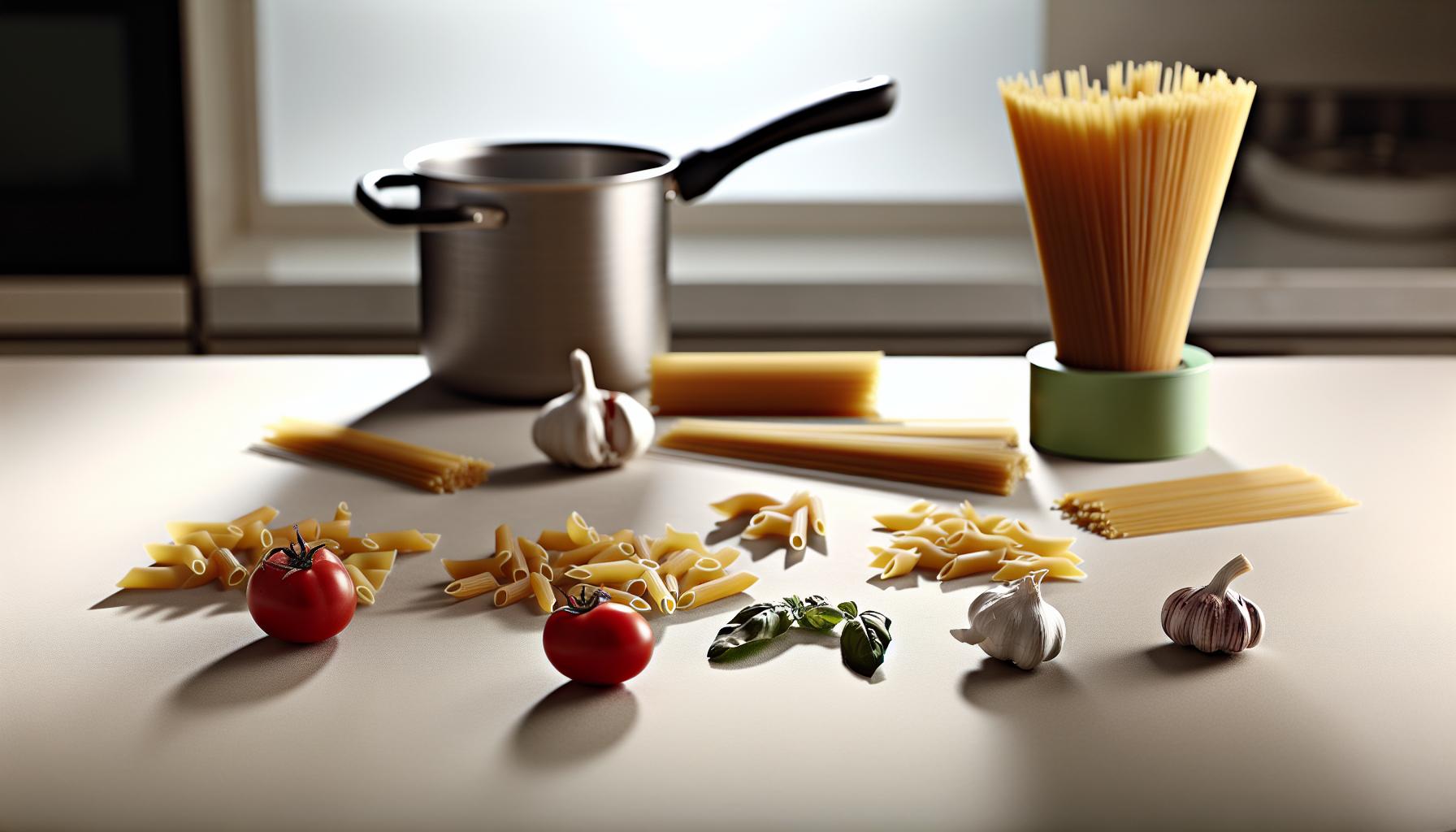
Choosing The Right Pasta For Slow Cooking
Choosing pasta for the slow cooker is a bit like picking the right dance partner-you want something that can keep up with the gentle heat without stepping on your toes (or turning into a sticky mess). Traditional long, thin spaghetti noodles tend to be the most delicate in the slow cooker environment, as they soak up liquid quickly and can easily become gluey if left too long. so starting with the right type and shape can make your slow cooker spaghetti dreams come true with far less drama.For the best balance of texture and ease, look for pasta varieties that have a bit more bite or robustness. Thick spaghetti or bucatini, with their hollow center, tend to hold up better under slow cooking because they absorb sauce more gradually. Alternatively, sturdier pasta shapes like penne, rigatoni, or fusilli offer more surface area and thickness, which means they’re less likely to disintegrate during those last 30-45 minutes. If you’re gluten-free or paleo, rice-based or chickpea pasta can be trickier-they break down faster and can get mushy, so they really benefit from careful timing and less cook time once added to the hot sauce.
- Pro Tip: Breaking longer noodles in half before adding them helps keep them submerged and cooks them evenly.
- Practical Hack: Rinsing regular pasta under cold water before adding can wash away surface starch that causes stickiness and allows for a slightly more forgiving cook time when added late to the pot.
Gluten-Free & Paleo Pasta Considerations
Gluten-free and paleo noodles are fantastic options if you’re avoiding grains, but they come with their own slow cooker quirks. These noodles tend to be more sensitive to moisture and can go from just right to overly soft in a heartbeat. I learned the hard way when swapping chickpea pasta once-I added it too soon, and it turned into a mushy puddle mixing with the sauce! to avoid that, add GF or paleo pasta only in the last 20-30 minutes of cooking on low, and keep an eye (and fork) ready for quick taste tests. There’s no shame in partially cooking them on the stove and then finishing in the slow cooker if you want the best texture.
If you want a quick reference, here’s a handy summary of pasta choices for slow cooking:
| Type | Cook Time When Added to Slow Cooker | Texture Notes |
|---|---|---|
| Regular spaghetti (thin) | 30-45 minutes | Delicate, can become gluey quickly |
| Thick Spaghetti or Bucatini | 35-50 minutes | Better resilience, holds sauce well |
| Short sturdy Pastas (penne, rigatoni) | 40-50 minutes | More forgiving, less mushy risk |
| Gluten-Free (rice, chickpea) | 20-30 minutes | Fragile, requires careful timing |
| Paleo (cassava, almond-based) | 20-30 minutes | Softens fast, best added late |
Bottom line: the pasta you pick is your slow cooker’s best friend or frenemy-choose wisely and time your addition carefully. Experimenting with different types lets you find your favorite combo while keeping things fuss-free and flavorful. And don’t worry if you need to adjust cook times a bit-that’s part of the slow cooker spaghetti adventure!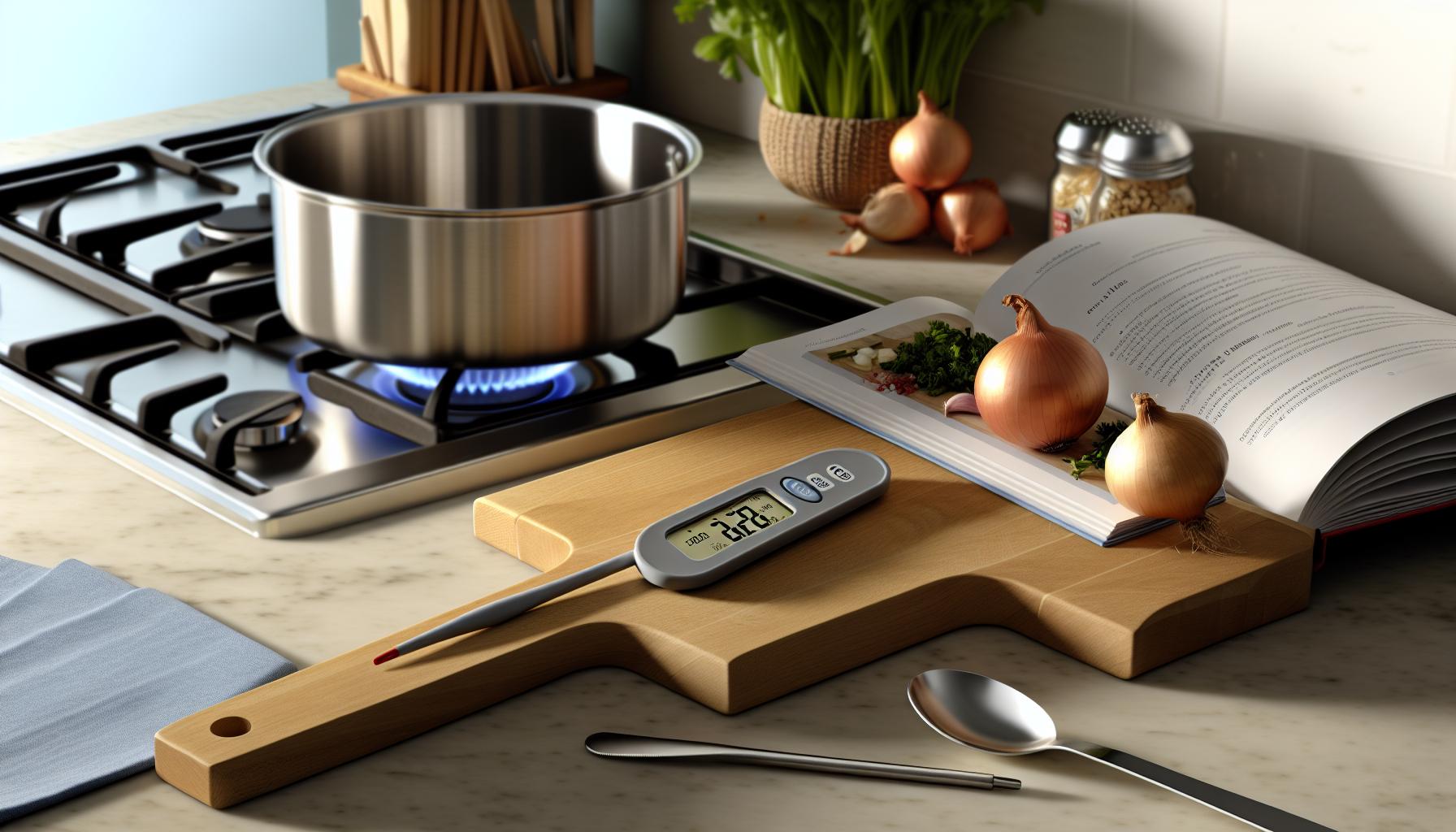
Essential Ingredients To Prevent Overcooking
When it comes to keeping your slow cooker spaghetti from turning into a sticky, gluey disaster, the secret lies not just in timing but also in the right ingredients doing their magic behind the scenes. Think of these ingredients as your pasta’s slow cooker bodyguards, protecting texture and flavor against the overcooking villains. A few well-chosen additions can seriously up your slow cooker pasta game without needing a culinary degree or hours of babysitting.
One of my favorite go-to ingredients is a splash of acid, like a tablespoon of lemon juice or a dash of vinegar, added early on. Acid slows the breakdown of starches in pasta,which helps prevent over-softening. Plus, it adds brightness that keeps rich sauces from tasting flat after hours of simmering. I’ve noticed that even robust, gluten-free pastas behave better with this small ingredient tweak.
Meanwhile, a bit of fat – olive oil or a knob of butter – does double duty. It coats pasta strands, reducing their tendency to stick and clump together, and also boosts mouthfeel, making every bite silky and luscious. Don’t be shy; just a tablespoon or two tossed in right before adding the pasta can make a world of difference. This is a great trick for keeping paleo or grain-free noodles happy, which tend to be more fragile.
Ingredients That Act like Slow Cooker Texture Buddies
- cooking liquid choice: Using a flavorful broth (chicken, vegetable, or beef) rather of water adds subtle depth and helps balance starch release, preventing that gluey feel.
- Tomato sauce quality: Acidic, chunky tomato sauces with herbs like basil or oregano not only deliver robust flavor but also complement the slow cooker’s low-and-slow heat. Avoid overly smooth or watery sauces that can make pasta mushy faster.
- Cheeses with a firm hand: Parmesan or pecorino sprinkled in at the end adds umami without weighing down noodles. Creamier cheeses should be stirred in just before serving to avoid curdling or sogginess.
- Vegetables and protein: Adding hearty ingredients like mushrooms or meatballs early can help absorb moisture, reducing excess liquid for the pasta to soak up.
Best of all, these ingredients serve both classic and special diets-so no need to sacrifice your paleo or gluten-free lifestyle for a flavorful, comforting bowl of spaghetti. And if you’re in a pinch, don’t hesitate to use jarred spaghetti sauce with herbs and a splash of broth-it’s an easy way to get fantastic flavor and the right texture balance without fussing over dozens of ingredients [1].
In my kitchen, a little trial and error helped me learn simple ingredient swaps that rescue a slow cooker pasta dish when things threaten to go overboard. For example, once, I accidentally added pasta too early and ended up with an almost mushy casserole. But next time? Added a pinch of salt,a spark of lemon,and about a tablespoon of olive oil- boom,the noodles stayed firm and saucy. It’s like cooking with a warm, encouraging friend who’s been there and knows the shortcuts! You got this.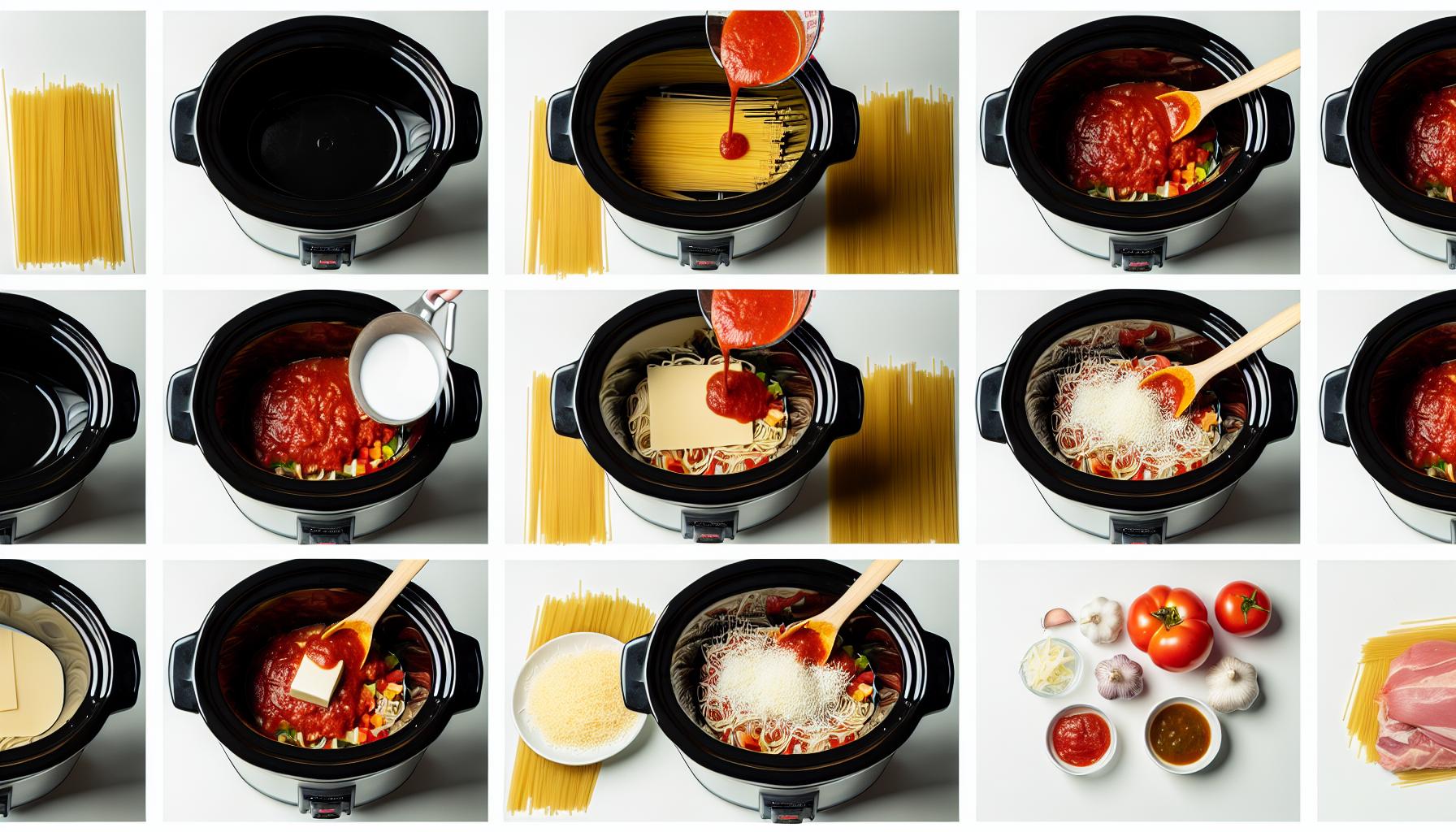
Step-By-Step Slow Cooker Spaghetti Guide
Slow cooker spaghetti might sound like a low-maintenance magic trick, but nailing the timing and layering takes a bit more finesse than dumping pasta and sauce together for hours. The secret to perfectly tender,non-gluey noodles is in pacing-too early and you get mush,too late and it’s like chewing rubber. Luckily, with a little guidance and some simple kitchen wisdom, you’ll have a hands-off meal that feels like a chef’s touch, even on your busiest days.
start by prepping your sauce and any hearty additions like meatballs or mushrooms first. These ingredients benefit from long, gentle simmering, building deep flavors and reducing excess liquid that can overwhelm your pasta. Once the sauce is bubbling away in your slow cooker, it’s time to add your pasta-but timing is everything here. Generally, spaghetti needs just about 30 to 45 minutes on low heat to cook through without losing its structure.Adding it earlier than that often means ending up with a sticky blob; later, you risk it being undercooked. For gluten-free or paleo noodles, lean toward the shorter end of this window-they soften differently and can become fragile if overcooked.
Practical Step-By-Step Approach
- Step 1: Prepare your base sauce with preferred meat, vegetables, broth, and herbs.Let it cook on low for 4-6 hours, stirring occasionally to taste for seasoning and thickness.
- Step 2: About 45 minutes before serving, break your spaghetti strands in half (to fit the slow cooker better) and add them directly into the sauce. Stir gently to coat, making sure noodles are submerged.
- Step 3: Add a splash of olive oil and a teaspoon of acid (lemon juice or vinegar) now to help protect the noodles from overcooking and sticking together.
- Step 4: Cover and let the spaghetti cook on low for about 30-45 minutes. Check tenderness frequently after 25 minutes to prevent mush.
- Step 5: Once the pasta is al dente and the sauce is thickened, stir in finely grated Parmesan or your cheese of choice right before serving to boost flavor and texture.
If you’re juggling family schedules or just prefer a no-fuss shortcut, using jarred spaghetti sauce combined with broth and pre-cooked meatballs is a great start. Just keep a close eye on your noodle timer. I learned this the hard way-once I tossed raw pasta in hours too soon, and the whole pot turned into a gooey mess. Now? I treat the pasta addition like a timed guest arrival: just enough time to soak up flavor, but not enough to lose its bounce. Feel free to tweak the cooking times slightly depending on your slow cooker’s power-some run hot and fast; others are gentler cooks. The beauty is in the testing and tasting-trust your instincts and enjoy the process as much as the finish!
| Type of Pasta | Ideal Slow Cooker Cook Time | Tips |
|---|---|---|
| Traditional Wheat Spaghetti | 30-45 minutes on low | Break in half; add acid and oil with pasta |
| Gluten-Free Pasta (corn, rice, quinoa) | 25-35 minutes on low | Shorter cooking time; monitor closely to prevent mushiness |
| paleo-Friendly Noodles (zucchini, sweet potato) | 15-25 minutes (or added last 10 minutes) | Add near end; avoid over cooking; stir gently |
Remember, slow cooker spaghetti isn’t about rigid rules-it’s about balance and patience. With the right rhythm, your slow cooker will transform simple ingredients into a cozy, comforting meal. And hey,the best dinners come from embracing a little trial and error with love (and a dash of humor). You’ve got this!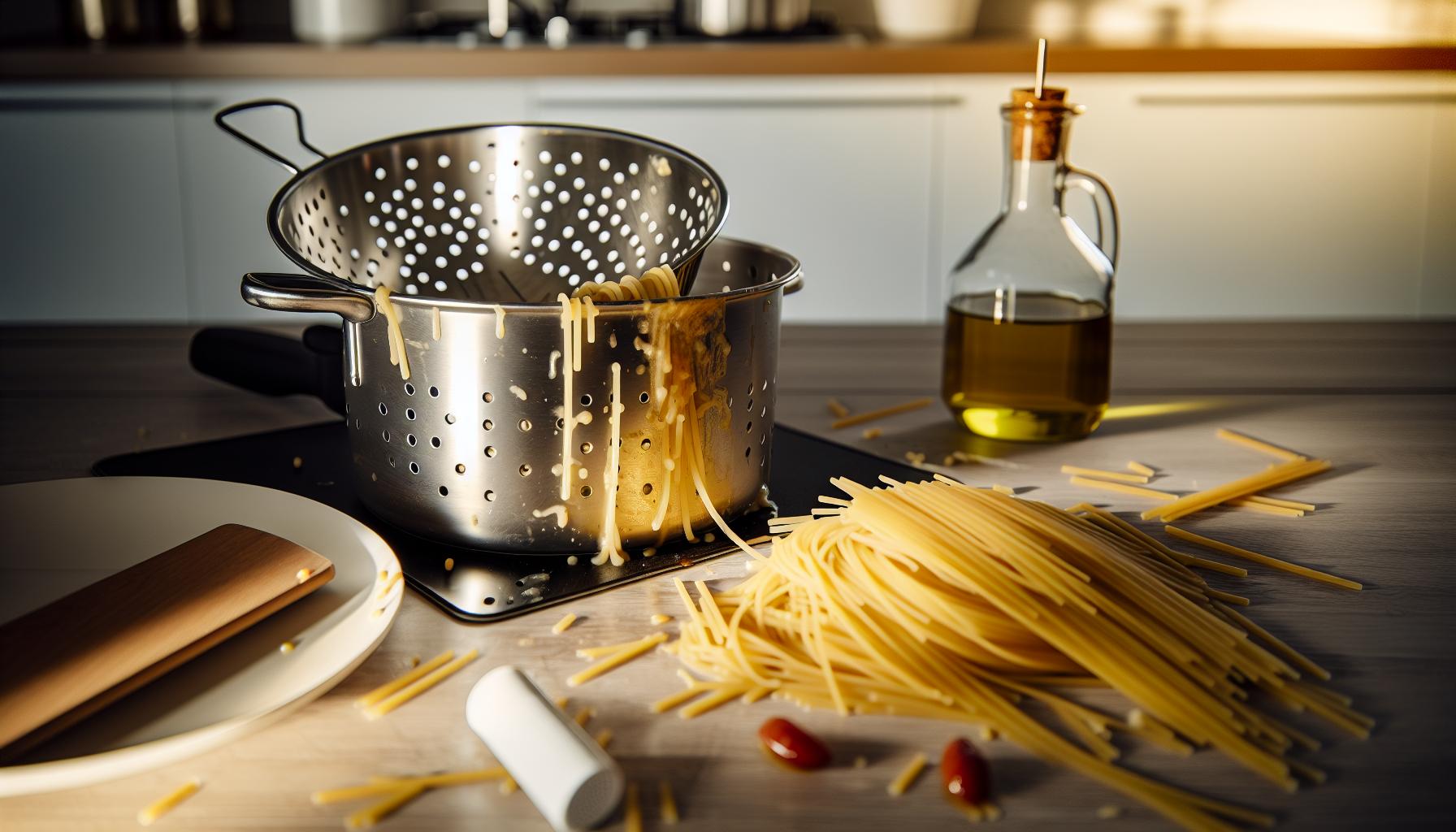
Common Mistakes That Turn Pasta To glue
There’s a fine line between perfectly tender spaghetti and a gloopy,gluey mess when using a slow cooker. Overcooked pasta is the classic culprit, and it sneaks up on even the most seasoned slow cooker pros.One common pitfall is adding the pasta too early in the cooking process – the slow cooker’s low-and-slow heat might seem gentle, but hours in the bubbling sauce will break down the starch structure in the noodles until they lose all their shape and turn into a starchy pudding.
another frequent blunder is neglecting to stir or break the spaghetti strands before adding them. When whole strands clump together without enough liquid circulation or oil, they tend to stick and meld into one big blob rather of individual strands. I’ve learned the hard way that breaking the spaghetti in half and stirring gently to coat each strand upon adding it lets the sauce infuse evenly while keeping noodles separate. Plus, tossing in a bit of acid (like lemon juice or vinegar) and a splash of olive oil at this stage helps keep them from sticking and slows down the starch release that causes “gluing.”
Don’t Overcrowd or Skimp on Liquid
Slow cookers vary,but most spaghetti recipes fail when they cram too much pasta relative to sauce and broth volume. There has to be enough liquid for the noodles to absorb and cook evenly. Too little,and you’re basically baking pasta in a thick sauce-which spells sticky disaster. If the recipe feels thick early on, add a little broth or water during the pasta stage rather than just more sauce or tomatoes. This small tweak keeps moisture balanced and steam flowing, essential to perfect texture.
Timing Is Everything – Keep a Close Eye
The magic window for cooking spaghetti in a slow cooker is surprisingly short-typically 30 to 45 minutes on low heat. Going over this, especially with regular wheat pasta, will turn silky strands into a glue trap. Gluten-free pastas need even more delicate timing, usually 25 to 35 minutes, or they’ll dissolve into mush. Paleo alternatives like spiralized veggies demand their own, much shorter cook times or should be added near the end to avoid turning to mush or watery slop. Frequent checks after about 25 minutes are your best friend here-think of it like babysitting a temperamental toddler who just can’t sit still.
- Avoid dumping pasta in at the start: The sauce deserves all that long gentle simmering to build flavor before noodles join the party.
- Break spaghetti strands: It fits the slow cooker better and helps coat noodles evenly.
- Add acid and oil: These keep starches in check and noodles individual-not one giant, sticky clump.
- Measure liquid carefully: Enough broth or water to let pasta hydrate without swampy sauce.
- Check often near the end: Slow cookers aren’t exact timers, so trust your taste buds.
I remember one Sunday dinner where I got a little too eager and dumped raw spaghetti in three hours early-let’s just say “gluey disaster” only begins to describe it! Now, I treat pasta addition as a carefully timed cameo appearance, not a background extra, and it pays off every time with chef-level results without the fuss.
The beauty of slow cooker spaghetti is its forgiving charm when approached thoughtfully-not a strict science experiment. With patience, a few pro tips, and a touch of kitchen humor, you can left-shift your dinner stress and right-shift onto hearty comfort food magic. After all,pasta glue is a villain easily defeated with a little love and some simple timing tricks. So go ahead and slow cook with confidence-you’ve got this!
For those looking to dive deeper, keep your slow cooker user manual handy and experiment gently since wattage and heat levels vary widely between models. Adjust your timings, test your sauces, and enjoy your perfectly cozy noodle dinners without the sticky side effects.
For more on slow cooker pasta timing and sauce balancing, you can also check community insights like the ones shared on Reddit or slow cooking recipe sites where real home cooks swap their wins and “gluey” lessons learned[[1]](https://www.reddit.com/r/slowcooking/comments/rld9rq/spaghetti/)[[2]](https://www.facebook.com/AllThingsMamma/posts/crock-pot-spaghetti-made-easy-let-your-slow-cooker-do-the-work-for-a-delicious-h/1165885225342456/)[[3]](https://www.allrecipes.com/recipe/213266/meat-lovers-slow-cooker-spaghetti-sauce/).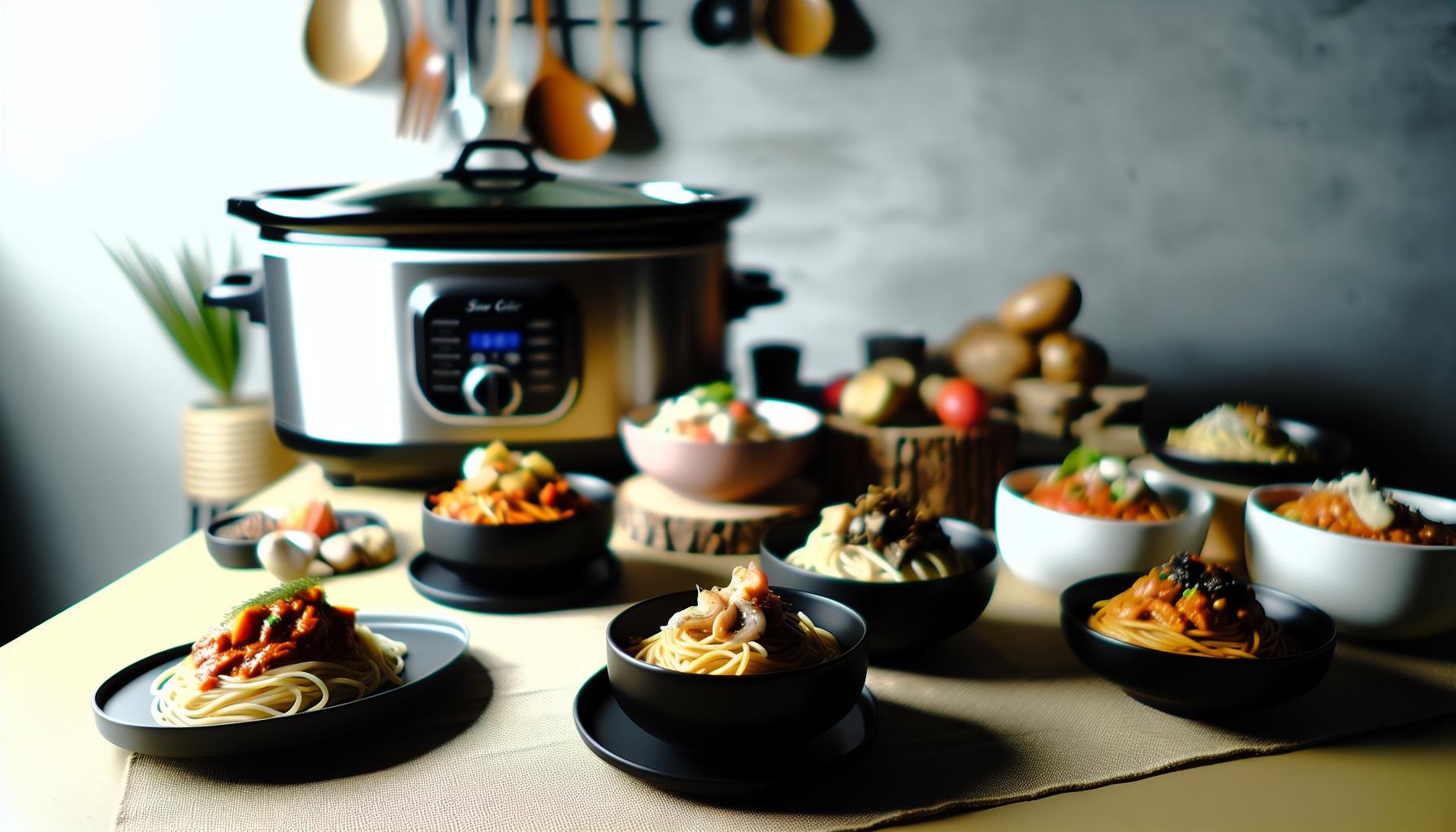
Creative Slow Cooker Spaghetti Variations
Few things feel as cozy as a big bowl of spaghetti, but slow cooker spaghetti unlocks a whole new world of flavor and convenience, especially when you start mixing up the basics. Once you’ve nailed the perfect timing to keep noodles from turning into glue, experimenting with variations transforms this humble dish into a versatile weeknight winner. from meat-loaded feasts to fresh veggie-packed bowls, slow cooker spaghetti easily adapts to many tastes and dietary needs, without extra fuss or drama.
Meat-Enhanced Twists
Adding different proteins to your slow cooker spaghetti not only amps up flavor but also creates hearty meals perfect for family dinners or meal prep. Ground beef and Italian sausage are classics, but why not try diced chicken thighs or even shredded pork for a richer twist? Simply brown your meat ahead to lock in juices, then let the slow cooker do its magic with sauce and seasoning. For a quick shortcut, canned lentils or cooked beans are fantastic protein swaps that blend seamlessly into sauces, especially for vegetarian or budget-friendly versions.
Veggie-Forward and Paleo-Friendly Combos
For those skipping traditional pasta, spiralized veggies like zucchini or sweet potatoes bring a fresh crunch and satisfy that noodle craving without the starch overload. Add these near the end of cooking (think: last 10-15 minutes on low) to keep them from becoming mushy. Root vegetables like carrots, mushrooms, and bell peppers can be slow-cooked alongside your sauce to build an earthy depth-perfect for boosting nutrition and flavor complexity. Paleo or Whole30 adherents, this is your playground: replace sauce with a homemade tomato base that’s free of added sugars, and toss in herbs like oregano, basil, and thyme to create shining, clean profiles.
Unexpected Flavor Swaps and Sauces
While marinara is a trusty classic, don’t hesitate to lean into bolder variations. Think vodka or creamy tomato sauces that slow cook into luscious, velvety textures perfect over spaghetti. Want something zestier? A slow cooker puttanesca with olives and capers, or a spicy arrabbiata, turn up the heat without extra effort. To keep things fresh and bright, finish dishes with a sprinkle of fresh herbs, a squeeze of lemon juice, or a dash of good-quality olive oil – little things that help you dodge that dreaded glue-like coating and elevate every forkful.
- Pasta timing tip: Always add spaghetti in the final 30-45 minutes, breaking strands to fit and stirring gently for even cooking.
- Making it gluten-free: Use gluten-free pasta varieties but shorten cook times and keep a close eye-they’re much more delicate in the slow cooker.
- Mix & match: Combine spiralized veggies with a small amount of traditional pasta for a fun textural variety without risking glue.
- Batch-friendly: Double your sauce portion and freeze leftovers for a ready-to-go quick dinner-just add freshly cooked pasta next time.
Experimenting with these variations transforms slow cooker spaghetti from a predictable meal into a canvas for creativity without sacrificing ease. And trust me, with a bit of timing finesse and a willingness to get a little playful in the kitchen, you’ll have everyone asking what your secret ingredient is-glue-free guaranteed!
How To Adjust Recipes For Gluten-Free & Paleo
Cooking spaghetti in a slow cooker when you’re aiming for gluten-free or paleo-friendly meals can feel like walking a culinary tightrope. These alternatives often behave quite differently from traditional wheat pasta, especially when immersed in liquid for long periods. The key is embracing the unique quirks of option pastas and veggie noodles,so you end up with a satisfying,non-mushy meal that’s bursting with flavor and texture.
Gluten-free pasta typically needs way less time in the slow cooker than its wheat counterpart as it can break down and become gluey faster. My go-to trick here? Add the gluten-free spaghetti in the last 20-30 minutes of cooking, just long enough to soften without slipping into the dreaded mush zone. If you’re using store-bought gluten-free pasta, check the package cooking times and cut them by half for slow cooker use-then keep an eye on it and stir gently to avoid clumping. For a stress-free shortcut,cook the pasta separately on the stove until al dente,then toss it into your slow cooker with the sauce right before serving. This keeps every strand tender and perfectly textured-no slow cooker guesswork required!
When it comes to paleo-friendly options,things get a bit more creative. As traditional grains are off the table, spiralized vegetables like zucchini, butternut squash, or sweet potatoes become your spaghetti stand-ins. The trick with these veggie noodles is patience and timing. They need just 10-15 minutes in the slow cooker, ideally added at the very end of the cooking cycle. This preserves their slight bite and prevents them from turning into a soggy mess. For example, adding zucchini noodles during the last 10 minutes on low heat allows them to soak in flavor without wilting into oblivion. Bonus: these veggie noodles bring extra freshness and nutrition,making your slow cooker spaghetti feel light and lively instead of heavy and stodgy.
- Tips for gluten-free pasta in slow cookers: Shorten cook time to 20-30 minutes; break up strands before adding; stir gently and check often.
- Paleo pasta alternatives: Use spiralized veggies like zucchini or sweet potatoes; add only in the last 10-15 minutes of cooking.
- Flavor boosters: Homemade paleo-friendly tomato sauce with fresh herbs-no added sugars or preservatives.
- Mix-and-match: Combine a small portion of gluten-free pasta with spiralized veggies for textural variety without mush.
The fun bit is how these dietary swaps don’t mean giving up on flavor or comfort. For instance, a paleo-friendly slow cooker spaghetti with a rich, homemade tomato sauce (garlic, oregano, basil, a hint of chili flakes) and late-added spiralized zucchini nails both nutrition and that cozy pasta vibe.And if you’re tackling gluten-free spaghetti, a quick stovetop boil followed by finishing in the slow cooker with meaty sauce will save your dinner (and your sanity!). From personal kitchen battles, trust me-embracing these timing hacks and ingredient swaps will keep your slow cooker spaghetti dinner a guaranteed hit, no matter your dietary preferences.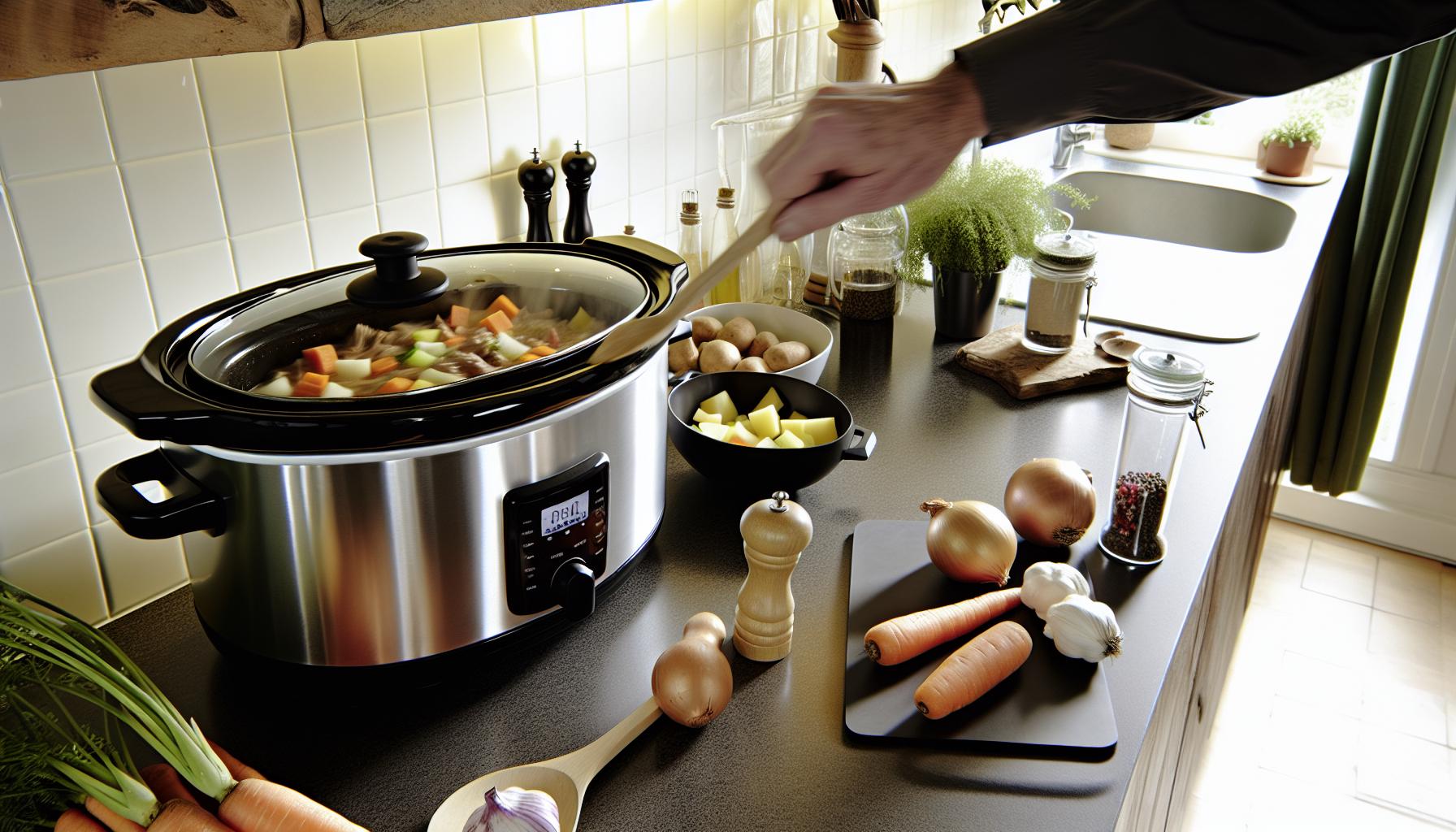
Real Home Cook Tips For Best Slow Cooker Results
Cooking spaghetti in a slow cooker can feel like walking a flavor tightrope, especially when you want tender, perfectly cooked noodles without turning your meal into a sticky, gluey mess. Here’s a little home cook wisdom straight from many kitchen battles: timing and ingredient awareness are your best friends when slow cooking pasta. Unlike stove-top spaghetti where you watch every minute,slow cookers require a bit of intuition-and I’m here to share some no-nonsense tips you can trust.
First off, don’t add the pasta too early.Regular wheat spaghetti benefits from slow cooking sauces and meats all day, but toss in the noodles too soon and you’ll end up with something more reminiscent of glue than Italian comfort food. My rule of thumb? Add regular or gluten-free pasta during the last 20 to 30 minutes of cooking on low, or 10-15 minutes on high, depending on your slow cooker and type of pasta. For gluten-free pastas, which tend to break down faster, this timing is even more crucial. And if you’re juggling paleo-friendly spiralized veggies like zucchini or sweet potatoes, they belong in the pot for only the last 10-15 minutes to keep their fresh bite intact.
Simple Tricks for Perfect Texture Every Time
- Break up your pasta strands before adding them to avoid clumping. A quick stir gently spreads the noodles so they cook evenly.
- Stir just enough during cooking to keep things moving, but don’t overdo it-excess stirring can cause pasta to fray and mush faster.
- Consider pre-cooking your gluten-free pasta slightly (about half the recommended boiling time), then toss it into your slow cooker near the end-this shortcut avoids the guesswork and yields perfectly tender strands.
- Use plenty of flavorful liquid (broth, tomato sauce, or a mix) so the pasta can fully hydrate but isn’t swimming, which can cause it to go soggy.
From experience, the difference between a dreamy, tender slow cooker spaghetti and a frustrating gluey disaster often comes down to these small steps.The slow cooker’s magic is its gentle heat that melds flavors deeply over hours, so trust it for your sauce and meat but be kind with your pasta’s time and presence.
balancing Real Life and Delicious Meals
I’ve learned it’s perfectly fine (and sometimes necessary) to bail with shortcuts-life’s busy, and no one has time to babysit a slow cooker all day. Pre-soaking pasta or spiralizing veggies the night before? Smart moves. Using store-bought gluten-free pasta? Totally acceptable, just keep those close eyes when adding it in. And don’t let paleo or gluten-free tweaks scare you off; with just a little knowledge about cooking times and textures, you can make meals everyone at your table will love, no matter their dietary needs. Remember: slow cooking is about comfort and ease, not perfectionism.So experiment, laugh at the occasional pasta oops, and most importantly, enjoy the delicious results.
| Pasta Type | Cook Time in Slow Cooker | Special Tips |
|---|---|---|
| regular Wheat Spaghetti | 20-30 minutes on low or 10-15 on high | add at end; break up strands; stir gently |
| gluten-Free Pasta | 15-20 minutes on low; half package boil first | Shorten cook time; stir often but gently |
| Spiralized Veggie Noodles (Zucchini, Sweet Potato) | 10-15 minutes at end of cooking | Do not overcook; add last; preserves texture |
Using sauce Types That Complement Slow Cooking
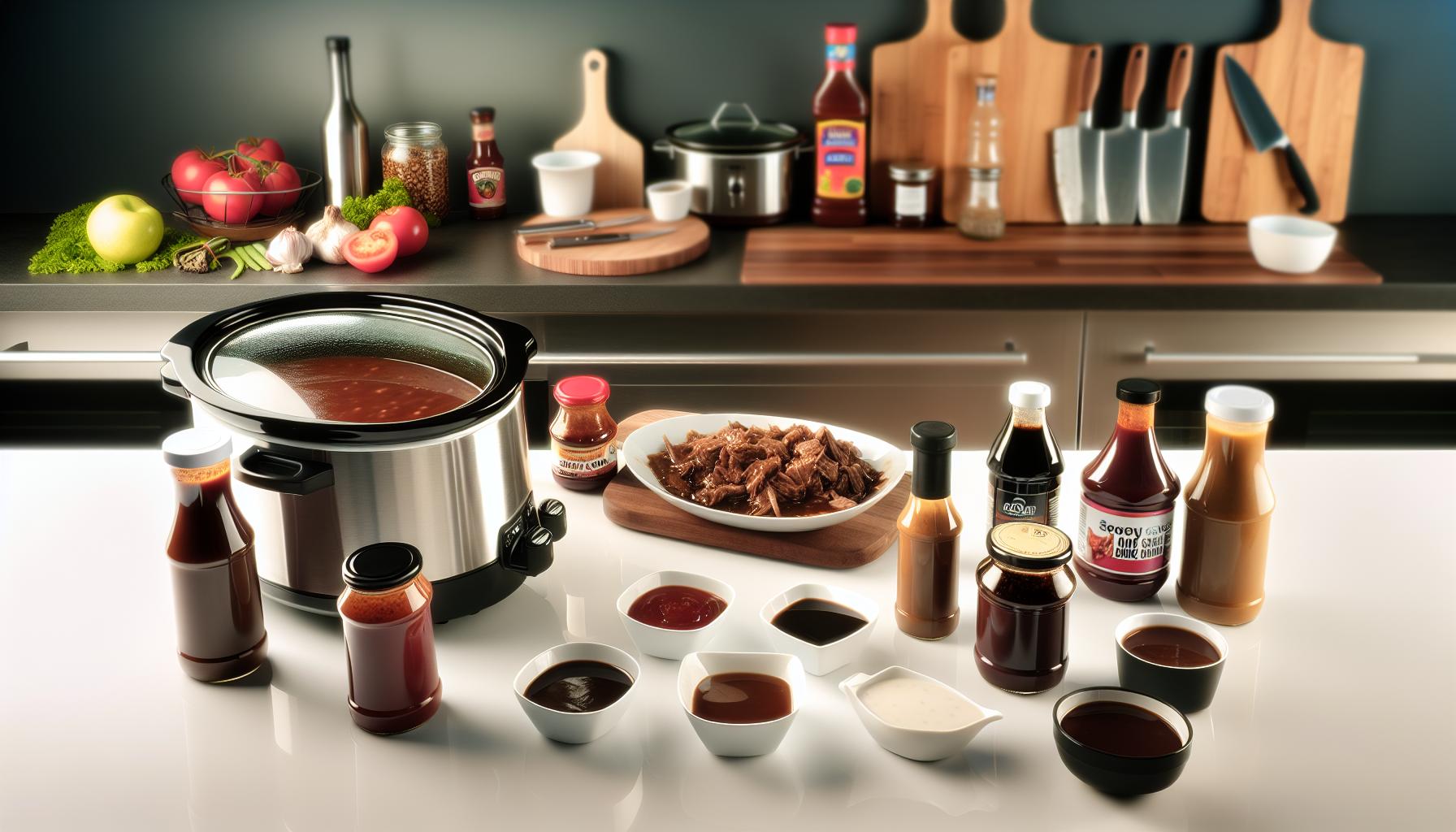
The slow cooker is a flavor powerhouse, but not all sauces get along equally well with these long, gentle cooking sessions. Choosing the right sauce base can make or break your slow cooker spaghetti, especially when you want that perfect al dente noodle without a gluey aftermath. Rich tomato-based sauces with balanced acidity shine here, as their natural tang cuts through slow-cooked meat and melds beautifully over hours. Meanwhile, creamier or dairy-heavy sauces often don’t hold up well; extended heat can cause separation or curdling, turning your dish less creamy comfort and more kitchen science experiment.
Sauces that are built to deepen in flavor – think herb-infused tomato sauces with garlic, fresh basil, and oregano – work wonders in the slow cooker. They develop complexity without overwhelming the pasta itself. I like to start my sauce with a good-quality canned tomato base or crushed San Marzano tomatoes, then layer in bone broth or vegetable stock for added depth and moisture before turning the cooker on. Liquid volume matters, too: enough to hydrate the pasta evenly but not so much that it turns into spaghetti soup. Add herbs and aromatics early, but fresh greens or delicate spices are best stirred in near the end to keep vibrancy intact.
Adapting Sauces for Dietary Tweaks
For gluten-free and paleo pals,tomato-based sauces are a natural fit,especially when you skip processed thickeners and sugar. Use coconut aminos or a splash of balsamic vinegar for subtle sweetness instead of traditional sugar. For the paleo-curious, slow-cooked meats like ground beef or turkey simmered in a rich tomato and bone broth sauce create a hearty and wholesome base that’s naturally gluten-free and packed with umami goodness. You can easily swap dairy-heavy sauces for coconut milk-based alternatives, but remember to add these creamy elements in the final 30 minutes to avoid breaking.
Quick Sauce Tips
- Skip pre-made cream sauces in slow cookers unless you plan to stir in dairy at the very end.
- Layer flavors early with garlic, onions, and dried herbs but wait on fresh basil or parsley until serving.
- Add a splash of acidity (vinegar, lemon juice, or wine) during cooking to brighten and balance the slow-cooked richness.
- Consider a splash of broth rather of water to keep the sauce lively and prevent fading flavor.
From my own slow cooker trials, the best spaghetti sauce is a living thing – start robust and let it mellow, watch your pasta’s cook time carefully, and save fresh ingredients as the finishing touch. When you nail the sauce, the noodles become partners, not victims, in this slow-cooked symphony. And if you’re ever short on time or energy (hello, busy weeknights!), jarred marinara with a pinch of extra herbs and broth can still win the race-slow cookers love to take it from there!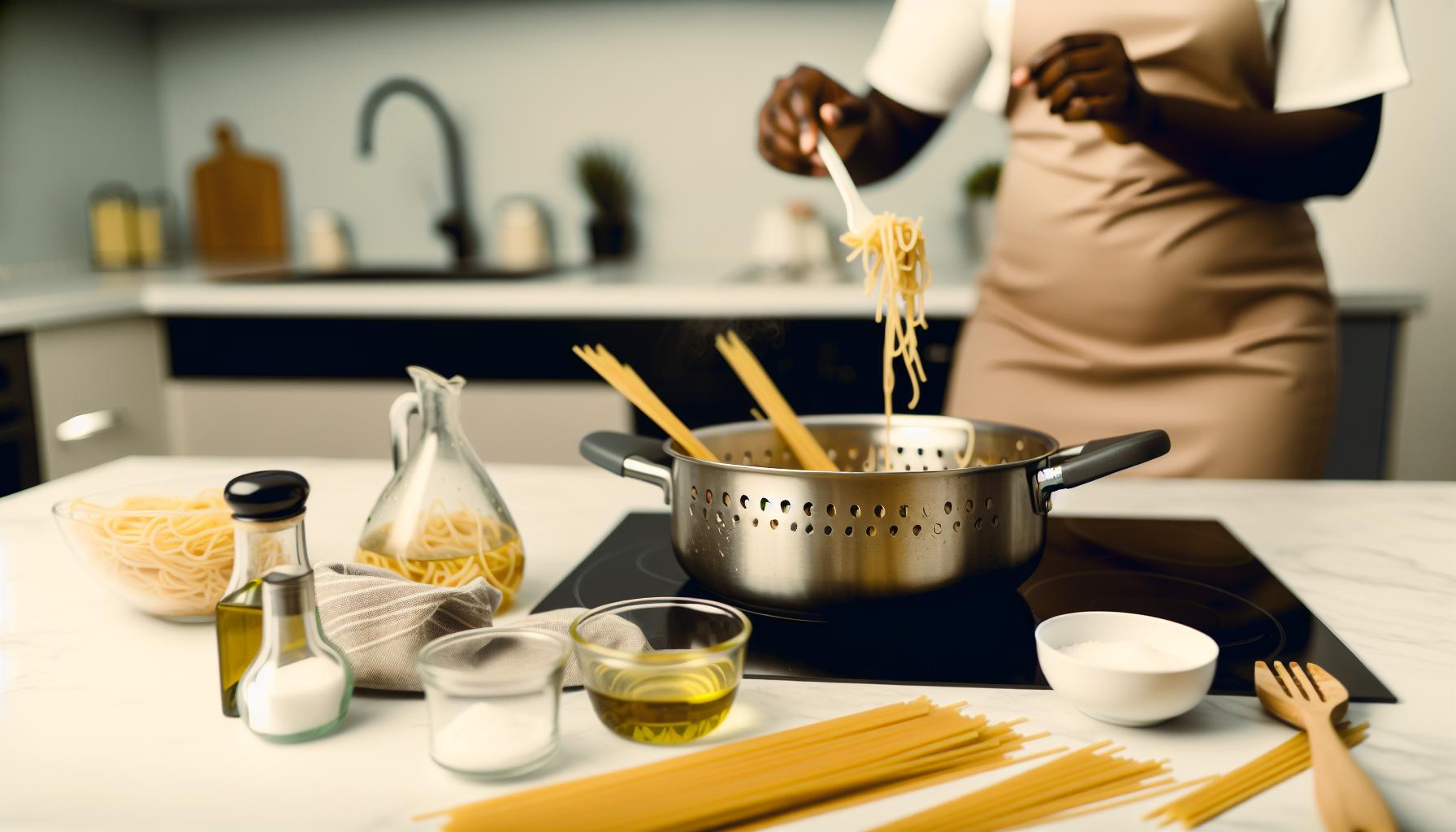
Troubleshooting Sticky Or Mushy Spaghetti Problems
One of the trickiest parts of slow cooker spaghetti is conquering that dreaded sticky, mushy mess that can so easily happen if you’re not careful. Unlike stove-top spaghetti, the slow cooker’s gentle heat-and the long cook times-invite the pasta to keep soaking up moisture, often past the point of no return. But here’s the secret: the right timing,pasta choice,and liquid balance can turn this perhaps gluey nightmare into comfort food magic worthy of any weeknight dinner.
First things first: timing is everything. Unlike quick boiling, in slow cookers you want to add your dry spaghetti later in the cooking process-usually in the last 30 to 60 minutes-depending on your cooker’s heat level. Adding pasta too early lets it stew in the sauce for hours, turning it a bit too soft, and that’s when sticky clumps form. I usually break the spaghetti in half (because slow cookers love packing things in tight), then nestle the pasta into the simmering sauce, stirring gently to coat but not overwork it. If you’re using gluten-free or paleo-friendly pasta like chickpea or sweet potato noodles, keep in mind these often soften faster and tend to absorb more liquid-aim for the shorter end of that time window.
A common oversight is the amount of liquid in the slow cooker. Pasta is a thirsty beast and will slurp up every last drop of broth, sauce, or water in your pot! Too much, and you’ll be swimming in spaghetti soup. Too little, and you risk dry, clumpy strands. I’ve found a happy medium by reducing sauces slightly before adding to the slow cooker or using thicker tomato bases with a splash of bone broth or water to keep things balanced. Also, stirring occasionally after adding pasta can prevent strands from sticking together or settling at the bottom – but don’t obsess; gentle coaxing is enough.
- Use high-quality,firm pasta: thicker shapes like rigatoni or penne are more forgiving than skinny spaghetti,but if spaghetti’s your jam,breaking it in halves helps.
- Resist overcooking: remember, the noodles will keep softening even when you turn the slow cooker off, thanks to residual heat.
- Try rinsing pasta under cold water right after cooking if mushiness happens-the rinse stops further softening and rinses away surface starches that cause stickiness.
- For gluten-free and paleo variants, watch moisture carefully since they absorb quicker and soften faster; add pasta closer to the end for best texture.
When It’s Too Sticky or Clumpy
if your spaghetti turns sticky or clumpy, don’t panic. It’s usually a starch overload causing them to glue together. For a quick fix, drizzle in a teaspoon of olive oil or a splash of broth and toss gently. This can definitely help separate strands and rehydrate the sauce without watering it down. Also, next time consider adding a pinch of salt or acid (a bit of lemon juice or vinegar) earlier in the process-these can reduce starch stickiness naturally and brighten flavors.
Balancing Mushiness vs. tenderness
The line between perfectly tender and mushy is surprisingly thin in a slow cooker. Here’s a personal hack: after adding pasta, set your timer for 25 minutes, then check. If a few noods are still firm, toss them back in for five-minute increments, tasting often. Remember, leftover slow cooker spaghetti can be saved (if you have any!): the fridge sometimes firms it up a bit, making leftover spaghetti skillet-fried a neat textural upgrade.don’t shy away from creative tweaks if you’re worried about texture. Using spiralized veggies as part of or in place of some pasta can add texture and fiber without the risk of gluey overcooking. Or try quick-cooking pasta alternatives designed for convenience-you’re in control, and honestly, fun food shouldn’t be stressful!
Slow cooker spaghetti is a little experiment in patience balanced with intuition-and a well-timed stir. The magic is in trusting your cooker, knowing your pasta, and remembering: a little sticky is just the beginning of something delicious.Happy slow-cooking!
Faq
Q: How do I prevent spaghetti from sticking together in a slow cooker?
A: To prevent spaghetti from sticking, stir the pasta gently after adding it and use enough liquid to fully submerge the noodles. Adding a small amount of oil or butter also helps keep strands separate. For more tips, check the Troubleshooting Sticky Or Mushy Spaghetti Problems section in the main guide.
Q: Can I add uncooked spaghetti directly to the slow cooker without pre-boiling?
A: Yes, you can add uncooked spaghetti directly, but keep in mind timing is crucial. Add pasta during the last 20-30 minutes of cooking on low to avoid mushiness. Refer to Step-By-Step Slow Cooker Spaghetti Guide for ideal timing and liquid ratios to keep noodles al dente.
Q: what’s the best slow cooker setting for cooking spaghetti without overcooking it?
A: The Low setting on a slow cooker is best for evenly cooking spaghetti without turning it gluey. cooking pasta on High frequently enough leads to mush. Start by simmering your sauce first, then add pasta near the end on low, as detailed in Perfect Cooking Times To Avoid Gluey Pasta.
Q: How much water or liquid should I use when cooking spaghetti in a slow cooker?
A: Use enough liquid to fully cover the spaghetti plus an extra 1/4 cup, as pasta absorbs a lot while cooking. The liquid-to-pasta ratio is key to avoiding gluey texture. Adjust liquids based on sauce thickness-you’ll find more tips in Essential Ingredients To Prevent overcooking.
Q: Why does slow cooker spaghetti sometimes turn mushy even when I follow the recipe?
A: Mushy spaghetti usually results from overcooking or adding noodles too early. Slow cookers continue to cook after turning off,so remove the pot promptly once pasta is tender. Checking out Common Mistakes That Turn Pasta To Glue will help avoid this common pitfall.
Q: Are there specific pasta types that cook better in a slow cooker without becoming gluey?
A: Yes, thicker, sturdier pasta shapes like bucatini or rigatoni hold up better than thin spaghetti when slow cooked. Whole wheat or gluten-free options with higher protein content also resist overcooking. See Choosing The Right Pasta For Slow Cooking for detailed recommendations.
Q: How can I reheat leftover slow cooker spaghetti without it turning sticky?
A: reheat spaghetti gently in a skillet with a splash of water or sauce over low heat, stirring often. Avoid microwaving straight,which dries pasta out and makes it sticky.for more reheating hacks, explore Real Home Cook Tips For Best Slow Cooker Results.
Q: can I cook gluten-free spaghetti in a slow cooker without it turning to glue?
A: Absolutely! Use gluten-free pasta made from rice or corn, and monitor cooking time closely-usually 10-15 minutes on low. Adding acid like lemon juice or vinegar to the sauce can help maintain firmness. Check How To Adjust Recipes For Gluten-Free & Paleo for full guidance.
Explore these FAQs alongside the main article’s expert tips to master your slow cooker spaghetti game. For even more tasty slow cooker recipes and detailed pasta care tips, keep browsing our recipe collection!
Key Takeaways
Now that you know the perfect slow cooker timing to keep your spaghetti tender without turning to glue, you’re set for hassle-free, comforting meals that fit any busy schedule. Remember, keeping the cook time between 2 to 3 hours on low, using enough liquid, and stirring just once can make all the difference-no mushy mess here! If you’re exploring gluten-free or paleo twists, don’t shy away from swapping in alternative pasta or sauce choices; delicious and dietary-friendly cooking is totally achievable.
hungry for more? Check out our guides on quick slow cooker weeknight dinners and foolproof sauce recipes to elevate your pasta nights. ready to dive deeper? Sign up for our newsletter to get tested recipes and practical kitchen tips straight to your inbox-no fluff, just home-cook wisdom you can trust. Got questions or your own slow cooker hacks? share them below; we love hearing from fellow food adventurers! Your slow cooker spaghetti journey is just beginning-let’s make every bite count and keep that pasta perfect every time.
Get our latest guides, news, and insights highlighted in your Google Search & AI Overviews.