

Tough meat in a slow cooker can feel like the ultimate kitchen letdown-hours of waiting, only to end up with rubbery, chewy bites when you were craving tender, melt-in-your-mouth goodness. Whether you’re a busy home cook juggling family dinners or just starting with slow cooking, knowing how to fix tough meat can save your dinner adn your day. The good news? With a few simple tweaks-like adjusting cooking times, choosing the right cut, or using clever tricks to soften fibers-you can turn that stubborn roast or stew into a comforting, juicy meal that feels like a hug on a plate. If you’ve ever faced the disappointment of a disappointingly tough chuck roast or short ribs that didn’t quiet soften, you’re in the right place. Stick around as we dive into practical, tested solutions that take the guesswork out of slow cooking beef, making every bite tender, flavorful, and worth licking the plate for-gluten-free, paleo-friendly, and totally doable on a busy schedule. Let’s rescue your slow cooker meals with simple steps anyone can master!
Table of Contents
- Why Slow Cooker Meat Turns Tough and How to Avoid It
- Quick fixes for Salvaging Tough Slow Cooker Meat
- Best Meat Cuts for Slow Cooking Success
- Flavor-Boosting Marinades and Tenderizers That Work
- Slow Cooker Time and Temperature Tricks for Tender Results
- Using Acids and Enzymes to Break Down Tough Meat
- Step-by-Step Rescue Guide: From Tough to Tender in One Dish
- Creative Recipes to Hide or Highlight Tough Meat’s Texture
- How to Slice and Serve Tough Meat to Maximize Tenderness
- Common Mistakes that Make Slow Cooker Meat Tough
- Slow Cooker Alternatives for Better Meat Texture
- Gluten-Free and Paleo-Friendly Tips for Tender Slow cooker Meat
- Frequently asked questions
- Q: How can I reheat tough slow cooker meat to make it more tender?
- Q: What kitchen tools help fix or prevent tough slow cooker meat?
- Q: when should I add vegetables to prevent meat from drying out in the slow cooker?
- Q: Why does meat sometimes stay tough even after cooking low and slow in a crockpot?
- Q: How does resting slow cooker meat after cooking improve tenderness?
- Q: Can adding dairy or fats help fix or tenderize tough slow cooker meat?
- Q: What quick acid-based fixes work if my slow cooker meat turns out tough at serving time?
- Q: How can I repurpose tough slow cooker meat in recipes that mask its texture?
- To Wrap It Up
Why Slow Cooker Meat Turns Tough and How to Avoid It
You’ve probably experienced that frustrating moment when your slow cooker masterpiece turns out unexpectedly tough-a culinary curveball that feels like a betrayal after hours of anticipation. But here’s the kicker: meat becoming tough in a slow cooker ofen isn’t about the cooking time alone-it’s a delicate dance of connective tissue, fat content, moisture levels, and temperature control. Toughness often springs from the muscle fibers tightening up when cooked at to high a heat or without enough moisture to gently break down the collagen and connective tissue. Think of it like slow-cooking with a velvet touch-too harsh, and the meat tenses; slow and gentle, it melts away like butter on a warm knife.
One sneaky culprit is cooking temperature. slow cookers vary wildly, and sometimes what’s labeled “low” can flirt with medium heat, causing muscle fibers to seize and toughen before collagen fully breaks down. It’s all about finding that sweet spot of consistent, moist heat long enough to coax the tough stuff (collagen) into luscious gelatin. That’s why cuts rich in connective tissue-like brisket or chuck roast-love low-and-slow cooking until they practically fall apart, while leaner, low-fat cuts can turn into chewy jerky if left unattended.Without enough fat or moisture, your meat just won’t have the cushion it needs to relax and become tender [1].
- Moisture Matters: A dry cooker interior or scant liquid invites toughness.Always add broth, wine, or even water to keep the habitat humid and encourage collagen thawing.
- Cut Choice is King (or Queen!): Hard-working muscles pack connective tissue that slow cooking transforms beautifully-choose wisely to avoid disappointment.
- Timing is Everything: Overcooking lean or tender cuts is a fast track to chewiness; meanwhile, undercooking the collagen-rich ones leaves them stubborn and stringy.
Personally, I learned this the hard way when I threw a lean roast into the slow cooker with zero liquid and walked away with what tasted like beef-flavored shoe leather.Oops! A quick switch to tougher cuts paired with ample broth and patience rescued every future meal. so embrace the science (and a little kitchen magic), and your slow cooker will reward you with tender, flavorful meat every time.
Quick fixes for Salvaging Tough Slow Cooker Meat
Sometimes,despite your best intentions,slow-cooked meat stubbornly refuses to become tender. But don’t despair! There are surprisingly effective tricks to rescue tough meat and turn it into a dish that’s much more enjoyable to bite into. One quick fix starts with adding a bit more moisture to your slow cooker if you didn’t use enough liquid to begin with.A splash of broth, wine, or even water added midway can coax collagen and connective tissues to break down further, softening the fibers that make your meat chewy.If time permits, consider continuing the slow cooking process on low heat for an extra couple of hours. Tough meats usually just need more patience – those extra hours allow gelatin to fully form and tenderize the meat internally. Avoid cranking the heat, as higher temperatures can cause muscle fibers to toughen rather than relax. If you’re pressed for time, transferring the meat to a pot on the stovetop for gentle simmering with added liquid can also speed things up. Another trick is to shred the meat once it’s slightly softened, then stir it back into the sauce or cooking liquid.This disperses the tougher bits and makes every bite tender.
When Moisture and Time Aren’t Enough: Introducing Acids and Tenderizers
Sometimes, moisture and low heat just don’t cut it. A splash of acid-like apple cider vinegar, lemon juice, or a bit of tomato-based sauce-can help break down stubborn proteins.Adding these in the final hour of cooking can soften meat fibers further without overpowering your flavors with tang. If you’re paleo or gluten-free, natural tenderizers like pineapple or papaya juice (which contain catalysts called bromelain and papain) are magic workers when used sparingly in marinades or mixed into slow cooker juices. just a word of caution: too much acidic tenderizer or enzyme can turn meat mushy,so add modest amounts and taste as you go!
Simple Kitchen Hacks to Salvage & Serve Tough Meat
If all else fails,get creative with how you feed it to your hungry crew. Pull the meat apart into smaller pieces or thinly slice it against the grain to minimize chewiness-this technique is a game-changer and instantly improves the eating experience. you can then incorporate it into gluten-free pasta sauces, hearty soups, or use it as a filling for tacos or paleo wraps where the sauce or other moist ingredients hide any lingering toughness. Another favorite “save” is to fold in shredded meat with mashed root veggies or gluten-free grains, which keeps meals comforting while stretching those not-so-perfect bites.
- Extra liquid: Add broth, wine, or water mid-cooking to increase moisture and break down collagen.
- Low & slow extension: Cook for several more hours on low to tenderize without toughness.
- Acid magic: Use lemon juice, vinegar, or pineapple juice sparingly to soften fibers.
- Slice or shred: Break the meat into smaller pieces or slice thinly against the grain to improve tenderness.
- Repurpose smartly: Use tough meat in sauces, stews, tacos, or paired with soft sides to disguise texture.
Having a few of these tactics up your sleeve can transform a kitchen misstep into a delicious recovery tale.Trust me-slow cooking is a forgiving adventure, and with a dash of patience, a pinch of chemistry, and a little dish creativity, your tough meat will happily come around to melt-in-your-mouth perfection. enjoy every bite, happily imperfect and entirely yours!
Best Meat Cuts for Slow Cooking Success
There’s a certain magic in choosing the right cut of meat for your slow cooker-pick wisely, and your dinner practically falls apart in the best way, tender and juicy with minimal effort. Slow cooking isn’t a one-size-fits-all process because every cut reacts differently depending on its fat content, connective tissue, and collagen levels. When you aim for melt-in-your-mouth results,the secret is hormetic: cuts that look tough and a little intimidating on the outside are actually slow-cooker soulmates,rewarded richly by low and slow heat.
Think of “hard-working” muscles-they contain more connective tissue, which breaks down over long cooking, transforming into gelatin that adds luscious texture and moisture. Cuts like chuck roast, pork shoulder, brisket, and short ribs are superstar options. They might feel like the underdogs in a grocery store lineup next to prettier-looking steaks, but they shine brightest in that slow cooker pot. On the flip side, leaner, tender cuts like sirloin or tenderloin can dry out or become stringy if cooked for hours, so they’re less ideal for long slow cooker stints unless you’re looking to soften them briefly or use them in stews with lots of extra moisture.
Top Picks for Slow Cooker Greatness
- Chuck Roast: Rich marbling and connective tissue-slow cooking renders it irresistibly tender and flavorful, perfect for pot roast or shredded beef.
- Pork Shoulder (Boston Butt): A classic for pulled pork with plenty of intramuscular fat and collagen that melts down beautifully for juicy results.
- Beef Brisket: Tough but rewarding. Long, low cooking breaks down the fibers and releases deep, smoky flavor, ideal for Paleo and gluten-free BBQ-friendly meals.
- Short Ribs: These are a gem for rich, decadent dinners-fatty, gelatinous, and packed with flavor, they hold up to slow cooking beautifully.
- Oxtail and Shank: Less commonly cooked at home but fantastic options if you want rich stocks or stews packed with body and silky tenderness.
lean Cuts Need a Gentle Touch
here’s the deal: some leaner meats don’t take well to slow cookers because they lack the collagen that turns into soft gelatin. Such as, eye of round or sirloin tip steak can become dry or stringy after hours of cooking low and slow. If you want to use these cuts, think about shorter cooking times or adding a rich sauce and extra liquid to keep things moist.When in doubt, slice these meats thinly against the grain after cooking to help with tenderness.
I once tried a “budget-friendly” sirloin roast in the slow cooker, confident it’d be a winner. Well, it was protein-packed, but it needed some serious shredding and sauce-love to rescue it from toughness. Lesson learned: don’t be afraid to pair lean meats with moisture and acid or keep the cooking time brief.
| Cut | Best For | Avg. cooking Time (Low) | Key Benefits |
|---|---|---|---|
| Chuck roast | Pot roast, shredded beef | 8-10 hours | High collagen, juicy, flavorful |
| Pork Shoulder | Pulled pork, stews | 8-10 hours | Fatty, melts into tender pieces |
| Beef Brisket | BBQ, rich stews | 8-12 hours | Deep flavor, tender when cooked slow |
| Short Ribs | Fancy dinners, rich sauces | 6-8 hours | Gelatinous texture, flavorful |
| Oxtail/Shank | Broths, hearty stews | 8-12 hours | High collagen, rich stock |
| Lean Cuts (Sirloin, Eye Round) | Quick slow cooker meals | 4-6 hours (with extra liquid) | Low fat, risk of drying out |
The takeaway? If you want a stress-free slow cooker experience that practically guarantees tender meat, reach for cuts with a healthy dose of collagen and fat. Those “workhorse” cuts lovingly surrender their toughness when cooked right, rewarding you with depth, mouthfeel, and hearty satisfaction that makes every forkful feel like a celebration.Whether you’re gluten-free, paleo, or just chasing that perfect pot roast magic, choosing your cut wisely puts you halfway to a dinner success story. So next time you’re meal prepping, think beyond the pretty steaks and dive into those robust, humble cuts-they’re slow cooker gold!
Flavor-Boosting Marinades and Tenderizers That Work
imagine turning a tough hunk of meat into a luscious, tender masterpiece just by letting a marinade do its magic overnight. marinades and tenderizers do more than just add flavor-they help break down those rigid muscle fibers and collagen chains in the meat, making each bite juicier and softer. For busy folks aiming for a fuss-free slow cooker dinner, a well-chosen marinade or tenderizer is like a secret weapon that kicks off the tenderizing process even before the low and slow heat gets to work.
When crafting your marinade, keep in mind that acids and enzymes play starring roles. Ingredients like citrus juice, vinegar, or yogurt gently soften meat by slightly denaturing the proteins. Meanwhile, natural enzymes found in pineapple, papaya, and kiwi act like tiny, hungry sculptors, nibbling at connective tissue with precision. Just be cautious: too much enzyme or acid for too long can backfire,turning your meat mushy or overly tart.
Flavor and Tenderness: A Dynamic Duo
- Citrus-based marinades: Lemon or lime juice paired with olive oil, garlic, and herbs work wonders on lean cuts such as sirloin or flank steak. For a Paleo and gluten-free friendly option, combine fresh citrus with coconut aminos and a touch of honey for balance. Marinate for 2 to 4 hours; overnight can be too much unless you want a ceviche-like effect.
- Enzyme-rich tropical fruit blends: A quick soak (under 2 hours) in pineapple or papaya juice transforms even the toughest chuck into tender chunks. I once swore by a papaya-pineapple marinade for pulled pork, and the results were incredible every time! Just don’t overdo it or you’ll have meat that’s falling apart before dinner.
- Yogurt or buttermilk marinades: Perfect for beef brisket or shank, these provide gentle acidity and a creamy bath that tenderizes while enhancing moisture retention. For dairy-free Paleo fans, try coconut milk mixed with a splash of apple cider vinegar and spices.
Put It Together: Practical Tips
- Always pat meat dry before marinating to help the flavors stick better.
- Use non-reactive containers (glass,ceramic,or BPA-free plastic) to avoid unwanted metallic tastes.
- Marinate in the fridge, not on the counter, for both safety and optimal texture.
- don’t toss your marinade! Reserve some to swirl into your slow cooker or reduce it to a sauce for glossy, flavor-packed finishing touches.
For a quick weekday fix, whisk together a vibrant marinade in under 10 minutes-some olive oil, minced garlic, a splash of balsamic, fresh rosemary, and a squeeze of lemon does wonders.Letting it hang out on your pork shoulder overnight means tender, flavorful bites waiting to be pulled apart the next day. And if time’s tight, even a one-hour soak will give your slow cooker meat a flavor boost and head start on tenderness. Whether you’re aiming for a Paleo-friendly roast, a gluten-free stew, or just a crowd-pleaser pot roast, embracing these flavor-tenderizing combos will elevate your slow cooker game and save you from the dreaded tough meat blues.
Slow Cooker Time and Temperature Tricks for Tender Results
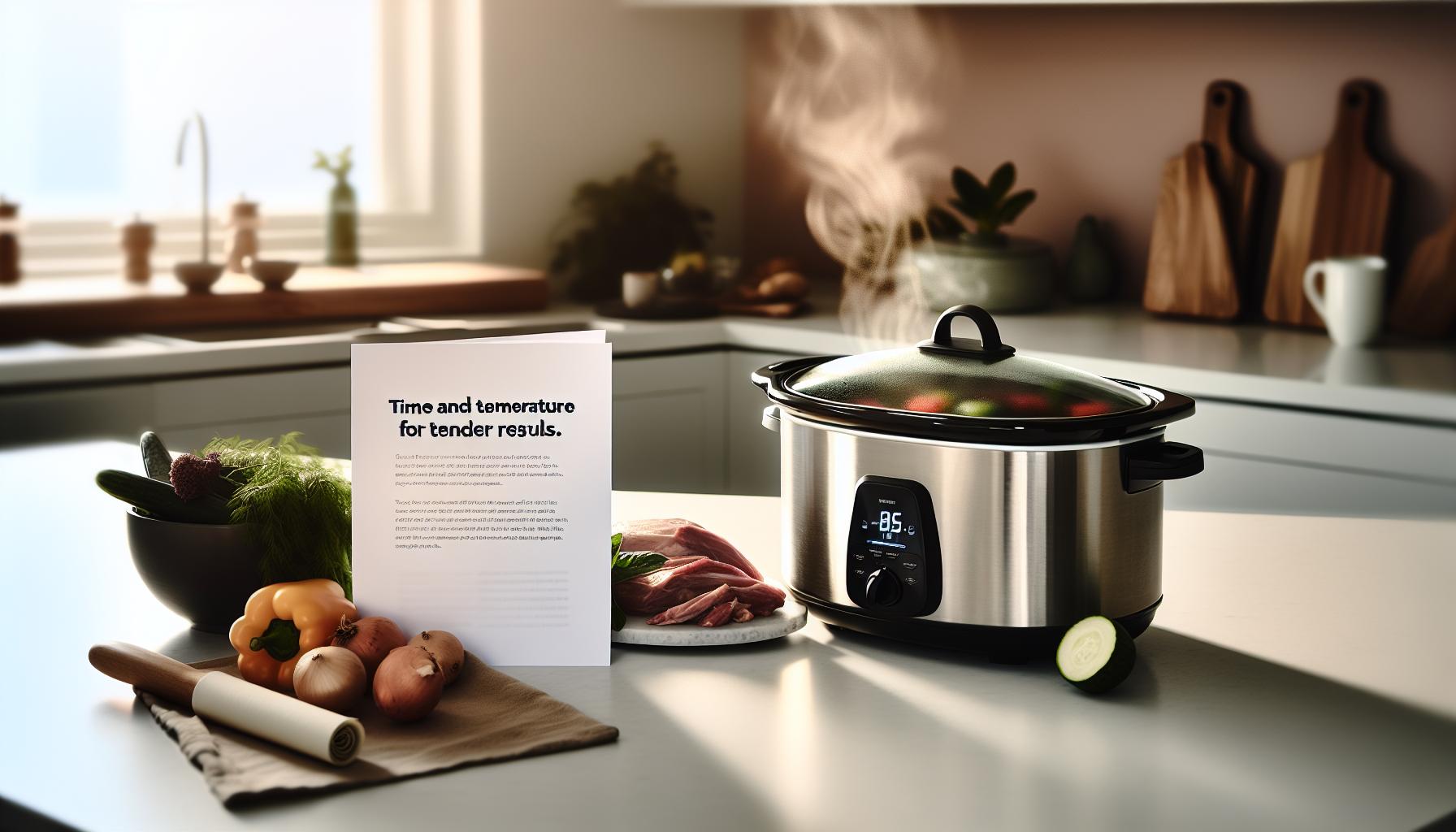
Here’s a kitchen truth: slow cookers are all about patience and precision.The secret to melting tough cuts into tender, fork-ready perfection isn’t just about tossing meat in and walking away-it’s tuning into the right time and temperature dance. Too hot, and your meat can seize up and toughen; too cold or rushed, and those connective tissues never quite break down. Getting it just right means embracing the “low and slow” motto, but with a few savvy tweaks that even busy weeknights can handle.
For most cuts like chuck roast, brisket, or pork shoulder, the magic window usually lies between 6 to 8 hours on the LOW setting. This gentle simmer allows collagen-the tough stuff in your meat-to dissolve gradually into luscious gelatin, creating that tender bite everyone craves. Crank the dial to HIGH if you’re short on time, but limit cooking to 3-4 hours max to avoid dry, stringy results. Here’s a little kitchen hack: start on HIGH for 30 minutes to get things warming and then switch to LOW for the remainder.It’s like giving your slow cooker a caffeine boost before it cozies up to work gradually-perfect for layering tender flavors and texture.
Time and Temperature Tips for Consistently Tender Meat
- Don’t rush the early stages. Getting your slow cooker to a warm temperature quickly sets the stage for collagen breakdown.
- Keep a good amount of liquid. A cozy bath of broth, wine, or even a splash of water creates a steamy environment that tenderizes via moist heat. Dry heat, even in a slow cooker, risks toughening.
- Don’t peek (too often!). Each lid lift can drop the temperature and add cooking time, disrupting the tenderizing.
- know your meat’s thickness and cut. Thicker or larger roasts need long, even heat, whereas smaller chunks can handle a slightly higher temp for less time.
Personally, I’ve learned the hard way that “set it and forget it” isn’t always foolproof when it comes to tough meat. One memorable brisket attempt overcooked on HIGH left it drier than a desert trail mix. Since then, dialing back to low heat and patiently extending the cook time has been my go-to lifesaver for Paleo-friendly, gluten-free feasts that come out juicy and tender, ready for anything from shredded tacos to cozy stews.
Want a quick reference? Here’s a simple table to guide your slow cooker timing based on meat type and cut size:
| Meat Type | Cut Example | Slow Cooker Setting | Cook Time Range |
|---|---|---|---|
| Beef | Chuck Roast, Brisket | LOW | 6-8 hours |
| Pork | Pork Shoulder, Butt | LOW | 7-9 hours |
| lamb | Shoulder, Shank | LOW | 6-8 hours |
| Smaller meat chunks | Stew Meat, Cubes | HIGH | 3-4 hours |
Incorporate these timing and heat tweaks with your favorite marinade or tenderizer, and you’ll soon be greeting your slow cooker meat with a confident smile rather of a worried glance. Remember: when you honor the collagen’s slow melt-down,you’re not just cooking-you’re crafting comfort in every bite.
Using Acids and Enzymes to Break Down Tough Meat
One of the best-kept secrets in transforming tough, slow-cooker meat into tender, melt-in-your-mouth magic is the power of acids and enzymes.These natural muscle-softening agents work like tiny molecular chefs, breaking down proteins and connective tissues long before the slow cooker even heats up. Whether you’re aiming for a Paleo-friendly pot roast or sticking to gluten-free classics, incorporating these trusty tenderizers is a game-changer that requires just a bit of foresight but rewards you with incredible texture and flavor.
Acids-found in everyday kitchen heroes like vinegar, citrus juices, and even wine-start gently unraveling the tough muscle fibers. For example, a splash of apple cider vinegar or a squeeze of fresh lemon juice works wonders when used as part of a marinade for 30 minutes to a few hours before cooking. But a heads-up: too much acid or too long of a soak can turn your meat into mush or give it an overly tangy punch. I learned this the hard way once, marinating a pork shoulder overnight in straight lemon juice-and let’s just say the texture was more “interesting” than ideal. Balance is key here! For a mild yet effective marinade, mix about 1 tablespoon of acid per cup of marinade and keep marinating times moderate-think 1-4 hours depending on the cut thickness.
Enzymes present a bit of extra culinary magic. Ingredients like pineapple (thanks to bromelain), papaya (papain), and even kiwi (actinidin) contain enzyme proteins that actively digest the meat’s tough fibers. These tropical tenderizers can be especially helpful when working with very tough cuts or when you’re short on slow cook time. But be cautious-enzymes are fast workers. A kiwi-based marinade can tenderize in as little as 15-30 minutes, and leaving meat in too long can create an unwanted mushy texture. If you’re experimenting with these, try blending or pureeing the fruit, then either applying it as a marinade or rubbing it directly on the meat, followed by a rinse before cooking. It’s like giving your meat a spa day before the slow cooker cooks the main event.
Practical Tips for Using Acids and Enzymes
- Choose your meat cut wisely. Heavily marbled or high-collagen cuts like chuck or shank benefit most from acid/enzyme marinades.
- Timing matters. For acidic marinades, shoot for 1-4 hours; for enzymatic ones, aim for 15-45 minutes to avoid over-tenderizing.
- Complement with slow-cooking. These tenderizers kickstart breakdown, but the low-and-slow cook brings collagen transformation to gelatin.
- Safe substitutions. No pineapple on hand? Try papaya puree or a splash of natural fruit juice with some vinegar.
- Keep it Paleo and Gluten-Free. These natural tenderizers avoid the artificial additives found in commercial tenderizer packets.
In my kitchen, a favorite trick is a quick mango-papaya salsa marinade for pork shoulder before settling it into the slow cooker. The enzymes give a subtle, tropical boost that pairs perfectly with smoky spices and low heat. And since these natural acids and enzymes do so much of the tenderizing heavy lifting upfront, you’re free to focus on seasoning, layering flavors, and enjoying the cooking process without worry.
so next time you’re faced with a tough cut that’s threatening to ruin the dinner vibe, remember: a little love from acids and enzymes goes a long way-kind of like your favorite playlist setting the mood before a great dance. Your slow cooker will thank you, and your taste buds will too.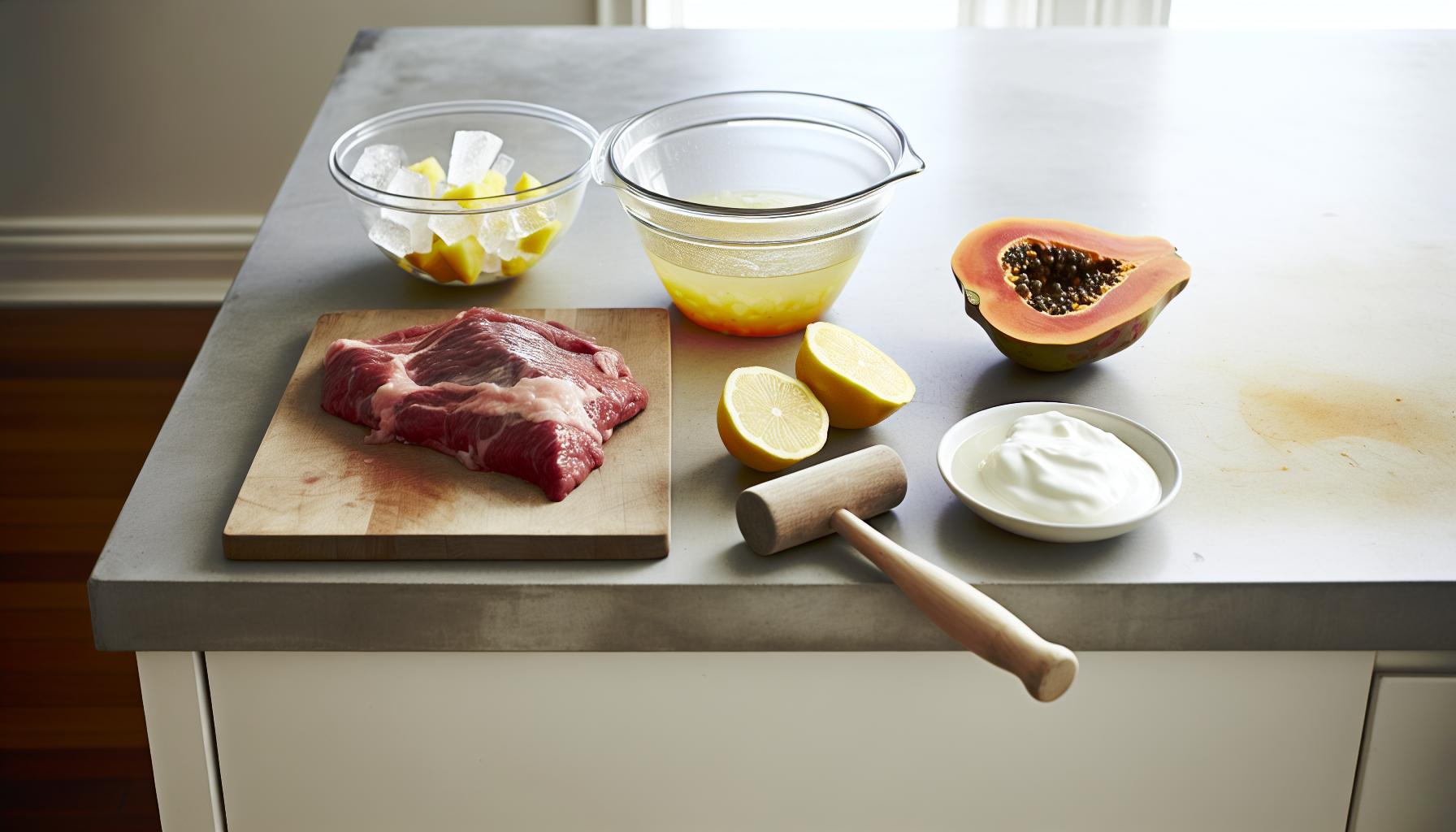
Step-by-Step Rescue Guide: From Tough to Tender in One Dish
Sometimes despite your best efforts, slow-cooked meat still ends up tougher than you’d like. But fear not-there’s a comforting truth here: tough meat can often be rescued with a few savvy kitchen moves that feel more like creative problem-solving than a disaster. With a little patience and the right tricks, you can coax that stubborn cut into rich, tender perfection worthy of any cozy dinner table.Start by assessing what you’re working with. Is the texture dense and dry, or just a bit stringy and firm? This quick mental diagnosis will guide your next steps. One of the simplest lifelines is to add a bit more liquid and switch your slow cooker to a low, gentle heat for an extended period. Moisture plus time does wonders in softening connective tissue, transforming collagen into luscious gelatin that practically melts in your mouth. Adding flavorful broth,canned tomatoes,or even a splash of wine not only adjusts texture but layers complex notes into your dish. Remember, low and slow is your friend-rushing tough meat isn’t just stressful, it’s often what caused the problem in the first place.
If time isn’t on your side, you can accelerate the tenderizing process with a hint of acid or natural enzymes right in the slow cooker. Toss in ingredients like a bit of apple cider vinegar, lemon juice, or a few slices of fresh pineapple. These subtle additions start breaking down muscle fibers during cooking; however, go easy-too much acid can cause mush rather than melt-in-your-mouth. Such as, I once saved a less-than-perfect pork roast by simmering it gently overnight with a splash of balsamic vinegar and some fresh herbs-it cut the toughness without overpowering the flavor.
Quick Steps to Transform Tough Meat
- Reintroduce moisture. Add ½ to 1 cup of liquid (stock, broth, wine, or tomato sauce).
- Lower the heat. Switch your slow cooker to “low” or even the “keep warm” setting and extend cooking time by 1-3 hours.
- Incorporate gentle acids. Add a tablespoon of vinegar or citrus juice to the cooking liquid for natural tenderizing.
- Consider enzyme power. If accessible,stir in pureed papaya or pineapple for a quick enzymatic boost-use sparingly to prevent mushiness.
- Check periodically. Stir gently, taste, and test tenderness to avoid overcooking.
When Rescue Needs a Recipe Makeover
Sometimes the texture won’t fully recover to “just-off-the-butchers-block” status,and that’s okay. Rather of forcing it as a standalone roast, turn the meat into a luscious stew, chili, or pulled meat dish where the fibrousness blends beautifully with spices and other ingredients.Adding creamy elements like coconut milk (great for Paleo-friendly dishes) or thickening with arrowroot starch can further disguise any residual toughness while keeping the dish totally satisfying and gluten-free.
From personal experience, transforming tough beef chuck into a smoky-chipotle chili with slow-cooked beans and a hit of cocoa powder was a game changer for a family dinner. the longer simmer and robust flavors made every bite feel indulgent, even though the initial roast had stubborn texture.
No matter your dietary path or schedule,rescuing slow cooker meat is an act of culinary grace-one that gently reminds us all: good food thrives on a little patience,trust,and the joy of experimenting in the kitchen. So next time you face a tough cut,treat it like a project worth loving rather than a failure to fear. Your slow cooker-and dinner guests-will thank you.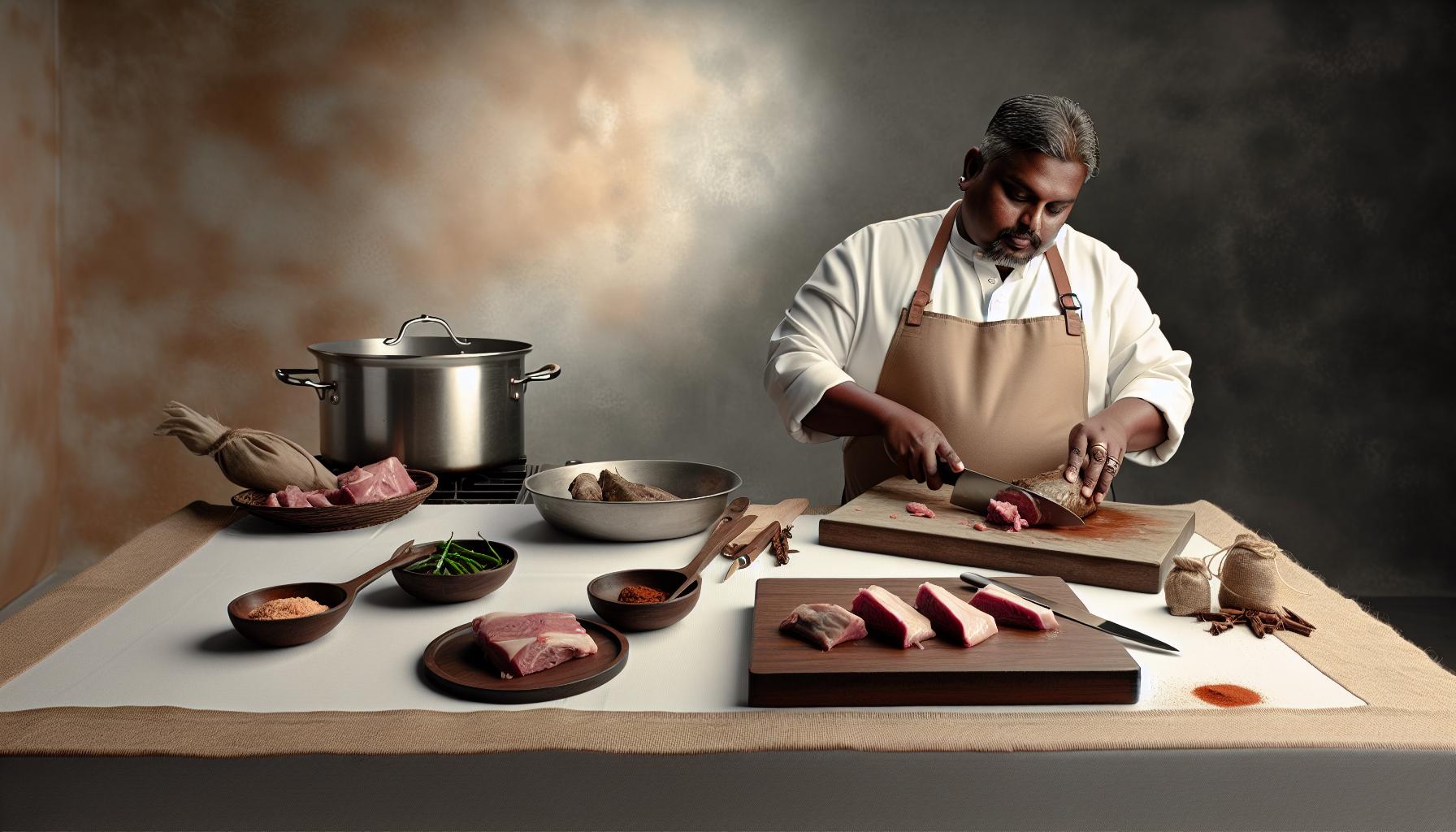
Creative Recipes to Hide or Highlight Tough Meat’s Texture
Sometimes tough meat has a secret superpower: it lends incredible texture and flavor complexity when given the right culinary context. Instead of battling its chewiness head-on, think of it as a chance to get creative with recipes that either embrace or cleverly mask its firmness. With a little imagination (and a few pantry staples), those stubborn chunks can become the star or a cozy background note in your meal.
One of my favorite go-to moves is turning tougher cuts into richly spiced stews or chilis. These dishes-from smoky chipotle beef chili to warming lamb tagine-excel because long, slow simmering softens connective tissue while bold spices and herbs distract and harmonize with any lingering chewiness. Toss in plenty of aromatic veggies,beans,and a hint of cocoa or coffee powder to add depth and draw focus away from texture,making each spoonful a comforting,palate-pleasing adventure. Added bonus: stews are typically paleo-friendly and naturally gluten-free, so it’s an easy way to keep everyone happy without fuss.
- Stew or chili: Use tougher beef chuck or brisket, slow cook with tomatoes, onions, garlic, smoked spices, and a dash of dark chocolate.
- Pulled meat bowls: Shred tougher pork or beef after extended cooking, then mix with smoky BBQ sauce, avocado, and crunchy slaw for a satisfying contrast.
- Curry transforms: Dense, slow-cooked meat chunks soak up coconut milk, fresh ginger, and turmeric, making each bite tender by contrast and full of flavor.
Alternatively, if you want to highlight the unique texture rather than hide it, think rustic family-style dishes where chewy meat lends a satisfying bite that feels hearty and honest. Dishes like slow-cooked beef ragù on gluten-free pasta or robust Paleo-friendly stir-fries with well-marinated meat strips showcase the meat’s character, balanced by fresh herbs, tangy dressings, or crunchy nuts. Adding a dollop of creamy yogurt or cashew cream on the side can mellow any toughness without smothering flavor.
The trick is pairing toughness with elements that provide moisture, contrasting textures, or bold flavor layers. Think acidic punches from salsa verde or chimichurri, natural sweetness from caramelized root veggies, or the crisp contrast of pickled red onions. in my kitchen,a slow-cooker venison stew with juniper berries,fresh thyme,and a zingy gremolata finishes beautifully-not soft as butter,but complex and deliciously textured.
Quick Ideas to Work with Tough Meat Texture
- Rich stews with bold spices: Converts chewiness into cozy comfort.
- Shredded BBQ bowls: Great for adding creamy and crunchy toppings.
- Coconut curry: Softens and layers tropical notes.
- Rustic ragù: Celebrates texture alongside fresh herbs and gluten-free pasta.
- tangy accompaniments: Salsas, gremolata, or pickles brighten and balance.
Remember, a little toughness isn’t a dinner disaster-it’s just a nudge to pivot and play in the kitchen. The joy comes from turning what feels like a setback into a new favorite dish, often with flavors and textures that feel both nourishing and surprisingly exciting. So grab your slow cooker, your spices, and maybe a splash of coconut milk, and get ready to make magic from the tough stuff!
How to Slice and Serve Tough Meat to Maximize Tenderness
It might surprise you, but the way you slice your slow-cooked meat can make a world of difference when it comes to tenderness and mouthfeel.Even if your meat turned out a bit tougher than hoped, paying attention to grain direction and slice thickness can soften that initial chew and unlock its hidden potential. Think of it like giving your meat a tailor-made haircut-small changes in how you cut can create a whole different eating experience.
the cardinal rule is to slice *against* the grain. Muscle fibers run like long threads, and cutting across them shortens those fibers, making each bite easier to chew.Locate the grain by visually inspecting the meat-it looks like lines running through the piece-and angle your knife perpendicular to those lines. If you’re dealing with lean tougher cuts like brisket or chuck roast, thin slices (about ¼ inch) work wonders at reducing chewiness. For leaner or tougher wild game, chopping into bite-sized cubes or shredding with forks after slow cooking can maximize tenderness and mouthfeel too. As a bonus, shredding is a great move for paleo or gluten-free bowls, pairing lean proteins with vibrant veggies and creamy sauces.
Tips for Perfect Slicing and Serving
- Use a sharp carving or chef’s knife: A sharp blade minimizes tearing and preserves juices, keeping each slice tender and succulent.
- Let the meat rest: Before slicing,allow it to rest for 10-15 minutes. This lets juices redistribute, so you don’t lose moisture with every cut.
- Slicing angle matters: for extra tender bites, try slicing meat on a slight bias rather than straight down. It creates longer, more delicate slices that melt in your mouth.
- For shredded meat: Use two forks to pull apart fibers gently. this is perfect when the slow cook time was sufficient to break down collagen but some firmness remains.
In my experience, pairing tougher slices with moist accompaniments turns texture from foe to friend. Serving slices nestled over a bed of creamy mashed cauliflower or alongside an acidic chimichurri or salsa verde adds moisture and flavor contrast that highlight tenderness. If you’re embracing a paleo or gluten-free lifestyle, these fresh, bright add-ons keep dishes balanced and exciting. Plus, they make every bite feel purposeful, not just a rescue mission for tough meat.
Ready for a quick rundown? Here’s how I approach slicing tough slow cooker meat to elevate every plate:
| Step | Action | why it effectively works |
|---|---|---|
| 1 | Identify and follow the grain | Cutting against the grain shortens muscle fibers for easier chewing |
| 2 | Rest meat 10-15 mins | Prevents juice loss and keeps slices moist |
| 3 | Use a sharp knife and slice thin | Clean cuts avoid tearing and preserve texture |
| 4 | Serve with moist,acidic,or creamy sides | Balances and enhances perceived tenderness |
So,next time that slow cooker surprise hits a bit on the tough side,remember: your knife is your best friend. A simple shift in slicing skill turns “uh-oh” into “oh wow,” and keeps your meal deliciously on point without extra cook time or fuss. Because everyone deserves a tender bite,gluten-free or paleo alike-without sacrificing flavor or fun in the kitchen.
Common Mistakes that Make Slow Cooker Meat Tough
If you’ve ever been excited about a slow cooker meal only to bite into meat that’s as tough as your old hiking boots, you’re definitely not alone. It might sound surprising, but slow cooking doesn’t automatically guarantee tender results.There are a handful of sneaky missteps that can turn your dream dinner into a chew-fest, and understanding these common pitfalls can save you from future frustration (and save your taste buds). Think of these as the classic “oops” moments of slow cooking – easy to make but totally avoidable once you know the ropes.
One of the biggest culprits is choosing the wrong cut of meat or misunderstanding its fat content. Lean cuts like sirloin or eye of round can dry out and toughen without enough fat or connective tissue to break down over time. On the flip side,fatty,tougher cuts like chuck or brisket are basically slow cooker gold because their collagen melts into luscious,juicy goodness. If you pick a leaner cut, you’re essentially asking for a dry, rubbery finish unless you’re supplementing with plenty of moisture or fat – so keep that in mind next time you shop for slow cooker beef or pork [[2]](https://www.facebook.com/groups/Slowcooker786/posts/3115721621918226/).
Another common mistake is playing cook-time roulette. While it’s tempting to peek early or speed things up by using the high setting, patience is key with slow cookers.Collagen and connective tissue need low, slow heat to dissolve properly – rushing this process can leave meat tough and chewy. Such as, browning small chunks of meat for too long before adding them can actually cause stiffness because you’ve pre-cooked the muscle fibers harshly. It’s better to brown lightly just until color develops, then let the slow cooker do the magic for at least 8 hours on low to soften fibers fully [[3]](https://www.reddit.com/r/slowcooking/comments/rbbh3i/beef_in_slow_cooker_stew_is_very_tough_where_did/).
Easy Fixes for Slow Cooker Blunders
- don’t skip resting: Just like any good roast, letting meat rest after slow cooking redistributes juices – skip this step and the meat will feel drier and tougher.
- Use marinade magic: Incorporate acids or enzymes to start breaking down protein pre-cooking. Dairy-based marinades (think yogurt or buttermilk) are fantastic for this – their lactic acid tenderizes without compromising gluten-free or paleo principles[[[1]](https://www.tastingtable.com/1350692/best-way-repurpose-tough-cut-meat-slow-cooker/).
- Monitor your liquid: Too little moisture leads to dryness, but too much can dilute flavor. Aim for just enough broth or sauce to keep meat partially submerged and happy.
If you ever find yourself wrestling with a tough batch, don’t beat yourself up. Manny of these mistakes are easy to overlook, especially when you’re juggling busy schedules and kitchen experiments. A little tweak in timing, cut choice, or prep makes all the difference-plus, a good slow cooker recipe always leaves space for improvisation. Just imagine this as your friendly kitchen coach whispering, “You got this” with every bite.
| Mistake | Why It Happens | Quick Fix |
|---|---|---|
| Using lean, tender cuts | Lack of fat/collagen to break down causes dryness | Choose shoulder, chuck, or brisket instead for slow cooking |
| Cooking too fast or too short | Collagen doesn’t dissolve, muscle fibers stiffen | Cook low and slow – 8+ hours on low is ideal |
| Over-browning small meat pieces | Heat toughens surface proteins prematurely | Brown lightly, then slow cook fully to soften |
| skipping resting period | Juices escape promptly, leaving dry meat | Rest meat 10-15 minutes before slicing |
| Insufficient moisture | Meat dries out in cooker environment | Use enough liquid to partially cover meat |
slow cooking shoudl feel like a stress-free, rewarding hug to your dinner routine. Avoid these common stumbles, and you’ll be serving tenderness, flavor, and joy with every paleo and gluten-free-friendly bite. remember, great cooking is a journey, not a race – and your slow cooker is always rooting for you!
Slow Cooker Alternatives for Better Meat Texture
Sometimes, the slow cooker is the reigning champion of tender, melt-in-your-mouth meat-but not always. if you’ve been battling tough bites despite your best efforts, it’s worth exploring other kitchen heroes that can either back up or replace the slow cooker to get those perfect textures without the stress. Whether you’re short on time or just craving a different method, these alternatives offer flexible, flavorful ways to rescue or even elevate your slow-cooked creations.
Pressure cookers (like Instant Pots) are a modern miracle for tenderizing meat fast.By using high pressure and steam, they break down connective tissue in a fraction of the slow cooker’s time-think 30 to 60 minutes instead of eight or more hours. This method locks in moisture and can produce a juicy, fork-tender finish without the risk of drying out. Plus, many models have sauté functions, so you can brown your meat right in the pot (lightly, to avoid toughening), then pressure cook it all in one go. It’s a slick option for meal prep days or last-minute dinner savers, especially when you want to stay gluten-free and paleo since no flour or starch-based thickeners are needed.
if your kitchen vibes lean more toward traditional,the oven’s low-and-slow braise is a stellar standby. Covered tightly in a Dutch oven or casserole dish, tougher cuts like chuck roast or pork shoulder gently stew in their own juices (or broth) at 275-300°F for several hours. This environment slowly melts collagen, tenderizes fibers, and nurtures flavor in a reliable, foolproof way. Best part? You can sneak in aromatic herbs, root veggies, or acidity like tomatoes or wine to amplify tenderness and taste.it does require a bit more babysitting than a slow cooker, but the results truly reward patience.For those who adore hands-off cooking but want a different texture, consider sous vide. It’s a bit more tech-forward but surprisingly easy once you get the hang of it. Vacuum-sealed meat cooks in a precisely temperature-controlled water bath for hours-often more than a slow cooker’s time-but because the heat is gentle and constant (usually between 130°F and 165°F), muscle fibers relax without ever toughening or drying out. You’ll end up with a juicy piece of meat that’s impossible to mess up, then just finish it by searing quickly for that crave-worthy crust.It’s a favorite in paleo and gluten-free circles as you control all ingredients and textures tightly, making it a perfect option for fuss-free, nutrient-packed meals.
Quick Comparison: Texture-Saving options
| Method | Typical Cook Time | Texture Notes | Diet-Friendly Tips |
|---|---|---|---|
| Pressure Cooker | 30-60 minutes | Tender, juicy, slightly firmer than slow cooker | Use broth or coconut milk; avoid thickening flours |
| Oven Braising (Dutch Oven) | 3-5 hours at 275-300°F | Rich, tender, with great crust potential | Use paleo-friendly liquids (bone broth, wine) |
| Sous vide | 6+ hours depending on cut | Unmatched tenderness, perfect juiciness | Control seasoning; sear in paleo-safe fats |
No matter which route you pick, each choice opens new doors to enjoy tender meat without the anxiety of guesswork or disappointment. Personally, when slow cooking goes sideways at my house, I turn to the pressure cooker for its speed and reliability. But if I’m in weekend mode, the slow braise or sous vide feels like a mini kitchen spa day for my meat. Don’t sweat sticking to one method-embracing variety keeps your culinary confidence high and your taste buds entertained. Your palate (and any paleo or gluten-intolerant friends) will thank you!
Gluten-Free and Paleo-Friendly Tips for Tender Slow cooker Meat
There’s something magical about slow-cooked meat that’s both tender and bursting with flavor-but when it goes tough, especially on a gluten-free or paleo path, it can feel doubly frustrating. The good news? You don’t need to compromise on your dietary choices or resort to heavy thickeners or gluten-filled shortcuts to fix it. Embracing natural, whole-food solutions and smart cooking tweaks will have your dinner saved and your taste buds dancing, all while keeping your meal aligned with your lifestyle.
One of my go-to tricks is working with liquid balance in the slow cooker. As paleo and gluten-free diets avoid flour-based thickeners, rely on nutrient-dense, flavorful liquids like bone broth, coconut milk, or even a splash of wine or apple cider vinegar. These not only create a moist cooking environment that prevents drying and toughness but also gently help break down collagen, turning that “hard-working” muscle into fork-tender goodness without fuss. Adding veggies such as carrots, onions, and celery increases moisture and flavor naturally, so think of them as teamwork for your meat’s tenderness.
Marinades and Natural Tenderizers That Play Nice
A quick marinade with acidic elements – citrus juice, pineapple, or fermented foods like sauerkraut juice-works wonders without cheating on paleo or gluten-free rules. These acids begin to dissolve tough muscle fibers even before cooking. Plus, enzymes from fresh pineapple or papaya provide extra muscle-breaking power. Just remember: marinate for 30 minutes to 2 hours (longer if your cut is especially tough), and avoid using store-bought marinade mixes loaded with questionable additives. Your slow cooker will thank you for the pre-treatment!
simple steps for Stress-Free Slow Cooker Success
- Choose the right cut: Chuck roast, brisket, pork shoulder – these cuts are natively rich in collagen, turning tender during a long cook.
- Keep it moist: Add enough paleo-approved liquids to cover at least half the meat.No liquid equals dry, tough bites.
- Low and slow wins: Use the low setting and cook for 6-8 hours; it’s slower but gentler on fiber breakdown and seals in juices.
- Skip the lid lifting: Resist peeking! every time you lift the lid, you reset the moisture and temperature – a sneaky way toughening sneaks in.
In my kitchen, I swap in coconut aminos instead of soy sauce for a quick umami hit that’s both paleo and gluten-free, and it doubles as a subtle tenderizer when added at the start. For those extra tough cuts or when life gets busy, pressure cooking offers an excellent alternative, preserving tender texture without any gluten-filler magic-plus a fraction of the time.
Remember: your slow cooker should be a tool that works with your lifestyle. A little prep, the right liquids, and gentle patience pave the path to tender, juicy meals that fit your paleo or gluten-free vibe beautifully. No stress, no gluten, just pure meat joy served up with ease.
Frequently asked questions
Q: How can I reheat tough slow cooker meat to make it more tender?
A: Reheating tough slow cooker meat slowly with added moisture helps tenderize it. Place the meat in a covered dish with a splash of broth or sauce, then reheat at low heat in the oven or on the stove. This gentle steaming softens fibers without drying out your dinner. For tips,see our Step-by-Step Rescue Guide for tough meat (link to relevant section).
Q: What kitchen tools help fix or prevent tough slow cooker meat?
A: Using a meat mallet or fork to gently tenderize meat before cooking can prevent toughness. Additionally, slow cooker liners retain moisture, and a thermometer ensures ideal cooking temperatures.These tools help maintain juicy, tender results every time.Find more kitchen hacks in Quick Fixes for Salvaging Tough Slow Cooker Meat (internal link).
Q: when should I add vegetables to prevent meat from drying out in the slow cooker?
A: Add vegetables after the first hour of slow cooking to create a moisture buffer for meat. Vegetables release water and help maintain humidity, which keeps meat tender. Avoid adding veggies too early, as this can dry out tougher cuts – check Slow Cooker Time and Temperature Tricks for timing tips (internal link).
Q: Why does meat sometimes stay tough even after cooking low and slow in a crockpot?
A: Meat can remain tough if cooked at too low a temperature, causing collagen to shrink rather of melt. Slow cooker lids that aren’t sealed tightly or cooking without enough liquid also lead to dryness. Check out Common Mistakes That Make slow Cooker Meat Tough to avoid these traps (internal link).
Q: How does resting slow cooker meat after cooking improve tenderness?
A: Resting slow cooker meat for 10-15 minutes lets juices redistribute, making slices juicier and softer. Skipping this step can cause moisture loss and a tougher texture.Pair this with proper slicing techniques from How to Slice and Serve Tough Meat for best results (internal link).
Q: Can adding dairy or fats help fix or tenderize tough slow cooker meat?
A: Yes, incorporating dairy like yogurt or fats like butter during or after cooking can improve tenderness by softening muscle fibers. These ingredients also add flavor and moisture, especially helpful for lean, tougher cuts. Explore flavor-boosting options in Flavor-Boosting Marinades and Tenderizers (internal link).
Q: What quick acid-based fixes work if my slow cooker meat turns out tough at serving time?
A: A splash of vinegar, lemon juice, or a tangy sauce added right before serving breaks down fibers and brightens flavor immediately. These acids soften texture while enhancing taste, making tough meat more enjoyable. For longer fixes, see Using Acids and Enzymes to Break down Tough Meat (internal link).
Q: How can I repurpose tough slow cooker meat in recipes that mask its texture?
A: Turn tough meat into shredded tacos, stews, or chili where texture blends into delicious sauces and spices.* Slow cooking doesn’t have to be wasted; hiding toughness in rich dishes delivers hearty comfort food without compromise.Check Creative Recipes to Hide or Highlight Tough Meat’s Texture for easy ideas (internal link).
Enjoy transforming every slow cooker meal into a tender delight! Explore more tips and tricks in our full guide and keep cooking confidently-tough meat doesn’t have to mean tough luck.*
To Wrap It Up
Now that you know how to rescue tough meat in your slow cooker, you’re just a few simple steps away from tender, melt-in-your-mouth meals that fit your gluten-free or paleo lifestyle without fuss. Whether you’re short on time or looking to perfect that comforting dinner, remember: low and slow is the secret-but a little kitchen savvy makes all the difference. Ready to elevate your slow cooker game? Check out our tips on quick paleo sides or explore slow cooker-friendly sauces that pair perfectly with your newly tenderized dishes.
don’t let tough meat save you from trying again-join our community of home cooks who’ve transformed weeknight dinners with simple swaps and smart prep tricks. Hungry for more? Subscribe to our newsletter for fresh recipes and handy cooking hacks delivered right to your inbox. Have questions or your own slow cooker success stories? Drop a comment below and let’s keep this conversation sizzling. After all, every great meal starts with a little patience and a lot of delicious experimentation!
Get our latest guides, news, and insights highlighted in your Google Search & AI Overviews.


