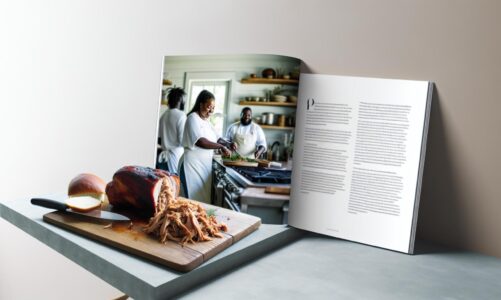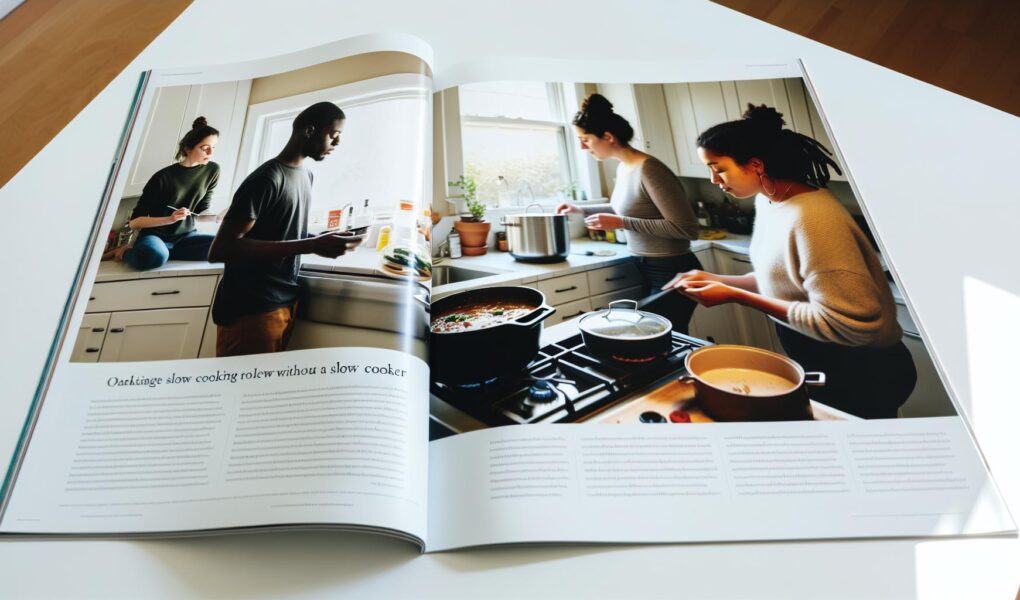
Did you know you can enjoy tender, flavorful slow-cooked meals without owning a slow cooker? Slow cooking gently transforms ingredients over time, waking up deep flavors and melt-in-your-mouth textures-all with simple kitchen tools you probably already have. Whether you’re embracing paleo or gluten-free diets, or just craving hassle-free comfort food, this guide shares three easy methods to slow cook using your oven, stovetop, or even a makeshift setup. Perfect for busy days when time is tight but good food is non-negotiable. Stick around, and I’ll show you how to create meals that feel like a warm hug-without extra gadgets or fuss. Let’s get cooking!
Table of Contents
- Why Slow Cooking Without a Slow Cooker Works Wonders
- Using Your Oven for Perfect Slow-Cooked Meals
- Mastering the Stovetop Method for Tender Dishes
- How to Slow Cook with a Dutch Oven Like a Pro
- Essential Tips for Timing and Temperature Control
- Best Ingredients and Cuts for Slow Cooking Success
- Quick Prep Hacks for Stress-Free Slow Cooking
- Delicious Paleo and Gluten-Free Slow Cooked Recipes
- Smart Ingredient Swaps for Dietary Flexibility
- Troubleshooting Common Slow Cooking Challenges
- Maximizing Flavor Without a Slow cooker
- Storing and Reheating Slow-Cooked Meals Safely
- Faq
- Q: How can I maintain consistent low heat for slow cooking without a slow cooker?
- Q: What liquids work best for slow cooking without a slow cooker?
- Q: Can I slow cook vegetables alongside meat without a slow cooker?
- Q: How do I prevent food from drying out when slow cooking on the stovetop?
- Q: What’s a good substitute for a slow cooker in small kitchens?
- Q: How long shoudl I slow cook tough cuts of meat without a slow cooker?
- Q: Can I use slow cooking techniques without special equipment for gluten-free or paleo diets?
- Q: How do I safely reheat slow-cooked meals made without a slow cooker?
- In Conclusion
Why Slow Cooking Without a Slow Cooker Works Wonders
Slow cooking without a slow cooker isn’t just a handy kitchen hack-it’s a game changer for busy cooks who want all the benefits of slow,low heat without investing in extra gadgets. Slow cooking by itself is magical: it breaks down tougher cuts of meat into buttery tenderness, infuses dishes with deep, rich flavors, and delivers meals that feel like a hug on a plate. But guess what? You don’t need a bulky slow cooker plugged in all day to get those mouthwatering results. Your oven, stovetop, or dutch oven can effortlessly take the slow cooking reins and actually give you even more control over flavor and texture.
Using your oven or stovetop lets you set precise temperatures-usually between 60°C to 90°C (140°F to 194°F)-for long cook times,which is the real secret behind tender slow-cooked meals[[1](https://en.wikipedia.org/wiki/Low-temperature_cooking)]. With just a little planning, you can walk away from dinner prep without worrying that your pot will boil dry or that the meat will come out tough and chewy.From personal kitchen experiments, I’ve found that slow cooking this way fills the house with an irresistible aroma you just don’t get from speedier methods. Plus, it’s perfect for paleo and gluten-free diets, where reliance on whole foods and natural cooking processes really shines when left to slow simmer.
Freedom to Customize and Play
Without a slow cooker, you’re not limited by size, shape, or preset cooking modes. You can easily adjust liquid levels, swap in fresh herbs or spices mid-cook, and react to what your recipe needs in real time. This control means more flavorful stews, braises, and one-pot wonder meals cooked your way, on your schedule. It’s ideal for making a big batch of hearty bone broth, a comforting beef stew, or slow-roasted veggies with just a few pantry staples. I like to treat it like a slow-cooking laboratory-experimenting with paleo-friendly fats like coconut oil or swapping traditional wheat flour for almond meal right in the same pot.
Minimal Fuss, Maximum Flavor
One of the biggest myths about slow cooking is that it has to be complex or time-consuming in a stressful way. But slow cooking without a slow cooker means you can simply prep your ingredients, cover your pot or pan well to lock in moisture, and let gentle heat do all the hard work while you get on with your day. It’s a low-attention, high-reward method. Here are some easy wins to keep in mind:
- Choose sturdy cookware: A heavy Dutch oven or an oven-safe pot with a tight lid works wonders for maintaining steady heat and moisture.
- Low and slow rule: Set your oven to a low temperature (around 70-90°C/160-195°F) or keep your stovetop on the lowest simmer setting to slowly break down fibers.
- Don’t overdo the liquid: Enough to keep things moist but not so much that you’re practically making soup unless that’s your goal.
So if you’re craving the soul-soothing magic of slow-cooked meals but don’t own a slow cooker or just want to try something new, these methods will prove that wonderfully tender, flavor-packed dishes are wholly within reach when slow cooking is done the smart way-no gadget required.
Using Your Oven for Perfect Slow-Cooked Meals
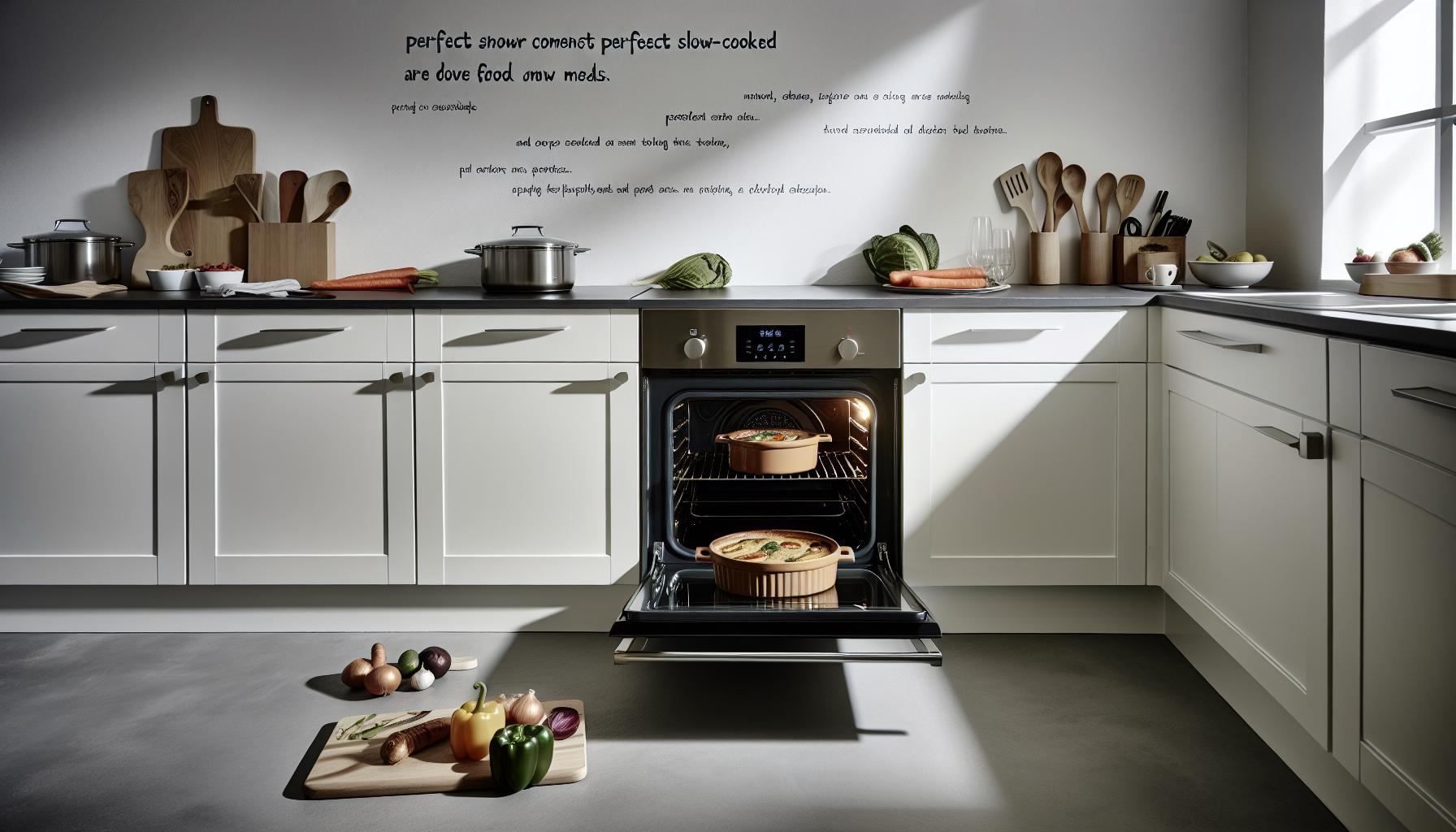
There’s something delightfully rewarding about using your oven to slow cook meals that melt in your mouth and fill your kitchen with cozy aromas. Unlike the fixed settings of a slow cooker, the oven gives you precise temperature control, so you can tailor the heat just right-usually between 250°F and 300°F (121°C to 149°C)-to coax out the tenderness in tougher cuts of meat without drying them out. For example, when I’m making a hearty beef stew or a paleo-friendly roast loaded with root vegetables, setting the oven low and slow lets all those flavors mingle and deepen over several hours, rewarding you with juicy satisfaction and minimal fuss.
If you don’t have a slow cooker on hand, that heavy Dutch oven or covered roasting pan becomes your best freind. I like to sear my meat frist to lock in flavor, then nestle it into my oven-safe pot with just enough broth or coconut oil to keep everything moist.Cover it tightly to keep the steam sealed in-you’ll see why when the meat turns gorgeously tender and the kitchen smells like a hug. The oven’s steady heat means you can walk away and trust that your dish is simmering away nicely. Plus, it’s easy to pop in fresh herbs halfway through or add a squeeze of lemon at the end for a little brightness.
Simple Oven Slow Cooking Guide
- Set your oven between 250°F-300°F (121°C-149°C): Steady low heat ensures gentle breakdown of connective tissue, making meat tender without risk of drying out.
- Use a heavy, covered pot: this traps moisture and prevents the need for constant stirring, perfect for busy days.
- Adjust liquids carefully: Aim for just enough to keep ingredients bath-like-too much and you get soup, too little and things may dry.
- Prep time: 15-30 minutes; cook time: 2-6 hours, depending on cut and recipe complexity.
One of my favorite experiments was swapping out typical wheat-based thickeners for almond meal in a slow-cooked chili, which worked beautifully paleo-style. The oven method makes those quick mid-cook tweaks easy-you’re not locked into preset buttons. By embracing the oven’s adaptability, slow cooking becomes a creative, adaptable process rather than just a set-it-and-forget-it routine. It’s slow cooking mastery, but without the gadget!
If you’re curious about conversions, remember that a recipe calling for “low” in a crockpot (about 200°F) translates well to an oven at around 250°F. Cook times differ: what takes 8 hours in a slow cooker might take just 1.5 to 2.5 hours in the oven because of the more direct heat environment-so keep an eye on it, especially the first time you try a new recipe [[2](https://www.reddit.com/r/slowcooking/comments/1b3fd02/crockpot_to_oven_temperature_conversion/)]. With patience and a touch of experimentation, your oven will quickly become your secret weapon for irresistible, tender slow-cooked meals that fit your paleo or gluten-free lifestyle perfectly.
Mastering the Stovetop Method for Tender Dishes
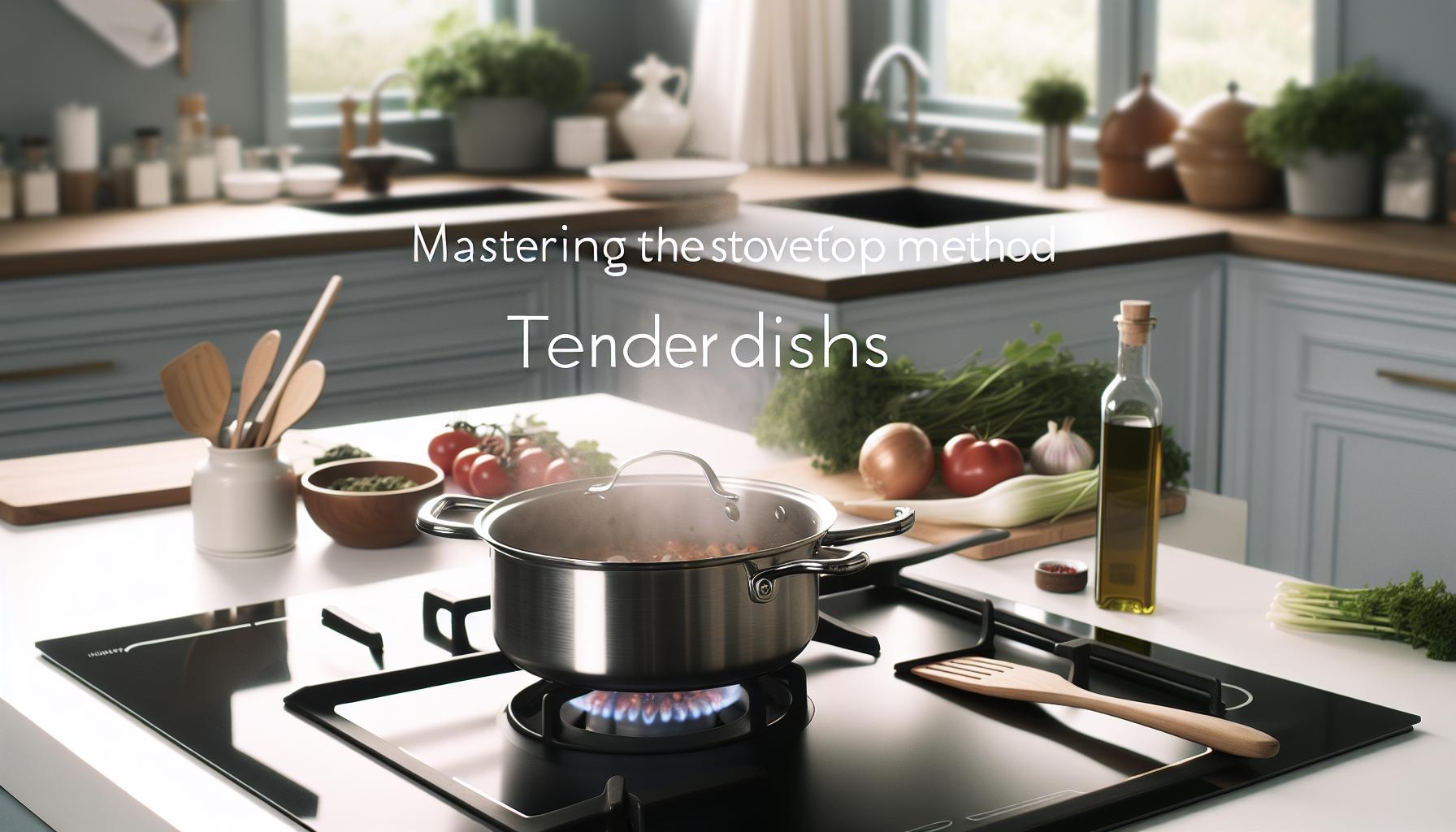
There’s a special kind of magic that happens when you coax a tough cut of meat or a bundle of root vegetables to ultimate tenderness right on your stovetop. slow cooking on the stove isn’t just for emergencies when your slow cooker breaks down-it’s a fantastic method that gives you hands-on control, a chance to tweak flavors along the way, and an easy way to produce rich, hearty meals that feel like a warm hug. Plus, it’s surprisingly straightforward once you get the hang of the right temperatures and pot choices. Whether you’re aiming for a lush paleo stew or a gluten-free chili that’s bursting with spices, this method is your friendly kitchen sidekick.The secret to stovetop slow cooking is low, steady heat combined with a heavy, well-sealed pot to trap moisture. Think of your favorite cast-iron skillet or a good-quality enamel pot with a tight lid. Start by searing your protein on medium-high heat to lock in those tasty, caramelized flavors-this little ritual makes a huge difference. Then, reduce the heat to low or vrey low, add your liquids like bone broth, coconut milk, or fresh tomato sauce, and cover up. A gentle simmer is what you’re after, not a rolling boil. If your burner doesn’t allow precise low settings, try placing a heat diffuser between the pot and the flame-this can be a game-changer to avoid scorching while keeping things slow and steady.
- Maintain a gentle simmer: Aim for bubbles that just occasionally break the surface; too hot and you risk drying out or toughening the meat.
- Stir sparingly: Stirring too often breaks down your food’s structure and slows cooking; give it at least 30 minutes before a gentle stir.
- Add delicate ingredients late: Fresh herbs, quick-cooking veggies, or lemon juice-save those for the last 30 minutes for bright, lively flavors.
I once whipped up a paleo-friendly brisket that had me worried about timing-it was my first time going low and slow on the stove without a gadget. I kept a watchful eye and adjusted the flame like I was DJing a mellow track: too high, the beat faltered; too low, it never quite dropped. But after a few hours, that brisket was fall-apart tender with a rich, savory bath of aromatics and rendered juices. Trust the process,and remember: patience wins every time.
This stovetop technique shines especially for quick weekday meals that still demand that comforting richness. With prep times around 15-20 minutes and cook times ranging from 2 to 5 hours (depending on cut and dish), it fits into a busy life with ease. Plus, it’s a great chance to experiment with swaps-maybe sweet potato for classic potatoes in your stew, or grass-fed lamb shoulder instead of beef. Slow cooking on the stove is a celebration of flexibility that invites creativity but respects your time.
| Step | Tip | Why It Matters |
|---|---|---|
| 1. Sear meat on Medium-High heat | Use a heavy-bottomed pot and get a good crust | Locks in flavors and ensures richness |
| 2. Add Liquids & Reduce Heat | Keep just enough liquid to cover the meat halfway | Maintains moisture but avoids soup too thin |
| 3. Cover and Simmer on Low | Adjust to gentle bubbles, use diffuser if needed | Slowly breaks down connective tissue for tenderness |
| 4. Add Delicate Ingredients Late | Add herbs, quick coking veggies, citrus 30 mins before end | Preserves brightness and texture |
Remember, perfect slow cooking is a bit like a dance: knowing when to lead and when to follow.Your stovetop slow cooker delivers incredible results that prove comfort food doesn’t need a fancy appliance-just a pinch of patience,a reliable pot,and your inspired touch.
How to Slow Cook with a Dutch Oven Like a Pro
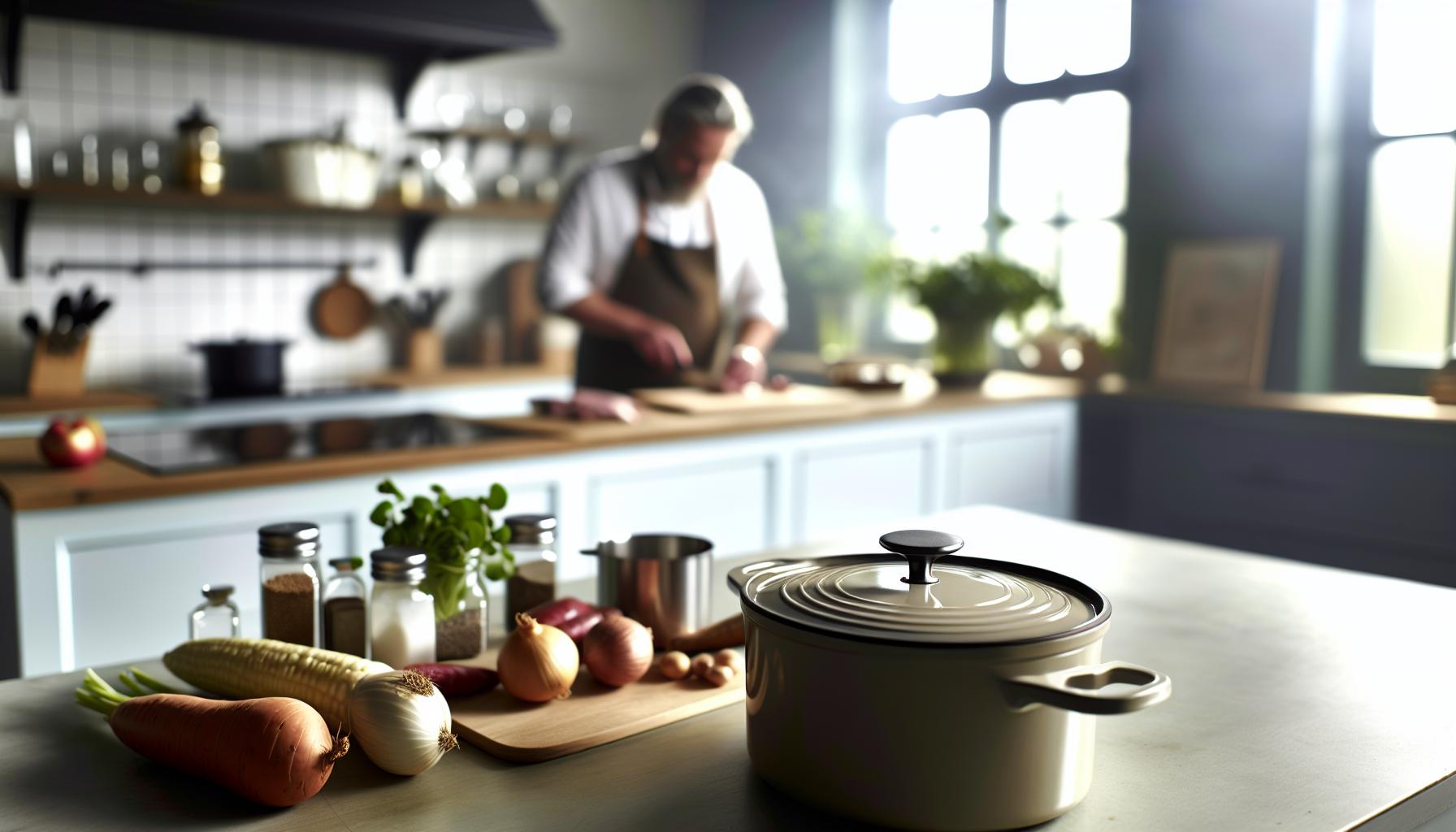
There’s something downright magical about slow-cooking in a Dutch oven-a method that marries the best of stovetop control and oven consistency. This trusty pot is frequently enough the unsung hero of the kitchen, especially for paleo and gluten-free cooks craving rich, fall-apart meals without extra appliances. Using a Dutch oven lets you build layers of flavor with a searing start, then gently coax even the toughest cuts into tender perfection over hours with minimal babysitting. It’s like having a culinary slow dance partner who always hits the right rhythm.
One of the biggest perks? Heat retention. The heavy cast iron base and thick walls distribute heat evenly and hold steady, creating an ideal cozy environment for low-and-slow cooking. Versatile and forgiving, it works beautifully whether you want to braise a grass-fed lamb shoulder til it melts off the bone or simmer a vibrant vegetable stew that feels like a warm hug after a long day. Plus, the tight-fitting lid traps moisture so nothing dries out, keeping recipes juicy and flavorful without needing to add a pool of liquid.
How to Make the Dutch Oven Method Work for You
- Sear first: Brown your meat or aromatics on the stovetop in the Dutch oven over medium-high heat. This step creates those crave-worthy caramelized notes that lift the whole dish.
- Add flavor layers: Deglaze with bone broth, fresh tomato, coconut milk, or wine to lift the fond (brown bits) from the pot. These liquids help develop deep, complex flavors while gently braising.
- Low and slow in the oven: Pop the covered pot into a preheated oven set between 275°F and 325°F (135°C to 160°C).This steady heat keeps things cozy and even-no hotspots or flare-ups.
- Check occasionally but don’t obsess: Peek after an hour or two to adjust liquid levels if necessary-a well-sealed Dutch oven usually means little evaporation.
Personally, I love starting a chuck roast or pork shoulder in the Dutch oven around lunchtime, then heading off to work or errands, knowing dinner will be waiting without a hitch. The aroma that greets you is like a slow-cooked symphony. If you aren’t ready to jump into long roasts right away,try a simpler veggie-forward stew-quick to prep,forgiving,and equally soul-satisfying.
Timing and Temperature Cheat Sheet
| Protein or veggie | Oven Temperature | Approximate Cook Time | Notes |
|---|---|---|---|
| Beef chuck roast | 300°F (150°C) | 3-4 hours | Cook until fork-tender, perfect for paleo beef stew |
| Pork shoulder | 275°F (135°C) | 4-5 hours | Low temp pulls fat and collagen apart, ideal for pulled pork |
| Root vegetables + hearty greens | 325°F (160°C) | 1.5-2 hours | Add delicate herbs last 30 mins for brightness |
| Chicken thighs (bone-in) | 300°F (150°C) | 2-2.5 hours | Keeps meat juicy and tender, great for easy weeknights |
Swapping ingredients in and out is a breeze here-maybe try a bit of coconut aminos rather of soy sauce for a paleo twist, or turn your stew into a creamy, dairy-free delight by finishing with coconut milk. Just remember: slow cooking with a Dutch oven isn’t about rushing or perfectionism, it’s about inviting joy and ease into your kitchen while feeding yourself and loved ones something truly nourishing.
So grab your favorite heavy pot, fire up the oven, and treat yourself to the kind of slow-cooked goodness that’s all about flavor, flexibility, and that unmistakable feeling of home.
Essential Tips for Timing and Temperature Control
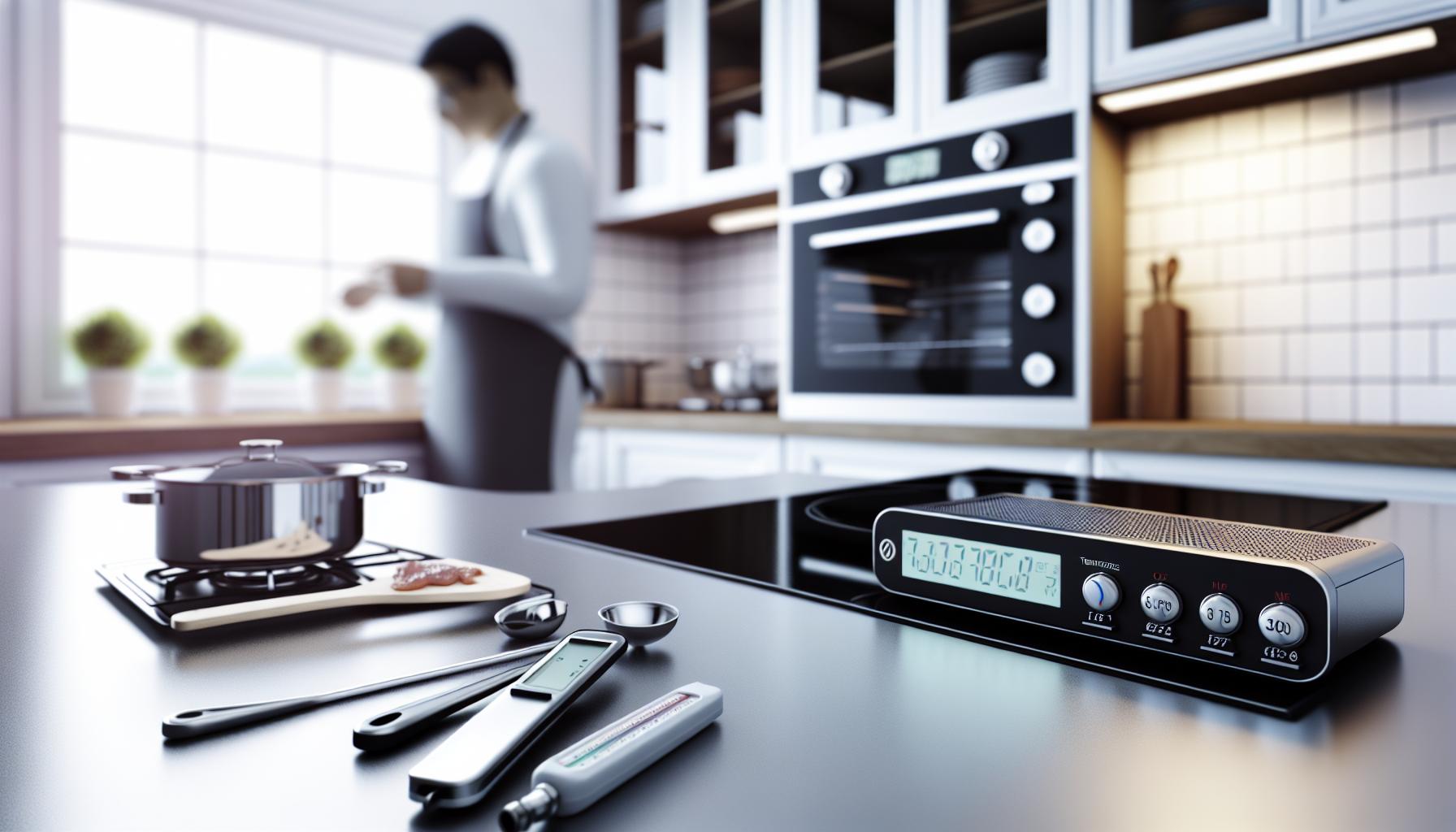
Understanding how long to cook your meal and at what temperature can turn a good slow-cooked dish into something truly memorable. Since you’re working without a slow cooker, timing and temperature become your best friends-or occasionally your sneaky foes if you’re not paying attention. Think of slow cooking like a gently timed journey: too hot, and you risk drying out your dish or toughening meat; too cool, and you might find yourself waiting forever, or worse, dealing with that “just-okay” texture that none of us want.
One rule I swear by is keeping your oven between 275°F and 325°F (135°C to 160°C) for most slow-cooking ventures. This range is forgiving, allowing flavors to marry without sending your food into “crispy” territory too soon. For example,tougher cuts like pork shoulder thrive around 275°F for 4 to 5 hours,letting all that collagen slowly melt into silky tenderness – perfect for that paleo pulled pork craving. Meanwhile,something more delicate like bone-in chicken thighs does beautifully at about 300°F for 2 to 2.5 hours, locking in juicy goodness without drying out. Root veggies and hearty greens can go a bit higher – think 325°F for about 1.5 to 2 hours – which helps keep them tender but not mushy, and herbs added in the last 30 minutes add a fresh pop of flavor.
Timing and Temperature Cheat Sheet
| Protein or Veggie | Oven Temperature | Approximate Cook Time | Notes |
|---|---|---|---|
| Beef chuck roast | 300°F (150°C) | 3-4 hours | Cook until fork-tender, ideal for paleo beef stew |
| pork shoulder | 275°F (135°C) | 4-5 hours | Low temp pulls fat and collagen apart, perfect for pulled pork |
| root vegetables + hearty greens | 325°F (160°C) | 1.5-2 hours | Add herbs last 30 minutes for brightness |
| Chicken thighs (bone-in) | 300°F (150°C) | 2-2.5 hours | Keeps meat juicy and tender, great for weeknights |
One insider tip? don’t rush the sear. Starting with a good, golden caramelization on your meat or veggies before you send them into the oven builds deeper, richer flavors. Try to resist the temptation to crank the heat to speed up cooking; slow and steady wins this race. if you’re juggling a busy schedule and want to prep ahead, cooking slightly longer at a lower temp is your friend – say 275°F for an extra hour or two – just keep an eye on moisture levels and add a splash of bone broth or coconut milk if needed.
If you’re ever unsure how things are progressing, don’t sweat it. Peek under the lid after about halfway through to check moisture and tenderness, but keep the lid on most of the time to trap juices and flavors. Using a Dutch oven or any heavy, lidded pot helps create a mini-oven environment right on your stovetop or inside your regular oven, locking in heat evenly and preventing drying out without fuss. This approach brings out that fall-apart texture we’re all chasing, turning even the toughest paleo-friendly cuts into a melt-in-your-mouth masterpiece.So, fire up that oven, dust off your trusty dutch oven, and get ready to impress your taste buds with slow-cooked magic that feels effortless but tastes like you’ve been working all day!
Best Ingredients and Cuts for Slow Cooking Success
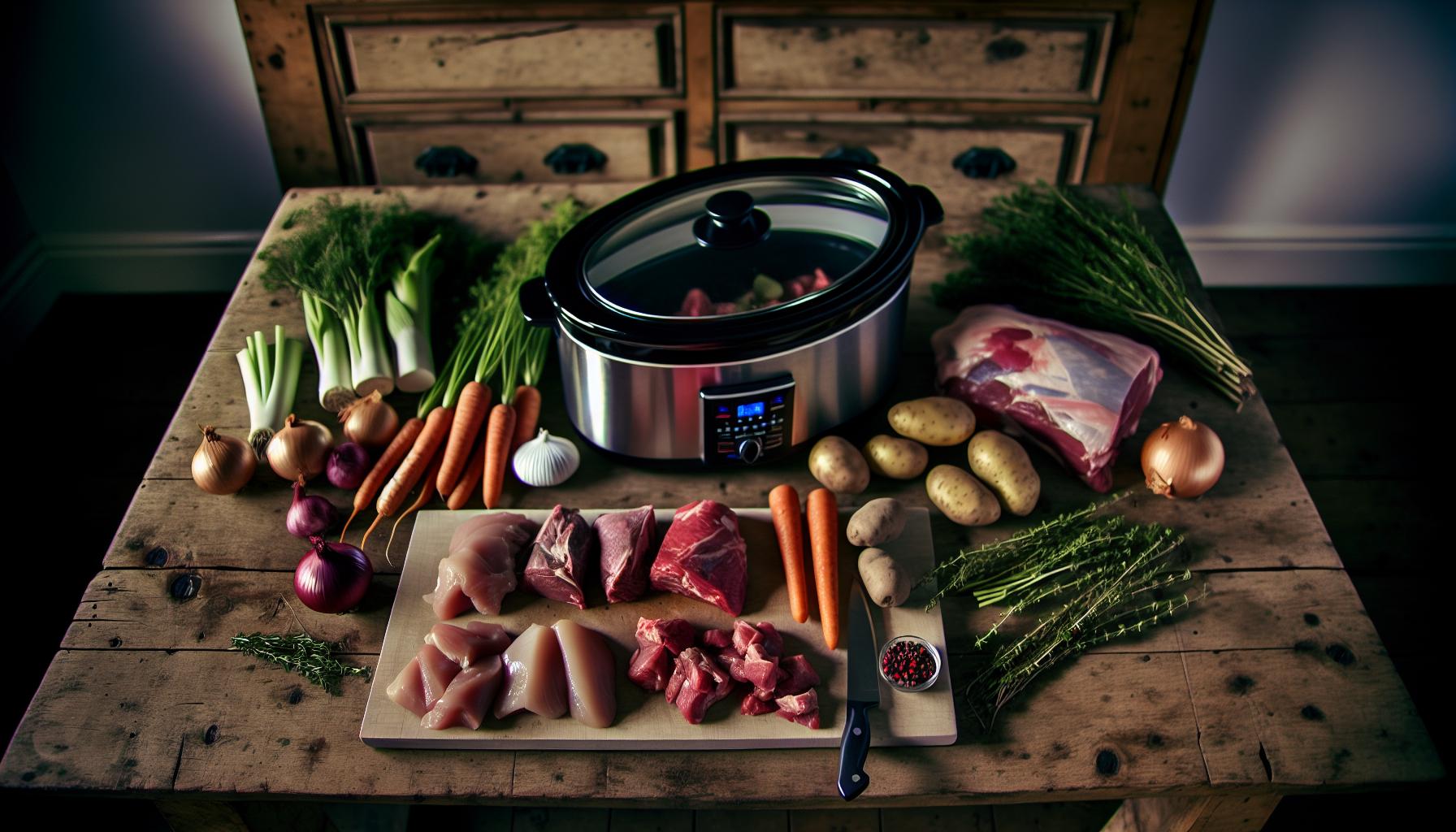
There’s something magical about slow cooking that transforms humble, frequently enough inexpensive ingredients into rich, cozy meals bursting with flavor. But picking the right cuts and ingredients is the secret behind truly successful slow-cooked dishes-especially when you’re going rogue without a slow cooker. Think of slow cooking as a gentle nudge rather than a rush: tougher cuts with good collagen content become tender and juicy, while delicate proteins need a lighter touch to stay moist. Knowing which ingredients play best in this style can make dinner prep feel like your new favorite superpower.
When it comes to meat, look for cuts designed for slow, steady heat. Bone-in pork shoulder is a superstar here. Its marbled fat and connective tissues break down beautifully over several hours, turning into that melt-apart pulled pork you daydream about. Beef chuck roast is another champion-it’s full of flavor and held together by collagen that becomes silky smooth after a few hours of low heat, perfect for cozy stews or pot roasts. Bonus points: these cuts are often budget-friendly, so you get gourmet comfort without the gourmet price tag. For poultry lovers,bone-in chicken thighs take the spotlight. They tolerate slow cooking without drying out and retain juicy tenderness better than breasts, whether you’re making a creamy chili or a stew.
Vegetables and Flavor-builders That Slow Cook Like a Dream
Vegetables with firm textures and earthy flavors handle long cooking times like champs. Root veggies such as carrots, parsnips, and potatoes gently soften and sweeten, soaking up all those savory juices around them. Add hearty greens like kale or collard greens in the last 30 minutes so they wilt without getting mushy. Aromatics-onions, garlic, and leeks-are your flavor backbone; tossing them in whole or roughly chopped helps them slowly dissolve into the broth for layers of complexity.
- For Paleo and Gluten-Free Cooking: Sweet potatoes and butternut squash are fantastic swaps for grains and work well in slow cooking.
- Herbs like rosemary and thyme shine when added toward the final stage, keeping their freshness without overpowering the dish.
- Don’t underestimate dried spices; slow heat releases their essential oils gradually,layering subtle warmth and depth.
Simple Table for Easy Reference
| Ingredient | Best Use Case | Notes |
|---|---|---|
| Pork shoulder (bone-in) | Pulled pork, shredded protein dishes | Needs 4-5 hours at ~275°F for fall-apart perfection |
| Beef chuck roast | Stews, pot roasts, shredded beef | 3-4 hours at 300°F, fork-tender and juicy |
| Bone-in chicken thighs | Chilis, braises | 2-2.5 hours at 300°F, stays moist |
| root vegetables (Carrots, parsnips, potatoes) | Stews, roasting | 1.5-2 hours at 325°F, soft but not mushy |
| Sweet potatoes, butternut squash | Paleo-friendly sides, mains | Great gluten-free swap; add later in cooking if desired firmer texture |
Whether you’re throwing ingredients into a Dutch oven or mastering a stovetop braise, choosing these cuts and ingredients sets you up for success.One trick I’ve learned from years of slow cooking is to embrace the “less prettier but more flavorful” approach-uneven chunks of potato, the odd parsnip, a few garlic cloves left in the peel-they all add rustic charm and deepen flavor without fuss. This way, your slow-cooked meals are real food, made simple and delicious. And if you’re ever pressed for time, just remember: quality ingredients plus patience equals pure comfort in a bowl. Keep those trusty cuts and veggies in your pantry and fridge, and you can turn on some slow cooking magic any day of the week.
Quick Prep Hacks for Stress-Free Slow Cooking
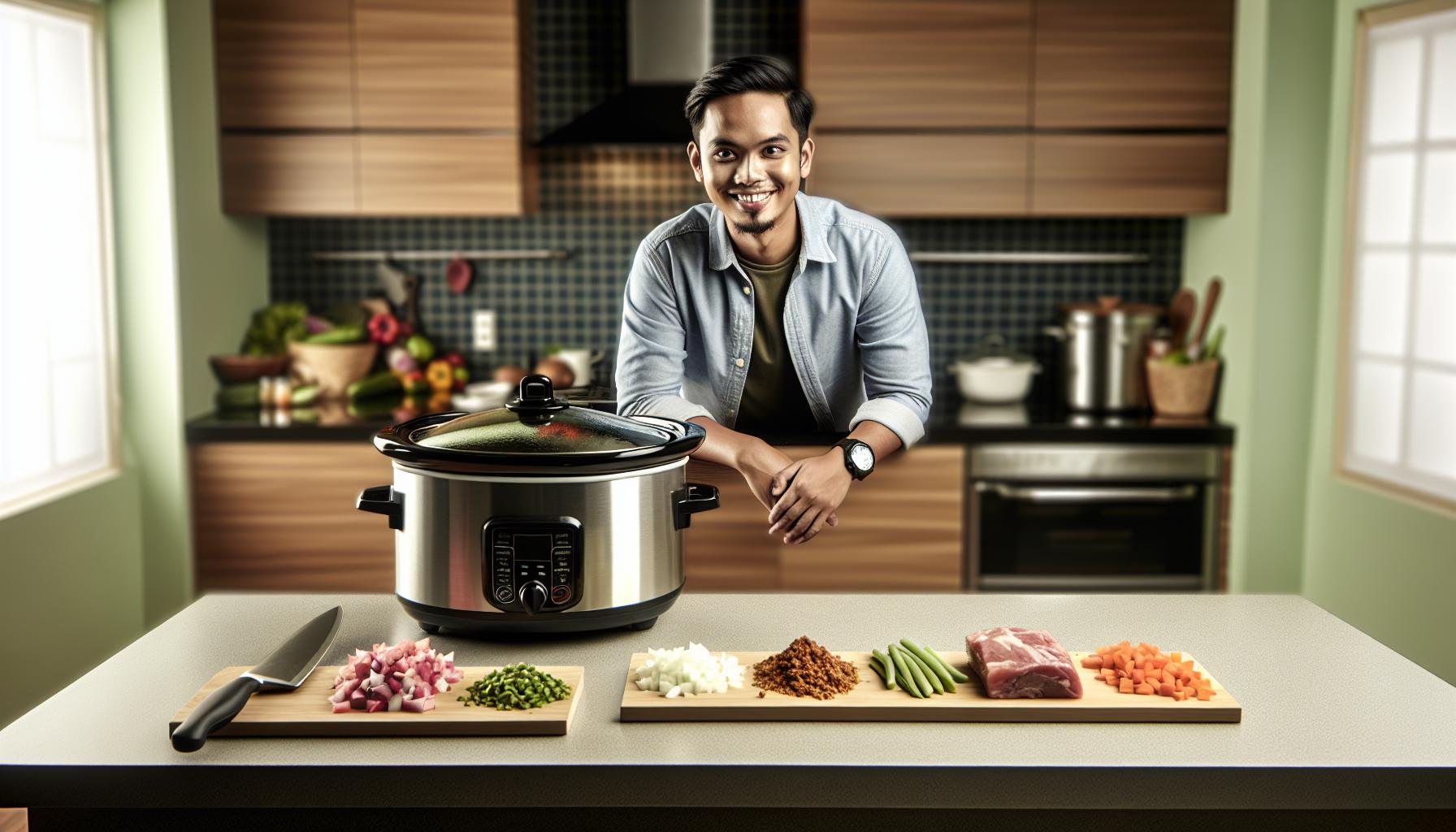
When life speeds by and you crave the comforting embrace of a slow-cooked meal, a few smart prep shortcuts can save the day without sacrificing flavor or nutrition. The beauty of slow cooking – especially when you’re using your oven, stovetop, or Dutch oven – is that once your ingredients hit the pot, you get to step away and trust time to do its magic. That said, setting yourself up with a stress-free pre-cooking routine helps keep your kitchen zen intact and your meal delightfully on track, even amid busy schedules.Start by prepping your ingredients the night before or early in the day. Chop those root veggies – carrots, parsnips, and potatoes – into chunky, rustic pieces. no need for kitchen perfection here; uneven cuts actually soak up more flavor and give your dish a charming, homemade feel. Toss aromatics like roughly chopped onions and garlic cloves (skin on for mellow, slow-released sweetness) into a zip-top bag or airtight container in the fridge. Meat can be trimmed and seasoned in advance too. Even better, sear your tougher cuts quickly before refrigeration to lock in depth and color, then pop them straight into your chosen pot when you’re ready to cook.
- Meal Type Tip: For paleo and gluten-free dishes, prep sweet potatoes and butternut squash ahead of time, but if you prefer a little more bite, add them midway through cooking rather of right at the start.
- Ingredient Swap Hack: In a pinch, canned or frozen veggies can work – just adjust timing so they don’t turn to mush.
Tools and timing Tricks to Keep It Simple
A little organization goes a long way.Use bowls or containers to keep your ingredients separated by cooking time: firm root veggies and meats go in first; tender greens and delicate herbs join near the end. This keeps every component perfectly textured without fuss. And here’s a kitchen friend secret: line your Dutch oven or roasting pan with parchment paper where possible for easier cleanup – proof that stress-free cooking isn’t a myth!
embrace the power of “set it and forget it” by using a kitchen timer and, if you like, an oven thermometer. When slow-cooking on the stovetop or in the oven, maintaining steady, low heat is key to tender, juicy results. If timing looks tight on a busy day, prep your ingredients in bulk and freeze them in portioned bags. This means your next slow-cooked Paleo chili or gluten-free stew is ready to rock with just a quick thaw and a few extra minutes in the pot.
with these quick prep tricks up your sleeve, slow cooking without a slow cooker becomes less about labor and more about savoring each cozy bite. It’s proof that comfort food can be approachable, flexible, and perfect for whatever your week demands.
| Prep hack | Benefit | Examples |
|---|---|---|
| Advance chopping/storing | Saves time and reduces day-of stress | Root veggies pre-cut, aromatics in sealed bags |
| Meat searing before cooking | Enhances flavor, speeds final cooking | Brown pork shoulder or beef chuck ahead |
| Ingredient staging | Ensures proper cooking order and texture | Separate bowls for long- and short-cooking items |
| Bulk freezing prepped meals | Quick future meal prep, convenience | Chili mix or stew portions ready to thaw |
Delicious Paleo and Gluten-Free Slow Cooked Recipes
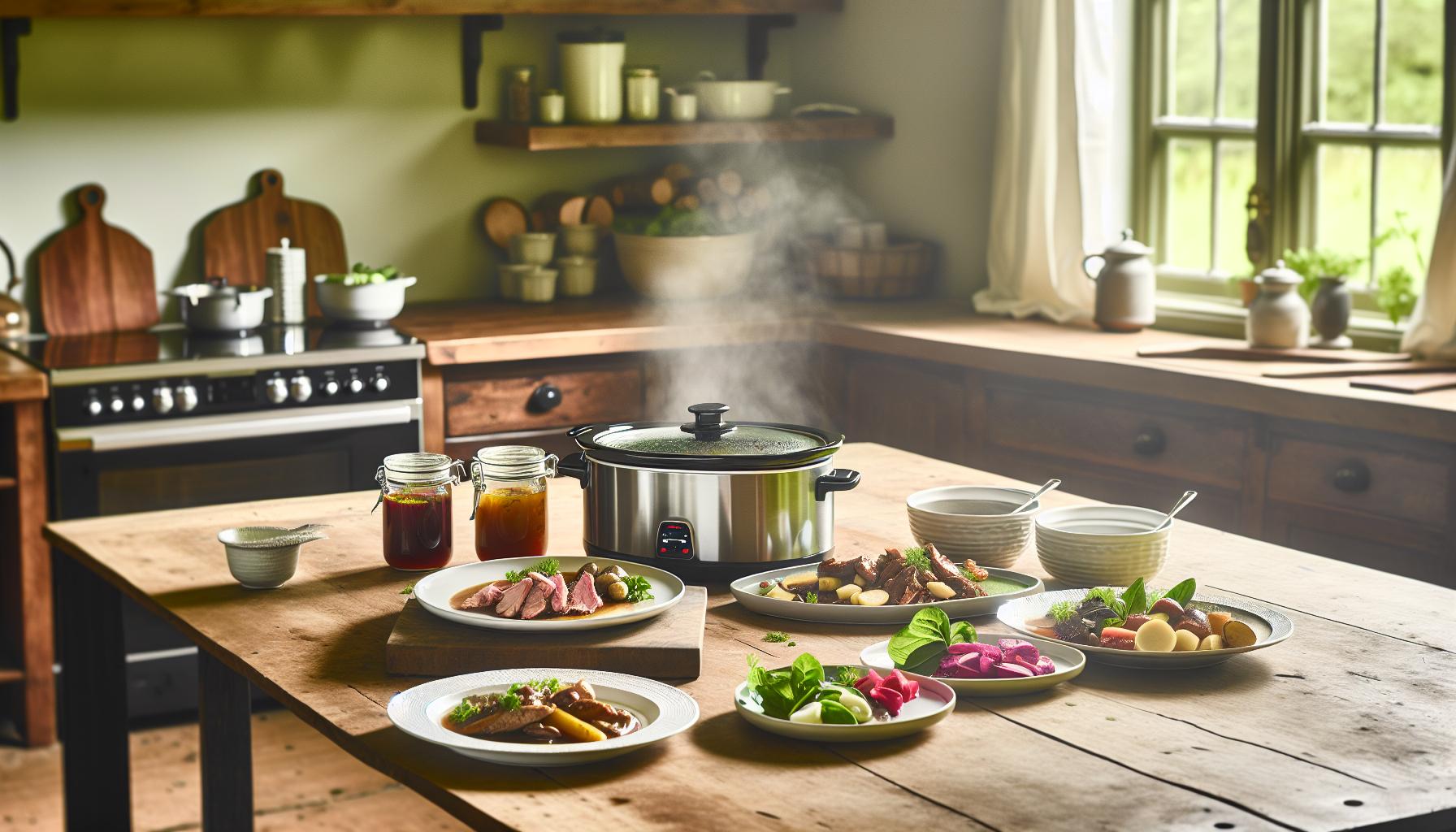
Slow-cooked meals have a special kind of magic, especially when they fit into paleo and gluten-free lifestyles without any fuss or fancy gadgets. the great news? You don’t need a slow cooker to get that rich, tender, melt-in-your-mouth goodness beloved by comfort-food lovers everywhere. Whether you’re using your oven, stovetop, or trusty Dutch oven, transforming simple, wholesome ingredients into paleo and gluten-free delights is straightforward, satisfying, and yes-deliciously achievable after a long day.
Let’s talk flavors that work beautifully with slow cooking and keep things paleo and free-from-gluten. Think hearty cuts like beef chuck, pork shoulder, or bone-in chicken thighs, combined with nutrient-dense veggies like sweet potatoes, butternut squash, carrots, and onions. These choices hold their texture well over long cooking periods and absorb spices, herbs, and natural juices like a charm. Here’s a personal fave: chopping your sweet potatoes a day ahead,then tossing them in mid-cook,adds a lovely bite instead of a mushy mush.It’s a little tweak that keeps your stew layers engaging and your meal a cozy masterpiece every time.
Simple Paleo & Gluten-Free Recipes to Try Without a Slow Cooker
- Hearty Beef and Root Veg Stew (Prep: 15 min | Cook: 3 hrs | Difficulty: Easy)
Brown your beef chunks, then slow braise with carrots, parsnips, and bone broth in a Dutch oven or oven-safe pot at 300°F (150°C). Add herbs like rosemary and thyme early; stir in chopped leafy greens near the end to brighten it up. - Coconut Curry Chicken with Winter Squash (Prep: 10 min | Cook: 1.5 hrs | Difficulty: Medium)
Sear chicken thighs, then simmer in coconut milk with turmeric, garlic, and cubed butternut squash on low stovetop heat.Add fresh cilantro just before serving for a pop of herbal freshness. - Simple Paleo Chili (Prep: 10 min | Cook: 2 hrs | Difficulty: Easy)
Use ground turkey or beef with a mix of diced tomatoes,sweet potatoes,and chili spices. Cook gently in oven or stovetop pot and finish with a squeeze of lime and avocado slices for creamy contrast.
Ingredient Swaps and Shortcuts That Work
No slow cooker? No problem-canned tomatoes and frozen veggies frequently enough save the day and keep things moving along without sacrificing nutrition. Just tweak cooking times to avoid over-softening. For thickening, rather of flour or cornstarch, try arrowroot powder or tapioca starch, which suit paleo and gluten-free needs perfectly and give that satisfying silky mouthfeel.
Pro tip: Searing meat beforehand isn’t just for taco night glory-it locks in flavor and colors, elevating your slow-cooked meals beyond “just stew.” Plus, it speeds up eventual tenderizing as you’re pre-sealing those natural juices.
| Ingredient | Paleo-Friendly Swap | Gluten-Free Status |
|---|---|---|
| Flour (for thickening) | Arrowroot powder or tapioca starch | Yes (naturally gluten-free) |
| Regular potatoes | Sweet potatoes or taro root | Yes |
| Beer (in recipes) | Bone broth or coconut aminos | Yes |
embracing paleo and gluten-free cooking doesn’t mean sacrificing flavor or fun.Cooking slow without a slow cooker lets you savor every moment-from the aroma wafting through your kitchen to the first warm, comforting bite. And remember, it’s okay to keep things simple or use little hacks to get dinner on the table fast. After all,tasty,nourishing food is the real cozy magic-and you’ve got this.
Smart Ingredient Swaps for Dietary Flexibility
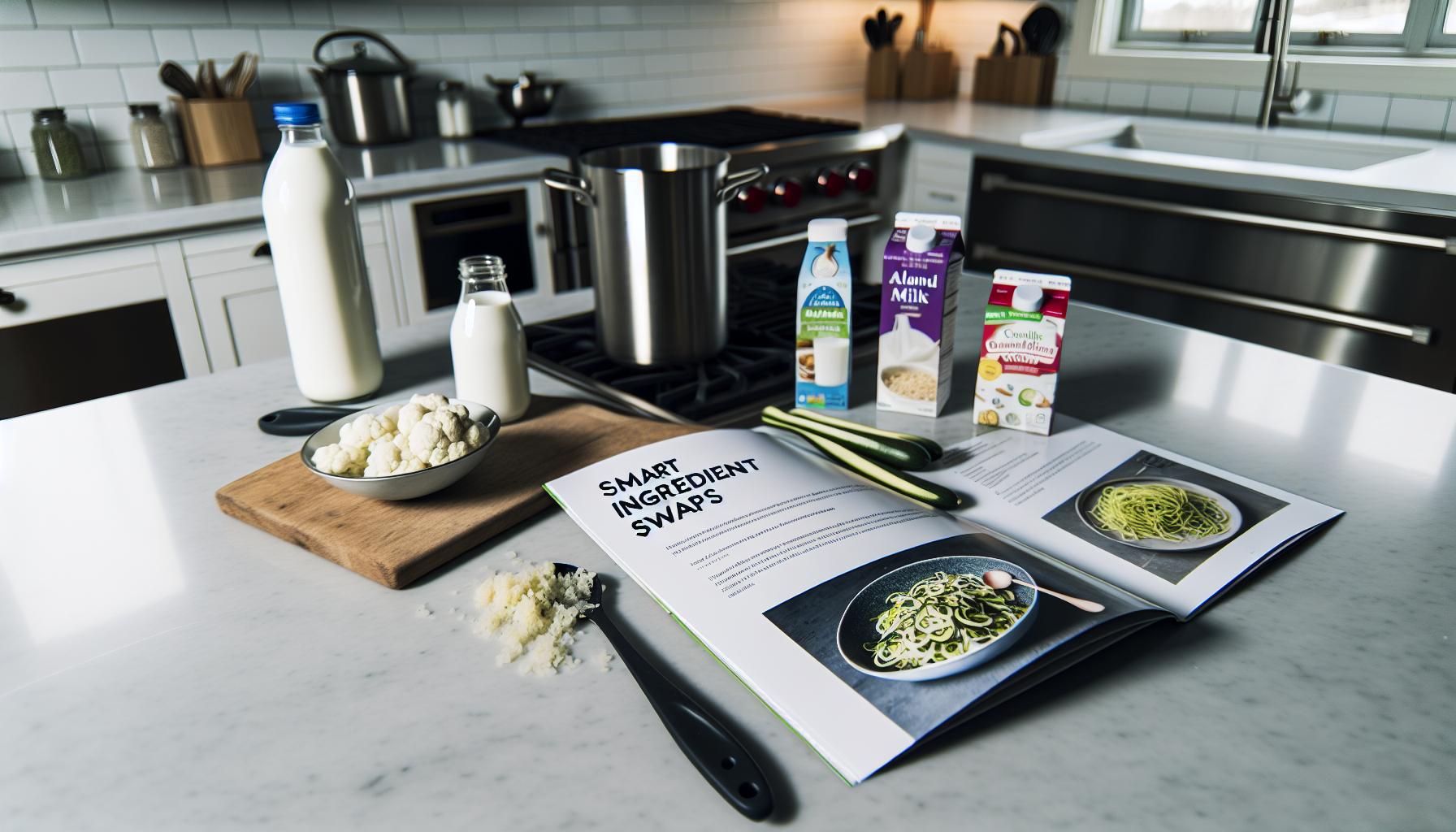
Nothing says home-cooked love like a slow-simmered stew or braise, but sometimes dietary needs and pantry staples don’t quite align with the recipe card. The good news? With a few intuitive swaps-especially when cooking without a slow cooker-you can keep meals paleo, gluten-free, and packed with flavor without stressing over ingredient hurdles. I’ve found these simple swaps not only make cooking more versatile but frequently enough inspire creative flavor twists you might not have tried or else.
For starters, if your recipe calls for flour or cornstarch to thicken a sauce or stew, skip the common gluten culprits and reach straight for arrowroot powder or tapioca starch. Both provide that silky, glossy finish and work beautifully in slow-cooked dishes. I’ll sprinkle arrowroot in at the end of cooking, off heat, stirring well so it thickens gently without clumping-think glossy paleo chili or a rich coconut curry sauce. Bonus: these starches are naturally gluten-free, making them perfect for paleo and Whole30 followers alike.
Vegetable swaps are a game-changer too, especially for root-heavy slow cooker recipes.Rather of regular potatoes, I love using sweet potatoes or taro root. Both hold up better over long cooking times and lend a subtle sweetness that balances out savory and herbal notes. As an example, in a slow-cooked beef stew, swapping in sweet potatoes adds that extra cozy dimension and a cheerful color pop. For greens, instead of heavy starchy fillers, toss in kale or Swiss chard near the end to brighten flavors and add welcome texture contrast.
Flavors & Liquids That Play Nice with Dietary Restrictions
If you’re adapting recipes calling for beer or wine (sometimes used for deglazing or depth in braises), you’re in luck. A splash of bone broth or even coconut aminos can step up as flavorful, paleo-friendly replacements. Bone broth gives you savory richness and gut-healing benefits, while coconut aminos add a hint of umami with a touch of sweetness-perfect for chicken shawarma-inspired dishes or slow-simmered Asian-influenced stews.
- Thickening Agents: Arrowroot powder, tapioca starch – add at the end of cooking off heat.
- Root Veg Substitutes: Sweet potatoes, taro, or butternut squash – sturdy, tasty swap-ins that soak up spices.
- Liquids: Bone broth, coconut aminos instead of beer, soy, or wine.
- Greens: Kale, Swiss chard tossed in last minute for freshness.
These swaps not only preserve the integrity of slow-cooked layering but also allow you to keep your pantry flexible and your cooking stress-free. I once swapped sweet potatoes for regular spuds halfway into a Dutch oven beef stew, adding them just 30 minutes before serving. The results? Velvety, tender chunks with just enough resistance to add delightful texture contrast-not mush. That little timing tweak paired with smart ingredient swaps can transform your slow-cooked comfort meals into trusted weekly staples that suit every dietary need without sacrificing soul.
| Common Ingredient | Paleo-Friendly Swap | Gluten-Free? |
|---|---|---|
| flour (thickener) | Arrowroot powder or tapioca starch | Yes (naturally gluten-free) |
| Regular potatoes | Sweet potatoes, taro root, or butternut squash | Yes |
| Beer or wine (deglazing) | Bone broth or coconut aminos | Yes |
Flexibility matters in the kitchen, especially when balancing dietary goals and busy schedules. Embrace these swaps and feel empowered to improvise-they turn classic slow-cooked recipes into personal favorites, offering both nourishing simplicity and that homey satisfaction everyone deserves. No slow cooker? No problem. With thoughtful ingredients and timing, you’ll be dishing out tender, flavor-packed meals that celebrate food joy and freedom at every simmer.
Troubleshooting Common Slow Cooking Challenges
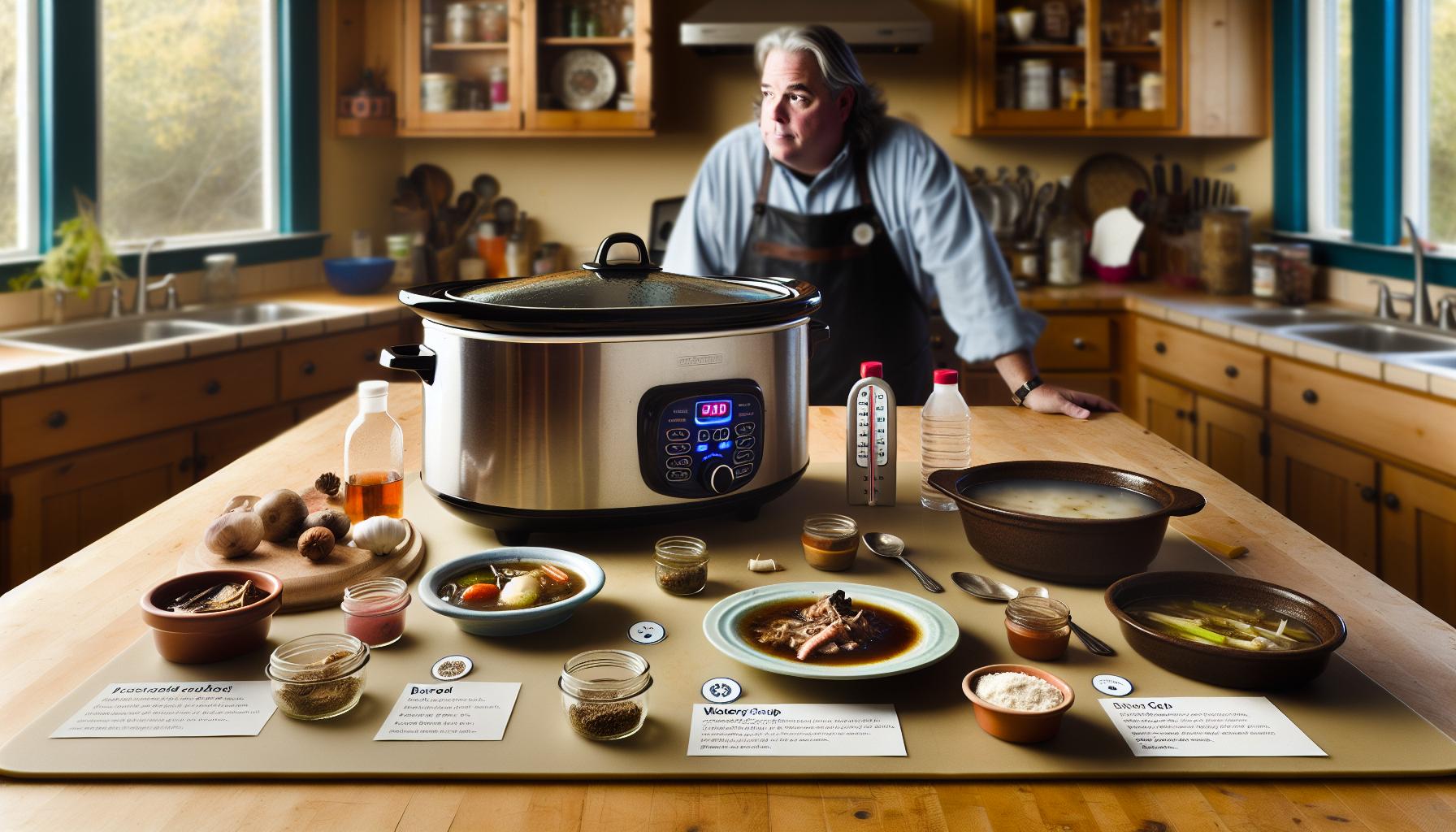
Sometimes, slow cooking without a slow cooker can feel like a bit of a kitchen puzzle-maybe the stew is undercooked, the sauce turns out too thin, or the meat isn’t quite as tender as you’d hoped. but here’s the good news: most slow cooking challenges boil down to simple fixes and a little practice, and soon you’ll be serving up melt-in-your-mouth dishes that make you forget the slow cooker ever existed. from oven mishaps to stovetop surprises, I’ve navigated these waters (and tasted the sweet rewards), so let’s troubleshoot common issues together with patience and a splash of kitchen confidence.One classic hiccup is uneven cooking or shoulders of meat that stubbornly refuse to become fork-tender. The secret? Temperature control. Avoid cranking your oven too high or leaving your Dutch oven on a stovetop burner that’s just a tad too hot. Slow cooking thrives between 60-90°C (140-194°F) – this range lets collagen break down gently while flavors develop fully without drying out the meat [1]. If your meat is tough at the end, it usually means the heat was too high or cooking times were too short.Patience pays off here. For something like braised beef, try this trick: bring the liquid just to a simmer before transferring your pot into a low oven (275-300°F). The consistent,gentle heat tames even the toughest cuts into tender delights over 3-4 hours.
another common snag is watery or thin sauces. When you’re slow cooking on the stovetop or in the oven-without the snug lid of a slow cooker-liquid can evaporate more quickly than expected.When in doubt, reserve a little of your cooking liquid before adding thickeners, then reduce it separately on the stove to concentrate flavor. For paleo and gluten-free kitchens, pretty much nothing beats arrowroot powder or tapioca starch to thicken sauces without clumping. Remember to stir these in off heat at the end of cooking so you get that lovely glossy finish without unwanted gelatinous lumps. Want a fail-safe? Mix arrowroot with a bit of cold broth first to make a slurry – it spreads evenly and thickens beautifully when gently returned to the pot.
Recognizing and Adjusting for Ingredient variables
Some veggies just behave differently when slow cooked outside a slow cooker. For example, classic potatoes frequently enough disintegrate into mush when cooked too long, but sweet potatoes and taro hold their shape beautifully, bringing a subtle sweetness and texture contrast-perfect for paleo-friendly stews. Leafy greens like kale and Swiss chard are your secret weapon for freshness; toss them in during the last 15 minutes so they stay vibrant, not limp. Here’s a quick checklist when things seem off:
- Meat toughness? Lower the cooking temperature, extend time, or check that you’ve included enough flavorful liquid.
- Too watery? Reduce liquid separately, then thicken with arrowroot slurry off the heat.
- Veggies too mushy? Add sturdier root veggies early, greens late.
- Flavor feeling flat? Don’t skip searing meat beforehand, and use bone broth or coconut aminos instead of plain water for depth.
A personal favorite rescue move? If the stew looks a little thin after 3+ hours in the oven or on low simmer, I’ll quickly stir in arrowroot slurry and pop the pot under a hot broiler for a few minutes with the lid off. It thickens and caramelizes the top slightly,adding a nice “finished” texture without extra fuss.
Timing and Attention Without the Slow Cooker
Life happens, and sometimes you can’t babysit your Dutch oven all day.Slow cooking without an appliance frequently enough demands a little more clock watching early on-check in every 30-45 minutes after the first hour. Is the liquid evaporating too fast? turn down the heat or add a splash more broth. Are veggies dissolving? Toss them in later or reset with sturdier options. Embrace flexibility.
Each stove and oven behaves like that quirky friend who never shows up on time-you just have to get to know their personality.Jot down what works for your equipment, whether it’s the right burner setting for slow simmer or the perfect rack position in the oven for steady heat, and soon you’ll be pre-set and relaxed, ready for effortless dinners that don’t rely on that fancy widget.
| Problem | Cause | Quick Fix | Dietary-Friendly Tip |
|---|---|---|---|
| tough meat | Too high heat or too short cooking time | Lower heat; cook longer; use collagen-rich cuts like chuck or brisket | Bone-in cuts provide richer broth; pair with root veggies |
| Thin sauce | Excessive evaporation or no thickener | Reduce liquid on stove; add arrowroot slurry off heat | Arrowroot perfect for paleo/gluten-free thickening |
| Mushy vegetables | Added too early or unsuitable type | Add sturdier roots early, leafy greens late in cooking | Sweet potatoes and taro hold well in slow cooking |
| Flat flavor | No sear or bland liquid base | Sear meat first; use bone broth or coconut aminos | Boosts umami while remaining paleo and gluten-free |
Remember, slow cooking without a slow cooker is its own cozy adventure in the kitchen-it gives you freedom to fiddle, taste, and adjust-with a bit of patience rewarded by some seriously comforting meals. Don’t sweat the small stuff, and don’t forget to have fun with it. After all, the best slow-cooked dishes come from a happy kitchen and a heart willing to experiment.
Maximizing Flavor Without a Slow cooker
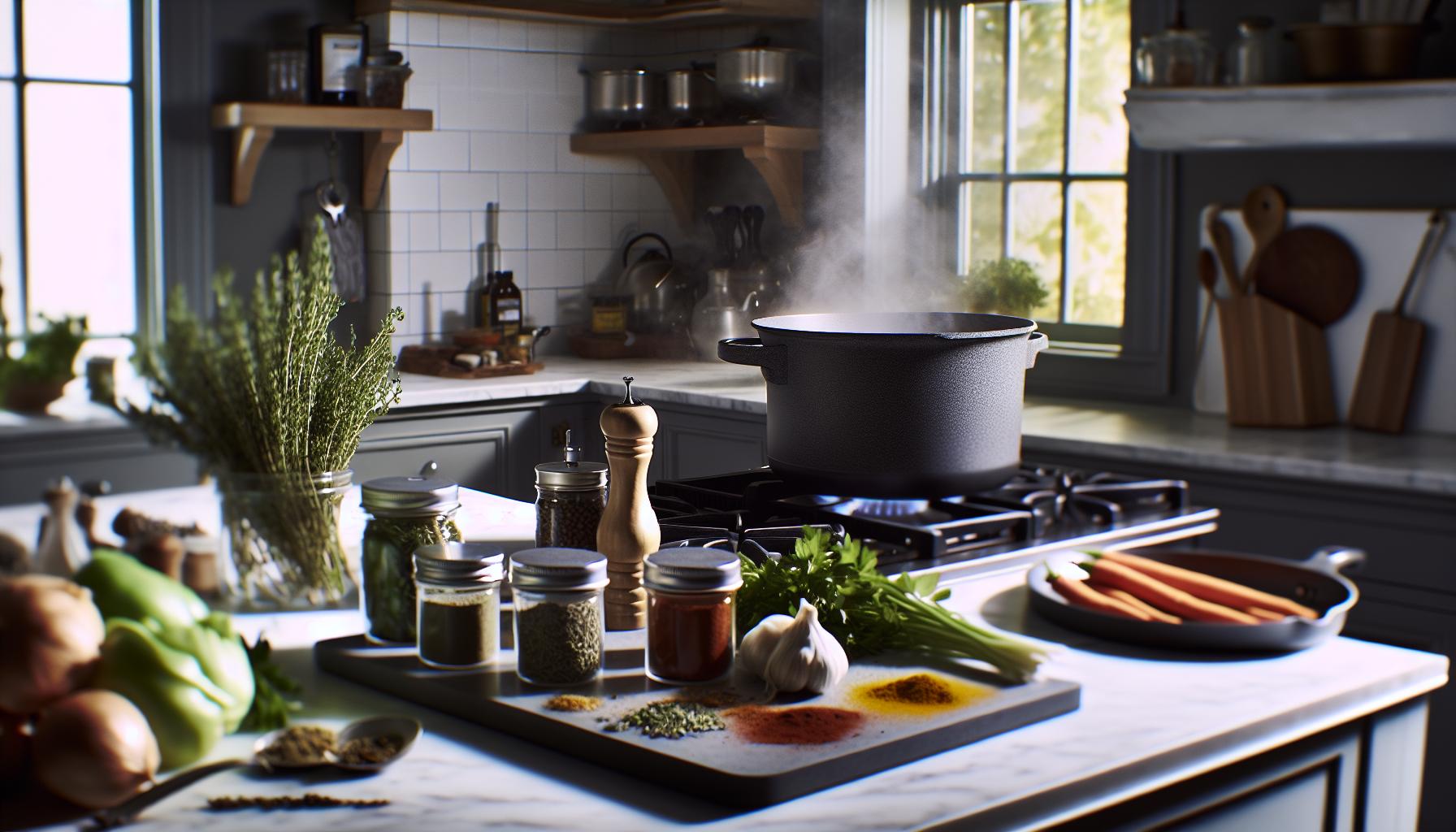
There’s a special kind of magic that happens when you slow cook without a slow cooker-flavors deepen, textures transform, and you get to play chef with a bit more freedom. Without the comforting “set it and forget it” button, you become a hands-on flavor artist, coaxing every aroma and tender bite from humble ingredients. The key to unlocking this magic lies in a few savvy tricks that keep flavor rich and layers complex, whether you’re simmering on the stovetop, nestled in an oven, or cozy in your trusty Dutch oven.One of my favorite flavor boosters is starting with a good sear. That caramelized crust on your meat or veggies isn’t just a nice look-it’s a flavor powerhouse. Browning meat first, before introducing it to slow heat, jumpstarts the Maillard reaction, developing those deep, umami-rich notes that make paleo and gluten-free meals sing (without needing any gluten-laden sauces or thickening agents). If you’re short on time, even a quick sauté of onions, garlic, and spices in the same pot before adding your slow-cooking liquid can work wonders. Don’t underestimate the base-using bone broth instead of water transforms a simple stew into a soulful bowl that feels like a hug.
Go low and Slow with Your Liquids
Unlike a slow cooker, your pot on the stove or in the oven allows more evaporation, which can actually be an advantage for flavor concentration. But beware: too much or too little liquid can throw off the balance. I like to start with just enough broth, coconut aminos, or fresh citrus juices to bubble gently and infuse without drowning the ingredients. That slow reduction is where sauces gain velvety thickness and boldness. Save a small cup of cooking liquid before thickening, so you can mix arrowroot or tapioca starch off heat into a smooth slurry-this gives your sauce a gorgeous shine and paleo-friendly body without any gelatinous lumps.
Here’s a quick checklist to maximize flavor without a slow cooker:
- Sear first: Browning sets a savory foundation.
- Use rich liquids: Bone broth and coconut aminos add umami depth.
- Control your heat: Keeping temps low (between 140-194°F) prevents tough meat and flavor loss.
- Reduce wisely: Let liquids slowly concentrate for richer sauces but monitor evaporation.
- Finish with thickeners off heat: Arrowroot powder or tapioca starch create smooth, glossy sauces perfect for paleo/gluten-free dishes.
Layer Flavors like a Pro
Think of slow cooking as a gradual symphony.Each ingredient gets its moment to shine, so timing and layering matter. Add hardy root vegetables early to soften and release sweetness, but toss in delicate greens like kale or Swiss chard in the last 15 minutes to retain their vibrant color and texture. Fresh herbs stirred in right at the end brighten the whole pot without wilting too much. If you find flavors flatten mid-cook, don’t panic-just a splash of acid (lemon juice or apple cider vinegar) or a sprinkle of salt can wake up the dish like magic.
From my own kitchen mishaps, here’s a neat little trick: when time is tight or you’re looking for a shortcut, prepping your ingredients the night before and layering them cold in the pot refrigerates that flavor marriage overnight. Then, pop it in a low oven or on a simmer the next day-you’ll get depth without fuss.It’s my kind of slow cooking: relaxed, flexible, and with enough room to sneak in a glass of wine while it effectively works its magic.
Remember,the best slow-cooked dishes without a slow cooker come from a happy kitchen and an adventurous heart. With these flavor-maximizing tips, you’ll whip up comforting, palate-pleasing meals that make everyone ask, “Did you really make this without a slow cooker?” Spoiler alert: yes, and with love too!
Storing and Reheating Slow-Cooked Meals Safely
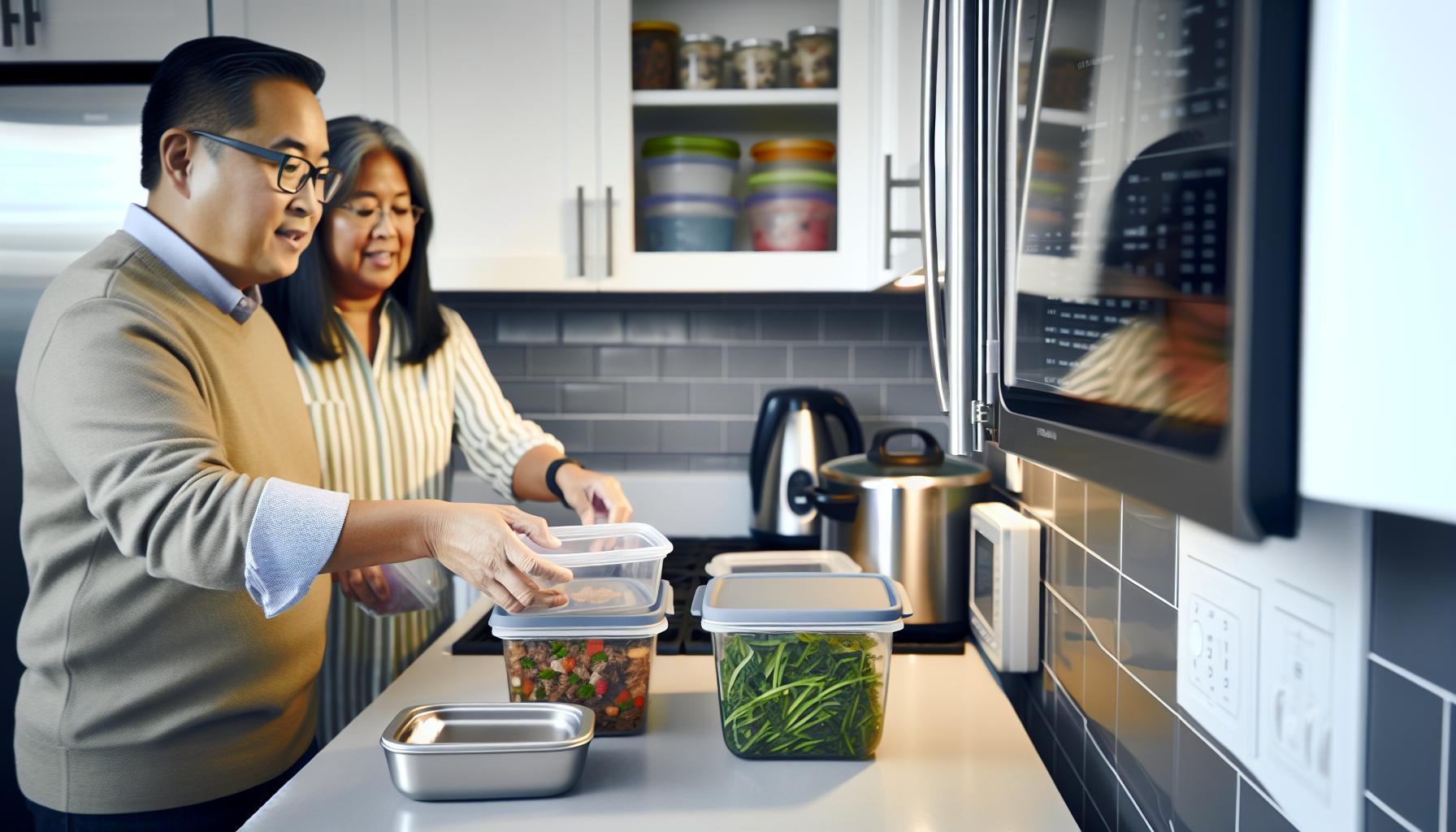
Some of the best slow-cooked meals magically transform into even better leftovers. But when it comes to stashing those tender stews and silky sauces, a little care goes a long way to keep flavor fresh and food safe.After all, the last thing you want after a day of cozy slow cooking is a soggy, bland, or questionable dinner round two.
The golden rule? Cool your slow-cooked dishes quickly and store them in airtight containers. If you’re working with big batches-as is often the case when using your oven, stovetop, or Dutch oven for slow cooking-dividing the food into smaller portions helps everything chill evenly in the fridge. This reduces the risk of bacteria growth and keeps that vibrant paleo-friendly flavor profile intact. I find that a neat set of glass containers with secure lids is a game-changer for reheating too-no nasty plastic odors and they go straight from fridge to oven or microwave.
Smart Steps to Store Your Slow-Cooked Goodness
- Cool within two hours: After cooking, let your dish cool at room temp but don’t dawdle. Two hours is the food safety line.
- Portion it out: Divide into meal-sized containers; this helps with even cooling and makes reheating a breeze.
- Airtight is your friend: Seal containers tightly to avoid moisture loss and prevent fridge smells from sneaking in.
- Label with dates: Keep track! Paleo meals usually keep 3-4 days refrigerated and up to 3 months frozen.
When the day comes to reheat, treat your leftovers like the treasure they are. Low and slow wins again here – high heat can dry out tender meat and dull those beautifully developed flavors. I like warming on the stovetop over medium-low heat,adding a splash of bone broth or water to revive the sauce’s silkiness without diluting it. If you’re pressed for time, covering your dish while microwaving traps steam and keeps textures moist. remember, reheating slowly means no rubbery meat and sauces that still cling lovingly to every forkful.
Sneaky Hacks for Flavorful Reheats and Storage
- Freeze in advance: Slow-cooked stews and braises freeze like a dream. Freeze in meal portions for quick paleo or gluten-free dinners whenever life gets wild.
- Add fresh herbs last minute: Brighten up flavors by stirring in fresh herbs or a squeeze of lemon just before serving-almost like resetting your flavor palette.
- Separate starches: If your meal has paleo-friendly starch alternatives (think mashed cauliflower or sweet potatoes), store and reheat them separately to avoid mushiness.
In my kitchen, I frequently enough double the batch of a slow-cooked beef or chicken stew and freeze half in stacked glass containers. On rushed nights, it comes to the rescue, reheated gently and always tasting like I just made it. Plus, the joy of having a ready paleo or gluten-free meal in your back pocket means you never have to compromise on flavor or nourishment-even when life is ticking fast.
With these easy tips, your slow-cooked creations will stay delicious and safe, ready to warm both your stomach and soul days after you’ve first made them.Slow cooked or not, leftovers deserve love too!
Faq
Q: How can I maintain consistent low heat for slow cooking without a slow cooker?
A: To maintain steady low heat, use your oven’s lowest setting (around 200°F/93°C) or a simmering stovetop setup with heavy cookware like a Dutch oven. A kitchen thermometer helps monitor temperature to avoid overheating. Adjust heat slowly for even, tender results-see our Essential Tips for Timing and Temperature Control for more guidance.
Q: What liquids work best for slow cooking without a slow cooker?
A: Use flavorful liquids such as broth,wine,or a mix of stock and aromatic herbs to keep food moist and enhance taste. Avoid too much liquid as slow cooking relies on gentle steam and braising, not soup-like levels. maximizing Flavor Without a Slow Cooker offers smart liquid pairing ideas for rich, tender meals.
Q: Can I slow cook vegetables alongside meat without a slow cooker?
A: Yes, but add harder vegetables like carrots or potatoes early, and softer ones like zucchini later to avoid mushiness. Layer ingredients carefully in your Dutch oven or oven-dish for balanced cooking. For precise timing, explore our best Ingredients and Cuts for Slow Cooking Success section.
Q: How do I prevent food from drying out when slow cooking on the stovetop?
A: To prevent drying, keep the pot tightly covered and add enough moisture for braising. Use heavy-bottomed cookware to distribute heat evenly and stir occasionally without losing heat. Our Mastering the Stovetop Method for Tender Dishes dives deeper into moisture management tips.
Q: What’s a good substitute for a slow cooker in small kitchens?
A: A heavy Dutch oven or any thick, lidded oven-safe pot acts as a perfect slow cooker alternative. It traps moisture and heat for even cooking, ideal for small spaces. Check out How to Slow Cook with a Dutch Oven Like a Pro for simple, foolproof steps.
Q: How long shoudl I slow cook tough cuts of meat without a slow cooker?
A: Tough cuts like chuck roast or pork shoulder need 3-5 hours at low heat (around 200°F/93°C) in the oven or stovetop method. Slow, gentle cooking breaks down collagen for tender meat.More timing tips are available in Essential Tips for Timing and Temperature Control.
Q: Can I use slow cooking techniques without special equipment for gluten-free or paleo diets?
A: Absolutely! Slow cooking without a slow cooker works great for paleo and gluten-free meals using whole foods and natural liquids. Embrace Delicious Paleo and Gluten-Free Slow cooked Recipes for ideas that are tasty, nutrient-dense, and easy to prepare.
Q: How do I safely reheat slow-cooked meals made without a slow cooker?
A: Reheat slow-cooked dishes gently on low heat in a covered pot or oven to preserve moisture and flavor. Avoid high heat to prevent drying out. For best practices, see Storing and Reheating Slow-Cooked Meals Safely to enjoy leftovers deliciously every time.
For more on slow cooking without a slow cooker, explore our detailed tips and recipes throughout the article and enjoy the journey to tender, flavorful meals made easy at home!
In Conclusion
Ready to skip the slow cooker but still crave that tender, all-day flavor? These three easy methods prove slow cooking without special gadgets is totally doable-whether you’re gluten-free, paleo, or just pressed for time. From stovetop simmering to oven roasting, each technique offers flexible ingredient swaps and simple steps to fit your lifestyle. Don’t wait-try one today and savor effortless, comforting meals that make busy days taste like a treat.
Curious about how to elevate these recipes? Check out our guides on quick paleo weeknight dinners and gluten-free meal prep hacks for even more kitchen inspiration. If you want handy tools to speed up prep,explore our favorite cooking gadgets and pantry essentials next. And hey, if you loved these slow cooking hacks, join our newsletter for weekly tips, recipe ideas, and kitchen stories that keep you excited to cook.
Got questions or a favorite slow-cooked dish to share? Drop a comment below-we love hearing your twists and how these simple methods worked in your kitchen. Keep exploring, keep cooking, and remember: delicious, fuss-free meals are just around the corner.
Get our latest guides, news, and insights highlighted in your Google Search & AI Overviews.