There’s nothing quite like a warm, hearty beef stew straight from the slow cooker, especially when the flavors have had hours to meld. But if you’ve ever taken that first spoonful only to find a broth that’s more soup than stew, you know the struggle of a runny texture.Thickening your beef stew not only makes it more satisfying but helps all those rich flavors cling to tender chunks of meat and veggies just the way you want.Weather you’re gluten-free, paleo, or just short on time, I’ve got five easy, practical methods that’ll transform your stew from thin to perfectly luscious-with simple steps and smart ingredient swaps you can trust. Think of it as your slow cooker’s best kept secret to cozy comfort food that’s flexible, fuss-free, and totally flavorful. So grab your ladle and let’s dive in-your ideal thick, hearty beef stew is just a few tweaks away!
Table of Contents
- Best Thickeners for Slow Cooker Beef Stew
- How to thicken Beef Stew without Losing Flavor
- Simple Starch Methods: Flour, Cornstarch, and More
- Using Potatoes and vegetables to Naturally Thicken Stew
- How to Thicken Beef Stew with Slow Cooker Timing Tricks
- Creamy and Rich: Dairy-Based Thickening Options
- Gluten-Free and Paleo-Friendly Thickening Techniques
- Adjusting Liquid for Perfect Stew Consistency
- Troubleshooting Common thickening Problems
- Tips for Reheating Thickened Beef Stew Without Losing Texture
- Frequently Asked Questions
- Q: How can I thicken beef stew in a slow cooker without adding extra starch?
- Q: Why does my slow cooker beef stew stay watery even after using flour or cornstarch?
- Q: What are natural vegetable options to thicken slow cooker beef stew without gluten?
- Q: When should I add dairy-based thickeners to slow cooker beef stew for best results?
- Q: how do I adjust cooking liquid proportions to ensure my beef stew isn’t too thin in a slow cooker?
- Q: Can slow cooker beef stew be thickened after cooking, and how?
- Q: What is the best method to maintain thickened beef stew texture when reheating leftovers?
- Q: How can I thicken beef stew in a slow cooker while keeping it paleo-friendly?
- The Way Forward
Best Thickeners for Slow Cooker Beef Stew
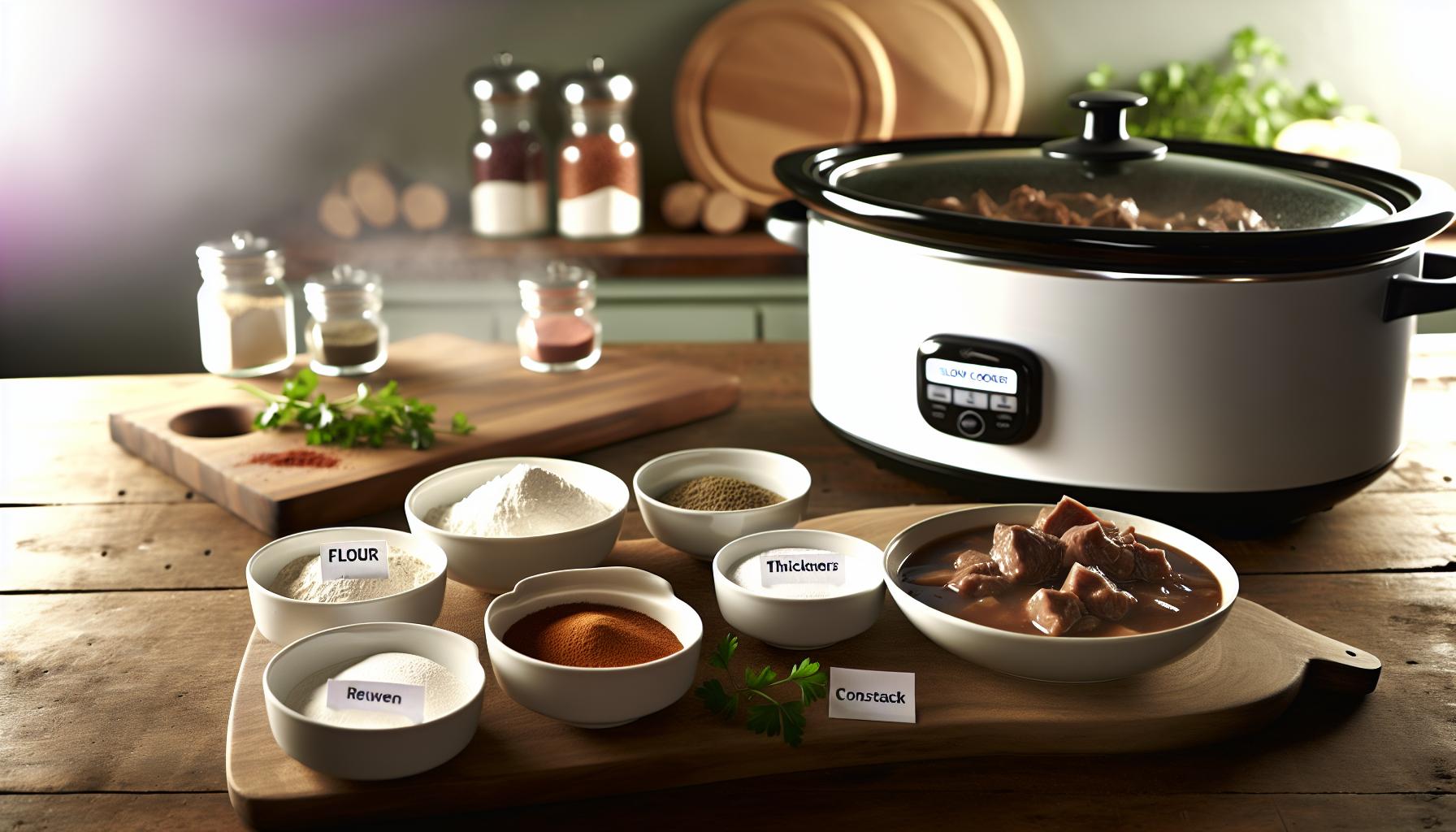
You know that moment when your slow cooker beef stew has been simmering all day, and instead of the luscious, thick sauce you imagined, you get a bit more of a watery vibe? It happens to the best of us! Thankfully, thickening your stew isn’t rocket science, and with the right thickeners, you can ride that slow cooker wave right into bowlfuls of cozy, rich goodness. Whether you’re aiming for gluten-free, paleo-friendly, or classic comfort, there’s a perfect thickening ally waiting in your kitchen.
Some thickeners work their magic stealthily,blending seamlessly into the stew,while others add delicious texture or subtle flavor boosts. The champion of all-around thickeners has to be flour, especially when you coat your beef chunks before browning them. This creates a natural base that thickens as the stew cooks, giving that velvety mouthfeel we all crave. For a gluten-free friend, cornstarch shines – a quick slurry of cornstarch and cold water stirred in near the end of cooking can thicken the stew like a charm without any grainy bits.
natural Thickening from What’s Already in Your stew
You might not even need to reach for packaged starches. Classic comfort cooks swear by letting potatoes do the thickening work.As they break down slowly during the long cook,they release starch that builds body naturally. The same goes for hearty root vegetables like carrots or parsnips, which add subtle sweetness and texture along with their thickening powers. If you want to keep it paleo-friendly, try using arrowroot powder, which thickens beautifully at lower temperatures and gives a clear, glossy finish.
- Flour: Easy, conventional, and great for browning meat first.
- Cornstarch: Quick-thickening and gluten-free.
- Potatoes and root veggies: Natural starch and delicious flavor.
- Arrowroot powder: Paleo-friendly and vibrant texture.
Think of these thickeners like sidekicks: some help build the base throughout the entire cooking process, and others swoop in at the end for a quick boost. My favorite trick? Toss in a couple of diced potatoes right at the start. By the time the stew is done, the broth has thickened without any extra steps – plus, hello, cozy potato bites! Whatever thickener you choose, just remember that less is more at first. Add a little, stir, and give it a few minutes, then adjust from there.
No pressure though – thickening beef stew is more about fun and flavor than perfection. Grab what fits your pantry and diet, and watch your slow cooker transform humble ingredients into bowlfuls of pure comfort.
How to thicken Beef Stew without Losing Flavor
Sometimes, your slow cooker beef stew ends up with a broth that’s more soup than silky sauce, and that’s entirely normal. The trick is to thicken it gently without sacrificing all those deep, savory flavors you’ve been coaxing out all day. Think of thickening not just as a texture fix, but as a final flavor enhancer-done right, it can actually boost the richness and complexity instead of dulling it down.
One golden rule is to avoid adding thickeners too early in the cooking process. Ingredients like flour or cornstarch can break down if left simmering too long, leaving you with a gloopy mess or an underwhelming flavor. Instead, save them for the last 15-30 minutes of cooking or even after you turn off the heat. Such as, I swear by mixing a small amount of cornstarch with cold water-a slurry-and whisking it in slowly near the end.It thickens almost instantly and keeps the broth glossy without changing the taste. plus, corn starch is your gluten-free buddy, so no worries if you’re sidestepping gluten.
balancing Thickness with Flavor
If you want to enhance flavor alongside thickness,try coating your beef with flour before browning. This step builds a flavorful crust on the meat that also naturally thickens the stew as it cooks, giving a luxurious mouthfeel. Browning meat is a bit like setting the mood for your stew-it lays down rich, savory notes that invite the other flavors to join the party. If flour isn’t your thing, arrowroot powder works wonders at the end of cooking, especially in paleo or grain-free diets. It creates a beatiful, clear finish without watering down your hard-earned depth of flavor.
Layering in Natural Thickeners
Sometimes the best approach is just to work with what you’ve got in the pot. Potatoes are a secret weapon-they release starch as they cook low and slow, thickening your broth without any extra effort. Root vegetables like carrots and parsnips not only add natural sweetness but help thicken in the background. Here’s a tip from my kitchen: toss diced potatoes in right from the start. By the time your stew’s done, your liquid is perfectly thick and those potatoes have soaked up all the cozy flavors. it’s an all-in-one flavor and texture combo.
To keep things from getting too thick or sticky, always add thickeners gradually. Start small,give the stew a few minutes to react,then adjust. Too ofen, cooks flood the pot with starch hoping for an instant fix and end up overdoing it.patience is your friend here-and so is a good wooden spoon.
- Coat beef in flour before browning for a flavor boost and gradual thickening.
- Use a cornstarch slurry late in cooking for a quick, clean finish.
- Leverage starch from potatoes and root veggies by adding them early.
- Try arrowroot powder if you want paleo-friendly, glossy thickening.
- Add thickeners slowly, stir well, and let the stew adjust.
Thickening slow cooker beef stew is a bit of kitchen alchemy-balancing time, technique, and ingredient magic to turn watery broth into spoonfuls of joy. No need to stress; your slow cooker has already done the heavy lifting on flavor. Now it’s just about giving it that final, luscious texture that feels like a warm hug on a cold day.
Simple Starch Methods: Flour, Cornstarch, and More

There’s a simple and satisfying magic in starchy thickeners-they take your slow cooker beef stew from a light, brothy meal to a rich, clingy bowl of comfort. Flour and cornstarch remain kitchen legends for a reason: they’re easy to find, quick to use, and get the job done beautifully without muting your stew’s flavor. The trick is knowing when and how to add them so your stew finishes silky, not sticky or gummy.
For starters, coating your beef chunks in flour before browning adds double value. Not only does the flour absorb some beefy juices and form a subtle crust during searing, but it also sets the stage for a natural thickening as things simmer low and slow.I love to toss cubes in a shallow bowl with just enough flour to dust them lightly, then brown over medium-high heat. This step layers flavor and lets the starch work overtime while your slow cooker does its magic. But beware: flour added straight into the pot too early can lose its thickening power during all-day cooking-best to reserve some flour or cornstarch for a late finish.
If you want a quick fix toward the end, mixing cornstarch with cold water to create a smooth slurry is your best friend.Once your slow cooker has done its long simmer, stir in the slurry gradually during the last 15-30 minutes or off the heat, allowing the stew to thicken up with a glossy finish-no cloudiness or grainy bits here. Plus, cornstarch is naturally gluten-free, so if you’re feeding someone with gluten sensitivities, this method keeps things friendly without sacrificing that velvety texture everyone loves. A little goes a long way, so start with one tablespoon cornstarch mixed into two tablespoons cold water and adjust from there.
Flour vs. Cornstarch: When and Why
- Flour: Best used for coating meat before browning or as a roux (cooked flour and fat mix) if you’re prepping a thicker stew base early. It adds a subtle nutty flavor and hearty texture.
- cornstarch: Ideal for late-stage thickening. It thickens faster and creates a glossy finish without altering flavor much. Great for gluten-free or lighter stews.
If you’re curious about other starches like arrowroot or tapioca starch, they behave similarly to cornstarch-amazing for paleo and grain-free diets and give a beautiful translucent finish without cloudiness. Just remember they thicken quickly and can break down if boiled too long,so timing is key.
Add starch thickeners gently and in small increments. Stir well,give your stew some time to show off its new texture,then decide if it’s ready for more. It’s like tuning a guitar-too tight, and it sounds off; too loose, and the melody falls flat. With patience and a few simple starch tricks,you’ll master thick,flavorful beef stew every time.
Using Potatoes and vegetables to Naturally Thicken Stew
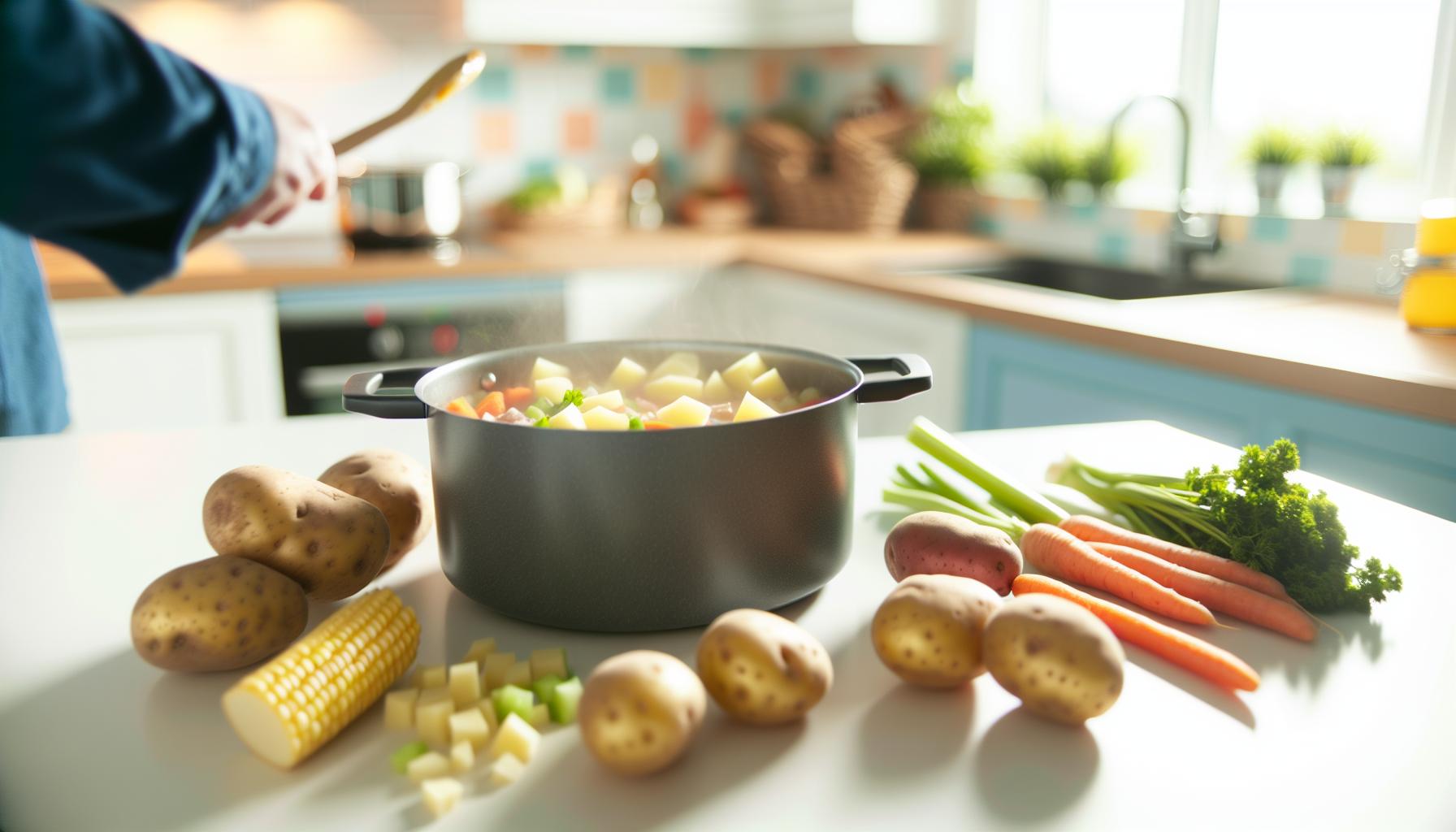
Using potatoes and other vegetables to thicken your beef stew is a brilliant and naturally flavorful way to get that cozy, hearty texture without reaching for powders or processed thickeners. This method is especially fantastic if you’re aiming for a gluten-free, paleo, or whole-foods-friendly meal. Potatoes pack a double punch: they add body while also contributing a mild, comforting sweetness that meshes beautifully with rich beef and savory broth. And the best part? No stirring in slurry last-minute-just toss them in early and let slow cooker magic do the rest.
When you cut starchy veggies like potatoes into small chunks or even grate them, their natural starches release as they cook low and slow. This gently thickens the liquid, creating a velvety consistency that clings just right to every tender morsel. Sweet potatoes work too, adding a touch of color and subtle sweetness, but white or Yukon gold potatoes tend to shine brightest for thickening since they have more starch. Don’t shy away from leaving some pieces to melt into the pot entirely-your stew will become silkier and richer with every bite.
Beyond Potatoes: Other Vegetables That Carry Thickening Power
If you’re curious about going beyond potatoes, root vegetables like parsnips, carrots, and turnips bring more than just texture. Carrots add natural sweetness and a slight earthiness, while parsnips and turnips contribute body and a hint of complexity. These veggies won’t thicken quite as dramatically as potatoes,but they build layers of flavor and subtle texture.For a bit of creaminess, pureeing a portion of the cooked vegetables and stirring them back into the stew can work wonders-a smart trick to enhance thickness without extra starches.
Here’s a friendly tip from my own kitchen: try mashing some of the cooked potatoes lightly with a fork right in the slow cooker towards the end of cooking. It’s a zero-fuss move that instantly boosts thickness and keeps everything rustic and hearty. If you want a smoother finish, blend a small scoop separately and swirl it in. It’s all about what texture makes your spoon happiest.
- Cut size matters: Smaller pieces release starch faster, thickening quicker.
- Timing counts: Add starchy vegetables early for best thickening results.
- Don’t overcook veggies: Too mushy can lose a little texture but gains creaminess.
- Mix and match: Combining potatoes with carrots and parsnips creates complex flavor and body.
Using veggies as thickeners is a simple, wholesome way to get comforting fat-free thickness and flavor.It’s perfect for those who want slow cooker stew perfection without fussing over cornstarch slurries or gluten-containing flours. Plus, your beef stew ends up naturally nutrient-rich with bonus vitamins and fibers tucked right inside. Just remember,every slow cooker behaves a bit differently-so keep an eye on your veggies,taste as you go,and tweak for the thick,luscious texture that’s just right for you and your crew.
How to Thicken Beef Stew with Slow Cooker Timing Tricks
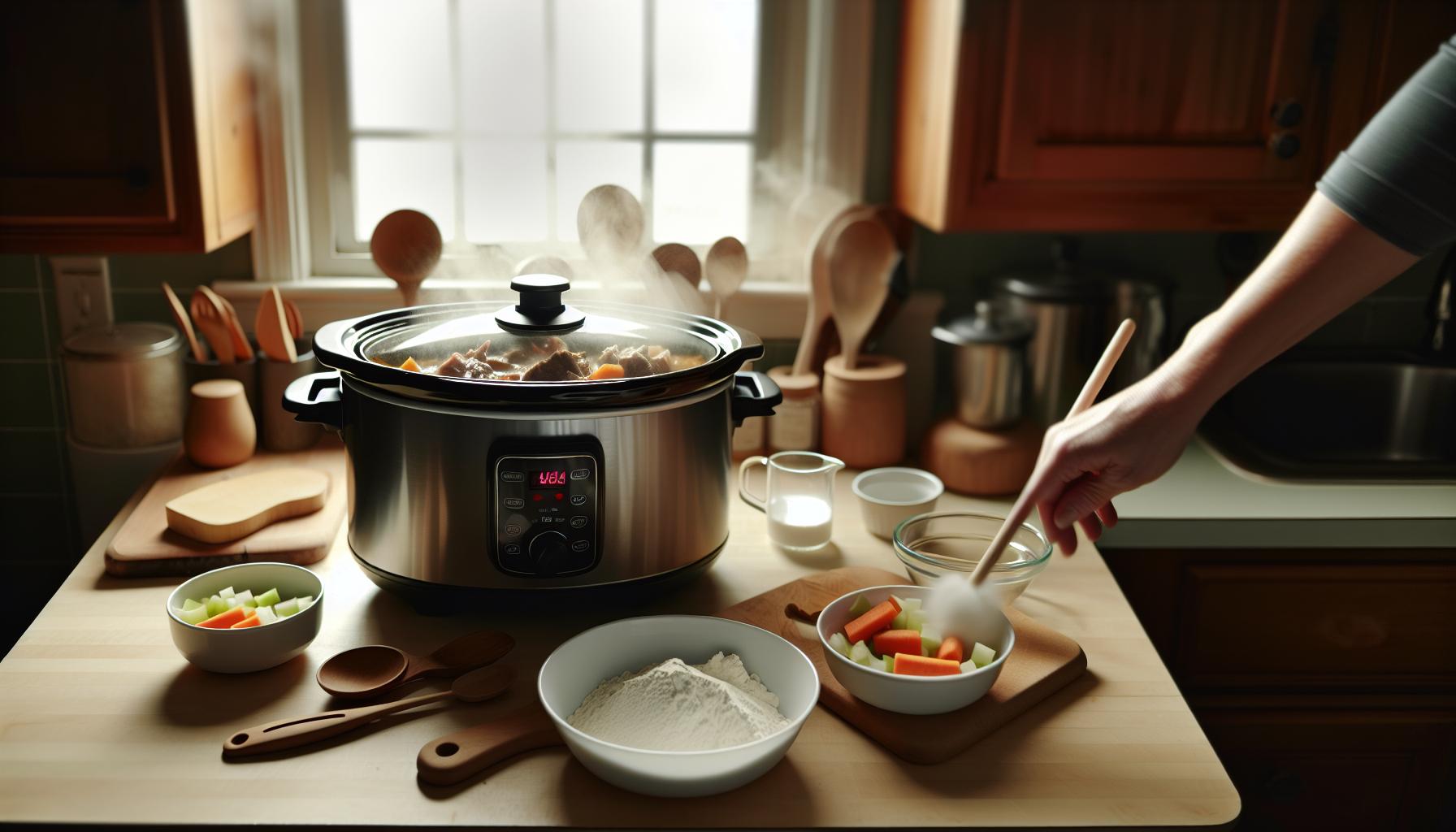
Thickening your beef stew isn’t just about what you add-it’s also all about *when* you add it. Slow cookers are magical slow-and-steady winners, but timing is key to letting natural thickening agents do their thing without turning your stew into a gloopy mess or a watery soup. Think of it like a dance: drop your ingredients and hours later, they’ll blend, bloom, and thicken at their own perfect pace.
Early in the cooking process, adding starchy veggies like potatoes, sweet potatoes, or carrots gives them plenty of time to soften and release those natural starches. These starches swell as they cook down, gently thickening your broth while infusing flavor. My kitchen hack? Chop potatoes into smaller chunks or even shred a bit; the smaller pieces speed up starch release,giving you a thicker stew without waiting till the end. But don’t toss all slow cookers into one pot-some models run hotter than others, so a little taste check mid-cook helps you adjust.
If you want to layer in extra thickening power without overdoing starches,try reserving a portion of the cooked veggies near the end and mashing or pureeing them right in the pot. This trick amps up creaminess and thickness naturally,making your stew velvety without relying on extra flour or cornstarch. Another timing tip? Hold back on liquid additions like broth or wine until the last hour or so, especially if you find your stew runs too thin. Adding liquid too early can prevent thickening and dilute those rich beefy flavors you worked for.
- Start starches early: add potatoes and root veggies within the first hour of cooking.
- Hold thickening agents until later: Puree or mash veggies near the end for controlled thickness.
- Adjust liquids late: Add broth or wine in the last half of cooking to keep flavors intense and avoid thinning.
- Keep an eye, taste often: Slow cookers vary-check consistency periodically and tweak as needed.
This thoughtful timing approach lets you harness the low-and-slow magic of your cooker, creating a rich, luscious, and perfectly thickened beef stew every time.Plus, it’s a forgiving way to cook-no stress if you get the timing slightly off, just adjust and enjoy the delicious journey. Cooking slow cooker stew with these timing tricks is like having a seasoned sous-chef on your countertop, making your meal effortlessly fantastic.
Creamy and Rich: Dairy-Based Thickening Options
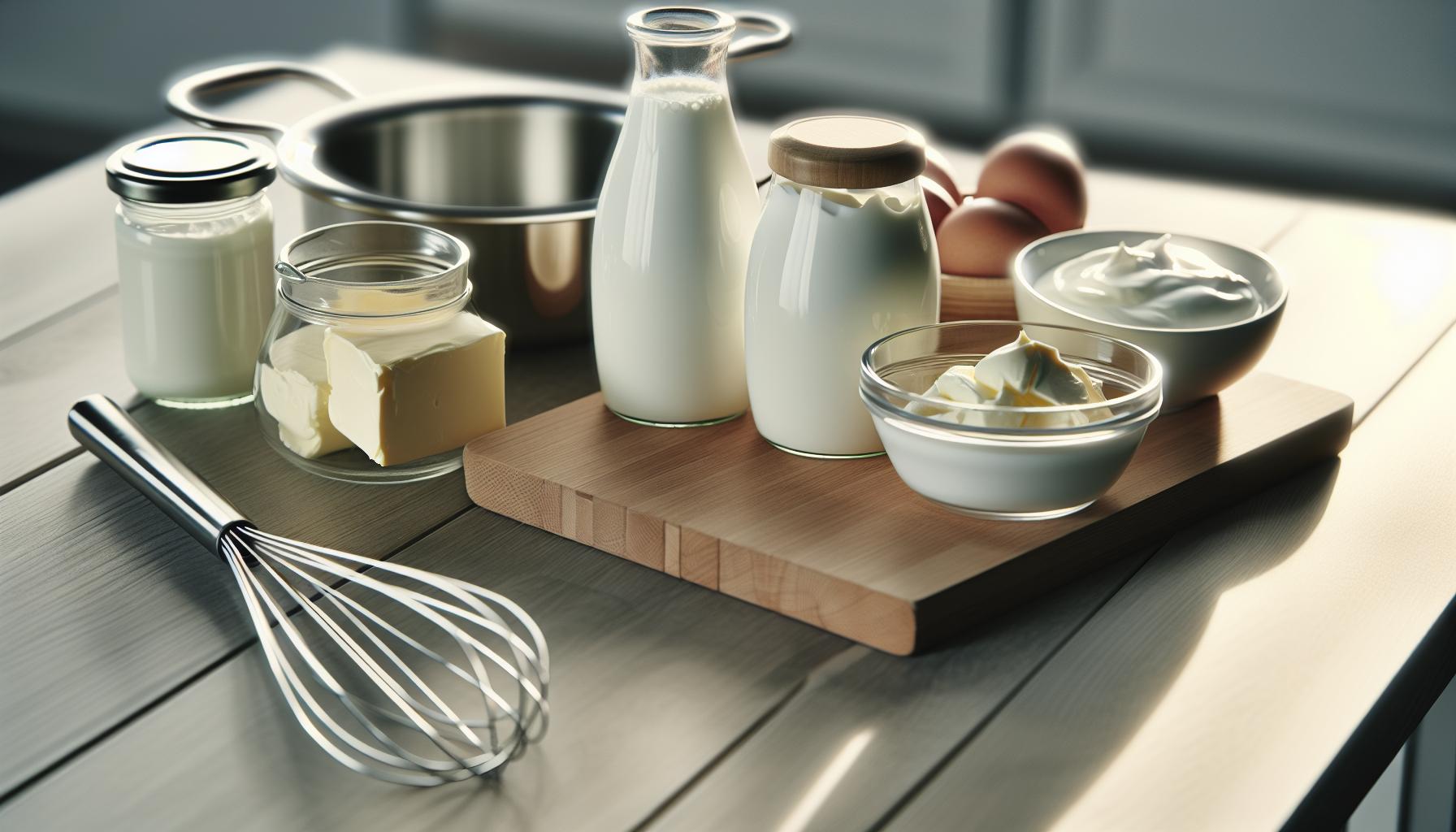
Creaminess in beef stew can feel like a warm hug on a chilly day-a little indulgence that transforms a classic comfort dish into something luxuriously rich without overshadowing that robust,meaty depth. Dairy-based thickeners are a fabulous way to add smoothness and body, but the timing and choice of dairy can make a world of difference, especially in a slow cooker where heat and time play tag. The key: build in that creamy goodness toward the end of cooking to avoid curdling or breaking,and pick options that match your flavor goals and dietary preferences.
If you’re okay with traditional dairy, stirring in sour cream or crème fraîche just before serving is a go-to move.Both bring a gentle tang and velvety texture that enhance the stew’s savory notes. I like sour cream because it’s readily available and adds a pleasant, slightly tart nuance, especially if your stew is rich with herbs like thyme or rosemary. To keep things silky smooth, ladle out some hot broth from the stew, whisk the sour cream with it to temper, then fold everything back into the pot off the heat. This prevents any graininess and keeps the stew luscious without thinning it out too much.
For a more neutral, creamy slide, a splash of heavy cream or half-and-half folds in beautifully, upping the indulgence factor while barely altering the stew’s character. As these have a higher fat content, they’re less likely to separate under low heat. add them during the last 15-30 minutes of cooking on low, stirring gently to let the flavors marry without overcooking the dairy. For those worried about richness but still craving creaminess, coconut milk is a surprising and tasty substitute-it’s dairy-free, paleo-friendly, and lends a subtle sweetness that partners surprisingly well with beef and root veggies.
- Tip: Always add dairy near the end to avoid curdling. Slow cookers heat gently,but extended time with cream or sour cream can cause separation.
- Substitutions: use coconut milk or cashew cream for dairy-free or paleo-friendly creamy thickness without missing out on silky mouthfeel.
- Texture hack: If your stew isn’t thick enough after adding cream, remove some cooked potatoes or carrots, mash them, and stir back in for extra body without heaviness.
How I Use Dairy in My Stew
In my kitchen, I’ve found that starting the slow cooker low and slow builds that deep beefy base first, then tempering in dairy at the end feels like the grand finale.One time, I spooned in sour cream mixed with a bit of broth and stirred gently off the heat-the stew turned out silky and tangy with just the right lift. On a weeknight when I was short on time, I swapped heavy cream for coconut milk and wow-it was a creamy, soulful bowl that was both paleo-friendly and utterly satisfying. Plus, no one could guess it wasn’t traditional cream, which felt like a naughty secret for health-conscious comfort food lovers.If you’re feeling adventurous and want to experiment, try finishing with a dollop of mascarpone or even cream cheese. They melt down into a rich, almost velour-like sauce that clings beautifully to tender beef chunks.Just soften the cheese separately, whisk in a bit of stew broth, and blend it in slowly before the final 10 minutes of cooking.
Whether you choose sour cream, heavy cream, or a dairy-free option, incorporating creaminess into your beef stew is less about strict rules and more about balancing texture and flavor on your terms. Here’s to thicker,creamier,happier stew nights-as life’s too short for boring beef stew!
Gluten-Free and Paleo-Friendly Thickening Techniques
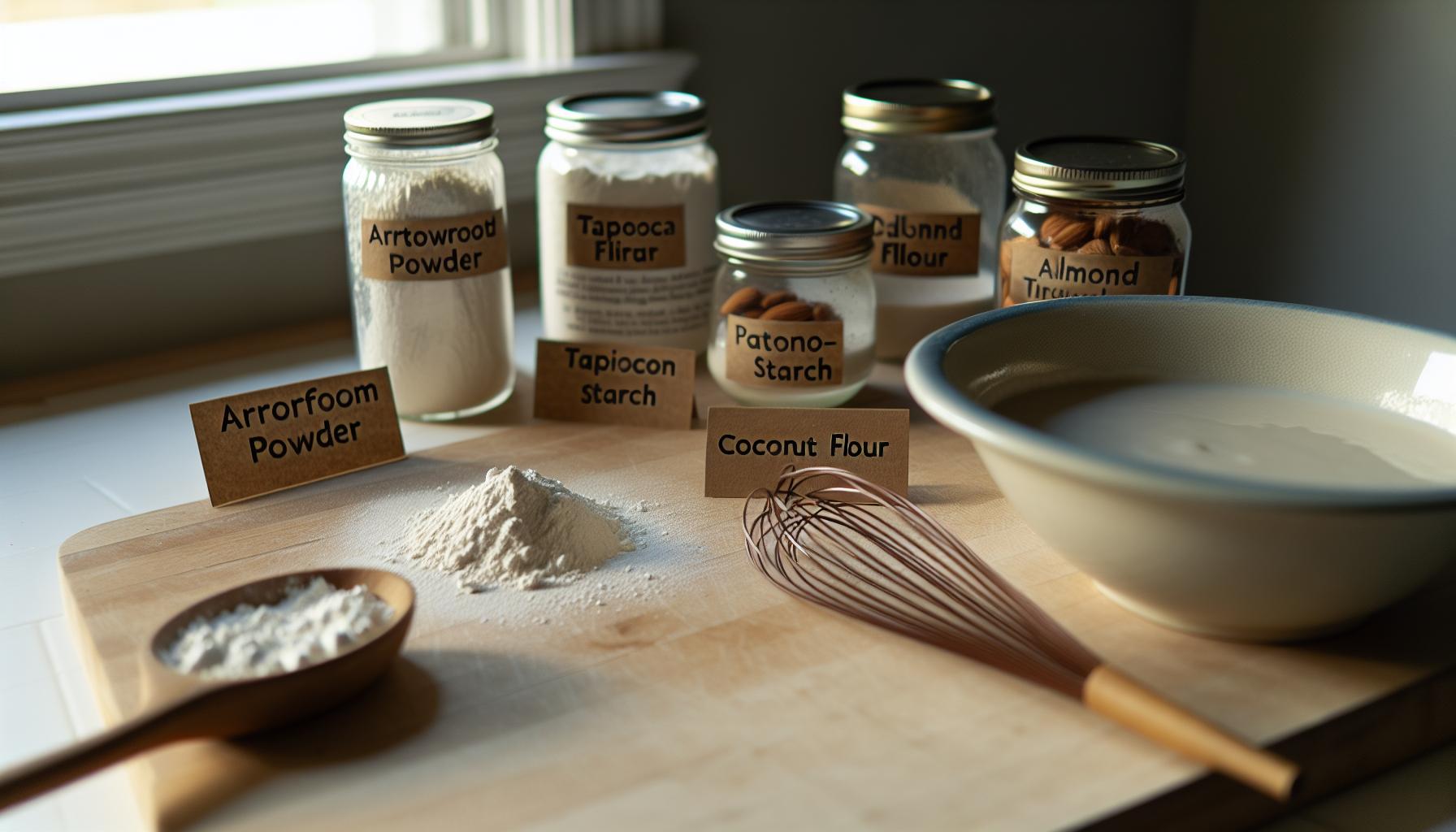
Ever noticed how some thickening tricks can derail your paleo or gluten-free efforts faster than you can say “hidden gluten”? Fear not-getting that silky, hearty texture in your beef stew without grains or gluten is totally doable, and actually pretty fun once you know the hacks. The best news? You don’t need any fancy ingredients or endless substitutions. Just a few natural, wholesome thickening options that celebrate whole-food goodness while keeping your slow cooker magic alive.
For starters, tapioca starch and arrowroot powder are your new best friends. Both are natural, gluten-free, paleo-approved starches that blend easily with cold water before being whisked into the stew near the end of cooking. They thicken beautifully without altering flavor, leaving you with a glossy, silky consistency that hugs each tender beef chunk perfectly. Just remember to add these thickeners towards the end since extended heat can cause arrowroot to thin out, and tapioca will stand up better with a little gentle simmer.
If you’re leaning into whole,”from the earth” solutions,pureed root veggies like rutabaga,parsnips,or extra cooked carrots work wonders. I frequently enough peel a few extra carrots at the start, set them aside, and mash them with a fork when I notice the stew is a bit loose. Not only does this boost body and natural sweetness, but it keeps the ingredient list as clean as your paleo pantry demands-plus, it’s a sneaky way to get some extra nutrients in without sacrificing that pleasing mouthfeel we all crave.
Creative Paleo & Gluten-Free Thickeners that Work Like a charm
- Almond flour or coconut flour: Great for dusting beef before browning or stirring a small spoonful in at the end-just be mindful, coconut flour can sometimes lend a slightly grainy texture if overused.
- Ground flaxseeds: These gel up with moisture and add mild thickness without overpowering flavors-but add them in moderation so your stew doesn’t get too gloopy.
- Cauliflower puree: Steam and blend cauliflower to a smooth mash; fold into the stew for a velvety effect that adds bulk without carbs or gluten.
For timing, here’s a little nugget from my own slow cooker adventures: add your gluten- and grain-free thickeners in the last 30 minutes of cooking. this preserves that thick, luscious texture and prevents starches from breaking down too much over hours of simmering. Plus, if you find the stew’s too thick after a rest day in the fridge, thin it with a splash of bone broth or filtered water to keep it spoon-friendly without diluting flavors.
When it comes to flavor, these options hold the savory, beefy character beautifully while honoring your dietary goals. The magic is in balancing texture and timing-treat your slow cooker like a patient friend. Get cozy with these naturally gluten-free and paleo tweaks, and watch your beef stew transform into a hearty, stick-to-your-ribs meal everyone can dig into-no compromises, just comfort.
Adjusting Liquid for Perfect Stew Consistency
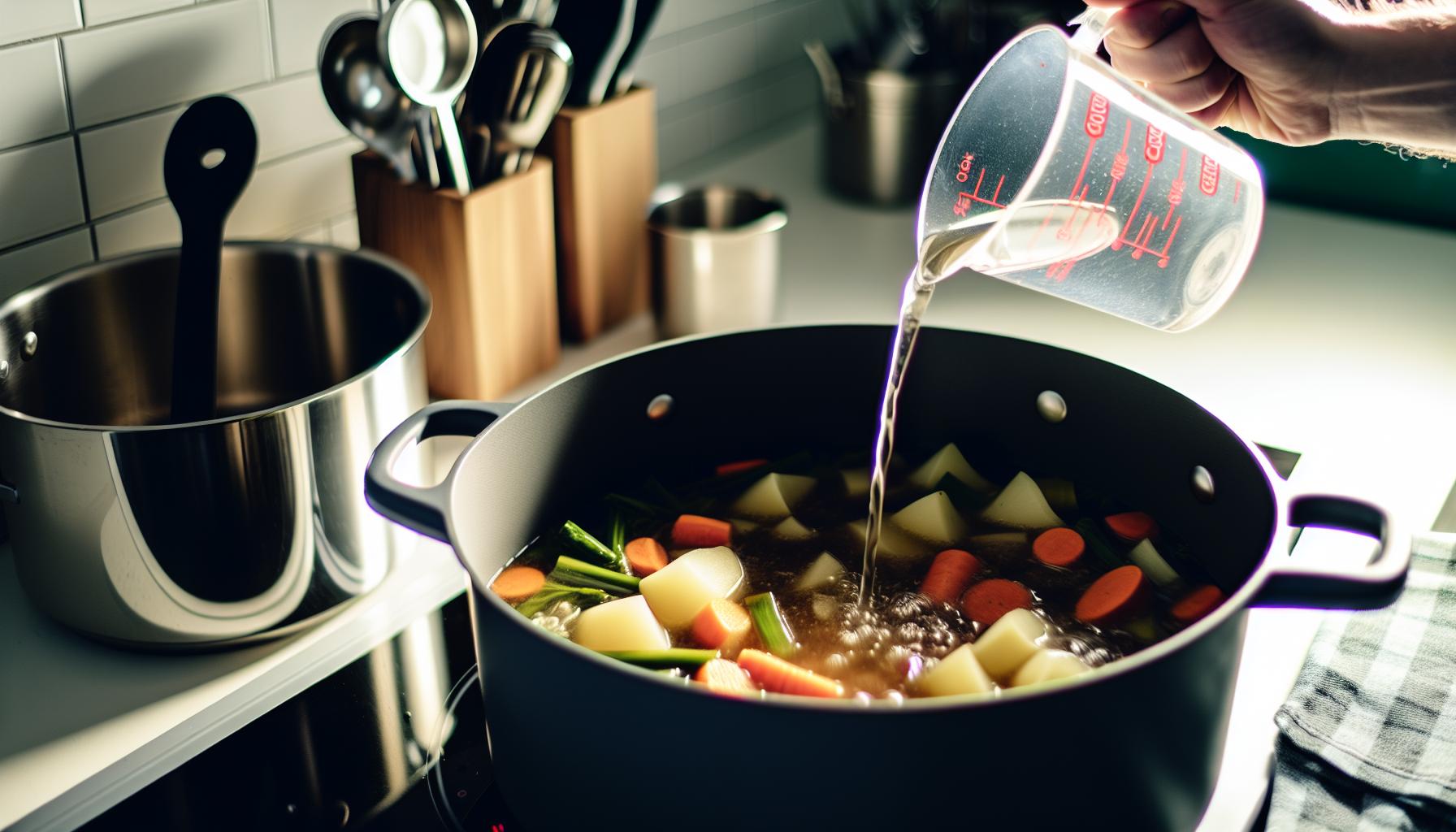
Liquid balancing is the unsung hero of a perfectly thickened beef stew. Too much broth, and your stew turns into a soup; too little, and you risk a dry, gummy mess. The trick lies in starting with confidence but staying flexible. Slow cookers tend to trap moisture, so you usually need less liquid than a stovetop recipe calls for. My personal go-to? Use just enough liquid to cover the beef and veggies halfway when you first load the slow cooker. This keeps flavors concentrated while letting you adjust thickness later without panic.
When the stew nears the finish line, that’s your cue to fine-tune the texture. if you open the lid and it’s looking thin and watery, resist the urge to dump in flour or starch right away. Instead,simmer it uncovered for 20-30 minutes (if your slow cooker allows) to let some extra liquid evaporate naturally. This small step is a flavor booster too-concentrating the beefy goodness without introducing any thickener fog.No slow cooker simmer setting? No worries-transfer to a pot and reduce it on the stovetop. I’ve found that a slow, deliberate evaporation step often makes all the difference between a stew that clings to your spoon and one that just drops back to the bowl.
- Tip: For paleo and gluten-free-friendly liquids, bone broth or homemade stock are winners not just for depth of flavor but also natural gelatins that improve mouthfeel.
- Use measured splashes: If your stew thickened too much after storing or reheating, add small amounts (1-2 tablespoons at a time) of warm broth or filtered water to gently loosen it without diluting the seasoning.
- Aim for layers of flavor: Instead of just adding water, toss in a splash of red wine, a teaspoon of tomato paste dissolved in water, or a dash of balsamic vinegar to keep your stew vibrant alongside liquid adjustments.
When Liquid Adjustment Meets Timing and Thickness Tricks
The best part? Managing liquids doesn’t happen in a vacuum. It works hand-in-hand with your thickening method and cooking time. If you’re incorporating starches like arrowroot or tapioca starch, add them at the very end with just enough liquid to create a glossy, clingy sauce that wraps the beef like a warm hug-never a gloopy wall of starch.Otherwise, you risk breaking down these delicate thickeners over hours of cooking.
the next time you peek into your slow cooker and wonder if your stew needs a little liquid love or a thickening boost, think of it like tuning a musical instrument-sometimes a few drops of broth or a twenty-minute simmer are all it takes to hit that perfect savory note. After all, comfort food is about joy, not perfection. And hey, even if you have to scoop out a little extra stew to make room for more liquid, that’s just a good problem to have.
Troubleshooting Common thickening Problems

Thickening beef stew in a slow cooker can sometimes feel like wrangling a wild beast-one minute it’s too runny, the next it’s stubbornly gummy or uneven. But don’t fret! These common hiccups have simple fixes that will have your stew clinging to your spoon like a comforting old friend in no time. Understanding where things typically go awry can save your dinner and even elevate your stew game from good to unforgettable.
One classic slip-up is adding starches like flour or cornstarch too early. Slow cookers love long, slow heat, but starches don’t-they break down and lose their thickening magic after hours, leaving you with a thin, watery base despite your efforts. To dodge this, save your starch slurry for the very end of cooking.Mix your thickener with a small amount of cold liquid to avoid lumps, stir it in, and give your stew 10-15 minutes on high or a quick simmer on the stove outside the cooker to activate that glossy, clingy perfection. If you need a quick fix when your stew turns out too thin after cooking, try this trick before panicking:
- Simmer uncovered: Removing the lid lets excess moisture escape-think of it as nature’s thickener.
- Add instant thickeners late: Arrowroot or tapioca work wonders when added at the end, yielding a beautiful shine and silky texture.
On the flip side, stew can sometimes get overly thick, gummy, or pasty. This usually means too much flour was thrown in too soon, or the stew simmered too long with starches active, causing them to break down irregularly. If this happens, it’s salvageable! Adding small measured splashes (start with 1-2 tablespoons) of warm bone broth or filtered water while gently stirring can loosen things without diluting your flavors. A tiny twist-try broth with a touch of red wine or a splash of vinegar-to brighten the profile as you loosen the stew.
Vegetable and potato starch can also conspire here. Potatoes are natural thickeners but watch the timing! Throwing them in too early or cutting them too small can cause excessive starch release,leading to gluey textures. I’ve learned to add hearty potatoes about halfway through cooking and save delicate ones like parsnips or turnips for last, depending on your taste and texture preferences.
- Tip: If your stew thickens too much after refrigeration (a total regular), reheat gently adding splash-by-splash broth to get it back to loving spoonable consistency.
- Don’t rush starch mixes: Always mix your starch with cold liquid first to avoid clumps-nobody wants stew with mini dough balls.
Sticking with paleo or gluten-free? Remember that some thickening agents behave differently-arrowroot is a star but loses power over long cooks, while coconut flour can flatten flavors if overused. Adjust quantities and timing accordingly; less is often more. And never underestimate the power of natural gelatin-rich bone broth: it adds luscious mouthfeel without any fuss.Think of thickening as a dance, not a wrestling match. It’s all about timing, patience, and small adjustments. Each stew batch is a new melody, and your ability to listen and fine-tune those layers of liquid and starch is what turns a classic dish into a heartwarming masterpiece. So next time your slow cooker’s thickening act runs off script, now you have some trusty tricks up your sleeve to bring it back center stage.
Tips for Reheating Thickened Beef Stew Without Losing Texture
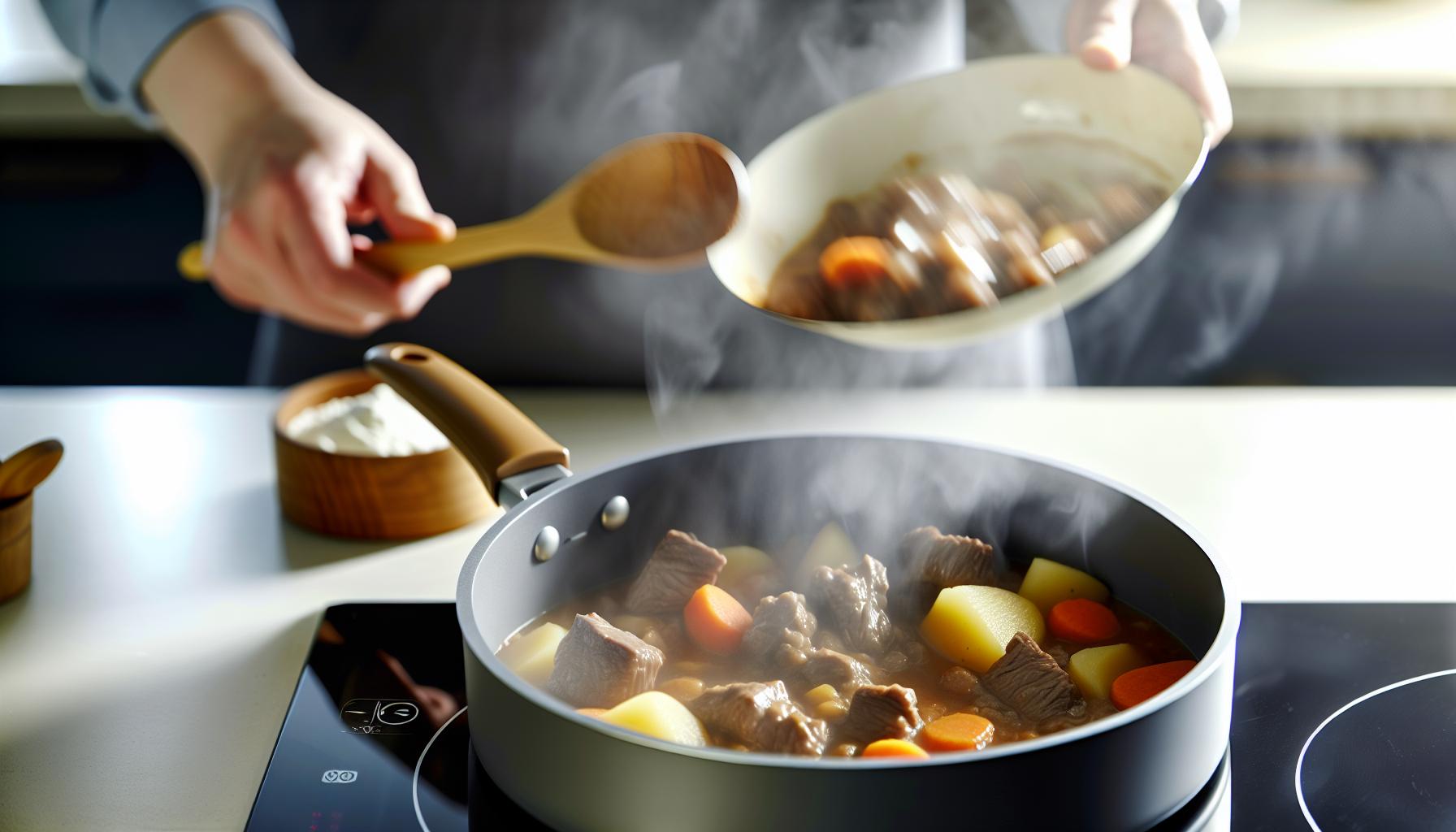
Slow cooker beef stew reheated can be a revelation-or a disappointment-depending on how you approach it. One of the most common complaints? The lovely thick texture you labored over turns into a congealed, gummy mess after chilling and reheating. Fear not! With a few simple tricks, you can revive your stew to a luscious, spoon-coating consistency that’s as comforting as the first night you served it.
The key is gentle reheating combined with smart liquid management. Stews thicken as they cool as of starches and gelatin firming up, but rushing to microwave or boil can quickly break down those components, leaving you with a pasty or watery cup of sadness. Instead, start reheating your stew slowly over low to medium heat on the stovetop. Stir frequently to promote even warming and prevent scorching. If you notice your stew looking too stiff, add liquid one tablespoon at a time-warm broth or even a bit of water works wonders-to loosen it without diluting flavor. I like to keep a small jar of homemade bone broth in the fridge just for this rescue mission; it adds extra richness and a nutritional boost without watering down your stew’s character.
- Microwave hack: When time is tight, microwave in short bursts (30 seconds), stirring in between, and add small splashes of warm broth before each round to keep it smooth and shiny.
- Oven method: Transfer stew to an oven-safe dish, cover tightly with foil, and warm in a 325°F (163°C) oven, stirring halfway through, for gentle, even heating.
- Avoid over-thickening: Resist the urge to add starch-based thickeners during reheating-they won’t activate properly and can make texture worse at this stage.
If you’re following a paleo or gluten-free lifestyle, these tips will suit you perfectly-bone broth is your best friend here, enhancing body without relying on processed thickeners. Plus, the slow heat preserves the integrity of your natural starches, giving you that velvety mouthfeel without the risk of grainy lumps or pastiness. As someone who has rescued many a stew from the clutches of recalcitrant gelatin, I promise a little patience and a splash or two of broth will bring your leftovers back to glorious, comforting life.
Bonus: Fluffing Up Stew After Refrigeration
Sometimes after a night in the fridge, stew thickens more than expected. To counterbalance that, add your liquid gradually rather than dumping it all at once. Stir gently, taste frequently, and tweak with a pinch of salt or a dash of acid (lemon juice or vinegar) to brighten flavors lost in chilling. This little acid splash is a trick I picked up from mastering French bistro-style stews-it wakes up your palate without compromising the cozy stew vibe.
With these warming wisdom nuggets, every reheated bowl can taste like a fresh-from-the-pot masterpiece. No more gluey disappointments-just hearty, rich beef stew that feels like a hug in a bowl.
Frequently Asked Questions
Q: How can I thicken beef stew in a slow cooker without adding extra starch?
A: To thicken beef stew without extra starch, try reducing the liquid by cooking uncovered for the last 30 minutes. This concentrates flavors and naturally thickens the stew. You can also mash a few cooked potatoes or vegetables directly in the pot for a smooth,thick texture.See our slow cooker timing tricks section for details.
Q: Why does my slow cooker beef stew stay watery even after using flour or cornstarch?
A: Slow cookers release steady moisture, which can dilute thickening agents like flour or cornstarch. To fix this,add starches toward the end of cooking and let the stew simmer on high with the lid off to evaporate excess liquid. Check out our troubleshooting common thickening problems for more tips.
Q: What are natural vegetable options to thicken slow cooker beef stew without gluten?
A: Root vegetables like carrots, parsnips, or rutabaga can be peeled, cooked, and mashed into your stew to thicken it naturally and gluten-free. They add body and subtle sweetness while keeping your slow cooker beef stew hearty and perfectly textured. Explore more in the vegetable thickening methods section.
Q: When should I add dairy-based thickeners to slow cooker beef stew for best results?
A: Add dairy thickeners such as cream,sour cream,or yogurt during the last 15-30 minutes of cooking on low heat. Adding too early can cause curdling. This technique creates a rich, creamy stew without breaking down the dairy. For a full guide, see the creamy and rich thickening options section.
Q: how do I adjust cooking liquid proportions to ensure my beef stew isn’t too thin in a slow cooker?
A: Use less broth or water upfront as slow cookers trap moisture. Start with about 1 to 1.5 cups less than typical stovetop recipes. You can always add more liquid later if needed. our adjusting liquid for perfect stew consistency section offers easy-to-follow tips.
Q: Can slow cooker beef stew be thickened after cooking, and how?
A: Yes! To thicken after cooking, remove the lid and simmer on high for 15-20 minutes until thickened, or stir in a slurry of cornstarch and cold water gradually. This quick boost helps reach ideal stew consistency without overcooking the meat. Learn more in the troubleshooting and reheating tips section.
Q: What is the best method to maintain thickened beef stew texture when reheating leftovers?
A: Reheat slowly on low heat, stirring occasionally to prevent separation. Add a splash of broth if needed to loosen too-thick stew. avoid microwaving at high power, which can break down thickened ingredients. Our tips for reheating thickened beef stew will keep your leftovers cozy and delicious.
Q: How can I thicken beef stew in a slow cooker while keeping it paleo-friendly?
A: Use natural thickeners like mashed sweet potatoes, arrowroot powder, or pureed cauliflower to maintain a paleo-friendly stew.Avoid flour and cornstarch, and add these ingredients toward the end of cooking to preserve flavor and nutrition. For a paleo-friendly twist, see the specialized gluten-free and paleo thickening techniques section.
The Way Forward
Now that you’ve got five easy, reliable ways to thicken your beef stew in the slow cooker, you’re all set to enjoy that perfect, hearty texture every time-without fuss or guesswork. Whether you’re aiming for a gluten-free, paleo-friendly, or classic comfort meal, these simple tricks fit your kitchen style and busy schedule.Ready to bring your stew to the next level? Try our favorite tip tonight and see how a little thickening magic transforms your cozy meal.
If you want to explore more delicious slow cooker recipes or master other kitchen skills, check out our guides on [Slow Cooker soups Made Simple] and [Batch Cooking for Busy Weeknights]. Plus, don’t forget to subscribe to our newsletter for weekly recipes, cooking hacks, and seasonal tips delivered right to your inbox. Got questions or your own thickening secrets? Share them below-we love hearing from fellow home cooks!
keep experimenting and remember: great food doesn’t have to be complicated. With a few tweaks and the right techniques, you’ll have a stew that warms both your belly and your soul. Happy cooking!
Get our latest guides, news, and insights highlighted in your Google Search & AI Overviews.