There’s nothing quite like slow-cooked beef that falls apart effortlessly and melts in your mouth-comfort food at it’s finest. But timing is everything. Get it right,and you’ll have tender,flavorful meat that’s perfect for busy weeknights or leisurely weekend meals. whether you’re following a paleo or gluten-free lifestyle, this guide demystifies how long to cook beef in your slow cooker for that ideal melt-in-mouth texture without turning your kitchen into a science lab. I’ve tested simple recipes that embrace shortcuts and substitutions, so you can enjoy foolproof slow cooker meals without stress. Ready to turn your slow cooker into your new best friend? Let’s dive into the timing secrets that make beef irresistible every time.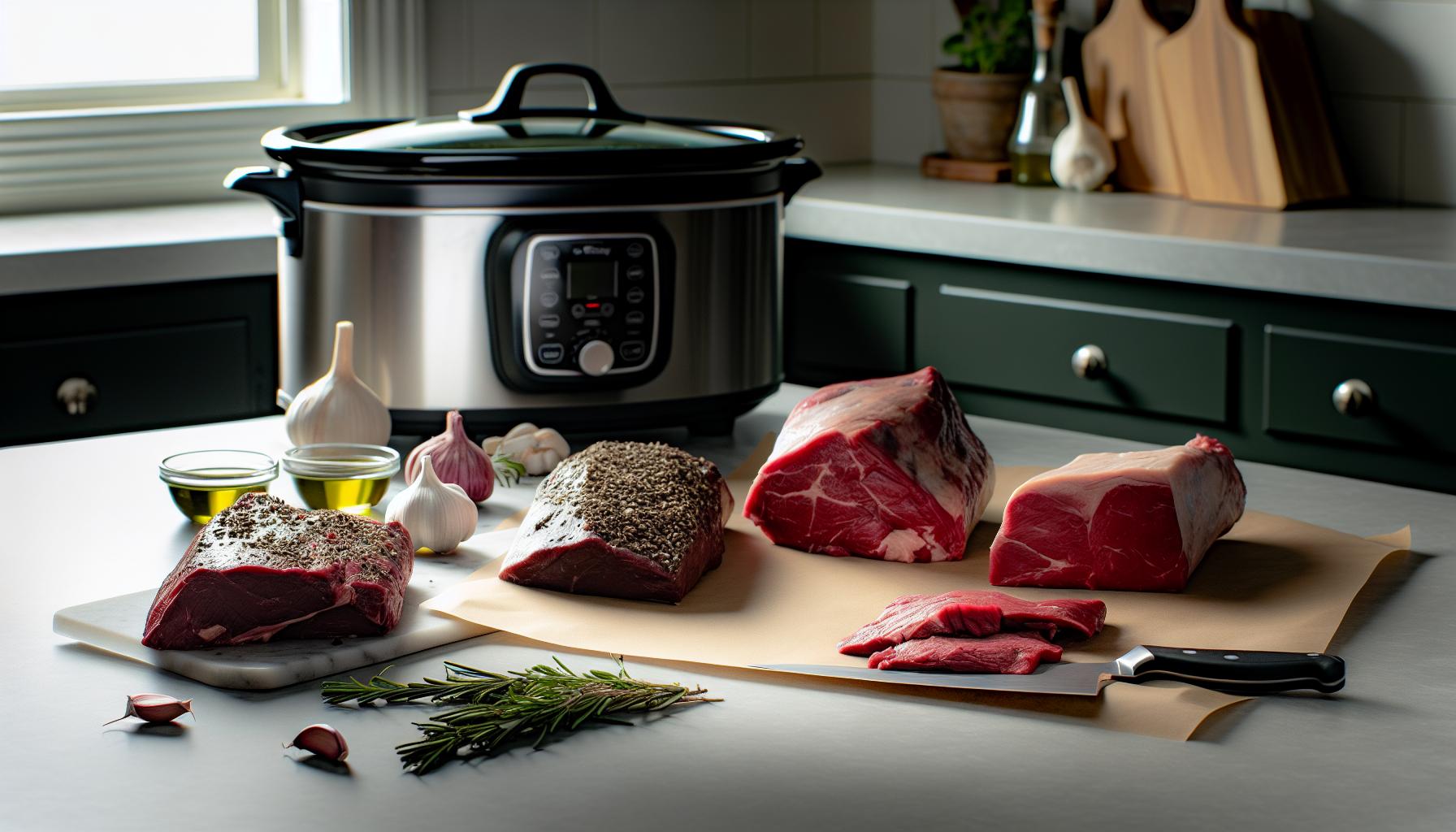
Table of Contents
- Best Beef Cuts for Slow cooker Magic
- Essential prep Tips for Tender Slow-Cooked Beef
- Ideal Cooking Times for Perfect Melt-in-Mouth Beef
- Slow Cooker Settings: Low vs High Explained
- Flavor Boosters: Marinades, Herbs, and Spices
- How to Check Beef Doneness Without Losing Juices
- Surprising Ingredient Swaps for Gluten-Free & Paleo eats
- Troubleshooting Tough or Dry Slow-Cooked Beef
- Creative Meal Ideas Using Slow-Cooked beef Leftovers
- Time-Saving Shortcuts Without Sacrificing Flavor
- Faq
- Q: How can I tell if slow-cooked beef is tender enough without overcooking?
- Q: Why does slow-cooked beef sometimes turn out stringy instead of tender?
- Q: What’s the best way to add moisture to beef during slow cooking to keep it juicy?
- Q: Can I cook frozen beef in a slow cooker for melt-in-mouth results, and how long does it take?
- Q: How does the size and cut of beef pieces affect slow cooking time for tenderness?
- Q: What slow cooker tips help retain beef flavor during extended cooking times?
- Q: How can I make slow cooker beef recipes paleo- and gluten-free friendly without sacrificing tenderness?
- Q: Should I add vegetables at the beginning or later when slow cooking beef for perfect tenderness?
- To Wrap It Up
Best Beef Cuts for Slow cooker Magic
When it comes to slow cooking beef until it’s fall-apart tender, not all cuts are created equal. Choosing the right cut is your first secret weapon for melt-in-mouth results without endless fuss. Tougher, well-marbled pieces that might seem intimidating at first actually transform beautifully in the slow cooker, breaking down connective tissues into silky goodness. Think less prime rib, more hearty cuts that laugh in the face of long cooking times-because when it comes to slow cooking, patience (and the right beef) is your best friend.
Cuts like chuck roast, brisket, and short ribs are slow cooker royalty-you’ll find they’re forgiving, flavorful, and perfect for recipes that need those hours to coax out their deep beefiness. I personally swear by chuck roast for everything from tacos to stews; it’s pricey but offers a fantastic balance of fat and connective tissue that melts into velvet when slow-cooked low and slow. For paleo and gluten-free folks looking for a rich, meaty meal with no additives, these cuts are pure gold. Plus, because these cuts often come from well-used muscles, they bring tons of flavor without breaking the bank.
Best Beef Cuts for Every Meal Type
- Chuck Roast: The all-rounder – perfect for shredded beef, stews, and pot roasts. It breaks down nicely and stays juicy, even on the longer cook.
- Brisket: Rich and beefy, ideal for smoky dishes or braises that benefit from a little fat and collagen for that luscious texture.
- short Ribs: Bone-in and packed with marrow, these create rich, unctuous meals with intense flavor. Great for paleo-friendly, hearty dinners.
- Bottom Round: Leaner but tougher, best for recipes that include moisture-rich ingredients like broth and veggies to keep it tender.
Your slow cooker won’t be your best friend if you try to “upgrade” by tossing in filet or sirloin – those tender cuts cook fast and can dry out or get stringy after hours.rather, savor the magic of collagen turning to gelatin in those bargain beef cuts; it’s like slow cooker alchemy. Don’t be shy about trimming excess fat if you prefer leaner dishes, or leave it in for extra flavor and paleo-friendly richness that’s naturally gluten-free.
With these cuts in hand and a little prep, you’ll be on your way to effortlessly tasty, melt-in-your-mouth beef dinners that scream comfort food and healthy indulgence-all while celebrating how slow cooking keeps kitchen life manageable and meals incredible.
Essential prep Tips for Tender Slow-Cooked Beef
There’s something almost magical about how a little prep can turn a humble roast into that luscious, melt-in-your-mouth masterpiece. The secret? It’s all about setting the stage so your slow cooker dose its best work without you hovering over it. Before you toss your beef in, taking a few commonsense steps can make a world of difference to texture, flavor, and overall yield, especially for those paleo and gluten-free home cooks who love pure, clean taste without fuss.
First - don’t underestimate the power of a good sear. While it’s tempting to skip this step for speed, browning your beef in a hot skillet before slow cooking adds caramelized flavor and a bit of texture that slow cookers alone struggle to build.It’s like giving your meat a flavorful coat of armor. if you’re short on time, even a rapid 2-3 minute sear per side boosts richness and locks in juices. For gluten-free cooks wary of flour dredges, a simple salt-and-pepper rub or smoked paprika can create that lovely crust without additives.
Next, think about seasoning well from the start. Slow cookers love ”wet” ingredients, but dry herbs and spices really infuse better if they get a little time with the meat directly. give your beef a massage with a medley of salt, pepper, garlic powder, and whatever fresh or dried herbs you adore-thyme and rosemary are classic pals for beef. If you’re into flavor layering, adding acidic components like a splash of apple cider vinegar or a squeeze of lemon early on helps tenderize tougher cuts and keeps things luminous and fresh. Just remember, acidic marinades need careful timing – too long can overly break down texture.
Simple Steps to Rock That Slow Cooker Prep
- Trim excess fat if you want to keep your dish lighter, but don’t strip it all away. A little fat is flavor gold and helps keep beef moist-especially importent for leaner cuts like bottom round.
- Cut large roasts into chunks if your recipe calls for shredded beef or stew. Smaller pieces cook more evenly and absorb spice blends better.
- layer moisture by tossing in broth, tomatoes, or even a splash of coconut aminos (for paleo-friendly umami). This keeps the environment moist so collagen converts beautifully to gelatin.
- Resist the urge to peek too much. every time you lift the lid, heat escapes – and that slows cooking and dries beef.
One of my favorite tricks when cooking for busy weeks is to prepare the beef the night before. A quick marinade or rub not only packs flavor punch but gives collagen a gentle start breaking down overnight in the fridge. Plus, it frees you up for morning chaos so you just slap the beef and slow cooker liquid in and walk away.
Just remember, patience is a slow-cooker cook’s best friend – but prep can turbo-charge those tenderizing hours into downright effortless deliciousness. With a little love upfront, your slow cooker will reward you with beef so tender it practically high-fives your fork. And whether you’re sticking to paleo, gluten-free, or just hungry for simple comfort, these prep habits keep the magic alive every time.
Ideal Cooking Times for Perfect Melt-in-Mouth Beef
There’s an almost magical window of time when slow-cooked beef transforms from “just cooked” to that unreal, fork-tender marvel that melts in your mouth. Getting this timing right is the secret sauce to turning tougher cuts into silky, juicy delights-especially if you’re aiming for paleo- and gluten-free-friendly meals that still feel indulgent. The beauty of slow cooking is that patience truly pays off,but knowing how long to nudge that temperature dial makes all the difference between tenderness and “chewy city.”
For most conventional cuts like chuck roast,brisket,or bottom round,a general rule of thumb is 8 to 10 hours on low heat or 4 to 6 hours on high-tho the exact best time depends on the size and shape of your beef chunks or roasts. Smaller pieces or stew cuts will cook faster and absorb flavors more readily, while whole roasts need a bit more time to break down connective tissue into melt-in-mouth gelatin. I always say, if your beef isn’t yielding to a gentle poke with a fork after 8 hours on low, it likely needs a bit more love and time.
- Low and slow is your best friend: Setting your slow cooker to low provides a gentle, gradual heat that breaks down collagen without squeezing out the juices or drying the beef.
- High heat can speed things up: Perfect when you’re short on time, but keep a close eye after the 4-hour mark to avoid overcooking and drying out leaner cuts.
- Rest time matters: Even after cooking,letting your beef rest for 10-15 minutes (lid off or loosely tented) helps redistribute juices for that perfect bite.
| Approximate Beef Size | Low Setting (~200°F) | High Setting (~300°F) |
|---|---|---|
| 2-3 lb Roast (chuck, brisket) | 8-10 hours | 4-6 hours |
| 1-inch beef Chunks (stews) | 6-8 hours | 3-4 hours |
| Small Cuts (1/2 inch or less) | 5-6 hours | 2-3 hours |
Pro tip: Don’t fret if your beef feels a little resistant around the 6-hour mark on low or 3 on high-that’s the collagen working its slow magic. Giving it a bit more time frequently enough results in that beautifully tender texture we’re chasing. And hey, life happens-if you get distracted and it cooks a little longer, a splash of broth or a quick sauce can rescue any dryness.
Slow cooker timing isn’t an exact science, but with these guidelines and a little trust in your appliance, you’ll regularly hit that juicy, melt-in-your-mouth note. It’s all about balancing time, temperature, and a dash of patience (plus a pinch of fun!). Your taste buds will thank you, and you’ll prove that paleo and gluten-free slow cooking can have serious comfort food swagger without trapping you in the kitchen all day.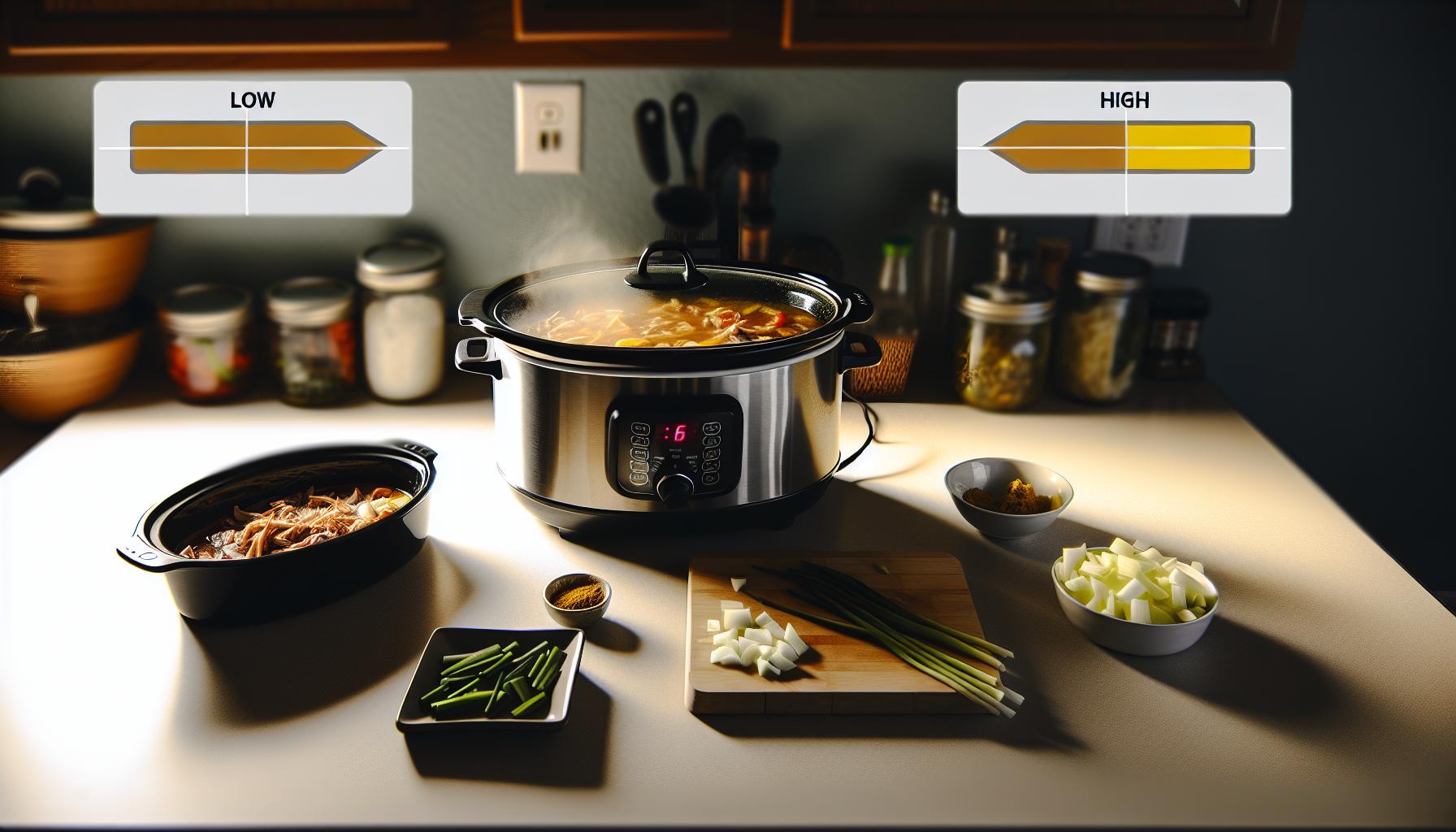
Slow Cooker Settings: Low vs High Explained
One of the most common questions about slow cooking beef is whether to choose the low or high setting - and the answer depends a lot on your schedule, cut of meat, and flavor goals.Slow cookers are kind of like your kitchen sous-chef who excels at patience, slowly inviting collagen and connective tissues to break down gently, leaving you with luscious, tender beef that melts away in your mouth. The “low vs high” debate boils down to how much time you have versus how delicate you want your final texture to be.
Cooking on low heat (around 200°F) is the gold standard for achieving that ideal melt-in-the-mouth tenderness.The gradual, consistent warmth softly unravels collagen and fibers without pushing the juices out, which means you’ll avoid that dreaded dry or stringy bite.For tougher cuts-like chuck roast, brisket, or bottom round-this setting is your best friend, especially if you have 8 to 10 hours to spare. I’ve found from experience that even if your beef feels a bit “stubborn” at 6 hours on low, giving it another hour or two usually pays off with beautifully tender results. slow and steady really does win this race, especially when you’re prepping for a thick roast or stew meant to satisfy a paleo or gluten-free meal crowd.
That said, high heat (approximately 300°F) offers a practical shortcut when time gets tight. It’s perfect for weeknights when you need dinner ready sooner-think about 4 to 6 hours for larger roasts or 2 to 4 hours for smaller chunks. However, it’s a bit like walking a tightrope; faster heat can push juices out if you’re dealing with leaner cuts or if you don’t watch closely. I’ve learned to treat the high setting as a “speedy trial” and recommend checking the beef around the halfway mark to avoid overshooting tenderness and ending up with chewy edges. Bonus tip: if using high heat, add a little extra broth or a splash of fatty marinade before cooking. This keeps flavors vibrant and prevents drying, especially in gluten-free or paleo-friendly recipes where you avoid fillers.
Balancing Time and Taste
- Low setting: Best for deep flavor development and super tender beef, ideal when you can prep in the morning and come back for dinner.
- High setting: great for last-minute meals or smaller portions, just keep an eye on doneness.
- Resting matters: No matter your setting, a 10-15 minute rest after cooking helps juices redistribute-skip this step, and you risk drier bites!
| Beef Cut & size | Low Setting (~200°F) | High Setting (~300°F) |
|---|---|---|
| 2-3 lb Roast (chuck, brisket) | 8-10 hours | 4-6 hours |
| 1-inch Beef Chunks (stew meat) | 6-8 hours | 3-4 hours |
| Small Cuts (½ inch or less) | 5-6 hours | 2-3 hours |
In my kitchen, the “low and slow” method gets used for Sunday dinners or when I prep something in the morning before work. High heat comes in handy for those unexpected cravings or when juggling a busy week. Either way, slow cookers are wonderfully forgiving-if your beef isn’t perfectly tender at the minimum time, a little extra cooking never hurts. Just toss in a bit of broth or sauce if things look dry, and you’ll have a winning paleo and gluten-free meal ready to impress without fuss or perfectionism. Trust your slow cooker, embrace the delicious journey from tough to tender, and always savor those melt-in-your-mouth moments!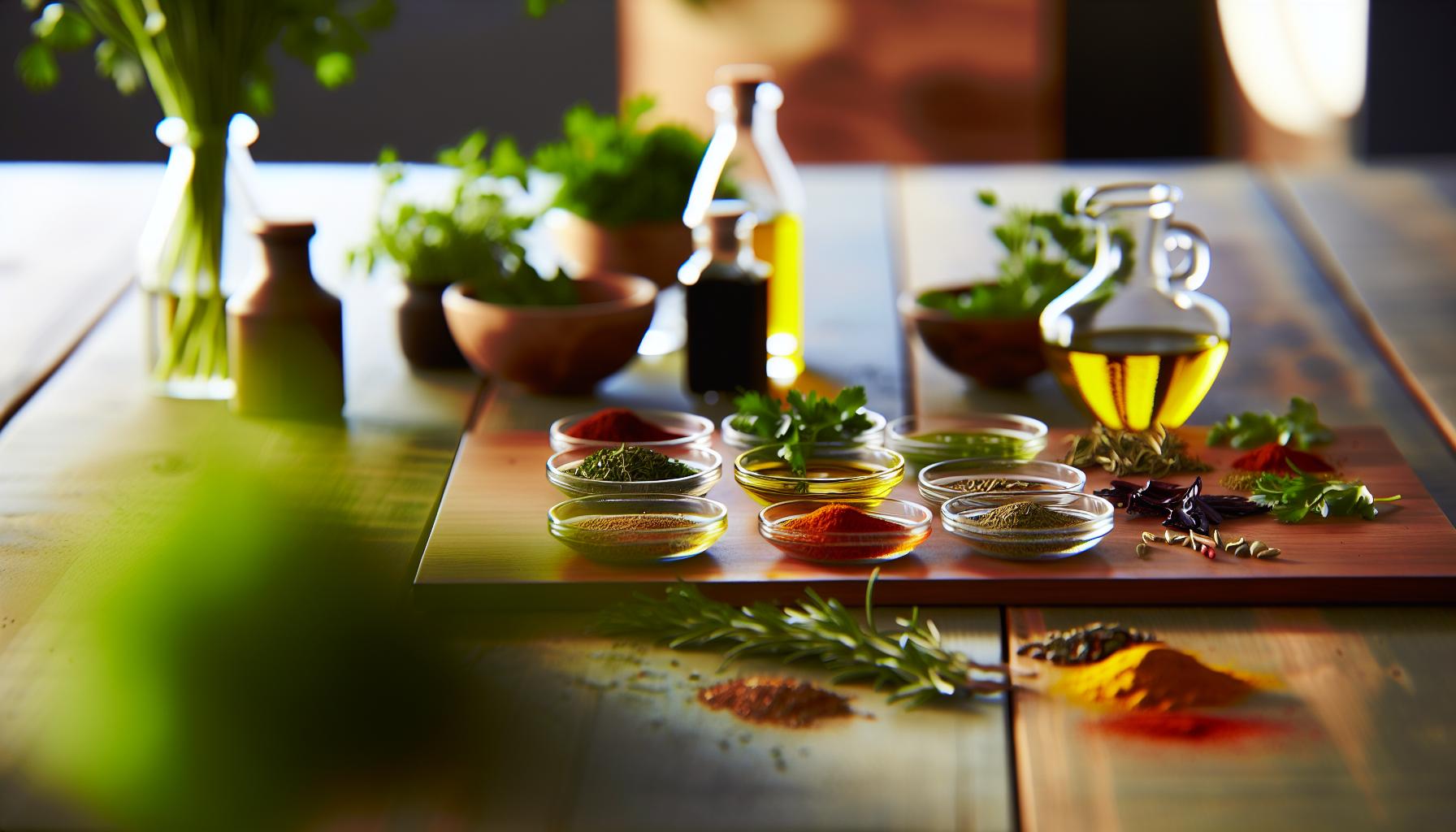
Flavor Boosters: Marinades, Herbs, and Spices
Sometimes, the secret to unforgettable slow-cooked beef isn’t just the cooking time but what you toss in before it even hits the pot. A well-chosen marinade or a sprinkle of herbs and spices can transform humble cuts into dishes bursting with layers of flavor-without complex steps or hours of pre-prep. Plus,boosting your beef’s flavor is an awesome way to make paleo and gluten-free meals feel indulgent yet wholesome,proving that dietary needs don’t have to mean sacrificing taste.
When it comes to marinades, the slow cooker isn’t just a passive player; it’s a flavor sponge. Acidic ingredients like apple cider vinegar or lemon juice help tenderize beef by gently breaking down muscle fibers-perfect for tougher cuts like chuck or brisket. But beware: too much acid or an overly long soak can give you a mushy texture, so keep it to about 30 minutes up to a couple of hours at most before slow cooking. For a paleo twist, try mixing olive oil, crushed garlic, fresh rosemary, and a splash of coconut aminos (a great soy sauce substitute) for a simple, earthy marinade that adds depth and a subtle umami boost.
Herbs and spices are your best friends, especially fresh ones that get a chance to infuse during those slow hours. Bay leaves, thyme, and rosemary add warmth and complexity; paprika and cumin bring a smoky, slightly sweet twist that pairs beautifully with beef’s natural richness. I always add whole peppercorns for a slow-building heat without overpowering the dish. Want to skip salt or stay lower sodium? Try a dash of smoked sea salt near the end of cooking-surprisingly, that finishing touch rounds out flavors brilliantly.And don’t underestimate a handful of chopped fresh parsley or cilantro stirred in right before serving for fresh, bright notes that balance the hearty meatiness.
Flavor Boost Checklist
- Marinades: use citrus or vinegar bases sparingly (30 minutes to 2 hours pre-cook), with oil and herbs for enhanced tenderness and flavor.
- Herbs: Bay leaves, thyme, rosemary, parsley (add fresh just before serving).
- Spices: Paprika, cumin, black peppercorns, smoked sea salt (add late in cooking).
- Guest stars: Garlic cloves, onions, mushrooms, or a splash of paleo-friendly broth or coconut aminos for umami.
From my kitchen escapades, I’ve learned that even a quick 15-minute marinade can make a big difference when you’re short on time. And if you’re feeling adventurous, swapping in chipotle powder or dried oregano can riff on classic flavors without needing extra steps. The joy is in layering flavors gradually throughout the cooking process-slow cooker magic paired with a smart seasoning strategy equals melt-in-your-mouth beef your family will ask for again and again. Who says paleo or gluten-free meals can’t be downright delicious and downright easy?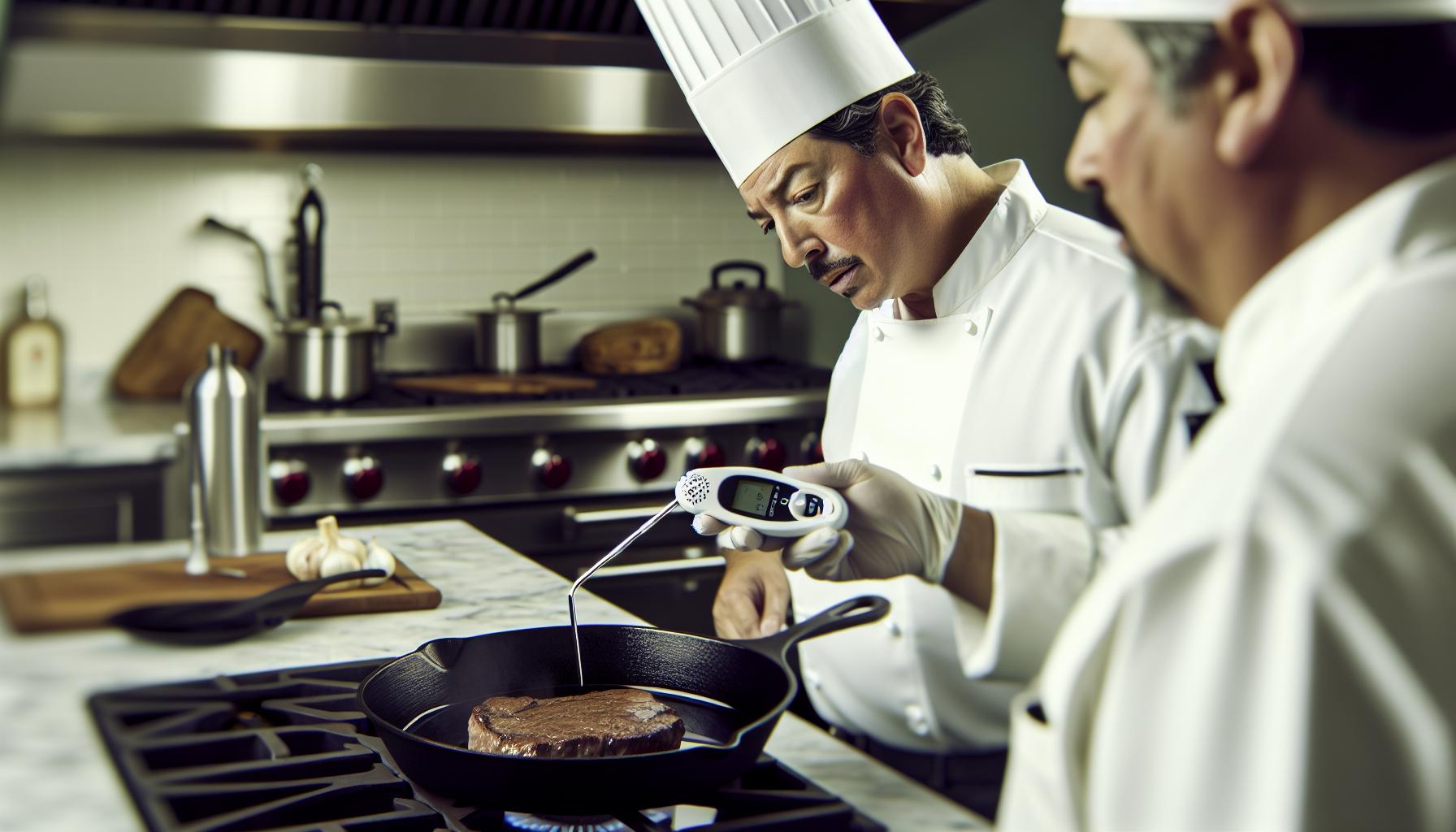
How to Check Beef Doneness Without Losing Juices
There’s an art to knowing exactly when your slow-cooked beef has reached that glorious falling-apart stage without accidentally drying it out. unlike quick pan-searing, slow cookers create a gentle heat bubble that infuses moisture and tenderness-but every poke or prodding can mean lost juices and a dryer bite. the key is to rely on gentle, intuitive methods that help you check doneness while keeping all that delicious, collagen-rich juice sealed inside.One of my favorite tricks is the *fork test*: gently insert a fork into the thickest part of the beef and twist slightly. If the meat gives way easily and starts to shred with little resistance,you’re at “melt-in-your-mouth” status. but if it’s still firm or resists,pop the lid back on and keep cooking-resist the urge to prod every 10 minutes! This test works especially well with cuts like chuck or brisket that benefit from extended slow cooking,translating collagen into luscious gelatin without drying out.
Keep the Lid On (Seriously!)
Every time you lift the lid, precious steam escapes, which slows cooking and dries out your beef over time. I promise: it’s tempting to check, but set a timer instead and wait until the minimum recommended cooking time before testing. The difference between a perfectly tender shred and a tough chew can be minutes, so patience is your best friend here.
For an extra layer of precision, a good (and kitchen-friendly) slow cooker thermometer can be a game changer. Cooked beef that hits an internal temperature around 195-205°F (90-96°C) signals that the connective tissues have fully broken down,signaling luscious,fork-tender meat. But rather than poking constantly, take one quick check towards the end of the cook and trust your slow cooker to do its magic.
tips for Sealing Juices When Checking Doneness
- Use tongs or a fork gently: Avoid stabbing repeatedly or tearing out big chunks.
- Check smaller pieces: If possible, lift smaller beef chunks for testing rather than the whole roast.
- Trap the steam quickly: Place the lid back swiftly to keep the heat and moisture sealed in.
- Rest briefly: Let the beef rest 5-10 minutes after cooking to allow juices to redistribute before shredding or slicing.
I once ruined a brisket by impatiently lifting the lid to “peek” every 20 minutes. It turned out tougher and dryer than expected-lesson learned! Now, I set the slow cooker on low, distract myself with the kids or a good book, then let the fork test work its magic at the end. the result? succulent beef that practically melts on the tongue-with zero juice wasted.
In the world of paleo and gluten-free eats, preserving those natural beef juices means flavor shines through without relying on extra sauces or thickeners.Trust your slow cooker, use gentle checks, and savor the reward of tender beef that’s worth every minute you didn’t poke. Because when it comes to melt-in-mouth beef, patience really is the ultimate secret ingredient.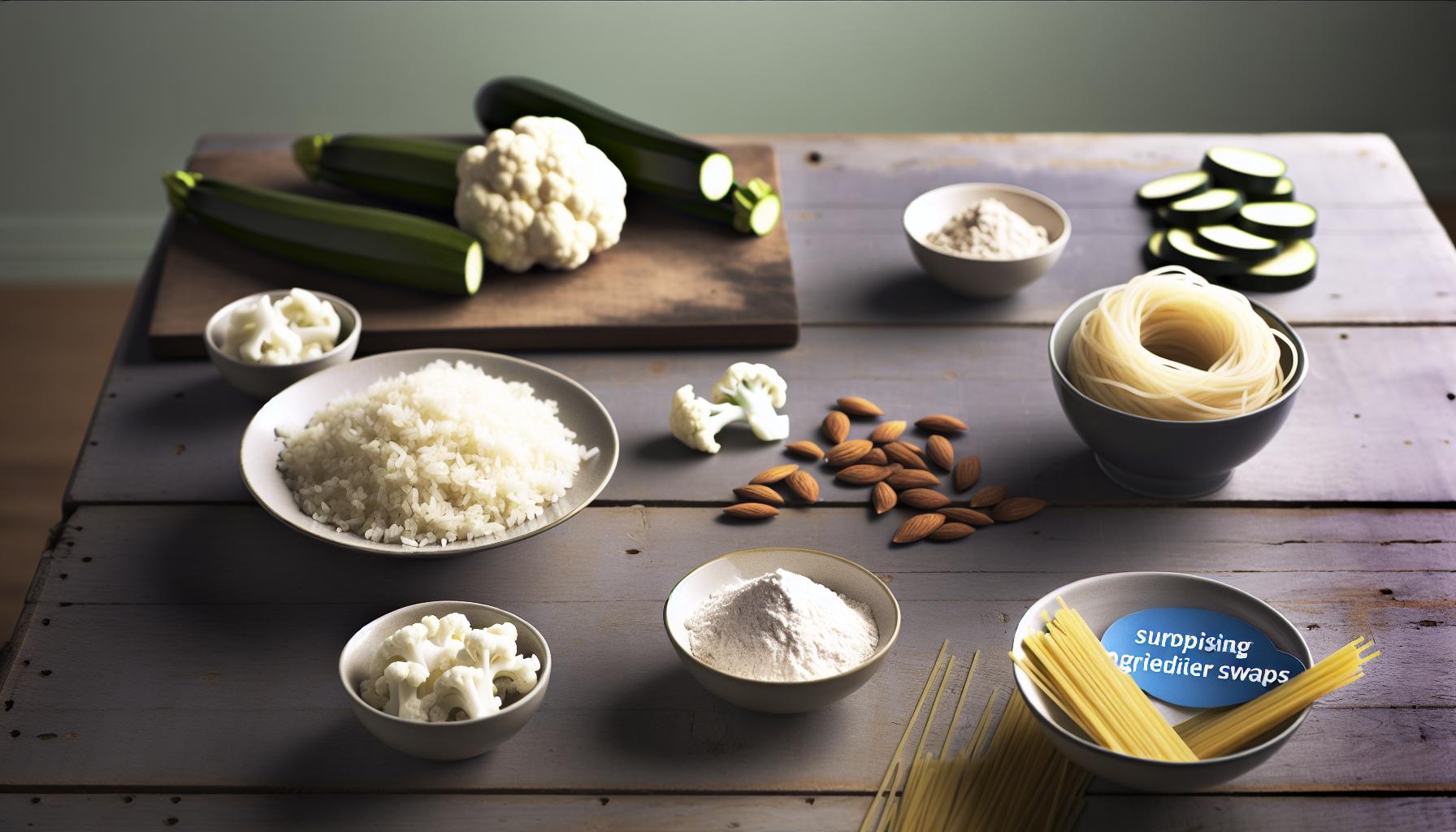
Surprising Ingredient Swaps for Gluten-Free & Paleo eats
If you’re diving into the world of gluten-free and paleo slow cooking, you’ll quickly notice that simple ingredient swaps can make a huge difference-not just for dietary compliance but for flavor and texture too. Believe me, swapping out those sneaky gluten-containing or processed ingredients doesn’t have to mean sacrificing that luscious, slow-cooked beef goodness you crave. Actually, some substitutions can even elevate the dish, making it richer, brighter, and downright addictive.
One of my favorite “aha” moments was swapping traditional soy sauce (no-go on paleo and frequently enough gluten-laden) for coconut aminos. It brings that deep umami power without the gluten or extra sodium bomb. It also caramelizes beautifully inside the slow cooker, enhancing the beef’s richness. Or instead of using regular wheat-thickened gravy or broth, try thickening with arrowroot powder or tapioca starch near the end of cooking-both keep the sauce glossy and paleo-friendly, giving you that perfect coating on tender beef without cloudiness or pesky gluten.
Swapping Sweeteners and Thickeners without Missing a Beat
Gluten-free and paleo-friendly sweeteners like raw honey, maple syrup, or even date paste can replace brown sugar or other refined sugars in marinades or sauces. They not only add sweetness but help deepen the caramelization on your roast or brisket. Plus, since they’re natural, you avoid weird aftertastes or empty calories. When thickening the cooking liquids, avoid flour or cornstarch (not paleo) and reach for those friendly alternatives rather.
Herbs and Veggies to Amp Up Flavor and Keep it Clean
Another simple trick: swap onion powder or garlic salt blends that might hide gluten for fresh garlic and shallots. They dissolve gently over long cook times, infusing the beef gently without any unwanted additives. Also, root veggies like parsnips or turnips can be amazing substitutes for potatoes or carrots if you’re sticking to paleo but want that hearty veg element in the slow cooker. I once halved a brisket slow cook adding these, and the subtle sweetness they lent was a game changer-not too sweet, just perfectly balanced with the beef’s savory depth.
- Gluten-Free Soy Sauce Option: Coconut aminos
- Flour Thickeners: Arrowroot powder or tapioca starch
- Sweeteners: Raw honey, pure maple syrup, date paste
- Veggie Swaps: Turnips or parsnips for potatoes and carrots
At the end of the day, life is busy and no one needs to stress about perfect paleo or gluten-free rules in the slow cooker kitchen. Feel free to tweak and taste as you go! I like to think of it as cooking with a trusted friend-fun, forgiving, and focused on making that melt-in-your-mouth beef the star of the show, no matter what swaps you bring to the party.
Troubleshooting Tough or Dry Slow-Cooked Beef
Sometimes, despite our best intentions and slow cooker magic, beef turns out tougher or drier than expected.The good news? That’s totally fixable,and it’s often less about a kitchen disaster and more about a simple tweak. Slow cooking is forgiving, but a few common slip-ups can lead to that chewy or dry result. A big culprit is cooking time errors. Cook beef too briefly, and those connective tissues won’t fully break down, leaving the meat dense and tough. Cook it too long – especially on high heat – and it can lose moisture, drying out the dish. Knowing your cut and watching your clock are the golden rules here.
A slow cooker isn’t just a pot; it’s a cozy, low-temp spa retreat for beef. Think of tougher cuts like chuck, brisket, or round as your candidates-they thrive with low and slow heat, generally 6 to 10 hours on low. Rushing them with high heat for just a couple of hours can make them rubbery. Overcooking leaner cuts, like sirloin or tenderloin, is a no-go because they lack the fat and collagen to stay juicy over long cooking times. The trick is matching your cut to the method and patience level.
Moisture Is Your Meat’s Best Friend
A dry slow-cooked beef dish frequently enough signals a moisture imbalance. Adding enough liquid-whether broth,tomatoes,or a paleo-friendly marinade like coconut aminos mixed with arrowroot-thickened sauce-ensures the meat stays hydrated. Try to keep at least one to two cups of liquid in the cooker to create steam and prevent drying. Also, layering veggies like onions, carrots, or even turnips beneath the beef lifts it from the direct heat of the bottom, helping juices circulate instead of evaporate.
if you’ve ever pulled beef from the slow cooker only to find it tight and leathery, here’s a kitchen secret: let it rest in its juices for 15 to 20 minutes before slicing. This resting time allows the muscle fibers to relax and reabsorb moisture, tenderizing even meat that initially feels a bit too firm.
When the Beef Is Tough: Rescue Missions
Sometimes, even after a perfect timeline, beef can surprise you with unexpected toughness. It might be your cooker’s temperature calibration or a variation in the cut. Don’t despair-one of my favorite hacks is to shred the beef and return it to the slow cooker with some extra broth or paleo-friendly BBQ sauce to give it another hour on low. This extra simmer helps break down stubborn fibers and infuses the meat with flavor and moisture.Plus, shredded slow-cooked beef makes for fantastic tacos, stews, or hearty salads.
- Check internal temperature: Beef is generally tender once it hits about 190-205°F.
- Use a fork test: Shreds easily without resistance? It’s ready!
- Don’t lift the lid unnecessarily: each peek releases steam and prolongs cooking.
Remember, slow cooking is as much art as it is science, and every kitchen is different. Experiment with liquid levels and cooking times adjusted for your slow cooker or beef cut.If dry is your enemy, prioritize moisture and low heat over speed. At the end of the day, a little patience and liquid love turn even modest cuts into that juicy, melt-in-your-mouth delight we’re all chasing. You got this-slow cooker success is just around the corner!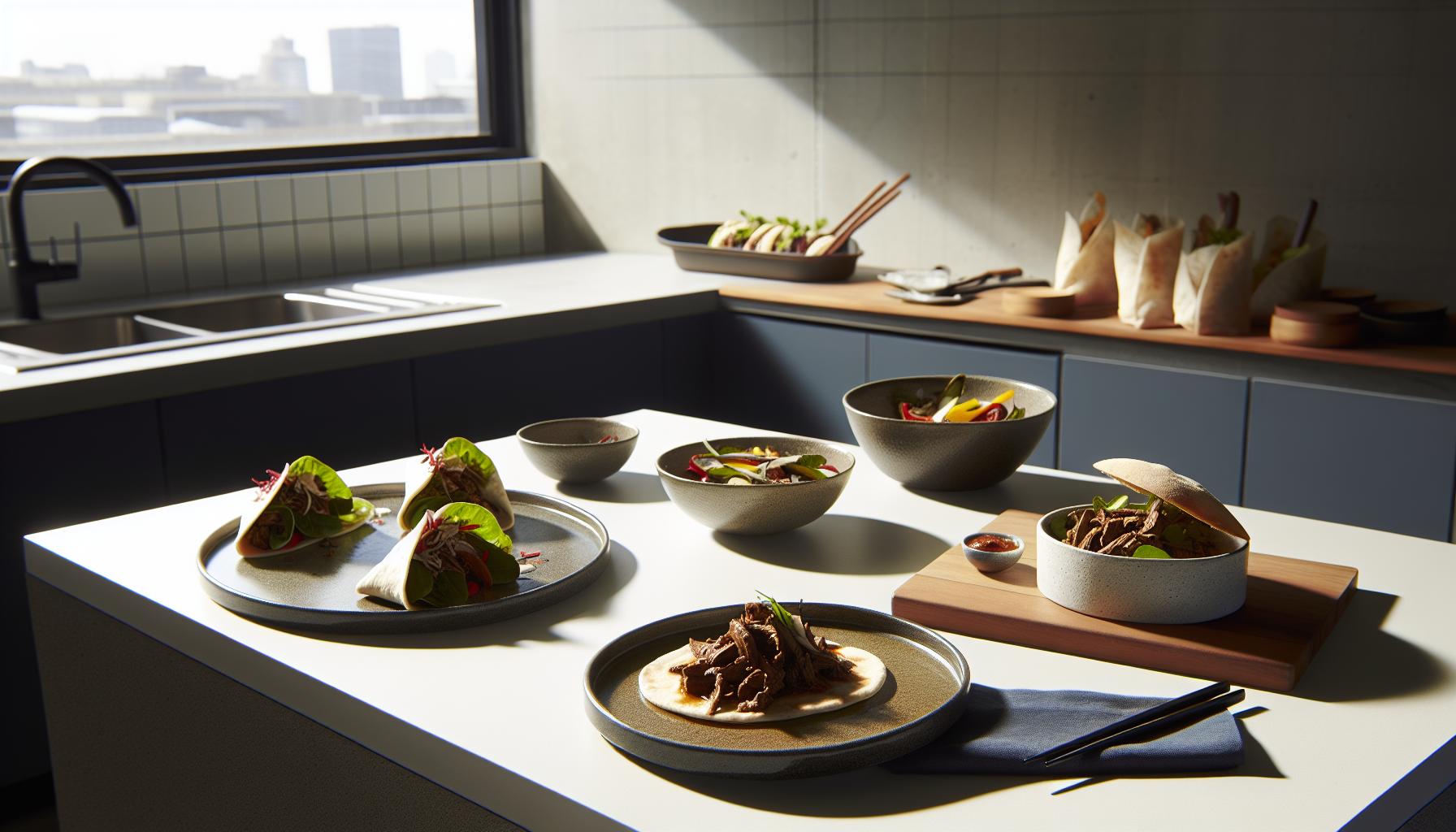
Creative Meal Ideas Using Slow-Cooked beef Leftovers
If you thought slow-cooked beef was only for the main event, think again! Those tender leftovers are culinary gold waiting to be transformed into quick, delicious meals that stretch your effort without sacrificing flavor. The beauty of slow-cooked beef-especially when it’s cooked low and slow to perfect tenderness-is its incredible versatility. From easy weekday dinners to crowd-pleasing snacks, repurposing beef leftovers can keep your taste buds excited and your kitchen routine fresh. Plus, it fits wonderfully into paleo or gluten-free lifestyles with just a few simple swaps.
Power-Packed Paleo Beef Bowls
Got a stash of shredded slow-cooked beef? Toss it into a vibrant paleo bowl with roasted sweet potatoes, steamed greens, and avocado slices. To make it quick:
- Prep time: 10 minutes
- Cook time: 0 (leftovers)
- Difficulty: Easy
Layer your bowl with a base of leafy greens or cauliflower rice, then pile on the beef. Drizzle with a homemade dressing using olive oil, lemon juice, and fresh herbs like cilantro or parsley. The naturally tender beef keeps the bowl hearty, while the fresh veggies add crunch and brightness. Bonus: This meal reheats beautifully, making it a go-to for meal prep days!
Tacos That Turn heads (and Tastebuds)
Who said tacos can’t be paleo and gluten-free while still packing big flavor? Slow-cooked beef is a perfect filling because it’s already tender and full of smoky goodness if you’ve added spices during cooking. Ready in minutes, these tacos are a no-brainer weeknight hit:
- Prep time: 5 minutes
- Cook time: 0 (using leftovers)
- Difficulty: Easy
Use lettuce leaves or gluten-free corn tortillas as your base. Top the shredded beef with avocado crema (blend avocado, lime juice, and a pinch of salt), diced tomatoes, and a sprinkle of fresh onion or radishes for crunch. Not only does this reduce waste, but the quick assembly feels almost like cheating in a good way.
Cozy Beef & Veggie Soup
Transform your leftover beef into a soothing, paleo-friendly soup that takes just 10 minutes to pull together on the stove. This idea shines on cooler evenings or when you’re craving comfort without the fuss:
- Prep time: 10 minutes
- Cook time: 15-20 minutes
- Difficulty: Intermediate
Simmer your beef in a broth with a mix of low-carb veggies like zucchini, celery, and spinach. Spice it up with garlic, thyme, or a hint of smoked paprika. The melt-in-your-mouth beef adds a richness that makes this soup feel indulgent yet wholesome. Pro tip: stirring in a splash of coconut milk adds creamy texture without dairy.
Snack Attack: Beef-Stuffed Sweet Potato Skins
For a fun twist that doubles as an appetizer or light dinner,turn leftover beef into a filling for baked sweet potato skins. This snack smartly fits paleo and gluten-free needs with minimum effort and maximum impact:
- Prep time: 15 minutes
- Cook time: 20 minutes (for sweet potatoes)
- Difficulty: Moderate
Bake sweet potatoes, scoop out the flesh (save it for another use), and mix shredded beef with paleo-friendly salsa or guacamole. Fill those skins, top with chopped green onions or cilantro, and pop under the broiler briefly for a crisp finish. It’s a crowd-pleaser that’ll have guests asking for your slow cooker secret.
Remember, a little creativity with your slow-cooked beef leftovers can go a long way. Whether you’re rushing home after work or planning meals ahead, these ideas celebrate the ease of reheating tender beef while allowing you to tailor flavors and ingredients to your mood and dietary needs. Slow cooker magic doesn’t have to end when the main course does!
Time-Saving Shortcuts Without Sacrificing Flavor
No one said getting melt-in-mouth slow cooker beef had to be a time-suck marathon. In fact, with a few smart shortcuts, you can cut down prep time without ever compromising that tender, flavorful finish. Think of it as working smarter in the kitchen-not harder-while still enjoying the rich, comforting flavors of slow-cooked beef that practically falls apart with a fork. Ready to save time and savor every bite? Let’s dive into some tested,kitchen-friendly hacks that keep your meals quick,satisfying,and naturally paleo & gluten-free.
Speed up Prep with Simple Swaps
Getting your beef to the slow cooker quicker doesn’t mean skipping key steps-just streamlining them. For example, instead of trimming every last bit of fat, leave some on for added juiciness and mouthfeel; fat melts down during cooking and acts as a natural flavor booster. Another lifesaver? Using pre-chopped veggies or frozen onion and garlic cubes. these one-minute swaps cut chopping time dramatically.
If you’re into browning your beef before slow cooking (which amps up flavor),try using a nonstick pan and cooking in batches. Got a busy morning? Sear the beef the night before after work, refrigerate it, and simply toss it into the slow cooker with your liquid and spices the next day. This batches your effort for less stress,more flavor,and less mess.
Streamlined Cooking Without Losing Depth
Here’s a little insider trick: you don’t always have to eyeball everything from scratch. Premade bone broth or paleo-friendly stocks deliver rich umami fast and skip hours of simmering. Just be sure to read labels or make your own at home earlier in the week for your slow cooker dishes.
For seasoning, grab a good-quality pre-mixed spice blend tailored for beef-think smoked paprika, cumin, garlic powder, and herbs. This shortcut saves you measuring most things out individually but still guarantees layers of flavor.Toss the spices in early so they have time to really mingle with the beef.
Quick Meal Assembly with Maximum Flavor
When you finally hit that delicious “slow cooker done” signal, keep the momentum going by prepping your sides ahead. Cauliflower rice or spiralized zucchini noodles can be prepped in under 10 minutes, creating an easy paleo base that pairs perfectly with your beef. Even frozen riced cauliflower can be steamed quickly,cutting prep time without sacrificing texture.
To save even more time on busy days, cook a double batch of beef and portion it out for multiple meals. That way,the next night,dinner is as easy as reheating and tossing together a quick salad or stir-fry veggies. True slow cooker magic is in making your kitchen work for *you*-not the other way around.
- Pro Tip: use slow cooker liners to cut down on cleanup time.Trust me, your future self will thank you.
- Substitution: If you lack time to soak dried herbs, fresh herbs added just before serving brighten but don’t overpower your dish.
Small steps like these turn slow cooking into a weekend-friendly romance with your stove and a weekday-friendly speed date. Because who says you can’t have tender, comforting beef *and* get out the door on time? Your slow cooker-and your taste buds-will thank you.
Faq
Q: How can I tell if slow-cooked beef is tender enough without overcooking?
A: Test tenderness by gently shredding a small piece with a fork; if it pulls apart easily, it’s done. Avoid cutting early to preserve juices. For best results, check doneness near the recommended cooking time from the Ideal Cooking times section to prevent drying out and ensure melt-in-mouth texture.
Q: Why does slow-cooked beef sometimes turn out stringy instead of tender?
A: Stringy beef usually means it’s overcooked or cooked too fast at high heat. Low and slow heat breaks down collagen for tenderness, while high heat tightens muscle fibers. Stick to slow cooker low settings and suggested times to avoid this. See Slow cooker Settings: low vs High explained for tips.
Q: What’s the best way to add moisture to beef during slow cooking to keep it juicy?
A: Add broth, wine, or acidic liquids like tomato or vinegar-based marinades early in cooking. These liquids help break down fibers and keep beef moist. Also, avoid lifting the lid frequently enough to retain steam. Check Flavor Boosters and Essential Prep Tips for ingredient ideas.
Q: Can I cook frozen beef in a slow cooker for melt-in-mouth results, and how long does it take?
A: Cooking beef from frozen is possible but requires adding 50% more time than fresh beef. It’s best to thaw first for even cooking and tenderness. if using frozen,cook on low for 8-10 hours to achieve tender results. Refer to Ideal Cooking Times for fresh beef as a baseline.
Q: How does the size and cut of beef pieces affect slow cooking time for tenderness?
A: Larger or thicker cuts need longer low-heat cooking to become tender. Smaller chunks cook faster but may dry out if overcooked. Choose cuts wisely as suggested in Best Beef Cuts for Slow Cooker Magic and adjust times accordingly for melt-in-mouth texture.
Q: What slow cooker tips help retain beef flavor during extended cooking times?
A: to lock in flavor, sear beef before slow cooking and add aromatics like garlic and herbs early. Cooking on low preserves delicate flavors better than high heat. See Flavor Boosters and Slow Cooker Settings: Low vs High Explained sections for pro tips.
Q: How can I make slow cooker beef recipes paleo- and gluten-free friendly without sacrificing tenderness?
A: Use natural thickeners like arrowroot or tapioca and substitute soy sauce with coconut aminos in marinades. Choose fresh herbs and paleo-safe spices to boost flavor. For more on this, check Surprising Ingredient Swaps for Gluten-Free & Paleo Eats-it’s perfect for melt-in-mouth, diet-friendly meals.
Q: Should I add vegetables at the beginning or later when slow cooking beef for perfect tenderness?
A: Add root vegetables like carrots and potatoes at the start as they need longer cooking;* delicate veggies go in the last hour to avoid over-softness. Proper timing keeps both beef and veggies tender and flavorful-see Essential Prep Tips for Tender Slow-Cooked Beef* for more guidance.
For more juicy tips and tricks, dive into the full article sections-your slow cooker will thank you!
To Wrap It Up
Now that you know exactly how long to cook beef in your slow cooker for those melt-in-mouth results, it’s time to get experimenting! Whether you prefer a tender pot roast or rich, shredded beef for tacos, slow cooking offers a foolproof way to unlock deep flavors with minimal effort. Don’t be afraid to tweak your cook times or try different cuts-each brings its own magic to the table, especially if you’re following gluten-free or paleo-friendly meal plans.
Ready to take your slow cooker skills even further? Check out our guide on the best slow cooker recipes for busy weeknights or explore expert tips on ingredient swaps for dietary needs. Hungry for more kitchen wisdom? Join our newsletter for weekly recipes and pro tricks that make cooking feel like chatting with a fun friend who gets that life is busy but delicious food is a must. drop a comment below sharing your slow cooker success stories or questions-we love hearing from fellow home cooks eager to create meals that comfort and impress.
Keep this page bookmarked for your next slow cooking adventure, and don’t forget: perfect melt-in-mouth beef is just a slow cooker cycle away. Happy cooking!