Did you know that the secret to irresistibly tender, fall-apart pot roast lies mostly in how long you let it slow-cook? Whether you’re juggling a busy weeknight or craving that cozy, paleo- and gluten-free-friendly comfort food, mastering slow cooker timing turns a decent roast into melt-in-your-mouth magic. It’s not just about tossing meat and veggies in a crockpot; it’s about dialing in the perfect cook time to unlock rich flavors and a gravy-worthy broth without any fuss. In this guide, I’ll share simple, tested tips on timing your pot roast for that ideal tenderness, so whether you prefer cooking low and slow all day or need a quicker cozy meal hack, you’ll get it right every time. Plus, I’ll suggest easy ingredient swaps and helpful shortcuts – as cooking should feel fun, not like a chore. Ready to make your slow cooker your new best kitchen buddy? Let’s dive in!
Table of Contents
- How Long to Cook Pot Roast for Fall-Apart Tenderness
- Choosing the Best Cut of Beef for Slow Cooker pot Roast
- Step-by-Step Prep Tips for Perfect Slow Cooker Pot Roast
- slow Cooker Settings: Low vs. High for Ideal Texture
- How Liquid Type Affects Cooking Time and Flavor
- Seasoning Secrets to Boost Your Pot Roast Flavor
- Easy Ingredient swaps for Paleo and Gluten-Free Diets
- How to Test When Your Pot Roast Is Ready to Shred
- Troubleshooting Common Pot Roast Cooking Issues
- Creative Sides and Sauces to Serve with Slow Cooker Pot Roast
- Make-Ahead tips and Storing Leftover Pot Roast
- Why Resting Time Transforms Your pot Roast Experience
- Frequently asked questions
- Q: How can I adjust slow cooker time for pot roast if I use frozen beef?
- Q: What is the best way to keep pot roast moist while slow cooking for fall-apart tenderness?
- Q: Can I speed up cooking time for fall-apart pot roast in a slow cooker without sacrificing tenderness?
- Q: How do different slow cooker brands or sizes affect pot roast cooking time for fall-apart results?
- Q: Why does my pot roast sometimes dry out even after long slow cooking?
- Q: What role does resting time play after slow cooker pot roast is done for fall-apart beef?
- Q: How do altitude and environment affect slow cooker pot roast cooking time for shreddable beef?
- Q: Can I use a slow cooker liner when making pot roast for fall-apart beef,and does it affect cooking time?
- In Conclusion
How Long to Cook Pot Roast for Fall-Apart Tenderness
A perfectly tender pot roast is the culinary prize of slow cooking, where patience truly rewards your taste buds. The magic happens when connective tissues break down slowly,transforming a tough cut into that melt-in-your-mouth,fall-apart texture everyone’s chasing. Timing is crucial here – not too short,or you’ll be left chewing,and not too long,or the meat dries out or turns mushy.So, how long should you realy let it cook to hit that ideal tenderness?
Typically, for a 3 to 4-pound beef roast in a slow cooker, expect about 8 to 10 hours on low heat or 4 to 6 hours on high to get that perfect fork-tender finish. Slow and steady wins this race. cooking on low gives collagen time to fully break down into gelatin, enriching both texture and flavor, while high heats can speed things up but risk uneven cooking if you’re not careful. If you’re pressed for time, lean toward the high setting, but keep an eye on it-you still want that luxurious shred without drying out your roast.
- size matters: Smaller roasts (2-3 pounds) might hit tender sooner, around 7-8 hours on low, while bigger cuts can demand closer to 10 hours.
- Cut type: Chuck roast is a superstar here,packed with marbling and connective tissue,breaking down beautifully over those long cooking times.
- Liquid level: Enough moisture to keep the environment steamy but not swimming keeps your roast juicy and helps heat penetrate evenly.
My kitchen-tested tip? Start checking tenderness around the 7-hour mark if on low. Grab a fork and gently prod-if it slides in and the meat pulls apart easily, congratulations, dinner’s ready for the table! If it resists, pop it back in with a splash more broth and let time do it’s work. Remember, patience is your sous-chef here, and good things come to those who wait.Plus, it means more time for you to prep those flavorful paleo or gluten-free sides without rushing.
Timing Fast Reference Table
| Weight of Roast | Cooking Time on Low | Cooking Time on High |
|---|---|---|
| 2-3 pounds | 7-8 hours | 3.5-4 hours |
| 3-4 pounds | 8-10 hours | 4-6 hours |
| 5 pounds or more | 10+ hours | 6+ hours |
Don’t forget: slow cooking is as much an art as it is science. Factors like your slow cooker model, roast shape, and even altitude can tweak cooking times. Embrace a little trial and error with confidence, and soon you’ll nail that perfect fall-apart tenderness every single time-no stress, only delicious celebrations at your dinner table.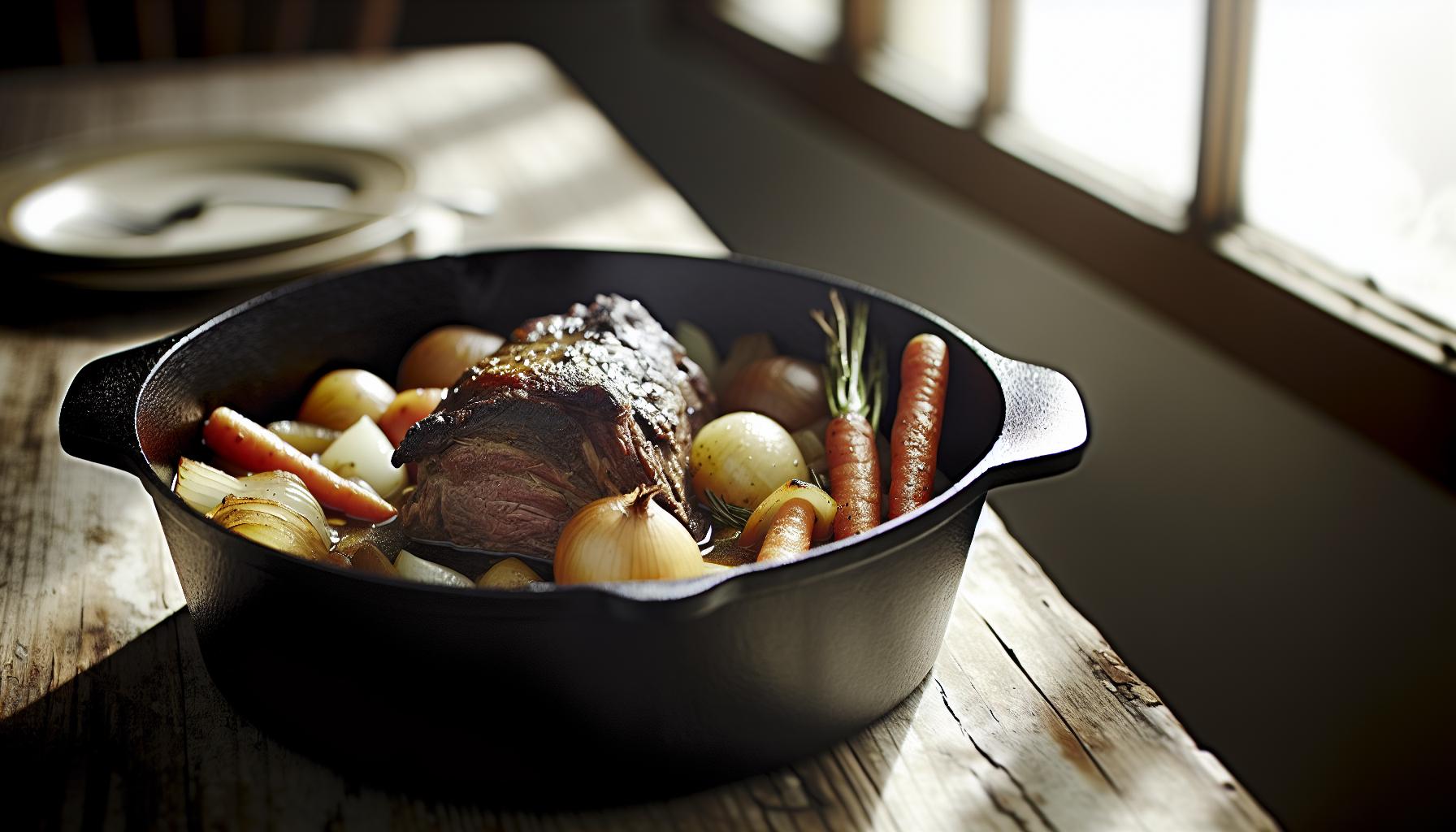
Choosing the Best Cut of Beef for Slow Cooker pot Roast
When it comes to choosing beef for a slow cooker pot roast that falls apart with tender goodness, not every cut is created equal. The magic lies in selecting a cut rich in collagen and marbling-these elements break down during the long, slow cook, melting into gelatin that juices and flavors the meat. If you grab a fancy, lean cut hoping for melt-in-your-mouth texture, you’re in for a tough chew. Instead, look for budget-friendly but collagen-packed cuts known for transforming beautifully with patience and the right technique.
Chuck roast is the reigning champion here-a bonafide slow cooker hero. It’s from the shoulder, and its generous marbling plus connective tissue make it a fantastic candidate. As it simmers gently over several hours, the collagen unravels into silky gelatin, giving you that tender, shreddable meat that practically dissolves. Plus,chuck packs flavor like a pro-no bland bites here! Other trustworthy options include round roast (bottom or eye round) and brisket. Brisket brings a deeper beefy taste and slightly more fat,which can elevate your pot roast experiance to restaurant-quality softness when slow cooked low and slow.
Picking the Cut Right for You
- Chuck roast: The go-to for most cooks, easy to find, and reliably tender and flavorful after 8+ hours on low.
- Brisket: Slightly fattier, ideal if you want richness and don’t mind trimming some fat later. Great for paleo and gluten-free diets due to natural fats.
- Round roast: Leaner but tougher, so expect a slightly denser texture. Perfect if you prefer lean meat but want to maximize tenderness with longer cook times.
- Shoulder roast or arm roast: Similar to chuck, offers good marbling and works well if you find chuck isn’t available.
In my kitchen, I’ve experimented with all three and learned a fun little secret: if you want to stretch your budget further while still getting tender meat, mixing cuts can work surprisingly well-try pairing a leaner round roast with a small chuck piece in the same slow cooker. The collagen from chuck kind of ”lends a hand,” enriching the whole pot. Plus, it’s an easy hack for a paleo or gluten-free dinner that doesn’t feel like sacrifice. Remember, the long, slow cook transforms these humble cuts into dinner table stars.
Selecting the right cut also means planning for how you’ll slice or shred it after cooking,ensuring every bite sings with tenderness. And if your local butcher has other slow-cooking recommendations? Don’t hesitate to ask! They often have gems that might not be crowd favorites but shine in a long cook, letting you uncover new favorites without breaking the bank. After all, the best pot roast isn’t just about the recipe-it’s about the cut, the cook’s patience, and a splash of kitchen creativity.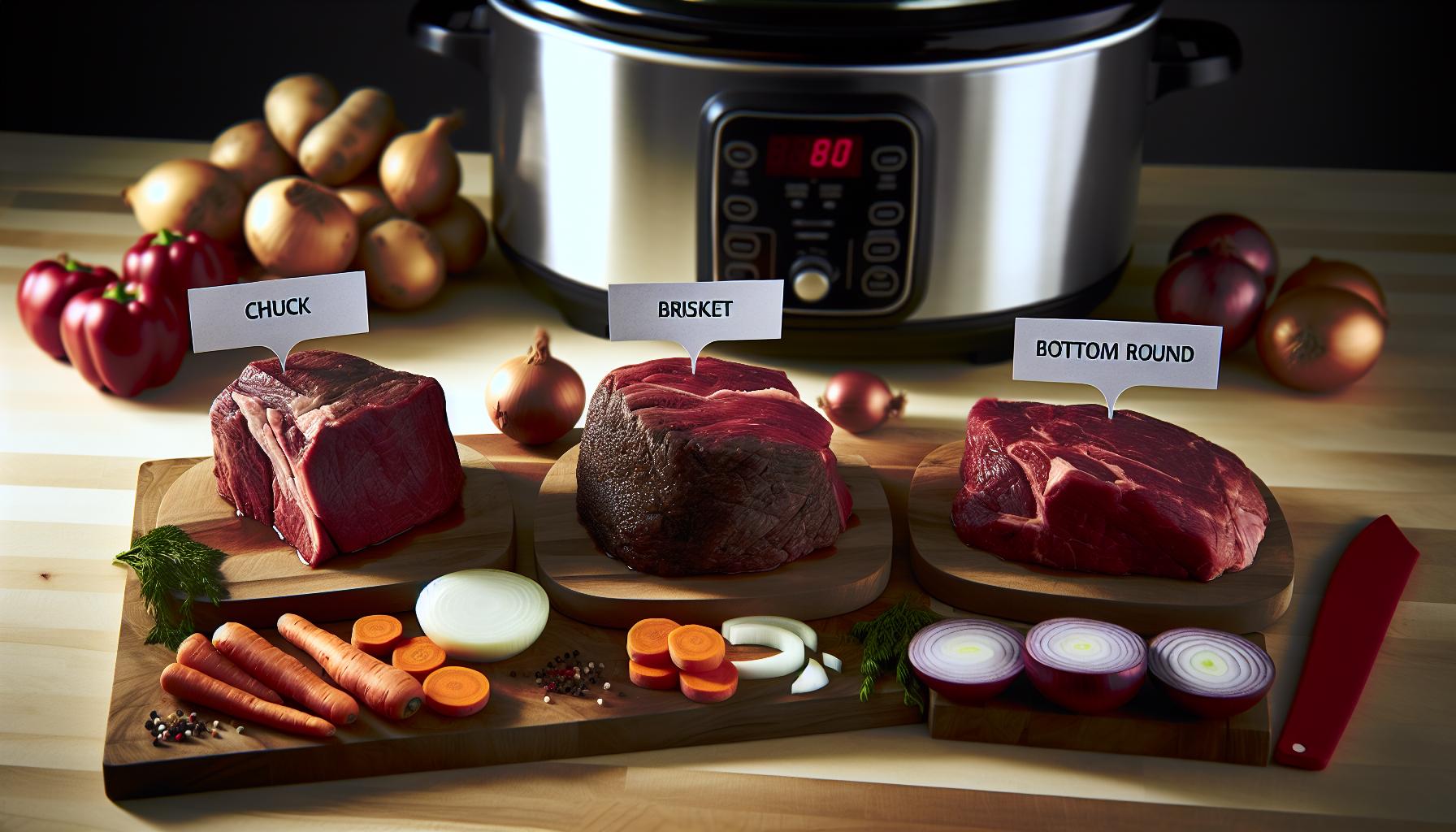
Step-by-Step Prep Tips for Perfect Slow Cooker Pot Roast
One of the best-kept secrets to unlocking fall-apart tender pot roast lies not just in the cooking time but in how you prep that beautiful cut of beef before it even hits the slow cooker. Think of this as setting the stage for an all-star performance-every step primes your roast to soak up flavor and transform into the melt-in-your-mouth dish you crave. With just a little prep, even a busy weeknight can feel gourmet.
Start by giving your roast a quick pat dry with paper towels-this might feel basic, but it’s crucial. Removing excess moisture helps the meat brown better, boosting flavor and texture. Speaking of browning, don’t skip searing your roast in a hot skillet for 3-4 minutes on each side before slow cooking. This simple step caramelizes the exterior, creating deep, rich flavors and a more appetizing color. I promise, this extra 10 minutes makes a world of difference and is genuinely worth the effort, even if you’re rushed.
Essential Prep Steps
- Trim excess fat: Leave a thin layer for flavor and moisture but trim any thick, stubborn fat that could turn rubbery or greasy during cooking.
- Season generously: Salt and pepper are your best friends. Apply a generous coat all over the meat to enhance natural beef flavors. For those leaning paleo or gluten-free, dried herbs like rosemary, thyme, and garlic powder add complexity without any additives.
- Chop your veggies: Carrots, onions, and celery are classic slow cooker friends, but feel free to add mushrooms, parsnips, or turnips for extra nutrition and flavor. Place these as the cozy ‘bed’ for your roast to sit on, boosting moisture and taste.
- Prepare your liquid: Whether using beef broth, a splash of red wine, or a paleo-friendly broth choice, adding the right liquid helps regulate cooking temperature and infuses your roast with layers of flavor. Avoid too much; around 1-2 cups is enough for slow cooking-no need to drown the meat.
Personal Tips From My Kitchen
Sometimes life calls for the lazy route-and that’s okay! If searing feels like too much on a hectic day, sprinkle extra seasoning on the roast and toss everything in the slow cooker early in the morning. Also, consider tying your roast with kitchen twine if using a brisket or shoulder cut; it keeps the meat evenly shaped and helps it cook uniformly. And if you want to surprise your family, quickly deglaze the searing pan with a splash of broth or wine to pour over the roast-it captures those tasty bits stuck at the bottom and layers on flavor magic.
by prepping thoughtfully and a touch lovingly, you’re already halfway to dinner nirvana. Each step breathes life into simple ingredients, making your slow cooker pot roast not only fuss-free but deeply satisfying and elevated-all while keeping it paleo and gluten-free friendly.Enjoy this easy, rich, and soulful comfort food without guilt or fuss.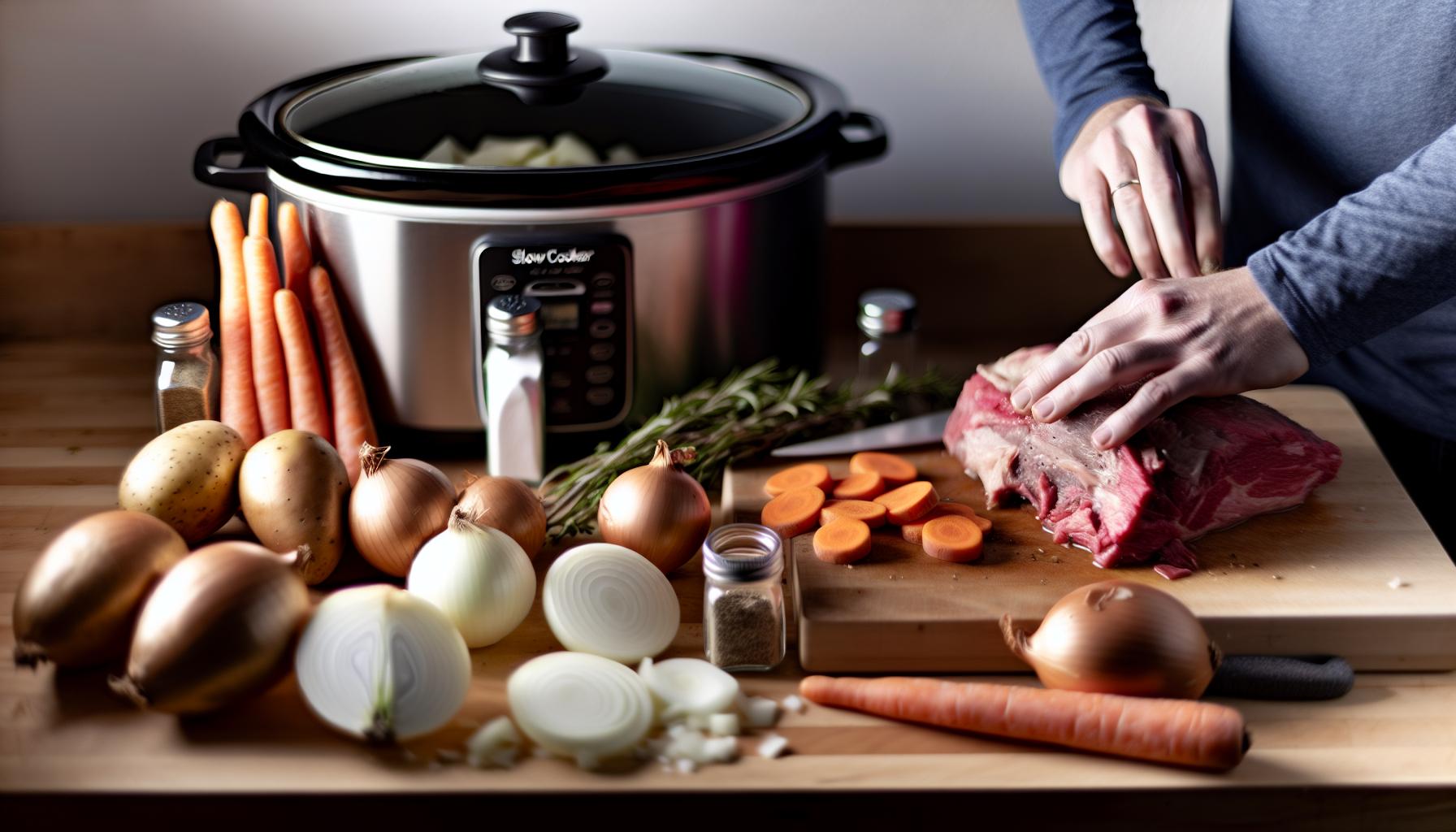
slow Cooker Settings: Low vs. High for Ideal Texture
It’s tempting to crank your slow cooker to high and get dinner on the table faster, but when it comes to pot roast, patience truly pays off with tender, fall-apart beef. Cooking on low heat allows the connective tissues in tougher cuts like chuck or brisket to slowly melt,transforming your roast into a juicy,fork-tender masterpiece with deep,developed flavors.Conversely, high heat speeds up the process but risks drying out the meat or leaving it slightly chewy if time and temperature aren’t carefully balanced.
If your schedule is tight and you’re pressed for time, high setting can work-expect about 4-5 hours-but the magic really happens over 7-9 hours on low. The slower, gentler heat encourages collagen breakdown without toughening the muscle fibers. A handy rule-of-thumb: aim for roughly double the cooking time on low compared to high to get that perfect shreddable texture. To play it safe, give the roast a poke after 7 hours on low; it should feel tender enough that a fork slides in easily without resistance.
Finding Your Slow Cooker Sweet Spot
- Low setting: best for 7-9 hours of cooking. Ideal for busy days when you start early and come home to a ready-to-eat meal. This setting ensures maximum tenderness and flavor infusion.
- High setting: Works in about 4-5 hours. perfect for last-minute plans but requires close watch to avoid overcooking or drying out.
- Combining approaches: start on high to jumpstart cooking for 1-2 hours, then switch to low for slow, steady finishing. Great for when timing requires some versatility.
From my kitchen to yours, think of the low setting as your roast’s spa day-slow, soothing, and utterly transformative-while high is the express route that’s handy but less forgiving. Also, don’t forget to keep the lid on tight; every bit of steam trapped inside helps tenderize the meat and lock in moisture. Whether you’re gluten-free, paleo, or just a slow cooker enthusiast, embracing slow and steady heat yields that coveted, melt-in-your-mouth experience we all love with home-cooked pot roast.
Practical tips
- Timing tip: If you use frozen meat, add about 1-2 extra hours on low as everything starts colder.
- Check for tenderness early: At around 6 hours low, test with a fork and adjust time based on how your slow cooker cooks (warm spots can vary!).
- Moisture matters: If you notice liquid evaporating faster on high, add a splash of broth to maintain juiciness.
mastering your slow cooker settings isn’t rocket science-it’s just learning your machine’s personality and giving your roast the TLC it needs. So go ahead, set that dial, pour your paleo-friendly broth, and relax.Your future self will thank you when that luscious pot roast falls apart at the fork, savory and tender beyond belief.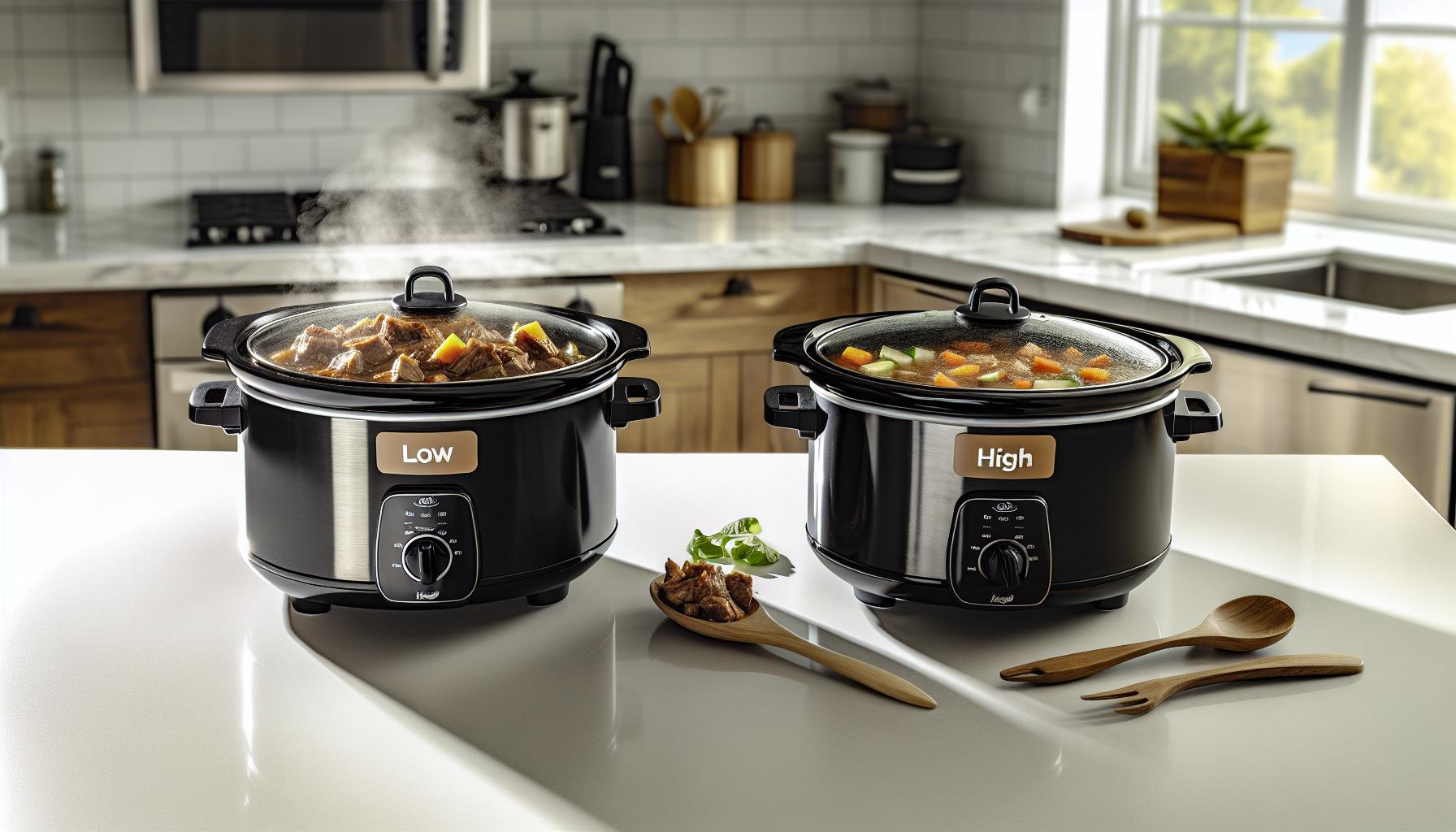
How Liquid Type Affects Cooking Time and Flavor
when it comes to slow-cooking your pot roast, the type of liquid you choose isn’t just about flavor-it can actually affect how long your roast takes to become that tender, fall-apart masterpiece we all crave. Liquids act as both a cooking medium and a flavor carrier, gently coaxing collagen to break down while keeping the meat juicy. The right liquid strikes a delicious balance,enhancing taste without overpowering your roast or stretching your cooking time unnecessarily.
Broths and stocks, whether beef, chicken, or vegetable-based, are classic go-tos because they add a rich foundation of savory depth without thickening the cooking liquid too much. I often reach for homemade beef broth-it’s packed with umami and helps tenderize the meat slowly over 7-9 hours on low, without masking the natural beef flavors. If you’re paleo or gluten-free, make sure your broth doesn’t contain hidden soy or gluten-based additives; a simple, clean broth is your best bet here. For those short on prep time, bone broth is a great shortcut-full of gelatin, it’s magic for silky textures and can slightly speed up collagen breakdown.
Red wine or beer lends a more complex, slightly acidic note that can brighten rich slow-cooked beef.The acids in wine help break down tough fibers faster, potentially shaving a bit of time off your cook while adding layers of flavor. Just don’t overdo it; too much alcohol can make the roast bitter or interfere with moisture retention. If you prefer no-alcohol versions, a splash of apple cider vinegar or even balsamic vinegar diluted in broth brings acidity without the boozy punch. These acidic touches are especially nice when you want both tender meat and a sauce that’s bursting with character.
Conversely, water alone works just fine if you’re confident in your seasoning and want to keep things straightforward.But sence water lacks flavor, it can leave your pot roast tasting a bit… well, watered down. If using water, I always recommend boosting the aromatics-think garlic, onions, and fresh herbs-to compensate. Also, beware that pure water doesn’t carry heat as efficiently as broth or wine blends, so your cooking time might stretch a little longer to reach that perfect fork-tender stage.
Liquid Variations for diffrent Dietary Needs
- Paleo-friendly: Stick with homemade or clean-label bone broth,coconut aminos instead of soy sauce,and fresh herbs for punch without gluten or grains.
- Gluten-free: Allergens can hide in store-bought broths and seasoning blends, so read labels carefully or make your own. Gluten-free tamari is great for adding umami.
- Low-effort swaps: Use boxed broth combined with a splash of apple cider vinegar and tomato paste to amp up flavor without hours of simmering.
Remember, the liquid doesn’t need to cover the roast completely; about a cup or so is usually enough since slow cookers trap steam and keep everything moist.If you notice your liquid level dropping too quickly (especially on high heat), top it up with extra broth or water. The general rule: the more flavorful the liquid, the richer your pot roast’s final taste, and frequently enough the quicker the collagen can surrender to delicious shreddability!
Cooking a pot roast is as much about love and patience as it is indeed technique.Adjust your liquid by what you have on hand or your diet without stress. Whatever you choose, pouring in a liquid that speaks to your palate makes that long, slow wait well worth it. Trust me-your fork-tender roast will thank you.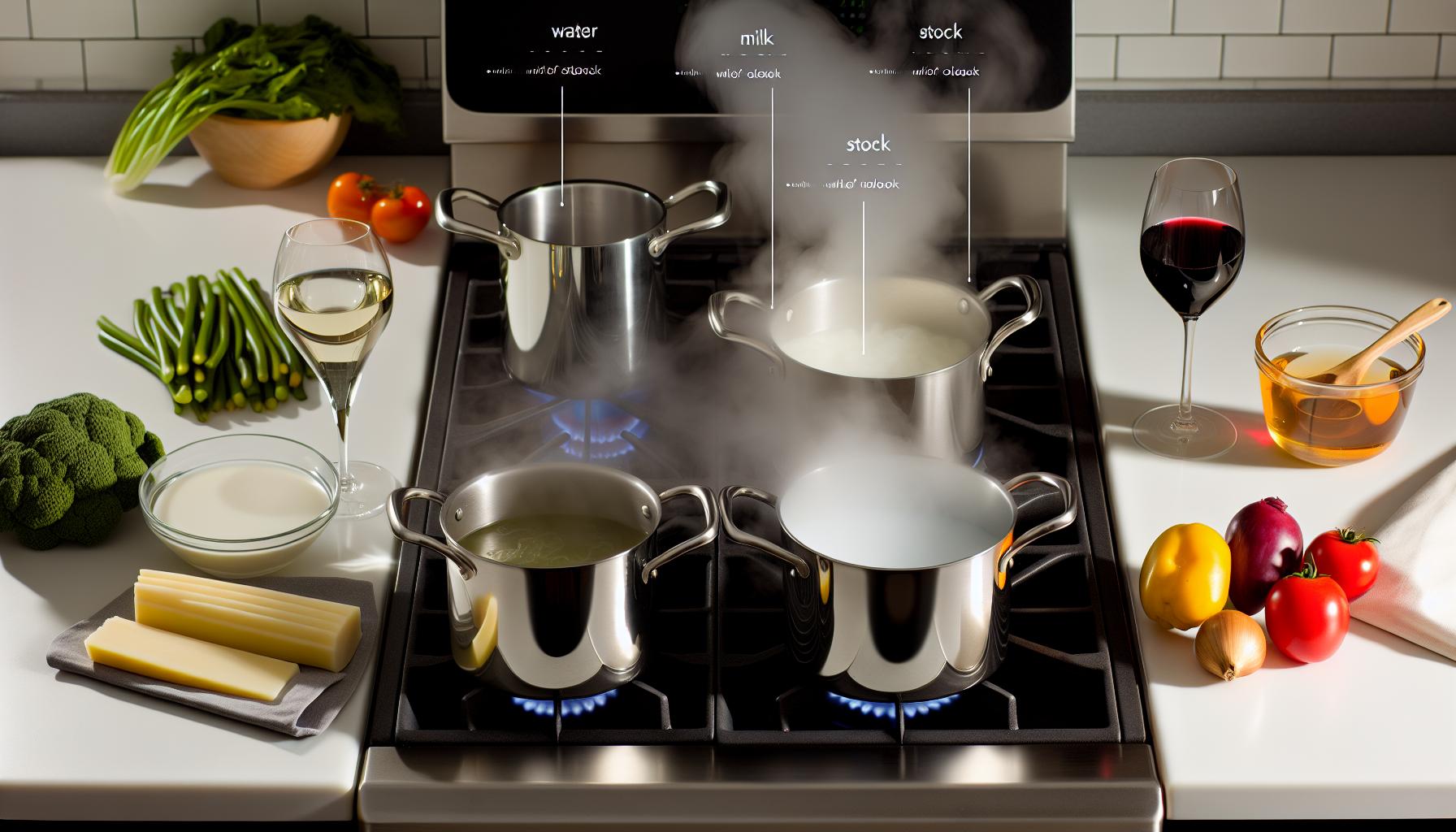
Seasoning Secrets to Boost Your Pot Roast Flavor
A great pot roast is all about layers of flavor that seep deep into the meat during those long, slow hours. Sure, a good cut of beef and perfect cooking time are stars of the show, but without the right seasoning, your roast might end up a little… meh. Let’s face it, seasoning is where magic meets mouthwatering, and it doesn’t have to be complicated or fussy-just smart, balanced, and tailored to what you like. Think of seasoning as the secret handshake that welcomes bold, savory character into every bite.
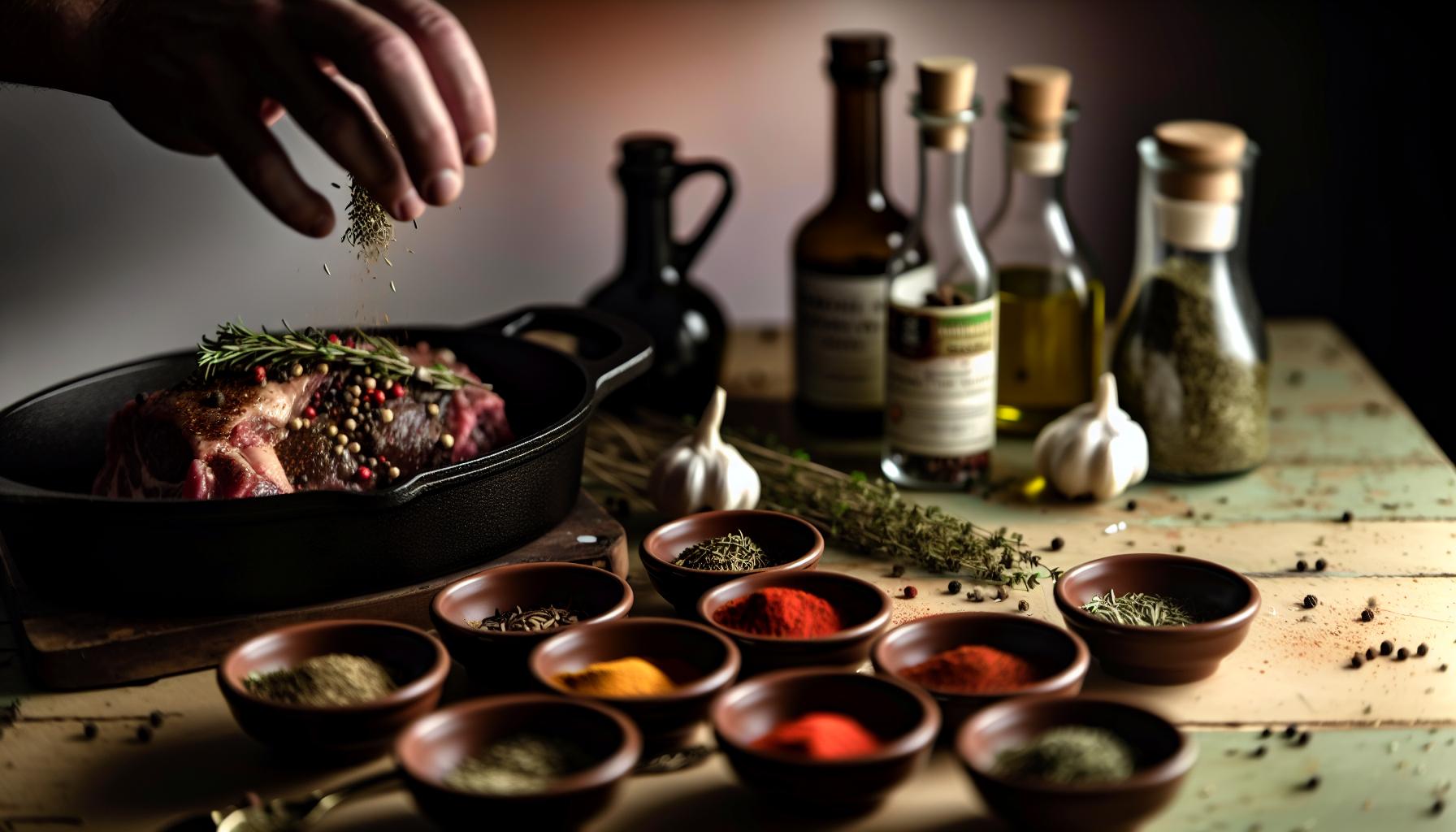
A killer seasoning blend dose more than just sprinkle some salt and pepper on top. it builds a foundation for rich, cozy notes that complement the beef’s natural flavors. One of my go-to tricks is to combine dried herbs like rosemary, thyme, and oregano with a bit of smoked paprika and garlic powder. This combo elevates the roast’s earthiness while adding warmth and a subtle smokiness-fancy, but not intimidating. And hey, if you’re into a little heat, a pinch of crushed red pepper flakes won’t hurt. The beauty of dry rubs is that they’re easy to mix up ahead of time and plentiful enough to keep your pantry humming with flavor-ready blends [[1]](https://www.itisakeeper.com/202152/pot-roast-seasoning/).
Boosting Flavor with Fresh Ingredients and Smart Add-ins
Locking in flavor doesn’t stop with dried spices. Fresh aromatics are your best friends in the slow cooker. Toss in chunks of onion, smashed garlic cloves, and a few sprigs of fresh herbs right on top of the roast before sealing it up. These release fragrant oils over hours, infusing the meat with subtle yet unmistakable depth. For extra oomph, some cooks swear by searing the roast first to caramelize the exterior-a simple step that adds nutty, roasted notes before the slow cooker even turns on.
If you’re aiming for paleo or gluten-free,don’t sweat it-seasonings can sparkle without any grains or fillers. Coconut aminos can replace soy sauce for a touch of umami without gluten,and fresh herbs like sage and parsley pack a punch alongside garlic and black pepper. Also, homemade seasoning blends ensure you control everything going in, avoiding hidden sugars, gluten, or preservatives that sometimes lurk in store-bought mixes [[2]](https://slowcookergourmet.net/easy-pot-roast-seasoning-recipe/).
Quick Seasoning Swaps and Tips for Busy Cooks
Pressed for time? No worries. Keep a simple seasoning blend on hand: kosher salt, black pepper, garlic powder, and dried thyme. Sprinkle it liberally over the roast before cooking, and add store-bought beef broth or bone broth to the slow cooker for a flavorful liquid base that complements your seasoning without extra work. Another tip is to finish your pot roast with a quick sauce made from pan drippings, a splash of balsamic vinegar, and some fresh herbs-this instant upgrade will make your roast taste like it took hours of fussing.
Keep in mind seasoning is your creative playground-experiment with small tweaks each time you cook to discover your perfect blend. Whether you’re feeding a hungry family or only cooking for one, seasoning thoughtfully means every forkful bursts with comfort and joy. Remember, a well-seasoned roast sings with flavor even before the slow cooker does its tenderizing magic [[3]](https://afullliving.com/pot-roast-seasoning/).
- For Paleo fans: Use clean bone broth, coconut aminos rather of soy sauce, and fresh or dried herbs like rosemary and thyme.
- For gluten-free cooks: Read labels carefully on seasonings and broths or make your own. Gluten-free tamari is a great umami alternative.
- Shortcut tip: Keep a homemade or store-bought seasoning mix ready to sprinkle and combine with broth for easy prep and lots of flavor.
Easy Ingredient swaps for Paleo and Gluten-Free Diets
No need to feel like dietary restrictions cramp your pot roast style-actually, adapting this slow-cooked classic for paleo and gluten-free needs can be downright delicious and surprisingly simple. With just a few smart swaps, your pot roast can stay juicy, tender, and bursting with flavor without any gluten or grains sneaking in. Plus, these tweaks actually highlight the natural goodness of the beef and veggies, making every forkful a festivity of hearty, wholesome comfort food.
One of the biggest pantry hackers is replacing soy or regular Worcestershire sauce with coconut aminos-a pale golden, slightly sweet liquid that delivers the same umami punch, minus gluten or soy allergens.It’s also great for layering flavor early on, especially if you sear your roast first or add it to your slow cooker liquid base.Speaking of liquids, opt for bone broth or homemade beef broth instead of store-bought options that often contain hidden gluten or additives. These not only keep your roast paleo-friendly but also enrich the cooking liquid with collagen and depth, helping your beef get that perfect melt-in-your-mouth texture.
Herbs, Spices, and Seasoning Swaps That Really Work
Ditch any seasoning blends loaded with fillers or wheat-based anti-caking agents and embrace whole spices and fresh herbs. Rosemary, thyme, sage, and oregano are your best friends here, and mixing in garlic and onion powder brings that savory base you want without gluten sneaking in. For an easy flavor boost, make your own dry rub ahead of time with just salt, black pepper, smoked paprika, and dried herbs-you’ll thank yourself when weeknight cooking rolls around.If you need a hint of sweetness, a splash of pure maple syrup or honey works beautifully and stays within paleo parameters.
Simple Ingredient Swaps for Effortless, Allergy-Friendly Pot Roast
- Soy sauce or Worcestershire sauce: Swap with coconut aminos or gluten-free tamari for a rich, savory hit.
- Store-bought broth: Use bone broth or make your own to control sodium and keep it paleo-friendly.
- Flour or cornstarch for thickening: Replace with arrowroot powder or tapioca starch to naturally thicken that luscious gravy without gluten.
- Pre-packaged seasoning blends: DIY your own with herbs and spices you trust-fresh always beats mysterious additives.
In my kitchen, I always keep a jar of homemade paleo-friendly seasoning mix stashed for pot roast nights. When I toss in fresh garlic cloves and a few sprigs of herbs, the slow cooker transforms my simple roast into something that tastes like it simmered for days-which it kinda does, just not in front of the stove. No stress, no weird ingredients, just pure, slow-cooked joy that fits your lifestyle and your taste buds perfectly. Give these swaps a shot-you might just find your new go-to comfort food recipe!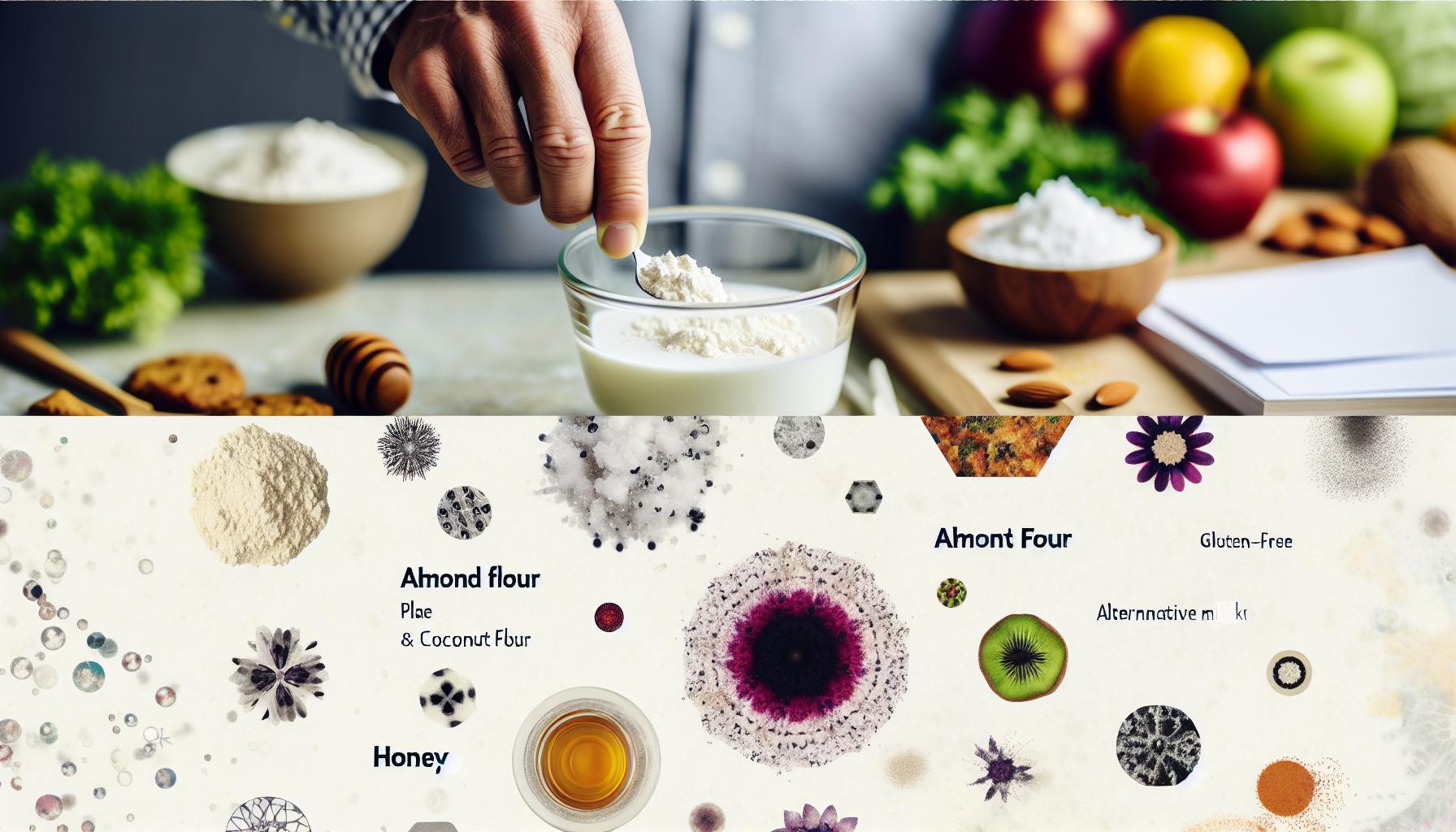
How to Test When Your Pot Roast Is Ready to Shred
there’s a magic moment in pot roast cooking when the beef goes from just tender to gloriously *fall-apart* perfect-unlocking that luscious, shreddable texture is what makes slow cooker pot roast truly special. but how do you know when your roast has hit that sweet spot, especially when you’re relying on a trusty slow cooker? The good news is, testing for shreddable doneness is easier than you might think, and with just a few simple checks, you’ll avoid overcooking (hello dry, tough meat!) or undercooking (no one wants chewing practice).Start with a fork test-that’s your best friend here. when you slide a fork gently into the roast and twist, the meat should effortlessly separate into large, juicy strands with little resistance. If it fights back or feels springy, the roast needs more time. Sometimes, the meat looks cooked on the outside but still isn’t ready to shred inside-think of it like a cozy, collagen-rich blanket still melting away inside those fibers. If your fork sinks in but the meat doesn’t pull apart easily, give it another hour or so on low and test again. Patience is key, but the slow cooker doesn’t rush the magic.
What to Look for Beyond the Fork
- Juiciness: Properly cooked pot roast should be moist and almost buttery when shredded. If it’s dry,it’s likely overcooked or undercooked with too little liquid.
- Texture: Besides easy shredding, the meat should feel tender and soft, melting in your mouth without any grittiness or chewiness.
- Color and appearance: Don’t be fooled by a brown exterior alone; the interior should be deeply infused with flavor and softness.
One kitchen trick I swear by is a gentle tug with two forks: if the roast pulls apart *like pulled pork*, you’re golden. If it sticks together or feels rubbery, toss it back in for a bit longer. And honestly? Every slow cooker is a little different-altitude, brand, size, and even how tightly you packed the roast can affect cook time. So keep notes on your slow cooker’s quirks, so each pot roast night gets a little easier and a lot tastier.
If you want a real pro tip for paleo or gluten-free cooking, consider using bone broth as your cooking liquid-it not only enhances flavor but helps break down connective tissues faster, speeding up shreddability. And remember,don’t peek too often; each lid lift drops temperature,stretching cooking time out like a bad pun-trust your timer,and the fork test!
Cooking pot roast until it’s shreddably perfect feels like capturing a cozy hug in food form. with a little patience and your trusty fork, you’ll soon be serving up rustic, tender beef that’s full of flavor and fits beautifully into any paleo or gluten-free meal plan. Time to roll up those sleeves and enjoy the delicious journey!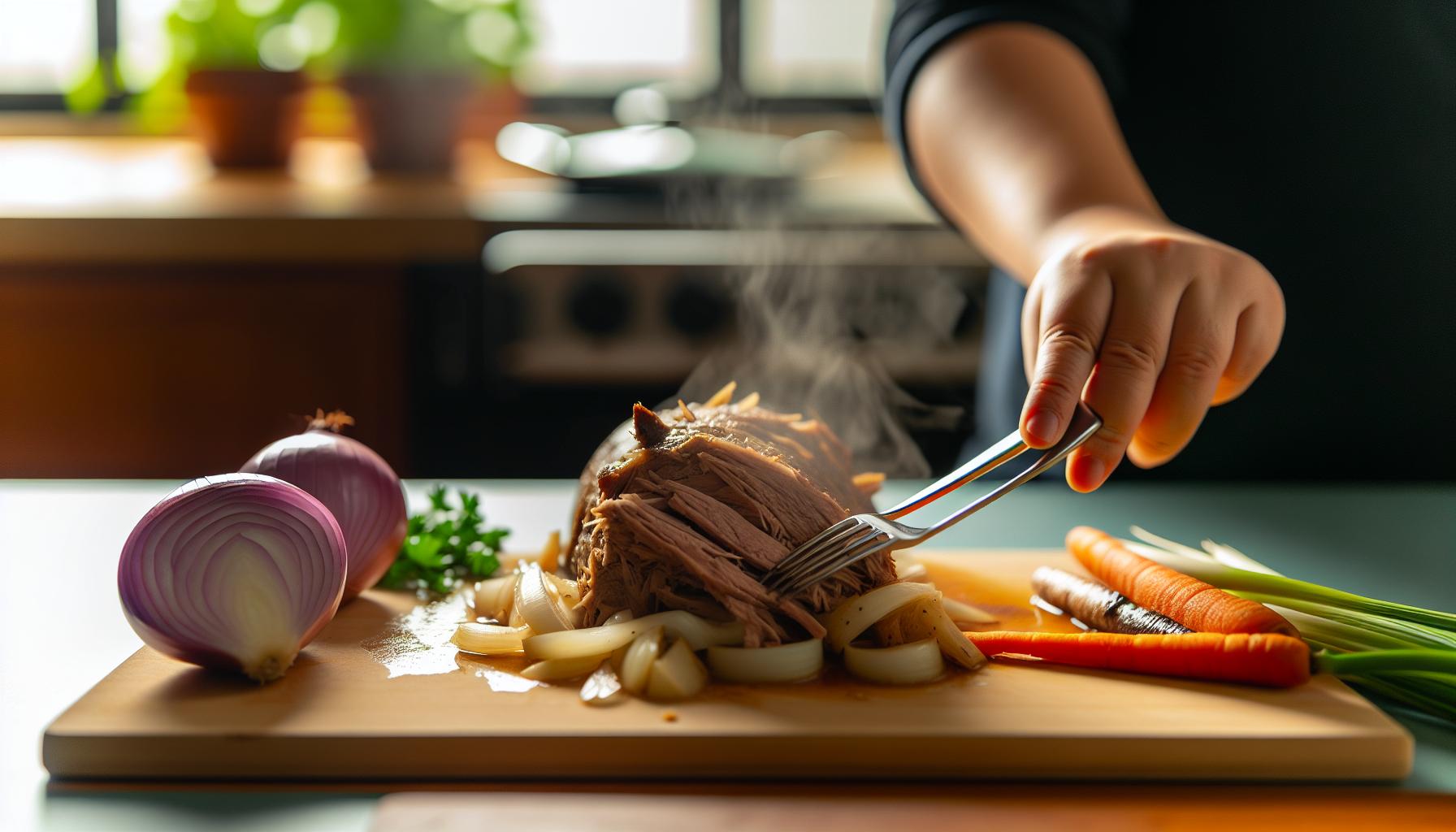
Troubleshooting Common Pot Roast Cooking Issues
Pot roast cooking can sometimes feel like a high-wire act without a net-one minute you’re dreaming of tender,melt-in-your-mouth beef,and the next,you’re facing a roast that’s either tough as a boot or swimming in bland broth. Fortunately, most slow cooker hiccups are easy fixes once you know what to look for. Let’s tackle some of those common pot roast puzzles together, with a splash of kitchen wisdom and zero judgment on shortcut-loving humans.
One classic snag is the “almost but not quite” stage-where the roast looks done on the outside but refuses to shred. This usually happens if the collagen hasn’t fully broken down, which means your roast needs more time on low heat. Resist the urge to crank the temperature; slow and steady wins this race. If you peek too often, you lose heat and stretch cooking time, so trust the process and use that trusty fork test instead. Another quick tip: adding bone broth as your cooking liquid can speed up collagen breakdown and boost flavor. It’s a paleo dream and gluten-free bonus rolled into one tasty decision.
On the flip side, if you end up with dry, stringy beef that tears rather than melts, it’s usually a sign of overcooking or insufficient liquid. Slow cookers are great,but they can sometimes turn your tender roast into jerky if you’re not careful. When you notice drying happening, add a splash more liquid next time-bone broth, water, or even a paleo-friendly tomato sauce works wonders. And remember: thicker cuts take longer, so try to cut your roast into similarly sized pieces or opt for an evenly shaped chunk for consistent cooking.
Quick Fixes for Common Issues
- roast Won’t Shred: Cook longer on low, add more bone broth, and test every 30 minutes with a fork.
- Dry Meat: Next time, increase cooking liquid by ¼ cup and avoid overcooking by checking early.
- Uneven Cooking: Make sure the roast isn’t packed too tightly; allow heat circulation by leaving space around the meat.
- Tough Exterior but Soft Inside: Reduce searing time or skip searing; too high heat beforehand can create a crust barrier.
- Too Salty or Bland: Balance flavors by adjusting seasoning near the end and adding fresh herbs or lemon juice for brightness.
As a sometimes scatterbrained home cook (and, let’s be honest, busy life partner in crime), I find that keeping notes on my slow cooker’s personality-that quirky machine in the corner-helps me hit the pot roast jackpot more frequently enough.Every model heats a tad differently, so logging your timing, liquid amounts, and roast size will turn guesswork into confident, repeatable success. Remember, delicious pot roast isn’t about perfection-it’s about joyful, cozy moments around the table with tender, flavorful beef that respects your paleo and gluten-free lifestyle without fuss. So keep that fork ready, stay patient, and savor the slow cooker magic!
Creative Sides and Sauces to Serve with Slow Cooker Pot Roast
Few things feel cozier than a slow cooker pot roast melting apart on your plate, but the real magic is how you dress it up with sides and sauces that bring out its rich, savory goodness. Since pot roast is often the star of the dinner table, pairing it with creative yet simple accompaniments can turn a humble meal into a celebration of flavors-especially when you’re aiming for paleo and gluten-free choices that don’t skimp on taste or comfort.
Comforting Vegetables with a Twist
Root vegetables like carrots, parsnips, and sweet potatoes make perfect paleo-friendly sides. Roasting them in the oven with a splash of olive oil, fresh rosemary, and a pinch of sea salt adds a caramelized sweetness that contrasts beautifully with the deep, braised beef flavor. If you want to swap the traditional mashed potatoes,try mashed cauliflower or creamy mashed celeriac. They’re silky, low-carb options that soak up pot roast juices like a dream. Pro tip: toss in some garlic and nutritional yeast for a cheesy punch without dairy.
Sauces That Elevate Without Fuss
No pot roast dinner is complete without a luscious sauce. The slow cooker’s natural braising liquid is a goldmine. Simply strain it, skim excess fat, and reduce it on the stovetop with a splash of balsamic vinegar or a spoonful of paleo-friendly tomato paste for an umami kick. For those craving something fresh and herby, a chimichurri made with parsley, garlic, red wine vinegar, and olive oil brings brightness that cuts through the richness. Worried about last-minute prep? A quick paleo gravy made with arrowroot starch, bone broth, and sautéed mushrooms is both luscious and gluten-free-perfect for draping over every bite.
Leafy Greens and Crunch
Balancing the melt-in-your-mouth pot roast with some crunch keeps the meal feeling fresh.Wilted kale or sautéed spinach with garlic and lemon juice brightens the plate while maintaining paleo standards. Alternatively, a crisp cabbage slaw tossed with apple cider vinegar and a little mustard seed adds refreshing acidity and textural contrast. It’s a personal favourite when I want dinner to feel light but still hearty. Plus, these greens cook fast and can be prepped while your roast finishes cooking-hello, multitasking!
- Key ingredient swap: Coconut aminos in place of soy sauce keep sauces paleo-friendly without sacrificing depth of flavor.
- Short on time? Prep roasted veggies or sauces a day ahead and warm gently before serving-you’ll thank yourself.
- Looking for extra comfort? Serve creamy mashed avocado on the side for a rich,buttery texture that’s friendly to paleo and gluten-free eaters alike.
Bringing it all together, these sides and sauces make slow-cooked pot roast a showstopper any day of the week. They’re practical, flavorful, and flexible enough to suit your dietary needs without fuss or judgment. So whether you’re cooking for a crowd or just craving that melt-apart tenderness after a busy day, these pairings ensure every plate is a joy to eat-and that’s what making dinner at home is truly all about.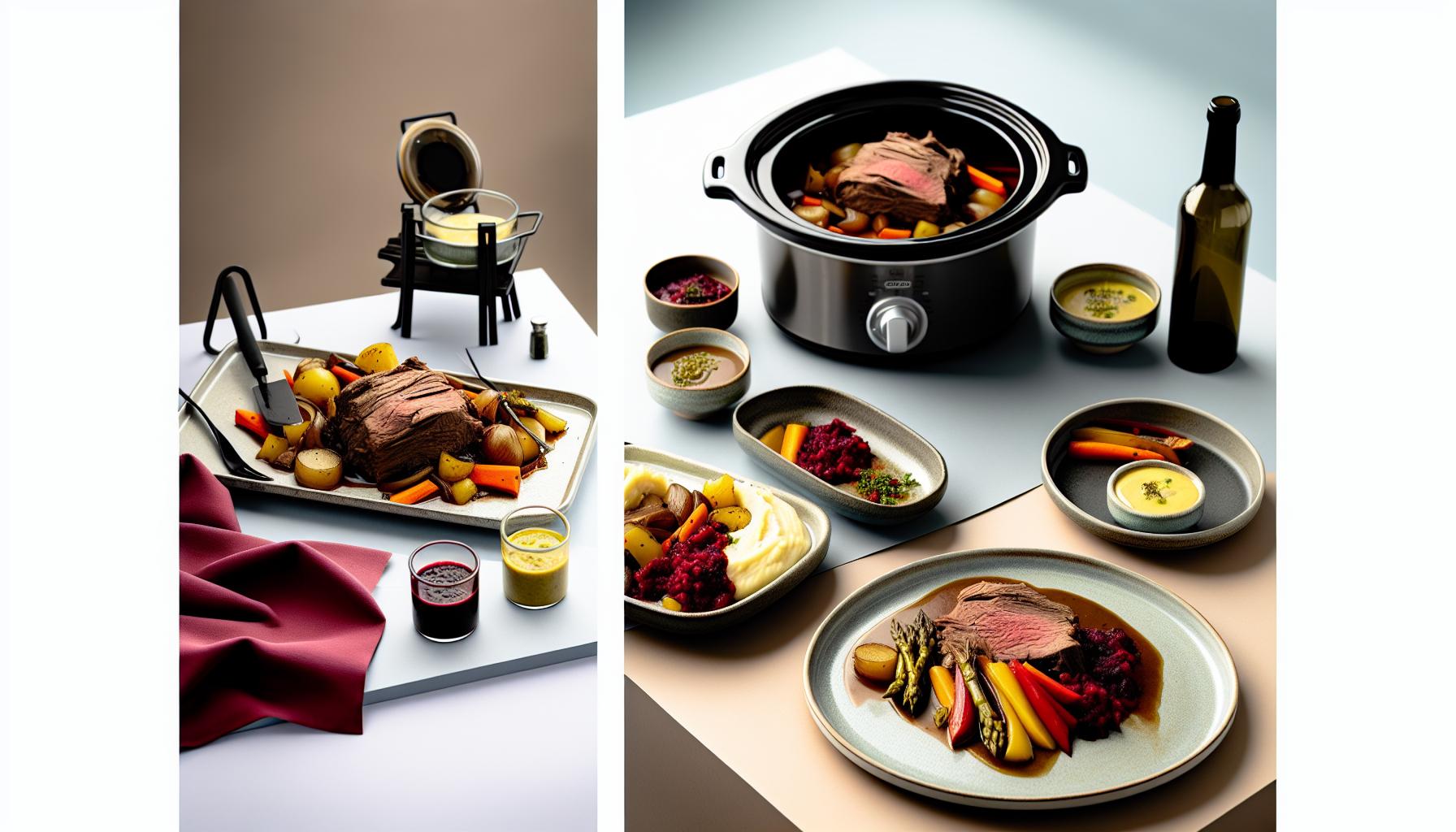
Make-Ahead tips and Storing Leftover Pot Roast
Few things beat the joy of waking up to a ready-made pot roast dinner that’s already bursting with tender, melt-apart beef flavor. Planning ahead not only saves time but actually deepens those rich, cozy notes as the flavors mingle overnight.Whether you’re prepping a family feast or making weekday dinners feel like a delicious cheat day, the make-ahead magic of pot roast is a total game changer-especially for paleo and gluten-free kitchens where convenience matters just as much as purity of ingredients.
When it comes to storing your leftover pot roast, cooling it properly is key to preserving that signature tenderness. After cooking, let the roast and its juices cool to room temperature before transferring to airtight containers. This simple step helps avoid excess moisture build-up, which can turn your carefully braised beef into a soggy reminiscence of its former self. Refrigerate leftovers for up to 4 days, or freeze for up to 3 months without sacrificing texture or taste.A great tip from my own kitchen: slice or shred the beef before freezing in portion-sized freezer bags to make reheating a breeze.
- Reheating hints: Gently warm leftovers in a covered skillet or slow cooker on low heat with a splash of broth or the reserved cooking liquid. This keeps the meat juicy and prevents drying out-microwaving works in a pinch but tends to toughen delicate strands.
- Meal prep magic: Use shredded pot roast in quick wraps, paleo-friendly tacos, or toss with roasted veggies to create a simple yet hearty bowl. Leftover braising liquid doubles as a flavorful base for soups or sauces, adding comfort without extra effort.
- Pro tip: Add fresh herbs and a squeeze of lemon or apple cider vinegar when reheating to brighten and refresh flavors, especially after a day or two in the fridge.
prepping Ahead Without Losing the Wow Factor
If you’re doubling down on convenience, consider marinating your meat overnight with seasonings before slow cooking. This kickstarts flavor penetration without extra hands-on time later. For those who like to get everything *mostly* done before the actual dinner day, partially cooking your pot roast (say, 4-5 hours on low) and finishing it off just before serving locks in perfectly tender texture without the “overcooked” trap. Just keep it covered and chilled until time to finish.
And don’t forget: any accompanying paleo or gluten-free sides often reheat beautifully or can be whipped up fresh in minutes. Roasted root vegetables or creamy mashed cauliflower made a day before will only taste better the next day thanks to all those gladly absorbed pot roast juices.
Ultimately, leftovers can be just as exciting as the original meal with the right approach. When you treat your pot roast with gentle care in storage and reheating, you keep every bite falling-apart tender and full of savory goodness-no matter how busy life gets. So, stash that pot roast with confidence knowing a delicious, no-fuss meal is waiting in the wings.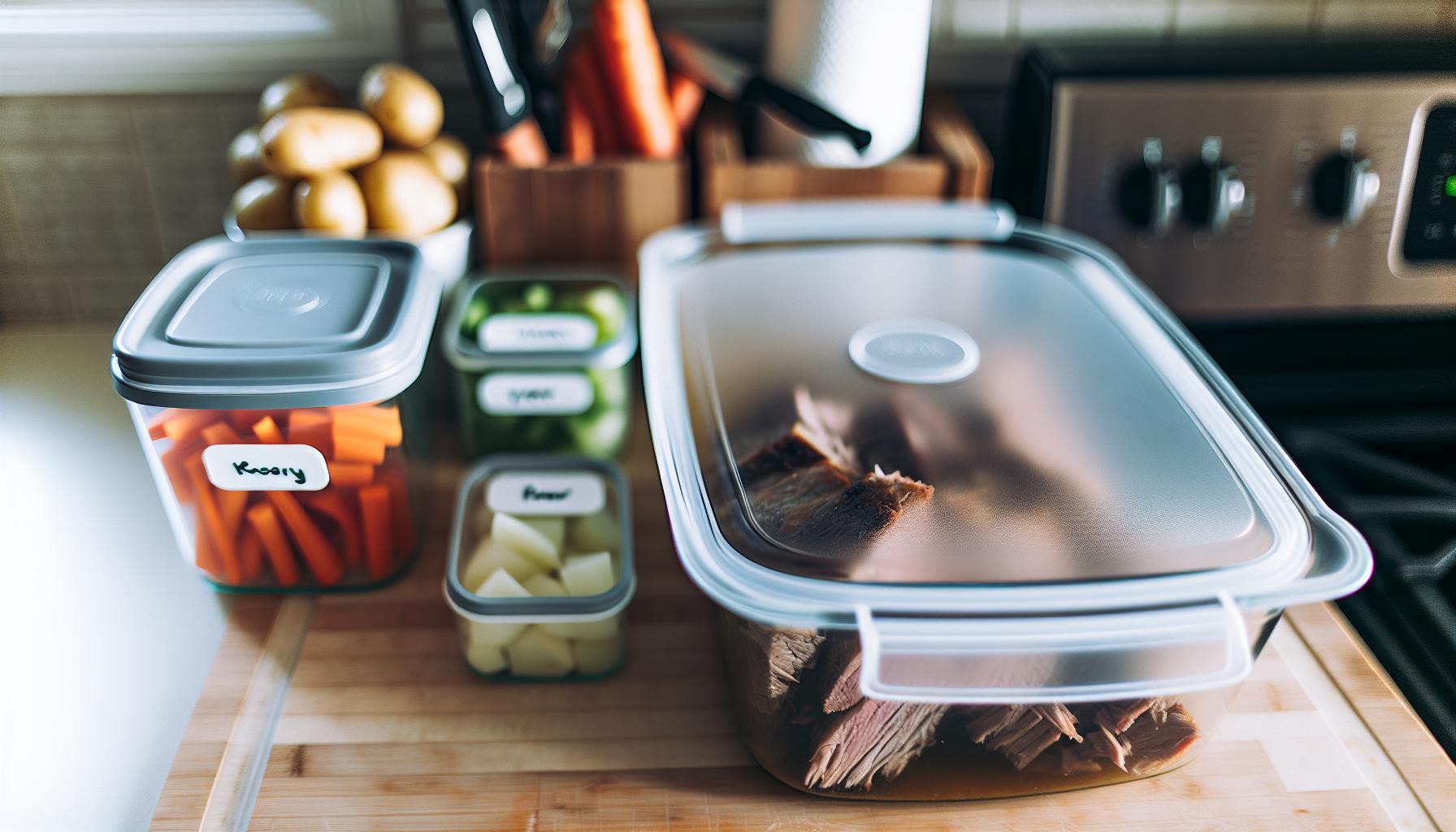
Why Resting Time Transforms Your pot Roast Experience
There’s a certain kind of kitchen magic that happens when you let your pot roast rest after cooking-like letting a great piece of music linger in the air long after the last note. When that tender, slow-cooked beef comes off the heat, it’s bursting with juices that have been happily mingling all day. But if you slice or shred it right away, all that delicious moisture rushes out, leaving your roast less juicy and, dare I say, a bit sad.Giving your pot roast time to rest transforms it from “good” to “knock-your-socks-off” tender and flavorful.
Resting allows the meat fibers to relax and those savory juices to redistribute evenly throughout the roast. Picture the beef fibers as a tightly squeezed sponge-when resting, they soak up those flavorful liquids again instead of letting them run all over your cutting board. This is especially helpful in paleo and gluten-free kitchens, where the flavor boost from natural beefy juices and herbs truly shines without extra fillers or thickeners. I always aim for at least 15-20 minutes of rest, tented lightly with foil to keep warm but prevent steaming. During this time, the roast’s internal temperature evens out, making every bite moist and satisfying.
How to Make the Most of Resting Time
- Patience pays off: Use this downtime to whip up simple paleo-friendly sides like steamed greens or roasted root veggies that soak up leftover pot roast juices.
- Keep it cozy: Cover your roast loosely with foil-not too tight-to preserve heat without sweating the meat into sogginess.
- Timing tip: If you’re pressed for time, resting the roast while you finish warm-up sides still does wonders. The magic happens even in a short 10-minute window.
I remember once rushing to carve a pot roast right as it came out of the slow cooker-huge rookie mistake. The meat was still hot, and the juices poured out like Niagara Falls. After that lesson, waiting became part of my ritual. Now,that “resting pause” is my secret weapon for consistently juicy,fall-apart beef every time. Trust me-your taste buds will thank you.
Frequently asked questions
Q: How can I adjust slow cooker time for pot roast if I use frozen beef?
A: Cooking pot roast from frozen in a slow cooker requires adding about 1 to 2 extra hours on low or high settings. Always ensure the meat reaches a safe internal temperature (at least 145°F). For fall-apart beef, thawing first is best for even cooking and texture; see how to prep your roast in our step-by-step guide.
Q: What is the best way to keep pot roast moist while slow cooking for fall-apart tenderness?
A: To keep pot roast moist, use sufficient cooking liquid like broth or wine and avoid lifting the lid during cooking.Adding vegetables like carrots or onions also releases moisture. For more on liquid types boosting flavor and texture, check the section on how liquid affects your pot roast’s cooking time and taste.
Q: Can I speed up cooking time for fall-apart pot roast in a slow cooker without sacrificing tenderness?
A: Speeding up a slow cooker pot roast beyond recommended cooking times usually results in tougher meat. Instead, try the high setting for 4-5 hours but avoid rushing. For best fall-apart results, stick with low and slow cooking-refer to our slow cooker settings section for ideal texture tips.
Q: How do different slow cooker brands or sizes affect pot roast cooking time for fall-apart results?
A: Slow cooker size and brand can influence cooking time slightly.Larger or high-wattage models may cook faster. Adjust by checking your pot roast earlier than usual and testing for shredding readiness as described in the “How to Test When Your Pot Roast Is Ready to shred” section. This keeps you on track for perfect tenderness.
Q: Why does my pot roast sometimes dry out even after long slow cooking?
A: Dry pot roast frequently enough results from insufficient surface fat or too little liquid.Make sure to choose cuts with marbling and add ample broth or sauce. Also, avoid opening the lid frequently.Reviewing our troubleshooting tips can definitely help you fix this and enjoy moist, tender beef every time.
Q: What role does resting time play after slow cooker pot roast is done for fall-apart beef?
A: Resting your pot roast for 15 to 20 minutes after cooking allows juices to redistribute, enhancing tenderness and flavor. This step transforms your dish from good to great-see our section on why resting time transforms your pot roast experience for more helpful tips.
Q: How do altitude and environment affect slow cooker pot roast cooking time for shreddable beef?
A: Higher altitudes may increase cooking times slightly due to lower boiling temperatures. Add 15-30 minutes and test for tenderness frequently. For perfect shredding tips,check how to test when your pot roast is ready to shred and adjust based on your kitchen’s conditions.
Q: Can I use a slow cooker liner when making pot roast for fall-apart beef,and does it affect cooking time?
A: Yes,slow cooker liners can speed clean-up without affecting cooking time significantly. However, liners may slightly reduce heat efficiency, so watch your pot roast closely in the final hour and test for tenderness to ensure your beef falls apart perfectly. For prep tips, visit our step-by-step guide section.
For more kitchen-friendly advice and mouthwatering recipe inspiration, feel free to explore our full guide on slow cooker pot roast! Enjoy every tender bite.
In Conclusion
There you have it-a foolproof guide to cooking your pot roast in the slow cooker until it’s perfectly fall-apart tender,whether you prefer low and slow or a quicker,savory finish. Remember, timing is key, but don’t stress if you need a little wiggle room-using a meat thermometer and checking for that melt-in-your-mouth texture will always steer you right. Ready to take your comfort meals further? Explore our collection of slow cooker recipes and tips for gluing together easy weeknight wins or try our hearty beef stew for more cozy classics.
If you loved learning how long to cook pot roast in a slow cooker,don’t stop here-sign up for our newsletter for seasonal recipes and kitchen hacks that make meal prep a breeze. Got questions or your own twists on this classic? Drop a comment below-sharing stories makes every recipe better! For next steps,you might also want to check out related dishes with beef cuts less familiar yet equally scrumptious,ensuring your slow cooker keeps working overtime for you. Cooking great food doesn’t have to be complicated, and with these insights, your pot roast will always be the star of the table.