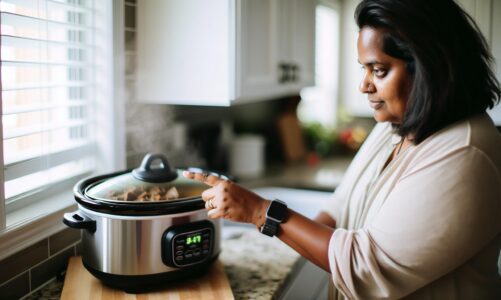
Did you no that slow cookers are designed to be low and slow workhorses, often left on for hours to create tender, flavorful meals? But what happens when you leave one plugged in for a full 12 hours? Whether you’re a busy parent prepping dinner before work or a weekend meal prepper experimenting with new gluten-free or paleo-friendly dishes, understanding the safety and best practices of extended slow cooker use is essential. Let’s dive into whether leaving your slow cooker on for half a day can be part of your stress-free cooking routine-or if it’s a kitchen risk best avoided. I’ve tested plenty of recipes where long cooking times made all the difference, and I’ll share practical tips to keep your meals flavorful and safe, no matter your lifestyle or diet. Ready to make slow cooking work for you without the worry? Keep reading!
Table of Contents
- Is It Really Safe to Leave a Slow Cooker On All Day?
- How Slow Cookers Work: Understanding Temperature and Timing
- Common Risks of Leaving a Slow Cooker on for 12 Hours
- Tips to Safely Use your Slow Cooker for Extended Cooking
- Best Slow Cooker Models for Long, Safe Cook Times
- Ideal Recipes That Benefit from 12-Hour Slow Cooking
- How to Prevent Overcooking and Food Dryness Overnight
- Energy Use and Cost Considerations for Long Slow Cooker Sessions
- What to Do If you Accidentally Leave It On Too Long
- My Real-Life Slow Cooker Experiences: what I’ve Learned
- Q&A
- Q: Can I leave my slow cooker on low heat for 12 hours safely?
- Q: What are the signs that slow-cooked food has been left on too long?
- Q: how does leaving a slow cooker on for 12 hours affect energy consumption?
- Q: Are certain slow cooker materials safer for long cooking times of 12 hours?
- Q: What should I do if I accidentally leave my slow cooker on for more than 12 hours?
- Q: How can I adjust recipes for slow cooking times longer than 12 hours?
- Q: Is it safe to leave a slow cooker unattended overnight for 12 hours?
- Q: How do slow cookers prevent foodborne illness during long 12-hour cooking sessions?
- To Wrap It Up
Is It Really Safe to Leave a Slow Cooker On All Day?
Cooking with a slow cooker is often a game-changer for busy lives-set it and forget it, right? But what if you want to leave that slow cooker on for a *really* long stretch, say 12 hours or more? The good news is, modern slow cookers are designed with safety in mind and can handle extended cooking times, but it’s not quite a free-for-all. Knowing how to use your cooker wisely for that long haul can save you from overcooked dinners or kitchen mishaps.Most slow cookers maintain low, steady heat-typically between 170°F and 280°F. This temperature range is perfect for safely cooking food over several hours without boosting bacterial growth. For many recipes, especially hearty stews and tougher cuts of meat, 12-hour cook times help break down collagen, deepen flavors, and tenderize-even gluten-free and paleo-friendly dishes come out creamy and delicious with minimal fuss. However, not every slow cooker or recipe is built for such marathon sessions. Using an older appliance or cooking delicate veggies for 12+ hours can lead to mushy or dried-out results. I once left a batch of paleo chili cooking 14 hours, and while safe, it was a touch dryer than ideal-lesson learned!
- Tip: Double-check your slow cooker’s manual for maximum continuous cook times.
- Use a slow cooker with automatic warm settings that switch off or lower the heat after the main cooking cycle.
- Layer ingredients thoughtfully-avoid putting sensitive fresh herbs or dairy right at the start if you’re in for a 12-hour session.
When it comes to safety, the key is keeping food above 140°F after an initial warming phase to prevent any bacterial growth, which most modern slow cookers do efficiently. It’s much safer than you might assume to leave one running while at work or sleeping-as long as it’s functioning properly and used correctly.From my experience, the only risk comes when your slow cooker has issues or you ignore manufacturer guidelines. so, if you’re craving a no-fuss, paleo beef stew or a rich gluten-free curry simmered all day, just trust your slow cooker, use fresh ingredients, and maybe set a timer or smart plug for peace of mind.
Whether you’re prepping for a busy weekday or weekend meal, slow cooking long and low can be a lifesaver-and yes, it’s pretty safe to leave your slow cooker on all day when done right. Just think of it as your culinary BFF working behind the scenes while you tackle life’s chaos-no kitchen stress,no compromise on flavor.
How Slow Cookers Work: Understanding Temperature and Timing
Most slow cookers operate on a straightforward principle: maintaining a consistent, gentle heat over a long period to transform humble ingredients into tender, flavorful meals.Unlike conventional ovens that crank up the heat quickly, slow cookers use low and steady temperatures-usually between about 170°F and 280°F-to slowly break down connective tissues and meld flavors. This low-and-slow approach not only makes tough cuts of meat melt-in-your-mouth tender but also elevates soups, stews, and sauces without demanding your constant attention.
What makes slow cookers especially practical for extended cooking-think 12 hours or more-is their ability to keep food safely hot without risk of burning or drying out (when used properly). The magic lies in how the ceramic insert and the lid work together: the ceramic thickly insulates heat, while the snug lid traps moisture, creating a moist cooking environment that mimics braising. Since the temperature rarely exceeds the boiling point of water, food cooks gently but thoroughly, ensuring it stays juicy rather than turning into a crispy or charred mess. This slow thermal transfer means even simmering delicate paleo or gluten-free ingredients can be easy if timed right.
- low setting: typically hovers around 190°F to 210°F, perfect for recipes designed to cook 8-10 hours.
- High setting: Roughly 280°F to 300°F, cuts cooking time in half but can risk overcooking if left too long.
- Warm setting: Keeps food safe above 140°F after cooking is done, preventing bacterial growth.
From personal experience, the trick to mastering those marathon cook cycles is understanding your cooker’s heat zones and timing your ingredients accordingly. Such as, root veggies like carrots and potatoes take longer to soften, so thay go in at the start, while tender greens or fresh herbs join in later to keep their texture and flavor lively. Also, older models might not have built-in timers or automatic switches to warm mode, so keep an eye on cooking duration or consider smart plugs with timers to avoid accidental drying or overcooking, especially in recipes that simmer all day and night. When you get this balance down, slow cooking is genuinely your best friend for stress-free weekday meals that taste like you spent hours in the kitchen.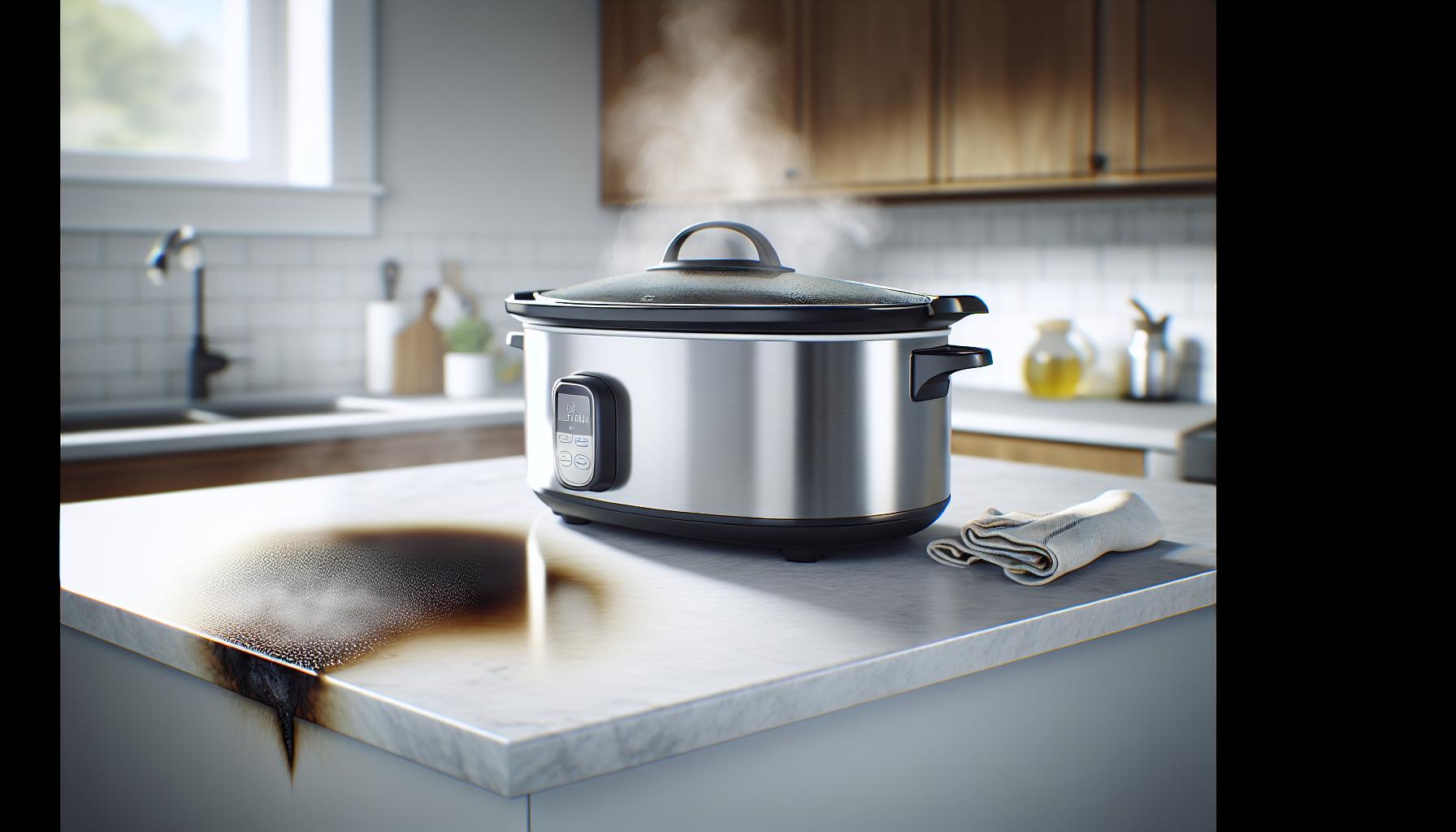
Common Risks of Leaving a Slow Cooker on for 12 Hours
Sometimes our best-laid plans to have a hearty, slow-cooked meal waiting for us can veer into “Uh-oh” territory when the slow cooker keeps going way past the intended time. Leaving a slow cooker on for 12 hours might sound like a dream for busy days, but it comes with some sneaky risks that deserve a heads-up before your kitchen turns into a flavor sauna-or worse, a dried-out disaster zone.
One of the most common hiccups is overcooking, which can turn even the most tender pork shoulder into a fibrous chew-fest or transform a luscious stew into a thick paste.Slow cookers operate at low temperatures, but leaving food cooking much longer than recommended frequently enough means ingredients lose their juicy magic. Veggies can break down entirely, making textures mushier than intended. plus, proteins may lose moisture, leaving you with a meal that’s more ‘sahara’ than ‘succulent.’ This is especially critical for paleo or gluten-free recipes where texture and moisture frequently enough make or break the dish.Despite their gentle heat, slow cookers aren’t entirely risk-free when left unattended for too long. Depending on your model, some don’t automatically switch to “warm” mode after cooking, which can lead to food sitting in the danger zone temperatures (between 40°F and 140°F)-the bacterial sweet spot – if the cooking cycle is too short or interrupted. Conversely,cooking way past 12 hours on “high” might push temperatures too high,potentially leading to drying out or even burning the inside of your meal,which defeats the purpose of slow cooking’s gentle magic. I once mistakenly left a stew cooking on high overnight and ended up with a surprisingly smoky apartment and stew that could double as leather. Lesson learned!
Balancing Trust and Caution
For peace of mind, think about your slow cooker’s features and your recipe’s needs. Does your cooker have an automatic warm setting? If not, consider pairing it with a smart plug timer – it’s a kitchen lifesaver and keeps you on track without a nagging mental checklist. Also, ingredients play a starring role in how long they can stay cozy inside. Dense root veggies and tougher cuts of meat generally hold up better to those marathon cook sessions than fresh greens or delicate fish, which are better stirred in closer to the end. Remember: slow cookers excel at brining out deep flavors, but even the best tech has its limits.
- Overcooking & texture loss: prolonged heat breaks down food beyond ideal tenderness.
- Food safety risk: undercooking or improper warm functions can allow bacteria growth if food sits too long at unsafe temps.
- Moisture evaporation: older or poorly sealed lids risk drying food out over extended hours.
- Energy waste: longer cooking times draw more power, potentially increasing your electric bill for little gain.
slow cookers are your trusty sidekicks in the kitchen-but even trusty friends need a little supervision. Keeping an eye on cook times, knowing your ingredients, and using smart tools helps you enjoy those dreamy, 12-hour braises or soups without the pitfalls. Speaking from experience, with a pinch of caution and a splash of kitchen savvy, you’re more likely to come away with a tender, flavorful meal rather than a culinary “oops” moment.
Tips to Safely Use your Slow Cooker for Extended Cooking
Cooking low and slow can feel like magic-especially when life gets hectic and you crave a meal that practically makes itself.But the trick to leaving your slow cooker humming away all day isn’t just about hitting start and forgetting it. Getting the timing and ingredients right,and understanding your device’s quirks,makes all the difference between a dinner hero and a kitchen oops moment.
One of the best safety nets is knowing whether your slow cooker automatically switches from “cook” to “warm” mode. Many newer models do, which helps prevent your dish from overcooking or chilling in the “danger zone” where bacteria love to lurk. If yours doesn’t have this feature,don’t worry-there’s a simple fix: use a smart plug timer. Set it to switch off or shift to a “warm” stage after your ideal cooking window (usually 8-12 hours max). I’ve been there-once forgot to switch off mine and ended up with super dried meat and a smoky kitchen smell that made me swear by timers for life.
- Choose sturdy ingredients: Root veggies like carrots, potatoes, and butternut squash hold up beautifully over long cook times, as do tougher cuts of meat such as chuck roast or pork shoulder. These hearty players soak up flavor without dissolving into mush.
- Layer with moisture in mind: Slow cookers rely on a sealed environment,but lids that don’t fit perfectly or recipes that lack enough liquid invite dryness. If your slow cooker isn’t sealed tight, add extra broth or sauce to keep things juicy.
- Delay delicate additions: Greens, fresh herbs, or seafood can turn to mush with prolonged heating. Consider stirring these in during the final hour or so, or serve them fresh on the side.
Keeping It Simple and Safe
Don’t stress about perfection-slow cooking thrives on forgiving recipes and flexibility. Here’s a tried-and-true approach: prep ingredients the night before, store them refrigerated, then toss everything in just before heading out. Use a meat thermometer if you want to be extra safe-pulled pork should hit around 190°F, stews about 165°F internally. And if you’re gearing up for a paleo or gluten-free feast, this method honors your ingredients’ textures while preventing that dreaded dry-out or unpleasant rubberiness.
Lastly, remember that cleaning your slow cooker regularly and checking for any cracks or poorly fitting lids keeps your appliance working at its best-nothing kills a long cook like heat escaping or uneven temperature. With these tips in your back pocket, long slow cooking can become your relaxed, delicious secret weapon-even on your busiest days.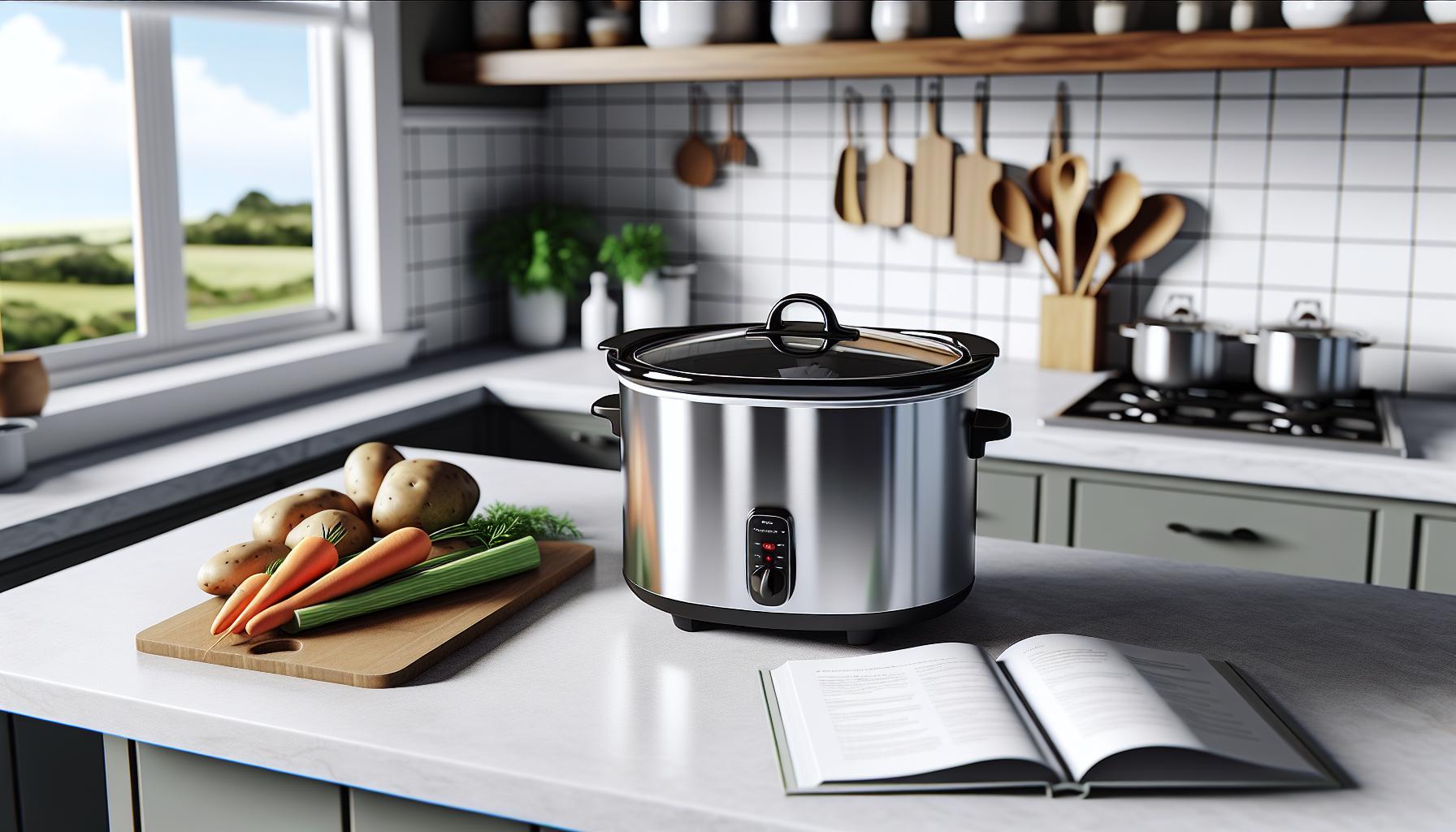
Best Slow Cooker Models for Long, Safe Cook Times
it might surprise you how much the right slow cooker can change the game when you plan to leave it on all day. Not all slow cookers are created equal-especially when it comes to safely handling those marathon 12-hour or longer cooks. Models with smart temperature control and automatic switches from “cook” to “warm” mode aren’t just convenient; they’re essential for keeping food safe and delicious, preventing dryness, and saving your kitchen from accidental smoky disasters. From my kitchen adventures, I can say these features turn a “set it and forget it” dream into a reality rather than a gamble.
When hunting for a slow cooker that can safely sustain long cooking cycles, look for units with at least three heat settings (low, high, and warm) plus an automatic “keep warm” function. This means once your food hits the finish line, the cooker quietly shifts gears to prevent overcooking or dropping into unsafe “danger zone” temps. Also,digital timers or programmable models are worth their weight in gold; they let you control cook times precisely without needing to rush home mid-day. Some even integrate with smart plugs for added safety, so you can switch off or transition modes remotely-a lifesaver for those busy or forgetful moments.
- Crock-Pot SCCPVL610-S-A: This classic favourite nails the basics with a “keep warm” setting and a removable stoneware insert that evenly distributes heat, perfect for paleo-friendly bone broths or hearty gluten-free stews that simmer all day.
- Instant Pot Duo Crisp + Air Fryer: For those wanting versatility, this one functions as a pressure cooker, slow cooker, and air fryer in one.Its precise temperature control means long cooks are reliable, plus the lid seals tightly, cutting down on evaporation and drying out.
- Hamilton Beach Set ‘n Forget 6-Quart Slow Cooker: one of my go-to choices for extended cooks thanks to its programmable timer and automatic switch to “warm.” It’s easy on the budget but won’t let you down on long slow cooking days.
- breville The smart Slow Cooker: This smart kitchen buddy offers adjustable temperature control right down to 1°F increments, plus a “keep warm” setting and a companion app. It’s especially handy for those precise paleo recipes where texture matters.
Choosing what Works For Your Kitchen
While features matter, capacity is just as crucial. For batch cooking, family meals, or paleo feasts with roasted root veggies and tender pork shoulder, a 6- to 8-quart slow cooker offers plenty of room without crowding. Crowded pots can lead to uneven cooking and dry food, so choose a size that fits your usual meal prep needs.Also, consider removable, dishwasher-safe inserts-trust me, cleanup matters when you slow-cook often.
Here’s a swift glance at crucial features summarized for easy comparison:
| Feature | Why It Matters for 12-Hour Cooks | Ideal Models |
|---|---|---|
| Automatic “Cook to Warm” | Keeps food safe & prevents overcooking when unattended | Crock-Pot SCCPVL610-S-A, Hamilton beach Set ‘n Forget |
| programmable Timer | Set precise cook & warm times, no rush to unplug | Hamilton Beach Set ‘n Forget, Breville Smart Slow Cooker |
| Sealing Lid | Prevents moisture loss and drying out over long hours | Instant Pot Duo Crisp, Breville Smart Slow Cooker |
| Capacity 6-8 Quarts | Ample room for family-sized meals and batch cooking | All mentioned above |
Choosing one of these carefully designed slow cookers turns long cooking stints-from busy workdays to lazy weekends-into a stress-free way to enjoy rich flavors and perfect textures.Even if you’re juggling paleo, gluten-free, or just comfort food classics, the right slow cooker becomes your secret weapon for effortlessly nourishing meals that don’t quit on you.
So, trust me when I say: investing in a slow cooker with smart safety features and trusty programming is not just about convenience-it’s a recipe for peace of mind and delicious results even when life gets crazy. And hey, if you ask me, that’s worth every penny and every slow, tasty hour.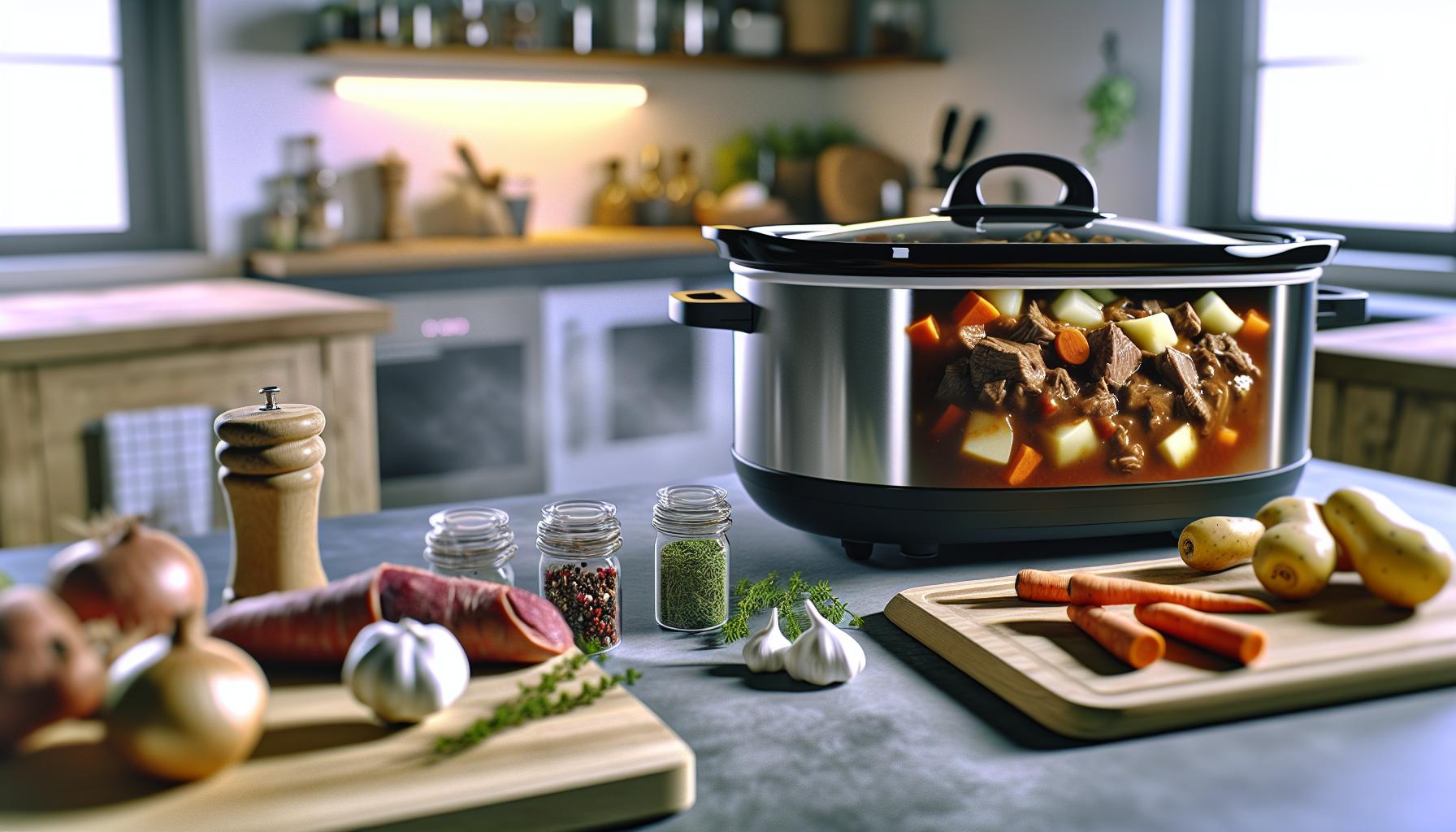
Ideal Recipes That Benefit from 12-Hour Slow Cooking
There’s something magical about letting your slow cooker do its thing for a full 12 hours-flavors deepen, tough cuts of meat transform into tender, melt-in-your-mouth masterpieces, and your kitchen fills with the kind of aroma that promises comfort in every bite.Long, slow cooking is ideal for recipes that need time to break down connective tissues and develop rich complexity without the risk of burning or drying out-provided your slow cooker has the right settings to keep food safe and moist.
For those who lean into paleo or gluten-free lifestyles, bone broths and hearty stews really shine here. think of a paleo-friendly bone broth packed with collagen from beef or chicken bones, simmered slowly so the nutrients fully extract while you sleep or work. Similarly, gluten-free stews that layer in root veggies, fresh herbs, and grass-fed meat can safely slow cook for 12 hours, resulting in a dish where every spoonful tastes like it’s been crafted with love (and patience). I remember one chilly weekend when I tossed a pork shoulder with sweet potatoes,garlic,and smoked paprika into my Crock-Pot before leaving the house-12 hours later,it was fall-apart tender and perfectly juicy,with vibrant flavors that felt like a warm hug.
Meals That Embrace the Long Haul
- Beef or Lamb Stews: Cuts like chuck roast or lamb shoulder need low, slow heat to break down collagen.Add a splash of tomato paste or bone broth for umami and moisture retention.
- Pulled Pork or Chicken: Extended cooking transforms tougher meat into shreddable goodness-perfect for paleo wraps or gluten-free sliders. Just beware of crowding the pot too much.
- Vegetable-Heavy Chili: Beans (if you tolerate them), bell peppers, and zucchini meld into a luscious, thick chili that’s infinitely better when left to simmer all day.
- Rich Bone Broths and Soups: The low simmer softens marrow and releases minerals, making a nutrient-packed base for soups or sipping straight.
When plotting your slow-cooker adventure, layering matters-a bed of onions or root veggies under the meat can prevent scorching, and trimming excess fat helps avoid greasy results after a marathon cook time. If you’re juggling a busy day and unknown cook times, selecting recipes where a touch of extra cook time won’t ruin the dish (like soups or tender stews) brings peace of mind. Plus, this lets you experiment with add-ins-try tossing in quick-cook veggies like greens or fresh herbs toward the last hour for fresh pops of flavor.
Simple tips for Flavor and texture
Even if your slow cooker automatically switches to warm mode after cooking, avoid tossing in dairy or delicate veggies at the start. Those best join the party in the final hour to keep textures shining. For example, a splash of coconut milk stirred in late can elevate a curry without breaking down, and fresh herbs like cilantro or parsley add fresh zing after hours of gentle simmering.
With a slow cooker working its magic over 12 hours, dishes can develop a depth that you just can’t rush. It’s the kind of cooking that rewards patience and planning-and frankly, lets you forget about dinner plans while life happens. So go ahead-set it, forget it, and come back to a bowlful of comfort that’s as satisfying as it is safe and delicious.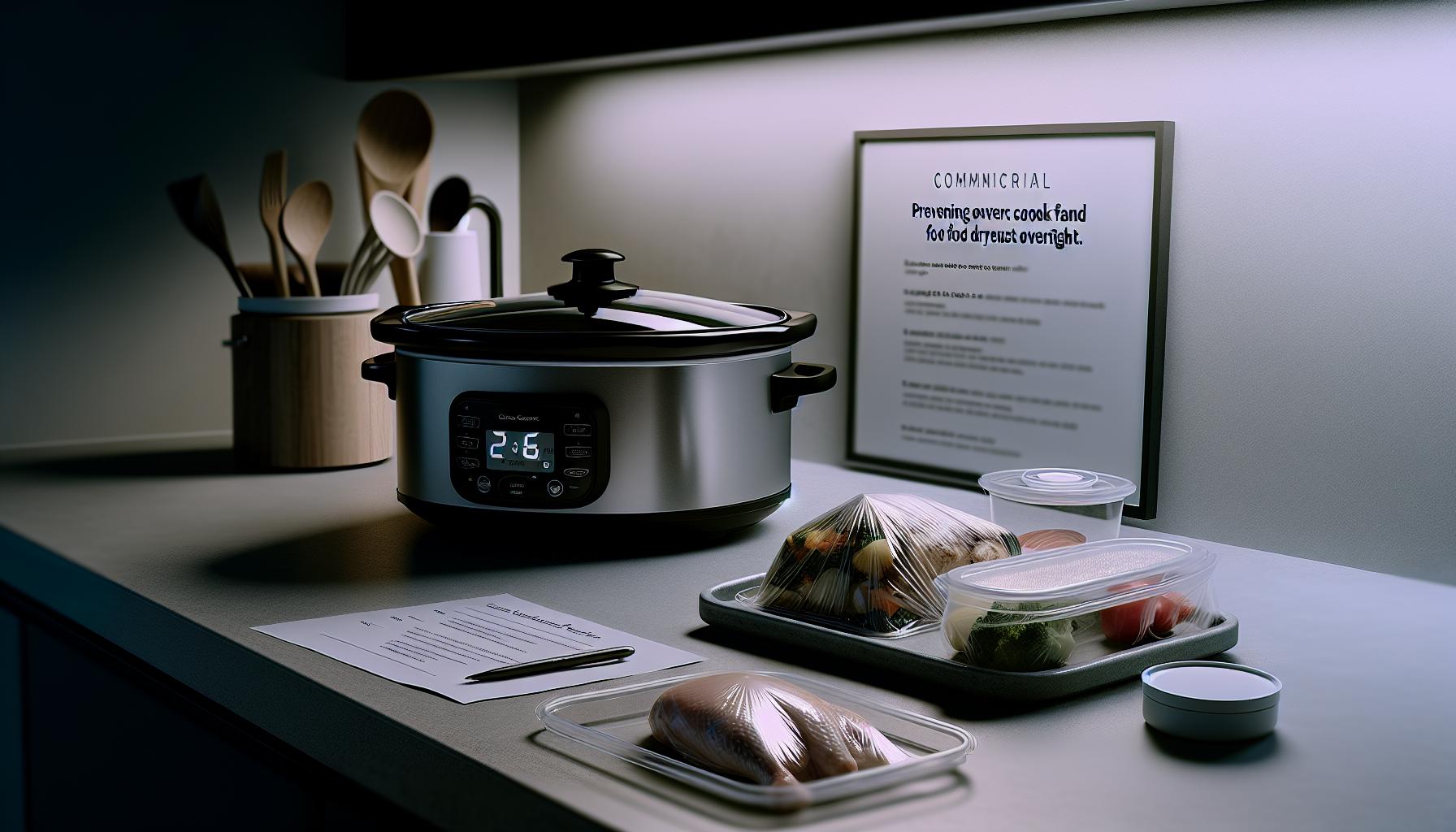
How to Prevent Overcooking and Food Dryness Overnight
Cooking for 12 hours or more can be a total game-changer in flavor and tenderness-but let’s be honest, there’s a fine line between perfectly slow-cooked and “did I just make jerky?” Nobody wants dry, overcooked food, especially when you’ve been dreaming of cozy stews or fall-apart pork all day. Luckily, a few simple tweaks can keep your slow cooker creations juicy, tender, and bursting with flavor, even after a full day of simmering.
One of the biggest secrets is to choose the right cuts and layer your ingredients thoughtfully. Tougher,fattier meats like chuck roast,pork shoulder,or lamb shoulder actually benefit from long cooking-the collagen melts and the fat bastes the meat internally,locking in moisture. but lean meats like chicken breasts or fish? They’re delicate and happy with shorter cook times; save those for later or add them in the last hour to avoid that dreaded dryness. I’ve found that putting a bed of root vegetables-carrots, onions, parsnips-underneath the meat creates a natural moisture barrier that stops scorching and dries out less than tossing everything together without a plan.
Time It Right for Moisture and Texture
Another handy trick is to lean on the slow cooker’s “warm” setting once the cooking phase is done, if your model offers it. Rather of leaving your meal on high and risking evaporation,the warm mode keeps leftovers at a safe temp without continuing to cook aggressively. It’s like a gentle hug for your stew, holding onto moisture and flavor all evening or overnight. If you’re worried about too much liquid at the end, try adding less at the start-you can always stir in extra broth or water near the finish to loosen a sauce if it’s too thick.
Add Delicate Ingredients Last Minute
Certain add-ins like fresh herbs, leafy greens, and dairy products have a tough time with marathon cooking. Toss these in the last 30-60 minutes to preserve bright color, texture, and flavor. For example, I love stirring in coconut milk near the end to enrich a curry, or sprinkling chopped cilantro right before serving a chili. This little “last-minute” love stops those flavors from fading into background mush and keeps your dish tasting fresh and vibrant.
- Trim Excess Fat: While fat keeps meat moist, too much can make dishes greasy after hours on the heat-trim thoughtfully.
- Don’t Crowd the Pot: Overpacking slows down the cooking process unevenly and can leave parts overdone or undercooked.
- Use Layering to Protect: Root veggies under meat act like a moisture sponge and prevent burning.
- Hold Back Quick-Cooking Veggies: Add ingredients like zucchini or spinach just before serving.
For my paleo and gluten-free kitchen adventures, this method has rescued many a long-cooked meal from the brink of dryness. Remember,slow cooking is forgiving when you respect the ingredients-lean on the hearty cuts,keep an eye on moisture,and finish with fresh touches. That way, you get tender, flavorful meals without the parched aftermath. So go on, embrace the magic of 12 hours in a slow cooker, and wake up (or come home) to a meal that feels like a warm hug.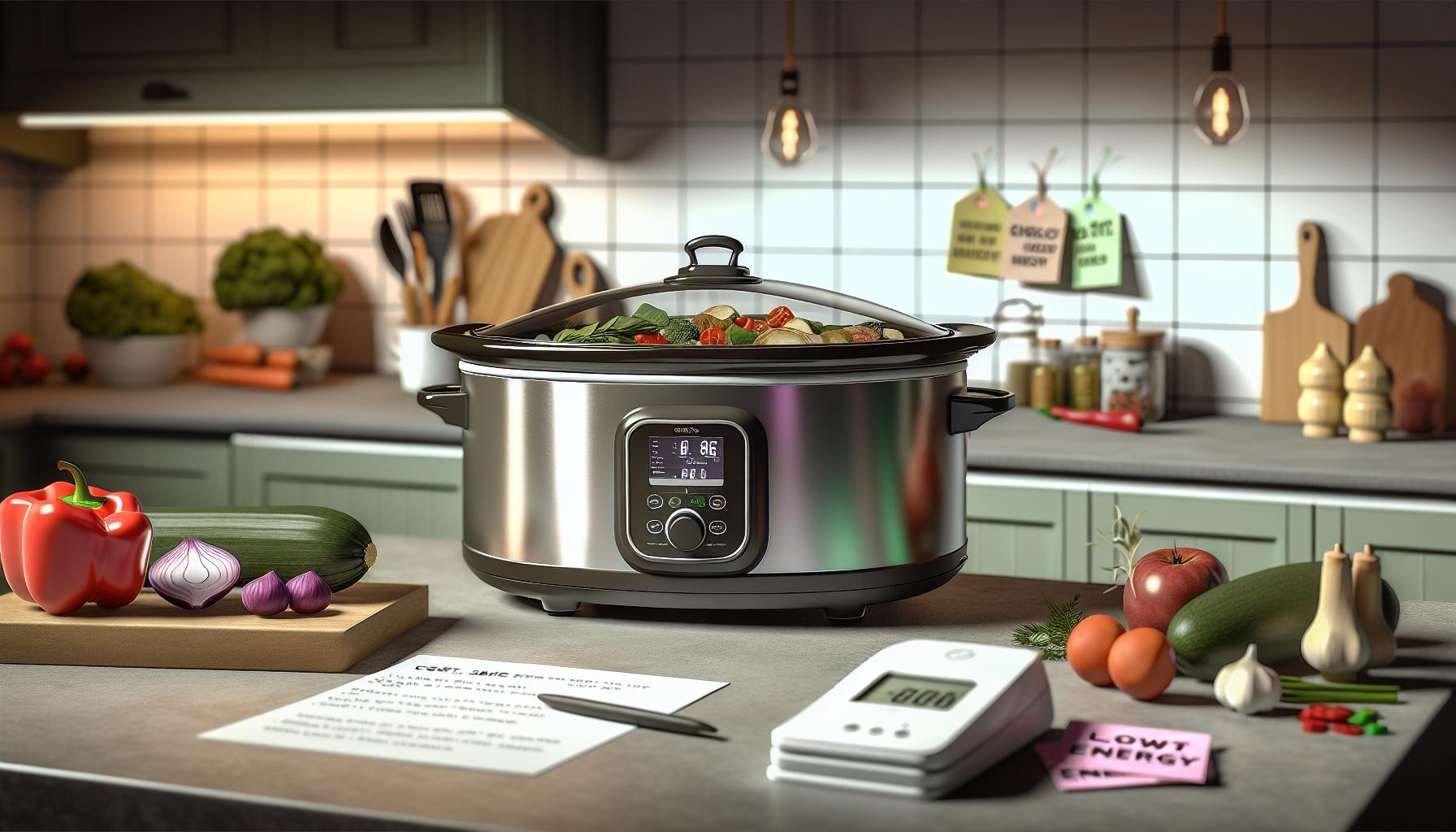
Energy Use and Cost Considerations for Long Slow Cooker Sessions
Slow cookers are surprisingly gentle on your electricity bill, which often makes them a top contender for budget-friendly meal prep, especially when you factor in the convenience of “set it and forget it.” Running a slow cooker for 12 hours typically uses about 150 to 250 watts per hour, depending on the model and temperature setting. To put this in viewpoint, that might cost you roughly 15 to 30 cents of electricity for a whole day of cooking, assuming average residential rates. Considering the delicious, hearty meals you get at the end, that’s a win for that paleo-friendly roast or gluten-free stew simmering away quietly on your countertop.
One thing I’ve learned from my own slow cooker marathons is to embrace the “low and slow” approach-not just for flavor but also for energy efficiency. Slow cookers use very little electricity compared to ovens or stovetops running all day. Plus, unlike turning your oven on for four hours (which can be energy heavy), your slow cooker keeps energy use minimal by maintaining steady, controlled heat. If you’re conscientious about energy costs or just looking for an easy way to cut kitchen expenses, ditching the oven in favor of the slow cooker for those long, low-temp meals is a small but worthwhile change.
Maximizing Efficiency Without Sacrificing Flavor
A few simple tweaks can further optimize energy use without compromising your meal. Such as, make sure your slow cooker’s lid fits tightly-every time you peek and lift, heat escapes and it ramps up energy use slightly to bring things back to temperature. Also, avoid overfilling; overcrowded pots take longer to heat through evenly, pushing your slow cooker to work overtime. Instead, leave some space for steam circulation to maximize efficient cooking.
Sometimes, chilling leftovers in advance and reheating the next day on the slow cooker’s “warm” setting can save energy compared to cooking from scratch. Another pro tip: use your slow cooker for meal prepping multiple dishes in one go if you’re rocking a larger unit. My family loves doubling or tripling recipes in big ceramic pots, which means more meals with just a modest bump in electricity usage-definitely a win for busy weeknights.
- Energy Use: Around 150-250 watts per hour on average.
- Cost Estimate: Usually 15-30 cents for a 12-hour cooking session.
- Efficiency Tips: Keep lid on, avoid overfilling, and batch cook when possible.
By thinking of your slow cooker as a smart energy ally, you get to enjoy paleo-friendly comfort foods, gluten-free soups, or tender meat dishes without guilt about zapping your power supply. It’s like having a culinary sidekick who’s economical and reliable, perfect for busy lifestyles that still want big flavor with minimal fuss. So go ahead-let that slow cooker simmer while you focus on the rest of your day!
What to Do If you Accidentally Leave It On Too Long
Sometimes life gets busy, and before you know it, your slow cooker’s been on for way longer than planned. don’t panic-slow cookers are designed to be safe for extended periods, but leaving it on too long can affect your meal’s texture and flavor. If you catch your dish after an accidental marathon, there are a few easy tricks to rescue your dinner and keep things delicious without tossing it all out.
The first thing to do is assess what you’re working with. If your slow cooker has a “warm” setting,switch to that right away to halt further cooking while keeping the food safe to eat. Overcooked meat might feel drier, and vegetables might potentially be softer than intended, but this doesn’t mean your meal is ruined-sometimes it just needs a flavor boost to bring back life.
Rescue Tips for Overcooked Slow Cooker Meals
- Add Moisture: Stir in a splash of broth, tomato sauce, or coconut milk depending on your recipe’s flavor profile. This helps rehydrate the dish and soften any dryness from overcooking.
- Freshen Up Flavors: A squeeze of lemon juice, a sprinkle of fresh herbs, or a dash of spice can brighten over-simmered flavors. Think cilantro for Mexican-style dishes or fresh thyme for stews.
- Repurpose Creatively: Turn soups or stews into sauces for pasta or grain bowls. Pulled meat can be shredded further and repurposed in tacos or salads with crunchy toppings.
From personal experience, I once left a pork shoulder on low for nearly 16 hours (whoops!), and it was practically falling apart. By stirring in extra bone broth and adding fresh chopped parsley and a little hot sauce, it turned into a mouthwatering, paleo-friendly pulled pork that my family devoured. the extra cooking just meant more depth of flavor-and the right fix brought it back to life.
Food Safety and When to Play It Safe
If your slow cooker kept food at or above 140°F (60°C),you’re generally in the safe zone for bacterial control. However, if you notice anything odd like a strange smell, texture, or if the dish sat out unplugged for a long time before cooking resumed, it’s best not to risk it. Always err on the side of caution-food safety comes first, especially when cooking big batches for paleo or gluten-free meals that you plan to store and enjoy over days.
Accidentally leaving your slow cooker running too long isn’t a kitchen crime-think of it as a chance to get creative with flavors and reheats. With a few simple fixes and some enthusiasm, your “oops” moment can turn into a second round of deliciousness, proving that even slow cooking slip-ups can deliver homey, nutrient-rich meals full of joy.
My Real-Life Slow Cooker Experiences: what I’ve Learned
when I first started using a slow cooker, I was amazed at how fuss-free dinner could be-and then promptly terrified after leaving it on “low” for nearly 14 hours straight one day. The good news? It wasn’t just safe, but the meal actually developed a richer flavor, though the texture was definitely more tender (some might say “fall-apart”). That experience taught me patience with the process and to think of slow cooking as a marathon,not a sprint. Slow cookers really are built to be left unattended for long stretches, which is a lifesaver for busy home cooks juggling work, family, and life’s curveballs.
One helpful rule I’ve adopted is to always fill the pot at least halfway but not more than two-thirds full. This keeps the temperature stable and helps prevent under- or overcooking.When I accidentally overshoot the cook time, especially with paleo-friendly meat dishes or gluten-free stews, I don’t panic. Rather, I lean on a few tricks that rescue texture and flavor without fuss. Adding a bit of bone broth or a splash of coconut milk can transform dry edges back into silky goodness. A quick fresh herb or citrus zest sprinkle also wakes up flavors that might have mellowed too much during the extended simmer.
Lessons from My Slow Cooker Slip-Ups
- low and Slow is Lenient: My best pulled pork came from a “whoops” 16-hour cook. The long heat melted connective tissue beautifully, and the flavor deepened.
- use the Warm Setting: If you realize you’ve been away too long, switching to “warm” is your fail-safe to avoid further cooking and keep food safe.
- Balance flavors Post-Cook: Overcooked veggies? Adding a fresh acid like lemon juice or apple cider vinegar brightens the dish instantly.
- batch Cook Smart: When prepping paleo or gluten-free meals, I always double recipes and freeze extras-this way, if one batch is a bit overcooked, leftovers get a second life.
What has made slow cooking truly joyful for me isn’t just the convenience-it’s the flexibility. Life happens, schedules change, chaos strikes, but that slow cooker silently keeps working, turning humble ingredients into soul-satisfying meals. Whether you’re making cozy stews, vibrant curries, or hearty bone broth, know that slow cooking has a forgiving heart. If you’re new, start with easy 6-8 hour recipes; once cozy, 12-hour cooks become your friend, not foe. And trust me, even if your meal edges into “extra tender” territory, a splash of broth and fresh herbs can turn it back into something stunning-no stress, all flavor.
Q&A
Q: Can I leave my slow cooker on low heat for 12 hours safely?
A: Yes, leaving your slow cooker on low heat for 12 hours is generally safe if you use a reliable model designed for long cooking times. Ensure your food reaches the proper temperature (above 140°F) to prevent bacteria growth. For safety tips and ideal recipes, check the Tips to Safely use Your Slow Cooker for Extended Cooking section.
Q: What are the signs that slow-cooked food has been left on too long?
A: Overcooked slow cooker food often becomes dry, mushy, or loses flavor intensity. You might notice a burnt smell or tough texture. To avoid this, see our How to Prevent Overcooking and Food Dryness Overnight guide for practical fixes and timing adjustments tailored to your slow cooker and recipe.
Q: how does leaving a slow cooker on for 12 hours affect energy consumption?
A: Slow cookers use low wattage, so running one for 12 hours consumes relatively little energy-frequently enough less than an oven. For energy-saving tips and cost considerations, explore the Energy use and Cost Considerations for Long Slow Cooker Sessions section to balance convenience with efficiency.
Q: Are certain slow cooker materials safer for long cooking times of 12 hours?
A: Ceramic and stoneware inserts are ideal for long, slow cooking due to even heat distribution and safety. Avoid non-ceramic materials that may not withstand extended use. See our Best Slow Cooker Models for Long, Safe Cook Times for top recommendations that support safe 12-hour cooking.
Q: What should I do if I accidentally leave my slow cooker on for more than 12 hours?
A: If your slow cooker runs longer than 12 hours, check the food’s temperature and texture before eating. If it smells off or looks dry and overcooked, discard it. Review our What to Do If You Accidentally Leave It on Too Long advice for safety and preventing waste.
Q: How can I adjust recipes for slow cooking times longer than 12 hours?
A: To adapt recipes for over 12 hours, lower the cooking temperature or increase liquid amounts to avoid drying out food. Use tougher cuts of meat and sturdy vegetables that hold up well. For detailed recipe ideas,visit our Ideal Recipes That Benefit from 12-Hour Slow cooking section.
Q: Is it safe to leave a slow cooker unattended overnight for 12 hours?
A: Yes, when using a modern slow cooker with built-in timers or automatic keep-warm settings, it’s safe to leave unattended overnight. Always test devices and follow manufacturer instructions. For peace of mind and practical tips, see Tips to Safely Use Your Slow Cooker for Extended cooking.
Q: How do slow cookers prevent foodborne illness during long 12-hour cooking sessions?
A: Slow cookers maintain a steady low temperature above 140°F, which inhibits bacteria growth and keeps food safe. Ensure your cooker heats evenly and food starts at safe temperatures. For a deeper understanding, check the How Slow Cookers Work: Understanding Temperature and Timing section.
Feel free to explore related sections for more slow cooking wisdom and delicious, stress-free meal ideas tailored to busy home cooks who want both safety and flavor!
To Wrap It Up
Whether you’re juggling a busy schedule or just love waking up to a hot, ready-to-eat meal, knowing it’s safe to leave your slow cooker on for 12 hours can be a real kitchen game-changer.Just remember: quality slow cookers and proper recipe tips keep your dinner delicious and safe every time. Ready to level up your meal prep? check out our slow cooker recipe collection and handy troubleshooting guide to make your cooking stress-free and fun.
Still curious about ingredient swaps or perfect cooking times for paleo or gluten-free meals? Dive into our expert tips on healthy slow cooking techniques and get inspired to simplify dinner without sacrificing flavor. Don’t forget to subscribe to our newsletter for weekly recipes and kitchen hacks that turn busy days into flavorful victories. Got questions or your own slow cooker stories? Share them in the comments – let’s cook smarter, not harder together!