
If you’ve ever tossed pasta into your slow cooker only to end up with a mushy mess, you’re not alone-and you’re definitely not stuck with soggy noodles forever. The secret to perfectly tender pasta in the crockpot comes down to when you add it. Getting this timing right means your pasta will soak up just enough sauce and flavor without turning into an unrecognizable blob. Whether you’re aiming for a comforting gluten-free baked ziti or a quick paleo-friendly casserole, knowing the best moment to stir in pasta helps you spend less time stressing and more time enjoying that cozy meal. Stick around,and I’ll share easy tips and real kitchen-tested tricks that make slow cooker pasta dinners a surefire hit-no mushy regrets,just tasty satisfaction.
Table of Contents
- How Slow Cooker Heat Affects Pasta Texture
- Best pasta Types for Slow Cooker Meals
- Timing Secrets: When to Add Pasta for Perfect Bite
- adjusting Liquid Amounts to Prevent Mushy Pasta
- Step-by-Step Guide to Cooking Pasta in Slow Cooker
- Creative Slow Cooker Pasta Recipes That Work Every Time
- Troubleshooting Common Slow Cooker Pasta mistakes
- Gluten-Free and Paleo Pasta Options for Slow Cookers
- Tips for Storing and Reheating Slow Cooker Pasta Meals
- Faq
- Q: How long should pasta cook in a slow cooker to avoid turning mushy?
- Q: Can rinsing pasta before adding it to the slow cooker help prevent mushiness?
- Q: What’s the best way to add pasta to a slow cooker step-by-step to avoid mushiness?
- Q: Why does pasta turn mushy in slow cooker meals even when added late?
- Q: Can different types of pasta affect how long to cook them in a slow cooker?
- Q: Is it better to pre-cook pasta before adding it to the slow cooker to avoid mushiness?
- Q: How does the slow cooker temperature setting influence when to add pasta?
- Q: What are quick fixes if pasta turns mushy in a slow cooker meal?
- The Conclusion
How Slow Cooker Heat Affects Pasta Texture
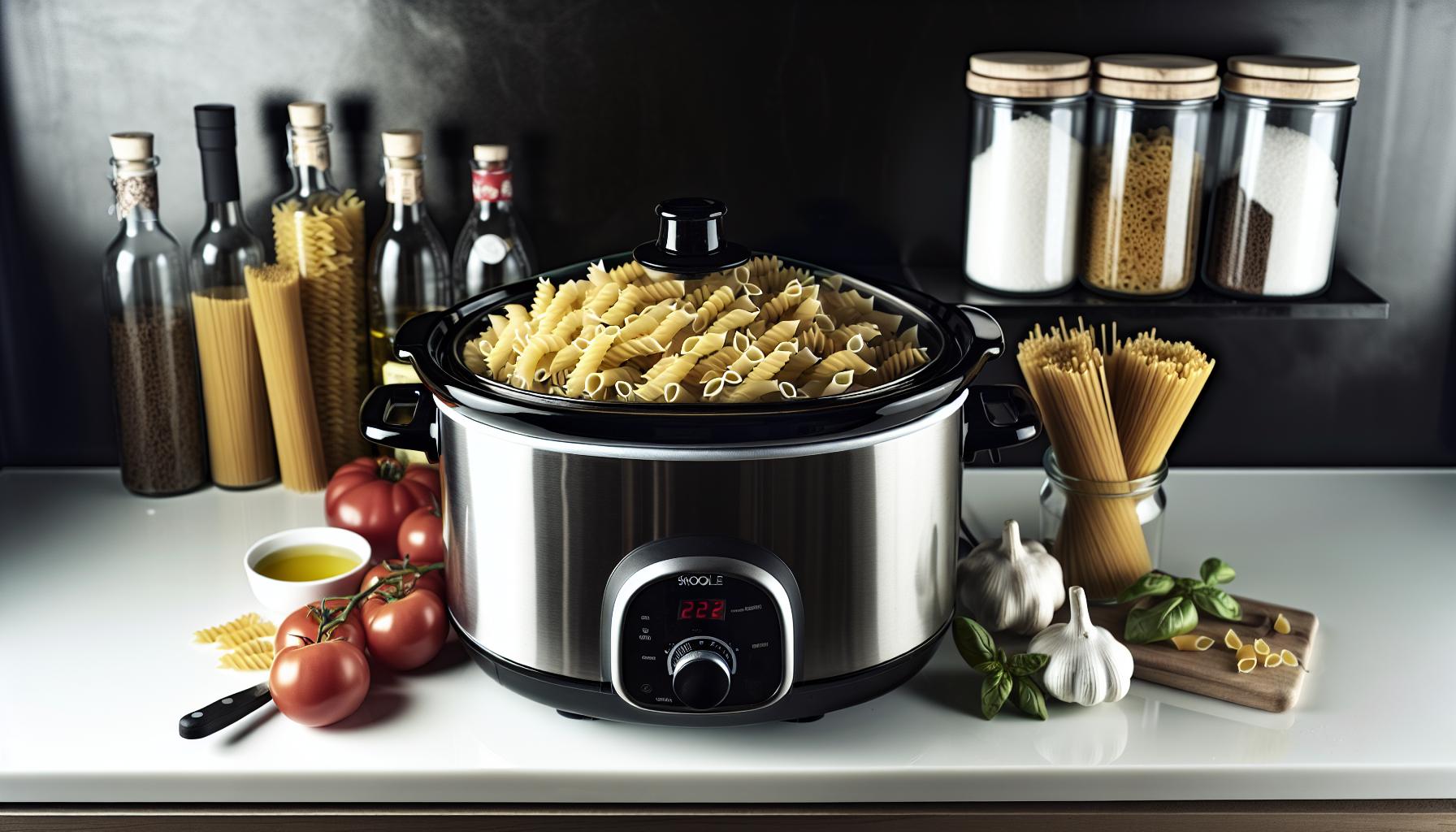
Pasta and slow cookers are a pairing full of potential, but mastering the texture can feel like a tiny kitchen mystery. The magic-or mischief-happens because slow cookers use low, steady heat that gently transforms every ingredient over hours. Unlike quick boiling, this extended warmth means pasta keeps absorbing liquid and heat long after it hits the pot, which can turn even the heartiest noodles into a mushy memory if you’re not careful. The key is understanding how that gradual, consistent heat interacts with pasta’s starchy nature.
Slow cookers maintain temperatures typically between 190°F (low) and 300°F (high). While this slow simmer is perfect for tenderizing meats or melding tomato sauces, starch in pasta gelatinizes over time under moist heat, leading to softening that continues until the pasta nearly dissolves into the sauce. This is why adding pasta too early often results in a disappointing, soggy finish.In my kitchen experiments, I learned to resist the urge to toss everything in at once! Rather, I treat pasta like a diva guest-the perfect arrival time matters to keep it firm yet tender.
- Low heat = slow starch breakdown: The starch can release gradually, thickening your sauce but also risking mushiness if given too long.
- High heat speeds things up: Pasta will cook faster but requires closer monitoring to avoid sticking or burning.
- Moisture level plays a role: The slow cooker’s humid environment means pasta keeps soaking up liquid even after “done.”
To avoid overcooked pasta, many home cooks (including me) find that adding noodles during the last 30-60 minutes of cooking strikes a perfect balance. This timing harnesses the slow cooker’s warm, moist heat to finish cooking pasta gently without falling apart. Alternatively, par-boiling pasta before it hits the cooker offers greater control but adds a prep step.
The Real-Life Science Meets Comfort Cooking
If you think about your slow cooker as a gentle stewing pot rather than a boiling rapid cooker, it helps. The pasta has a front-row seat to that slow warmth,soaking in sauces and flavors. It’s wonderful, but expect that it needs a shorter stage on the heat to hold its shape. Such as, penne or rigatoni stand up better than delicate noodles like angel hair as their thicker shapes resist mushy conversion longer.
In my test runs with gluten-free pasta-a favorite when catering to dietary preferences-the texture can be more fragile. Those sometimes turn mushy a bit faster,so I go for even shorter additions or precook by a couple of minutes.If paleo-friendly zoodles or spaghetti squash are your jam, you’re in luck they don’t suffer the starch meltdown drama, letting you simmer longer without jeopardizing bite.
Every slow cooker is a little different, too, throwing in a pinch of unpredictability.So, it’s worth a quick taste test toward the end of cooking, adjusting for your specific appliance and favorite noodle shape. As a rule,slow cookers reward patience-but when it comes to pasta,a little timing savvy is the secret to keeping your meal irresistibly chewy and celebratory rather than soft and sleepy. After all, cooking is as much about joy as it is about science!
—
For quick reference, here’s a snapshot table comparing slow cooker heat levels with pasta texture outcomes:
| Slow Cooker Heat Setting | Approximate Temperature | Effect on Pasta Texture | Best Pasta Timing |
|---|---|---|---|
| Low | 190°F (88°C) | Gentle cooking; starch breaks down slowly, risk of mush if pasta added too early | Last 45-60 minutes |
| high | 300°F (150°C) | Fast cooking; pasta softens quickly, may stick/burn if not monitored | Last 20-30 minutes |
Remember, slow cooker pasta magic requires timing more than magic-waiting to add pasta at just the right moment rewards you with texture worth celebrating every time.
Best pasta Types for Slow Cooker Meals
Choosing the right type of pasta for your slow cooker can feel a bit like picking the best dance partner-it’s all about balance, timing, and who can hold their shape when the spotlight hits. Not all pastas respond equally to slow cooker heat and the long, moist cooking environment. Some shapes and varieties hold up beautifully,keeping a pleasant bite,while others soften into a mushy mush faster than you can say “al dente.” Whether you’re a fan of classic wheat pasta or exploring gluten-free and paleo alternatives, picking the right noodle sets you up for success and happy taste buds.
Shape Matters: Sturdy Pasta Stars
When slow-cooking, pasta with a thicker profile and tubular or ridged shapes often wins the texture contest. Think penne,rigatoni,ziti,and even fusilli-these shapes are like the slow cooker’s best friends. Their size means they take a bit longer to cook through, which gives you a larger window to add them late in the process without turning into a saucy blob. plus,those ridges and tubes grab onto sauce like a champ,making every bite flavorful and cheerful.On the flip side, delicate strands like angel hair or thin spaghetti are more like fragile prima ballerinas; they demand gentle handling and short cooking times, so they’re frequently enough best par-boiled or added just minutes before serving.
whole Wheat & Gluten-Free: Special Considerations
For gluten-free pasta lovers, things can get a little trickier but still totally doable. Gluten-free noodles-frequently enough made from rice, corn, or legumes-can be a bit more fragile under steady heat and tend to turn mushy faster. That’s why I like to give them a quick par-cook or stir in after the main sauce has had a good hour or two to meld flavors. Alternatively, some brands have specially formulated shapes like penne or rotini that hold up better during slow cook times. If you’re experimenting, try adding gluten-free pasta in the very last 20-30 minutes on high heat or 40-50 minutes on low to avoid the dreaded gluey texture.
Paleo-Friendly Options: Zoodles & Beyond
If you’re team paleo or just looking to shake things up, vegetable “pasta” alternatives like zucchini noodles or spaghetti squash are a godsend. The best part? They don’t rely on starch, so they don’t turn mushy from prolonged heat the way wheat pastas do. This means you can add zoodles simmering for 30-60 minutes without losing their bite-or even earlier if you like them softer. They also bring vibrant color and fresh flavor, making your slow cooker dish a bit lighter and bright.Bonus: They cook in a snap,so no need to worry about precise timing.
- Quick summary of slow cooker pasta types:
- sturdy wheat shapes: Penne, rigatoni, fusilli, ziti (add last 30-60 mins)
- Delicate noodles: Angel hair, thin spaghetti (best par-boiled or last 10 mins)
- gluten-free: Rice/corn/legume-based penne or rotini (last 20-40 mins, consider pre-cooking)
- Paleo alternatives: Zoodles, spaghetti squash (can add earlier without mush issues)
Every slow cooker has its quirks, and pasta is no exception to the “taste and adjust” rule. When trying a new type, it’s worth doing a quick texture check 15 minutes before the timer goes off-and yes, even slow cooking can be interactive! With a bit of practice, you’ll know exactly which noodle keeps its shape and how long to give it on your particular machine. Trust me, once you nail this, slow cooker pasta dinners become a weeknight highlight rather than a texture guessing game. Believe me, your family and future you will thank you!
Timing Secrets: When to Add Pasta for Perfect Bite
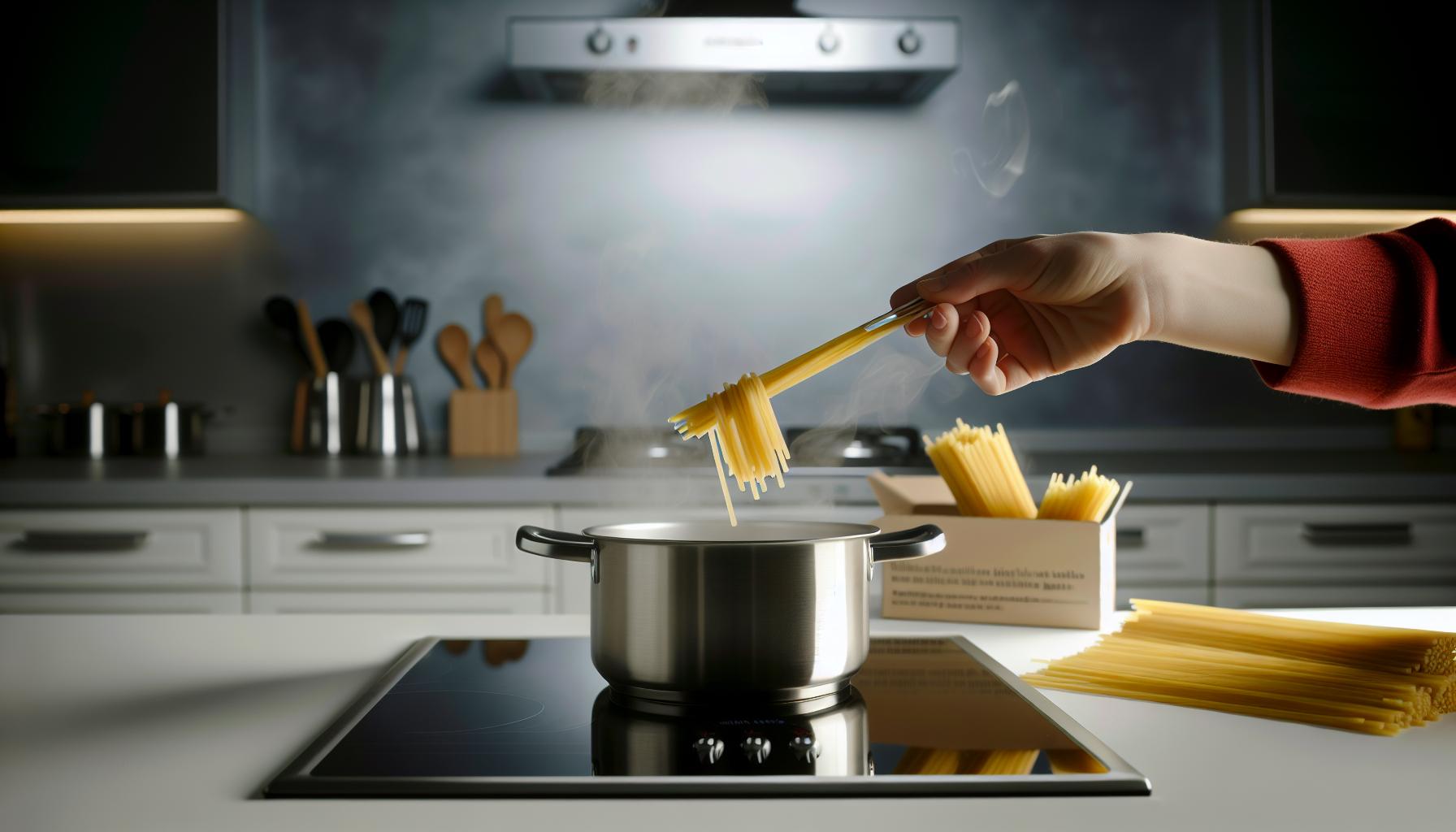
Pasta and slow cookers can be a bit of a tricky love story – one where timing is everything. Add the pasta too early, and you’re left with a sad, mushy mess; wait too long, and it might not reach that tender-yet-firm “just right” texture we all crave. The secret? Knowing exactly when to slip those noodles in so they soak up sauce, but still hold their own with a satisfying bite. It’s less about precise science and more about thoughtful play – like knowing when to join a party so you’re fresh and fabulous, not overcooked and overwhelmed.In my kitchen, I’ve found that most pasta shapes benefit from a “late entrance” into the slow cooker. For sturdier noodles like penne, rigatoni, or fusilli, adding them about 30 to 60 minutes before the end of cooking strikes the perfect balance. These pastas are tough enough to stand their ground but soft enough to absorb flavors without falling apart. on high heat, 30 minutes works great; on low, give it closer to an hour. Lighter, delicate pastas such as angel hair or thin spaghetti shoudl almost never bake in the slow cooker from the start unless you’re par-boiling them first – add these types in the last 10 to 15 minutes to keep their delicate texture intact.
- Sturdy wheat pastas (penne, rigatoni, fusilli): Add 30-60 minutes before finishing.
- Delicate strands (angel hair, thin spaghetti): Add the last 10-15 minutes, preferably par-cooked.
- Gluten-free pastas (rice, corn, legume-based): Because they tend to get mushy fast, either pre-cook or add in the last 20-40 minutes.
- Paleo-friendly noodles (zoodles, spaghetti squash): These can handle longer cooking-30-60 minutes or more-without losing shape.
If you’re working with gluten-free pasta,here’s a little insider tip: these noodles are like that friend who loves to party but can tire quickly. They absorb moisture fast and turn gluey if left too long. That’s why I always either par-boil mine or throw them in during the final stretch-think 20 to 30 minutes on high or 40 to 50 minutes on low heat. It’s a small timing tweak that makes all the difference between a tasty dinner and “meh.”
And for those who embrace veggie pastas-whether zoodles or spaghetti squash-feel free to add them even earlier. Unlike their wheat cousins,these plant-based renditions don’t get soggy from prolonged heat and actually deepen in flavor with the longer cook. Plus, they add a fresh pop of color and lighten up heavy dishes. I usually toss zoodles in about halfway through if I want a softer bite or closer to the end if I prefer a little crunch.
Quick Timing Cheat Sheet for Slow Cooker Pasta
| Pasta Type | When to add | Notes |
|---|---|---|
| Sturdy wheat (penne,rigatoni) | Final 30-60 minutes | Adjust based on slow cooker temperature |
| Delicate (angel hair,thin spaghetti) | Final 10-15 minutes | Best par-boiled first |
| Gluten-free (rice,corn,legume-based) | Last 20-40 minutes | Par-cooking recommended |
| Paleo (zoodles,spaghetti squash) | 30-60 minutes or earlier | Won’t turn mushy easily |
remember that slow cookers can vary widely. After a few tries, keep a little “taste notebook” by your crock pot: jot down exactly when you added pasta and how it turned out.It transforms slow cooker pasta from a guessing game into a dependable, joyful routine where every noodle hits the perfect note. Trust me, with this timing wisdom on your side, your slow cooker pasta nights will be the kind everyone asks for seconds of!
adjusting Liquid Amounts to Prevent Mushy Pasta
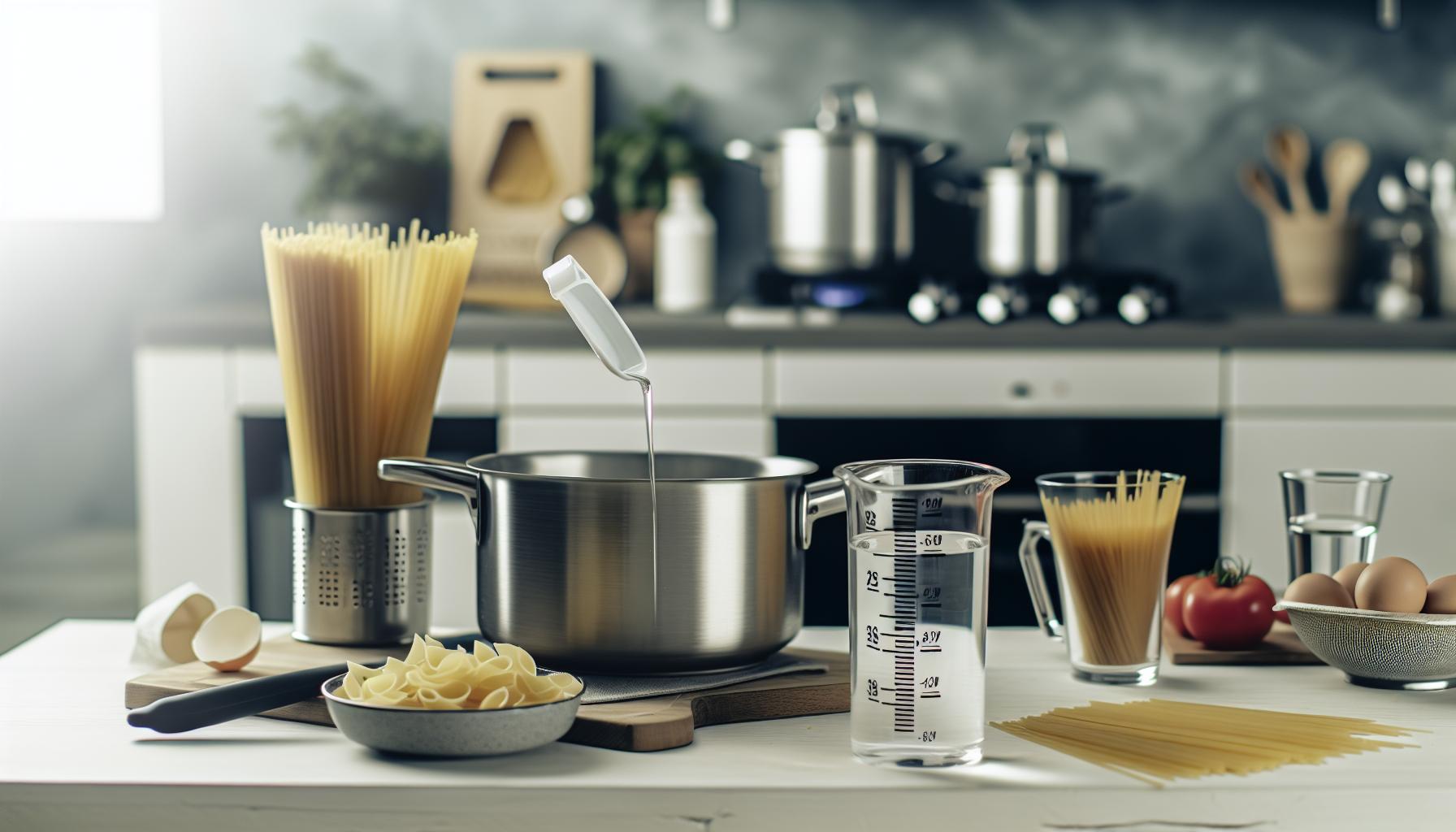
It might sound simple, but liquid quantity in your slow cooker really is the secret weapon for avoiding sad, mushy pasta dinners. Since pasta soaks up liquid as it cooks, getting your sauce and broth amounts just right means the difference between perfectly tender bites and a gloopy, overhydrated mess. The slow cooker’s moist, sealed environment intensifies liquid absorption, so you actually need less fluid than you might expect compared to stovetop cooking.
If you pour in too much sauce or water at the start, your pasta acts like a thirsty guest who just can’t stop drinking-swelling up and losing that satisfying bite. But if you’re scraping the bottom of the pot for liquid before the pasta’s done, it can stick, dry out, and scorch. I usually recommend starting with about 75% of the liquid called for in conventional recipes, then adding more as needed once the pasta goes in.This approach gives you control without flooding the pot.
For gluten-free and paleo pasta alternatives,this liquid dance becomes even more crucial. Gluten-free pastas (rice, corn, legume-based) are notorious for absorbing liquid faster-and sometimes unevenly-so reducing liquid even more or pre-cooking them slightly before tossing them in can prevent that dreaded gluey finish. Zoodles and spaghetti squash are a different beast; they release water as they cook, so hold back on extra broth or sauce initially to avoid a watery pasta stew. I learned this the hard way-nothing like watery zucchini noodles turning your rich sauce into a pool!
Quick Tips to Balance Liquids When Cooking Pasta Slow and Low
- Cut back the liquid: Use about 25% less sauce or broth than a stovetop recipe calls for.
- Add pasta late: Incorporate pasta with its own small splash of water or sauce, not dumped directly into the whole pot.
- Reserve some liquid: Keep extra sauce or broth on the side to thin out the dish later if it gets too thick.
- Adjust for paleo/veggie noodles: Reduce planned liquids by another ¼ cup since veggie pastas release moisture.
- Use timed stirring: If possible, give the pasta a gentle stir halfway through its cooking to evenly distribute moisture.
Once, when testing slow cooker baked penne, I started with the full recommended sauce volume and ended up with a soupy disaster. After dialing it back and adding pasta later with just a bit of reserved liquid, the dish transformed. The sauce clung to those penne tubes beautifully,and nothing was soggy. A little “liquid moderation” is such a small tweak but feels like a game-changer for every slow cooker pasta lover.
Remember, slow cookers vary in size and heat, so keep a little kitchen diary. Track how much liquid you add and the pasta texture outcome. Soon you’ll craft foolproof recipes tailored just for your crock pot, making perfectly textured pasta dinner not a happy accident but your new signature dish.
Step-by-Step Guide to Cooking Pasta in Slow Cooker
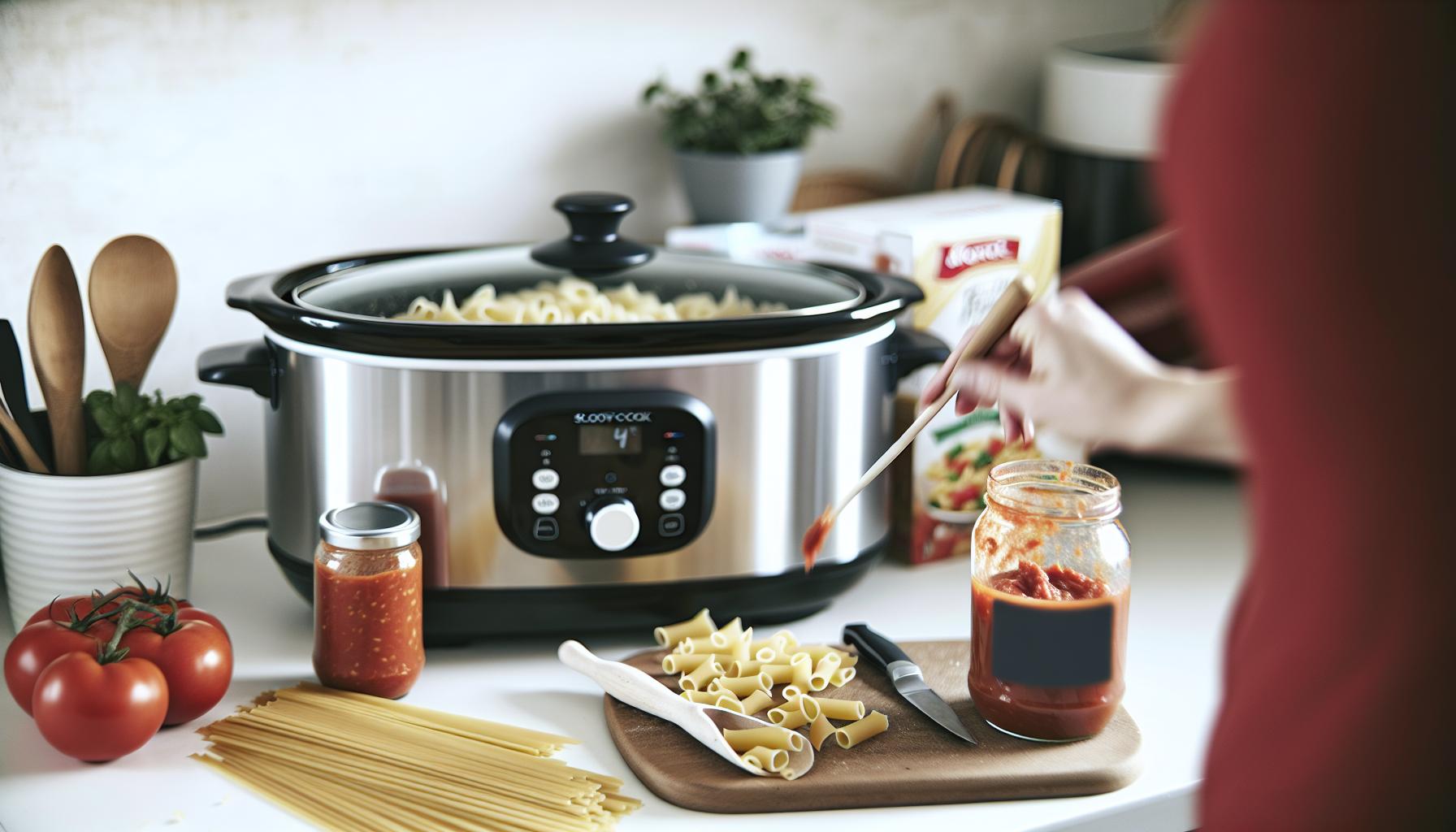
Pasta in the slow cooker is a joy when done right, but timing it perfectly for that ideal al dente bite can feel like a delicate dance. contrary to what you might think, tossing dry pasta in right at the start is usually a recipe for a gloopy mess. The slow cooker’s constant low heat and sealed environment coax pasta into soaking up much more liquid than on the stovetop – which means it keeps cooking long after you’d want it to.The secret? Hold the pasta back until the last 30-45 minutes of cooking, or just enough time for it to soften without turning mushy.
In my experience, adding pasta too early often leads to unfortunate sticky clumps or that dreaded gluey texture. Instead, prepare your sauce or base fully in the slow cooker first. By letting your flavors meld for a couple of hours,you build a rich foundation while avoiding overcooked noodles. When it’s time, sprinkle in the pasta, ideally stirred into a measured splash of sauce or broth rather than dumped all at once. This technique helps the pasta hydrate evenly and prevents it from gulping down all the liquid promptly.
Essential Steps for Perfect Slow Cooker Pasta
- Prepare your sauce or base first: Cook your meat, veggies, and sauce on low or high per your recipe’s timing – just without the pasta yet.
- Reserve some cooking liquid: Set aside a bit of sauce or broth before adding dry pasta to avoid overwhelming the noodles and to adjust consistency later.
- Add pasta late in the game: About 30-45 minutes before mealtime, gently stir in dry pasta with a small amount of reserved liquid or water. This lets it cook through without soaking up too much sauce.
- Check texture halfway: If possible, stir gently once or twice during those final minutes to encourage even hydration and prevent clumps.
- Adjust liquid if needed: Be ready to spoon in extra broth or sauce if it looks too dry or thick, especially with gluten-free or paleo pasta alternatives that behave differently.
Quick Table for Pasta Cooking Times in Slow Cooker
| Pasta Type | Add Time Before Serving | Tips |
|---|---|---|
| Regular Pasta (penne, rotini) | 30-45 minutes | Add with splash of sauce, stir gently once |
| Gluten-Free Pasta (rice, corn) | 20-30 minutes | Reduce liquid further, pre-soak if needed |
| Zucchini Noodles (Zoodles), Spaghetti Squash | Last 10-15 minutes or add uncooked last | Hold back liquid; they release water as they cook |
Slowing down on the timing-and not rushing to dump in every ingredient at once-is hands down the best advice I can offer.Your crockpot isn’t a one-pot pasta vending machine; it’s more like a slow symphony where timing and liquid balance create harmony. If you ever find yourself with overcooked noodles, remember it’s an easy fix next time to wait a little longer, add pasta later, and treat the cook time like a flexible little dance. Every slow cooker and pasta brand plays slightly differently, so trust your noodle intuition (pun intended) and keep notes! With just a little tweaking, your slow cooker pasta nights can be reliably scrumptious without the stress.
For those embracing gluten-free or paleo lifestyles, remember that these pastas can be thirstier or behave differently than traditional wheat varieties. often I soften them briefly before adding or drastically cut back on added liquids. Zoodles and veggie spirals? Toss them in last minute to keep texture fresh and sauce rich. These small adjustments make enjoying specialty diets a breeze-not a chore.
so, grab your slow cooker lid with confidence and add pasta when the moment’s right, not a minute too early.In return, you’ll get bowls full of comforting, tender pasta that still has that little bite everyone loves – no soggy surprises in sight!
Creative Slow Cooker Pasta Recipes That Work Every Time
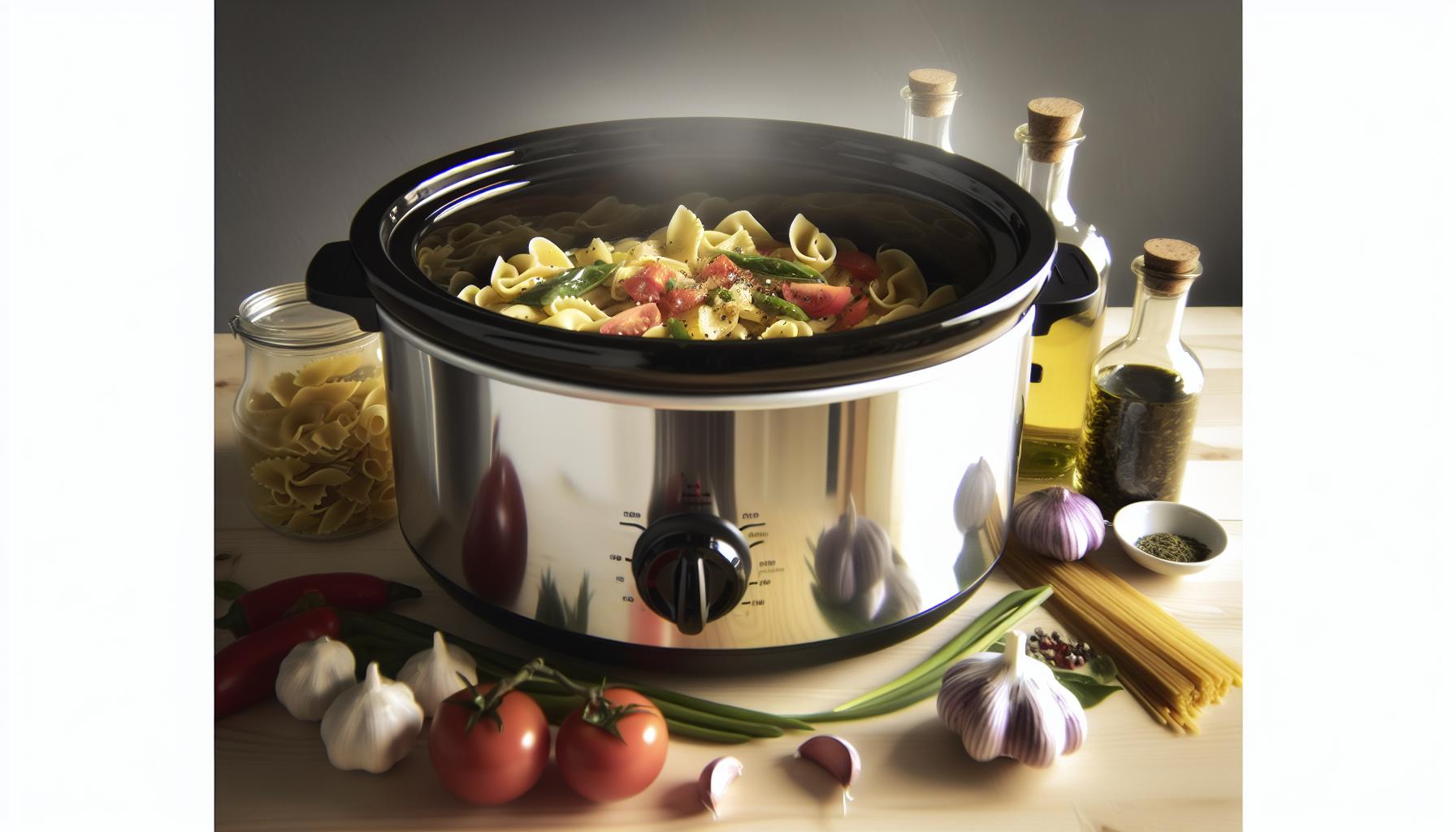
If you’ve ever eyed your slow cooker with suspicion, wondering if pasta can really come out tender-but-not-mushy, you’re not alone. The trick is not just *when* to add the pasta, but also *how* to build the whole dish so flavors, textures, and timing align beautifully. I’ve found that thoughtful layering and precise timing transform a potential disaster into a weeknight winner that feels cozy yet made with care-no soggy noodle nightmares here!
One fail-safe crowd pleaser comes from layering classic ingredients: start with a rich, slow-simmered tomato sauce, hearty ground meat, and a bounty of veggies like bell peppers and mushrooms. After letting all that meld at low heat for a couple of hours, that’s when the pasta makes its grand entrance-usually the last 30 to 45 minutes. This delay lets everything shine without the pasta soaking up *all* the liquid and turning gluey. I like to sprinkle the dry pasta in gently,stirring it into a little reserved sauce or broth first,which primes each noodle to cook evenly and absorb flavor gradually rather than gulping down liquid all at once.
Simple Recipes That Never Fail
- Hearty Mediterranean Penne: Use penne pasta with a tomato-olive base,olives,artichokes,and feta.Add pasta 30 minutes before serving with a splash of reserved sauce. The cheese melts perfectly and adds creaminess.
- Cheesy Chicken alfredo (Gluten-Free Friendly): Prepare your slow cooker sauce with shredded chicken, garlic, and a dairy-free cream sauce. Add gluten-free pasta 20 minutes out, stirring carefully. For extra richness, stir in a handful of fresh spinach 10 minutes before the end.
- Zoodle primavera for Paleo Eaters: Spiralized zucchini noodles tossed with cherry tomatoes, basil, and a drizzle of olive oil. Toss zoodles in the last 10-15 minutes to keep them vibrant and slightly firm.
These meals shine because they respect the slow cooker’s moody cooking style-and the pasta gets just enough time to cook through without surrendering into mush.Don’t be shy about swapping pasta types or adding small tweaks,like switching to gluten-free pasta or using veggie spirals. Just remember, less liquid and shorter cook times for these swaps are your best friends.
Pro Tips for Consistent Results
- Reserve broth or sauce: Before adding pasta, always keep some liquid back to control moisture levels cleanly.
- stir gently: After adding pasta, a careful stir helps prevent noodles from clumping or sticking in one big lump of goo.
- Adapt timing by pasta shape: short, sturdy pastas like penne or rotini work best for slow cookers and hold their shape well when added late.
- Mind specialty pastas: Gluten-free varieties can get thirsty. Pre-soaking or cutting back on liquids can save the day.
- Layer flavors first: Let your sauce, meat, and veggies mingle for several hours; that way, pasta just joins the party late, soaking in existing concentrated flavors.
In my kitchen, this approach means no stress and fantastic results-even when I’m juggling a busy weeknight or feeding a crowd with diverse dietary preferences. Slow cooker pasta is such a pleasure when you treat that timing like a careful dance step, and trust me-your taste buds will thank you with every perfectly cooked forkful!
For even easier inspiration, sites like *Cooking With Carlee* and *WellPlated* feature proven slow cooker pasta recipes that embrace this timing magic, making these dishes both approachable and fail-proof[[2]](https://cookingwithcarlee.com/slow-cooker-baked-pasta/) [[3]](https://www.wellplated.com/crock-pot-pasta/). Whether you’re craving classic baked ziti or a paleo-friendly veggie spiral surprise, the secret’s in that last-minute pasta addition-your shortcut to slow cooker pasta perfection!
Troubleshooting Common Slow Cooker Pasta mistakes
Few kitchen challenges are quite as mystifying as ending up with *mushy* pasta from a slow cooker. It feels like a betrayal – you followed the recipe, you timed everything (or so you thought), and yet your noodles are more gluey than al dente. Let’s dissect the most common pitfalls and solutions because slow cooker pasta *can* be a dream with a little guidance.
First off, timing is king.Adding pasta too early is the classic rookie mistake. Dry pasta cooks quickly in the slow cooker’s warm, moist environment-often faster than you expect-so it’s crucial to introduce it only during the *last* 20-45 minutes, depending on pasta shape and size. For example, shorter, sturdier noodles like penne and rotini tolerate the slow cooker environment better than delicate spaghetti or angel hair, which can dissolve into mush almost instantly. A good trick is to reserve some liquid from your sauce or broth and stir the dry pasta into that before folding it gently into the cooker. This prevents sudden, uneven soaking and helps the noodles absorb flavor gradually rather than gorging on all the liquid at once.
Then there’s the issue of *liquid quantity*. The slow cooker traps moisture, so you generally need less broth or sauce than stovetop recipes call for. Too much liquid douses your pasta in a swimming pool, softening it beyond recognition. Reducing liquids by about 25% when you’re cooking pasta in the slow cooker is a solid starting point. If you notice leftover sauce that’s too thin post-cook, use that as saved liquid for the pasta addition step rather than pouring new fluid in. That way, you keep the whole dish balanced and flavorful without sogginess.
Common Issues & Fixes
- Problem: Pasta sticks together or clumps in one area.
Fix: After adding pasta, stir gently but thoroughly to distribute noodles evenly. Resist the urge to over-stir, which can break fragile gluten-free or paleo noodles, but don’t leave them to form a sticky mess either. - Problem: gluten-free or alternative pastas absorb too much liquid and fall apart.
Fix: Cut back on liquid by an extra 10-15%, soak gluten-free pasta briefly before adding, and shorten cook times-20 minutes max. Veggie spirals like zoodles or shirataki noodles belong in the final 10-15 minutes only. - Problem: sauce tastes watery after pasta cooks.
Fix: Hold back some sauce or broth to add with pasta instead of dumping everything early. Allow thick sauces or tomato blends to develop their body first by cooking on low for a couple of hours before pasta joins.
Coming from years of feeding a hungry,busy family,I’ve learned that versatility is your best friend. Slow cooker pasta is forgiving if you remember it’s a *moist* heat environment with limited evaporation. If you get it wrong, resist scrapping the whole meal. Simply take the lid off toward the end to let excess moisture evaporate, or fold in a handful of grated cheese, fresh herbs, or even a touch of lemon juice to brighten and tighten flavors.
Remember, the slow cooker has moods – sometimes it cooks a bit hotter or cooler than expected – so be ready to peek in during the last stretch and adjust with a quick stir or liquid tweak. Practice makes perfect, but with these troubleshooting gems, you’re well on your way to slow cooker pasta meals that impress every time, even on your busiest nights. Your pasta’s texture will thank you,seriously!
For recipe inspiration that nails slow cooker timing and liquid balance,sites like Allrecipes and *Cooking With Carlee* offer foolproof options that take the guesswork out of the process[[2]](https://www.allrecipes.com/best-slow-cooker-pasta-recipes-11749453). Whether you prefer classic comfort or paleo-friendly zoodles, these trusted formulas demonstrate that slow cooker pasta isn’t just possible – it’s a pure joy.
Gluten-Free and Paleo Pasta Options for Slow Cookers
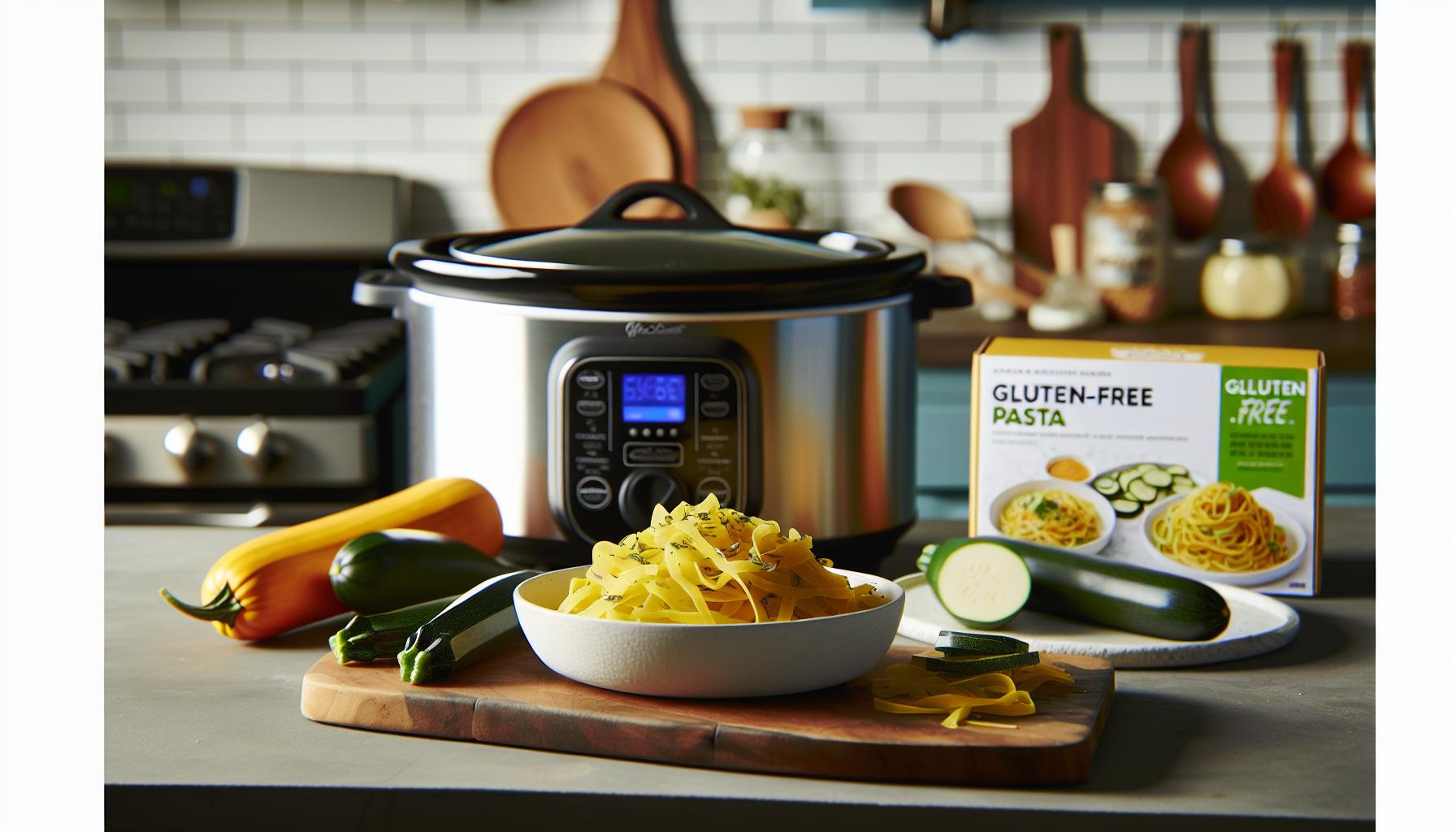
One of the trickiest parts of making pasta in a slow cooker when you’re aiming to keep things gluten-free or paleo-friendly is that these alternatives don’t behave quite like traditional wheat pasta. they tend to soak up way more liquid and cook faster, which means timing and moisture control become downright critical if you want to avoid a mushy, sad noodle situation. The good news? With just a little extra attention and some clever tweaks, gluten-free and paleo pasta options can shine as delicious, satisfying staples in your slow cooker repertoire.
Most gluten-free pastas are made from rice, corn, or legumes, and they frequently enough have a softer texture that falls apart if left in the slow cooker too long. Paleo alternatives like coconut flour pasta, almond flour noodles, or veggie-based spirals (think zucchini “zoodles” or shirataki noodles) are even more delicate and need a gentle touch. the key? Add them late-*really* late-into the cooking process. A great rule of thumb is to introduce these pastas only during the final 15 to 20 minutes of cooking. This short blast of heat gets them tender without turning them into glue. Bonus: soaking gluten-free pasta for 10-15 minutes in warm water before adding can also help regulate how quickly it absorbs liquid inside that cozy slow cooker environment.
Liquid Adjustments and Timing Tips
Because the slow cooker locks in moisture so well, cutting down your sauce or broth by an extra 10-15% when using these pasta types helps prevent the “swimming noodles” look we’re all trying to avoid. Holding back some liquid in reserve to add along with your pasta can also minimize early over-softening and lets the pasta soak up the perfect amount of flavorful sauce as it finishes cooking. Here’s a quick set of pointers to keep in mind:
- Gluten-Free Pasta: Reduce liquids 10-15%, soak briefly before adding, cook no longer than 20 minutes inside the cooker.
- Paleo Veggie Noodles: Add in last 10-15 minutes to avoid sogginess; toss gently as stirring too vigorously can cause breakage.
- Sauce Control: Thicker sauces or hearty tomato blends are ideal-cook them first allowing flavors and texture to develop before pasta joins the party.
From personal kitchen escapades, I’ve found that embracing the quirks of these pastas-and using them as a chance to experiment with fresh herbs, spices, or a sprinkle of cheese after cooking-turns out deliciously rewarding. Such as, a slow cooker chicken and paleo “pasta” meal made with spiralized zucchini feels indulgent yet light and perfectly balanced when you mind the timing and liquid mods.
Some Favorite gluten-Free and Paleo Pasta Choices that Work Well in Slow Cookers
| Pasta Type | Best Cooking Window | Liquid Adjustment | Notes |
|---|---|---|---|
| Rice or Corn Gluten-Free Pasta | Last 20 minutes | Reduce liquids by 10-15% | Soak before adding for better texture |
| Chickpea or Lentil Pasta | 15-20 minutes at end | Reduce liquids moderately | Good protein boost, watch for softness |
| Zucchini or Other Veggie Spirals | final 10-15 minutes | Minimal additional liquid needed | Add at very end to keep firm and fresh |
| Shirataki Noodles (Konjac) | Final 10 minutes only | None or minimal | Rinse well, drain before adding |
With these pointers, your slow cooker can be a wonderland for gluten-free and paleo pasta meals that are just as comforting as their wheat-filled cousins. patience and smart timing are your best friends here-after all, we want to make pasta, not a science experiment! Plus, the flexibility of slow cooker meals means you can keep it cozy without the fuss, perfect for busy weeknights or weekend batch cooking. give these tips a spin, and soon you’ll be swapping stories about how this unexpected pasta hack saved dinner with crowd-pleasing flavor and perfect texture.
Tips for Storing and Reheating Slow Cooker Pasta Meals
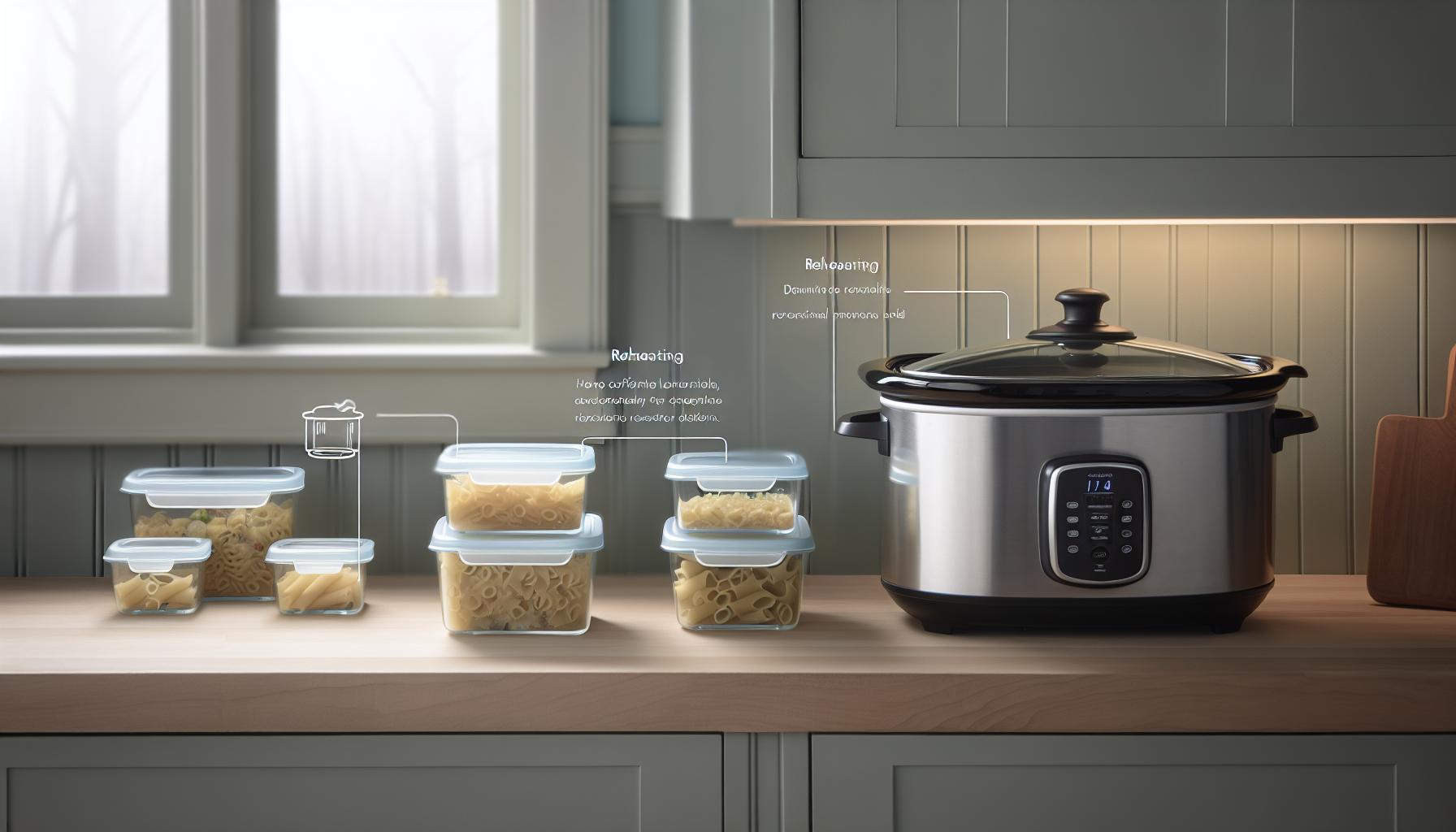
Nothing says comfort quite like a big pot of slow-cooked pasta,but keeping that perfect al dente bite even after storing and reheating can feel like juggling spaghetti strands blindfolded. The good news? Slow cooker pasta leftovers don’t have to resemble a sad, mushy memory. With a few simple habits and smart tricks, you can enjoy second-helpings that taste nearly as fresh as the first, whether you’re storing gluten-free, paleo, or traditional wheat pasta dishes.
The cardinal rule is to cool your pasta meal promptly and store it well-sealed in the fridge to slow down noodle softening. As pasta absorbs sauce and moisture over time, leftovers tend to soak up more liquid, increasing the risk of mushiness. To tackle this,many home cooks (myself included!) find that adding a splash of water,broth,or a little extra sauce during reheating magically breathes life back into the dish without watering it down. Microwaving slowly and stirring halfway through helps reheat evenly, preventing hot spots that can overcook delicate gluten-free or veggie noodles. For oven lovers, covering the dish with foil retains moisture while gently warming everything through.
Key Tips for Storing & Reheating Slow Cooker Pasta
- Cool Before Sealing: Let your pasta cool to room temperature, but no longer than 2 hours, before refrigerating to reduce condensation and sogginess.
- Use Airtight Containers: Glass or BPA-free plastic containers with tight lids protect freshness and prevent odors from creeping in.
- Reserve Extra sauce: When cooking,set aside a bit of sauce to stir in later – this helps revive dried-out pasta during reheating.
- Gentle reheating: Warm leftovers on low power in the microwave or in a covered pan on the stove, stirring occasionally to keep noodles separated.
- Freeze in Portions: slow cooker pasta freezes well in portions-just add a touch of extra sauce before freezing to avoid dryness on thawing.
If you’re working with paleo or gluten-free noodles, which can be more fragile, reheating is all about patience.They don’t love high heat or long exposure after cooking. For example,spiralized zucchini or shirataki noodles tend to release extra water when reheated,so thinning out the sauce or draining some liquid beforehand keeps your meal from turning into a soggy mess. When I made a slow cooker chicken and paleo pasta with almond flour noodles, reheating gently on the stove with a tablespoon of broth added made all the difference on day two.
| Type of Pasta | Best Storage Method | Reheating Tips |
|---|---|---|
| Traditional Wheat Pasta | Airtight container, refrigerated up to 4 days | Microwave low power + splash of sauce, or oven-covered at 300°F |
| Gluten-Free (Rice/Corn/Lentil) | Refrigerate in airtight container, use within 2-3 days | Gentle stovetop reheating with extra liquid; avoid microwave blasts |
| Paleo Veggie Noodles (Zucchini, Shirataki) | Stored in sealed container with minimal sauce, up to 2 days | Reheat quickly over low heat; drain excess water before serving |
embrace leftovers as a fertile ground for creativity rather than a burden. Adding a sprinkle of fresh herbs, a dollop of ricotta, or a crack of black pepper during reheating can transform yesterday’s pasta into today’s superstar. with a little mindful prep and a few reheating hacks, your slow cooker pasta meals will not only come out perfectly the first time but keep shining on repeat - no mushy disappointments required. Because life’s too short for sad noodles!
Faq
Q: How long should pasta cook in a slow cooker to avoid turning mushy?
A: Pasta should generally be added in the last 20-30 minutes of cooking on low or 10-15 minutes on high to prevent mushiness. Adding pasta too early exposes it to prolonged heat and moisture, causing it to overcook. For precise texture, follow the timing outlined in your slow cooker recipe’s “Timing Secrets” section.
Q: Can rinsing pasta before adding it to the slow cooker help prevent mushiness?
A: Rinsing pasta before adding it can reduce excess starch, which helps prevent clumping and mushy texture. However, it’s best to add the rinsed pasta close to the end of cooking and adjust liquid amounts accordingly to keep the dish flavorful and perfectly textured. Check our tips on adjusting liquids for the best results.
Q: What’s the best way to add pasta to a slow cooker step-by-step to avoid mushiness?
A: Add dry pasta only after most ingredients have cooked and liquid is hot.Stir pasta in evenly and ensure there’s just enough liquid to cook it without soaking. Cook uncovered for the last 20-30 minutes on low. This method avoids soggy, overcooked noodles and is detailed in our step-by-step guide in the article.
Q: Why does pasta turn mushy in slow cooker meals even when added late?
A: Pasta can turn mushy if there’s excess liquid,high heat,or overcooking after adding pasta,even when added late. Slow cookers retain heat well, so monitor cooking times and reduce liquid if needed. Our section on adjusting liquid amounts offers practical tips to strike the perfect balance.
Q: Can different types of pasta affect how long to cook them in a slow cooker?
A: Yes,thicker or sturdier pasta shapes like penne or rigatoni need slightly longer cooking times than delicate noodles like angel hair. Adjust timing based on pasta type and always aim to add pasta late,as explained in our article’s “Best Pasta Types for Slow Cooker meals” section.
Q: Is it better to pre-cook pasta before adding it to the slow cooker to avoid mushiness?
A: It’s generally best to add dry pasta directly to the slow cooker rather of pre-cooking. Pre-cooked pasta tends to absorb too much liquid and become mushy. Adding dry pasta late in cooking ensures it finishes perfectly without losing texture-see the “Step-by-step Guide” for detailed instructions.
Q: How does the slow cooker temperature setting influence when to add pasta?
A: On low settings, add pasta about 20-30 minutes before serving, while on high, add it 10-15 minutes prior. Higher temperatures cook pasta faster but increase the risk of mushiness if left too long. Refer to our “Timing secrets” section for tailored advice based on your slow cooker’s heat.
Q: What are quick fixes if pasta turns mushy in a slow cooker meal?
A: To rescue mushy pasta, try stirring in fresh cooked pasta or draining excess liquid and adding a thickener like cheese or cream to improve texture. For future meals, use our Troubleshooting guide to prevent mushiness by adjusting timing, liquid, and pasta type.
For more on perfect slow cooker pasta textures and timing, explore our “Timing Secrets” and “Adjusting Liquid” sections. Ready to cook? Try our easy,tested pasta recipes that balance flavor and texture every time!
The Conclusion
Mastering the perfect moment to add pasta to your slow cooker is a game changer for keeping that ideal texture-no mushy noodles here! Whether you’re cooking a quick weeknight meal or prepping a cozy,comforting dish,remembering this simple timing tip ensures each bite stays delightfully al dente. If you’re curious about gluten-free or paleo-friendly pasta options that play well in slow cooker recipes, check out our guide on [slow cooker meals for special diets] and [easy weeknight gluten-free dinners] for more tasty ideas.
Ready to elevate your slow cooker skills further? Don’t miss our tips on [balancing cook times with different ingredients] and [kitchen tools that save you time] in your cooking journey.Want fresh recipe ideas delivered straight to your inbox? Sign up for our newsletter and join a community of home cooks who keep it real, fun, and absolutely delicious. Got questions or your own pasta timing hacks? Drop a comment below-let’s keep sharing kitchen wins together!


