

Here’s a little kitchen secret: “Crock-Pot” and “slow cooker” are terms people toss around like they mean the same thing, but is that really true? At first glance, both devices promise effortless, hands-off cooking, turning humble ingredients into hearty, melt-in-your-mouth meals-perfect for busy days or gluten-free, paleo-pleasant dinners that need minimal fuss. Whether you’re simmering a savory stew for the family or prepping a crowd-pleasing chili, knowing the subtle differences can definitely help you pick the right gadget that fits your cooking style and lifestyle. Stick around as we unravel what sets a Crock-Pot apart from other slow cookers-so you can make smart choices, save time, and still wow everyone at the dinner table without breaking a sweat. Trust me, I’ve been there-juggling life’s chaos and craving that comforting home-cooked vibe-and this little clarity might just change how you slow-cook forever.
Table of Contents
- Crock-Pot vs Slow Cooker: What’s Really Different
- How Each Appliance Works: cooking Mechanics Explained
- unique Features That Set Crock-Pots Apart
- Slow Cooker Models and Their Versatility
- Which Appliance Fits Your Cooking Style Best?
- Real-Life Kitchen Tests and Recipe Results
- Common Myths About Crock-Pots and Slow Cookers Debunked
- How to Choose Between Crock-Pot and Slow Cooker for Dietary Needs
- Cleaning and Maintenance Tips to Keep Your Cooker Happy
- Budget and Longevity: Where to Spend Your Money
- Accessory Options and Recipe Inspiration for Both
- Troubleshooting Common Issues with Slow Cookers and Crock-Pots
- Frequently asked questions
- Q: How do Crock-Pots and slow cookers differ in temperature control and cooking settings?
- Q: Are there differences in cooking times between Crock-Pots and other slow cookers?
- Q: Can I use crock-Pot recipes in any slow cooker,or do they require adjustments?
- Q: Why do Crock-Pots often cost more than regular slow cookers?
- Q: How do the sizes and shapes of Crock-Pots compare to other slow cookers?
- Q: Is it safer to leave a Crock-Pot or a slow cooker unattended during cooking?
- Q: What are the energy efficiency differences between Crock-Pots and slow cookers?
- Q: can I use accessories designed for Crock-Pots with other slow cookers?
- The Conclusion
Crock-Pot vs Slow Cooker: What’s Really Different

Believe it or not, the terms “Crock-Pot” and “slow cooker” often get tossed around like they’re interchangeable – but there’s a bit more nuance behind the scenes. At its core, a Crock-Pot is a brand name, owned by the company that first popularized these magical countertop appliances back in the 1970s. A slow cooker, meanwhile, is the broader category of appliances designed to cook food gently over low heat for several hours. Think of it like how all Kleenex are tissues, but not all tissues are Kleenex – simple, yet a common point of kitchen confusion.
From a user’s outlook, the cooking mechanics are quite similar: both appliances use a ceramic or porcelain pot nestled inside a heated base to slowly simmer ingredients without the need for constant attention. But where Crock-Pots frequently enough stand out is in their streamlined, intuitive designs and sometimes exclusive features like programmable timers or insulated stoneware for better heat retention. For instance, some Crock-Pot models have multi-hour delay settings that make morning meal prep a breeze-perfect for busy weekday dinners or timed breakfasts with minimal fuss.
Practical Differences That Matter
If you’ve ever eyed a slow cooker on the shelf, you might notice some variations in shape, lid style, or control panels. Non-Crock-Pot slow cookers can lean towards more modern aesthetics or expanded functionality depending on the brand. They might include searing lids for one-pot meals, smartphone connectivity, or dual-zone temperature controls. Meanwhile, crock-Pots stick to a classic charm that feels a bit like a nostalgic kitchen buddy-trusty and unfussy.
Here’s a fast reality check on what these differences could mean for your kitchen routine:
- Budget: Crock-Pots often come with a higher price tag thanks to brand recognition and trusted designs, but you can find quality slow cookers that cost less while delivering similar results.
- Versatility: Slow cookers outside the Crock-Pot line might offer more hands-on options for adventurous cooks, like sauté functions or sous-vide combos.
- Recipe Compatibility: If you’re following a specific cookbook or family recipe, double-check if references are to Crock-Pots or general slow cookers – subtle heat differences might tweak cooking times slightly.
For example, I’ve found that my classic Crock-Pot model consistently nails long-simmered stews and gluten-free chili with minimal tweaks, whereas a newer programmable slow cooker I’ve tested lets me experiment with yogurt and desserts thanks to precise temp control.Both have their moments, and it ultimately boils down (pun intended!) to what fits your kitchen habits best.
How Each Appliance Works: cooking Mechanics Explained

Ever wonder why slow cooker recipes often call for hours of low, gentle heat – and how that magic happens inside your countertop kitchen buddy? Whether you’re using a classic Crock-Pot or another slow cooker, the heart of these appliances is all about coaxing flavors together slowly and safely, turning humble ingredients into tender, flavorful meals without hovering over the stove. Both devices rely on simple yet clever heating mechanics, delivering consistent warmth to a ceramic or stoneware insert that cradles your ingredients like a cozy little stew spa.
Inside, the ceramic pot sits snugly within a heated base that radiates gentle, even heat upward and around its sides. This setup ensures food cooks steadily at low temperatures – usually between 170°F to 280°F – perfect for braising meats, simmering soups, or slowly softening fibrous veggies without the risk of burning. If you’ve ever noticed that your Crock-Pot or slow cooker’s lid fogs up during cooking, that’s steam building inside, keeping your food moist and tender like a spa treatment for your dinner. This sealed habitat means you rarely need to lift the lid, which would otherwise let heat escape and lengthen cook times.
One subtle but fun difference I’ve spotted is in how some Crock-Pots enhance heat retention. Many models use insulated stoneware – a heavier, thicker ceramic that holds warmth a bit longer, giving you a forgiving buffer if you’re late to the table (true story: my chili stayed hot and cozy for an extra hour after turning off the cooker, without drying out).Non-Crock-Pot slow cookers sometimes feature modern twists like programmable timers or dual-zone heating that can sear, simmer, or even do a little sautéing before slow cooking – perfect if you love a “one-pot” cooking adventure or want to try recipes like paleo-friendly bone broth requiring precise temps.
- Heat Source: Both use an electric heating element in the base to gently cook.
- Cooking Vessel: Removable ceramic or stoneware pot that distributes heat evenly.
- Lid Design: Usually glass, locking in moisture and heat for slow simmering.
- Temperature Control: Simple low/high/warm settings or more advanced programmable controls.
If you’re looking to whip up a gluten-free beef stew or a creamy paleo coconut curry, understanding these basics makes it easier to swap recipes between brands without fear. the real trick is how heat diffuses through that ceramic layer-slow, steady, and patient-giving tough cuts time to become melt-in-your-mouth magic. So whether you’re team Crock-Pot nostalgia or a fan of sleek programmable slow cookers, inside they’re all about patiently coaxing out the best flavors, making busy days easier and dinnertime a delicious success.
unique Features That Set Crock-Pots Apart
When you think of slow cooking, the name Crock-Pot often pops up first-and for good reason! More than just a brand, Crock-Pots have cultivated some truly distinctive features over the decades that keep home cooks coming back for that classic cozy meal experience. One thing I genuinely love about Crock-Pots is their signature stoneware inserts, which tend to be thicker and heavier than many generic slow cooker pots. This means they hold onto heat a bit longer even after you unplug them, so if life throws a curveball and dinner’s running late, your food won’t just sit there cold-it stays warm, tender, and ready without drying out. Talk about a forgiving dinner companion!
The design philosophy behind Crock-Pots often leans toward simplicity grounded in reliability, making them fantastic for anyone who prefers the “set it and forget it” lifestyle. Even though there are programmable Crock-Pot models now,many still focus on those traditional low,high,and warm settings without overwhelming you with buttons and menus. I find this refreshingly straightforward-perfect for busy mornings when you just want to toss in ingredients (hello, paleo stews and gluten-free chilis!) and step away without second-guessing your settings.
What Makes Crock-Pots Feel Like Home
- Heftier stoneware: The insulated, thick ceramic unevenly traps moisture and heat, creating that slow-simmer magic that breaks down tough cuts of meat into fall-apart tenderness.
- Timeless design: Frequently enough with a simple dial and a glass lid locking in steam, Crock-Pot models deliver consistent performance without the tech fuss-a real “comfort food” vibe.
- Iconic heritage colors: Think retro avocado greens and harvest yellows that feel nostalgic and cozy-small touches that remind you cooking’s not just a chore but a joy.
Though some modern slow cookers boast nifty tech perks-programmable timers, sear-then-slow-cook functions, and even smartphone connections-Crock-Pots excel by championing reliability and ease of use. this focus has made them a long-time bestseller and a beloved kitchen staple. Plus, if you’re new to slow cooking, starting with a crock-Pot is like getting a warm hug from your kitchen appliance. No intimidating digital displays or complex manuals. Just plug in, pick a heat setting, and go. I’ve even found that for gluten-free and paleo recipes, the slower, gentler, and steadier heat of a Crock-Pot’s chamber coax flavors out with minimal fuss-perfect for meals that comfort without weird ingredients or stress.In my own kitchen, I’ve seen how the stoneware pot’s superb heat retention gives me a wider window to serve guests without the food drying out-especially handy during holiday dinners or when running late after work. And pantry staples like bone broth or hearty beef stew come out rich, flavorful, and melt-in-your-mouth every time, thanks to that patient heat diffusion. If you’re craving no-fail slow cooking with a touch of nostalgia and zero drama, Crock-Pots truly stand apart as the slow cooker’s cozy classic.
For those interested in exploring other slow cooker brands with hi-tech bells and whistles,they’re marvelous too-but the Crock-Pot’s lasting charm lies in its warm,forgiving embrace that turns simple ingredients into soulful meals,every day of the week.
Slow Cooker Models and Their Versatility
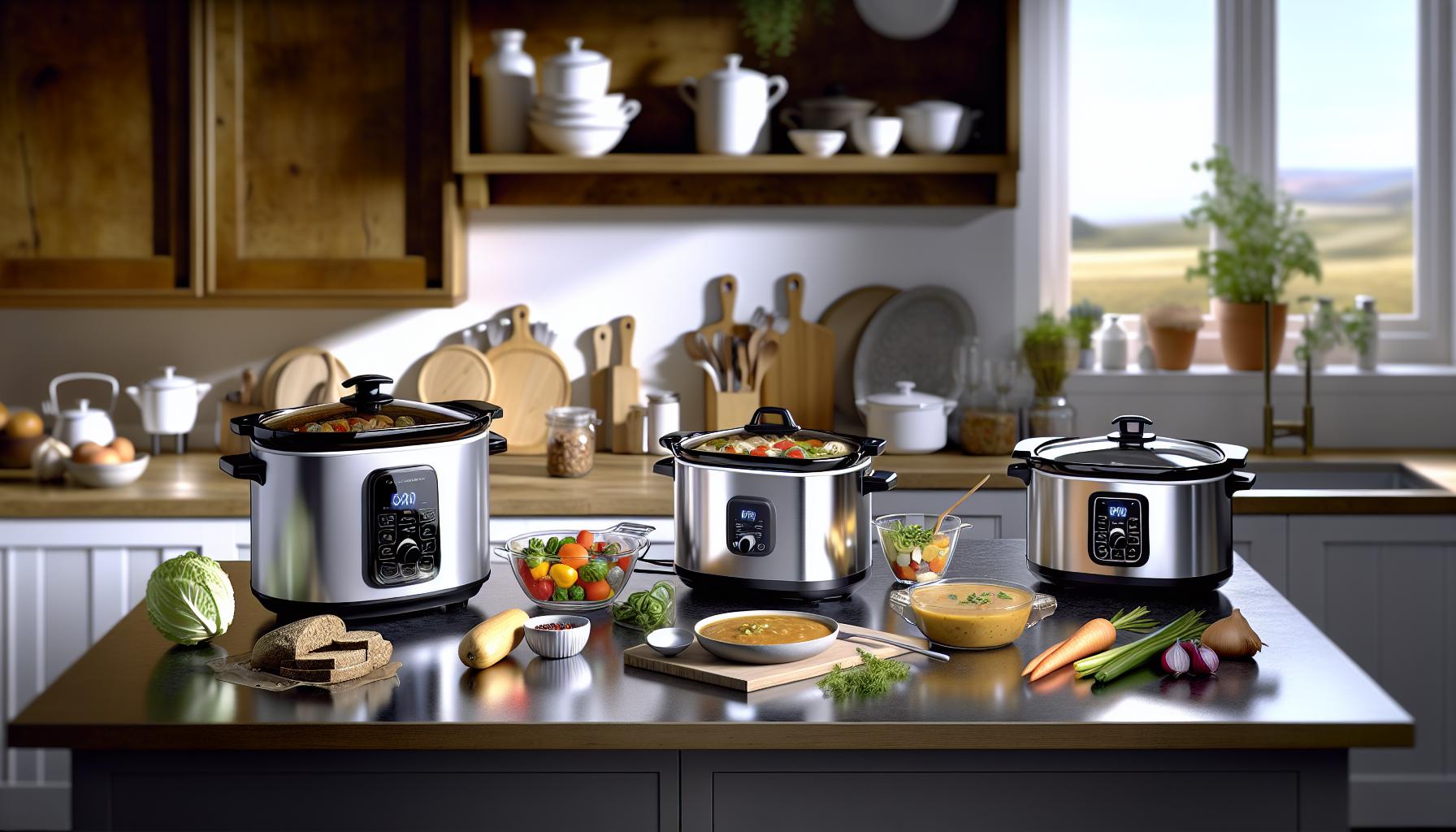
Slow cookers come in a delightful range of models,each designed with a particular kind of home cook in mind. whether you’re living solo, feeding a hungry family, or dabbling in meal prep to keep the workweek sane, there’s a slow cooker size and style that fits your rhythm. For example, smaller 1.5 to 3-quart units are fantastic for singles or couples who want quick stews or a warm breakfast pudding without leftovers. Simultaneously occurring, the classic 4 to 6-quart Crock-Pot or slow cooker strikes a perfect balance-big enough for a batch of paleo chili or gluten-free pulled pork, yet not so huge you’re stuck eating the same thing all week.
What you might find surprising is just how adaptable many models have become.Modern slow cookers often include programmable timers, multiple heat settings, and warming modes that can easily handle a wide palette of dishes-from gently simmered bone broths and savory pot roasts to layered vegetarian lasagnas or even slow-cooked desserts (my go-to is a cinnamon apple crisp that’s effortless yet decadent). Speaking from experience, having a cooker with a “warm” setting has saved my bacon more than once-if dinner’s delayed, it keeps everything cozy without turning your roast into shoe leather.
Finding the Right Match for Your Kitchen
- Simple and Classic: Perfect for those who want the iconic slow cooker experience with minimal fuss. Usually low, high, and warm settings with a glass lid for easy monitoring.
- Programmable Models: Ideal for busy bees who love the “set it and forget it” life but crave more control or delayed starts.They’ll switch to warm automatically once cooking time ends-great for unpredictable schedules.
- Multi-Function Pressure & Slow Cookers: These hybrids combine slow cooking with pressure cooking, sautéing, and even yogurt making. They’re perfect if you want countertop multitaskers but don’t need a separate slow cooker.
One fun anecdote: I once used a programmable slow cooker for a paleo-friendly chicken curry where I sautéed the spices first, then slow-cooked. The programmable timer did its magic overnight, so the flavors fully melded by dinnertime. It’s stuff like this that makes owning a more versatile model a no-brainer if you love exploring recipes without the need to babysit the pot.
For those sticking with a Crock-Pot’s stoneware charm, remember that the heftier ceramic pot offers excellent heat retention and moisture lock, ideal for tough cuts of meat or stews that benefit from steady, gentle heat. Just a heads-up-these heavier inserts can mean the cooker takes a bit longer to warm up, so planning your cooking time accordingly pays off delicious dividends.
| Model Type | Best For | Key Features | Example Uses |
|---|---|---|---|
| Classic Crock-Pot / Slow Cooker | Simple meals & beginners | Low/High/Warm, glass lid, thick stoneware | Beef stew, chili, bone broth |
| Programmable Slow Cooker | Busy schedules & precise timing | Timers, auto warm, delayed start | Paleo curry, gluten-free chilis, meal prep |
| Multi-Function Pressure + Slow Cooker | Versatility enthusiasts | Pressure cook, slow cook, sauté, yogurt | One-pot meals, roasts, desserts |
In short, the versatility of slow cooker models today means there’s truly something for every lifestyle and dietary preference. From the straightforward charm of a Crock-Pot to the technophile-friendly programmable units, these kitchen companions can ease meal prep, amplify flavors, and invite you to slow down and savor cooking as much as eating-even on your busiest days. And if gluten-free or paleo meals are your jam, trust me: the right slow cooker model makes it so much easier to whip up nourishing, savory dinners without heaps of effort or weird ingredients.
For further inspiration or to spot what model suits your daily groove, browsing reviews and customer feedback can tip you towards a gem that clicks with your style-whether that’s old-school, tech-savvy, or somewhere in between[[[[[1]](https://www.foodnetwork.com/how-to/packages/shopping/product-reviews/best-slow-cookers)[[[[[3]](https://www.seriouseats.com/best-slow-cookers-8351222).
Which Appliance Fits Your Cooking Style Best?

Choosing the right slow cooker or crock-Pot can feel like picking a dance partner – you want someone who moves smoothly with your rhythm in the kitchen. Whether you lean toward hearty, fuss-free stews or love tinkering with timed recipes that fit your hectic day, your choice boils down to how you cook, what you eat, and a little bit of kitchen swagger. After all,slow cooking is all about layering flavors while you get life done,not adding more stress.
If you’re a classic comfort food lover who enjoys setting the pot and walking away without worrying about buttons or timers,the simple Crock-Pot with its iconic ceramic stoneware insert is your trusty sidekick. It’s reliable, forgiving, and lends a slow, steady heat perfect for gluten-free chili, paleo-friendly pulled pork, or bone broths that warm the soul on chilly nights. As a notable example, I love making a large batch of carnitas in mine – the heat retention of the ceramic means your pork turns melt-in-your-mouth every time. Plus, the glass lid lets you sneak peeks without losing any precious heat.
On the flip side, if you’re the kind of person who juggles meetings, kids, or early morning spin classes, a programmable slow cooker might just become your kitchen MVP. These beauties come with timers and auto-warm functions that kick in right when you need them,so your cooking adapts to your schedule,not the other way around. My go-to is a paleo chicken curry where I sauté spices first, then let the slow cooker do all the overnight magic. The delayed start and auto-warm settings meant I didn’t have to rush rushing to dinner prep after work – flavors were perfectly melded, and it was gluten-free comfort with zero hassle.
If you’re a culinary multitasker, craving variety and an appliance that can keep pace, a multi-function pressure cooker that doubles as a slow cooker can be a game-changer. They’re perfect for whipping up everything from quick weeknight meals to luxurious desserts. Picture this: a one-pot meal where you sear, slow-cook, and maybe finish off with a homemade yogurt snack – all in one gadget. This is a real time-saver for those who want the best of all worlds without cluttering their countertop. Plus, the quick pressure setting paired with slow cooking options offers versatility that matches busy or experimental cooking styles.
How to Pick Your Perfect Cooking Companion
- For Casual, Set-and-Forget Cooking: Choose a classic Crock-Pot with sturdy stoneware if you want simplicity and warmth for meals like gluten-free chili or slow-simmered bone broth.
- For Busy Lives and Precise Control: A programmable slow cooker is your best bet. Delayed start and auto-warm features keep dishes ready without monitoring, great for paleo stews and meal prep.
- For the Kitchen Explorer: Multi-function slow pressure cookers let you sauté, slow cook, and even make yogurt, blending convenience with culinary creativity.
| Type | Best For | Top Features | Example Meal |
|---|---|---|---|
| Classic Crock-Pot | Beginners & traditionalists | Ceramic insert, simple dials, steady heat | Hearty beef stew, gluten-free chili |
| Programmable Slow Cooker | Busy cooks & planners | Timers, auto warm, delayed start | Overnight paleo curry, meal prep bowls |
| Multi-Function Pressure + Slow Cooker | Versatile, adventurous cooks | Pressure cook, slow cook, sauté, yogurt | One-pot roasts, quick desserts |
No matter which style fits you, slow cooking offers a delicious invitation to nourish yourself without standing over the stove. And remember, gluten-free or paleo eating doesn’t have to be complicated – with the right cooker, these meals come together with steady ease and big flavors. Consider your schedule,appetite for kitchen gadgets,and most-loved recipes; then grab your slow cooker partner and let it surprise you with how effortless slow-food joy can be!
Real-Life Kitchen Tests and Recipe Results

If you’ve ever wondered whether a Crock-Pot or a generic slow cooker really makes a difference in your kitchen results, I’ve put both to the test with plenty of real meals that prove subtle but tasty truths. Spoiler alert: while the basic cooking mechanics are quite similar, each device brings its own little personality to the table – and that can change how your dish turns out, especially on flavour, texture, and how hands-off you can really be.
take my recent experiment with a paleo chicken curry, perfect for both busy weekday meals and paleo/gluten-free fans. Using a programmable slow cooker with delayed start, I was able to sauté fresh spices on the stovetop first – hello extra flavor! – then transfer everything to the cooker, set the timer, and walk away. By dinner, the meat was impossibly tender, with layered, melded spices that felt almost gourmet but with zero last-minute scrambling. Contrast that with my trusty classic Crock-Pot, which lacks a timer but still shines in simplicity. I tossed in the same recipe early in the morning and let it simmer on low all day. What I loved most about the Crock-Pot’s ceramic insert was its incredible heat retention; even after cooking finished, the curry stayed warm and deliciously thick without drying out. Both machines produced great results but suited different schedules and style preferences.
Real-World Recipes That Showcase Differences
| Recipe | Cooker Type | Prep & Cook Time | Notable Outcome | Best For |
|---|---|---|---|---|
| Gluten-Free Beef Stew | Classic Crock-Pot | 10 min prep + 8 hrs low | Rich, slow-melded flavors; tender veggies | Set-it-and-forget-it home cooks |
| Paleo Chicken Curry | Programmable Slow Cooker | 20 min + 6 hrs low + delayed start | Perfectly timed cooking with auto-warm, flavorful layers | Busy weekday meal preppers |
| One-Pot Carnitas | Multi-Function Cooker (Slow + Sauté) | 15 min prep + 4 hrs slow + sear step | Crispy edges, melt-in-mouth pork with less fuss | Culinary multitaskers, experimental cooks |
Tips From My Kitchen: What I Learned
- Patience pays off: Slow cooking is magic, but starting on low and allowing longer cook times yields better tenderness and deeper flavors than rushing on high.
- Timing matters: Programmable slow cookers with timers let you experiment with start delays and auto-warming, great if unpredictable schedules mess with meal prep.
- Material influences heat: Ceramic Crock-Pot inserts hold heat well, so meals stay warm and safe longer after cooking, unlike some metal pots that cool faster.
- Sauté first when possible: Even a quick browning before slow cooking makes a flavor world of difference, especially in paleo and gluten-free recipes that rely on fresh herbs and spices.
I’m all for shortcuts, but a little initial foodie finesse – like adding caramelized onions or toasted spices before you lock in the slow cooker lid – always pays dividends. And your personal kitchen rhythm will guide which cooker suits you: whether it’s a fuss-free Crock-Pot that just warms your soul, a precise programmable model that works with your calendar, or a multi-function powerhouse for creative cooks juggling pressure-cooking and slow simmering.
So, next time you plan that stew or bone broth, remember my kitchen tests: the best results come when your appliance fits your lifestyle as smoothly as your favorite recipe fits your appetite. Enjoy the process, savor the results, and don’t stress the gadgets – the slow cooker world is big and welcoming, just like your next delicious meal.
Common Myths About Crock-Pots and Slow Cookers Debunked

Sometimes the kitchen rumor mill spins faster than a blender on high speed, especially when it comes to Crock-Pots and slow cookers. Let’s clear the air with some tasty truths-because knowing what these appliances really do saves you time, kitchen drama, and maybe a scrambled recipe or two.
first off, the names aren’t so mysterious. A Crock-Pot is actually a brand of slow cooker, much like Kleenex is a brand of tissue. So when you’re talking about slow cookers in general, a Crock-Pot is just one (well-known!) example. That said, not all slow cookers are created equally. A Crock-Pot typically features a ceramic pot with excellent heat retention, making it great for dishes that benefit from steady warmth even after cooking stops. So, if your chili stays warm for dinner guests who run late, that’s the Crock-pot magic at work-not some mythical slow cooker secret.
Another myth: slow cookers are only good for soups and stews. Nope! Slow cookers can handle everything from paleo-friendly bone broths to gluten-free breakfast casseroles, and even carnitas that get a crispy finish if your cooker has a sauté function. Programmable slow cookers expand your options even more-think sautéing those aromatic spices first, then slow simmering for deep flavor layers, all without hovering by the stove. This means you can prep a flavorful paleo chicken curry and let it manage itself while you check emails or walk the dog. total game changer for busy lives aiming for wholesome meals.
Practical Tips to Bust Slow Cooker myths
- Myth: High heat means faster, better meals.
Truth: low and slow is where flavor and tenderness really develop. Cooking on low for 6-8 hours beats a quick, high-temp scramble any day. - Myth: You can toss everything in raw and forget it.
Truth: A quick sauté or browning step before slow cooking adds serious depth. Take 5-10 minutes upfront – your taste buds will thank you later. - Myth: Slow cookers can’t handle complex recipes.
Truth: Multi-function models let you sauté,slow cook,and even delay start,turning simple prep into gourmet-like results with minimal fuss.
In my own kitchen, I’ve swapped between a classic Crock-Pot and newer programmable slow cookers depending on the meal and my schedule. The Crock-Pot shines for “set-it-and-forget-it” slow-cooked stews that keep warm all day, while programmable versions allow more control for multi-step recipes tailored to a gluten-free or paleo lifestyle. Both help keep dinner effortless without sacrificing deliciousness-a win for any home cook, whether you’re a minimalist or a culinary explorer.
So next time you’re eyeing that Crock-Pot or debating between models,remember: it’s less about the name and more about how the cooker fits your rhythm,recipes,and lifestyle. And whatever you choose, slow cooking is the secret weapon for juicy meats, hearty veggies, and meals that warm the soul (and maybe even a picky eater or two).
How to Choose Between Crock-Pot and Slow Cooker for Dietary Needs

Choosing between a Crock-Pot and a slow cooker when you’re tailoring meals for specific dietary needs like paleo or gluten-free can feel like navigating a flavorful maze-but it doesn’t have to be complicated. Both appliances shine in their ability to transform whole, simple ingredients into mouthwatering dishes with minimal fuss. The key is picking the tool that matches the rhythm of your kitchen and the demands of your diet without adding stress.
For paleo enthusiasts, slow cookers (including classic Crock-Pots) are fantastic as they effortlessly break down tough cuts of meat, turning them tender and juicy without the need for added grains or processed ingredients. A crock-Pot’s ceramic insert is a silent superstar here: its steady, gentle warmth means bone broths, stews, and slow-simmered curries develop rich, deep flavors while preserving nutrient integrity.If you like to prep ahead, programmable models with sauté functions are worth considering. Why? As you can brown your garlic and spices right in the pot first, boosting flavor layers, then let it slowly do its magic while you get on with your busy day. No extra pans, no gluten creeping in from shortcuts-just clean, wholesome cooking.Gluten-free cooks often worry about hidden ingredients or cross-contamination, so a dedicated slow cooker with easy-to-clean surfaces helps immensely. Crock-Pots tend to have removable stoneware that’s dishwasher-safe, which reduces the risk of gluten residues lingering from previous meals. Plus, lots of newer slow cookers come with smart features like timers and warming modes, giving you peace of mind that your casseroles, chili, or breakfast bakes won’t overcook or dry out-perfect when strict dietary timing matters. For example, gluten-free breakfast casseroles or creamy paleo curries can cook low and slow for 6-8 hours without babysitting, freeing you up for whatever your morning routine demands.
Tips for Tailoring Your Slow Cooker Choice by dietary Style
- Paleo Power: Look for ceramic or stoneware inserts that retain heat well and soothe your busy schedule with “set-it-and-forget-it” simplicity. Bonus points for models with sauté settings to easily toast nuts or brown meat-key flavor-building steps in paleo cooking.
- Gluten-Free Safe Zones: Choose slow cookers with dishwasher-safe removable pots to keep cross-contamination risks low. Smart programmable features let you manage cooking times precisely, which helps preserve texture and flavor without drying out naturally gluten-free ingredients.
- Meal Prep Made Easy: Multifunction slow cookers that combine slow cooking with programmable timers give you the flexibility to prep meals the night before. This is a game-changer for those juggling special diets with busy lives-delay start,warm modes,and auto shut-off ensure meals are ready exactly when you need them.
From my own kitchen experiments, a classic Crock-Pot often nails “set-it-on-low and forget it” paleo stews during hectic weeks, while a more versatile programmable slow cooker is my go-to when testing gluten-free baked dishes requiring exact timing. Both styles have helped me pull off nourishing, allergy-conscious meals without fuss or flavor compromise-because ultimately, food is about joy, not stress.
| Dietary Focus | Recommended Cooker Features | Why It Works |
|---|---|---|
| Paleo | Ceramic stoneware, sauté function, low-temperature consistency | Maintains nutrient-rich slow cooking and enhances flavors with sautéing |
| Gluten-Free | dishwasher-safe removable pot, programmable timer, warm mode | Minimizes cross-contamination, manages cooking times precisely |
| general Special Diets | Multi-function, delay start, auto shut-off | Flexibility for complex recipes, safer timing for sensitive ingredients |
Cleaning and Maintenance Tips to Keep Your Cooker Happy

If you think the real magic of Crock-Pots and slow cookers happens only when ingredients are bubbling away, think again-their magic extends to how easy (or tricky) they are to clean afterward.Keeping your cooker sparkling not only extends its lifespan but also ensures every paleo-friendly stew or gluten-free chili you whip up tastes fresh and uncontaminated. Believe me, no one enjoys scrubbing down stubborn, crusty bits after a long day of work or meal prep, so a little TLC goes a long way.
most Crock-Pots come with a ceramic or stoneware insert that’s dishwasher-safe-this is a game-changer for anyone juggling multiple dietary restrictions, as it helps avoid gluten cross-contamination. When I first switched to a gluten-free lifestyle, my slow cooker suddenly became my favorite “helper” because cleaning up was quick and foolproof. For tough stains or stuck-on food, soak the insert with warm soapy water for 15-20 minutes before gently scrubbing with a non-abrasive sponge. Avoid metal scrubbers or harsh chemicals that might damage the surface or leach unwanted substances into your next meal. Pro tip: A sprinkle of baking soda on a damp sponge adds just enough gentle scrubbing power to tackle tricky spots without sweating it over a full clean-up.
Maintaining the Outer Shell and lid
The ceramic insert gets a lot of love, but don’t forget the base unit and lid. The base contains electrical components,so resist the urge to dunk it underwater-instead,wipe it down with a damp cloth and mild detergent if needed.I keep a small spray bottle of diluted vinegar and water nearby to freshen up the lid seals and glass-especially after cooking fragrant dishes like curry or cumin-rich stews. Doing this once a week stops lingering odors from crashing your next batch of paleo bone broth or gluten-free breakfast casserole.
Tips for Long-Term Care and Avoiding Smelly Surprises
If you notice your slow cooker developing a funk between meals, try this easy hack: after your normal wash, fill the insert with a mixture of 1 cup water and ½ cup white vinegar, then run on high for 30 minutes. This deodorizes and breaks down mineral deposits or stubborn grease,making your appliance feel brand new again. Just be sure to rinse thoroughly to keep your next chili tasting chili-ey and not vinegary. Also, always dry your pot and lid completely before storing to prevent mold or mildew-something I learned the hard way after a humid summer camping trip!
- Quick Cleanup Routine: let the pot cool, discard any food scraps, soak, and load into the dishwasher or hand wash.
- Preserve Your Seals: Wipe silicone lid seals regularly to prevent buildup and cracking.
- Gentle scrubbing: use nylon or soft sponges – your stoneware will thank you.
- Storage: Store with the lid slightly ajar if possible to keep things fresh and dry.
For omnivores and meal-preppers alike, treating your slow cooker like a kitchen treasure rather than a rough-and-tumble tool pays off big time with every easy, hands-off meal. Trust me-once you get into a comfortable cleanup rhythm, your Crock-Pot or slow cooker won’t just keep your belly happy, but your kitchen gleaming too. Because when your cooking gear feels loved, it makes those delicious, diet-friendly dishes come out even better.
Budget and Longevity: Where to Spend Your Money

When it comes to investing in your slow-cooking setup, spending wisely can mean the difference between a trusty kitchen sidekick and a gadget gathering dust. While both Crock-Pots and generic slow cookers share the same low-and-slow cooking principle, prioritizing where you place your budget can extend your appliance’s life and elevate your culinary adventures-especially if you’re juggling paleo, gluten-free, or other dietary needs that demand consistent cooking results.
One golden rule I’ve learned: the ceramic insert quality matters more than flashy digital bells and whistles. A thick, well-glazed stoneware insert resists cracking and staining, making cleanup easier and keeping flavors pure. Such as, my go-to Crock-Pot has a smooth, chip-resistant ceramic pot that survived a few “oops” moments involving slightly scorched sauces, but still cleaned up beautifully without soaking days. On the flip side, cheaper slow cookers sometimes skimp on material heft, leading to chipping or warping – not ideal when you want your morning bone broth or gluten-free chili tasting fresh batch after batch.
Smart Features Worth the Extra Bucks
While basic models get the job done,programmable Crock-Pots or slow cookers with multiple temperature settings truly shine for busy cooks who appreciate tossing ingredients in before work and coming home to perfectly tender stews. Programmability isn’t just a luxury-it’s a time-saver that avoids overcooked mush or underdone proteins, which is especially notable for paleo-friendly recipes where texture really counts. Plus,some higher-end models offer “keep warm” modes that prevent food from drying out during long wait times.
Investing in size & Versatility
Another pitfall is buying a pot that’s too small or unnecessarily large. If you’re cooking for one or two, a 2- to 3-quart slow cooker saves energy and fridge space.But if family meals or paleo meal-prepping are your jam, investing in a larger 6- to 8-quart Crock-Pot can handle big roasts or bulk batches in a snap. Consider your kitchen flow and meal frequency before splurging on that XXL size-you want versatility without overwhelm or wasted storage space.
- Mid-range price point ($50-$100): Offers solid ceramic inserts and programmable settings-ideal sweet spot for most home cooks.
- Higher-end models ($100+): Include multi-function options (slow cook, sauté, pressure cook), smart home compatibility, and extra accessories.
- Budget options ($30 and below): Good for occasional use, but may lack durability and consistent heat distribution.
Ultimately, longevity boils down to care as much as initial investment. Frequent use demands regular deep cleaning and gentle handling for your insert and seals, irrespective of brand. but a thoughtful purchase aligned with your cooking style saves money by sidestepping the “replacement spiral.” So whether you’re simmering a rustic stew that’s gluten-free or a rich paleo curry, a well-chosen slow cooker or Crock-Pot is an ally that pays you back in hearty, fuss-free meals for years to come.
For those craving specific product ideas,brands like Crock-Pot have popular 8-quart models praised for durability and ease of use,making them favorites among home cooks serving larger batches or multiple dietary needs with ease[1][3]. Taking time to match your budget to your lifestyle-and choosing durability over gimmicks-keeps that magic slow cooker bubbling along happily on your countertop, year after year.
Accessory Options and Recipe Inspiration for Both
When it comes to slow cooking, having the right accessories can turn a simple pot of stew into a gourmet meal-or at least a fuss-free weeknight winner. Both Crock-Pots and other slow cookers benefit immensely from a handful of practical add-ons that boost versatility and ease, especially if you’re juggling paleo, gluten-free, or other dietary needs. Think of these extras as your slow cooker’s sidekicks, making life easier and expanding what you can create without demanding much more time or brainpower.
- Extra stoneware inserts: Having an extra pot means no downtime between batches-perfect for meal preppers who like to switch flavors without mixing smells. Plus, it lets you cook a saucy paleo curry one day and a gluten-free mac and cheese the next without lingering tastes.
- Lids that double as serving dishes: Some Crock-Pots come with lids designed to be used right at the table, which cuts down on cleanup and looks a bit more grown-up than your average slow cooker lid. Bonus points if it’s dishwasher safe.
- Slow cooker liners: These heat-safe disposable liners are a game-changer if you hate scrubbing. They’re especially helpful when dealing with sticky or cheesy recipes common in comfort food adaptations for special diets.
- Steaming racks or racks with handles: If you’re cooking proteins separately from veggies or want to steam something lightly while your main dish simmers, these racks elevate your slow cooker’s capabilities beyond stews into realms of tender perfection.
Getting Creative with Recipe Inspiration
Slow cookers-and especially Crock-Pots-have come a long way from just stews and pot roasts. The bonus? Paleo and gluten-free recipes adapt effortlessly with a little tweaking, keeping all the comfort but ditching ingredients that might not agree with you. Here’s a quick favorite I whipped up after hearing from busy friends:
Simple Paleo Slow-Cooker Beef Chili (4-6 servings, prep time: 15 minutes, cook time: 6-8 hours)
- 1. Brown 1.5 lbs grass-fed ground beef in a skillet and add to slow cooker.
- 2. Toss in 1 chopped onion, 3 cloves minced garlic, 2 chopped bell peppers.
- 3. Stir in 1 can diced tomatoes, 1 cup bone broth, 2 tbsp chili powder, 1 tsp cumin, salt, and pepper.
- 4. Cook on low for 6-8 hours or until tender.Garnish with avocado slices and fresh cilantro.
This recipe runs smooth in both Crock-Pots and other slow cookers, thanks to their even heating and sturdy pots. The versatility expands when you swap ingredients or add those racks to keep vegetables crisp on top while the chili bubbles underneath.
For gluten-free comfort food lovers, mac and cheese can be a weekend hero.Try an Instant Pot or multi-function slow cooker for easier sautéing of onions and cheese sauces before slow cooking sets in.
Tips for Customizing Accessories to Fit Your kitchen Style
if kitchen real estate is tight, consider stackable inserts or multi-functional lids that allow you to layer cooking or reduce storage clutter. Many brands, Crock-Pot included, offer recipe books or app-connected inspiration that harmonize perfectly with available accessories, so you get guided creativity right out of the box. Such as, using a steaming rack inside your Crock-Pot with an extra insert lets you perfectly cook your paleo-friendly proteins while steaming hearty seasonal veggies above-two dishes, one appliance, zero extra energy.
Whether you’re a slow cooker newbie or a seasoned Crock-Pot fan, pairing your appliance with the right accessories not only enhances performance but sparks joy in meal prep-without demanding superstar chef skills or a kitchen full of gadgets. that’s slow cooking-the delicious shortcut that anyone can master, one hearty, healthy recipe at a time.
Troubleshooting Common Issues with Slow Cookers and Crock-Pots
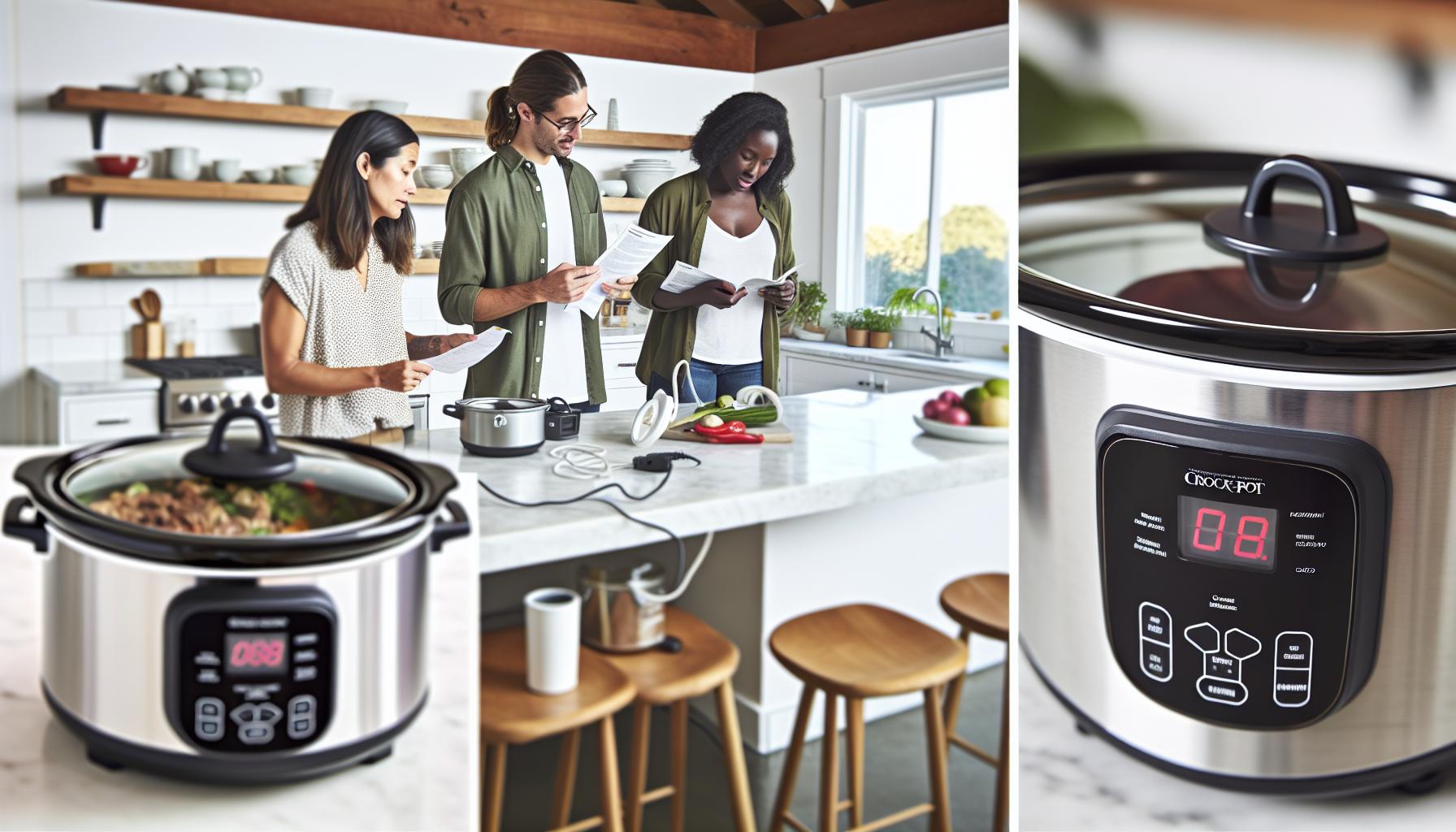
When your slow cooker or Crock-Pot decides to act up, it’s tempting to blame your cooking skills-but most issues are fixable with a bit of insight and a dash of patience. Whether it’s uneven cooking, mysterious smells, or an appliance that won’t heat right, understanding what’s going on behind the scenes can save both your meal and your sanity.After all, these handy kitchen buddies are designed to simplify your life, not complicate it.One of the most common hiccups is inconsistent cooking temperature. Crock-Pots and other slow cookers rely on gradual, steady heat, but if your dish feels undercooked or burnt around the edges, it might be time to double-check that your unit’s heating element is working properly. you’ll often notice this if a pot roast comes out tough or your chili isn’t bubbling as it should after the recommended cook time. A simple test? Fill the insert with water, set it to “low,” and check if the water softly simmers after an hour. If it doesn’t heat evenly, or barely warms up, your cooker may have an electrical or thermostat issue needing repair or replacement.
Another sneaky problem-especially when juggling paleo or gluten-free recipes packed with hearty veggies and dense proteins-is that stirring isn’t always an option mid-cook. Opening the lid lets heat escape, which prolongs cooking times and can throw off texture, so patience is key. If your recipe often feels too watery, try reducing added liquid by about ¼ cup or pre-cooking extra-moist ingredients like tomatoes or mushrooms. On the flip side, thick sauces that scorch easily can benefit from liners or an extra stoneware insert to protect that delicious mac and cheese from sticking and burning.
Quick Fixes to Keep Your Slow Cooker Happy
- Uneven heating or no heat: Test with water in the pot and listen for the low simmer. If it’s off, unplug and call customer support or consider swapping out the unit.
- Food sticking or burning: Use slow cooker liners or give the pot a quick spray of coconut or avocado oil-these friendly fats play well with paleo diets and keep things tidy.
- Excess liquid or watery meals: Cut back on broth or canned liquids slightly, or add ingredients in stages (e.g., veggies later into the cook) to control moisture.
- Lid doesn’t seal tightly: This can cause heat loss. A folded kitchen towel between lid and cooker can help, but a replacement lid may be best if leaks persist.
Sometimes the issue is less about the appliance and more about expectations. Slow cookers and Crock-Pots shine when given time and love, not rushed or overloaded with cold ingredients that force the pot to struggle. For example, tossing frozen meat straight in can drastically increase cooking times and risk food safety. Thaw first if possible, or adjust your timing accordingly.Through years of testing recipes, I’ve found that maintaining a simple prep system-like browning protein ahead, layering veggies smartly, and trusting the cooker’s gentle magic-makes dinner almost effortless and always delicious. And if something does go sideways, don’t hesitate to lean on practical fixes or swap ingredients to better suit the slow cooker environment.after all, the joy of slow cooking is less about perfection and more about tasty comfort that fits your lifestyle, whether paleo, gluten-free, or happily anything-goes.
| Issue | Common Cause | Quick Solution |
|---|---|---|
| Slow Cooker Won’t Heat | faulty heating element or thermostat | Test with water; replace if no heat after 1 hour |
| Burning food on Bottom | Too little liquid or high heat setting | Use liners; reduce heat or liquid; stir if possible |
| Food Undercooked | Opening lid too frequently enough or low temperature | Avoid lifting lid; increase cook time slightly |
| watery Dishes | Excess liquid from ingredients or recipe | Reduce liquids; add thickening at end of cook |
Frequently asked questions
Q: How do Crock-Pots and slow cookers differ in temperature control and cooking settings?
A: Crock-Pots often feature programmable temperature settings like low, high, and keep-warm, while some slow cookers may have more basic heat functions. This allows Crock-Pots to offer greater control and convenience for timing meals, making them ideal for busy cooks. Learn more on choosing the right appliance in Which Appliance Fits Your Cooking Style Best? for practical tips.
Q: Are there differences in cooking times between Crock-Pots and other slow cookers?
A: Generally, Crock-Pots and slow cookers cook at similar low temperatures, but specific models and settings can vary cooking times by 30 minutes to an hour. Checking your recipe’s guidelines and your device’s manual is key. For detailed timing advice,see Real-Life Kitchen Tests and Recipe Results section.
Q: Can I use crock-Pot recipes in any slow cooker,or do they require adjustments?
A: Yes,most Crock-Pot recipes work in any slow cooker,but minor adjustments in cooking time or heat settings might be needed due to brand or model variations. Always monitor the cooking progress the first time you try a new recipe on a different slow cooker to ensure perfect results.
Q: Why do Crock-Pots often cost more than regular slow cookers?
A: Crock-Pots typically cost more because they include advanced programmable features and durable materials like ceramic inserts, which improve cooking performance and cleaning ease. Investing a bit more can enhance long-term satisfaction. Explore budget tips and longevity in our Budget and Longevity section.
Q: How do the sizes and shapes of Crock-Pots compare to other slow cookers?
A: crock-Pots come in a wide range of sizes-from 2 to 8 quarts-and shapes,including oval and round,offering flexibility for different recipes and portions. Other slow cookers may have fewer options or mostly round shapes. For versatile size guidance, check Slow Cooker Models and Their Versatility.
Q: Is it safer to leave a Crock-Pot or a slow cooker unattended during cooking?
A: Both appliances are designed for safe, unattended cooking over several hours, but always follow manufacturer safety guidelines. Crock-Pots with automatic keep-warm features add peace of mind. See Troubleshooting Common issues for safety tips and maintenance advice to keep your cooker happy.
Q: What are the energy efficiency differences between Crock-Pots and slow cookers?
A: Both Crock-Pots and slow cookers use low wattage to gently cook over long periods, making them energy-efficient compared to ovens or stovetops. Specific power usage varies by model, so check specs if energy saving is a priority. For more appliance features, refer to unique Features That Set crock-Pots Apart.
Q: can I use accessories designed for Crock-Pots with other slow cookers?
A: Some accessories like liners or trivets are interchangeable, but many are designed specifically for Crock-Pot shapes and sizes. To avoid fit issues, choose accessories made for your exact slow cooker model. Dive deeper into this in Accessory Options and Recipe Inspiration for Both for great kitchen hacks and ideas.
Enjoy mastering your slow cooker journey! For more helpful advice and tasty recipes, don’t miss How to Choose Between Crock-Pot and Slow Cooker for Dietary Needs in the main article. Keep cooking fun and delicious!
The Conclusion
Now that you’ve uncovered the subtle but important differences between a Crock-Pot and a slow cooker, you’re all set to choose the best tool for your kitchen adventures-whether it’s a cozy gluten-free stew or a paleo-friendly roast.Remember, it’s not just about the gadget but how you use it to create delicious, fuss-free meals that fit your lifestyle. Feeling inspired? Check out our top slow cooker recipes and easy Crock-Pot meal ideas to get started today.
If you’re curious about optimizing your meal prep or want simple swaps for common ingredients,don’t miss our guide on meal prep hacks for busy home cooks. Ready to take your cooking to the next level? Sign up for our newsletter for fresh recipes, tips, and exclusive kitchen secrets delivered right to your inbox. got questions or personal slow cooker stories? Drop a comment below-we love hearing from fellow food lovers sharing their journey. Keep experimenting, keep savoring, and remember: delicious, healthy home cooking is just a pot away!
Get our latest guides, news, and insights highlighted in your Google Search & AI Overviews.

