

Did you know your Instant Pot isn’t just a pressure cooker-it can also double as a slow cooker? For busy home cooks juggling work, family, and dietary choices like paleo or gluten-free, this can be a game-changer. But can an Instant Pot truly replace your slow cooker without sacrificing the rich,tender flavors you crave? If your wondering whether the slow cook function on an Instant Pot lives up to traditional slow cooking or if you need both appliances cluttering your counter,you’re in the right place. I’ve tested it myself,with recipes that balance convenience and comfort-think hearty stews and melt-in-your-mouth roasts,all gluten-free and paleo-friendly. Whether you’re pressed for time or love waking up to a slow-cooked meal, I’ll share honest tips and tricks to help you get it right, skip common mistakes, and even customize for your favorite diets. Let’s dig into how to make your Instant Pot pull double duty so you can enjoy delicious, foolproof slow-cooked dishes without extra gadgets or extra hassle.
Table of Contents
- How Instant Pots Function as Slow Cookers Explained
- Key Differences Between Instant Pot and Traditional Slow Cookers
- Step-by-Step Guide to Using Instant Pot’s Slow Cook Mode Correctly
- Top Recipe Types That Work Best in an Instant Pot Slow Cooker
- Timing Tips: adjusting Cook Times for Perfect Slow-Cooked Meals
- Common Mistakes to Avoid When Using Instant Pot as Slow Cooker
- Ingredient Substitutions for Slow Cooking with an Instant Pot
- Comparing Texture and Flavor: Instant Pot vs. Slow Cooker Results
- Enhancing slow cooked Dishes with Instant Pot Accessories
- Customer Experiences: Real-Life Slow Cooking Success Stories
- Cleaning and maintaining Your Instant Pot After Slow Cooking
- Frequently asked questions
- Q: Can I safely leave my Instant Pot on slow cook mode overnight? A: Yes, you can safely leave your Instant Pot on slow cook mode overnight as it operates at low temperatures similar to traditional slow cookers. Ensure the lid is properly sealed and place the pot on a heat-resistant surface. This method offers convenient hands-off cooking for meals like stews or chilis. For more tips, see our Timing Tips section. Q: Does using slow cook mode on an Instant Pot save energy compared to a traditional slow cooker?
- Q: How do cooking times on Instant Pot slow cook mode compare to standard slow cookers?
- Q: Can I use the Instant Pot slow cooker function for meal prep with multiple dishes?
- Q: What slow cook mode setting should I use for delicate dishes like fish or vegetables in an Instant Pot?
- Q: Do I need to add extra liquid when slow cooking with an Instant Pot compared to a traditional slow cooker?
- Q: Can I switch from pressure cooking to slow cook mode mid-recipe in the Instant Pot?
- Q: How does the food texture differ between slow cooking in an Instant Pot versus a traditional slow cooker?
- Concluding Remarks
How Instant Pots Function as Slow Cookers Explained
Ever wondered how your trusty Instant Pot manages to moonlight as a slow cooker without missing a beat? It’s like having a kitchen multitasker that adapts effortlessly from pressure-cooking dinner in a flash to gently simmering a meal all day long. The magic lies in the appliance’s built-in slow cook function, which cleverly mimics the low-and-slow heat of traditional slow cookers, but with a few Instant Pot-style twists.
At its core, the Instant Pot slow cook mode uses low, steady heat applied directly to the stainless steel inner pot-just like any good slow cooker would. But unlike a classic slow cooker that warms from the sides, the Instant Pot’s heat source is at the bottom, which can cause slightly different cooking dynamics. This means you’ll want to monitor heat settings and liquid amounts carefully to prevent sticking or burning, especially if you’re switching between slow cooker recipes designed for conventional crockpots.
How Does the Slow Cook Setting Work?
- Temperature Control: The Instant Pot offers multiple slow cook temperature options-“Normal,” “More,” or “Less”-which roughly correspond to the low and high settings found on regular slow cookers. This adaptability helps dial in perfect cooking times for everything from tender pulled pork to delicate veggies.
- Heat Source and Circulation: As heat radiates differently in an Instant Pot, stirring occasionally can definitely help prevent hot spots-a tip I learned after nearly offering my family “Instant Pot burnt surprise.”
- Lid Strategy: Some people swear by using the Instant Pot’s glass lid (sold separately) to allow a similar moisture surroundings as traditional slow cookers. It’s not a must, but it’s a handy hack if you want that simmer-hugging effect.
Whether you’re paleo, gluten-free, or just a comfort-food lover with a hectic schedule, understanding these nuances allows you to enjoy slow cooking without fuss. I love using my Instant Pot’s slow cook mode for hearty stews or bone broth, especially when prepping paleo-friendly meals that benefit from long, gentle cooking to extract flavor and nutrients. Plus, it’s reassuring to know that the same gadget can handle your pressure cooking, sautéing, and slow cooking needs, freeing up kitchen space and brainpower!
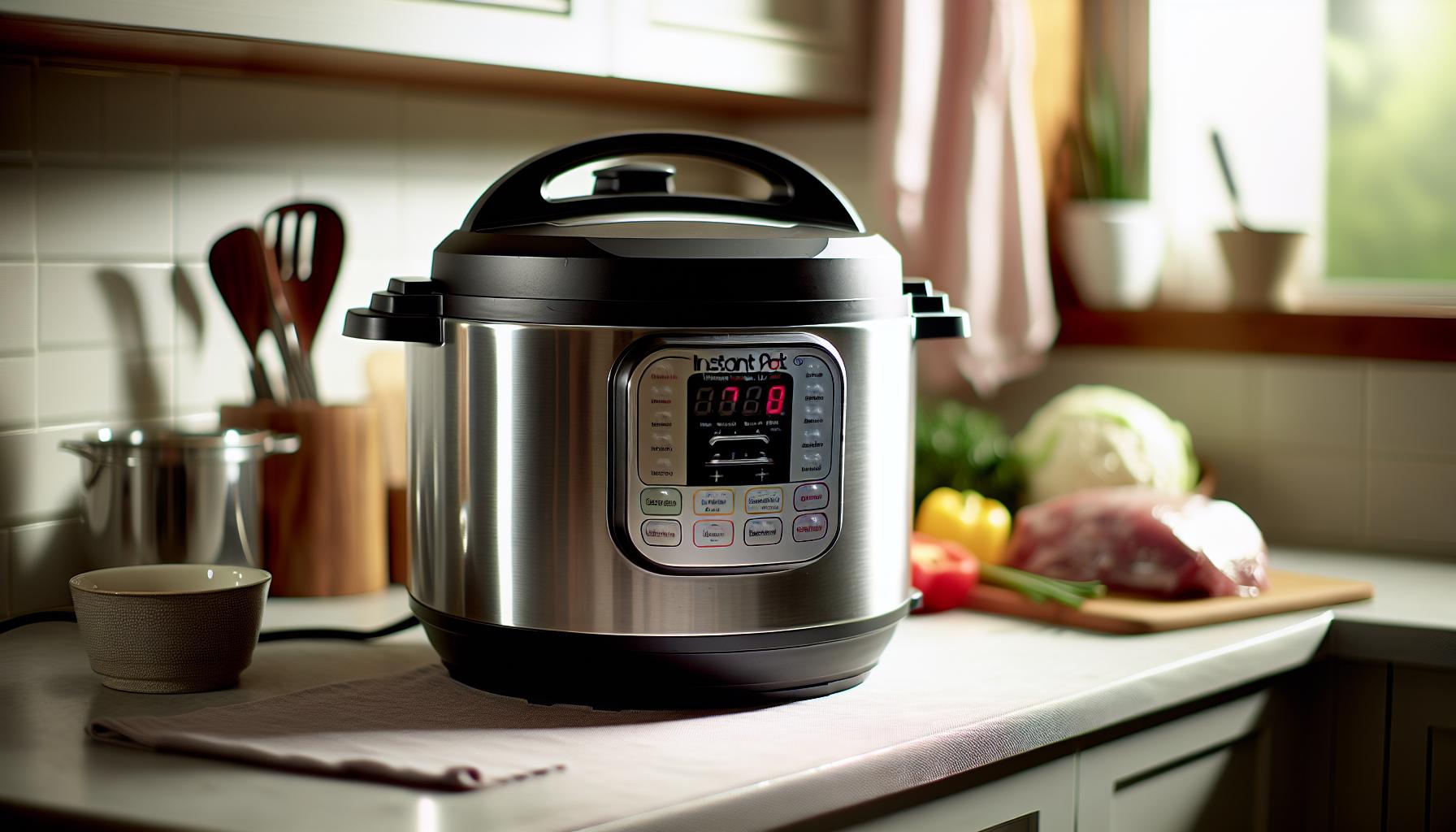
Key Differences Between Instant Pot and Traditional Slow Cookers
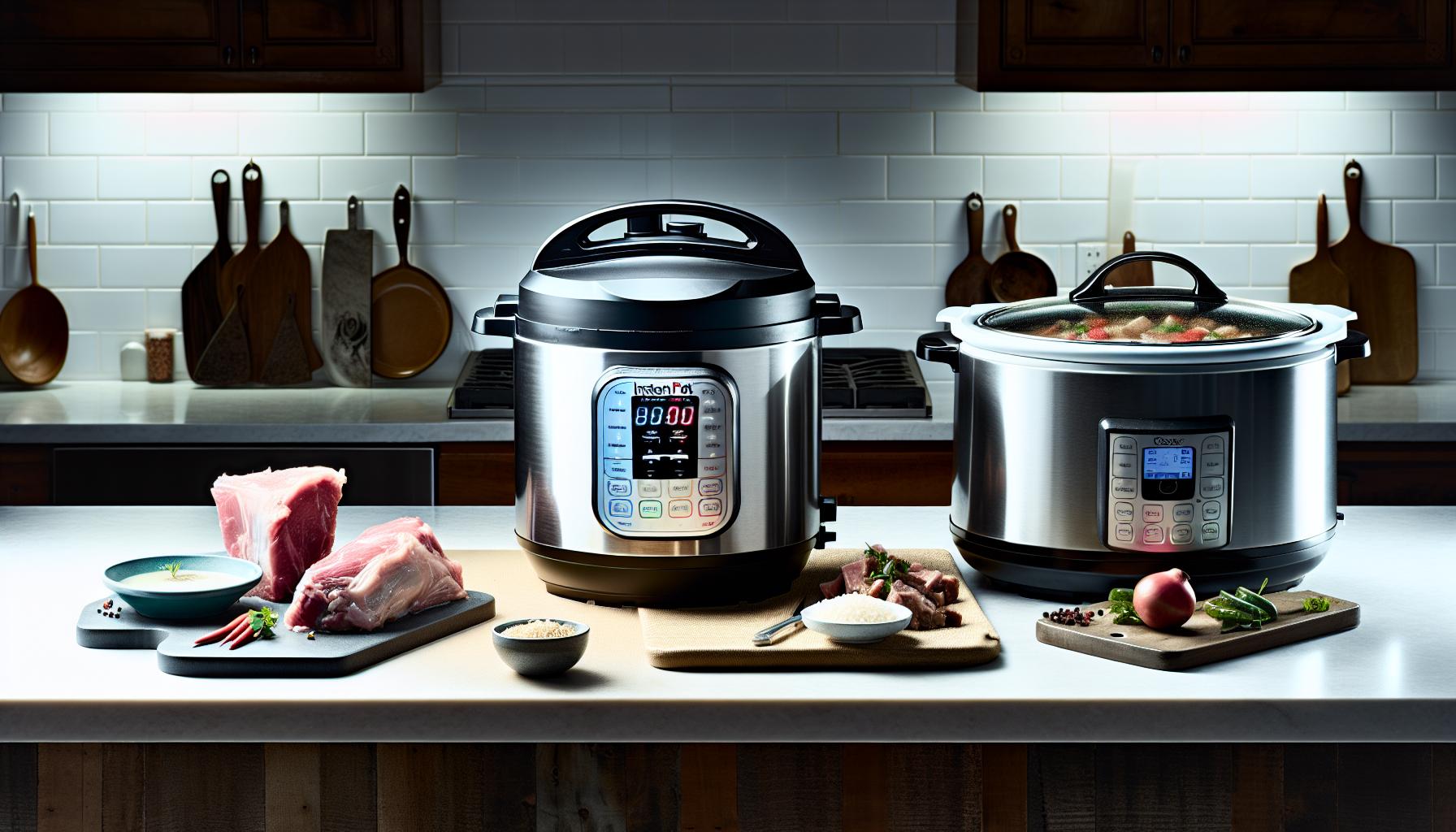
Instant Pots and traditional slow cookers both promise that magical “set it and forget it” convenience, but their approaches to slow cooking couldn’t be more different once you scratch the surface. Instant Pots bring a tech-savvy twist with their multi-function smart controls, while traditional slow cookers stay true to a simple, steady heat that warms the entire pot from the sides. That difference changes how your meals cook-and how you’ll want to tweak recipes.
First off, think of the Instant Pot as the versatile multitasker who loves options. It offers various heat settings labeled as “Less,” “Normal,” and “More,” giving you more granular temperature control than many old-school slow cookers, which typically just have “Low” and “High.” This comes in handy if you’re juggling delicate veggies one day and dense, tough cuts of meat another. However,the Instant Pot’s heat comes from the bottom,not all around the sides like a traditional crockpot. This means you might notice hot spots or uneven cooking if you don’t stir occasionally-somthing classic slow cookers rarely require.
Also worth noting: the Instant Pot’s stainless steel insert conducts heat differently than the ceramic inserts in many traditional slow cookers. Stainless steel can cause food to stick or brown at the bottom if the heat is too high or liquid is too low, especially in longer cook times. That’s why I always recommend watching the liquid levels and adjusting your slow cooker recipes a bit-sometimes upping liquids or layering ingredients differently to prevent scorching.
Design & Usage Differences That Matter
- Lid options and moisture control: Traditional slow cookers typically come with a glass lid that seals in moisture perfectly. The Instant Pot’s default lid is designed for pressure cooking, which seals tightly but can trap too much steam during slow cooking, making the dish wetter. Using a glass lid (sold separately) or slightly propping the regular lid can help mimic the slow cooker environment better.
- Multi-functionality: The Instant Pot doubles as a pressure cooker, rice cooker, sauté pan, and more. It’s your all-in-one kitchen workhorse. Simultaneously occurring, a traditional slow cooker does one job exceptionally well, which is usually all you need-but if you’re short on kitchen space or love multi-use gadgets, the Instant Pot wins hands down.
- Preheat and temperature stabilization: Slow cookers gradually bring food up to temperature, while the Instant Pot sometimes heats faster due to its bottom element. This can be great for saving time but requires a mindful approach when adapting slow cooker recipes, especially paleo and gluten-free ones that benefit from gentle heat to preserve texture and nutrition.
From my own kitchen adventures, I’ve learned that using the Instant Pot as a slow cooker shines when you need flexibility and speed without sacrificing the slow-cooked flavor. Just remember it’s not a one-to-one swap-out for every recipe. Embrace the quirks-like stirring a couple of times and adjusting liquids-and you’ll enjoy tender meats, nutrient-rich stews, and all the comfort of slow cooking, minus the extra appliance clutter. Plus,that versatility makes it perfect for paleo and gluten-free meal prep,where every minute saved helps keep life-and mealtime-stress-free and delicious.
Step-by-Step Guide to Using Instant Pot’s Slow Cook Mode Correctly
Slow cooking in an Instant Pot can be a game-changer for busy folks who crave that tender, melt-in-your-mouth texture without dragging out the day. The key is understanding that the Instant Pot’s slow cook mode isn’t just a simple “set and forget” mimic of traditional slow cookers-it’s a thoughtful dance between heat control, moisture management, and timing. Once you get the hang of it, you’ll have a slick, versatile tool perfect for paleo-friendly stews or cozy gluten-free soups.
When you switch your instant Pot to slow cook mode, you’ll notice it offers settings labeled “Less,” “Normal,” and “More,” which roughly correspond to traditional low and high heat settings but with more nuance. Think of these as your slow cooker’s gentle whispers rather than a firm shout-great for adjusting how quickly your dishes bubble away. I usually start on “Normal” for most recipes, then tweak from there based on what I’m cooking. One pro tip? Since the heat comes from the bottom, stir once or twice during the cook to prevent food from sticking or browning on the base-especially significant with thicker sauces or dense veggies.
- Step 1: Set Up Your Pot – Choose the stainless steel inner pot (no ceramic inserts here), add your ingredients, and always include enough liquid (keep it slightly higher than your usual slow cooker recipes to prevent scorching).
- Step 2: Select Slow Cook mode – Press the slow cook button, then cycle through “Less,” “Normal,” or “More” to pick the heat intensity that suits your meal. For example, tougher cuts of meat and root veggies benefit from “More,” while delicate greens or seafood prefer “Less.”
- Step 3: Adjust the Lid – The pressure cooker lid traps steam tightly, which can make your dish wetter than intended. I often either use a glass lid made for the Instant Pot or prop the regular lid slightly ajar with a wooden spoon to let excess moisture escape.
- Step 4: Monitor and Stir Occasionally – Unlike traditional slow cookers, the Instant Pot’s bottom heat may require a few stirs to distribute heat evenly and avoid hotspots.
- Step 5: Timing Is Key – Start with a slightly shorter cook time than your usual slow cooker recipe (about 75-80%), then check doneness and adjust as needed. Over time, you’ll get a feel for your pot’s personality.
Tips From Real Kitchen Trials
I once tried a paleo beef stew with carrots and parsnips using slow cook mode on “More” for 6 hours, but without enough liquid, the bottom layer crisped up too much. Adding an extra half cup of broth and stirring midway remedied that mess. It’s little tweaks like this that make slow cooking in an Instant Pot flourish.
Another gem: layering ingredients-denser ones on the bottom,lighter ones on top-can help balance heat exposure,preventing delicate foods from shrinking into mush. If you stick to these practical steps, slow cooking with your Instant Pot becomes a joyful, no-fuss way to make meals that satisfy cravings for deep, slow-simmered flavors but fit your busy lifestyle.
| Slow Cook Mode Setting | Use For | Typical Cook Time | Liquid Amount Tips |
|---|---|---|---|
| Less | delicate veggies,fish,eggs | 4-6 hours | standard liquid,avoid thick sauces |
| Normal | Chicken,casseroles,most stews | 6-8 hours | Moderate liquid; monitor halfway |
| More | Tough meat cuts,root vegetables | 6-10 hours | Extra liquid recommended |
Top Recipe Types That Work Best in an Instant Pot Slow Cooker
One of the best things about using your Instant pot as a slow cooker is its versatility across so many recipe types-from hearty stews to delicate dishes that require a gentler touch. If you’re wondering where to start or how to get the most out of that “slow cook” button, here’s some delicious inspiration based on tried-and-true kitchen experiments that suit a busy lifestyle without skimping on flavor or texture.
For hearty, comforting meals that benefit from long, slow simmering, stews and braised meats are absolute crowd-pleasers. Think paleo-friendly beef stew with root vegetables or gluten-free chicken cacciatore. These recipes thrive when cooked on the “More” or “Normal” setting for 6-8 hours, allowing collagen-rich cuts to soften beautifully while developing rich, deep flavors. When I tossed a blend of chuck roast, carrots, and parsnips into my Instant Pot’s slow cook mode, using “More” heat and bumping up the broth by half a cup, the results were fall-apart tender perfection with zero fuss.Just remember to stir once or twice during cooking to avoid sticking or burning at the bottom.
On the lighter side of the spectrum, delicate proteins and quick-cooking vegetables do wonderfully in “Less” mode over 4-6 hours. These recipes reward a gentler heat that preserves texture and prevents overcooking,especially when using the standard liquid amounts. Salmon fillets,poached eggs,or a vibrant ratatouille make excellent candidates here. For example, a simple fish stew with tomatoes and zucchini layered carefully so that fish sits on top can be a weeknight winner, freeing you to focus on everything else on your plate (or your to-do list).
Weekend Casseroles & One-Pot Wonders
Casseroles and layered one-pot meals are another area where the Instant Pot shines as a slow cooker. These dishes offer a great balance of protein, veggies, and starches all cooking together-perfect for busy families or meal prepping. Recipes like paleo shepherd’s pie or gluten-free chili can be made in “normal” mode, typically around 6-8 hours. pro tip: add denser ingredients like potatoes or beans to the bottom and more delicate components on top to ensure everything cooks evenly. A quick mid-cook stir can really boost flavor and texture, preventing any dry spots or uneven cooking.
- Try swapping: sweet potatoes for regular potatoes to add a nutrient boost,or cauliflower rice if you want a low-carb option.
- Pro Tip: Use bone broth instead of water to amplify nutrition and taste effortlessly.
Whether you’re after slow-cooked classics or modern, health-conscious twists, your Instant Pot’s slow cooker mode can juggle it all beautifully. With a bit of practice tuning heat and timing, even weeknight slow-cooking becomes a breeze-packing your meals with the cozy richness of slow-simmered flavors that taste like you had all day, even when you didn’t.
Timing Tips: adjusting Cook Times for Perfect Slow-Cooked Meals
Slow cooking with an Instant pot can be a game-changer for busy home cooks seeking that melt-in-your-mouth tenderness with minimal supervision.But nailing the timing can sometimes feel like decoding a secret recipe-especially since the Instant Pot’s slow cook function behaves a bit differently than classic slow cookers. the trick? Understanding how the heat settings translate and making small adjustments so you end up with perfectly cooked meals that don’t turn mushy or stay tough.
One of the biggest differences is that the Instant Pot’s “More,” “Normal,” and “Less” slow cook settings don’t match the traditional low and high of standalone slow cookers exactly. A good rule of thumb is to think of the “More” setting as roughly equivalent to a high slow cooker temperature (think 6-8 hours), while “Normal” mirrors a medium setting. “Less” is designed for gentle, slow simmering over longer periods-usually a fantastic choice for delicate proteins like fish or vegetables that require 4-6 hours without falling apart. Personally, when I’m slow cooking beef stew on “More,” I bump the cook time up slightly by 30-60 minutes compared to my old slow cooker recipes, because the Instant Pot sometimes heats more evenly but slower overall.
How to Adjust Cook Times Like a Pro
- Start with classic recipes: Use your trusted slow cooker cook times as a benchmark, then adjust based on the Instant pot mode. Such as, a 7-hour low slow cooker time might become 6.5 hours on the Instant pot’s “More” setting.
- Keep an eye on liquid levels: Because the Instant Pot lid doesn’t seal as tightly on slow cook mode, some evaporation is natural.Add a little extra broth (about ¼ to ½ cup) to compensate and prevent dryness.
- Don’t be afraid to stir: unlike standard slow cookers, the Instant Pot’s shapeencouragesoccasionalstirringmidway(especiallywiththickerstewsorcasseroles)toavoidstickingorunevencooking
- Know your protein: Tougher cuts (chuck roast, pork shoulder) benefit from longer times on “more” or “Normal,” while lean proteins and veggies do better on “Less” with shorter cook times.
Example Timing Guide
| Meal type | Suggested Instant Pot Setting | Cook time Range | Notes |
|---|---|---|---|
| hearty Beef Stew (Paleo, Gluten-Free) | More | 6-8 hours | Add extra broth, stir once at halfway |
| Delicate Fish Stew (Gluten-Free) | Less | 4-6 hours | Place fish on top, use gentle layering |
| Chicken Cacciatore | Normal | 5-7 hours | Good for balanced cooking, keep liquids steady |
| Vegetable Ratatouille | Less | 4-5 hours | Use fresh veggies, avoid overcrowding |
Adjusting on the Fly
If you’re like me, sometimes life throws curveballs and checking your dish mid-way isn’t an option. That’s okay! When in doubt,go a bit shorter than traditional slow cooker times on “more” or “Normal,” and check tenderness close to the end. If you prefer a hands-off approach,setting the cook time closer to the longer range and stirring once halfway through (if possible) works wonders. You can always extend the cooking slightly, but rescuing overcooked mush is near unfeasible.
In my kitchen, timing mastery came with a few trial runs involving my favorite paleo shepherd’s pie and gluten-free chili. After tweaking for layering and adding extra liquid, I settled on 7 hours “Normal” for the chili, and that’s when the beans were soft but intact, and flavors fully developed. The joy? waking up or coming home to rich, comforting meals without babysitting the pot.
Remember, slow cooking is as much about the journey as the destination-trust your instincts, tweak times based on your tastes, and celebrate the lovely magic of food that simmers slowly while you live fully.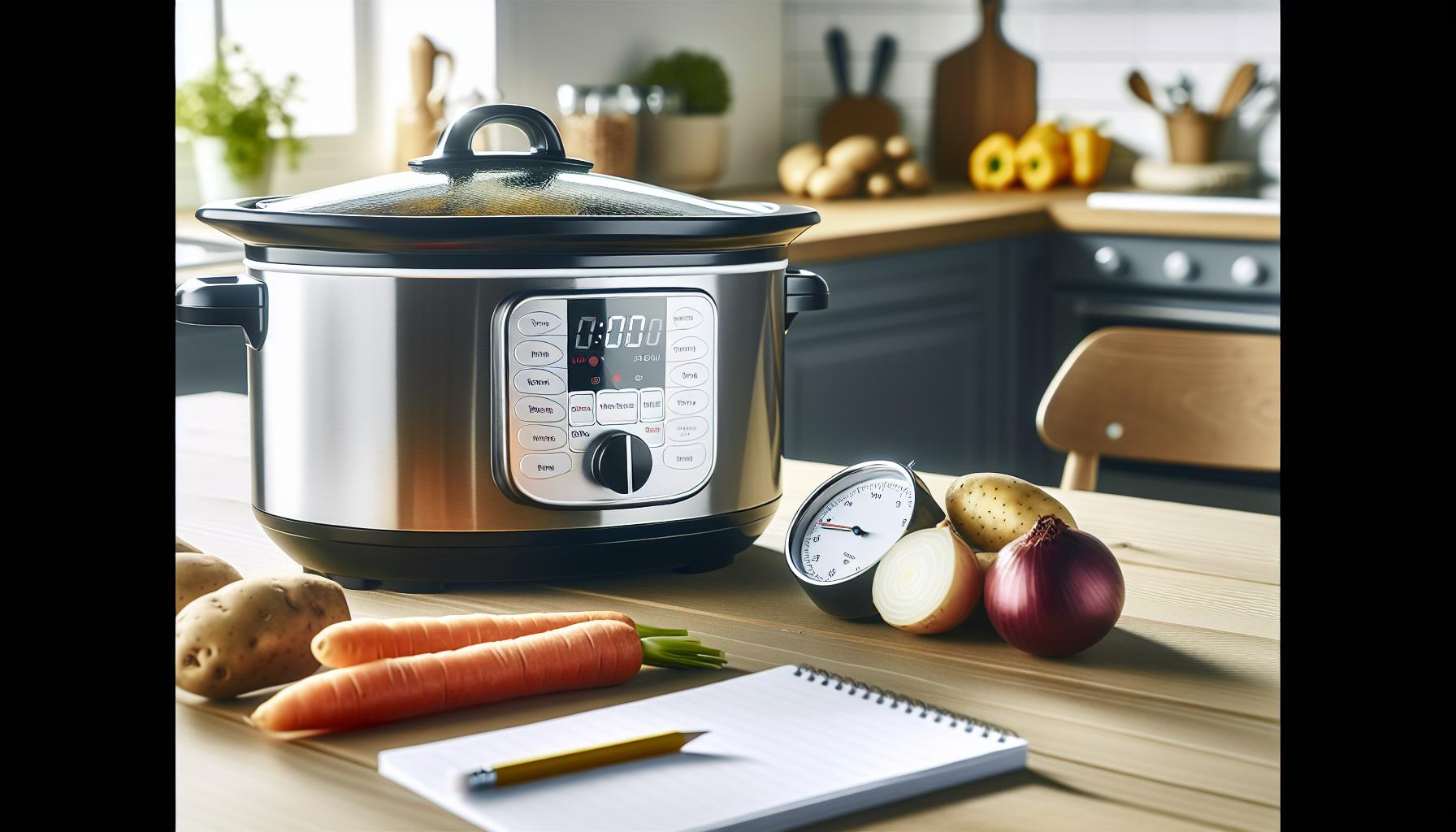
Common Mistakes to Avoid When Using Instant Pot as Slow Cooker
Slow cooking with an Instant Pot is a fantastic way to get tender, flavorful meals with less fuss-but it comes with its own quirks that can trip up even seasoned home cooks. One of the biggest pitfalls is treating the Instant Pot exactly like a traditional slow cooker without accounting for its unique heating pattern and lid design. Because the Instant Pot lid doesn’t seal as tightly in slow cook mode, moisture escapes more, which can dry out your dish or throw off your carefully balanced liquid ratios. Trust me, I learned this the hard way with a paleo beef stew that ended up tasting like jerky instead of juicy comfort food.
Another sneaky trap is confusing the heat settings.The Instant Pot’s “More,” “normal,” and “Less” settings don’t exactly replicate slow cooker “high” and “low.” If you don’t adjust the time accordingly or monitor your ingredients, you might rush a dish that needs slow, gentle simmering or watch veggies turn to mush from an overly aggressive simmer. For example,dense cuts like pork shoulder benefit from “More” with added cook time,while delicate fish or quick-cooking greens thrive on “Less.” Learning these nuances will save you from those “overcooked mystery” moments and keep paleo and gluten-free meals exactly how you want them-nutritious and satisfying without that “I gave up” texture.
Common Slip-Ups and How to Sidestep Them
- Ignoring evaporation: Add an extra ¼ to ½ cup of broth or liquid to slow cooker recipes adapted for the Instant pot. Even starches like mashed cauliflower can benefit from this to avoid drying out.
- Using the sealing lid: Unlike pressure cooking, leaving the lid set to “venting” rather than “sealing” ensures moisture escapes properly on slow cook. Accidentally sealing the pot will turn your recipe into instant pressure cook mode madness.
- overfilling the pot: Overstuffing can cause uneven cooking or longer cook times. because of the Instant Pot’s shape,spreading ingredients evenly helps avoid those raw centers or mushy edges.
- Skipping the stir: Unlike traditional slow cookers, an Instant Pot’s stainless steel liner can encourage sticking. Stir once midway through cooking,especially with thicker stews or mixes with dense root veggies.
Real-Life Examples From My Kitchen
Once, I threw a Paleo chili together on the “Normal” slow cook setting with my usual 6-hour timing from an old slow cooker recipe. The beans were still firm, and the sauce felt watery. Lesson learned: bumping the cook time up a bit and stirring halfway brought that rich, slow-cooked flavor to life. Another time, I tried cooking salmon on “More” for 7 hours-big no-no.The fish was so overdone it just crumbled apart. Going with “Less” for fish and reducing the time fixed that perfectly.
Slow cooking with an Instant Pot can feel like a dance-once you tune into its rhythm, your kitchen routine flows much easier. Avoid these common mistakes, and you’ll get consistent, delicious results worthy of any paleo or gluten-free meal plan, all without the pressure (pun intended!) of traditional pressure cooking. Just remember: a little patience,the right setting,and watching your liquids like a hawk can turn your Instant Pot into the slow cooker sidekick you never knew you needed.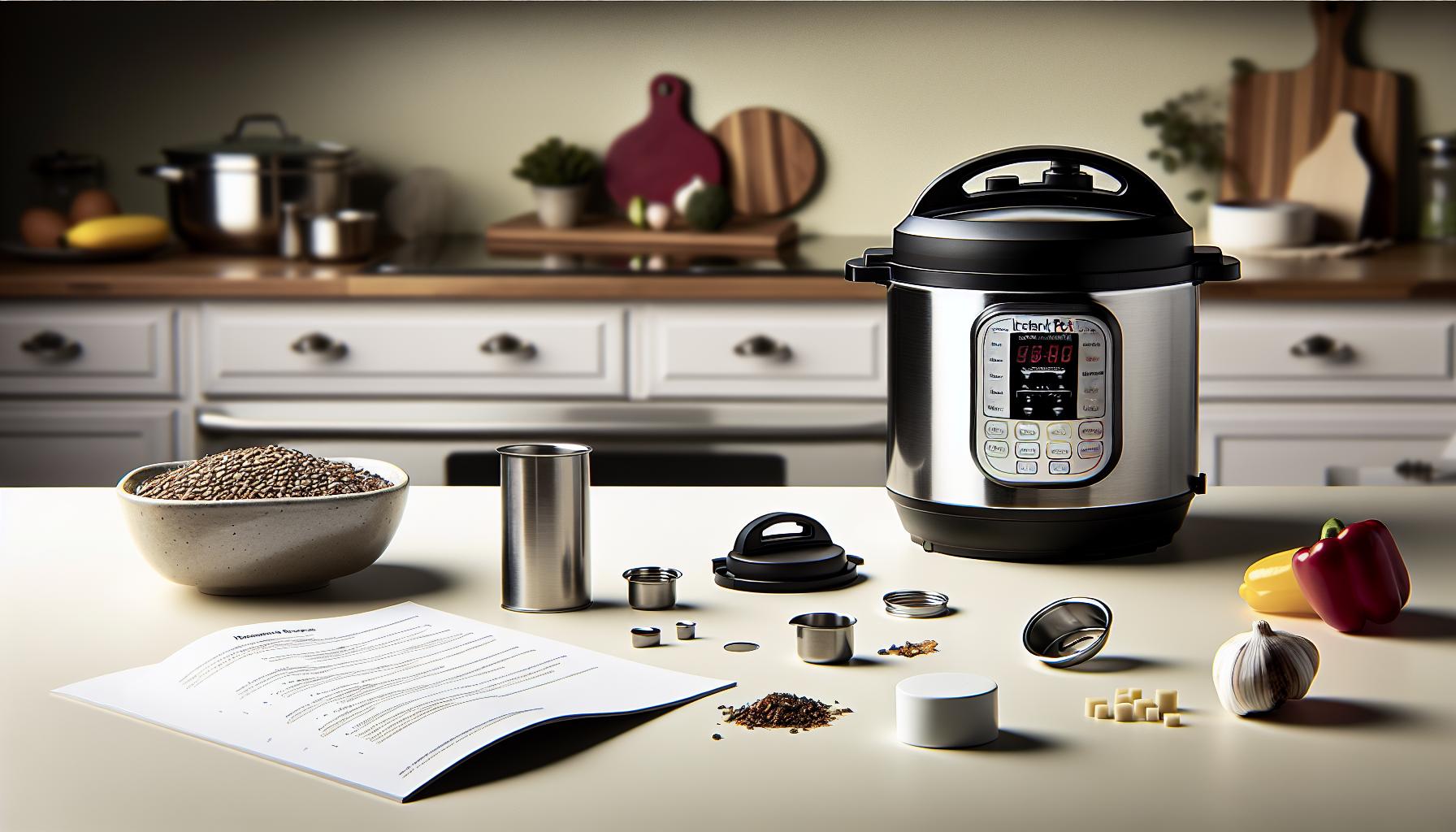
Ingredient Substitutions for Slow Cooking with an Instant Pot
If you’re dipping your toes into slow cooking with an Instant Pot but find yourself missing certain ingredients or trying to keep things paleo or gluten-free, substitutions can be lifesavers without sacrificing flavor or texture. The key here is understanding how the Instant Pot’s slow cook mode differs from a traditional slow cooker-mainly that it loses more moisture due to its lid design and heating pattern. This means your sub choices need to consider moisture levels and cooking times to keep dishes from drying out or becoming mushy.
For starters, when swapping thickening agents, traditional flour-based thickeners don’t work well in a paleo or Instant Pot slow cook setting. Instead, experiment with arrowroot powder, tapioca starch, or cassava flour which hold up nicely and help retain moisture. I often keep arrowroot on hand because it’s subtle in flavor and dissolves quickly when mixed in a small amount of cold water before stirring into the pot. If you miss the silky consistency of mashed potatoes but need a paleo substitute, try mashed roasted cauliflower or mashed rutabaga-they add body and creaminess without thinning your stew.
Swapping Proteins and Veggies
Some cuts of meat or veggies fare differently in an Instant Pot slow cooker compared to traditional pots.For example:
- Beef brisket or pork shoulder: These tougher cuts do wonders slow cooking but can dry out faster here, so swapping for slightly fattier chuck roast or even short ribs is smart to add moisture.
- Root vegetables: If you typically include starchy potatoes, try sweet potatoes or yams which hold up beautifully and add natural sweetness that complements paleo and gluten-free diets.
- Leafy greens: greens like kale or chard cook faster and can turn mushy easily on “More” setting, so substitute with sturdy collard greens or Swiss chard stems for some bite.
In my kitchen, I once replaced white potatoes with kabocha squash in a slow-cooked beef stew. The result was a velvety texture with a subtle sweetness that my family loved, plus it fit my paleo goals perfectly.
Liquids: More Than Just Water
Since the Instant Pot’s slow cook lid lets moisture escape, keeping your dishes juicy means tweaking liquid substitutions, too. Bone broth or homemade stocks are invaluable here – rich in flavor and nutrients, they add depth that plain water can’t match. Coconut milk is a fantastic swap in curries or creamy soups for dairy-free comfort, lending a silky richness without clogging pores or carbs.
Here’s a quick substitution table to guide your swaps and keep balance in slow cooking with an Instant Pot:
| Traditional Ingredient | Instant Pot Friendly Substitute | Why It works |
|---|---|---|
| All-purpose flour (thickener) | Arrowroot powder, tapioca starch | Gluten-free, thickens without lumping, retains moisture |
| White potatoes | Sweet potatoes, kabocha squash | Hold shape better, add natural sweetness, paleo compliant |
| Lean beef cuts | Chuck roast, short ribs | More fat = more moisture during long cooking |
| Water or broth | Bone broth, coconut milk | Enhances flavor and adds richness for moisture retention |
| Dairy cream (if paleo) | Coconut cream or cashew cream | Dairy-free, creamy texture without curdling |
Remember, making ingredient swaps is all about balance-too much liquid can dilute flavors, too little leaves things dry. When you adjust ingredients, tune your cooking time or stir midway to make sure everything melds perfectly without losing moisture. It’s a bit like slow dancing with your Instant pot: find the rhythm that works for your family’s taste and your pantry staples, and you’ll have comforting, chewy, tender meals that defy dietary limits with joy.
Comparing Texture and Flavor: Instant Pot vs. Slow Cooker Results
When you swap your trusty slow cooker for an Instant Pot’s slow cook function, you’re signing up for a familiar yet subtly different culinary adventure-kind of like putting on your favorite slippers but noticing a new pattern. The texture and flavor of your meals will often turn out delicious, but there are some tasty quirks to expect that can actually work in your favor once you get to know them. Unlike traditional slow cookers which maintain a tight-sealed, low-heat environment, the Instant Pot’s slow cook mode uses a slightly different heating pattern and a less moisture-trapping lid design. This means dishes might come out with a bit more concentrated flavor but occasionally a drier texture if you’re not careful.
I remember tackling a classic beef stew on the Instant Pot slow cook mode, and while the beef shredded beautifully tender, the broth had a deeper, richer punch compared to the same recipe made in my old slow cooker. That’s mainly as more moisture escaped during cooking, intensifying the flavors. But you’ve got to watch those liquids carefully-too little and you’ll get a stew that’s deliciously intense but dry around the edges. One handy trick is to add extra broth or liquid (think: bone broth or coconut milk for a paleo twist) and stir once or twice during the cook if possible. This keeps everything juicy and balanced.
Why Texture Can Vary
- Moisture loss: A traditional slow cooker traps steam tightly and maintains steady low heat, resulting in very tender, sometimes melt-in-your-mouth textures, especially for tougher cuts of meat like brisket or pork shoulder.
- Instant Pot heat style: it tends to apply more direct heat from the bottom and tends to “breathe” more,so some evaporation occurs,slightly altering the final moistness and tenderness.
- Vegetable behavior: Root veggies and leafy greens react differently too-sweet potatoes tend to hold shape better in the Instant Pot, while kale might soften quicker. Plan accordingly!
Flavor Differences that Will Surprise You
The escape of steam during slow cooking in the Instant pot means flavors concentrate more than in a traditional slow cooker where moisture sticks around. This can be a boon for dishes that benefit from boldness-curries, thick stews, and chili come out with a deeper, more robust profile.It’s like the difference between cozy home soup simmered gently all day versus that same soup slightly reduced on the stove to intensify flavors. Sometimes, you want that punchy result.
That said, for recipes where a lighter broth or very delicate herbal flavors are key-think chicken soup or vegetable stews-you might need to adjust by adding fresh herbs towards the end or increasing liquid to keep things from overpowering or drying out.
quick Tips for Nicely Balanced Instant Pot Slow-Cooked Meals
| Aspect | Instant Pot Slow Cook | traditional Slow Cooker | Pro Tip |
|---|---|---|---|
| moisture retention | Moderate (loss due to lid design) | High (sealed lid minimizes evaporation) | Add 1/4 to 1/2 cup extra liquid; stir occasionally |
| flavor concentration | Higher, more intense | Milder, more subtle | Adjust seasonings during cooking or at the end |
| Meat texture | Tender but can dry if lean cuts used | Very tender, melts easily | use fattier cuts or add fat to preserve juiciness |
| Vegetables | Hold shape well, slightly firmer | Sometimes mushy if overcooked | Cut veggies a bit larger or add later in cooking |
the Instant Pot offers a delightful way to slow cook without hauling out an extra appliance-and with a little tweaking, it can deliver texture and flavor that’ll have your family asking why you ever bothered with anything else. Remember, balancing liquid levels and ingredient choices lets you lean into the Instant Pot’s style without losing that “comfort food” magic. It’s a little dance between science and soul food, and honestly, it’s fun when you get in the groove. So grab your apron, experiment with those paleo-friendly swaps, and enjoy slow cooking rediscovered.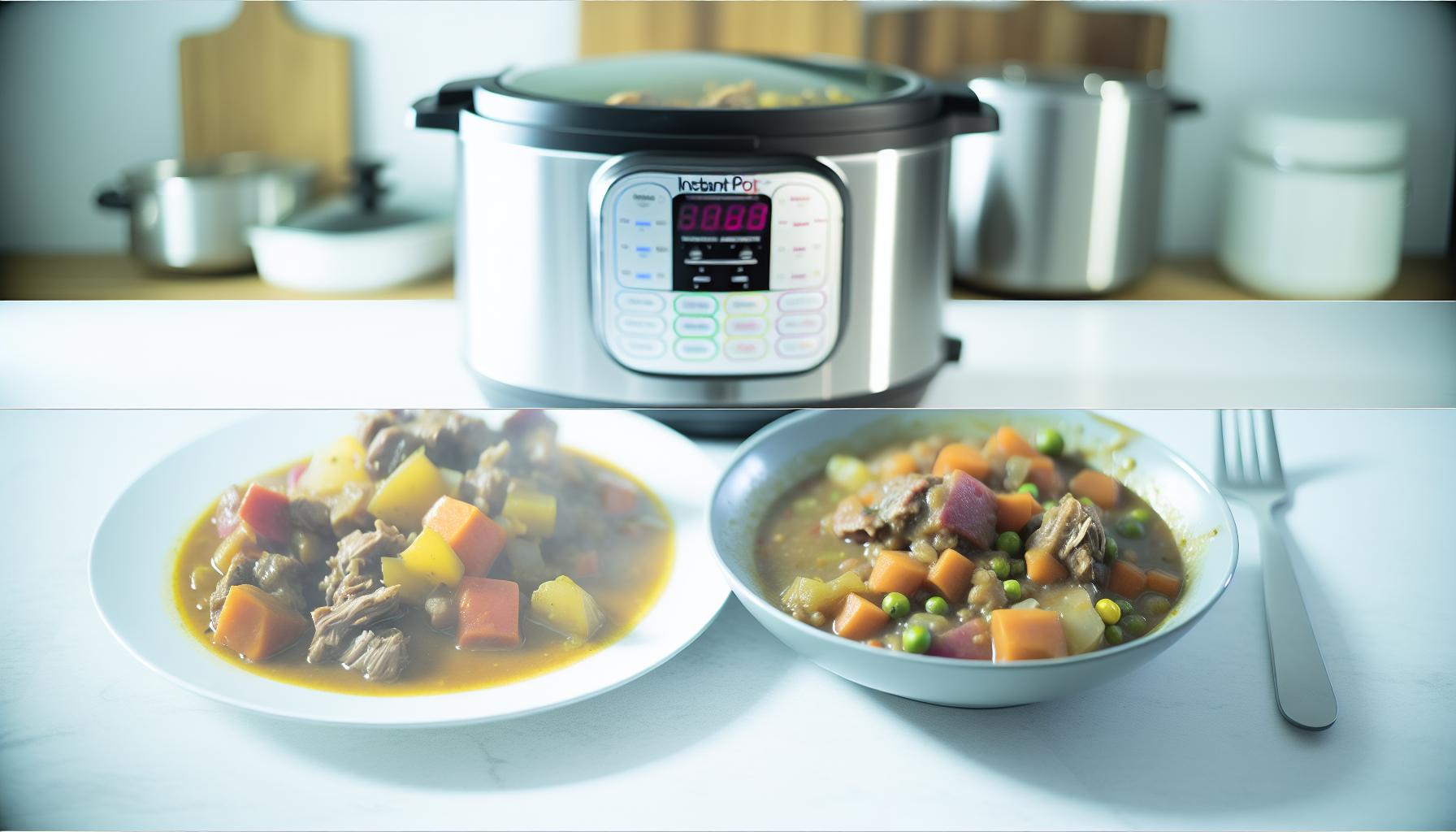
Enhancing slow cooked Dishes with Instant Pot Accessories
Sometimes, it’s the little extras that turn a good slow-cooked meal into a kitchen knockout. While the Instant Pot’s built-in slow cook function already delivers convenience and flavor, adding a few smart accessories to your setup can elevate those dishes in unexpectedly delightful ways. Think of these gadgets not as must-haves, but as trusty sidekicks ready to boost your culinary game – helping you nail texture, layering flavors, and even speeding up cleanup (because life’s busy, right?).
One of my favorite accessories to pair with the Instant Pot for slow cooking is a silicone sling or steamer rack.Using a sling lets you lift out delicate items – like a whole chicken or layered veggies – without breaking them apart.Plus, it keeps food off the bottom where the heating element is strongest, reducing the chances of scorching or uneven cooking. For paleo or gluten-free cooks, it’s excellent for steaming leafy greens or root vegetables gently alongside a meat roast, letting each ingredient shine at its best texture without overcooking.
Also, consider a glass lid replacement designed specifically for the Instant Pot. the default lid is intended for pressure cooking, and as we know from experience, it doesn’t seal snugly during slow cooking, which causes more evaporation.A glass lid traps moisture better, giving you that familiar slow cooker environment and letting you visually monitor your creation without lifting the lid. It’s a simple swap that helps maintain the perfect balance of concentrated flavor without drying your dish out.
Creative Flavor Boosters & Practical gadgets
- Airtight silicone lids or covers: Want to prep ingredients in advance? Covering your inner pot with a silicone lid seals in freshness whether you’re waiting to start cooking or taking leftovers on the go. Bonus: it’s eco-friendly and dishwasher safe.
- Cast iron trivet with legs: Elevate your food slightly off the bottom, perfect for slow-cooking tougher cuts of meat or even baking bread-style recipes in your Instant Pot slow cooker. This trick evenly distributes heat and keeps juices flowing around your ingredients.
- Instant Pot ceramic inner pot: Ceramic pots are great for even heat distribution and can handle acidic ingredients like tomato-based sauces without reacting – a win for vibrant paleo chili or robust gluten-free ratatouille.
In one of my kitchen experiments, swapping out the regular stainless steel insert for the ceramic pot while slow cooking pork carnitas sealed in a richer, almost fall-apart tenderness without needing extra liquid. The result? Juicier meat and deeper flavor all around. Couple that with a steamer rack so veggies and meat don’t mingle too early, and you’ve got a multi-textured meal to impress your family or guests.
These accessories might seem like small investments, but they offer surprising flexibility that helps you overcome the Instant Pot’s natural differences from traditional slow cookers – less moisture trapping and a slightly different heat style – turning those quirks to your advantage. So, don’t be afraid to mix and match gadgets to find your perfect slow-cooked rhythm. After all, cooking should be as fun as it is delicious!
Customer Experiences: Real-Life Slow Cooking Success Stories
If you’ve ever been skeptical about whether an Instant Pot can truly replace your trusty slow cooker, you’re not alone-and plenty of home cooks have been there too. What surprises many is how seamlessly the Instant Pot adapts to long, slow cooking, delivering tender, savory dishes that rival traditional slow cookers. Take Sarah’s story, a busy mom juggling paleo meals and her kids’ gluten-loving preferences. She swapped out her bulky slow cooker for an Instant Pot and now preps hearty beef stew with root veggies in the morning, sets it to slow cook mode, and comes home to a meal that’s both cozy and time-efficient. Her trick? Using a silicone sling to lift the stew pot out without mess and a glass lid for moisture control,which she swears upps the flavor game while keeping cleanup a breeze.
Easy Wins From Real Kitchens
- Gluten-Free Chili Hero: Mark, who’s gluten-free, shared how the Instant Pot’s slow cook function turned his chili recipe from decent to “knock-your-socks-off” delicious. By slowly simmering beans and tomatoes in the ceramic insert, his chili tastes richer and avoids that slightly metallic tang sometimes noted with stainless steel pots. He adds smoked paprika and fresh herbs toward the end for a burst of freshness that’s easy to time when you’re around to stir.
- Paleo Pulled Pork Pro: Lisa’s paleo slow cooker substitute was a game changer. She seasoned pork shoulder with a dry rub, used the trivet to keep it elevated, and let it slow-cook overnight on low in the Instant Pot. Morning came and-
- The pork fell apart perfectly tender, juicy, and ready for her favorite wraps.
- She avoided the extra liquid their old slow cooker required, thanks to the Instant pot’s heat profile.
- Veggie-Packed Comfort: For the gluten-intolerant and veggie lovers, Amanda’s strategy involves layering root vegetables on a steamer rack, letting them steam gently above a rich bone broth slowly cooking below.Every bite was a delightful balance of textures-soft,but not mushy-and depth of flavor without fussing over stovetop timing.
Practical Tips from Slow Cooking Insiders
What stands out is that seasoning timing, lid choice, and thoughtful accessories can make or break your slow cook. Many users mention that adjusting the Instant pot’s temperature settings to “less hot”-usually the “Less” slow cook setting-mimics traditional slow cookers better, preventing overcooking and dryness.
Want to experiment? Try these quick tips:
- Swap your lid: A glass lid replacement reduces evaporation, keeping moisture and flavors locked in.
- Use the ceramic pot: It’s gentler, great for acidic recipes, and retains heat like a champ.
- Elevate food: Keep delicate veggies or meat off direct heat with a trivet or sling for even cooking.
these tweaks helped even the busiest cooks gain confidence and get more consistent results, turning the Instant Pot’s slow cook function into a genuine slow cooker alternative rather than a rushed shortcut.
There’s a true joy in hearing how an Instant Pot transformed mealtime from a scramble into a slow, simmering success-even if you’re not a “from-scratch” foodie.After all,life’s busy and every great meal deserves a little slow magic,even in a multi-purpose machine!
Cleaning and maintaining Your Instant Pot After Slow Cooking
The moment you finish enjoying a comforting slow-cooked meal from your Instant Pot, the last thing you want to face is a laborious cleanup. Luckily, maintaining your Instant Pot after using it in slow cook mode is easier than you’d expect-and it’s the secret to keeping your multi-cooker happy and ready for many future cozy meals.With just a little regular TLC, your Instant Pot will continue to deliver tender, flavorful dishes, whether paleo, gluten-free, or straight-up comfort food.
Start by giving the inner pot some love. If you’ve been simmering stews, braises, or chili, soaked-on bits can usually be softened quickly by soaking the pot in warm, soapy water for 10-15 minutes. The ceramic or stainless-steel insert resists stains and retains heat well, but don’t be tempted to use harsh abrasives or metal scrubbers-these can damage the finish and affect cooking performance. For stubborn spots, a paste made from baking soda and water works like magic, gently cutting through residue without any elbow grease marathon. And hey, you can even toss the insert in the dishwasher, which is a game-changer for busy paleo moms or anyone juggling gluten-free meal prep.
The lid deserves special attention too, especially after slow cooking. Many forget to clean the sealing ring and steam release valve properly, but these parts trap flavor-and sometimes smell. Remove the silicone sealing ring and soak it separately in warm water infused with a splash of vinegar to cut through any lingering aromas. Check the steam release valve and anti-block shield for stray bits of food; these can affect pressure cooking but will also keep your slow cooking results fresh and reliable. Pro tip: swapping out your regular lid for a glass lid during slow cooking helps reduce moisture loss-and also keeps cleanup simpler, as there’s less residue buildup from steam.
Quick Cleaning Checklist for Your instant Pot After Slow cooking
- Soak and wash the inner pot: Use warm soapy water; avoid abrasives.
- Clean the lid thoroughly: Remove and soak the silicone sealing ring; clean steam release parts.
- Wipe the exterior: Damp cloth with mild detergent keeps the control panel and outer casing fresh.
- Dry all parts fully: Before reassembly,ensure everything is dry to prevent mold growth or odors.
Lisa, a friend and paleo enthusiast, swears by turning cleanup into a quick kitchen ritual: “Right after dinner, I pop the insert into the sink with hot water and a squeeze of lemon juice. It loosens everything up, so after a quick scrub, it’s like new. Plus, the lemon keeps my kitchen smelling fresh, which is no small win when you’re slow-cooking garlic and spices for hours!”
Remember, seasoning your Instant Pot isn’t just about flavors but also about caring for your appliance. Treat it kindly,and it’ll repay you with meals that feel like they took all day-even if you only set it and forget it. Whether it’s a rich beef stew for your gluten-free family or a tender pulled pork for your weekend paleo feast, the love you put into cleaning your Instant Pot is the secret ingredient for cooking success time and again.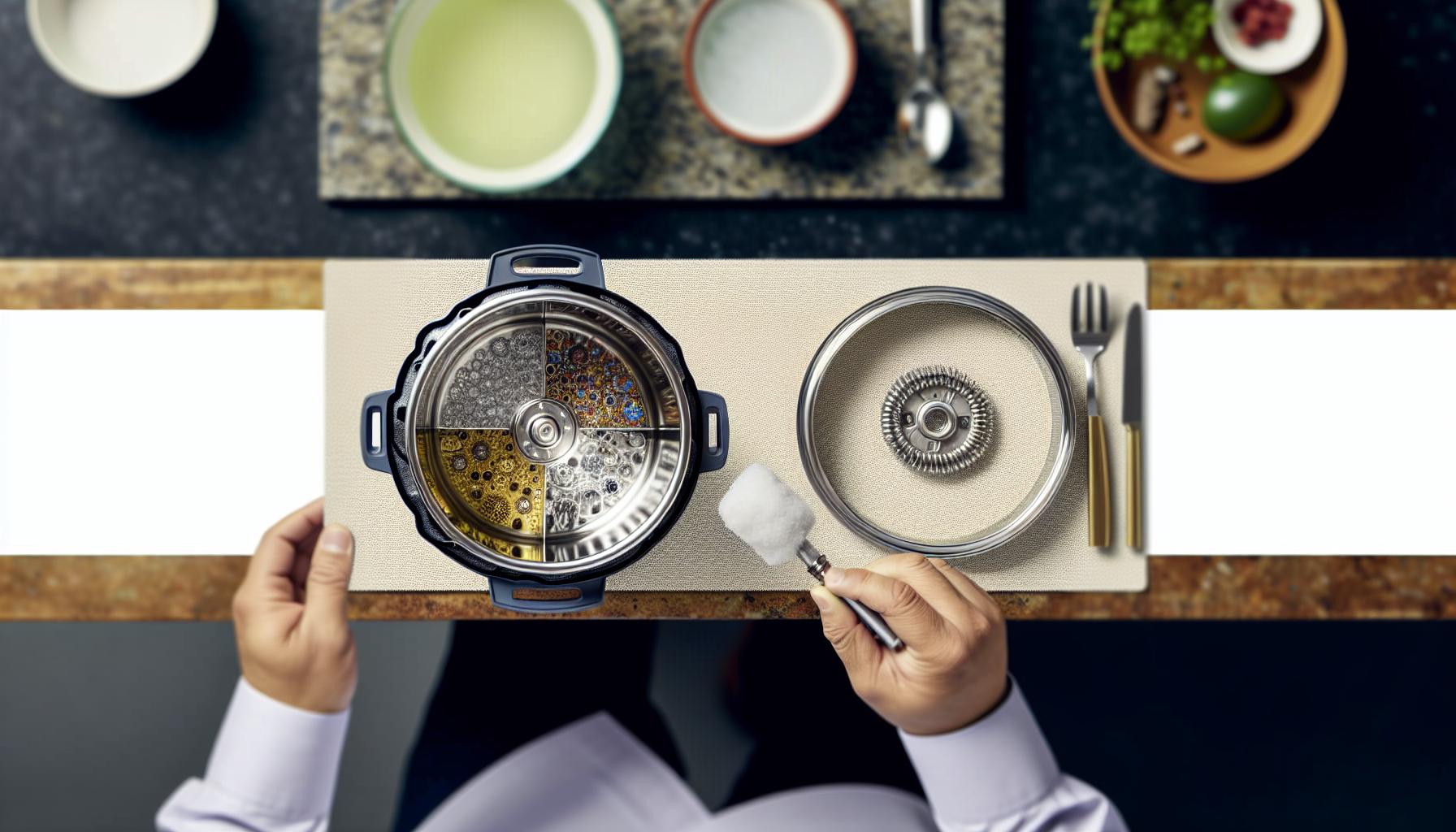
Frequently asked questions
Q: Can I safely leave my Instant Pot on slow cook mode overnight?
A: Yes, you can safely leave your Instant Pot on slow cook mode overnight as it operates at low temperatures similar to traditional slow cookers. Ensure the lid is properly sealed and place the pot on a heat-resistant surface. This method offers convenient hands-off cooking for meals like stews or chilis. For more tips, see our Timing Tips section.Q: Does using slow cook mode on an Instant Pot save energy compared to a traditional slow cooker?
A: using slow cook mode on an Instant Pot is generally energy-efficient because it heats quickly and maintains temperature precisely. While both devices consume low power over hours, the Instant Pot’s insulation can reduce heat loss. For efficiency insights, check the Comparing Texture and Flavor section.
Q: How do cooking times on Instant Pot slow cook mode compare to standard slow cookers?
A: Cooking times on Instant Pot slow cook mode are similar but may require slight adjustments-typically around 15-30 minutes shorter-due to its precise temperature control. Always refer to your recipe’s guidelines, and consult our Timing Tips to dial in perfect slow-cooked results.
Q: Can I use the Instant Pot slow cooker function for meal prep with multiple dishes?
A: Absolutely! The Instant Pot slow cooker function works well for batch cooking and meal prep. Using a larger inner pot helps make multiple servings. Try layering ingredients carefully and check recipes in the Top Recipe Types section for ideal slow cooker-friendly meals.
Q: What slow cook mode setting should I use for delicate dishes like fish or vegetables in an Instant Pot?
A: for delicate foods, use the lowest slow cook setting on your Instant Pot and monitor closely.Cooking times are shorter than traditional slow cookers, so check for doneness early to avoid overcooking.Our Common Mistakes section offers great advice on handling sensitive ingredients.
Q: Do I need to add extra liquid when slow cooking with an Instant Pot compared to a traditional slow cooker?
A: You usually need slightly less liquid in the Instant Pot slow cooker mode because it retains moisture well. though, always follow specific recipe directions or see our Ingredient Substitutions section to adjust liquids smartly without compromising texture or flavor.
Q: Can I switch from pressure cooking to slow cook mode mid-recipe in the Instant Pot?
A: Yes, you can switch from pressure cooking to slow cook mode, but it’s best to allow the pot to naturally release pressure first. This method lets you finish dishes with slow cooking tenderness. Our Step-by-Step Guide explains how to combine functions for versatile cooking.
Q: How does the food texture differ between slow cooking in an Instant Pot versus a traditional slow cooker?
A: Food cooked in an instant Pot slow mode generally has a similar but slightly firmer texture compared to traditional slow cookers due to temperature precision. For ideal outcomes,review our Comparing Texture and Flavor and try suggested recipe tweaks for your favorite dishes.
For more hands-on advice and tested recipes, explore the full guide to using your Instant Pot as a slow cooker properly and get comfy in your kitchen-it’s easier and more delicious than you think!
Concluding Remarks
Whether you’re craving a hands-off slow-cooked stew or a quick weeknight dinner, using your Instant Pot as a slow cooker is totally doable-and surprisingly convenient! By mastering this technique, you unlock the best of both worlds: the ease of slow cooking with the versatility of your Instant Pot. Ready to elevate your meal game? Don’t wait-try out our easy-to-follow slow cooker recipes next and see just how adaptable your kitchen multitasker can be.
If you’re curious about other time-saving tips or want to explore more Instant Pot magic,check out our guides on Instant pot Meal Prep Hacks and Gluten-Free Slow Cooker Favorites. Plus, join our newsletter for weekly recipes, cooking tricks, and delicious ideas that fit your busy lifestyle-because everyone deserves meals that are both quick and comforting. Got questions or your own Instant Pot slow cooking stories? Drop a comment below and let’s chat.Happy cooking, from one home cook to another!
Get our latest guides, news, and insights highlighted in your Google Search & AI Overviews.


