

Did you know you can use yoru Instant Pot as a slow cooker-and still come home to perfectly tender, flavorful meals without the worry of drying out your dinner? Whether you’re juggling a busy schedule or just love the ease of set-it-and-forget-it cooking, mastering the Instant Pot’s slow cooker function can be a game-changer in your kitchen. The trick is all in the timing, settings, and a few smart tweaks to keep your food juicy and flavorful every time. I’ve tested plenty of paleo-kind, gluten-free recipes that prove slow cooking with an Instant Pot doesn’t have to mean compromise.Stick with me, and I’ll share easy tips, simple ingredient swaps, and practical advice so you can confidently use your Instant Pot slow cooker setting-without any dinner disasters. Let’s turn your multi-cooker into your new favorite slow cooker,making meal prep low-stress and high-reward,no matter what your dietary style or kitchen routine looks like!
Table of Contents
- Understanding Instant Pot vs. Slow Cooker Basics
- Essential Instant Pot Settings for Slow Cooking Success
- step-by-Step guide: Using Your Instant pot as a Slow Cooker
- Common Mistakes That Can Ruin Your Slow Cooked Meals
- Best Recipes to Try with Instant Pot Slow Cooker Mode
- How to Adjust Cooking Times and Temperatures Confidently
- Secrets to keeping Flavors Deep and Textures Perfect
- Ingredient Swaps and Tips for Gluten-Free and Paleo Meals
- Troubleshooting: Fixing Overcooked or Undercooked Dinners
- Maximizing Meal Prep: Batch cooking and Freezing Tips
- Cleaning and Maintaining Your Instant Pot Post-Slow Cooking
- Frequently Asked Questions
- Q: Can I leave my Instant Pot on slow cook mode unattended overnight without ruining my meal?
- Q: how do I adjust liquid amounts when slow cooking in the Instant Pot to prevent soggy meals?
- Q: What is the best way to layer ingredients in an Instant Pot when using it as a slow cooker?
- Q: Why does my slow-cooked Instant Pot meal sometimes come out mushy, and how can I fix it?
- Q: Can I start a slow cooker recipe in the Instant Pot and finish it with pressure cooking for speed?
- Q: How do I prevent the Instant Pot from switching to “Keep Warm” too early during slow cooking?
- Q: Are there specific foods I should avoid slow cooking in the instant Pot to prevent ruining dinner?
- Q: How can I use frozen ingredients safely when slow cooking with the Instant pot?
- Future Outlook
Understanding Instant Pot vs. Slow Cooker Basics
Cooking with an Instant Pot can feel like wielding a magical gadget, but when it comes to slow cooking, it’s not quite the “set it and forget it” wizardry many expect. Unlike customary slow cookers that rely purely on steady, low heat, the Instant Pot is multipurpose-combining pressure cooking, sautéing, and yes, slow cooking in one unit. This multitasking can be a blessing, but also a curveball if you’re used to old-school slow cooker rhythms. Understanding the subtle yet important differences sets you up for success, so your dinners turn out flavorful, tender, and never ruined by overcooking or dryness.
One key distinction is heating style. slow cookers use gradual, indirect heat-picture a cozy, warm hug over several hours-to gently bring flavors together. The Instant Pot’s slow cooker mode mimics this but sometimes runs a bit hotter or unevenly depending on the model. So, a stew that takes 6 hours in a regular slow cooker might need a slightly longer cooking time-about 7 to 8 hours-on the Instant Pot’s slow cooker setting to hit that same melt-in-your-mouth tenderness [[2]](#2). On the flip side, Instant Pots require a minimum amount of liquid to function properly, even in slow cooker mode. This is a little different from some slow cookers, where you might get away with less liquid. Keep this in mind to avoid a pasta disaster or mushy mess!
If you’re thinking, “Can I just swap my slow cooker for the Instant Pot and be done with it?”-the answer is yes, but with gentle adjustments. Not every recipe transfers over without a tweak. For instance, if your go-to slow cooker chili uses beans and tomatoes, you might wont to chop those tomatoes a little finer or add extra broth. Why? Because the Instant Pot’s heat distribution can cause some ingredients to cook more rapidly or unevenly [[3]](#3). Think of the Instant Pot slow cooker mode as a relative newcomer to the slow cooking party-awesome at multitasking but with a slightly different rythm.
Why Knowing the Basics Saves Your Dinner
- Liquid Matters: Always use enough liquid-not just to prevent burning, but also to maintain the slow cooker’s gentle simmer.
- Cooking Time Tweaks: Add about 20-30% more time than your traditional slow cooker recipes call for when using the Instant Pot slow cooker mode.
- Layer wisely: Place sturdy veggies like carrots and potatoes on the bottom and delicate ingredients on top to avoid mushiness.
- Monitor the Seal: For slow cooking, keep the lid set on “venting” or use a glass lid to prevent pressure buildup that can speed up cooking unintentionally.
From personal kitchen experiments, I’ve found slow cooking in an Instant Pot suits meals like hearty beef stews, pork shoulder roasts, or rich bone broth. These recipes are forgiving and reward that gentle heat over time. Plus,it’s perfect for busy weeknight cooks who want hands-off meals without investing multiple appliances. And if you’re navigating paleo or gluten-free menus, embracing this slow cooker alternative with a few tweaks can deliver pure comfort food vibes-think tender meats, luscious gravies, and deep, satisfying flavors-with a fraction of the fuss.
knowing these Instant Pot vs. slow cooker basics lets you wield your Instant Pot like a pro without “ruining dinner.” It transforms from a complicated gadget into your trusty sous-chef, helping you celebrate every delicious bite while embracing your busy life and dietary preferences. It’s about *ease, flavor,* and a little joy in every slow-simmered spoonful.
—
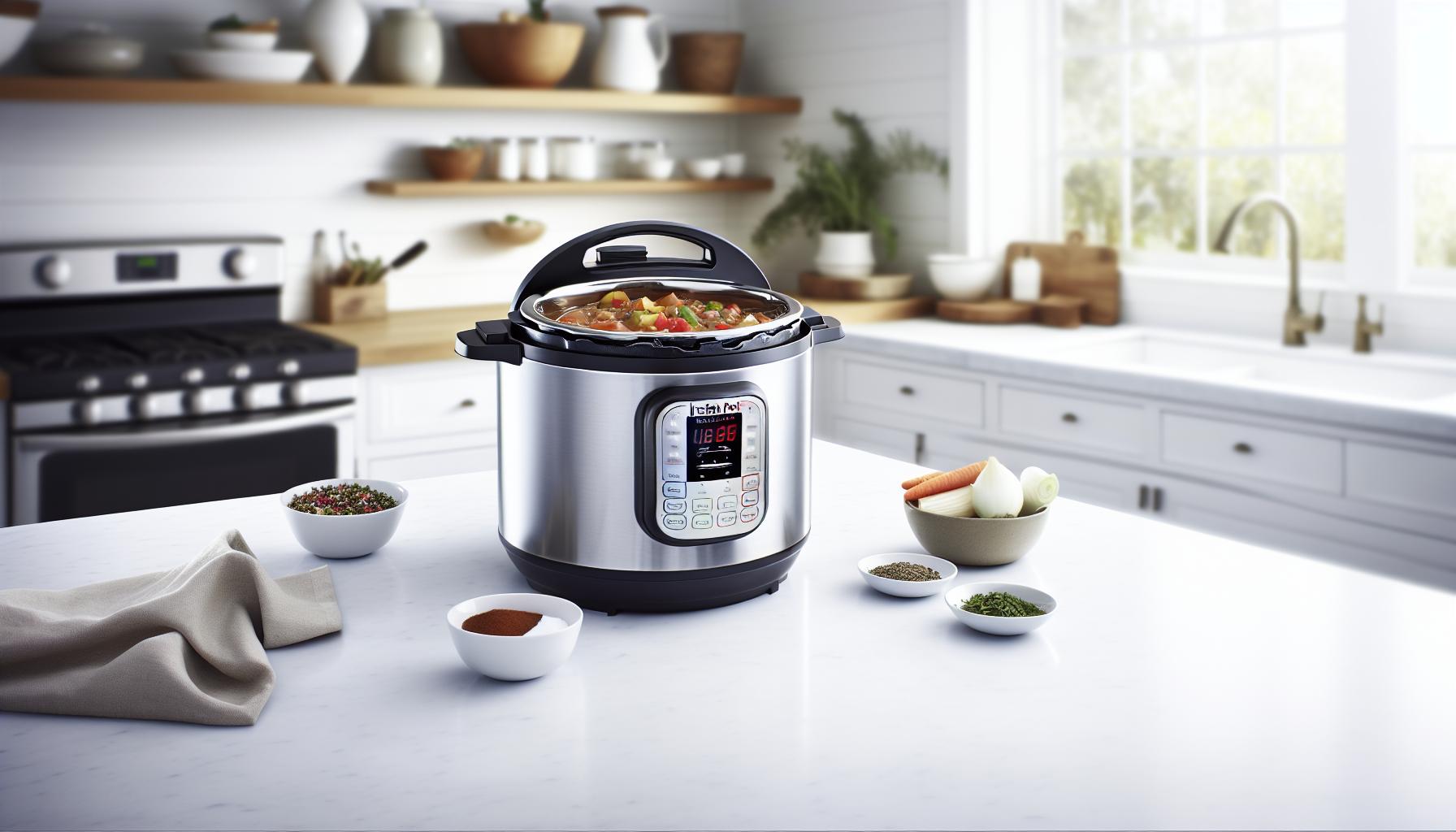
Essential Instant Pot Settings for Slow Cooking Success
Cooking low and slow in an Instant Pot isn’t just pressing a button and strolling off. The “Slow Cook” function can feel a little like a new dance partner after years with a traditional slow cooker-similar steps, but sometimes a slightly off rhythm. The trick to success lies in mastering the Instant Pot’s unique settings to coax out tender, flavorful meals without turning your stew into soup or your roast into rubber.
Unlike classic slow cookers, the Instant Pot’s slow cooking isn’t always at a uniform low temperature; some models run a bit hotter or have a distinct heat distribution. for starters, you want to avoid setting the Instant Pot to “Pressure Cook” (even though that’s its shining star) when slow simmering is the goal. Rather, use the “Slow Cook” setting and choose the right heat level.Most Instant pots offer “Less,” “Normal,” and “more” slow cook modes, roughly corresponding to low, medium, and high on a traditional slow cooker. For long, melt-in-your-mouth recipes like beef stew or pork shoulder, “Normal” or “Less” will usually do the trick. “More” speeds things up but can risk overcooking delicate ingredients or drying out meats if you’re not careful.
Balancing Time and Temperature
Cooking time is the next puzzle piece. Expect your meals to take around 20-30% longer on the Instant Pot slow cook mode compared to a standard slow cooker. Such as, if your grandma’s trusty recipe calls for 6 hours on low, plan for about 7 or 8 hours in the Instant Pot.This stretched time compensates for its different heating style and ensures your veggies don’t fall apart while your meat gets perfectly tender.
an often overlooked but essential setting is the lid position.Unlike traditional slow cookers with their glass tops, the Instant pot’s sealed lid can trap pressure even on slow cook mode. To keep things cozy and simmering gently, use the “venting” position on your Instant Pot lid or opt for a glass lid compatible with your model. This simple swap stops unintended pressure buildup that could fast-forward cooking and ruin textures.
- “Slow Cook” mode setting: Always select this instead of any pressure-related function.
- Heat level: “Less” or “Normal” is typically best for most slow-cooked meals.
- Lid vent: Keep it on “venting” or use a glass lid to avoid pressure buildup.
- Cooking duration: Increase by about 20-30% over traditional slow cooker times.
liquid levels aren’t to be forgotten. Unlike some slow cookers that can get away with minimal fluids, Instant Pots need enough liquid to maintain that gentle simmer and avoid dreaded burning warnings. I always add at least 1 cup of broth or water, even for thick stews, which also helps keep things juicy and tender-perfect for paleo or gluten-free recipes where texture is king without gluten’s binding magic.with these settings dialed in, your Instant Pot transforms into a slow-cooking champ, delivering all the cozy comfort you crave on busy nights. Trust me-the right combo of heat level, lid positioning, and time tweaks turns what once felt like gadget guesswork into a predictable, delicious routine you’ll actually look forward to. Slow cooking with an Instant Pot isn’t just practical; it’s downright joyful when you nail the settings!
—
Sources and detailed tips for slow cooker mode success can be found at The Family Freezer’s great walkthroughs and kitchen-tested videos [[2]](https://thefamilyfreezer.com/2019/05/15/how-to-use-the-instant-pot-slow-cooker-setting/) [[3]](https://www.youtube.com/watch?v=FURWwyDX5HE).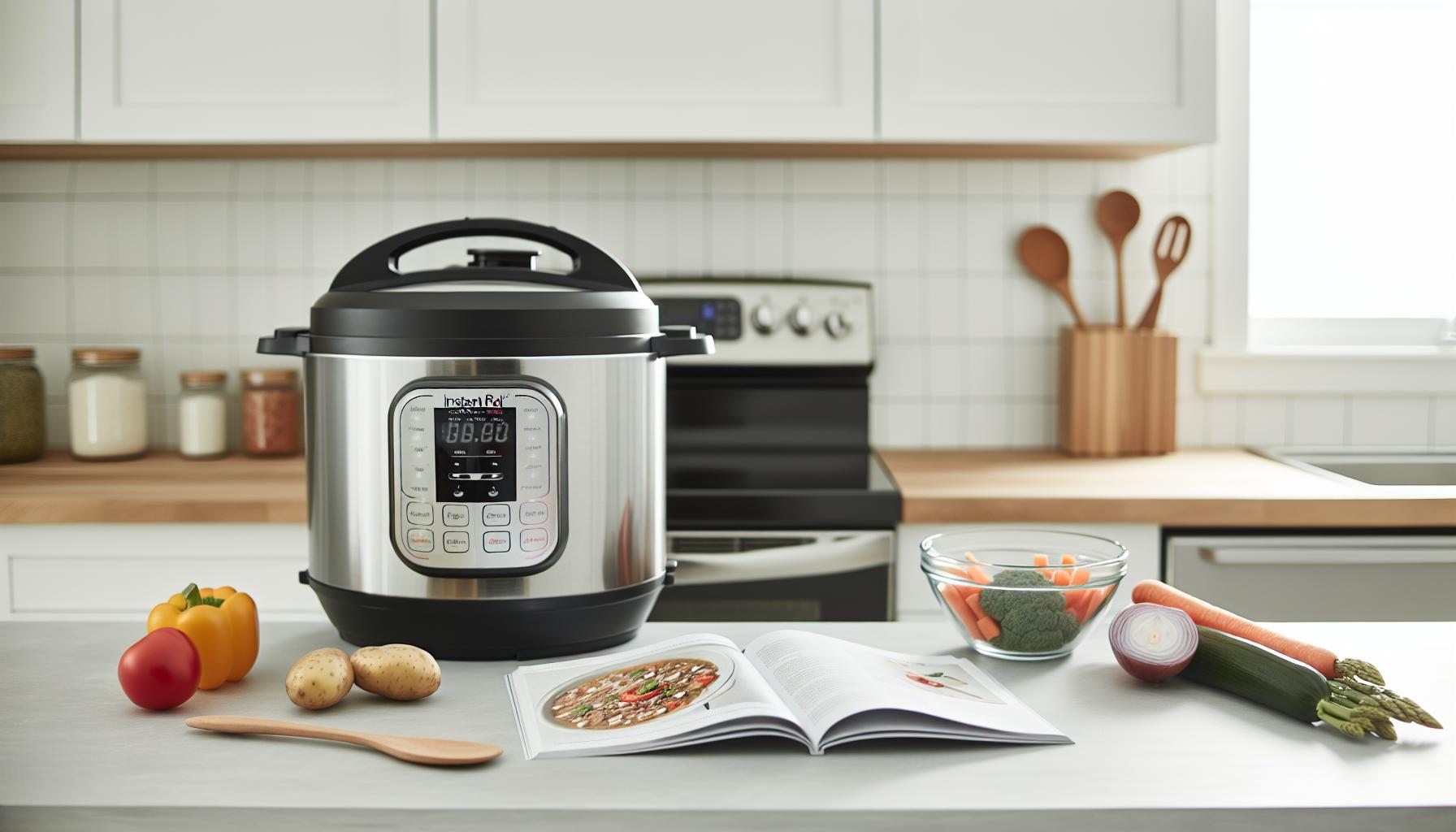
step-by-Step guide: Using Your Instant pot as a Slow Cooker
There’s a kind of magic when you slow cook a meal low and slow,letting flavors get all cozy and meld together,making your kitchen smell like a warm hug. Using the Instant Pot for slow cooking can deliver that magic, but it’s a bit different from your classic slow cooker dance. If you rush or skip a beat, you might end up with overcooked veggies or dry meat. But with a little rhythm and some simple hacks, your Instant Pot slow cooking game will be on point-whether you’re Paleo, gluten-free, or just a flavor lover.
start by selecting the “Slow Cook” mode-trust me, this is your solvent-free zone. Avoid pressure modes entirely; they’re for speedy meals, not slow cuddle sessions with your food. Then pick your heat level: “Less” corresponds roughly with a low slow cooker setting, while “Normal” matches medium. I usually opt for “Less” for tender cuts like pork shoulder or stews,but if you’re chasing a quicker result,”Normal” works fine with a tighter eye on timing. Pro tip: never leave the sealing ring in “Sealing” mode for slow cooking-flip your valve to “Venting” or swap in a glass lid (if you have one compatible). This stops the Instant Pot from building pressure, which would fast-forward cooking and make your roast tough instead of melt-in-your-mouth perfect[2].
Easy steps to get Started
- Prep your ingredients: chop your veggies, season the meat as you like, and toss everything inside your instant Pot. A splash of broth or water (about 1 cup) ensures gentle simmering without “Burn” warnings.
- Select “Slow Cook” mode: Avoid the temptation to hit Pressure Cook-slow is slow for a reason!
- Set heat level: Start with “Less” or “normal,” depending on your recipe and patience level.
- Adjust time: Add around 20-30% more than the traditional slow cooker time your recipe suggests. So if grandma’s recipe says 6 hours on low,go for 7.5 to 8 hours.
- Position the lid valve to “Venting” or use a suitable glass lid to prevent pressure buildup.
- Start cooking and walk away: No poking necessary! Slow cooking loves patience-and rewards it with juicy,tender results.
My favorite test? Beef stew on a chilly Sunday. I brown the meat using the sauté function first-that adds a layer of caramelized flavor no slow cooker can match alone. Then, everything goes in, and I switch to slow cook mode on “Less.” The aroma fills the kitchen all day,and by evening,dinner is perfection: rich broth,veggies intact but tender,and beef so soft it falls apart with a fork. For paleo or gluten-free folk, this method shines because the well-balanced liquid content keeps textures perfect without needing flour or gluten binders.
Running your Instant Pot in slow cook mode is also a forgiving way to experiment. Forgot to add an herb? Toss it in halfway through or right at the end for freshness. Need to swap veggies? No problem, just adjust timing-heartier roots like carrots or turnips can handle the full cook; delicate greens go in last half hour.
If you want a little cheat sheet to kick off confidently, here it is in a nutshell:
| Step | Key Tip | Why It Matters |
|---|---|---|
| Select Slow Cook Mode | Never pressure cook | Ensures gentle, even heat for slow cooking |
| Choose Heat Level | “Less” or “Normal” | Matches traditional slow cooker temps |
| Set Lid to Venting or Use Glass Lid | prevents unwanted pressure | Keeps simmer steady and textures perfect |
| increase Cooking Time | 20-30% longer than standard recipes | Compensates for different heat distribution |
| Add Enough Liquid (≈1 cup) | Always add broth or water | Prevents burning and keeps food juicy |
In short, the Instant Pot slow cook function isn’t just a gimmick-it’s a legit slow cooker’s sidekick once you understand its quirks.With a bit of babying over the heat and lid settings, you’ll achieve slow-cooked meals that sing, but without the afternoon spent constantly checking in. So grab your favorite recipe, hit the right settings, and enjoy the hands-off comforting magic of slow cooking with a high-tech twist-your busy nights just got a whole lot tastier[1][2].
Common Mistakes That Can Ruin Your Slow Cooked Meals
The art of slow cooking with an Instant Pot is a delightful balance, but it can be surprisingly easy to trip up and end up with a less-than-stellar dinner. Even seasoned home cooks sometimes fall into pitfalls that turn those long-simmered flavors into a mushy or dry mishap. The good news? Most missteps have simple fixes once you know what to watch for, so your slow-cooked meals come out cozy, tender, and bursting with flavor every time.
One of the biggest traps is messing up the heat level or accidentally using pressure cooking instead of the slow cook mode. The Instant Pot’s “Slow Cook” function doesn’t automatically replicate the low-and-slow temperature of classic crockpots-it’s trickier and requires you to select the proper heat setting, typically “Less” or “Normal,” depending on your recipe. Choosing too high a temperature or leaving the lid in “Sealing” mode can create unwanted pressure, fast-forwarding cooking and drying out your meat or turning veggies into sad mush. A swift fix here is to always flip the steam valve to “Venting” or use a glass lid compatible with your pot, ensuring a proper slow simmer rather than a pressure cooker surroundings.
Another rookie move is underestimating liquid needs. Unlike a traditional slow cooker, the Instant Pot’s direct contact heat can cause burning if there isn’t enough broth or water pooling around your ingredients. I’ve learned the hard way-nothing kills a comforting beef stew vibe faster than a “Burn” error! A splash of about one cup of liquid usually does the trick, providing a gentle bubble that keeps your food moist without turning your stew into soup. This is especially critically important for paleo and gluten-free meals, where thickening agents like flour aren’t options, so moisture balance really matters.
Common Ingredient and Timing Tweaks That Save Dinner
- Don’t rush with delicate veggies: Add softer ingredients like zucchini, spinach, or peas in the last 30 minutes. Tossing them in at the start invites mush city.
- Brown your meat first: Using the sauté mode before slow cooking caramelizes the outside, locking in flavor and improving texture-trust me, it’s worth the few extra minutes.
- Adjust cooking times: If a recipe calls for 6 hours on low in a crockpot, bump your Instant Pot slow cook time by 20-30%. The heat distribution is a little different, so patience pays.
Getting these basics right can save many a meal from the brink. For instance, I once left the sealing ring on “Sealing” out of habit and ended up with overcooked pork shoulder that was tasty but a tad dry-lesson learned! Now, I keep the valve on “Venting” to mimic the gentle heat of slow cooking without turning my pot into a pressure cooker masquerade.
Watch Out for Oversized Batches and Overzealous Stirring
Packing your Instant Pot too full or stirring frequently are sneaky saboteurs of slow cooking success. Filling the pot beyond two-thirds capacity can trap heat unevenly or prevent circulation, creating hot spots that cause burnout or uneven cooking. On the flip side, constant lid lifting or stirring lets heat escape, extending cook times and sometimes turning beautifully tender veggies into a sad mush pile. Slow cooking is a “set it and forget it” vibe-resist the urge to peek too frequently enough!
If you’re managing multiple dietary preferences, like paleo and gluten-free in one go, layering flavor rather of relying on thickening agents is key. Fresh herbs added late keep dishes shining, while acid touches like lemon or vinegar added post-cook preserve texture and balance richness. A little finesse here makes your gluten-free or paleo meals feel just as indulgent.
| Common Mistake | Why it Happens | Quick Fix |
|---|---|---|
| Using “Sealing” lid position on Slow Cook | Activates pressure instead of slow simmer | flip valve to “Venting” or use glass lid |
| Not adding enough liquid | Food sticks/burns, flavor gets dry | Add at least 1 cup broth or water |
| Ignoring meat pre-browning | Less flavor development, tougher texture | Use sauté function before slow cook |
| Cooking delicate veggies too soon | veggies turn mushy | Add tender veggies last 30 minutes |
| Overfilling instant Pot | Uneven cooking, hot spots | Fill max 2/3 full |
Remember, slow cooking with an Instant Pot isn’t about perfection-it’s about understanding its quirks and giving it just the right care. Embrace the learning curve like you would with a new kitchen buddy, and soon you’ll have slow-cooked meals that warm the soul and fit your lifestyle perfectly. After all, everyone deserves dinner that tastes homemade and fuss-free, whether you’re paleo, gluten-free, or just a fan of delicious, nourishing comfort food[2][1].
Best Recipes to Try with Instant Pot Slow Cooker Mode
Slow cooking with your Instant Pot opens a world of cozy, hands-off meals that feel like a warm hug after a busy day. Whether you’re craving comfort food or keeping it clean with paleo or gluten-free ingredients, there’s a treasure trove of recipes designed to play nicely with the quirks of slow cooking in this appliance. The secret? Choosing dishes that benefit from gentle simmering and layering flavors over hours-think tender meats, hearty veggies, and well-rounded stews that only get better with time.
One of my all-time go-to recipes is a classic Beef Bourguignon, tailored for the Instant Pot slow cooker mode. It’s a gluten-free,paleo-friendly delight when you swap traditional flour with arrowroot or tapioca starch to thicken the sauce at the end.Prep takes about 20 minutes; cooking gently simmers for 7-8 hours on the “Less” setting. The result? Melt-in-your-mouth beef with earthy mushrooms and pearl onions all soaked in rich, red wine goodness. Brown the meat first using the sauté function to lock in depth before slow cooking. Feel free to toss in root veggies early and add delicate ones like peas in the last half hour to avoid mush.
Simple, Nourishing Soups and Stews
Soups are perfect candidates for slow cooker mode-flavors develop patiently, and textures stay just right.
- sweet Potato & Sausage Stew (Gluten-Free/Paleo)
Prep: 15 min | Cook: 6 hours on “Normal” | Difficulty: Easy
Use grass-fed sausage,a medley of sweet potatoes,and chopped kale. Be sure to add kale during the last 45 minutes to keep its vibrant color and texture. - Chicken Tortilla soup (Gluten-Free)
Prep: 10 min | Cook: 5-6 hours on “Less” | Difficulty: Easy
This one shines with smoky chipotle peppers and fresh lime added right at the end to brighten the bowl. Chicken breasts cook tenderly without drying out when using “Less” heat.
Even classic chili benefits from the slow, consistent heat, perfect for a chilly day. Often, I swap beans for extra veggies or paleo-friendly legumes to fit dietary needs without sacrificing heartiness.
Weeknight Winners That Feel Fancy
Don’t underestimate the ease of transforming your Instant Pot into a slow simmer station for dishes you’d usually reserve for weekends.
- Pulled Pork Shoulder
Prep: 10 min (plus optional browning) | Cook: 8 hours on “Normal” | Difficulty: Medium
A slow-cooked pork shoulder is a crowd-pleaser and surprisingly hands-off. Use a dry rub of smoked paprika, garlic powder, and cumin. After slow cooking, shred the pork and toss with paleo-friendly BBQ sauce. serve in lettuce wraps or gluten-free buns. - Moroccan Chickpea and Lamb Tagine (Gluten-Free)
Prep: 20 min | Cook: 7 hours on “Less” | Difficulty: Medium
This aromatic stew layers warm spices like cinnamon and turmeric with tender lamb and chickpeas. Add preserved lemon and fresh herbs just before serving for a zingy finish. No need to fuss-just set it and go.
One personal kitchen hack is to prep ingredients the night before.Chop, season, and store them in the pot insert right in the fridge. In the morning, pop the insert back in and start slow cooking on schedule. This works wonders when juggling work, family, or just days when motivation is low.
| Recipe | Dietary Notes | Prep Time | Cook Time | Tip |
|---|---|---|---|---|
| Beef Bourguignon | Gluten-Free, Paleo option | 20 min | 7-8 hours (less) | Brown meat first; add delicate veggies late |
| Sweet Potato & Sausage Stew | Gluten-Free, Paleo | 15 min | 6 hours (Normal) | Add kale last 45 min to keep texture |
| Chicken Tortilla Soup | Gluten-Free | 10 min | 5-6 hours (Less) | Finish with fresh lime and herbs |
| Pulled Pork Shoulder | Gluten-Free, Paleo-friendly | 10 min | 8 hours (Normal) | Dry rub then shred and top with paleo BBQ |
| Moroccan Lamb Tagine | Gluten-Free | 20 min | 7 hours (Less) | Add preserved lemon & herbs at the end |
remember, the joy of slow cooking with the Instant Pot comes from embracing the gentle simmer and thoughtful layering of flavors. Don’t sweat perfect timing-slow cooker meals frequently enough reward patient tweaks and little ingredient swaps. Your kitchen experiments will help you personalize recipes that become quick weeknight staples or special weekend feasts, all without turning dinner into a stressful event. Dive in, have fun, and savor every delicious bite!
How to Adjust Cooking Times and Temperatures Confidently
Cooking with the Instant Pot’s slow cooker mode is like having a patient sous-chef who doesn’t mind waiting hours to deliver a perfectly tender meal.But unlike traditional slow cookers, the Instant Pot demands a little finesse when tweaking times and temperatures-a dance to keep your dinners from veering into overcooked mush or underdone tough. The good news? With a bit of practice and some easy-to-follow guidelines, you’ll gain the confidence to adjust on the fly and nail those slow-cooked delights every.single.time.
The key thing to remember is that the Instant Pot’s slow cooker setting isn’t an exact duplicate of your classic countertop slow cooker.For starters, your slow cooker mode in the Instant pot often runs at slightly different temperatures and will generally take longer to finish an equivalent recipe. Such as, if your favorite beef stew finishes in 6 hours on a regular slow cooker, expect to crank the Instant Pot to at least 7-8 hours on the “Less” or “Normal” slow cooker setting. This slower simmer helps protect delicate veggies from turning to mush and keeps meat beautifully tender but not falling apart too soon[[3]](https://thefamilyfreezer.com/2019/05/15/how-to-use-the-instant-pot-slow-cooker-setting/).
Fine-Tuning Time and Temperature: Easy Rules to Follow
- Match the setting to your recipe’s personality: Use “Less” for gentle, long simmers perfect for tender chicken breasts or fish, and “Normal” or “More” to coax deep flavors from tough cuts like pork shoulder or lamb shanks.
- Increase cook time slightly when switching from a traditional slow cooker: Sence the Instant Pot can run a bit cooler on slow cooker mode, add an extra 1-2 hours compared to your old recipes.
- Brown meats first: Using the sauté function to brown your meat before slow cooking locks in flavor that time alone can’t build.
- Be mindful when layering veggies: Add hardy root veggies (carrots, sweet potatoes) early, but toss in quick-cooking or delicate items like kale, peas, or fresh herbs near the end to avoid overcooking.
Real-World Kitchen Wisdom
Whenever I convert a favorite stove-top or slow cooker recipe, I jot down the original times and then add an incremental 30-60 minutes per meal component that’s dense or fibrous. For example, my paleo-friendly sweet Potato & Sausage Stew starts with sautéed sausage browned first, then simmers for a full 6 hours on “Normal” to coax tender but not mushy sweet potatoes. I wait until the last 45 minutes to throw in kale to keep it bright and snappy.That tweak alone transformed previously soggy attempts into a texture delight!
| Recipe | Adjusted Slow Cooker Setting | Typical Cook Time | Adjustment Tips |
|---|---|---|---|
| Beef bourguignon (gluten-Free,Paleo) | Less | 7-8 hours | Brown meat first; add delicate veggies late (peas,pearl onions) |
| pulled Pork Shoulder (Gluten-Free,Paleo-friendly) | Normal | 8 hours | Dry rub; shred and add paleo BBQ sauce after cooking |
| Chicken Tortilla Soup (gluten-Free) | Less | 5-6 hours | Add fresh lime and herbs at end; avoid overcooking chicken |
And don’t stress if you have to step away mid-cook! One of my favorite tips is using the “Delay Start” feature or prepping in the fridge overnight so slow cooking perfectly aligns with your schedule. This versatility is a lifesaver for busy weeknights or lazy weekends.
Adjusting cooking times also means trusting your nose and blade: if it smells and slices well, it’s probably ready. Grab a fork or a knife towards the end of cooking to test softness-meat should pull apart easily, and veggies should hold shape without being crunchy.
Swift Fixes When Times Go Awry
If dinner seems undercooked,don’t panic.Simply reseal and extend cooking by 30-60 minutes, stirring if possible. Too mushy? Next time dial down the time or “Less” setting and introduce tender ingredients later in the process. These little experiments turn cooking into a fun, low-stress game. Your palate and instant Pot will thank you.
By embracing the quirks of the Instant Pot slow cooker setting and tweaking with confidence, you’re not just avoiding dinner disasters-you’re unlocking a whole new world of effortless, flavor-packed meals. Remember: slow cooking is a culinary marathon,not a sprint. Patience + practice = pure comfort on a plate.
Secrets to keeping Flavors Deep and Textures Perfect
Who knew that coaxing deep flavors and perfect textures out of the Instant Pot’s slow cooker mode was part art,part science? it’s true – patience is the secret sauce here,but there are some handy tricks that make your meals taste like you spent all day cooking,even on a busy weekday. The key is layering flavors and managing cooking components thoughtfully, so every bite delivers a satisfying pop, whether you’re going paleo, gluten-free, or just craving cozy comfort food.
One of the best flavor boosters is committing a few extra minutes upfront to brown your meat using the Instant Pot’s sauté function. Browning isn’t just for looks; it creates those rich caramelized notes that slow cooking alone can’t replicate. This step is like telling your ingredients, “Hey, let’s get serious about flavor.” For example,before simmering pork shoulder or beef chuck,brown the pieces well in small batches to lock in juices and develop savory complexity. Plus, deglazing the pot with broth or wine after browning pulls up those tasty browned bits, infusing your whole dish with extra oomph.
Smart Layering: Texture’s Best Friend
Slow cooking gently breaks down collagen in meats,making them tender,but leafy greens and fresh herbs don’t love the prolonged heat. To keep textures bright and flavors vibrant, add delicate ingredients towards the last 30-45 minutes of cooking. This timing shield prevents mushy kale, peas, or fresh herbs, letting them wilt just enough for tender bite without turning to puree. Root veggies like carrots and sweet potatoes? They’re hearty heroes who can take the slow cooker heat from the start.
- Brown meat first: Locks in flavor and seals juices before slow cooking.
- Layer veggies by cook time: Dense veggies early, delicate later.
- Deglaze after browning: Lift caramelized flavors off the pot for richer sauces.
- Adjust seasoning last: Slow cookers can mellow bright flavors-tweak salt, acid, and fresh herbs at the end.
Balancing Flavors with Fat and Acidity
Slow cooking can sometimes mute bright notes. Adding a splash of acidity-like a squeeze of lemon, a dash of vinegar, or a spoonful of paleo-friendly mustard-toward the end helps season your meal with a fresh finish that wakes up tired taste buds.Fats also play a starring role. Don’t skimp on good-quality oils or fatty cuts; they carry and enhance flavors while keeping your dish luscious and satisfying. For paleo and gluten-free cooks, adding avocado oil, coconut milk, or a knob of ghee after cooking can turn a good dish into a memorable one.
In one of my favorite quick wins – a paleo sweet potato and sausage stew – sautéing sausage beforehand creates a robust base. Then simmering low and slow softens the potatoes without turning them into glue, thanks to patient timing and adding kale right near the end. The final touch? A drizzle of fresh lime juice right before serving, brightening the whole pot and making every spoonful sing.
With a little practice, you’ll learn to read your Instant Pot like a book, slowly coaxing rich, layered flavors while preserving just the right bite. Remember, slow cooking isn’t about rushing; it’s the magic of time meeting technique. Your taste buds-and your family-will be grateful for the effort.
Ingredient Swaps and Tips for Gluten-Free and Paleo Meals
Cooking gluten-free and paleo meals in your Instant Pot slow cooker doesn’t have to feel like navigating a culinary minefield. In fact, with a little know-how and some creative ingredient swaps, you’ll find you can whip up comforting, flavor-packed dishes that fit your lifestyle-no compromises required. Think of it as swapping puzzle pieces while still painting a masterpiece, where both texture and taste remain front and center.
One of the biggest challenges when adapting recipes is replacing gluten-containing grains and processed ingredients without losing heartiness or body. Good news: staples like cauliflower rice, or even mashed rutabaga or parsnips, make excellent stand-ins for starchy fillers like white rice or bread crumbs. For thickening sauces, skip flour and cornstarch and lean instead on arrowroot powder or tapioca starch, which both shine in slow-cooked dishes without the gummy aftermath. Also, coconut aminos make a fantastic soy sauce substitute that’s safe for both paleo and gluten-free palettes, offering that umami punch every slow cooker meal deserves.
simple Swaps That Work Like a Charm
- Gluten-free flours: Almond flour or coconut flour are great for coating proteins before browning,keeping that caramelized crust intact.
- Sweeteners: Swap refined sugars with raw honey, maple syrup, or mashed ripe bananas for balanced sweetness without the crash.
- Dairy alternatives: Use coconut cream or almond milk rather of dairy creams to keep stews rich but allergy-friendly.
- Protein picks: Opt for grass-fed beef, organic chicken thighs, or wild-caught fish to keep meals nutrient-dense and paleo-approved.
I remember a Sunday afternoon when I impatiently used arrowroot to thicken a chicken stew in the Instant Pot slow cooker mode. It was a bit of an experiment, but the sauce turned silky smooth without thickening too much or turning gluey, a common pitfall with gluten-free thickeners if overcooked. That kind of confidence grows with small wins like these-and your taste buds will thank you!
Balancing Nutrients and flavor Profiles
Sometimes paleo and gluten-free cooking can feel like a tightrope walk between wholesome nutrition and satisfying indulgence. The key is layering fats and acidity carefully-like adding avocado oil or ghee after cooking to elevate richness without heaviness. Toss in a splash of apple cider vinegar or fresh lime juice near the end to brighten stews and prevent the slow cooker’s gentle heat from dulling vibrant flavors.Also, hearty root vegetables like sweet potatoes and winter squashes not only bulk up your meals but add that natural sweetness and color that make a dish sing visually and on the palate.
Try making a slow cooker beef chili with diced tomatoes, bell peppers, and cauliflower rice stirred in just before serving for a tex-mex vibe without grains and gluten. Or, if you love breakfast-for-dinner, whip up a paleo-friendly frittata base with coconut milk, tossed vegetables, and herbs, slow cooked until custardy and just set.
With these swaps and simple tips,gluten-free and paleo cooking with your Instant Pot slow cooker gets easier-and tastier-every time. The best part? You’re creating meals that feel homemade and loved, not “special diet food,” which makes everyone at the table happy.
Troubleshooting: Fixing Overcooked or Undercooked Dinners
There’s nothing quite like the anticipation of a slow-cooked meal after a long day-until you open the Instant pot lid and find your dinner teetering between “just right” and “too far gone.” Slow cooking with your Instant Pot is a little like a magic trick that sometimes needs a tweak or two. Whether your stew feels mushy or the roast is stubbornly tough, the good news is, these hiccups are totally fixable without tossing the whole meal.
Rescue Tactics for Overcooked Meals
when your protein or veggies have crossed the line into mushy territory, it’s time to think texture boosters and flavor enhancers:
- Shred and repurpose: Tough or overcooked meat often makes fantastic shredded meat for tacos, salads, or soups. Toss it with fresh herbs, a squeeze of lime, or a splash of coconut aminos to breathe life back into it.
- Thicken up saucy dishes: If stews have turned watery,stir in a spoonful of arrowroot powder or tapioca starch slurry near the end. This thickens without the gummy finish typical of regular flour, especially great for gluten-free meals.
- Fresh add-ins: Bring in a handful of quick-cooking veggies like snap peas or spinach just before serving. Their crunch and brightness contrast beautifully with softer components.
- Fat is your friend: drizzle in a touch of avocado oil or swirl in some coconut cream post-cooking. This adds richness that can mask a little over-softness and elevate flavors.
How to Fix Undercooked Dinners Without Starting Over
Undercooked meals can be just as frustrating as their overdone counterparts, but they rarely require a kitchen do-over. Here’s how you can gently guide your dish to done-ness:
- Finish on the stove or oven: Transfer tougher cuts or thick stews to a pot or baking dish and finish cooking at low heat. This gives you greater control and a chance to monitor progress closely,perfect for paleo-friendly cuts like grass-fed beef stew meat.
- Adjust your timing: Next time, add a bit more cook time on the “Slow Cook” setting, remembering that Instant pot slow cooking often takes 1.5 times longer than traditional slow cookers. So that 6-hour recipe? Plan for 8.
- Cut smaller, uniform pieces: Sometimes uneven cooking is just about chunk size. Smaller, consistent cuts cook through faster and more evenly. Just remember to tweak cooking times so they don’t dry out!
When I first switched to using the Instant Pot for slow cooking, I remember one aspiring pulled pork attempt turning out a little tough on the edges. Rather than despair, I shredded the meat, simmered it in a bit of apple cider vinegar and tomatillo salsa on the stove, and it became the star filling for zesty lettuce wraps. That little pivot made all the difference and allowed me to enjoy a paleo-friendly meal that felt fresh and exciting.
Quick Tips for Next Time
| Issue | Fix | Pro Tip |
|---|---|---|
| Overcooked, mushy veggies | Stir in fresh quick-cooking veggies before serving | Add delicate greens like spinach last 10 minutes |
| Tough meat | Shred & simmer with flavorful liquid | use bone-in cuts for more moisture retention |
| Watery sauce | thicken with arrowroot slurry | Mix slurry well and add slowly to avoid lumps |
| Undercooked chunks | Finish cooking on stove or in oven | Cut even pieces to improve slow cooker efficiency |
Remember, your Instant Pot slow cooker mode has a learning curve, and every adjustment is a small step toward making it your kitchen BFF. Embrace these kitchen “oops” moments-they’re just shortcuts on your way to mastering slow cooking that’s flavorful,paleo and gluten-free friendly,and perfectly suited to your busy life.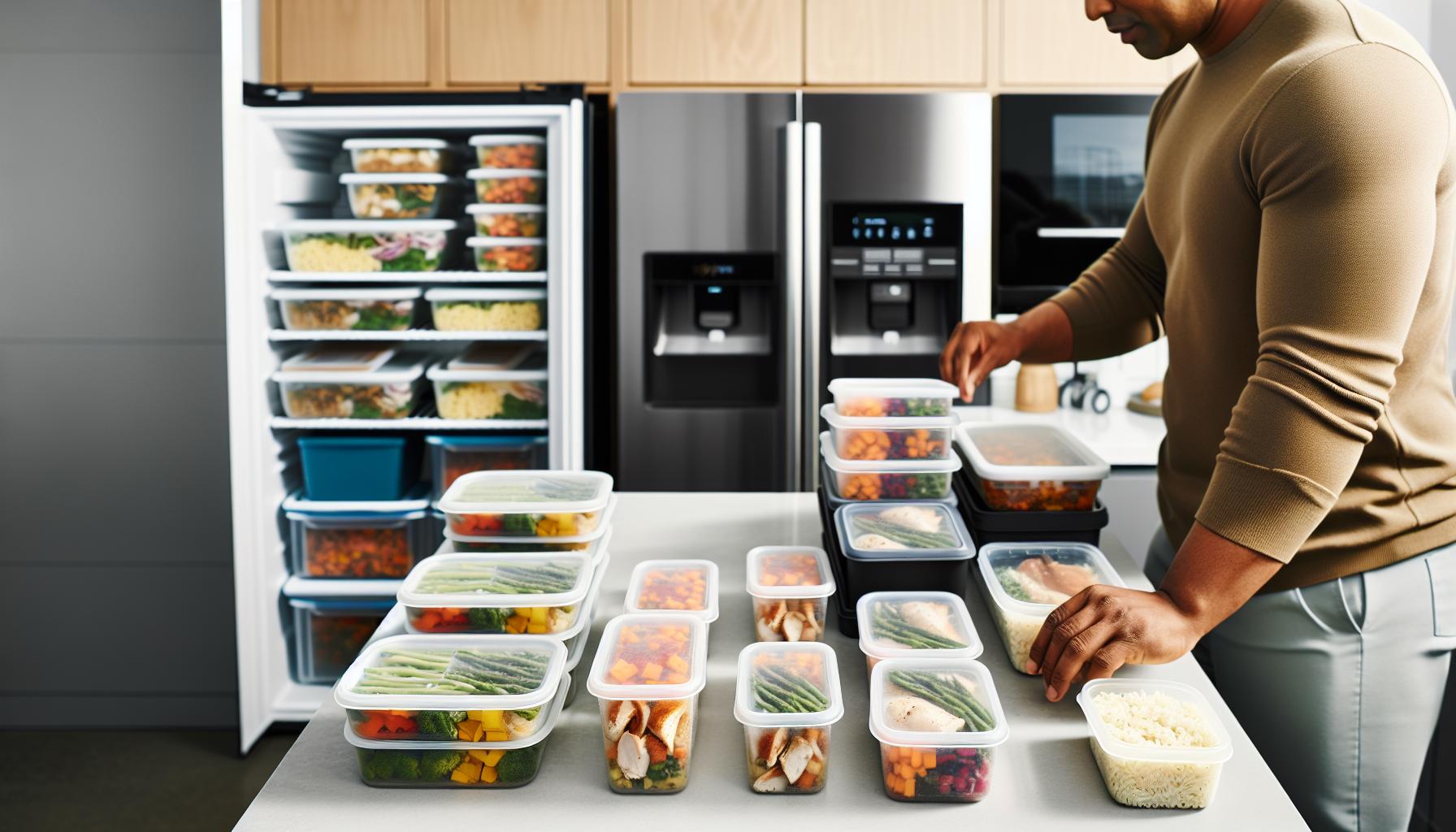
Maximizing Meal Prep: Batch cooking and Freezing Tips
There’s somthing downright thrilling about turning your Instant Pot slow cooker session into a meal prep powerhouse. imagine having vibrant,paleo- and gluten-free-friendly dinners ready to heat and eat on the busiest nights-no last-minute scrambling,just wholesome comfort in minutes. Batch cooking with your Instant Pot not only saves time but also lets flavors meld beautifully over those extended slow cook cycles, making your meals taste like they simmered all day, even when you prepared them in advance.
When prepping in bulk, think beyond just doubling a recipe. Portion control is your new best friend here-freeze meals in single or double servings so you can thaw exactly what you need, reducing waste and keeping things fresh. Use airtight containers or heavy-duty freezer bags, labeling them clearly with contents and date. I always find silicone lids a saver when stacking containers in the freezer. And remember,stews,sauces,and braises freeze especially well,while delicate sides like steamed veggies are better cooked fresh to preserve texture.
batch Cooking Tips That Actually Work
- Cook once,eat thrice: Use your Instant Pot’s slow cooker mode to transform larger cuts of meat into versatile proteins. Think slow-cooked pulled pork or beef stew meat that you can turn into tacos, salads, or bowls throughout the week.
- Freeze in meal-sized portions: Cool your dish fully before freezing to avoid condensation that causes freezer burn. Portion meals in family-friendly or single-serve sizes for quick reheating.
- Label like a pro: Keep a sharpie and masking tape nearby to jot down the date and contents. Knowing what’s what means no puzzling over freezer bags months later.
- Reheat gently: Slow cooker meals can sometimes dry out if reheated at high temperatures. Warm leftovers on low heat, adding a splash of broth or water to revive moisture and meld flavors.
For paleo and gluten-free cooks, ingredient swaps during batch prep are simple and savvy. Swap regular thickeners with arrowroot or tapioca starch, both of which freeze and reheat without losing their silky texture. Bone-in cuts add moisture and richness that hold up beautifully through freezing and reheating stages. Plus, I love tossing in a handful of hearty root veggies or greens that withstand slow cooking and freezing, like carrots, parsnips, or kale, which keeps meals balanced and nutrient-dense.
Freezing & Thawing Cheat Sheet
| Type of Meal | Freeze Duration | Best Reheating Method | Pro Tip |
|---|---|---|---|
| Stews & Braises | 3-4 months | Slow simmer on stove or low oven | Add fresh herbs after reheating for brightness |
| Pulled or Shredded Meat | 2-3 months | Gentle stove-top with splash of broth | Perfect for quick tacos or salads |
| Vegetable Sides | 1-2 months | Steamed or sautéed fresh (recommended) | Freeze cooked roots, but fresh cook delicate greens |
| Soups | 3 months | Slow warm-up on stovetop | Thicken after reheating, if needed |
Embracing batch cooking also means embracing a little imperfection-and that’s a-okay. As an example, I once accidentally made triple the recipe of a coconut curry chicken and ended up freezing half. A few weeks later, reheating felt like unwrapping a cozy gift. just remember to skip delicate greens until reheating or serving to keep them fresh and bright! With these tips, you can confidently prep your favorite slow cooker meals and enjoy flavorful, convenient dinners all week long without a hitch.
Cleaning and Maintaining Your Instant Pot Post-Slow Cooking
Few things can slow down the joy of a delicious slow-cooked meal faster than a sticky, stubborn Instant Pot that’s been left to soak in last night’s flavors. Whether you’ve been simmering a hearty beef stew or a vibrant paleo-friendly curry, cleaning your Instant Pot thoroughly post-cooking not only keeps your kitchen fresh but also ensures your appliance stays in top shape, ready for your next flavor adventure.
Start by unplugging your Instant Pot and letting it cool completely-this avoids any slipping with hot handles or sudden steam surprises when removing the lid.The stainless-steel inner pot is your main star here; it’s dishwasher-safe but hand-washing often preserves that shiny finish longer, especially if you’re avoiding harsh detergents. For stuck-on bits, soak it for 15-20 minutes with warm water and a sprinkle of baking soda. The gentle fizz works wonders loosening residues without needing elbow grease that might scratch the surface. I’ve found a soft sponge or non-abrasive scrubber does best-think of it as a spa treatment for your pot, not a wrestling match.
Resetting Your Sealing Ring and Lid After Slow Cooking
That trusty silicone sealing ring deserves a bit of TLC too-it can hang on to steam flavor and odors, which can sneak into your next meal if not refreshed properly. A quick soak in warm soapy water or even a mild vinegar rinse freshens it right up. Pro tip: keeping a second sealing ring exclusively for savory or sweet meals helps avoid flavor crossovers,particularly handy when juggling paleo and gluten-free recipes with bold spices. When drying, ensure the ring and the lid are fully air dried before reassembling to prevent any mold or mildew from crashing your kitchen party.
Cleaning Extras to Keep Your Instant Pot Happy
- Condensation Collector: This small but mighty part catches water released during cooking. Remove and wash it regularly-trust me, no one wants unexpected drips pooling on the counter days later.
- Exterior Surface: Wipe down the base unit with a damp cloth (never immerse it in water). Avoid harsh chemical cleaners-often a touch of diluted dish soap and gentle rubbing is perfectly enough for those cooking splashes.
- Valves and Seals: Check and clean the anti-block shield and pressure valve carefully. A soft brush or toothpick can help dislodge any food debris hiding in these tiny spots. This keeps your instant Pot operating smoothly, which is essential whether you’re pressure cooking or slow cooking.
Think of cleaning as part of the meal itself-it’s not just about maintenance but about respecting your tool and treating yourself to hassle-free cooking next time. Plus, it’s the perfect quiet moment to sip your favorite herbal tea (gluten-free and paleo-friendly of course) and revel in the week’s upcoming slow-cooked delights. Keeping your Instant Pot in tip-top shape means every slow cooker session ends with a fragrant kitchen, a satisfied belly, and a gleaming pot waiting for round two.
Frequently Asked Questions
Q: Can I leave my Instant Pot on slow cook mode unattended overnight without ruining my meal?
A: Yes, you can safely leave your Instant Pot on slow cook mode overnight. Use the “Normal” or “More” slow cook settings for balanced low heat, and always ensure the lid is securely in place to maintain moisture. This helps avoid drying out or overcooking your dish. Refer to essential Instant Pot Settings for Slow Cooking Success for detailed tips.
Q: how do I adjust liquid amounts when slow cooking in the Instant Pot to prevent soggy meals?
A: When using slow cook mode, reduce liquids by about 25% compared to traditional slow cooker recipes, since less evaporation occurs with the sealed lid. This prevents watery or soggy results while keeping flavors concentrated. Check the Secrets to Keeping Flavors Deep and textures Perfect from our guide for more on liquid adjustments.
Q: What is the best way to layer ingredients in an Instant Pot when using it as a slow cooker?
A: Layer dense, slow-cooking ingredients like root vegetables at the bottom, with meats and delicate items on top. This method ensures even cooking and avoids overcooking softer ingredients, preserving textures and taste. Learn more about layering in the Step-by-Step Guide: Using Your Instant Pot as a Slow Cooker section.
Q: Why does my slow-cooked Instant Pot meal sometimes come out mushy, and how can I fix it?
A: Mushy meals usually result from too long cooking time or excess liquid. To fix this, lower your slow cook time or opt for the “Less” setting, and reduce liquid as suggested. Holding the lid slightly ajar can definitely help, but only occasionally to avoid heat loss. Check troubleshooting advice in Fixing Overcooked or Undercooked Dinners.
Q: Can I start a slow cooker recipe in the Instant Pot and finish it with pressure cooking for speed?
A: Absolutely! Begin your dish on slow cook mode for flavor development,then switch to pressure cooking for quicker finishing. Just ensure to release pressure carefully between modes,and consult the How to Adjust Cooking Times and Temperatures Confidently section for seamless transitions.
Q: How do I prevent the Instant Pot from switching to “Keep Warm” too early during slow cooking?
A: The Instant pot may switch to “Keep Warm” if it senses inadequate heat buildup. To avoid this, make sure the sealing ring and lid are correctly fitted, and select “More” slow cook mode for longer cooking times. Regularly check settings as advised in Common Mistakes That Can Ruin Your Slow Cooked Meals.
Q: Are there specific foods I should avoid slow cooking in the instant Pot to prevent ruining dinner?
A: Avoid delicate vegetables like zucchini or quick-cooking seafood on slow cook mode, as they can turn mushy or overdone easily. rather, add these ingredients near the end of the cooking time for best texture. For more tips, see Ingredient Swaps and Tips for Gluten-Free and Paleo meals.
Q: How can I use frozen ingredients safely when slow cooking with the Instant pot?
A: You can use frozen ingredients, but increase slow cook time by 1 to 2 hours to ensure thorough cooking. Avoid pressure cooking frozen meals without thawing to prevent uneven cooking. For safe freezing and batch prep,visit Maximizing Meal Prep: Batch Cooking and freezing Tips to make your life easier.
For more detailed techniques and tested recipes, explore the main sections of our guide. Ready to transform your slow cooking game? Happy Instant Potting!
Future Outlook
Mastering your Instant Pot as a slow cooker opens up a world of hands-off, delicious dinners that fit perfectly into busy days and any dietary style-gluten-free, paleo, or just good old comfort food. With simple tweaks to timing and liquid, you can avoid common pitfalls and enjoy tender, flavorful meals every time. Ready to dive deeper? Check out our guide on Instant Pot Meal Prep Tips and explore Slow Cooker vs. Instant pot: Which Is Best? to elevate your kitchen game.
Don’t let uncertainty hold you back-experiment with ingredient swaps and timing adjustments until you find your perfect method. Hungry for more ideas? Subscribe to our newsletter for weekly tested recipes, practical kitchen hacks, and real-life cooking stories that make meal prep fun and totally doable. Drop a comment below with your best Instant Pot slow cooker tips or questions-we love hearing from fellow home cooks who know that great food is about joy, not perfection. Keep cooking smart, and your Instant Pot will become your new favorite slow cooker ally!
Get our latest guides, news, and insights highlighted in your Google Search & AI Overviews.


