Did you know that slow cookers are one of the easiest ways to whip up hearty, gluten-free, or paleo meals without constant kitchen babysitting? But here’s the million-dollar question: can you safely leave your slow cooker unattended while you’re out running errands or working? Whether you’re a busy home cook juggling family, work, or just life’s gorgeous chaos, knowing when it’s safe to step away can save you from unwanted kitchen mishaps and keep your delicious creations on track. In this guide, we’ll break down essential safety tips, debunk common worries, and share practical advice so you can enjoy that comforting slow-cooked meal with peace of mind-no stress, no smoke alarms, just easy, tasty food. Stick around, as mastering unattended slow cooking might just become your new favorite kitchen hack.
Table of Contents
- What Does Leaving a Slow Cooker unattended Really Mean?
- Essential Safety Tips for Unattended Slow Cooker Use
- How to Choose the Safest Slow Cooker Models
- Best Practices for Preparing Your Slow Cooker Meals
- Understanding Slow Cooker Timers and Auto-shutoff Features
- Common Slow Cooker Hazards and How to Avoid Them
- How to Set Up Your Kitchen for Safe Slow Cooking
- Real-Life Stories: Mistakes and Wins with Unattended Cooking
- When to avoid Leaving your Slow Cooker Unattended
- Quick Fixes and Troubleshooting for Slow Cooker Issues
- Peace of Mind: Monitoring Slow Cooker Meals Remotely
- Smart Slow Cooking Hacks for Busy Home Cooks
- Q&A
- Q: How can I ensure my slow cooker is plugged in safely when left unattended? A: Always plug your slow cooker directly into a wall outlet,avoiding extension cords to reduce fire risks. Place it on a stable, heat-resistant surface with good ventilation. These steps support safe unattended use,as detailed in our setup tips for safe slow cooking section. Stay mindful to protect your kitchen! Q: What are the most common slow cooker electrical hazards to watch for?
- Q: Can slow cookers overheat if left unattended for too long?
- Q: How do slow cooker timers improve safety for unattended cooking?
- Q: What should I do if I smell something burning while my slow cooker is unattended?
- Q: Are there safe slow cooker recipes specifically suited for unattended cooking?
- Q: how often should I clean my slow cooker to ensure safety during unattended use?
- Q: what remote monitoring options are available for slow cookers left unattended?
- Insights and Conclusions
What Does Leaving a Slow Cooker unattended Really Mean?
Sometimes the phrase “leaving a slow cooker unattended” makes us picture a risky science experiment – but in reality, it’s more about trust, common sense, and a dash of smart kitchen setup. When you leave your slow cooker unattended, it means you’ve started your meal and then left it to do its magic without closely monitoring it for the entire cooking cycle. It’s not about walking away for hours with no thought but about understanding the appliance’s safety features, the recipe’s timing, and your kitchen environment so you can confidently multitask or step out briefly.
Think of your slow cooker as a trusty sous-chef that thrives on low,steady heat and patience. Sence these gadgets are designed to cook food slowly over several hours, unattended use is actually one of thier biggest advantages for busy folks. The trick is knowing when and how “unattended” applies. Such as, popping dinner in at 7 AM to let it cook while you work is perfectly safe-provided you’ve prepped ingredients properly and your slow cooker has safety features like an auto-shutoff or is set to “warm” after cooking. But leaving it overnight without any timer or safety mechanisms? That’s where caution steps in as even a slow cooker can get cranky with misuse.
What “Unattended” Looks Like in Real Life
- starting a stew before heading out to run errands, then checking back when you’re home.
- Setting a chicken curry to cook on low while you’re in another room catching up on emails.
- Leaving it on the kitchen counter for a few hours during a casual gathering while focusing on other recipes.
From personal experience, I once trusted an old slow cooker without an auto-shutoff and left it on for 12 hours straight without supervision. Thankfully, nothing dramatic happened, but I learned that spending an extra $30 on a newer model with timers can spare peace of mind and potential kitchen headaches. Slow cookers are generally safe, but your attention to setup, recipe timing, and your appliance’s capabilities shapes what unattended really means. so, “unattended” is less about neglect and more about smart, informed cooking choices that let you enjoy the flavor magic without standing guard all day.
Essential Safety Tips for Unattended Slow Cooker Use
When you decide to let your slow cooker handle dinner unattended, you’re really handing over a small but mighty kitchen champion a big duty. That’s why laying down some smart safety groundwork transforms this humble workhorse into a worry-free cooking partner-even when your to-do list keeps calling. Slow cookers are designed to be low and slow, which reduces many hazards compared to stovetop or oven cooking, but a little care goes a long way to keep things smooth and safe.
One of the first things I learned was not to overfill the cooker-ideally, keep it between half and two-thirds full. Overloading can slow down cooking and lead to uneven heating, while underfilling can cause the food to cook too quickly or dry out. This balancing act not only preserves the taste and texture but also keeps the appliance from working harder than it should, which reduces risk. Also, make sure your ingredients start at the right temperature. Frozen meats or veggies take longer to reach safe cooking temps, so aim for thawed ingredients to reduce that lengthy “danger zone” where bacteria can bloom.
- use verified recipes: Simple, tested recipes that provide clear cooking times and settings take guesswork out of your plans and minimize risks.
- check your slow cooker’s cord and placement: Always place it on a flat,heat-resistant surface away from curtains,flammable objects,or water sources.
- Keep the lid on tight: Resist the urge to peek too often-a good seal traps heat and moisture, cooking your meal evenly and safely.
- Invest in modern safety features: Auto-shutoff, timer functions, and overheat protection add layers of security for the unattended hours.
Think of these as your slow cooker’s personal seatbelt and airbags-extra protection that lets you take a breather or run errands without returning to a kitchen disaster. In practical terms,when I started using a slow cooker with a timer and auto-warm feature,I felt comfortable leaving it unattended even during long workdays. Plus,it saved me from the dreaded “did I turn it off?” panic. A neat trick: plug the slow cooker into a smart plug so you can cut power remotely if needed-modern life deserves modern hacks!
If you’re juggling paleo or gluten-free meals, the same rules apply but pay special attention to sauces and liquids. Thicker sauces can insulate your food differently, so stirring at the halfway mark (if the recipe allows) can help everything cook evenly and safely. And if you’re ever in doubt about the doneness of a dish, a fast temperature check (aim for that juicy 165°F/74°C mark on meats) ensures all food-borne nasties are vanquished. Safe slow cooking means trusting your cookware but backing it up with mindful prep and a few simple safety rituals that keep family and flavor front and center.
How to Choose the Safest Slow Cooker Models
Choosing a slow cooker that’s truly reliable and safe enough to leave on while you tackle your busy day can feel like stepping into a kitchen gadget jungle.But here’s the scoop: it’s all about smart features and quality design that protect your home and keep your meals deliciously on track. Over the years, I’ve learned that a slow cooker with robust safety elements not only prevents kitchen mishaps but also frees you from the “did I turn it off?” anxiety – hello, peace of mind!
When hunting for your next slow cooker, start by checking for auto-shutoff capabilities.This handy feature powers down the cooker after the timer finishes, so there’s no risk of overcooking or overheating if you get caught up outside the kitchen. Some models even switch to a “warm” mode automatically,which is perfect if you want your stew or chili cozy and ready without stressing about food safety or texture. Another must-have is overheat protection, a silent kitchen guardian that keeps the appliance from running too hot and causing damage or fire hazards.
- Timer Precision: Pick a cooker with clear, easy-to-set timer functions – digital timers rock for this. You’ll want one where you can program cooking times down to the minute or hour without fuss.
- Sturdy Build: Thick, durable ceramic inserts and stable bases matter. A well-balanced cooker won’t tip easily, and ceramic retains heat better, delivering consistent, safe cooking temperatures.
- Intuitive Controls: look for simple, responsive buttons or dials. The last thing you want is fiddling with confusing settings in the morning rush!
- Cool-Touch Exterior: It’s a bonus for households with kids or pets. A slow cooker that stays cool to the touch outside can prevent accidental burns or spills.
Personal Kitchen Tales: What I’ve seen Work Best
A few years back, I splurged on a smart slow cooker model featuring remote control via an app – yes, you can monitor and even adjust cooking times from the office! It became my secret weapon during hectic workweeks or when running errands. This meant no more racing home to unplug or wondering whether dinner had burned to a crisp. If your budget allows, these “smart” models are worth every penny for safety and convenience.Another kitchen pro tip is to consider size and capacity alongside safety. For paleo-pleasant or gluten-free meals, I found that a slow cooker around 4 to 6 quarts hits the sweet spot – large enough for family-sized recipes, but not so bulky that it overheats or gets unwieldy. Balancing capacity with safety features helps your slow cooker work at optimal capacity without strain.
| Feature | Why it Matters | Example Models / Brands |
|---|---|---|
| Auto-Shutoff | Prevents overheating and overcooking, enhancing unattended cooking safety | Crock-Pot Smart Slow Cooker, Instant Pot Slow Cooker |
| Timer with Auto-Warm | Keeps food safe and warm without continuous high heat after cooking | Hamilton Beach Stay or Go, Cuisinart Programmable Slow Cooker |
| Cool-Touch Exterior | Prevents surface burns, safer for kids and pets | All-Clad Slow Cooker, Ninja Foodi Slow Cooker |
| Ceramic Pot | Even heat distribution reduces hot spots, improving safety and cooking quality | breville The Fast Slow Pro, Crock-Pot Classic |
Remember:
Don’t overlook certification labels like UL-listed or ETL-approved, which indicate the slow cooker meets safety standards. Also, reading user reviews for any red flags about overheating or malfunction can save headaches later. After all, even the fanciest features won’t shine if the unit isn’t built to last or safe in everyday use.Selecting the right slow cooker is a bit like picking your kitchen’s slow-and-steady sous chef who works overtime so you don’t have to. Go for models with trusted safety features, durable design, and easy controls – and soon enough, you’ll be waking up or coming home to tender, flavor-packed meals without a second thought. It’s all about cooking smart,safe,and with flair (and yes,maybe indulging in a little more “set-it-and-forget-it” freedom).
Best Practices for Preparing Your Slow Cooker Meals
Few kitchen tools are as close to a magician’s wand as a slow cooker-throw in your ingredients, set it, and let the magic happen. But to get those tender, flavorful results without any safety hiccups, a little prep savvy goes a long way. Treat your slow cooker like a trusted friend by respecting its rhythm and needs; this is the secret sauce to hassle-free, unattended cooking.
Start by layering your ingredients thoughtfully. Place denser, harder veggies like carrots or potatoes at the bottom where the heat is strongest. Meats should sit on top to cook evenly without drying out. Don’t crowd the pot; leaving at least half an inch of space helps heat circulate and keeps your slow cooker from working overtime-which means less room for trouble. A splash of liquid is essential,too. It keeps temperatures stable and flavors melding beautifully, but avoid overfilling (no more than two-thirds full) to prevent spills or uneven cooking. If you’re into paleo or gluten-free dishes, swap in bone broth or coconut aminos for a nutrient boost and rich depth.
- Prep in advance: Chop,marinate,and even layer your ingredients the night before. store the slow cooker insert in the fridge, then pop it in the base in the morning. this saves time and helps you avoid last-minute scrambles that might lead to forgetting key steps.
- use fresh, quality ingredients: Since slow cookers cook low and slow, freshness is your best friend. Spoiled or near-expiry items can harbor bacteria, which isn’t what you want when leaving the cooker unattended all day.
- Cover it tight: Keep the lid sealed well during cooking to trap heat and moisture, ensuring consistent internal temperatures that kill germs and produce tender results.
Personal Kitchen Tale
I once tried a hearty paleo beef stew after a late night and accidentally set the timer two hours longer. Thanks to a cooker with auto-warm mode, rather than turning my kitchen into a smokey sauna, the stew stayed perfectly warm without overcooking. Moral of the story: investing a bit of time picking a cooker with reliable settings is like having a sous-chef who never clocks out. I’ve also discovered little tweaks like swapping lentils for a lower-carb bean option when making chili-easy modifications that keep meals delicious and safe without anyone feeling deprived.
By respecting your slow cooker’s limits and layering your dish smartly, you’re setting yourself up for success-delicious meals with safety baked in. No need to be a kitchen perfectionist; think of it more like cooking with a fun friend who knows how to make paleo and gluten-free meals rock your world without fuss or fear. Your slow cooker isn’t just a gadget-it’s your ticket to flavorful, worry-free dinners that practically make themselves.
Understanding Slow Cooker Timers and Auto-shutoff Features
Timers and auto-shutoff features are the unsung heroes of slow cooking, turning what could be a nerve-wracking “leave-it-and-hope” moment into a trusty, set-it-and-forget-it routine. Imagine this: you’re off to work, errands, or just catching up on your latest binge, and your slow cooker quietly takes over without you hovering nervously. These built-in gadgets manage cooking times precisely, then switch your cooker into a safe warming mode or shut it off altogether when the timer ends. This not only prevents your meal from overcooking but also cuts down any chance of overheating or drying out, which is especially reassuring if you’re preparing a hearty paleo stew or a delicate gluten-free chili.
Here’s the real kicker – not all slow cookers handle timers the same way. Some simple models might only offer low, medium, and high heat with no automatic time control. Others boast digital timers with countdown settings and auto-warm functions that glide seamlessly from cooking to holding your meal at a perfect serving temperature. Such as, I once accidentally set my slow cooker to cook two hours longer than intended, but thanks to the auto-warm mode, my stew stayed luscious and warm without becoming a kitchen disaster.it’s like having a silent sous-chef who knows exactly when to step in without you needing to micromanage.
Practical Tips for Making Timers Work for You
- Pick a model with digital timers and auto-warm: This combo gives you control and peace of mind – the timer ends the cooking,then switches to warm automatically.
- Use the delay start carefully: Some cookers also let you delay cooking to better fit your schedule. Just be cautious: food safety is key, so don’t leave perishables sitting too long before cooking begins.
- double-check your timer settings: It’s easy to hit the wrong button in a rush.A quick glance can save you from overcooked casseroles or underdone roasts.
- Understand your cooker’s ‘keep warm’ temperature: Most safe slow cookers maintain warming temps above 140°F (60°C) to prevent bacterial growth, but if your model runs cooler, it’s better to avoid extended unattended use.
When you’re choosing recipes, remember: foods with dense cuts of meat or root veggies frequently enough benefit from longer cook times with slower heat, so your timer settings can reflect that. On the flip side, quick-cook proteins like fish or tender veggies need careful timing so they don’t turn to mush during the auto-warm phase. With a bit of experience, you can fine-tune your timings and take advantage of these features to enjoy flavorful, safe meals without standing guard over the stove.

Common Slow Cooker Hazards and How to Avoid Them
Cooking with a slow cooker feels like magic-toss in your ingredients, set the timer, and walk away while the kitchen fills with comforting aromas. But like any kitchen wizardry, slow cooking carries its own quirks and potential pitfalls that, when overlooked, can turn your easy meal prep into a hassle (or worse). Understanding these common hazards-and how to sidestep them-makes your slow cooker a trusty sidekick, not a kitchen foe.
First off, temperature mishaps are the sneakiest villains. Slow cookers operate low and slow, but if the heat doesn’t reach or maintain the safe zone (above 140°F / 60°C), bacteria can crash your dinner party-hello, foodborne illness! This usually happens when the cooker is underfilled or you delay starting the heat after adding perishable ingredients. One trick I learned was to always fill the slow cooker at least halfway; this helps heat circulate evenly and keeps everything cozy and safe. Another personal tip-avoid using delay start for recipes with raw meat or dairy, as that waiting time can turn into a bacterial playground.
Then there’s the age-old temptation of lifting the lid too frequently enough. It feels innocent, like checking on a child baking in the oven, but every peek can add 15-20 minutes to your cooking time. The built-up steam escapes, cooling things down and possibly throwing your safe cooking temps off-kilter. Imagine your paleo beef stew suddenly stuck in a lukewarm purgatory-no thanks! Instead, trust the process or use slow cookers with glass lids so you can sneak a glance without breaking the seal.
another common hazard is relying on inadequate or outdated slow cookers. Some budget models lack timers or auto-shutoff, which means your food could end up overcooked or, worse, left sitting in the danger zone for hours. Overcooking doesn’t just zap flavor; it dries out your meal and can cause your appliance to work overtime unnecessarily. Investing in a model with digital timers and an auto-warm feature is like hiring a kitchen babysitter who knows exactly when to step in. Pro tip: if your cooker doesn’t have these features, consider adding an external outlet timer made for appliances-this little gadget saved me on a day when my slow cooker’s knob got stuck!
Keeping Hazards at Bay
- Don’t underfill your cooker: Aim for at least 50% full to maintain proper heating.
- Start cooking instantly with perishables: Avoid delay start for raw meats or dairy-rich dishes.
- Resist lid lifting: Use a glass lid if you want to spy without the steam escape drama.
- Upgrade wisely: Pick slow cookers with digital timers and auto-warm or auto-shutoff features.
- Keep your slow cooker clean: Residue buildup can affect heating and cause uneven cooking.
In my years of slow cooking, I’ve found these small precautions make all the difference between a wholesome, mouth-watering meal and an unwelcome “kitchen experiment gone wrong.” By treating your slow cooker like a partner-not just a black box-you’ll help it cook safely while you reap the rewards of easy, delicious paleo or gluten-free feasts that feel like home.
How to Set Up Your Kitchen for Safe Slow Cooking
Cooking safely with a slow cooker isn’t just about the device itself-it starts with creating a kitchen setup that supports stress-free, worry-free slow cooking. Imagine your slow cooker as the star of the show, but even stars need the right stage to shine. From where you plug it in to how you organize your ingredients nearby, every detail can make a big difference in keeping your kitchen safe and your meals coming out just right.
Start by choosing a clear,stable surface away from anything flammable. Slow cookers generate consistent low heat, so placing yours on a heat-resistant trivet or countertop space with plenty of breathing room helps prevent heat buildup and lets steam escape safely. Trust me, I once chanced putting mine next to a stack of paper towels-smoke alarm went off faster than the kitchen timer! Avoid tight spots between appliances or cabinets, where heat can get trapped. A little space-at least a few inches on every side-goes a long way.
Keep your slow cooker’s cord away from water sources and high-traffic areas where it might get tugged or tripped over. Nothing spoils a cozy meal like an unplugged slow cooker mid-cook! Having a dedicated, properly grounded outlet close to your slow cooker not only minimizes cord clutter but also reduces the risk of accidental disconnections. For more peace of mind, consider plugging your slow cooker into a surge protector-especially if your area is prone to storms or power spikes.
- Prep zone nearby: Organize your ingredients and tools in a nearby space so you’re not racing around the kitchen juggling raw meat, veggies, and spices-this cuts down cross-contamination risk and streamlines your workflow.
- Clear clutter: Avoid crowding the workspace with unnecessary appliances or junk; a tidy area around your cooker means less chance for spills or accidents.
- Keep a timer handy: Even if your slow cooker has one built-in,having a backup kitchen timer or using your phone lets you track cooking stages easily,reducing the temptation to peek inside too often.
consider investing in some kitchen “helpers” that enhance safety and convenience. A slow cooker stand or trivet that lifts the unit slightly off the counter can protect surfaces from heat damage. Silicone gloves make handling the hot lid or stoneware a breeze without burns. And if your kitchen tends to be a busy hive of activity, a simple gate or door guard can keep curious kids or pets safely out of slow cooker territory.
Setting your kitchen like this transforms slow cooking from a leap of faith into a reliable ritual-the kind that turns busy evenings into opportunities for delicious, safe homemade paleo or gluten-free meals. With a well-thought-out space, your slow cooker feels less like a mysterious contraption and more like a trusted cooking buddy that fits perfectly into your kitchen rhythm.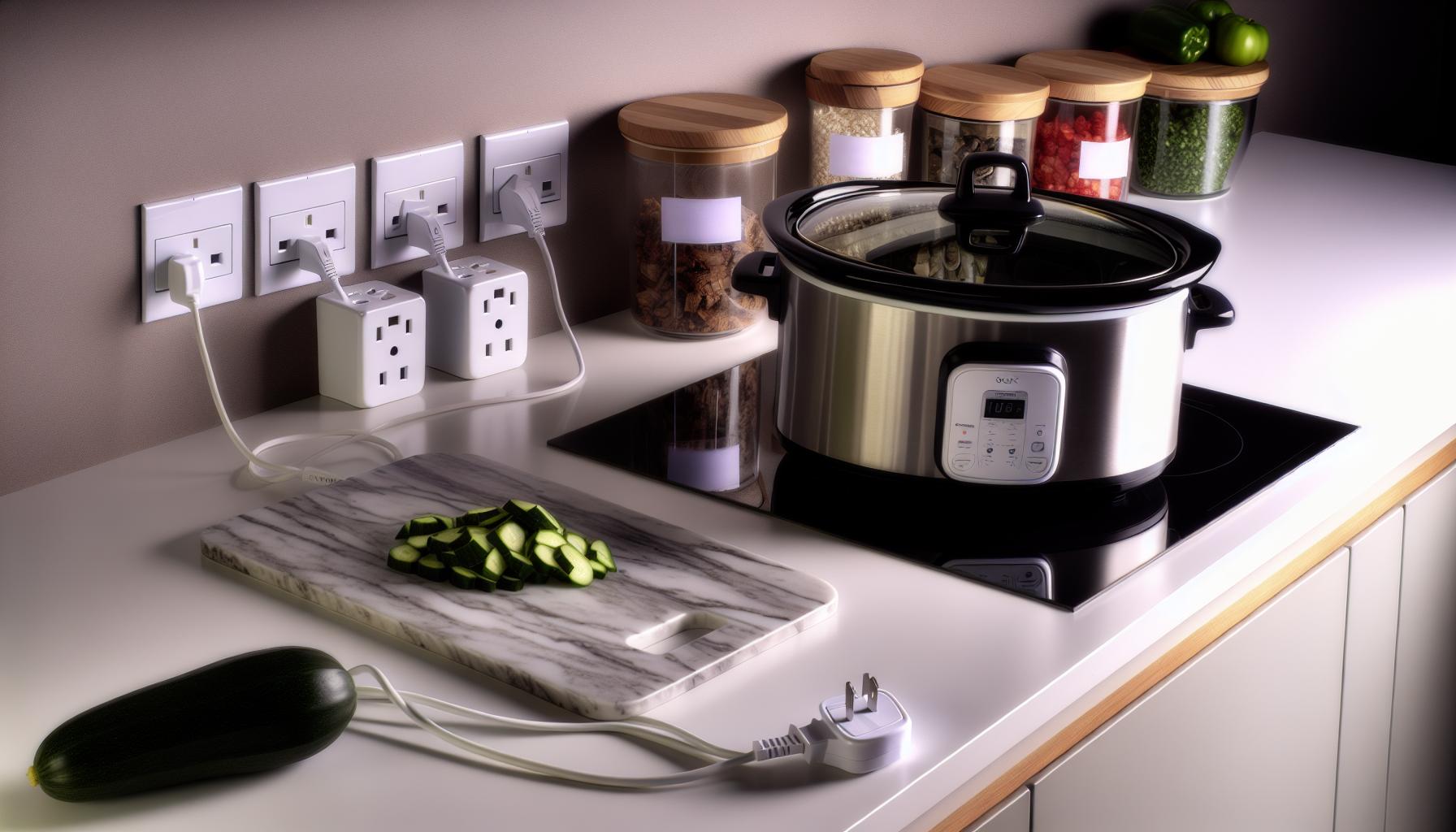
Real-Life Stories: Mistakes and Wins with Unattended Cooking
Cooking with a slow cooker is often hailed as the ultimate “set it and forget it” solution, but like any kitchen adventure, the road to perfect meals can be littered with both hilarious slip-ups and triumphant wins. One memorable occasion involved a friend who left her favorite pork carnitas unattended on high for a whole eight hours-double the recipe’s recommended time. The result? A gorgeous mess of tender meat that was more like pulled pork confetti, perfect for tacos but a vivid reminder that even slow cookers have their limits. She learned that trusting the slow cooker’s timer and testing earlier can save the day while keeping dinner stress-free.
Sometimes, the challenge isn’t only in timing but in placement and preparation. I once heard from a home cook who, eager to get ahead, set her slow cooker on the edge of a cluttered countertop filled with papers, phone chargers, and a toddler’s coloring books. mid-cook, curiosity got the best of the little one, who ended up knocking the lid askew. Thankfully, no harm done, but it showed how a little prep can prevent big distractions or spills. Now, she uses a designated slow cooker corner on a heat-resistant surface with a gate to keep her kitchen safe – a smart move that turned an accident-prone setup into a winning, worry-free workflow.
- Lesson learned: Give your slow cooker some breathing room-both for heat and peace of mind.
- Tip: Double-check that lids are secure before stepping away, especially around young kids or pets.
- Bonus win: One busy paleo family swears by using a slow cooker with an auto-shutoff timer to avoid any overcooking mishaps during their hectic mornings.
Slow cooking mishaps don’t always mean disaster; they often lead to new recipe ideas and tweaks that improve flavor or texture. As a notable example, an experienced home cook shared how she accidentally left her slow cooker on “warm” for an extra two hours after the cooking time ended. Instead of drying out the tender beef stew,she found the flavors melded more deeply,creating a richer dish that became a new family favorite. Sometimes the slow cooker surprises us when we least expect it, reminding us that a little flexibility, combined with safe unattended cooking practices, can turn ordinary meals into comforting culinary wins.
Real-World Slow Cooker Wisdom
Remember, your kitchen’s vibe and your slow cooker’s features matter just as much as the recipe. If your model lacks a timer or auto-shutoff, investing in a seperate reliable kitchen timer or setting reminders on your phone can save you from overcooking. And if your schedule demands unattended cooking often, look for cookers with built-in safety features designed for peace of mind. These simple shifts in habit and gear turn slow cooking from an unpredictable experiment to a joyful, stress-free routine full of delicious possibilities.
When to avoid Leaving your Slow Cooker Unattended
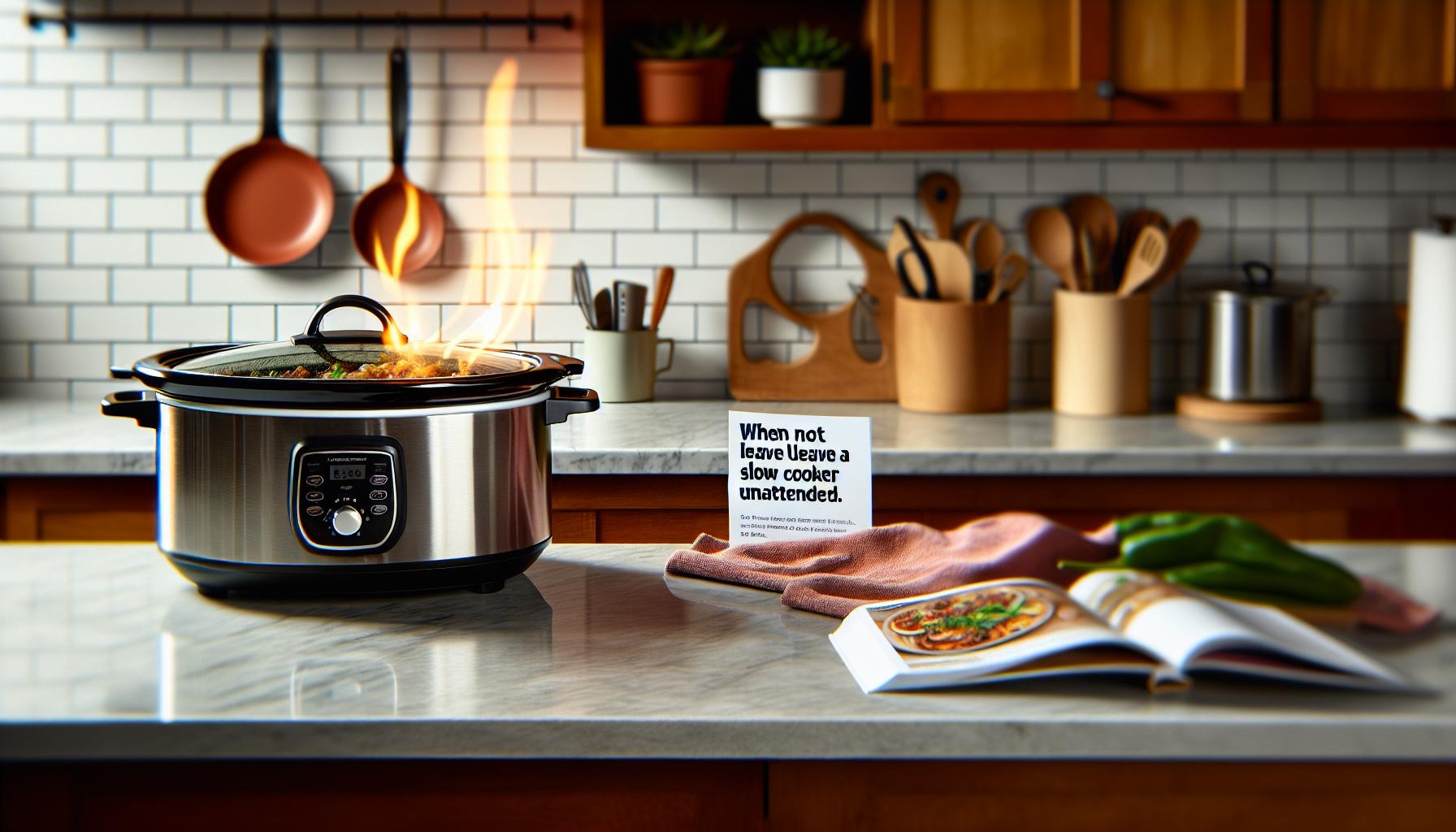
Cooking with a slow cooker is a game-changer for busy folks, but there are definitely moments when stepping away isn’t the smartest move. Think of it like leaving a curious dog alone with a steak on the table-tempting fate a bit! While slow cookers are designed to be safe and steady, certain situations demand a little extra attention, especially if you want to avoid turning dinner into a smoky kitchen adventure.
If your recipe involves delicate ingredients, like dairy (think cream or cheese), or quick-cooking veggies, it’s best to stick around. These items can sometimes behave unpredictably if cooked too long or on high heat without supervision. Also, if your slow cooker model is vintage or lacks modern safety features-such as an auto-shutoff timer or temperature sensors-it’s wise to be cautious. Older appliances might not manage temperature fluctuations as gracefully, increasing risk if left unattended for hours at a stretch.
- Watch out for crowding your countertop. A cluttered or cramped setup can invite accidents. Avoid placing your slow cooker near papers, cords, or anything flammable, especially if you’re leaving it alone. A tidy, heat-resistant spot reduces hazards and gives the cooker room to breathe.
- Keep an eye if toddlers or pets are around. As fun as it might be to let the slow cooker do its thing, inquisitive hands or paws can cause mishaps-upending the lid or unplugging the unit. If your kitchen is a lively zone, staying close can save lots of clean-up time!
- Beware of recipes with unusually long or unknown cook times. If you’re experimenting or doubling a recipe without solid timing, it’s smart to check in periodically. Slow cookers shine by “set and forget,” but when venturing into new territory, a little monitoring can prevent mushy messes or incomplete cooking.
one friend painfully discovered this the slow way when she left her paleo-friendly beef stew simmering unattended while rushing out for an errand-only to return to a scorched ceramic insert. Lesson learned: low and slow is lovely, but not 24/7. Now, she programs her slow cooker timer to “warm” mode after cooking and sets her phone reminder to check in and stir before taking off.
Keeping tabs on your slow cooker doesn’t have to cramp your style or freedom. Even quick peeks and simple precautions make a big difference in safety and meal success. When life’s hectic-and it usually is!-having that reliable appliance babysit your dinner is a joy, not a gamble. Just know when to join the kitchen party and when to confidently step away.
Quick Checklist: When to Stay Close
| Situation | Why Stay Nearby | Helpful Tip |
|---|---|---|
| Dairy or delicate ingredients | Risk of curdling or breaking down | Add these later or monitor closely |
| Old or basic slow cooker models | May lack safety features | Use a timer or upgrade unit |
| Busy kitchens with kids or pets | Potential spills or accidents | Secure placement & supervised cooking |
| Unfamiliar recipes or extended cook times | uncertain cooking result/risk of burning | Test and adjust timings; check periodically |
Quick Fixes and Troubleshooting for Slow Cooker Issues
Ever had your slow cooker suddenly stop heating mid-meal or sauce that’s looking suspiciously watery instead of luscious? Slow cooker hiccups happen to the best of us-especially when juggling paleo and gluten-free dishes that rely on perfect timing and texture. The good news? Most common slow cooker glitches have quick, practical fixes that can save dinner and restore your faith in this humble kitchen hero.If your slow cooker isn’t heating properly or takes forever to get going, first check that it’s plugged into a working outlet-sounds obvious, but trust me, it happens. Next,ensure the ceramic insert is seated correctly inside the base; a wonky connection can mess with heating. If it’s still cold after 30 minutes on “High,” try swapping to “Low” for a longer cook-sometimes a cozy, slow start nudges things along better. Pro tip: test your slow cooker with water before cooking a full meal. Fill it up halfway, heat on “High,” and see if water simmers within 60-90 minutes. If not, it’s time to consider repairs or a new model.
For watery or unevenly cooked meals,resist the urge to over-stir early on. Slow cookers work by trapping steam, and lifting the lid releases heat, extending your cook time. Instead, add extra thickening agents like arrowroot powder or a touch of almond flour near the end for paleo-friendly sauciness. If your veggies come out mushy or beef turns to leather, it might be the cooking time or temperature. Dial back on “High” cooks for tough cuts, and try layering ingredients with dense root veggies on the bottom to cook evenly.
Simple Troubleshooting Checklist
| Issue | Possible Cause | Quick Fix |
|---|---|---|
| Slow cooker not heating | Loose insert or faulty outlet | Check connections, test outlet, reseat insert |
| Watery or thin sauce | Too much liquid or no thickener | Add thickener at end, reduce liquids slightly |
| Unevenly cooked food | Improper layering or inconsistent heat | Place dense items below, cut uniform sizes |
| Food overcooked or dry | Cooked too long or at high temp | Use timer, switch to “Warm” mode after cook |
One of my favorite hacks is setting an extra reminder on my phone about halfway through cook time. It’s easy to get distracted (hello, busy family life!), but a quick stir or check-in can make all the difference between dreamy and disastrous. and if you’re dealing with an old slow cooker that doesn’t auto-shut off, consider investing in a model with that feature-a small upgrade that pays off in peace of mind.
Remember, embracing the quirks of slow cooking means learning what your machine prefers and adjusting recipes accordingly. Don’t stress over perfection; instead,tweak,taste,and savor the journey. After all, slow cooking is about more than just the meal-it’s the warm glow of home and that satisfying “set it and forget it” magic that fuels busy home cooks like you.
Peace of Mind: Monitoring Slow Cooker Meals Remotely
One of the biggest game-changers for busy cooks who love the ease of slow cooking is being able to keep an eye on their meals even when they’re not in the kitchen-or heck, even out of the house. Believe it or not, modern slow cookers with smart technology are turning the classic “set it and forget it” motto into “set it and *monitor* it from anywhere.” For those paleo or gluten-free meal preps that demand perfect timing, remote monitoring isn’t just a luxury; it’s peace of mind wrapped up in convenience.If you’re the kind who worries whether your stew has hit the right simmer, or if that beef roast is getting too cozy on the “High” heat setting, smart slow cookers with Wi-Fi connectivity can be a lifesaver. From your phone, you can check the temperature, adjust cooking times, or switch to “warm” mode without rushing back home. This means dinner can stay on track during work meetings, soccer practice, or those spontaneous errands. Plus, it’s a great way to avoid the dreaded watery sauce or mushy veggies caused by heavy lid-lifting, as you don’t have to physically open the cooker for updates.
Quick Tips for Setting Up Remote Monitoring
- Choose a reliable smart slow cooker: Look for models that sync easily with your smartphone and offer notifications for cook time milestones or errors.
- Connect to stable Wi-Fi: Your cooker’s remote function depends on a steady internet connection-make sure your kitchen signal is strong.
- Use app alerts wisely: Set reminders to stir or add ingredients when needed, preventing common pitfalls like uneven cooking.
- Pair with smart plugs for extra safety: If your model isn’t smart-enabled,a smart plug with remote on/off control can step in,providing an additional layer of control.
For example, I remember prepping a paleo-friendly chili one hectic afternoon. Thanks to my smart cooker’s app, I got a midday alert that cooking time was halfway done. I quickly adjusted the temperature down a notch and added a quick sprinkle of arrowroot for thickening-all without leaving the office. Dinner came out perfect, and I didn’t have to rush home or wonder if I overcooked the beef.
Benefits Beyond Convenience
Remote monitoring isn’t just about controlling cook times; it helps build safer kitchen routines. Imagine the confidence you gain knowing you can respond quickly if something seems off-like a cooker not reaching the right temperature. This proactive approach is especially important if you’re leaving your meal unattended for the first time or experimenting with new recipes that rely on precise, low and slow heat.Busy home cooks often worry whether unattended slow cooking is safe, but incorporating remote tech makes it a lot less nerve-wracking. It’s almost like having a trusted sous-chef watching over your meal alongside you, offering that small but important cushion of assurance as your kitchen hums its cozy, quiet magic. So go ahead, set your slow cooker, head out for that yoga class, and relax knowing your meal is safely simmering along with a helpful nudge from your phone.
| Feature | Benefit | Tip |
|---|---|---|
| Wi-fi Connectivity | Allows real-time control and updates from anywhere | Ensure your router covers your kitchen area |
| app-Based Alerts | Prompts timely stirring or temperature tweaks | Customize notifications to avoid alert fatigue |
| Auto Shutoff Function | Prevents overcooking and safety hazards | Prefer models with reliable auto shutoff for unattended use |
| Smart Plug Compatibility | Adds remote power on/off to older models | Use with surge protectors and verify wattage limits |

Smart Slow Cooking Hacks for Busy Home Cooks
It’s amazing how slow cookers have evolved into the ultimate kitchen sidekick for those of us juggling busy schedules. When time is tight and dinner needs to happen without a hitch, having a few savvy hacks up your sleeve not only ensures delicious results but also keeps your home safe and your stress levels low. Whether you’re paleo-curious, gluten-free, or just aiming for a hearty comfort meal, it’s all about smart prepping and smart tech working together to fit your lifestyle (not the other way around).One of my favorite hacks? Batch prep your ingredients ahead of time and freeze them in portioned bags. For example, chop paleo-friendly veggies and meats on Sunday, pile them into freezer bags with your favorite herbs and spices, then toss a bag straight into the slow cooker in the morning. This trick slashes prep time to almost zero and lets you safely leave your slow cooker unattended while it effectively works its magic. Pro tip: use frozen ingredients instead of fresh to keep the slow cooker temps steady, reducing any risk of undercooking.
Maximize safety with Smart Timing and Settings
Slow cookers shine when you understand their quirks. Many models don’t have auto-shutoff, so pairing your cooker with a smart plug can be a game-changer-turn it off remotely after the cooking window to prevent overcooking or drying out your paleo stew. I once set my slow cooker to “high” for the first two hours, then switched to “low” for the remainder using my phone app-no soggy veggies, just perfectly tender but firm bites every time. If your slow cooker doesn’t come with timers, use your phone’s alarm app to remind you when it’s time to check, stir, or flip.
- Choose recipes with high moisture content: These naturally regulate temperature and keep food juicy.
- Layer foods thoughtfully: Denser items like root veggies go at the bottom where it’s hottest, while quick-cooking ingredients sit on top.
- Resist the urge to lift the lid! Every peek drops the temperature and extends cooking time, risking unevenly cooked meals.
Simple Tweaks for Effortless Paleo and Gluten-Free Feasts
Want your slow cooker to help you love healthy meals? Try adding coconut aminos instead of soy sauce, or toss in a few dashes of smoked paprika and cumin for that deep smoky punch without added gluten or grains.Always test spice blends in small batches first since slow cooking can intensify flavors dramatically. for paleo chili, I swap out beans for extra mushrooms and toss in diced sweet potatoes for chunkiness. Keeps things hearty while staying true to the diet.Remember, slow cooking isn’t about perfection-it’s about making life easier and meals tastier. The next time you pack a bag for the gym or head to a late meeting, trust that your smart slow cooker and your prep tricks have your back. After all, the best kitchen companion is one that makes you feel like a relaxed kitchen rockstar, not a frazzled chef racing against the clock. Bon appétit!
Q&A
Q: How can I ensure my slow cooker is plugged in safely when left unattended?
A: Always plug your slow cooker directly into a wall outlet,avoiding extension cords to reduce fire risks. Place it on a stable, heat-resistant surface with good ventilation. These steps support safe unattended use,as detailed in our setup tips for safe slow cooking section. Stay mindful to protect your kitchen!Q: What are the most common slow cooker electrical hazards to watch for?
A: the leading electrical hazards include damaged cords, overloaded outlets, and water exposure. Regularly inspect your slow cooker’s power cord for frays and avoid placing it near sinks. These simple precautions can help you avoid common slow cooker hazards safely while cooking unattended.
Q: Can slow cookers overheat if left unattended for too long?
A: Yes, slow cookers can overheat if faulty or lacking auto-shutoff features. Selecting models with built-in timers and automatic shutoff ensures protection. Refer to how to choose the safest slow cooker models to pick appliances designed for safe unattended use and enjoy peace of mind.
Q: How do slow cooker timers improve safety for unattended cooking?
A: Slow cooker timers enhance safety by automatically switching off or shifting to a warm setting, preventing overcooking or hazards. Using models with this feature aligns with best safety practices you’ll find under understanding slow cooker timers and auto-shutoff features.
Q: What should I do if I smell something burning while my slow cooker is unattended?
A: Immediately unplug your slow cooker and carefully check for spills or overheating. If safe, allow it to cool before inspecting for damage. This quick response prevents accidents and highlights why knowing quick fixes and troubleshooting for slow cooker issues is essential.
Q: Are there safe slow cooker recipes specifically suited for unattended cooking?
A: Absolutely! Recipes using high-moisture, low-fat ingredients reduce burning risks and ensure even cooking. Check our best practices for preparing your slow cooker meals for tasty, low-maintenance recipes ideal for unattended slow cooking.
Q: how often should I clean my slow cooker to ensure safety during unattended use?
A: Clean your slow cooker thoroughly after each use, paying attention to the heating base and lid seals. residue buildup can cause uneven heating,increasing risks during unattended cooking. Our common slow cooker hazards and how to avoid them section has detailed cleaning tips.
Q: what remote monitoring options are available for slow cookers left unattended?
A: Smart slow cookers with wi-Fi or Bluetooth connectivity allow you to monitor and control cooking remotely via smartphone apps. This tech provides peace of mind for unattended slow cooking, fitting perfectly with busy lifestyles and enhancing safety effortlessly.
Explore these FAQs alongside our main guide for a safer, more delicious slow cooking experience tailored to your busy, flavorful life!
Insights and Conclusions
Remember, while slow cookers are fantastic for busy days, following safety guidelines ensures your meal cooks to perfection without a hitch. Always prep wisely, double-check your appliance, and never underestimate the value of a quick safety check before leaving your slow cooker unattended. If you’re itching for more slow cooker tips, don’t miss our detailed guide on “Slow Cooker Meal Prep for Busy Weeknights” or explore “Healthy Gluten-Free Slow cooker Recipes” to keep your meals both safe and delicious.
Ready to dive deeper? Sign up for our newsletter to get weekly kitchen hacks,tested recipes,and safety tips straight to your inbox-as good cooking is all about feeling confident and carefree.Got questions or success stories about your slow cooker adventures? Drop a comment below; we love hearing from home cooks just like you. For next steps, consider checking out our slow cooker accessories or timer tools to make unattended cooking even safer.
By sticking to these practical steps, you’re not just cooking-you’re embracing stress-free, safe, and tasty slow cooker meals that fit your busy lifestyle. Keep exploring, keep cooking, and remember: a little prep and the right info make all the difference!
Get our latest guides, news, and insights highlighted in your Google Search & AI Overviews.