

Here’s a little secret many busy home cooks wonder about: can you toss frozen meat straight into a slow cooker without turning dinner into a risky science experiment? It’s tempting-save time, skip the thawing, get that tasty, melt-in-your-mouth stew or roast simmering while you tackle your day. But safety matters, especially when it comes to cooking meat evenly and avoiding foodborne bugs. If you’ve ever second-guessed throwing frozen chicken or beef in the crockpot, you’re not alone. Let’s unpack the facts together, share what actually works in real kitchens, and help you confidently plan meals that are both simple and safe. Whether you’re paleo, gluten-free, or just craving a fuss-free, hearty dinner, understanding when frozen meat is a slow cooker win (and when it’s a no-go) can save you from a soggy stew or a stressful cleanup. Ready to slow cook smarter and tastier? Let’s dive in!
Table of Contents
- is It Safe to Cook Frozen Meat in a Slow Cooker?
- How Cooking Frozen Meat Affects Food Safety
- Step-by-Step Guide to Using Frozen Meat in Slow Cookers
- Best Slow Cooker Settings for Frozen Meat Meals
- Tips to Ensure Even Cooking and Avoid Cold Spots
- Healthy and Delicious Recipes Using Frozen Meat
- Common Mistakes When Slow Cooking Frozen Meat
- How to Thaw meat Safely before Slow Cooking
- Impact of Meat Type on Cooking Frozen in Slow Cooker
- Slow Cooker Alternatives when Using Frozen Meat
- Storing and Reheating Leftovers from Frozen Meat Dishes
- Frequently asked questions
- Q: How long does it take to safely cook frozen meat in a slow cooker?
- Q: Can cooking frozen meat in a slow cooker cause foodborne illness?
- Q: What slow cooker recipes work best with frozen meat?
- Q: can I add frozen meat to a slow cooker with other frozen ingredients?
- Q: Why is slow cooking frozen meat sometimes less tender?
- Q: Is it better to thaw meat before slow cooking or start from frozen?
- Q: How do I prevent cold spots when slow cooking frozen meat?
- Q: Can I cook frozen ground meat safely in a slow cooker?
- In Retrospect
is It Safe to Cook Frozen Meat in a Slow Cooker?
Cooking frozen meat directly in a slow cooker often sparks a mixed bag of opinions-and for good reason. While the idea of tossing that chicken breast or ground beef straight from the freezer into the pot sounds like a dream for busy weeknights, the reality is a bit more nuanced when it comes to food safety. Slow cookers heat food slowly and gently, relying on time rather than high initial temperatures. This means frozen meat can linger in the “danger zone” (40°F-140°F) longer than it should, where bacteria love to multiply rapidly.
That said, all hope is not lost! If you’re patient and savvy about it, cooking frozen meat in a slow cooker can be done safely without sacrificing flavor or texture. The key is to ensure the slow cooker reaches a safe internal temperature promptly and maintains it long enough to kill harmful pathogens. For example,using the high heat setting for the first hour can help kick-start the cooking process and bring the meat temperature up quickly. After that, you can switch to low if your recipe calls for slow, melt-in-your-mouth tenderness.
Real Kitchen Wisdom From My Experience
I’ve been guilty of tossing frozen stew meat into my slow cooker in a rush, only to learn that it’s safer to thaw first when possible. However, when life got hectic, switching to the high setting early on was a game-changer. One slow cooker pot roast cooked straight from the freezer on high for an hour, then low for seven hours, turned out juicy and safe every time. Always check with a meat thermometer to ensure the center hits at least 165°F (74°C)-the golden rule for safety.
Tips for Safer Slow Cooking With Frozen Meat
- Aim for larger cuts: Thick pieces that defrost slowly can be tricky, so cutting them into smaller chunks helps cook evenly.
- Use a trusted thermometer: Don’t rely on guesswork; checking temperature is your best safety net.
- Consider rapid thawing: A cold-water bath before slow cooking can cut risk without much prep.
- Plan your timing: Remember that cooking frozen meat usually adds extra hours, so give yourself enough time.
Bottom line? Yes, you can cook frozen meat in your slow cooker. Just be mindful, use the right settings, and err on the side of food safety.Your effort will pay off in comforting meals that even busy schedules can handle.
How Cooking Frozen Meat Affects Food Safety
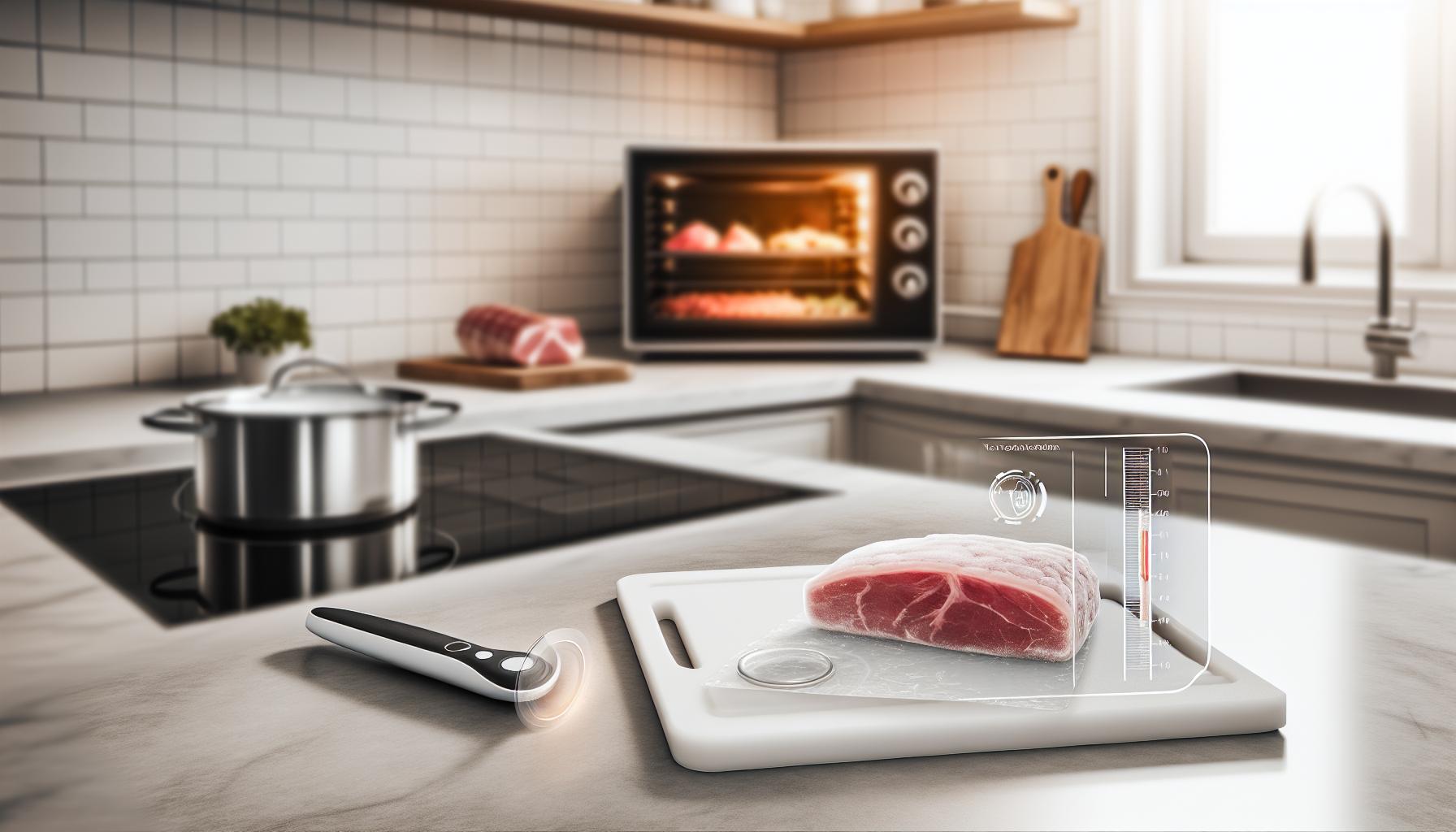
When it comes to cooking frozen meat in a slow cooker, the biggest food safety challenge comes down to timing and temperature control. Slow cookers are designed to gradually raise temperatures over several hours, which is perfect for tenderizing tougher cuts-but frozen meat throws a wrench into the process. Starting with frozen protein means your slow cooker spends more time heating up the meat, perhaps letting it hang out in the “danger zone” (between 40°F and 140°F) where bacteria multiply rapidly. This is the core concern behind why food safety experts frequently enough advise against tossing frozen meat straight into a slow cooker.
But before you swear off frozen meat in slow cooking forever, there’s good news. Using the slow cooker wisely-with some tweaks-can keep meals both safe and scrumptious. For example, beginning the cook cycle on the high setting for at least the first hour helps the appliance raise the meat’s temperature quickly, cutting down the risky window. Once the meat is heated through, you can drop to low for that long, slow braise or stew.I learned this the hard way after a dinner party mishap-it’s easier to feel confident if you use a trusty thermometer to confirm your roast is hitting 165°F (74°C) or higher in the thickest part.
How to Stay Safe and Still Save Time
If life’s busy (and whose isn’t?),thawing first isn’t always practical. To bridge that gap, quick-thawing in cold water or even cutting frozen meat into smaller, evenly sized chunks can speed cooking times and reduce cold spots where bacteria love to hide. Smaller pieces warm through more evenly, which helps reduce guesswork and keeps your meal on track.
- Tip: Avoid overloading the slow cooker; crowded pots can slow heat circulation, increasing cold spots.
- Quick fix: Give frozen meat a quick rinse under cold water to loosen ice crystals-this little step can definitely help it heat more evenly.
- Pro move: Always use a meat thermometer! It’s easier than you think and gives reliable peace of mind.
remember, slow cooking frozen meat demands patience and a little extra attention-but it’s absolutely doable. Like anything in the kitchen, understanding what happens when cold meat meets slow heat lets you make smart choices without turning every meal into a science experiment. And hey, when it turns out just right, those no-fuss slow cooker dinners are pure comfort wrapped in delicious simplicity.
Step-by-Step Guide to Using Frozen Meat in Slow Cookers
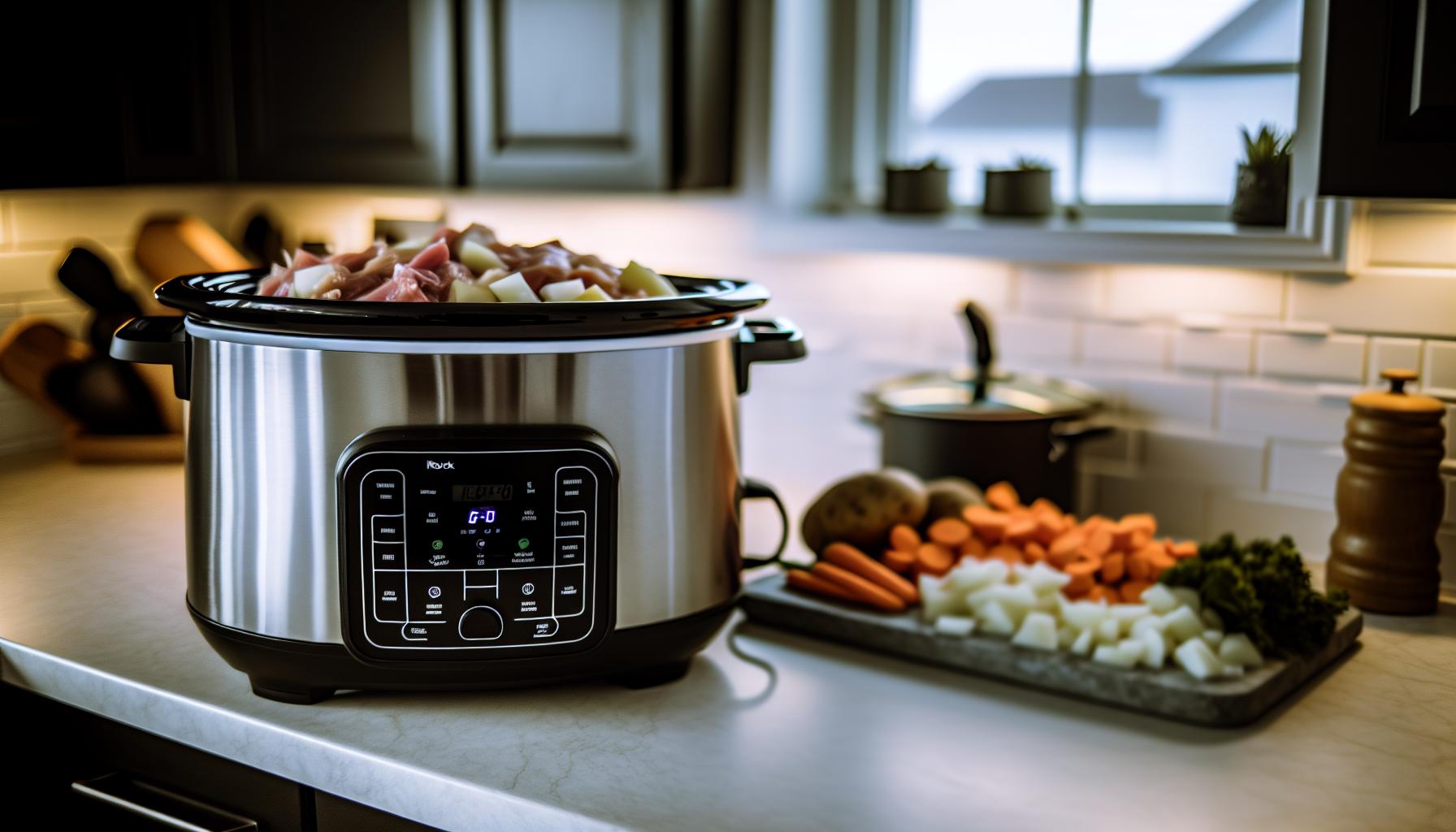
Jumping straight from freezer to slow cooker can feel like a tempting shortcut on busy days-after all, who wants to wait for hours of thawing when dinner’s calling? The good news is that with a little planning and know-how, you can safely and deliciously turn frozen meat into tender meals without stressing the clock. It’s like giving your slow cooker a head start so it can warm your dinner faster without compromising safety. From my own kitchen experiments, the secret lies in balancing heat, timing, and portion size.
Ready to tackle this? Here’s a practical, no-fuss playbook that anyone-even those with limited free time-can follow to get frozen meat from freezer to fork.Whether you’re making cozy stews, paleo-friendly roasts, or gluten-free BBQ pulled pork, these steps help make sure your meals are tasty and safe every time.
Step-by-Step Slow Cooking Frozen Meat
- 1. Choose the Right Cut and Portion Size: For best results, select smaller cuts or chunk the meat into 1-2 inch pieces if possible.This helps heat penetrate evenly, reducing the risk of cold spots where bacteria can hide. Such as, cubed chicken breasts are easier to cook safely from frozen than a big solid roast.
- 2. Prep your Slow Cooker: Give your slow cooker a quick rinse and add any base ingredients like onions, garlic, or broth. Place frozen meat at the bottom so it’s closest to the heat source, then layer vegetables or heavier ingredients on top.
- 3.Start on High Heat: Begin cooking on the high setting for the first 60 minutes. This jumpstarts the warming process and pushes meat through the danger zone (40°F to 140°F) faster. If your cooker has a sear or sauté function, give the frozen pieces a quick toss to grab some heat before the slow cook begins-this step isn’t essential but definitely speeds things along!
- 4. Switch to Low Heat: After the initial hour,lower the cooker to low for the remainder of the cook time. This gives your meal the gentle braise or stew effect that slow cooking is famous for, breaking down collagen and keeping proteins tender without drying out.
- 5. Monitor Internal Temperature: About 15 minutes before the expected cook time ends, use a trusty meat thermometer to verify doneness. Aim for an internal temperature of 165°F (74°C) for poultry or similar safe temperatures for other meats. If it’s not there yet, give it more time on low.
- 6. Rest Before Serving: Let the meat rest in the slow cooker with the lid off for 5-10 minutes to let juices redistribute and cool slightly, enhancing flavor and texture before plating.
Quick Kitchen Hacks to Speed Things Up
If you’re really in a pinch, breaking frozen meat into smaller pieces before tossing it in helps a ton. I once accidentally threw an entire frozen pork loin in whole-and let’s just say my dinner was a little unevenly cooked. Lesson learned: smaller chunks heat faster and more evenly, perfect for any paleo or gluten-free stew. If you don’t have time to cut meat, adding a little hot broth or water at the bottom can definitely help conduct heat more quickly.
Also, don’t forget those trusty tools like slow cooker liners for easy cleanup and digital meat thermometers with alarms. They’re small investments that make the whole process more foolproof and fun-plus, they save you the “did I cook this long enough?” guessing game. Remember,the slow cooker is your friend when respected-and with frozen meat,a bit of extra TLC goes a long way!
Best Slow Cooker Settings for Frozen Meat Meals
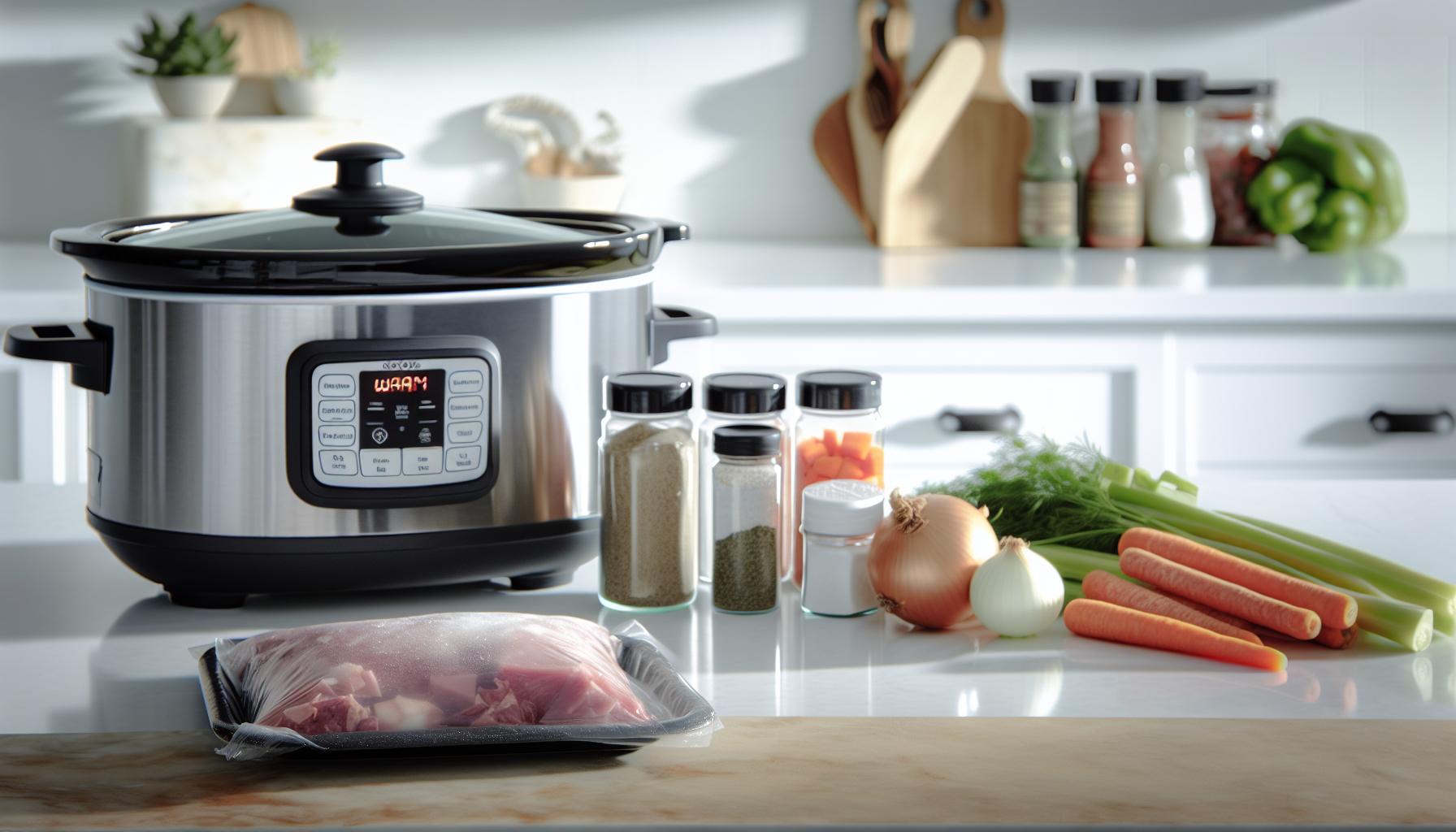
Sometimes, the slow cooker can feel like magic-throw in your ingredients and dinner just happens. But when it comes to frozen meat, dialing in the right settings turns that magic into a delicious, safe meal. The golden rule? Start strong and then slow down. Beginning the cooking on the high setting ensures the meat passes quickly through the “danger zone” (temperatures where bacteria love to hang out). After that first power hour, dropping the heat to low lets flavors meld and meat tenderize, without drying out the dish.
From my kitchen escapades making everything from paleo chicken stew to gluten-free pulled pork, I’ve found this two-step heat approach works wonders.Here’s why: starting high gets the frozen core warming fast, preventing unsafe bacterial growth. Then switching low invites the slow cooker’s signature gentle simmer,coaxing collagen breakdown for melt-in-your-mouth texture.It’s like giving your frozen meat a turbo boost, then a comfy cruise to finish.
- Begin with the high heat for 60 minutes: This step is non-negotiable when using frozen – it kickstarts that warming process and safeguards food safety. If you’ve got the option, a quick sear before using the slow cooker speeds things up even more, but it’s not mandatory.
- lower to low for the rest of the cooking time: This lets the meat and veggies soak up flavor slowly.Depending on your cut’s size and type, cook times may vary a bit-think around 4-6 hours total for chunked meat.
Sometimes, your slow cooker might have specific presets labelled “poultry” or “stew.” They’re tempting to trust, but when working with frozen meat, don’t shy away from manually setting the heat to high initially. If you have a programmable cooker or one with a timer,you can automate the high-to-low switch,freeing up your hands and your brain.
Want a quick cheat sheet? Here’s a rough guide for common frozen meat meals in a simple table format I keep on my fridge:
| Meal Type | Initial Setting & Duration | Follow-up Setting & Duration | Total Time |
|---|---|---|---|
| Chicken breast chunks (paleo-friendly stew) | High for 1 hour | Low for 3-4 hours | 4-5 hours |
| Pulled pork (gluten-free BBQ) | High for 1 hour | Low for 6-8 hours | 7-9 hours |
| Beef stew cubes | High for 1 hour | Low for 5-6 hours | 6-7 hours |
Remember to always check the internal temperature before serving-aim for at least 165°F (74°C) for poultry and the USDA-recommended temps for beef or pork. I keep a trusty digital meat thermometer handy: it’s a game-changer and prevents that “Is it done yet?” anxiety. When in doubt, a little extra cooking time on low won’t hurt; just avoid rushing with shortcuts like turning to the low setting right away, which can mean unevenly cooked meals and, worse, food safety risks.
Trust me, this approach strikes the perfect balance between food safety and flavor progress.Embrace the slow cooker’s gentle art, even with frozen meat, and you’ll find yourself with consistently satisfying, worry-free meals-even on the busiest nights.
Tips to Ensure Even Cooking and Avoid Cold Spots
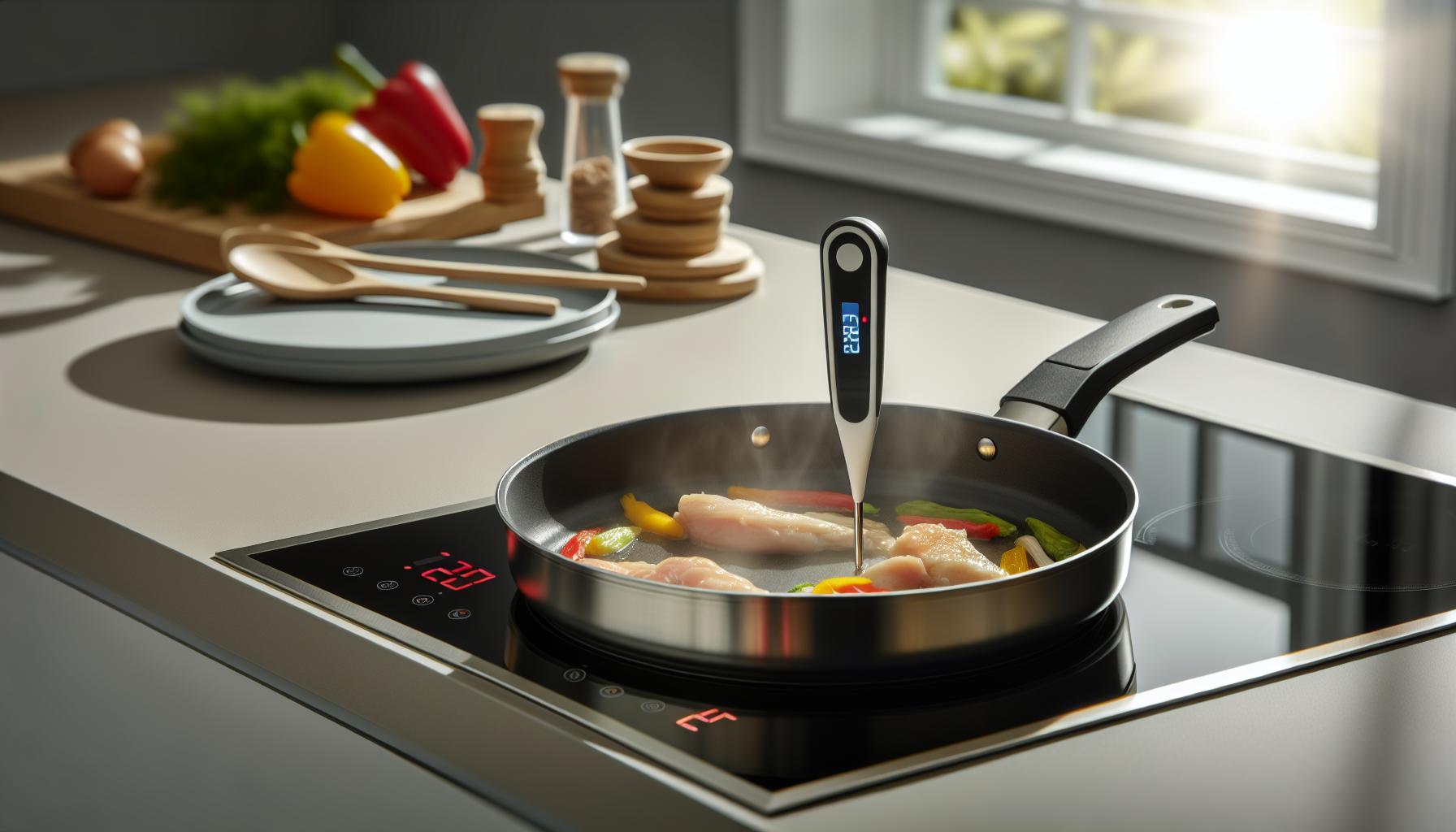
Cooking frozen meat in a slow cooker can feel like a bit of a culinary tightrope walk when you want everything to come out evenly cooked-not a single cold spot in sight. The challenge arises because frozen meat takes longer to heat through, and slow cookers, well, they’re slow by design. Without some intentional moves, you might end up with partially cooked centers and unevenly softened veggies around the edges. But don’t worry-there are some simple tweaks that make all the difference,turning your slow cooker into a reliable,even-cooking champion.
First off, think about layering smartly. Instead of just dumping frozen meat chunks on top of your veggies, try this: place your root veggies (carrots, potatoes, parsnips) at the bottom.They take longer to cook, and placing them beneath helps them soak up heat more effectively. Then nestle your frozen meat on top. It might sound counterintuitive, but as the heat rises, the meat thawing from the top down helps circulate warmth throughout the pot. Plus, avoid overfilling – a slow cooker crusted edge-to-edge will trap cold zones. Leave at least an inch space between the food and lid for steam to swirl and heat evenly.
Give the Meat a little Space and TLC
Whenever possible, break your frozen meat into smaller, uniform pieces before tossing them in. Smaller chunks thaw and cook more quickly than a giant frozen slab. It also helps bacteria from getting cozy in cold pockets since the heat can reach all sides faster.Personally, I always keep a stash of paleo-friendly chicken breast cubes ready to defrost overnight, but on those “I forgot dinner” days, tossing frozen chunks directly into the cooker works with these tips.
- Stir halfway through cooking: If your recipe allows, pause and give everything a gentle mix about halfway through. This redistributes heat and juices, smoothing out any cold spots.
- Use a programmable slow cooker timer: Automate the high to low switch to guarantee that initial heat spike critical for kicking off even cooking.
- Keep the lid shut: Every peek lets out precious heat and messes with temperature stability. Resist the urge-your dish will thank you.
Check Internal Temp in Multiple Spots
This is non-negotiable, especially with frozen meat. Use a quality digital meat thermometer to test the thickest parts of your meat in a few spots. One poke near the edge isn’t enough. If any area hasn’t reached safe temps-165°F (74°C) for poultry or USDA guidelines for pork and beef-pop the lid back on and let it cook a bit longer. I learned this the hard way when a frozen beef stew emerged juicy but uncooked at the core.Now I’m compulsive about checking early and often.
These small habits not only keep you safe but elevate your slow cooker game to fun, stress-free levels. because oh yes, even with frozen starts, comfort food can be paleo-friendly, gluten-free, and downright delicious!
Healthy and Delicious Recipes Using Frozen Meat
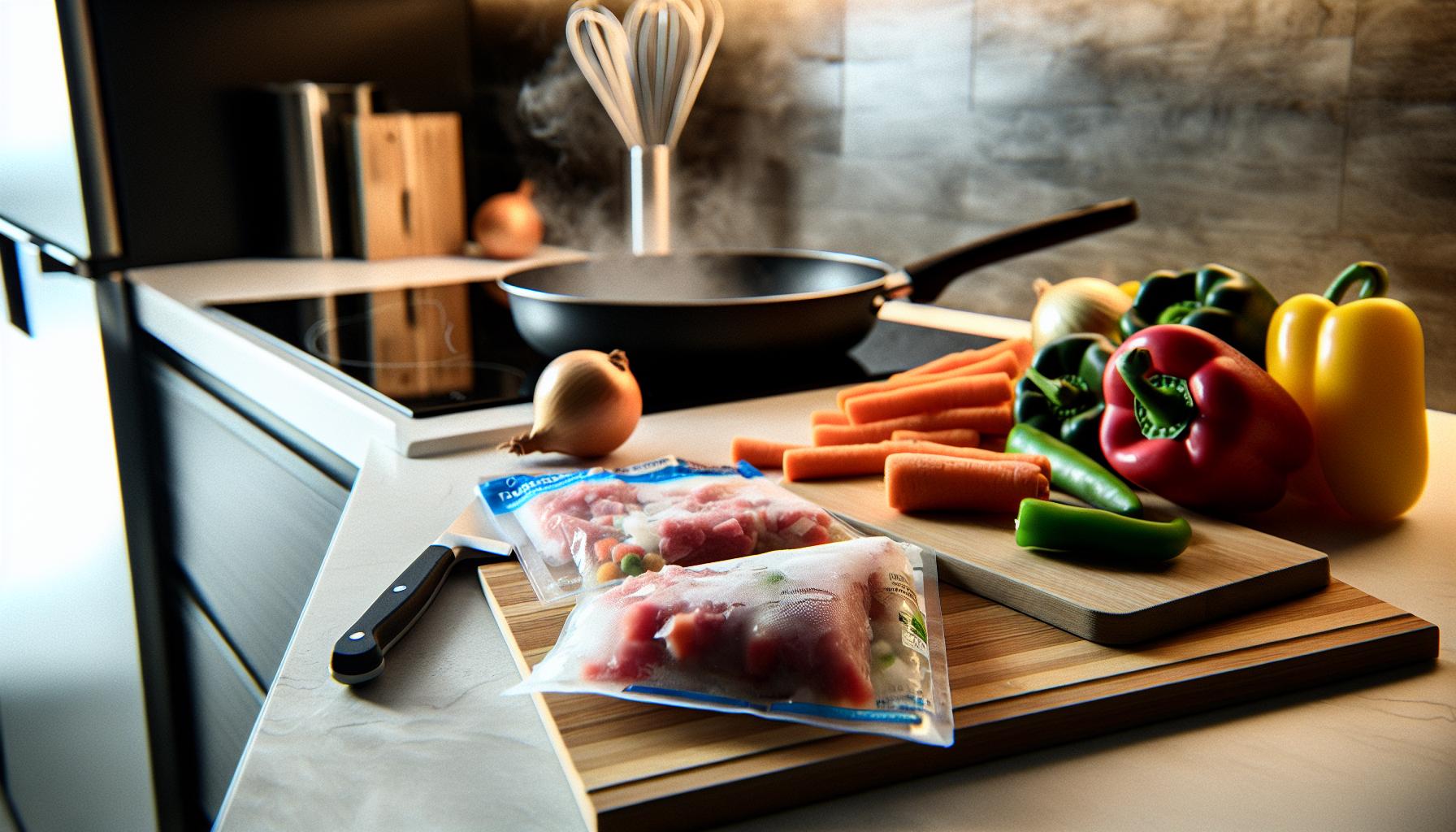
Cooking from frozen doesn’t have to mean sacrificing flavor or nutritional goodness-especially when you have a trusty slow cooker at your side. Embracing the ease of tossing frozen meat right into the pot is a game-changer for busy weeknights or last-minute meal prep.With a few thoughtful recipes that balance wholesome ingredients and foolproof methods, you can whip up meals that feel comforting, fresh, and absolutely satisfying without the stress of a marathon thaw.
Why not dive into a comforting paleo-friendly Chicken Cacciatore that starts with frozen chicken thighs? Simply layer frozen chicken on a bed of sliced bell peppers, onions, and tomatoes, then add garlic, olives, and a splash of chicken broth or paleo-approved wine substitute. Cook on low for 6-8 hours,and you’ll have tender,juicy chicken with a depth of flavor from the slow-simmered sauce. Bonus: it’s naturally gluten-free, dairy-free, and perfect for meal prep. I’ve done this on many a rushed Sunday,and every time my family thinks it’s from scratch,not freezer-to-table magic!
For a hearty beef stew that’s both paleo and crowd-pleasing,frozen stew meat cubes are your best friend. Toss them in with diced carrots, celery, onions, and a rich tomato base seasoned with herbs like rosemary and thyme. Because the meat is frozen, start cooking on high for the first 1-2 hours to kick-start thawing, then drop to low for a slow, melting finish. This two-step heat routine helps keep your veggies from turning to mush and ensures the beef reaches that perfect fork-tender point. It’s comfort food that works hard and plays well with your schedule.
Tips for Maximizing Flavor and Nutrition
- Use broth or homemade sauces: Frozen meat can release moisture that dilutes flavor. Boost taste with flavorful liquids like bone broth or slow cooker-friendly curry pastes.
- Layer smartly: Place root veggies beneath frozen meat to keep textures balanced and absorb rich juices from the meat as it slowly cooks.
- Spice it up towards the end: If using fresh herbs or delicate spices, stir them in during the last 30 minutes to preserve thier brightness and punch.
A Quick Reference for Frozen Meat slow Cooker Recipes
| Recipe | Dietary Type | Prep Time | Cook Time | Key Ingredients |
|---|---|---|---|---|
| Paleo Chicken Cacciatore | Paleo,Gluten-Free | 10 minutes | 6-8 hours (low) | Frozen chicken thighs,bell peppers,tomatoes,olives |
| Slow Cooker Beef stew | Paleo-friendly,Gluten-Free | 15 minutes | 2 hours (high) + 6 hours (low) | Frozen beef cubes,carrots,celery,tomato base |
Trust me,there’s nothing quite as rewarding as a no-fuss,nutrient-dense dinner coming together while you’re catching up on your favorite show or even just finally stealing a moment to breathe. Frozen meat in the slow cooker isn’t just safe-it can be a launchpad for delicious, healthy meals designed to nourish both body and soul. So go ahead, embrace that freezer stash and experiment confidently!
Common Mistakes When Slow Cooking Frozen Meat
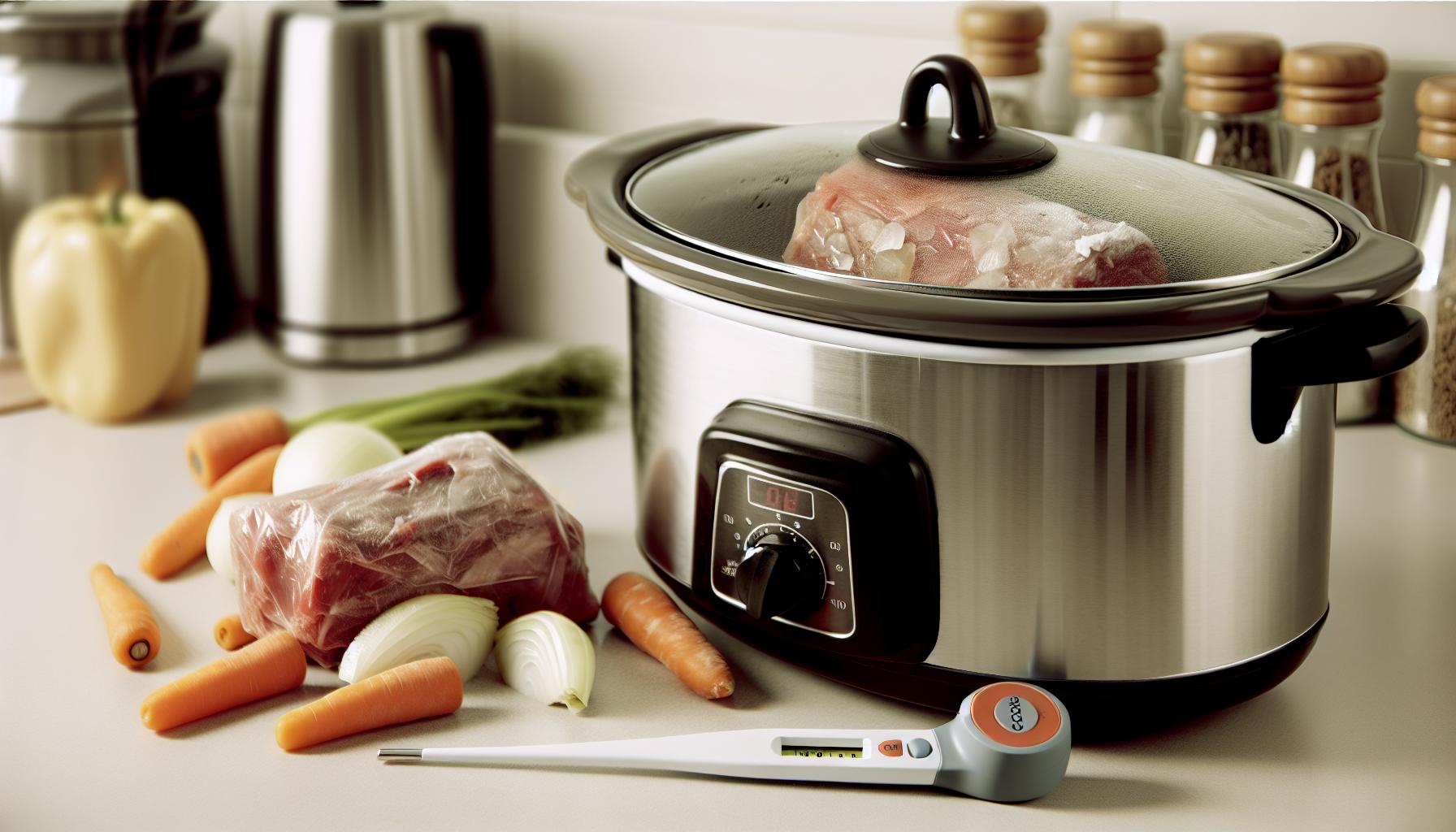
Cooking frozen meat in a slow cooker can feel like a total timesaver, but there are some classic missteps that can turn your mealtime triumph into a bit of a kitchen fumble. One of the most common slip-ups is underestimating the time it takes for frozen meat to thaw and cook through safely. Slow cookers are designed to gently coax flavors together over hours, but tossing in frozen meat without adjusting cooking time or temperature can leave you with cold spots where bacteria love to hang out. I’ve learned this the hard way-once trying a recipe with frozen chicken breasts on low for five hours only to find the center was cool and not quite done. Not fun.
Another rookie mistake is not starting with a hot enough setting or skipping the initial high-heat phase that’s often crucial when starting from frozen. For example, if you’re making a Paleo-friendly beef stew with frozen cubes, beginning on low alone might keep the meat in the “danger zone” (40-140°F) too long. A quick ramp-up to high heat for an hour or two jumpstarts thawing and sets you on track for perfectly tender results. It’s a little tweak that makes a big difference and keeps everything safe and scrumptious.
- Ignoring proper layering: Putting frozen meat on top of delicate veggies can steam or mush them before the meat even starts to cook. Try placing root veggies like carrots or potatoes first-they hold up better and soak in those rich meat juices of slow-simmered goodness.
- Overloading the slow cooker: Packing it too full restricts heat circulation and slows thawing, especially with frozen chunks adding cold mass. Always give your slow cooker some breathing room for even cooking.
- Skipping seasoning or flavor layering: Frozen meat sometimes releases extra water, which can dilute sauces. Don’t be shy with broth,herbs,or spice pastes layered thoughtfully from the start to keep flavor vibrant.
One last nugget from my toolbox: always use a reliable meat thermometer to check for doneness. slow cookers can vary, and visual cues aren’t always enough when starting frozen. A few extra minutes on high or low could mean the difference between food safety and grilling a “meh” meal. so, with a little care (and some patience), slow cooker dinners starting from frozen can still be flavorful, paleo-friendly, and downright cozy without any stress or surprises.
How to Thaw meat Safely before Slow Cooking
Thawing meat safely before slow cooking isn’t just an excellent idea-it’s a game changer for both flavor and food safety. I’ve been there, tossing frozen chicken or beef straight into the slow cooker, dreaming of a quick dinner, only to end up nervously poking with a thermometer, worried about cold spots. Trust me, planning ahead with proper thawing can save you from a soggy veggie disaster or, worse, a food safety fail. Plus, thawed meat tends to soak up marinades and spices way better, making your paleo-friendly or gluten-free dishes sing with flavor.
if you’re short on time,the cold water thaw is your best friend.just submerge the meat securely wrapped in a leak-proof bag, and change the water every 30 minutes. this usually gets a pound of meat thawed in about an hour, which is perfect if you forgot to plan the night before but don’t want to risk the slow cooker “danger zone” hazards. Avoid room temperature thawing, as tempting as it sounds, because bacteria multiply quickly between 40°F and 140°F.
Safe and Simple Ways to Thaw Meat
- Refrigerator thawing: This is the gold standard for safety and consistency. Plan ahead by placing your frozen meat on a plate or tray in the fridge for 12-24 hours, depending on size. Larger cuts like roasts need more time, while smaller pieces like chicken breasts thaw quicker. The slow chill keeps meat out of the danger zone and locks in juices.
- Cold water thawing: Speedier than the fridge, it demands a bit more monitoring. Keep meat sealed in a plastic bag and submerge in cold water, swapping the water every half hour. It’s great for a last-minute dinner rescue and keeps your kitchen safe.
- Microwave thawing: only if you’re cooking immediately afterward. This method can start cooking the edges prematurely,so it’s best for small cuts or when you’re in a pinch. Keep an eye on it!
Why It Matters for Paleo and Gluten-Free Cooks
When you’re working with recipes that highlight pure, whole ingredients-like a slow-cooked beef and veggie stew or a dairy-free chicken curry-texture and flavor matter. Thawed meat hugs seasonings more tightly,creating a rich broth that’s both nourishing and comforting. Plus, avoiding the dreaded cold pockets means your paleo lifestyle stays stress-free and your slow cooker dishes come out melt-in-your-mouth perfect every time.
So next time the clock’s ticking and dinner feels like a rescue mission, consider that little extra thawing time your secret weapon. it turns your slow cooker from a safety gamble into a sure-fire route to a warm, wholesome meal. After all, a happy kitchen is one where good food and good vibes coexist-even on the busiest days.
Impact of Meat Type on Cooking Frozen in Slow Cooker
Frozen meat can be a real time-saver, but the type of meat you’re working with plays a huge role in how well your slow cooker magic unfolds-and how safe and tasty the final dish turns out. Not all proteins are created equal when it comes to slow cooking from frozen. for example, lean cuts like chicken breasts or pork tenderloin heat up differently than fattier or denser choices such as beef chuck or lamb shoulder. These differences can affect cooking times, texture, and even how thoroughly heat reaches the center of the meat.A neat trick I’ve learned is that thicker,bone-in cuts will usually need more time in the slow cooker if they’re starting frozen. Bones conduct heat, but when frozen, they slow the warming process down, which can leave you nervously wondering if you’ll hit that perfect safe internal temp or if the meat’s ending up in the dreaded “danger zone.” On the flip side, ground meat or smaller pieces like stew cubes thaw and cook faster, reducing risk and giving you more predictable results. If you enjoy paleo or gluten-free meal prep,picking the right cut can make your life so much easier-and tastier.
consider the Meat’s Texture and fat Content
- Beef and Lamb: Tougher, fatty cuts like chuck roast or shoulder fare exceptionally well from frozen, as the slow cooking gently breaks down connective tissue over time, resulting in tender, juicy bites. Still, plan to add extra cooking time-think 30 to 60 minutes more than thawed meat-to ensure safety and tenderness.
- Poultry: Skinless, boneless chicken breasts can dry out faster when cooked from frozen due to their lower fat content, so adding moisture-rich ingredients (think: broth, coconut milk) helps keep things juicy.Whole frozen chickens can be tricky and risky because heat takes longer to penetrate evenly.
- Pork: Cuts like pork shoulder and loin handle frozen starts with grace but again will require a little patience for full thaw and cooking.
Cooking from frozen is like the kitchen equivalent of a trust fall-you have to know what you’re working with and plan accordingly. For example, if I’m throwing frozen beef stew cubes into the slow cooker, I boost the cook time by at least an hour, and keep an instant-read thermometer handy just to double-check the core temp hits at least 165°F (74°C). That’s the sweet spot to keep your meal safe and scrumptious.
Practical Tips for Success
- Keep pieces uniform: When using frozen chunks, try to keep sizes similar. This way, everything cooks evenly and avoids those disappointing cold spots.
- Smart layering: Put frozen meat at the bottom near the heating element, then add veggies on top. Since heat rises, this helps meat thaw and cook safely a little quicker.
- Extra liquid is your friend: Frozen meat releases more moisture, so upping the broth or sauce can make your final dish extra luscious while avoiding dryness.
In my experience, knowing your cuts and tailoring cook times saves so much headache (and hunger-induced frustration). So whether you’re rolling out a paleo-approved beef brisket or a simple gluten-free chicken chili, a little respect for your meat’s nature makes the journey from frozen slab to sizzling dinner way smoother-and tastier!
Slow Cooker Alternatives when Using Frozen Meat
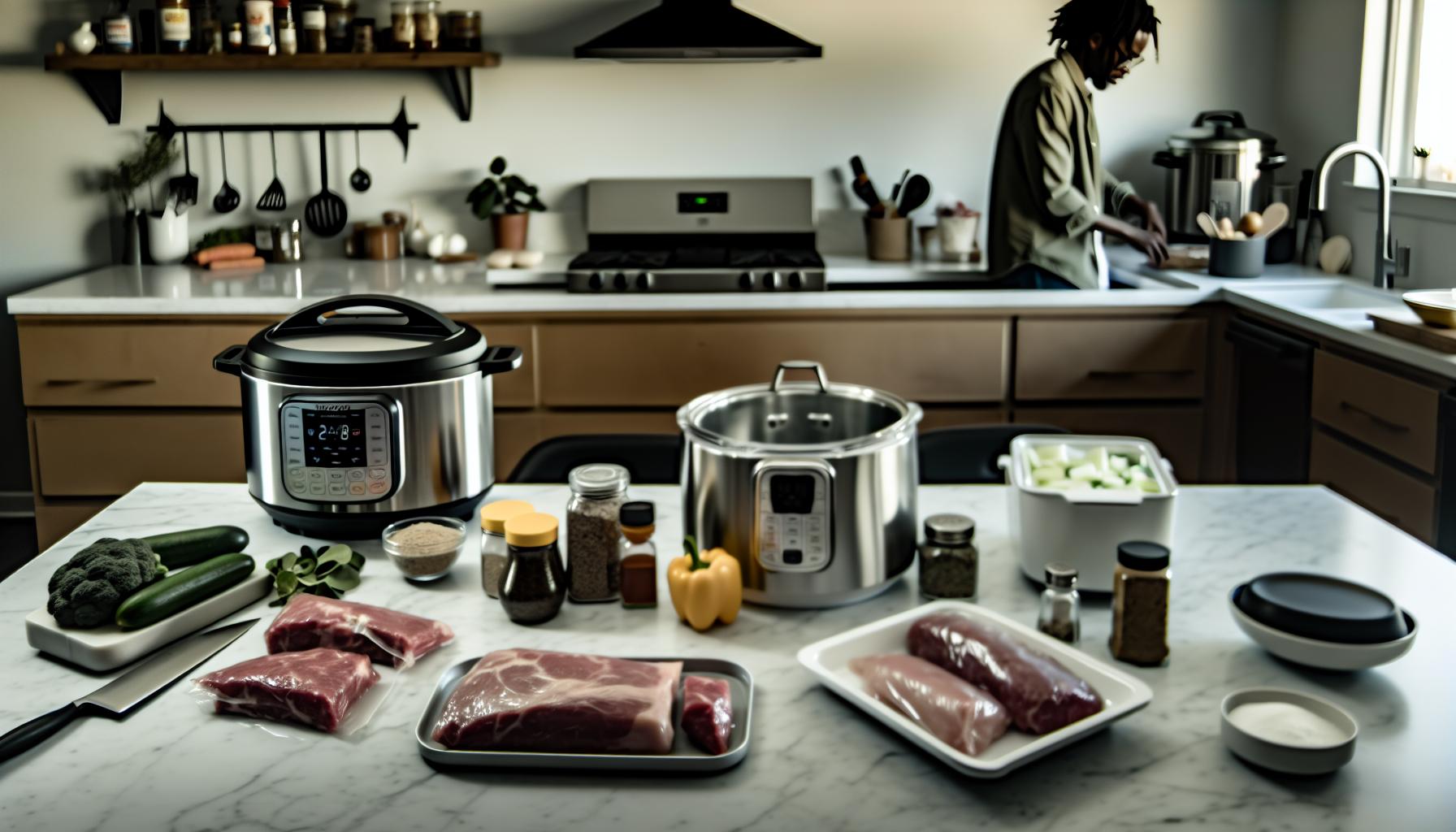
Sometimes, life throws you that frozen meat dilemma just when you’re short on time or energy to wait around for thawing-and while slow cookers are fantastic for set-it-and-forget-it meals, they’re not always the best option for frozen proteins. Luckily, there are some savvy alternatives that let you still whip up cozy, comforting dishes without risking uneven cooking or food safety issues. Whether you’re aiming for a paleo-friendly shredded pork or a robust gluten-free beef stew,exploring other methods can save your dinner and your sanity.
One of my favorite go-to hacks is the trusty Instant Pot or pressure cooker. These kitchen superheroes use high pressure and steam to rapidly cook meat,drastically cutting down cook time-even from frozen. For example, frozen chicken breasts can turn into juicy, pull-apart ingredients in under 30 minutes, no thawing required. Plus, pressure cookers maintain consistent temperatures throughout, so you avoid those pesky cold spots that can occur in slow cookers when starting with frozen meat. If you’re pressed for time but crave that slow-cooked flavor, this is a brilliant option.
Quick Sear & Oven braise Combo
Another method I swear by involves a quick sear on the stovetop, then an oven braise.Here’s the cheat code: toss your frozen or partially frozen meat straight into a hot skillet for just a few minutes to develop a rich crust-no need to thaw fully, though thinner cuts work best here.You get that lovely Maillard reaction, which adds complexity and locks in juices. Then, transfer your seared meat into an oven-safe pot or Dutch oven with your favorite broth and veggies, cover tightly, and let it braise low and slow (around 275°F or 135°C) for the rest of the cooking time. This technique accelerates interior cooking by infusing gentle, even heat. It’s fantastic for tougher cuts like beef brisket or pork shoulder and yields melts-in-your-mouth results without the slow cooker wait.
Sheet Pan or Casserole Dishes for Frozen Meat
Feeling simpler? Roasting frozen meat alongside chopped veggies all on one sheet pan can be a surprisingly efficient route. Choose smaller or thinly sliced cuts such as chicken thighs, pork chops, or ground meat patties. Season, arrange in a single layer, and roast at a moderate temp (around 375°F or 190°C), tossing or flipping halfway through. The dry heat of the oven helps achieve crisp edges and caramelization, while the veggies absorb meat juices for a one-pan feast-great for paleo and gluten-free diets alike. Just remember, cooking times will be longer than thawed meat, so keep an eye on internal temps.
- Instant Pot/Pressure Cooker: Fast,safe,and hands-off for frozen meat-great for stews,shredded meats,and whole cuts.
- Oven Braising after searing: Adds glorious flavor and tenderizes frozen meat smartly-works beautifully with beef and pork.
- Sheet Pan Roasting: Easy prep and cleanup; best for small cuts-adapt seasoning to keep meals paleo/gluten-free.
The kitchen is your playground, and frozen meat needn’t be a roadblock. By swapping your slow cooker for one of these alternatives or pairing methods, you can keep weeknight meals stress-free, tasty, and totally safe. Trust me-you’ll still finish with that comfort-food hug we all crave, no thaw required!
Storing and Reheating Leftovers from Frozen Meat Dishes
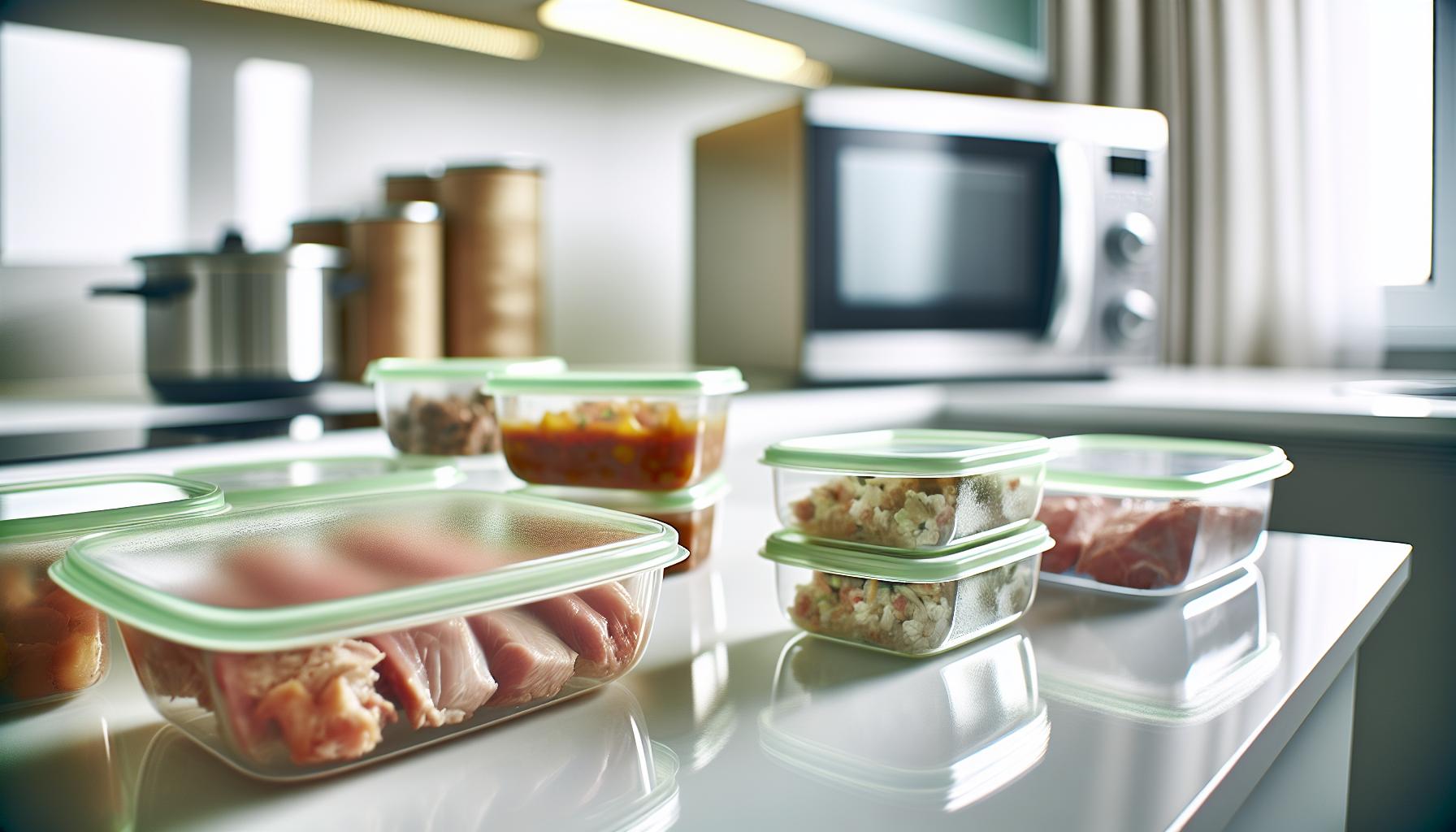
Leftover dishes made from frozen meat can be a lifesaver, especially on those hectic days when cooking from scratch feels like climbing a mountain.But storing and reheating these meals properly isn’t just about convenience-it’s about keeping your food safe and tasty. As starting from frozen introduces some unique factors, a little extra care pays off in juicy, flavorful leftovers that taste just as good the second time around.When it comes to storing, the key is cooling leftovers quickly. After your delicious slow cooker (or any of the faster alternatives we talked about earlier!) has worked its magic, transfer the meal into shallow airtight containers within two hours. This helps prevent bacteria growth and keeps your paleo-friendly beef stew or gluten-free pulled pork fresh longer. For portion control and speedier reheating, dividing into individual servings works like a charm. Pro tip: label your containers with the date-because yes, life gets busy and forgetting is real! leftovers generally stay safe refrigerated for up to 3-4 days or frozen for 2-3 months without losing quality.
Reheating frozen meat dishes safely requires even heat and care, but it doesn’t have to be a chore. Slow cookers frequently enough dry out leftovers when reheated, so I recommend using the stovetop or oven for best results. On the stovetop, gently warm your dish on low to medium heat, stirring occasionally to avoid cold spots and ensure even warming. Add a splash of broth or water if it looks dry-this keeps the meat tender and juicy.In the oven, cover leftovers with foil and warm at around 325°F (160°C) until heated through-usually 20-30 minutes depending on the portion size. For gluten-free casseroles or sheet pan meals, reheating covered retains moisture while crisping veggies and meat edges beautifully.
- Cool leftovers quickly: Use shallow containers, refrigerate within 2 hours.
- Label and date: Helps keep track, avoid unpleasant surprises.
- Reheat gently: Stovetop over low heat with stirring, or oven at 325°F covered with foil.
- Add moisture as needed: Broth or water prevents drying out.
- Avoid slow cooker reheats: They frequently enough overcook and dry leftovers.
If you’re pressed for time, microwaving is a handy option but remember to cover and pause halfway to stir-this defeats cold or hot pockets that can be a food safety risk. And one last friendly reminder from someone who’s accidentally left it too long: never refreeze thawed leftovers. Instead, finish or share the meal to savor that hard-earned flavor and nutrients.
In my kitchen, leftover pulled pork from a frozen roast usually becomes a quick lunch taco or layered into a warm bowl with sautéed greens and avocado. These tips have made my life easier-turning those slow-cooked treasures into multiple meals without waste or worry.Cooking with frozen meat isn’t always perfect,but with smart storage and reheating,your dishes will keep bringing joy well past dinner time.
Frequently asked questions
Q: How long does it take to safely cook frozen meat in a slow cooker?
A: Cooking frozen meat in a slow cooker generally takes 1.5 times longer than thawed meat. For example, a 4-hour recipe might need 6 hours on low heat. Always use a meat thermometer to ensure it reaches a safe internal temperature (usually 165°F for poultry). Check our best slow cooker settings for guidance.
Q: Can cooking frozen meat in a slow cooker cause foodborne illness?
A: Yes, if not done properly. Cooking frozen meat directly can risk uneven heating and bacterial growth if the slow cooker does not reach a safe temperature quickly. To avoid this, use the high setting briefly to jumpstart cooking or fully thaw meat first, as explained in our food safety tips section.
Q: What slow cooker recipes work best with frozen meat?
A: Hearty stews, soups, and shredded meat recipes work best with frozen meat because they allow long, even cooking that tenderizes tough cuts. Try recipes that combine frozen meat with vegetables and broth for a balanced meal. Find delicious ideas in our healthy and delicious recipes section.
Q: can I add frozen meat to a slow cooker with other frozen ingredients?
A: Adding frozen meat and frozen vegetables together is okay, but it may extend cooking time and increase the risk of uneven cooking. For best results, partially thaw one ingredient or add frozen vegetables later. Refer to our tips to ensure even cooking for precise timing adjustments.
Q: Why is slow cooking frozen meat sometimes less tender?
A: Slow cooking frozen meat can cause moisture to release unevenly and affect texture, sometimes making meat less tender. Using cuts with more marbling or adding moisture-rich ingredients like broth helps. Check out our impact of meat type and slow cooker tips for foolproof tenderness.
Q: Is it better to thaw meat before slow cooking or start from frozen?
A: Thawing meat first is generally safer and ensures even cooking and better texture, especially with poultry. However, starting from frozen is fine if you adjust cook time and temperature. For step-by-step details,see our how to thaw meat safely and step-by-step guide.
Q: How do I prevent cold spots when slow cooking frozen meat?
A: To avoid cold spots, cut frozen meat into smaller pieces before cooking or use the high setting for the first hour then switch to low.Stirring occasionally when possible also helps distribute heat evenly. More pro tips can be found in our tips to ensure even cooking.
Q: Can I cook frozen ground meat safely in a slow cooker?
A: Yes, but ground meat should be broken up and cooked on high heat initially to quickly reach a safe temperature. This prevents bacteria from growing in the middle. For detailed safety measures,reference our article’s common mistakes when cooking frozen meat.
For more tips and tested recipes on slow cooking frozen meat safely, explore the full guide linked throughout this FAQ. Happy slow cooking and enjoy delicious, stress-free meals!
In Retrospect
Feeling confident about using frozen meat in your slow cooker? With the right steps, you can safely enjoy flavorful, easy meals without the wait. Just remember, proper thawing or adjusting cooking time ensures delicious results every time.Ready to dive deeper? Check out our guides on “Slow Cooker Meal Prep Tips” and “Best Gluten-Free Slow Cooker Recipes” to keep your kitchen adventures stress-free and tasty.
Don’t let uncertainty slow you down-subscribe to our newsletter for weekly tips, quick meal ideas, and exclusive recipes tailored for busy home cooks like you. Got questions or a favorite frozen-to-slow-cooker success story? Drop a comment below; we’d love to hear your kitchen wins and help you troubleshoot. keep exploring, experimenting, and making meals that satisfy both comfort cravings and your dietary goals. Because slow cooking with frozen meat isn’t just safe-it’s simply smart and scrumptious!
Get our latest guides, news, and insights highlighted in your Google Search & AI Overviews.


