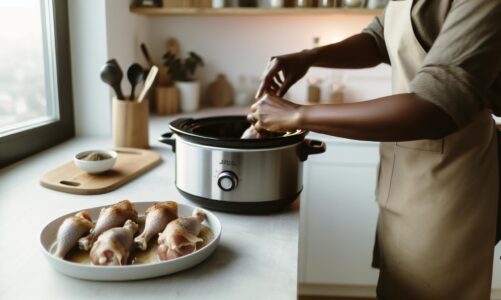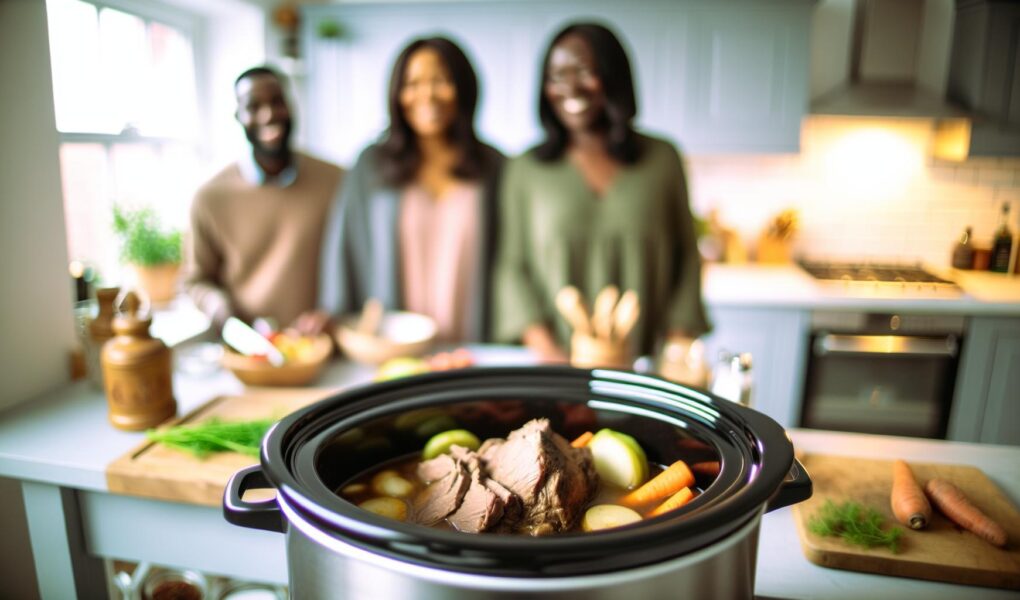
Did you know that a perfectly tender English roast doesn’t need hours of standing by the stove or fancy techniques? Using a slow cooker turns this classic Sunday favorite into a convenient, hands-off meal that practically cooks itself. Whether you’re juggling busy mornings or just want dinner ready when you walk in the door, slow cooking an English roast means juicy, melt-in-your-mouth beef every time-with minimal fuss. Plus, it’s a great way to make a comforting, wholesome meal that fits paleo, gluten-free, or whatever your kitchen mood calls for, without sacrificing flavor or texture. Stick around, and I’ll share easy steps, clever hacks, and ingredient swaps from my own kitchen trials that make your roast tender, flavorful, and just right-because good food should be simple, satisfying, and stress-free. Your slow cooker and this recipe are about to become best friends in your mealtime routine.
Table of Contents
- Choosing the Best English Roast Cuts for Slow Cooking
- Prepping Your Roast: Tips for Maximum Tenderness
- Essential Ingredients for Flavor-Packed Slow Cooker Roasts
- Step-by-step Slow Cooker Roast Cooking Guide
- Perfecting Cooking Times and Temperatures Every Time
- Creative Herb and Spice Blends to Elevate Your Roast
- Easy Ingredient Substitutions for Dietary Needs
- How to Make a rich Gravy from Slow Cooker Juices
- Pairing Side Dishes for a Classic English roast Dinner
- Troubleshooting Common Slow Cooker Roast Mistakes
- Frequently Asked Questions
- Q: How do I prevent my english roast from drying out in a slow cooker? A: To prevent drying out, always add enough liquid like broth or wine to keep the roast moist.Cook on low heat for tender results and avoid lifting the lid often, which releases heat. For extra juiciness, sear the roast before slow cooking-see our Prepping Your Roast section for tips. Q: Can I cook a frozen English roast directly in the slow cooker?
- Q: What is the ideal slow cooker temperature setting for a tender English roast?
- Q: How can I add smoky or robust flavors to my slow cooker English roast?
- Q: When is the best time to add vegetables to the slow cooker with the English roast?
- Q: How do I make sure my slow cooker roast has a crispy crust?
- Q: Can I use a slow cooker liner when cooking an English roast? Does it affect tenderness?
- Q: how can I adjust cooking times for different sizes of English roast in my slow cooker?
- The Conclusion
Choosing the Best English Roast Cuts for Slow Cooking
One of the magic tricks of slow cooking an English roast is choosing the right cut of meat. Not every roast cut behaves the same way when it’s cozied up in a slow cooker all day. Think of it like picking a dance partner-some cuts are born to tenderly melt over hours, while others might come out more on the chewy side if you’re not careful.If you want that fall-apart, melt-in-your-mouth experience (hello, comfort food goals), aim for well-marbled, tougher cuts that thrive with long, gentle heat.Cuts like chuck roast, brisket, and silverside (bottom round) are your best bets. These tend to have good connective tissue and fat, which slowly break down to infuse your roast with flavor and juiciness – especially key if you’re gluten-free or paleo and can’t rely on thickening agents or heavy sauces. My favorite is chuck roast: it’s a crowd-pleaser, easy to find, and, when slow-cooked, becomes ridiculously tender without needing any fancy tricks. On the flip side, leaner cuts such as sirloin or fillet can dry out unless you’re ultra-diligent with time and temperature, so they’re better saved for quicker roast methods.
Picking the Perfect Cut: A Quick Guide
| Cut | Best Slow cooking Use | why It Works | Notes |
|---|---|---|---|
| Chuck roast | Classic pot roast | Rich marbling and connective tissue that tenderizes beautifully | Affordable, widely available, and gluten/paleo pleasant |
| Brisket | Hearty, flavorful roast | Slow cooking melts collagen into luscious gelatin | Great for a slightly beefier taste, needs longer cooking |
| Silverside (Bottom Round) | Lean option for classic English roast | Lean muscle with moderate connective tissue | Watch cooking time to avoid dryness |
| Rump Roast | Medium tenderness roast | Less marbling but can be tender with slow cooking | Good for lighter roasts, especially if paired with veggies |
Sometimes life demands shortcuts (I get it-busy is real). If your local grocer only has pre-trimmed cuts or you want to double down on flavor fast, look for roasts labeled “for slow cooking” or “pot roast.” These hints usually mean the butcher knows those cuts will behave well under slow heat and love a splash of broth or wine.
From personal kitchen experience,one tip for busy cooks: choose a cut no smaller then 2.5 to 3 pounds for even cooking and hearty leftovers. Smaller pieces tend to dry out or overcook faster. Plus, slow cooking isn’t just about tenderness-it’s about building flavors that sing together throughout the day. The right cut will let you relax and come back to a roast that practically carves itself.
Remember, every roast you choose gifts you a chance to customize your flavor journey. Whether you like a juicy, robust brisket or the conventional English silverside, selecting the right cut is your frist step to roast nirvana-without the fuss but all the deliciousness. Ready to pick your star?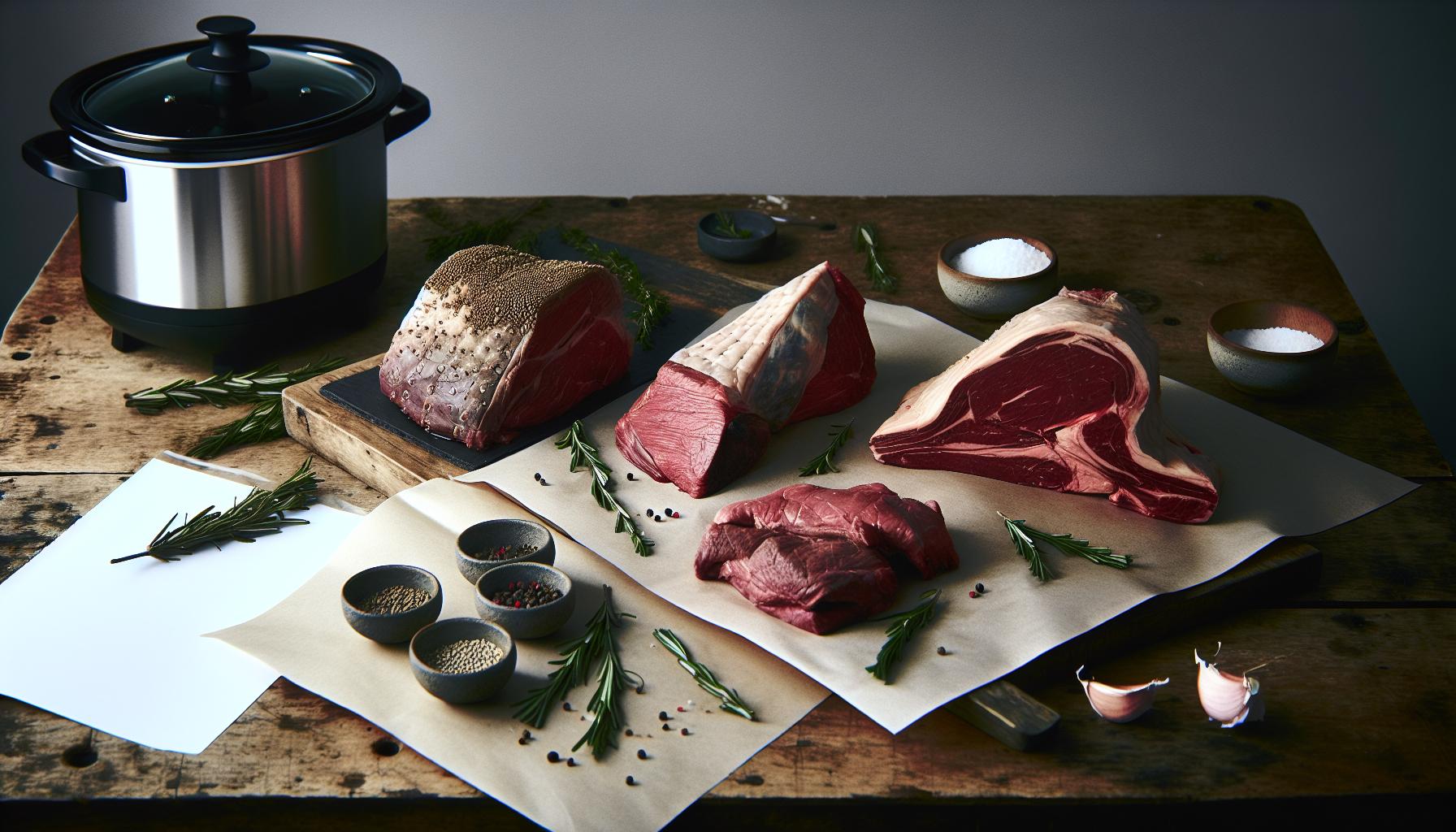
Prepping Your Roast: Tips for Maximum Tenderness
Getting your roast primed perfectly can make all the difference between a tough,disappointingly dry slab of beef and the kind of tender,fall-apart magic that makes slow cooker meals legendary. The good news? Creating maximum tenderness isn’t about fancy gadgets or complex techniques-it’s mostly about respecting the meat and giving it a little loving prep before it hits the cooker. Think of it as setting the stage for a long, slow dance that’s all about coaxing flavor and softness out of every fiber.
One of my tried-and-true secrets? Pat your roast dry with paper towels before seasoning it. This helps the surface brown beautifully if you choose to sear-it’s not mandatory, but that golden crust isn’t just for looks. It locks in juices and adds layers of flavor, especially if you drizzle it lightly with olive oil and add a sprinkle of salt and pepper or your favorite dry rub. If you’re short on time or just want to skip the pan, don’t worry-slow cooking can still do the heavy lifting, but searing does take that tenderness and flavor combo up a notch.
Minimal but mighty Prep Steps
- Season in advance: If you have the time,season your roast the night before.Salt acts like a gentle meat tenderizer, slowly breaking down proteins and helping moisture distribute evenly. It’s like giving your roast a relaxing spa day before the big slow cooker event.
- Sear for flavor and texture: Heat a tablespoon of olive oil in a heavy skillet over medium-high heat. Brown all sides of the roast (about 3-4 minutes per side). This caramelization locks in flavor and provides wonderful texture contrast.
- Consider a marinade or dry rub: for paleo and gluten-free diets, a simple mix of garlic, rosemary, thyme, and a little mustard powder adds depth without gluten or additives. Marinating a few hours (or overnight) can tenderize and infuse the meat, but it’s not a must-have if you’re super busy-seasoning right before cooking is totally fine.
- Trim wisely: While a little fat marbling boosts tenderness and flavor, trimming excessive fat that might lead to greasy end results is smart. Keep a thin layer for moisture but chop off thick slabs that won’t render well in a slow cooker.
Tips from My Kitchen to Yours
I remember once rushing through prep, skipping the sear, and ended up with a roast that was tasty but not quiet melt-in-your-mouth. The next time,I browned the meat well,threw in some fresh herbs,and the difference was night and day.Plus, the aroma waking me up while the slow cooker did its magic was unbeatable.
For those following gluten-free or paleo lifestyles, avoid bottled sauces that might contain hidden sugars or additives.Rather, focus on quality fresh ingredients-onions, garlic, fresh herbs, and bone broth are stellar players here. A splash of red wine or apple cider vinegar can brighten flavors and help tenderize too, if you’re into that.
slice against the grain after cooking. It’s a simple step that can boost tenderness dramatically and turn your roast from “meh” to “wow.” So give your roast this bit of prep TLC, and your slow cooker will reward you with a tender, juicy centerpiece fit for any English roast affair.
Essential Ingredients for Flavor-Packed Slow Cooker Roasts
A slow cooker roast is like a little symphony of flavors slowly playing together,and the ingredients you choose are the musicians that make that harmony sing. While the star of the show is obviously your beef roast, the supporting cast of aromatics, liquids, and seasonings can make the difference between “meh” and memorable.Fortunately, these ingredients don’t need to be complicated or fancy – often, simple, fresh, and wholesome pantry staples form the backbone of a flavor-packed slow cooker dish that’s both comforting and elevated.
The classic foundation usually starts with a rich, savory liquid – beef broth or bone broth are go-tos for their depth and natural umami, but feel free to jazz it up with a splash of dry red wine or even apple cider vinegar.These add a subtle acidity that helps break down the meat fibers and brighten the overall flavor. For paleo and gluten-free eaters, homemade or good-quality broth is gold since it’s free from hidden sugars and additives often lurking in commercial sauces. And speaking of liquids, keep in mind that slow cooker roasts don’t need a ton; too much liquid can lead to boiled flavors rather than slow-simmered richness, so err on the side of less – the roast will release its own juices and mingle beautifully with whatever you add.
Beyond liquids, the aromatics and herbs are your flavor-building blocks. Onions and garlic are non-negotiable in my kitchen, adding sweetness and pungency that mellow into buttery goodness after hours of cooking. for herbs, a combo of fresh rosemary, thyme, and bay leaves usually nails that quintessentially English roast vibe. These herbs hold up well to long cooking times without turning bitter or mushy. And if you want a little warmth and complexity, a pinch of mustard powder or a teaspoon of Worcestershire (gluten-free versions exist) goes a long way.
- Cheat sheet for essentials:
- Liquids: beef or bone broth, optional splash of red wine or apple cider vinegar
- Aromatics: onions, garlic cloves, carrots (adds natural sweetness)
- Herbs: fresh rosemary, thyme sprigs, bay leaves
- Seasoning: sea salt, cracked black pepper, mustard powder (optional)
If you ever find yourself short on time or pantry items, no worries! A simple onion soup mix packet – yes, even the humble packet – blended with water and combined with a bit of steak sauce can work wonders in the slow cooker. It’s an easy shortcut that still delivers hearty, meat-friendly flavors without any fuss. Just be mindful to check ingredients if you’re navigating allergies or dietary restrictions; homemade seasoning blends are always a great fallback.
Something that too many overlook is the magic of fresh vegetables added not just as sides but to actually slow cook alongside the meat. Carrots, parsnips, and celery add layers of subtle sweetness and earthy notes as they break down. Plus, they soak up that luscious beefy liquid you’re building, elevating them beyond simple side dishes. In my experience, tossing in whole garlic cloves and rough-chopped onion chunks creates pockets of flavor that gently infuse through the roast, making every forkful a bit more special.
So, next time you’re gathering ingredients, think beyond just salt and pepper and imagine supporting your roast with a cast of characters that amplify each other – fresh, simple, but thoughtfully chosen to build cozy, comforting, and absolutely crave-worthy slow cooker roast dinners. Your future self (and hungry guests) will thank you.
—
| Ingredient Type | Purpose | Common Options | Dietary Notes |
|---|---|---|---|
| Liquid Base | Moisture, tenderness, flavor | beef broth, bone broth, red wine, apple cider vinegar | Paleo & gluten-free friendly: homemade or clean broth, wine optional |
| Aromatics | Depth, sweetness, savory foundation | Onions, garlic, carrots, celery | All naturally paleo & gluten-free |
| Herbs & Spices | Complexity, aroma, balanced flavor | Rosemary, thyme, bay leaf, mustard powder | Check for gluten in processed spice blends |
| Seasoning | Enhances meat flavor | Salt, pepper, onion soup mix (shortcut) | Watch for additives in packet mixes |
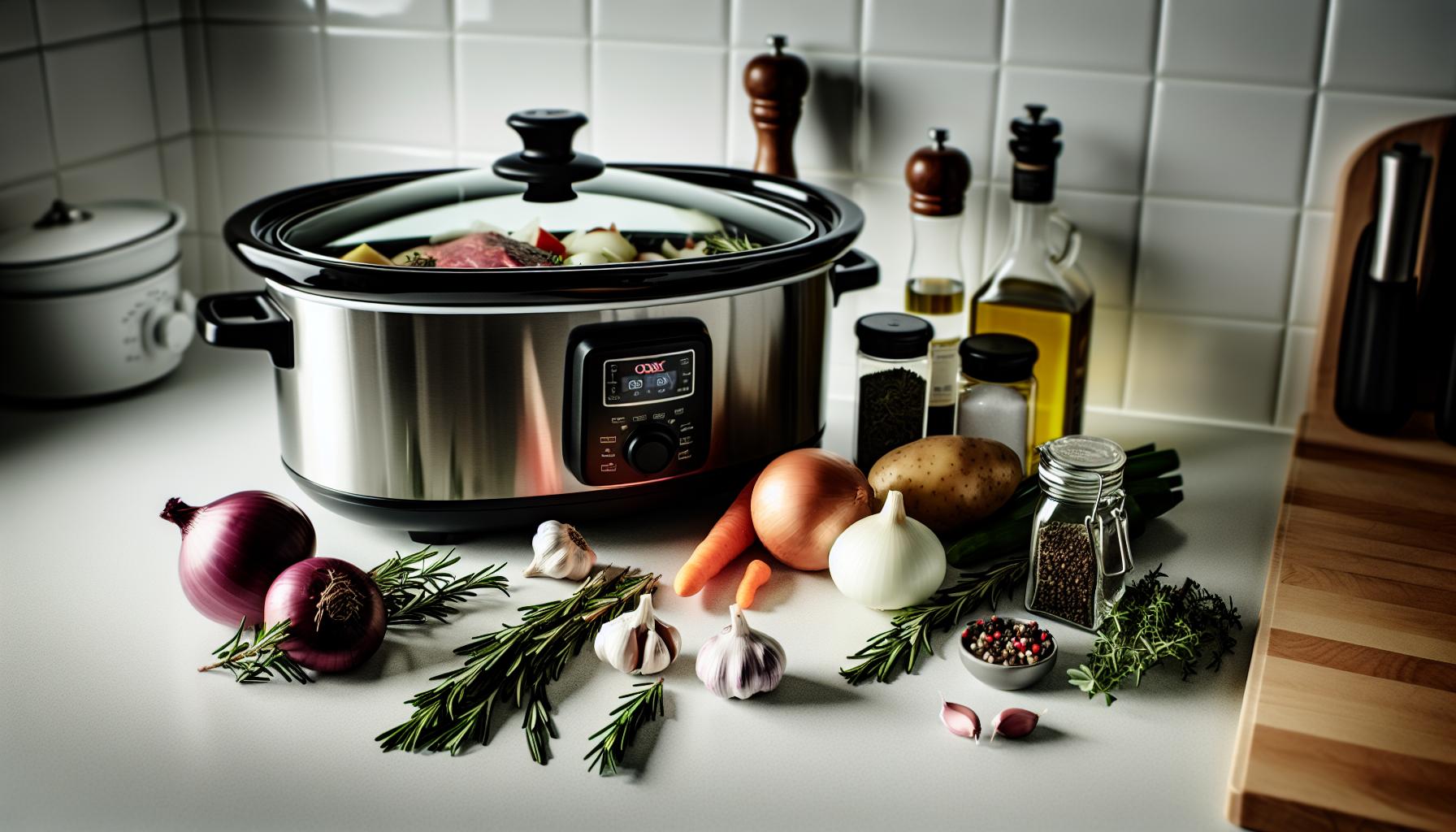
Step-by-step Slow Cooker Roast Cooking Guide
If there’s one kitchen gadget that turns even the toughest English roast cuts into tender slices of joy, it’s the humble slow cooker. The secret sauce? Patience and a few smart moves that bring out the best in your beef without fuss. And yes, you can absolutely do this gluten-free and paleo-friendly without sacrificing richness or flavor. think of your slow cooker as a low-and-slow flavor party where every ingredient gets its turn to shine.
Before you set and forget, browning your roast is worth every extra second. It creates those gorgeous caramelized edges and intensifies flavor through the Maillard reaction, which slow cookers alone won’t achieve. A quick sear on all sides in a hot skillet with some olive oil (or avocado oil for paleo fans) acts like a flavor booster rocket. Don’t skip seasoning here-salt and freshly cracked black pepper are your best friends. Trust me, this step creates depth that your slow cooker liquid happily absorbs as the roast simmers.
Here’s a straightforward approach to getting it right every time:
- Step 1: Prep the roast and aromatics. Pat your meat dry,season generously. Chop your onions, smash garlic cloves, and cut carrots or celery into large chunks-you want them sizable so they don’t turn to mush after hours of cooking. They’ll add sweetness and body.
- Step 2: Brown the meat. Heat oil in a skillet over medium-high heat. Sear the roast 2-3 minutes per side until golden brown, then transfer to the slow cooker.
- Step 3: Layer the slow cooker. Place the chopped aromatics at the bottom first to create a flavor base and raise the roast off the cooker’s surface slightly-this prevents sticking and promotes even cooking. Add carrots and celery around the roast.
- Step 4: Add your liquids and herbs. Pour in about 1 to 1½ cups of beef or bone broth-enough to come halfway up the roast but not soaking it fully. Toss in fresh rosemary, thyme sprigs, and a couple of bay leaves. For a touch of brightness, add a splash of red wine or apple cider vinegar, both fantastic for breaking down collagen while adding complexity.
- Step 5: Cook low and slow. Cover and set your cooker to low for approximately 8 to 9 hours (or on high for 4-5 if in a hurry, but low is best for fork-tender goodness). Resist the urge to lift the lid! Each peek releases precious heat and slows cooking.
- Step 6: Rest then serve. Once the roast effortlessly falls apart with a fork, carefully remove it to a resting plate to let the juices redistribute (5-10 minutes). Meanwhile, you can use the cooking liquid to make a rich gravy-more on that in a later section.
Pro Tips for Success
- Keep the roast size manageable: around 3-4 pounds fits most standard slow cookers beautifully.
- for paleo and gluten-free eaters, always double-check broths and seasoning mixes for hidden gluten or sugar sneaks. Homemade broth is your safest bet.
- If you’re short on fresh herbs, dried can work in a pinch-just use about one-third the amount as dried is more concentrated.
- To add extra flavor depth, try tossing in an onion soup mix packet (check for gluten-free brands) or a splash of gluten-free Worcestershire sauce.
- Don’t overload with liquid; the slow cooking process allows the roast to release natural juices, which concentrate richly as it simmers.
cooking with a slow cooker is like the culinary equivalent of a hug-you set it up,and it does all the loving work while you get on with life. Plus, adding veggies to cook alongside your roast means less cleanup and a one-pot meal that’s traditional, wholesome, and endlessly comforting. with these steps under your belt, you’ll consistently nail a tender roast that’s bursting with flavor-and yes, your table guests will definitely ask for seconds.
| Phase | Key Actions | Time Estimate | Tips & Substitutions |
|---|---|---|---|
| Preparation | Pat roast dry, season, chop aromatics (onions, garlic, carrots) | 10-15 minutes | Swap carrots for parsnips or celery for variety; dried herbs if no fresh. |
| Browning | Sear roast in oil over medium-high heat on all sides | 5-7 minutes | Use avocado or coconut oil for paleo; skip to save time but expect less crust. |
| Slow Cooking | Layer aromatics,roast,liquids,herbs; cook low 8-9 hours or high 4-5 | 4-9 hours (slow cooker dependent) | Use bone broth for richer flavor; add splash of red wine or vinegar for brightness. |
| rest & Serve | Let roast rest 5-10 min after cooking before slicing | 5-10 minutes | Perfect time to make gravy from juices. |
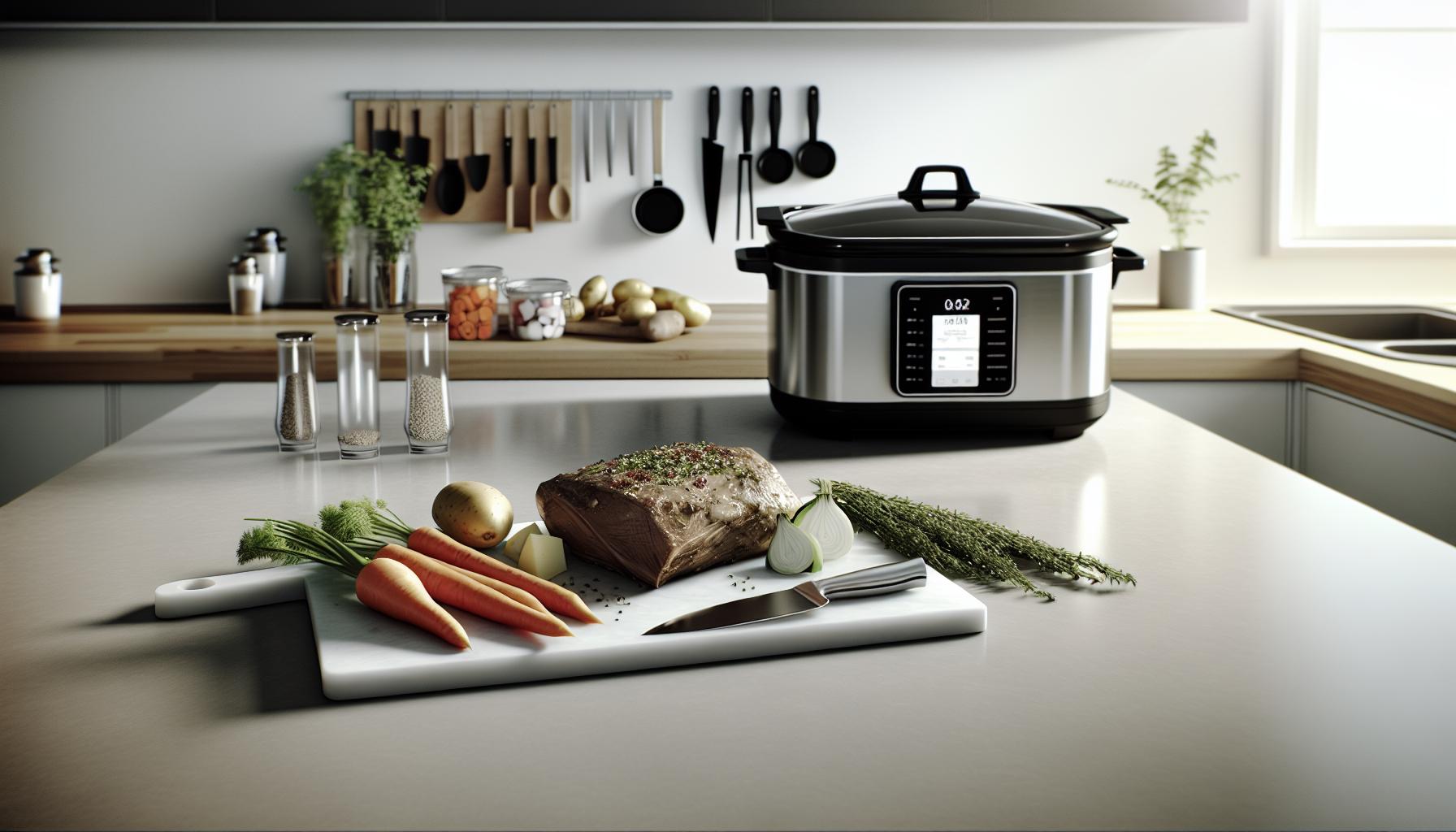
Perfecting Cooking Times and Temperatures Every Time
Timing and temperature are the secret sauce to unlocking that melt-in-your-mouth tenderness that makes an english slow-cooked roast so irresistible. Unlike oven roasting where you eyeball the crust, slow cooking demands a little patience and trust in the process-but once you get the rhythm, it’s like having a reliable dinner genie. Whether you’re aiming for paleo-friendly simplicity or gluten-free goodness, the low-and-slow method brings out the best natural flavors and textures, transforming even the toughest cuts into a juicy masterpiece.
Most slow cookers offer two main heat settings: low and high. Cooking your roast on low heat for about 8 to 9 hours is the golden window to achieve fork-tender perfection without drying out the meat. This gentle simmer allows the collagen and connective tissues in the beef to gradually break down, leaving you with tender, shreddy bites that feel like a warm hug.If time is tight,using the high setting cuts cooking to about 4 to 5 hours,but beware: rushing this process often sacrifices that luscious texture slow cooking is famous for. I’ve been there-impatient and poking at my cooker-but trust me,it pays to wait. Each peek releases heat and can tack on extra cooking time, so best to set it and resist the temptation!
How to know When It’s Done
The best indicator is not just time but texture. You’re looking for that magical moment when a fork slides in and twists effortlessly with little resistance. If your roast isn’t quite there at the expected time, don’t panic; cover it back up and let it go another 30 minutes or so. Each cooker varies slightly, like every oven, so knowing your appliance is part of the ride. And remember, bigger roasts require a bit more time, while smaller ones cook faster.
Practical temperature Tips for Different Roasts and Diets
- Roast Size: Aim for 3 to 4 pounds to fit most slow cookers and cook evenly. Larger roasts might need check-ins closer to 9 hours.
- Liquid Levels: use enough broth or stock to come halfway up the roast-but avoid drowning it. The veggies and meat release natural juices to create a luscious sauce.
- Paleo/Gluten-Free Considerations: Double-check that your broth is free from gluten fillers or sugars.Homemade stocks are a fantastic way to control what goes in.
- Don’t Skip Resting: after cooking, let the roast sit for at least 5-10 minutes before carving. This locks in juices, making every bite juicy and tender rather than dry.
| Heat Setting | Estimated Cook Time | Expected Outcome | Best Use |
|---|---|---|---|
| Low | 8-9 hours | Super tender, shreddy texture | Perfect for hands-off all-day cooking |
| High | 4-5 hours | Good tenderness, less depth of flavor | For busy days, but use sparingly |
If you want to experiment, try this: cook on low for 7 hours, then switch to high for the last hour.This approach can coax out a richer flavor while ensuring tenderness if you’re short on time but still want a slow-cooked vibe. I’ve done this on cozy weeknights, and it’s a game changer when you don’t want to compromise.
remember that slow cooking is a forgiving dance. Whether paleo, gluten-free, or just loving comfort food, these temperatures and times offer a roadmap, but your kitchen rhythm may vary. The key is to focus on texture over time, embrace a splash of your favorite broth or vinegar, and celebrate every juicy bite.Cooking slow isn’t a race, it’s a marathon of flavor-and your slow cooker is your best teammate.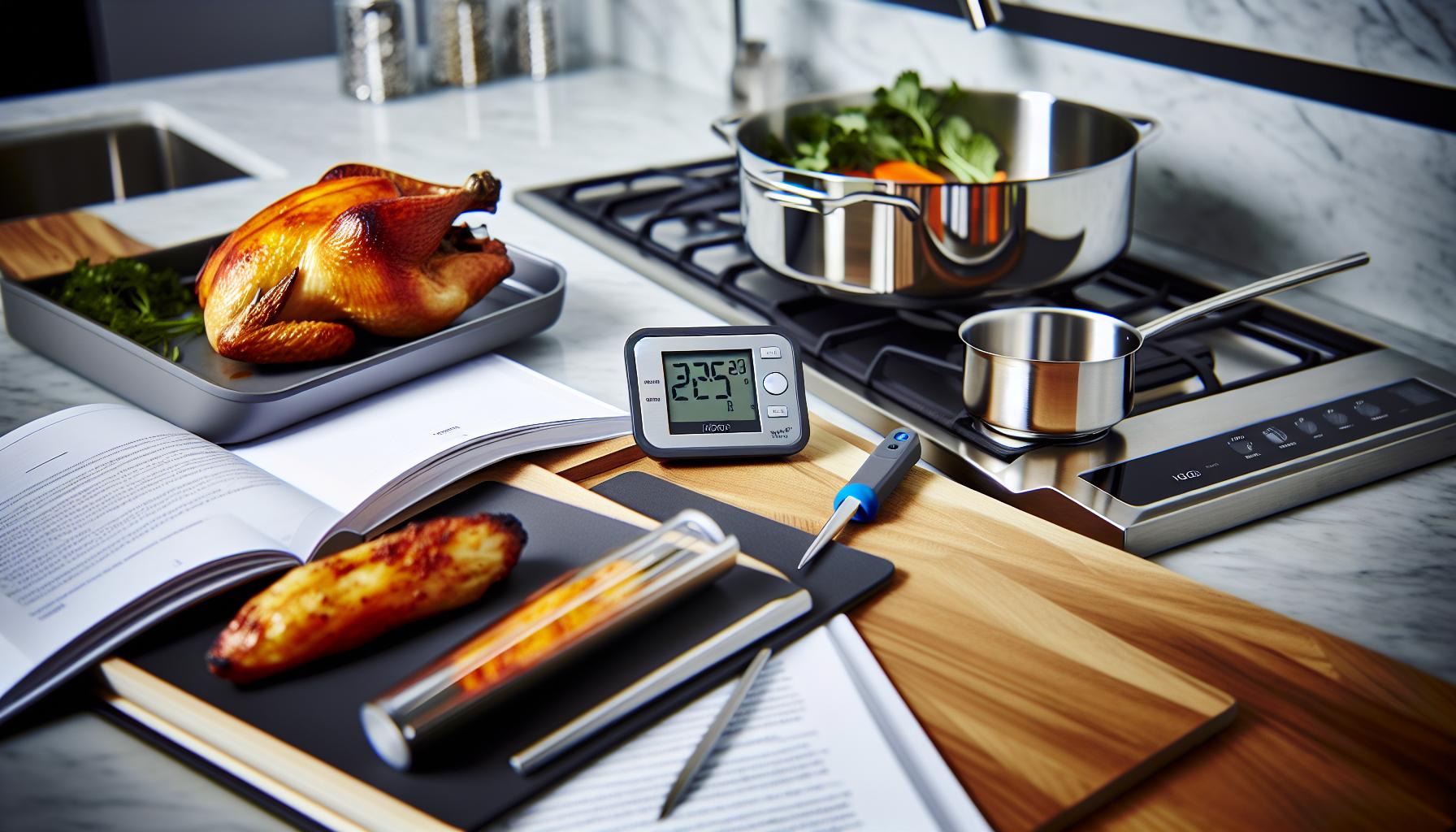
Creative Herb and Spice Blends to Elevate Your Roast
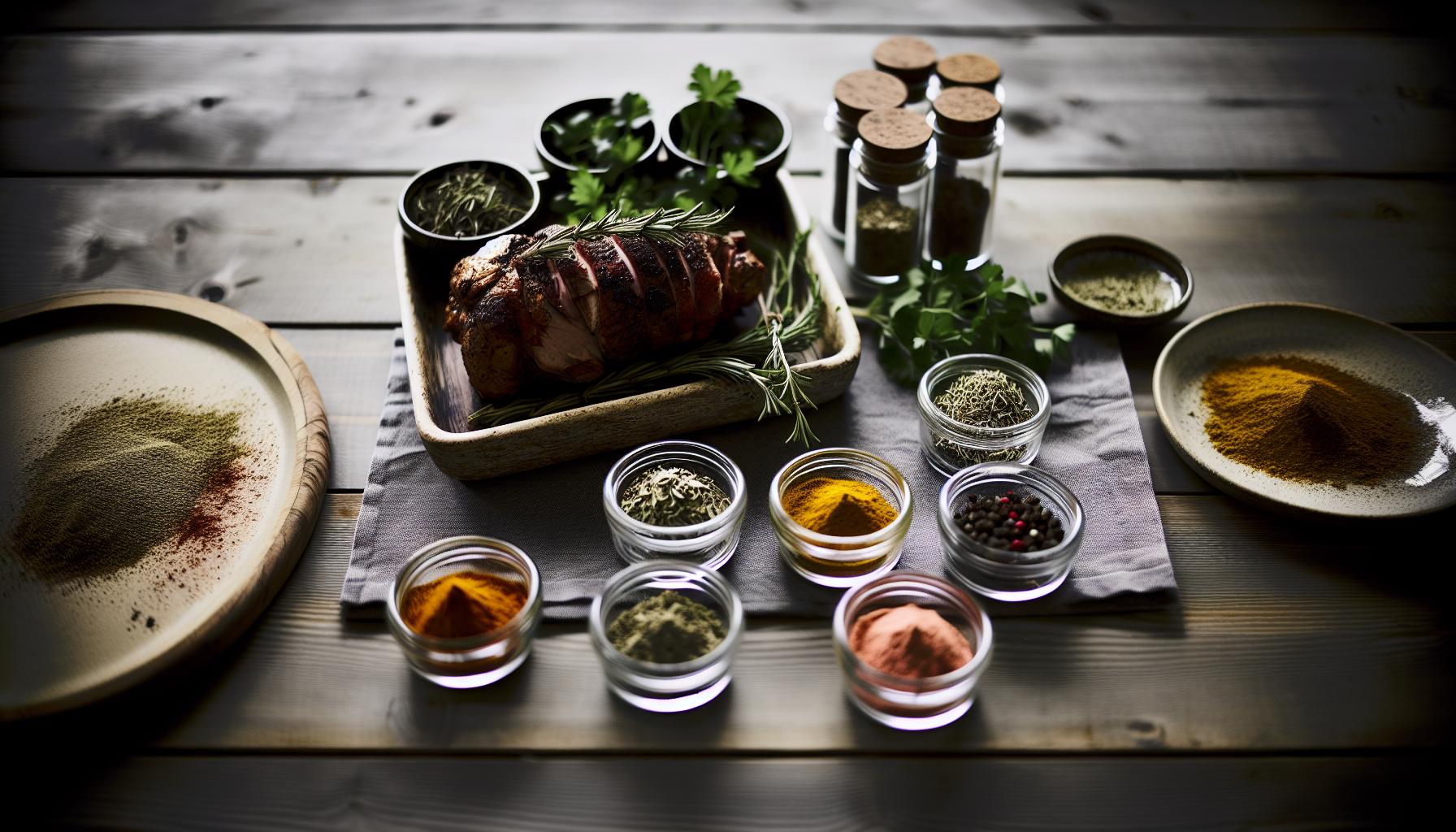
Few things transform a simple roast into a meal worth savoring quite like the right combination of herbs and spices. When slow cooking an English roast, these flavor powerhouses don’t just add aroma-they infuse the meat with layers of depth that unfold gently as hours tick by. The beauty? You don’t need fancy ingredients or complex blends to elevate your dish. A handful of common pantry staples plus a dab of creativity can deliver that flavorful, homey warmth every roast deserves.
Classic English Herb Combinations
For the quintessential English roast vibe, lean on herbs like rosemary, thyme, and sage. These earthy, slightly piney herbs pair beautifully with beef and lamb, slowly releasing their oils during the long cooking process. I usually tie a few sprigs together and nestle them right on or under the roast for easy removal, which also spares your teeth from woody bits. Don’t forget about a subtle splash of bay leaves; they add a gentle background warmth without overpowering. For those who adore garlic, tossing in several smashed cloves will make this blend sing even louder.
Spice It Up-Paleo and Gluten-Free Friendly Blends
If you’re on paleo or gluten-free diets, rest assured you can still indulge in bold flavors.Here’s a quick favorite blend that’s naturally free from additives and junk:
- 1 tsp smoked paprika – adds rich smokiness
- 1 tsp ground cumin – deep, earthy notes
- 1/2 tsp black pepper – gentle heat layer
- 1/2 tsp coriander – subtle citrus brightness
Mix these with sea salt and rub the roast generously before browning or slow cooking. The combination plays beautifully with root vegetables like carrots and parsnips, while the slow cooker gently melds the spices into the meat’s juices, making every bite a flavor jackpot.
Fun Twists to Try
Don’t hesitate to experiment with unexpected-but-delicious add-ins that transform your roast without fuss. Such as, a touch of ground cinnamon or allspice can hint at warm, cozy holiday flavors. Meanwhile, sprinkling in crushed dried chili flakes or a dash of cayenne adds a gentle heat perfect for those who like a little kick. just remember-as slow cooking intensifies flavors, start with small amounts; you can always add more next time.
If fresh herbs aren’t handy, dried versions work just fine-simply halve the quantity since dried herbs are more concentrated. And if life’s in a hurry, premade herb blends like herbes de Provence or italian seasoning are smart shortcuts that bring big flavor with zero stress.
Ultimately, infusing your roast with a thoughtful selection of herbs and spices is about crafting a scent and taste experience that makes your kitchen the warmest place on earth. plus, there’s pure joy in knowing you’ve added that extra dash of love in the slow cooker’s magic.
| Herb/Spice | Flavor Profile | Best Use tips |
|---|---|---|
| Rosemary | Piney, woodsy | Use fresh sprigs tied together; remove before serving |
| Thyme | Earthy, subtle mint | Excellent fresh or dried; tiny leaves blend evenly |
| Bay Leaves | Mildly floral, aromatic | Add 1-2 whole leaves; remove before carving |
| Smoked paprika | Smoky, slightly sweet | Great for rubs; complements paleo/gluten-free diets |
| Ground Cumin | Earthy, warm | Add in small amounts; pairs well with root veggies |
| Cinnamon (ground) | Warm, slightly sweet | Use sparingly for an unexpected cozy note |
| Chili Flakes | Spicy heat | Start with a pinch; slow cooking intensifies heat |
Easy Ingredient Substitutions for Dietary Needs
Sometimes culinary creativity means swapping ingredients to suit what’s in your pantry-or your dietary needs-without sacrificing flavor or comfort. Slow cooker roasts are delightfully forgiving, so whether you’re avoiding gluten, going paleo, or simply experimenting with what’s on hand, you can still achieve that tender, melt-in-your-mouth English roast magic. The best part? These substitutions don’t have to be complicated or fussy, just smart swaps that keep the slow cooker doing the heavy lifting.
Gluten-Free & Paleo Friendly swaps
Gluten often sneaks in via gravy thickeners, seasoning blends, or broth bases, but with a few simple changes you can dodge the gluten trap easily:
- Thickeners: Replace all-purpose flour or cornstarch with arrowroot powder or tapioca starch. These gems thicken beautifully without the gluten or additives.
- Broth & Stock: Always check labels for hidden gluten. Opt for homemade broth or trusted gluten-free brands. Bone broth fits perfectly into paleo approaches, adding both nutrition and flavor.
- Seasoning mixes: Many store-bought mixes carry hidden fillers. Make your own blend with sea salt, fresh or dried herbs, and gluten-free smoked paprika or cumin, which also align with paleo.
From personal kitchen chronicles: I swapped out a commercial gravy mix for arrowroot in my slow cooker pot roast last week, and it thickened just as well-bonus, no weird aftertaste.
Meat & Dairy Alternatives for special Diets
If you’re stepping away from beef or dairy, here are a few tasty swaps that keep your roast comforting but kinder to your dietary choices:
- Meat alternatives: Lamb or pork shoulder can slow-cook in much the same way as beef, with similar rich results. For a leaner paleo-friendly option, try venison or bison, which bring their own rustic charm.
- Dairy swap: Butter often stars in browning or finishing steps, but coconut oil or ghee (paleo-approved and lactose-free) can shine just as brightly-giving a ripple of subtle sweetness or nuttiness.
A quick tip: when substituting meats, keep the slow cooker timing similar but watch for tenderness-leaner meats may be done a little sooner.
Veggie and Liquid Swaps to Keep It Fresh and Flavorful
Vegetables and liquids help carry that slow cooker roast’s signature flavor. here’s how to stay flexible:
- Carrots and parsnips: Swap for paleo-friendly veggies like turnips or rutabagas for a similar earthy sweetness.
- Onion alternatives: Leeks or shallots can give a gentler allium note if you’re sensitive or out of onions.
- Liquid swaps: Instead of wine or beer (which some prefer to avoid), use apple cider vinegar diluted with broth, or a splash of coconut aminos for a hint of umami and sweetness that’s paleo-compliant.
Earlier this year, experimenting with rutabagas rather of potatoes gave my roast an unexpectedly radiant twist that my entire family loved-even the kids!
| Ingredient | Common Substitute | Diet Friendly Notes |
|---|---|---|
| All-purpose flour (for thickening) | Arrowroot powder or tapioca starch | Gluten-free, paleo-friendly |
| Butter | ghee or coconut oil | Lactose-free, paleo-approved |
| Wine or beer (liquid flavor) | Apple cider vinegar + broth or coconut aminos | Alcohol-free, paleo-compliant |
| Potatoes | Turnips or rutabagas | Lower-carb, paleo-friendly |
| Seasoning mixes | Homemade herb and spice blends | Free of additives and gluten |
Embrace these swaps with a sense of adventure and remember: the slow cooker is your best ally for blending flavors and softening even the most “challenging” ingredients. You don’t need to follow diets perfectly to enjoy a lovingly cooked roast that feels both homey and wholesome. So go ahead-make it yours, tweak with confidence, and savor every bite.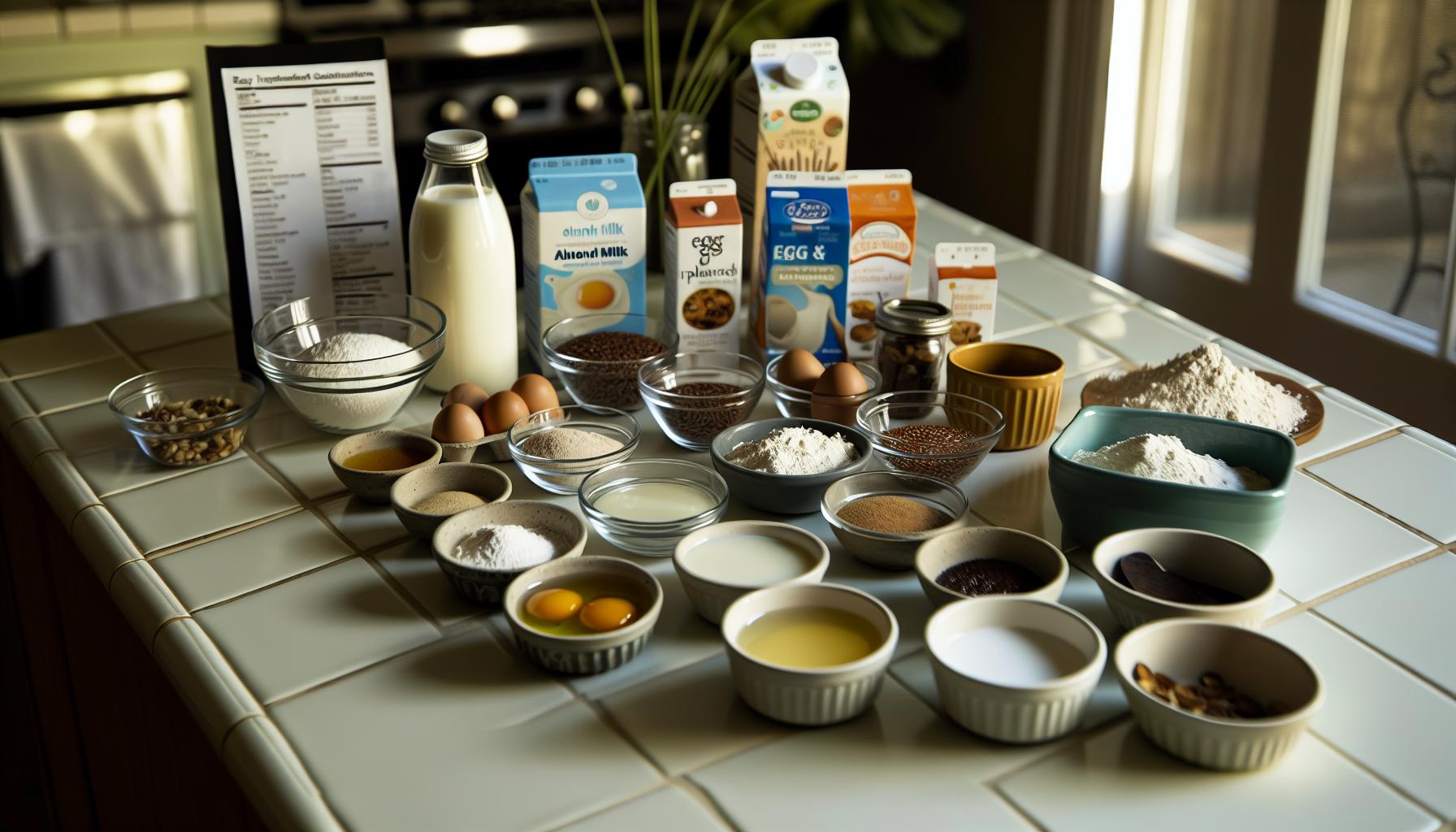
How to Make a rich Gravy from Slow Cooker Juices
A rich gravy made from slow cooker juices is the ultimate crowning glory of a tender English roast,turning every bite into a luscious experience. The secret lies in capturing the deep, meaty flavors that accumulate throughout those slow, cozy hours of cooking and transforming them into a silky sauce that’s anything but an afterthought.Best news? You don’t need fancy tricks-just patience and a few smart steps to bring out gravy greatness, whether you’re gluten-free, paleo, or just here for comfort food bliss.When your roast is perfectly done and resting, the slow cooker is brimming with flavorful juices that have soaked up every savory note from the meat and veggies. To avoid a watery disappointment, skim off excess fat with a spoon or an easy fat separator if you have one. This step keeps your gravy from turning greasy but still lets plenty of rich goodness shine through. Next, strain the juices through a fine-mesh sieve into a saucepan-this purifies the liquid, removing veggies or herb bits while preserving subtle layers of taste.
Thickening the Gravy Without the Guilt
To thicken, choose a paleo-friendly or gluten-free thickener like arrowroot powder or tapioca starch. Both create that velvety texture without any heaviness or weird aftertastes. Mix about 1 tablespoon of your chosen starch with an equal amount of cold water to make a slurry-this simple step prevents lumps and ensures smooth gravy. Slowly pour the slurry into the hot juices while whisking gently. The gravy will start to thicken immediately-if it needs to be thicker, add a bit more slurry, but go slow! Over-thickening can happen faster than you think, and no one wants glue for gravy.If you prefer a traditional flour-based thickener and you’re not avoiding gluten, plain all-purpose flour works too-just whisk it into softened butter to make a quick roux first, then gradually add the strained juices. For dairy-free or paleo diets, swap butter for ghee or coconut oil when making a roux.
Flavor Boosting and Finishing Touches
Taste your gravy as it thickens-this is where you make magic with seasoning. Often, slow cooker juices are full of flavor but might benefit from an umami or acidic lift. Add a splash of balsamic vinegar,a teaspoon of coconut aminos (great for paleo),or a pinch of sea salt if the taste is shy. Freshly ground black pepper is always welcome, and a tiny knob of ghee added right before serving adds that glossy finish and hypnotic aroma.
Don’t be afraid to sneak in a few fresh herbs like chopped parsley or thyme at the end for a burst of freshness-your gravy will thank you! And if you want a quick shortcut, I’ve had great luck stirring in a spoonful of prepared mustard or a dash of Worcestershire sauce (gluten-free versions exist!) to deepen complexity.
| ingredient | Substitution | Diet Notes |
|---|---|---|
| All-purpose flour (for roux) | Arrowroot powder or tapioca starch (thickener slurry) | Gluten-free, Paleo-friendly |
| Butter | Ghee or coconut oil | Lactose-free, Paleo-approved |
| Worcestershire sauce | Gluten-free Worcestershire or coconut aminos | Gluten-free, paleo-compliant |
| Balsamic vinegar | Apple cider vinegar (diluted) | Dairy-free, paleo-friendly |
In my own kitchen, the best gravy moments often involved no measuring-just intuition, a quick taste, and a whisk in hand. Slow cooker juices have this amazing way of inviting creativity. If you’ve got that perfect roast scent teasing your senses, don’t underestimate the power of a quick gravy made with love-and a few simple swaps-to capture all that flavor magic in one luscious pour. Your roast dinner deserves nothing less.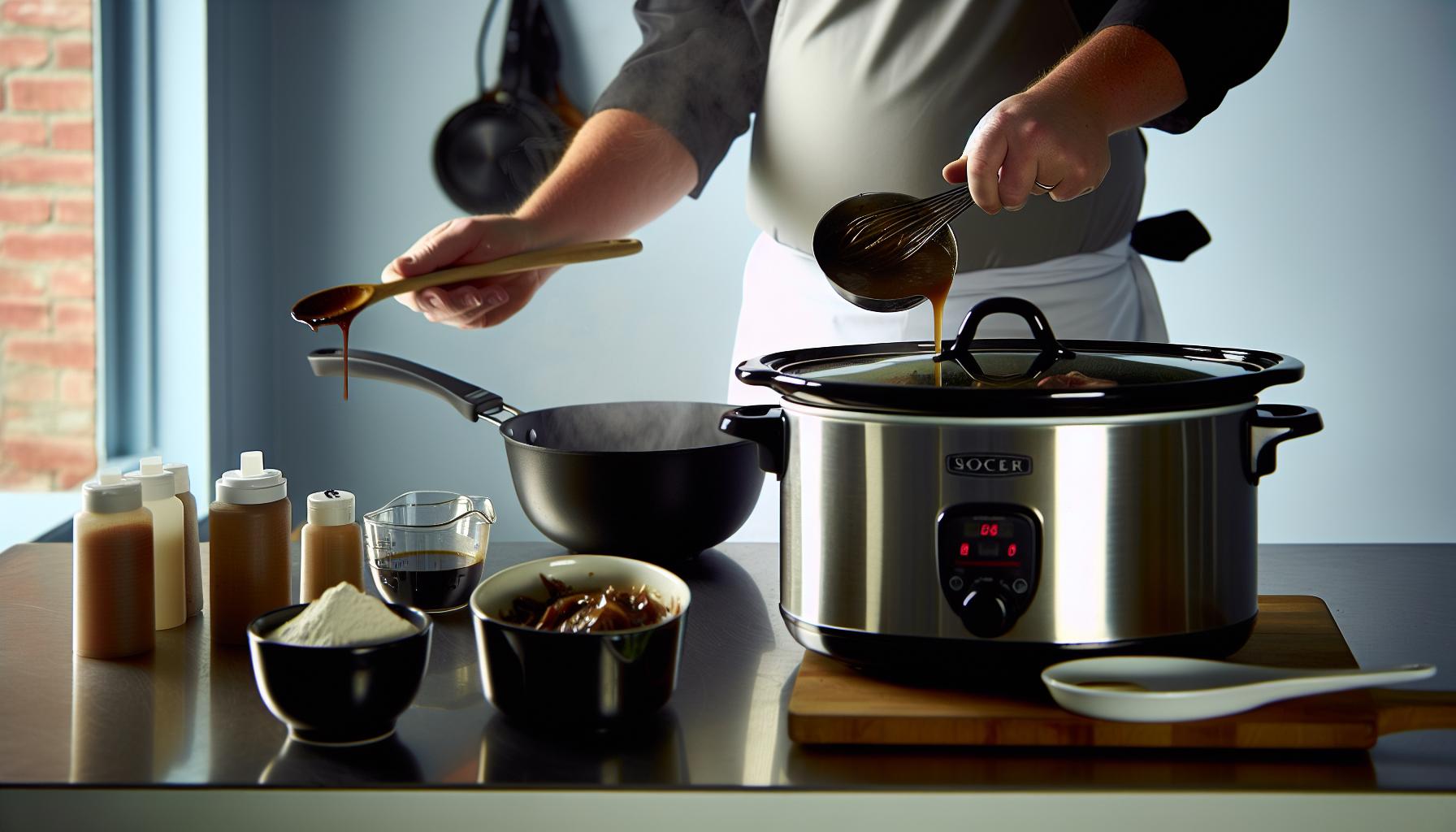
Pairing Side Dishes for a Classic English roast Dinner
If there’s one thing as comforting as a perfectly tender slow-cooked English roast, it’s the parade of side dishes that turn it into a classic feast everyone remembers. Think warm, hearty, and soul-soothing plates that complement the rich meat and luscious gravy without stealing the spotlight.The secret to a crowd-pleasing roast dinner lies in balancing textures and flavors-crispy, creamy, earthy, and fresh-all while keeping things approachable for busy home cooks.
Vegetables That Shine: Traditional Meets Twist
Roast dinners call for vegetables that bring both color and substance to the table.Classic roast potatoes, with their crunchy outsides and fluffy hearts, are non-negotiable for many. For a gluten-free or paleo-friendly spin, toss peeled sweet potatoes or parsnips in olive oil with rosemary and sea salt, then roast until golden and crispy. These swaps keep the essence of roast spuds intact but offer a lovely variation in flavor and nutrition.
don’t underestimate the humble green veg-think buttered green beans or roasted Brussels sprouts with a drizzle of balsamic glaze to add that tangy sweetness balancing the meaty depth of your roast. Carrots and parsnips roasted with a hint of honey or maple syrup create a delightful natural sweetness. And if you’re short on time, steaming a medley of peas and asparagus makes a bright and fresh side that requires minimal fuss but lots of rewarding crunch.
Hearty, But Not Heavy: Satisfying Sides for Every Diet
Yorkshire puddings are a classic, but let’s be honest, they don’t always fit paleo or gluten-free plates. For those audiences, cauliflower “Yorkshires” with a chickpea flour batter or almond flour biscuits baked in muffin tins deliver the soft, airy texture that pairs superbly with gravy.
If you want a little extra comfort food vibe, creamy mashed cauliflower or mashed celeriac is a perfect stand-in for traditional mashed potatoes-a bit lighter, but still that smooth, buttery dream. Add roasted garlic or fresh herbs like thyme and chives to keep them captivating without piling on dairy if you’re going dairy-free.
Fresh Elements to Brighten Your Plate
no roast dinner is complete without a fresh element to cut through the richness. Simple garden salads with lemon vinaigrette or cucumber and radish slaw bring a zingy crispness that keeps the palate lively.Sometimes I like to throw in a quick pickled red cabbage or tangy apple slaw-both add vibrant color and texture with zero stress.
If you’re feeling adventurous, a spoonful of mint sauce or a dollop of horseradish cream can be fun guest stars at your dinner table, both pairing beautifully with beef roasts and boosting that classic English roast experience.
| Side Dish | Dietary Notes | Prep & Tips |
|---|---|---|
| Roast Sweet Potatoes & Parsnips | Gluten-free, Paleo | High heat roasting with olive oil, rosemary, and sea salt for 30-40 minutes |
| Cauliflower “Yorkshire” Puddings | Gluten-free, Vegetarian | Use chickpea or almond flour batter, baked in muffin tins |
| Creamy Mashed Cauliflower | Dairy-free, Paleo | Steam cauliflower until soft, blend with olive oil and garlic |
| Roasted Brussels Sprouts with Balsamic Glaze | Vegan, gluten-free | Roast at 400°F for 25 minutes, add balsamic at the end for glaze |
| Fresh Garden Salad with Lemon Vinaigrette | Vegan, Paleo, Gluten-free | Mix mixed greens, cucumber, radishes; dress with lemon, olive oil, salt |
Pairing sides with your slow cooker English roast is about making your meal feel complete without stress. Think warm, crisp, creamy-all easy to prepare alongside your roast or made ahead.And remember, your dinner should celebrate your flavor preferences and lifestyle choices, not trap you in “perfect” kitchen work.After all, the best roast dinners are the ones shared with laughter and second helpings. So, go ahead and mix, match, and enjoy!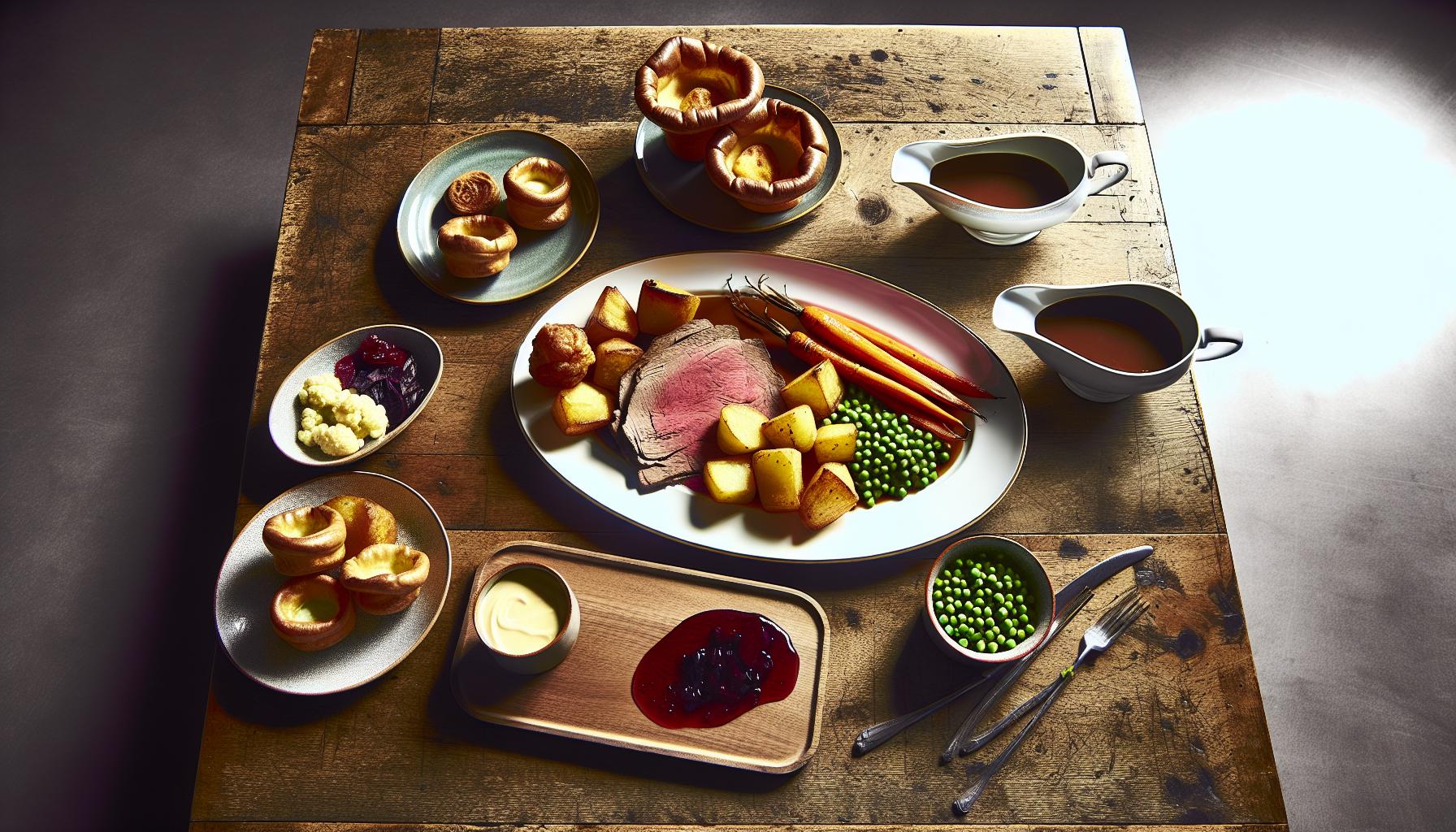
Troubleshooting Common Slow Cooker Roast Mistakes
Slow cooker magic is real, but even the best-laid roasting plans can hit a bump. Whether it’s a roast that’s tougher than expected,veggies lost in the stew,or gravy that just won’t sing,knowing the usual hiccups can save your dinner-and your day. Think of it as your gentle kitchen GPS, helping you navigate those “almost perfect” moments and turn them into “absolutely delicious” memories.
One of the most common culprits behind a less-than-tender roast is cooking the meat too fast or not low enough. Slow cooking excels when it treats tough English cuts like chuck or brisket as the slow-cooked gems they are-collagen-breaking, melt-in-your-mouth beauties. If you rush, the connective tissues won’t have time to transform, leaving you with a chewy outcome.On the flip side, leave it too long or crank the heat too high, and you might end up with dry edges or a mushy vegetable medley. The sweet spot? Low and slow for about 8 hours usually does the trick, but don’t sweat it-every slow cooker behaves a little differently, so getting familiar with yours is key.Another common slip-up is skipping the browning step. Searing your roast before it hits the slow cooker isn’t just showmanship-it locks in juices and adds that deep, rich flavor we crave. Plus, it gives the gravy a beautiful base to shine. If you’re in a rush and skip this step, no worries: add a splash of good stock or a bit of red wine to boost the savory profile. Also,seasoning is your best friend. salt and pepper the meat well before browning, and taste your broth as it cooks to adjust seasoning-it makes all the difference between a blah roast and a “please-go-back-for-seconds” roast.
Keeping Vegetables from Going Mushy
Adding veggies too early can turn your vibrant carrots and potatoes into mushy shadows of their former selves. Root veggies love slow cooking but prefer to be tucked in a bit later-usually halfway through the cooking time-to maintain texture. If your slow cooker has a removable insert,layering can definitely help: place the veggies on the bottom where there’s more direct heat,and the roast on top to catch the drippings and develop flavor. Here’s a handy approach:
- step 1: Brown and season your roast first.
- Step 2: add root veggies like carrots, parsnips, and potatoes.
- Step 3: Pour in broth or stock, herbs, and aromatics.
- Step 4: Slow cook on low for 8 hours, adding quick-cooking veggies like green beans or peas during the last 30 minutes to keep them fresh and bright.
Braising Liquid Blues? Fixing Bland or Watery Sauce
A common complaint is juices that taste like watered-down broth rather than rich,savory gravy.This usually means the liquid to meat ratio is off or flavor layers need a boost. A small but mighty splash of balsamic vinegar,Worcestershire sauce (gluten-free versions exist!),or a tablespoon of tomato paste can instantly deepen the taste without extra fuss. Also,remove the roast and veggies before thickening your gravy on the stove with a simple gluten-free slurry (cornstarch or arrowroot mixed with cold water). This step instantly ups the comfort factor-thick, luscious gravy is half the joy.
Remember, slow cookers trap steam by design, so a tight-fitting lid is non-negotiable to keep moisture balanced. If you’re tempted to peek too often,resist! Every lid lift can add 15-20 minutes to cooking time.
| Common Problem | Cause | Quick Fix |
|---|---|---|
| Tough or dry roast | Cooked too fast or too hot; skipped browning | Cook on low longer next time; always brown meat; add moisture like broth or wine |
| mushy vegetables | Added too early or cooked too long | Add root veggies halfway through; quick-cooking veg in last 30 minutes |
| Watery, bland juices | Too much liquid; lack of seasoning or flavor building | Reduce liquid; add umami boosters (tomato paste, vinegar, Worcestershire); thicken after cooking |
| Undercooked roast or veggies | Low cooking time or temperature; too large cuts | Cut vegetables smaller; verify slow cooker settings; extend cook time |
At the end of the day, slow cooking is a forgiving friend, ready to accommodate tweaks and happy accidents. If a roast doesn’t come out ideal the first time, it’s just a warm-up round. With each try, you’re fine-tuning your go-to meal for that perfect, tender bite that makes every effort worth it. After all, even the best roasts have a backstory filled with trial, error, and ultimately, delicious triumph. So, dust off your slow cooker-and keep calm and roast on!
—
For more inspiration on cooking perfect slow cooker roasts with the right cuts and times, these ideas might help: browning your roast enhances flavor tremendously, and embracing the “low and slow” beliefs transforms tough cuts into tender wonders[[1](https://www.cookingclassy.com/slow-cooker-pot-roast)][[2](https://www.delish.com/cooking/recipe-ideas/a29480090/best-slow-cooker-pot-roast-recipe/)]. If you’re testing seasoning or timing, just remember: the juiciest roast is always closer than you think!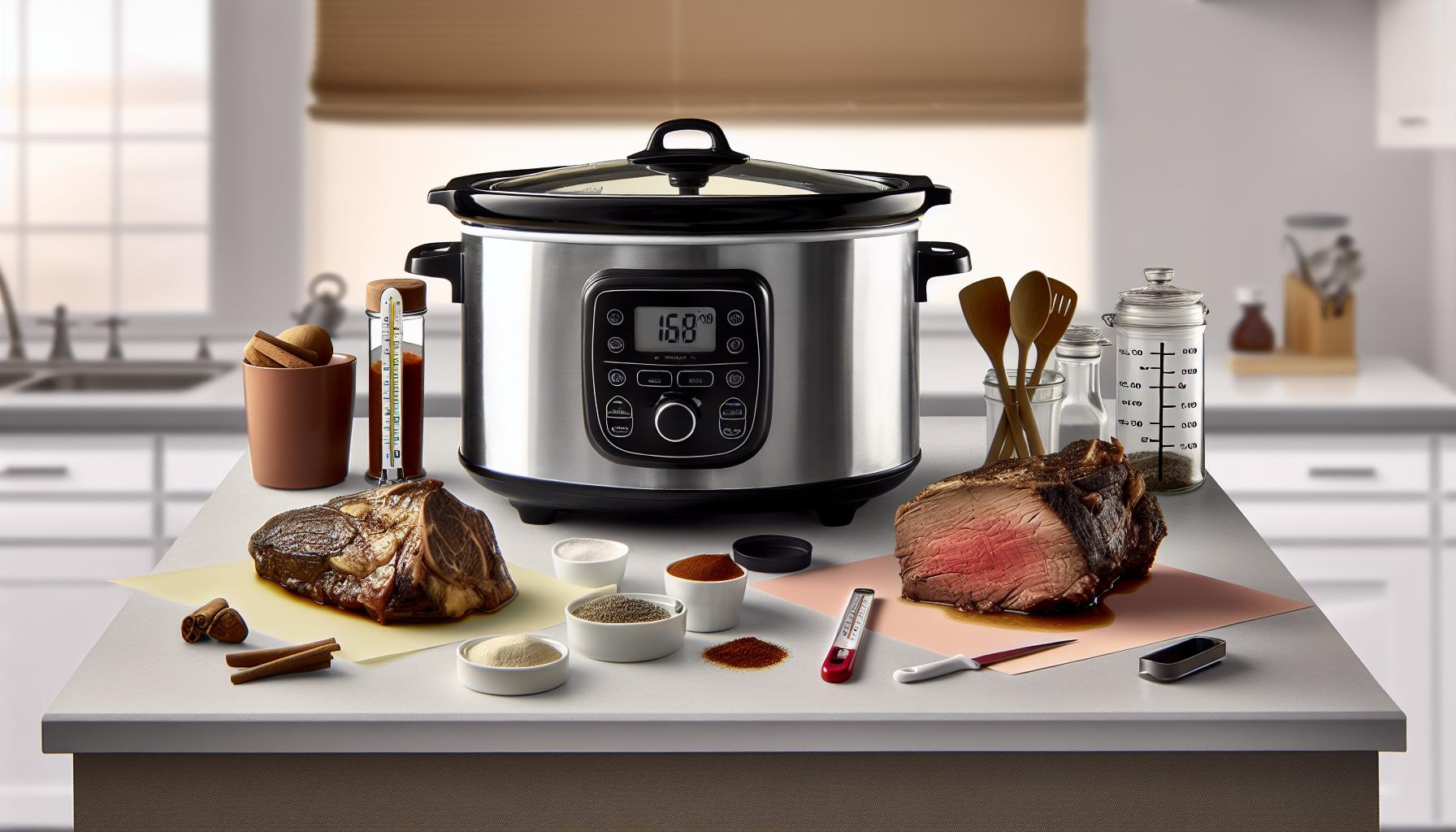
Frequently Asked Questions
Q: How do I prevent my english roast from drying out in a slow cooker?
A: To prevent drying out, always add enough liquid like broth or wine to keep the roast moist.Cook on low heat for tender results and avoid lifting the lid often, which releases heat. For extra juiciness, sear the roast before slow cooking-see our Prepping Your Roast section for tips.Q: Can I cook a frozen English roast directly in the slow cooker?
A: it’s best to thaw your English roast before slow cooking to ensure even cooking and food safety. Cooking from frozen can lead to uneven texture and longer cook times. Plan ahead by thawing overnight in the fridge for best results and tenderness.
Q: What is the ideal slow cooker temperature setting for a tender English roast?
A: The ideal setting is low heat (around 190°F to 210°F), which gently breaks down connective tissues and results in a tender roast. Cooking on high can toughen meat if not carefully timed.Check out our Perfecting Cooking Times and temperatures for detailed guidance.
Q: How can I add smoky or robust flavors to my slow cooker English roast?
A: To boost smoky or rich flavor, incorporate smoked paprika, liquid smoke, or a splash of stout beer in your seasoning mix. Layer fresh herbs with dry spices for depth. For more flavor hacks, explore our Creative Herb and Spice Blends section.
Q: When is the best time to add vegetables to the slow cooker with the English roast?
A: Add root vegetables like carrots and potatoes about halfway through the cooking process to prevent overcooking and mushiness. Softer veggies like peas should go in near the end. This timing keeps sides perfectly textured-see Pairing Side dishes for a Classic English Roast for ideas.
Q: How do I make sure my slow cooker roast has a crispy crust?
A: For a crispy crust, sear the roast in a hot pan before slow cooking. After cooking, you can also place it under a broiler for 3-5 minutes to firm up the outside. This adds texture without compromising the tender interior-check Prepping Your Roast for searing tips.
Q: Can I use a slow cooker liner when cooking an English roast? Does it affect tenderness?
A: Yes, slow cooker liners are fine and make cleanup easier, and they don’t affect the tenderness or flavor of the roast. Just ensure you follow the slow cooker’s instructions and avoid puncturing the liner during cooking.
Q: how can I adjust cooking times for different sizes of English roast in my slow cooker?
A: Cooking time varies by roast size: allow about 6-8 hours on low for a 3-4 pound roast. For larger roasts, increase time by 1-2 hours or until meat is fork-tender. Use a food thermometer to check for doneness. Refer to Perfecting Cooking Times and Temperatures for detailed timing tips.
for more insider tips and easy tweaks to master your English roast slow cooker meals, don’t hesitate to explore our detailed sections or try out new herb blends-we promise, it’s comforting cooking made simple and joyful!
The Conclusion
Thanks for sticking with me through this simple, foolproof way to get a tender English roast in your slow cooker-perfect for busy weeknights or cozy weekend meals. with just a few easy steps, minimal prep, and basic ingredients, you’re set for a delicious, gluten-free, paleo-friendly dinner that feels like comfort food made effortless. If you’re wondering about variations or sides, don’t miss my slow Cooker root Veggie Medley or Classic Yorkshire Pudding Recipe that pair wonderfully with this roast.
Ready to nail this recipe tonight? Grab your favorite cut, season simply, and let your slow cooker work its magic-no stress, just tasty results. Want more tips on meal prep or slow cooker hacks? Check out my full Slow Cooker Essentials Guide and sign up for my newsletter for weekly recipes and kitchen shortcuts that keep real home cooks happy. Have questions or tweaks you tried? Drop a comment below-I love swapping stories and ideas that make cooking fun and approachable. Here’s to more easy, flavorful meals that fit your busy life and celebrate food joy without fuss!
Get our latest guides, news, and insights highlighted in your Google Search & AI Overviews.