

Did you know that cooking pasta in a slow cooker can be a total game-changer for busy weeknights, but it’s easy to end up with gooey mush if the timing’s off? Whether you’re juggling paleo, gluten-free, or just want a fuss-free comfort meal, knowing exactly how long to cook pasta in your crockpot is key. Slow cooker pasta cooks low and slow, soaking up all the flavors, but leave it too long and your noodles turn into a sad, sticky mess-no one wants that. I’ve been there, testing times and tricks so you don’t have to, so stick around to learn the perfect cook times and simple tips to keep your pasta tender yet perfectly al dente every time. With the right timing and a few easy swaps,slow cooker pasta can be a set-it-and-forget-it winner in your weeknight dinner rotation,whether you’re craving cheesy mac,saucy taco pasta,or a veggie-packed bake. Let’s dive in and turn that slow cooker mystery into pasta perfection!
Table of Contents
- How Slow Cookers change Pasta Cooking Times
- best Pasta Types for Slow cooker Recipes
- Step-by-Step Guide to Perfect Slow Cooker Pasta
- Common Mistakes That Turn Pasta to Mush
- How to Adjust Liquids for Slow Cooker Pasta
- Timing Tips for Different pasta Shapes
- Flavor Boosters to Elevate Slow Cooker Pasta
- Gluten-Free and Paleo Pasta Tips for Slow Cooking
- Creative Slow Cooker Pasta meal Ideas
- Storage and Reheating Without Losing Texture
- FAQ
- Q: How can I prevent slow cooker pasta from becoming mushy without changing cooking times? A: To avoid mushy pasta without altering cooking times, add the pasta during the last 20-30 minutes of cooking and stir gently once or twice. Use firm pasta types and make sure liquids aren’t excessive. This keeps texture firm while maintaining your recipe’s timing. Check out our Common Mistakes That Turn Pasta to Mush for more tips. Q: What’s the ideal pasta-to-liquid ratio in slow cooker recipes to avoid sogginess?
- Q: Why does slow cooker pasta sometimes cook unevenly, and how do I fix it?
- Q: Can I use gluten-free pasta in a slow cooker without it turning mushy? A: Yes! Gluten-free pasta cooks faster and mushes easily, so add it just 10-15 minutes before the end.Rinse it briefly before use and reduce added water slightly. For detailed advice, visit Gluten-free and Paleo Pasta Tips for Slow Cooking-you’ll keep that perfect bite. Q: How do slow cooker temp settings affect pasta cooking times and texture?
- Q: What are quick fixes if my slow cooker pasta ends up too mushy? A: If pasta is mushy, try draining any excess liquid immediately and serving it with a fresh splash of sauce or olive oil to refresh texture. Alternatively, toss in fresh cooked pasta for firmness next time. For prevention strategies, check out Common mistakes That Turn Pasta to Mush. Q: How long does fresh pasta take to cook in a slow cooker compared to dried pasta?
- Q: Can slow cooker pasta timing vary based on sauce type or thickness? A: Absolutely! Thicker sauces slow pasta absorption, meaning pasta cooks a bit slower. Thin, broth-like sauces cook pasta faster and risk mush. Adjust cooking times by adding pasta later with thin sauces*, as explained in How to Adjust Liquids for Slow Cooker pasta. This balances texture and flavor.For more expert tips and tested recipes, be sure to explore the full guide sections like Step-by-Step Guide to Perfect Slow Cooker Pasta and Creative Slow Cooker Pasta Meal Ideas*-cooking pasta slowly can be simple, delicious, and satisfying every time! The conclusion mastering the perfect slow cooker pasta isn’t as tricky as it seems-just remember to time it right to avoid that mushy mess! Whether you’re whipping up a cozy gluten-free dinner or a paleo-friendly meal, using these simple tips will keep your pasta perfectly tender every time. if you’re eager to try more slow cooker magic, check out our [Easy Slow Cooker Meals for busy Weeknights] and [Gluten-Free Comfort Food Recipes] to keep your menu fresh and exciting. Ready to elevate your kitchen game? Sign up for our newsletter to get weekly tested recipes, handy cooking hacks, and insider tips straight to your inbox.Curious how to balance taste with dietary needs or want personalized advice? Don’t hesitate to explore our [Slow Cooker Tips and Tricks] section or drop a comment below-sharing your experience could spark ideas for fellow home cooks! Remember,slow cooker pasta takes patience and the right timing,but with the right know-how you’ll enjoy delicious,easy meals without stress. Keep experimenting, share your successes, and come back soon for more warm, home-cooked inspiration!Starch Hydration: How Long Does Pasta Take to Cook in Slow Cooker? Adding pasta to a slow cooker can quickly result in mushy, disintegrating starch if added too early. Follow this exact timing matrix to achieve perfect al dente pasta in soups, casseroles, and stews:Pasta Variety & Shape Cook Time on HIGH Liquid Absorption Ratio Chef RecommendationShort Gluten-Free Shapes (Penne, Rotini, Elbows) 20 to 30 minutes on HIGH Ensure at least 2 cups broth covers pasta Add during final 30 minutes only; stir gently to prevent sticking (Recommended)Gluten-Free Long Strands (Spaghetti, Fettuccine) 25 to 35 minutes on HIGH Break in half; submerge fully in sauce Separate strands with tongs every 10 minutes to prevent clumpingPre-Cooked Gluten-Free Pasta 5 to 10 minutes on LOW/WARM Zero extra broth required Boil 2 mins under package directions on stove, rinse with cold water, fold in right before servingThree Golden Rules for Slow Cooker Pasta
How Slow Cookers change Pasta Cooking Times
Pasta cooking times in a slow cooker don’t behave quite like the quick boil of a stovetop pot. The slow cooker’s low-and-slow heat method gently softens dried pasta over time, but this delayed gentleness can be a double-edged sword if you’re not careful. Because everything cooks together for hours, pasta is absorbing liquid throughout the whole process, so it can easily go from perfectly tender to that dreaded mushy mess if left unattended or added too early. From my countless kitchen experiments (and a few ‘oops’ moments), timing pasta in a slow cooker is more about managing when and how you introduce it, rather than just “throw it in and forget it.”
Unlike stovetop cooking, where pasta usually takes just 7-12 minutes, slow cookers stretch that out over hours – but with the magic of moisture retention inside a sealed pot. This means the pasta is effectively stewing in the sauce or broth as it hydrates. This slower absorption means pasta edges out a longer cooking window, usually around 30 to 60 minutes on high or up to 90 minutes on low, depending on the shape and thickness. That’s a big difference from conventional quick-cooking, and it offers flexibility but also requires vigilance: add pasta too early, and you’ll notice it turns gummy; add it too late, and it may not soften adequately.
Why Slow Cookers Extend and Alter Pasta Cooking Times
- Low temperature, moist environment: Slow cookers maintain a gentle simmer usually around 190-200°F, as opposed to boiling at 212°F. Pasta softens slower because it never gets that vigorous boil nudging it.
- Continuous liquid absorption: Unlike stove-topped pasta, which cooks briefly in rapidly boiling water, slow cooker pasta is simmering in a sauce or broth, soaking up flavors and liquids gradually.
- Batch & layering effect: Pasta submerged in sauce or spread in layers can cook unevenly if left too long, causing some pieces to over-soak and fall apart before others are tender.
I like to think of a slow cooker as a gentle giant-it’s nurturing the flavors and textures but demands respectful timing.For example, a classic slow cooker baked pasta dish might involve layering uncooked penne in sauce, then cooking on high for about three hours until tender, a slow and steady transformation that’s different from tossing pasta in boiling water for minutes [[2]](https://cookingwithcarlee.com/slow-cooker-baked-pasta/).Conversely, taco pasta or creamy mac and cheese variants usually add pasta in the last 30 minutes to keep the perfect bite, saving you from mushy regrets [[1]](https://kristineskitchenblog.com/easy-slow-cooker-taco-pasta/), [[3]](https://www.allrecipes.com/best-slow-cooker-pasta-recipes-11749453).
So, the slow cooker’s magic comes with a bit of responsibility: understanding that pasta can’t just soak all day. Adjustments to cooking time, the heat setting you choose, and when you add your noodles can transform your dish from a slow-cooked triumph into a texture disaster. The good news? You’ve got a forgiving vessel ready to deliver bold, slow-simmered flavors-just plan those noodles like you’re scheduling a guest appearance, not the main show from the start!
best Pasta Types for Slow cooker Recipes
Pasta shapes really do matter when it comes to slow cooking, where the gentle heat and constant soaking can turn even the sturdiest noodles into a mushy mess if you’re not careful. The best types are those that can hold up to longer cook times, soak up sauce without falling apart, and remain satisfyingly chewy. Think of slow cooker pasta as a balance between texture and tenderness-you want noodles that hydrate gradually but won’t disintegrate into the pot of goodness.
Generally, short, thick shapes like penne, rigatoni, shells, and ziti are your slow cooker’s best friends. Their sturdy tubes or pockets trap sauce and allow a more even cook, which is great when the pasta is added early or cooked longer. You might have noticed that skinny noodles like angel hair or vermicelli do the slow cooker equivalent of a quick meltdown-turning limp and sticky in no time, so save those for stovetop or last-minute additions. Fusilli and rotini also work well because their twists catch sauce and help keep the bite lively,especially when added with 30-60 minutes left on the clock.
For those embracing gluten-free or paleo diets, things get a little more fascinating. Traditional rice- or corn-based gluten-free pasta can be unpredictable, frequently enough turning fragile under the slow cooker’s moist environment. However,chickpea or lentil pastas tend to perform better,holding their shape nicely and adding a pleasant nutty flavor. Another trick? Consider layering spiralized vegetables like zucchini or sweet potato as a pasta option-they add a fresh, nutrient-packed twist but don’t require long cooking as they soften quickly. Just toss them in near the end to avoid a mushy mess.
- Pasta types to use early: penne, rigatoni, large shells, ziti
- Pasta suitable for last 30-60 minutes: rotini, fusilli, medium elbows
- Best gluten-free/paleo options: chickpea pasta, lentil pasta, spiralized veggies (add late)
- Pastas to avoid: angel hair, thin spaghetti, rice-based gluten-free (unless added last minute)
Choosing the right pasta type isn’t just about texture-it’s also about matching your meal style. A meaty slow cooker baked pasta layered and cooked for several hours calls for beefy tubes that won’t collapse. Meanwhile, a creamy mac and cheese or taco pasta benefit from smaller shapes added towards the end to retain bite and mingle beautifully with cheese and spices. I’ve found penne to be the perfect all-rounder, forgiving yet flavorful, and with enough chew to make that long, slow simmer worthwhile.
| Pasta Shape | Cook Time in Slow Cooker | Recommended Usage |
|---|---|---|
| Penne / Ziti | Long (2-3 hours) | Baked pastas, layered dishes |
| Rotini / Fusilli | Shorter (30-60 minutes) | Creamy dishes, last-minute add-ins |
| Large shells | Long (2-3 hours) | Stuffed or baked pasta recipes |
| Gluten-free chickpea or lentil pasta | Shorter (added 30 minutes before end) | Gluten-free meals, nutrient boost |
| Angel hair / Vermicelli | Not recommended | Use stovetop or add after slow cooking |
In my kitchen, the patience needed to add pasta at just the right time pays off massively. When I made a slow cooker baked ziti, the penne held its shape and soaked in flavors beautifully over a three-hour bake. But with taco pasta, I add the rotini during the last half-hour so it’s saucy but still has a firm bite. Trust me, onc you get familiar with your favorite pasta shapes, cooking times, and when to add them, the slow cooker becomes your best friend for effortless, tasty pasta dishes without the mushy regrets.
Step-by-Step Guide to Perfect Slow Cooker Pasta
Cooking pasta in a slow cooker can feel like a culinary magic trick-low and slow heat transforms dry noodles and simple ingredients into a comforting, saucy masterpiece. But that magic also comes with its quirks: add pasta too early, and you risk a mushy mess; add it too late, and it might be undercooked or won’t meld well with the flavors. The secret? Timing, liquid balance, and knowing your pasta shapes, all while keeping things relaxed and enjoyable in the kitchen.
Gather your Ingredients and Prep Wisely
Start with a good base-whether it’s marinara, creamy cheese sauce, or a hearty broth, make sure it’s flavorful enough to get absorbed by the pasta as it cooks. Use sturdy pasta shapes like penne,rigatoni,or large shells if you plan to add them at the beginning of the cook-they hold their shape well over 2-3 hours. For creamy or cheesy dishes,I’ve found adding quick-cooking shapes like rotini or fusilli during the last 30-60 minutes keeps everything tender but not overdone. If you’re cooking gluten-free or paleo, chickpea or lentil pasta added late avoids that gummy texture rice-based pastas sometimes get when steamed too long.
Step-by-Step Slow Cooker Pasta
- Step 1: Layer your flavors. Start by adding your sauce, broth, and any raw or pre-cooked proteins or veggies; this gives them time to mingle and soften without the pasta taking over.
- Step 2: Add pasta with care. If your recipe calls for long cook times (2-3 hours), toss in thicker, sturdier pasta early. For quicker, softer shapes, hold off and add them closer to the finish line (about 30-60 minutes before serving).
- Step 3: Mind the moisture. Slow cooker pasta needs a bit more liquid than stovetop, usually about 1 to 1.5 cups of liquid per 8 ounces of pasta-but keep an eye on it. If the sauce thickens too fast, add a splash of water or broth to keep the noodles happy.
- Step 4: Stir gently, sparingly. Resist the urge to mix every 15 minutes-too much stirring can break up the pasta. A gentle stir halfway through the cooking time is usually enough.
- Step 5: Check doneness and finish strong. Pasta is ready when it’s tender yet still with a bit of bite. If it’s too firm, add a few more minutes but beware of mush. Once done, toss in fresh herbs, cheese, or a drizzle of olive oil to lift the flavors.
Real Kitchen Tips That save the Day
Personal confession: my first slow cooker pasta was a clumpy, sticky disaster because I dumped everything in at once and walked away. Since then, I’ve learned to respect pasta’s delicate nature in slow cookers. Adding it toward the end almost always brings better texture-and if I’m feeling adventurous, spiralized veggies slide in last minute for that fresh crunch and paleo boost. Also, using a mix of sauces (like blending marinara with a touch of cream or cheese) can help the pasta soak up flavor without drying out.
Consider this quick cheat sheet for your next dish:
| Pasta Type | Addition Timing | Ideal Dishes |
|---|---|---|
| Penne, Ziti, Large Shells | Start (2-3 hours cooking) | Baked pastas, meaty sauces |
| Rotini, Fusilli, Medium Elbows | Last 30-60 minutes | Creamy dishes, quick melts |
| Chickpea/Lentil Pasta | Add last 30 minutes | Gluten-free, nutrient dense |
| Spiralized Veggies | Add last 10-15 minutes | Paleo-friendly, fresh texture |
| Angel Hair, Thin Spaghetti | Not recommended slow cooker | Stovetop or garnish |
Mastering slow cooker pasta is a rewarding adventure that balances patience with intuition. With practice, you’ll gain that sixth sense for “just-right” pasta texture-a warm, comforting dish that feels effortless but tastes like you invested love and time. And yes, it’s totally okay to bend the rules when needed-after all, a little kitchen creativity keeps dinner exciting!
Common Mistakes That Turn Pasta to Mush
Cooking pasta in a slow cooker unlocks a world of convenience and flavor, but it also opens the door to one common culinary heartbreak: mushy, clumpy noodles that nobody wants to serve at the dinner table. The slow cooker’s gentle, moist heat can easily over-soften pasta if you’re not mindful about timing and technique. Yet, avoiding this disaster is totally doable once you understand what trips peopel up most.
one of the biggest culprits is adding pasta too early alongside everything else. While it might seem efficient to dump the dry noodles into the crockpot from the get-go, the extended cook time easily breaks down the starch structure, turning what should be tender, al dente bites into a sticky blob. Rather, consider the pasta’s shape and cook time. Robust shapes like penne or rigatoni can handle longer cooks (think 2-3 hours), but delicate noodles? Save those for the last 30-60 minutes to keep their texture intact. I learned this the hard way during my first attempt-dumping fusilli in early left me with a mushy mess that no amount of cheese could save!
Another sneaky way pasta gets mushy is by mismanaging liquid ratios. Slow cookers trap moisture, so pasta doesn’t need a ton of extra liquid like it does when boiling on the stove. If you add too much broth or sauce upfront, the noodles absorb more water than they should, swelling beyond recognition. But too little liquid? They’ll be dry and unevenly cooked.My go-to trick now is starting with about 1 to 1.5 cups of liquid per 8 ounces of pasta, then monitoring the sauce as it thickens. A quick splash of broth or water mid-way can rescue things if the sauce threatens to become a cement-like paste.
Stirring: Less is More
Contrary to some instincts, stirring pasta too frequently in a slow cooker can actually make it worse. The gentle heat and moisture environment already loosen noodles, so over-mixing breaks them apart, contributing to mush. I aim for one gentle stir just halfway through cooking, and that usually does the trick. It’s like giving your pasta a gentle nudge to make sure everything’s cozy without turning it into a pile of noodle paste.
Keep These Common Pitfalls in Mind:
- adding pasta at the wrong time: Add sturdier shapes early, quick-cooking ones late.
- Overloading on liquid: Balance is key-too much water means mush; too little, uneven cooking.
- Excessive stirring: Avoid stirring too often to keep noodles whole and intact.
- Ignoring pasta type: Delicate noodles like angel hair don’t fare well here-stick to penne, ziti, or gluten-free lentil pasta.
By learning from these common slip-ups, you’ll avoid a sad, soggy outcome and serve pasta that’s perfectly tender, flavorful, and far from mushy. Remember: Slow cooker pasta is a chill, forgiving way to cook-but it rewards a little timing finesse and TLC. And hey, with every batch, your kitchen intuition for “just right” pasta texture will grow stronger, turning you into a slow cooker pasta pro in no time.
How to Adjust Liquids for Slow Cooker Pasta
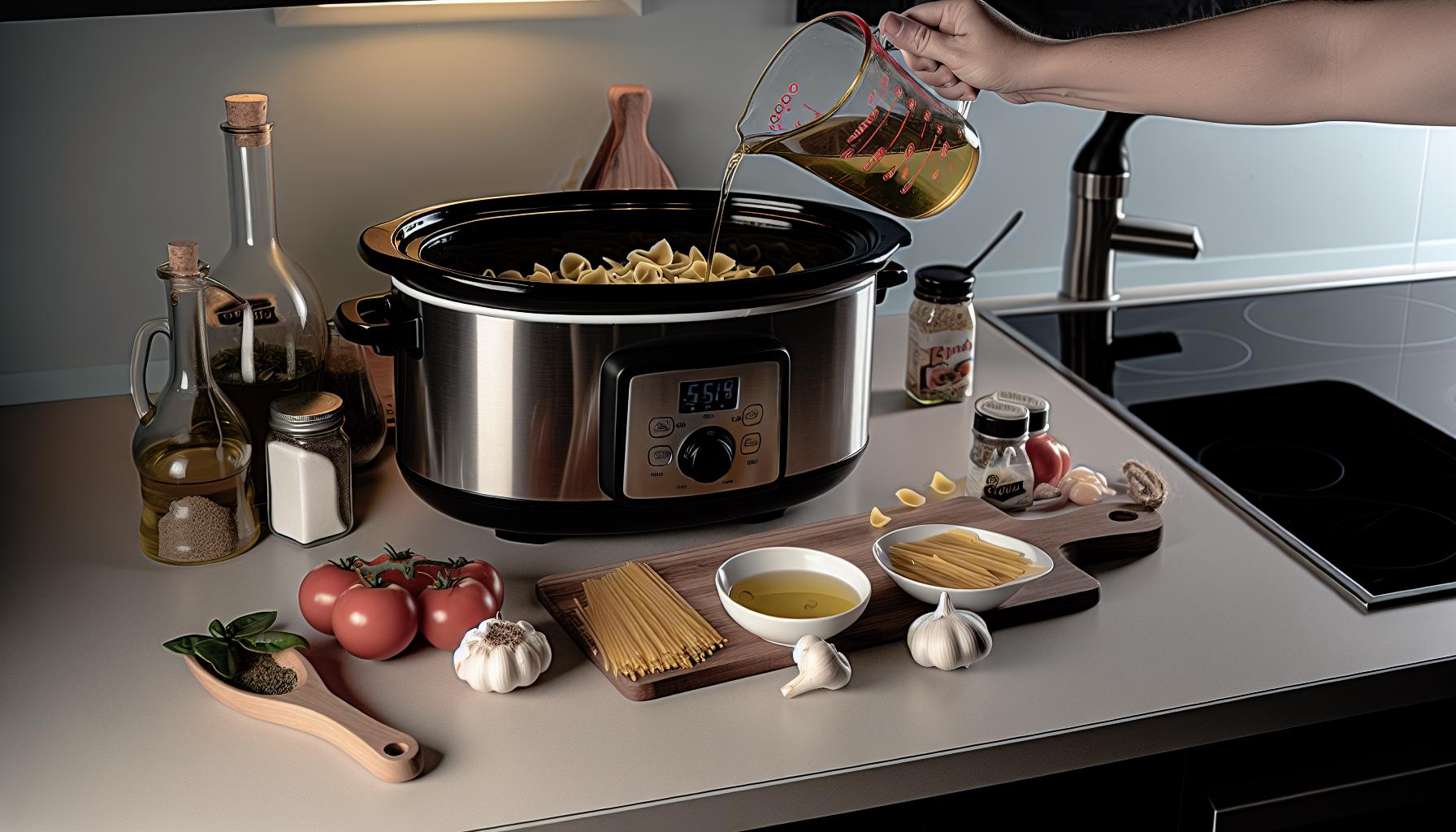
Few things can sabotage a fantastic slow cooker pasta dinner faster than noodles swimming in a soupy mess-or worse, a cement-like clump that sticks to the pot. The secret to preventing this usually lies in mastering how much liquid to use from the start, and how to adjust it through the cooking process. Slow cookers trap moisture naturally, so unlike stovetop pasta where you boil in a vast pot of water, here you want a more measured, balanced approach that lets the pasta absorb just enough without turning into an overhydrated mush.
A reliable rule of thumb I’ve honed over many slow cooker meals is to begin with about 1 to 1.5 cups of liquid per 8 ounces of pasta. This can be broth, tomato sauce, or even a mix of cream and water depending on your recipe. Too much liquid leads to constantly soggy noodles, while too little means uneven cooking or dry, underdone spots. Since slow cookers don’t evaporate liquid like stovetop pots do, that extra water just hangs around and complicates texture. I always recommend erring on the side of less liquid initially-there’s plenty of time to add more if things look dry.
Mid-Cook Liquid Adjustments: The “Rescue Splash”
Checking the pasta midway isn’t just for perfectionists-it’s a game changer. Halfway through cooking, gently peek under the lid (careful with steam!) and observe the sauce’s consistency. If it looks thick, almost like paste, or the pasta seems like it’s drying out at the edges, add a quick splash of broth or water-usually 1/4 cup at a time. This little course correction prevents drying without flooding. Conversely, if the pasta is swimming in excess liquid, you can turn the slow cooker to high for the last 15-30 minutes uncovered to gently evaporate some moisture and help thicken the sauce into that irresistible clingy goodness we all love.
Liquid Types and Dietary Tweaks
Beyond the typical chicken or veggie broth, experimenting with liquid ingredients can add both flavor and improved cooking control-especially for gluten-free or paleo pasta aficianados. For instance,creamy bases like coconut milk (great for paleo dishes) add richness but also liquids that slightly slow down pasta absorption,so you might reduce added water by a splash. Tomato-based sauces often have their own water content, so adjust accordingly to avoid overdoing it.
- For gluten-free pasta: As many GF varieties absorb liquid differently (frequently enough faster), start with the lower end-about 1 cup liquid per 8 oz pasta-and watch closely.
- Paleo options: Using bone broth or coconut milk works well but keep an eye on thickness and add liquids sparingly to avoid overly soft noodles.
If you’re layering in extra vegetables or meats that release their own juices,factor that into your liquid math. For example, water-heavy veggies like mushrooms or zucchini can add moisture as they cook, so reduce initial broth slightly.
Practical Liquid Tips from My Kitchen
- Always stir gently once midway to evenly distribute any liquid and check thickening.
- If your sauce recipe is thick (like a hearty marinara or Alfredo), you can reduce added water by 1/4 cup or omit it wholly since cheeses and cream melt to loosen the dish.
- For recipes like slow cooker baked pasta where raw pasta cooks in the sauce, layering the pasta with sauce rather than adding all liquid upfront helps control the texture.
Mastering liquids gives you the freedom to embrace slow cooker pasta for all its hands-off convenience without fearing mush. So go ahead-start with measured liquids, trust your slow cooker’s magic, and adjust with a splash or two along the way. Your noodles will thank you!
| Pasta Type | Suggested Liquid Amount (cups per 8 oz) | Notes |
|---|---|---|
| Penne, Rigatoni, Ziti | 1-1.5 | Sturdy shapes tolerate longer cook times; more liquid helps absorb flavors |
| Spaghetti, Angel Hair | ~1 | Delicate noodles added late; less liquid to prevent mush |
| Gluten-Free (lentil, chickpea) | 1 | Absorbs liquid quickly; reduce broth slightly, monitor carefully |
| Paleo (Paleo noodles, veggies only) | 1-1.25 | Watch for additional liquid from creamy bases or veg |
Timing Tips for Different pasta Shapes
Pasta shapes aren’t just charming-they actually behave quite differently in a slow cooker, and timing is everything if you want to avoid turning your dinner into a gloopy mess. Thick, sturdy shapes like penne or rigatoni can handle a long, slow simmer-think 2.5 to 3 hours on low-because they take their sweet time soaking up flavors without completely losing their bite. They’re forgiving and perfect for slow cooker meals where everything cooks together from raw, letting the pasta meld into the sauce beautifully while staying pleasantly al dente.
Delicate noodles like spaghetti or angel hair? They’re the drama queens of the pasta world. these thin strands demand a more hands-on approach. I’ve learned that adding them too early results in a tangled, mushy mess faster than you can say “dinnertime!” Instead, throw them in during the last 20-30 minutes of cooking on high. This way, they soften just enough to soak up sauce without turning into noodle soup or that dreaded cement-like clump everyone dreads. Pro tip: breaking long pasta in half helps it nestle better in your slow cooker, making stirring easier and preventing clumps.
The Gluten-Free and Paleo Curveballs
Gluten-free pastas,especially those made from lentils or chickpeas,tend to suck up liquid faster and can overcook in record time if left unattended. I usually start with about 1 cup of liquid per 8 ounces of GF pasta and check around the halfway mark. Many gluten-free options require closer attention because their cooking windows are narrower-about 1.5 to 2 hours on low, depending on your model. Paleo-friendly pasta, often veggie-based or made from alternative flours, is equally sensitive.Keep an eye on how much moisture those ingredients release, as too much liquid paired with slow cooker heat can lead to rapid over-softening. Adjust liquid accordingly and consider shorter cook times or adding pasta later in the process.
| Pasta Type | Suggested Slow Cooker Time | Tips |
|---|---|---|
| Penne, Rigatoni, Ziti | 2.5 – 3 hours (low) | Can cook from raw; sturdy, absorb flavors well |
| Spaghetti, Angel Hair | 20 – 30 minutes (high, added late) | Add last to avoid mush; break in half for ease |
| Gluten-Free (lentil, chickpea) | 1.5 – 2 hours (low) | Liquid sensitive; watch closely, add less broth |
| Paleo (veggie-based) | Varies, often under 2 hours | Monitor moisture; add pasta later if needed |
I’ve found that layering ingredients also influences timing.For example, placing pasta on top rather than submerged can slow down absorption and prevent early mushiness. Stir gently midway to assess texture and modify timing if noodles are nearing “well-done” before you’re ready to eat. If your slow cooker runs hotter than expected, it’s okay to pull pasta early or add it later for the tender, saucy texture we all love.
So, embrace the quirks of your favorite pasta shapes in the slow cooker! With a bit of timing finesse and knowing your pasta’s personality, you’ll easily dodge soggy or undercooked noodles and end up with a cozy, satisfying meal that tastes like it simmered for hours-because it did!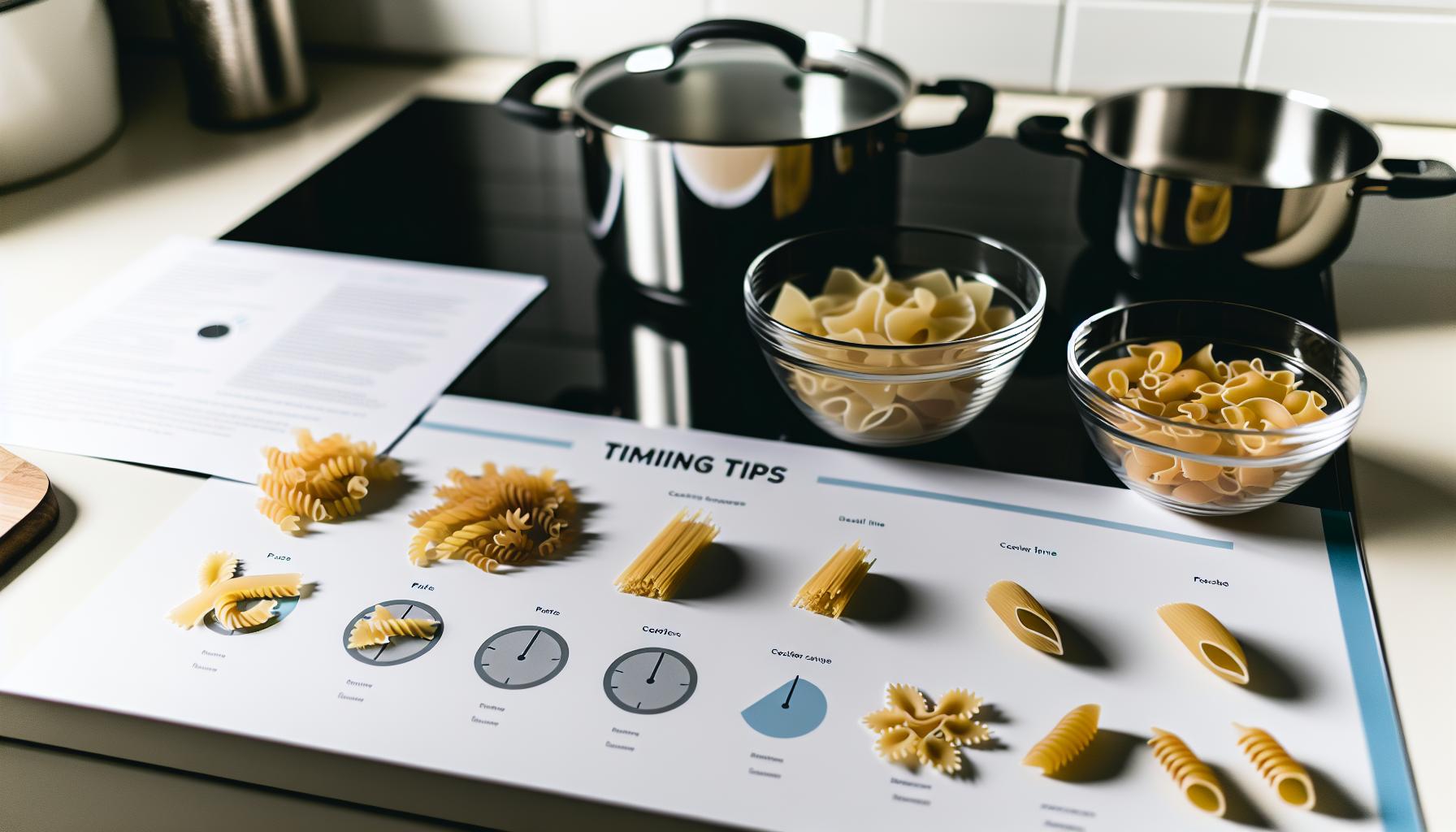
Flavor Boosters to Elevate Slow Cooker Pasta
Pasta simmered low and slow isn’t just convenient-it’s a flavor playground waiting to happen. While slow cookers work magic melding ingredients, they can sometimes leave your dish tasting a bit one-note if you rely solely on basics. Injecting your pasta with well-chosen flavor boosters transforms the whole meal and keeps taste buds awake during those long cooking hours. Whether you’re whipping up a cozy family dinner or a make-ahead dish for busy weekdays,a handful of thoughtful additions can take your slow cooker pasta from “meh” to “oh wow!” without extra fuss.
Herbs and aromatics are your best friends here. Add dried herbs like oregano, basil, or thyme early on-they release flavor gradually and stand up well to hours of heat. For a fresher pop, stir in chopped fresh herbs like parsley, cilantro, or basil right at the end of cooking when the slow cooker is off or on warm. Garlic, onion powders, or minced shallots layered at the bottom ensure that savory base note penetrates the sauce deeply. Don’t be shy about tossing in a bay leaf during cooking (just remind yourself to fish it out before serving!). A splash of good-quality broth or wine (red for tomato sauces, white for creamy ones) adds complexity, especially when combined with slow cooker staples like crushed tomatoes or cream.
Boost umami without fuss
Umami is that mouthwatering, crave-worthy taste character you want in every bowl of pasta. Slow cookers amplify umami if you use ingredients wisely. Ingredients like sun-dried tomatoes, Parmesan rinds, mushrooms, or even a spoonful of miso paste dissolve slowly, enriching the sauce’s depth without overpowering the dish. Toss a Parmesan rind in early and fish it out later-the slow cooker extracts that cheesy magic perfectly! For a quick fix, a sprinkle of nutritional yeast (great for paleo or vegan-friendly tweaks) near the end adds cheesy flavor with none of the melting mess. Worcestershire sauce or soy sauce alternatives can work wonders for meaty or tomato-based sauces, but add sparingly-slow cookers don’t evaporate liquids much, so you want to avoid overwhelming saltiness.
- tip: Consider layering flavor boosters at different stages-early for melded, deep notes; late for fresh and shining hits.
- Tip: Balance strong flavors like garlic or anchovies with sweeter components such as caramelized onions or a pinch of sugar to round out the dish.
Special touches for gluten-free and paleo pasta dishes
Because gluten-free and paleo pastas cook faster and absorb liquids more rapidly, flavor boosters need a gentle hand. Strong spices or acids, like lemon zest, smoked paprika, or a dash of apple cider vinegar, work wonderfully added near the end to brighten and lift the flavors without risking overcooking your pasta. Roasted veggies, like bell peppers or butternut squash, bring natural sweetness and texture that contrast nicely with the softer pasta and rich sauce textures. For creamy paleo dishes, coconut milk in moderation along with fresh herbs and a squeeze of lime keeps things vibrant and prevents that “heavy sauce” feeling.Slow cooker pasta is about marrying simplicity with flavor depth-embracing timing and texture while layering bold, thoughtful ingredients. These small flavor tweaks, partnered with mindful cook times, make each mouthful a delightful balance of comfort and complex taste, no matter your dietary style or schedule. It’s the kind of magic that makes busy weeknights feel like a celebration-and your slow cooker the unsung hero of the dinner table.
Gluten-Free and Paleo Pasta Tips for Slow Cooking
Gluten-free and paleo pasta options often bring a fresh twist to slow cooker meals,but they do come with their own set of quirks. Unlike traditional wheat pastas, many gluten-free and paleo varieties-think chickpea, almond flour, or cassava-based noodles-tend to cook faster and soak up liquids more aggressively. If you’re not careful,that luscious slow-cooked sauce can quickly turn your pasta into a gluey mess,and nobody wants that! The key is mastering timing and liquid balance,so your dish stays delightfully tender without veering into mushy territory.
One friendly trick I’ve learned is to add gluten-free or paleo pasta toward the end of your slow cooking session. Such as, if your recipe calls for about 3 hours on low, try stirring in your pasta during the last 30 to 45 minutes. This way, the noodles absorb just enough flavor and moisture without surrendering their structure. Also, be generous with stirring once the pasta hits the pot-that helps prevent clumping, especially as some alternative pastas tend to be stickier.
Liquid Adjustments & Flavor Tips
as these pastas soak up sauce so ravenously, you’ll want to lighten up on thick sauces or add a bit more broth or water than usual. it’s all about finding that sweet spot where the pasta finishes perfectly hydrated but not swimming in liquid. Coconut milk is a fantastic creamy base for paleo pasta dishes, giving richness without heaviness, but use it sparingly to avoid overpowering the other flavors or making the sauce too runny. I find a splash of fresh lime juice or a sprinkle of lemon zest right before serving really brightens the bowl and keeps it from feeling too dense.
Roasted or sautéed veggies-like bell peppers, zucchini, or butternut squash-make excellent additions, bringing texture contrast and natural sweetness that plays so well with paleo pastas’ earthier notes. Adding them early in the cook lets their flavors meld deeply, but if you want extra bite or color, toss in some fresh herbs (think basil, parsley, or cilantro) right at the end for a pop of freshness.Trust me, these little tweaks transform a simple pasta dish into somthing that’s both comforting and exciting enough to earn repeat visits at the dinner table.

Creative Slow Cooker Pasta meal Ideas
You know that magical feeling when you walk into a house smelling a rich, bubbling pasta dish that’s been slow-cooking all afternoon? Slow cooker pasta doesn’t just save you time; it invites creativity to the dinner table. Whether you’re craving a cozy classic or something with a splash of international flair, the slow cooker is your best sous-chef, gently melding flavors while you tackle your day. The trick? Balancing cook times and liquids so your noodles come out tender but not mushy-a sweet spot that turns humble ingredients into showstoppers.
Weeknight Wonders and Crowd-Pleasers
Think of your slow cooker as a flavor-developing powerhouse for dishes like slow cooker lasagna layered with ricotta, mozzarella, and your favorite gluten-free noodles-added halfway through cooking to avoid over-softening. Or, toss together a zesty spicy sausage penne with crushed tomatoes, bell peppers, and a dash of chili flakes. Use short-cut pasta shapes like penne or rigatoni because their tube shapes hold sauce beautifully without turning to mush-a must if you want that satisfying bite. Adding fresh herbs at the end injects just the right punch of brightness.Here’s a little secret from my kitchen: For a paleo twist, substitute spiralized zucchini “noodles” or cassava-based pasta-just toss these in during the last 30 minutes. That keeps them from turning into a soggy mess and lets you enjoy guilt-free, hearty comfort food without sacrificing texture or taste.
Global inspirations Made easy
Why not take a slow cooker pasta dish on a little world tour? For a Mediterranean vibe,slow cook chickpea pasta with kalamata olives,sun-dried tomatoes,spinach,and a sprinkle of feta right before serving. Less traditional but equally delicious is a creamy coconut curry pasta melding paleo noodles with lemongrass,ginger,and lime zest-a luxurious,cozy meal perfect for cooler evenings. These bold flavor boosters pair well with the gentle, long cooking process, infusing every bite with depth that’s hard to beat.
Quick Tips for Stress-Free Success
- Layer smart: Place sauce and veggies first, then pasta, which soaks but won’t stick.
- season in stages: Salt can intensify during slow cooking, so add a pinch early, then adjust just before serving.
- Cheese it up at the end: Add shredded cheese or dollops of creamy ricotta in the last 15 minutes for luscious meltiness without risking grainy texture.
- Freeze-friendly: Slow cooker pasta often reheats beautifully, but store pasta and sauce separately if possible to keep that “just-cooked” feel.
These simple swaps and tweaks make the slow cooker a creative playground where paleo and gluten-free pasta recipes can shine alongside traditional favorites. So go ahead, stir up your own comfort food magic with these ideas-and remember, slow cooking pasta is all about patience, love, and a touch of culinary adventure.
Storage and Reheating Without Losing Texture
There’s something truly comforting about digging into a slow cooker pasta dinner, but leftovers can be tricky if you want to avoid a mushy disappointment. The secret to keeping pasta from turning into a sad,soggy mess after storage and reheating lies in how you handle it right after cooking.When possible, it’s worth separating the pasta from the sauce before refrigerating. This simple step helps keep the noodles from soaking up more liquid overnight,which frequently enough leads to that dreaded gummy texture.
If separation isn’t an option (hey, sometimes life gets busy!), store the combined dish in an airtight container and tweak your reheating method to protect the texture. Reheat gently over low heat on the stovetop or use the microwave in short bursts with a splash of water or broth to revive moisture without overcooking. Stir frequently to encourage even warming and prevent sticking or clumping. For paleo or gluten-free options, which often have different cooking properties, extra care is needed-these noodles tend to be more fragile, so reheating slowly and with moisture is key.
Tips for Storage and Reheating Success
- Cool before storing: Let the pasta cool to room temperature before refrigerating to avoid condensation that makes the dish watery.
- Use airtight containers: This prevents the pasta from drying out and limits exposure to fridge odors.
- Add moisture when reheating: A splash of your original sauce, broth, or even water helps rehydrate noodles, making them tender without mushy.
- keep portion sizes small: Reheat only what you’ll eat to avoid repeated heating cycles that degrade texture.
- Freeze pasta and sauce separately when possible: This method works wonders for longer storage, especially with gluten-free or vegetable noodles.
Here’s a little kitchen story: once, I made a huge batch of slow cooker cheesy penne with gluten-free pasta and froze leftovers without separating the sauce. When reheated,the noodles were gummy and sad. The next time,I froze the sauce and pasta in seperate bags and thawed them independently-big difference! The noodles retained their bite,and the sauce tasted fresh and vibrant. For busy nights, these small prep tweaks save texture and sanity.
Remember, slow cooking means long, gentle heat-wonderful for melding flavors but a bit unforgiving for pasta texture once cooked. Treat your leftovers like a fine meal that deserves a little TLC,and your reheated dishes will taste like they just came out of the slow cooker. After all, comfort food should always feel like comfort-even on Day Two.
FAQ
Q: How can I prevent slow cooker pasta from becoming mushy without changing cooking times?
A: To avoid mushy pasta without altering cooking times, add the pasta during the last 20-30 minutes of cooking and stir gently once or twice. Use firm pasta types and make sure liquids aren’t excessive. This keeps texture firm while maintaining your recipe’s timing. Check out our Common Mistakes That Turn Pasta to Mush for more tips.Q: What’s the ideal pasta-to-liquid ratio in slow cooker recipes to avoid sogginess?
A: The ideal ratio is about 2 cups of liquid for every 1 cup of dry pasta in a slow cooker. Less liquid reduces mushiness risk but ensure enough moisture for even cooking. Adjust this based on sauce thickness-see How to Adjust Liquids for Slow Cooker Pasta for precise guidance.
Q: Why does slow cooker pasta sometimes cook unevenly, and how do I fix it?
A: Uneven cooking happens when pasta clusters or the slow cooker temperature fluctuates.To fix this, stir the pasta gently after adding it and spread it evenly. Use the slow cooker’s low setting and avoid opening the lid frequently enough. Our Timing Tips for Different Pasta Shapes section explains these tricks.
Q: Can I use gluten-free pasta in a slow cooker without it turning mushy?
A: Yes! Gluten-free pasta cooks faster and mushes easily, so add it just 10-15 minutes before the end.Rinse it briefly before use and reduce added water slightly. For detailed advice, visit Gluten-free and Paleo Pasta Tips for Slow Cooking-you’ll keep that perfect bite.Q: How do slow cooker temp settings affect pasta cooking times and texture?
A: Using low heat slows pasta cooking, preventing mush, while high heat cooks faster but risks over-softening. For best results, cook on low and add pasta at the final phase. Explore How Slow Cookers Change Pasta Cooking Times to balance texture and cook time perfectly.Q: What are quick fixes if my slow cooker pasta ends up too mushy?
A: If pasta is mushy, try draining any excess liquid immediately and serving it with a fresh splash of sauce or olive oil to refresh texture. Alternatively, toss in fresh cooked pasta for firmness next time. For prevention strategies, check out Common mistakes That Turn Pasta to Mush.Q: How long does fresh pasta take to cook in a slow cooker compared to dried pasta?
A: Fresh pasta usually takes 10-15 minutes less than dried in a slow cooker. add fresh pasta towards the last 15-20 minutes of cooking to avoid mushy results. Refer to Timing Tips for Different Pasta Shapes for timing comparisons that keep your meal spot-on.
A: Yes! Gluten-free pasta cooks faster and mushes easily, so add it just 10-15 minutes before the end.Rinse it briefly before use and reduce added water slightly. For detailed advice, visit Gluten-free and Paleo Pasta Tips for Slow Cooking-you’ll keep that perfect bite.
Q: How do slow cooker temp settings affect pasta cooking times and texture?
A: Using low heat slows pasta cooking, preventing mush, while high heat cooks faster but risks over-softening. For best results, cook on low and add pasta at the final phase. Explore How Slow Cookers Change Pasta Cooking Times to balance texture and cook time perfectly.
Q: What are quick fixes if my slow cooker pasta ends up too mushy?
A: If pasta is mushy, try draining any excess liquid immediately and serving it with a fresh splash of sauce or olive oil to refresh texture. Alternatively, toss in fresh cooked pasta for firmness next time. For prevention strategies, check out Common mistakes That Turn Pasta to Mush.Q: How long does fresh pasta take to cook in a slow cooker compared to dried pasta?
A: Fresh pasta usually takes 10-15 minutes less than dried in a slow cooker. add fresh pasta towards the last 15-20 minutes of cooking to avoid mushy results. Refer to Timing Tips for Different Pasta Shapes for timing comparisons that keep your meal spot-on.
Get our latest guides, news, and insights highlighted in your Google Search & AI Overviews.


