Here’s a little kitchen secret for you: when it comes to slow cooking, whether or not to add water can make or break your meal.Many of us wonder if water is necessary or if it’s just extra liquid that waters down flavor. Teh truth? It depends on what you’re cooking, and knowing the essential rule about water in your slow cooker can save you from dry dishes or soupy surprises. Think of it as the magic balance between tender, juicy results and that perfect cozy, slow-cooked comfort food we all crave. I’ve been there-starting with no water and ending up with some very sad, crunchy beans. Let’s clear up the mystery so you can toss in your ingredients confidently, customize your recipes (hello, paleo and gluten-free friends!), and get dinner on the table with less stress and more yum. Ready to master your slow cooker’s true potential? Let’s dive into the essential rule for adding water that keeps your meals just right every time.
Table of Contents
- When to Add Water to Your Slow Cooker: The Essential Rule
- How Slow Cooker Ingredients Affect Liquid Needs
- Avoiding Watery meals: Perfect Slow Cooker Liquid Balance
- Using Broth, Stock, or Water: Flavor Boosting Tips
- Slow Cooker Recipes That Don’t Need added Water
- How Cooking Times and Temperatures change Liquid Requirements
- Common Mistakes When Adding Water to Slow Cookers
- Expert Tips to Prevent Dry or Overly Soupy Slow Cooker meals
- How to Adjust Liquid for Different Slow Cooker Sizes
- Secrets to Slow Cooking Without Liquid for Maximum Flavor
- Frequently asked questions
- Q: How can I tell if my slow cooker needs more water during cooking?
- Q: What is the best type of water to use in a slow cooker for flavor?
- Q: Can ice cubes be used rather of water in a slow cooker?
- Q: Why does my slow cooker sometimes produce watery meals even without adding extra water?
- Q: How does the size of a slow cooker affect the amount of water needed?
- Q: Can I use water instead of broth in slow cooker recipes without changing taste?
- Q: How do cooking temperature settings influence the need for added water in slow cookers?
- Q: Is it safe to cook without water in a slow cooker, and when is it recommended?
- To conclude
When to Add Water to Your Slow Cooker: The Essential Rule
You’ve probably noticed that many slow cooker recipes mention adding water, but is it always necessary, or just a cautious habit? Here’s the straightforward truth: only add water (or any liquid) when your ingredients don’t naturally release enough moisture during cooking. Unlike stovetop or oven cooking, slow cookers trap steam tightly, which means very little liquid evaporates. So, if your dish has juicy vegetables, fatty meat, or broth-based ingredients, you might not need to add any extra water at all.
In my experience, lean meats like chicken breasts or pork loin often raise this question-should you add water or skip it? I usually start by patting the meat dry and consider whether I’m adding any sauces, tomatoes, or onions, which all release moisture. If the answer is yes, skip the water. But if you’re working with a lean roast or something that lacks natural juices, a splash of water or broth-about a 1/4 to 1/2 cup-is often enough to keep things moist without turning your meal into a soup. Remember, you’re not making stew unless that’s the goal; slow cookers don’t need gallons of water because ingredients simmer gently inside their own juices.[1]
How to Gauge When to Add Liquid
- Think about the ingredients: If your recipe is mostly meat and starchy veggies (like potatoes or carrots), those will release plenty of moisture. no extra water needed.
- Consider sauces and canned goods: Items like canned tomatoes, salsa, or marinades provide liquid, so skip the water.
- When in doubt, add less: You can always add a little water if things start drying out, but you can’t exactly un-water a dish.
This approach not only keeps your dish flavorful but also lends itself perfectly to paleo or gluten-free recipes where every drop of liquid counts toward taste and satisfaction. Living proof? My favorite slow cooker cashew chicken recipe skips added water entirely,relying on the natural juices and a zingy sauce to keep things juicy without drowning the food.[1] So next time you’re deciding on that cup of water, trust your instincts and the moisture content of your ingredients-it’s a simple trick that turns good slow cooker meals into great ones.
How Slow Cooker Ingredients Affect Liquid Needs
Ever noticed how some slow cooker recipes call for a splash of liquid while others barely mention it? That’s as the ingredients themselves play the starring role in determining how much water-or any liquid-you really need. Unlike quick stovetop meals where evaporation is constant, your slow cooker keeps moisture locked in tight, so understanding the natural water content of your ingredients is a game-changer for perfectly cooked meals every time.
Take hearty root vegetables like carrots, potatoes, and onions-they’re moisture goldmines. As they slowly soften, they release just enough liquid to keep your dish juicy without adding a drop of extra water. Likewise, ingredients like canned tomatoes, salsa, or pre-made marinades bring their own flavorful liquids to the party, making additional water unneeded. If you’re cooking a juicy cut of meat,such as a fatty chuck roast or chicken thighs with skin,their fat and juices will also contribute plenty of moisture,creating rich,luscious results without any water added.
When Lean Meats and dry Ingredients Come Into play
Now, leaner cuts like skinless chicken breasts, pork loin, or turkey tend to be on the drier side and won’t release as much natural juice. In these cases, a modest splash of liquid-think 1/4 to 1/2 cup of water or broth-can make the difference between tender yum and tough, parched bites.Though, be cautious not to drown your dish; slow cookers don’t need gallons of liquid, and adding too much can transform a stew into a watery soup unintentionally. For paleo or gluten-free cooks, every drop counts toward keeping flavor concentrated and meals satisfying.
One fun trick I swear by is to mentally inventory your ingredients before adding any liquid:
- Are you using canned or saucy components? Skip water.
- Is your dish loaded with starchy veggies? Liquids will naturally accumulate.
- Lean protein with minimal sauce? Add a little broth or water to keep the moisture balanced.
This simple step keeps the slow cooker magic working without overdoing it-and you won’t have to fish out a soggy meal aroma or dry bits after hours of anticipation. Plus, it lets you embrace the slow cooker’s gentle steam-trap feature, so your dish gets the perfect simmer in its own tender juices.
Real Kitchen Wisdom: A Quick Example
One time I tried a paleo-friendly slow cooker cashew chicken that skipped added water entirely. The chicken thighs, bell peppers, onions, and a zingy sauce-all cooked low and slow-created a juicy, flavorful dish without any watery mess. The lesson? Trust your ingredients and add water sparingly, if at all. It’s like giving your food the perfect cozy blanket, not a soggy swimming pool.
Avoiding Watery meals: Perfect Slow Cooker Liquid Balance
One of the trickiest balances in slow cooking is getting the liquid just right-too little, and your meal could dry out or scorch, too much, and you’re stuck with a glass of soup instead of a cozy stew. here’s the good news: as slow cookers trap steam so well, very little liquid evaporates during cooking. That means your goal isn’t to drown the ingredients in water but to provide enough moisture for proper heat conduction and flavor melding. Think of it as wrapping your dish in a snug,steamy hug rather than throwing it in a pool.
Consider what’s going into your pot before pouring any liquids. Root veggies like potatoes or carrots release quite a bit of liquid as they soften, and canned items-be it tomatoes, artichokes, or salsa-already bring hydration plus flavor. Add to that fatty cuts of meat that release succulent juices, and suddenly the need for extra water drops dramatically. With so many moisture contributors, it’s easy to overdo it and end up with watery meals that taste bland or stretched thin.
Practical Tips to Nail the Liquid Amount every Time
- Start small: If your recipe involves lean meats or dry ingredients (think pork loin, skinless poultry, or beans), add just 1/4 to 1/2 cup of broth or water at the start. You can always add more later if it looks dry.
- Skip it when saucy: If your dish features canned sauces or pre-made marinades, water is usually unnecessary-these liquids already carry flavor and moisture.
- Watch the volume: Filling your slow cooker more than two-thirds full is perfect to keep juices circulating and prevent drying; less than half might dry your food, so adjust your liquid accordingly.
- Think layers and timing: Denser veggies like potatoes go on the bottom to soak up juices; meats cooked on top will stay juicy without drowning.
In busy weeks, I’ve learned that a little restraint with liquids keeps my paleo-friendly dishes spot on. One favorite involves slow-cooked beef stew with a splash of homemade bone broth-just enough to keep things tender without watering down the rich beef and herbs. The result? A thick,flavorful bowl that fills you up and feels like a warm hug on a chilly evening.When in doubt, trust your instincts, start with less, and lean on the slow cooker’s magic steam trap to do the rest.
Using Broth, Stock, or Water: Flavor Boosting Tips
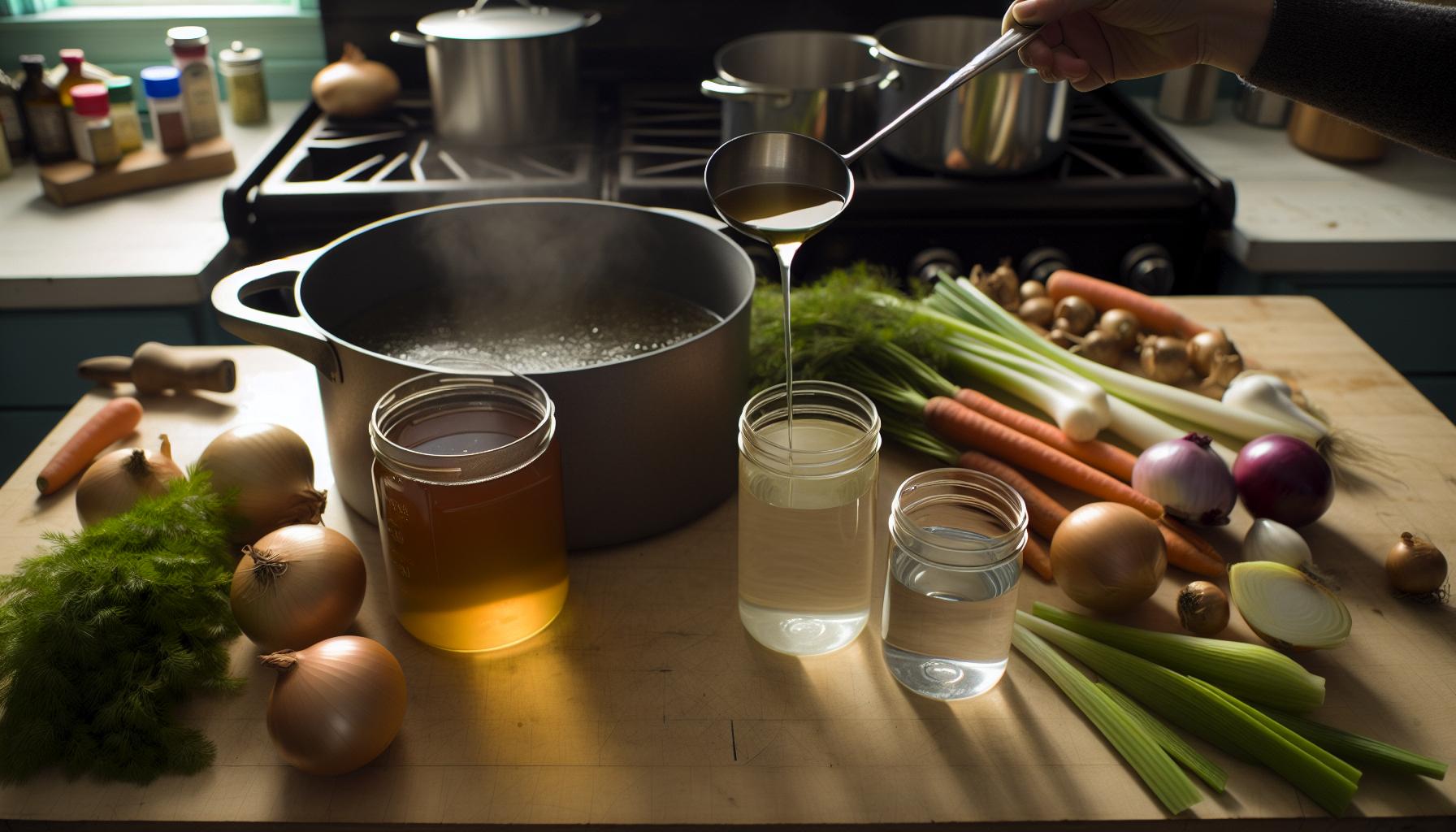
Choosing the right liquid in your slow cooker isn’t just about moisture-it’s your secret weapon for maximizing flavor without watering down your dish.While plain water certainly gets the job done, swapping it for broth or stock introduces layers of savory depth that quietly elevate every spoonful. Imagine tossing in rich homemade bone broth or a vibrant vegetable stock-it’s like inviting a culinary cheerleader into your pot, cheering on your ingredients to blend and shine.
for those embracing paleo or gluten-free lifestyles, homemade broth is a magic multitasker-hydrating, tenderizing, and infusing your meal with nourishing minerals. Plus, it sidesteps the additives and excess sodium lurking in some store-bought options. When pressed for time, low-sodium broth is your go-to, offering control over saltiness while still imparting robust flavor. And if you’re dreaming of a heartier punch, combine broth with a splash of tomato juice or a dash of coconut aminos for an umami boost that’s both paleo and gluten-free friendly.
Easy Flavor-Boosting Tips for slow Cooker Liquids
- Start with good quality liquids: Whether homemade or store-bought, choose broths or stocks that complement your dish-chicken broth for lighter meals, beef stock for robust stews.
- Add a splash of acid: A teaspoon of apple cider vinegar or lemon juice brightens and balances the rich slow-cooked flavors without adding extra liquid volume.
- Don’t forget herbs and aromatics: Bay leaves, thyme sprigs, or garlic cloves steeped in your broth add subtle complexity; toss them in with the liquid at the start.
- Mind the salt: If using salted broth, hold back on additional salt to avoid over-seasoning, especially critically important in paleo and gluten-free cooking.
- Adjust as you go: Because slow cookers lock in moisture,start with less liquid-you can always stir in extra broth or water near the end if the dish looks dry.
Personally, I once swapped water for homemade turkey stock in a slow-cooked chili and was amazed at the depth it added-no extra seasoning needed! It turned a simple weeknight meal into a cozy, flavorful one-pot wonder with minimal fuss. so, next time you’re prepping your slow cooker, lean toward broth or stock.Your taste buds-and your dinner guests-will thank you with every rich, comforting bite.
Slow Cooker Recipes That Don’t Need added Water
It might surprise you, but many slow cooker meals are perfectly fine-actually *better*-without any additional water at all. That’s because a lot of ingredients naturally release enough moisture during cooking to create a rich, flavorful base. Think juicy cuts of meat, tomatoes, onions, and even hearty veggies like mushrooms and zucchini. These ingredients stew away happily in their own juices, trapping flavors and creating that unmistakable slow-cooked magic without ending up watery or bland.
Take pulled pork, for example. I once made a slower-than-slow cooker pulled pork with just a splash of orange juice and no added water. The pork butt’s fat rendered down beautifully, mixing with the natural moisture from the meat and the sweet citrus to form a luscious sauce all on its own-no water needed[[[1]](https://www.allrecipes.com/recipe/234697/slow-cooker-pulled-pork-with-orange-juice/).When you go water-free in recipes like this, the flavors concentrate, giving you that melt-in-your-mouth tenderness and zero risk of ending up with a soupy mess.
When to Skip Adding Water
- Fatty or marbled meats: Pork shoulder, brisket, and chuck roast bring their own moisture and fat that slowly break down during cooking.
- Vegetable-forward dishes: Many veggies, especially onions, peppers, and tomatoes, release enough water to keep things juicy.
- Tomato or liquid-rich base recipes: Stews with canned tomatoes or tomato paste don’t usually need extra water-their acidity and liquid balance keep flavors sharp.
In my kitchen, switching off water in bean-based soups or chili often results in richer, more concentrated flavors.Just remember sometiems I add a splash of broth or a bit of citrus after cooking if things feel a touch dry. It’s a flexible rule rather than a harsh one.
Tips for Water-Free Slow Cooking Success
- Layer moisture-rich ingredients thoughtfully: Place fatty meat with skin or fat side up so the drippings baste the rest of the dish.
- Use liquids like broth,wine,or juices instead of water: These add flavor without diluting the dish.
- Don’t overcrowd the slow cooker: Too many dry ingredients can soak up liquid quickly; give space for moisture to circulate.
- Monitor towards the end: If the meal looks dry an hour before finishing, add a touch of liquid-but don’t panic if it’s not juicy right away.
In short, if your recipe is built around ingredients that bring their own juices and flavors, skip the water and lean into what they have to offer. Not only does it save you a step, but it amps up flavor, keeps things Paleo and gluten-free friendly, and ensures your slow-cooked dish hits all the right notes every time.And hey, less measuring means more time to savor that appetizing slow cooker magic!
How Cooking Times and Temperatures change Liquid Requirements
It’s captivating how slow cooking is a bit like a gentle balancing act between time, temperature, and moisture-each factor influencing how much liquid you actually need in the pot. Longer cooking times at low temperatures give ingredients plenty of opportunity to release their natural juices, meaning you can often get away with less added water or broth. On the flip side, if you crank the temperature or shorten the cooking time, your ingredients haven’t had as much time to break down and share their flavorful moisture, so you might need to add a touch more liquid to keep things from drying out or sticking.
Think about a classic beef stew cooked on low all day versus the same stew pushed on high for a few hours. Slow and steady allows collagen in tougher cuts to melt and veggies to soften gradually, creating a luscious pool of liquid that’s thick and rich without being watery.Rushing it on high? Your meat won’t yield quite as much juice, so recipes might call for extra broth or water to make sure the skillet doesn’t dry up and that flavors meld nicely.It’s a subtle difference but one that directly impacts your liquid needs.
Practical Tips for Adjusting Liquids Based on Cooking Style
- Long, low heat (6-8 hours on low): Reduce added liquids as meats and vegetables slowly release water. You can often skip extra water or use just a splash of broth for flavor.
- Shorter, higher heat (3-4 hours on high): Plan for slightly more liquid to prevent drying or scorching but avoid flooding your ingredients-it’s a sweet spot with balance!
- Frozen ingredients: When starting from frozen, cook on high, and consider adding a bit more liquid upfront as frozen items release less moisture initially and take longer to thaw internally.
A quick story: I once threw a pork shoulder in the slow cooker on high, expecting the same melt-in-your-mouth magic I usually get with a low-all-day cook. Spoiler alert: the meat was delicious but the pot looked a little dry because it hadn’t rendered as much fat and juice. A splash of chicken broth halfway through saved the day, keeping everything moist without watering down the flavor. This taught me that the cooking temperature and timing aren’t just about doneness-they also shape how liquid behaves in your dish.
liquid Behavior and Slow Cooker Lids
Remember how tight-fitting slow cooker lids trap steam and moisture? At low temperatures and long cooks, this means very little evaporation-your liquid mostly stays put, flavor intensifies, and sauces thicken naturally. But if you ever remove the lid during cooking (to check or add ingredients), you invite evaporation, which can shift your dish toward dryness-sometimes perfectly fine, sometimes a sign you’ll need just a splash more water or broth to keep the magic.
So, when adjusting recipes across cooking times or temperatures, start with less liquid than you think, than add as needed.You can always top up, but salvaging an overly soupy slow cooker meal can get tricky without diluting flavors. Slow cooking isn’t about rigid exactness; it’s about watching your dish develop, and adjusting for liquid is a delicious little dance you get to master over time.
Common Mistakes When Adding Water to Slow Cookers
Sometimes, figuring out exactly how much water to add to your slow cooker feels like trying to find the perfect playlist for a party-too little, and things get dry and awkward; too much, and everyone’s slipping and sliding in a sea of soup. One of the most common slip-ups home cooks make is treating slow cookers like regular pots on the stovetop, thinking more water equals better cooking. But slow cookers aren’t your typical boiling vessels-they trap moisture like a cozy pressure chamber, meaning water doesn’t evaporate away like you might expect. That’s why overdosing on water often dilutes flavors and turns hearty stews into bland puddles instead of rich, satisfying meals.
Another favorite rookie move? Adding water blindly at the start without considering your ingredients’ natural moisture. Meats, especially fatty ones, and many vegetables release their own juices as they slowly roast or braise over hours. This internal moisture can usually cover your liquid needs,so adding too much water upfront often leads to watery outcomes rather than keeping your dish moist. I learned this the hard way with a paleo beef stew-starting with a generous cup of water, I ended up with a broth more than a stew.Lesson learned: start low, then add cautiously if it looks dry midway.
Why Ignoring Cooking Time and Temperature Can Backfire
It’s tempting to speed things up on high heat and assume you just need to pour in more water to compensate. But increasing heat shortens cooking time, which means your ingredients barely have a chance to break down and release moisture. Adding liquid as a quick fix risks washing out the flavors before they’ve fully developed.Instead, a better tactic is to add just a splash of broth or water initially and check halfway through-then top up if needed. This approach saved my pork shoulder experiment when cooking on high; a splash midway kept the meat juicy without drowning it in extra liquid.
Skipping the Lid Lift Dance: A Common Trap
Bottom line: slow cookers love to keep the lid on. Each time you lift it, you release precious steam and force that lovely internal moisture to escape. Frustrated cooks frequently enough add extra water “just in case” as they peek too often, tossing off the delicate moisture balance. Resist the urge to stir or check unless you must, and trust that your slow cooker’s sealed surroundings is quietly cooking up magic. If you do need to open it, think about adding only a minimal amount of liquid afterward to replace lost steam, not a full cup or more.
- Start with less water: It’s easier to add more than to fix a soupy slow cooker disaster.
- Know your ingredients: Account for the natural juices from meats and veggies before pouring extra liquid.
- Don’t rush: Higher heat shortens cook time and affects moisture release; adjust liquids accordingly.
- Keep the lid closed: Every peek wastes steam and can dry out your dish.
By avoiding these classic missteps, you’ll keep your slow cooker meals rich, flavorful, and just the right consistency-whether you’re crafting a cozy paleo pot roast or a gluten-free veggie medley. Remember, slow cooking is a gentle art, not a splash-fest!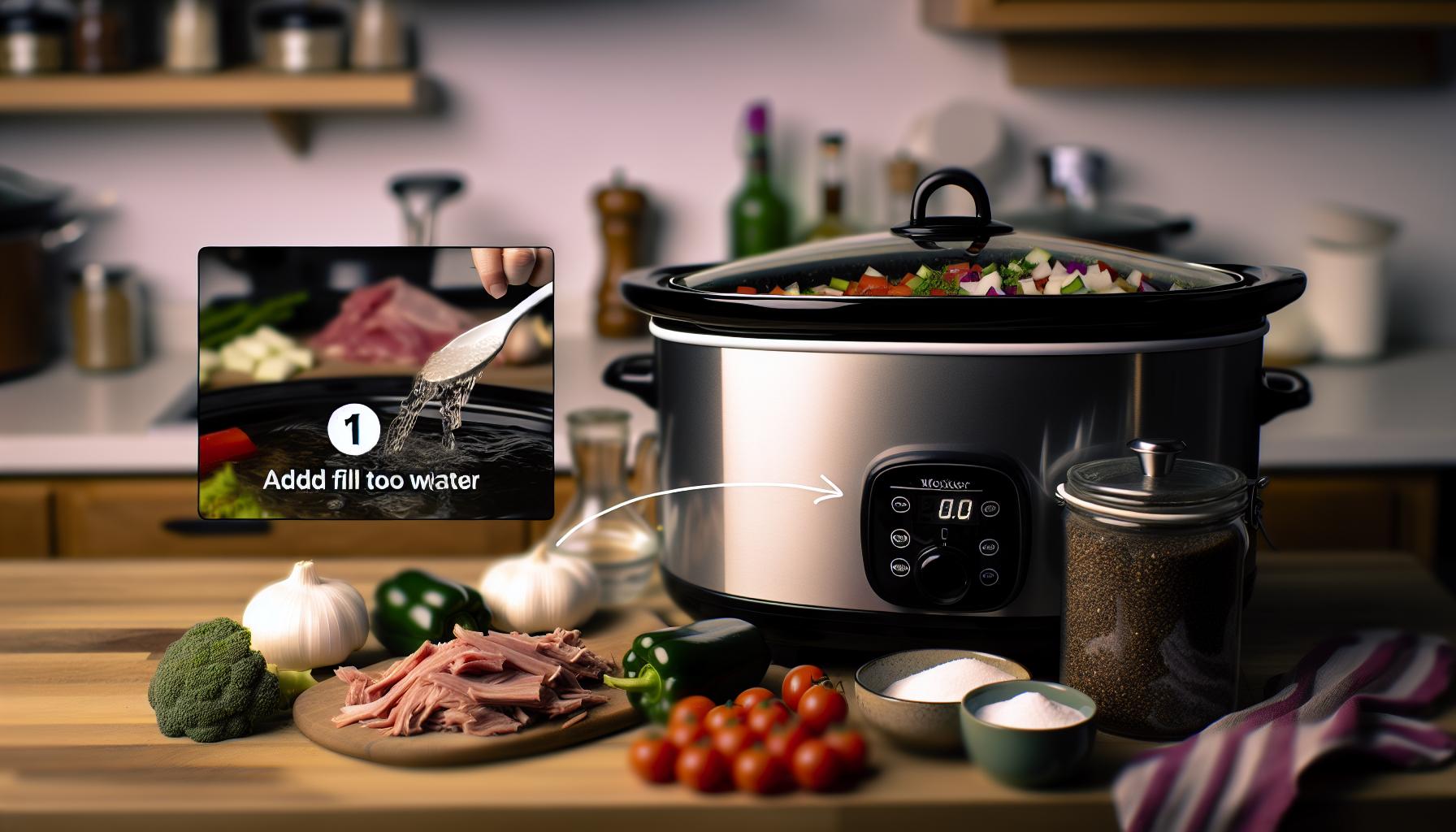
Expert Tips to Prevent Dry or Overly Soupy Slow Cooker meals
Sometimes,slow cooker mishaps come down to one tricky culprit: liquid. Too little, and your dish turns into a dry disappointment; too much, and you’re left swimming in a watery mess. The secret is balancing water (or broth) perfectly to let your ingredients shine without drowning them. Here’s how to keep your slow cooker creations juicy, rich, and full of flavor-without guesswork or stress.
first off, remember that slow cookers create a sealed environment where moisture recirculates instead of evaporating like on a stovetop. This means your ingredients don’t need extra water to compensate for evaporation; in fact, adding too much upfront often dilutes the natural flavors. Such as,a pork shoulder or fatty beef brisket will release enough juices over hours of cooking to keep the dish moist. When I learned this firsthand with a paleo beef stew recipe, I realized that starting with less water and trusting the meat’s natural moisture actually gave me a thicker, more satisfying sauce. So, start with less-about half a cup or even less depending on your recipe-and only add more if it looks dry midway.
- Gauge your ingredients: Mushy veggies like zucchini or mushrooms add moisture,too-adjust your liquid accordingly.
- Remember texture goals: If you want a stew with thick gravy, go easier on water; for soups or chilis, more liquid is fine.
- Use broth or stock: Substituting water with these adds extra flavor without the bland “watery” feel.
Timing and Heat Matter More Than You Think
Rushing to speed up cooking by cranking the heat often backfires. On high, ingredients cook faster but have less time to break down and release water naturally, tempting cooks to pour in extra liquid as a safety net. The result? Watery dishes without that deep, slow-cooked magic. I once bumped a pork shoulder to high and reflexively added a cup of water, only to regret it later when my pulled pork looked more like stew. The better play: add a splash at the start (or none at all), then check halfway through and top off with a little liquid if needed. This way,you keep control and avoid oversaturating your meal.
Guard That Lid Like a Treasure
Opening the lid mid-cook might feel like comforting a nervous partner, but it’s really letting precious steam-and flavor-escape. Every peek wastes hours of moisture buildup and tempts cooks to pour in extra liquid “just in case.” Instead, trust the slow cooker’s sealed environment. If you must open it briefly, add just a tablespoon or two of broth to replace lost steam rather of drowning your dish. Keeping your lid shut not only preserves moisture but also means your dish cooks evenly and stays juicy.
- Close the lid firmly: No slow-cook lid love taps-seal in the heat and moisture.
- Minimal stirring: Too much stirring disrupts cooking and releases steam stuck around your food.
- Adjust liquids based on slow cooker size: Larger cookers need slightly more liquid, but still not a full pot’s worth.
Balancing liquid in your slow cooker is like seasoning with salt-it’s all about finesse. By letting your ingredients flex their natural moisture muscles, cooking low and slow with the lid on tight, and starting conservatively on water, you’ll create meals that are bursting with flavor and perfectly sauced. Whether you’re simmering a paleo-friendly pork roast or a gluten-free vegetable stew, these tips keep your slow cooker meals dry-free and never drowning-and you’ll savor every drop.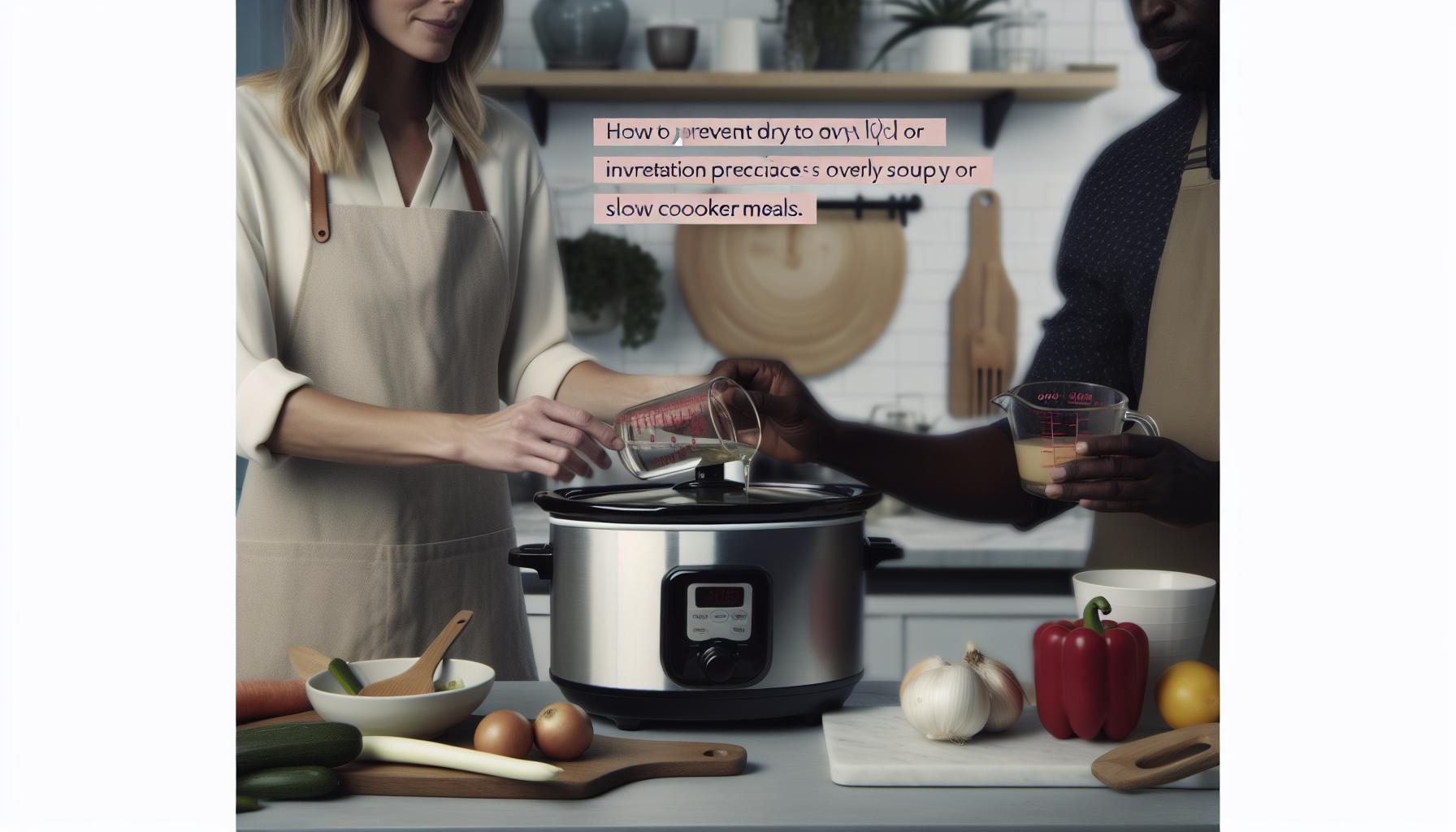
How to Adjust Liquid for Different Slow Cooker Sizes
It’s easy to overlook how the size of your slow cooker impacts the amount of liquid you should add, but it’s a key factor that can make or break your dish. A larger slow cooker doesn’t mean you magically need to double the liquid just as there’s more room to fill. In fact, overwatering a big slow cooker often leads to a soupier, less flavorful meal, while skimping on liquid in a smaller one might cause ingredients to stick or char. Finding that liquid “sweet spot” based on the crock’s size helps ensure your food cooks perfectly, rich and juicy without a watery aftermath.Most recipes are tailored for a standard 6-quart slow cooker, so if you’re working with a model that’s smaller-say 3 to 4 quarts-you’ll want to reduce liquid by about 25-40%. This is because the smaller cavity concentrates heat and moisture more effectively, so less liquid is needed to keep things from drying out or burning. Conversely, larger slow cookers (7 quarts and up) usually need a modest bump in liquid-think adding an extra 1/4 to 1/2 cup-especially if cooking leaner cuts of meat or dense veggies that don’t release much water themselves.
- Small slow cookers (3-4 qt): Cut liquid by about 1/3; start with 1/3 less broth or water than the recipe calls for.
- Standard slow cookers (5-6 qt): Follow recipe amounts as written but keep an eye on moisture levels.
- Large slow cookers (7+ qt): Add an extra splash to prevent drying,but don’t go wild-slow cookers don’t need to be full of liquid to work.
Balancing Liquid Adjustments with Real-Life Kitchen Adventures
Here’s where a little kitchen wisdom comes in handy: start with less, taste or check your dish midway, and then cautiously add liquid if needed. For example, I once used my roomy 7-quart slow cooker to double a pork stew recipe. I added a full cup of extra broth upfront-big mistake. The dish turned out more like a stew soup than the rich, thick meal I had in mind. Now,I start with just a handful more liquid and trust the meat and veggies to do their thing. After about halfway through cooking (if I’m around!), I’ll taste the sauce and spoon in a bit more broth if it looks too dry, rather than flooding the pot right from the start. This method saves you from watery disappointments and keeps your flavors intense-a paleo and gluten-free dream come true!
If quick math isn’t your thing, here’s a handy reference for adjusting liquid for different slow cooker sizes:
| Slow Cooker Size | Liquid Adjustment Guideline | When to Add Extra Liquid |
|---|---|---|
| 3-4 quarts | Reduce by about 30-40% | if using very lean proteins or dry veggies; check mid-cook |
| 5-6 quarts (standard) | Use recipe liquid amounts as is | Rarely needed unless recipe is very thick or dense |
| 7+ quarts | Add 1/4 to 1/2 cup more liquid | For lean meats, long cooks at high heat, or to avoid burning |
Remember, slow cookers work by trapping moisture, so whatever liquid you add will mostly stay put-no need to drown your ingredients to get results. So,trust your size adjustments,resist the urge to go overboard,and you’ll enjoy tender,flavorful meals without a puddle of unwanted broth at the end.
In this balancing act, always consider your dish’s personality-meats like pork shoulder and brisket reward less water and low-slow cooking since they release plenty of juices; meanwhile, a vegetable-forward chili on high heat might tip the scales toward a bit more broth. Your slow cooker size sets the stage, but a sprinkle of instinct and a little patience bring the final curtain call. Happy slow cooking!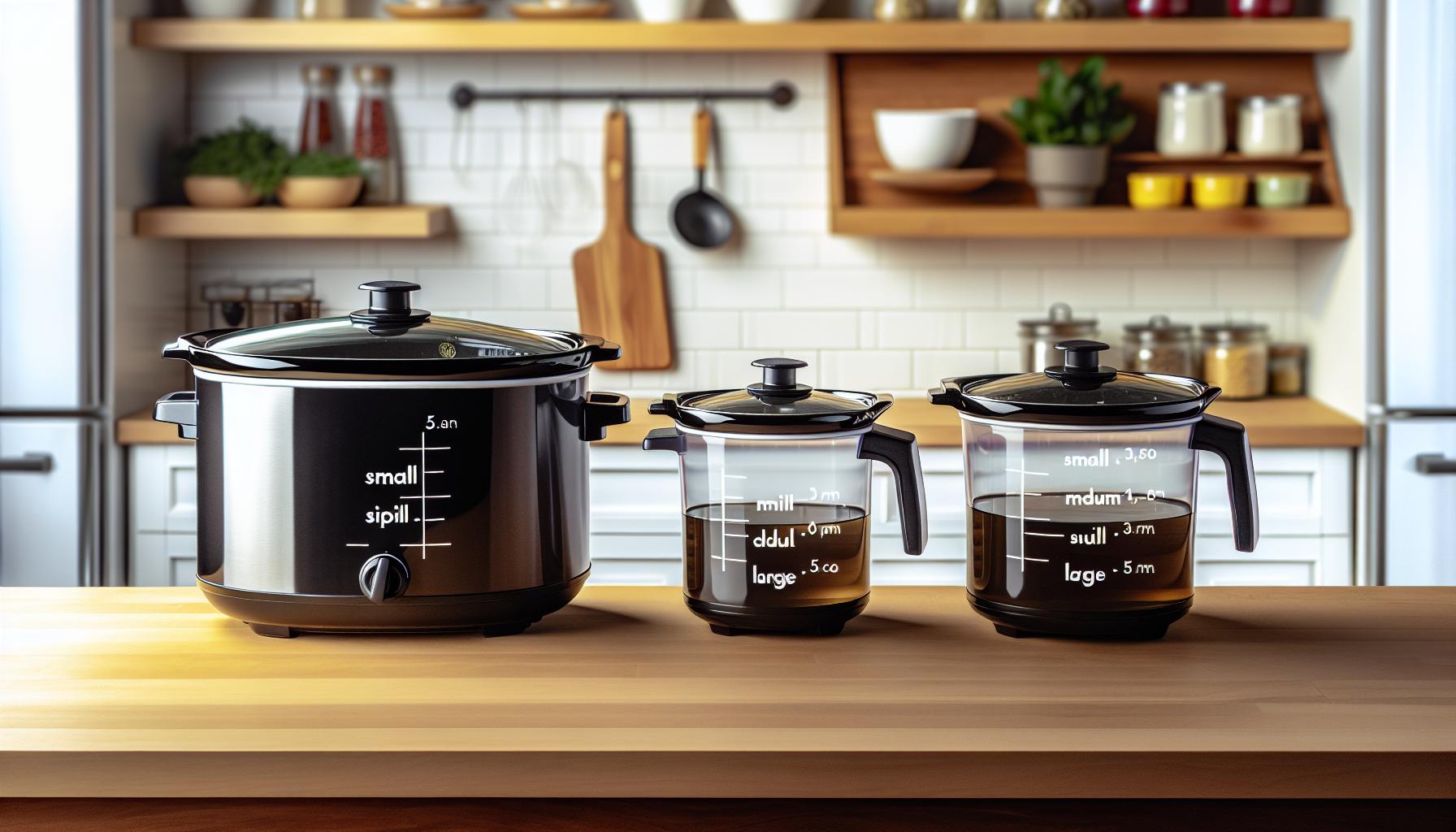
Secrets to Slow Cooking Without Liquid for Maximum Flavor
Some of the best slow cooker magic happens when you skip adding extra water or broth altogether. Yes,you read that right-juicy,flavorful meals can absolutely emerge from your slow cooker without drowning your ingredients. the secret? Trusting the natural moisture locked inside your proteins, veggies, and sauces, and letting the slow cooker’s sealed environment work its low-and-slow magic to draw out those rich juices without losing any to evaporation.
This approach is a game changer especially for paleo and gluten-free cooks who want deeply concentrated flavors without watery dilution.Think pork shoulder, brisket, or bone-in chicken thighs. These beauties release plenty of fats and liquids during cooking, creating their own tasty “broth” in the pot. So rather than adding cups of liquid upfront,you start with little to none,layering in seasoning and a splash of flavorful sauce or marinade instead. The slow cooker seals in moisture, effectively “self-basting” your dish over hours, resulting in melt-in-your-mouth tenderness and a sauce that’s bursting with umami instead of bland wateriness.
How to Harness Natural Juices Without Liquid
- Choose the Right Cuts: Select meats with a bit of fat and connective tissue, like chuck roast or chicken thighs. These ingredients are your flavor reservoirs, releasing collagen and moisture that build rich cooking liquid.
- Prep Thoughtfully: Skip rinsing meats excessively (pat dry, yes, but letting a little surface moisture stay can definitely help). Use flavorful marinades, spice rubs, or small amounts of thick sauces to add depth without adding volume.
- Layer Smartly: Vegetables like onions, peppers, or tomatoes also release juices that supplement the liquid pool naturally. Put them at the bottom as a “flavor bed” for your meat to rest and slowly mingle its drippings.
- Resist the Urge to Peek: Lifting the lid lets steam escape, raising the risk of drying out your meal. Trust the slow cooker’s sealed environment to do the work, and only stir or check near the end.
Personally,I love this method for quick weeknight meals.Last week, I threw together a paleo-friendly salsa verde pork shoulder with onions and jalapeños, skipping added water entirely. After 8 hours on low, the pork was tender, juicy, and bathed in a vibrant sauce that needed no thinning or dilution. Not only does this save you prep time and dishes,but it also boosts the flavor concentration and texture in ways you wouldn’t expect from a slow cooker.
When You Might Still Need a Splash
While many slow cooker dishes shine without added water, there are scenarios where a touch of liquid brightens the result:
- lean Cuts or “Dry” Veggies: Ingredients like chicken breasts or root veggies absorb moisture rather than release it. A small splash of broth (1/4 cup) can prevent sticking or burning.
- Thicker Sauce Bases: If you’re aiming for a stew or soup consistency, adding liquid upfront or midway can definitely help the flavors marry and the dish stay saucy.
- Higher Temperatures and Longer Cooks: For very long cooks on high heat, a bit more liquid guards against scorching and helps heat distribute evenly.
| Scenario | Liquid Use | Why |
|---|---|---|
| fatty, connective-meat cuts (e.g., pork shoulder) | Minimal to none | Natural fats & collagen create enough braising liquid |
| Lean proteins (chicken breast, fish) | Small splash (1/4 cup broth or sauce) | Prevents drying; adds flavor |
| Vegetable-forward meals (e.g., chili, stews) | Moderate amounts as recipe dictates | Ensures proper cooking and sauce consistency |
Ultimately, slow cooking without added liquid is about confidence and patience-not dousing ingredients in water just “as that’s the rule.” Start by trusting the nature of your ingredients and the sealed, moist environment of your slow cooker. You might be surprised how succulent and intensely flavored your meals taste with just the juices, spices, and sauces you add in. my kitchen mantra here? Less water, more wow. Remember, every slow cooker and recipe is a little different-so experiment, taste along the way, and savor the journey as much as the perfectly slow-cooked destination.
Frequently asked questions
Q: How can I tell if my slow cooker needs more water during cooking?
A: If your slow cooker looks dry or ingredients aren’t bubbling,it likely needs more water. Check midway through cooking and add small amounts of liquid if necessary. Avoid overfilling by adding up to 1 cup extra and stirring gently to maintain the right moisture level.See tips on liquid balance in slow cooker meals for best results.
Q: What is the best type of water to use in a slow cooker for flavor?
A: Use filtered or purified water to avoid off-flavors from tap water minerals. For richer taste, replace plain water with low-sodium broth or stock. This adds depth without excess salt. Adjust liquids carefully as covered in the article’s flavor boosting section for slow cooker liquid choices.
Q: Can ice cubes be used rather of water in a slow cooker?
A: Yes, ice cubes can be used and are great for controlled slow melting of liquid. This gradually releases moisture, preventing over-watering. It also helps keep meats tender. Use this trick in recipes that call for small liquid amounts or when layering ingredients.
Q: Why does my slow cooker sometimes produce watery meals even without adding extra water?
A: Watery meals frequently enough result from high-moisture ingredients like vegetables releasing liquid. To fix this, reduce added water and cook uncovered briefly toward the end to evaporate excess moisture. Balancing ingredients and liquids can prevent watery results-check the article’s section on avoiding watery meals for pro tips.
Q: How does the size of a slow cooker affect the amount of water needed?
A: Larger slow cookers may require more water, but proportions matter most. Use the recipe’s liquid ratio as a guide and adjust based on how full the cooker is. Filling it between ½ and ⅔ full helps maintain correct liquid balance and cooking efficiency, detailed in our section about adjusting liquids for slow cooker size.
Q: Can I use water instead of broth in slow cooker recipes without changing taste?
A: Water can substitute broth but might result in blander flavor. To compensate,add herbs,spices,or sautéed aromatics to boost taste. For more tips, explore our ‘Using Broth, Stock, or Water’ section that explains flavor-friendly swaps and enhancements.
Q: How do cooking temperature settings influence the need for added water in slow cookers?
A: Higher heat speeds evaporation, sometimes requiring more water to prevent drying. on low settings, less water evaporates, so liquid amounts can be reduced.Adjust based on cooking time and temperature changes to maintain moisture balance as discussed under cooking times and liquid needs.
Q: Is it safe to cook without water in a slow cooker, and when is it recommended?
A: Yes, cooking without added water is safe for ingredients with high natural moisture, like fatty meats or juicy vegetables. This method intensifies flavor and avoids dilution.Review the ‘Secrets to Slow Cooking Without Liquid for Maximum Flavor’ for guidance on when to skip water confidently.
For more practical slow cooker tips and fluid adjustments, check related recipes and cooking advice sections to elevate your next delicious meal. Slow cooking can be easy, flavorful, and perfectly suited to busy home cooks looking for comfort food wins!
To conclude
Now that you know the essential rule about adding water to your slow cooker-when to use it and when to skip it-you’re all set to make every meal perfectly tender and flavorful without guesswork or watery results. Whether you’re prepping a hearty paleo stew or a cozy gluten-free chili, mastering moisture control takes your slow cooking from good to unforgettable. Ready to elevate your slow cooker game? Check out our easy slow cooker recipes that balance comfort food with smart,dietary-friendly tweaks,or explore tips on how to make your meals pop without extra fuss.
Still wondering about substitutions or how to adjust liquid amounts for different ingredients? Head over to our detailed [Slow Cooker Ingredient Guide] and [Top Gluten-Free Slow Cooker Meals] to discover flexible, tested options that fit your lifestyle and taste buds. Don’t forget to subscribe to our newsletter for fresh ideas and practical kitchen hacks delivered straight to your inbox-as every good cook deserves a little help now and then! Share your slow cooking wins or questions in the comments below; we love hearing from fellow home chefs who embrace delicious, no-stress cooking.
By mastering when and how much water goes in your slow cooker, you’re not just following a rule-you’re unlocking the secret to scrumptious, fuss-free meals every time. Keep experimenting, keep sharing, and let’s turn those slow cooker moments into kitchen magic!
Get our latest guides, news, and insights highlighted in your Google Search & AI Overviews.