Did you know that a slow cooker on high typically reaches about 300°F (150°C), which is just the right spot to safely cook most meals without drying them out? Understanding how hot your slow cooker gets on high isn’t just kitchen trivia-it’s key to making sure your food is safe, flavorful, and perfectly tender. Whether you’re simmering a cozy paleo stew or a gluten-free chili packed with spices, knowing your slow cooker’s temperature can save you from undercooked surprises or mushy disappointments. Having spent countless cozy evenings relying on my slow cooker,I’ve learned that a bit of temperature know-how transforms this humble gadget from a “set-it-and-forget-it” tool into your most trustworthy kitchen sidekick. Stick around, and I’ll share what temps mean for your recipes, how to tweak cooking times for the best results, and tips to keep your meals both safe and scrumptious-becuase everyone deserves flavorful, stress-free dinners, no matter how busy life gets.
Table of Contents
- How Slow Cookers Work and Their Temperature Ranges
- Exact Temperatures reached on High Setting Explained
- Why Cooker Temperature Matters for Food Safety
- How Long to Cook on High for safe Meals
- Common Mistakes That affect Slow Cooker Heat
- Tips to Test Your Slow Cooker’s Actual Heat
- Foods That Require Higher Temperatures on High
- balancing Texture and Safety in Slow Cooker Recipes
- How Altitude and Crock Pot Size Impact Cooking Heat
- safe Meat and Poultry Temperatures for Slow Cooking
- Using a Thermometer for Perfect Slow Cooker Results
- Easy Tricks to Boost Heat Without Overcooking
- Faq
- Q: How quickly does a slow cooker reach the high temperature setting for safe cooking?
- Q: Can slow cookers get hot enough on high to kill harmful bacteria?
- Q: Why might my slow cooker not get hot enough on the high setting?
- Q: Does the size or brand of a slow cooker affect how hot it gets on high?
- Q: How does altitude affect the temperature a slow cooker gets on high?
- Q: Can I speed up a slow cooker’s high setting temperature safely?
- Q: Is it safe to cook frozen food directly on the high setting of a slow cooker?
- Q: How can I verify my slow cooker reaches the proper high temperature for safe meals?
- To Conclude
How Slow Cookers Work and Their Temperature Ranges
Slow cookers might look simple, but they’re quietly brilliant at turning humble ingredients into tender, flavorful meals, all while you get on with your day. At their core, these appliances work by circulating gentle, consistent heat through a ceramic or metal pot, often surrounded by a heating element that envelops the sides and base.This design means the temperature keeps your food simmering steadily, breaking down tough fibers without ever reaching a rolling boil. It’s like slow magic happening right on your countertop.
when you set your slow cooker to high, you’re essentially telling it to bring the contents up to a temperature somewhere between around 190°F (88°C) and 300°F (149°C), depending on your model and how full the pot is. Most slow cookers aim to maintain the food at a simmer-generally between 200°F and 300°F on high-which is hot enough to kill harmful bacteria safely, but not so hot that you’ll scorch your stew into oblivion. The magic is in how the heat wraps around food gently, making it perfect for busy folks who want a no-fuss way to cook deeply satisfying, gluten-free or paleo-pleasant meals with minimal babysitting.
What Realy Shapes Your Slow Cooker’s Heat?
- Pot material and size: Heavier ceramic pots heat evenly but take longer to warm up. Smaller pots reach temperature faster, which might speed up cooking times.
- How full is the pot? Filling it to little means food heats unevenly and can dry out; too full and it takes longer for everything to reach a safe temp.
- Model differences: Not all crock pots are created equal-some older or budget models run cooler, so food cooks slower, which is significant when you’re aiming for safe slow cooker temperatures.
Having used a few brands over the years, I’ve learned to keep an eye on these tweaks. For example, when I cook bone-in chicken (which needs a good steady temp), I make sure the pot is at least half full and check a meat thermometer at the one-hour mark. That way, I know it’s not just warm-it’s safely hot.
The really neat part? Unlike stovetop pots where heat is direct and can scorch,slow cookers rely on convection inside the sealed vessel. The heat gently circulates, making it much harder to accidentally overcook or burn as long as you keep the lid on and resist the urge to peek (one of my own kitchen weaknesses!). That steady temperature range on high is why slow cookers can turn tougher cuts of meat into melt-in-your-mouth stars without dry edges or safety worries.
| Setting | Approximate Temperature range | typical Use |
|---|---|---|
| Low | 170°F to 190°F (77°C to 88°C) | Cooking delicate foods over 6-8 hours |
| High | 200°F to 300°F (93°C to 149°C) | Faster cooking in 3-5 hours, safe for tougher meats |
| Keep Warm | Up to 165°F (74°C) | Holding food safely post-cook |
So, when you’re wondering how hot does a slow cooker actually get on high, remember: it’s designed to keep everything hot enough to cook safely without you hovering. Embrace that slow, steady heat for delicious, stress-free meals-the kind that makes your home smell unbelievable and your taste buds smile.
Exact Temperatures reached on High Setting Explained
Cooking on high in a slow cooker feels a bit like setting your kitchen on a gentle simmer, but knowing exactly how hot that simmer gets can save you some guesswork (and maybe a few ruined meals). most slow cookers on the high setting heat your food to somewhere between 200°F and 300°F (93°C to 149°C). That might seem like a broad range, but it’s actually a good thing – it gives you the flexibility to cook everything from delicate paleo-friendly veggies to hearty gluten-free stews without turning your crock pot into a mini pressure cooker.
One of the coolest quirks is that slow cookers don’t just crank the heat and hope for the best; they maintain a consistent, even temperature throughout. Depending on your particular model, the size of the crock, and how full it is indeed, the exact steady-state temperature can shift quite a bit. For example, a half-full pot might take longer to reach those higher temperatures, while a smaller, fuller pot might hit the upper end of that range faster.This is why I always recommend filling your slow cooker at least halfway-to strike a perfect balance of heat circulation and cooking time. Otherwise, you might end up with an unevenly cooked meal or, worse, some dry edges sneaking into your stew.
Understanding How Your Slow Cooker Hits Those Temps
- Model and age: Newer, more sophisticated slow cookers usually heat more evenly and reliably than older, budget models, which sometimes can linger at the lower end of the high range (closer to 200°F).
- Pot material: Ceramic pots are great at holding heat steadily but take longer to warm up, so the journey to 300°F isn’t instant-it’s a gentle climb that tenderizes your food without rushing.
- Food volume and moisture: A full pot heats differently than a sparsely filled one. More food and liquid hold heat better, helping maintain that optimum simmer level.
Personally,I always recommend using a meat thermometer around the 1- to 2-hour mark when cooking tougher cuts on high. It’s one of those little kitchen hacks that can save you from undercooked poultry or dry tough meat. when my Crock Pot hits about 205°F internally on the high setting, I know my chicken thighs or brisket are well on their way to tender perfection-not just warmed through but safely cooked.
the slow cooker’s high setting is like a reliable sous-chef, bringing your meal to a steady simmer that’s all about patience and precision over explosive heat. so, whether you’re cooking a paleo chili that needs to reach safe temperatures without drying out or a gluten-free stew that flavors slowly over a few hours, that temperature window of roughly 200°F to 300°F is your sweet spot for balanced safety and mouthwatering results.
| Slow Cooker High Setting | Approximate Temperature Range | What It Means for Your Food |
|---|---|---|
| lower end | 200°F – 225°F (93°C – 107°C) | Safe simmering, slower cooking, ideal for delicate textures |
| Mid range | 225°F – 275°F (107°C – 135°C) | Good for most meats and stews, ensures safety and tenderness |
| Upper end | 275°F – 300°F (135°C – 149°C) | Faster cooking, great for dense or tough cuts but requires careful monitoring to avoid drying |
Why Cooker Temperature Matters for Food Safety
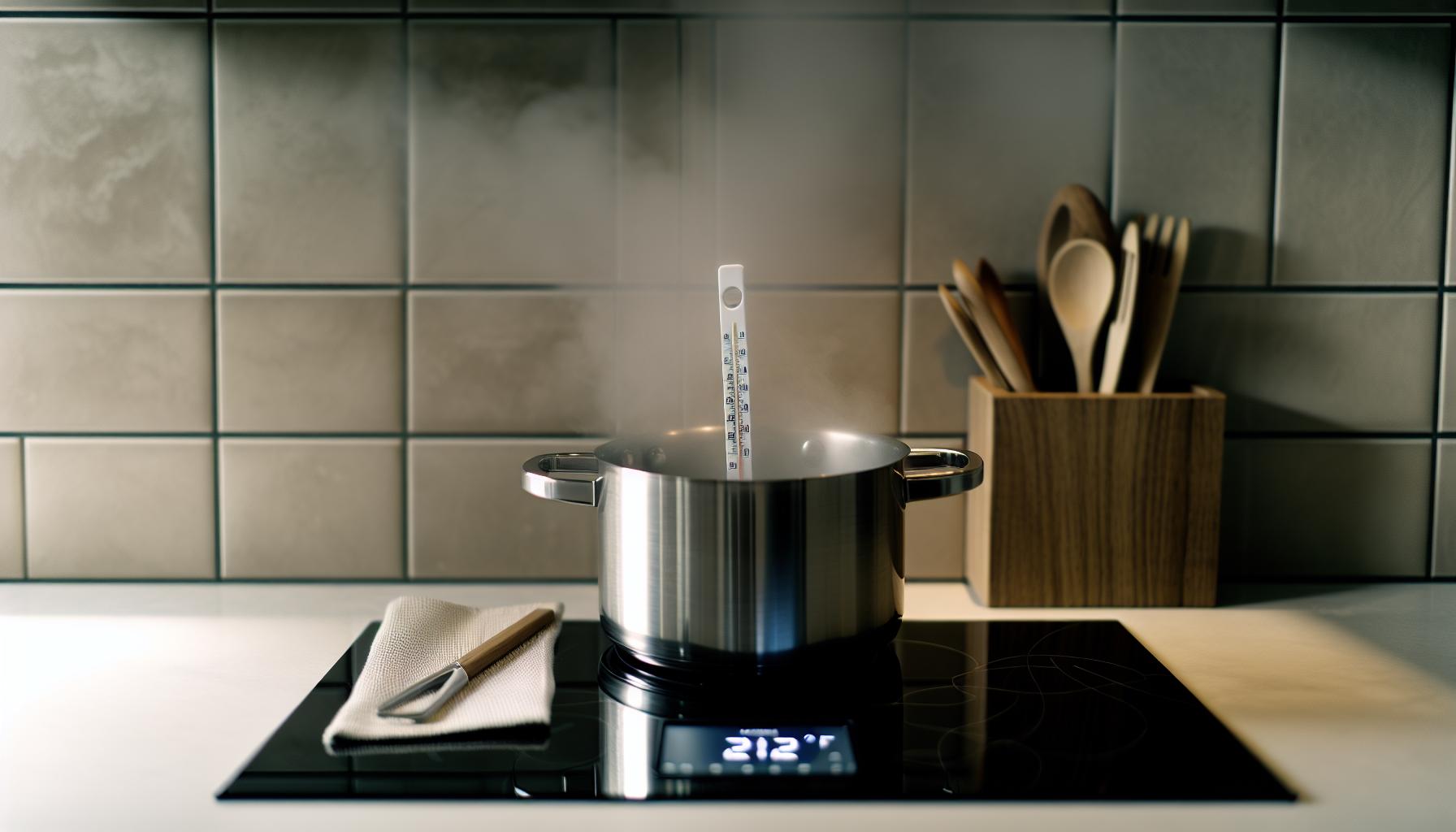
Cooking low and slow is a magic trick in the kitchen, but when it comes to food safety, slow cookers need to hit the right notes to keep your meal both delicious and germ-free. The key is reaching and maintaining temperatures that are high enough to tame those pesky bacteria that love to throw a party on undercooked meat or lukewarm stews. While your slow cooker’s high setting ranges broadly between 200°F and 300°F, the exact heat it delivers matters-because, unlike a lightning-fast stove top, slow cookers gently roll upward to that temperature and then hold steady.This gradual warm-up means you want to be certain it gets hot enough quickly enough to avoid food spending too long in the temperature “danger zone” (40°F-140°F),where bacteria multiply fastest.
Think of it like this: you’re aiming for that safe zone inside your pot, where the heat is not just cozy, but reliably lethal to harmful microbes. For poultry, the magic number is at least 165°F internal temperature, but your slow cooker’s overall heat should be comfortably higher than this to ensure safety throughout the dish, especially in thicker cuts or dense casseroles. I’ve learned from personal experience that using a trusty meat thermometer about an hour or two into cooking can be a game-changer-and it’s a simple way to avoid ending up with chicken that’s warmed but not quite done,or a stew that’s missed the mark on food safety. The slow cooker’s temperature isn’t just about “hot” or “not hot,” it’s about maintaining the sweet spot long enough to tenderize tough cuts and shut down germs for good.
- Consistency is your best friend: A slow cooker that runs a bit cool or unevenly means your food bakes in suspense longer than it should, risking unsafe zones.
- Volume matters: Overfilling or underfilling your pot can throw off heat circulation,so sticking to at least half-full is a winning rule-of-thumb.
- Don’t peek too often: Lifting the lid steals heat and delays reaching safe temps-better to trust the slow cooker or check with a thermometer.
Balancing Food Safety and Flavor
With safety covered, here’s the bonus: the gentle heat of a slow cooker high setting transforms tough meats into melt-in-your-mouth goodness while keeping meals paleo and gluten-free friendly. Remember, slow cookers aren’t pressure cookers-they don’t blast your food but rather coax it along at a steady simmer, so patience paired with the right temperature is key. By understanding how your cooker manages heat, you can confidently whip up crowd-pleasing dishes without second-guessing whether dinner is safe or tasty.
| Temperature Range (°F) | Food Unsafe Risk | Safe Cooking Notes |
|---|---|---|
| Below 140°F | High risk: bacteria multiply quickly | Avoid slow cooker dry or low heat pit stops here |
| 140°F – 165°F | Moderate risk: in transition, still needs enough time | Check internal temps & be patient |
| 165°F and above | Low risk: kills most harmful bacteria | Good to go! Use meat thermometer to confirm |

How Long to Cook on High for safe Meals
Cooking times on high can feel like a guessing game, but they’re really just about balancing heat with trust-trust that your slow cooker will reach and maintain a safe temperature long enough to turn raw ingredients into a delicious, germ-free meal. Typically, a high setting will get your slow cooker to around 200°F to 300°F, and that’s the sweet spot to push your food through the danger zone (40°F-140°F) quickly enough. For most dishes, plan on 2 to 4 hours on high to reach safe internal temperatures, but the exact timing depends on what you’re cooking and your slow cooker’s quirks.
Take poultry, for example: chicken thighs or breasts usually hit the magic 165°F internal temperature around the 3- to 4-hour mark on high, but dense stews with chunky potatoes or a roast can easily take an extra 30 minutes or more. A good kitchen hack? Use a digital meat thermometer about 1-2 hours into the cooking process-this little check can save you from dinner disappointments and keep food safety front and center. If the temperature isn’t climbing fast enough, crank up the time or do a brief burst of stove-top simmering before transferring leftovers back into the slow cooker.
- Set your timer: Start with a minimum of 2 hours on high for smaller cuts or recipes without dense vegetables.
- Adjust for volume: A fuller pot cooks more evenly but takes longer to heat through; don’t overpack but don’t run it too empty either.
- Keep the lid on: Resist poking too frequently enough-every peek steals heat and extends cooking time.
If you’re juggling busy life or aiming for paleo or gluten-free dinners, this window keeps you from overcooking while hitting safety targets.And yes, low and slow is alluring, but when time’s tight, the high setting is your friend-just give it enough elbow room to do its hot, slow magic properly. Remember, slow cookers don’t “boil” like instant pots, so even on high, they gently coax heat upward-so patience plus a thermometer equals perfectly safe, mouthwatering meals every time.
| Dish Type | Typical Cooking Time on High | recommended Internal Temp |
|---|---|---|
| Boneless Chicken Breasts/Thighs | 2-3 hours | 165°F |
| Beef Stew or Roast | 3-4 hours (sometimes longer) | 160-180°F (depending on cut) |
| Vegetable-Heavy Soups | 2-3 hours | 160-180°F |
In short: trust your slow cooker, but trust your thermometer more.This team effort will get you safe, tasty meals that feel like they simmered all day-even if your life keeps you moving faster.
Common Mistakes That affect Slow Cooker Heat
Slow cookers are wonderfully forgiving kitchen companions,but even the best slow cooker can struggle if some common slip-ups sneak into your cooking routine. One of the trickiest parts about slow cooking is that the heat level you expect might not be reaching your food – and that can mean longer cooking times or, worse, food that isn’t safe to eat. From personal kitchen experiments to friendly advice swapped at potlucks, I’ve seen how small mistakes can really throw off a slow cooker’s heat and performance.
One frequent offender is opening the lid too often. It’s tempting to peek at your stew or poke the meat to check softness, but every peek steals precious heat and resets the slow cooker’s warm-up cycle.As slow cookers heat gradually and rely on trapped steam to maintain steady temperatures,keeping the lid on is like giving your slow cooker permission to do its magic uninterrupted. if you need to check early, try using a digital meat thermometer through the lid or in a spot that doesn’t require lifting the lid fully.
Another common blunder involves how full your slow cooker gets. A half-empty pot can heat unevenly, making some parts of your meal barely warm while others approach the desired temp. On the flip side, an overcrowded slow cooker has the opposite problem-dense food piles trap heat and slow down warming, especially for thick cuts or root veggies.My tip: aim for your slow cooker to be about two-thirds full. That sweet spot helps the heat circulate evenly without leaving cold patches, so you hit your safe cooking temp reliably and consistently.
The type of ingredients and how you layer them can also impact heat distribution. Dense items like potatoes and carrots take longer to warm through on high,especially if they’re buried under chunks of meat. To avoid cold spots, put dense veggies on the bottom or around the sides, closer to the heating element if your cooker allows. Also, cut ingredients into similar-sized pieces to encourage more even cooking.
Kitchen Rescue Strategies to Avoid Heat Issues
- Stagger your ingredients: Place quick-cooking items like seafood or greens near the top, adding them later if needed, while root veggies go on the bottom.
- Don’t rush the start: Preheating the slow cooker or sautéing meat before adding it helps jumpstart the cooking process and raises overall temperature quicker.
- test your slow cooker: Run a water test by filling it with water and checking the temperature after a few hours on high – this helps you understand exactly how hot your model gets.
In my extra-busy weeks, I’ve learned that trusting a slow cooker doesn’t mean letting it manage all the work solo. Sometimes, taking a quick few minutes to brown meat or layer veggies strategically means your crockpot doesn’t have to work overtime just to reach safe temps near 200°F. That little bit of prep saves you precious time and guarantees food safety – no stressful last-minute stove-top rescues needed.
By avoiding these common pitfalls and embracing a few simple hacks,you’ll get your slow cooker to shine at its best. With steady heat, safely cooked meals, and no mystery thermal zones, your paleo, gluten-free, or comfort-food-inspired dinner can come together like a dream each time. Cheers to slow cooker success – where heat meets happy plates!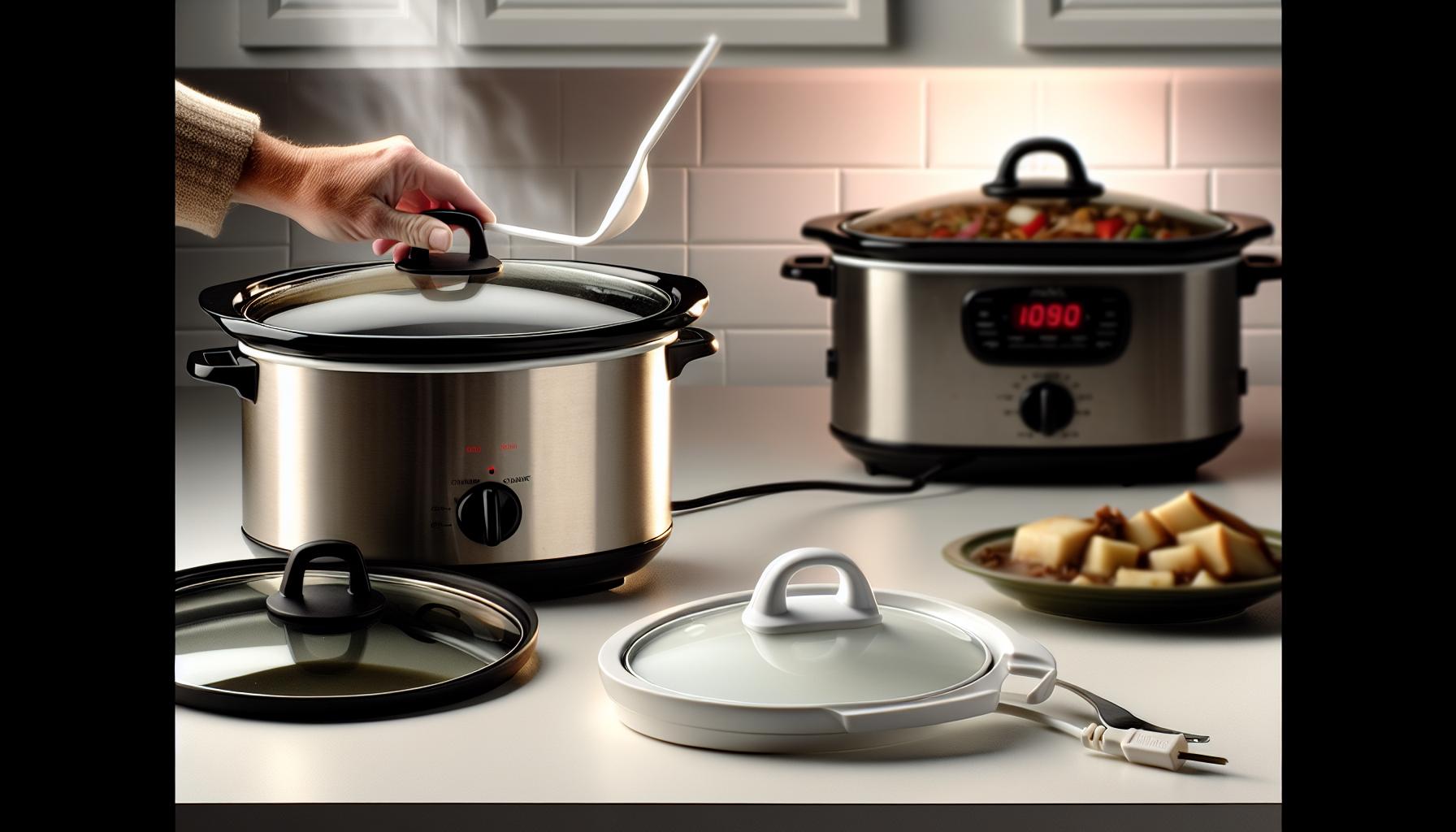
Tips to Test Your Slow Cooker’s Actual Heat
Ever wondered if your slow cooker’s “High” setting really heats up as much as it promises? The truth is, not all slow cookers are created equal, and temperature variations can sneak in based on make, size, and usage. Testing your slow cooker’s actual heat is like giving yourself a secret weapon for consistently safe and tasty meals-no more guessing if your roast is really cooking through or if your chili is warming enough to kill off bacteria.One of my favorite go-to tricks is the simple water test. Here’s how you can do it: fill your slow cooker about two-thirds full with water, pop the lid on, and set it to High. After 3-4 hours, use an instant-read kitchen thermometer to measure the water’s temperature. Ideally, you want the water to reach about 190-200°F. If it’s significantly cooler-say around 170°F or less-that slow cooker is running on the low side, meaning you’ll need to adjust cooking times or prep techniques to keep your meals safe and delicious. This test is especially handy if you bought a new slow cooker or inherited one whose performance you’re unsure about.
Getting More from Your Heat Test
- Use an Instant-Read Thermometer: Accuracy is everything. These handy tools give you quick results to track heat changes over time.
- Test Multiple Spots: Place your thermometer in different parts of the cooker to check for hot or cold zones, especially if you have a bulky meal layered in there.
- Repeat for Low Setting: Don’t just test High; try Low to understand your slow cooker’s whole range. It’ll help you tweak recipes perfectly.
- Note Lid Lifts: Test once with the lid fully closed and once after briefly lifting it. Each lid lift dumps heat and resets the heating cycle-a sneaky recipe killer!
A quick anecdote from my kitchen: once, I ran the water test on my trusty old slow cooker after noticing longer-than-usual cook times. It turns out my “High” setting barely pushed past 175°F! From then on, I started browning meat beforehand and cutting veggies smaller to speed heating and boost safety. My chili and pulled pork never tasted better, and peace of mind soared.
Remember, this isn’t about slow cooker perfectionism; it’s about arming yourself with knowledge. Reliable heat means safe dinners without obsessive checking. Plus, testing your slow cooker’s actual temperature lets you tweak recipes with confidence, whether you’re embracing a paleo lifestyle or just craving a cozy gluten-free stew on a chilly night.
| Test Step | Purpose | Expected Result |
|---|---|---|
| Fill 2/3 with water & set to High | assess max temperature capability | Water temperature reaches 190-200°F after 3-4 hours |
| Measure in multiple locations | Detect uneven heat distribution | Temperatures shouldn’t vary more than 10°F between spots |
| Repeat test on Low setting | Understand full heat range | Water temp reaches approx.180°F within 6-8 hours |
| Test with/without lid lifts | Check heat loss from opening lid | Noticeable temp drop and extended warm-up time after lid removal |
By incorporating these simple but revealing tests, you get a roadmap to tailor your cooking routines-no more mystery or guesswork. Your slow cooker becomes less of a wild card and more a trusty sidekick on every culinary adventure. Happy slow cooking!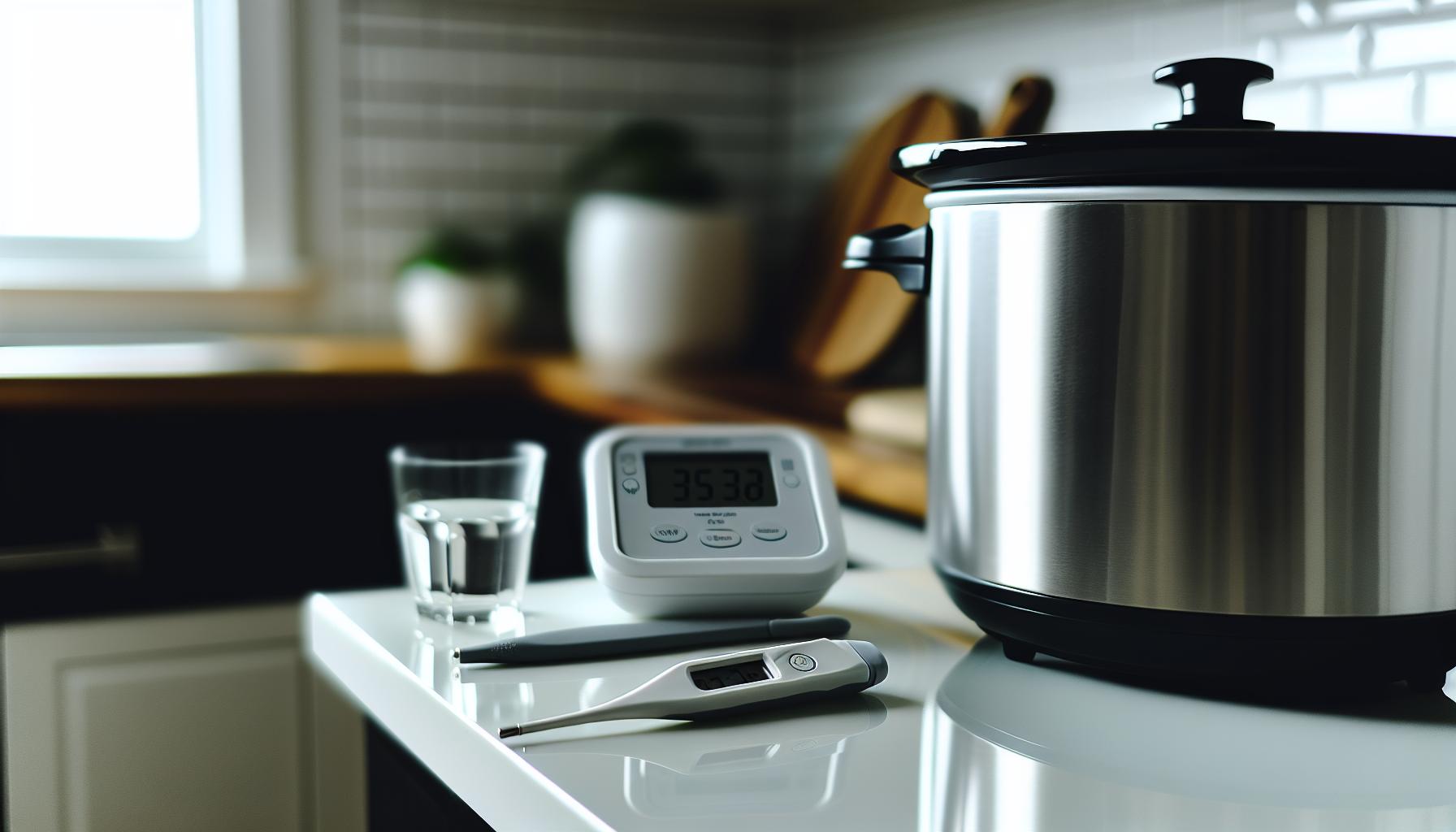
Foods That Require Higher Temperatures on High
Some ingredients just demand that extra kick of heat to come alive safely and scrumptiously in the slow cooker. Think dense root vegetables like potatoes and carrots, or hearty cuts of meat that need a bit more coaxing than your average stew. These foods rely on the high setting reaching that sweet spot-ideally around 190-200°F-to break down tough fibers,tenderize slow-cooked meat,and most importantly,kill off any lurking bacteria.
If you’re making a paleo-friendly pot roast or a gluten-free chicken chili, this is where your slow cooker’s performance truly matters.Such as, my personal favorite beef brisket requires that steady, high heat to melt that connective tissue into tender delight over 4-6 hours. If the cooker isn’t hitting high enough temps, you’ll end up with a tough, chewy disappointment rather than the melt-in-your-mouth goodness everyone’s waiting for.
Why Certain Foods Need More Heat
Some foods are stubborn. Root veggies not only take longer to soften but also need higher temperatures to ensure they’re cooked through without turning into mush. Poultry, especially whole cuts, falls into this group because of food safety concerns-slow cookers that don’t consistently reach recommended temps could leave you vulnerable to undercooked spots. So, don’t just trust the label; testing and adjusting is the key if you’re throwing together a hearty family meal.
- Dense vegetables: Potatoes, carrots, and parsnips benefit from higher heat to get to that fork-tender stage.
- Tough cuts of meat: Chuck roast, brisket, pork shoulder-these cuts need prolonged exposure to near-boiling temps to break down collagen fully for that fall-apart texture.
- Whole poultry or larger pieces: To reach safe internal temps (165°F+), consistent high heating prevents any risk of foodborne illness.
Practical Tips from the Slow Cooker Trenches
If your slow cooker runs a little cool on High, don’t panic. There are easy adjustments that keep the kitchen fun and stress-free. Browning meats before slow cooking adds flavor and helps jumpstart safe internal temperatures. Cutting vegetables into smaller chunks tricks them into cooking faster and evenly, meaning you dodge the dreaded “raw middle” problem. And if you’re juggling gluten-free or paleo meals, these tweaks keep you both safe *and* satisfied-no one needs soggy celery to ruin their stew!
| Food Type | Recommended High Setting Temperature | cooking Tip |
|---|---|---|
| Beef Brisket / Chuck Roast | 190-200°F | Brown before slow cooking; cook for 4-6 hours |
| Whole Chicken / Chicken Parts | 195-200°F | Ensure meat thermometer reads 165°F internally |
| Root Vegetables (Potatoes, Carrots) | 190-200°F | Cut into uniform chunks; layer under meat for even cooking |
Remember, testing your actual slow cooker heat with the water method can save you from disappointing meals. A cooker that just skirts 170°F on High might need longer cook times or those helpful prep steps above. The payoff? Reliable texture and safety every single time, so you can focus on savoring your paleo-friendly pulled pork or a vibrant chili without worrying if it’s cooked enough. Food joy, peace of mind, and a happy belly-now that’s a winning combo.
balancing Texture and Safety in Slow Cooker Recipes
Cooking low and slow is a culinary art that balances the delicate line between perfect texture and foolproof safety. The magic of slow cookers is their ability to gently tenderize even the toughest cuts of meat while coaxing out deep, soulful flavors-but only if they’re hot enough to do the job properly. Many home cooks overlook how critical it is indeed for the slow cooker’s high setting to consistently reach safe temperatures. If it runs cooler than expected, you might get a lovely stew that looks great but could harbor sneaky bacteria or undercooked pockets, especially with poultry or dense root veggies.
From my kitchen experiments, one golden rule stands out: don’t sacrifice food safety for texture, but also don’t overdo heat and end up with a dried-out disaster. Treat your slow cooker like an active partner, not just a “set it and forget it” machine. For instance, I often brown my meats before they hit the crock. This extra step adds a boost of flavor and jumpstarts safer internal temperatures. Another favorite trick? Keep root vegetables beneath the meat where the heat concentrates and cut them into uniform chunks so they cook evenly without turning into mush. These little hacks maintain that perfect fork-tender bite and ensure your meal is safe from start to finish.
Tips for Harmonizing Tenderness with Food Safety
Here are some practical tips I swear by to keep your slow cooker meals both delicious and safe, especially if you’re juggling paleo or gluten-free diets where texture makes or breaks the final dish:
- Layer Smartly: Put root vegetables like potatoes and carrots at the bottom; they require more heat and time to soften.
- Prep Wisely: Cut tougher veggies into smaller, evenly sized pieces for an even cook.
- Browning Helps: Searing meat before slow cooking locks in moisture and helps reach safe temperatures faster.
- Check temps: Use a reliable meat thermometer to confirm internal temps hit 165°F for poultry and at least 190-200°F for tougher cuts.
- Adjust Cook Times: If your slow cooker’s “High” setting doesn’t hit the ideal temps (which you can test with the water method), extend cooking times rather than upping heat too much and risking dryness.
Example: Perfect Pulled Pork, Every Time
Take pulled pork, for example. When my cooker struggles to hit 200°F on High, I slow down the process and brown the pork shoulder before dumping it in. Then I cook it 6-8 hours,not rushing the collagen breakdown that creates melt-in-your-mouth texture. I add chopped onions around and under the meat for flavor and moisture, and cut potatoes into 1- to 1.5-inch chunks to avoid mushiness. The result? Juicy pork with tender veggies and absolute food safety-no guessing games involved.
Balancing texture with safety isn’t about aiming for perfection on every meal. It’s about treating your slow cooker like a kitchen buddy you tweak and trust. With patience and a few smart moves,you’ll deliver meals that proudly put nutrition and flavor front and center-all while knowing your family’s well-being is safely simmering beside you.
How Altitude and Crock Pot Size Impact Cooking Heat
Altitude is one of those sneaky factors that can totally change the slow cooker game without us realizing it. At higher elevations, water boils at lower temperatures, which means that the moisture inside your slow cooker isn’t as hot as it would be at sea level.This subtle temperature drop can mean your “High” setting isn’t actually reaching the ideal heat needed to safely cook your food, especially those dense root veggies or thick cuts of meat that rely on consistent, penetrating warmth. Living up in the mountains? You might notice your slow cooker takes longer to reach those safe internal food temps,so adjusting your cooking time (think: adding an extra 30 minutes to an hour) is a smart move that keeps safety top priority without drying out your meal.
The size of your crock pot is another underrated piece of the puzzle. believe it or not, smaller slow cookers tend to hold heat better because there’s less volume to warm, so they often hit safe temperatures faster and maintain them more steadily. On the flip side,extra-large slow cookers can struggle a bit with heat retention simply because there’s more surface area,and that lid-to-pot seal isn’t always perfect. If you’re working with a big 7-quart beast, you might find your food cooks unevenly, or it takes longer on “High” to get up to a simmering 200°F core temperature. My go-to workaround? Use a smaller slow cooker for singles or couples and save the big one for batch cooking-but if you must use the large, chop your ingredients into smaller, uniform pieces and add an extra half hour or so to your cook time.
- Altitude Tip: Add 15-30 minutes to cooking times for every 3,000 feet above sea level to ensure safety without sacrificing texture.
- Crock Pot Size Tip: For larger pots, cut meats and veggies smaller and consider starting on “High” for the first hour, then switching to “Low” to maintain heat balance.
Balancing size, Altitude, and Heat for Perfect Results
Cooking slow means paying attention to these “invisible” variables. For example, when I hosted a weekend cabin getaway at 5,000 feet elevation, my usual pulled pork recipe unexpectedly took nearly twice as long. At first, I panicked-was my slow cooker broken? Nope, just altitude doing its thing. I tweaked the timing and pre-seared the meat as usual, ensuring safety without turning the pork into jerky. Likewise, when switching from a small 3.5-quart to a family-sized 6-quart crock pot, I noticed cooking times shifted by an hour or more-even on “High”-so I adapted ingredient size and layering (root veggies on bottom, meat on top) to balance heat distribution perfectly.
here’s a simple guide table that helped me navigate these adjustments:
| Factor | Effect on Heat | Practical Tip |
|---|---|---|
| Altitude (above 3,000 ft) | lower boiling point; longer cook time needed | Add +15-30 mins per 3,000 ft elevation |
| Small Slow Cooker (<4 quarts) | Heats quickly, maintains temperature well | Reduce cook time slightly; monitor closely |
| Large Slow Cooker (>5 quarts) | Slower to heat, more heat loss at lid | Cut food into smaller chunks; extend cook time |
Adjusting for these factors isn’t about perfection-it’s about empowering you to cook confidently wherever you live and whatever pot size you own. When you treat your slow cooker like a responsive kitchen partner aware of altitude quirks and size differences, you’ll avoid common pitfalls like dry meat or undercooked veggies. Plus, all those paleo or gluten-free dishes get a safety upgrade without killing the flavor or texture, letting you serve up winning meals with much less guesswork-and a lot more joy.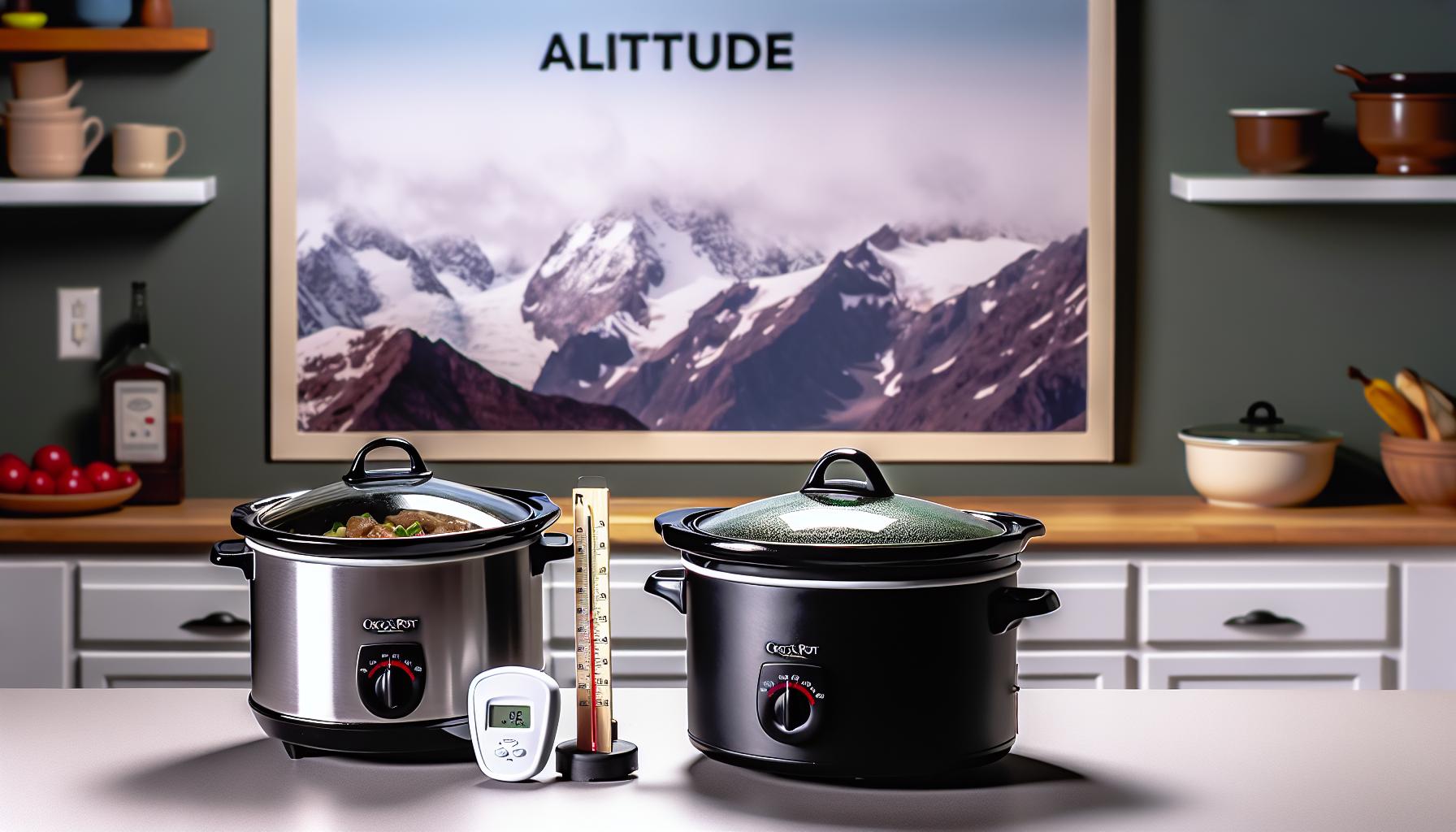
safe Meat and Poultry Temperatures for Slow Cooking
Cooking meat and poultry safely in a slow cooker is all about hitting the right internal temperatures without turning your delicious dinner into leather or mush. while slow cookers on “High” typically reach between 190°F and 210°F, the magic-and safety-lies in ensuring that your food’s internal temp gets to where it needs to be to zap any harmful bacteria. Think of it like a warm, cozy bubble that slowly but surely cooks every inch evenly, especially critically important with chicken, pork, or beef cuts that need that gentle heat to tenderize while playing it safe.
The USDA recommends these safe minimum internal temperatures for slow-cooked meats:
| Meat Type | Safe Internal Temperature |
|---|---|
| chicken & Poultry (whole or pieces) | 165°F (74°C) |
| Pork (whole cuts) | 145°F (63°C) + 3 minutes rest |
| Ground Meats (beef, pork, poultry) | 160°F (71°C) |
| Beef, Lamb, Veal (steaks, roasts, chops) | 145°F (63°C) + 3 minutes rest |
it’s tempting to just trust the dial reading or the cook time-but the real star here is a good kitchen thermometer. Slow cookers can vary, and dense cuts or large roasts can take longer than recipes suggest. I’ve learned this the hard way-the slow cooker chicken thighs looked golden and cozy, but a quick temp check revealed they needed a little longer to reach that safe 165°F mark. Safety over impatience every time!
- Pro tip: if you’re cooking frozen meat, expect to add extra time, as slow cookers are gentle with thawing.
- Layer smart: Place root veggies at the bottom, meats on top. This helps heat circulate better and ensures the meat hits the right temp first.
- Check in early: Use you’re thermometer about halfway through minimum cook time to avoid surprises.
One fun trick I use is to pre-sear meats for flavor and a heat jumpstart, especially for paleo or gluten-free profiles where texture and seasoning matter big time. This step also helps ensure the inside will reach safe temps more reliably once in the slow cooker. Cooking safe doesn’t mean boring-it means confident,tasty,and worry-free meals served right from your crockpot to your plate. So grab that thermometer and keep your meats juicy, tender, and totally safe!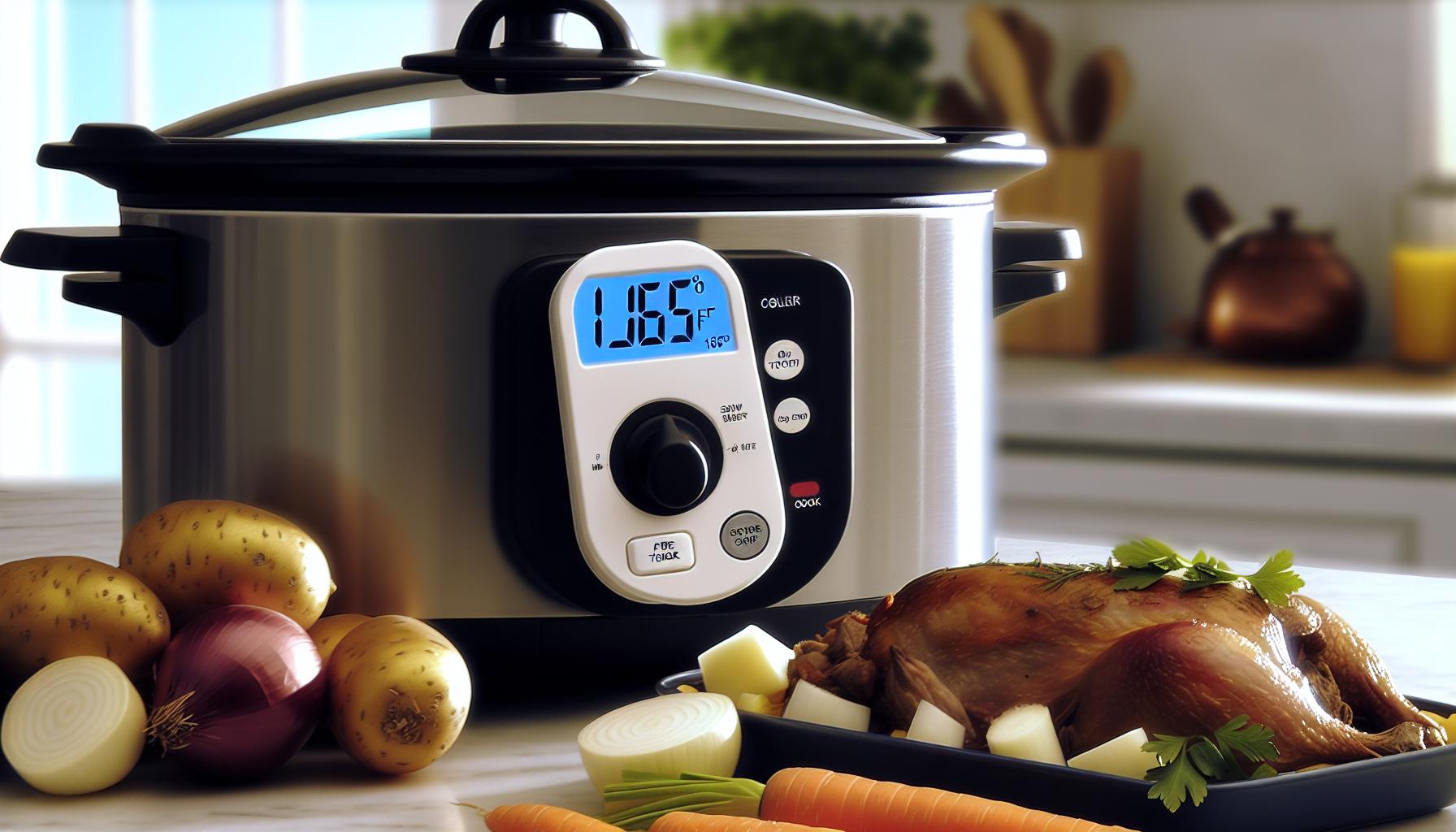
Using a Thermometer for Perfect Slow Cooker Results
When it comes to slow cooker magic, the real game-changer isn’t just setting the dial to “High”-it’s trusting a thermometer to tell you what’s truly happening inside your pot. Slow cookers can be a little shy about their exact temps, and those glowing amber lights won’t tell you if your chicken has reached the life-saving 165°F it needs for safety. I’ve found that slipping a probe thermometer into your meal is like having a kitchen sidekick who whispers, “you’re good to go”-no guesswork, no food worries.
Why Thermometers Are the MVP of Slow Cooking
Because slow cookers cook low and slow, internal temperature is your best friend for perfectly cooked, safe meals. This is especially true for paleo or gluten-free cooks who want that tender, juicy texture without adding extra ingredients or fuss. To get this right:
- Start early: Check the internal temperature midway through cooking. it helps you adjust the time if needed, especially important if you popped in frozen meat (which takes a little longer to thaw and cook through).
- Go for the thickest part: Insert your probe into the thickest piece of meat, avoiding bone, to get the most accurate reading.
- Know your safe temps: keep the USDA’s recommended temps handy-165°F for poultry,145°F with a rest for pork and beef roasts,and 160°F for ground meats are non-negotiable for food safety.
I remember making slow cooker chicken thighs that looked perfectly golden on the surface but failed the temp test by a few degrees. That little temp check saved me from second guessing leftovers and gave me at least one more needed hour of cooking, which translated to melt-in-your-mouth deliciousness.
Picking and Using Your Thermometer like a Pro
Invest in a reliable digital probe or instant-read thermometer-nothing fancy required, but accuracy is key. When inserting it, do a slow, gentle slide through the meat to avoid juice leaks. Here’s a quick step-by-step for smooth sailing:
- Carefully lift the lid (or uncover your slow cooker if you’re past the halfway point).
- Insert the thermometer probe horizontally into the thickest area.
- Wait for a stable reading-this usually takes 10-15 seconds on most digital models.
- If the temperature is below safe thresholds, cover and continue cooking, rechecking as you get close to your recipe’s suggested finish time.
Mastering Thermometer Use Means Safer, Tastier Meals
Using a thermometer keeps you in control, eliminates the dreaded overcooked or undercooked parts, and lets you relax knowing the food is safe-no matter how busy your day is. It makes slow cooking as reliable as your favorite comfort food, tailoring to paleo or gluten-free lifestyles without extra stress. Since every slow cooker heats a little differently and ingredient density varies, these periodic checks also help you learn your specific machine’s quirks. You might even surprise yourself by hitting the perfect roast or stew texture without any last-minute tweaks.
So next time you toss ingredients in your slow cooker, think of your thermometer as your trusty co-chef-ready to dial in safety and flavor at the exact moment it counts. You’ll soon wonder how you ever slow cooked without it!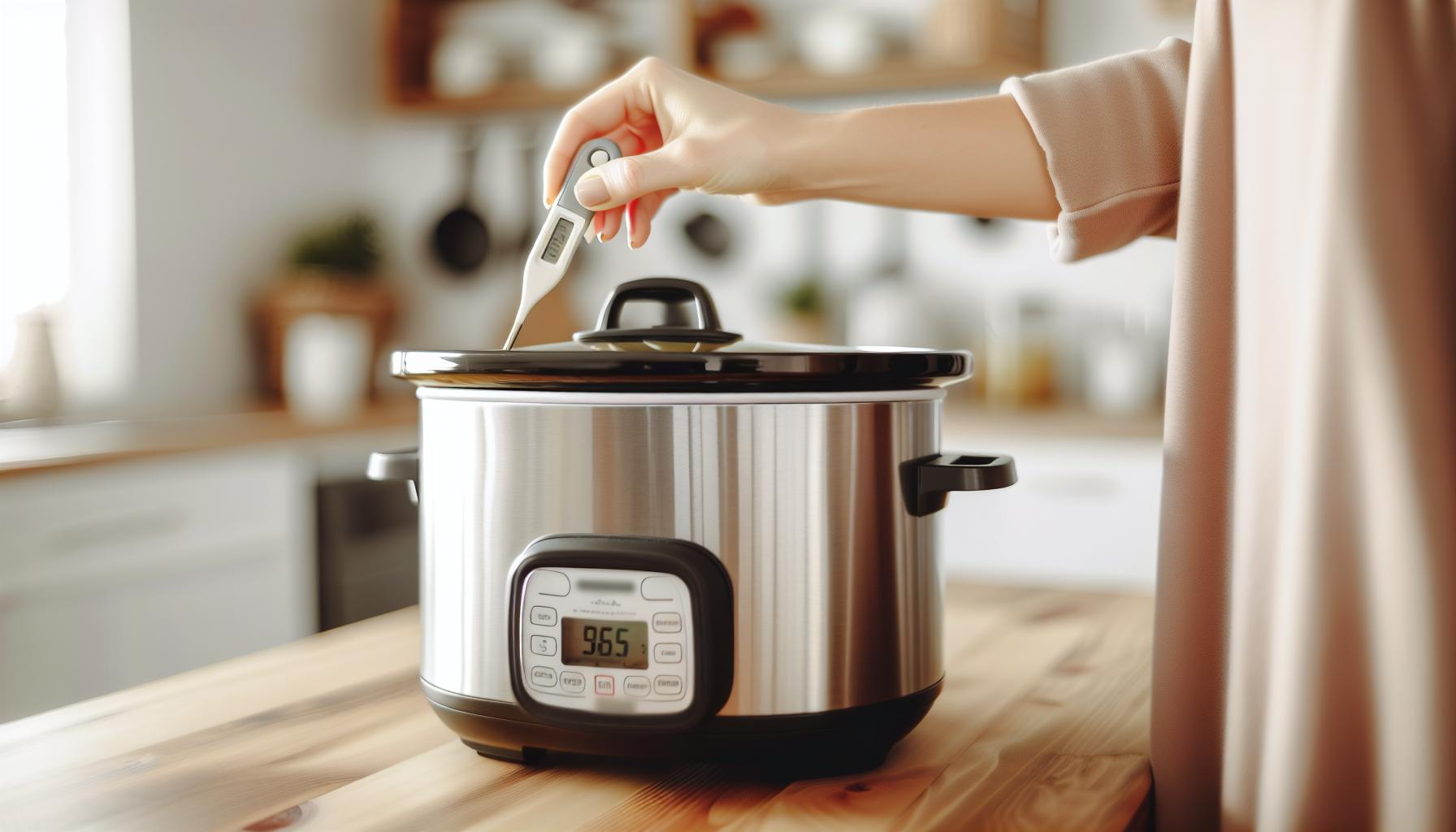
Easy Tricks to Boost Heat Without Overcooking
Sometimes,slow cookers can feel like they’re playing it a bit too safe with the heat,especially when you want that perfect balance between “done” and “still juicy.” Boosting the internal temperature just enough without pushing your ingredients into the dreaded land of overcooked mush isn’t magic-it’s a combo of smart layering, ingredient choices, and a few nifty kitchen hacks that anyone can master.
One of my favorite tricks is to start with room temperature (or slightly warmed) ingredients when possible. Tossing chilly or frozen meats and veggies straight into the pot can drag down the temperature,making the cooker work overtime and potentially extending your cooking time. If you prep your ingredients about 20-30 minutes before cooking and let them lose their chill, you give your slow cooker a head start. It’s like warming up before a workout! You’ll hit those safe temps quicker, without cranking the dial or worrying about drying things out.
Layering and Liquid Levels: The Unsung Heat boosters
How you arrange your slow cooker contents matters. Place denser vegetables like carrots and potatoes on the bottom since they conduct heat better. Lay meat right on top so it benefits from the rising heat and moist steam. Keeping the liquid at just the right level is crucial, too-too little and the cooker heats unevenly, too much and it acts like a giant soup pot, cooling things down. Aim for about halfway filled with liquid-this creates the steam pressure slow cookers love to circulate warmth evenly.
- Use hot broth or sauce: Instead of cold liquids, preheat your cooking liquid on the stove or microwave. This little step adds a few degrees right from the start.
- Cover tight: Wrap the lid with a clean kitchen towel or use a slow cooker locking lid if you have one. It traps heat better and keeps moisture in, helping temps climb without extra cooking time.
Get Smart With Timing and Size
if you want to ramp up heat without overcooking, consider splitting your cooking into two phases. Start on high to quickly reach those safe temperatures, then switch to low later to maintain tenderness. It’s a tactic I use all the time with paleo-friendly pork shoulder recipes, where the meat needs to hit 145°F safely but benefits from longer gentle cooking to fall-apart perfection.
Using the right size slow cooker also helps. Don’t force a small batch into a giant crock pot-that’s like a cold bath for your meal. A fuller pot heats faster and stays more consistent. If your slow cooker’s always running cool, try filling it closer to the recommended minimum volume to avoid heat loss.
simple layering, temperature-aware prep, and mindful timing can save you from guesswork and deliver reliably safe, flavorful meals, all while keeping that melt-in-your-mouth texture intact. With these tips, your slow cooker becomes a warming, flavor-building ally-not just a set-it-and-forget-it appliance.
| Trick | How it Helps | Pro Tip |
|---|---|---|
| use room-temp ingredients | Speeds heat-up time, prevents temperature dips | Set meat and veggies out 30 min before cooking |
| Layer veggies on bottom, meat on top | improves heat conduction and even cooking | Root veggies work best as a heat base |
| Preheat liquids | Raises starting temperature for faster cooking | Warm broth or sauce on stove before adding |
| Cover lid tightly | Traps steam and keeps heat in | Use a clean kitchen towel under lid if needed |
| Use correct crock size | Ensures consistent temperature | Fill to at least half capacity for best results |
Faq
Q: How quickly does a slow cooker reach the high temperature setting for safe cooking?
A: A slow cooker typically takes 1 to 2 hours to reach the high setting temperature, usually around 300°F (149°C). To ensure safe cooking, avoid opening the lid early as it slows heating. For detailed timing curves, check the section on How Long to Cook on High for Safe Meals in the main article.
Q: Can slow cookers get hot enough on high to kill harmful bacteria?
A: Yes, most slow cookers reach 300°F (149°C) or higher on high, which is sufficient to kill common foodborne bacteria if cooked for the recommended time. Always use a thermometer to confirm food reaches safe internal temperatures for meats and poultry. See Safe Meat and Poultry Temperatures for Slow Cooking for more.
Q: Why might my slow cooker not get hot enough on the high setting?
A: If your slow cooker runs cooler than expected on high, it might potentially be due to malfunctioning elements, poor lid seal, or electrical issues. Testing your slow cooker’s temperature with a food thermometer can pinpoint this problem.Refer to the Tips to Test Your Slow Cooker’s Actual Heat section for troubleshooting ideas.
Q: Does the size or brand of a slow cooker affect how hot it gets on high?
A: Yes, larger slow cookers or different brands may vary slightly in maximum heat, with some reaching 300°F and others slightly less.This impacts cooking safety and texture, so adjust cooking times accordingly and consult the How Altitude and Crock Pot Size Impact Cooking Heat for personalized tips.
Q: How does altitude affect the temperature a slow cooker gets on high?
A: At higher altitudes, water boils at lower temperatures, which can reduce the effectiveness of slow cooker heat on high. You may need to increase cooking time or adjust recipes to ensure food reaches safe temperatures. See How Altitude and Crock Pot Size Impact Cooking Heat for advice on altitude adjustments.
Q: Can I speed up a slow cooker’s high setting temperature safely?
A: To safely boost heat, you can preheat the cooker before adding ingredients or add hot liquids first. Avoid lifting the lid during cooking, as this lets heat escape. For practical safety tips, check out Easy Tricks to Boost Heat Without Overcooking in the main article.
Q: Is it safe to cook frozen food directly on the high setting of a slow cooker?
A: cooking frozen food in a slow cooker on high is not recommended, as it takes longer for food to reach safe temperatures, increasing bacterial risk. Always thaw food first or use a pressure cooker for frozen items for safety assurance. For slow cooker safety basics, see Why Cooker Temperature Matters for Food Safety.
Q: How can I verify my slow cooker reaches the proper high temperature for safe meals?
A: Use a digital food thermometer inserted through the lid gap or test with water and a probe to confirm it reaches ~300°F. Regular testing helps maintain safety and recipe success. For testing tips, see the Tips to test Your Slow Cooker’s Actual Heat section for step-by-step guidance.
For more slow cooking safety and temperature insights, explore our detailed guides on the best cooking methods and kitchen hacks-your next slow cooker meal will be both safe and delicious!
To Conclude
Now that you know exactly how hot a slow cooker gets on high for safe cooking, you’re all set to create delicious, worry-free meals that fit your busy lifestyle and dietary preferences-whether you’re gluten-free, paleo, or just craving comfort food. Remember, slow cookers not only save time but also lock in flavors while keeping your meals perfectly safe. If you want to dive deeper, check out our guides on easy gluten-free slow cooker recipes or meal prep tips for busy home cooks to keep the kitchen fun and stress-free.
Don’t let uncertainty slow you down-try adjusting your favorite recipes with simple ingredient swaps or explore how to troubleshoot common slow cooker issues to boost confidence in your cooking. Ready to take your slow cooker game to the next level? Subscribe to our newsletter for fresh recipes, handy tips, and kitchen hacks delivered right to your inbox. Got questions or a favorite slow cooker tip? Share it in the comments below-we love hearing from fellow food lovers! Keep experimenting,and remember: delicious meals and kitchen joy are always within reach.
Get our latest guides, news, and insights highlighted in your Google Search & AI Overviews.