

Did you know that slow cooking corned beef isn’t just about tossing it in a pot and forgetting it? Getting that melt-in-your-mouth tenderness depends a lot on teh timing-and yes, it can vary based on your slow cooker’s settings and the size of the meat. Whether you’re aiming for a classic St. Patrick’s Day feast or just craving hearty comfort food, knowing exactly how long to cook corned beef in your slow cooker is key to avoiding a tough, chewy dinner disaster. Plus, slow cooking means minimal prep but maximum flavor, perfect for busy weeknights or lazy weekends when you want a appetizing meal without hovering over the stove. Stick around, and I’ll share simple, foolproof timing tips and tricks that make your slow cooker corned beef tender, juicy, and ready to impress-as everyone deserves an easy, crowd-pleasing meal that feels like a warm kitchen hug, paleo and gluten-free amiable included!
Table of Contents
- How slow Cooker Timing Unlocks Perfectly Tender Corned Beef
- Choosing the Right Corned Beef Cut for Slow Cooking
- Step-by-Step Slow Cooker Setup for Best Results
- Essential Prep Tips to Boost Corned Beef Flavor and Texture
- Ideal Slow Cooker Temperatures and Settings Explained
- How to Tell When Corned Beef Is Tender and Ready
- Flavor Boosters and Cooking Liquid Secrets That Impress
- Creative Side Dishes That Pair Perfectly with Slow Cooker Corned Beef
- Troubleshooting Common Corned Beef Slow Cooking Mistakes
- Meal Prep Hacks: reheating and Storing Leftover Corned Beef
- Frequently asked questions
- Q: How long does it typically take to cook corned beef in a slow cooker for maximum tenderness?
- Q: Can adding acidic ingredients like vinegar or beer speed up corned beef cooking time in a slow cooker?
- Q: What’s the best way to tell if corned beef is tender enough without overcooking in a slow cooker?
- Q: How does the size of the corned beef cut affect slow cooker cooking time for tender results?
- Q: Is it better to cook corned beef with or without the seasoning packet in a slow cooker for flavor and tenderness?
- Q: Can I use the slow cooker’s high setting to reduce corned beef cooking time without losing tenderness?
- Q: How do bone-in and boneless corned beef cuts differ in slow cooker cooking time for tenderness?
- Q: What slow cooker liquid combinations best support tender corned beef without diluting flavor?
- Insights and conclusions
How slow Cooker Timing Unlocks Perfectly Tender Corned Beef
Getting corn beef perfectly tender in a slow cooker is as much about timing as it is indeed about choosing the right cut or seasoning. The magic happens when you let the beef leisurely soak and break down in low heat, melting its connective tissues and building layers of juicy flavor. Picture this: you prep your brisket in the morning, set the slow cooker going, and come dinner time, you’re greeted with meat that practically falls apart at the touch of a fork. That’s slow-cooker timing working its charm.
In practical terms, aim to cook corned beef on low for about 8 to 10 hours or on high for around 4 to 5 hours.These windows ensure the collagen and fat fully render, creating tenderness without drying out the beef. The beauty of slow cooking is forgiving – err too long on low heat, and you still end up with wonderfully soft slices. But be cautious with cooking it too fast or too short; rushing the process tends to make the meat chewy rather of melt-in-your-mouth. I once rushed a batch on high to save time, and, well… the family politely refrained from asking for seconds.
Why slow and Low Wins Every Time
The low, steady temperature lets the beef fibers relax and the tough connective tissues dissolve into gelatin.This gives the meat that luscious but firm texture we crave in corned beef. Think of it like a slow dance where the brisket gradually transforms, soaking up spices and liquid without shredding prematurely. A good rule of thumb is to prioritize more time at a gentle simmer over a rapid blast of heat.
Real-Life Timing Tips from the Kitchen
- Plan ahead: Start your slow cooker early in the day on low. This frees you up to enjoy other things without babying the pot.
- Don’t peek too often: opening the lid constantly lets heat escape and extends cook time.
- Use a thermometer: If uncertain, internal temp should reach about 190°F (88°C)-the sweet spot for tender brisket.
- Adjust for your cooker’s quirks: Some slow cookers run hotter or cooler, so a little testing is okay.
Being patient truly pays off. With the right pacing, that tough, salty slab of corned beef becomes a centerpiece worthy of celebrations or a comforting weeknight meal. Plus, when cooked gently, it naturally fits into paleo, gluten-free, or simply wholesome eating styles without sacrificing flavor or texture. So embrace the slow cooker’s rhythm-your taste buds will thank you later!
For extra inspiration and tested slow cooker corned beef recipes, you might enjoy examples from folks who’ve nailed this balance beautifully-making tender, juicy brisket a breeze [2].
Choosing the Right Corned Beef Cut for Slow Cooking

corned beef brisket is a kitchen classic, but not all briskets are created equal when it comes to slow cooking. Picking the right cut sets the stage for your ultimate tender, flavorful corned beef that slices beautifully without turning into mush. Many home cooks swear by the standard “flat cut” brisket-it’s leaner, holds its shape well, and is perfect if you want neat slices for sandwiches or a plated dinner. But if you’re craving a richer experience with mouthwatering marbling and a slightly fattier bite, the “point cut” might just become your new best friend. It’s a bit more forgiving when it comes to cooking time,thanks to that extra fat keeping things juicy.
Here’s why the cut matters: The brisket is a tough muscle with a lot of connective tissue, and slow cooking transforms this toughness into tenderness. The flat cut brags about uniform thickness, making cooking times pretty predictable, while the point cut varies in thickness and fat – meaning you might need to give it a little extra attention or cooking time for an even texture. If you’re on a paleo or gluten-free diet,both cuts fit right in as naturally wholesome options-just skip any thickening agents or gluten-based sides,and you’re golden.
Tips to Choose Your Brisket Wisely
- Look for a brisket with the spice packet: Most corned beef cuts come pre-brined with pickling spices that add flavor and help tenderize during the slow cook.
- Check the thickness: A uniform 2-3 inch thick piece cooks more evenly; thinner edges can dry out, so consider trimming floppy bits or adjusting cook time.
- Consider your end goal: Want those perfect slices on St. Paddy’s Day? Lean flat cut is your go-to. Into shredding for tacos or hash? Point cut’s fat content makes it luscious when pulled apart.
- Substitutions: Can’t find corned beef brisket? Try a beef chuck roast. It’s similar in texture, benefits from slow cooking, and offers a more budget-friendly option without sacrificing tenderness.
My Two Cents from the Slow Cooker Trenches
I’ve learned that investing a little time in selecting the right cut means less fiddling later. Once, I grabbed a point cut on a whim and ended up extending the cook time by an extra hour or two simply as the uneven shape threw off my timing. Lesson learned: if you’re running on a schedule, stick with a flat cut and enjoy the predictability. But when you want to kick back and let the slow cooker work its magic over the weekend, a point cut offers that melt-in-your-mouth, rustic charm.
Whether you keep it classic or experiment with cuts, remember the slow cooker is your trusty sidekick. It transforms tough, salty corned beef into a juicy centerpiece with minimal babysitting-perfect for busy households or those juggling paleo-friendly feasts with hearty comfort food vibes. No matter the cut, slow and steady wins this flavorful race every time!
Step-by-Step Slow Cooker Setup for Best Results

cooking corned beef in a slow cooker is such a gift-you literally set it and forget it, waking up or coming home to a tender, flavorful masterpiece. The key to unlocking that perfect tenderness isn’t just about time; it’s about creating the right surroundings inside your slow cooker from the get-go. Getting your setup right means less stress and more deliciously fall-apart beef that’s perfect whether you want elegant slices or hearty shredding for paleo-friendly tacos.
Before you plug in that slow cooker,prep your workspace like a pro. First, rinse the brisket under cold water to wash off excess salt and any stray brining bits-this keeps the final dish from getting too salty. Next, you’ll want to layer your flavors thoughtfully. Place a bed of aromatics like quartered onions, smashed garlic cloves, and whole black peppercorns at the bottom. These add subtle depth without overwhelming your corned beef. If you’re feeling experimental or want to stay low-carb and paleo, herbs like thyme or bay leaves are your best friends here. Once that’s set, gently lay your brisket fat-side up on the aromatics so the fat drips down, basting the meat as it cooks.
Step-by-Step slow Cooker Setup
- Add the cooking liquid: Pour in about 3 to 4 cups of low-sodium beef broth or water-enough to cover roughly two-thirds of the brisket. The liquid keeps the slow cooker sizzling with moist heat, breaking down all that connective tissue.
- Include the classic spice packet: Most corned beef cuts come with a seasoning packet. Sprinkle that in whole or crushed, depending on how intense you like your spices. You can always boost with mustard seeds or coriander if you’re feeling fancy.
- Don’t rush the lid: Seal everything tight with your slow cooker lid. Keep it on during cooking to trap steam, essential for that melting tenderness. Resist the urge to peek too often; each lift lets heat escape and lengthens cooking time.
I remember one leisurely Sunday when I tossed my brisket and veggies into the cooker but forgot to add any cooking liquid. The meat dried out and resembled leather more than dinner-lesson learned! So never skip the broth or water; it makes all the difference. also,if you’re short on time,some cooks swear by giving the brisket a quick sear on the stovetop before slow cooking to add a robust crust and seal in juices,but it’s a nice-to-have,not a must.
| Cook Time Guide | Low Setting | High Setting |
|---|---|---|
| Flat Cut (2.5-3 lbs) | 8 to 10 hours | 5 to 6 hours |
| Point Cut (2.5-3 lbs) | 9 to 11 hours | 6 to 7 hours |
Even if you’re new to slow cooking or juggling other meals, consider setting your slow cooker to low overnight or during your workday. That slow and steady heat is what gently melts that tough muscle and connective tissue into buttery goodness. When you come back, you’ll find your kitchen filled with tantalizing aromas and corned beef that cuts cleanly without turning stringy or dry.
With these tips and setup steps, your slow cooker will do the heavy lifting, leaving you free to plan those irresistible paleo or gluten-free sides that make the whole meal sing. Trust me, once you’ve nailed your setup routine, the slow cooker will be your new best kitchen buddy for fuss-free, flavor-packed corned beef every time.
Essential Prep Tips to Boost Corned Beef Flavor and Texture
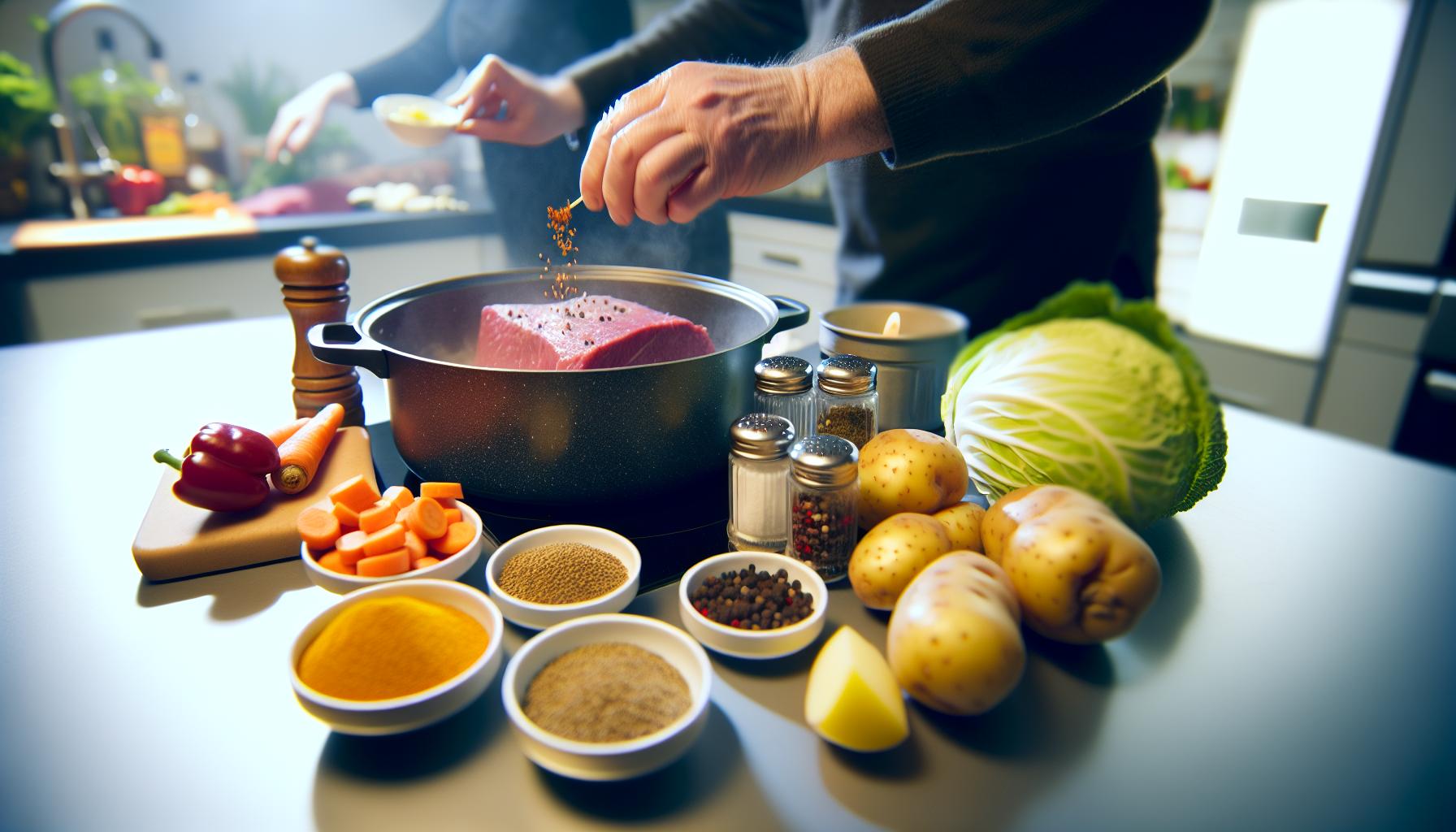
Corned beef is one of those magical dishes where a little attention upfront transforms a simple slow cooker meal into something truly extraordinary. Beyond the slow cooker’s gentle heat, how you prepare the beef beforehand plays a crucial role in coaxing out tender, flavor-packed results. Start by rinsing your brisket thoroughly under cold water-this isn’t just hygiene; it’s key to washing away excess salt from the curing process, which can otherwise overwhelm the natural beefiness with a punch that’s a little too intense. For those counting carbs or sticking to paleo or gluten-free plans,this small step elevates your dish without adding gimmicks.
Pairing your corned beef with the right aromatics is another game-changer. Laying down a cozy bed of quartered onions,smashed garlic cloves,and whole peppercorns adds subtle layers of flavor that infuse the meat gently throughout the long cook.If you want to jazz things up, fresh or dried herbs like thyme and bay leaves work beautifully here, unlocking a forest-floor freshness that keeps your palate interested. A quick tip: place your brisket fat-side up so as it slowly cooks, the melting fat bastes the meat naturally-this little trick keeps things juicy and tender without extra effort.
Easy Flavor Boosts to Try Before Adding to the Slow Cooker
- Quick sear (Optional but Worth It): Browning your brisket in a hot skillet for 2-3 minutes per side before slow cooking seals in juices and creates a richer, caramelized crust. It’s not essential but boy does it step things up.
- Spice Packet + Extras: most corned beef cuts come with a seasoning packet containing mustard seeds, coriander, and peppercorns. Crumble it up to release more flavor, or toss in extra mustard seeds, crushed coriander, or even a pinch of smoked paprika for a smoky twist.
- Cooking Liquid Matters: Liquid is your friend here. Whether it’s low-sodium beef broth, water, or even a splash of beer for those who enjoy a robust twist, it’s the heat reservoir and flavor vehicle that breaks down tough connective tissue. Avoid just water if you want a depth of flavor-broth adds layers.
I once skipped rinsing the brisket and ended up serving a dish that tasted like I’d tried to brine my family alive! Now, I always rinse and rinse well, and though it might seem like a step that slows things down, it paves the way for a cleaner, more balanced bite. Remember, slow cooking is forgiving, but corned beef flavor can get out of hand if not prepped right. With these simple but impactful tweaks, you’ll get a tender, savory cut every time that feels like it spent hours in a gourmet kitchen-even when it’s just your trusty slow cooker doing the heavy lifting.
Ideal Slow Cooker Temperatures and Settings Explained
Corned beef transforms beautifully when cooked low and slow, but mastering your slow cooker’s temperature settings can make the difference between a tough brisket and one that practically melts off the fork.Most slow cookers offer “Low” and “High” settings, and while both will eventually tenderize your meat, understanding the timing and temperature nuances will help you hit that perfect balance of tenderness and flavor every time.Typically, the Low setting hovers around 190°F to 200°F, allowing the brisket to gently break down its tough collagen over 8 to 10 hours. This slow,steady heat is ideal if you want a hands-off cooking day and a fall-apart tender result. On High, the temperature jumps closer to 300°F, speeding up the process and delivering tender corned beef in about 4 to 6 hours. However, rushing it on High can sometimes cause the meat to dry out or lose a bit of its juicy charm, so it’s best suited to when life demands a quicker dinner without sacrificing all tenderness.
Timing vs. Temperature: What Works Best?
Think of cooking corned beef in your slow cooker like a leisurely Sunday stroll versus a brisk afternoon jog. Both get you there,but the slow stroll lets you soak in the scenery-that’s your Low setting for long,flavorful cooking. The jog? That’s High setting rushing to the finish line. My personal favorite is starting on High to bring the liquid to a simmer in the first hour, then switching down to Low for the remainder of the day-this little trick gives you the best of both worlds: deeper flavor growth and juicy, tender meat without babysitting the cooker.
- Low Setting: 8-10 hours, great for tender, sliceable meat with moist texture.
- High Setting: 4-6 hours, handy for quicker meals but requires a bit more attention to avoid drying.
- Combination Approach: Start on High for 1 hour,then Low for 7 or more hours to lock in flavor and tenderness.
For paleo and gluten-free cooks craving maximal flavor without the fuss, the Low-and-slow path is your best friend-it gently unwinds the meat’s fibrous matrix and lets any aromatics or spices from the seasoning packet permeate deeply. The gentle simmer also means your cooking liquid stays rich and flavorful, soaking up the essence of the beef and transforming into a luscious broth perfect for sopping up with your favorite sides.
If you want a quick glance comparison, here’s a simple table to guide your timing:
| Slow Cooker Setting | Approximate Temperature | Ideal Cooking Duration | Texture Result |
|---|---|---|---|
| Low | 190°F – 200°F | 8 – 10 hours | Fork-tender, juicy, perfect for slicing or shredding |
| High | 290°F – 300°F | 4 – 6 hours | Cooked through but risk of dryness if overdone |
| High to Low Combo | Start High (~300°F), then Low (~190°F) | 1 hour High + 7-8 hours Low | Great flavor depth, tender with juicy crust |
Remember, every slow cooker model varies slightly, and the size/thickness of your corned beef cut matters too. If in doubt, err on the side of longer cooking on Low rather than rushing it – slow cooking is famously forgiving, and your patience will be rewarded with melt-in-your-mouth results that make each bite sing. And hey, if life requires a shortcut? Just keep an eye on it during those High hours, add a splash more liquid if needed, and you’ll still impress dinner guests with a tender, flavorful meal.
it’s about finding what fits your weeknight rhythm and tastes, but armed with these temperature and timing secrets, you can turn any slow cooker corned beef into a home-cooked champion without the usual stress. Keep experimenting, have fun, and don’t forget: the slow cooker is your trusty sidekick, not a magic wand-sometimes a little nudge (or sear, or added spices) makes all the difference!
How to Tell When Corned Beef Is Tender and Ready

A perfectly cooked corned beef has this magical “fork-tender” quality that makes your fork slide right in and out without resistance, almost like the beef just begs to be devoured. But how do you know when your slow cooker masterpiece hits this sweet spot? The answer isn’t just about time-it’s about texture and a little hands-on testing that any home cook can master, no fancy tools required.
The tried-and-true method is the fork test: simply insert a fork into the thickest part of the brisket and give it a gentle twist. If the fork slides in easily and the meat starts to shred with minimal effort, you’re golden. If it still feels tough and resists, it needs more love-and time-on low heat.The collagen in the brisket takes those low and slow hours to melt down fully, transforming that fibrous cut into a juicy, tender delight. Remember, predator impatience can result in rubbery texture, so be cool and trust the process.
Signs Your Corned Beef Is Ready to Shine
- Juicy but not falling apart: The meat should be tender enough to pull apart with your fork but still hold its shape for slicing.
- Clear juices: When you pierce the beef, clear juices (not cloudy or overly greasy) indicate proper doneness and balanced moisture.
- Soft but firm bite: It’s tender,yet each bite has a pleasant resistance-think melt-in-your-mouth comfort,not mushy or stringy.
If you’re cooking for paleo or gluten-free diets, this stage means you’ve unlocked maximum flavor and texture without fuss-no extra thickeners or additives needed.
When in Doubt, Let Your Thermometer and Timer Guide You
If you’re aiming for extra assurance, the internal temperature of corned beef should reach about 190°F to 205°F for that perfect fork-tender result. But be mindful: temperature alone doesn’t tell the whole story-texture rules here. Use it as a guide, not gospel.
In my kitchen, I like to plan for about 8-10 hours on Low in my slow cooker. That window gives the brisket time to relax and soak up all the seasoning magic. Sometimes I check at 8 hours with the fork test, and if it needs more, I leave it to go a bit longer.Slow cooking is forgiving-as opposed to quick cooks that cheat with heat and sacrifice succulence.
Ultimately, listening to the beef, and a little nudge from the fork, is your best secret weapon. You’ll get better with every batch, turning each dinner into a triumphant celebration of perfectly tender, flavorful corned beef that feels like a warm hug on a plate.
Flavor Boosters and Cooking Liquid Secrets That Impress

Every great corned beef starts with that flavorful braising liquid – it’s the secret powerhouse that steeps into every tender bite, turning a simple brisket into a melt-in-your-mouth marvel. The beauty of slow cooking is how it lets seasonings and aromatics mingle over hours, coaxing out deep, robust flavors without any fuss or fancy steps. Your cooking liquid isn’t just there to keep the meat moist; it’s an essential flavor vehicle that elevates the entire dish, bringing balance and body to each savory slice.
If your corned beef came with a seasoning packet, that’s a great start-but don’t stop there! Adding a bouquet of fresh aromatics like smashed garlic cloves, bay leaves, peppercorns, and mustard seeds introduces layers of complexity and aroma that make the kitchen smell irresistible. For paleo or gluten-free cooks, tossing in a bit of apple cider vinegar or fresh horseradish (if you dare!) can brighten the liquid and add a tangy zing without messing with your diet. Homemade spice blends not only keep things clean but let you customize the punch to your own palate-sometimes I like adding a hint of crushed coriander or allspice for warmth.
Liquid Matters: What to Cook Corned Beef In
Water is the classic choice, but don’t underestimate the power of broth or beer to take your corned beef from good to knockout. Beef broth adds savory richness, while stout or lager beer lends malty sweetness and a slight bitterness that balances the saltiness of the brisket. Be mindful of alcohol, though-cooking long and slow mellows it out beautifully, leaving behind nuanced depth. Even just a splash of cooking liquid vinegar, like apple cider or balsamic, works wonders to brighten and tenderize without overpowering.
Here’s a quick cheat sheet to experiment with cooking liquids:
| Liquid Type | Flavor Impact | Diet-Friendly? | Tips |
|---|---|---|---|
| Water + Seasoning Packet | Classic, neutral base letting spices shine | Yes, paleo & GF safe | Start here if you prefer simplicity |
| Beef Broth | Extra savory, deep meatiness | Yes, check broth label for GF | Use low-sodium to control salt |
| Beer (Stout/Lager) | Malty, slightly bitter, rich | No (paleo avoid but GF is fine) | Good for bold flavor lovers |
| Apple Cider Vinegar + Water | Tangy brightness, tenderizing | Yes, paleo & GF safe | Add 2 tbsp vinegar per cup liquid |
Simple Flavor Boosters You Can Toss In
You don’t need to complicate your prep to get amazing results. Here are some no-brainer kitchen pals to jazz up your slow cooker’s broth:
- Yellow mustard seeds: Classic corned beef pairs perfectly with their subtle tartness.
- Cracked black peppercorns: adds a pop of heat and aromatic spice.
- Bay leaves: Earthy and fragrant, grounding the whole pot.
- Onion wedges & garlic cloves: Melt into the broth, deepening flavor complexity.
- Fresh thyme or rosemary sprigs: Herbal freshness that cuts through richness.
From experience, layering these will make your corned beef sing without any extra sauces or glazes needed after cooking – the slow cooker turns all these humble ingredients into a symphony of taste.
If you’re short on time, a shortcut hack is to dissolve your corned beef pack spices into about 2 cups of hot water or broth before adding it to the slow cooker. This jump-starts flavor infusion right from the get-go, saving you from uneven seasoning zones later.
When the cooking finishes, don’t toss that flavorful liquid! It’s a treasure trove for boiling your cabbage, potatoes, or carrots, infusing them with all that wonderful beef essence that’s usually missing from side dishes. Plus, sipping a small ladle of the hot broth is delicious comfort food in its own right on chilly days.—
Balancing flavor with simple ingredients and smart choices around your cooking liquid makes all the difference in slow cooker corned beef that wows every time. You don’t need a spice cupboard the size of a grocery store-just a few well-chosen additions and the patience to let the slow cooker work its magic. Your fork will thank you.
Creative Side Dishes That Pair Perfectly with Slow Cooker Corned Beef

There’s something wonderfully comforting about a slow-cooked corned beef dinner, but let’s be honest: the right sides can turn a good meal into a memorable feast.The beauty of slow cooker corned beef is its deep, savory richness, which calls for sides that either echo those warm, hearty notes or deliver a fresh, bright contrast to cut through the salt and spice.Whether you’re cooking paleo, gluten-free, or just want crowd-pleasers that feel like a warm hug, these side dishes bring out the best in your corned beef without stealing the spotlight.
Classic Veggies with a twist
traditional potatoes,carrots,and cabbage are the classics for a reason-they soak up the flavor-packed cooking liquid perfectly and balance the meaty richness with a clean,earthy sweetness. But here’s a pro tip: swap out standard boiled potatoes for roasted garlic-parsley baby potatoes. Toss halved new potatoes in olive oil, garlic, and fresh parsley, then roast until crispy on the edges.The roasting amps up natural sweetness and adds a satisfying crisp texture that contrasts beautifully with tender corned beef. Similarly, try sautéing your cabbage in a bit of bacon fat or coconut oil with a splash of apple cider vinegar for a tangy twist that mirrors the slow cooker’s bright notes.
Elevate with Fresh and Zesty Salads
Corned beef is pretty rich, so a crunchy, refreshing salad can help balance that out and keep you reaching for seconds instead of feeling weighed down. A simple coleslaw made with shredded green and purple cabbage, julienned apples, and a dressing tossing together lemon juice, Dijon mustard, and a little honey hits all the right notes. For paleo or whole30 friends, swap mayo for avocado oil mayo or blend up a creamy cashew dressing to keep things dairy-free and nourishing. Even a tangy beet and arugula salad with toasted walnuts and orange segments delivers bright, peppery, and sweet flavors that play off the corned beef’s earthiness.
Unexpected Starches and Sides for More Depth
If you’re craving something a little different than the usual suspects, here are some tasty ideas that feel special but don’t require a culinary degree:
- Cauliflower mash: A creamy, paleo-friendly choice to mashed potatoes, simply steam cauliflower, then whip with garlic, olive oil, and a touch of nutritional yeast or ghee.
- Sweet potato wedges: Roast with smoked paprika and a pinch of sea salt for warm sweetness and a subtle smoky kick.
- Braised kale with lemon zest: Quick-sauté kale in garlic and finish with fresh lemon zest and a squeeze of lemon juice-bright, bold, and packed with nutrients.
These sides not only complement the tender, slow-cooked brisket but also add layers of texture and flavor to balance your plate.Plus, they’re easy to prepare while your corned beef is working its magic in the slow cooker-because who wants to slave away when the star of the show already takes hours to get right?
small kitchen wins like these can turn your corned beef dinner into a celebration worthy of repeat invitations. Whether you lean into traditional Irish-inspired veggies or experiment with something fresh and vibrant, these ideas keep your meal feeling thoughtfully crafted without complicated steps or extra clean-up. Trust me, your fork (and guests) will thank you!
Troubleshooting Common Corned Beef Slow Cooking Mistakes
Cooking corned beef in a slow cooker is a bit like setting a gentle magic spell-when done right, you get buttery tender meat that practically melts in your mouth. But mess with the timing or those slow cooker settings, and you can end up with a tough chew or flavor that falls flat. If you’ve ever poked your brisket mid-cook and felt confused whether it’s done or just plain stubborn, you’re not alone.Let’s break down some common snags and how to sidestep them, so your slow cooker becomes your kitchen’s MVP instead of its frenemy.
One classic pitfall is rushing the cooking process. Corned beef is a tough cut (hello, brisket), and it needs those low and slow hours-usually around 8 to 10 hours on low-to really become tender. Putting it on high for 4-5 hours might seem like a time-saver, but it often produces rubbery results. If your time is tight, consider using a pressure cooker instead, or ensure you set up your slow cooker early enough so the long cook happens while you’re at work or sleeping. Patience here truly pays off! Another mistake is not keeping enough liquid in the cooker. The corned beef loves a cozy bath to break down its fibers; without enough broth, the edges can dry out and turn chewy. Adding aromatic liquids like beef broth,a splash of apple cider vinegar,or even a good-quality beer not only keeps things moist but gives your meat layers of flavor.
Common Missteps and Their Easy Fixes
- Overcooking and drying out: Even with slow cooking, leaving the meat unattended for too long-like going beyond 12 hours-can start drying it out. To save a dried-out brisket, slice it thinly and simmer it a bit in its cooking juices before serving.
- Undercooked, chewy beef: If your meat resists a fork’s gentle tug at the usual cook time, simply give it extra time. Every slow cooker heats differently.Resist the urge to crank the heat; slow and steady wins the tenderness race.
- Losing that signature flavor: Not using the spice packet or failing to add aromatics like bay leaves, garlic, or mustard seeds can leave your corned beef bland. Consider adding fresh herbs or even a splash of Guinness to punch up traditional flavors.
Practical Pro Tips From My kitchen
I once tried skipping the initial rinse to save time on a corned beef cook, only to end up with a salt bomb that no potato could tame. That quick soak in cold water? Totally worth those extra minutes. Another time, I layered the veggies on top, letting the meat rest at the bottom submerged in juices, which helped it cook evenly and stay juicy. Remember, slow cookers vary-so if it’s your first time, schedule a poke test near the end, and adjust next time based on your results.
Here’s a quick reference table to keep handy for timing and temps:
| Slow Cooker Setting | Typical Cook Time | Texture Outcome |
|---|---|---|
| Low | 8-10 hours | Perfectly tender,juicy |
| High | 4-6 hours | frequently enough chewy unless monitored closely |
| Too long (over 12 hours) | N/A | can dry out or become stringy |
above all,embrace the joy of experimentation and remember-food is comfort,not a scientific trial. Tweak your cook times and liquids bit by bit, and soon that slow cooker will be your best buddy for effortless, melt-in-your-mouth corned beef every time.
Meal Prep Hacks: reheating and Storing Leftover Corned Beef
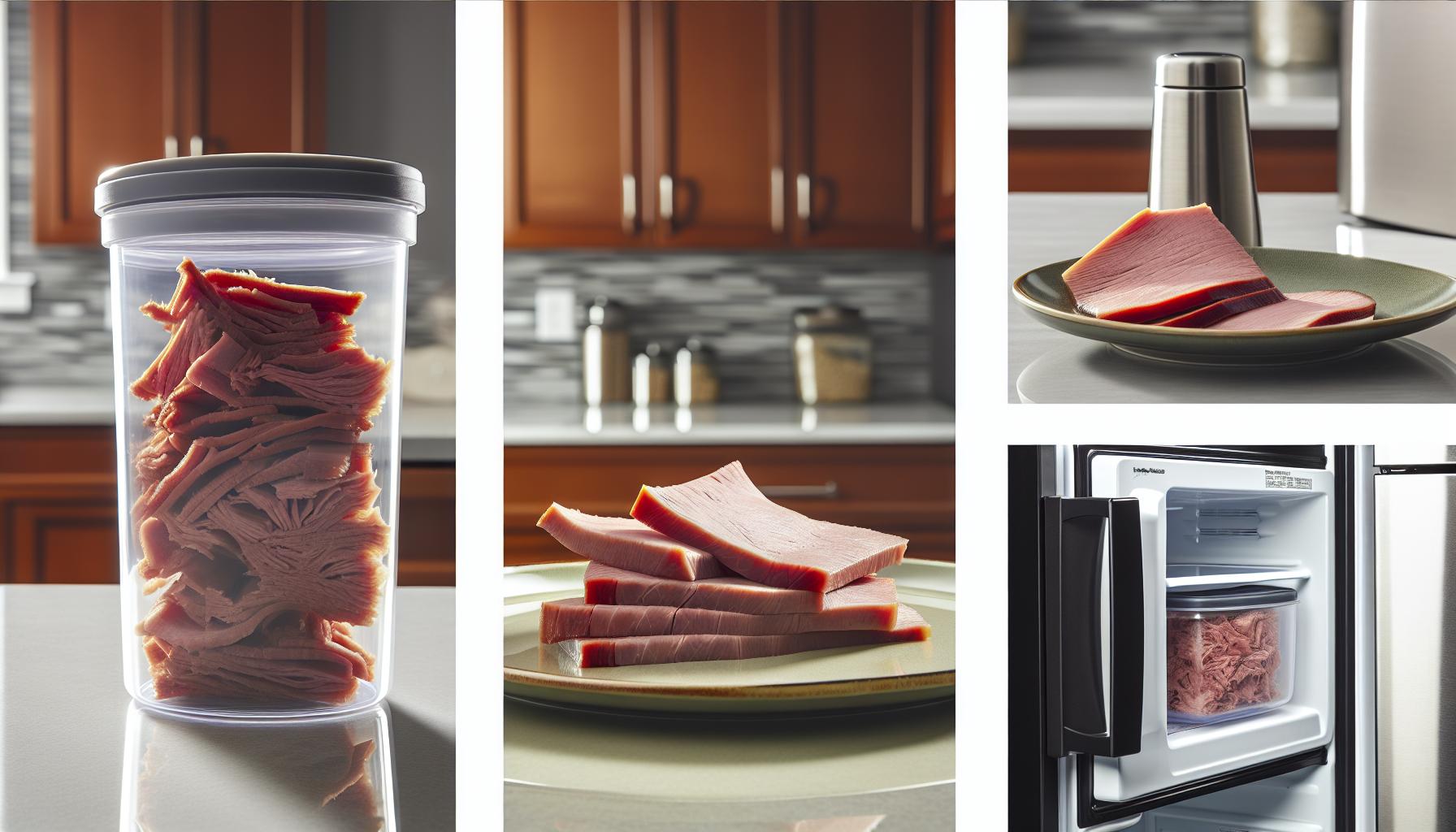
Leftover corned beef often tastes even better after a day or two-the flavors get to mingle and deepen, turning simple slices into a comforting, crave-worthy meal. But reheating it without drying it out or losing that tender texture can be a bit of a juggling act. Treat your leftovers with a bit of TLC, and they’ll reward you with the same melt-in-your-mouth goodness as the first serving.
When reheating, moisture is your best friend. Corned beef is lean but can quickly turn tough if it dries out. The easiest trick: reheat slices gently in a pan over low heat, adding a splash of the original cooking liquid, beef broth, or even a little apple cider vinegar. This keeps the meat juicy and infuses more flavor on round two.Avoid the microwave’s heat blast unless you cover the meat and add liquid-it tends to zap moisture fast.Alternatively, wrapping the corned beef in foil and warming it in a moderate oven (around 300°F/150°C) works wonders for even heat and tenderness.
Smart Storage for Maximum Freshness
Proper storage sets you up for reheating success. Slice leftover corned beef right away while it’s still warm-not only easier for portioning but also reduces moisture loss. Store it submerged in some of its cooling cooking liquid or beef broth inside an airtight container to lock in flavor and slow down drying. Refrigerate leftovers promptly and consume within 3-4 days for best taste and safety. For longer storage, freeze slices in individual portions layered between parchment paper in a freezer-safe bag. This handy hack makes thawing and reheating a breeze without clumps or freezer burn.
| Storage Method | Time Frame | Best Use |
|---|---|---|
| Refrigeration (in cooking liquid) | 3-4 days | Quick reheats in pan or oven |
| Freezing (sliced, wrapped) | Up to 3 months | Meal prepping and longer preservation |
Quick Meal Prep Ideas to stretch Leftovers
Transforming leftover corned beef into new dishes is where the real magic happens. Think beyond just reheating slices:
- Melted Sandwiches: Layer corned beef with Swiss cheese and mustard on rye bread,then toast until melty and golden. Gluten-free or paleo? Swap the bread for crisp lettuce wraps or grain-free tortillas.
- Hash Revival: Dice leftover beef and toss it with sautéed potatoes, onions, and bell peppers for a hearty breakfast hash. Crispy edges bring great texture contrast.
- Hearty Soups and Stews: Chop corned beef into bite-sized pieces and add to vegetable soups for a protein boost with minimal fuss.
From reheating techniques to creative meal ideas, handling your corned beef leftovers gracefully means you get to enjoy the fruits of your slow cooker patience again and again-with minimal effort and maximum deliciousness. In my own kitchen, leftovers frequently enough become the star ingredient in quick weeknight meals, turning a slow weekend cook into weekday magic. Trust that gentle heat,enough moisture,and thoughtful storage will keep your corned beef just as tender and flavorful as day one.
Frequently asked questions
Q: How long does it typically take to cook corned beef in a slow cooker for maximum tenderness?
A: For perfectly tender corned beef, cook it on low heat for 8 to 10 hours or on high for 4 to 6 hours. Slow, gentle cooking breaks down tough fibers, unlocking rich, melt-in-your-mouth texture. Check tenderness near the end and adjust time if needed. For detailed timing tips, see our slow cooker timing guide.
Q: Can adding acidic ingredients like vinegar or beer speed up corned beef cooking time in a slow cooker?
A: While acidic ingredients like vinegar or beer can enhance flavor, they do not significantly speed up cooking time. Instead, they might slightly tenderize the meat. It’s best to focus on consistent low heat and cooking duration to ensure tender results without rushing the process.For flavor ideas,check our cooking liquid secrets section.
Q: What’s the best way to tell if corned beef is tender enough without overcooking in a slow cooker?
A: Use a fork to gently test the corned beef’s tenderness-it should easily pierce the meat and pull apart with little resistance. Avoid overcooking by checking after 8 hours on low and then every 30 minutes if needed. Refer to our signs of tenderness section for foolproof cues.
Q: How does the size of the corned beef cut affect slow cooker cooking time for tender results?
A: Larger cuts require longer slow cooking, typically adding 1 to 2 hours for every extra pound. Smaller pieces cook faster but risk drying out if overdone. Adjust your timing based on cut size to maintain tenderness. See our tips on choosing the right cut for slow cooking for more.
Q: Is it better to cook corned beef with or without the seasoning packet in a slow cooker for flavor and tenderness?
A: Cooking with the seasoning packet enhances flavor but can sometimes introduce excess saltiness. For balanced flavor and tender meat, rinse the beef first, then add the seasoning gradually during cooking. This method boosts taste without compromising softness, as explained in our prep tips section.
Q: Can I use the slow cooker’s high setting to reduce corned beef cooking time without losing tenderness?
A: You can cook corned beef on high for 4 to 6 hours,but it’s best to use low heat overnight whenever possible. High heat risks drying out the beef or making it tough if rushed. For consistent tender results, slow and low remains the secret-see our ideal temperature guide for details.
Q: How do bone-in and boneless corned beef cuts differ in slow cooker cooking time for tenderness?
A: Bone-in corned beef generally takes slightly longer to cook-about 30 minutes more-to reach tender perfection. The bone adds flavor and helps retain moisture, enhancing overall texture. Adjust slow cooker time accordingly and explore our cut selection tips for choosing between bone-in and boneless.
Q: What slow cooker liquid combinations best support tender corned beef without diluting flavor?
A: A mix of beef broth, a splash of apple cider vinegar, and aromatics like garlic and onions creates a flavorful, tenderizing cooking liquid. Avoid too much water to keep flavors concentrated. Check out our flavor booster section to customize your slow cooker liquid for delicious, tender corned beef every time.
For more on perfecting your slow cooker corned beef, browse our step-by-step tips and flavor boosters! Feel free to explore related sections like cooking temperatures and flavor secrets to elevate your homemade comfort meal.
Insights and conclusions
Ready to serve up perfectly tender corned beef straight from your slow cooker? Remember, cooking it low and slow for about 8 to 10 hours is your golden ticket to melt-in-your-mouth results every time.Whether you’re gluten-free,paleo,or simply craving a comforting classic,this method makes specialized cooking feel effortless and delicious.Don’t forget to experiment with easy ingredient swaps or quick prep tricks-after all, cooking should be fun, not stressful!
If you loved this guide on how long to cook corned beef in your slow cooker, why not check out our tips for easy slow cooker potatoes or a foolproof homemade sauerkraut recipe? These pair beautifully and elevate your meal from simple to spectacular. Ready to take your kitchen game further? Sign up for our newsletter for exclusive recipes and time-saving hacks tailored for busy home cooks like you.
Got questions or a favorite corned beef hack to share? Drop a comment below-we love hearing from fellow food lovers. Keep exploring, keep cooking, and remember: delicious meals don’t have to be complicated to be memorable!
Get our latest guides, news, and insights highlighted in your Google Search & AI Overviews.


