Did you know that cooking egg noodles in a slow cooker can be a total game-changer-if you get the timing just right? Too long, and you’re stuck with mush; too short, and thay’re underdone. Slow cookers are perfect for busy days when you want easy, hands-off meals like comforting beef stroganoff or chicken paprikash, but egg noodles need a gentle touch to stay tender and not turn to glue.Whether you’re gluten-free,paleo-curious,or just craving a warm bowl of homemade goodness,nailing the perfect cook time helps you avoid noodle disaster and keeps your dish irresistibly satisfying. Stick around-I’ll share simple tips and timings that make slow cooker egg noodles foolproof, so your next meal feels like a cozy hug without any weird texture surprises. Becuase honestly, life’s too short for soggy noodles!
Table of Contents
- How Slow Cookers Affect Egg Noodle Texture
- Ideal Cooking Times for Egg Noodles in Slow Cookers
- Choosing the Right Egg Noodles for Slow Cooking
- Step-by-Step Guide to Perfect Slow Cooker Noodles
- Common Mistakes That Turn Noodles Mushy (And How to Avoid Them)
- Best Slow Cooker Recipes Featuring Egg Noodles
- Tips for Adding Egg Noodles at different Cooking Stages
- Gluten-Free and Paleo Egg Noodle Alternatives for Slow Cooking
- How to rescue Mushy Egg Noodles and Salvage Your Dish
- Storage and Reheating Tips for Slow Cooker Noodle Meals
- Q&A
- Q: What are the signs that egg noodles are overcooked in a slow cooker?
- Q: Can I add egg noodles directly at the start of slow cooking without getting them mushy?
- Q: How does noodle thickness affect cooking time in a slow cooker?
- Q: What slow cooker settings are best for cooking egg noodles without mushiness?
- Q: Can I rinse egg noodles after cooking in a slow cooker to fix mushiness?
- Q: Are dried egg noodles better than fresh for slow cooker recipes to prevent mushiness?
- Q: How can I adjust slow cooker liquid amounts when adding egg noodles to avoid mushy results?
- Q: Why do egg noodles become mushy in slow cookers but stay firm when boiled on the stove?
- The Way Forward
How Slow Cookers Affect Egg Noodle Texture
One of the tricks to mastering slow cooker egg noodles lies in understanding how the slow, moist heat affects their texture. Unlike stovetop cooking, where noodles are boiled and drained quickly, slow cookers gently simmer ingredients over several hours. This creates an environment where egg noodles can easily go from perfectly tender to disappointingly mushy if left in the pot too long. the slow cooker’s constant low temperature breaks down starches over time, causing noodles to soften continuously even after they reach “done.” So, patience isn’t always a virtue hear-timing is everything.
Another factor is the way slow cookers retain liquid. As they trap steam, the moisture level remains high throughout cooking, which can cause egg noodles, especially delicate varieties, to absorb more broth and swell beyond their intended texture. If noodles are added too early, they soak like sponges, turning into a gummy, almost porridge-like consistency that’s hard to reverse. I remember making a beef and noodles slow cooker meal once, and tossing in the noodles at the start seemed like a good time-saver-big mistake. The noodles were mush city by dinnertime, despite tasting great otherwise.
- slow Cooker Impact: Constant heat and trapped moisture break down noodles’ structure, possibly leading to mushiness.
- Timing is Crucial: Adding noodles too early means over-absorption; too late means they might be undercooked.
- Broth Ratio Matters: Excess liquid increases noodle softness; less liquid helps maintain bite.
To keep your noodles with that perfect bite and silky texture, many cooks recommend adding them only in the last 20-30 minutes of cooking-just enough time to absorb flavor without losing shape or firmness. This little trick helps preserve the noodle’s integrity while still marrying it with the rich broth and tender meats typical of slow cooker meals. think of it like the final flourish in a well-composed dish-patience and timing come together to win every time.
If you’re aiming for gluten-free or paleo swaps, the game changes a bit since option noodles can behave differently under long, moist heat. But the same principle applies: watch your cooking time and moisture levels carefully. After all, slow cooker magic means more time to relax, not more stress over soggy noodles!
For more inspiration, recipes like NeighborFood’s silky slow cooker beef and noodles demonstrate how timing impacts texture beautifully[[1]](https://neighborfoodblog.com/slow-cooker-beef-and-noodles/). Meanwhile,forums like Reddit have home cooks sharing their trial-and-error experiences,reinforcing that noodle timing inside the slow cooker is the key to success[[3]](https://www.reddit.com/r/Cooking/comments/xhsqwv/egg_noodles_in_slow_cooker/).
Ideal Cooking Times for Egg Noodles in Slow Cookers
Cooking egg noodles in a slow cooker is a bit like a delicate dance-too long on the stage, and they turn into mush; too short, and you’re left with chewy, underdone strands. The secret lies in timing.Egg noodles don’t need the several hours your stew or chicken might require. Instead,adding them toward the finish line,usually in the last 20 to 30 minutes of cooking,hits the sweet spot. This gives the noodles just enough time to soak up the delicious broth and flavors without falling apart or becoming gummy.
Most recipes recommend stirring in the dry egg noodles once your slow cooker dish has nearly finished cooking-say, after 6 to 7 hours on low or 3 to 4 hours on high-and then covering the pot for a short burst of heat. Egg noodles typically take about 20-40 minutes to become tender in this environment. Such as, a well-tested slow cooker chicken and noodles recipe found the perfect noodle cook time to hover around 30 minutes on low heat once added to the pot[[1]](https://life-in-the-lofthouse.com/slow-cooker-chicken-and-noodles/). This timing ensures they soften nicely but keep their shape and a pleasant bite.
- Dry uncooked noodles: Add at the last 20-30 minutes of cooking. Stir gently to avoid clumping.
- Fresh or pre-cooked noodles: These can be added even closer to serving time-about 10-15 minutes before you want to eat.
- Watch your broth: Adding extra liquid might be necessary to keep noodles from sticking or drying out,but don’t overdo it or softness escalates fast.
A personal nugget learned from a beef and noodles slow cooker adventure: tossing noodles in at the start *felt* like a shortcut but ended with a sad “mush city” dinner-even though the flavors nailed it. So, discipline to hold off adding noodles until the very end pays off big time!
Adjusting Cooking Time for Dietary Alternatives
If you’re gluten-free or paleo, egg noodle stand-ins such as zucchini noodles or shirataki noodles may require even less cooking time-often just a brief warm-up in the final minutes. These alternatives don’t soak up broth like traditional noodles, so layering flavors happens differently, but the timing principle holds: less is more with slow cooker “noodles” to avoid losing their texture.
| Type of Noodle | When to Add | Cooking Time in Slow Cooker | Notes |
|---|---|---|---|
| Dry egg noodles | Last 20-30 minutes | 20-40 minutes | Watch liquid; stir to prevent clumps |
| Fresh/pre-cooked egg noodles | Last 10-15 minutes | 10-15 minutes | Less cooking time,more gentle handling |
| Zucchini noodles (zoodles) | Last 5-10 minutes | 5-10 minutes | Will soften quickly,don’t overcook |
| shirataki noodles | Final minutes,or add after cooking | just warm through | Rinse well beforehand to minimize odor |
So next time you’re slow cooking a hearty meal,treat noodles like the prized guest who arrives fashionably late. Their perfect timing might just be the secret to noodle nirvana in your crockpot creations!
Choosing the Right Egg Noodles for Slow Cooking
Choosing egg noodles for slow cooking is like picking the perfect dance partner – getting the right texture and timing just right makes all the difference. While egg noodles might seem like one-size-fits-all, their variety in thickness, shape, and moisture content means some types play nicer in a slow cooker than others. If you want noodles that hold their shape and soak up those rich stews or creamy sauces without turning to mush, you have to choose wisely.
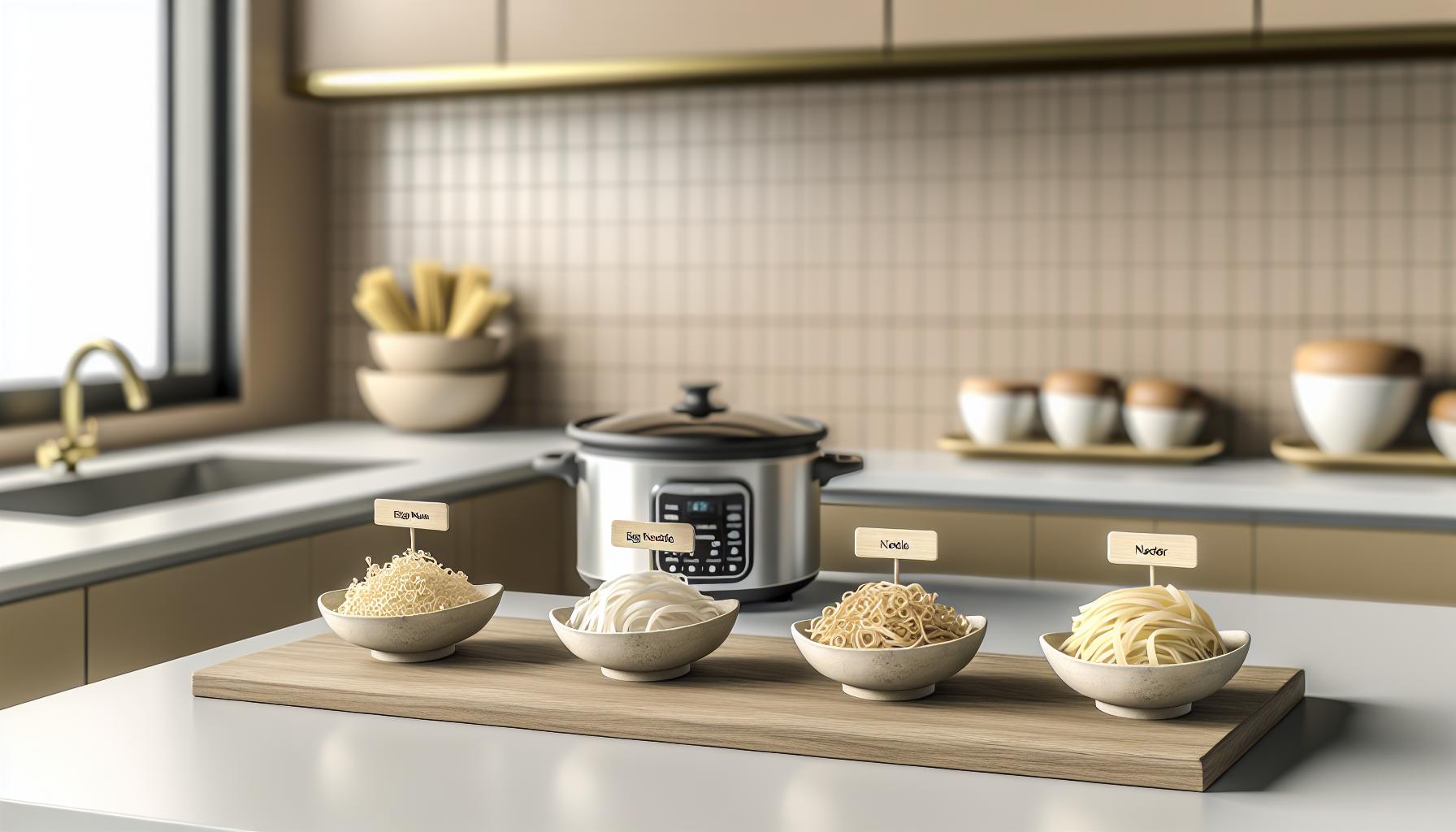
Generally, dry uncooked egg noodles are the slow cooker MVPs. They’re durable enough to handle a short stint in the pot without falling apart, and they soak up all those flavors like a sponge. The key is to add them in late-usually in the last 20-30 minutes of cooking-so they get tender but don’t overcook[1]. Personally, thin or ribbon-style egg noodles tend to perform better than wider or chunkier varieties because they cook evenly and won’t leave you with big clumps.Fresh or pre-cooked noodles, conversely, are more sensitive and benefit from even gentler handling-add those just 10-15 minutes before serving to avoid that dreaded noodle soup situation.
Freestyling with Alternatives
For those embracing gluten-free or paleo lifestyles, the noodle game changes but deliciously so. Replacements like zucchini noodles (aka zoodles) or shirataki noodles are fantastic swaps that bring their own fun textures and challenges. They don’t soak up broth like traditional egg noodles, so they need less time-frequently enough just a speedy 5-10 minute warm-up at the end of cooking to avoid becoming limp and sad. A tip from experience: stir gently,and don’t overdo it on the liquid; these alternatives like keeping a bit of their bounce[1].If you’re feeling a little adventurous,playing around with whole wheat or gluten-free dry noodles can work in a pinch but usually require a bit more attention to cooking time and moisture levels. Keep a close eye on your noodles, and don’t be afraid to do a quick taste test as they cook. Slow cookers vary, and a little kitchen curiosity goes a long way.
- Dry egg noodles: Tough enough for slow cookers, add at the end for 20-40 minutes
- Fresh/pre-cooked noodles: Delicate, add 10-15 minutes before serving
- Zucchini noodles (zoodles): Quick soften, about 5-10 minutes at the end
- Shirataki noodles: Just warm through, rinse well before use
At the end of the day, choosing the right noodle is about balance-picking what fits your timeline, flavor goals, and dietary needs while keeping things deliciously simple. Consider your slow cooker as a partner in the kitchen dance, timing your noodle entrance perfectly for a meal that hits all the right notes. No need to stress about perfection; just have fun with it!
| Type | Best For | Key Tip | Cooking Time in Slow Cooker |
|---|---|---|---|
| Dry egg noodles | Classic comfort dishes, stews, casseroles | Add last 20-30 min, stir gently | 20-40 minutes |
| Fresh/pre-cooked egg noodles | quick fixes, creamy sauces | Add last 10-15 min to avoid mush | 10-15 minutes |
| Zucchini noodles (zoodles) | Gluten-free, paleo, veggie boost | Add last 5-10 min; don’t overcook | 5-10 minutes |
| shirataki noodles | Paleo, low-carb, odor-sensitive | Rinse well; warm through only | Just warm, minutes |
Step-by-Step Guide to Perfect Slow Cooker Noodles
Egg noodles are magical companions in slow cooker meals, adding comfort and heartiness, but they can be tricky little divas if not treated right-toss them in too early, and you risk a soggy noodle flop. The secret to slow cooker success is timing and technique, making sure those noodles absorb flavor and stay springy rather than mushy. Here’s a tried-and-true method I’ve used more times than I can count, guaranteed to deliver perfect noodles every time, whether you’re aiming for classic chicken and noodles or a cozy beef stew makeover.
Start with your slow cooker full of your base-be it broth, sauce, or stew-cooked low and slow to develop those deep, savory flavors. As the clock winds down and your dish nears completion, resist the urge to add noodles too soon. Instead,add dry egg noodles during the last 20 to 40 minutes,depending on the thickness of the noodles and your cooker’s heat intensity. For fresh or pre-cooked noodles, dial it back to the last 10 to 15 minutes-these beauties cook fast and don’t need the prolonged soak. Keep the heat on high for this short interval to get evenly cooked noodles without that gummy aftermath. Remember, a gentle stir right after adding noodles helps prevent clumping, but after that, leave the lid alone. Peeking too frequently enough? Big no-no for heat loss and noodle texture.
Simple Steps for Noodle Nirvana
- Step 1: Prepare your slow cooker meal base and let it cook uninterrupted until about 30-40 minutes remain. This slow flavor build is essential.
- Step 2: For dry egg noodles, sprinkle them evenly on top or gently stir them in. Add an extra splash of broth or water if your mixture looks too thick-no one wants dry noodles clinging awkwardly.
- Step 3: Set your cooker to high for this final stage. this speeds up the noodle cooking without compromising the rest of your dish.
- Step 4: after about 20-30 minutes (or less if using fresh noodles), check for doneness. Noodles should be tender but with a bit of a bite, not mushy or falling apart.
- Step 5: serve immediately or keep warm on low but beware that over time noodles continue to soak and soften, so plan to eat relatively soon.
Having cooked my fair share of noodle dishes on the slow cooker, one quick tip: if you’re making something rich and creamy, stirring in the noodles last and on high heat helps keep them nicely coated without breaking down the sauce. Also, for those embracing paleo or gluten-free swaps, zucchini noodles or shirataki noodles? Toss them in the last 5-10 minutes just to warm through. They don’t need a full soak and love staying a little “al dente” to keep their snappy texture.
| Noodle Type | When to Add | Cooking Time | Heat Setting | Key Tip |
|---|---|---|---|---|
| Dry Egg Noodles | Last 20-40 minutes | 20-40 minutes | High | Add extra liquid if needed; stir gently |
| Fresh/Pre-cooked Noodles | Last 10-15 minutes | 10-15 minutes | High | Delicate-add late to avoid mush |
| Zucchini Noodles (Zoodles) | Last 5-10 minutes | 5-10 minutes | High or Low | Just warm through; don’t overcook |
| Shirataki noodles | Last few minutes | Just warm | High or Low | Rinse well; warm through only |
By treating your noodles like delicate dance partners-not wallflowers who just jump in whenever-they shine in slow cooker meals without turning into mush. Whether it’s grandma’s chicken and noodles or a paleo stir-in with veggie spirals, this approach keeps dinners stress-free and delicious, even on your busiest days. Trust me, once you master this timing magic, your slow cooker will transform into a reliable kitchen sidekick, delivering tender, flavorful noodles every time.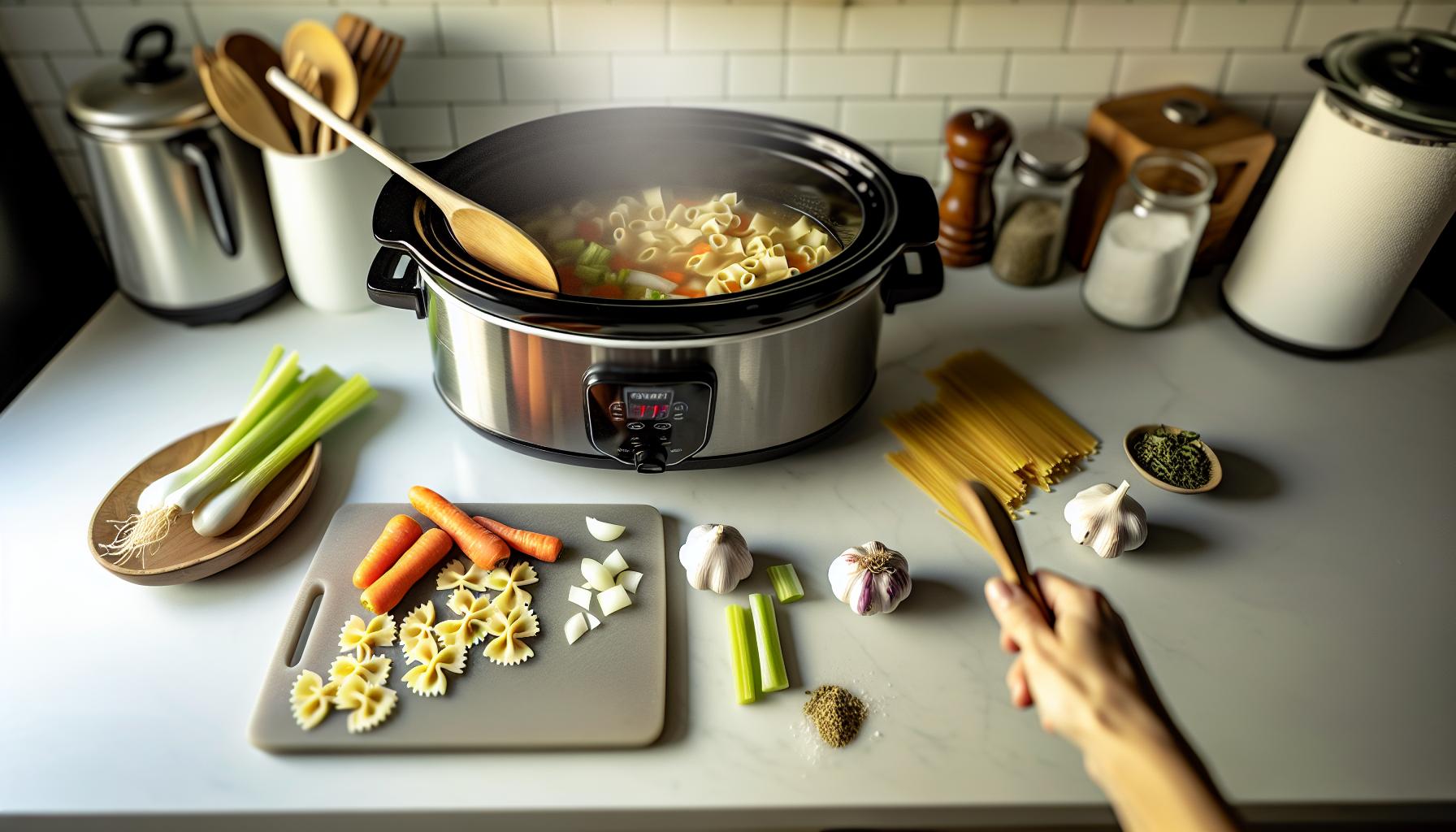
Common Mistakes That Turn Noodles Mushy (And How to Avoid Them)
Egg noodles and slow cookers can be a match made in comfort food heaven, but toss those noodles in at the wrong time or with the wrong method, and you might end up with a soggy, gluey mess that even your dog wouldn’t sniff at. The good news? Most noodle mishaps come down to simple timing and a few easy-to-fix habits. From my kitchen experiments (and a few noodle failures I’m not proud to admit), here’s what I’ve learned about steering clear of mush every single time.
One of the biggest culprits is adding noodles too early. Think about it: slow cookers are designed to simmer low and slow, which is perfect for tender meats but torturous for noodles that thrive on quick, hot cooking. When noodles soak in heat for hours, they swell beyond recognition and become limp. This is why many recipes recommend tossing in dry egg noodles only in the last 20 to 40 minutes of cooking-exact times depend on noodle thickness and slow cooker heat settings. Fresh or pre-cooked noodles, which are more delicate, should go in even later, around 10 to 15 minutes before serving. This targeted timing keeps them chewy, flavorful, and well-defined rather than mushy blobs.
Another sneaky mistake is neglecting the liquid balance when adding noodles.Because noodles absorb quite a bit of moisture as they cook,not adding an extra splash of broth or water can leave them dry and unevenly cooked-sometimes dry on the outside and gummy inside. conversely, overloading with too much liquid will turn your whole dish soupy and less satisfying. A good rule of thumb: if your slow cooker base looks a little thick at the noodle stage, add about ½ cup of broth or water for every 2 cups of dry noodles. Stir gently to distribute noodles without breaking them, then close the lid promptly to keep steam trapped and the noodles cooking evenly.
Prevent Clumping and Overcooking
- resist the urge to stir constantly. It’s tempting to check and mix, but opening the lid too often drops the temperature and messes with slow cooker consistency.
- After a gentle initial stir, let the noodles cook undisturbed. This lets steam do its job and prevents mushy results.
- Use the high setting when noodles are in. This speeds up their cooking, minimizing the time they’re exposed to prolonged heat.
- Plan to serve noodles promptly. Noodles left to sit in the cooker after done will continue absorbing liquid and breaking down, so eating right away means the best texture.
Humor me with this little kitchen confession: I once threw noodles in right at the start of a slow beef stew,thinking “Hey,they’ll soak up all those flavors!” The result was a big,sad bowl of mush that tasted fine but felt like eating spaghetti slime. Now I stick to the “add late, cook quick” mantra religiously-it’s changed every one of my slow cooker noodle meals from meh to marvelous.And if you’re mixing in paleo or gluten-free alternatives like zucchini or shirataki noodles, remember they need even less time, usually just the last 5-10 minutes to warm through without sogging out.
With these insider tips, those noodle nightmares will turn into silky strands of joy-ready to soak up your favorite broths and sauces without collapsing under pressure. It’s all about respecting the noodle’s timeline-and your taste buds will thank you!
Best Slow Cooker Recipes Featuring Egg Noodles
Egg noodles have a magical way of turning an ordinary slow cooker meal into cozy,stick-to-your-ribs comfort food. Yet, the key to winning noodle dishes in the slow cooker lies in timing and selection-not every recipe is a simple dump-and-go! Over the years, I’ve tried and refined a handful of slow cooker wins where egg noodles shine perfectly, absorbing rich flavors without turning into that dreaded mush. Here, you’ll find recipes that range from classic homestyle dinners to paleo-friendly twists, each demonstrating how to respect noodle texture while maximizing flavor.
If you’re craving a hearty meal with tender beef, the “Crockpot beef and Noodles” is a classic crowd-pleaser. It’s got that slow-simmered depth but with the noodles added only in the last 20-25 minutes, so they cook just right without dissolving [[1]](https://chefsavvy.com/crockpot-beef-and-noodles/). The secret? Adding an extra splash of beef broth to keep the noodles luscious but never drowning. It’s perfect for a cozy Sunday when you want a stick-to-your-ribs dish, but don’t want to babysit the pot.Chicken and noodles are another slow cooker staple that works beautifully with egg noodles – but chicken recipes frequently enough call for slightly shorter noodle cook times,around 12-15 minutes,as the noodles are more delicate and the broth lighter [[2]](https://www.simplyhappyfoodie.com/slow-cooker-chicken-and-noodles/). My favorite tip for a fail-safe version? Boil the noodles separately and add them into the slow cooker at the end, which keeps them perfectly tender without the risk of overcooking. But if you want to toss dry egg noodles straight into the crockpot, just remember to keep the heat on high and add a little extra liquid for moisture.
Comfort Food Classics with a Noodle Kick
- Slow Cooker Beef Stroganoff: Swap regular pasta for egg noodles, adding them during the last 30 minutes of cooking on high. The cream sauce thickens perfectly, coating each noodle without turning mushy.
- Chicken and Mushroom Noodle Soup: Use wide egg noodles, stirred in 15 minutes before serving.It’s the ultimate fix when you need a warm hug in a bowl – and the noodles soak up all that earthy mushroom goodness.
- vegetarian “Pot Pie” Noodles: Skip traditional crust, and use broad egg noodles added at the end. Loaded with root veggies and a creamy sauce, this is a great gluten-free swap (use gluten-free noodles) with all the comfort.
Paleo and Gluten-Free Slow Cooker Noodle Swaps
For those embracing paleo or gluten-free lifestyles,zucchini noodles or shirataki noodles can star in slow cooker meals but only if you respect their delicate nature. Unlike egg noodles that need 15-25 minutes, zucchini noodles should be added just 5-10 minutes before serving to maintain snap and avoid sogginess. Trying faux noodles in slow cookers can feel intimidating, but treating them like precious last-minute guests saves the day.
| Noodle Type | Slow Cooker Add Time | liquid adjustment |
|---|---|---|
| Dry Egg Noodles | 20-25 minutes before serving | + ½ cup broth per 2 cups noodles |
| Fresh Egg Noodles | 10-15 minutes before serving | + light broth/water as needed |
| Zucchini or Shirataki Noodles (Paleo/gluten-Free) | 5-10 minutes before serving | Minimal liquid, mostly warmed through |
In my own kitchen, I’ve found that keeping recipes flexible but clear on “noodle timing” transforms slow cooker noodles from a risky game into guaranteed silky strands of yum. Whether reworking grandma’s favorite chicken noodle soup or experimenting with paleo zucchini noodles in a creamy sauce, respecting cook times and liquids unlocks their full delicious potential.Ready to turn your slow cooker into a noodle magic machine? these tried-and-true recipes are a fantastic starting point.
Tips for Adding Egg Noodles at different Cooking Stages
Adding egg noodles at just the right moment can make or break your slow cooker meal-too early, and you risk a mushy mess; too late, and you end up with undercooked noodles that fight for attention with your fork. Timing is everything, and the good news is, slow cooker noodle perfection is both achievable and forgiving once you get the hang of it.
For starters, if you’re tossing in dry egg noodles, add them during the last 20 to 25 minutes of cooking on high heat. This timing lets the noodles soak up the flavorful broth but prevents them from turning to mush after hours of simmering. A little extra liquid-about ½ cup of broth per every 2 cups of dry noodles-is your secret weapon to keeping those strands tender and luscious without them drying out or sticking together [3]. I always think of it as giving the noodles a luxurious bath, not a marathon swim!
Fresh egg noodles are a bit more delicate and deserve gentler treatment. They only need about 10 to 15 minutes in the slow cooker to reach that perfect al dente texture. Since fresh noodles have higher moisture content, they benefit from a lighter broth addition-just enough to keep them gliding smoothly in the pot. One of my favorite hacks, especially when juggling a busy night, is to cook fresh noodles separately and stir them in at the end. This not only locks in their perfect bite but also saves you from watching the clock obsessively [2]. Think of it as the secret “finish line” addition to your slow cooker masterpiece.
Flexibility with timing – A Kitchen Lifehack
- Early Addition (Too Soon): If noodles go in too early, especially on low heat, expect them to absorb all the liquid and quickly become gluey. This is the classic mushy noodle trap I’ve fallen into more times than I’d like to admit!
- Midway Addition: For meals like beef stroganoff, adding noodles around the last 25 to 30 minutes on high cooks them just right while letting the sauce thicken evenly.
- Last-Minute Toss: when you’re short on time or want perfect control,boil noodles separately and mix in right before serving. This method works wonders for delicate broths and paleo-inspired meals.
Not all noodles are created equal, and respecting each type’s cooking personality is key. As an example, if you’re dabbling in paleo or gluten-free substitutions like zucchini or shirataki noodles, add them even later-just 5 to 10 minutes before serving. They prefer a quick warm-through to maintain that flexibility and snap that make these alternatives shine without sogginess.
| Noodle Type | Addition Timing (Before Serving) | Liquid Considerations |
|---|---|---|
| Dry Egg Noodles | 20-25 minutes | + ½ cup broth per 2 cups noodles |
| Fresh egg Noodles | 10-15 minutes | + light broth or water as needed |
| Zucchini/Shirataki Noodles (Gluten-Free/Paleo) | 5-10 minutes | Minimal liquid, mostly warmed through |
One last nugget from my kitchen adventures-stir gently but consistently after adding noodles. This little step prevents starchy strands from sticking and ensures each bite is a delicious, silken treat rather than a clumping disappointment. No one needs a noodle meltdown in their slow cooker, right?
so, embrace the noodle timing dance. whether you prefer the “last-minute toss-in” or the “slow simmer finish,” your slow cooker can deliver that cozy, comforting bowl of tender egg noodles every single time. And if you ever find yourself wondering how long to cook those noodles, just remember: a few minutes too many can turn magic into mush, but a properly timed addition will have your friends asking for seconds.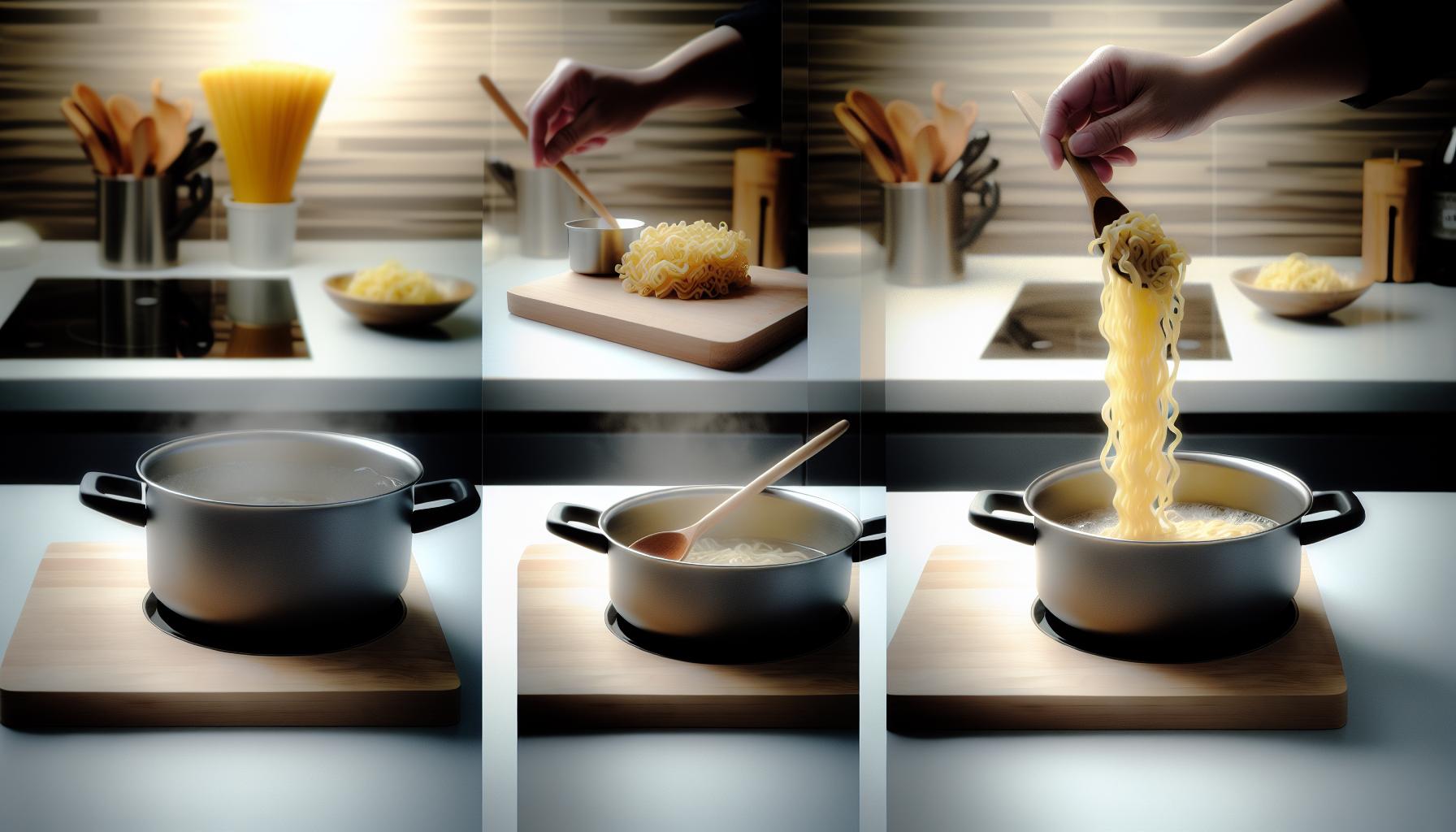
Gluten-Free and Paleo Egg Noodle Alternatives for Slow Cooking
When pasta cravings strike but gluten or grains are off the menu, fear not-there’s a delicious world of egg noodle alternatives that fit right into your slow cooker adventures.Whether you’re embracing paleo principles or living gluten-free,these swaps can transform your slow-cooked meals into nourishing,satisfying dishes without sacrificing texture or flavor. The key? treat these noodles like the delicate divas they are and keep their cooking times short for that perfect bite.
Unlike traditional egg noodles that soak up liquid and soften over 15-25 minutes, gluten-free and paleo-friendly options like zucchini noodles, shirataki noodles, or even spaghetti squash need a much lighter touch. They mainly benefit from a brief warm-up-think 5 to 10 minutes at the very end of your slow cooking process. Why? Because these veggies and shirataki strands are already hydrated (and sometimes super moist), so cooking them too long leads to that dreaded mushy mess we’ve all tried to avoid. My go-to move in a busy kitchen is tossing these in at the final stretch, stirring gently, and letting the residual heat do the work. This keeps them tender yet perfectly snappy, complementing the rich slow cooker flavors without turning into a soggy disaster.
Choosing Your Paleo and Gluten-Free Noodles
- Zucchini Noodles (Zoodles): Fresh, light, and quick to cook, they shine when softened just enough to blend with your sauce. Add them in the last 5 minutes to avoid water-logging your dish.
- Shirataki Noodles: These miracle noodles made from konjac root are keto- and paleo-friendly, with a chewy texture. Pre-rinse them well, then warm through at the end for about 5-7 minutes to preserve their bite.
- Spaghetti squash: A natural noodle alternative, spaghetti squash threads benefit from roasting or microwaving ahead of time. Stir in at the finish to absorb flavors without sogginess.
I’ve found that adding these noodles too early not only ruins their texture but also dilutes the flavors because of excess moisture released during slow cooking. A quick warm-through step inside the slow cooker keeps your dish vibrant and fun.
Simple Tips for Seamless Integration
| Alternative | When to Add | Liquid to Use | Prep Tips |
|---|---|---|---|
| Zucchini Noodles | Last 5-7 minutes | Minimal, just enough to coat | Spiralize fresh; pat dry to reduce water |
| Shirataki Noodles | Last 5-10 minutes | Very light broth or none | Rinse thoroughly; dry sauté if desired |
| Spaghetti Squash | Add fully cooked at end | None or light broth drizzle | Roast or microwave first; shred into strands |
I once forgot and tossed zucchini noodles in an hour early-lesson learned: you’ll get a watery, limp mess that even a hungry teenager won’t touch. Now, I swear by the “last-minute ninja” method. It’s a game-changer and perfect for busy days when every minute counts.
Embrace this easy approach-your slow cooker meals can be cozy, nourishing, and wholly free of gluten or grains. Plus, there’s joy in knowing your noodles are as fresh and lively as your favorite comfort food, without the fuss or mush. Cooking with these alternatives becomes less about restriction and more about creativity,flexibility,and tasty results everyone will love.
How to rescue Mushy Egg Noodles and Salvage Your Dish
It happens to the best of us-one minute you’re picturing perfect, tender egg noodles soaking up slow cooker goodness, and the next, you’ve got a bowl of unappealing mush. But don’t write off your dish just yet! There are some surprisingly effective kitchen hacks to pull those limp noodles back from the brink and still enjoy a comforting meal without wasting all your effort. Mushy noodles are mostly a texture problem, and by adjusting how you serve or mix them, you can revive your dish’s appeal and flavor.
First, if your noodles are overcooked but the rest of the dish tastes great, gently drain or scoop them out and set aside. This lets you control the texture better before serving. You can also freeze portioned leftovers without noodles and then add freshly cooked noodles later when reheating-that avoids the soggy noodle issue altogether. If you’re stuck with mushy noodles already mixed in, try stirring in some acid like a squeeze of lemon juice or a splash of vinegar to brighten the flavors and cut through that stodgy heaviness. Adding fresh herbs or a bit of sharp cheese also helps bring excitement back into the dish’s mouthfeel.
Quick Fixes That Still Deliver Comfort Food Satisfaction
- Use fresh or crisp toppings: Toasted nuts, crispy bacon bits, or crunchy fried onions added right before serving add welcome crunch contrast.
- Try layering: Serve the slow cooker base (meat and veggies) over freshly cooked egg noodles on the plate rather than mixing everything first.
- Rebalance liquid: If the sauce or broth feels too thin after removing mushy noodles, simmer it on the stove until it thickens, then add freshly cooked noodles at serving time.
- Make a casserole: Turn the mushy noodle mixture into a baked pasta dish topped with cheese and breadcrumbs; baking firms up the texture and enhances flavors.
I’ve had nights where egg noodles took a dive, and rather than sulking, I tossed in some sautéed zucchini noodles stirred gently at the end to bring some firmness and freshness to the plate.It felt like cheating but realy saved the meal! when time permits, cooking egg noodles separately and adding them in the final 15 minutes works wonders, as supported by many slow cooker enthusiasts who report that adding dry noodles too early is a sure way into mushville [[1]](https://www.simplyhappyfoodie.com/slow-cooker-chicken-and-noodles/), [[2]](https://www.reddit.com/r/cooking/comments/xhsqwv/egg_noodles_in_slow_cooker/).
Substitutions and Future Prep Tips
If you’re frequently enough pressed for time or want to avoid this struggle, consider keeping gluten-free or paleo-friendly pasta alternatives on hand as backups.Spiralized veggies or pre-cooked shirataki noodles can be added near the end of cooking for that perfect bite without the mush risk. When you do use traditional egg noodles, wait until the last 15 minutes or boil them separately and add at serving time to control texture precisely. Cooking is part science, part art, and sometimes part quick thinking in the kitchen!
Your slow cooker meals don’t have to be downsized by a noodle mishap. With a few simple tricks, a little creativity, and a dash of kitchen confidence, you can rescue-and maybe even upgrade-that comfort-food craving without batting an eye. Mushy noodles today, triumphant slow cooker hero tomorrow.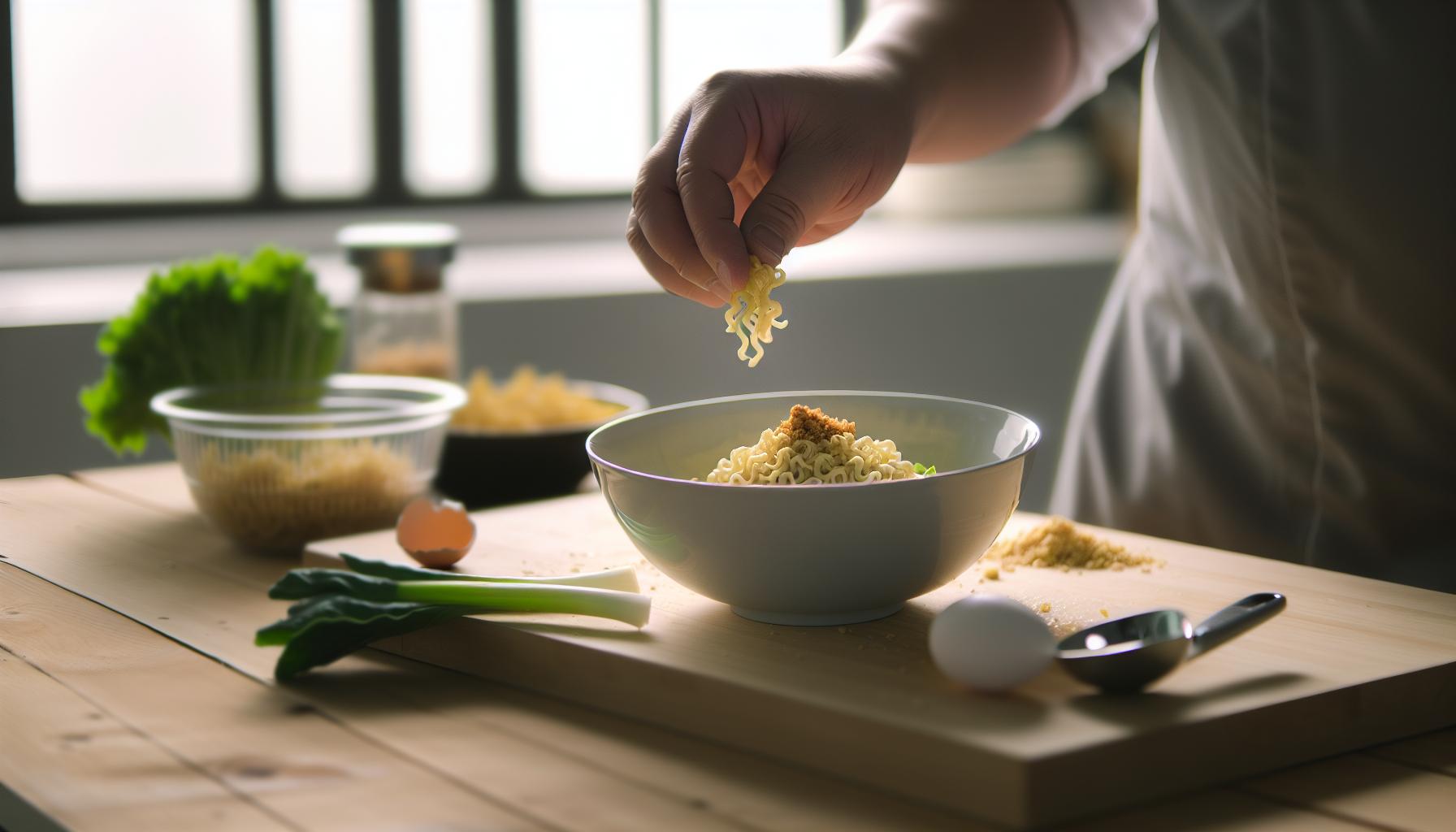
Storage and Reheating Tips for Slow Cooker Noodle Meals
there’s something incredibly satisfying about having a slow cooker meal ready to go, especially one packed with tender egg noodles soaking up all those cozy flavors. But when it comes to storing and reheating, slow cooker noodle dishes can be a bit finicky-leftover noodles tend to absorb extra sauce and might turn mushy if not handled right. The good news? With a few simple tricks, you can preserve that just-right texture and enjoy your leftovers with the same comforting charm as day one.
First off, if you’re prepping ahead or have leftovers, try to separate the noodles from the sauce before storing. Noodles continue to soak up liquid even when refrigerated, so keeping them apart slows down over-softening. Store the noodle portion in an airtight container on its own, and the sauce or meat separately. When meal time rolls around, gently warm the sauce on the stove or in the microwave, then stir in freshly cooked or reheated noodles just before serving. This approach saves your noodles from turning into a sad, soggy mess and helps maintain that perfect bite. For those who love shortcuts-especially Paleo or gluten-free eaters-keeping spiralized veggies or cauliflower rice on hand to toss in at reheating time is a great go-to for fresh texture.
When reheating complete dishes where noodles and sauce are already combined, the key is gentle temperature control. Slam heating in a microwave can leave noodles rubbery or watery. Instead, heat slowly on the stovetop over medium-low heat, stirring gently and adding a splash of broth or water if the sauce looks dry. This helps redistribute moisture evenly. If you find the sauce too thin by the time leftovers are hot, a little cornstarch slurry or a sprinkle of grated cheese can help thicken up the base quickly without overpowering flavors.
- Freeze smart: If freezing, swirl noodles into the meal only after thawing and warming. Noodles freeze poorly on their own, but sauces and stews freeze beautifully.
- Reheat with fresh herbs and crunch: A sprinkle of fresh parsley, chopped green onion, or toasted nuts adds life back into slow cooker leftovers and brightens the whole bowl.
- Batch-cook noodles: Boil a batch of egg noodles or gluten-free pasta on the side, portion and freeze them, then reheat and add as needed-no mushy noodles ever!
Here’s a quick go-to plan from my own kitchen: After a weekend slow cooker honey garlic chicken and noodles adventure, I scoop out the noodles right away and stash them in a labeled container. During the week, I reheat the saucy chicken mixture and toss it onto fresh-toasted gluten-free noodles I made in 10 minutes flat. The texture difference is like night and day-a simple step that feels like a cheat but really makes leftovers sparkle. And if you’re pressed for time, steaming frozen spiralized zucchini noodles to stir in last minute is a game-changer that promises fresh flavor with zero mush.
By treating your slow cooker noodle meals as two parts-noodles and sauce-you’re giving yourself a texture superpower.No more mushy regrets, just cozy, delicious leftovers to comfort and fuel you anytime. Embrace these tips and make your slow cooker rhythm feel fun and effortless-because great meals deserve to stick around just as tasty as when first served!
Q&A
Q: What are the signs that egg noodles are overcooked in a slow cooker?
A: Overcooked egg noodles in a slow cooker become very soft, clumpy, and mushy, often breaking apart easily. If your noodles lose their firm texture or start absorbing too much liquid, it’s a clear sign they’ve cooked too long. Avoid this by closely monitoring cooking times and adding noodles later in the process. For more details, check our tips on avoiding mushy noodles.
Q: Can I add egg noodles directly at the start of slow cooking without getting them mushy?
A: It’s best not to add egg noodles at the start because they cook quickly and absorb too much liquid in long slow cooker sessions. Instead, add them during the last 30-45 minutes to keep noodles tender but not mushy. This timing balances slow cooker heat with noodle texture perfectly. See our section on adding noodles at different stages for more.
Q: How does noodle thickness affect cooking time in a slow cooker?
A: Thicker egg noodles need a few extra minutes-usually 10 to 15 minutes longer-to reach ideal tenderness without turning mushy. Thin noodles cook faster and risk overcooking if left too long. Choosing the right noodle thickness helps control cooking times and final texture, as explained in our article’s noodle selection advice.
Q: What slow cooker settings are best for cooking egg noodles without mushiness?
A: Use the low setting for most dishes and add egg noodles near the end of cooking. High heat can quickly turn noodles mushy. Slow, gentle heat preserves the noodle’s bite while blending flavors. Adjust timing based on your slow cooker model-refer to our ideal cooking times section for specific guidance.
Q: Can I rinse egg noodles after cooking in a slow cooker to fix mushiness?
A: rinsing cooked egg noodles can help stop further cooking and remove excess starch that contributes to mushiness. Quickly running noodles under cold water can firm them up slightly. For best results, try our “How to Rescue Mushy Egg Noodles” tips which include rinsing and reheating strategies.
Q: Are dried egg noodles better than fresh for slow cooker recipes to prevent mushiness?
A: Dried egg noodles generally hold up better during slow cooking as they absorb liquid gradually and maintain texture longer than fresh noodles. Fresh noodles cook faster and are prone to mushiness.For slow cooker meals,opt for dried varieties as suggested in our noodle selection guide.
Q: How can I adjust slow cooker liquid amounts when adding egg noodles to avoid mushy results?
A: Reduce overall liquid by about ½ cup when adding egg noodles, as they absorb moisture during cooking. Too much liquid with noodles leads to sogginess and mushiness. balancing broth or sauce quantity ensures your slow cooker dish stays flavorful and noodles remain firm. See our troubleshooting section for liquid adjustments.
Q: Why do egg noodles become mushy in slow cookers but stay firm when boiled on the stove?
A: Slow cookers use lower, extended heat which causes noodles to gradually absorb more liquid and break down starches, unlike quick stovetop boiling. This slow absorption leads to mushiness if timing or liquid isn’t managed. Understanding your slow cooker’s heat and noodle cooking times can prevent this,as discussed in our texture-focused guide.
Ready to perfect your slow cooker egg noodle dishes? Explore our step-by-step guide and tips on timing,noodle choices,and rescue techniques to enjoy every comforting bite!
The Way Forward
Mastering the perfect slow cooker timing for egg noodles is simpler than it seems-just remember: patience keeps the noodles tender,not mushy. Whether you’re aiming for a cozy gluten-free dinner or a quick paleo-friendly meal, this method fits right into your busy weeknight routine. If you want more tips on slow cooker hacks or easy noodle recipes, check out our guides on Slow Cooker Chicken Recipes and Gluten-Free Pasta Alternatives.
Ready to elevate your comfort food game? Sign up for our newsletter to get fresh recipes, cooking tips, and ingredient swaps that make every meal a winner. Got questions or favorite noodle combos? Drop a comment below-we love hearing how the slow cooker magic works in your kitchen! Keep exploring, cooking, and savoring those delicious, fuss-free meals with confidence-you’ve got this.
Get our latest guides, news, and insights highlighted in your Google Search & AI Overviews.