✨ This article was AI edited. Editorial responsibility: SabriNasSinlessSecrets.com.
Whether your goal is hypertrophy, aggressive fat loss, or maintaining peak athletic conditioning, dialing in your daily nutrition is non-negotiable. As we document here on Sabrina’s Sinless Secrets, finding real-world high-protein recipes macro “blog” fitness enthusiasts can rely on daily is essential for sustainable, long-term progress. Far too many fitness meal prep plans rely on bland, unseasoned boiled chicken breasts and soggy broccoli—a surefire recipe for dietary burnout.
Eating for body composition does not mean sacrificing flavor, culinary variety, or your sanity in the kitchen. In this comprehensive fitness nutrition guide, we explore high-volume, nutrient-dense, high-protein recipes engineered to hit precise macronutrient targets while delivering genuine gourmet satisfaction. Each meal is designed to fit flexible dieting (IIFYM) protocols, support muscle protein synthesis, and simplify weekly food prep.
Table of Contents
- The Science of Muscle Protein Synthesis & Macro Optimization
- Core Principles of High-Volume, Macro-Friendly Cooking
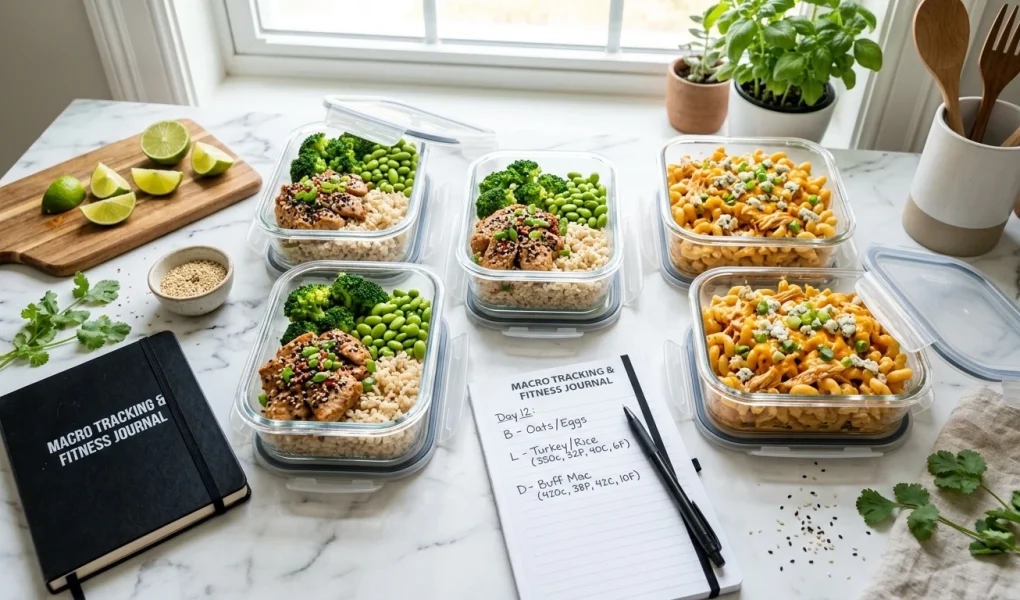
- Featured Recipe 1: Crispy Air-Fried Sesame Turkey Rice Bowls
- Featured Recipe 2: Creamy Buffalo Chicken Macaroni Bake
- Macro Strategy: Balancing Cutting vs. Bulking Phases
- Optimal Meal Prep Storage & Reheating Protocol
- Frequently Asked Questions Regarding Macro-Friendly Fitness Recipes
The Science of Muscle Protein Synthesis & Macro Optimization
To maximize muscle repair and preserve lean mass during caloric deficits, research consistently points toward an optimal daily protein intake ranging between 1.6 to 2.2 grams of protein per kilogram of body weight (approximately 0.8 to 1.0 grams per pound). However, total daily intake is only part of the equation; distribution and amino acid quality matter just as much.
Each main meal should ideally deliver between 35 and 50 grams of high-biological-value protein containing at least 2.5 to 3 grams of leucine. Leucine acts as the molecular trigger that activates the mTOR pathway, initiating muscle protein synthesis (MPS). The recipes featured below are calibrated to hit this leucine threshold effortlessly using lean poultry, pasture-raised eggs, wild seafood, ultra-filtered whey, and concentrated plant proteins.
| Recipe Name | Serving Size | Protein (g) | Carbohydrates (g) | Fat (g) | Total Calories | Primary Leucine Source |
|---|---|---|---|---|---|---|
| Crispy Air-Fried Sesame Turkey Bowls | 1 bowl (350g) | 46g | 38g | 9g | 417 kcal | Lean ground turkey (93/7) |
| Blackened Cajun Salmon & Cauliflower Mash | 1 fillet + 1.5 cups mash | 44g | 14g | 14g | 358 kcal | Wild Alaskan Sockeye Salmon |
| Fluffy Protein Greek Yogurt Waffles | 2 large waffles | 38g | 32g | 6g | 334 kcal | Whey isolate + Nonfat Greek yogurt |
| Slow Cooker Chipotle Flank Steak Shreds | 6 oz shredded meat | 48g | 4g | 11g | 307 kcal | Grass-fed beef flank steak |
| Buffalo Chicken Mac & “Cheese” Bake | 1 generous square | 42g | 28g | 8g | 352 kcal | Cottage cheese cream + chicken breast |
| Plant-Powered Edamame Hemp Seed Stir-Fry | 1.5 cups | 36g | 34g | 12g | 388 kcal | Shelled edamame + Organic tempeh |
Core Principles of High-Volume, Macro-Friendly Cooking
Adhering to strict macro targets is significantly easier when you master high-volume food architecture. High-volume eating involves choosing foods with high water and fiber content to physically fill the stomach and trigger stretch receptors, signaling fullness to the brain without piling on surplus calories.
- Embrace Vegetable Expansion: Dilute carb-dense bases like jasmine rice, pasta, or oats with high-volume fillers. Combining 50% cooked riced cauliflower with 50% jasmine rice cuts carbohydrate density in half while doubling physical plate volume. Shredded zucchini, riced broccoli, and spaghetti squash work wonders across diverse culinary profiles.
- Utilize Cottage Cheese as a Secret Sauce Base: Blending low-fat or fat-free cottage cheese creates an ultra-creamy, velvety emulsion that replaces calorie-dense heavy creams, mayonnaise, and sour cream. A single cup of blended cottage cheese adds nearly 28 grams of casein protein with minimal fat.
- Prioritize Lean Protein Cuts: Choosing 96/4 extra-lean ground beef, skinless chicken breast, egg whites, pork tenderloin, or wild white fish provides you with maximum protein leverage. This leaves ample fat macros for nutrient-rich avocados, raw nuts, and virgin olive oil rather than saturated meat trimmings.
- Flavor Without Added Sugars: Rely on dry rubs, smoked salts, citrus zests, hot sauces, sugar-free mustard, and umami-rich seasonings like nutritional yeast, coconut aminos, and fish sauce to build intense flavors without unmeasured calories.
Featured Recipe 1: Crispy Air-Fried Sesame Turkey Rice Bowls
This lightning-fast recipe transforms lean ground turkey into crispy, caramelized morsels infused with ginger, garlic, and toasted sesame aromatics. It holds up exceptionally well across 5 days of refrigerated meal prep.
Ingredients:
- 1.5 lbs 93/7 or 99/1 lean ground turkey
- 1 tbsp toasted sesame oil (divided)
- 4 cloves garlic, finely grated
- 1 tbsp fresh ginger, finely grated
- 3 tbsp reduced-sodium soy sauce or tamari
- 1 tbsp rice vinegar
- 1 tbsp sriracha or chili garlic crunch
- 1 bunch scallions, thinly sliced (whites and greens separated)
- 2 cups cooked jasmine rice + 2 cups steamed riced cauliflower (50/50 blend)
- 1 tbsp toasted sesame seeds for garnish
Preparation Instructions:
- Heat the Skillet: Warm 1/2 tbsp of sesame oil in a large cast-iron or heavy non-stick skillet over medium-high heat. Add scallion whites, garlic, and ginger, sautéing for 60 seconds until fragrant.
- Brown the Turkey: Add the ground turkey, breaking it into bite-sized crumbles with a wooden spatula. Cook undisturbed for 3 to 4 minutes to achieve deep golden browning on the contact surface before stirring.
- Glaze: In a small ramekin, whisk together the soy sauce, rice vinegar, sriracha, and remaining sesame oil. Pour over the browned turkey crumbles and toss continuously for 2 minutes until the liquid reduces into a glossy glaze.
- Assemble Bowls: Divide the 50/50 jasmine-cauliflower rice blend among 4 meal prep containers. Top each container with an equal portion of glazed turkey. Garnish with scallion greens and toasted sesame seeds.
Featured Recipe 2: Creamy Buffalo Chicken Macaroni Bake
Comfort food reimagined through a performance lens. By blending fat-free cottage cheese with sharp cheddar seasoning and tangy buffalo sauce, you get the decadent mouthfeel of traditional baked pasta with an unbelievable 42 grams of protein per portion.
Ingredients:
- 8 oz high-protein chickpea or lupin elbow pasta (e.g., Banza or Barilla Protein+)
- 1.5 lbs cooked boneless chicken breast, finely shredded
- 1.5 cups fat-free or 1% low-fat cottage cheese
- 1/2 cup Frank’s RedHot buffalo sauce (or preferred cayenne pepper sauce)
- 1/4 cup nutritional yeast (adds rich cheesy depth)
- 1 tsp garlic powder, 1 tsp onion powder, 1/2 tsp smoked paprika
- 1/2 cup shredded reduced-fat sharp cheddar cheese
- 1/4 cup sliced fresh chives for garnish
Preparation Instructions:
- Boil Pasta: Cook the high-protein elbows in salted boiling water for 1 minute less than package directions (al dente). Drain and set aside.
- Blend the Sauce: In a high-speed blender or food processor, combine the cottage cheese, buffalo sauce, nutritional yeast, garlic powder, onion powder, and smoked paprika. Blend on high for 45 to 60 seconds until completely silky and smooth without visible curds.
- Combine & Bake: In a large mixing bowl, fold together the cooked pasta, shredded chicken breast, and blended buffalo sauce. Transfer the mixture to an 8×8-inch baking dish sprayed with avocado oil. Sprinkle reduced-fat cheddar evenly across the top.
- Oven Finish: Bake at 375°F (190°C) for 18 to 20 minutes until bubbling around the edges, then broil on high for 2 minutes to brown the cheese crust. Top with fresh chives before slicing into 4 generous squares.
Macro Strategy: Balancing Cutting vs. Bulking Phases
The beauty of macro-friendly cooking lies in modularity. You can adapt these recipes depending on your current body composition phase:
| Phase | Primary Goal | Adjustment Strategy | Sample Modification |
|---|---|---|---|
| Caloric Deficit (Cutting) | Fat loss while preserving muscle | Increase vegetable volume, swap starch for cauliflower or zucchini, reduce dietary fats | Use 99% fat-free poultry, swap 100% of rice for steamed riced cauliflower. |
| Maintenance / Recomp | Optimize recovery and athletic output | Balance complex carbohydrates with lean proteins, moderate dietary fats | Standard 50/50 rice blend with 10g avocado or sesame oil per portion. |
| Caloric Surplus (Hypertrophy) | Maximum muscle gain without excess fat | Increase starch density, include healthy fats, consume liquid post-workout carbs | Double the jasmine rice, add extra olive oil, or serve with toasted sourdough. |
Optimal Meal Prep Storage & Reheating Protocol
Preserving the texture and taste of meal prepped high-protein dishes requires thoughtful container selection and heating control:
- Use Airtight Glass Containers: Glass meal prep dishes prevent chemical leaching, do not retain residual food odors, and provide a superior hermetic seal to maintain freshness for up to 5 days in the refrigerator.
- Separate Sauces When Necessary: For dishes involving crispy components or delicate greens, store dressings and sauces in 2-ounce silicone cups and drizzle immediately before consumption.
- Gentle Reheating: Reheating chicken breast at maximum microwave wattage creates rubbery, desiccated meat. Reheat at 60% power for 2.5 minutes, placing a damp paper towel over the bowl to reintroduce steam and preserve tenderness.
- Freezer Optimization: Most shredded poultry and stew recipes freeze beautifully for up to 3 months. Avoid freezing dishes with raw cottage cheese or high-water raw vegetables, as thawing causes emulsion separation and sogginess.
Frequently Asked Questions Regarding Macro-Friendly Fitness Recipes
How much protein can the human body absorb in a single sitting?
The persistent myth that the human body can only absorb 30 grams of protein per meal has been thoroughly debunked by sports nutrition science. While 30 to 40 grams of fast-digesting protein might maximally stimulate instantaneous muscle protein synthesis, larger meals take longer to digest and transit the gut, continuing to supply amino acids into the bloodstream over several hours.
Are protein powders mandatory to hit macro goals?
Not at all. While quality whey, casein, or plant-based protein powders offer tremendous convenience for busy schedules, whole-food protein sources like chicken breast, turkey, eggs, fish, and Greek yogurt provide superior micronutrient density, satiety, and dietary variety.
How do I accurately track macros when batch cooking multi-serving recipes?
Weigh all raw ingredients before cooking and log them into your nutrition tracking application to calculate total batch macros. Once cooked, weigh the entire completed dish on a digital kitchen scale in grams. Divide the total weight by your desired number of servings to determine the exact gram weight per portion.
Can I follow these high-protein recipes if I follow a gluten-free diet?
Yes! Every recipe featured on Sabrina’s Sinless Secrets is crafted with gluten sensitivity in mind. Simply utilize certified gluten-free tamari instead of standard soy sauce, and choose gluten-free grain bases like quinoa, certified oats, brown rice, or chickpea pasta.
Get our latest guides, news, and insights highlighted in your Google Search & AI Overviews.