

Here’s a little secret: green beans can easily slip from tender-crisp to mushy mess in a slow cooker if you’re not careful. Getting the timing just right means you enjoy that perfect bite-vibrant, fresh, and full of flavor-without the frustration of overcooked veggies. Whether you’re juggling a busy schedule or just want a foolproof side dish that’s paleo- and gluten-free-friendly, knowing how long to cook green beans in your slow cooker without turning them to mush is a game changer. It saves you from constant stirring or last-minute rescues, plus helps keep your meal on point every time. Stick around, and I’ll share the exact timing, simple tips, and easy tweaks that make slow cooker green beans a reliable, tasty staple in your kitchen rotation-no mushy disappointments, just good food and less fuss.
Table of Contents
- Perfect Slow Cooker Timing for Crisp-Tender green Beans
- Choosing the Best Green Bean Variety for Slow Cooking
- Prepping Green Beans: Washing, Trimming, and Seasoning tips
- Ideal Slow Cooker Settings: Low vs.High Temperature Explained
- Avoiding Mushy Beans: Key Cooking Time Thresholds
- Flavor Boosters That Hold Up in Slow Cooking
- How to Test Green Bean Doneness Without Overcooking
- Using Frozen vs. Fresh Green Beans in the slow Cooker
- Creative Slow cooker Green Bean Recipes for Every Meal
- Troubleshooting Common Slow Cooker green Bean Mistakes
- Expert Tips to Reheat Without Losing Texture
- Healthy Green Bean Add-ins That Complement Slow Cooking
- Frequently Asked Questions
- Q: Can I add acidic ingredients like lemon or vinegar when slow cooking green beans without making them mushy? A: Yes, you can add acidic ingredients, but it’s best to add them towards the end of cooking or right before serving.Acid slows down softening, so adding lemon juice or vinegar early may keep beans firmer but can also toughen skins.For texture tips,see Flavor Boosters That Hold Up in Slow Cooking in the main article. Q: How does the size and cut of green beans affect slow cooker cooking time?
- Q: Is it better to stir green beans during slow cooking or leave them undisturbed to prevent mushiness?
- Q: Can I slow cook green beans with other vegetables without compromising their texture?
- Q: How can I tell if my slow cooker is set too hot for green beans?
- Q: Does the amount of liquid in the slow cooker affect green bean texture?
- Q: can slow cooker liners impact the cooking time or texture of green beans?
- Q: What’s the best method to reheat slow-cooked green beans without turning them mushy?
- Closing Remarks
Perfect Slow Cooker Timing for Crisp-Tender green Beans
Timing is everything when it comes to slow cooking green beans that are tender yet still have a satisfying snap. It’s a delicate dance between too-short and too-long cooks, where you want that lovely crisp-tender texture without the dreaded mushy aftermath. From my own kitchen adventures (yes,even with impatient taste-testers),I’ve found that green beans generally hit their sweet spot around 4 to 5 hours on low,or about 2 to 3 hours on high,depending on your slow cooker’s quirks and how fresh your beans are.
Why the variance? Slow cookers aren’t all created equal, and factors like bean thickness, batch size, and whether you’ve added broth or other ingredients affect heat and moisture levels. such as, fresh, firm green beans that snap when bent will hold up better during a longer cook time, while older, softer beans might go mushy faster. A little kitchen tip: keep an eye on the beans starting at the lower end of the cook time frame. If you want to serve crisp-tender beans for dinner, set your slow cooker for 4 hours on low and check for doneness at that point. This gives you enough time to adjust without overcooking.
Practical Slow Cooker Timing Routine
- Start with fresh, snappy green beans. trimmed, washed, and ready to go.
- Cook on low for 4 to 5 hours. This slow-and-low approach gently softens the beans without breaking down their structure.
- Or high for 2 to 3 hours. Faster if you’re short on time, but watch closely to avoid over-softening.
- Optional step: Stir once or twice to distribute heat evenly, but it’s not mandatory.
- Test early. About 4 hours in, use a fork to test for that crisp-tender bite. Adjust time accordingly.
One extra nugget of advice? Use broth or a small amount of flavorful liquid rather than plain water to keep the beans moist and to boost flavor, all while helping regulate cooking intensity. The science here is simple: the slow cooker traps steam and heat,softening the beans gradually-too much time and you’ll lose that fresh-bite quality.
And hey, you’re not alone if you’ve ever turned a batch of beans into green mush. It happens! I once got a little aspiring, set my slow cooker on high overnight, and woke up to a texture better suited for baby food. Now, timing is my trusted best friend. With these timing tips, you can confidently cook green beans that make your meals feel fresh, homemade, and happily gluten-free or paleo-friendly-no soggy disappointments. Slow cooking isn’t just about hands-off convenience; it’s also about patiently waiting for that perfect texture.
So,whether you’re meal prepping for the week or whipping up a quick side,remember: less time can be more,and your slow cooker green beans will thank you with every crisp-tender bite.
Choosing the Best Green Bean Variety for Slow Cooking
Choosing the perfect green bean variety can make all the difference when slow cooking to that ideal crisp-tender finish.Not all green beans are created equal-some hold up sturdily through hours of cooking, while others tend to soften too quickly or turn mushy if you’re not careful. Since slow cooking means low and steady heat over several hours, starting with beans that naturally withstand gentle simmering sets you up for success.
If you’re shopping at your local farmers’ market or grocery store, look for firm, shining green beans with a smooth skin and a crisp snap when bent. Varieties like French filet beans or haricots verts are thinner and more tender, which is fantastic if you prefer a lighter bite, but they can become limp faster in a slow cooker. On the flip side, classic snap beans or broader green beans tend to hold their shape better, making them star players for slow cooking. Personally, I love using the traditional mid-sized snap beans for that perfect balance of tenderness without turning to mush after 4-5 hours on low heat.
Here’s my little kitchen secret: sometimes mixing a couple of varieties can create a delightful textural contrast, especially if you’re planning a buffet-style meal where the beans sit for a while before eating. Plus, when selecting beans, notice the thickness and freshness. Often, the thicker the bean, the longer it can handle simmering without losing all its crunch.But if your beans feel a bit limp or older,they’ll require a shorter cook time to avoid the dreaded mush. A quick “snap test” is all you need before tossing them in-if they bend without snapping, treat them like a delicate flower and shorten your slow cook time!
- French filet/haricots verts: Thin, tender, great for quick cooks but watch the clock.
- Snap beans (classic): Medium thickness, sturdy, perfect for slow cooker dishes.
- Romano or Italian flat beans: Broader and meatier, hold up well but may need a bit more flavor to avoid blandness.
Experimenting with bean types might feel like playing with fire initially,but it’s also how you personalize your slow cooker green bean recipes.For those on paleo or gluten-free diets, don’t worry-green beans across varieties are naturally gluten-free and low-carb, so you’re in the clear to explore without restrictions. Just remember: freshness and snap mean they’re ready to slow cook without turning into a green bean “soup,” and that’s where the magic starts.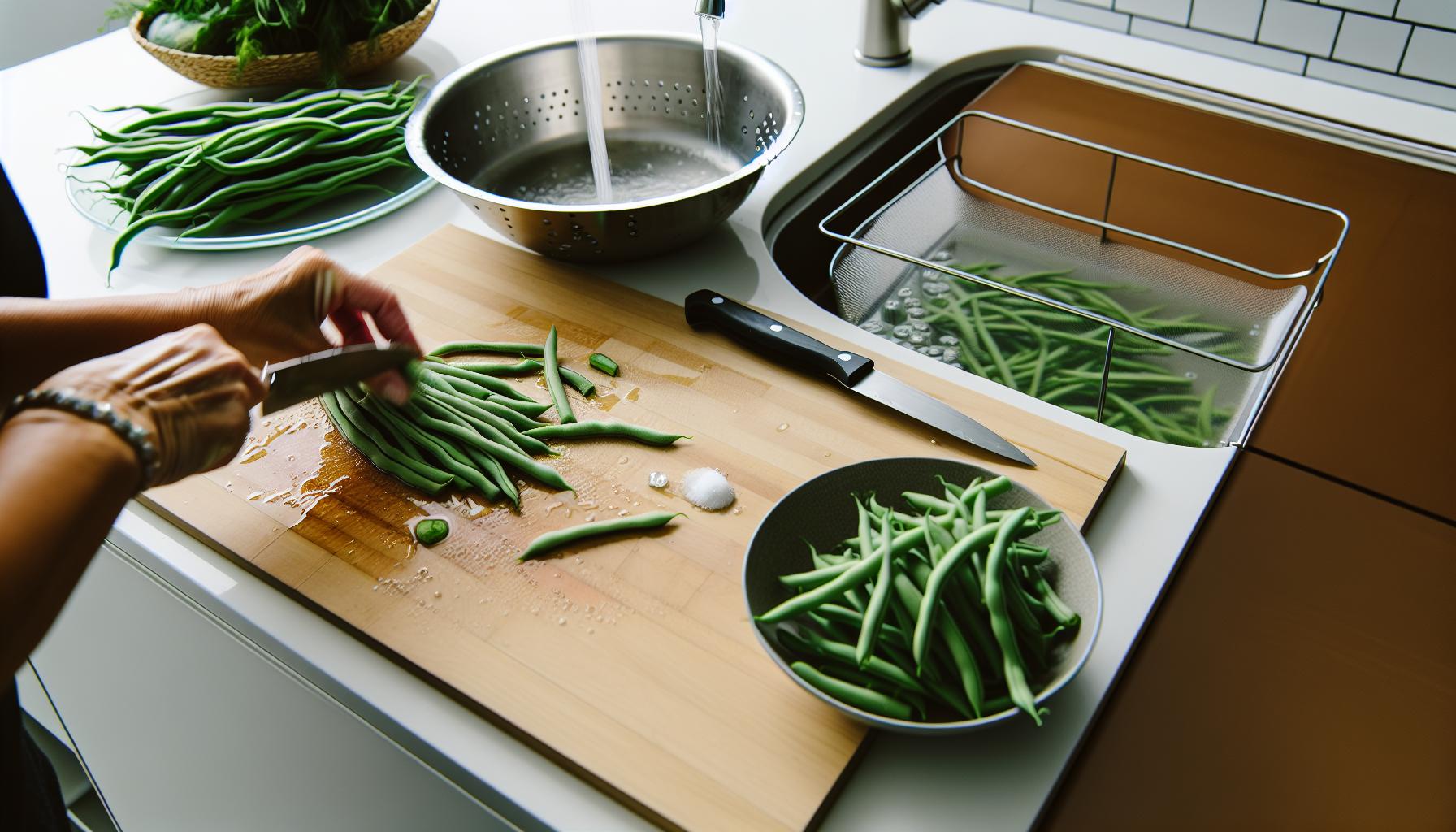
Prepping Green Beans: Washing, Trimming, and Seasoning tips
Green beans are deceptively simple to prep, but a little extra attention here can be the secret to slow cooker success-and avoiding that mushy mess we all fear. It’s amazing how much difference clean, well-trimmed beans make; they cook more evenly, soak up seasoning better, and keep a lovely texture even after hours in the slow cooker.Plus, prepping right means you spend less time fussing over your dish later, which is a win if you’re juggling busy days or craving that easy paleo-friendly meal.
Start with a thorough rinse under cold running water to wash away any dirt or lingering pesticides-fresh is best. I like to line them up and snap off the ends by hand; it’s oddly satisfying and quicker than wrestling with a knife. The good news? You don’t have to trim both ends-just the tips. If you’re short on time, use kitchen shears to snip the beans into consistent 2-inch pieces, which also helps them cook uniformly. Pro tip: trimming right before cooking preserves that fresh snap, so no prepping your green beans the day before unless you love limp green mush for breakfast.
Seasoning & Flavor Preps That Work Wonders
Seasoning green beans for slow cooking isn’t just tossing in salt and pepper-it’s layering flavors that meld beautifully over time. Garlic, onion powder, and a touch of smoked paprika are pantry staples that hold up well through hours of cooking.For those warming, comforting vibes, adding cooked bacon or diced pancetta upfront infuses beans with a smoky richness that’s hard to beat[[[[[1]](https://domesticallycreative.com/slow-cooker-green-beans/). Want a fresh herbal pop? Toss in sprigs of thyme or rosemary toward the end of cooking rather of the start to keep that brightness from fading.
Here’s a quick seasoning checklist I swear by, adaptable for paleo, gluten-free, or everyday dinner:
- Salt & freshly cracked black pepper: Essential and simple, helps unlock the beans’ natural flavor.
- Minced garlic or garlic powder: Adds fragrant depth without overpowering.
- Smoked paprika or chili flakes: A pinch for subtle smoky warmth or a gentle kick.
- Fresh herbs like thyme,rosemary,or parsley: Toss in near the finish to preserve vibrancy.
- Optional bacon bits or sautéed shallots: For richness and caramelized sweetness.
A little tip I learned from my slow cooker adventures: avoid adding delicate seasonings or fresh herbs at the very start unless they’re hearty (think rosemary). The long simmer turns some flavors bitter or dull. Rather, add those last 20-30 minutes or sprinkle just before serving to keep your beans bright and tasty.
Why Proper Prepping Matters More Than You Think
Prepping green beans properly is more than an extra kitchen step-it’s about respecting the ingredients and giving them the best shot at crisp-tender glory. Actually, rinsing well and trimming right helps prevent uneven cooking and reduces the risk of the dreaded overcooked mush. If you’re using frozen beans, no need to thaw; just toss them straight into the slower for a slightly shorter cooking time. Just keep seasoning simple and avoid adding extra liquid-frozen beans release water that can water down your dish.
Remember, slow cooker meals are about setting up a gentle, low-maintenance process that rewards your patience. Thoughtful prepping sets the stage, so your green beans emerge flavorful, with just the right bite-even after 4 or 5 hours on low heat.And hey, if life’s busy and fresh trimming feels like too much, frozen trimmed beans are a perfectly acceptable shortcut in a pinch, just watch your cook time accordingly.
With these prep tips in your back pocket, you’re well on your way to owning that crisp-tender green bean texture in your slow cooker-no mush in sight!
Ideal Slow Cooker Settings: Low vs.High Temperature Explained
Choosing between low and high settings on your slow cooker can feel like a culinary gamble-especially when you don’t want your green beans turning into those dreaded limp, mushy blobs. The truth is, the temperature dial isn’t just about speed; it directly impacts texture, flavor absorption, and overall mouthfeel, especially for those crisp-tender green beans we all aim for. Low heat gently coaxes the beans to soften over time, allowing seasonings to meld and flavors to deepen without collapsing the structure of the beans. High heat, on the other hand, rushes the process but risks breaking down the beans too much, especially if you’re not watching the clock.
In my experience juggling busy weeknights,the slow cooker’s low setting tends to be the safer bet for green beans. cooking on low for about 4 to 5 hours usually nails that gorgeous balance between tender and still-snappy. It’s surprising how patient heat lets the green beans soak up smoky bacon bits or aromatic herbs without succumbing to mushiness.Plus, it plays nicely with paleo and gluten-free flavor profiles, enhancing the natural sweetness and earthiness without overpowering. If you’re pressed for time, high heat can be used, but you’ll want to cut the cooking window to around 2 to 3 hours and keep a close eye because going over this leads straight to mush city.
Temperature vs. Texture: balancing Time and Bite
- Low setting (4-5 hours): Perfect for crisp-tender beans that hold their shape and soak up spices like garlic, smoked paprika, or fresh thyme.
- High Setting (2-3 hours): Quick option but riskier if left unattended; beans soften faster and can become mushy if you stray beyond the window.
Remember, the slow cooker’s sealed habitat traps moisture, so green beans will keep steaming even after the heat cycles down. That’s why starting on low is often better for newcomers or for recipes where you want those beautiful green hues intact. The beans basically finish cooking in their own aromatic steam bath without losing structure.
For a little kitchen hack, I like to start my beans on high just long enough (about 30 minutes) to jumpstart the cooking, then switch things down to low to maintain gentle heat for the rest of the time.It’s like giving your green beans a mini warm-up before letting them relax into tender perfection. Plus, this approach tightens up your schedule while keeping mush anxiety at bay. Just be sure to stir once or twice if you can-it helps evenly distribute heat and seasoning.
The bottom line? If crisp-tender green beans are your goal, patience on the low setting wins every time, but life’s busy and high heat is a fine shortcut with mindful timing.Either way, balancing slow cooker temperature and timing turns a simple veggie side into a star that’s bursting with texture and flavor, celebrating food joy with every bite.
Avoiding Mushy Beans: Key Cooking Time Thresholds
Green beans are low-maintenance stars of the veggie world, but when it comes to slow cooking, their delicate texture can easily tip into the dreaded mush zone if timing isn’t spot-on. Here’s the reassuring truth: green beans don’t need a marathon in the slow cooker to get that satisfying crisp-tender bite. Think quality,not quantity-shorter,mindful cook times are your best friend to preserving their fresh snap and vibrant flavor.
In my kitchen, I’ve found that cooking green beans on low for around 4 to 5 hours usually hits the sweet spot-gentle enough to soften the beans acceptably but not so much that they lose form and turn mushy. On high, those little green guys dance a faster tango, mellowing in as little as 2 to 3 hours, but this speed can quickly backfire if you walk away expecting magic. More than that, and you’ll end up with limp beans that look like they lost the will to live-or worse, an unappetizing greenish-gray mush. If you’re pressed for time, it’s best to keep a close eye and maybe even do a quick test at the 90-minute mark.
- Low setting (4-5 hours): Best for developing flavor and texture without sacrificing the bean’s body.
- High setting (2-3 hours max): Use with caution-fast is convenient, but a few extra minutes can be disastrous.
I always recommend stirring once or twice during cooking. It helps spread the heat evenly and prevents any beans from overcooking in those slower-to-heat spots of your cooker. Plus, it’s a great prospect to check texture without poking around too much. Also, remember that the slow cooker’s sealed environment traps steam, and green beans continue cooking even when the dial’s off. so, taking them out right at the tender threshold is a key skill. Leaving them to “rest” inside the warm cooker can push them over the edge to mush-which, trust me, is heartbreaking after all that waiting.
Pro tip: if you want to avoid mush but are super busy, jumpstarting beans on high for just about 30 minutes and then switching to low for the rest of the cooking time gives you a nice balance of speed and textured results. It’s like gentle coaxing with a little burst of urgency, keeping your beans snap-happy and flavorful without any fatal collapsing.
| Slow Cooker Setting | Ideal Cooking Time | Resulting Texture |
|---|---|---|
| Low | 4 to 5 hours | Crisp-tender,flavorful,holds shape |
| High | 2 to 3 hours (max) | Soft,risks mush if overcooked |
So,while it’s tempting to just set it and forget it,slow cooking green beans calls for a little mindful timing finesse. It’s a small habit that pays off big in texture rewards-as nothing says “winning side dish” like a bright, snappy bite, especially when you’re feeding the whole table paleo or gluten-free goodness without any soggy regrets.
Flavor Boosters That Hold Up in Slow Cooking
One of the best parts about slow cooker green beans is that they soak up flavors beautifully, but not every seasoning can survive hours of gentle simmering without fading into a bland, one-dimensional puddle. Luckily, there are plenty of flavor boosters that hold their own during slow cooking and actually get better with time. Think of these as your trusty sidekicks, quietly enhancing the green beans’ natural freshness without turning into mushy afterthoughts.
A tried-and-true favorite in my kitchen is garlic-fresh garlic cloves or minced-because they release a mellow, aromatic warmth that seeps into the beans without overpowering them. Adding smoked or cooked bacon pieces with a splash of veggie or chicken broth creates a savory base that stays lively over several hours. Fresh herbs like thyme or rosemary can also be tucked in early; their woody stems hold flavor longer, gradually infusing the beans, unlike delicate herbs that wilt too quickly. If you’re looking for a little zing,a splash of apple cider vinegar or a squeeze of fresh lemon juice added near the end of cooking wakes up the dish,brightening all those slow-cooked flavors right before serving.
- Garlic and onions: Chop or slice them thick to prevent complete dissolution over long cooking.
- Smoky accents: Bacon, smoked paprika, or a dash of liquid smoke amp umami without overpowering texture.
- Fresh herbs: Thyme, rosemary, or bay leaves maintain their punch and release gentle fragrance.
- Acidity boosters: Vinegars and citrus juices added late keep things fresh and vibrant.
How to Layer Flavors for Maximum Slow Cooker Impact
Start with sturdy aromatics like whole garlic cloves or thick-cut shallots in the bottom of your slow cooker-they set a flavorful foundation that won’t completely break down. Follow with your green beans, sprinkling on salt and pepper to season throughout. Adding cooked bacon or a bit of rendered fat seals in richness, while a modest amount of broth or stock prevents drying out. For the last 15-30 minutes of cooking, toss in fresh herbs or drizzle a little acid to turn up the brightness without risking bitterness from overcooking. This layering technique balances the slow cooker’s long warmth with bursts of fresh flavors, ensuring your green beans never feel dull or mushy.
Cooking green beans slowly doesn’t have to mean sacrificing flavor. With the right mix of slow-cooker-friendly ingredients, you get a side dish that’s as vibrant and crave-worthy as it is convenient. Give these boosters a try, and you’ll see that even a hands-off approach can deliver a party on your plate-even if you’re just feeding yourself after a long day!
How to Test Green Bean Doneness Without Overcooking
There’s something almost magical about slow cooker green beans-the way they soak up every hint of flavor and come out tender, yet still with a bit of snap.But the moment you cross the line into mushy territory, that magic is gone. So how do you know when they’ve hit that perfect crisp-tender stage without accidentally overcooking? The secret lies in a few easy, foolproof kitchen checks that anyone can master-even if you’re juggling dinner with life’s chaos.
Frist off, don’t rely solely on the clock. Slow cookers vary, and so do the beans. About halfway through the recommended cooking time (usually around 1 to 2 hours on high or 2 to 4 hours on low), fish out a green bean or two with a fork or tongs and give them the classic bite test. The beans should feel tender but still offer a slight resistance-think *just* lean away from crunch but definitely not limp.If your beans instantly snap back or feel leathery, give them 15-30 more minutes and check again; if they’re starting to bend easily but hold their shape, you’re almost there.
Keep a mental note: the green beans’ texture improves substantially with patience, but it only takes a few more minutes past “crisp-tender” to turn them into the dreaded mush. If you’re wondering about visual cues, look for vibrant color and firmness-the beans should still look lively, not dull or soggy. Tasting as you go is the ultimate way to nail perfect doneness, especially if you’re slow cooking a new bean variety or batch.
Simple Tests to Stop Overcooking in Its Tracks
- The Fork Press: Gently press a fork into the bean.It should pierce easily but not collapse.
- The Bite Check: Taste a bean whole-if you feel a tender snap, it’s perfect.
- Color Shift: Bright green signals good timing; dull olive means overcooked.
- Timing Tweaks: Make a habit of checking at time intervals rather than waiting till the end.
As someone who has spent more than a fair share of dinners rescuing mushy beans, I highly recommend a quick stir and taste check every 15 minutes toward the end of cooking. If you’re prepping ahead but will serve later, aiming for slightly underdone beans is your safety net. They continue to soften in their own residual heat but won’t risk turning to mush if cooled and reheated correctly later.Trust me-the slower you poke and taste,the more confident you’ll get.It’s all about training your palate and timing that sweet spot where the beans are juicy, tender, and still have enough bite to remind you they’re fresh and vibrant. With this kind of TLC, even the busiest home cooks can serve up green beans that steal the show every time.
Using Frozen vs. Fresh Green Beans in the slow Cooker
Green beans are one of those magical veggies that float between fresh garden goodness and freezer-friendly convenience.When it comes to slow cooking,both frozen and fresh green beans have their charms-but they definitely play by different rules. If you’re like me, juggling a busy schedule, sometimes frozen green beans are a lifesaver.They come pre-trimmed and ready to go, which means less prep and more time to focus on seasoning and enjoying the kitchen vibes. Just keep in mind: frozen beans release a bit more water than fresh ones, so you may want to cut back slightly on added liquids or shorten the cook time to keep them from turning mushy.
Fresh green beans, on the other hand, bring that vibrant snap and bright flavor that can really shine in slow cooker recipes. They need a little prepping-washing,trimming the ends,maybe a quick blanch if you want extra crispness-but the payoff is a more satisfying texture. Because fresh beans start off denser and firmer, they usually withstand the slow cooker’s long, gentle heat better without giving up their crunch too quickly, as long as you stay mindful about cooking times and temp settings (more on that elsewhere!).
Frozen vs.Fresh: timing and Texture Tips
- Frozen Green Beans: Best cooked on low for 2 to 3 hours. Since they’re blanched before freezing, they require slightly less cooking time than fresh to avoid mush.
- Fresh Green Beans: Typically need about 3 to 4 hours on low or 1 to 2 hours on high to reach that perfect crisp-tender stage.
- Water Content: Frozen beans will add moisture, so adjust any added broth or butter accordingly to keep your dish balanced.
From experience, slipping frozen green beans straight from the freezer to the slow cooker works great for weeknight meals when you’re short on time, but keep a close eye on doneness as they can move from tender to mush faster. If you want to flex your gourmet muscles, fresh beans let you experiment with adding aromatics like garlic or herbs right at the start, locking in vibrant flavors while retaining that unbeatable bite.
Whichever path you choose,here’s my friendly tip: always perform the halfway bite test. Pull out a bean, give it the bite check, and trust your palate. It’s the hands-on way to make sure your slow cooker magic doesn’t turn into a mushy mess, no matter your bean’s origin.

Creative Slow cooker Green Bean Recipes for Every Meal
Every meal is an opportunity to turn humble green beans into something memorable, and the slow cooker is your best friend for fuss-free, flavor-packed results. Whether you’re fueling a busy weekday lunch or prepping a cozy Paleo dinner, slow cooker green beans adapt beautifully with just a handful of savvy tweaks. The secret? Balancing cooking time so your beans stay crisp-tender but soak up bold seasonings like a champ.
For a gluten-free, weeknight-friendly side that sings with smoky depth, try tossing fresh green beans with cooked bacon, a touch of garlic, and a splash of vegetable broth. Layer it all in your slow cooker on low for about 3 to 4 hours, then finish with a sprinkle of fresh cracked pepper and a squeeze of lemon. The bacon fat infuses the beans with richness, while slow heat keeps them from going mushy. Need to shortcut? Frozen beans slide straight in-just shy the cooking time by 30 minutes or so, because frozen beans soften faster.
Speedy Meal Prep with Fresh Herbs and Nuts
If you’re craving a Paleo-approved, nutrient-dense green bean side, toss fresh beans with melted ghee and minced garlic before slow cooking.About 3 hours on low is perfect to get them tender but still snappy. At the end,stir in chopped toasted almonds or pecans for crunch and a pop of texture. Bonus: these healthy fats keep everything moist without sogginess, plus the garlic holds up overnight if you’re prepping early. This combo is a favorite for holiday dinners and daily meals alike-effortlessly elegant and loaded with flavor.
Comfort Food,Slow Cooker Style
Green beans can totally hold their own as the star of a comforting casserole remake in the slow cooker. Mix green beans with caramelized onions, mushrooms, and a splash of coconut aminos or gluten-free soy sauce for umami punch. Cook low and slow for 3 hours, then top with crushed pork rinds or gluten-free breadcrumbs and broil for a golden crust. It’s surprisingly easy, and the slow cooker timing keeps those green beans perfectly al dente while infusing savory layers.
- Pro tip: If you love a pop of acidity, add a few cherry tomatoes or a splash of balsamic vinegar during the last 30 minutes of cooking.
- Substitutions: Butter can be swapped with ghee or avocado oil to keep recipes dairy-free without sacrificing silky mouthfeel.
Personal favorite? A sprinkle of smoked paprika and a few dollops of harissa paste right at the start for a subtly spicy green bean side that pairs with everything from roast chicken to grilled salmon. The slow cooker magic brings out the complexity without any extra hands-on time. Just remember: keep an eye on timing-usually no more than 4 hours on low-to hold that ideal crisp-tender balance. Because, honestly, no one wants a mush festival when green beans can totally shine on their own.
With a little creativity and the right slow cooker timing, green beans move way beyond the boring side dish category and become your secret weapon for tasty, stress-free meals any time of day.
Troubleshooting Common Slow Cooker green Bean Mistakes
Few things deflate the joy of a carefully planned slow cooker green bean dish quite like ending up with a pot of mushy disappointment. Green beans are wonderfully forgiving, but they do have their limits when left in the slow cooker for too long or paired with the wrong ingredients. The good news? Most common slow-cooker slip-ups can be fixed with a little timing sense and ingredient savvy-no stress, just tasty, crisp-tender results every time.
One classic misstep is simply overcooking the beans. Slow cookers are all about gentle heat, but green beans don’t need marathon sessions. Aim for about 3 to 4 hours on low or 1 to 2 hours on high. Going beyond that risks turning your crisp-tender heroes into limp mush. I’ve found starting with fresh beans (trimmed and washed, of course) really helps, and if you’re using frozen, shorten the cook time by roughly 30 minutes. This little tweak alone makes a huge difference. Another common pitfall? Adding too much liquid. Green beans release moisture while cooking, and too much broth or water can turn the pot soggy and dilute flavor. Keep liquids to just what’s needed for gentle steaming and flavor infusion-think a splash of broth or a drizzle of butter substitute like ghee.
Balancing Flavors and Texture
It’s tempting to toss in all your favorite seasoning bombs upfront, but some herbs and spices lose their punch or turn bitter in long, slow heat. Garlic and smoked paprika, for example, mellow beautifully over the hours, while fresh herbs like basil or parsley are best saved for a last-minute stir-in to preserve their brightness. if your beans end up underseasoned, resist the urge to drown them in salt at the end-try a squeeze of lemon juice or a sprinkle of fresh cracked pepper instead to awaken flavor without masking the natural bean goodness.
Common challenges and Simple Fixes
- mushy Beans: Reduce the cook time or switch to the high setting for a shorter duration. Checking at the 3-hour mark on low usually catches perfectly tender beans before they overdo it.
- Flavorless or Watery: Cut back on liquid next time and boost flavor with concentrated umami picks like bacon fat,coconut aminos,or a splash of balsamic near the end.
- uneven Cooking: Try layering ingredients thoughtfully-denser add-ins like onions or mushrooms go at the bottom (closer to heat), with green beans on top, so they steam gently rather of boiling.
- Bitter or Overpowering Spices: Save delicate fresh herbs for serving and use slow cooker-friendly seasonings that develop sweetness or smokiness over time (think paprika, cumin, or garlic powder).
No matter if you’re juggling a busy weeknight or prepping ahead for a holiday feast, embrace these hacks like your slow cooker best friend. If something feels off-too mushy, bland, or just “meh”-tweak the timing or seasoning next round. It’s all about learning your cooker’s quirks and trusting your taste buds. And hey, if perfection means throwing a little crunch on top at the last moment, like toasted nuts or crisp bacon, go for it! Slow cooker green beans are stress-free magic waiting to happen-with just the right touch of care.
Expert Tips to Reheat Without Losing Texture
Reheating green beans without turning them into a soggy,overcooked mess might feel like a culinary tightrope-but with the right tricks,it’s easier than you think. As green beans are delicate and can quickly lose that perfect crisp-tender snap, the key is gentle, focused reheating that revives warmth without inviting mush. Think of it as coaxing your green beans back to life, not throwing them into a slow cooker encore performance.One of my go-to methods is to use the stovetop over medium-low heat. Pop the green beans into a skillet with just a splash of olive oil or a tiny knob of ghee, then toss them gently as they warm through.This quick sauté revives texture and flavor without extra moisture diluting their snap. If you have some crispy bacon or toasted nuts on hand, this is the perfect moment to sprinkle them on top to bring back that fresh-from-the-skillet crunch. Microwave reheating? Totally doable-and a total lifesaver on busy days-but keep it light and short: cover your beans loosely, microwave in 30-second bursts, stirring in between to avoid hot spots and over-softening.
Slow Cooker Lovers’ Reheat Hacks
If you want to keep the slow cooker magic going, heating green beans gently in it effectively works best with a quick “warm” cycle burst. Set your slow cooker to “low” or “warm” for 15-20 minutes and stir midway to temper the heat evenly. Avoid the “high” setting during reheating, which can slip you down the slippery slope to mush town fast. A tiny splash of broth or leftover cooking liquid helps, but don’t drown them.Green beans naturally release water, so less is more here.
Expert Tips for Preserving Texture
- Drain Excess Liquid: Before reheating,drain any pooling liquid to prevent sogginess.
- Add Freshness Post-Heat: Toss in a squeeze of lemon juice or a sprinkle of fresh herbs like parsley just before serving to brighten and distract from reheating’s inevitable small texture loss.
- Use Crisp Toppings: Think toasted almonds, crispy bacon bits, or thinly sliced green onions as texture boosters to elevate reheated beans.
I’ve learned the hard way that green beans don’t like a slow comeback tour in the microwave or slow cooker for hours. Instead, reheating efficiently and thoughtfully keeps your dish tasting like it’s straight out of the kitchen, not yesterday’s leftovers. With these easy reheating ideas, your green beans can shine again-because even busy weeknights deserve standout veggie moments.
Healthy Green Bean Add-ins That Complement Slow Cooking
green beans shine brightest when paired with add-ins that enhance their natural crunch without tipping the slow cooker into mush territory. A smart combination of textures and flavors can elevate your green beans from simple sides to starring dishes – all while keeping things healthy, vibrant, and perfectly cooked. Since slow cooking teases out moisture and softens veggies, choosing the right companions is key to preserving that coveted crisp-tender bite.
For a paleo or gluten-free twist, healthy fats and herbs are your best friends. Think toasted nuts like almonds or pecans dropped in during the last 30 minutes for a satisfying crunch that gracefully holds up. I like adding minced garlic and fresh rosemary or thyme early on – these herbs infuse subtle earthiness without overpowering the beans. A splash of lemon juice or a sprinkle of lemon zest just before serving adds bright, fresh contrast that wakes up the dish and keeps flavors lively.Another personal favorite is tossing in halved cherry tomatoes in the final 15 minutes; their juiciness contrasts beautifully without turning the whole pot soupy.
Savory Add-ins That Play Nice
- Cooked Bacon or Turkey Bacon Bits: Adds smoky, crispy texture without sog. Add during the last 20 minutes to avoid sogginess.
- Sautéed Mushrooms: Earthy and meaty, they complement green beans well when added in the last hour.
- Shallots or red Onions: Slice thinly and toss in early for sweetness that builds depth but softens enough without becoming mush.
- Sun-dried Tomatoes: chewy bursts of umami that hold up well and provide textural interest.
Bright and healthy Boosters
- Chopped Fresh Herbs: Parsley, dill, basil – stir in after cooking to preserve freshness.
- Toasted Seeds: Pumpkin or sunflower seeds add a nice crunch boost when sprinkled on top at serving.
- Crumbled Feta or Goat Cheese: Adds creaminess and tang-you can stir it in right before serving for a melt-in-your-mouth finish.
- Fresh Citrus Zest: A quick grating of orange or lemon zest makes the whole dish pop.
Experimenting with these wholesome additions is where the fun begins. When juggling busy schedules, it’s easy to toss a few handfuls of fresh herbs and a handful of nuts or crispy bacon bits into your slow cooker just before the beans hit perfect doneness. This timing locks in bright flavors and textural contrasts while keeping your green beans just right – never mushy, always inviting.
Pro tip: If you want crispy bacon to stay crispy, cook it separately and sprinkle on top as a garnish rather than mixing it in too early. This little trick keeps each bite exciting. And don’t be shy about adding a pinch of sea salt or a crack of fresh pepper near the end – seasoning makes all the difference.
By layering these nutrient-dense, flavorful companions strategically during your slow cooker journey, you get more than just green beans-you get a wholesome, glow-up-worthy dish to savor any night of the week.
Frequently Asked Questions
Q: Can I add acidic ingredients like lemon or vinegar when slow cooking green beans without making them mushy?
A: Yes, you can add acidic ingredients, but it’s best to add them towards the end of cooking or right before serving.Acid slows down softening, so adding lemon juice or vinegar early may keep beans firmer but can also toughen skins.For texture tips,see Flavor Boosters That Hold Up in Slow Cooking in the main article.Q: How does the size and cut of green beans affect slow cooker cooking time?
A: Smaller or thinner green beans cook faster and are more prone to turning mushy.For even cooking without mush, trim beans uniformly and avoid cutting too small.Whole or halved beans usually hold up better. Check Prepping Green Beans: Washing, Trimming, and Seasoning Tips for more.
Q: Is it better to stir green beans during slow cooking or leave them undisturbed to prevent mushiness?
A: It’s best to avoid stirring green beans frequently enough during slow cooking. Constant stirring breaks down the beans and increases mushiness risk. Rather, gently layer ingredients and monitor doneness at the end.Related guidance is in Troubleshooting Common Slow Cooker Green Bean Mistakes.
Q: Can I slow cook green beans with other vegetables without compromising their texture?
A: Yes, but choose veggies with similar cook times like carrots or potatoes. Add quicker-cooking vegetables later or in larger pieces to avoid green beans turning mushy. For timing strategies, explore Creative Slow Cooker Green Bean Recipes for Every Meal.
Q: How can I tell if my slow cooker is set too hot for green beans?
A: If green beans become soft too quickly or mushy before the timer ends, your slow cooker may be running hot. Use a slow cooker thermometer or switch from High to Low setting to maintain crisp-tender texture.See Ideal Slow Cooker Settings: Low vs. High Temperature Explained for details.
Q: Does the amount of liquid in the slow cooker affect green bean texture?
A: Absolutely. Too much liquid causes steaming, which softens beans faster, leading to mushiness. Use just enough broth or water to coat beans or cook with minimal liquid for firmer results. Refer to Avoiding mushy Beans: Key Cooking Time Thresholds for precise advice.
Q: can slow cooker liners impact the cooking time or texture of green beans?
A: Slow cooker liners don’t significantly affect cooking time but can slightly change heat distribution, potentially leading to uneven softening. Use liners carefully and monitor doneness to avoid mushy spots. Check Troubleshooting Common Slow Cooker Green Bean Mistakes for more kitchen-tested tips.
Q: What’s the best method to reheat slow-cooked green beans without turning them mushy?
A: Reheat gently on low heat or in short bursts in the microwave, stirring minimally. Avoid boiling or prolonged reheating to preserve texture. for step-by-step reheating tips, visit expert Tips to Reheat Without Losing Texture in the main article.
For more handy slow cooker green bean advice, explore our full guide sections and enjoy your perfectly cooked, flavorful beans every time!
Closing Remarks
Getting perfectly tender green beans in your slow cooker without turning them to mush is easier than you think-with just the right timing and a few simple tricks. Whether you’re aiming for a quick paleo-friendly side or a gluten-free staple, sticking to about 2-3 hours on low heat usually does the trick. Remember, keeping the beans whole and avoiding excess liquid are key to that satisfying snap and vibrant color we all love.
Ready to elevate your slow cooker game? Check out our guides on slow Cooker Vegetable Medleys for flavorful combos and Easy Paleo Dinner Recipes to pair your green beans with wholesome meals. Don’t forget to subscribe to our newsletter for weekly kitchen tips and delicious recipes that fit your busy life-as smart cooking should always feel joyful and stress-free.
Have questions or new tweaks you’ve tried? Drop a comment below! Your shared experiences help everyone cook with more confidence-plus, you might just inspire another home cook to nail their green beans perfectly too. Keep experimenting, keep sharing, and let’s make every bite count.
Get our latest guides, news, and insights highlighted in your Google Search & AI Overviews.


