

Did you know that slow cooking a ham with a glaze not only makes it tender and juicy but also creates that irresistible caramelized crust we all crave? Getting the timing just right turns a simple ham into a show-stopping centerpiece,especially for busy home cooks juggling holiday prep or weeknight meals. Whether you’re aiming for a sweet, sticky glaze that seeps deep into every bite or a savory twist that satisfies paleo or gluten-free needs, knowing how long to cook your ham in a slow cooker is key to effortless deliciousness. Stick around to discover practical tips for timing, glaze ideas, and easy substitutions that make this method foolproof-even if your slow cooker skills usually lean toward “experimental.” After all, everyone deserves a meal that feels special without the stress!
Table of Contents
- How to Choose the Perfect Ham for Slow Cooking
- Slow Cooker Ham Prep: Essential Tips and Tricks
- Ideal Cooking Times for Ham in a Slow Cooker
- The Secret to Glazes That Caramelize Perfectly
- step-by-Step Slow Cooker Ham Glazing Method
- How to Know When Your Ham Is Fully Caramelized
- Best Glaze Flavor Combinations for Slow cooker Ham
- Troubleshooting Common Slow Cooker Ham Glaze Issues
- Serving Suggestions to Elevate Your Glazed Ham
- Storing and reheating Leftover slow Cooker Ham
- FAQ
- Q: How do I prevent my slow cooker ham glaze from burning while caramelizing?
- Q: Can I use frozen ham in a slow cooker and still get a caramelized glaze?
- Q: Why is my slow cooker ham glaze not sticky or caramelized after cooking?
- Q: How often should I baste my ham in a slow cooker to enhance glaze caramelization?
- Q: What slow cooker settings yield the best caramelization for a glazed ham?
- Q: Can I add extra spices or flavor boosters to the glaze while slow cooking for better caramelization?
- Q: How can I tell when my slow cooker ham glaze is fully caramelized and ready to serve?
- Q: Is it possible to caramelize ham glaze in a slow cooker without using sugar-based ingredients?
- Closing Remarks
How to Choose the Perfect Ham for Slow Cooking
Selecting the right ham for slow cooking can truly make or break your glazed masterpiece. While it might be tempting to grab the first spiral-cut ham you spot,a little thought upfront saves a ton of time (and potential glaze heartbreak) later.Think of it like picking the best couch for your living room-comfort and fit matter, and this applies to ham just the same. Whether you’re feeding a crowd or just making an impressive solo dinner, the right ham sets the stage for that perfect balance of tenderness, moisture, and caramelized glaze.
Bone-In vs. Boneless: What Works Best?
slow cookers are beautifully forgiving, but bone-in hams typically edge out boneless ones for a deeper, juicier flavor. the bone acts like a natural conductor, distributing heat evenly while keeping the meat tender and juicy. Plus,it adds a touch more character to the final dish,which is fantastic if you’re going for that melt-in-your-mouth experience. Boneless hams,on the other hand,are a quicker option and easier to carve,so they’re perfect when convenience is king or when you’re serving smaller gatherings.
Size Matters, But So does Type
Most slow cookers comfortably accommodate hams between 4 and 7 pounds.If your ham is larger, consider slicing it into smaller portions or choosing a slow cooker with a higher capacity-no one wants to wrestle a massive ham covered in half-cooked glaze! As for the type of ham, spiral-cut hams are a superstar in slow cookers because they’re already sliced, making portioning easier and ensuring the glaze seeps wonderfully between the layers. A whole smoked, cured ham also works beautifully, especially for paleo or gluten-free eaters seeking rich, savory flavor without added sugars. just be mindful of whether the ham is pre-cooked or raw, as this will affect your cooking time and glazing approach.
Tips for Picking the Ham That Speaks “Glaze Me”
- Look for a ham with a natural or lightly glazed exterior. Heavy pre-glazing or sugary coatings can burn in a slow cooker’s moist habitat.
- Consider the sodium content. If you’re watching salt intake, lean towards low-sodium or “no salt added” options-these give you more control over flavor in the glaze.
- Think about your glaze type. Fruity, tangy, or spicy glazes play nicer with milder, less sodium-intense hams.
- Ask your butcher for recommendations! Sometimes the best picks are hidden gems behind the counter.
When I first started slow cooker glazing experiments, I learned that hopping straight to a spiral ham clouded me with glaze runoff chaos. After switching to a bone-in half ham, the slow cooker magic skyrocketed-I got that coveted caramelized crust without scorching the glaze or drying out the meat. So whether you’re team spiral-cut or bone-in, picking the right ham is your first tasty step to glaze nirvana.
For busy weeknights or holiday feasts, these choices make your workload lighter and your flavor game stronger-helping turn your slow cooker into your best sous-chef ever. Ready to glaze and caramelize to perfection? The right ham is your secret weapon.

Slow Cooker Ham Prep: Essential Tips and Tricks
The secret to a perfectly glazed ham that’s tender, juicy, and beautifully caramelized starts way before you even turn on the slow cooker. Preparing your ham properly can feel a bit like setting the stage for a show – get it right, and the rest practically waltzes into place. One of the biggest prep wins: let your ham sit out at room temperature for about 30 minutes before cooking. This little step helps it cook more evenly, reducing the chances of dry edges or cold spots lurking beneath that shiny glaze.
Before the slow cooker ever sees ham, consider scoring the surface lightly in a diamond pattern. This isn’t just for show-those little cuts invite your glaze to sink deeper, locking in flavor and creating those irresistible caramelized pockets everyone raves about. If you’re dealing with a spiral-cut ham, gently separate the slices with your fingers to allow glaze to seep in between. It’s like letting the magic sneak inside and play with every bite. And if you’re cautious about sugar in your glaze, don’t worry-slow cooking moisture keeps sugars from burning easily, but reserving some glaze to apply later is a handy trick to avoid overly dark caramel spots.
Glaze application Tips That Work wonders
- Start with a light base glaze: Pour a thin layer over the ham at the start of cooking-this locks in moisture and infuses subtle sweetness.
- Keep some glaze separate: Warm it gently and brush on during the last 30 minutes to build that glossy, caramelized finish without scorching.
- Use foil to cover loosely: This keeps the moisture in without trapping too much steam, helping your glaze thicken just right.
Another trick I swear by? Adding a small amount of liquid-like apple cider, pineapple juice, or a splash of broth-to the bottom of the slow cooker. This prevents drying out and creates a flavorful steam bath that gently infuses the ham while the glaze works its caramelizing charm on top. And if you’re aiming for paleo or gluten-free perfection, choosing natural sweeteners like maple syrup or honey keeps the glaze clean and deliciously sticky.
Patience is also part of the prep game. Slow cookers shine when ham simmers low and slow, allowing flavors to marry deeply. So resist the temptation to crank up the heat-those long hours mean juicy results and that perfect, golden crust you’ll want to snap photos of before it disappears! Remember, a happy ham prep translates directly to a happy dinner table, so embrace these tips and consider yourself one step closer to glaze glory.

Ideal Cooking Times for Ham in a Slow Cooker
Cooking a ham in a slow cooker is a magical journey where patience truly pays off. Unlike oven roasting, slow cooking gently coaxes every bit of moisture and flavor from the meat, delivering that tender, juicy texture you dream about. But timing is everything – cook it too briefly, and your ham might feel a little underdone or cold in spots; cook it too long, and it risks drying out or losing that lovely glaze-sizzle moment we all crave. Knowing the ideal timeframe ensures your slow cooker ham arrives at the party dressed to impress: moist inside with a golden, caramelized crust outside.
Most bone-in, fully cooked hams are surprisingly forgiving in a slow cooker, but a good rule of thumb is to plan on about 4 to 6 hours on low for a 5-7 pound ham.This duration provides enough slow, steady heat to warm the ham through thoroughly while allowing the glaze to seep into those scored grooves and develop those signature caramelized pockets. If you’re working with a larger ham, say 8 to 10 pounds, expect closer to 6-8 hours. Just like a slow dance, the slower and gentler you set the tempo, the more tender and flavorful the finish. High heat settings can speed up the process but risk tougher meat and a glaze that either burns or stubbornly refuses to stick.
Glaze timing is a fun little dance on its own. I love to add a thin layer of glaze early on for subtle sweetness and moisture, but the real magic happens in the last 30-45 minutes when you brush on additional glaze coats. This finishing touch caramelizes without scorching, giving the ham that irresistible sticky shine. If your slow cooker lid traps too much steam and keeps the glaze from thickening, just use a loose tent of foil for the final stretch to balance moisture and glaze crisping perfectly – this trick also saves you from opening the cooker and losing heat repeatedly.Here’s a speedy guide to keep on your fridge for easy reference:
| Ham Weight | Slow Cooker Temperature | Cook Time | Glaze Application |
|---|---|---|---|
| 5-7 lbs (bone-in, fully cooked) | Low | 4-6 hours | Light glaze start, brush last 30 min |
| 8-10 lbs (bone-in, fully cooked) | Low | 6-8 hours | Light glaze start, brush last 30-40 min |
| Any size | High | Shorter, ~2-3 hours (not recommended) | Glaze may scorch – watch closely! |
As a home cook who’s had many attempts (and a few browning mishaps), I recommend embracing the slow and easy low setting. It’s perfect for busy schedules where you want the ham ready to carve and serve when guests arrive but don’t want to hover over the stove. plus, the longer cook time means the natural sweetness from liquid additions like apple cider or pineapple juice blends deep into the meat, elevating every bite.
So relax, trust the slow cooker, and remember: gradual warmth is your glaze’s best friend. It lets sugar caramelize gently, flavor soak in fully, and your ham become the star performer you’ll want seconds of – guaranteed!

The Secret to Glazes That Caramelize Perfectly
Few things beat the satisfaction of a slow cooker ham glazed to sticky, shiny perfection.But getting that golden caramelization just right requires a bit of kitchen savvy. The trick? Balancing heat, timing, and moisture so your glaze doesn’t just sit on top but transforms into that crave-worthy, mouthwatering crust you can’t stop biting into.
Slow cooking keeps the meat juicy but also creates a moist environment that can sometimes fight against caramelization, which is essentially sugar’s delicious browning reaction.To coax your glaze into caramelizing perfectly, resist the urge to smother your ham in thick glaze too early. Instead, start with a thin coat about halfway through cooking. This adds subtle sweetness and wets the surface, helping later layers stick better. The real caramelization magic happens in the last 30 to 45 minutes – this is when you want to brush on thicker, richer coats of glaze and crank the slow cooker up if possible, or switch to using a loose foil tent to allow moisture to escape. This prevents steam from creating a “sauce” rather than a crust.
Key Tips for Glaze Success
- Use sugar wisely: Brown sugar, honey, maple syrup, or even fruit preserves contribute the sugars that caramelize beautifully. Feel free to mix in natural alternatives like coconut sugar for paleo-amiable options.
- Keep the glaze thin initially: This helps it soak into scored cuts on the ham’s surface without overwhelming the slow cooker with sticky sweetness absorbing moisture.
- Control moisture at the end: Remove the lid or tent foil loosely to let steam vent during final glaze applications. Too much trapped moisture keeps glaze from thickening or browning.
- Watch the heat: Slow cookers are designed to gently warm, so if your model has a “high” setting, you can briefly boost heat near the end. Just be vigilant to avoid scorching.
From personal experience, glazes that rely on a balance of tangy acidity (think fresh citrus juice or vinegar) and soft sweetness promote caramelization without burning. One favourite trick is a splash of apple cider vinegar or fresh lemon juice stirred into the glaze-it cuts sugar’s burn risk and adds shining flavor notes that keep your ham from being cloyingly sweet. If caramelization stalls, transferring the ham briefly to a hot oven or using a kitchen torch for a quick touch-up can replicate that luscious crust without overcooking the meat.
Think of the glaze as a slow-building crescendo in your culinary symphony: a light brush early on to start harmonizing flavors, then a series of bold, glossy strokes near the end that crescendo into that perfect sticky finish. It’s more like a gentle dance than a sprint-slow and steady warmth lets the sugars break down and turn golden without harsh bitterness, unveiling a glaze that’s as delightful to the eye as it is indeed to the palate. Ready to let that glaze sing? You’re halfway to ham heaven already!
step-by-Step Slow Cooker Ham Glazing Method
Few things transform a slow cooker ham from simply tasty to unforgettable like that final, glorious glaze that turns sweet sugars into a sticky, caramelized crown. But getting there is a bit of a slow dance – you want to build flavor layers gently without drowning your ham in sugary goodness too soon,which can lead to a soggy mess instead of that coveted crust. Patience and timing are your best friends here, alongside a trusty glaze and a slow cooker you trust to do the warming without steaming you out of caramelization.
Start by prepping your ham as usual, score the surface lightly to allow the glaze to sneak deep into those delicious crevices. Around halfway through your cook time (depending on ham size, usually after 2-3 hours on low for a 4-5 pound ham), give your ham a thin first coat of glaze using a pastry brush or spoon. This early application is more of a flavor primer than a final coat. Think of it like a light misting,enough to add subtle sweetness and moisture on the surface without sealing in too much steam. This helps the glaze “grab onto” the meat and preps it for those thicker, stickier layers coming later.
Building Layers: The Art of Slow Cooker Glazing
- Step 1: Halfway Point – Thin Initial Glaze
Brush on a thin layer of your glaze. Use a glaze that balances sweet and tangy – brown sugar with a split of fresh lemon juice or apple cider vinegar works wonders. This thin layer starts the flavor symphony with gentle notes rather than a full drumbeat. - Step 2: Last 45 Minutes – Boost the Heat & Add Layers
Crank your slow cooker to “high,” if it has that setting, or remove the lid and tent the ham loosely with foil. This venting prevents moisture from pooling and keeps the slow cooker environment dry enough for caramelization. Brush on a thicker, richer layer of glaze about every 15 minutes, letting each coat warm and thicken for a sticky, shiny finish. - Step 3: The Final Touches
if caramelization still looks shy, pop the ham under a hot broiler for 3-5 minutes or carefully use a kitchen torch for those last golden edges. Remember, slow and steady builds flavor – don’t rush and risk burning the sugar.
Glaze Consistency & thickness Tips
The glaze’s texture matters.Too thin and it runs off; too thick and it won’t seep into the scoring or brown evenly. Start with a maple syrup or honey base, add brown sugar for depth, and a splash of vinegar or citrus juice to brighten. Dilute with a touch of water or juice if it gets too thick before the initial application. As you layer late in the cook, gently thicken your glaze by simmering it briefly on the stovetop until it coats the back of a spoon-just the right stickiness for that glossy caramelized sheen.
During those final 45 minutes when you’re applying glaze layers frequently enough, think of yourself as a glaze whisperer. Be patient,brush gently,and let the heat coax out that rich amber color without creating bitter burnt spots. Trust me, the slow cooker isn’t just a vessel – with a little extra care, it’s a caramelization confederate!
Whether you’re paleo, gluten-free, or just love a comforting classic, this is the secret to turning simple ham into an irresistible centerpiece. So grab your brush and a cheeky glaze recipe – your slow cooker ham caramelized perfection is waiting!
How to Know When Your Ham Is Fully Caramelized
Getting that perfect caramelized crust on your slow cooker ham is like the grand finale of a culinary symphony-it’s what takes your dish from delicious to downright unforgettable. But how do you know when you’ve crossed that sweet spot? the key lies in the color, texture, smell, and even the subtle sound of that glaze as it transforms on your ham’s surface. This transformation is a dance between heat, sugar, and patience-watching for visual and tactile clues will save you from either an underwhelming sticky glaze or a scorched bitter mess.
After applying multiple glaze layers in those final cooking stages, you want to see a deep amber or golden-brown hue spreading steadily across the ham. The surface should appear glossy but not wet or syrupy-the glaze becomes thick and slightly firm to the touch, like a well-set jam rather than a puddle. if you press gently with your fingertip (careful, it may be hot!), the glaze should have a little “give” but no sticky residue left on your finger. This indicates the sugars have caramelized properly, melding into the meat’s exterior rather than sitting on top. A lightly crisp edge where the glaze meets a scoring cut or the rim of the ham is also a fantastic sign that caramelization is kicking in just right.
Signs Beyond sight and Touch
- Aromas That Sing: You’ll notice a rich, warm fragrance reminiscent of toasted molasses, brown sugar, or honey-not just sweet but with a hint of nuttiness and depth. That scent is your glaze’s way of telling you it’s developed flavor layers beyond simple sweetness.
- Sound Check: This might sound funny, but listen closely if you can-when glaze is properly caramelized and the ham is slightly cooling, there can be a subtle “crack” when you slice into the edges of the crust, a happy little bonus that announces your patience paid off!
If you’re still uncertain, don’t be afraid to finish the job under the broiler for a brief minute or two-just watch closely to avoid bitter burning. A kitchen torch works wonders here for pinpoint precision caramelization without drying out the rest of the ham.
Final Tips From My Kitchen
- Timing Varies: A 4-5 pound ham usually needs around 2-3 hours on low before glazing begins, then about 45 minutes with repeated glaze applications on higher heat. Bigger hams may take longer, so always trust your eyes and nose first.
- Don’t Rush: Caramelization is a slow build. Applying glaze layers too thickly too soon traps steam,preventing that beautiful crust from forming.Think thin coats slowly building depth.
- glaze Consistency Matters: Too thin and it won’t stick. Too thick and it might burn. Adjust by simmering your glaze before brushing-aim for a shiny, syrupy jam texture.
Ultimately, the “done” look is that flawless amber glow, a glossy sheen that shines like edible treasure. When your ham proudly sports that luscious glaze crust, you’ll know it’s ready to dazzle the dinner table-and your taste buds will thank you for the patience.
Enjoy this glaze journey-it’s where simple slow cooker magic meets mouthwatering indulgence, gluten-free and paleo-friendly options included!
Best Glaze Flavor Combinations for Slow cooker Ham
When it comes to glazing your slow cooker ham, the right blend of flavors can elevate a simple meal into a memorable festivity of sweet, smoky, and savory delight. Trust me, finding that perfect glaze combo is part science, part art-and 100% fun.Whether you want a classic crowd-pleaser or a paleo-friendly twist, there’s a glaze out there ready to make your ham sing. The secret? Balancing sweetness with acidity and a touch of spice to cut through the richness of the meat without overpowering it.
For those looking to keep things gluten-free and paleo-friendly (because yes, ham can totally fit the diet-friendly bill!), I’ve found that natural sweeteners like honey, maple syrup, or pureed dates paired with citrus are absolute winners. These ingredients caramelize beautifully in the slow cooker’s gentle heat and create that luscious amber glaze everyone craves. Such as, a honey-orange glaze brightened with freshly squeezed lemon juice and a pinch of smoked paprika lends a smoky-sweet nuance that feels both comforting and gourmet without any fuss. And don’t neglect the power of fresh herbs like thyme or rosemary-they add layers of aroma and make your glaze smell irresistible.
Flavor Combos to Try: Classic, Bold, and Unexpected
- Maple-Mustard Bliss: Combine pure maple syrup with Dijon mustard, a splash of apple cider vinegar, and a pinch of black pepper. This one charms guests with its perfect sweet-tangy-spicy harmony.Great for a traditional holiday ham and naturally gluten-free.
- Pineapple-Ginger Zing: Use pineapple juice and finely grated fresh ginger with some brown sugar or coconut sugar. It’s tropical, lively, and adds a bright caramelization ideal for summer or anytime you want a little zest.
- spiced Bourbon glaze: Mix bourbon (or a bourbon-flavored extract for easy modification) with brown sugar, ground cloves, and orange zest. The alcohol cooks off but leaves a deep, complex warmth that works wonders with the ham’s smoky notes.
- simple Paleo Honey-Glaze: Honey, apple cider vinegar, and a dash of sea salt. Super simple, palate-cleansing, and shows the ham’s flavor off perfectly without extra frills.
What I love about these blends is their versatility: All are easy to tweak depending on what you have handy or the flavor mood you’re in. Need less sugar? Try coconut aminos instead of traditional soy sauce or add fresh lemon juice for extra tang. Allergic to mustard? Swap in Dijon’s cousin, horseradish, which adds heat without gluten worry. My kitchen experiments often end with me tweaking sweet, tangy, and spicy ratios until the glaze is just right for that slow cooker caramelization magic.
Practical Glazing Tips for Flavor Success
- Thin Layers Win: Brush your glaze in multiple thin coats rather than one thick layer. This keeps the sugars from burning and lets the flavor build gradually into the ham’s surface.
- Simmer Before Brushing: Always give your glaze a quick simmer to thicken it slightly-aim for a syrupy jam consistency. It sticks better and caramelizes evenly.
- Freshness Counts: If you can, fresh garlic, ginger, and herbs make a world of difference in flavor depth compared to dried.
In my experience, the perfect glaze is less about an exact recipe and more about how those ingredients work together while slow cooking gently coax a deep flavor and a beautiful, caramelized finish. So have fun mixing and matching, and remember-you don’t have to be a pro chef to create a glaze that steals the show at your dinner table. Just think of it as your tasty slow cooker dance party!
| Glaze Flavor | Key Ingredients | Dietary Notes | Flavor Profile |
|---|---|---|---|
| Maple-Mustard | Maple syrup, Dijon mustard, apple cider vinegar, black pepper | Gluten-Free | sweet, tangy, mildly spicy |
| Pineapple-Ginger | Pineapple juice, fresh ginger, brown sugar/coconut sugar | Paleo, Gluten-Free | Tropical, zesty, bright |
| Spiced bourbon | Bourbon, brown sugar, ground cloves, orange zest | Optional alcohol, gluten-free if bourbon is pure | Warm, rich, complex |
| honey simple | Honey, apple cider vinegar, sea salt | Paleo, Gluten-Free | Sweet, clean, slightly tangy |
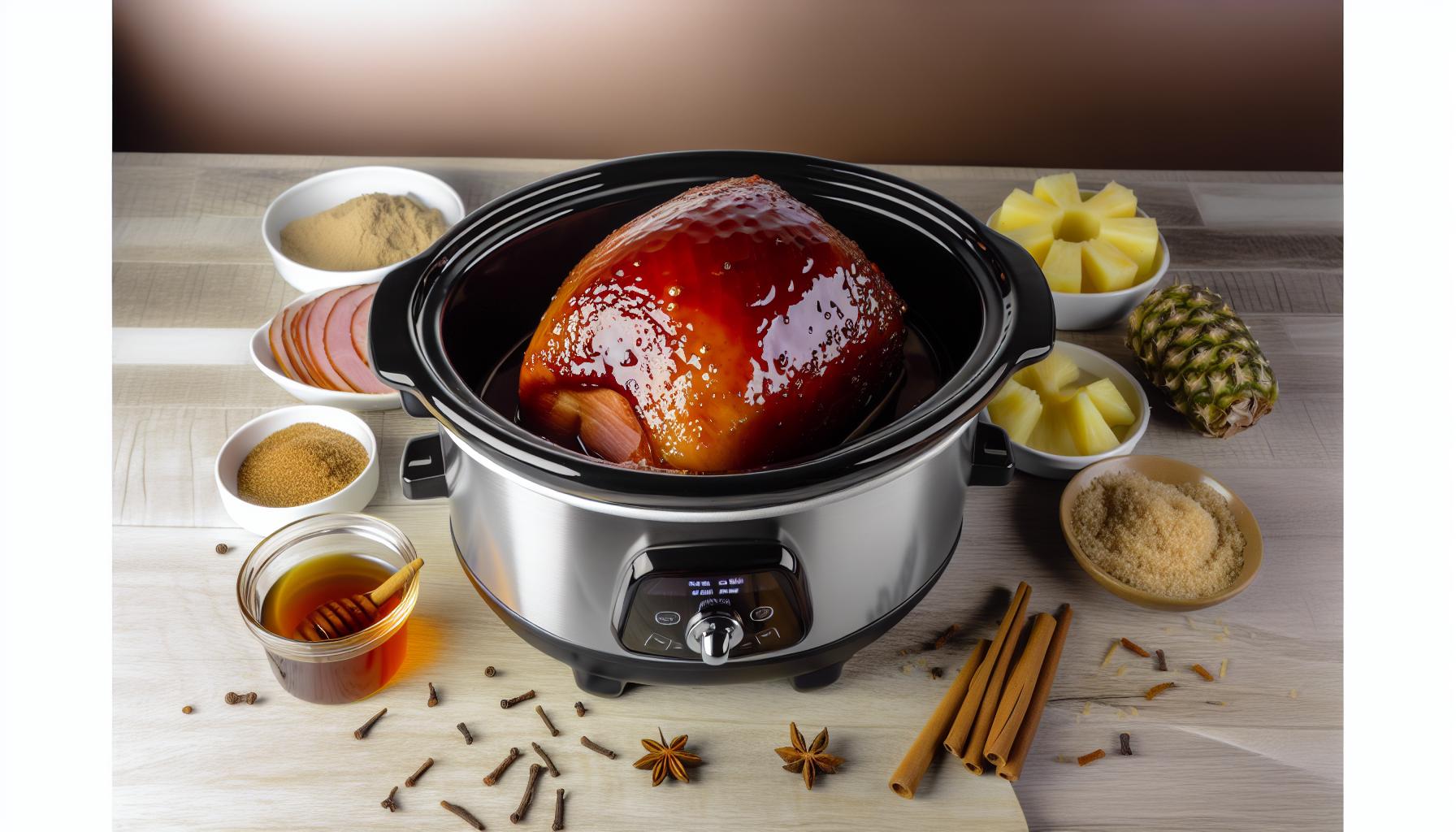
Troubleshooting Common Slow Cooker Ham Glaze Issues
Sometimes, even the best-laid plans for a slow cooker ham glaze can hit a snag. Maybe your glaze isn’t caramelizing quite right, or it’s sticking too much, or worse-it’s turning bitter. Don’t worry, these hiccups are common and totally fixable. When slow cooking a ham, moisture is both friend and foe: it gently melts flavors together but can also keep sugars from properly caramelizing if there’s too much liquid around. Getting the timing and technique right is like unlocking a secret level in your kitchen game.
One of the biggest culprits is excess liquid pooling in the slow cooker. If your glaze seems watery and refuses to thicken or caramelize, it’s likely because the slow cooker environment is too moist. Slow cookers create a steam-friendly atmosphere that’s not ideal for rapid caramelization, so patience and strategy are your allies.Try this: after glazing in thin layers, finish your ham uncovered on the stove or under a broiler for 5-10 minutes to get that glossy, golden crust everyone swoons over. Or, reduce your glaze separately on the stove until it thickens to a syrupy consistency before applying-this helps the sugars brown evenly and stick better.
Another classic issue is burning or bitterness, frequently enough caused by sugar in the glaze cooking too long at high heat.As the slow cooker heats gently and evenly, it’s easy to think a longer cook equals better glaze, but thick sugary glazes can scorch on the edges. The fix? Brush on your glaze gradually in thin coats only during the last 30-60 minutes of cooking. Keep the slow cooker on low to avoid boiling the glaze too hard, and if it smells or tastes burnt, add a splash of cider vinegar or lemon juice to balance bitterness and refresh the flavor.
Quick Fixes for Common Glaze Glitches
- Glaze Too Runny: Simmer your glaze on the stove before brushing to thicken it, or finish ham under the broiler to caramelize.
- Burnt or Bitter Taste: Apply glaze later in cooking; use thin layers; add an acid like citrus juice or vinegar to cut bitterness.
- Glaze Not Sticking: Pat ham dry before glazing to remove excess moisture; reheat glaze slightly before applying to help it adhere.
- Uneven Caramelization: Rotate ham occasionally; brush gently and consistently; avoid thick globs of glaze.
From my kitchen adventures, a slow cooker ham glaze is a delicate dance of timing and texture rather than a full-on sugar bakefest. Think of it as a slow, tasty waltz with your ingredients, where less is more and patience pays off. If you’re short on time or want that crunchy finish, a quick blast under the broiler is a game-changer that still respects your slow cooking efforts. and please,don’t stress about perfection-every glaze stumble is just a step toward your next delicious victory!
Serving Suggestions to Elevate Your Glazed Ham
few dishes bring that warm, festive glow to the table quite like a perfectly glazed, slow cooker ham. Once you’ve nailed that luscious caramelized coat, it’s time to think about what will truly complement-not overpower-your star of the show. The beauty of slow cooker ham lies in its versatility: whether you’re serving a paleo-friendly feast, gluten-free comfort food, or classic holiday vibes, pairing it thoughtfully makes all the difference. Trust me, these serving suggestions are kitchen-tested crowd-pleasers that elevate your meal from “yum” to “wow!”
Think about balancing flavors and textures first. Slow cooker ham tends to be rich and a little sweet from that caramelized glaze, so sides that offer fresh brightness or savory depth work wonders. A crisp, tangy salad with citrus vinaigrette acts like a palate refresher, cutting through the sugar while adding a light, fresh crunch. Roasted Brussels sprouts tossed in a bit of bacon or toasted nuts provide earthy, savory undertones that cozy up perfectly to the ham’s sweet-savory profile. For something smoother, creamy mashed cauliflower or garlic-parsnip puree make splendid paleo and gluten-free mash alternatives that won’t overshadow your main event.
Meal Type and Dietary-Friendly Ideas
- Holiday Feast: Classic scalloped potatoes, honey-glazed carrots, and green bean almondine offer traditional flavors that feel comforting but still let your ham shine.
- Weeknight Dinner: Quick cucumber and tomato salad paired with roasted sweet potatoes keeps it light and simple with minimal prep but full flavor.
- Paleo & Gluten-Free: Serve alongside sautéed kale with garlic, roasted root veggies, and avocado oil biscuits for that chock-full-of-goodness vibe.
Remember portion control too-ham is rich,and smaller slices alongside vibrant sides keep meals balanced and satisfying. For a fun twist, offer a variety of mustards or spicy chutneys on the side so guests can personalize each bite. When plating, drizzle a little extra leftover glaze warmed slightly to liven things up visually and flavor-wise. And if you’re like me, sometimes that quick hit under the broiler after plating adds a delightful crisp edge that guests secretly love.
In sum, elevating your glazed ham isn’t about complex sides or fuss-it’s about thoughtful contrasts and complementary flavors that turn every plate into a moment to savor. Whether you’re feeding family, friends, or just treating yourself, these combos make your slow cooker masterpiece the true centerpiece of any occasion. Cooking for real life with real flavor? That’s the sweet spot.
Storing and reheating Leftover slow Cooker Ham
Leftover slow cooker ham is the kind of gift that keeps giving-when stored and reheated properly, it keeps tasting fresh and delicious without losing that beautiful caramelized glaze you worked so hard to perfect. The key is to handle it gently to maintain both moisture and flavor, especially since slow cooker ham tends to be succulent but can dry out if neglected.
First things first: after your ham has cooled to a safe temperature, slice it into portions that suit your usual meals. Wrap each piece tightly in plastic wrap or aluminum foil, or better yet, pop them in an airtight container to lock in moisture. Slow cooker ham, with its sticky sweet glaze, benefits from a little extra care to avoid drying out in the fridge. Store it in the refrigerator for up to 4-5 days.If you want to keep good eats for longer, ham freezes beautifully for up to 2 months-just wrap it well to prevent freezer burn and separate layers with parchment paper if stacking slices.
Smart Reheating for Tender, Flavorful Ham
Reheating slow cooker ham should be slow and steady, kind of like the original cooking process, but without making your kitchen an oven sauna. Oven reheating at a low temperature (about 275°F or 135°C) wrapped in foil can gently warm the meat while preserving juiciness. Add a splash of water, broth, or even a bit of extra glaze inside the foil pack to help steam the ham and keep it from drying out. Typically, this takes about 10-15 minutes for each portion. If you’re in a rush, the microwave works too-just cover the ham slice with a damp paper towel and heat in short bursts, checking frequently to avoid overcooking.
A personal kitchen hack: when reheating, brush on a touch of reserved glaze or mix a quick glaze from honey, mustard, and a pinch of apple cider vinegar. This revives that irresistible caramelized coating and perks up the flavor like magic. remember, the key is not to overheat, which can toughen the meat and harden the glaze.
Helpful Tips to keep in Mind
- Don’t toss leftover glaze: It’s gold for reheating or even drizzling on new dishes.
- Store glaze separately: To avoid sogginess, keep leftover glaze in a separate container and add it fresh when reheating.
- cut before storing: Slicing ham before refrigerating cools it faster and helps in portion control.
- Reheat only once: For food safety and quality, avoid multiple reheating cycles.
With these practical tips, your leftover slow cooker ham can shine as brightly on day two (or even day ten from the freezer!) as it did when it first hit the table. Whether you’re whipping up a paleo-friendly ham and veggie bowl or a classic ham sandwich with all the fixings, reheated ham can adapt to whatever life and hunger throw your way. So go ahead, savor that glaze glory again and again with zero guilt-and maybe a little extra mustard on the side.
FAQ
Q: How do I prevent my slow cooker ham glaze from burning while caramelizing?
A: To prevent burning, apply the glaze during the last 30-45 minutes of cooking on low heat.This timing lets the glaze caramelize slowly without scorching. Stir the glaze occasionally and avoid cooking on high for extended periods. For more tips, see the Troubleshooting common Slow Cooker Ham Glaze Issues section.
Q: Can I use frozen ham in a slow cooker and still get a caramelized glaze?
A: It’s best to thaw ham fully before slow cooking to ensure even cooking and proper glaze caramelization. Cooking frozen ham increases moisture release that dilutes the glaze, preventing that perfect sticky finish. For thawing advice, check Slow Cooker Ham prep: Essential tips and Tricks.
Q: Why is my slow cooker ham glaze not sticky or caramelized after cooking?
A: Your glaze may lack enough sugar or wasn’t cooked long enough to caramelize. Use sweeteners like brown sugar or honey and apply glaze in the final hour on low heat. Also, avoid adding too much liquid early on, which can thin the glaze. Review The secret to Glazes That Caramelize Perfectly for more details.
Q: How often should I baste my ham in a slow cooker to enhance glaze caramelization?
A: Baste your ham every 15-20 minutes during the last 30-45 minutes of cooking to build up a rich, caramelized glaze. Frequent basting helps layers of sweetness develop and keeps the ham moist.See Step-by-Step Slow Cooker Ham Glazing Method for precise timing.
Q: What slow cooker settings yield the best caramelization for a glazed ham?
A: Use the low setting for 3-4 hours with glaze applied in the last hour. High heat can burn sugar, while low heat allows a gentle caramelization. For cooking times and setting tips, refer to Ideal Cooking Times for Ham in a Slow Cooker.
Q: Can I add extra spices or flavor boosters to the glaze while slow cooking for better caramelization?
A: Absolutely! Adding ground cinnamon, cloves, or a splash of cider vinegar to your glaze enhances depth and helps the sugars reach perfect caramelization without bitterness. For recipe ideas, check Best Glaze Flavor Combinations for Slow Cooker Ham.
Q: How can I tell when my slow cooker ham glaze is fully caramelized and ready to serve?
A: A fully caramelized glaze is thick, glossy, and slightly sticky with deep golden color. It should coat the ham evenly without pooling excessively. For visual cues and texture tips, see How to Know When Your ham Is Fully Caramelized.
Q: Is it possible to caramelize ham glaze in a slow cooker without using sugar-based ingredients?
A: caramelization generally requires natural or added sugars.In sugar-free glazes, try using maple syrup alternatives like monk fruit syrup or fruit purees with natural sweetness, but results may be milder. Explore creative glaze options in Best Glaze Flavor Combinations for Slow Cooker Ham for alternatives.
Enjoy experimenting with your slow cooker ham glaze! For more easy tips and troubleshooting, don’t forget to revisit the related sections of the full guide. Happy cooking!
Closing Remarks
Cooking your ham low and slow ensures a tender, juicy result with that perfect caramelized glaze everyone loves-without the stress.Remember, timing is key: allowing the glaze to meld slowly in your slow cooker locks in flavor and achieves that irresistible finish. Ready to impress your guests with minimal effort and maximum taste? It’s easier than you think!
If you’re craving more slow cooker inspiration or want tips on homemade glaze variations, check out our Ultimate Slow Cooker Recipes and Easy Glaze Ideas for Ham. Curious about paleo or gluten-free twists on classic ham dishes? Don’t miss our gluten-Free Holiday Meals Guide, designed to make your gatherings delicious and inclusive.
Don’t forget to subscribe to our newsletter for fresh recipes and kitchen hacks delivered weekly-perfect for busy cooks who want big flavor with simple steps. got questions or personal slow cooker tips? Drop a comment below and share your experience-we love hearing from fellow home cooks! Your next delicious meal is just a click away.
Get our latest guides, news, and insights highlighted in your Google Search & AI Overviews.


