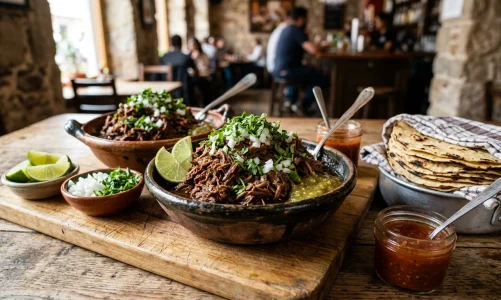
Did you no that perfectly soft pinto beans can transform any meal into a comforting, protein-rich feast-without much fuss? Cooking them in a slow cooker is one of the easiest ways to get that tender texture we all crave, but knowing exactly how long to cook them can be a bit tricky. Whether you’re aiming for creamy beans in a stew, a flavorful side, or a hearty Tex-Mex dish, getting the timing right means no more biting into undercooked beans or waiting forever by the stove. The beauty? Slow cooking pinto beans usually requires minimal prep, fits all kinds of diets-including paleo and gluten-free-and lets you set it and forget it for about 8 to 12 hours.In this guide, I’ll share tested tips and timeframes that have saved my dinners (and sanity) more than once. So if you’ve ever wondered how long to keep those beans in your slow cooker until they’re just right,stick around-I promise it’s easier than you think and totally worth it.
Table of Contents
- Understanding Pinto Beans: Types and Prep Tips for Slow Cooking
- Perfect Slow Cooker Timing: how Long to Cook Pinto Beans
- Soaking Secrets: Does It Speed Up Cooking and Improve Texture?
- Slow Cooker Settings: Low vs. High Heat Cooking Explained
- flavor Boosters: Seasonings and Ingredients That Elevate Pinto Beans
- Troubleshooting Common Issues: Why Beans Aren’t Softening
- Using Dried vs. Canned Pinto Beans in the Slow Cooker
- Meal Ideas: Delicious Recipes Featuring Slow-Cooked Pinto Beans
- storing and Reheating: Keeping Your Pinto Beans Fresh and Tasty
- Healthy Swaps and Dietary Tweaks for Slow Cooker Pinto Beans
- Frequently asked questions
- Q: Can I cook unsoaked pinto beans in a slow cooker and still get them perfectly soft?
- Q: How does altitude affect the slow cooking time for pinto beans?
- Q: What slow cooker tips help prevent pinto beans from becoming mushy?
- Q: How much water should I add when slow cooking pinto beans for perfect softness?
- Q: Can slow cooking pinto beans with baking soda make them softer faster?
- Q: Is it safe to leave soaked pinto beans in the fridge before slow cooking, and does it affect cooking time?
- Q: Should I add salt at the beginning or end of slow cooking pinto beans for best softness?
- Q: How can I tell when pinto beans are perfectly soft in a slow cooker without overcooking?
- In Conclusion
- Hydration Physics: How Long to Cook Pinto Beans in Slow Cooker
Understanding Pinto Beans: Types and Prep Tips for Slow Cooking
Pinto beans are the quiet heroes of many kitchens-versatile, nutritious, and downright comforting. When it comes to slow cooking, understanding the little details about the beans themselves can make all the difference between a perfect batch and one that’s stubbornly underdone or mushy. First, let’s chat about types: although “pinto bean” generally refers to the common variety of beige beans speckled with reddish-brown, they can vary slightly depending on origin-some are fresher or drier based on season and storage. The beans you pick can impact cook time, so keep that in mind. Opt for small to medium-sized dried pinto beans with a smooth skin for reliable slow cooker results.
Before your slow cooker gets going, prepping the beans doesn’t have to be a ritualistic ordeal but dose have perks. A quick rinse to wash away any dust or tiny debris is non-negotiable. Soaking? It’s like giving your beans a head start. While you can skip this step and simply cook longer, soaking cuts down cook time, encourages even softening, and can make digestion easier-hello, less bean belly! If soaking overnight isn’t your thing, a hot water quick soak (about 1 hour) still jumps in generously. And a little kitchen wisdom: always discard soaking water and rinse again to reduce that notorious bean foam and potential bitterness.
Prep Tips for slow Cooking Pinto Beans
- Rinse thoroughly: No one likes gritty beans or sediment in their pot.
- Soak when possible: Saves time and improves texture, but cook time adjustment can work if skipping soak.
- Don’t overcrowd the cooker: Beans need room to expand-too many can result in uneven cooking.
- Add salt later: Salt can toughen bean skins if added too early, so wait until the beans start to soften.
- Use flavorful liquids: Water works, but broth, herb-infused water, or even mild spices can infuse beans from the start.
Cooking pinto beans in a slow cooker is like having a patient friend who’s happy to let things simmer at a relaxed pace. From my own late-week meal preps, tossing rinsed and soaked pinto beans in with aromatic onion, garlic, and a few dried herbs turns a humble batch into a savory side or even the heart of a protein-packed paleo bowl. Plus, for those on gluten-free or paleo paths, these natural legumes shine without fuss. Treat your slow cooker as the overnight magic maker, and you’ll wake up to tender beans that feel homemade by a seasoned kitchen buddy rather than a rushed recipe.
For quick reference, here’s a simple prep flow that has served me well:
- Pick dried small/medium pinto beans, check for any shriveled or broken ones.
- Rinse thoroughly under cold water.
- Soak overnight in plenty of water or quick soak with hot water for an hour.
- Drain, rinse, and transfer to slow cooker with fresh liquid and aromatics.
- Cook low and slow,adjusting seasoning near the end.
Slow cooking pinto beans means respecting their humble nature while celebrating their potential to transform into creamy, flavorful dishes with minimal hands-on time-perfect for weeknights or lazy weekends. Remember, a little patience and prep make culinary magic happen. Consider these basics your amiable guide to mastering slow cooker pinto beans, so you can get back to meals that feel like both comfort and accomplishment.
—
For extra tips on customary seasonings used with pinto beans and ideal cookware for even cooking, check options inspired by Mexican cuisine, where ingredients like avocado leaves or bay leaves deepen flavor beautifully[[1]](https://keviniscooking.com/how-to-cook-pinto-beans-recipe/).
Perfect Slow Cooker Timing: how Long to Cook Pinto Beans
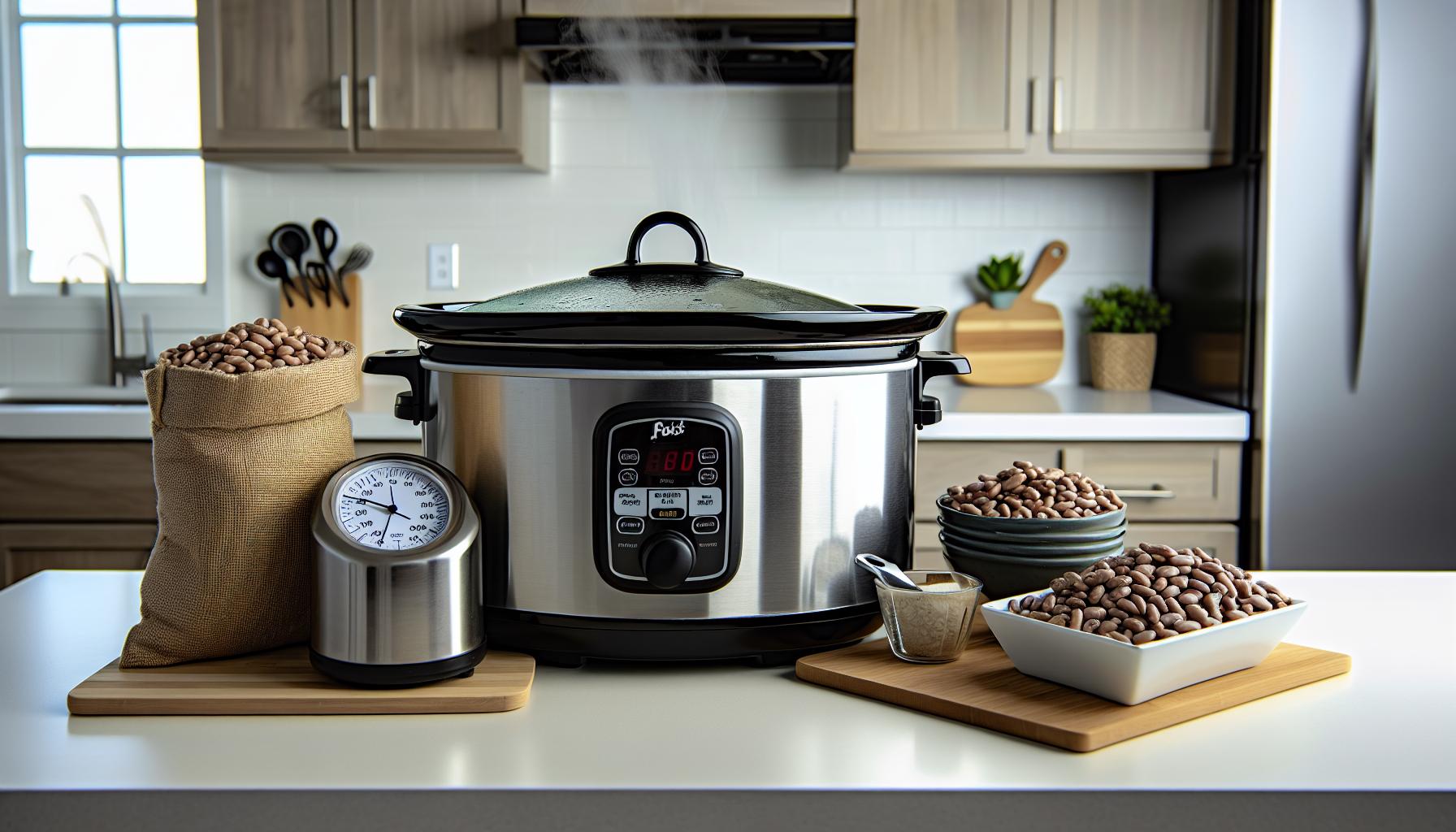
When it comes to slow-cooking pinto beans, timing truly is the secret sauce for that perfect creamy texture without turning into mush. Pinto beans are quite forgiving, but unlocking their ideal softness depends largely on how long they luxuriate in your slow cooker’s gentle warmth. Typically, unsoaked beans need between 6 to 9 hours on the low setting to become tender, while soaked beans cut that time down to about 4 to 6 hours. Think of this as a relaxed,all-day culinary cuddle-the longer,the better the soak into savory goodness.
I’ve found that starting with soaked beans makes a noticeable difference not just in cook time, but also in how evenly they soften without splitting apart. For example, after an overnight soak, soaking water discarded (always rinse again!), tossing the beans with broth, onion, and a bay leaf, then cooking on low for about 6 hours yields perfect results. If you’re in a hurry or skipped soaking, the high setting can rescue you in about 3 to 4 hours, but keep a close eye to avoid overcooking. The magic here is slow and steady wins the race, especially for gluten-free or paleo-friendly meals that rely on natural bean creaminess without any mushy compromise.
- Soaked beans: 4 to 6 hours on low; 3 to 4 hours on high
- Unsoaked beans: 6 to 9 hours on low; 4 to 5 hours on high (watch closely!)
One tip: always check beans starting at the lower end of the time range. Slow cookers vary in heat intensity,and batch size affects cook times. If you notice a little firmness, simply extend for another 30-minute stretch, stirring occasionally if you’re around. If your kitchen is as busy as mine, the slow cooker is that reliable all-nighter that lets you rise to perfectly tender beans without hovering. Trust it, but keep your tasting spoon ready-you’ll know the moment they’re ready by the creamy bite.
This timing approach also leaves room for personalization.Want your beans firm for a taco filling? Pull them a bit earlier. Craving that melt-in-your-mouth softness perfect for refried beans? Let them linger a bit longer. Either way, having a rough cook time blueprint helps you plan meal prep more smoothly with minimal fuss. Cooking pinto beans this way feels like having a slow but conscientious kitchen buddy who’s got your back. No stress, just flavorful, wholesome magic that fits right into your meal rhythm.
Soaking Secrets: Does It Speed Up Cooking and Improve Texture?

Pinto beans are little powerhouses of flavor and nutrition, but they do come with the notorious reputation of demanding patience-unless you owe a little love to soaking.Soaking isn’t just a kitchen ritual to lazily pass the time; it genuinely kicks off the softening process, helping beans cook more evenly and frequently enough reducing overall cook time. tossing dry pinto beans straight into the slow cooker works, but soaked beans often transform into a more tender, creamy delight without falling apart like yesterday’s leftovers.
The magic behind soaking is pretty simple chemistry combined with a splash of old-school kitchen wisdom. When you soak beans-whether it’s an overnight soak in cool water or a quick soak boiling them for a few minutes first-you’re hydrating those hard skins and jump-starting the breakdown of starches inside. This means less energy (or cook time) is needed in the slow cooker to coax beans into perfect softness. plus, soaking can improve digestibility by washing away some of the compounds that cause tummy grumbles for sensitive folks.Even just a few hours of soak time makes a noticeable difference, especially if you forgot to prep the night before and want a shorter cook on the slow cooker’s low setting.
Is Soaking Always Necessary?
Not necessarily. Some home cooks swear by skipping the soak entirely for convenience or because the slow cooker’s low, steady heat eventually softens dry beans just fine-sometimes with a pinch of baking soda to speed things up and help prevent splitting. but in practice, soaked beans often come out with a better texture: plump and creamy without that wierd mushy edge.If you’re targeting paleo or gluten-free goals, soaking can also give you a cleaner flavor by breaking down phytic acid and other antinutrients naturally present in beans.
Simple Soaking Tips That Work Every Time
- Overnight soak: Cover beans with plenty of water (about 3 inches above), leave at room temperature 6-8 hours or overnight. Drain and rinse before cooking.
- Quick soak: Boil beans in water for 2-3 minutes, then remove from heat and let sit covered for an hour. Drain and rinse.
- No soak hustle: If skipping soak, add an extra cup of water or broth to your slow cooker and consider a pinch of baking soda to soften beans faster.
From my time in the kitchen, starting with soaked beans feels like a head start in a race against the clock-and your taste buds often win. Besides, who doesn’t love a kitchen shortcut that also serves up a nicer texture and better-tasting results? Soaking grants you the luxury of moderation: perfectly timed, creamy beans that step right into your favorite tacos, chili, or bean dip without fuss. Just remember, whether soaked or not, patience is key-slow cooking charms dry pinto beans into tender treasures best savored.
For quick reference, here’s how soaking impacts slow cooker cook times:
| Bean Prep | Slow Cooker Time (Low) | Slow Cooker Time (High) |
|---|---|---|
| Soaked Pinto Beans | 4 to 6 hours | 3 to 4 hours |
| Unsoaked Pinto Beans | 6 to 9 hours | 4 to 5 hours |
Soaking is not a strict rule, but it’s like giving your slow cooker a helpful nudge toward bean perfection-faster cooking, gentler texture, and fewer surprises. If you haven’t experimented with soaking yet, I encourage you to give it a go. Your future self (and stomach) will thank you!
Slow Cooker Settings: Low vs. High Heat Cooking Explained

Pinto beans are forgiving little gems, but dialing in the right slow cooker heat setting can really make the difference between tender perfection and a pot of disappointment. Choosing between low and high heat isn’t just about speeding things up-it’s about balancing time, texture, and flavor to fit your rhythm in the kitchen. Whether you’re an early birds meal planner or a last-minute legend, understanding how your slow cooker’s settings affect pinto bean magic will save you from the dreaded overcooked mush or stubbornly hard bites.
Low heat is the classic slow cooker approach for pinto beans-the patient, gentle coaxing that gives beans time to soften evenly and soak up any spices or aromatics you’ve tossed in. set it and forget it, as they say. Cooking on low usually takes about 6 to 9 hours for unsoaked beans, or 4 to 6 hours if they’ve had a soak. This setting’s secret sauce is the gradual heat that allows the beans’ starches to break down slowly, resulting in a creamy texture that’s luxurious but still holds shape. If you have the luxury of time (or love waking up to the smell of warm beans for breakfast), low is your best friend. It’s also kind to more delicate additions like fresh herbs that might wilt or lose their punch under high heat for too long.
On the flipside, the high setting is a kitchen superhero when time is short but you still want those deep, slow-cooker flavors.Pinto beans cooked on high generally take 4 to 5 hours unsoaked, or 3 to 4 hours if pre-soaked. Think of it like a turbo boost that softens beans faster by turning up the heat, but it requires a bit more babysitting. You’ll want to check in more often to prevent drying out or overcooking,especially if your slow cooker runs hot or doesn’t maintain consistent temperatures. An extra splash of broth during cooking prevents the “bean desert” effect. High heat suits busy weeknight cooks or when you remember last-minute you need beans for your taco night fiesta.Just know the texture can edge more toward tender softness than creamy melt-in-your-mouth, but that’s not a bad thing-sometimes you want beans that hold up robustly in chili or stews.
Practical Tips for Mastering Your Slow Cooker’s Temperature
- Plan with your day: Slow and steady is low heat-start beans early morning or overnight (yes, you can wake up to bean bliss!).
- Speedy beans: Use high when you remember your beans just a few hours before dinner. Pre-soaking helps cut cook time even more.
- Keep it moist: Always cover beans with enough broth or water (about 3 cups per cup of dry beans). This prevents scorching and uneven cooking, especially on high.
- Gentle stirs only: Resist the urge to stir too frequently enough-it can break down beans and slow cooking works better without disturbance.
Balancing Texture and Time
Both heats can yield lovely results but they bring out subtle differences. Low heat keeps pinto beans intact yet tender-they’re perfect for side dishes, refried beans, or any recipe where you want a luscious mouthfeel. High heat can produce firmer beans that stand out in salsa mixes or bean salads. If you treat your slow cooker like a magic bean cauldron, picking the right heat setting lets you own your kitchen schedule without sacrificing flavor or fun.
Whether you’re chilling with paleo plates or keeping things gluten-free, the heat setting is your ally, not foe. Just remember: every slow cooker is a little different.Do a test run with your favorite pinto beans and water ratio. Get familiar, and soon you’ll hit that perfectly soft, flavorful bean goal with zero stress-just pure home-cooked joy.
flavor Boosters: Seasonings and Ingredients That Elevate Pinto Beans
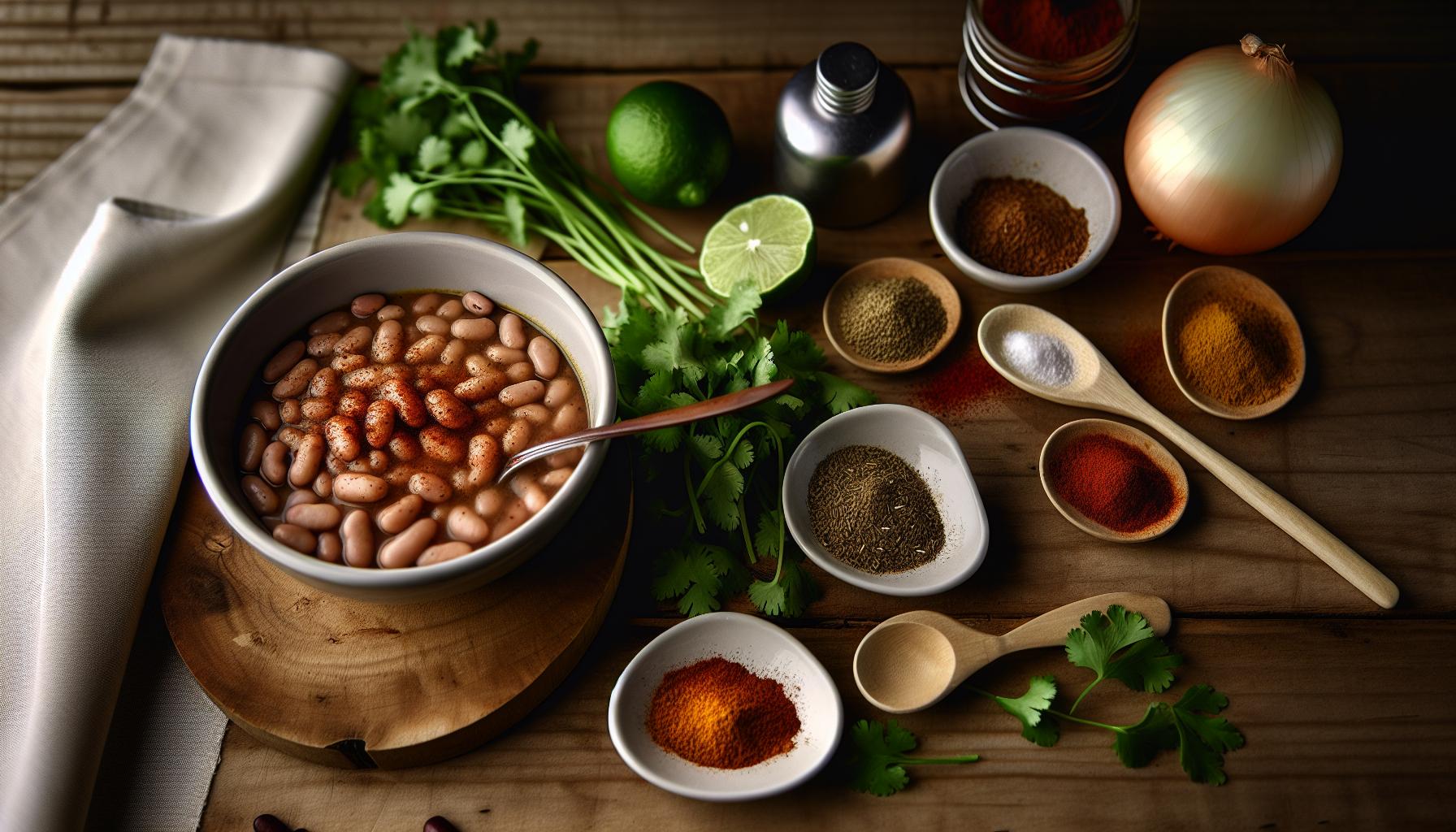
Pinto beans are such a versatile canvas for flavors, and with a slow cooker doing the heavy lifting, the real fun begins with what you toss in early on. The magic happens when you layer complementary spices and ingredients that deepen the beans’ earthy richness rather than overpower it. Think of your slow cooker as a flavor infusion machine-low and slow lets simple additions like garlic or bay leaves really seep in,while a few bold seasonings can add exciting twists.
For a warm, familiar base, aromatic staples like chopped onions, minced garlic, and a bay leaf absolutely belong in the pot. They build a comforting backbone without stealing the spotlight. Add cumin for a subtle earthiness that’s classic in Southwestern and mexican dishes-just a teaspoon or two is enough to enhance but not mask the natural bean flavor. Smoked paprika or chipotle powder can give a smoky kick that’s downright addictive for chili lovers and paleo eaters alike. Bonus: these spices are gluten-free and paleo-approved, making your beans both flavorful and diet-friendly without extra fuss.
Creative Seasoning ideas to Elevate Your Slow-Cooked Beans
- Herb squad: Fresh cilantro or parsley added in the last 30 minutes brightens the dish with a fresh, herbaceous punch. Dried oregano or thyme can be added upfront for a subtle Mediterranean vibe.
- Acid flare: A splash of apple cider vinegar, fresh lime juice, or a dash of hot sauce at the end can cut through the creaminess, balancing richness with a tangy lift.
- Protein boosters: Toss in bite-sized bacon pieces or diced ham early in cooking for smoky depth, or sealed sausage links for a heartier meal variation.
- Sweet touches: A touch of diced tomatoes or a tiny pinch of brown sugar can round out the broth’s flavor, especially if you like a hint of sweetness against spicy notes.
you don’t need to stress about complexity here. When I first started slow cooking pinto beans, I’d just toss in onion, a few garlic cloves, and a sprinkle of cumin.It took a few tries to realize that simple swaps-like swapping water for chicken broth or coconut aminos for soy sauce-totally elevate the dish’s depth while staying paleo and gluten-free. Sometimes less really is more, especially when slow cooking stretches those flavors out so perfectly.
Lastly,don’t forget salt. Many shy away during prep as they worry about tough beans, but adding salt (kosher or sea salt preferred) partway through cooking helps the beans soak in flavor without toughening them-especially if added after the soaking phase and once the slow cooker is warm. It’s one of those little kitchen secrets that makes all the difference between a bland pot and a bowl full of joy. So, whether you’re meal prepping for the week or crafting a last-minute side, a well-chosen mix of seasonings transforms simple slow-cooked pinto beans into a star player on any plate.
Troubleshooting Common Issues: Why Beans Aren’t Softening

Beans that stubbornly refuse to soften can test even the most patient slow cooker fan. But don’t worry-there’s usually a simple fix, and it rarely means your slow cooker failed you. Pinto beans are like little culinary sponges, and their softness depends on a handful of factors that often get overlooked but are easy to adjust once you know what to look for.
One of the main culprits is water quality. Hard water, which contains high levels of calcium and magnesium, can prevent beans from softening because these minerals strengthen the beans’ skins. If you think your kitchen water might be on the “hard” side,try switching to filtered or bottled water for soaking and cooking.Another common snag is salt timing. Contrary to old kitchen myths, adding salt too late or not at all can leave beans flavorless or tough. The sweet spot is to add salt after soaking and once your slow cooker has warmed up-this allows beans to absorb flavor without toughening. Also, don’t forget to soak your beans ahead of time if you can; soaking jumpstarts the hydration and shortens cooking time, reducing chances of a tough texture [1].
When Cooking Time Isn’t Enough
If your beans are still firm after the recommended 6-7 hours on low (or 4-5 hours on high), it’s time to troubleshoot your cooking process:
- Bean age matters: Beans lose moisture as they age in the pantry, becoming drier and tougher. If you bought your beans a year ago or more, they may resist softening no matter what.
- Check your cooker: Some slow cookers run cooler than others. Use a kitchen thermometer to ensure your cooker hits the right temperature,especially if cooking on low for several hours.
- Acidic ingredients: Ingredients like tomatoes, vinegar, or citrus juice added before the beans are tender can block softening. save these flavor boosters for the last 30 minutes of cooking instead.
- Skipping soaking: While some swear by cooking from dry, unsoaked beans, the truth is soaking gently hydrates beans and helps them cook evenly without taking forever.
Simple Tips to Rescue Stubborn Beans
If you notice your batch isn’t quite tender and your clock’s ticking, toss in a splash more water or broth and give the slow cooker an extra hour or two. Adding a pinch of baking soda (about 1/4 teaspoon per cup of dried beans) can also help break down the beans’ tough fibers but use this trick sparingly, as too much can create off flavors and affect texture. Personally,I treat this as an experiment for when I’m less impatient-it effectively works wonders about half the time in my kitchen,but I don’t make it a habit.
To recap, soaking, quality water, salt timing, and cooking temperature are the big players in that tender bean game. Keep these in check, and your pinto beans will be ready to soak up smoky paprika, fresh herbs, and whatever delicious extras you dream up, turning your slow cooker into a flavor factory every time.
Sources used in crafting this advice confirm slow cooker pinto beans usually need 5-6 hours on high or 8-9 on low when soaked, or longer if not soaked [1], [3].
Using Dried vs. Canned Pinto Beans in the Slow Cooker

pinto beans are one of those kitchen staples that can feel like either a quick fix or a slow-cooker project, depending on whether you’re using dried or canned. Each brings distinct perks and quirks to the table, especially when slow cooking comes into play. Choosing between dried and canned frequently enough boils down to time, texture, and flavor control – but here’s the good news: both can be stars in your slow cooker lineup with just a little guidance.
When you start with dried pinto beans,you’re signing up for a bit of patience and prep but get rewarded with incredible control over texture and seasoning. Dried beans need to be soaked (ideally overnight) to kickstart hydration and reduce overall cooking time, then simmered low and slow for 6 to 8 hours until luscious and tender. This method lets you build flavor from scratch,infusing your beans with smoky spices,fresh herbs,or a splash of broth. Plus, it’s naturally gluten-free and paleo-friendly if you stick to simple seasonings-making dried beans a great fit for health-conscious cooks who love homemade vibes. Just remember: the age of the beans matters. Fresher dried beans soak up moisture better and cook evenly,while older beans can stubbornly resist becoming tender [[1]](https://www.allrecipes.com/recipe/220822/slow-cooker-pinto-beans/).
Canned pinto beans, conversely, are your best friend on busy days when time is not on your side. They come pre-cooked, so you’re not looking at hours on low-just heat through with your favorite seasonings and maybe a quick sauté of onions or garlic for added depth. Slow cooking canned beans for 1 to 2 hours is usually perfect to meld flavors without turning them mushy. This shortcut is fantastic for weeknight dinners,chili add-ins,or when you want that classic bean side without fuss. Just keep an eye on salt since canned beans have added sodium, and you might want to rinse them gently to tone it down. And hey, using canned beans doesn’t mean giving up on flavor or texture-think of it as your lazy Sunday cheat that still tastes like you tried [[2]](https://www.diaryofarecipecollector.com/slow-cooker-mexican-pinto-beans/).
Tips for Seamless Slow Cooking with Both
- Water ratio matters: For dried beans, plan on three cups of water or broth per cup of beans-enough to give them room to expand and absorb flavors.
- Timing is everything: Dried beans require full soak and 6-8 hours slow cook; canned only need 1-2 hours to warm through since precooked.
- Season later: Add acidic ingredients (tomatoes, citrus) after beans soften to keep them tender regardless of form.
- Texture control: If you like beans firm but cooked,canned beans work well; dried beans can get creamier with longer cooking.
One More Thing-Flavor and Fun
Personally, I like mixing it up. For weekend meal prep or when I’m in the mood to experiment, dried beans shine with complex flavors and hearty texture. But on hectic days? Canned beans swoop in to save dinner with minimal effort. Both honor the humble pinto bean beautifully, and neither deserves to sit on a shelf unloved.
So, whether you’re all about the slow-cooker kitchen magic or want a fast lane to bean bliss, knowing how to handle dried versus canned is your secret weapon. With slow cooking, there’s room for all kinds of kitchen adventures-and every bean deserves a chance to shine. Enjoy!
Meal Ideas: Delicious Recipes Featuring Slow-Cooked Pinto Beans
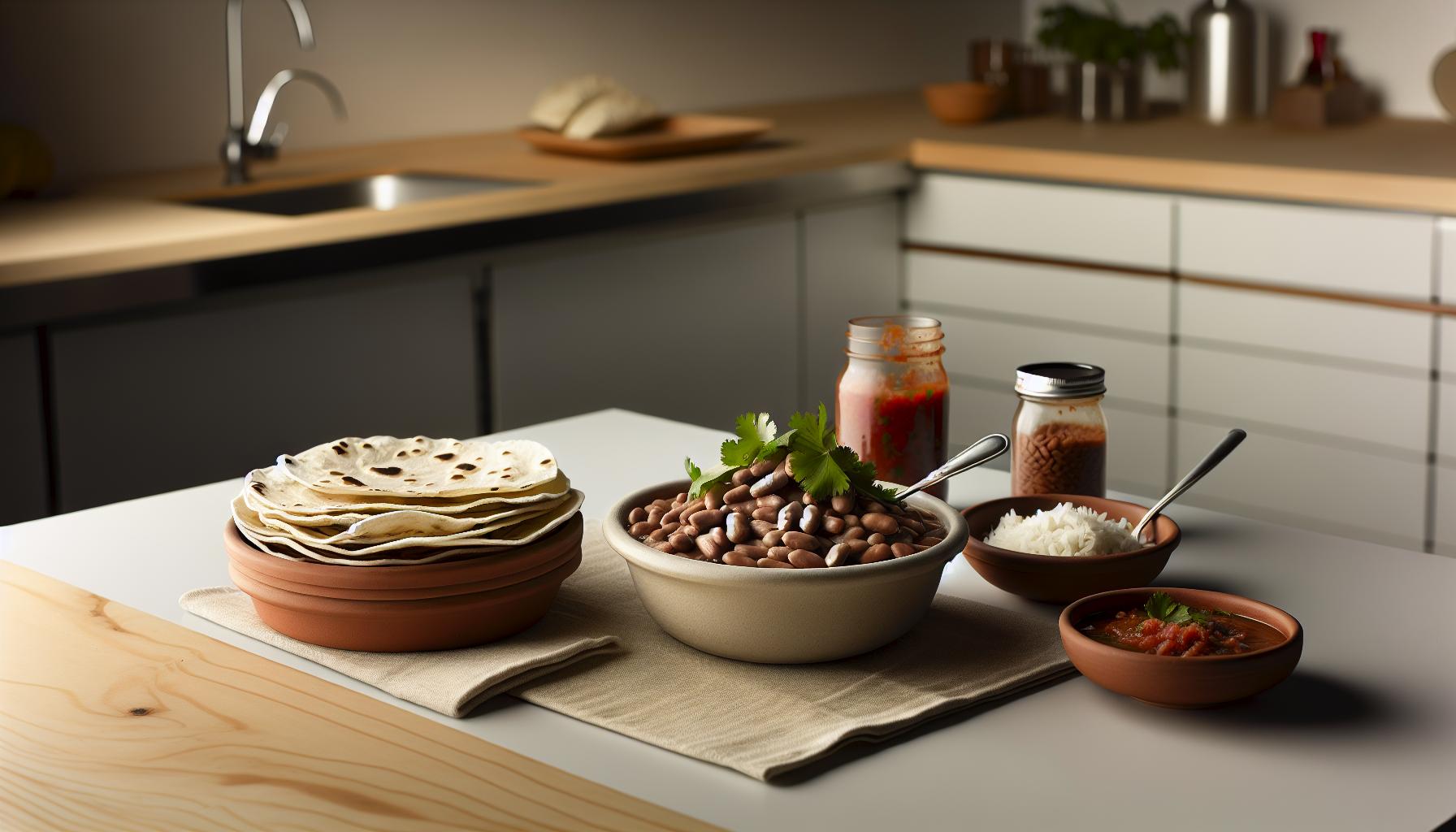
Beans are like a culinary blank canvas-they adapt seamlessly to endless flavor profiles and meal types. Slow-cooked pinto beans bring out a rich, creamy texture that almost demands to be celebrated. Whether you’re planning a cozy family dinner, meal prepping for the week, or entertaining guests, these humble beans can transform into star dishes that suit any occasion or taste.
For a fuss-free weeknight supper,try layering slow-cooked pinto beans into soft tacos or burritos. Toss in some cumin, smoked paprika, and fresh cilantro for that classic southwestern vibe. Add a squeeze of lime after cooking and a dollop of avocado for extra creaminess. Personal favorite? I frequently enough mix in some sautéed onions and garlic during the last hour of cooking to amp up the flavor without extra effort. This meal comes together with minimal hands-on time-perfect when you want comfort without the chaos.
Hearty Bowls and Soups
Slow-cooked pinto beans shine in nourishing bowls and soups, especially for those following gluten-free or paleo lifestyles. For example, combine your beans with roasted sweet potatoes, kale, and a drizzle of tahini for a punchy, balanced bowl that’s as colorful as it is satisfying. If soup is more your style, a simple smoky bean soup with diced tomatoes, chili powder, and a hint of bacon (or smoky vegan sausage) comes together in the slow cooker alongside your beans. It’s the kind of dish that feels like a warm hug on chilly days and is easy to reheat for lunches.
Simple Sides That Steal the Show
Not every use has to be a full-on main; slow-cooked pinto beans make incredible sides.Season them gently with garlic, onion, and bay leaves, and serve alongside grilled meats or fish for an easy, wholesome plate. Want to get adventurous? Mash the beans with a little olive oil and lime juice for a quick, nutrient-rich dip or spread-think beyond traditional hummus and you’ve got an easy crowd-pleaser.
- tip: If using canned beans for speed, just heat them with fresh herbs, and add a splash of broth to brighten things up; no need to overcook!
- Meal Prep Magic: Slow-cooked beans freeze beautifully and can be portioned out to save you time during the week.
Slow-cooked pinto beans invite you to experiment and savor-whether that means adding a smoky chipotle twist, stirring in fresh herbs right at the end, or keeping things simple with a squeeze of citrus. It’s all about making your kitchen time joyful and delicious, not complicated!
storing and Reheating: Keeping Your Pinto Beans Fresh and Tasty
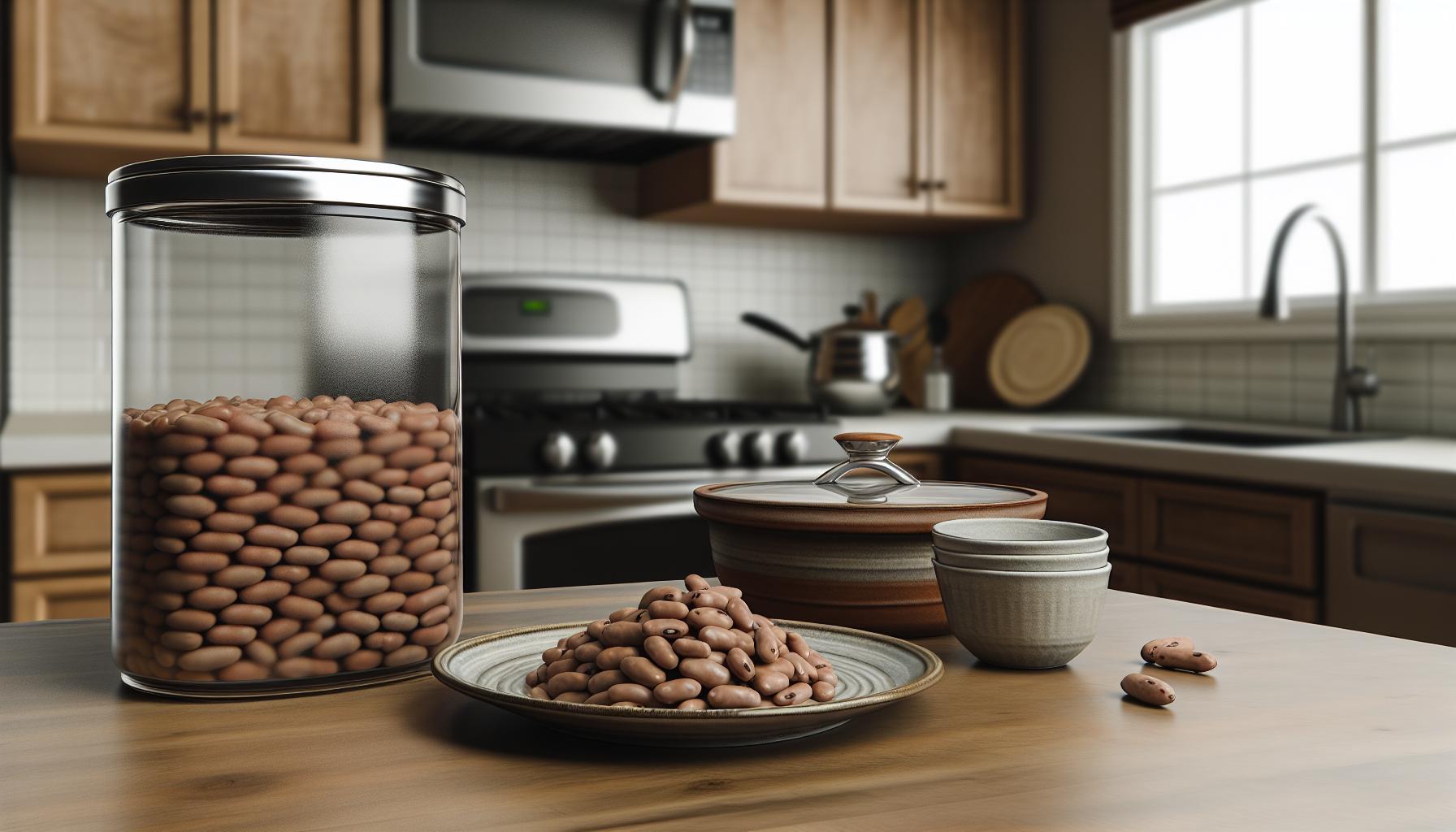
Beans are like little flavor sponges that, once slow-cooked to creamy perfection, demand quality care afterward to keep them tasting fresh and vibrant. If you’ve mastered the art of slow-cooking pinto beans just right-whether simmered low and slow for 6-7 hours or on a high setting for about 4 hours-you’ll want your leftovers to feel just as cozy and delicious the next day (or even week). The secret is simple: proper storing and reheating can make your beans sing again, nearly as good as freshly made.
When storing, transfer cooled beans into airtight containers-glass jars or BPA-free containers work great-to lock in moisture and flavor. as beans naturally soak up their flavorful cooking broth, saving that liquid alongside your beans is key; it prevents drying out and adds a fresh burst the next time you warm them up.pop these containers in the fridge for up to 4-5 days. for longer game plans-meal prep warriors, rejoice!-slow-cooked pinto beans freeze beautifully. Just portion them in freezer-safe bags or containers with a splash of broth to keep them moist during their chilly nap. Thaw overnight in the fridge or defrost gently in the microwave.
Reheating: Bringing Beans Back to life
Reheating is where a bit of loving attention really pays off. Whether you’re using a stovetop pot, microwave, or even a slow cooker, heat slowly and gently to avoid drying out or overcooking your already tender beans. Stir occasionally,and add a splash of broth,water,or even a squeeze of fresh lime or a pinch of cumin to revive depth and brightness. If reheating on the stove, medium-low heat with a lid works wonders for warming evenly. Microwaving? Cover loosely and pause halfway to stir and check texture.
Handy Tips From the Bean-Loving trenches
- Avoid thermal shock: let frozen beans thaw gradually to maintain texture. Zap with high heat straight from freezer? Expect some mushiness.
- Freshen up flavors: A handful of chopped fresh cilantro, a drizzle of high-quality olive oil, or a little garlic powder stirred in post-reheat can make your beans taste like they just came off the stove.
- Don’t fear shortcuts: using canned beans? Heat gently with broth and herbs, and you’re ready in minutes.
- Small batches rule: Only reheat what you’ll eat right away as repeated heating dries beans out and dulls flavor.
Keeping your slow-cooked pinto beans fresh and tasty is really about respecting their delicate texture and savor-packed nature. With these easy tips, you’ll have a fridge (or freezer) stocked with delicious, nutritious beans that feel newly cooked every time you serve them. so next time life gets hectic, know that your slow cooker magic isn’t just for one meal-it’s your secret weapon for quick, comforting food anytime!
Healthy Swaps and Dietary Tweaks for Slow Cooker Pinto Beans
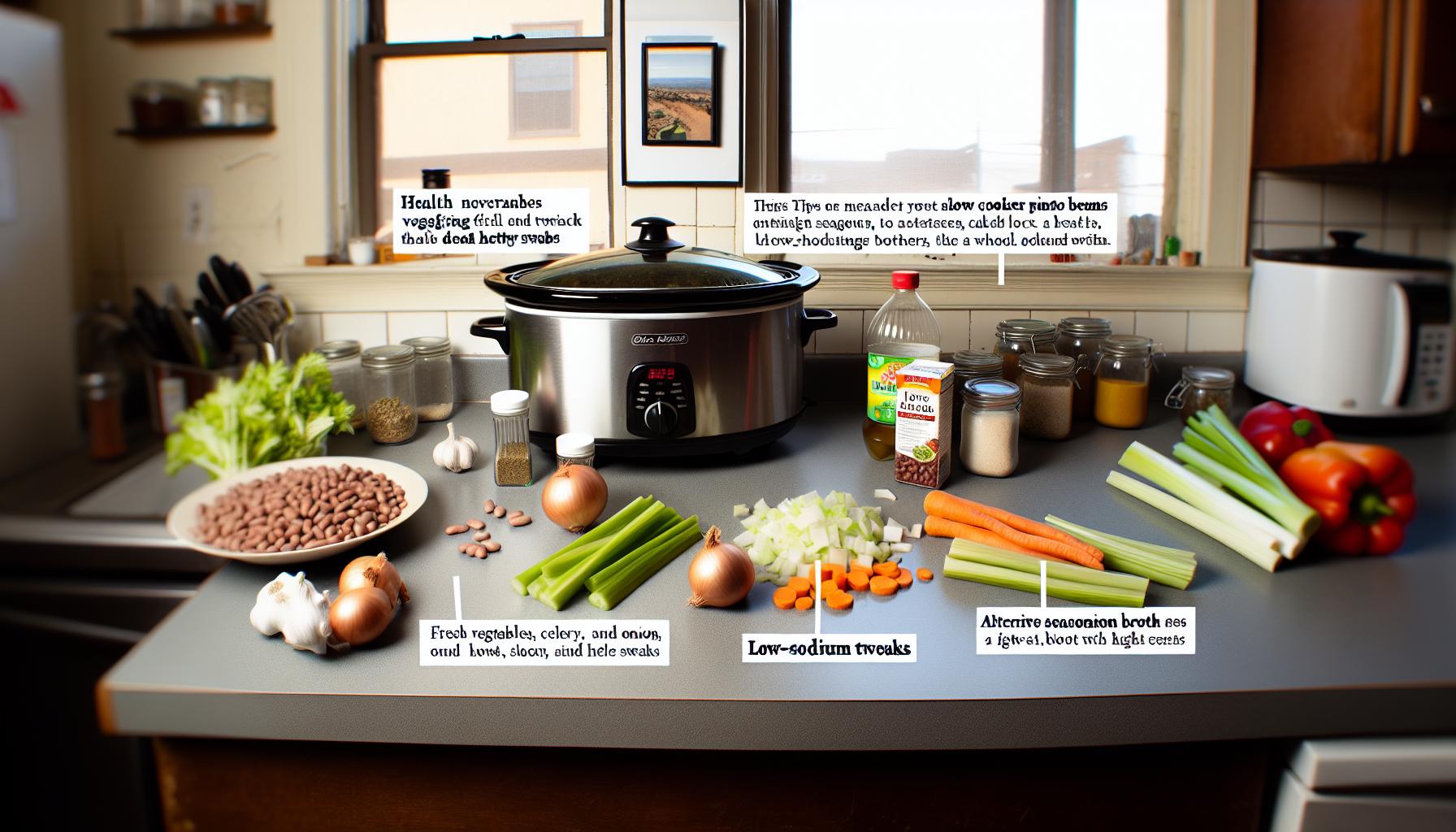
Beans are a fantastic canvas for tweaking recipes to suit every dietary preference or nutritional goal, especially when slow-cooked to that irresistible, creamy softness. whether you’re aiming for paleo-friendly eats, need gluten-free options, or simply want to boost the health factor without sacrificing flavor, a few swaps and additions can make your slow cooker pinto beans both delicious and perfectly aligned with your lifestyle.
If you’re watching carbs or following a paleo regimen, skipping any grains or processed ingredients is key. Pinto beans themselves aren’t strictly paleo,but they shine in gluten-free and vegetarian diets. To keep things paleo-lean but still flavorful, swap out typical legumes for navy or black-eyed peas in some recipes-they break down similarly and offer a unique taste. When it comes to seasoning, ditch the pre-mixed spice packets that often hide gluten or preservatives. Instead, lean on fresh herbs like cilantro, smoky chipotle powder, cumin, and a splash of lime for bright, clean flavor. A drizzle of avocado oil works beautifully over finished beans, adding healthy fats and a silky texture without the dairy.
For those mindful of sodium, try using low-sodium broth or water as your slow cooker liquid, and add salt at the very end to better control seasoning. You can also experiment with acid additions-like a spoonful of apple cider vinegar or a squeeze of fresh lemon-to amplify flavor without extra salt. Swapping onion and garlic powders for fresh minced versions not only boosts nutrition but layers in the kind of wholesome aroma that signals “home cooking” to your senses.
Simple Ingredient Swaps That Work Wonders
- Beans: Use lentils or split peas for quicker cooking and different nutrient profiles.
- Liquid base: Substitute water with homemade bone broth for protein and minerals; use coconut water for a touch of natural sweetness.
- Fats: Swap butter or bacon grease with olive or avocado oil to keep flavors rich but plant-based.
- Seasonings: Fresh garlic and herbs over powders; smoked paprika or chipotle for warmth without heat.
How to Make Your Bean Dish Work for Your Diet
For Gluten-Free Comfort: Beans are naturally gluten-free, but cross-contamination in store-bought broths or spice blends can be sneaky. Always check labels or opt for homemade stocks.
for Paleo Fans: As beans aren’t typically paleo, consider pairing smaller quantities of pinto beans with plenty of veggies and meats. Or experiment with quick pulses like split peas, or simply enjoy beans occasionally if your paleo plan is more lenient.
Plant-Based Boost: Adding diced sweet potatoes,carrots,or kale mid-cooking not only ups fiber and vitamins but blends beautifully with the beans’ creamy texture.
Cooking slow and steady means you have time to taste-test as you go, adjusting herbs and spices to suit your liking. Remember,swapping ingredients is less about perfection and more about personalizing comfort food that fits your unique needs. After all, eating well should feel joyful and flexible-not like a chore.
If recipes had a personality, slow cooker beans would be the warm and reliable friend who always knows how to adapt and deliver exactly what your appetite craves.So go ahead, mix in those swaps and tweaks with confidence. your perfectly soft, tender pinto beans are going to thank you!
Frequently asked questions
Q: Can I cook unsoaked pinto beans in a slow cooker and still get them perfectly soft?
A: Yes, you can cook unsoaked dried pinto beans in a slow cooker, but expect a longer cooking time-usually 7 to 9 hours on low.To ensure they become perfectly soft, check for tenderness toward the end and add water if needed. For quicker results, soaking is recommended but not essential. See soaking tips in our Soaking Secrets section for best texture.
Q: How does altitude affect the slow cooking time for pinto beans?
A: At higher altitudes,pinto beans take longer to cook in a slow cooker due to lower boiling points. Expect to add 30 minutes to 1 hour extra cooking time on low heat.Keep an eye on water levels and bean softness to avoid undercooked beans when slow cooking at altitude.
Q: What slow cooker tips help prevent pinto beans from becoming mushy?
A: To avoid mushy pinto beans, cook them on low heat and check for doneness early (around 6 hours). Avoid over-soaking and add acidic ingredients like tomatoes or vinegar only near the end,as acids can slow softening. Stir gently and skip frequent lid lifts to maintain even cooking.
Q: How much water should I add when slow cooking pinto beans for perfect softness?
A: Use about 3 cups of water for every cup of dried pinto beans when slow cooking. Beans absorb water as they cook, so adding enough liquid ensures softness without drying out. If cooking soaked beans,reduce water slightly.Adjust water based on desired stew thickness.
Q: Can slow cooking pinto beans with baking soda make them softer faster?
A: Yes, adding a pinch (1/8 to 1/4 teaspoon) of baking soda per cup of dried pinto beans to the cooking water can soften beans faster by breaking down fibers. use sparingly to avoid off-flavors, and check beans early to prevent over-softening. this trick pairs well with slow cooker recipes that need shorter cooking times[1].
Q: Is it safe to leave soaked pinto beans in the fridge before slow cooking, and does it affect cooking time?
A: Soaked pinto beans can be safely refrigerated for up to 24 hours before cooking. Longer soaking increases the risk of fermentation, which can change flavor and texture. Always rinse beans before slow cooking to keep them clean and possibly reduce cooking time slightly[2].
Q: Should I add salt at the beginning or end of slow cooking pinto beans for best softness?
A: Add salt toward the end of slow cooking to avoid toughening bean skins and prolonging cooking time. Seasoning late ensures perfectly soft beans and balanced flavor. for more on flavor timing, check Flavor Boosters in the article for tips on seasoning slow-cooked pinto beans.
Q: How can I tell when pinto beans are perfectly soft in a slow cooker without overcooking?
A: Pinto beans are perfectly soft when they can be easily mashed with a fork but still hold their shape. Begin checking for tenderness after 6 hours on low. avoid overcooking by removing beans from the slow cooker once tender, then let them sit covered off-heat to finish softening gently.
For more expert tips on slow cooking pinto beans perfectly every time, explore our full article sections like Perfect Slow Cooker Timing and Flavor Boosters-your kitchen’s best friends for delicious, soft beans every meal!
In Conclusion
Now that you know exactly how long to cook pinto beans in a slow cooker for that perfectly soft, tender bite, you’re all set to enjoy a simple, nutritious, and budget-friendly meal. Whether you’re gluten-free, paleo, or just craving wholesome comfort food, this easy slow cooker method fits right into your busy life-no soaking stress, just set it and forget it! If you want to mix things up, check out our slow cooker chili recipe or discover quick stovetop beans hacks to save even more time on dinner prep.
Ready to take your bean game to the next level? Don’t forget to explore our kitchen-friendly tips for seasoning and ingredient swaps to suit any taste or diet.Plus, if you haven’t yet, join our newsletter for weekly recipes and behind-the-scenes kitchen stories that turn even the most intimidated cooks into bean bosses! Got questions or your own slow cooker secrets? Drop a comment below-we love hearing your twists and tricks. Keep cooking, keep experimenting, and remember: every perfectly soft pinto starts with just the right timing and a bit of love. Happy slow cooking!
Hydration Physics: How Long to Cook Pinto Beans in Slow Cooker
Cooking pinto beans in a slow cooker yields exceptionally creamy, velvety beans for Mexican frijoles charros and refried beans. Whether you soak overnight or cook straight from the bag, use this exact thermal timeline:
| Pinto Bean Prep Method | Water to Bean Ratio | Cook Time on LOW | Cook Time on HIGH |
|---|---|---|---|
| No-Soak Method (Dry Rinsed) | 1 lb beans to 6 cups water/broth (6:1) | 7.5 to 8.5 hours (Recommended) | 4.5 to 5.5 hours |
| Overnight Soaked (8–12 hrs) | 1 lb beans to 4.5 cups fresh broth | 5.0 to 6.0 hours | 3.0 to 3.5 hours |
Three Critical Rules for Creamy Pinto Beans
- Never Add Acid Early: Adding tomatoes, vinegar, or citrus before beans are soft prevents pectin from dissolving, leaving bean skins permanently tough.
- Add Salt from the Beginning: Salting bean cooking water allows sodium ions to replace calcium in cell walls, producing dramatically creamier centers.
- Add an Aromatic Fat: Simmering with 2 tablespoons of lard, bacon drippings, or olive oil creates a rich emulsified pot liquor (caldo).
Get our latest guides, news, and insights highlighted in your Google Search & AI Overviews.