

Did you know rendering beef fat in a slow cooker is one of the easiest ways to unlock rich,paleo-friendly cooking fat without any fuss? If you’re following a paleo or gluten-free lifestyle,using rendered beef fat-frequently enough called tallow-can transform your meals wiht deep flavor,natural fat for cooking,and a satisfying way to reduce waste. Plus, it only takes a few simple steps and requires minimal hands-on time, making it perfect even on busy days.
I’ve found that slow-cooking beef fat not only gently melts it down for a silky, versatile cooking staple but also fills your kitchen with that cozy, meaty aroma we all love (bonus points for a natural homemade candle vibe!). Whether you’re sauteeing veggies, roasting meats, or just want a wholesome fat alternative, this method is a game changer. Stick around, and I’ll walk you through the process – no fancy gear, no stress, just real food that fits your lifestyle and tastes amazing. Ready to make your cooking more nourishing and delicious? Let’s dive in!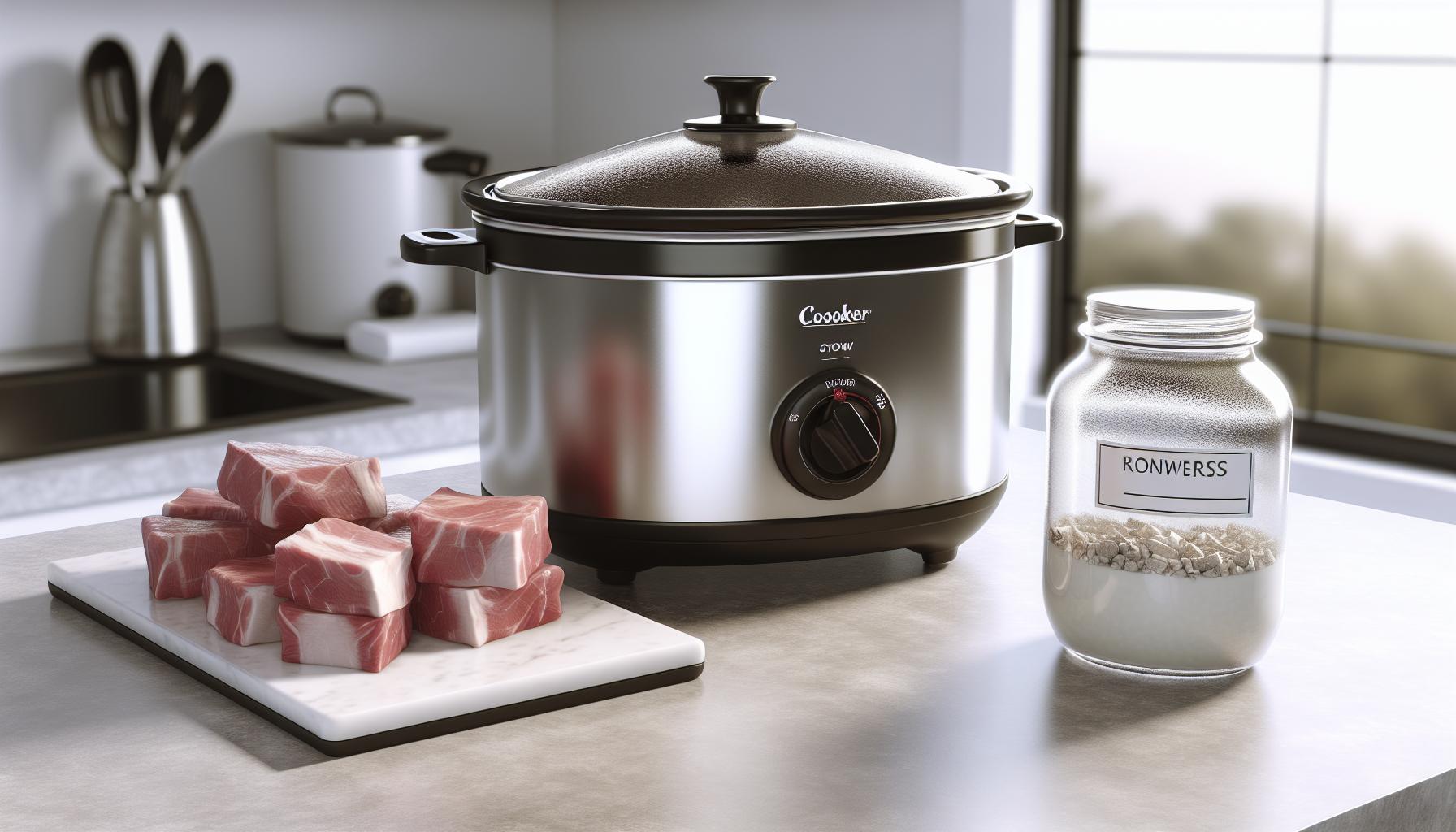
Table of Contents
- Why Beef Fat is Perfect for Paleo Cooking
- Choosing the right cut for Rendering Beef Fat
- Step-by-Step Slow Cooker Rendering Method
- Timing and Temperature Tips for Perfect Fat
- How to Strain and Store Rendered Beef Tallow
- Creative Paleo Recipes Using Homemade Beef Tallow
- Flavor Boosts: Herbs and Spices to Add While Rendering
- Common Mistakes to Avoid When Rendering Beef Fat
- Comparing Slow Cooker vs Traditional Rendering Methods
- Health Benefits of Beef Tallow on a Paleo Diet
- Sustainable Sourcing: Finding Quality Beef Fat
- Creative Uses Beyond Cooking with Beef Tallow
- Frequently asked questions
- Q: Can I render beef fat in a slow cooker without any added water or liquid?
- Q: How long does it take to render beef fat in a slow cooker for ideal Paleo cooking?
- Q: What are the best herbs or spices to add while rendering beef fat in a slow cooker?
- Q: How do I know when the beef fat is fully rendered and ready to strain?
- Q: Is it possible to render beef fat in a slow cooker if I don’t have a large quantity of fat? How do I adjust?
- Q: Can I reuse the rendered beef fat for multiple Paleo cooking applications?
- Q: What’s the best way to clean the slow cooker after rendering beef fat for Paleo cooking?
- Q: Can beef fat rendered in a slow cooker be used for skin care in addition to cooking?
- Concluding Remarks
Why Beef Fat is Perfect for Paleo Cooking
Think of beef fat as your paleo pantry’s secret weapon-rich, versatile, and surprisingly nutritious. Not only does it bring that deep, savory flavor to dishes, but its natural saturated and monounsaturated fats perfectly align with the paleo lifestyle, emphasizing whole, unprocessed foods. if you’ve been relying mostly on olive oil or coconut oil for your cooking fats, rendering beef fat offers a new dimension in taste and texture that’s both satisfying and nourishing.
Beef fat, especially when rendered slowly in a crockpot or slow cooker, yields tallow that’s stable at higher temperatures, making it ideal for frying, roasting, or even adding richness to soups and stews. Unlike many processed vegetable oils that can oxidize and produce harmful compounds when heated, beef tallow has a robust smoke point and a natural resilience, essentially making your meals tastier and your cooking safer. Plus, its nutrient profile includes fat-soluble vitamins like A, D, E, and K, which are frequently enough underappreciated in modern diets.
Why It Matches the Paleo Philosophy
- whole-food focused: Beef fat in its rendered form is unrefined and minimally processed, ticking all the paleo boxes for clean, natural ingredients.
- energy-dense and satiating: The fatty acids in beef tallow provide steady energy, which is especially handy for active paleo eaters.
- Flavor enhancer: It adds a subtle,meaty depth to dishes that makes even simple meals feel indulgent without relying on dairy or processed additives.
My personal kitchen hack? When I render beef fat, I reserve a few tablespoons of that golden, silky tallow to sauté garlic and herbs before adding veggies.The result? A cozy,crave-worthy side that gets gobbled up faster than I can say “paleo-approved.” If you’re juggling busy weeknights or looking for that easy comfort-food vibe within paleo guidelines, beef fat makes it effortless-and frankly, delicious.
Choosing the right cut for Rendering Beef Fat
Beef fat isn’t just fat-it’s a treasure trove of flavor and nutrition waiting to be unlocked. but not all fat is created equal when it comes to rendering,especially if you want that silky,rich tallow for your paleo kitchen. The trick is knowing where to find the best cuts, the ones that will yield plenty of quality fat without an overload of gristle or impurities that make the final product grainy or bitter. Plus, choosing the right cut helps you maximize flavor while keeping the whole process simple and rewarding.
usually, the easiest fat to render comes from the suet around the kidneys and loin-it’s pure, dense fat with minimal connective tissue, making it perfect for clean, smooth tallow. If suet is elusive at your local butcher, look for thick fat trimmings from premium cuts like ribeye, brisket, or chuck. These cuts have a lovely balance of fat and lean meat,which can add a bit more depth to your tallow without turning it cloudy or heavy. You can absolutely throw in some smaller scraps from stew beef or sirloin to boost your fat collection, but try to trim off excess sinew or tough bits-this helps avoid any funky textures or flavors when rendered slowly.
Practical Tips for Choosing and Preparing Cuts
- Ask your butcher: They often have suet or fat trimmings reserved from various cuts-sometimes they’ll even sell beef kidney fat specifically for tallow.
- Look for white, firm fat: Yellow or soft fat often means older or grain-fed beef, which can influence flavor and melting quality.
- Trim off bloody or meat-heavy pieces: These will cloud your tallow and may affect shelf-life.
- Freeze and cut into chunks: Slightly frozen fat is easier to dice and handle, especially if you’re prepping for a slow cooker.
in my experience, one of the best hacks is to buy a good cut of brisket or chuck roast on sale and trim the fat yourself. Not only do you get prime fat for rendering, but you also score some tasty beef for dinner! Since paleo cooking loves whole foods, turning a single cut into two valuable ingredients feels like a win for your plate and your budget. Plus, the slow cooker method generously melts away collagen and membranes, so don’t fret if your chunks aren’t perfectly pristine-the long, gentle heat transforms them into liquid gold.
Rendering beef fat from the right cut realy sets the tone for all your paleo meals, from crispy roasted veggies tossed in tallow to frying up eggs with an extra layer of savory richness. And remember,sourcing fat from pasture-raised or grass-fed beef can bump up the nutrient content while aligning with paleo’s clean eating philosophy. Whether you’re a kitchen newbie or a seasoned pro, picking the best fat to render is the secret ingredient behind buttery, crave-worthy tallow you’ll want to keep on hand.
Step-by-Step Slow Cooker Rendering Method
Rendering beef fat in a slow cooker is hands-down one of the easiest and most satisfying kitchen hacks for paleo cooks wanting to make their own rich, golden tallow at home. The magic lies in the slow, gentle melt that transforms solid fat into buttery liquid without any fuss or fear of burning it-a godsend for busy folks who want nourishing homemade fat without babysitting a stovetop all day. Plus, the slow cooker does the heavy lifting, allowing you to multitask or kick back while your kitchen fills with that cozy, meaty aroma.
Start by cutting your beef fat into roughly 1-inch cubes-this helps it break down evenly and speeds up the melting process. You don’t have to fuss about perfectly trimming every sinew; the slow cooker’s low heat will coax collagen and membranes into melting away beautifully over many hours. Simply toss the chunks into your slow cooker insert, set it to low heat, and cover loosely with the lid. The fat will begin to liquefy after a couple of hours, so stirring occasionally (every 2-3 hours) encourages even cooking and prevents any stubborn bits from sticking to the sides.
Easy Steps to perfect Tallow in Your Slow Cooker
- Prep: Cut fat into 1-inch pieces. No need to triple-filter perfection here; just trim out large bits of meat or blood clots to keep the final tallow cleaner.
- Cook: Place fat in your slow cooker on low. Leave the lid slightly ajar to let steam escape, which prevents moisture build-up that can muddy your tallow.
- Stir occasionally: Every few hours, gently stir to break up chunks and distribute heat evenly.
- Check after 6-8 hours: The fat should be mostly liquid, with crispy, browned solids-the cracklings-which you can save for a snack or salad topper.
- Strain: Pour the liquid fat through a fine mesh sieve or cheesecloth into a clean jar, discarding solids or saving for another use.
- Cool and store: Let your tallow cool to room temperature, then refrigerate or freeze for longer shelf life.
What I love most is how forgiving this method is. Tried-and-true from my kitchen experiments, the slow cooker method handles everything you throw at it. Forgot to stir for a while? No biggie.Need to leave for errands? Your slow cooker keeps cooking safely until you return. Also, the cracklings left behind? Total bonus crunchy treats that make this process feel like a zero-waste win. For busy paleo home chefs, mastering this slow cooker technique turns beef fat into liquid gold without stress or mess-just good old-fashioned foodie joy.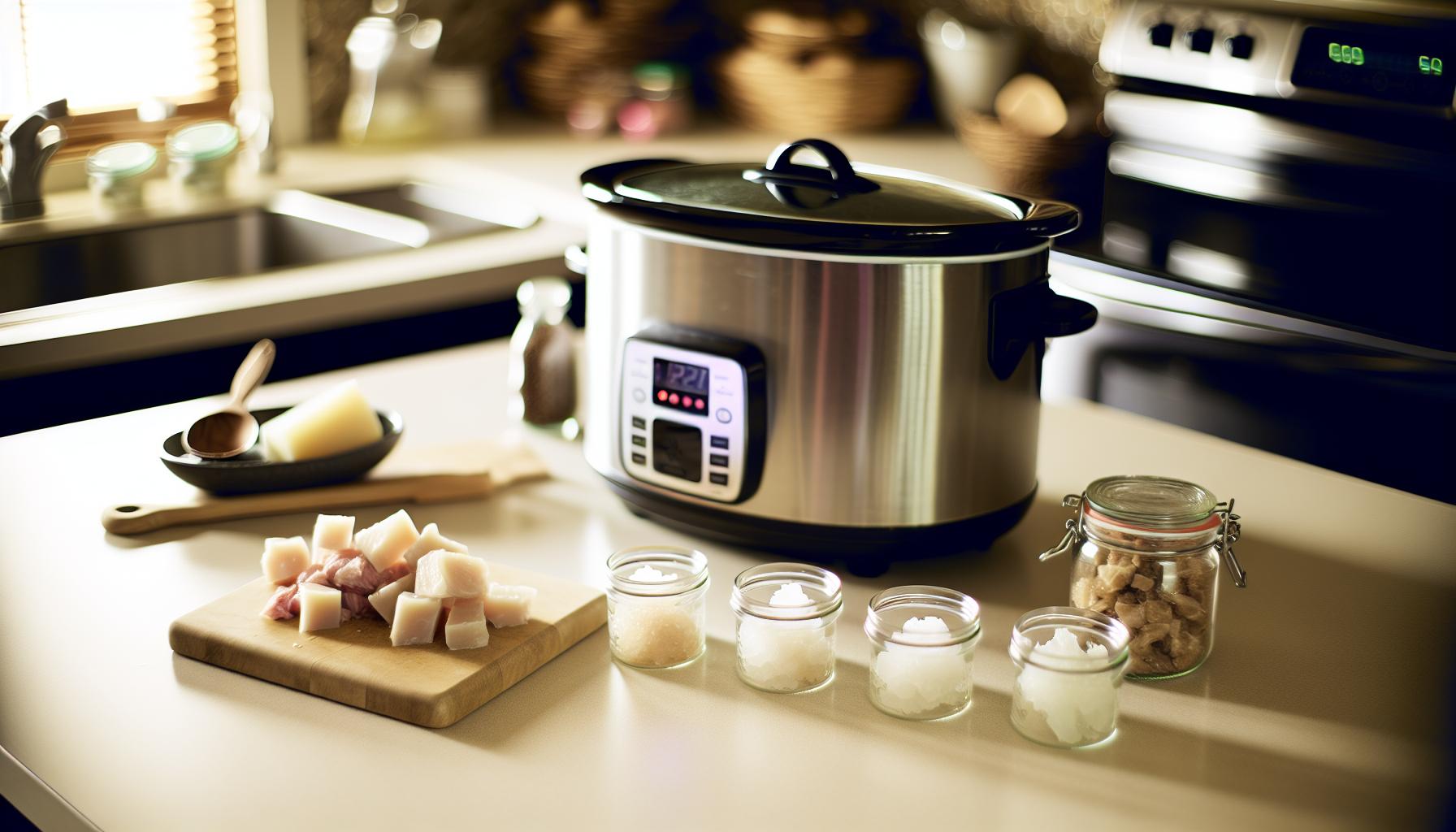
Timing and Temperature Tips for Perfect Fat
Rendering beef fat to silky, golden perfection is all about patience and respecting temperature-the dynamic duo that transforms humble chunks of fat into your paleo kitchen’s liquid gold. Think of it like slow dancing versus the cha-cha: low, steady heat lets the fat melt gently, coaxing out flavor without scorching or bitterness, while rushing it risks burning and that stubborn, off-note flavor none of us want. A slow cooker on the low setting is your best friend here, delivering constant, gentle warmth that’s forgiving-even if life’s distractions pull you away mid-render.
- Set it low and steady: Keep your slow cooker to the low setting-usually hovering around 130°F to 160°F (54°C to 71°C). This sweet spot lets the fat melt slowly, releasing its richness without burning.Don’t be tempted to crank the heat; a higher temperature speeds things up but often leads to cloudy tallow or a scorched smell. Patience pays off in smooth, clean-tasting fat.
- Time it right: for most batches, 6 to 8 hours is the magic window.You’ll know you’re close when the fat is mostly liquid and the leftover solids, called cracklings, have turned golden and crispy. If you peek earlier,no worries-just keep it going until it looks right. And if you’re juggling a busy day, leaving it up to 10 hours on low still works beautifully.
- Check in, but don’t micromanage: Stir every 2 to 3 hours to break up larger chunks and prevent sticking. This helps the fat render evenly and lets heat circulate.But don’t stress over constant stirring-slow cookers are designed to cradle your food, so a little neglect won’t ruin the batch.
Why weather and Appliance Variations Matter
You might notice your tallow takes a little longer or shorter depending on where you live and which slow cooker model you use. Older models sometimes run hotter; digital ones tend to maintain a steadier, lower temp. In winter, your kitchen might be chillier, slowing the melting process-no problem, just add an extra hour or so. For peace of mind,a cheap kitchen thermometer can be your rendering BFF.
If you’re ever in a pinch and want to speed up the process, just remember: actively increasing the temperature shifts flavors and potentially reduces shelf life. Better to extend the cook time slightly than risk burnt fat. And hey, if you miss the stirring window or hop out for errands, your slow cooker’s got your back-ready to keep that fat melting safely without you hovering.
Mastering this balancing act between timing and temperature transforms beef fat not just into rendering success, but a luxurious kitchen staple you’ll crack out again and again-because good paleo cooking deserves good fat that tastes as wonderful as it nourishes.
How to Strain and Store Rendered Beef Tallow
There’s a special kind of satisfaction that comes with watching your beautifully rendered beef fat transform from bubbling liquid to smooth, golden tallow, and knowing the best way to strain and store it means your paleo kitchen treasure lasts longer and stays pristine. Once your slow cooker has finished its magic,it’s time to carefully separate that creamy,flavorful liquid from the crackling bits that have caramelized at the bottom. Tossing aside those solids too quickly is a rookie move; they’re packed with savory goodness worth saving for sprinkling on salads or roasting veggies later.
For an easy, foolproof filtering, grab a fine mesh strainer or cheesecloth-lined colander and place it over a heat-safe bowl or jar. Pour the warm fat slowly-trust me,patience here avoids messes and leaves the cleanest tallow behind. If you don’t mind a little extra effort, double straining can catch the tiniest particles and ensure your fat is silky smooth, perfect for frying or baking. Personally,I love using reused glass jars (think old mason jars or even cleaned-out spaghetti sauce containers) for storing tallow because they seal tight and keep flavors fresh without fridge odors sneaking in.
Storing Your Paleo gold
Once strained, let the tallow cool at room temp for about an hour before sealing. It’ll solidify to a creamy, butter-like texture as it cools, a sure sign your kitchen just got a new super ingredient. For short-term use, a cool pantry spot away from direct sunlight works fine. but if you want maximum shelf life-think 6 months or more-pop it in the fridge or freezer. Pro tip: labeling your jars with the rendering date helps keep track as delicious fat on the shelf can sometimes be “too good” to remember!
- Room temperature: Store in a sealed container for up to 3 months away from heat and light.
- Refrigeration: Keeps fresh for about 6 months; tallow firms up nicely, great for baking.
- Freezing: Extend storage beyond 1 year; consider dividing into small portions for easy thawing.
If you’re ever short on time, no worries! Rendering and straining beef fat is forgiving. Just don’t leave the rendered liquid sitting too long before straining-it can start to develop a slightly off taste or cloudy texture. I like to think of the straining step as giving your paleo tallow a spa day: gentle, thorough, and absolutely worth the few extra minutes.
With your fresh batch tucked away,you’ve got a dynamic cooking fat ready to boost flavors and bring paleo dishes to life-from crispy veggies to juicy steaks or batch-cooked soups. Trust me, once you’ve tasted homemade beef tallow, store-bought cooking oils will feel like a distant memory.
Creative Paleo Recipes Using Homemade Beef Tallow
there’s something magic about turning homemade beef tallow into a culinary powerhouse in your paleo kitchen. Beyond just a cooking fat, it’s a flavor booster that transforms simple ingredients into comfort food classics with a wholesome twist. Once you have that silky jar of golden goodness, the possibilities open wide-from crisping veggies to enriching batters or creating rich soups that feel downright indulgent but stay true to paleo principles.
Breakfast Boosts
Start your day with crispy sweet potato hash or paleo-friendly breakfast sausages pan-fried in beef tallow. The high smoke point lets you get a perfect sear without losing nutrition, and the beefy richness adds depth that coconut or avocado oil just can’t match. Here’s a quick go-to skillet meal:
- Ingredients: Diced sweet potatoes, sliced mushrooms, spinach, and ground sausage
- Method: Heat 2 tbsp tallow in a skillet over medium-high heat, add sweet potatoes and mushrooms, sauté until tender and golden (~15 min), stir in spinach and cooked sausage until warmed through.
You get crispy edges, vibrant veggies, and a savory flavor that keeps you energized all morning.
Lunch and Dinner Made Simple
Use your rendered fat as a base for one-pan meals.As an example, toss root vegetables like carrots and parsnips in tallow, sprinkle with rosemary and sea salt, then roast until caramelized and tender. Or swap butter for beef tallow in Paleo-friendly pie crusts and pâtés for an ultra-flaky, meaty twist. One of my favorite hacks is frying leftover night-before roasted veggies in tallow the next day-crispy edges and intensified flavor out of mere leftovers? Yes, please. Bonus: it’s a brilliant shortcut when life gets busy.
Snack and Treat Ideas
Homemade beef tallow also shines in paleo snacks and treats. Try making savory tallow-dusted kale chips by tossing kale leaves in melted tallow and sea salt, then baking at 300°F (150°C) for about 20 minutes until crisp. Or whip up pork rinds fried in beef tallow for a crunchy snack that satisfies that carb craving without breaking paleo rules. For the sweet-toothed, beef tallow can substitute butter or coconut oil in paleo cookie recipes, lending a subtle, buttery mouthfeel that surprises guests in the best way.
- Pro Tip: Always taste your tallow before cooking-it can carry a smoky or herbal hint depending on how you rendered it, which can be a game-changer for knowing which dishes to pair it with.
- Ingredient swap ideas: If paleo baking’s your jam, swap equal parts butter/coconut oil for tallow in recipes to experiment with flavor and texture.
Using homemade beef tallow doesn’t mean reinventing the wheel; it means elevating every dish with wholesome fat that cooks like a dream and tastes like a party of real food. the best part? You’re in full control of every step-from sourcing to storage-which means you’re truly feeding your body and soul, paleo-style.
Flavor Boosts: Herbs and Spices to Add While Rendering
Rendering beef fat in a slow cooker is a wonderfully hands-off way to make your kitchen smell amazing while producing rich, golden tallow. But here’s a little secret that can take your batch from “yep, that’s tallow” to “oh wow, this smells like magic in a jar”: toss in herbs and spices right at the beginning. These flavor infusions gently steep as the fat melts,layering subtle but distinct savory notes that pop once the tallow cools and you start cooking with it. Plus, it’s a ridiculously easy way to customize your fat for different recipes or moods – all without any fancy equipment or extra fuss.
For paleo-friendly herbs, think robust, earthy, and aromatic. Classic rosemary and thyme are top contenders, bringing woodsy warmth that complements beef’s natural richness. Bay leaves add a hint of gentle bitterness that plays really well against the creamy texture of the fat. If you’re feeling adventurous, a few cracked black peppercorns or whole cloves can introduce a whisper of spice and complexity – without overpowering the tallow’s buttery nature. One of my favorite combos? Rosemary, a couple of smashed garlic cloves, and a pinch of smoked paprika – this blend transforms the slow cooker into a fragrant stew that’s just begging to become your go-to cooking fat.
Tips for Getting the Most from Your Flavor Boosters
- add fresh herbs early: Fresh rosemary, thyme, and bay leaves love the low-and-slow heat for infusing their oils into the tallow-add them right as you start rendering.
- Crush or bruise herbs and spices: A light smash with the back of a knife releases essential oils,maximizing flavor without needing a ton of extras.
- Keep it simple: Too many spices can muddle the flavor. Stick to two or three complementary additions to keep the final tallow approachable and versatile.
- Strain thoroughly: remove all herbs and spices after rendering to avoid any bitter bite as your tallow cools and stores.
If you ever find your rendered fat captures a strong herbal aroma, think of it as your secret weapon for dishes like roasted root vegetables or earthy stews where those flavor notes can shine. On the flip side, if you want a more neutral base for versatile paleo baking, skip the extras and save your flavor experiments for when you’re cooking with the tallow directly. Either way, adding herbs and spices during the rendering phase is a straightforward technique that makes homemade beef tallow feel crafted and special – like a kitchen ritual, not just fat melting.
So next time you pop your beef fat into the slow cooker, grab a sprig or two of herbs from your garden or spice rack and turn that rendering session into a cozy sensory experience. Hand on heart, it’s worth it for the tiny bursts of flavor that linger in every dish you create afterward. Plus, it’s a neat way to personalize your paleo cooking fat and keep your meals exciting without breaking a sweat.
Common Mistakes to Avoid When Rendering Beef Fat
Few kitchen projects feel as rewarding as turning a pile of humble beef fat into gorgeous, golden tallow. But-here’s the scoop-rendering fat isn’t entirely foolproof, especially when slow cooking. It might seem like “set it and forget it” magic, but some sneaky pitfalls can sabotage your batch before you know it. Luckily,most common mistakes are easily fixed once you know what to watch for.
One of the biggest slip-ups is rushing the process by turning the slow cooker too high right off the bat. Rendering is all about gentle coaxing-low and slow is the mantra here. Cranking the heat causes fat to burn instead of melt, leaving your precious liquid with a burnt taste and darker color. I learned this the hard way on my first try-my kitchen smelled a little smoky, and the tallow was tinted like old coffee. Try using the “Low” setting and give it at least 6 hours,stirring occasionally to evenly distribute the heat. It’s a marathon, not a sprint, and patience pays in silky, clean-tasting fat.
Another common snag is overlooking how the fat is prepped before it lands in the slow cooker. Large chunks or fibrous bits of connective tissue take forever to render fully and risk leaving impurities in your tallow, which affects clarity and pantry life. For best results, cut fat into uniform, small cubes (think one-inch pieces) before you start. This helps the slow cooker work evenly and speeds everything up just enough to keep you sane. Plus, trimming off any visible bits of meat or dark tissue helps keep the flavor pure and the rendered fat clean.
Simple Tips to Keep Your Beef Tallow Dreaming Smooth
- Don’t skip straining: Use a fine mesh strainer or cheesecloth to catch all those tiny bits that you can’t see but taste like… well, “meh.” this step totally transforms your tallow from rustic to refined.
- Skip the lid at the end: Towards the last hour of rendering,remove the lid to help moisture evaporate so you don’t end up with greasy,soggy tallow that won’t crisp up when cooked.
- Cool before moving: Hot fat is liquid gold but also a burn hazard. Let your tallow cool enough to handle safely before pouring into jars or containers.
- Store smart: Keep your tallow in an airtight jar, ideally in the fridge or a cool spot. it lasts forever and makes for ready-to-use paleo cooking magic.
If your tallow ever smells funky or looks cloudy,it’s usually a sign that rendering was either too hot or rushed,or bits of meat ended up in the pot. Don’t toss it! Re-melt gently and strain again,or save it to make homemade dog treats. Rendering fat is a forgiving skill-the more you do it, the more your instincts will sharpen. Think of it like a fun kitchen science experiment that just happens to make your paleo meals taste amazing without extra fuss.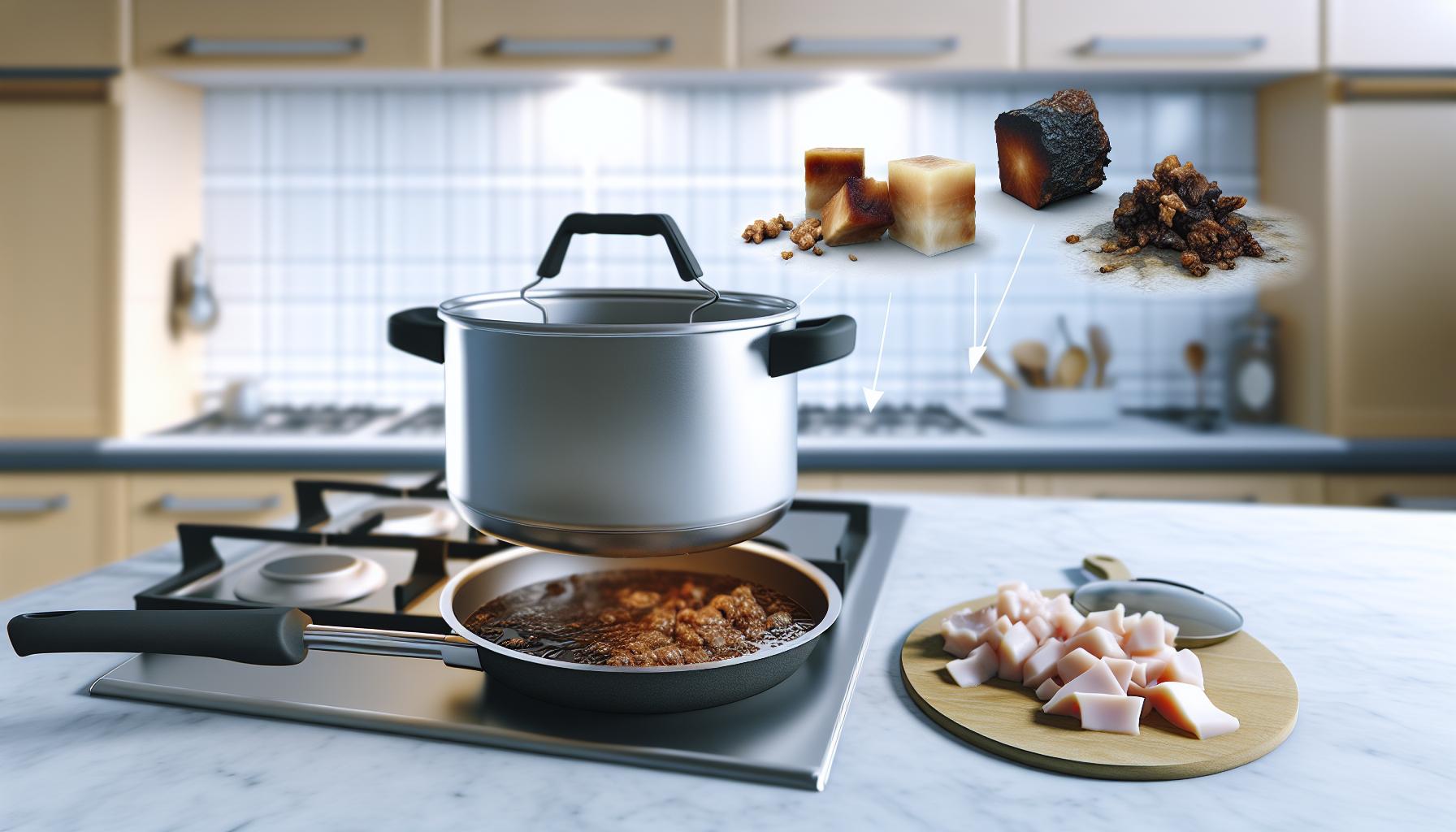
Comparing Slow Cooker vs Traditional Rendering Methods
few kitchen adventures combine patience and payoff quite like turning beef fat into rich, golden tallow. You might wonder: why choose a slow cooker over traditional methods like stovetop or oven rendering? Each has its perks, quirks, and ideal scenarios-even this simple fat-rendering task can spark debate among home cooks. Let’s unpack the differences, so you can pick the best fit for your paleo kitchen rhythm.
Traditional rendering usually means gently melting fat in a heavy pot on the stove or in the oven at low heat. It requires a bit more active babysitting: stirring to prevent scorching,careful heat management,and good ventilation for the occasional waft of beefy aroma (or smoky “oops” moments if you’re not careful).The direct heat offers speed-often 2 to 3 hours-making it great for quicker batches if you’re attentive. However, the risk of burning small bits of meat or fat is higher if you rush or aren’t stirring enough, which can taint the flavor and darken the tallow.
In contrast, the slow cooker shines as the “set it and forget it” champion for rendering fat. It’s designed for extended, even heat submission-think 6 to 8 hours on low, turning beef fat into silky tallow without the risk of scorching. I’m a fan especially when multitasking or avoiding the kitchen “watchfulness” marathon. Plus, the closed surroundings means less kitchen smell drifting around, which can be a relief, especially for indoor cooks in small spaces. One tip: remove the lid in the final hour to let moisture evaporate for a crispier texture when cooking with your tallow later.
Pros and Cons Quick-View
| Method | Time | Heat Control | Flavor Impact | User Effort |
|---|---|---|---|---|
| Stovetop/Oven rendering | 2-3 hours | Requires active monitoring | Richer (if careful),risk of burning | Medium – stir & adjust heat |
| Slow Cooker Rendering | 6-8 hours | Low & slow,low risk of burning | Clean,mild flavor | Low – mostly hands-off |
If you’re a fan of kitchen science projects that unfold like a slow,soothing ritual,slow cooker rendering is a lovely fit. It’s forgiving if you get distracted (hey,life happens!),and makes it easier to prep larger batches without worry. Having mentioned that, if you love watching the process closely and want faster results, stovetop or oven might be your go-to. Either way, cutting your beef fat into uniform, small cubes (about one inch) helps the heat penetrate evenly, no matter the method.
For paleo cooks balancing busy lives and craving nutrient-dense, flavorful fats, slow cooker rendering offers a friendly gateway-plus the bonus of cleaner tallow perfect for roasting veggies, frying eggs, or baking gluten-free goodies. Whichever path you choose, your golden harvest will bring that nostalgic, hearty taste and healthy energy boost paleo cooking celebrates. So go ahead-try both, compare, and make this classic skill your own.
- Pro tip: Strain carefully with cheesecloth or a fine-mesh sieve nonetheless of method-that clarity makes a huge difference in taste and storage life.
- Starter idea: If short on time, consider stovetop for a quick batch; for all-day “set it and forget it”, slow cooker is your best pal.

Health Benefits of Beef Tallow on a Paleo Diet
There’s something truly satisfying about cooking with beef tallow that goes beyond flavor-it’s a nutrient-rich fat that aligns beautifully with paleo principles. Unlike many processed cooking oils, rendered beef fat is a whole food fat that provides steady energy thanks to its balanced mix of saturated and monounsaturated fats.These fats are stable at high heat,making tallow a perfect choice for frying or roasting,without the worry of harmful oxidation that can come from vegetable oils. Plus,it’s naturally gluten-free and dairy-free,ticking key boxes for many paleo and clean-eating fans.
What often surprises people new to using beef tallow is its content of fat-soluble vitamins, like vitamins A, D, E, and K, which are essential for bone health, immune function, and skin vitality. These nutrients thrive in animal fats, and when you slowly render beef fat in your slow cooker, you retain those valuable compounds. It’s like turning humble beef fat into a pantry powerhouse. I remember the first time I swapped out my regular cooking oils for homemade tallow – my eggs and veggies tasted richer, and I felt a little more “whole-food satisfied” with every meal.
Balanced Energy and Satiety for Busy Paleo Days
Have you ever noticed how some fats keep you full longer and help avoid those mid-morning snack attacks? Beef tallow is just that kind of fat. Its composition provides a slow-burning energy source, perfect for the kind of lasting fuel that paleo diets aim to supply. For those hectic mornings, cooking your breakfast with tallow can help stabilize blood sugar and curb cravings-meaning fewer “hangry” moments while chasing the day’s to-dos.
- Pro tip: use tallow for frying eggs, sautéing greens, or even roasting sweet potatoes to add that buttery, rich note that makes paleo meals feel indulgent but still clean.
- Bonus: Because it withstands heat well, tallow reduces the formation of harmful free radicals during cooking-score for health and flavor!
Gut Health and Beyond
While beef tallow doesn’t contain fiber itself, its role in a paleo diet often complements gut-healing meals that feature plenty of fibrous veggies and bone broth. Anecdotally, many paleo cooks report better digestion and less bloating when switching to traditional fats like tallow versus processed seed oils. Rendering your own fat at home also ensures purity-no nasty additives or preservatives sneaking in. Keeping your fat source clean supports liver function and overall metabolic health, which is central to thriving on any paleo-inspired routine.
In my experience, the ritual of slow cooker rendering doubles as a mini self-care moment. The slow, even heat coaxing those golden drops from beef fat is both practical and a sensory joy-no rushed kitchen chaos, just the promise of nourishing, versatile tallow ready for everything from crispy breakfast potatoes to paleo-friendly baked goods.
So, while beef tallow might seem old-school compared to trendy oils flooding the market, it packs a whole-food nutrition punch that your paleo pantry will thank you for-and your taste buds will too. The best part? once you master the process, you’ll never look at fat the same way again. Happy rendering!
Sustainable Sourcing: Finding Quality Beef Fat
Tracking down top-notch beef fat can feel like a scavenger hunt if you’re new to the quest-but investing a little effort up front will supercharge your paleo cooking and keep your rendered tallow clean,flavorful,and nutrient-rich. The kind of fat you source has a big impact not just on taste, but on how well that precious mix of vitamins and healthy fats shows up in your finished product. Think of it like choosing between a fresh,wholesome ingredient and something that’s traveled halfway across the contry stuck in fluorescent packaging-not exactly the vibe for your slow-cooker kitchen ritual!
One of my favorite hacks is building a friendly relationship with local butchers or farmers markets.These folks often have access to grass-fed or pasture-raised beef suet-that’s the hard fat around the kidneys and loin, which renders down into a beautifully clean and creamy tallow. Plus, asking questions about the animals’ diets and living conditions can give you confidence that the fat you’re rendering isn’t loaded with unwanted toxins or wierd additives. If you can’t swing a butcher trip, check out specialty online retailers or co-ops focused on sustainably raised meats. It might cost a bit more upfront, but your kitchen and body will thank you.
Small Changes, Big Flavor Gains
If you’re shopping at a large grocery store, there’s still hope! look for beef labeled “grass-fed” or “organic.” These labels aren’t just marketing fluff-they often hint at better fat quality with a higher concentration of omega-3s and fat-soluble vitamins. Sometimes you can buy suet separately or ask your butcher to save you some beef trim that’s pure fat, perfect for slow cooker rendering.don’t be shy about experimenting with the cut of fat either; I’ve had fun trying mixes of suet and leaf fat (fat layered around the ribs) to adjust the flavor and texture of my tallow.
- Pro tip: If you’re lucky enough to get beef fat with some meat still attached, that’s even better for flavor. Just trim the bits you don’t want during rendering.
- Bonus: Buying in bulk or sharing with a cooking buddy can reduce cost and food waste-sustainable and practical!
Ultimately, sourcing your beef fat sustainably is about keeping your cooking real, connected, and joyful. The richer the history behind your fat, the more it enriches your paleo dishes. I remember once picking up some suet from a local farm stand and having a chat with the farmer about how their pastures are managed-it made rendering feel like more than just a cooking task. It added a bit of mindfulness, gratitude, and stories to every crispy batch of tallow afterward. Plus, you get to support small-scale farmers who care as much about quality as you do. Win-win, right?
So next time you’re gearing up to render fat, take a moment to source like a pro-your kitchen deserves the best starring ingredient, and so do you.
Creative Uses Beyond Cooking with Beef Tallow
You might think of beef tallow as just the ultimate paleo cooking fat, but its uses actually stretch far beyond pan-frying your morning eggs or roasting veggies to crispy perfection. once you’ve got a good stash of this rich, homemade fat, you’ll find that it’s like a secret multi-tool for your kitchen and even beyond. It’s got a gorgeous shelf life, natural preservative qualities, and a mild, meaty aroma that lends itself to all kinds of creative projects-many of which might surprise you!
In the Kitchen: More Than Just Frying
Besides being a superior cooking fat, tallow makes an outstanding base for homemade paleo condiments and spreads. Ever tried mixing softened tallow with fresh herbs and a pinch of sea salt? It turns into a luscious, nutrient-packed herb butter alternative perfect for dolloping on grilled meats or steamed greens. You can also blend it into ground meat mixtures when making paleo meatballs or burgers to boost moisture and flavor without any funky additives.
If you’re a bread baker using paleo flours, incorporating small amounts of beef tallow into your dough or biscuit batter can mimic that flaky, tender crumb we all love, but with a savory twist. Plus,it’s a stellar choice for seasoning cast iron skillets-those kitchen beauties stay well-oiled and rust-free when rubbed with tallow after cleaning,and the fat’s high smoke point helps create the perfect non-stick surface over time.
The Wellness Corner: Natural Skincare Ally
Here’s a little kitchen meets beauty crossover-beef tallow historically shines as a natural moisturizer and skin protector. It’s packed with fat-soluble vitamins like A, D, E, and K, as well as conjugated linoleic acid, which can support skin health. After rendering, simply let the cooled tallow solidify in a clean jar and apply as a balm for dry elbows, chapped lips, or even cracked heels. It’s especially great in winter when your skin is begging for some TLC but without any synthetic ingredients.
Mixing tallow with a few drops of essential oils or beeswax creates a DIY salve that’s rich, emollient, and ridiculously easy to whip up with zero fancy ingredients. I’m talking about a quick blend in a double boiler, pour-into-a-container moment that turns your kitchen into a mini apothecary. Bonus points if you gift a jar to your paleo pals-they’ll think you’ve got magic skills!
Household Hacks and More
Beyond your body and kitchen, tallow can be your go-to for everyday household needs. It works brilliantly as a leather conditioner-yes, your hiking boots and leather wallets will thank you after a thoughtful rub down. The fat seeps in, nourishes the fibers, and can extend the life of your prized items with a natural sheen. Also, it’s a handy ingredient for making paleo-friendly candles if you’re into crafting; blended with beeswax and a wick, tallow candles give off a gentle, warm glow reminiscent of old-fashioned hearths.
- Travel tip: Solid tallow jars are great for lubricating squeaky door hinges or lubricating sticky drawers without any weird chemicals.
- Money saver: Since homemade tallow lasts months when stored properly in a cool, dark place, it’s a budget-friendly alternative to many specialty butters and lotions in stores.
Next time you find yourself with a big batch of slow cooker rendered beef fat, don’t just tuck it away for frying-think of all the quirky, useful ways it can make your paleo lifestyle deliciously versatile and surprisingly eco-friendly, both in the kitchen and beyond. Trust me, turning your rendered tallow into multipurpose good stuff is a small step towards sustainable, joyful living with a bonus of “homemade homemade” pride.
Frequently asked questions
Q: Can I render beef fat in a slow cooker without any added water or liquid?
A: Yes, you can render beef fat in a slow cooker without adding water. The fat will slowly melt on its own when cooked on low,releasing liquid fat naturally. Avoid adding water to keep the rendered tallow pure and perfect for Paleo cooking.For best results, follow the low temperature tips in the article’s rendering method section.
Q: How long does it take to render beef fat in a slow cooker for ideal Paleo cooking?
A: Rendering beef fat in a slow cooker usually takes 8 to 12 hours on low heat to fully melt and clarify the fat. Slow, gentle heat preserves nutrients and flavor, making it ideal for Paleo diets. Check for clear liquid fat and residue separation as explained in the timing and temperature section.
Q: What are the best herbs or spices to add while rendering beef fat in a slow cooker?
A: Adding fresh rosemary, thyme, or garlic while rendering beef fat can infuse subtle herbal flavors without overpowering its natural taste. These herbs complement Paleo recipes and elevate your homemade beef tallow. Refer to the flavor boosts section for more tasty yet simple additions to enhance the fat’s aroma.
Q: How do I know when the beef fat is fully rendered and ready to strain?
A: You’ll know beef fat is fully rendered when the fat turns golden and clear, and small crispy pieces (cracklings) settle at the bottom. The slow cooker method makes it easy to spot this transition. Once liquid fat separates clearly, strain it warm to capture pure tallow as detailed in the straining and storing section.
Q: Is it possible to render beef fat in a slow cooker if I don’t have a large quantity of fat? How do I adjust?
A: Absolutely! You can render smaller amounts by adjusting slow cooker settings to lower heat and shorter time, ensuring gentle melting without burning. Use smaller containers inside the slow cooker for small batches. For tips on perfect timing and temperature, see our detailed guide on slow cooker rendering.
Q: Can I reuse the rendered beef fat for multiple Paleo cooking applications?
A: Yes, rendered beef tallow is excellent for reuse and adds rich flavor to numerous Paleo dishes like frying, roasting, and baking. Store it properly sealed, and it can last months refrigerated. For creative recipe ideas using homemade tallow, check the dedicated section in the main article.
Q: What’s the best way to clean the slow cooker after rendering beef fat for Paleo cooking?
A: To clean your slow cooker after rendering beef fat, soak the pot in hot soapy water to loosen residue, then scrub gently. The rendered fat can leave a greasy layer,so use a non-abrasive sponge. This simple cleanup keeps your slow cooker ready for your next wholesome Paleo meal.
Q: Can beef fat rendered in a slow cooker be used for skin care in addition to cooking?
A: Yes! Pure rendered beef tallow makes a nourishing skin moisturizer,rich in vitamins and friendly to Paleo lifestyle enthusiasts. After straining, allow the tallow to cool and solidify, then use topically or mix with essential oils for a natural skincare option. See our tips on creative uses beyond cooking.
Feel free to explore each section in the main article for step-by-step methods and inspiration-rendering beef fat in a slow cooker is a satisfying kitchen ritual that fits perfectly within the Paleo ethos. Happy cooking!
Concluding Remarks
Now that you’ve mastered how to render beef fat in a slow cooker for delicious, nutrient-packed paleo cooking, you’re all set to elevate your meals with rich, homemade tallow. This simple, hands-off process not only saves you money but also enhances your Paleo and gluten-free recipes with deep flavor and healthy fats-perfect for everything from frying veggies to boosting your morning coffee.If you’re curious about more ways to use rendered fats or want easy paleo-friendly recipes that make healthy eating feel indulgent, check out our guides on Paleo Breakfast Ideas and Cooking with Healthy Fats.
Don’t wait to transform your kitchen into a hub of wholesome, flavorful cooking. Try rendering your own beef fat today, and share your results in the comments-your fellow home cooks are eager to swap tips! For even more kitchen hacks and easy-to-follow paleo recipes, subscribe to our newsletter to have fresh inspiration delivered straight to you. Remember, cooking paleo with simple, nutrient-dense ingredients isn’t about perfection-it’s about enjoying every bite, feeling good, and having fun along the way. Ready to explore more? Take a peek at The ultimate Paleo Kitchen Toolbox and keep your culinary journey delicious and guilt-free!
Get our latest guides, news, and insights highlighted in your Google Search & AI Overviews.


