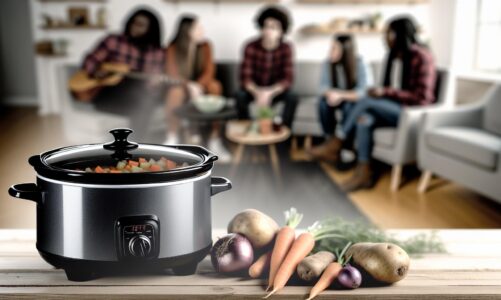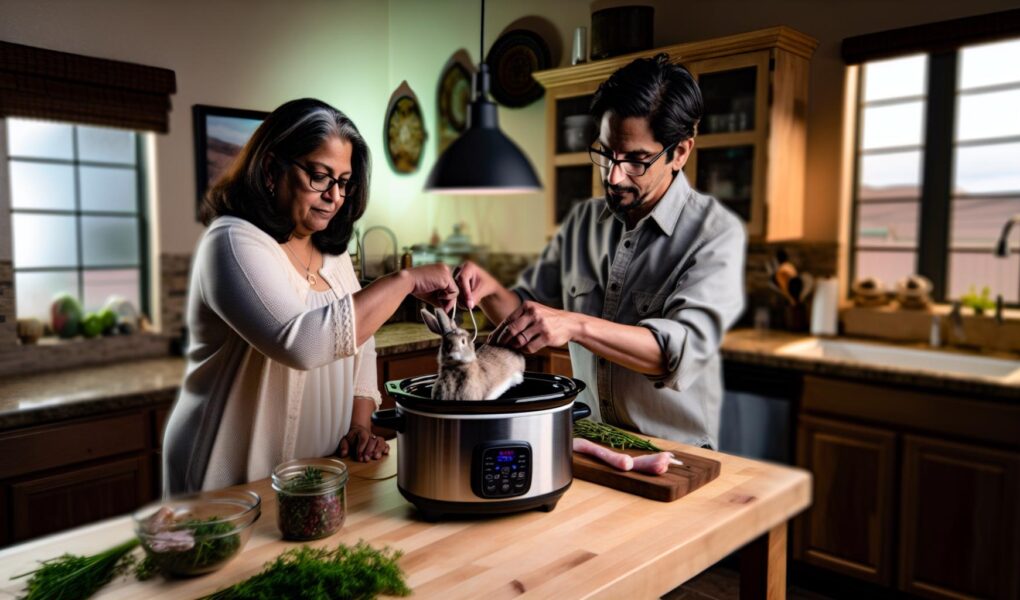
Did you know that rabbit meat is a lean, protein-packed option perfect for paleo and gluten-free diets-but it can turn tough if not cooked just right? Using a slow cooker to prepare wild game like rabbit is a game-changer: low and slow heat transforms the meat into tender, flavorful bites without constant babysitting. If you’ve ever wondered how long to cook rabbit in a slow cooker to get that melt-in-your-mouth texture, you’re in the right place. Whether you’re an experienced hunter looking for new ways to enjoy your catch or a curious home cook wanting to try something new,mastering slow-cooked rabbit means unlocking a flavorful,wholesome meal with minimal fuss. Stick around, and I’ll share practical tips, timing secrets, and easy ingredient swaps to make your wild game dinner relaxed, rewarding, and absolutely tasty-no culinary perfection required!
Table of Contents
- Choosing the Right Rabbit Cuts for Slow Cooking
- Preparing Wild Rabbit for tender Slow Cooker meals
- Essential Seasonings and Marinades for Flavorful Rabbit
- Step-by-Step Slow Cooker Cooking Times for Perfect Texture
- How to Know When Your Slow Cooker Rabbit Is Done
- Tips to Keep Wild Game moist and tender in a Slow Cooker
- Creative Slow Cooker Recipes for Wild Rabbit Lovers
- Safe Handling and Storage of Wild Rabbit Before Cooking
- Adjusting Cooking Times for Paleo,Gluten-Free,and Other Diets
- Troubleshooting Common Slow Cooker Rabbit Cooking Issues
- FAQ
- Q: How can I prevent wild rabbit meat from drying out in the slow cooker? A: To prevent wild rabbit from drying out,add enough liquid like broth or wine to cover at least half the meat and cook on low heat. Wrapping the rabbit in bacon or using a marinade with oil also locks in moisture. For more guidance, see our Tips to Keep Wild Game Moist and Tender section. Q: Does bone-in vs. boneless wild rabbit affect slow cooker cooking time?
- Q: What slow cooker settings are best for cooking wild rabbit for beginners?
- Q: Can I cook a whole wild rabbit in a slow cooker, and how long does it take?
- Q: how does the age or size of wild rabbit affect slow cooker time?
- Q: Is it safe to slow cook wild rabbit without searing first?
- Q: How do I adjust slow cooker times for cooking wild rabbit on paleo or gluten-free diets?
- Q: Why does my slow cooker wild rabbit come out tough, and how can I fix it?
- Concluding Remarks
Choosing the Right Rabbit Cuts for Slow Cooking
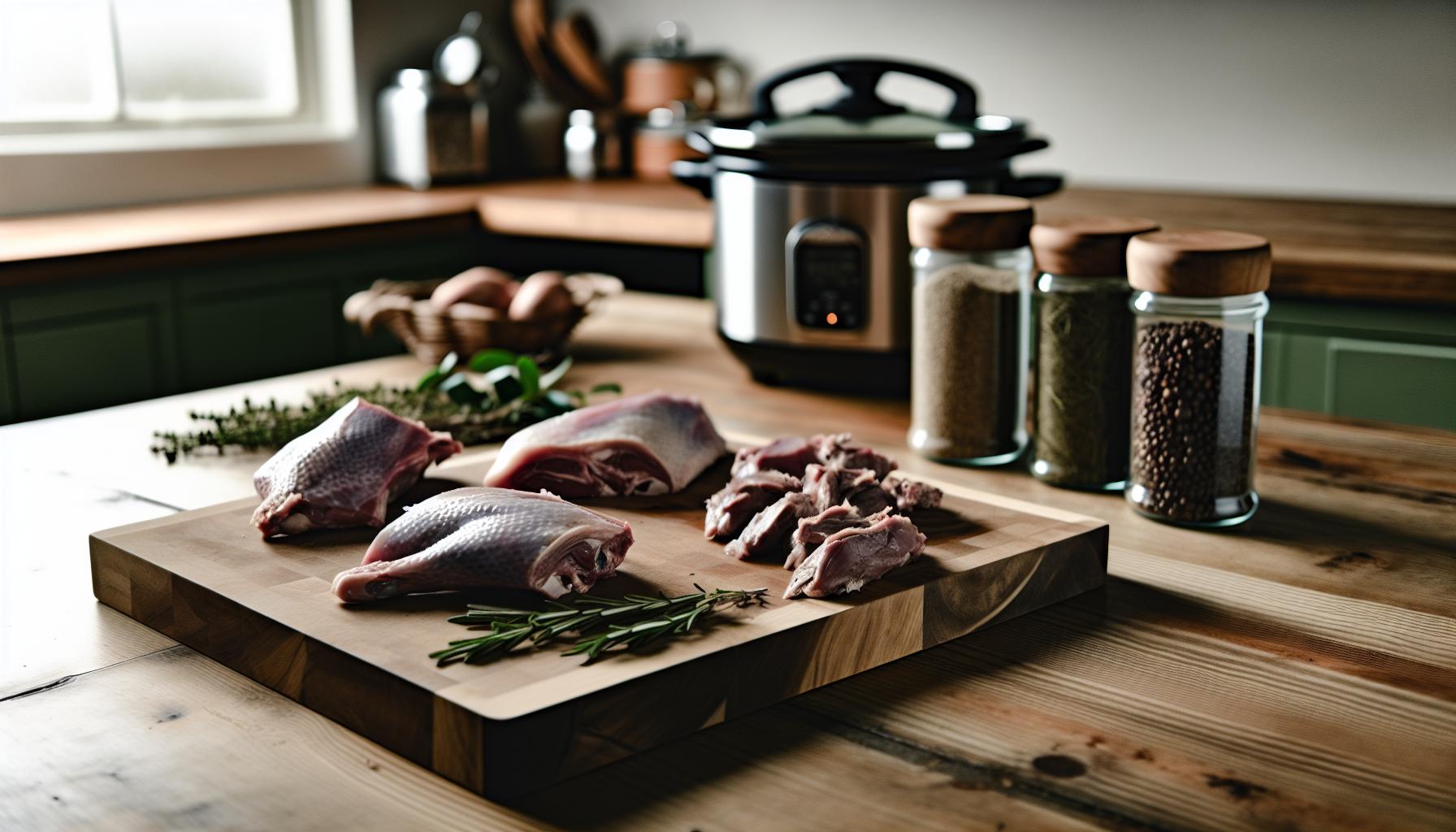
Rabbit is one of those wonderfully lean proteins that thrive under slow, gentle cooking-and picking the right cuts can make or break your tender wild game experience. Unlike beef or chicken, rabbit meat is very delicate and tends to dry out if overcooked, but the right pieces practically melt in your mouth after a few hours in the slow cooker. The goal? Select cuts with a bit of connective tissue and fat to keep things juicy, all while embracing that rustic flavor wild rabbit brings to the table.
when thinking about slow cooker rabbit meals, the hind legs are a superstar choice. these cuts are meaty with enough collagen to break down during slow cooking, resulting in succulent, fork-tender bites. Front legs can work too but are generally smaller and leaner,so they might need slightly less time or a protective bath in a flavorful broth or sauce. If you’re working with a whole rabbit, consider cutting it into manageable sections to ensure even cooking and optimal tenderness. Smaller backstraps and loins, while prized for their tenderness, are best reserved for quicker cooking methods or added at the end if you want to mix textures.
- Hind Legs: Most forgiving and juicy, perfect for 6-8 hours on low.
- Front Legs: Leaner, slightly quicker cook time or extra moisture recommended.
- Backstrap/Loin: Tender but lean; add near the end or roast separately.
- Whole Rabbit: Cut into parts-hind legs and shoulders get slow cooked, spare ribs and loins can be reserved or quickly cooked.
Fat Content and Connective Tissue Make the Difference
Slow cooking is a chef’s best friend as it tenderizes tougher, fibrous cuts into rich, juicy morsels. Unlike supermarket chicken breast, wild rabbit is naturally lean and often older (hello, wild game!), so choose pieces that have a little marbling or connective tissue to slow cook. Think of the hindquarters as the slow cooker MVP because the collagen breaks down over time,keeping the meat moist-no one wants dry rabbit! If you only have lean cuts,don’t fret: just lower your heat or shorten the cooking window,and add richly flavored liquids or a splash of olive oil to keep everything silky.
From my kitchen adventures (which sometimes involve testing recipes after a long day), I’ve learned that patience is key, but so is preparation. I like to brown the hind legs briefly before tossing them into the slow cooker-that extra step seals in flavor and adds a satisfying depth. Also, layering vegetables beneath the meat creates a natural rack to keep the rabbit from stewing in its own juices, plus bonus points for extra nutrients. If you’re paleo or gluten-free, it’s a breeze to swap in coconut aminos or homemade broths to boost flavor while keeping your dish clean and healthy.
You don’t need to be a wild game wizard to get perfect results: just keep these tips in mind, and your slow cooker will do most of the heavy lifting. The best part? You’ll have a tender, aromatic meal waiting when you walk in the door-and maybe happily share some wild game wisdom with friends who can’t believe rabbit can be this easy (and delicious).
Preparing Wild Rabbit for tender Slow Cooker meals
Rabbit meat is naturally lean and delicate, which means it demands a bit of TLC during prep to ensure that tender, melt-in-your-mouth texture we all crave from slow cooker recipes. One golden rule I’ve learned: don’t skip the pre-cooking steps. Rinsing the rabbit under cold water and patting it dry removes any gamey notes and excess surface moisture that can hinder browning. Speaking of browning, taking an extra 5-7 minutes to sear the hind legs or shoulder pieces in a hot pan before tossing them into the slow cooker isn’t just a fancy chef move – it locks in flavor and adds a caramelized depth to your final dish that’s absolutely worth the effort.
Before simmering low and slow, consider trimming any excess sinew or silver skin from the cuts. This little prep work makes the meat less chewy later on and ensures you’re left with just the good stuff. Since wild rabbits generally have less fat than their farm-raised cousins, it’s smart to nestle the meat into a bed of aromatic veggies – think chunks of onion, garlic, carrots, and celery. These veggies serve double duty: they impart layers of savory goodness and create a natural rack so your rabbit pieces aren’t sitting in too much liquid, which can lead to a stewed rather than slow-cooked texture.
- Tip: For paleo and gluten-free friends, swap soy sauce with coconut aminos to keep the flavor vibrant without gluten sneaking in.
- Flavor booster: A splash of homemade bone broth or a touch of olive oil can help keep ultra-lean cuts luxuriously moist throughout the long haul.
The choice of liquid and seasoning during prep is crucial to the end result. Marinating isn’t mandatory,but a simple mixture of citrus juice,fresh herbs,and a bit of garlic can brighten the rustic flavor,making every forkful pop in your mouth. I’ve found that even a rapid 30-minute soak in a marinade before the slow cooker can elevate the dish without adding hassle. Alternatively, if you’re in a rush, seasoning the rabbit right before cooking and layering flavors in the pot will do just fine and still result in a tender meal you’ll want to brag about.
Chunk It Up for Even Cooking
Cutting your wild rabbit into uniform pieces is another trick that pays off big time. Smaller chunks cook evenly and absorb flavors better, preventing those dreaded dry edges or underdone centers. Remember, hind legs and shoulders benefit most from the extended slow cooker love, while the delicate backstrap and loin cuts do better tossed in near the end or prepared separately with quicker methods. This way, every part of the rabbit is treated like the star it is and nobody’s texture gets left behind.
All said, prepping wild rabbit for slow cooking can feel like a mini culinary adventure-and once you nail it, you’ll often find yourself sharing tips with friends who think cooking wild game is rocket science. Spoiler alert: it’s not. Few simple steps, a bit of patience, and a trusty slow cooker transform this humble protein into a comforting feast that fits right into paleo, gluten-free, or conventional meal plans. And the best part? That tender rabbit, flavored just right, waiting for you after a busy day, promising meal-time joy without the fuss.
Essential Seasonings and Marinades for Flavorful Rabbit
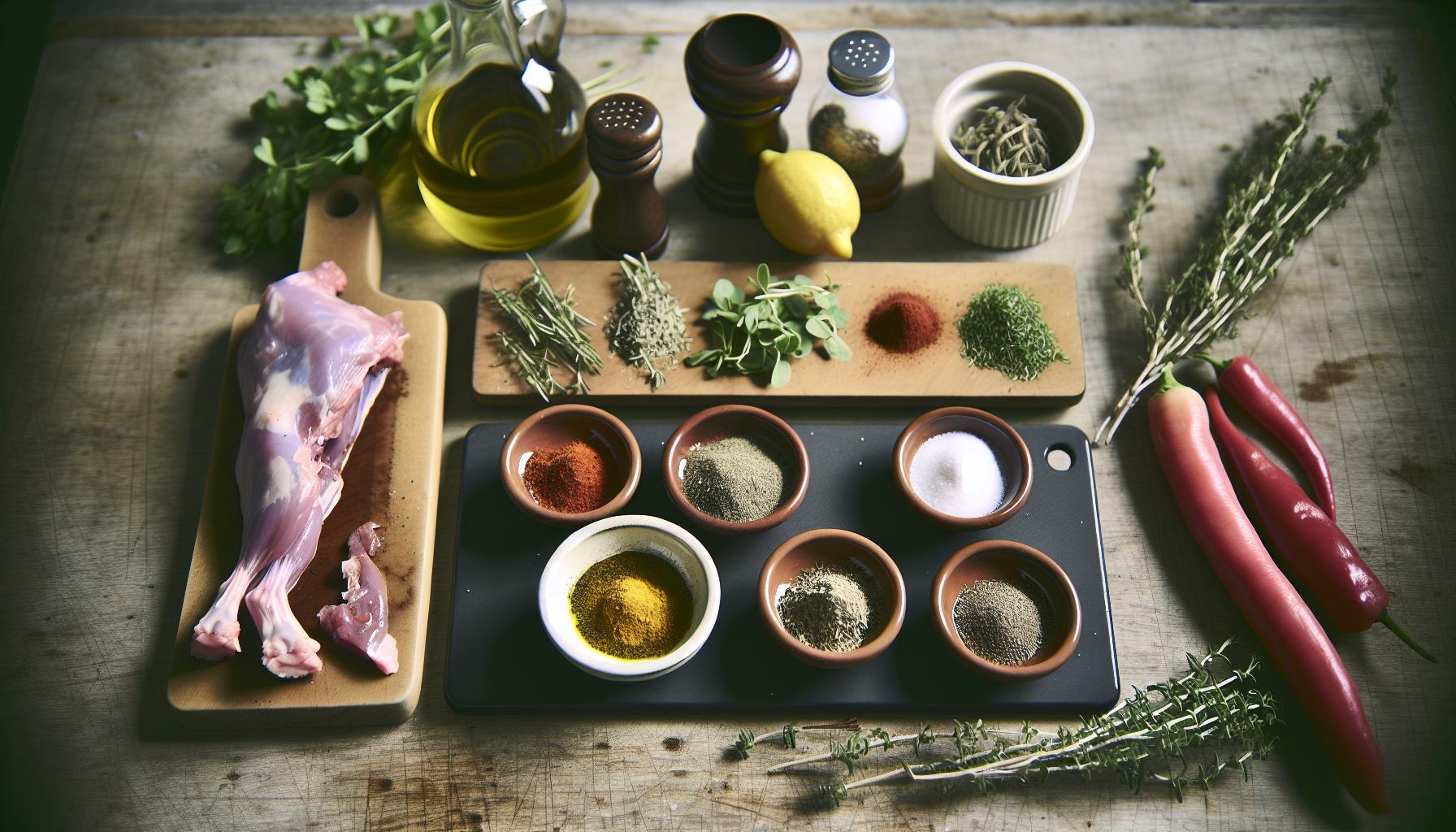
Rabbit’s naturally mild flavor is a blank canvas begging for a thoughtful blend of seasonings and marinades to turn it into something uniquely delicious.because wild rabbit tends to be lean and a bit earthy,the right flavor boosters can make all the difference between a “meh” meal and one you’ll happily reheat all week. Think about how a well-balanced marinade not only infuses taste but also gently tenderizes the meat during those slow cooker hours. don’t worry-you don’t need an arsenal of fancy ingredients to pull this off.
For those following paleo or gluten-free lifestyles, simple swaps like coconut aminos in place of soy sauce keep your dish bright and allergen-friendly while still packing that umami punch. Citrus juices - lemon, orange, or even a bit of apple cider vinegar – add just the right amount of zing to cut through the gamey notes without overpowering the rabbit’s natural subtlety. Fresh herbs like rosemary, thyme, and sage are classic partners here, bringing fragrant warmth that slowly permeates each bite. garlic and onion aren’t just aromatics; their sweetness when slow-cooked becomes a backbone of savory depth.
- quick Marinade Idea: Mix olive oil, lemon juice, minced garlic, fresh thyme, and a pinch of sea salt. Let the rabbit soak for 30 minutes to an hour before cooking. This simple routine lifts the flavor and helps lock in moisture.
- Flavor Layering Tip: If you’re short on time, season the meat just before it goes into the slow cooker and add whole garlic cloves and herb sprigs right into the pot-slow heat will do the rest of the magic.
- Spice It Up (Optional): A little smoked paprika or ground coriander can give a subtle warmth that pairs beautifully with root veggies and broth.
Over time, I’ve found that one overlooked trick is balancing acidity and fat in your marinade or seasoning. Lean game meat like rabbit can dry out, so a drizzle of good olive oil or a splash of homemade bone broth tossed in with your herbs and spices helps keep things luscious throughout the low-and-slow process. This combo nurtures not just flavor, but the texture too-it’s like giving your rabbit a little spa treatment for that melt-in-your-mouth feel.
Substitutions and Variations for Different Diets
| Ingredient | Use For | Substitute |
|---|---|---|
| Soy Sauce | Traditional, adds umami | Coconut Aminos (paleo, gluten-free) |
| Olive oil | Fat and moisture | Avocado Oil or Duck Fat for richer flavor |
| Garlic Powder | Convenient seasoning | Fresh garlic cloves (for more aroma) |
| Lemon Juice | Acidity and brightness | Apple Cider Vinegar or White Wine Vinegar |
Ultimately, seasoning rabbit isn’t about following strict rules-it’s about complementing that lean, delicate meat to suit your palate and lifestyle. whether you’re a slow cooker newbie or a wild game veteran, these approachable marinades and spice blends offer a fun way to layer flavors that make each bite sing without stressing over perfection. After all, great cooking is all about joy, flavor, and savoring every forkful.
Step-by-Step Slow Cooker Cooking Times for Perfect Texture
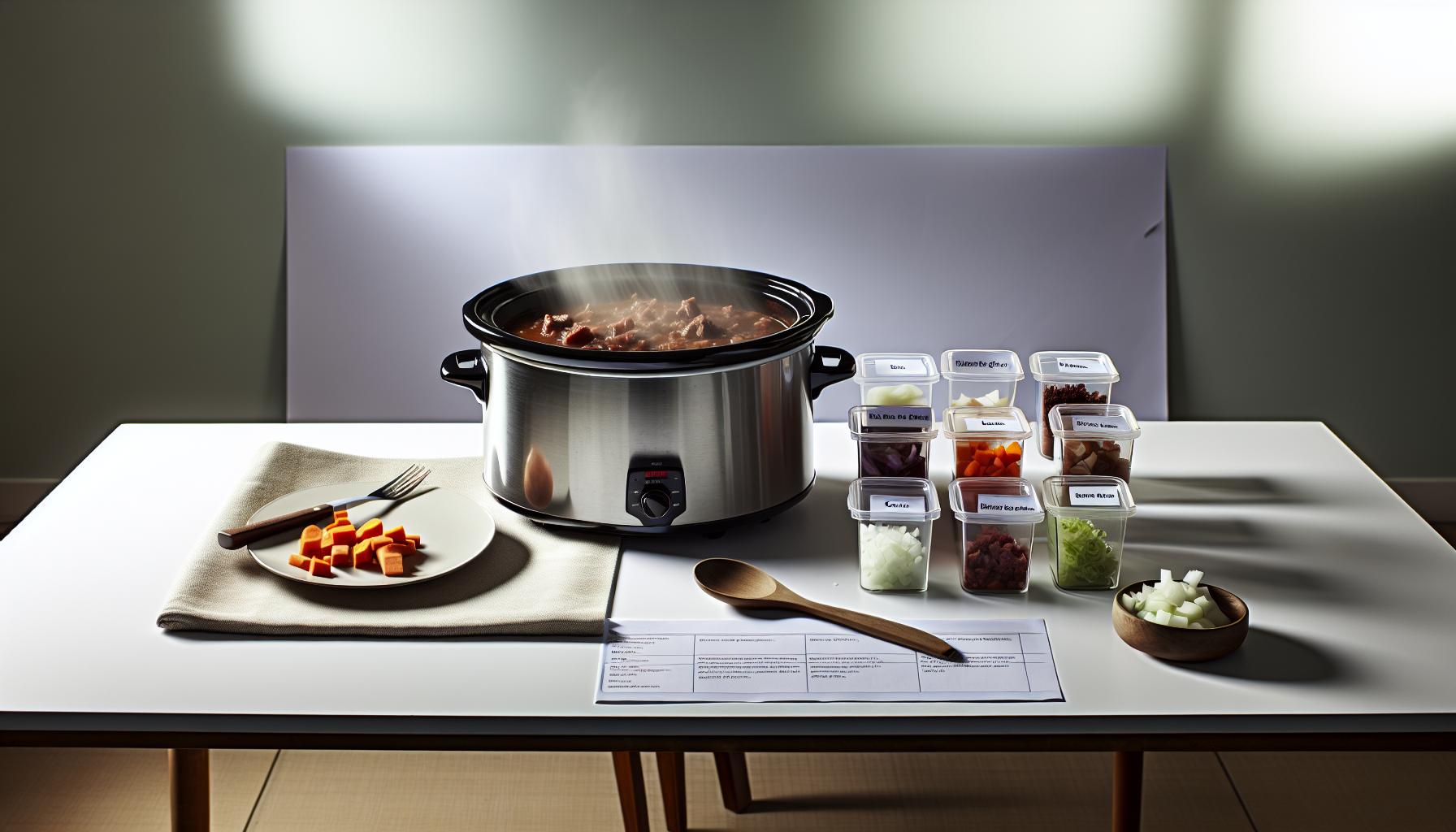
Cooking wild rabbit in a slow cooker is a bit like orchestrating a slow symphony of flavors and textures-instead of rushing, you let time do the heavy lifting. The magic lies in that gentle, consistent heat which patiently breaks down lean muscle fibers and connective tissue, transforming what can be a tough piece of meat into something tender and luscious. But timing is everything. Too short, and you get chewy bites; too long, and you risk drying out the already lean meat. Lucky for you, slow cooker cooking times for rabbit aren’t rocket science, and with a little guidance, you’ll be set for a melt-in-your-mouth experience.
Here’s the scoop from my kitchen adventures: Start with bone-in cuts like legs or shoulders for the best texture and flavor. These parts handle heat well and benefit from a longer cook time. Generally, on low heat, plan for about 6 to 8 hours. If you’re in the mood for a faster cook,the high setting can work,but aim for no more than 3 to 4 hours-anything beyond that risks drying the meat. If you’re working with boneless or smaller pieces,shave off about an hour from those times,as they absorb heat-and marinades!-faster.
- Pro tip: Layer your slow cooker thoughtfully! Place tougher cuts at the bottom were it’s hottest, and softer veggies or delicate aromatics on top.
- Check-in time: Around 5-6 hours on low,peek in to test tenderness with a fork. The meat should yield easily without falling apart into mush.
| Cut Type | Slow Cooker Setting | Cook Time | Result |
|---|---|---|---|
| Bone-in Legs/Shoulders | Low | 6-8 hours | Tender, juicy, pull-apart texture |
| Bone-in legs/Shoulders | High | 3-4 hours | Good tenderness, quicker meal |
| Boneless Cuts | Low | 5-6 hours | Soft, moist but watch to avoid drying out |
| Boneless Cuts | High | 2.5-3.5 hours | Quick and tender but needs careful monitoring |
Because slow cookers vary, I like to trust feel and aroma over strict clock-watching. When you see the meat start to gently pull away from the bone or offer little resistance under a fork, you’re in the perfect zone. If you’re seasonally shifting or experimenting with different vegetables and broths, just remember: slower and lower always errs on the safe side for texture.Wild rabbit, being naturally lean, appreciates the extra patience.
Cooking wild rabbit this way means embracing the ritual of slow food-not just the destination. The house fills with the warm smell of herbs; the anticipation grows. Plus, when you open that lid after a day at work, your hard effort feels rewarded with tender, flavorful meat that fits beautifully into paleo, gluten-free, or just downright cozy dinner nights. And hey, if life gets busy, the slow cooker’s got your back. Just set it, forget it, and enjoy the slow dance to deliciousness.
How to Know When Your Slow Cooker Rabbit Is Done
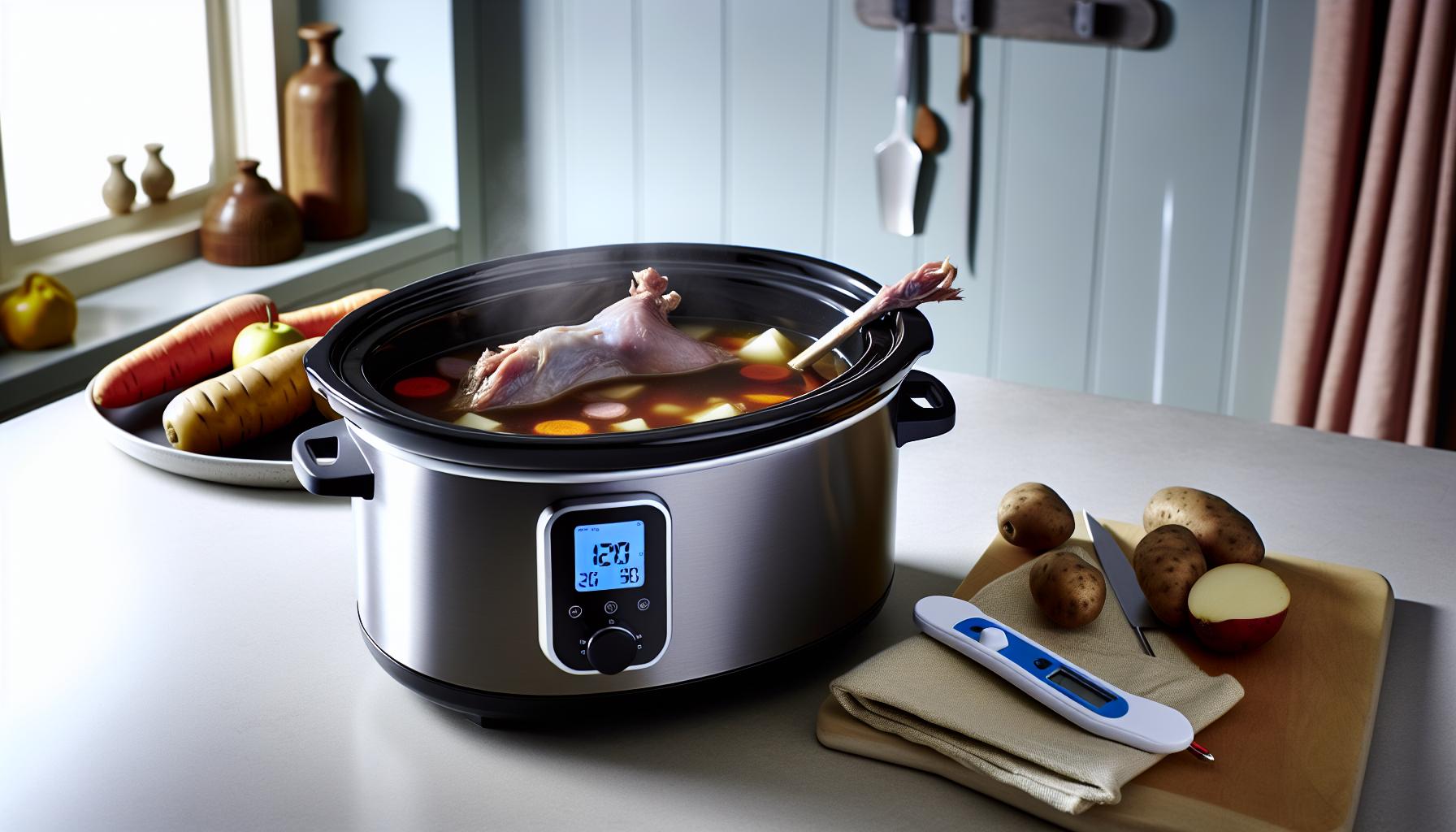
There’s a special kind of joy in pulling the lid off your slow cooker and seeing perfectly cooked rabbit that’s just begging to be savored. But how can you tell if it’s truly done without turning it into a dry shoe? As wild rabbit is lean and a bit delicate, relying purely on cooking times can be a gamble. Instead, learning to trust your senses and a simple tenderness test can be your best guide to slow cooker success.
When you’re about an hour or so shy of the shortest recommended cooking time-for example, around 5 to 6 hours on low for bone-in legs-it’s time for the *fork test*. Grab a fork and gently prod the meat. the rabbit should offer minimal resistance, flaking or pulling apart softly rather than fighting you every step of the way. If the meat feels tough or rubbery, it simply needs more time to break down those muscle fibers. But beware: if it turns mushy or overly fragile, it’s edging past perfect, so keep an eye on it once it’s tender.
- Look for visual clues: The meat will frequently enough start pulling away from the bone naturally when done-this is a classic sign that your slow cooker magic has worked its charm.
- Smell test: Your kitchen should be filled with warm, herby aromas, and barely a hint of gaminess-if it smells off or overly strong, it could be undercooked or drying out.
- Temperature tip: While not a strict must, a meat thermometer can offer peace of mind. Aim for an internal temperature around 160°F (71°C) to ensure safety without overcooking.
Fine-tuning Doneness based on Cuts and Diets
Smaller boneless cuts finish faster and need a watchful eye to avoid drying out. I’ve found that checking in halfway through the recommended cook time on these pieces helps you avoid that “too dry” zone-especially if you’re making a paleo or gluten-free dish where moisture and texture are key to enjoyment.If you’re layering vegetables in the cooker, keep in mind that moisture from them adds juiciness, so a fork test through the meat rather than the veggies is more reliable.
Trust Your Intuition and the Slow Cooker’s rhythm
Slow cooking isn’t an exact science but rather a gentle conversation with your ingredients. Over the years, I’ve learned to lean on feel and smell more than alarms or clocks. If the rabbit feels springy but tender, and the juices run clear-not pink or cloudy-you’re in delicious territory. And remember, slow cookers vary, so think of the time frames as friendly guidelines. The extra moments spent testing and adjusting make all the difference between a meal that’s “meh” and one that’s melt-in-your-mouth magic. So grab that fork,breathe deep,and enjoy the deliciously slow journey to tender wild rabbit perfection!
Tips to Keep Wild Game moist and tender in a Slow Cooker
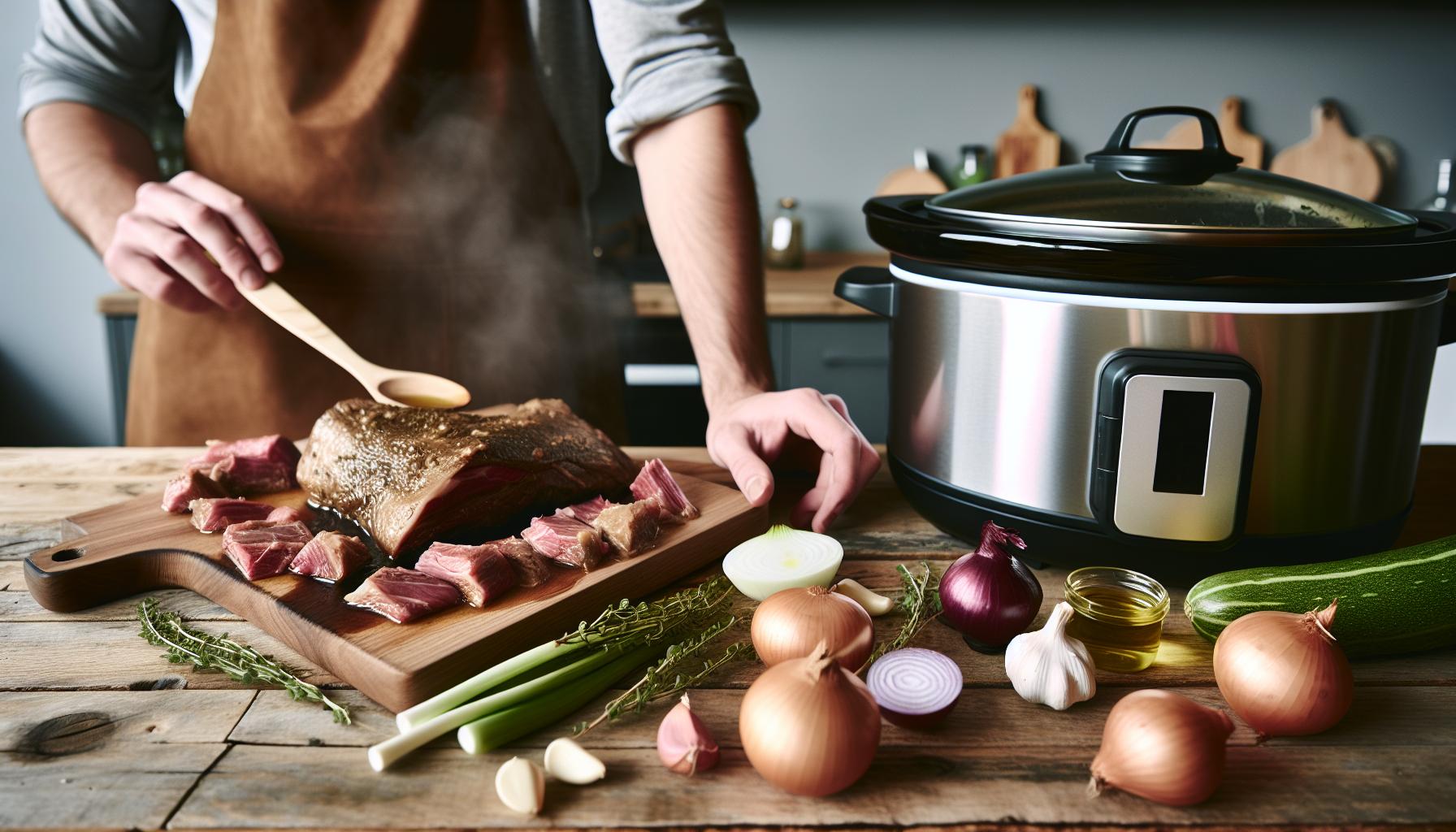
Few things are more disappointing than sinking your teeth into dry, chewy wild rabbit after hours of slow cooking. Because wild game tends to be leaner than farmed meats, the slow cooker can either make it melt-in-your-mouth tender or turn it into a mouthful of leather if moisture isn’t properly managed. Luckily, a few simple techniques can keep your slow-cooked rabbit juicy and delicate, so even paleo and gluten-free fans find it a savory festivity rather than a texture struggle.
One of my favorite “kitchen hacks” is layering moisture-rich ingredients around the rabbit to create a gentle steam inside your slow cooker. Think root vegetables like carrots, celery, and onion – they not only add flavor but naturally release water as they cook. You can also toss in a splash of bone broth or a good dry white wine for extra depth and to keep things from drying out. Avoid piling too many veggies directly on top of delicate cuts though; the absolute best spot for your rabbit pieces is nestled just above or beside these moisture sources to soak up some of their natural juices.
- Use fat strategically: A bit of olive oil, bacon fat, or ghee can be a game changer, especially with wild rabbit’s leanness. Rubbing a thin layer on the meat before cooking seals in moisture and adds richness without overpowering the wild flavors.
- Don’t rush the browning: Taking 5-10 minutes to sear your rabbit pieces before slow cooking not only locks in juices but gives you a beautiful mahogany crust that keeps moisture from escaping too quickly.
- Keep the lid tight: Every peek lets precious steam escape,so resist the urge to open your slow cooker frequently. Trust me, your patience here pays off in succulent bites.
watch Your Timing and Cut Choices
Smaller or boneless cuts will cook faster and can dry out if left in too long-the slow cooker varies from model to model, so consider timing a “starting point” rather than gospel. if you need to step away, layer moisture-rich veggies like diced tomatoes or mushrooms around the meat, which helps buffer drying and boosts flavor. For bone-in legs or shoulders, longer low-and-slow heat breaks down connective tissue naturally, tenderizing without drying, but again, keep an eye toward the fork test around the halfway mark.
Feel Confident Adjusting for Diets and Shortcuts
If you follow a paleo or gluten-free lifestyle, incorporate citrus juice or apple cider vinegar into your marinade. These acids gently tenderize the meat and add a zesty brightness that complements rabbit beautifully. I also like to swap traditional salt for sea salt or coconut aminos and sneak in fresh herbs and garlic to punch up flavor without carbs or gluten.And hey, shortcuts count too-ready-made broths, frozen veggies, or a quick sear with your air fryer before slow cooking all work in a pinch without sacrificing moisture or taste.
Keep it relaxed, experiment a bit, and remember that slow cooker rabbit is about celebrating simple flavors with a kick of patience and love.The moist, tender meals you serve will make your kitchen the coziest spot on the block-and the best part? No one will guess how easy it was!
Creative Slow Cooker Recipes for Wild Rabbit Lovers
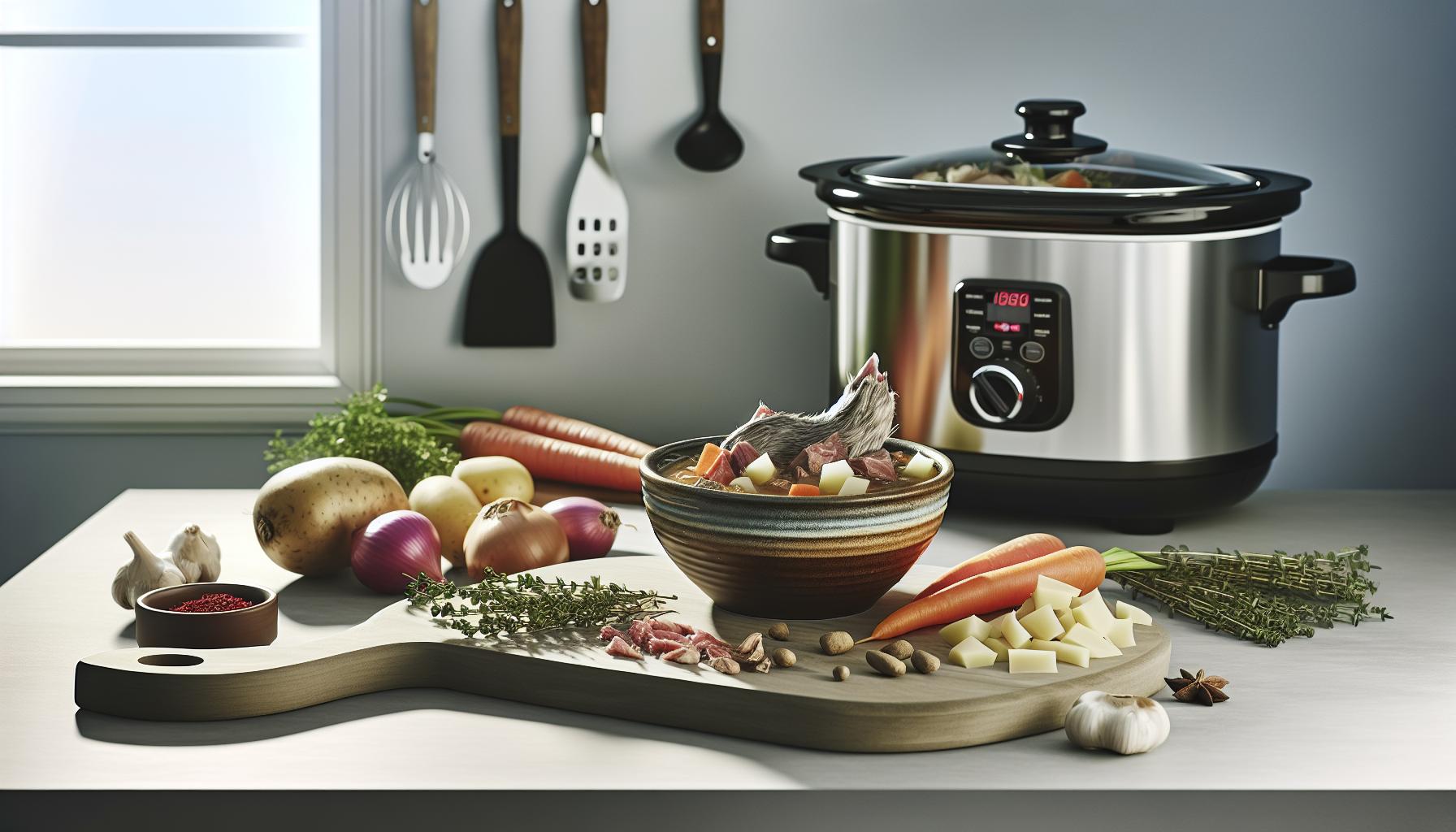
Rabbit’s lean meat is like a culinary blank canvas just waiting for a splash of creativity in the slow cooker. Because it cooks low and slow, you can build layers of flavor that transform these delicate cuts into a rich, mouthwatering feast without fuss or fancy techniques.The best part? You don’t need to be a kitchen wizard to whip up something remarkable-just a few thoughtful ingredients and a little patience go a long way.When it comes to recipes, starting with a simple braise using wine or bone broth as your slow cooker’s “sauce” is a classic move that suits most palates and dietary needs, including paleo and gluten-free. Toss in hearty root veggies like turnips or parsnips along with fresh herbs-think rosemary or thyme-for a rustic vibe that’s cozy and comforting. Want a quick flavor twist? add citrus zest or a splash of apple cider vinegar to brighten things up and help tenderize the meat naturally. For an extra touch of indulgence, swirls of ghee or bacon fat lend sneakily rich layers of fat that marry beautifully with wild rabbit’s earthiness.
- Rustic Herb & Root Vegetable Rabbit: Bunny cooked on low for 6-7 hours with carrots, celery, garlic, bone broth, fresh rosemary, and thyme. Finish with a squeeze of lemon juice for a fresh, tangy punch.
- Spiced Paleo Rabbit Tagine: A fragrant blend of cumin, coriander, cinnamon, and ground ginger slow-cooked alongside chickpeas, diced tomatoes, and chopped apricots. This recipe shines when adapted with coconut aminos for a savory, gluten-free glaze.
- Easy Hunters’ Rabbit Stew: Browned rabbit pieces layered with mushrooms, onions, and a splash of dry white wine, plus bay leaves and thyme. Perfect for a relaxed weekend meal-feeds four with minimal hands-on time.
Pro Tips to Customize your Slow Cooker Rabbit Experience
If you’re feeling adventurous, experiment with layering in smoky elements like smoked paprika or a strip of crispy bacon placed atop the rabbit (just remember to remove it before serving if you want to keep things strictly paleo or lighter). For a fall twist, toss in diced butternut squash or sweet potatoes to increase natural sweetness and moisture. and if you’re short on time, a quick sear in a hot pan or even a couple of minutes in the air fryer before placing your rabbit in the slow cooker kicks the flavor up a notch without adding complexity to your prep.
Making your slow cooker a playground for rabbit recipes means embracing a flexible, relaxed approach. Each batch teaches you something new about timing, textures, and flavor layers-turning everyday ingredients into meals worthy of company. So don’t hesitate to play with your favorite herbs, vinegars, or veggie combos and find your signature rabbit slow cooker style. Your taste buds (and your busy schedule) will thank you!
Safe Handling and Storage of Wild Rabbit Before Cooking
Wild rabbit offers a unique, lean protein that’s a delight to cook with, but its wild origins mean careful handling is key to keeping your meal both delicious and safe. Unlike supermarket cuts, wild rabbit can carry a few more surprises-from dirt to bacteria-so thinking ahead about storage and prep will save you any last-minute stress or tough bites when your slow cooker feast is done. I’ve learned through many kitchen trials that treating your wild game like a treasured ingredient-not something thrown together willy-nilly-makes all the difference.
Once you have your wild rabbit, the clocks start ticking: refrigeration within two hours is best to keep spoilage at bay. If you’re not cooking within a day or two, pop it in the freezer immediately. I like to portion mine before freezing-makes for easy grab-and-go meals, and no awkward “thaw and slice” moments when hunger strikes. When thawing, avoid the countertop if you want to skip food safety nightmares; instead, thaw overnight in the fridge or use a sealed bag submerged in cold water, changing the water every 30 minutes for quicker prep. Remember, hands and surfaces get bacteria too, so washing utensils, cutting boards, and your own mitts between handling raw rabbit and other ingredients keeps cross-contamination out of the slow cooker mix.
- Keep it cool: Store wild rabbit at 34-38°F (1-3°C) in the fridge and freeze at 0°F (-18°C) or below if you won’t use it within 2 days.
- Clean and trim: Rinse briefly to remove any loose hair or dirt, then pat dry. Trim excess fat or gristle to prevent gamey toughness.
- Separate prepping: Use designated cutting boards for wild game. Clear,simple swaps like a plastic board make post-cleanup a breeze.
Why Proper Storage Makes Cooking easier (and Tastier)
Wild rabbit’s lean meat can easily become tough or dry, but excellent storage practices lay the foundation for that melt-in-your-mouth slow cooker magic.if the meat isn’t fresh or has been frozen and thawed improperly, you might find your rabbit tasting less like a savory delight and more like a dry workout session. I once neglected to chill my rabbit properly on a camping trip, and let’s just say the texture was no friend of mine-and that’s even before it hit the slow cooker! Keeping your wild rabbit cold minus the freezer burn (which dries things out) will protect the natural flavors and texture, making the gentle hours in the crockpot work their wonders fully.
Quick Tips To Set You Up For Success
- Label your packages: When freezing, mark the date and cut type.It prevents mystery meat moments later and helps plan your meals.
- Use a mild marinade: If you’re a day ahead, marinate in acidic ingredients (like lemon juice or apple cider vinegar) to naturally tenderize and add flavor during storage.
- Cook within recommended times: Wild game isn’t a slow cooker forever friend. aim for the recipe’s suggested 6-8 hours on low to avoid dryness.
Ultimately, handling wild rabbit with care doesn’t mean fuss-just a few smart moves. Think of it as giving your game the VIP pre-party before it hits the slow cooker dance floor.You’ll thank yourself with every bite of tender, flavorful rabbit that proudly wears its wild game badge without any safety worries. Plus, you’ll feel that warm glow of cooking something wholesome, paleo-friendly, and gluten-free that’s as safe as it is indeed delicious.
Adjusting Cooking Times for Paleo,Gluten-Free,and Other Diets
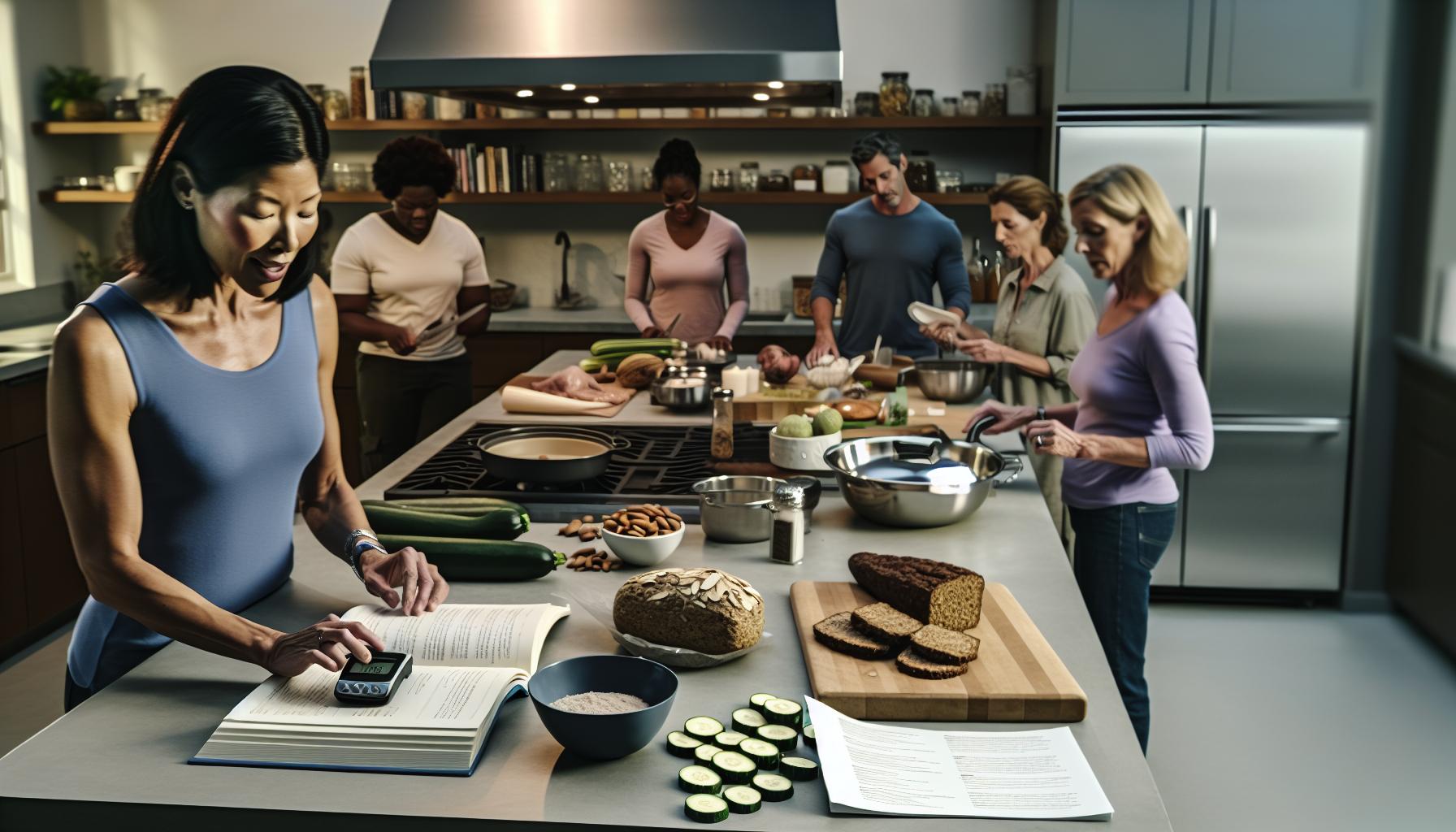
Wild rabbit cooked low and slow is a dream for many dieters, especially those following paleo or gluten-free lifestyles, but dialing in the timing can feel like navigating a culinary maze. The great news? Adjusting slow cooker rabbit recipes for specific diets doesn’t have to be elaborate or intimidating. Whether you’re swapping out ingredients or tweaking cook times for best results, there’s room for adaptability without sacrificing that melt-in-your-mouth texture we all crave.
One key difference paleo eaters often embrace is ditching processed additives (like store-bought broths that might contain gluten or fillers) in favor of homemade or bone broths. Because these liquids tend to be richer and less salty, cooking times can slightly increase to break down the lean wild rabbit meat fully.I’ve found that adding a splash of homemade broth combined with fresh herbs and a little citrus zest not only keeps things paleo but brightens the flavor, allowing you to stick closer to the classic 6-8 hours on low. If you’re short on time, bumping the speed to high for 3-4 hours can work, but watch the texture closely-rabbit dries out faster than beef or pork.
Gluten-free diets are thankfully pretty straightforward since rabbit is naturally free of gluten. The catch lies in your seasoning blends, sauces, and thickeners. Using cornstarch or arrowroot powder to thicken a sauce works wonders without the gluten baggage, but be careful not to add these too early; I recommend stirring in your thickener 30 minutes before serving to avoid a gummy texture. Also, when replacing soy sauce (which often contains gluten) with tamari or coconut aminos, expect a slightly different sweetness that pairs beautifully with slow-cooked game.
Balancing Cook Times and Moisture Across Diets
Because paleo and gluten-free cooks tend to emphasize whole, fresh ingredients, the moisture content in the slow cooker can fluctuate a bit more than in other recipes loaded with canned or processed foods. Here’s my favorite trick to keep rabbit juicy across the board:
- Start with a marinade or brine: A lemon-apple cider vinegar soak for an hour or two pre-cooking really tenderizes the meat.
- Layer in bones or marrow: If you’re working with a whole rabbit or bone-in pieces, this adds gelatin that boosts moisture and richness naturally.
- Monitor your liquid levels: Too much broth can dilute flavors; too little can dry things out. Aim for just enough to cover the bottom third of the meat.
| Diet Type | Recommended Cook Time (Low) | Recommended Cook Time (High) | key Tips |
|---|---|---|---|
| Paleo | 6-8 hours | 3-4 hours | Use homemade broth; add citrus or vinegar for tenderizing |
| Gluten-free | 6-8 hours | 3-4 hours | Choose gluten-free sauces; thicken at end with arrowroot or cornstarch |
| General Healthy Eating | 6-8 hours | 3-4 hours | maintain moisture with bone-in cuts; use fresh herbs for flavor |
I remember a time when I tried a quick-fix paleo rabbit stew with canned broth and less cooking time. The texture was tough and disappointing-not my best kitchen moment. After tweaking to use a low, slow simmer with fresh broth and a vinegar marinade, it turned into an instant favorite, proving slow cooking is truly an art when it comes to lean game meat.
If you’re experimenting with other diets-like Whole30, keto, or even plant-based sides alongside your rabbit-these time frames and tips still apply beautifully. The beauty of slow cooker meals is how forgiving they are when you start smart and adjust as you go. Trust your nose, peek occasionally, and embrace those little tweaks that make your table feel like a welcoming feast for all dietary preferences.
Troubleshooting Common Slow Cooker Rabbit Cooking Issues
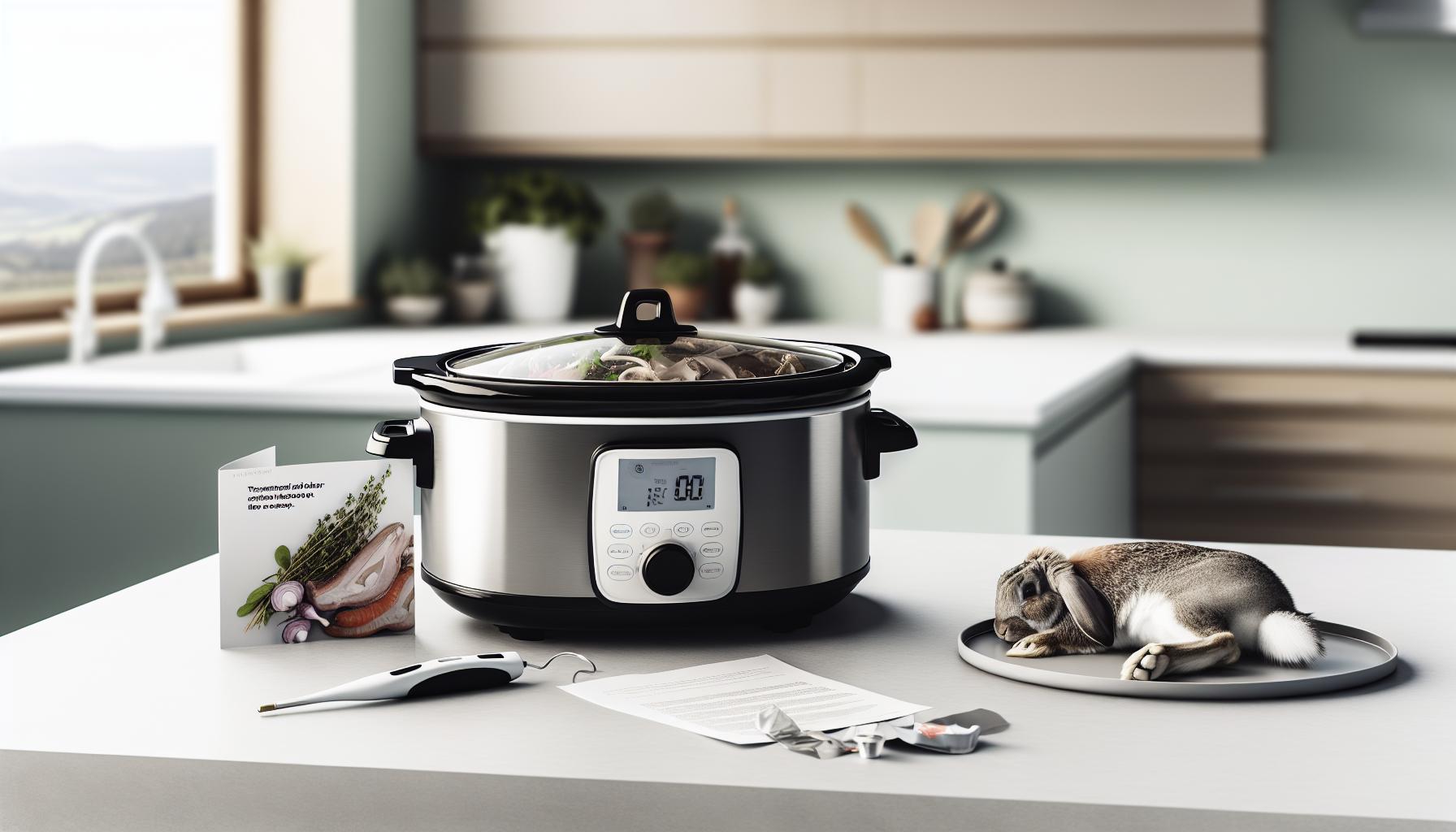
One of the trickiest things about slow cooking wild rabbit is balancing tenderness without ending up with dry, stringy meat or something undercooked and chewy. Rabbit is leaner than your typical stew meat, so it can go from perfectly tender to overdone surprisingly fast, especially if you’re in a rush and crank up the heat. The good news? Troubleshooting these common pitfalls is easier than you think once you know what to watch for.Sometimes the biggest culprit behind dry rabbit is simply too much heat or too little moisture. If you’re trying to speed things up with the high setting, keep a close eye and consider using a little extra homemade broth or a splash of acid like lemon juice or apple cider vinegar in your marinade-both help break down muscle fibers and preserve juiciness. Also, bone-in pieces wick extra flavor and gelatin into the cooking liquid, which helps keep everything luscious. If you find your rabbit drying out, try starting with a marinade or brine-a simple lemon-apple cider vinegar soak for an hour or two works wonders and gently tenderizes the meat before it even hits the cooker.
Texture Troubles and How to Fix Them
If your rabbit comes out tough or rubbery, it usually means it hasn’t cooked long enough at a low temperature, or the pieces were too large and thick for the time allotted. Low and slow-think 6 to 8 hours on low-is almost always the ticket for that melt-in-your-mouth fork-tender texture, especially for whole rabbits or larger cuts. On the flip side, mushy or falling-apart meat might mean it cooked too long or with too much liquid, washing out flavor and collapsing texture. In that case, next time reduce your liquid slightly and cut cooking time by an hour or so.
If you’re dealing with gluten-free or paleo diets,remember to avoid canned broth loaded with additives that might throw off cooking consistency. homemade bone broth is more forgiving and flavorful, and by adding marrow or bones, you boost natural gelatin to keep the meat moist without extra fat or processed ingredients.
Simple fixes for Common Issues
- Tough Rabbit: Increase cook time on low and/or cut meat into smaller pieces to ensure thorough, gentle cooking.
- Dry meat: Add a marinade with acid before cooking. Use bone-in cuts and add just enough broth to cover the bottom third of the meat.
- Off Flavors: Rinse any wild game thoroughly before cooking. Marinating with fresh herbs, citrus, and mild vinegar tones down gamey notes beautifully.
- Sauce Too Thin or Gummy: Thicken sauces at the very end with gluten-free thickeners like arrowroot or cornstarch to avoid texture issues.
I once rushed a rabbit stew on high with canned broth and ended up with tough, flavorless meat-lesson learned! Switching to homemade bone broth, a simple apple cider vinegar soak, and that patient 7-hour low simmer turned my stew into something I couldn’t stop eating. With slow cooker rabbit, a little patience and these tweaks turn a challenging protein into a comforting, crowd-pleasing dish-even if you’re juggling paleo, gluten-free, or other dietary twists. So trust the process, adjust gently, and don’t be afraid to experiment. After all, game meat is an adventure well worth the delicious detours.
FAQ
Q: How can I prevent wild rabbit meat from drying out in the slow cooker?
A: To prevent wild rabbit from drying out,add enough liquid like broth or wine to cover at least half the meat and cook on low heat. Wrapping the rabbit in bacon or using a marinade with oil also locks in moisture. For more guidance, see our Tips to Keep Wild Game Moist and Tender section.Q: Does bone-in vs. boneless wild rabbit affect slow cooker cooking time?
A: Yes, bone-in cuts typically take 30-60 minutes longer than boneless due to heat needing to penetrate around bones.Adjust slow cooker time accordingly to keep the game tender and juicy. Check the Step-by-Step Cooking Times for Perfect Texture for more details.
Q: What slow cooker settings are best for cooking wild rabbit for beginners?
A: For beginners, use the low setting for 6-8 hours to ensure tender rabbit without overcooking. High heat is faster but risks drying out lean wild meat. Pair this advice with our Preparing Wild Rabbit for Tender Slow Cooker Meals tips for a flawless start.
Q: Can I cook a whole wild rabbit in a slow cooker, and how long does it take?
A: Yes, cooking a whole wild rabbit is possible. expect 6-8 hours on low or 3-4 hours on high for tender results. Ensure the slow cooker fits the rabbit comfortably and that the meat is covered in liquid to avoid drying out.See Creative Slow Cooker Recipes for Wild Rabbit Lovers for serving ideas.
Q: how does the age or size of wild rabbit affect slow cooker time?
A: larger or older wild rabbits require longer cooking times-about 1-2 extra hours on low-to break down tougher muscle fibers for tenderness. Smaller, younger rabbits may cook faster. Adjust times based on size and check doneness as explained in How to Know When Your Slow Cooker Rabbit Is Done.
Q: Is it safe to slow cook wild rabbit without searing first?
A: While searing adds flavor and texture, it’s safe to slow cook wild rabbit without searing if you start on low and add flavorful seasonings or marinades. for optimal taste, see Essential Seasonings and Marinades, or try a quick brown before slow cooking if you have extra time.
Q: How do I adjust slow cooker times for cooking wild rabbit on paleo or gluten-free diets?
A: Adjust cooking times by following standard slow cooker timing but use paleo-friendly broths and gluten-free seasonings to suit your diet. Most slow cooker recipes for wild rabbit are naturally paleo and gluten-free. See Adjusting Cooking times for Paleo, Gluten-Free, and Other Diets for specific ingredient swaps.
Q: Why does my slow cooker wild rabbit come out tough, and how can I fix it?
A: Tough slow cooker rabbit usually means it was cooked too fast or without enough liquid. To fix, cook on low heat longer, add broth for moisture, and consider marinating before cooking. Refer to Troubleshooting Common Slow cooker Rabbit Cooking Issues for step-by-step fixes and keep experimenting with seasoning combinations.
—
For more expert tips and tested recipes,feel free to explore our full article sections on slow cooker wild rabbit cooking. Enjoy making delicious, tender wild game meals that suit your lifestyle and taste buds!
Concluding Remarks
Mastering how long to cook rabbit in your slow cooker unlocks wonderfully tender wild game meals that fit perfectly into any paleo or gluten-free lifestyle. With just a few simple steps and ingredient swaps, you can enjoy a comforting, melt-in-your-mouth dinner without the fuss-perfect for busy weeknights or adventurous weekend feasts. If you’re wondering what sides pair best or how to tweak the recipe for added flavor, don’t miss our guides on slow cooker wild game sides and easy paleo dinner ideas to keep your culinary creativity flowing.
Ready to impress your family and friends with perfectly cooked rabbit? Get started today and share your results or questions in the comments-we love hearing your tips and tweaks! For more slow cooker inspiration and expert wild game recipes, subscribe to our newsletter and explore our ultimate guide to game meat cooking times. Remember, cooking wild game should feel approachable and fun, so embrace your kitchen wins, and let’s make delicious, wholesome meals together.
Make SabriNasSinlessSecrets.com a Preferred SourceGet our latest guides, news, and insights highlighted in your Google Search & AI Overviews.
✓ Preferred Source Added
A: For beginners, use the low setting for 6-8 hours to ensure tender rabbit without overcooking. High heat is faster but risks drying out lean wild meat. Pair this advice with our Preparing Wild Rabbit for Tender Slow Cooker Meals tips for a flawless start.
A: larger or older wild rabbits require longer cooking times-about 1-2 extra hours on low-to break down tougher muscle fibers for tenderness. Smaller, younger rabbits may cook faster. Adjust times based on size and check doneness as explained in How to Know When Your Slow Cooker Rabbit Is Done.
A: Adjust cooking times by following standard slow cooker timing but use paleo-friendly broths and gluten-free seasonings to suit your diet. Most slow cooker recipes for wild rabbit are naturally paleo and gluten-free. See Adjusting Cooking times for Paleo, Gluten-Free, and Other Diets for specific ingredient swaps.
For more expert tips and tested recipes,feel free to explore our full article sections on slow cooker wild rabbit cooking. Enjoy making delicious, tender wild game meals that suit your lifestyle and taste buds!
Get our latest guides, news, and insights highlighted in your Google Search & AI Overviews.