
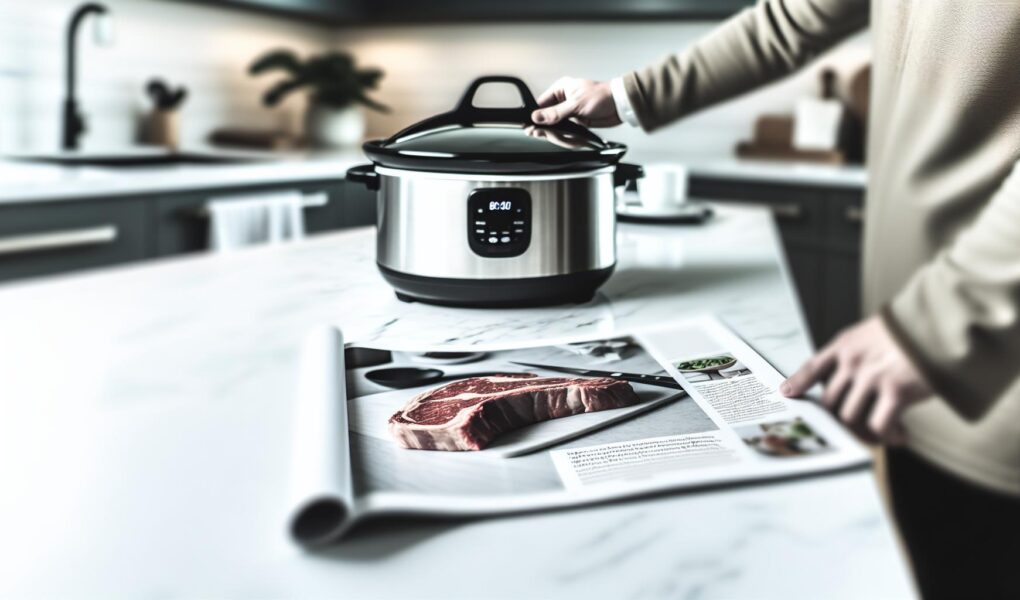
Did you know you can slow cook a ribeye steak and end up with juicy,tender results that feel like a cheat day without the fuss? If you’re craving that perfectly cooked steak but want to skip the grill marathons or last-minute pan searing,the slow cooker might just become your new best friend. This method is a game-changer, especially for busy home cooks juggling gluten-free or paleo lifestyles who still want full flavor with minimal effort. In this guide, you’ll learn exactly how long to cook your ribeye in a slow cooker-yes, really-plus tips to lock in that rich, buttery taste without overcooking. Whether you’re prepping for a weeknight meal or a relaxed weekend feast, mastering this technique means tender steak, easy cleanup, and more time to savor every bite. Let’s dive into a step-by-step approach that’s as simple as it is delicious, turning your slow cooker into a top steakhouse secret weapon.
Table of Contents
- How Slow Cookers Transform Ribeye Steak
- Perfect Ribeye Cuts for Slow Cooking
- Step-by-Step Ribeye Prep for Slow Cooker Magic
- Ideal Cooking Times for Juicy Ribeye Results
- How to Achieve Your Preferred Ribeye Doneness
- Must-Try Flavor Boosters and Marinades
- Troubleshooting Common Ribeye Slow Cooker Mistakes
- Easy Sides That Pair Perfectly with Slow-cooked Ribeye
- Storing and Reheating Leftover Ribeye Steak
- Healthier Slow Cooker ribeye Tips for Paleo and Gluten-Free
- Faq
- Q: Can I cook ribeye steak from frozen in a slow cooker, and how long does it take?
- Q: What is the best slow cooker setting for ribeye to keep it juicy?
- Q: How do leftovers from slow-cooked ribeye steak hold up, and how should I reheat them?
- Q: Why does slow-cooked ribeye sometimes become too soft or mushy, and how can I avoid that?
- Q: How does slow cooking ribeye compare to grilling or pan-searing in terms of flavor and texture?
- Q: Can I add vegetables directly with ribeye in the slow cooker,and how does it affect cooking time?
- Q: How do marinades impact the slow cooking time of ribeye steak?
- Q: Is it safe to slow cook ribeye steak overnight, and should I use a timer or keep it on “warm” afterward?
- Final Thoughts
How Slow Cookers Transform Ribeye Steak
There’s something almost magical about the way a slow cooker transforms a ribeye steak from a swift-grill cut into an indulgently tender,melt-in-your-mouth delight. Unlike fast cooking methods that sear and serve, slow cooking invites the ribeye to luxuriate in its own juices and seasoning over several hours, creating layers of flavor and a texture that’s surprisingly different yet equally satisfying. If you’ve always thought of ribeye as a “grill-only” steak, slow cooking might just become your new favorite hack-especially on busy days when you want fantastic results without constant attention.
Slow cookers work by applying gentle, consistent heat that breaks down the connective tissue and fat in ribeye steaks, allowing collagen to melt slowly and evenly. This process unlocks deep, rich flavors while keeping the steak moist. Plus, the enclosed environment traps steam, infusing every bite with the aromatics and spices you’ve added. Cooking ribeye this way is like giving your steak a long, warm hug-it becomes incredibly tender, juicy, and richly flavored without the risk of drying out or overcooking, which can happen easily on a grill or stovetop if you’re not looking.
Why slow Cooking Changes the Ribeye Game
- Even cooking without babysitting: Set it and forget it is the slow cooker’s magic mantra. You don’t have to hover watching the clock, which makes this method perfect for busy weeknights or when you’re multitasking.
- Juice retention helps flavor shine: unlike high-heat roasting or pan-frying, slow cooking maintains moisture inside the steak. This keeps the ribeye luscious and tender,even if you’re going for well-done without dryness.
- Integration of flavors: Herbs, spices, butter, pepperoncini, or au jus blend seamlessly into the meat, creating a complex taste experience that can rival fancy restaurant steaks without the fuss.
- Accessible for any skill level: Whether you’re a kitchen newbie or a seasoned cook,slow cooking simplifies the steak-making process and reduces chances of common cooking blunders.
I remember the first time I tried slow cooking ribeye-it was partly out of curiosity and partly because freezing temps kept me from firing up the grill. The ribeye emerged so tender and flavorful that I was hooked immediately. It’s proof that you don’t need a grill or a fancy pan to enjoy restaurant-quality steak at home. Plus,this method is cozy and comforting,perfect for a heartwarming meal that pairs well with mashed potatoes or roasted veggies.
So next time you want to impress with ribeye but need a hands-off solution, give slow cooking a whirl. You’ll be rewarded with tender steak that tastes like it was crafted with love-even if it was just quiet, slow heat doing all the work while you kicked back. For busy food lovers who still crave gourmet flavors without the scramble, slow cooking ribeye is a delicious, practical game-changer.
for a deeper dive into recipes and the exact timings that guarantee perfect results every time, keep reading-you’ll find everything from seasoning tips to doneness secrets coming right up!
Want to see a favorite recipe to try tonight? Check out slow cooker Mississippi ribeye steak recipes for a flavorful, buttery take that’s as indulgent as it is easy [[1]](https://www.facebook.com/MyIncredibleRecipes/posts/slow-cooker-mississippi-ribeye-steaks-new-recipe-youre-a-fan-of-juicy-tender-rib/996257082072545/).
Perfect Ribeye Cuts for Slow Cooking
Ribeye is a standout steak for slow cooking because of its unique marbling-the intramuscular fat that melts down over hours, enriching the meat with buttery tenderness and deep flavor. But not every ribeye cut is created equal when it comes to slow cooker magic. Choosing the right cut and thickness can make all the difference between a juicy feast and a tough, disappointing bite.
For slow cooking, thicker ribeye steaks-think at least 1 to 1½ inches thick-work best. These cuts hold up well to the gentle, prolonged heat and prevent the steak from drying out or disintegrating into a shreddy mess. I learned this the hard way after trying a super-thin cut once; it turned out overcooked and a bit sad. Thick-cut ribeyes give you that satisfying steak texture with a melt-in-your-mouth finish that slow cooking unlocks so beautifully.If you grab a bone-in ribeye, bonus points-it adds even more flavor and richness as the bone helps maintain moisture during those slow hours.
Another pro tip: source steaks with good marbling and avoid trimmed-down “lean” cuts whenever possible. The fat is the hero here, slowly rendering and basting the meat as it cooks low and slow. For Paleo or gluten-free friends, ribeye is already a winner-naturally grain-free and packed with healthy fats to keep your slow cooker meals on point without sacrificing indulgence. Just remember, a slow cooker is forgiving, but starting with quality ribeye ensures you don’t have to rescue your dinner later with a zestier sauce.
- Choose thick ribeyes (1″+ ideally) to retain juiciness over long cooking times
- Bone-in preferred for extra flavor and moisture retention
- Well-marbled steaks yield richer taste and buttery texture
- avoid lean or ultra-thin cuts which risk drying or falling apart
- Perfect for Paleo & gluten-free diets as a hearty,wholesome protein
Think of your ribeye as a prime canvas waiting for slow cooker transformation. When you select steaks that embrace their fat and thickness, you’re giving yourself a head start toward a restaurant-quality meal without the grill drama.Plus, buying cuts labeled specifically for “slow cooker” or “braising” at your butcher or market can score you great, affordable pieces primed for hours of tender love. And hey, if you find yourself stuck without these ideal cuts, no worries! Just adjust your cook time down slightly and add a splash of flavorful broth to keep things moist.
In my kitchen, choosing a thick ribeye with plenty of marbling changed my slow cooker game from “okay” to “oh wow.” It’s like the steak knows it’s in for an all-day spa treatment and responds with a flavor and tenderness that’s downright addictive. So next time you’re at the meat counter, look for those lush, thick, marbled beauties-they’re your ticket to slow cooker ribeye nirvana.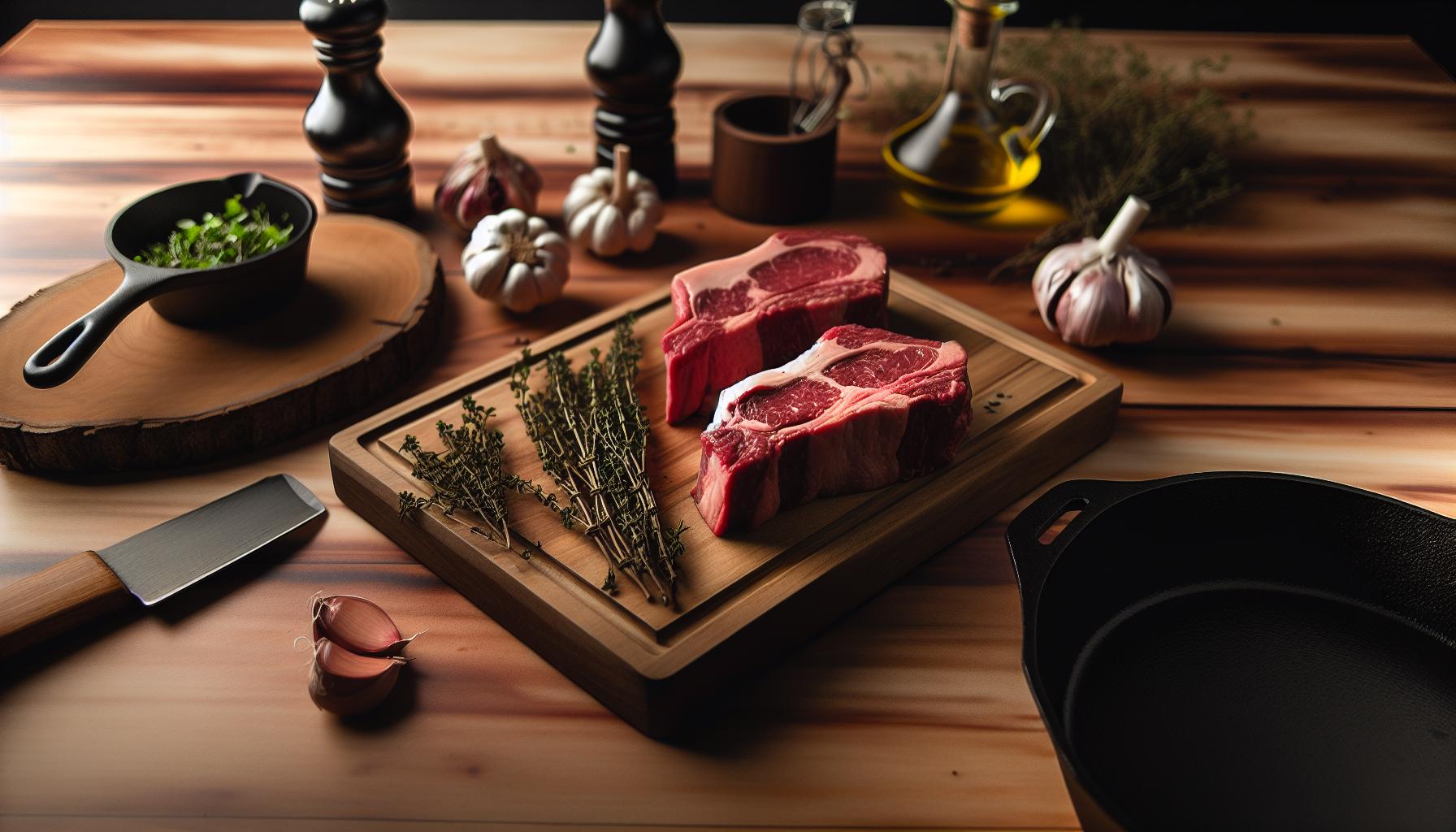
Step-by-Step Ribeye Prep for Slow Cooker Magic
Ribeye steak in a slow cooker can seem like a surprising twist, but with the right prep, it transforms into tender, flavorful perfection. think of your prep as laying down the foundation for a slow-cooked masterpiece that will make friends and family ask for seconds. The trick? Setting yourself up with good seasoning, proper trimming, and a little sear-before-slow-cook step that wakes up the steak’s rich flavors without fuss or fancy equipment.
First things first: start with quality ribeye-as you know, thick, juicy, and well-marbled is what you want (1 to 1½ inches thick is the sweet spot). When you bring that home, pat it dry with paper towels to remove excess moisture. This simple step helps the seasonings stick better, and if you plan to sear it, the drier the surface, the better the crust you’ll get. While many slow-cooker recipes skip this, taking just 5 minutes to brown your steak in a hot skillet before it hits the crockpot adds a caramelized depth that slow cooking alone can’t replicate. Pro tip: use a bit of high-smoke-point oil,like avocado or grape seed oil,for a quick sear on each side-90 seconds per side does the trick.
Season Like a Pro (or Just Like Your Favorite Steakhouse)
Before searing or slow cooking, keep seasoning straightforward yet flavorful. A generous sprinkle of kosher salt and freshly cracked black pepper is the classic. For a bit more personality, try rubbing in garlic powder, smoked paprika, or a pinch of dried rosemary. If you’re channeling that Paleo or gluten-free vibe, stick to herbs and spices and skip pre-made mixes that might sneak in wheat or sugar. If you want to skip searing, you can add these seasonings directly to the slow cooker along with the steak, but don’t be shy about layering flavors by tossing in some onion slices, garlic cloves, or a splash of beef broth.
into the Slow Cooker: Layering and Liquids Matter
When your ribeye is ready, lay it flat into the slow cooker.If you want to get fancy, lay down a bed of thick-sliced onions or mushrooms first-they’ll soak up juices and add another dimension of tenderness and umami.Add about ¼ to ½ cup of liquid-broth, wine, or even a Paleo-kind coconut aminos mix works beautifully to keep moisture up and create a luscious au jus. Avoid drowning your steak; slow cookers already steam the meat with the sealed environment, so less is more. Set your slow cooker to low for a gentle, even cook that softly melts the fat and brings out a buttery texture that’s impossible to beat.
- Pat dry the ribeye to maximize seasoning adherence and searing
- Season simply but well: salt, pepper, garlic powder, smoked paprika
- Sear quickly on both sides for a crusty flavor boost (optional but recommended)
- Layer aromatics like onions or garlic under or around the steak
- Add a small splash of liquid (¼-½ cup) to maintain moisture and help create sauce
From my own kitchen adventures, even a “busy day shortcut” of skipping the sear and using just a lightly seasoned ribeye in the slow cooker wins praise-especially if you pair it with rich, creamy mashed potatoes or roasted root veggies. Slow cooking does the heavy lifting; your prep steps make it shine. The goal is juicy, melt-in-your-mouth steak that feels like a party, no matter how hectic your schedule or dietary choices might be.
Ideal Cooking Times for Juicy Ribeye Results
Slow cooking ribeye might sound like a slow dance with your dinner, but nailing the timing turns your steak into a juicy, tender masterpiece every single time. Unlike quick grilling, slow cookers gently break down the fat and connective tissues over hours, creating that melt-in-your-mouth texture that’s hard to beat. But here’s the catch: leave it too long, and you risk drying out your prized cut or losing that satisfying steak bite. Under-cook it, and you might not unlock that buttery tenderness slow cooking promises.
For a classic 1 to 1½-inch thick ribeye, plan on cooking it on Low heat for about 3 to 4 hours. This window lets the fats and marbling slowly render without turning your steak into overcooked mush. If you’re short on time, a High setting for 1.5 to 2 hours can work,but it’s a bit more of a gamble - the faster heat tends to toughen the meat slightly and lessens the depth of flavor developed by slow simmering. Whichever route you take, check in towards the end. A quick poke test or internal temperature reading can save you from a dry dinner.ideally, aim for an internal temp between 130-135°F (54-57°C) for medium-rare to medium, acknowledging that slow cookers often push meat beyond traditional grill temps, so expect a soft, tender “fall-apart” texture rather than a steakhouse grill bite.
Tips from the Trenches
- Keep it low and slow: Slow cookers shine at low temperatures-it’s all about gentle melting and flavor infusion.
- Resist peeking: Opening the lid releases heat and adds cook time,so trust the timer,not your impatience.
- Thickness matters: Thicker cuts need more time-if your ribeye edges closer to 2 inches, give it up to 5 hours on low.
- Use a meat thermometer: For foolproof results, check internal temp at 3 hours and then every 30 minutes as needed.
Once you hit the ideal cook time, you’ll notice the steak’s connective tissues have relaxed into buttery softness and the fat has rendered into flavorful juice. A quick tip from my slow cooker experiments: lowering the steak onto a bed of onions or mushrooms helps trap juices and avoid the dreaded “steak swimming in liquid” scenario, preserving flavors and texture. Plus, that natural gravy soak is a bonus for Paleo and gluten-free fans looking to avoid processed sauces yet crave umami richness.
| Slow Cooker Setting | Thickness of Ribeye | Approximate Cooking Time | texture Outcome |
|---|---|---|---|
| Low | 1 to 1½ inches | 3 to 4 hours | juicy, tender, slightly firm |
| Low | 1½ to 2 inches | 4 to 5 hours | Very tender, almost fall-apart |
| High | 1 to 1½ inches | 1.5 to 2 hours | Good tenderness, less depth of flavor |
Ultimately, your ideal slow cooker ribeye timing balances texture preferences with your day’s schedule. Whether you’re home all afternoon or prepping meals on the fly, slow cooking ribeye is a surprisingly flexible, forgiving method for showcasing this classic cut. The magic lies in patience and a little insider know-how - and then you get to kick back, knowing dinner’s perfectly done when you are.
How to Achieve Your Preferred Ribeye Doneness
There’s something almost magical about transforming a ribeye steak through slow cooking-it gently turns what’s usually a quick-grill cut into a tender, buttery melt-in-your-mouth delight. Because slow cookers operate with steady, gentle heat, you won’t get the classic sear marks or crust, but you do get an incredible depth of flavor and texture that’s uniquely satisfying. The key to hitting your preferred doneness with slow-cooked ribeye lies in understanding how timing and internal temperature affect the final bite, along with a few handy kitchen tricks.
Unlike grilling or pan-searing where you keep a close eye on minutes, slow cooker doneness isn’t about exact times alone-internal temperature monitoring becomes your best friend. For a tender medium-rare to medium steak, aim for an internal temperature around 130-135°F (54-57°C). Because the slow cooker environment maintains even heat,ribeyes can surpass traditional grill temperatures but still stay soft and juicy. This means your ribeye might not have that firm steakhouse chew but will instead offer a luscious, gently falling-apart texture that feels almost indulgent without being mushy. If you’re craving that “just-off-the-grill” bite, consider giving your slow-cooked ribeye a quick sear in a hot cast-iron pan after slow cooking-this adds flavor layers and a little textural contrast.
Finding the Sweet Spot
Slow cookers really excel at turning tougher cuts tender, which means with ribeye, you want to avoid slipping into the “overcooked mush” zone. Here’s a rough guide based on thickness and doneness preference:
| Desired Doneness | Slow Cooker Setting | Thickness | Approximate Time | Texture Notes |
|---|---|---|---|---|
| Medium-Rare to Medium | low | 1 to 1½ inches | 3 to 4 hours | Juicy with slight fork-tender bite |
| Medium to Medium-Well | Low | 1½ to 2 inches | 4 to 5 hours | Very tender, almost falling apart |
| Medium-Well to Well Done | High | 1 to 1½ inches | 1.5 to 2 hours | Full tender but less depth of flavor |
- Pro tip: Using a reliable meat thermometer-not just a poke test-is a game changer. Slow cooker meats don’t always “feel” done the same way grilled steaks do. Aim to check the temperature periodically after about 3 hours on low.
- If you’re after a Paleo or gluten-free approach,keep the seasonings simple and avoid thick,processed sauces. Instead, make a natural jus by slow cooking your ribeye on a bed of onions or mushrooms, which retains flavorful juices and adds a stunning umami boost.
Quick Sear Finish for Steak Lovers
If you’re a die-hard medium-rare steak enthusiast and want the best of both worlds, try the slow cook-then-sear method. After slow cooking your ribeye to the ideal internal temp, heat a cast-iron skillet with a splash of high-smoke point oil (avocado or ghee works great) and sear each side for about 60-90 seconds. This quick finish locks in juices, adds seductive browning, and offers that classic steak flavor punch reminiscent of a grill night-but without all the babysitting.
In my busy kitchen, this combo lets me prep meat in the morning, go about my day, and then bring it together with a quick sear right before dinner. It’s a win-win for anyone who loves tender steak but doesn’t always have the luxury of watching a grill or stove top closely.
ultimately, nailing your preferred ribeye doneness in a slow cooker embraces patience and trust in the process, with a little temp-checking sprinkled in. Remember, the slow cooker is about tenderness first and grill-style bite second, but with these pointers, your ribeye dinner will feel like a lovingly crafted culinary hug every time.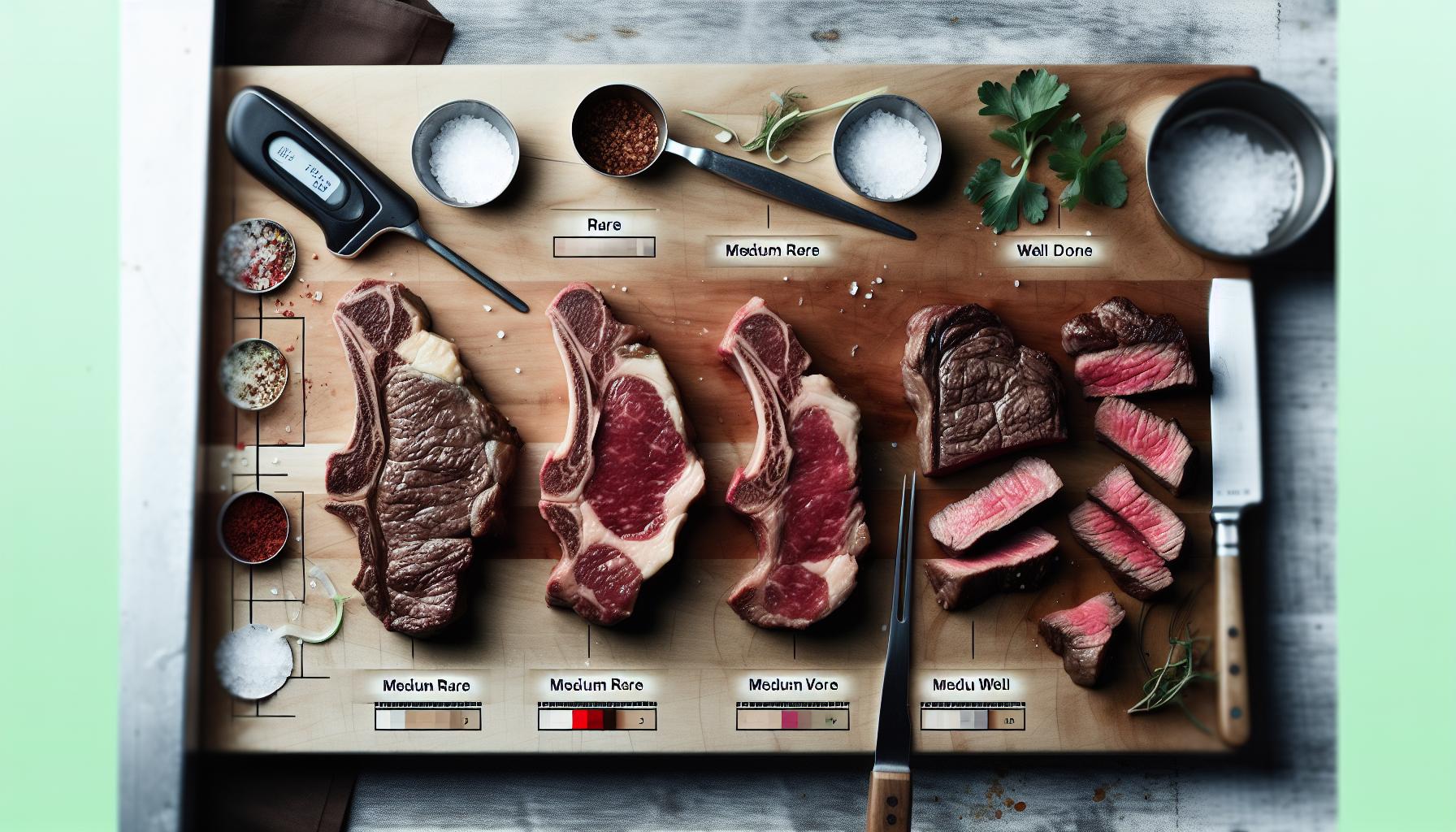
Must-Try Flavor Boosters and Marinades
there’s a secret magic to slow-cooking ribeye that’s all about layering deep, soulful flavors while keeping things super simple-because who has time for complex marinating rituals these days? With the slow cooker’s gentle heat turning your ribeye into a tender masterpiece, adding the right flavor boosters and marinades can be the difference between “nice steak” and “OMG, what’s in this?!” moments at the dinner table. Whether you’re all about paleo, gluten-free, or just craving something bold and easy, these flavor tricks will elevate your ribeye without stealing your afternoon.
One of my go-to flavor enhancers is a minimalist but mighty combo of garlic, fresh rosemary, and a splash of balsamic vinegar.The garlic adds that classic punch, rosemary brings luminous earthiness, and balsamic’s slight sweetness balances perfectly with the rich beef fat. I toss these with a little olive oil and kosher salt,rub it all over the steaks,and let the magic happen in the slow cooker.The slow heat slowly melds those flavors into the meat’s natural juices, creating a savory jus that’s begging to be spooned onto your plate.
Simple Marinades That Respect Your Time and Diet
if you want something ready in minutes,here are three easy marinades that are both paleo and gluten-free,perfect for prepping ribeye without fuss:
- Citrus-Herb Splash: Mix fresh lemon juice,minced garlic,chopped thyme,salt,and pepper. The acid gently tenderizes while herbs add aromatic brightness.
- Smoky Paprika Blend: Combine smoked paprika, cumin, garlic powder, sea salt, and a touch of avocado oil for a smoky, warm spice profile that deepens with slow cooking.
- Mustard & Herb Boost: Dijon mustard (check for gluten-free), rosemary, garlic, and a drizzle of olive oil create a tangy crust flavor that slowly infuses into the steak.
Marinate your ribeye for at least 30 minutes (or up to overnight for deeper flavor), then transfer everything-yes, even the marinade-to your slow cooker. This keeps the meat moist and creates a flavorful cooking liquid you can use for pan sauce or gravy to drizzle over your finished steak.
Natural Flavor Helpers and Add-ins
Don’t shy away from throwing in hearty aromatics like sliced onions, mushrooms, or even peppers directly into the cooker. Not only do these veggies soak up the steak’s richness,but they also release their own umami goodness,turning your ribeye into a mouthwatering one-pot meal. For a savory twist, toss in a few pepperoncini peppers or a splash of dry white wine or beef broth to gently lift the flavors. If you’re looking for a touch of indulgence, finishing off with a pat of butter or a dollop of ghee stirred into the juices right before serving adds richness that’s pure comfort in a bite.
Slow cooking isn’t about rushing; it’s about relaxing into the process and letting your seasonings gradually unfold. Play with these flavor boosters and soon you’ll find your personal favorite mix that makes slow cooker ribeye-and your kitchen-smell irresistibly delicious. After all, great food should feel like a warm hug, not a complicated science experiment!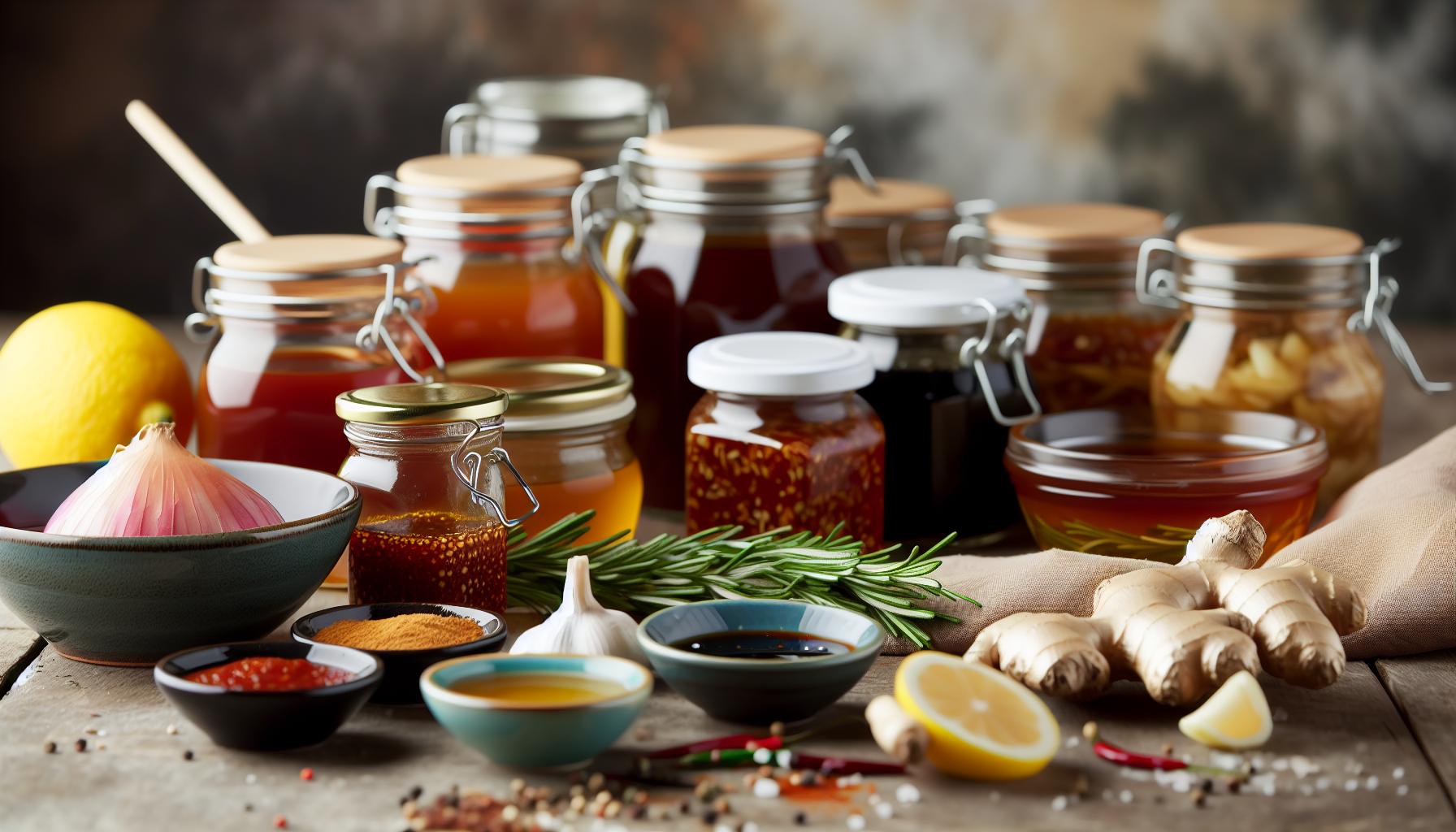
Troubleshooting Common Ribeye Slow Cooker Mistakes
Cooking ribeye steak in a slow cooker can feel like a mystery wrapped in a meaty enigma-wait, how long is too long? Can a thick, juicy steak really survive low, slow heat and come out tender and flavorful? Spoiler alert: yes, but a few rookie mistakes can sabotage your masterpiece. Slow cookers don’t work like grills or stovetops, so dialing in the timing and readiness is key to unlock that perfect steak dinner without the usual panic or dry surprises.One of the most common slip-ups is overcooking your ribeye. unlike tougher cuts that benefit from long, slow braises, ribeye is naturally tender and marbled with fat that melts beautifully, but if left in a slow cooker too long, it can turn mushy or lose that prized steak texture.If you’re aiming for medium-rare to medium, plan on around 2-3 hours on low, depending on thickness-more than 4 hours low or 2 hours high can push you past that sweet spot into “well, it’s cooked” territory. Using a meat thermometer is a game-changer here: pull the steak when it hits 130-135°F for medium-rare or 140°F for medium, and let it rest-you’ll lock in the juices and keep a tender bite.
Besides timing, another sneaky troublemaker is not prepping your ribeye properly before slow cooking.Skipping the sear step can mean missing out on depth of flavor and texture contrast.A quick 1-2 minute sear in a hot pan caramelizes the surface and adds a savory crust, which the slow cooker then amplifies into rich gravy. Don’t stress if you want to skip this though-layering aromatic herbs, garlic, and a splash of balsamic or beef broth in the slow cooker helps build complex flavor on its own. Just remember to pat your steaks dry before seasoning and cooking to avoid a soggy texture.
Quick fixes for Flavor and Texture Woes
- Meat too tough or stringy? Make sure you’re using thick-cut ribeyes and avoid excessive cooking time. Adding a bit of fat like butter or ghee toward the end softens texture and boosts richness.
- Steak flavor feels flat? Don’t be shy with seasoning or aromatic additions like rosemary, garlic, and pepperoncini peppers.A splash of acid-vinegar or citrus juice-brightens and balances richness.
- Dry or crumbly edges? Slow cooker lids trap moisture, but if set on high for too long, edges dry out. Try cooking on low and use the slow cooker’s juices to baste or serve as jus.
- too much liquid dilutes flavor? Drain or reduce excess liquid on the stovetop after cooking. This transforms it into a concentrated sauce perfect for drizzling over your steak.
With slow cooker ribeye, the goal is gentle coaxing, not a science experiment. Sometimes it’s about trusting the process and tasting along the way, or slicing into the steak mid-cook to check doneness (yes, that’s allowed!). If you find yourself in a texture pickle, don’t hesitate to crisp the edges briefly in a skillet after slow cooking to revive flavors and add contrast.
remember, every slow cooker is a little different, like every steak has its own personality. Embrace this with patience and a sprinkle of experimentation, and soon you’ll master the art of turning this luxe cut into a melt-in-your-mouth delight that checks all the boxes-paleo, gluten-free, and deeply satisfying. After all, delicious slow-cooked ribeye is the reward we all deserve for those busy days when an easy, impressive meal feels like magic rather than work.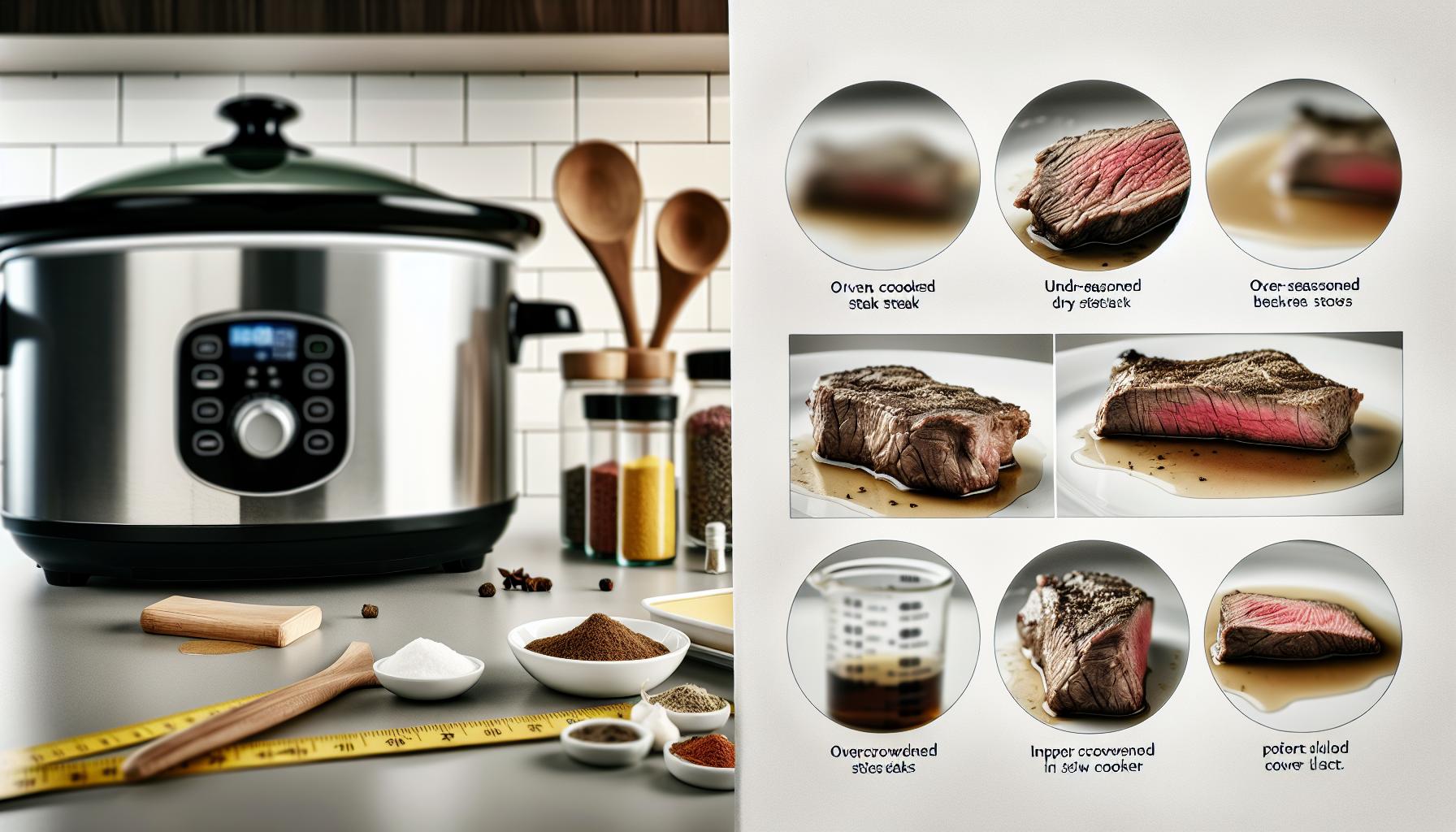
Easy Sides That Pair Perfectly with Slow-cooked Ribeye
There’s something downright magical about pairing tender, slow-cooked ribeye with the right sides that soak up those rich, meaty juices and create a balanced, satisfying meal. Because slow cooker ribeye brings deep,mellow flavors and a melt-in-your-mouth texture,your side dishes should complement that richness without stealing the spotlight. Whether you’re feeding a hungry family or just treating yourself after a long day, these easy side ideas offer winning flavor combos and plenty of flexibility for paleo and gluten-free diets.
Vegetable Sides That Shine
Roasted or steamed vegetables with a touch of garlic and fresh herbs are a fail-safe way to brighten the plate. Think simple garlic-roasted asparagus, sautéed green beans with toasted almonds, or lemon-butter broccoli florets-each delivers that freshness and slight crunch to contrast the silky ribeye. A personal favorite is a quick skillet of Brussels sprouts tossed with olive oil and balsamic vinegar; the slight bitterness balances the steak’s fattiness perfectly, and it’s ready in under 20 minutes. For something creamy and comforting, swap in paleo garlic mashed cauliflower. It’s lower-carb than the classic spud mash but just as indulgent with a bit of roasted garlic and ghee stirred in.
Carb Options for Comfort and Heartiness
When you want some cozy carbs on the side, slow cookers and stovetop quick-fixes both have you covered. Sweet potatoes baked or mashed with cinnamon offer a subtle sweetness that pairs like a dream with slow cooker beef dishes. For a super simple “throw-and-go” option, try balsamic-glazed baby carrots cooked in the slow cooker alongside your ribeye for the last 30 minutes. If pasta isn’t off the table for you, zucchini noodles lightly tossed in olive oil and garlic add a fresh, paleo-friendly, low-glycemic twist. Grain-free coconut cauliflower rice also soaks up steak jus beautifully and adds a subtle nuttiness that rounds out the meal.
flavor-Boosting Tips and quick Sauces
Don’t underestimate the impact of a zingy sauce or condiment to finish the plate! Simple chimichurri made with fresh parsley,garlic,and lemon juice livens up fatty ribeye steaks and injects a fresh punch of herbs and acidity. Another great trick is to reserve some slow cooker jus, then reduce it on the stovetop untill thickened into a rich glaze you can drizzle at will. This elevates your slow cooker steaks from “comfort food” to “fancy dinner” effortlessly-think restaurant vibes without the stress. For extra creaminess, a dollop of paleo sour cream or avocado crema can bring cooling contrast when warm sides or seasonings heat things up.
- Pro tip: Prep your veggies while the ribeye slow cooks for a no-fuss dinner rhythm.
- Ingredient swap: Don’t have fresh herbs? Dried rosemary and thyme still work wonders.
- Speed hack: Microwave green beans or asparagus for 3 minutes to save time and still keep vibrant color.
Pairing your slow cooker ribeye with these straightforward, adaptable sides ensures your meal feels thoughtful without turning into a kitchen marathon. Plus, focusing on naturally gluten-free and paleo-friendly options means you’re celebrating food joy in a way that suits your lifestyle. So go ahead, dig in confidently-there’s magic in combining tender steak with simple, delicious sides that make every bite a home-run.
Storing and Reheating Leftover Ribeye Steak
There’s a special kind of magic in turning leftover slow cooker ribeye into a second-day superstar meal. Because slow cooking tenderizes the meat gently, your leftovers maintain moisture and flavor better than most reheated steaks. That said, knowing how to store and reheat properly can be the difference between a juicy encore and a dried-out disappointment. Treat your steak with a little TLC – it’ll reward you with quick, satisfying meals that feel just as good as the first round.
Keeping Your Ribeye Fresh
After your ribeye has been enjoyed, let it cool to room temperature (about 20-30 minutes) before wrapping it up. Use airtight containers or wrap tightly in foil or plastic wrap to lock in moisture and prevent freezer burn. If you plan to eat the leftovers within 3-4 days, refrigeration is perfect. For longer storage, freezing is your friend; wrapped well, ribeye can last 2-3 months in the freezer without losing much quality. I like to slice leftover steak before freezing in portion-sized packs. It saves time and means you reheat only what you need-a little kitchen life hack that makes paleo and gluten-free meal prep a breeze.
Reheating Without Sacrificing Juiciness
Reheating cooked ribeye is a bit of an art form,but it’s completely doable and actually,kind of fun when done right.Slow cooker ribeyes tend to have enough rendered fat and juices, so here’s how to keep things flavorful and tender:
- Oven method: Preheat your oven to 250°F (120°C). Place the ribeye on a baking sheet and cover it tightly with foil to keep moisture in. Heat for about 20 minutes, depending on the size of your slices or chunks. This gentle heat warms the meat through without drying it out.
- Skillet method: Pop a non-stick skillet on medium-low heat. Add a splash of beef broth or paleo-friendly stock and gently heat the sliced ribeye, turning often.This method keeps the steak juicy and adds a little extra depth to the flavor.
- Microwave hack: If time is tight, microwave in short bursts (20-30 seconds) on low power with a damp paper towel over the steak. this prevents overheating the edges and drying out your precious meat.
Turn Leftovers into New Meals
Not feeling steak-on-steak action the next day? No worries! Thinly sliced cold ribeye is fantastic in salads,atop paleo-friendly zucchini noodles,or tucked into lettuce wraps with pico de gallo and avocado crema. Using leftovers this way keeps breakfast, lunch, or dinner feeling fresh and exciting without extra cooking stress.
Pro tip: Save some of that slow cooker jus or pan drippings to drizzle over reheated steak or new dishes-it’s like giving your leftovers a flavor hug.
With these simple approaches, leftover slow cooker ribeye steak won’t just fill you up-it’ll inspire you to mix and match new, nutrient-packed meals that stay aligned with your paleo or gluten-free lifestyle while keeping every bite delicious. Cooking doesn’t have to be perfect; it just has to taste great and fit your flow.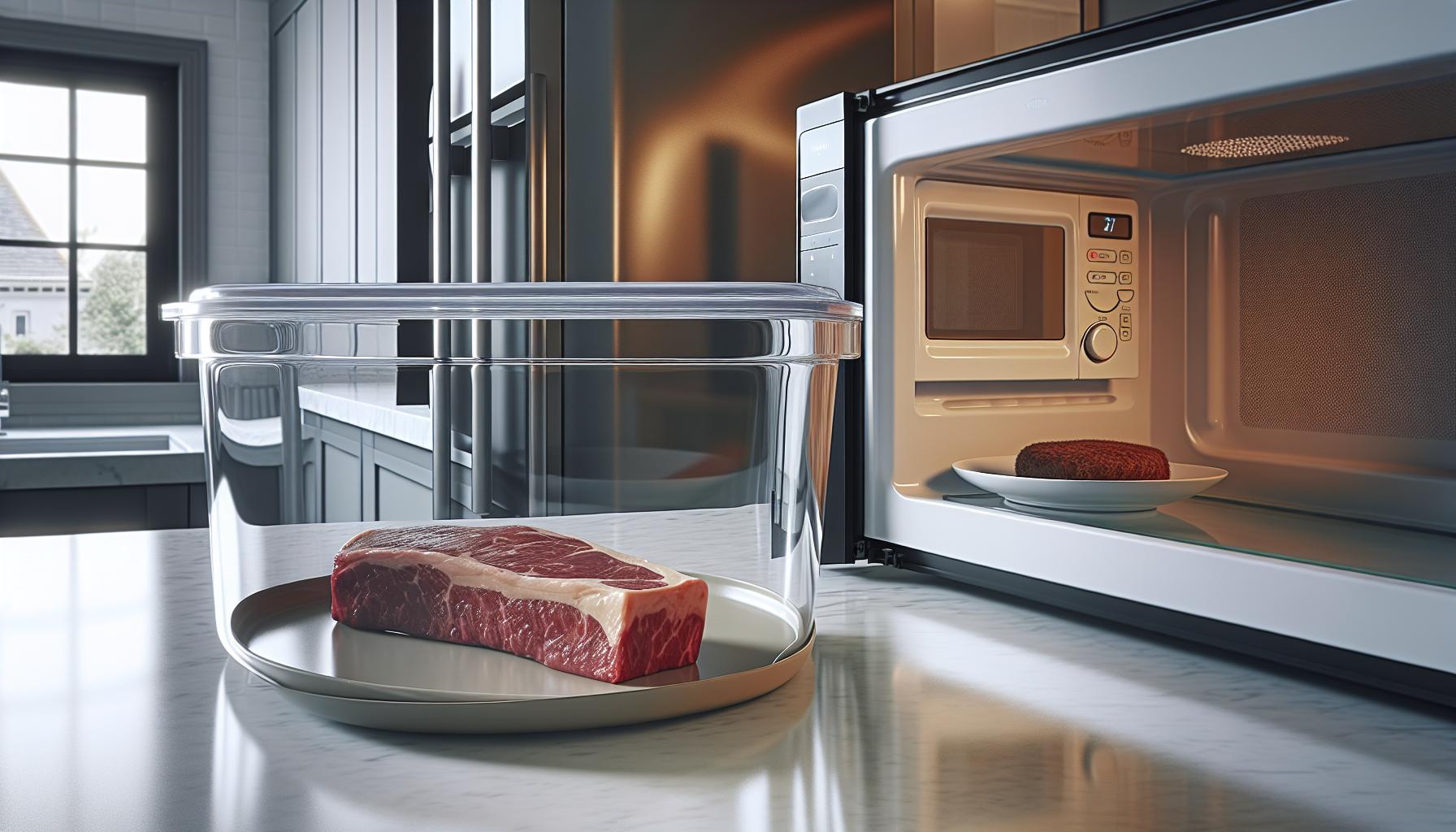
Healthier Slow Cooker ribeye Tips for Paleo and Gluten-Free
Slow cooking ribeye steak doesn’t mean you have to sacrifice your paleo or gluten-free lifestyle.In fact, the slow cooker is a secret weapon for creating richly flavored, tender steaks without relying on added gluten or processed ingredients. As slow cookers excel at gently breaking down proteins over time, they make it easy to stick to clean eating principles while still enjoying indulgent comfort food.Plus, you can easily customize your seasoning and ingredients to meet paleo and gluten-free standards - no bland meals here!
Simple Ingredient Swaps for Paleo and Gluten-free Flavor
One of the joys of slow cooker ribeye is how forgiving it is indeed with seasonings and extras. Rather than traditional soy sauce or Worcestershire sauce (which frequently enough contains gluten), reach for coconut aminos or gluten-free tamari to add umami depth. Use fresh herbs, garlic, onion powder, and cracked black pepper to build layers of flavor without additives. For a bit of tang or spice, sliced pepperoncini peppers or fresh lemons work wonders while keeping the dish paleo-friendly. Butter or ghee melt into the meat beautifully, boosting richness and helping keep the steak moist throughout the long cooking.
Cook Time and Temperature Tips to Lock in Juiciness
Paleo and gluten-free eating frequently enough goes hand-in-hand with an emphasis on whole foods and nutrient preservation,so slow cooking your ribeye on LOW for 4-6 hours is ideal. This timeline gently tenderizes the steak without overcooking or drying it out. I’ve learned from trial and error that thick-cut ribeyes are best here-they hold their structure and stay juicy after several hours. Resist the urge to cook on HIGH, unless you’re very short on time; higher temps frequently enough wring moisture out and can leave you with tougher meat.
- Low and slow is your best friend to keep those paleo-approved fats and proteins intact.
- Skip added thickeners like flour or cornstarch-instead, let your natural steak juices shine or thicken gravies with arrowroot powder for a paleo boost.
- Layer in veggies like carrots, celery, and mushrooms for added nutrients and flavor that sit perfectly with paleo and gluten-free lifestyles.
Keep it Easy with Paleo-Friendly Sides and Sauces
Pair your slow-cooked ribeye with sides like creamy cauliflower mash or coconut oil roasted Brussels sprouts to stay in line with gluten-free and paleo guidelines. Adding a simple sauce made from pan juices thickened with arrowroot and mixed with fresh herbs is a great way to elevate the meal without complicated prep or questionable ingredients.The beauty of slow cooker ribeye for paleo and gluten-free living is how adaptable it is. Whether you’re prepping weeknight dinners or meal prepping for the week ahead, this method delivers flavorful, healthy, and tender steak that feels like a treat, not a chore. And don’t worry-if you love shortcuts or sometimes swap in trusty premade paleo-friendly seasoning blends, you’re still winning in the kitchen.After all, food should be joyful and nourishing, not stressful. So get that slow cooker going, and savor every juicy, compliant bite!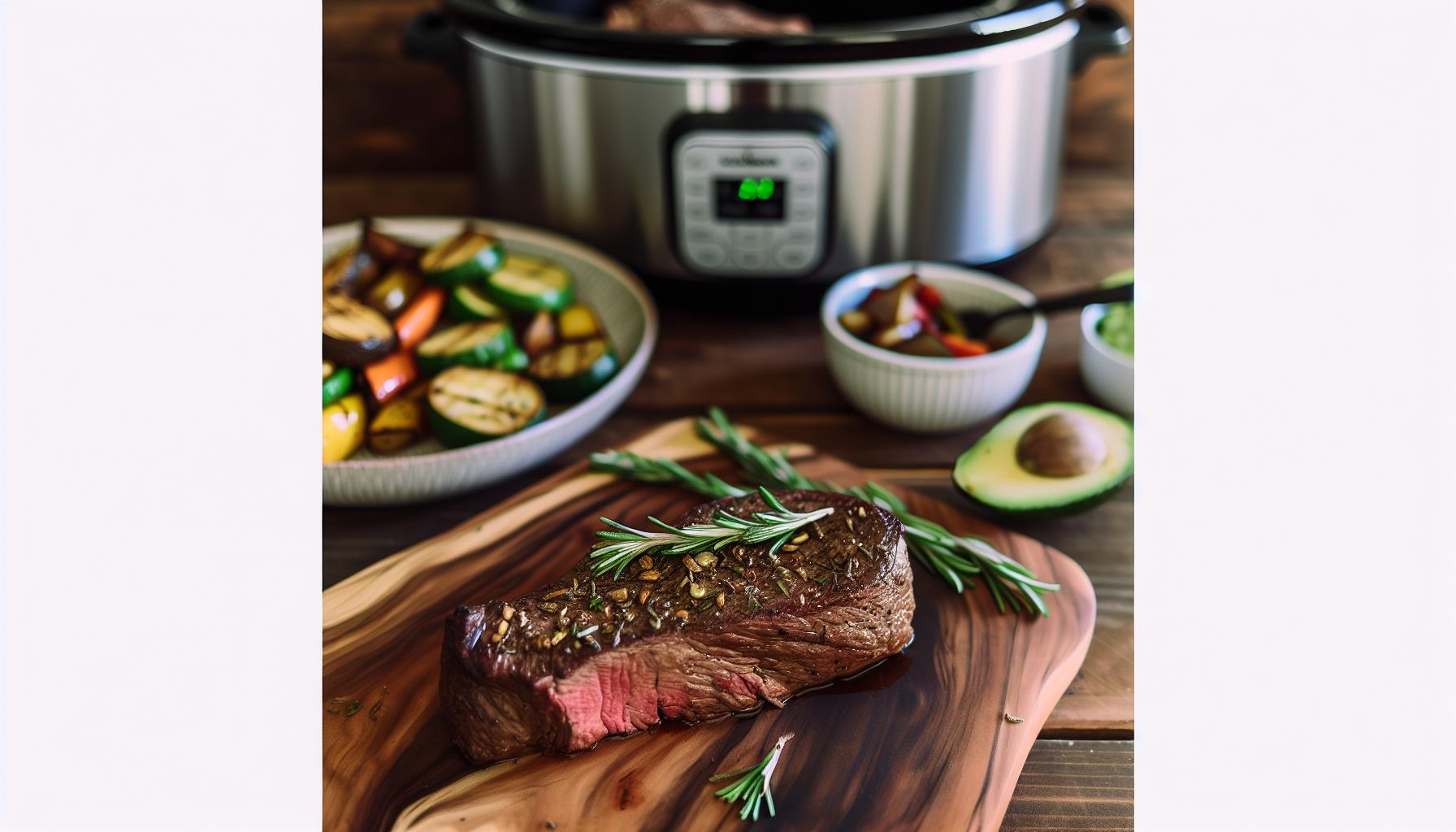
Faq
Q: Can I cook ribeye steak from frozen in a slow cooker, and how long does it take?
A: Yes, you can cook ribeye steak from frozen in a slow cooker. Simply add about 1 to 2 hours to your usual cooking time. For a thick frozen ribeye, cook on low for about 7-9 hours to ensure tenderness. Always check internal temperature before serving for best results.
Q: What is the best slow cooker setting for ribeye to keep it juicy?
A: The best slow cooker setting for ribeye to stay juicy is low heat. Cooking on low for 6-8 hours locks in moisture and enhances tenderness without drying out the steak. For faster meals,use high for 3-4 hours but watch carefully for overcooking.
Q: How do leftovers from slow-cooked ribeye steak hold up, and how should I reheat them?
A: Leftover slow-cooked ribeye stays moist and flavorful in the fridge for 3-4 days. Reheat gently in a skillet over low heat or use a microwave with a damp paper towel covering to retain moisture. Avoid high heat which can toughen the meat.
Q: Why does slow-cooked ribeye sometimes become too soft or mushy, and how can I avoid that?
A: Ribeye can become mushy if cooked too long, especially on high. To avoid this, monitor cooking times carefully and use low heat for 6-8 hours.Also,avoid cutting steak into too small pieces before slow cooking to maintain texture.
Q: How does slow cooking ribeye compare to grilling or pan-searing in terms of flavor and texture?
A: Slow cooking ribeye results in a tender, fall-apart texture with infused flavors, unlike grilling or pan-searing, which produce a crisp, caramelized crust.For a balance, try searing ribeye first, then slow cook to combine texture and deep flavor (Step-by-Step Ribeye Prep section).
Q: Can I add vegetables directly with ribeye in the slow cooker,and how does it affect cooking time?
A: Yes,adding hearty vegetables like carrots and potatoes with ribeye is great. Though, note that dense veggies may require similar or slightly longer cooking times (6-8 hours on low). Layer vegetables at the bottom to ensure even cooking and moisture absorption.
Q: How do marinades impact the slow cooking time of ribeye steak?
A: Marinades generally don’t shorten slow cooker times but enhance tenderness and flavor during the long cooking process. Acidic marinades help break down fibers but avoid overly acidic blends,which can make steak mushy. Check the Flavor Boosters and Marinades section for tips.
Q: Is it safe to slow cook ribeye steak overnight, and should I use a timer or keep it on “warm” afterward?
A: Slow cooking ribeye overnight on low is safe with a quality slow cooker. Use a programmable timer to switch from cooking to “warm” mode after the set time to avoid overcooking.this keeps steak juicy and ready to enjoy when you wake up or return home.
Explore these answers alongside the in-depth tips in our full guide to master slow-cooked ribeye steak!
Final Thoughts
Cooking a tender, melt-in-your-mouth ribeye steak in a slow cooker truly transforms your weeknight dinner routine-minimal prep, big flavor, and totally hands-off. Whether you’re gluten-free, paleo, or just craving comfort food, this easy recipe takes just a few simple steps and ingredients to get perfectly juicy results every time. If you’re wondering about seasoning swaps or ideal cook times for different slow cooker models, don’t hesitate to experiment-the slow cooker is forgiving and designed for busy kitchens like yours.
Ready to dive deeper? Check out our guide on the best paleo-friendly marinades that perfectly complement slow-cooked beef,or explore quick sides that pair effortlessly with your ribeye. Want to stay in the loop with more easy, tested recipes? Sign up for our newsletter and get fresh ideas straight to your inbox. Remember, slow cooking ribeye steak isn’t just about patience-it’s about rewarding yourself with delicious, wholesome meals made simple. Drop a comment below with your slow cooker tips or favorite tweaks-we love hearing your kitchen wins!
Get our latest guides, news, and insights highlighted in your Google Search & AI Overviews.


