Did you know slow cookers can make perfectly fluffy rice without the hassle of babysitting a pot? But here’s the catch-cook it to long or on too high heat, and you risk ending up with a burnt, sticky mess instead of that tender side dish you crave. Getting the timing right for cooking rice on high in a slow cooker is a game-changer, especially when life’s busy and every minute in the kitchen counts. Whether you’re gluten-free, paleo, or just love easy comfort food, knowing exactly how long to cook rice without burning it means you can trust your slow cooker to deliver tasty, hands-off results every time. Stick around, and I’ll share simple tips and timings that turn your slow cooker into a rice-making hero-as everyone deserves stress-free, tasty meals with minimal cleanup and no guesswork. Let’s make your next batch of rice foolproof and fabulous!
Table of Contents
- How Slow Cookers Work for Rice Cooking
- Ideal Rice Types for Slow cooker Recipes
- Perfect High setting Cooking Times for Rice
- Tips to Prevent Rice from Burning in Slow Cooker
- Adjusting Water Ratios for Fluffy Slow Cooker Rice
- Flavor Boosters and Mix-Ins for Slow Cooker Rice
- Troubleshooting Common Slow Cooker rice Problems
- Slow Cooker Rice Recipes for Busy Weeknights
- Storing and Reheating Slow Cooker Rice Safely
- FAQ
- Q: How can I tell if rice is overcooked or burning in a slow cooker on high?
- Q: What’s the ideal water-to-rice ratio when cooking on high in a slow cooker to prevent burning?
- Q: Can adding oil or butter help prevent rice from burning in a slow cooker on high?
- Q: How does altitude affect cooking rice in a slow cooker on high without burning?
- Q: Should I rinse rice before slow cooking on high to prevent burning?
- Q: How do different types of rice respond to slow cooking on high without burning?
- Q: Why does rice sometimes burn even with enough water in a slow cooker on high?
- Q: How long can I safely keep rice warm in a slow cooker after cooking on high to avoid burning?
- In Summary
How Slow Cookers Work for Rice Cooking
Rice and slow cookers seem like a natural pair-both beloved staples that make life easier in the kitchen. But getting perfect, fluffy rice in a slow cooker without the dreaded burnt bottom can feel like a bit of kitchen magic. Slow cookers work by gently circulating heat at a low, steady temperature which allows the rice to absorb water over time, creating tender grains without the frantic attention stovetop rice demands. Tho, the catch with rice is that it cooks faster than many slow cooker meals, so the timing and water ratio become your best friends against burning or mushiness.
When you set your slow cooker to high, it typically operates around 300°F (149°C), bringing the pot to a simmer faster than the low setting. This makes it great for weeknight meals when you want rice ready quickly but still hands-off. the heat surrounds the rice evenly,but because it’s sealed in a confined space,steam builds up and helps soften the rice from all sides. This slow, moist heat is gentler than boiling water on a stove, which can easily scorch rice stuck to the pan’s bottom. Yet, slow cookers don’t have the precise temperature control of stovetop pots or rice cookers, so keeping an eye on time and liquid ratios is crucial to avoid burning, especially on high.
Here’s a little secret I’ve learned from countless slow cooker rice recipes: _stirring once or twice during cooking can save your rice and sanity_. It helps redistribute the heat and liquid and breaks up any early sticking spots before they turn into a crust. Also,using a well-oiled slow cooker insert or a non-stick liner can work wonders when you’re working with sticky rice varieties or bold grain blends.Remember, the goal is a cozy steam bath for your rice, not a tough baking tray.
- Slow cooker heat equals steady, enveloping warmth: this cooks rice gently and evenly, but watch your timing! Rice won’t need hours like other slow cooker dishes.
- High heat setting speeds up the process: typically finishing perfectly cooked rice in 1.5 to 2.5 hours,depending on the rice type and quantity.
- Moisture control is everything: too little water and you risk drying and burning, too much and you get mushy rice.
Think of your slow cooker as a culinary co-pilot,working quietly so you can focus on getting dinner on the table without hovering. With a few tricks up your sleeve, cooking rice on high in the slow cooker can be an absolute breeze-delivering tender grains that feel effortless yet full of flavor. And hey, if your rice turns out flawless, that’s one less dish on your weeknight to-do list and more time to kick back and enjoy your meal!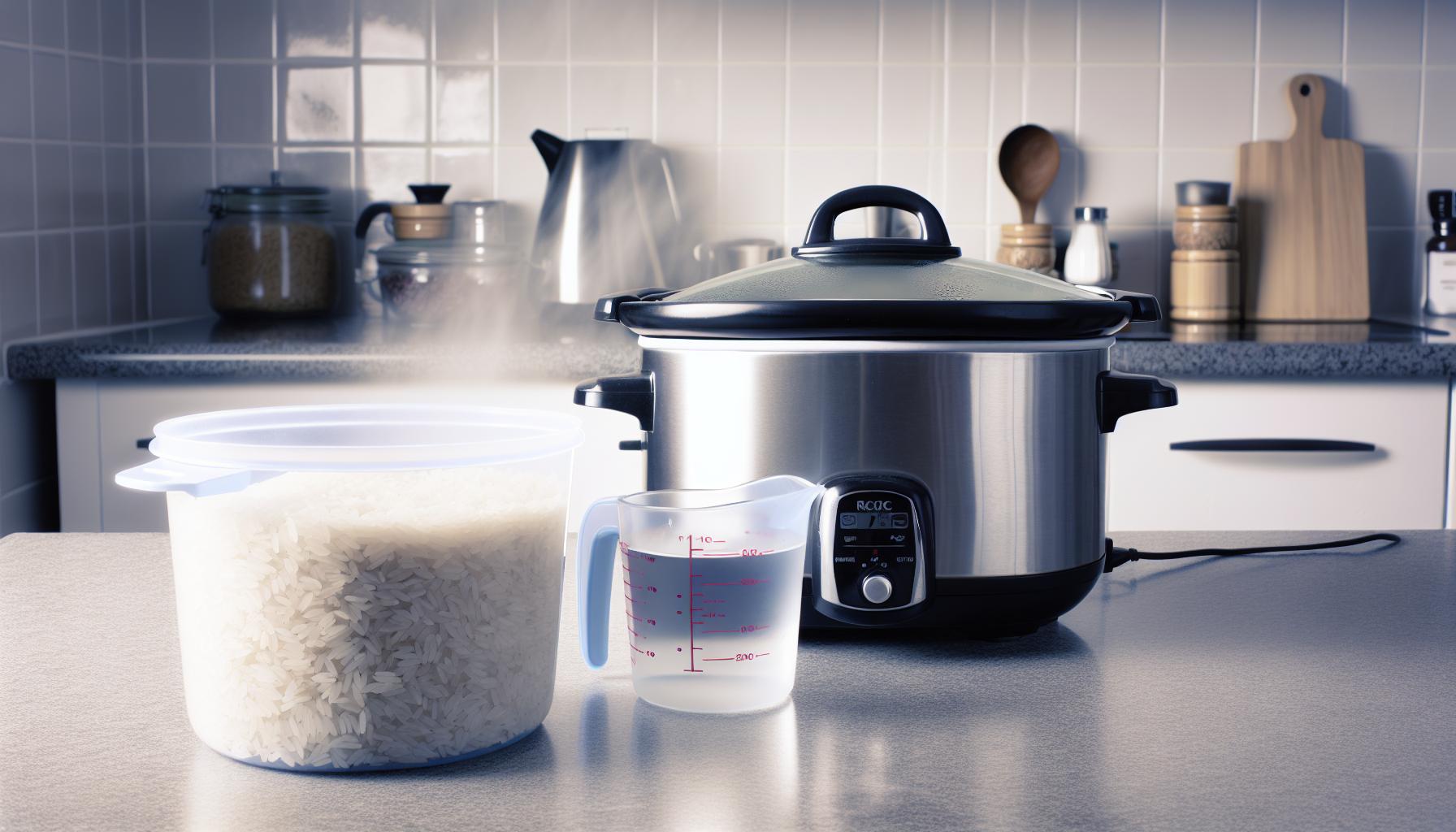
Ideal Rice Types for Slow cooker Recipes
Rice is incredibly versatile, but its texture and cooking behavior can change dramatically depending on the variety you pick-especially when you’re working with a slow cooker. Unlike stovetop or rice cookers that offer precise heat control, slow cookers rely on low, steady warmth, which means some rice types shine here, while others need a bit more TLC. Choosing the right rice not only saves you from frustrating mush or burnt bottoms but also turns your slow cooker rice into a star side dish or main ingredient.
Long-grain rice varieties like Jasmine or Basmati are fantastic slow cooker companions. Their naturally firm, separate grains handle the gentle heat well and yield that ideal fluffy texture without sticking together too much.They tend to absorb water evenly, making them perfect when you’re aiming for a light, aromatic batch of rice. Plus, these varieties lend themselves beautifully to flavorful slow cooker recipes-think fragrant Indian biryanis or easy Mexican rice-so you can get creative without stressing over mushiness.
For those who dig hearty whole grains,brown rice and other whole grain varieties (like wild rice or red rice) provide great nutrition and rustic texture but need a little more patience. Brown rice’s tough bran layer means it typically requires more water and a longer cooking time-usually edging toward the 2 to 2.5-hour high setting range. I’ve found tossing in an extra splash of liquid and stirring once can rescue your batch from drying out or sticking.Bonus: when cooked well, it has a lovely bite and nuttiness that feels totally worth the wait.
Sticky or short-grain rice, which is popular in sushi or some Asian dishes, can work in a slow cooker but demands extra attention. Their higher starch content means they love to clump-and that can quickly tip into a gluey mess if overcooked or left untouched. If you’re going this route, consider greasing the pot well and stirring halfway through cooking to keep things on track. Alternatively, parboiled rice varieties also behave well here because their processing reduces stickiness and shortens cooking time slightly, making them dependable all-rounders.
- long-grain rice (Jasmine, Basmati): Best for fluffy, separate grains; speedy cook time.
- Brown rice & whole grains: Nutty flavor, longer cook time, needs more water.
- Sticky/short-grain rice: Requires greasing and stirring; perfect for creamy or sushi-style dishes.
- Parboiled rice: Lower starch, consistent texture, forgiving in slow cookers.
Picking the right rice type is half the slow cooker rice success! When you know your grain, you can confidently adjust water ratios and timing rather than guess, turning your slow cooker into a trusty kitchen sidekick for quick, cozy meals. Personally, I love keeping a stash of Jasmine and brown rice around-it covers both the speedy weeknight needs and those slow-simmered whole grain cravings with minimal fuss. Whichever you choose, embracing these grain personalities makes slow cooker rice feel like less of a science experiment and more like effortless deliciousness.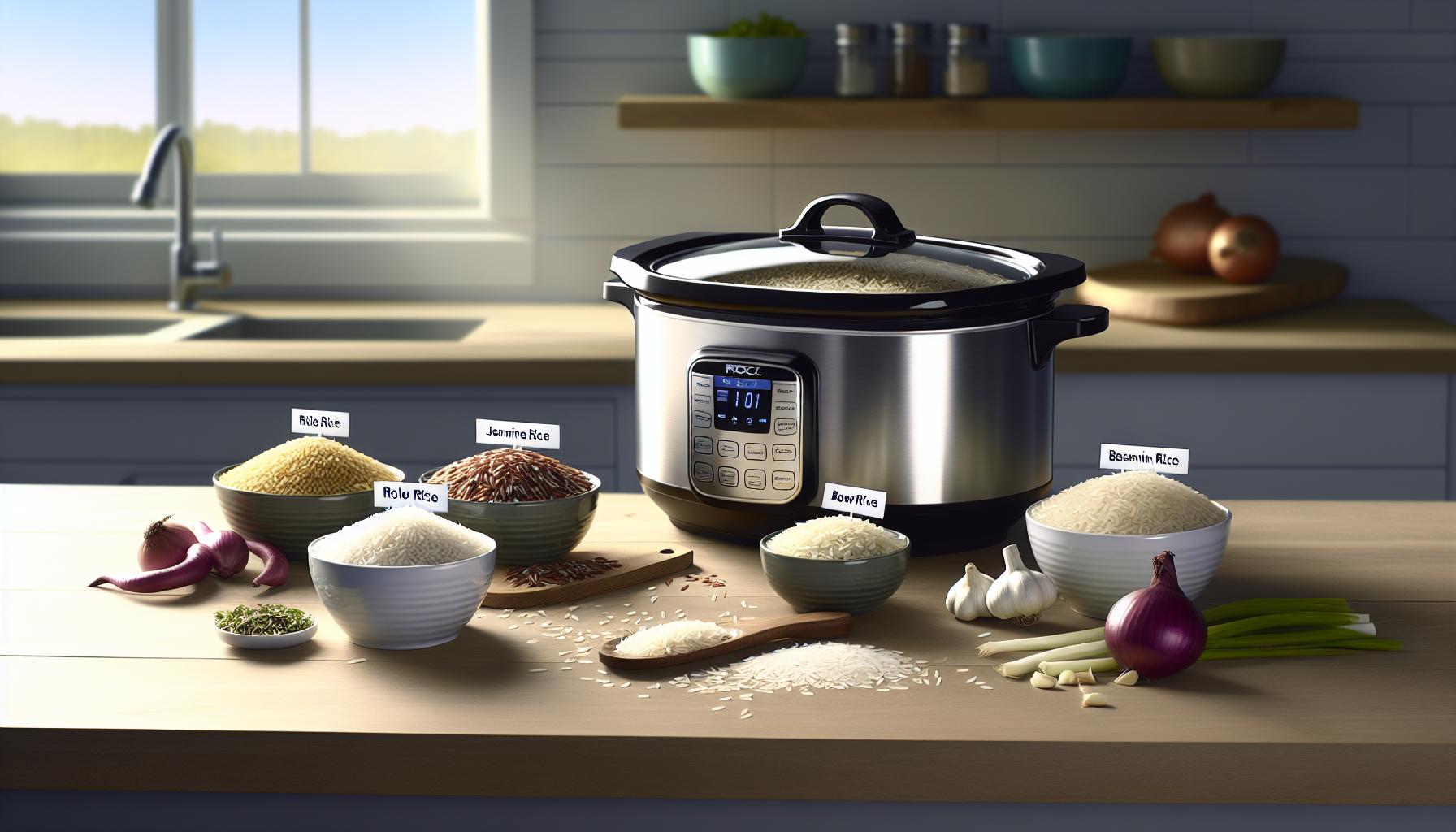
Perfect High setting Cooking Times for Rice
Rice in a slow cooker on the high setting is a balancing act – you want fluffy, fully cooked rice without ending up with a scorched bottom or a gooey mess. The key? Understanding that timing varies depending on the rice type, plus trusting your slow cooker’s unique quirks. Unlike stovetop cooking, were you actively monitor heat, a slow cooker on high provides steady heat that usually hovers around 300°F (150°C). This makes it faster than the low setting but still gentle enough to coax out tender, perfectly cooked grains-if you keep an eye on the clock.
For the moast common rice varieties, here’s the general scoop: Long-grain white rice, like Jasmine or Basmati, typically takes about 1 to 1.5 hours on high to reach that fluffy, separate texture everyone loves. It’s always an excellent idea to check in at the 60-minute mark, give it a gentle stir, and see if the water’s absorbed – as slow cookers can vary a bit in temperature. Brown rice, with its hearty bran layer, needs a bit more patience-expect about 2 to 2.5 hours on high to soften up nicely. Because brown rice often wants more water,stirring once about halfway through cooking can prevent sticking and ensure even cooking.Sticky or short-grain rice asks for extra TLC; it likes less time than brown rice but more care than long-grain whites, plus occasional stirring to keep glueiness in check.
- Long-grain white rice: 1 – 1.5 hours on high
- Brown rice & whole grains: 2 – 2.5 hours on high
- sticky/short-grain rice: 1 – 1.5 hours on high, stir midway
- Parboiled rice: 1 – 1.5 hours on high, very forgiving
Practical Tips to Nail Timing Without burning
Because every slow cooker behaves slightly differently (my old crock was a notorious rice burner, no lie), here’s a couple of tested lifesavers: make sure to grease your slow cooker’s pot if you want to avoid a sticky bottom, especially with starchier rice types. Another trick? Set a timer to stir once the halfway point hits-that little disruption keeps the rice grains separate and lets steam evenly circulate. If you sense the rice is cooking too fast or drying out, adding a splash more water is a simple save. When I’m in a rush, I sometimes pre-soak brown rice for 30 minutes-this chops the cooking time down and reduces the chance of dryness.
Remember, slow cooker rice is forgiving, but better safe than scorched.If you want to multi-task, aim for the shorter end (around 1 hour 15 minutes) and check progress early so you don’t overcook. After a few experiments with your personal cooker and favourite rice type, a quick mental note about timing will become your new kitchen superpower-especially on those busy weeknights when slow cooker rice is a lifesaver!
Cooking Time Table for Slow cooker High Setting Rice
| Rice Type | Typical High Setting Cook Time | Water Tips | Additional Notes |
|---|---|---|---|
| Long-grain White (Jasmine, Basmati) | 1 – 1.5 hours | Standard 1:1.25 rice-to-water ratio | Fluffy & separate grains; stir once midway |
| Brown Rice & Whole Grains | 2 – 2.5 hours | use 1:1.5 rice-to-water ratio; add more if needed | Need stirring halfway; pre-soak helps |
| Sticky/Short Grain | 1 – 1.5 hours | Slightly less water; grease pot well | Stir often; watch for glueiness |
| Parboiled Rice | 1 – 1.5 hours | Similar to white rice | Very forgiving, great for beginners |
With these high setting cook times dialed in, your slow cooker will deliver tasty, no-fuss rice that fits right into your hectic schedule – no burned bottoms, just warm, satisfying grains every time. It really feels like having a kitchen buddy who quietly keeps the basics covered while you focus on the fun parts of dinner!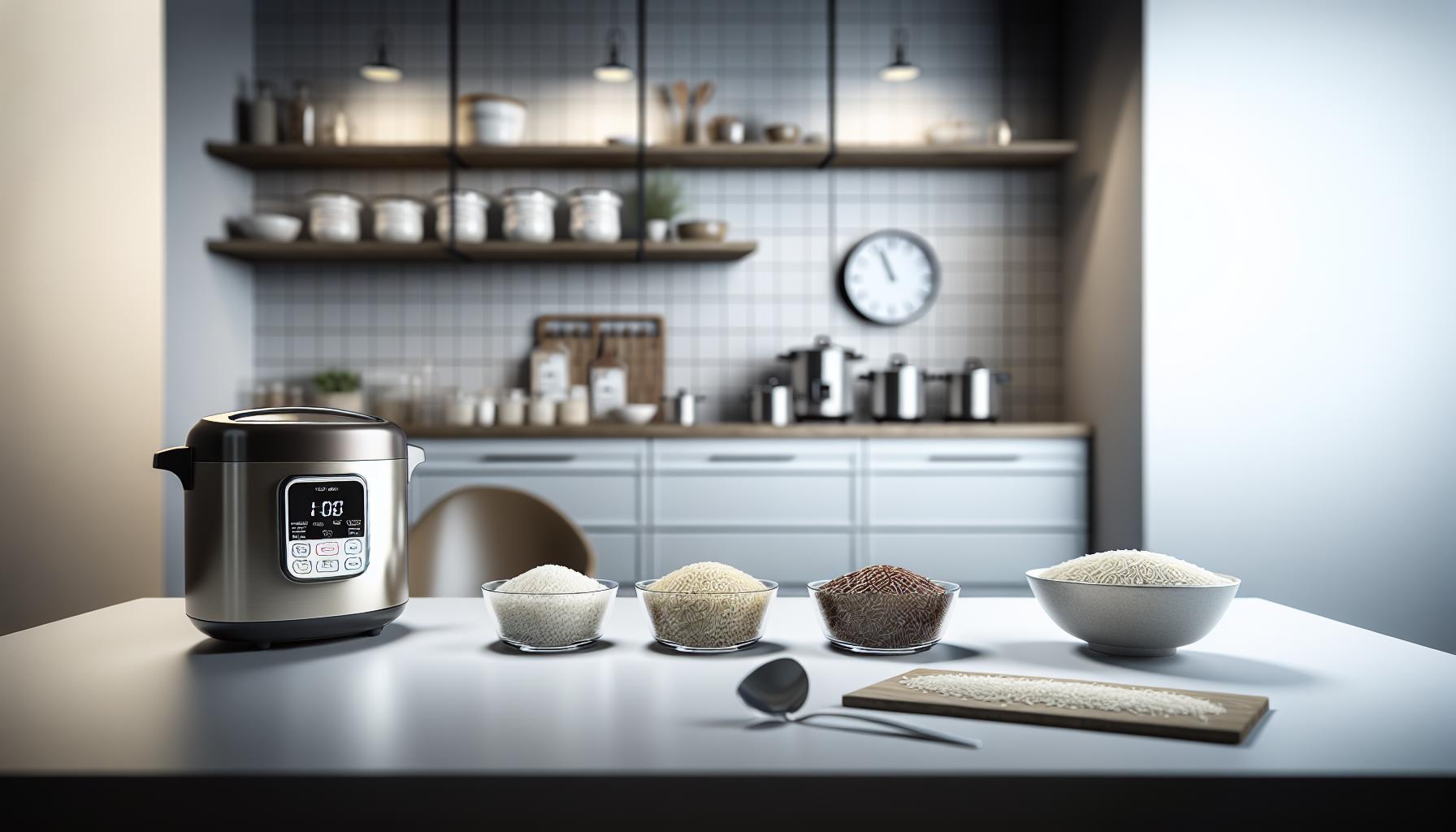
Tips to Prevent Rice from Burning in Slow Cooker
Rice cooked in a slow cooker has a reputation for sometimes developing that dreaded scorched bottom-the kitchen equivalent of hearing a suspenseful cliffhanger you didn’t ask for. But with a few smart tweaks and a little patience, you can easily dodge that crispy situation and enjoy fluffy, perfectly cooked rice every time. think of your slow cooker pot like a canvas: a little planning goes a long way in preventing stickiness and burn marks that turn dinner from cozy comfort to “uh-oh” moment.
One of the simplest and often overlooked tricks is giving your slow cooker pot a bit of love before adding rice and water. Lightly greasing the base with a tablespoon of olive oil, butter, or even coconut oil creates a non-stick barrier that’s especially helpful for starchier rice like sticky or short-grain varieties. Not only does this keep the grains from clinging to the bottom, but it also adds a subtle richness to the final dish-a win-win! Another insider tip is to stir the rice once midway through the cooking time, which sounds like a small thing, but frees up trapped steam, encourages even cooking, and keeps those grains lovely and separate rather of glued together or scorching in one spot.
Water ratios are your best friends here-never underestimate their power to prevent burning. Adding just the right amount (normally a 1:1.25 ratio for long-grain white rice,a bit more for brown rice) keeps moisture locked in and tempers the heat. Don’t be shy about adding a splash more water if you catch the rice looking a little dry or if steam seems to have disappeared halfway through cooking. When I’m juggling a hectic schedule, I sometimes soak brown rice ahead for 20-30 minutes-the extra moisture cuts down cooking time and diminishes that risk of dry and burnt rice on the bottom. If your slow cooker gets finicky or runs hotter than you expect, slightly lowering the heat to “warm” after an initial cooking burst can save the day.
- Grease the pot: Use oil or butter for a natural non-stick layer.
- Stir midway: Loosen grains and release steam for even cooking.
- Watch water levels: Adjust slightly if rice looks dry or boiling too aggressively.
- Pre-soak grains: Especially brown rice to reduce cook time and dryness.
- Know your cooker: Every slow cooker is unique-timing and temperature tweaks will make recipes truly foolproof.
Having a slow cooker that’s been well-loved over the years (mine’s a little battle-worn!) means sometimes the pot is more prone to sticking, so these tricks can be lifesavers on busy days. remember, slow cooker rice is forgiving if you keep an eye on it and don’t be afraid to interrupt the cooking process with a stir or a splash of water. It’s all about embracing the slow cooker’s rhythm and making it your trusty kitchen sidekick-handling the basics so you can focus on the flavorful parts of dinner!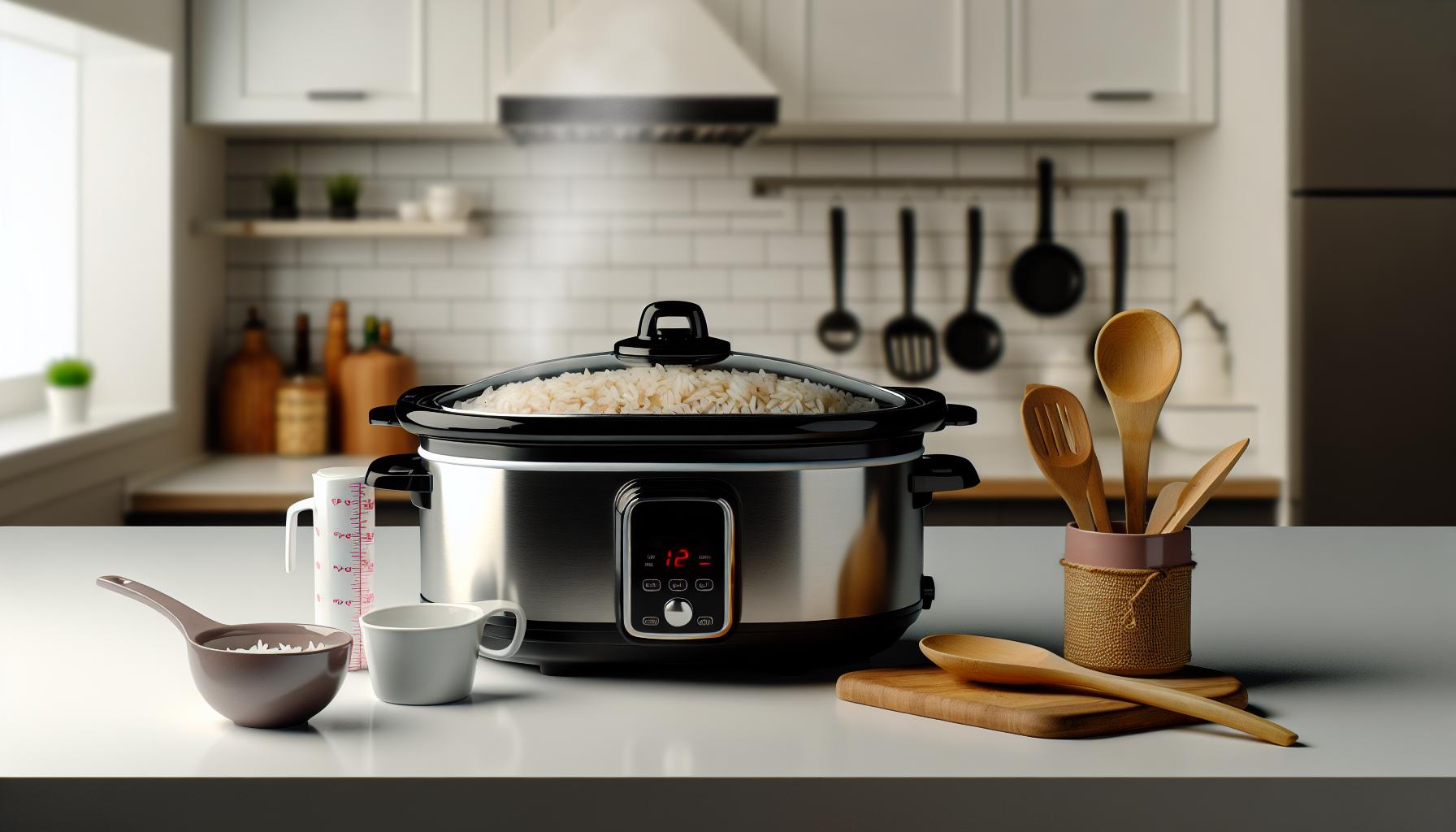
Adjusting Water Ratios for Fluffy Slow Cooker Rice
Rice and water are the classic duet of a perfect slow cooker dish, but nailing the water ratio takes center stage when cooking rice on high without ending up with mushy puddles or, worse, that crispy, burnt layer. Water might seem simple, but it really holds the magic for fluffy, tender grains that have the lightness of cloud-like pillows rather than wet sponges. The trick? Every rice variety has its own liquid love language, and your slow cooker’s heat setting plays a sneaky role in how much thirst it’ll demand.
Long-grain white rice usually thrives on a 1:1.25 rice-to-water ratio when cooked on high. That extra quarter cup of water does more than keep rice hydrated; it tempers the heat and prevents it from drying out too quickly, which is critical in the intense environment of a slow cooker on high. Brown rice? Oh, it’s the divo of the rice family-it needs a touch more hydration because of its fibrous bran layer. Expect around 1:1.5 or even 1:1.75 depending on freshness and whether you pre-soaked it. Pre-soaking isn’t just a luxury; it’s a shameless hack that softens tough grains and cuts down soak-and-cook time,which means fewer chances to scorch those precious kernels at the bottom.
- Start with a base ratio: For white rice, try 1 cup rice to 1¼ cups water. For brown, aim for about 1½ cups water.
- Be ready to tweak: If the rice looks dry halfway through-especially with a fast cooker-add a splash of boiling water and stir gently.
- Consider your slow cooker: Older or small slow cookers might run hotter and thirstier; younger or larger ones may need less water.
- Fun tip: Adding a teaspoon of oil or butter not only helps prevent sticking but subtly changes water absorption, making grains even fluffier.
Why Too Much Water Isn’t Always Better
Over-watering rice can feel like a safe bet, but it often backfires with soggy results or uneven cooking. Water pooling at the bottom traps steam, which should be a good thing-but too much, and the grains lose their structure and become gummy. If you catch the rice syrupy or overly wet near the finish line, you’re dealing with a water overload.Instead, try cutting back just a bit next time, or letting the cooked rice sit in the warm cooker lid-off for 10 minutes to evaporate excess moisture while fluffing.
Adjusting on the Fly: Your Slow Cooker’s Personality Matters
Every slow cooker is a unique beast, with subtle heat quirks and pot materials that influence how water behaves. One of my favorite kitchen habits: keep a little extra boiled water handy when rocking slow cooker rice on high.If you peek and see steam barely escaping or the surface drying out, pour in a tablespoon or two and stir lightly. This mid-cook hydration check keeps rice on the fluff train without derailing into dryness or caramelized bottoms.
cooking rice slowly on high is a delicate dance of liquid and heat, but with a bit of attention to water ratios and a dash of love, your rice will come out fluffy and perfect every time-no burnt surprises needed. After all, no one signed up for a rice drama!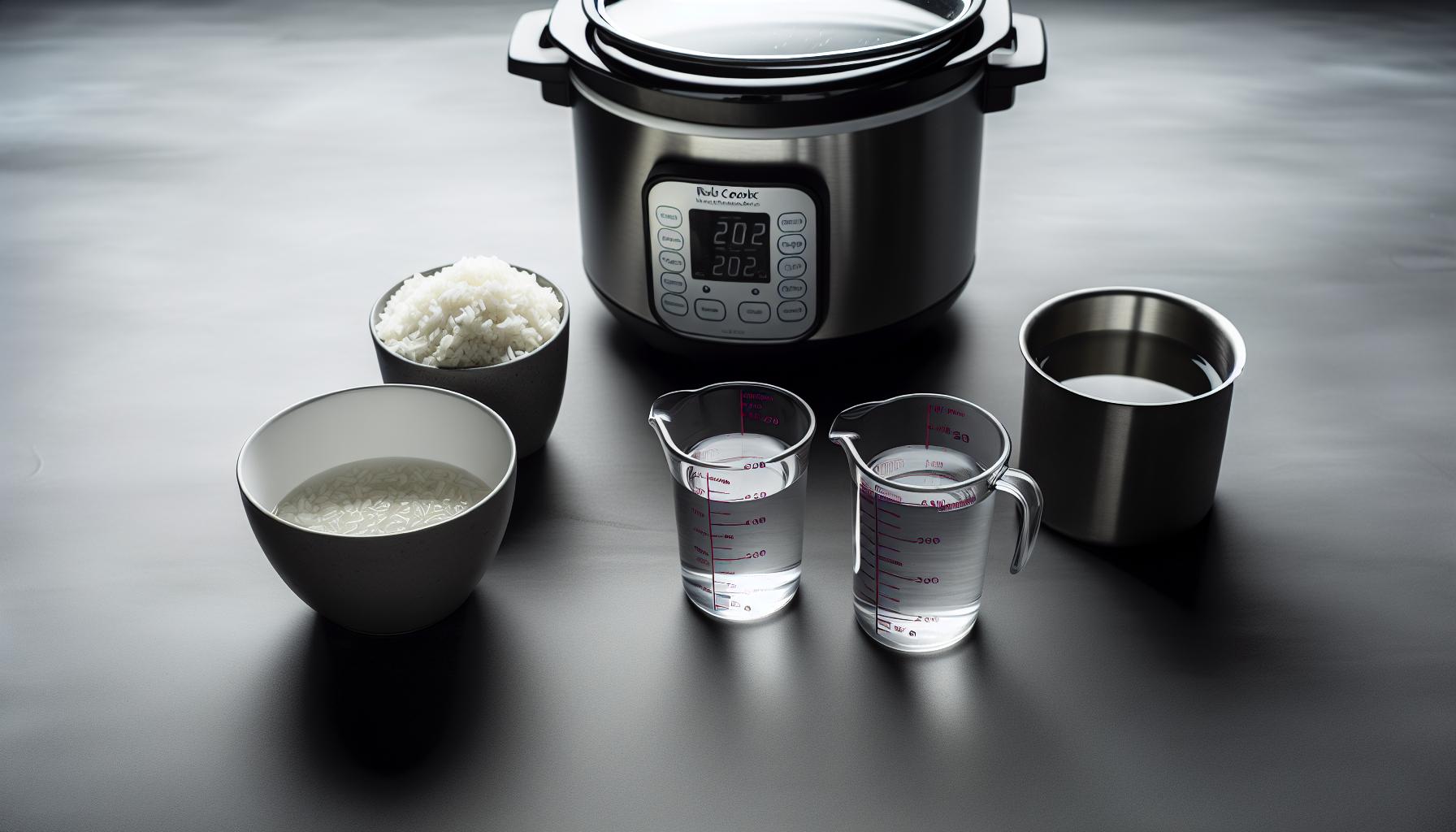
Flavor Boosters and Mix-Ins for Slow Cooker Rice
rice in a slow cooker is like a blank canvas-ready for colors, flavors, and textures to turn humble grains into a dish that wows.Adding flavor boosters and mix-ins isn’t just about taste; it’s about creating rice that feels like it was made with a sprinkle of kitchen magic and a dash of love. Whether you’re gluten-free, paleo, or just a rice-lover trying to spice things up, these easy upgrades transform your slow cooker rice from simple side to centerpiece with zero stress.
Start with the liquid itself. Swap plain water for broth-vegetable, chicken, or beef-to infuse rich, savory depth. I like low-sodium broth so I keep control over saltiness, especially since slow cookers concentrate flavors as they go. A splash of coconut milk works wonders for a subtly creamy texture and a gentle hint of sweetness, perfect for tropical or curry-inspired rice dishes. For an herbaceous boost, toss in a few sprigs of thyme, rosemary, or a bay leaf right at the start. These gentle infusions wake up the rice while it cooks and keep things cozy and fragrant.
Mix-ins love company, but timing and textures are everything. Softer veggies like diced tomatoes or bell peppers can go in early, melding seamlessly as the rice cooks, whereas firmer ones like carrots or peas preferably join later so they retain a bit of crunch.Same goes for proteins-think cooked shredded chicken, sausage slices, or beans added toward the final 15-20 minutes. This keeps them tender and prevents drying out. if nuts and seeds are your jam, sprinkle toasted slivered almonds or pumpkin seeds on top right before serving for crunch and a nutty finish. It’s a texture party!
- Herbs & Spices: Garlic powder, smoked paprika, turmeric, and cumin can be stirred in initially to develop depth.
- Acid touches: A squeeze of lemon or lime juice at the end brightens up flavors beautifully.
- Cheesy cheers: Stir in grated Parmesan or crumbled feta once the rice is cooked for creamy, tangy notes.
one of my favorite cheat codes is a tiny pat of butter or splash of olive oil stirred in before cooking-it prevents sticking and uplifts mouthfeel while helping flavors blend harmoniously. Remember, slow cooker rice is forgiving but watch moisture carefully when tossing in juicy mix-ins. Adjust water or broth downward slightly if adding watery ingredients, so you dodge mush or stuck rice.with these tips, your slow cooker becomes a flavor factory, churning out perfect, aromatic rice every time-even on nights when you’re juggling a million things at once. The kitchen smells good, the rice looks inviting, and, most importantly, your family and friends will be coming back for seconds.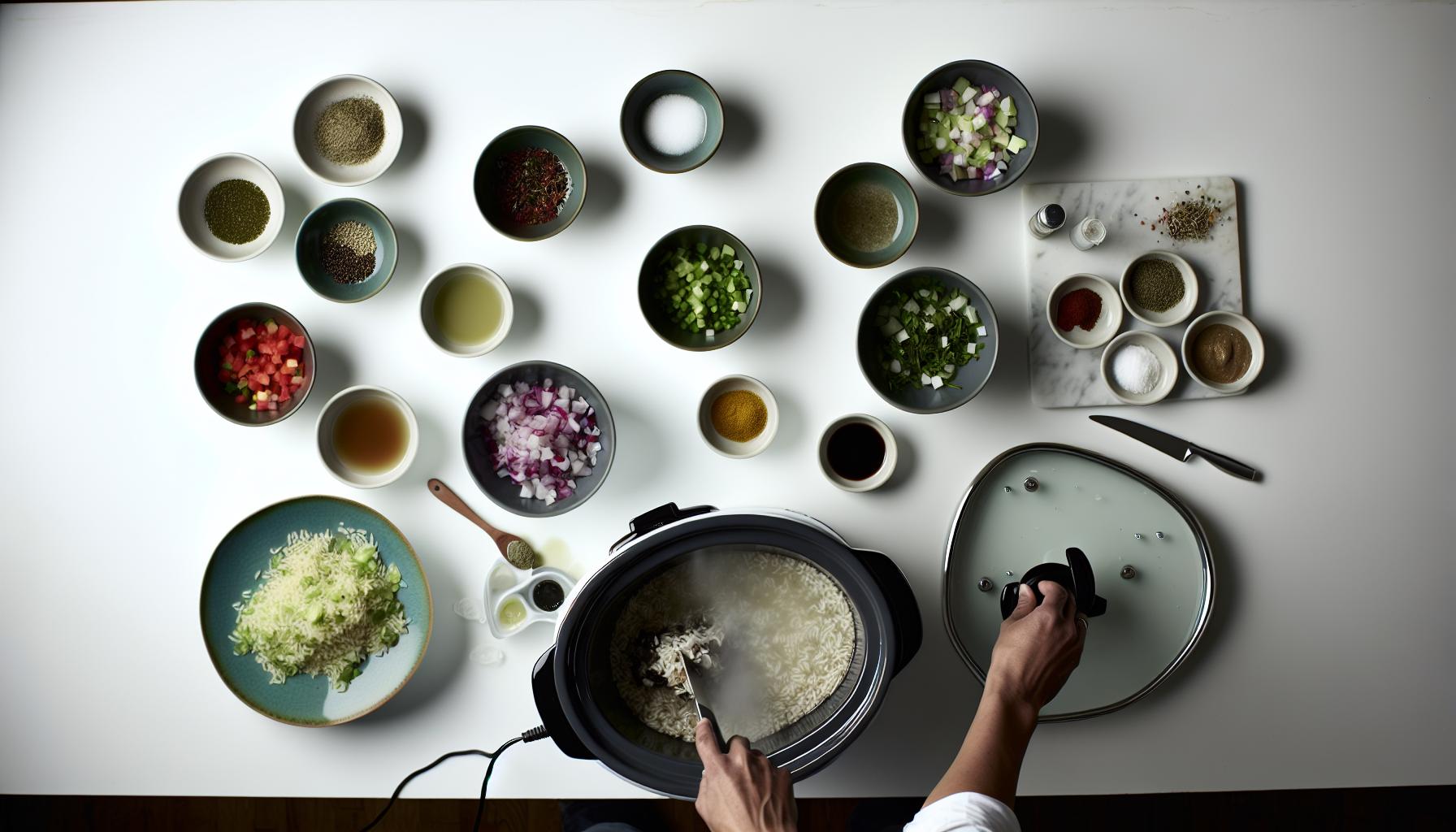
Troubleshooting Common Slow Cooker rice Problems
Rice can be a bit of a diva when it comes to slow cooking-too little water or too much heat, and you might end up with scorched grains or a starchy mess at the bottom of the pot. But fear not! With a few insider tips and a touch of patience,you can sidestep these common hiccups and enjoy perfectly cooked slow cooker rice that’s fluffy,tender,and never burnt.
One frequent annoyance in slow cooker rice adventures is burning or sticking on the sides and bottom, especially on the high setting. This often happens because the slow cooker heats unevenly or the liquid evaporates too quickly. To keep the rice happy, try these quick fixes:
- Use enough liquid: Brown rice or wild rice may take longer to cook and need more water. Remember,the slow cooker locks in moisture,so err on the side of slightly more liquid than stovetop rice recipes suggest.
- Add a fat element: A tiny splash of olive oil, a small pat of butter, or even some coconut milk can definitely help prevent sticking and promote even cooking.
- Stir halfway through: If your recipe and schedule allow,give the rice a gentle stir about halfway through cooking. This redistributes heat and moisture to avoid hot spots that cause burning.
Time and Temperature – Finding the Sweet Spot
Cooking rice on high in a slow cooker can be tempting when you’re short on time, but it’s a fine balance. I’ve found 20 to 30 minutes is usually enough to cook basic white rice on high without risking dry or burnt bottom layers, though this can depend on your slow cooker’s wattage and age. Brown rice will often need closer to 45 minutes to an hour, so it’s worth testing with your own equipment.If you notice the rice edges looking a little crispy or dry before the center is done, try turning off the slow cooker sooner and letting the residual heat finish the job with the lid closed. Slow cookers vary wildly, so keep a timer handy the first few times you make rice this way to learn your machine’s personality.
When Rice Turns Mushy or Gummy
On the opposite end, too much liquid or cooking longer than needed can turn rice into a sticky, mushy puddle-not exactly the fluffy side dish we crave. To avoid this:
- Adjust water ratios: Cut back on liquids by about a quarter cup if you’re adding watery veggies or broth instead of plain water.
- Don’t peek too frequently enough: Lifting the lid releases steam and alters cooking time, which can throw off the rice’s final texture.
- Choose the right rice variety: Long grain rice like basmati or jasmine stays fluffier, while short grain tends to be starchier and can clump in slow cookers.
Lastly, remember every slow cooker is its own little kitchen diva, with unique quirks. If rice has burned on you before and your slow cooker runs hot, consider cooking on low for a longer stretch or using a slow cooker liner to protect the pot. A bit of trial and error (with a side of fun!) is the best way to conquer slow cooker rice woes.With these tips, your slow cooker rice journey will be smoother than ever and set you up for delicious, fuss-free meals that feel like a warm hug after a busy day. Keep experimenting, stay patient, and embrace the joy of making rice your way.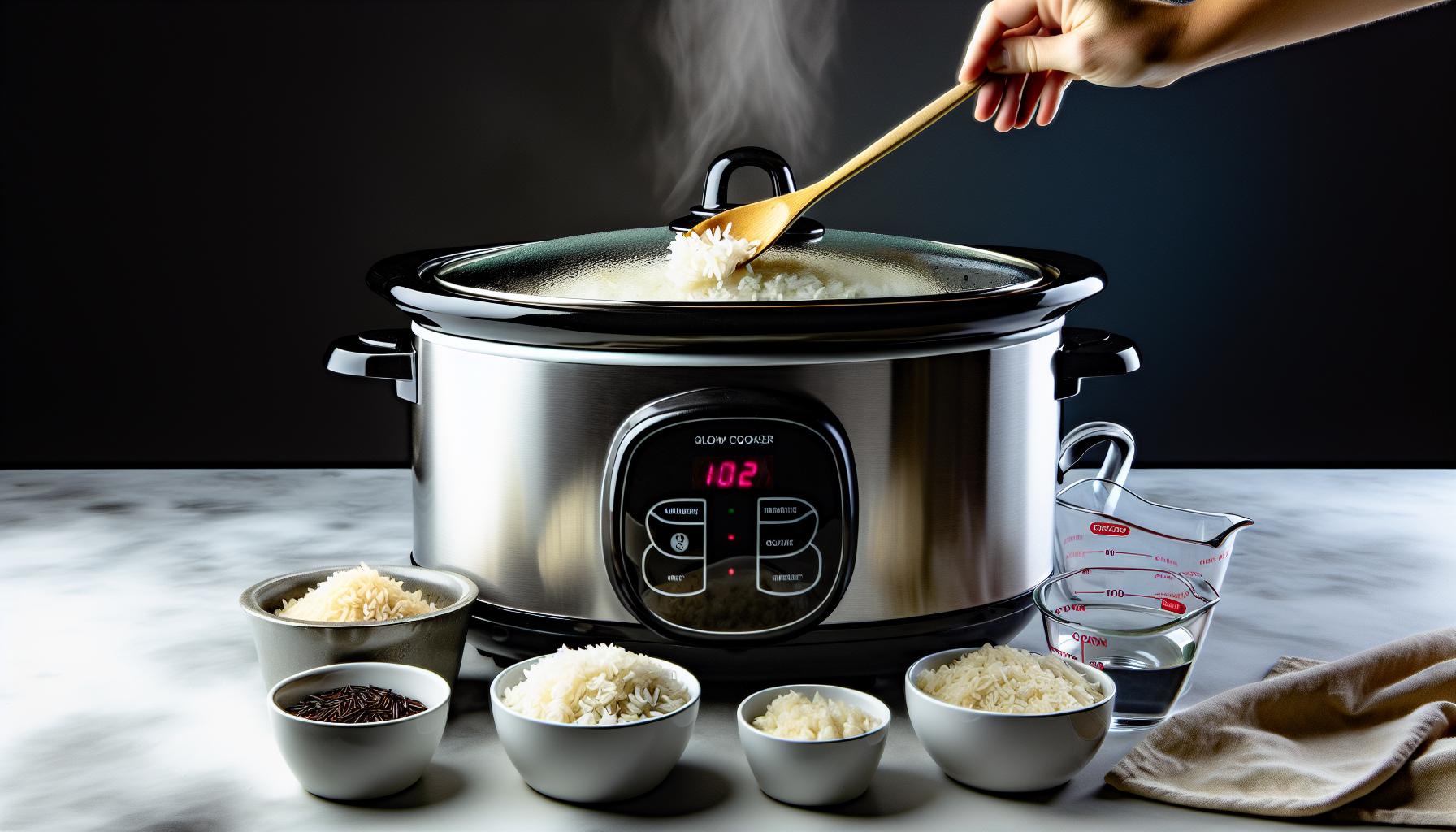
Slow Cooker Rice Recipes for Busy Weeknights
There’s something magical about coming home after a long day and finding a warm, perfectly cooked pot of rice waiting for you-all thanks to a slow cooker. For busy weeknights, slow cooker rice recipes can be a game-changer, blending simplicity with delicious results. Whether you’re paleo,gluten-free,or just craving comfort food,these recipes let you roll in the door,throw in a few ingredients,hit “high,” and relax knowing dinner will come together without any babysitting.
A quick heads-up for the high setting cooks: keep your eye on timing. basic white rice generally hits the jackpot in about 20 to 30 minutes without burning, but don’t shy away from turning off the slow cooker once the edges start crisping and letting the residual heat wrap things up.Brown rice is a bit more of a diva here, needing closer to 45 minutes, so factor that in if you want a perfectly tender grain without the scorch marks. Layer flavors effortlessly by tossing in broth rather of water, a little splash of coconut milk, or fresh herbs before cooking starts. Here’s a trusty, no-fail formula I frequently enough lean on:
- White rice + broth + olive oil + 25 minutes on high = easy, fluffy rice.
- Brown rice + extra 1/4 cup water + butter + 45-50 minutes = hearty,nutty goodness.
Fast Fix Dinners with a Slow Cooker Twist
To make busy weeknights even easier,try combining your rice with protein and veggies thrown in from the start. Think paleo-kind shredded chicken or sautéed shrimp mingling with pre-chopped bell peppers and green beans. By layering like this, you minimize cleanup and maximize flavor. A quick personal favorite? Jasmine rice cooked alongside a splash of coconut milk and diced tomatoes with fresh basil-it’s like a tropical escape in your kitchen.Since slow cookers vary, I make a point to check mine’s quirks early on, so I don’t end up with burnt rice or a mushy mess when I’m running on empty.
If you’re tight on time or just want a shortcut, don’t hesitate to use pre-rinsed quick-cook rice varieties. They reduce high-setting cook times even further and blend well with spice mixes and protein marinades for an all-in-one meal. Plus, gently stirring halfway through cooking, if your schedule allows, helps avoid those dreaded burnt patches on the pot’s edges.
Substitutions and Mix-Ins for Effortless Variety
- Swap water for bone broth: It adds natural umami and extra nutrients.
- Add fats: A knob of ghee or a drizzle of avocado oil helps keep rice fluffy and non-stick while boosting flavor.
- Sprinkle in aromatics: Garlic powder, turmeric, or a cinnamon stick can turn simple rice into a comforting, flavor-packed base.
- Top with fresh herbs or nuts after cooking for texture and brightness.
So next time the clock is ticking and you need hands-free dinner magic, throw together these simple slow cooker rice combos. The best part? you’ll have tasty, nutritious meals on the table without the fuss or last-minute scrambling-and that feels like winning the weeknight dinner lottery!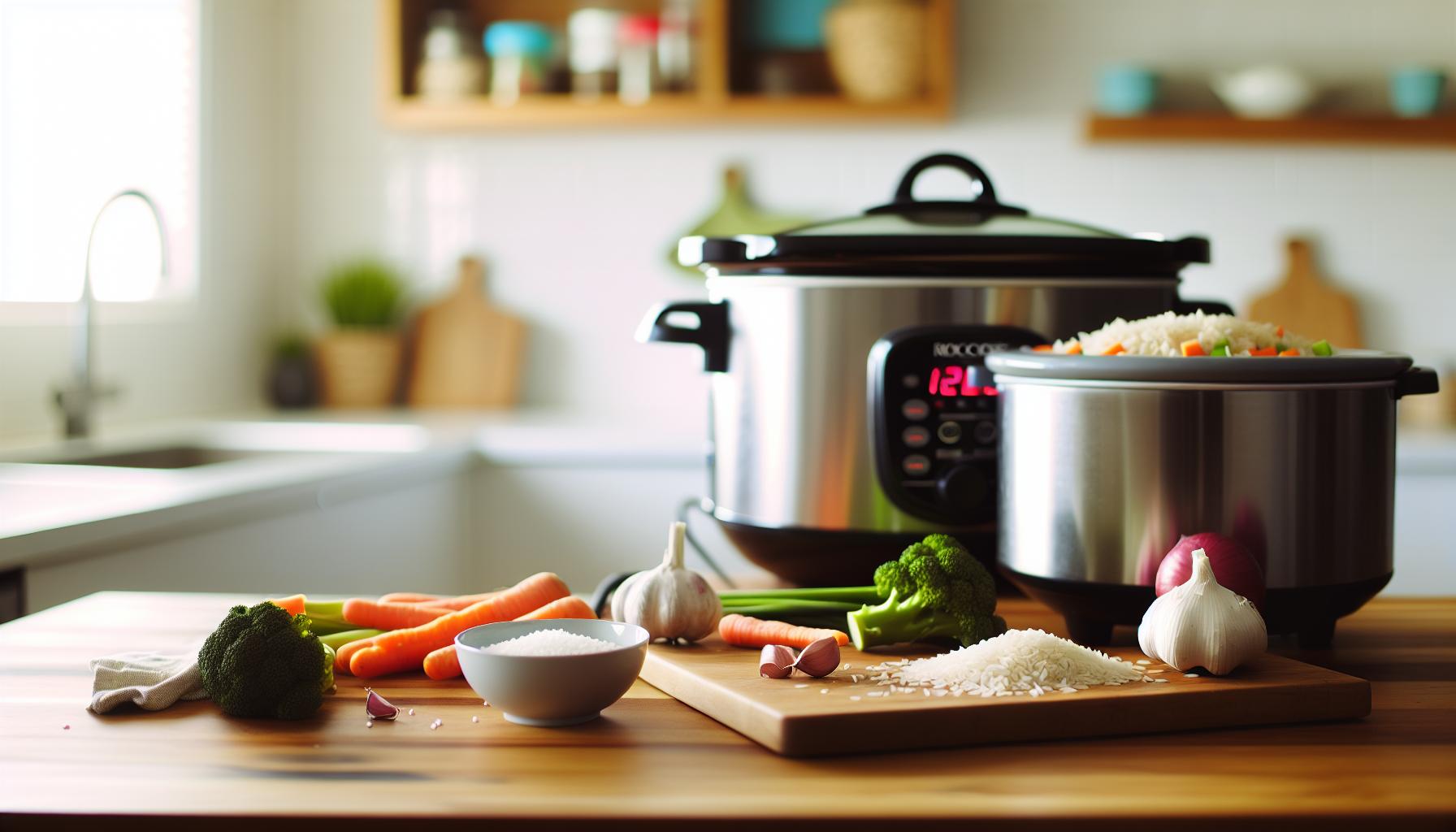
Storing and Reheating Slow Cooker Rice Safely
Rice cooked in a slow cooker is a wonderfully convenient way to get a warm, comforting meal without fuss-but once the cooking is done, how you store and reheat it can make or break that perfectly fluffy texture and fresh flavor. Treat your cooked rice with a little love post-cooking, and it’ll stay safe, tasty, and ready for quick weeknight dinners or easy lunchboxes.Trust me, I’ve wiped away more than one sticky rice mishap by following a few simple, practical rules that keep leftovers pristine and appetizing.
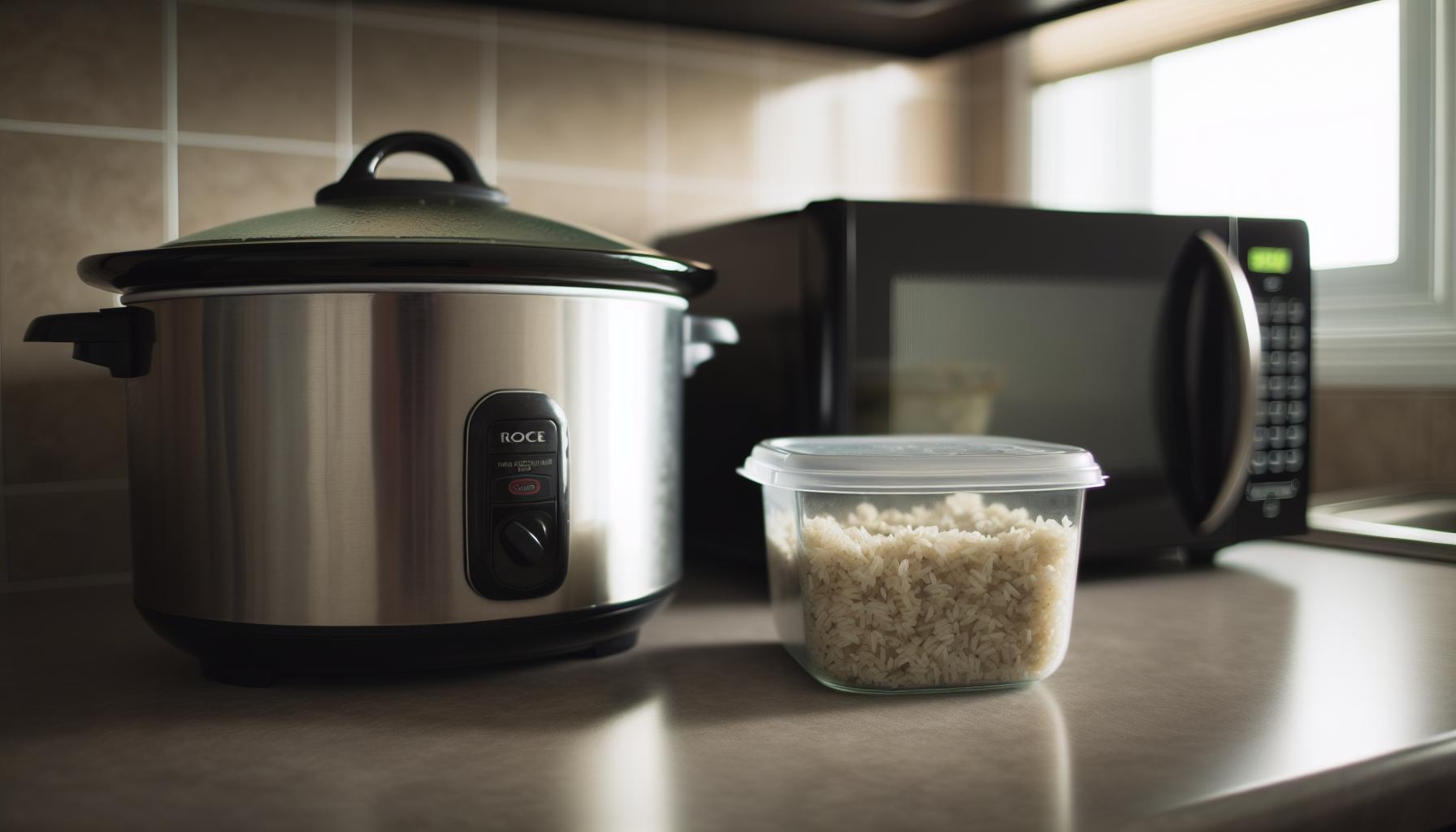
The key to safely storing slow cooker rice is to cool it quickly and refrigerate it within two hours of cooking. Hot rice left out can become a playground for bacteria (hello, food safety!), so scoop it out into a shallow container to help it chill faster. If you’re feeling fancy-or just want extra assurance-spread the rice on a baking sheet for a few minutes to let the steam escape before packing it away.Once sealed tight in an airtight container, properly cooled rice can hang out in the fridge for 3 to 4 days. For longer storage, frozen rice is your best buddy, safely lasting up to a month without losing its delightful texture.
Reheating is where many cooks panic,but it can be genius-level easy with a couple of kitchen hacks. The biggest tip: add a splash of water or broth before warming up the rice to bring back moisture and fluffiness. Whether you’re zapping it in the microwave or reheating gently on the stovetop, stirring halfway through helps to avoid cold spots and keeps the grains lovely and separated. Here’s a quick rundown:
- Microwave: Place rice in a microwave-safe bowl, sprinkle with 1-2 tablespoons of water or broth per cup of rice, cover loosely with a microwave-safe lid or plastic wrap, and heat on medium power for 1-2 minutes.stir, then heat again if needed.
- Stovetop: warm in a saucepan over low heat with a splash of water or broth, stirring every minute or so untill heated through.
- Oven: For crunchier edges, spread rice in a buttered baking dish, mist with water or broth, cover tightly with foil, and bake at 300°F (150°C) for about 15 minutes.
If you’re anything like me, sometimes you throw in rice for a fast dinner, then forget about timing. that’s why I love scooping out leftovers promptly instead of letting that cozy pot just sit on “warm” for hours-the slow cooker’s residual heat can sometimes dry out or even start to scorch the rice after a few hours, especially on high setting runs. Having a batch ready in the fridge also means you can pivot to a quick stir-fry or grain bowl whenever you want, without the stress of overcooked mush.
Even for gluten-free and paleo friends, safe rice storage and thoughtful reheating keep the experience enjoyable without unneeded waste or fuss. Honestly, it’s these little kitchen victories-like properly storing that perfect slow cooker rice-that turn weeknight chaos into moments of calm, all while keeping your taste buds happy and your meals wholesome.
| Storage Method | Recommended Time | Tips |
|---|---|---|
| Refrigerating (Airtight Container) | 3-4 days | Cool quickly; shallow container helps chill fast |
| Freezing (Freezer Bag or Container) | Up to 1 month | Seal tightly; label with date |
| Reheating | When ready to eat | Add liquid; cover; stir during reheating for even warming |
FAQ
Q: How can I tell if rice is overcooked or burning in a slow cooker on high?
A: Rice that’s overcooked or burning will have a dry, hard bottom layer and a burnt smell. Stir gently halfway through cooking to check. If you see sticking, add a splash of water and reduce heat next time. For best results, follow water ratios and tips in Tips to Prevent Rice from Burning in Slow Cooker to avoid this issue.
Q: What’s the ideal water-to-rice ratio when cooking on high in a slow cooker to prevent burning?
A: Use about 1.5 to 2 cups of water for every cup of rice on the high setting to keep rice moist without burning. Adjust slightly depending on rice type and your slow cooker’s heat. See Adjusting Water Ratios for Fluffy Slow Cooker Rice for full guidance and personalized tweaks.
Q: Can adding oil or butter help prevent rice from burning in a slow cooker on high?
A: Yes, adding a teaspoon of oil or butter coats the rice grains and reduces sticking, helping prevent burning on high. It also enhances flavor and texture. Try this tip alongside Flavor Boosters and Mix-Ins for Slow Cooker Rice to elevate your meals effortlessly.
Q: How does altitude affect cooking rice in a slow cooker on high without burning?
A: At higher altitudes, water boils at lower temperatures, requiring longer cooking times and slightly more liquid to avoid burning. Increase water by about 10-15% and cook a bit longer on high,checking frequently. For more cooking adjustments, see Troubleshooting Common Slow Cooker Rice Problems.
Q: Should I rinse rice before slow cooking on high to prevent burning?
A: Rinsing rice removes excess starch,which can cause rice to stick and burn in the slow cooker. Always rinse until water runs clear, then drain well. This simple step improves texture and reduces burning risk-covered more in Tips to Prevent Rice from Burning in Slow Cooker.
Q: How do different types of rice respond to slow cooking on high without burning?
A: Long-grain rice usually handles high heat better, while short-grain tends to stick and burn faster. Adjust water and cooking time accordingly. Refer to Ideal Rice Types for Slow Cooker Recipes to pick the best rice variety and master perfect cooking times.
Q: Why does rice sometimes burn even with enough water in a slow cooker on high?
A: Burning despite enough water often happens due to uneven heat distribution or thin slow cooker pots. Stir gently once during cooking and use a slow cooker with a thicker base if possible. For more fixes, see Troubleshooting Common Slow Cooker Rice Problems section.
Q: How long can I safely keep rice warm in a slow cooker after cooking on high to avoid burning?
A: Switch to the ‘warm’ setting immediately after cooking to keep rice safe and moist for up to 2 hours without burning. Avoid leaving rice on high, which dries it out and causes sticking. For tips on storage and reheating, check Storing and Reheating Slow Cooker Rice Safely.
—
Want to perfect your slow cooker rice? Feel free to explore these tips alongside our main article sections for easy, delicious meals that fit your busy lifestyle!
In Summary
Mastering how long to cook rice in your slow cooker on high without burning is easier than you think-just mind the timing and liquid ratio, and you’ll get fluffy, perfectly cooked rice every time. Ready to elevate your slow cooker game? Try experimenting with different rice varieties or add-ins like herbs and spices for a tasty twist that fits your gluten-free or paleo lifestyle.
Looking for more easy slow cooker recipes or tips on meal prep? check out our guides on slow cooker quinoa and effortless one-pot dinners to keep your kitchen adventures stress-free and delicious. Don’t forget to subscribe to our newsletter for weekly cooking hacks, and share your slow cooker rice successes (or questions!) in the comments-your experience could inspire fellow home cooks.
Keep exploring and experimenting; with these simple steps, cooking rice in your slow cooker on high without burning becomes a breeze, making meal prep both fun and foolproof. your next favorite recipe is just a click away!
Get our latest guides, news, and insights highlighted in your Google Search & AI Overviews.