

Did you know beef tallow, a rich, flavorful fat prized for centuries, can be easily made right at home using your slow cooker? Perfect for paleo, gluten-free, and anyone hungry for kitchen-skill upgrades, rendering beef tallow is surprisingly simple and hands-off, taking just a few hours with minimal effort. Weather you want a versatile cooking fat that boosts flavor or a natural option for frying and roasting, this method saves money and turns leftover suet into liquid gold. Stick around-I’ll walk you through each step, share tips from my own kitchen wins (and fails), and show you how to make this traditional fat fit effortlessly into your modern cooking routine. No fancy gear or complicated science here-just good old slow-cooked yum that anyone can master. Ready to turn your slow cooker into your new best friend? Let’s dive in!
Table of Contents
- Understanding beef Tallow: Benefits and Uses
- Choosing the Best Beef Fat for Tallow
- Simple Ingredients and Tools You’ll Need
- Step-by-Step Slow Cooker Method for Perfect Tallow
- Tips for Rendering Beef Tallow Faster and Cleaner
- How to Store and Preserve Your Beef Tallow
- Creative Ways to Use Beef Tallow in Everyday Cooking
- Troubleshooting Common Beef Tallow Issues
- Healthy Swaps and Paleo-Friendly Variations
- Safety and Cleanup Tips for Slow Cooker Tallow
- Why Slow Cooker Tallow Beats other Methods
- Faq
- Q: Can I make beef tallow in a slow cooker without adding water? A: Yes, you can make beef tallow without water in a slow cooker. Simply cook the beef fat slowly on low heat to render out the fat naturally. This method yields purer tallow and avoids diluting flavor. See our tips on rendering for cleaner results in the slow cooker section. Q: How long does it take to render beef tallow in a slow cooker?
- Q: What’s the best way to strain beef tallow after slow cooker rendering?
- Q: Can I reuse the beef fat scraps left after rendering tallow in a slow cooker?
- Q: How do I avoid a strong beef smell when making tallow in my slow cooker?
- Q: Can ground beef fat be used to make beef tallow in a slow cooker?
- Q: Is homemade beef tallow from a slow cooker suitable for paleo or keto diets?
- Q: What slow cooker settings work best for rendering beef tallow?**
- Final Thoughts
Understanding beef Tallow: Benefits and Uses
Beef tallow is one of those kitchen treasures that’s been quietly making a comeback-and for good reason. This rendered beef fat is prized not just for its rich, buttery flavor but also for its high smoke point, which makes it perfect for frying, roasting, and even baking without burning. If you love cooking with real food and want to skip the mystery ingredients often found in store-bought oils, making your own beef tallow at home is a total game-changer. Plus,it’s hard to beat the cozy feeling of slow cooker magic turning scraps into luscious,shelf-stable fat you can use for months.
Beyond the joy of creating something so versatile, tallow brings some surprising benefits to the table. It’s loaded with saturated and monounsaturated fats, providing a stable cooking fat that won’t oxidize easily, unlike many vegetable oils. This makes it a favorite among paleo and keto cooks who prioritize whole foods and nutrient density. Plus, tallow is naturally gluten-free, non-GMO, and can add that perfect crispy crust to everything from roast potatoes to steak. It’s also incredibly budget-friendly-think of it as turning butcher scraps into liquid gold.
Why Choose Beef Tallow in Your Kitchen?
- High Smoke Point: At around 400°F (204°C), tallow stands up to high-heat cooking without the nasty burnt flavors or harmful smoke.
- Flavor Booster: Its rich umami undertones add depth to fried or roasted dishes, making every meal a bit more satisfying.
- Multi-Purpose: Beyond cooking, tallow shines in homemade soaps, skincare, and even candle-making, giving you more bang for your buck.
- long Shelf Life: When stored properly, tallow can last several months on the countertop or even longer in the fridge or freezer.
In my kitchen, slow-cooked tallow has become my go-to for anything needing a solid fat foundation-whether that’s sautéing veggies, roasting chicken, or even greasing pans. Rendering tallow at home is also a great way to reduce waste and truly know what’s going into your body and food. No fillers or additives, just pure, wholesome fat that tastes amazing and performs exceptionally in the kitchen. If you’ve heard of tallow but weren’t sure how to use it or why it’s suddenly trendy, you’re about to become a believer.
Ready to dive in? Your slow cooker will do the heavy lifting, turning beef fat into culinary gold while you relax or prep other meal parts.Trust me, once you start cooking with homemade tallow, your taste buds (and your wallet) will thank you!

Choosing the Best Beef Fat for Tallow
If you’ve ever wondered what type of beef fat works best for making your own golden, luscious tallow, you’re not alone. Picking the right fat is a game-changer for flavor, texture, and how clean your slow cooker stays. Luckily, beef fat comes in a few varieties, and knowing which cut to seek out can turn your tallow-making from “meh” to magnificent with minimal effort.
The top pick for moast home cooks is suet-that dense, firm fat found around the kidneys and loins of the cow. Suet renders beautifully, with a clean flavor and minimal impurities, making it a dream to transform slowly into that buttery, shelf-stable fat we all crave. It’s usually sold at butcher shops or specialty meat counters, sometimes labeled just as “beef kidney fat.” I always tell friends that suet is worth hunting down if you want your tallow to have a smooth, creamy texture that melts on your tongue and crisps up like heaven when used for frying.
If suet isn’t easy to find, don’t worry-leaf fat from around the kidneys or any trimmed beef fat from roasts can also work well. The key is to choose fat that’s relatively free of meat scraps, tendons, or bloody bits, which can lead to a stronger smell or a grainy texture once rendered. You want your tallow pure and clean, so if you pick fat with a lot of residual meat, consider trimming it carefully or choosing a slow, gentle cook time to let those bits separate cleanly.
Types of Beef Fat for Tallow: Pros and Cons
| Type of Fat | Where It’s From | flavor & Texture | Availability | Best For |
|---|---|---|---|---|
| Suet | Around kidneys and loins | Clean, buttery, smooth | Butcher shops, specialty markets | Ideal for classic tallow with rich flavor |
| Trimmed Beef Fat | Fat trimmed from roasts and steaks | Varies; may need trimming; robust flavor | More accessible at grocery stores | Great for beginners, budget-friendly |
| Leaf Fat | Surrounding kidneys | Firm, flavorful | Butcher shops or meat processors | Good for tallow with a bit more character |
For those who are paleo or gluten-free, homemade tallow is a double win because it’s naturally free from additives and preservatives often lurking in commercial cooking fats. When I first made tallow with suet, I was amazed at how mild and buttery it tasted-pure comfort food magic with none of the mystery ingredients.
If you’re pressed for time or just want to keep it simple, grabbing trimmed fat from store-bought roasts or chuck steaks works beautifully, too. Just chop it into smaller pieces before letting the slow cooker work its magic. Remember: no matter what fat you use, freshness is king-fat that’s starting to smell off won’t yield lovely tallow, so buy from sources you trust and pop it into the freezer if it won’t get rendered right away.
In my kitchen, mixing suet with a bit of trimmings lets me balance a smooth melt with beefy punch, perfect for roasting or frying. try experimenting-because choosing your beef fat is less about rules, more about what flavors you love and how much effort you want to put in. And hey, if you snag some tallow scraps from a friend or butcher, you’re already ahead in the game!
Simple Ingredients and Tools You’ll Need
Imagine turning simple beef fat into a golden, buttery treasure right in your kitchen-no fancy gadgets, no intimidating techniques. The beauty of making beef tallow in a slow cooker is that the ingredient list is incredibly short,and the tools are basic but reliable. You really only need a handful of things to get started, and having these on hand will make your tallow journey both fun and foolproof.
First up, the star of the show: fresh beef fat.Whether you’re sourcing suet, leaf fat, or trimmed fat from your local butcher or grocery store, the key is to grab quality fat that’s clean and free of too much meat or impurities. This freshness guarantees a buttery, smooth final product that melts beautifully and fries like a champion. Bonus: this ingredient is naturally gluten-free and paleo-friendly, aligning perfectly with clean-eating goals without any weird additives.
essential Ingredients
- Beef Fat (Suet, Leaf Fat, or Trimmed Fat) – about 3 to 5 pounds depending on how much tallow you want
- Filtered Water (optional) – a splash helps prevent fat from sticking and burning early in the cooking process
Must-Have Tools
- Slow Cooker – your best friend for this low-and-slow magic. Big enough to hold all your fat comfortably without overfilling.
- Sharp Knife and Cutting Board – for chopping the fat into small, uniform pieces, which helps speed up rendering.
- Strainer and Cheesecloth – to catch those tiny bits of meat or connective tissue when you’re ready to filter your liquid gold.
- Heatproof Containers or Jars – for storing your finished tallow. Glass jars with lids work beautifully and keep it fresh at room temperature or in the fridge.
Optional but Nice-to-Have items
- Thermometer – for those who love a bit of precision; aim to keep the temperature gentle (around 130°F to 160°F) to avoid scorching.
- Slotted Spoon – handy for scooping out the rendered solids or “cracklings,” which are a tasty bonus snack!
I remember the first time I tried rendering beef tallow in my trusty slow cooker. Armed with just a chunk of suet and basic kitchen gear, the process felt like an effortless slow-cooker stew-except the reward was this luscious, creamy fat that transformed everything from roasted veggies to crispy fries.Pro tip: trimming your fat into roughly 1-inch cubes lets the slow cooker work its magic faster while still demanding zero babysitting.
If sourcing suet feels tricky, don’t sweat it. Grab trimmed fat from roasts or chuck steaks, giving it a speedy chop before starting. Fresh fat is king here; I once tried using partially frozen, old-ish fat, and the flavor wasn’t nearly as clean. So buy fresh, or freeze fat if you aren’t ready to render it immediately. Your taste buds will thank you.Once you’ve rounded up your ingredients and prepped your tools, you’re all set to embark on a slow-cooked, nutrient-rich adventure that proves paleo and gluten-free cooking can be downright dreamy and delicious.
Step-by-Step Slow Cooker Method for Perfect Tallow
There’s something incredibly satisfying about transforming humble beef fat into golden, silky tallow with almost no effort – and that’s exactly what the slow cooker makes possible. The beauty of this method is how hands-off it is: toss in your chopped fat, set it on low, and go live your life while it slowly works its magic. This approach delivers deeply rich, clean-tasting beef tallow that’s perfect for everything from frying to baking, without ever overheating or burning your precious fat.
Before you hit “start,” make sure your fatty pieces are chopped into roughly 1-inch cubes-this lets the heat circulate evenly and speeds up the process without speeding it *too* fast. Adding a splash of filtered water at the bottom of the slow cooker is optional but smart; it helps prevent the fat from sticking and burning in those early stages. Plus, the moisture encourages even melting as the beef fat renders down over hours. Trust me, once you’ve been through this ritual a couple times, it feels like an easy, comforting kitchen rhythm anyone can master.
step-by-step slow Cooker Tallow Rendering
- 1.prep your fat. Trim off any large bits of meat or connective tissue for a cleaner taste,then cut your fat into small,uniform cubes. The more uniform the pieces, the more consistent your tallow will be.
- 2. Place in the slow cooker. Scatter the chopped fat into your slow cooker, ensuring it’s roomy enough to hold it all comfortably. Splash in 1/4 cup filtered water (optional).
- 3. Set it low and go slow. turn your slow cooker to LOW. This low-and-slow heat (around 130°F to 160°F) encourages gentle melting without scorching.Resist the urge to peek constantly-this is the “set it and forget it” part!
- 4. stir occasionally. Every hour or so,give your fat a gentle stir with a heatproof spoon to break up any sticking bits and promote even rendering.
- 5. Watch for clarity. After roughly 4-6 hours,most of the fat should be melted into a clear,golden liquid,while the solids-the cracklings-will start to crisp and settle on top.
- 6. Strain and store. Carefully pour the liquid fat through a fine-mesh strainer lined with cheesecloth into clean, heatproof jars. Let cool to room temperature, then seal and store.
Helpful Tips from My Kitchen
One time, I tried rendering frozen fat leftover from a roast, and while the end product was fine, the flavor wasn’t as fresh and buttery as when I used completely fresh suet. Fresh fat really does make a noticeable difference. Also, if you want to snack on those crispy bits of rendered fat (aka cracklings), scoop those out before straining-they’re a salty, crunchy reward for your efforts!
If you find yourself in a rush, chopping smaller pieces absolutely helps speed things along without sacrificing quality. On the flip side, if you get busy and can let the slow cooker go a bit longer-even overnight on low-the tallow will come out just as smooth, luxurious, and ready to elevate your favorite paleo and gluten-free recipes.
By taking advantage of your slow cooker’s gentle heat and hands-off design,you’re setting yourself up for success-consistently golden,flavorful beef tallow with minimal fuss.It’s a perfect win for busy cooks who want nutrient-rich, versatile fat that makes everything from roasted veggies to crispy fries taste amazing. And hey, if you want to revel in that glorious smell filling your kitchen all day, I won’t judge. Because beef tallow made easy is *delicious* kitchen alchemy.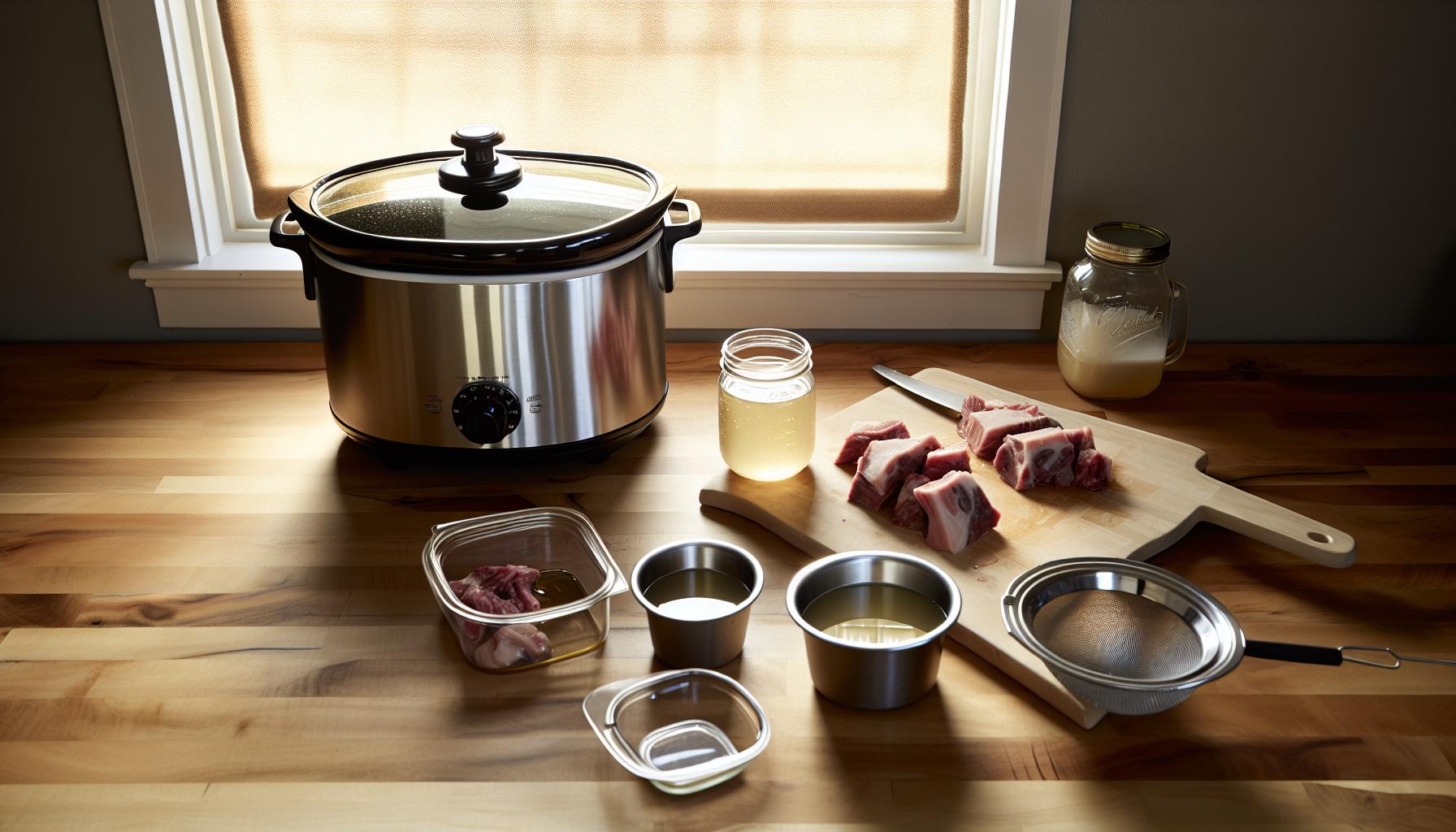
Tips for Rendering Beef Tallow Faster and Cleaner
Rendering beef tallow doesn’t have to be a slowpoke’s game, even if you’re sticking to the slow cooker method. There are some clever hacks to speed up the process and keep your kitchen smelling like a savory five-star bistro rather than a burnt fat fiasco. The trick is balancing patience with a few smart moves that coax that silky liquid gold out faster and with fewer bits of charred residue. Plus, nobody wants cloudy tallow full of leftover tissue – clean is king here.
First off, chopping your fat into smaller, evenly sized cubes is a game changer. Tiny pieces mean more surface area exposed to heat, so you’ll see the fat melt much sooner. I usually aim for roughly 1-inch cubes, but if I’m in a real hurry, I’ll go a bit smaller-just enough so the pieces don’t shrink too fast and dry out.When the chunks are uniform, the slow cooker heats them more evenly, which prevents those rogue crunchy bits from forming prematurely.Also, don’t forget to trim off any visible meat or connective tissue before rendering; this makes your tallow cleaner and less likely to carry that slightly “leftover roast” flavor.
Adding a quarter cup of filtered water to the bottom of your slow cooker might sound counterintuitive when you’re melting fat, but it actually works wonders to keep the cooker’s base from scorching the fat chunks early on. The gentle steam helps soften the fat quicker and encourages even rendering without any of that burnt smell sneaking in.It’s an optional step, but worth trying if you’ve ever had to toss a batch because it got too smoky or sticky at the bottom.
- Use a heatproof spatula or spoon to stir every hour. This action breaks up any clumps and stops fat from sticking,promoting uniform melting.
- Stay patient but check for clarity, not just time. Depending on your slow cooker, fat type, and chunk size, it can take anywhere from 3 to 6 hours. Look for a golden, clear liquid – that’s the “done” signal.
- Skip the lid after about 4 hours. Removing the lid lets moisture escape, speeding up rendering and tightening the cracklings, making it easier to separate fat from solids.
One little kitchen story: I once tried tossing frozen beef fat straight from the freezer into the slow cooker,hoping it’d melt faster by the magic of heat and impatience. Spoiler: it didn’t work out as well as fresh or thawed fat.The tallow ended up a bit duller in flavor and cloudier in appearance. So, unless you’re really pressed for time, I recommend thawing your fat overnight in the fridge or cutting it while still a little firm but not frozen-solid. Your patience will reward you with cleaner, better-tasting tallow.
For anyone pressed for time but craving quality,try giving your chopped fat a quick sauté in a pan over medium heat just to start the melting process. This jump-start reduces the rendering time in the slow cooker substantially while keeping that gentle, low temperature love from your cooker intact. it’s a fun “cheat” that still gets you that paleo-friendly, gluten-free fat goodness faster without sacrificing flavor or texture.
Rendering tallow faster doesn’t mean sacrificing the magic. These tips keep the process clean, straightforward, and worthy of your busy, flavorful kitchen life. Your slow cooker will quietly do the magic; you just have to prep smart, stir on cue, and enjoy the crackling rewards without the fuss. Happy rendering!
How to Store and Preserve Your Beef Tallow
there’s something wonderfully rewarding about bottling up that golden liquid gold-beef tallow-that you just slow-cooked to perfection. But the magic doesn’t stop once the slow cooker switches off. How you store your tallow can make all the difference between a smooth, creamy fat that’s ready to fry crispy potatoes or a cloudy, funky lump that’s seen better days. Good news: beef tallow is surprisingly forgiving and stores beautifully when handled right,making it a dream fat for busy,flavor-loving kitchens.
After carefully straining out all those delightful cracklings and tiny solids (no one wants chewy surprises in their cooking fat), pour the warm tallow into clean, dry glass jars or metal tins.Glass is my go-to because it doesn’t hold onto flavors and lets you eyeball how much you’ve got left-plus it’s super easy to clean. Let the tallow cool completely at room temperature first; you’ll notice it goes from a warming amber liquid to a creamy, pale buttery solid. This change is normal and tells you your tallow’s ready to chill or room-invite.
Best Practices for Keeping Your Tallow Fresh and Shelf-Ready
- Room temperature ease: sealed tightly, tallow can live happily on your pantry shelf for up to a month. Just store it somewhere cool,dark,and dry-away from sun and heat that loves to turn fat rancid faster. Think pantry corners or low kitchen shelves.
- Fridge for freshness: Pop your tallow in the fridge, and it can keep for 6 months or more without a hint of spoilage. The chilled fat firms up nicely for dolloping into pans or cutting into cooking cubes.
- Freeze for long haul: For longer-term storage, tuck tallow into freezer-safe containers or zip bags.Frozen tallow lasts a year or beyond, defrosting quickly in minutes for that last-minute fry-up or paleo-friendly baking session.
A quick trick from my own kitchen: I usually keep a smaller jar of fresh tallow in the fridge for everyday use, while the bulk batch lives tucked away in the freezer, ready to save dinner on a busy night or power up my crispy roast veggies. This two-pronged strategy means I never run out, and I always get that consistent buttery sizzle.
Keeping It Clean and Clear
If you notice cloudy or grainy textures, it often means little solids snuck in. Filtering through a fine mesh sieve or even a few layers of cheesecloth right after rendering helps keep your tallow silky smooth. also, avoid stirring or mixing once your tallow starts to solidify-that can trap tiny bits and affect texture and clarity.Remember, always use a clean spoon or knife to scoop tallow out. Introducing water or dirty utensils invites mold or spoilage, no matter how good your storage method. and if your tallow ever starts to smell “off” (think sour or rancid), it’s time to part ways and make a fresh batch-no shame in that!
With a little care, your homemade slow cooker beef tallow will be a trusty, flavorful sidekick for paleo breakfasts, crispy fries, roasting, or even making your own candles. So stash it right, love your fat, and let your next kitchen adventure begin!
Creative Ways to Use Beef Tallow in Everyday Cooking
there’s a certain magic in transforming beef tallow-from humble chunks of fat to a versatile kitchen superstar that adds rich flavor and unbeatable crispiness to everyday dishes. Once you’ve got your batch of slow cooker-rendered tallow ready, it’s time to unleash it beyond just frying potatoes (although those get ridiculously crispy and delicious, trust me). Beef tallow’s high smoke point and deep, beefy essence make it a stellar all-purpose fat to elevate your home cooking, especially if you follow paleo, keto, or gluten-free lifestyles.
Start your morning right by swapping out butter or oil for tallow in scrambled eggs or shakshuka. The subtle beefy undertones create a comforting warmth and a velvety texture that’s hard to beat. If you’re a fan of roasting veggies, toss your favorites-carrots, Brussels sprouts, or sweet potatoes-in melted tallow, sprinkle some sea salt and herbs, and roast at high heat for perfectly caramelized edges and a luscious finish. For a quick weekday dinner hack, try crisping up ground beef or lamb in tallow instead of regular oil; you’ll notice a savory depth that makes even a simple stir-fry or shepherd’s pie sing with flavor.
Savory Swaps and Snack-Time Magic
Beef tallow shines beautifully as a cooking medium for frying snacks or comfort foods. Think homemade paleo-friendly fries, sweet potato chips, or even crispy chicken wings. The fat’s stable nature means it doesn’t break down easily,so your fried foods come out less greasy and more satisfyingly crunchy. Don’t forget that tallow is also an excellent base for making your own gravies and rich meat sauces-simply start your roux with rendered tallow instead of butter or flour-plus-tallow keeps gluten-free cooking worry-free and flavorful.
If you’re feeling adventurous,mixing some tallow into your ground beef before forming burger patties can boost juiciness and add a buttery finish without dairy. For stovetop popcorn lovers,a spoonful of melted tallow can replace your usual popping oil or butter for a unique,savory spin. I’ve even used tallow in cast iron-seasoning routines to keep pans happy and food tasting fantastic.
Simple Ways to Incorporate Beef Tallow
- Mornings: Sauté vegetables or fry eggs with a teaspoon of tallow instead of oil.
- Lunch/Dinner: Roast or grill meats and veggies tossed in melted tallow for enhanced flavor.
- Snacks: Use tallow for frying chips, fries, or crisping bacon.
- Bakery Upgrades: Substitute tallow for butter in savory gluten-free pie crusts or biscuits.
- Condiments: Whip tallow with herbs and garlic for a spreadable cooking fat.
daily cooking doesn’t have to be complicated to be delicious. By keeping a jar of homemade beef tallow tucked in your fridge or pantry, you’ll always have a flavorful, paleo-friendly fat ready to turn the mundane into mouthwatering. As a fellow home cook juggling busy days, I can confidently say it’s one of those small kitchen hacks that makes a surprisingly big difference-and yes, it smells amazing while cooking!
Troubleshooting Common Beef Tallow Issues
There’s a bit of kitchen alchemy in turning raw beef fat into golden, silky tallow, but like any magic trick, it comes with its quirks. Sometimes your slow cooker experiment might throw a curveball-maybe the fat doesn’t fully render, or the tallow smells off, or the final texture isn’t quite smooth. Don’t worry; these are common bumps, and with a few insider tweaks, you’ll be back on track.
One classic hiccup is incomplete rendering,where chunks of fat remain stubbornly solid after hours in the slow cooker. This usually means the heat isn’t quite steady or high enough-slow cookers can vary wildly in temperature from one model to another. If that happens, try boosting the setting from low to medium or giving it a little more time. Stirring occasionally helps expose all the fat to heat, speeding things up, but keep lid on for best moisture control. Also, cutting the fat into smaller, uniform pieces before cooking ensures even rendering.Personally,I learned this the slightly hard way by tossing in one massive slab of suet-let’s just say patience isn’t my strong suit!
Another common question is about odor. If your tallow smells too “beefy” or slightly off, it might be due to residual blood or meat bits clinging to the fat. To avoid this, rinse your fat well under cold water before starting and trim away any meat scraps or connective tissue. After rendering, strain the melted fat through cheesecloth or a fine sieve to catch tiny impurities. A quick tip: adding a few sprigs of fresh rosemary or a couple of crushed garlic cloves during cooking can mask and mellow funky aromas, adding a subtle herbal lift.
Texture troubles pop up too. Sometimes your tallow solidifies grainy or crumbly rather than that smooth, butter-like spread we all want. This usually happens if it cools too fast or wasn’t filtered well.To rescue it, try reheating the tallow gently and straining it again, then pour into a shallow container to cool evenly. Avoid stirring as it sets, sence agitation can cause uneven crystallization. And if you see dark specks at the bottom of your jar, it’s just tiny browned bits; they add flavor but can be easily skimmed or left for rustic charm.
Quick Fixes for Common Rendering Challenges
- Fat not fully rendered: Increase slow cooker temp or let it go longer; chop fat finely before cooking.
- Off or strong odor: Rinse fat well; add herbs like rosemary or garlic; strain thoroughly.
- Grainy or crumbly texture: Reheat gently, strain again, cool slowly without stirring.
- Excess solids or burnt bits: Skim solids while hot; don’t overcook fat beyond golden phase.
Remember, rendering beef tallow is as much an art as it is a science-and each batch teaches you something new. A little trial and error goes a long way, and ultimately, a jar full of luscious, homemade tallow is worth every slow cooker minute.Plus, the rich aroma filling your kitchen? That’s just the bonus dessert.
Healthy Swaps and Paleo-Friendly Variations
There’s something wonderfully grounding about working with beef tallow in your kitchen-it connects you to old-school cooking traditions while fitting snugly into modern paleo and gluten-free lifestyles. But what if you’re exploring diffrent flavors or simply want to switch things up while keeping your meals nutrient-dense and delicious? Good news! There are plenty of easy, healthy swaps and variations that keep your cooking exciting without straying from paleo-friendly roots.
If you’re looking to tweak the fat source while still enjoying that rich, savory goodness, consider mixing your beef tallow with other animal fats like lamb, bison, or even duck fat. each adds a subtle twist-lamb lends a gamier depth, duck fat offers a silkier finish, and bison keeps it leaner but just as flavorful. These swaps can easily be rendered the same way in your slow cooker, just adjust cooking times slightly if fat pieces are thicker or tougher. For a totally different vibe but still paleo-compliant, try small amounts of coconut oil blended into your tallow after rendering-this adds a tropical aroma and smooth mouthfeel while bumping up the medium-chain triglycerides (MCTs) for energy.
Those on dairy-free and gluten-free diets will appreciate that beef tallow itself is naturally free from common allergens, making it a stellar base for cooking everything from crispy roasted veggies to flaky pie crusts. Want to keep things paleo but crave some buttery notes? A little ghee or homemade clarified butter stirred into your rendered tallow creates a dreamy, golden hybrid fat perfect for sautéing and baking. Just be sure to double-check ingredient labels if you’re buying pre-made products to avoid any sneaky additives.
Quick Swaps for a Paleo-Friendly Pantry
- Fat blends: Beef tallow + duck or lamb fat (start 70/30 ratio)
- Flavor enhancers: Infuse tallow during rendering with herbs like rosemary,thyme,or even smoked paprika
- Oil blends: Tallow + coconut oil (1:1 for cooking,less for baking)
- Dairy substitute: Use ghee or clarified butter for that buttery richness without lactose
- Plant-based companion: Avocado oil makes a lovely drizzle or finishing oil alongside tallow-cooked dishes
Remember,the magic of paleo-friendly cooking is all about honoring whole foods without fuss and guilt. so, don’t hesitate to experiment with these swaps to suit your taste buds and schedule. Personally, I once threw together a quick herb-infused tallow blend with a splash of coconut oil for roasting sweet potatoes-it was so easy and transformed ordinary side dishes into something comfort-food cozy, minus the gluten and dairy. Whether you’re meal-prepping for the week or just craving crispy, golden yumminess, these swaps save you time and keep nutrition front and center.
Try keeping a small jar of your favorite tallow blend handy; it’s like having cooking gold at your fingertips-ready to turn any quick sauté or roast into a paleo feast that feels indulgent but guilt-free. It’s kitchen alchemy with zero judgment, just tasty success.
Safety and Cleanup Tips for Slow Cooker Tallow
Rendering beef tallow in a slow cooker is delightfully hands-off, but it does come with safety and cleanup considerations that’ll keep your kitchen happy and your cooking smooth. One golden rule? Keep an eye on your cooker’s temperature settings because slow and steady wins the race here. Too high,and you risk sizzling your fat or worse,creating fire hazards. I always set my cooker on low and let the fat work its magic over a few hours-giving me luscious tallow without the kitchen drama. Also,make sure your slow cooker is placed on a heat-proof surface away from curtains or any flammable items. Slow cookers are generally safe, but treating them with respect means fewer surprises.
When it comes to cleanup, tackling beef fat might sound daunting but it’s easier than you think if you follow a few clever tricks. After pouring your beautifully rendered tallow through a fine mesh or cheesecloth strainer (to filter out all those tasty cracklings), let the slow cooker cool down just enough so it’s warm, not scorching. This is prime time for wiping the inside with paper towels to remove excess grease. To really cut through any lingering fat, I use a simple homemade mix of hot water and a drop of dish soap (look for one that tackles grease well), then follow up with a scrubbing sponge. A quick rinse and your slow cooker should sparkle again, ready for the next delicious project.
Pro Tips for Safe and Easy Cleanup
- Never pour hot tallow down the drain: It can solidify and clog pipes. Rather, let it cool and solidify in a container, then toss in compost (if allowed) or the trash.
- Use disposable gloves: Handling warm fat can be slippery and messy, gloves keep it neat and safe-trust me, it saves elbow grease later.
- Avoid plastic utensils or scrubbing pads: Hot fat can melt or degrade plastics, so go for wooden or silicone tools when scraping residual fat.
- Give your filters a rinse right away: Strainers and cheesecloth can collect stubborn bits; rinse them promptly to avoid hard-to-clean buildup.
- Ventilate your kitchen well: Sometimes slow-rendering fat can smell strong; open a window or turn on a fan for agreeable cooking vibes.
Here’s a little kitchen hack from my own experience: save your rendered beef cracklings-they’re the savory little nuggets left after straining tallow-and use them like crispy bacon bits in salads or soups. Not only do they add flavor, but scooping them out carefully prevents any burnt bits from sticking and complicating your slow cooker cleanup. Small joys like this keep paleo and gluten-free cooking joyful rather than a chore.
Remember, slow cooker tallow is a fantastic entry point into traditional cooking with modern ease, and a little mindful cleaning goes a long way. It keeps your fats fresh, your equipment happy, and your kitchen smelling like comfort food all day long-without the stress.So relax, enjoy the process, and let the tallow goodness flow!
Why Slow Cooker Tallow Beats other Methods
If you’ve ever tackled beef tallow on the stovetop or in the oven, you know it can sometimes feel more like a chemistry experiment than cooking.Enter the slow cooker-this humble kitchen helper transforms the tallow-making process from a perhaps smoky, splatter-filled ordeal into a peaceful, hands-off experience. The crockpot’s gentle, consistent heat means your fat renders evenly without the risk of burning, so you end up with silky smooth tallow instead of bitter-smelling carbonized bits. Plus, it frees you up to do literally anything else for a few hours (yes, binge that favorite show or get some chores done) while your tallow does its thing.
one of the best perks of slow cooker tallow is how beginner-friendly it is. Forget hovering over a hot pan or fussing with temperature gauges-just toss your trimmed beef fat in, switch it to low, and let time work its magic. This makes it perfect for busy folks who want nourishing, paleo-friendly fats without the stress or mess. I often recommend it to friends who want to dive into traditional fat rendering but have limited kitchen confidence or time.And because the fat melts gradually, you get an excellent yield with minimal waste. Those leftover cracklings? They’re golden treasures perfect for adding a little crunch to salads or soups, which is another win you get almost for free.
Efficiency Meets Ease: Why Slow Cooker Wins
- Minimal supervision: unlike stovetop methods demanding constant stirring and adjusting, the slow cooker lets you set it and forget it.
- Temperature control: Low, steady heat prevents scorching, which is a common issue with direct high-heat rendering.
- Cleaner process: The enclosed habitat keeps grease splatters to a minimum, making your kitchen happier.
- Safety first: No hot oil pops or flare-ups, reducing the risk and mess often associated with frying or roasting beef fat.
In my experience, folks also appreciate the simple cleanup post-rendering. Because the slow cooker bowl is non-stick and heat-distributed, stubborn crusty fat spots are less common. A quick warm wipe-down with hot soapy water usually does the trick, especially if you tackle the fat residue before it cools completely. Remember, patience is your best friend here-low and slow isn’t just a cook’s mantra; it’s the secret to luscious tallow that upgrades every paleo recipe in your arsenal.
So, whether you’re a kitchen newbie keen to try your hand at sustainable cooking fats or a seasoned home cook looking for the easiest, foolproof method, slow cooker tallow stands out as a champion. It invites you to savor the process without stress, celebrating good food made simple, safe, and utterly satisfying.
Faq
Q: Can I make beef tallow in a slow cooker without adding water?
A: Yes, you can make beef tallow without water in a slow cooker. Simply cook the beef fat slowly on low heat to render out the fat naturally. This method yields purer tallow and avoids diluting flavor. See our tips on rendering for cleaner results in the slow cooker section.Q: How long does it take to render beef tallow in a slow cooker?
A: Rendering beef tallow in a slow cooker usually takes about 6 to 8 hours on low. Slow, steady heat melts the fat gently to produce smooth, clear tallow. Adjust timing based on fat quantity for perfect results-refer to the step-by-step slow cooker method for detailed timing.
Q: What’s the best way to strain beef tallow after slow cooker rendering?
A: The best way is to strain hot tallow through a fine mesh sieve lined with cheesecloth or a coffee filter. This removes any solids and impurities, leaving pure, clean fat. For easy cleanup and clarity, check out the troubleshooting and cleanup tips section.
Q: Can I reuse the beef fat scraps left after rendering tallow in a slow cooker?
A: Yes, the browned fat scraps can be reused to add rich flavor to soups or stews. However, avoid re-rendering them as tallow because it can introduce off-flavors. Our creative uses section highlights smart ways to repurpose leftover beef fat.
Q: How do I avoid a strong beef smell when making tallow in my slow cooker?
A: To minimize beefy odor, keep the slow cooker lid slightly ajar and render on low heat. Adding aromatics like bay leaves or garlic can also help neutralize smell. For more handy tricks, see the tips on rendering faster and cleaner in the article.
Q: Can ground beef fat be used to make beef tallow in a slow cooker?
A: Yes,ground beef fat or trim can be used but may require longer cooking to fully render. cut it into small pieces before slow cooking for even melting. Learn how to choose the best beef fat and prepare it in the selecting fat section.
Q: Is homemade beef tallow from a slow cooker suitable for paleo or keto diets?
A: Absolutely! Homemade beef tallow is a nutrient-dense, paleo- and keto-friendly cooking fat. Its high smoke point and pure composition fit perfectly within those diets-check the healthy swaps and paleo-friendly variations for more ideas.
Q: What slow cooker settings work best for rendering beef tallow?**
A: The “Low” setting is ideal for rendering beef tallow, allowing fat to melt slowly without burning. Avoid high heat to keep tallow flavor clean and texture silky. For detailed cooker tips, refer to the slow cooker method and troubleshooting sections.
Explore these answers alongside our complete slow cooker beef tallow guide, and try your hand at this easy, flavorful fat! Your kitchen is about to get even cozier-and tastier.
Final Thoughts
Now that you’ve mastered making beef tallow effortlessly in your slow cooker, you’re just a few simple steps away from adding rich flavor and healthy fats to your kitchen staples. Whether you’re paleo, gluten-free, or just love cooking with wholesome ingredients, this easy method saves you time and brings a delicious homemade touch to your meals. Ready to put that beef tallow to work? Try it for roasting veggies, frying eggs, or even in your favorite keto recipes.
If you’re curious about other nutrient-packed cooking fats or want ideas on how to incorporate tallow into everyday dishes, check out our guides on [How to Use Animal Fats in Paleo Cooking] and [Top 5 Gluten-free Cooking Oils That Boost Flavor]. Don’t forget to sign up for our newsletter to get fresh, practical recipes delivered straight to your inbox-and share your tallow success story or questions in the comments below!
Cooking with beef tallow is simpler than you think, and with this slow cooker trick, you can enjoy a versatile, shelf-stable fat that’s perfect for meal prep and mindful eating. Dive into more recipes, tips, and kitchen hacks right here, and keep exploring how easy homemade cooking can be-your taste buds and health will thank you!
Get our latest guides, news, and insights highlighted in your Google Search & AI Overviews.


