Did you know you can set your slow cooker in the morning and come home to a warm, flavorful meal with almost zero effort? If you’ve ever felt too busy to cook but still crave homemade comfort food-gluten-free, paleo, or just downright appetizing-this beginner’s guide to using a slow cooker is your new best friend. Slow cooking means low and slow heat, turning simple ingredients into tender, savory dishes while freeing up your day.No need to hover over the stove or worry about timing; just chop, toss, and let the magic happen. Whether you’re juggling work, family, or just want to simplify dinner without sacrificing taste, this guide breaks down the basics, shares pro tips, and even suggests easy swaps so you can customize meals without stress. Ready to transform your kitchen routine and discover how approachable-and satisfying-slow cooking can be? Let’s dive in and get you started on effortless meals that feel like a warm hug after a long day.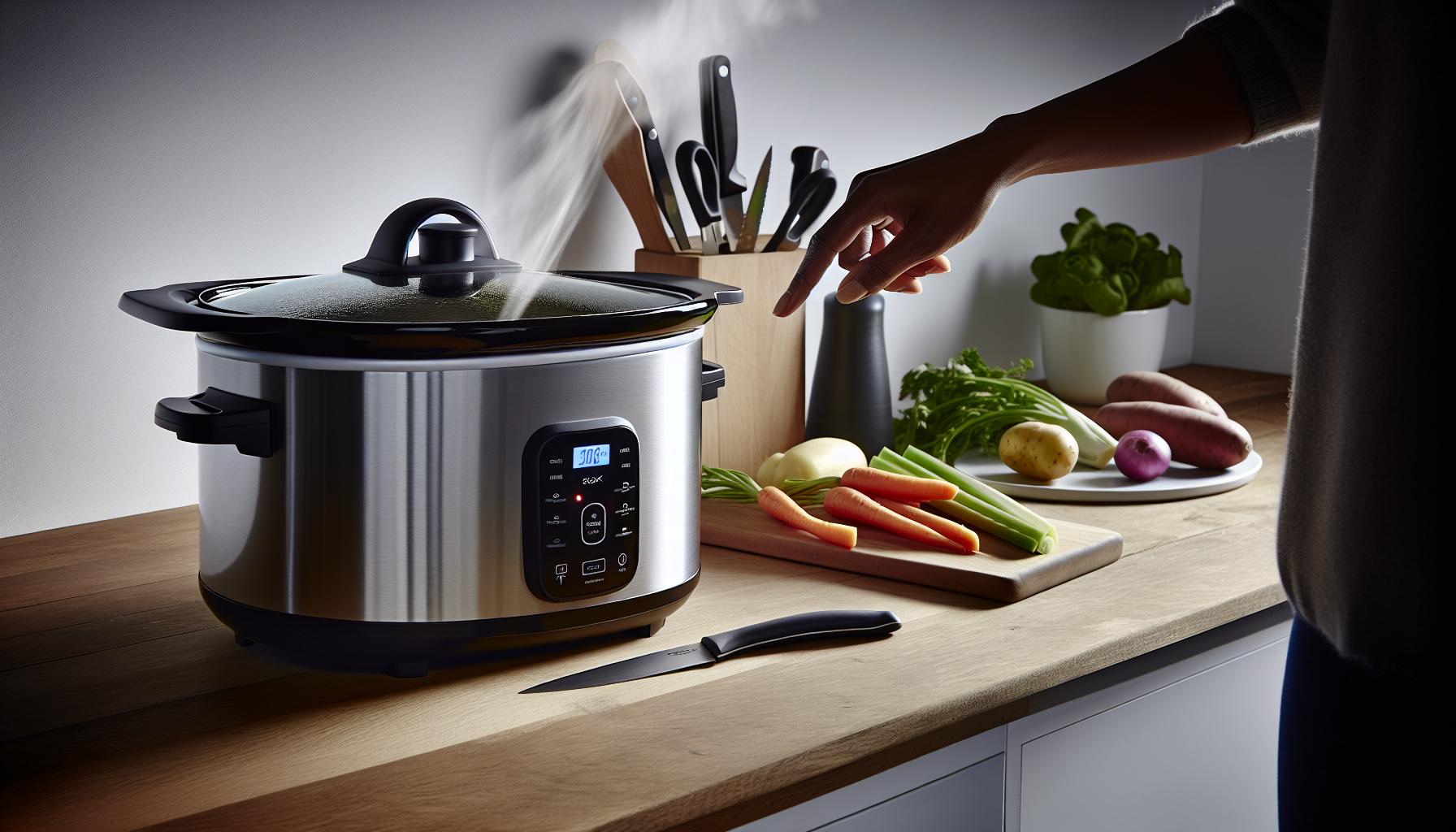
Table of Contents
- Choosing the Right Slow Cooker for Your Kitchen
- Essential Slow Cooker Safety and Maintenance Tips
- Simple Ingredients and Prep Steps for Slow cooking Success
- Step-by-Step Guide to Using a Slow Cooker for Beginners
- How to Layer Ingredients for Perfect Flavor and Texture
- Time and Temperature Settings Explained Clearly
- Easy Slow Cooker Recipes to Build Your Confidence
- Tips for Adapting Slow Cooker Meals to Dietary Needs
- Common Slow Cooker Mistakes and How to Avoid Them
- How to Store and Reheat Slow Cooker Leftovers Deliciously
- creative Slow Cooker Hacks for Busy Home Cooks
- Faq
- Q: How do I prevent my slow cooker meal from becoming watery or bland? A: To avoid watery or bland slow cooker meals, limit added liquids since slow cookers retain moisture well. Use flavorful broths, herbs, and spices, and layer ingredients with dense items like root vegetables at the bottom for better flavor absorption. For more tips, see the How to Layer Ingredients section in our guide. Q: Can I add frozen ingredients directly to my slow cooker?
- Q: When is the best time to add dairy or fresh herbs during slow cooking?
- Q: How often should I open the slow cooker lid while cooking?
- Q: What size slow cooker should I use for beginner recipes?
- Q: How can I safely reheat slow cooker leftovers without drying them out?
- Q: Why do some slow cooker recipes require layering ingredients in a specific order?
- Q: Can I convert traditional oven recipes to slow cooker meals easily?
- Concluding Remarks
Choosing the Right Slow Cooker for Your Kitchen
There’s something genuinely magical about sinking into a warm, home-cooked meal that practically cooks itself while you’re busy living your life.But before you get to that sweet moment of slow-cooked bliss, picking the right slow cooker sets the stage for success-and there’s more to it than just grabbing the first shiny gadget on the shelf. Whether you’re dreaming of rich stews, tender roasts, or paleo-friendly bone broth, the slow cooker you choose should fit your lifestyle and kitchen rhythms like a trusty sous-chef.
First up, size matters. Slow cookers come in a range of capacities, typically from 1.5 quarts for singles or small portions, up to 8 quarts or more for big families or batch cooking.If you’re often feeding a crowd or prepping meals to freeze, a larger pot can be a game-changer (think making that giant pot of gluten-free chili that lasts all week). But if counter space is tight or you only cook for one or two, a smaller size avoids the dreaded half-empty pot situation, which can shrink your food too fast or throw off cooking times. A good rule of thumb: aim to fill your slow cooker at least halfway to two-thirds full for best results.
Another key feature to consider is the type of insert and lid. Most slow cookers use a removable ceramic or stoneware pot, which is great for even heat and easy cleaning. Plus, you can often use these inserts for serving right at the table-score! Glass lids let you peek on your food without losing heat (a big no-no to lift the lid too often).Some models have programmable timers and warming settings that switch the cooker off or to “keep warm” mode after your desired cooking time-perfect for busy days when you aren’t sure exactly when you’ll get to dinner. hint: this saved my paleo beef stew from turning to mush more than once.
- Type of controls: Manual knobs are straightforward and budget-friendly, while digital controls offer more precision and versatility.
- Shape: Oval slow cookers are ideal for large cuts of meat like brisket, while round ones work well for soups and stews.
- Additional features: Some slow cookers come with extras like searing lids, delay start timers, or Bluetooth connectivity-nice, but not essential for beginner cooks.
the best slow cooker for you is one that fits your kitchen, your meal style, and your sanity. I once splurged on a huge model with every bell and whistle-but found my old, simple 4-quart slow cooker was my go-to for rapid weeknight dinners. So, keep it real, focus on usability, and trust that with the right size and features, you’ll be on your way to slow-cooked success that fuels your busy life-without all the fuss.[1]
Essential Slow Cooker Safety and Maintenance Tips
Cooking with a slow cooker is like having a kitchen buddy who quietly works behind the scenes, transforming humble ingredients into warm comfort food. But just like any good friendship, it needs a little care and respect to keep things running smoothly-and safely. There’s nothing quite like coming home to a ready-made paleo stew or a gluten-free chili, but a few smart habits can make sure those meals are as safe as they are tasty.
Handle With care: Setting Up for Safety
First, always place your slow cooker on a flat, heat-resistant surface. Leaving it precariously tilted or on a soft surface like a couch or bed is a recipe for disaster-and not the tasty kind. Resist the urge to plug it into extension cords or power strips that can overheat; a direct outlet keeps things safer. Treat the cord gently, too-don’t yank or let it dangle near water or hot surfaces. And yes, even though it’s slow-cooking magic, never leave your slow cooker *fully* unattended for extended periods, especially if it’s an older model without an automatic shut-off feature.
keep it Clean and efficient
Your slow cooker’s removable ceramic pot is a star player for both cooking and cleanup. After each use, soak the insert in warm soapy water to gently loosen stuck-on bits-avoid harsh scouring tools that could nick the surface and cause cracks. Check your manufacturer’s guidelines before tossing it in the dishwasher; some models handle it well, others prefer gentle hand washing. the outer heating base? A quick wipe with a damp cloth is all it needs-never submerge that part in water!
Smart Use Tips to Keep Meals Safe and Yummy
Slow cookers work best when you follow a few simple rules to keep your food safe from bacteria or overcooking mishaps. Always thaw meat completely before adding it-no frozen blocks hear, please! Layer ingredients smartly, putting dense root veggies at the bottom where the heat’s strongest, and more delicate items on top. Keep the lid on during cooking; peeking often releases heat and messes with cooking times, possibly leaving your stew undercooked or your chicken less tender than promised. Lastly, avoid overfilling the pot-aim for half to two-thirds full for best flavor and safety. A crowded cooker slows heat circulation and can keep food out of the safe temperature zone for too long, a no-no for microbiome-savvy eaters.
- Tip: Invest in a slow cooker with programmable timers or auto shut-off features for peace of mind on busy days.
- Tip: Use oven mitts or pot holders-not bare hands-when handling the ceramic pot right after cooking. That baby holds heat like a champ.
With a little respect and routine care, your slow cooker will become your busy-day superhero-delivering soulful meals that are both safe and satisfying, whether you’re paleo, gluten-free, or simply craving some slow-cooked goodness.And hey, if you ever find yourself in a pinch, a trusty slow cooker is one appliance that loves shortcuts as much as you do.
Simple Ingredients and Prep Steps for Slow cooking Success
when it comes to slow cooking, the magic really begins with the right ingredients and smart prep.Think of your slow cooker as your patient sous-chef that loves when things are ready to roll before the show starts. Simple, whole ingredients-think fresh veggies, quality proteins, and flavorful herbs-are your best pals here. Unlike quick sauté or grill methods, slow cooking lets humble ingredients mellow and mingle over time, so go easy on intensive prep like fine dicing or heavy seasoning-let the long, slow simmer do the flavor-building work.
Since many slow cooker recipes celebrate paleo and gluten-free lifestyles, it’s great to keep that natural ingredient vibe alive. Root vegetables like carrots, sweet potatoes, and parsnips are winners-they hold up beautifully and slowly release sweetness. For proteins,tougher cuts like chuck roast or chicken thighs shine because slow cooking breaks down connective tissue,giving you melt-in-your-mouth tenderness without breaking the bank. And don’t worry if you prefer shortcuts; frozen chopped onions or pre-washed greens can be total time savers without compromising taste.
Prep tips That Make the Difference
- Uniform chopping: Try to cut veggies into similarly sized pieces for even cooking. Nobody likes a half-mushy, half-crunchy stew!
- Pre-searing meats (if you have time): A quick sear on the stove adds caramelized flavor, which slow cooking alone can’t replicate. But if mornings are rushed, just toss and go-you’ll still get plenty of rich taste.
- Layering mindset: Think of cooking in the slow cooker like building flavor from the bottom up-denser, longer-cooking vegetables go in first; more delicate veggies and herbs get added later to keep them bright and fresh.
- Thaw fully: Always defrost frozen meats before adding to the slow cooker-it helps your dish cook safely and evenly.
Ingredient Swaps and Shortcuts for Busy Days
Nothing says slow cooking can’t fit your lifestyle and pantry. I keep canned diced tomatoes or bone broth stashed for an instant flavor boost in paleo chili or stew recipes.Frozen but thawed kale can get stirred in last minute to amp up nutrition. And for gluten-free cooks, swapping traditional pasta sides for spiralized zucchini or cauliflower rice works perfectly after the slow cooker has done its magic.Keeping a few go-to spice blends-smoky chipotle, herby Italian, or warming curry powder-on hand can turn a simple protein and veggie mix into a meal that feels like you spent hours in the kitchen.By focusing on fresh, uncomplicated ingredients and prepping them thoughtfully, your slow cooker can whip up meals that taste like a labor of love-even on your busiest days. No need to stress over fancy techniques or exact timings; slow cooking is forgiving and wonderfully flexible,ready to make wholesome comfort food effortless and fun.
For more tips on avoiding common slow cooker pitfalls like overfilling or undercooking, or how to layer ingredients for maximum flavor and texture, check out some helpful guides that can help perfect your slow cooking game[[[1]](https://www.tasteofhome.com/article/7-common-slow-cooker-mistakes-and-how-to-avoid-them/).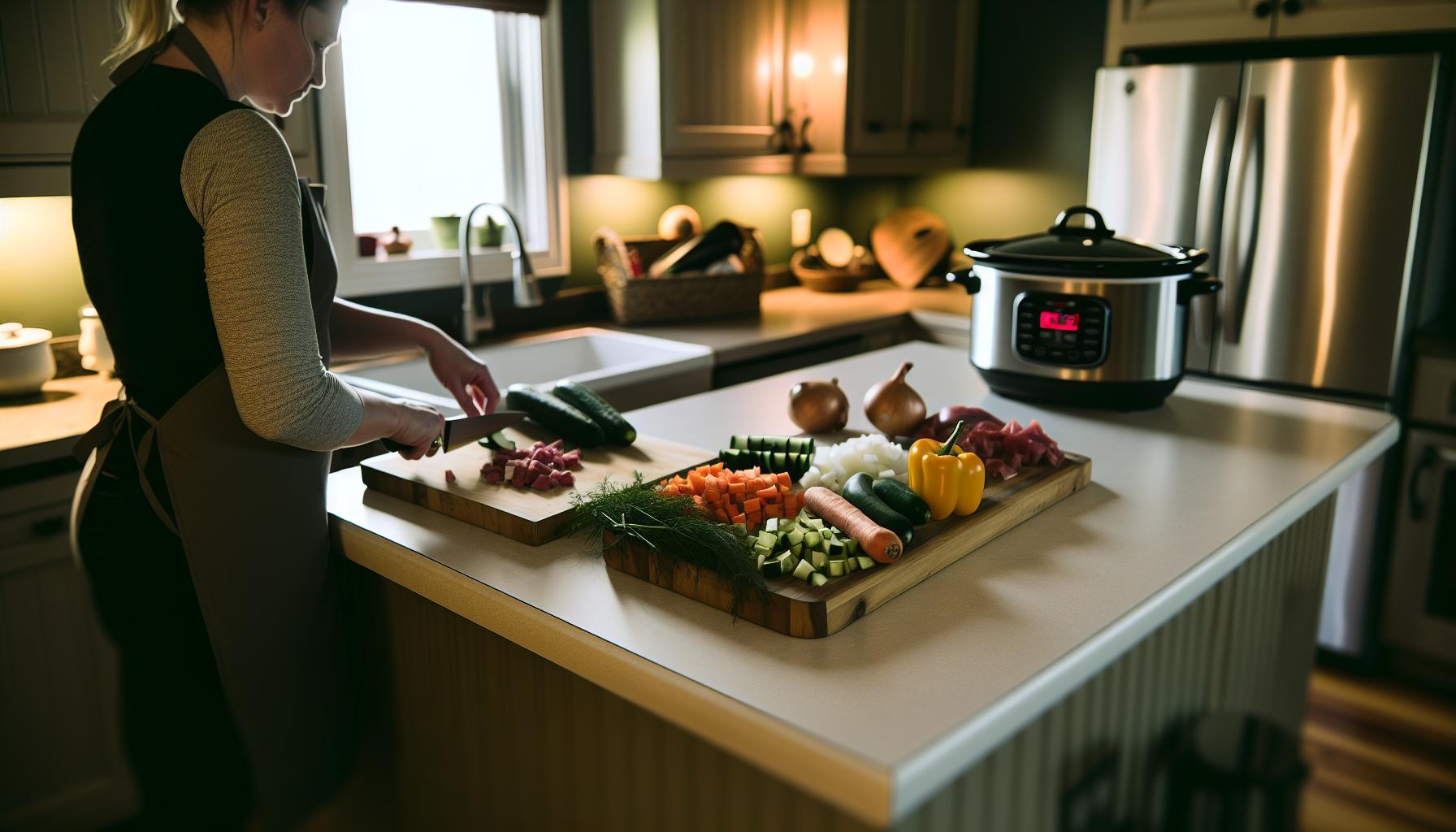
Step-by-Step Guide to Using a Slow Cooker for Beginners
Slow cookers are kitchen superheroes-you just set it and forget it, and come back to a meal that tastes like it simmered all day with love. For beginners, the key to success is turning what might feel like a mysterious appliance into a trusty cooking partner. Whether you’re aiming for a hearty paleo stew or a cozy gluten-free chili, understanding the basics will have you confidently tossing in ingredients and enjoying a stress-free dinner.
First things first: always start by reading your slow cooker’s manual to familiarize yourself with its settings. Most have at least three: low, high, and sometimes a keep-warm function. Generally, cooking on low is perfect for all-day meals (think 6 to 8 hours), while high speeds things up (3 to 4 hours). If you’re prepping in the morning before work, low setting is your best friend-it’s like slow magic happening while you’re out and about.
Essential Steps to Get You Started
- prep your ingredients: chop veggies evenly for consistent cooking and thaw any frozen meat completely, so everything cooks safely and evenly.
- Layer thoughtfully: Put dense veggies like carrots or potatoes at the bottom since they take longer to cook. Place proteins on top, and save tender greens or herbs for the final 30 minutes to keep them fresh.
- Add liquids wisely: Slow cookers trap moisture, so you generally need less liquid than other methods-half to three-quarters of what you’d use in stovetop recipes works well.
- Keep the lid closed: Resist the urge to peek! Each lid lift can drop the temperature and add 15-20 minutes to cooking time.
- Check doneness: If your meal isn’t quite ready, don’t sweat it-just keep cooking a little longer. Slow cooking loves patience.
If you’re a fan of shortcuts, don’t worry. I often toss in frozen chopped onions or pre-washed greens for a time-saving boost without sacrificing taste. And at the end of the day, the slow cooker is forgiving. I once accidentally left a chili on ‘low’ for 10 hours rather of 8-no harm, just extra tender, deeply flavorful goodness.
Quick Reference: Slow Cooker Settings & Ideal Uses
| Setting | Typical Cooking Time | Best For |
|---|---|---|
| Low | 6 to 8 hours | Tough cuts of meat, stews, soups |
| High | 3 to 4 hours | Quicker meals, tender cuts, last-minute cooking |
| Keep Warm | Until serving | Maintains temperature, avoids overcooking |
Try to time your prep so you aren’t rushing, but don’t worry if life interrupts-your slow cooker will be there to rescue dinner. After your first success, you’ll see why this gadget is a busy cook’s best friend. Soon enough, you’ll be mixing in your favorite spice blends, swapping veggies for seasonal finds, and creating comforting, paleo- or gluten-free-friendly meals that feel like a warm hug on a plate.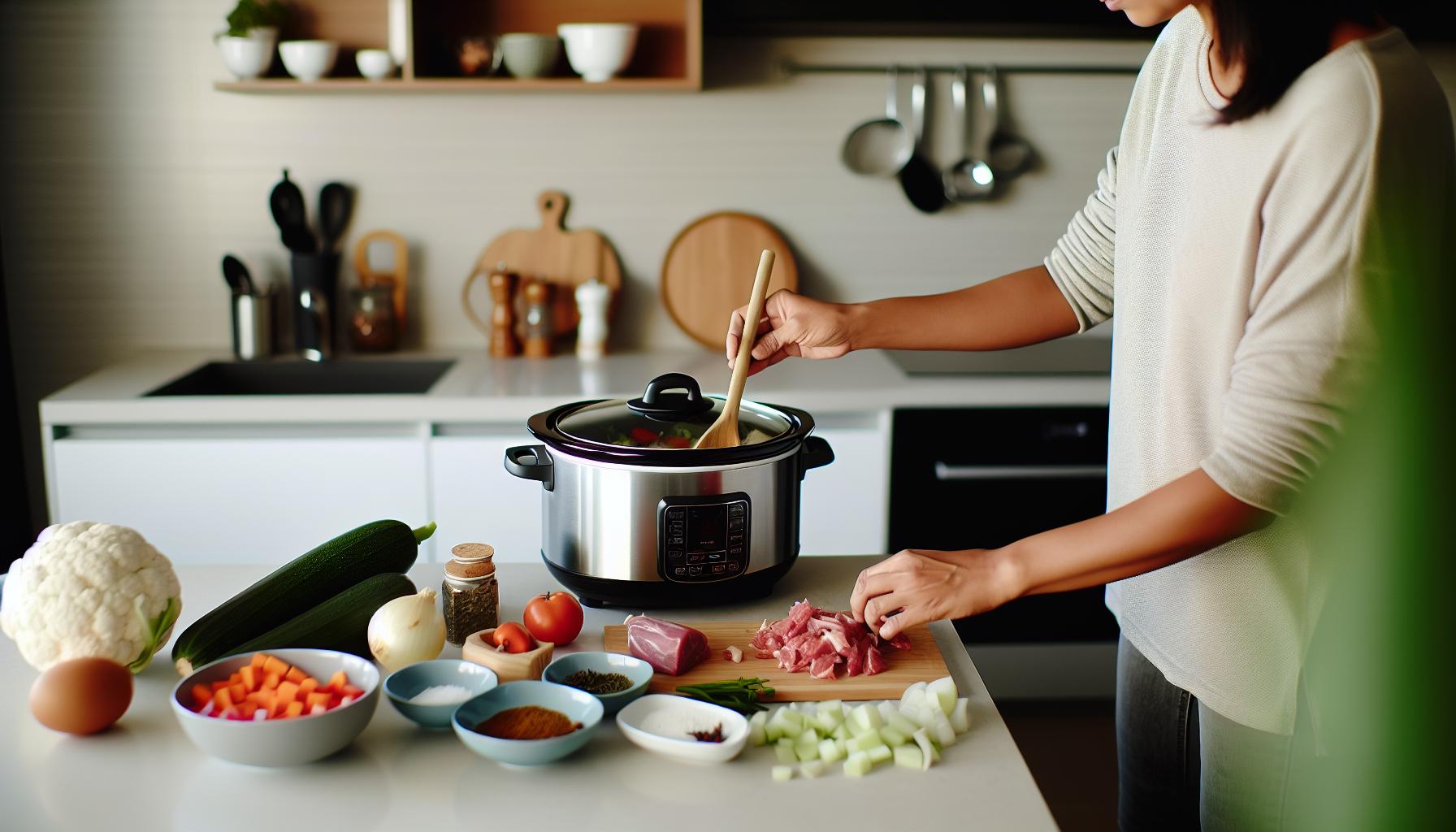
How to Layer Ingredients for Perfect Flavor and Texture
One of the secret tricks to slow cooker success is how you layer your ingredients. It might sound simple,but getting the order just right can transform your meal from “meh” to mouthwatering gourmet without any extra effort.Think of your slow cooker like a miniature kitchen orchestra: each layer plays a part, and when arranged thoughtfully, their flavors and textures mix in perfect harmony by the time dinner’s served.
Dense, sturdy vegetables like carrots, potatoes, and turnips love the bottom of the pot. Why? Because they take longer to soften and get cozy with the heat source there. Placing them directly on the slow cooker’s base lets them slow-cook to tender perfection without still being suspiciously crunchy. Next up, place your meat on top of those veggie friends.This gives the protein room to slowly release juices downward, seasoning the vegetables below, while also keeping the meat nice and moist. I often use bone-in cuts for extra flavor – like a short rib or chicken thighs – since the long cook helps break down connective tissues beautifully.
For softer veggies or herbs that you want to stay vibrant and fresh-tasting, hold off until the last 30 minutes of cooking. Greens like spinach or kale, or fresh herbs like parsley and basil, can become sad and mushy if added too early. Adding them late keeps their color and brightness intact, giving you that fresh “punch” at the finish line, especially in paleo or gluten-free dishes where veggies truly shine.
- Start with dense, slow-cooking vegetables at the bottom.
- Layer your protein in the middle for even cooking and flavor melding.
- Add quick-cooking veggies or delicate herbs near the end.
- Remember, liquids mostly sit at the very bottom to keep things moist-but you don’t need as much as stovetop recipes.
Personally, when I’m juggling school-night chaos, I sometimes toss a frozen veggie mix on top of the meat layer for a quick swap out. It defrosts and steams gently without watering down the whole pot. And if you’re stretching your slow cooker to its max capacity (a rookie mistake I’ve made), layering properly helps avoid overcooking or undercooking. It’s a gentle nudge for newbies: good layering means less checking, no panic, and a dramatic flavor payoff when you finally dish up.
With this approach, your slow cooker becomes less of a mystery box and more like a magic flavor cauldron. It’s definitely a technique worth mastering early on, especially for those aiming to keep meals paleo-friendly or gluten-free without sacrificing comfort food vibes. Your taste buds-and your schedule-will thank you!
Time and Temperature Settings Explained Clearly
Slow cookers are a bit like your kitchen’s gentle hug – they work slowly but surely to melt flavors together and turn humble ingredients into a cozy, satisfying meal.But understanding how to play with the time and temperature settings can be the difference between a perfectly tender roast and a slightly overcooked mush. let’s demystify the dial so you can feel confident that your slow cooker is doing its magic just right.
Most slow cookers come with two main heat settings: Low and High, and sometimes a Keep Warm option. The general rule of thumb? Low is for long, slow simmering (think 6-10 hours), perfect for tougher cuts of meat or stews that benefit from tenderizing over time. High cooks faster, generally in 3-5 hours, great when you’re short on time but still want that slow-cooked taste. Here’s a little kitchen wisdom from my own experience: if you have the time, go low and slow – the flavors deepen, and meats become melt-in-your-mouth tender. High is your friend on busy weekdays but keep an eye on veggies like potatoes which might get a bit mushy if rushed.
- Low heat simmers between roughly 190-200°F (88-93°C).
- High heat operates around 250°F (121°C).
- Keep Warm just maintains a serving temperature, usually below 165°F (74°C).
Timing Tips and Tricks
Timing isn’t just about the setting; it’s about knowing your ingredients. Root vegetables, like carrots or sweet potatoes, generally take longer to cook and are best placed on low for that fully tender finish.Lean proteins such as chicken breasts can dry out quicker, so adjust your times accordingly or use high for a shorter period. If your recipe is a little experimental or just a favorite you want to tweak, here’s a handy technique: start with low, check doneness after 6 hours, and only then consider adding a bit more time or switching to high for the final push.
| Setting | Approx. Cooking Time | Best For |
|---|---|---|
| Low | 6-10 hours | Tough cuts (beef chuck, pork shoulder), soups, stews |
| High | 3-5 hours | Faster meals, lean meats, some veggies |
| Keep Warm | Indefinite after cooking | Maintain temperature until serving |
One of my favorite hacks? When rushing, start your meal on high for a couple of hours to get things bubbling, then switch to low to gently finish. This combo works well for paleo-friendly stews with bone-in chicken thighs or gluten-free chili, preserving both moisture and flavor without overcooking.
Remember, slow cookers don’t like surprises. Opening the lid during cooking can drop the temperature and stretch your cooking time, so resist the urge to peek, unless you want a kitchen culinary cliffhanger. If you do peek, allow at least 15-20 minutes for the slow cooker to recover its heat before considering any adjustments.
With these timing and temperature tricks up your sleeve, slow cooking becomes less of a guessing game and more of a calming ritual – nourishing, flexible, and perfectly suited to the rhythm of your busy life. Trust your slow cooker like a steady kitchen companion, and get ready for some seriously tasty wins.
Easy Slow Cooker Recipes to Build Your Confidence
There’s something deeply satisfying about setting your slow cooker in motion and knowing a delicious meal is unfolding while you’re handling life’s other busy bits. If you’re just stepping into slow cooking, starting with easy, reliable recipes is the best way to build confidence without stress or fancy ingredients. Lean on meals that require minimal prep and a handful of wholesome components-this keeps the process fun and approachable and lets your slow cooker show off its magic.
For a cozy,gluten-free dinner ready after a day’s hustle,try a simple Slow Cooker Butter Chicken. It’s surprisingly hands-off: just toss in chicken thighs, butter, tomato sauce, and your favorite warming spices. Within 6-8 hours on low,the rich flavors meld beautifully,and the meat falls off the bone. Swap heavy cream for coconut milk to keep it paleo-friendly without losing that creamy comfort. Serve over cauliflower rice or steamed greens for a filling, nutritious meal. From experience, the slow cooker does all the flavor work here, so you get bragging rights with hardly a sweat[[[1]].
- Difficulty: Easy
- Prep time: 10 minutes
- Cook time: 6-8 hours (low)
- Dietary notes: Paleo-friendly, gluten-free
When you want something welcoming but with a bit more texture, a Slow Cooker Chicken Noodle Soup is a timeless choice.This one plays nicely with busy schedules as chopping veggies and layering ingredients takes just a few minutes. Start with bone-in chicken breasts for tenderness, add carrots, celery, herbs, and broth, and cook on low for 4-6 hours. Noodles go in last-don’t skip this step or you’ll have mush. Fresh herbs at the end brighten the whole bowl. Plus, it’s a great recipe to tweak-swap noodles for zucchini ribbons to keep it paleo or pack in more veggies for a hearty lunch. This soup feels like a warm hug and reminds you that comforting, family-friendly meals are absolutely achievable with a slow cooker[[[1]].
Simple, Flavorful Beef for Beginners
If you’re ready to try your hand at meatier fare, Slow Cooker Salisbury Steak is a fantastic starter recipe that feels decadent but is seriously easy to pull off. Only about 20 minutes of prep and it simmers away for hours, softening the beef and thickening the mushroom gravy. Perfect for a crowd or just a cozy date night at home. Try swapping out regular breadcrumbs for almond flour if you’re leaning paleo, or add a splash of Worcestershire sauce for an umami punch. Pair it with mashed cauliflower or roasted root veggies to round out the meal without fuss [[2]].
| Recipe | Prep Time | Cook Time | Dietary Tips |
|---|---|---|---|
| slow Cooker Butter Chicken | 10 min | 6-8 hours (low) | Paleo,gluten-free with coconut milk swap |
| Slow Cooker chicken Noodle Soup | 15 min | 4-6 hours (low) | Gluten-free with noodle swap |
| Slow Cooker Salisbury Steak | 20 min | 4-5 hours (low) | Adaptable with almond flour or gluten-free breadcrumbs |
Starting slow cooking with recipes like these builds a solid foundation while keeping things stress-free. You’ll soon spot how layering simple ingredients, knowing your timing, and a bit of seasoning finesse leads to meals that taste like you spent hours fussing over them. Trust me, no one needs to know it took under 10 minutes of prep-and that’s the joy of slow cooker cooking!
Tips for Adapting Slow Cooker Meals to Dietary Needs
Few kitchen tools are more forgiving and flexible than a slow cooker when it comes to tailoring meals for dietary preferences or restrictions. Whether you’re navigating gluten intolerance, embracing a paleo lifestyle, or simply aiming for cleaner eating, slow cooking offers a gentle, hands-off way to keep dinner both nourishing and satisfying-without trading away flavor or texture.You’ll quickly realize that tiny tweaks unlock a world of possibility in recipes you already love.
Start by thinking about the core components: proteins,veggies,starches,and liquids. Swapping out problematic ingredients is frequently enough as simple as swapping one element for another that plays nicely with your diet. such as, in a classic slow cooker Butter Chicken, replacing heavy cream with coconut milk keeps things paleo-friendly, while still delivering that luscious creaminess we adore. Or in soups where noodles might be standard, spiralized zucchini ribbons or even riced cauliflower provide that comforting bulk without gluten or grains. These swaps mean you’re not reinventing the wheel, just adjusting it to suit your unique tastes and needs.
- Protein swaps: Use bone-in chicken thighs or breasts for tenderness and flavor. For plant-based diets, lentils or chickpeas hold up well in slow cookers without turning mushy.
- carb alternatives: Think beyond pasta and potatoes: hearty root veggies, squash, or cauliflower rice make excellent stand-ins that soak up flavors beautifully.
- Thickening agents: Rather of wheat flour or breadcrumbs, almond flour, coconut flour, or gluten-free oat flour can add body to sauces and gravies.
- Flavor boosters: Fresh herbs, spices, and naturally gluten-free condiments like tamari or coconut aminos keep things vibrant without sneaky gluten or additives.
Simple Steps to Modify Any Slow Cooker Recipe
- Scan ingredients for hidden culprits. Look out for soy sauce, cream, or packaged mixes-they often hide gluten or dairy.
- Swap smartly. For dairy, choose coconut milk or almond yogurt; for grains, pick quinoa or gluten-free pasta added near the end of cooking.
- Adjust cook times as needed. Some ingredients, like gluten-free grains or delicate veggies, need shorter heat exposure to avoid mushiness.
- Keep seasoning vibrant. Herbs and citrus zest go a long way to brighten flavors that might otherwise fade during long cooking times.
My Favorite Adapted Slow Cooker Staples
| Recipe | Dietary Focus | Key Substitutions | Prep time | Cook Time |
|---|---|---|---|---|
| Butter Chicken | Paleo, Gluten-Free | Coconut milk for cream, cauliflower rice side | 10 minutes | 6-8 hours (low) |
| Chicken Noodle Soup | Gluten-Free, Low-Carb | Zucchini noodles rather of egg noodles | 15 minutes | 4-6 hours (low) |
| Salisbury Steak | Gluten-Free, Paleo Adaptable | Almond flour for breadcrumbs, Worcestershire sauce swap | 20 minutes | 4-5 hours (low) |
Adjusting recipes doesn’t have to mean more work or mystery-think of it as giving familiar dishes a new groove that fits your lifestyle. Once you discover how forgiving slow cookers are with ingredient swaps and timing tweaks, you’ll embrace experimenting and personalizing every meal. And remember: a slow cooker’s magic often does the heavy lifting, so there’s room for fun, creativity, and even the occasional shortcut!
Common Slow Cooker Mistakes and How to Avoid Them
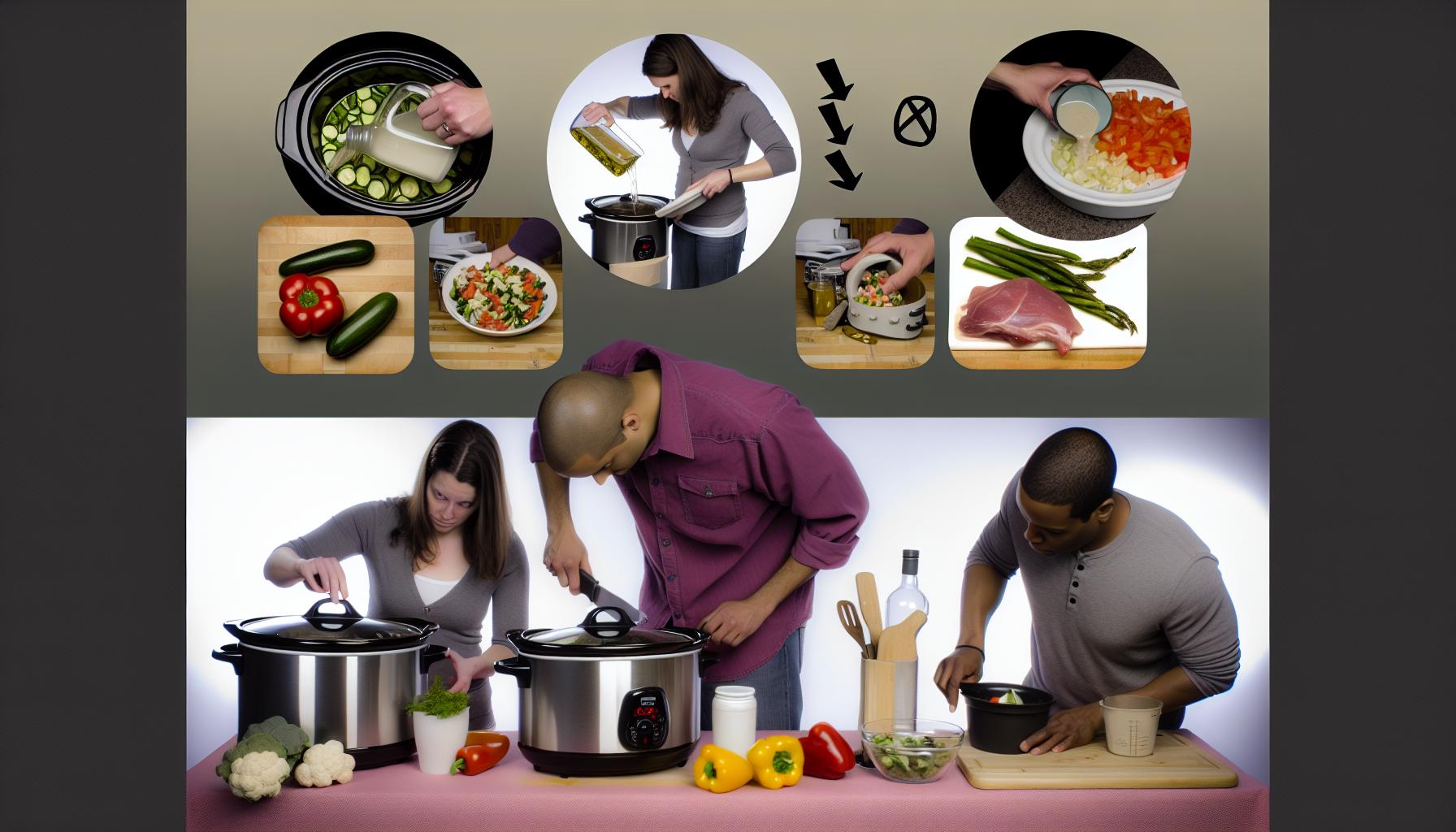
There’s a certain slow cooker magic, but it’s easy to stumble into a few classic pitfalls when you’re new to this kitchen workhorse. One surprisingly common misstep is overfilling the pot. It might be tempting to pile in every veggie and protein you have, especially when prepping for a big family meal. But slow cookers shine brightest when filled only two-thirds to three-quarters full-any more can mess with cooking times and lead to uneven results. think of it as giving your meal room to breathe and mingle flavors without overcrowding the party.Another rookie move? Lifting the lid mid-cook.The slow cooker’s sealed surroundings traps heat and moisture -opening the lid lets all that goodness escape, which prolongs cooking and risks dry or tough meat. I’ve learned to trust the slow cooker’s timeline, especially as every peek is like tempting fate (and a cold kitchen). Save that curiosity for when the timer dings.
Layering and Liquid Levels Matter
How you layer your ingredients can make or break the dish. Put veggies like carrots or potatoes at the bottom,where they get the hottest and soften properly,while placing proteins on top lets them cook gently and stay tender. Failing to arrange thoughtfully can lead to mushy veggies or dry meat, which is a sad way to end up with your paleo-friendly stew.Be mindful with liquids too-too much water can thin out flavors, but too little leaves things dry or risks burning. Since most recipes are designed for a two-thirds to three-quarters fill,use that as your guide and add liquids conservatively. A quick trick: thicker sauces or cream alternatives (think coconut milk) work brilliantly without drowning your dish.
- Overfilling: Crowding slows heat circulation-stick to ⅔ to ¾ full for best results.
- Lid lifting: Resist the urge to peek until cooking is done!
- Ingredient layering: Root veggies go bottom, proteins top for perfect textures.
- Liquid balance: Add enough to keep things juicy, but don’t overdo it.
Small Tweaks for Big Wins
One fun fact: stick blenders are slow cooker superheroes for pureeing soups right in the pot-no scalding transfers or extra mess (though make sure there’s enough liquid before blending or you’ll end up redecorating your kitchen walls). Also,be cautious with delicate ingredients like gluten-free pasta or leafy greens-they often need adding at the very end to avoid turning to mush.
Remember, slow cooking is forgiving-but not foolproof. If your first try feels a little off, chalk it up to “kitchen science” and try again. With each experiment, you’ll gain confident tweaks and shortcuts that fit your lifestyle and taste buds perfectly.Trust me, even a few missteps lead to that rich, comforting dinner everyone loves.
| Mistake | Effect | How to Fix It |
|---|---|---|
| Overfilling the slow cooker | Uneven cooking, extended cook times | Fill only ⅔ to ¾ full for even heat distribution |
| Lifting the lid during cooking | Temperature loss, longer cook time | Keep lid closed until done, trust the timer |
| Incorrect layering of ingredients | Mushy veggies or dry meat | Layer root veggies at bottom, meat on top |
| Adding delicate ingredients too early | Mushy pasta or wilted greens | Add these in the last 15-30 minutes |
| too much or too little liquid | Watery meals or dry dishes, scorching | Follow recipe liquid guidelines, adjust conservatively |
How to Store and Reheat Slow Cooker Leftovers Deliciously
Few things beat the joy of coming home to leftovers that taste as fresh and comforting as the first serving – especially with slow cooker meals, which often deepen in flavor overnight. The secret to pulling this off starts right after your slow cooker session ends: proper storage. Slow cooker dishes are usually hearty and packed with ingredients that hold up well in the fridge or freezer, making them ideal for meal prep or those “just in case” nights. But, storing and reheating them with a little TLC ensures every bite feels as delightful as your initial warm-up.
One of the easiest ways to protect flavor and texture is to divide leftovers into shallow, airtight containers within two hours of cooking completion. This quick transfer helps cool food safely and evenly, keeping bacteria at bay. For paleo or gluten-free stews rich in bone broth or coconut milk, this method prevents separation and preserves creaminess. When space is tight, a quick tip: line containers with parchment paper or use silicone lids-they’re flexible and keep foods from sticking, so cleanup is a breeze.
Reheating Without the Rut
Reheating slow cooker meals can feel fiddly if you’re worried about drying out a tender roast or turning creamy soups grainy. Here’s your go-to game plan:
- Stovetop Revival: For soups, stews, and saucy dishes, gently warm leftovers over medium-low heat, stirring occasionally. Adding a splash of broth, water, or coconut milk can revive moisture without watering down flavors.
- Oven Magic: For casseroles or layered dishes, cover with foil and reheat at 325°F (165°C) until warmed through, usually about 20-30 minutes. This keeps proteins juicy and veggies from turning mushy.
- Microwave Speed: When time’s tight, microwave in short bursts (1-2 minutes) with a lid or damp paper towel on top. Pause to stir, which helps heat evenly and avoids cold pockets.
If you’ve got leftovers featuring delicate greens or gluten-free pasta, consider adding these fresh after reheating-nothing worse than soggy spinach or gummy noodles sneakily stealing your comfort food vibe.
Freezing Tips for Future Feasts
When life hands you slow cooker abundance, freezing is your best friend. Label containers with contents and dates (a freezer-safe marker is your kitchen BFF), then store portions for up to three months for best taste. Soupy dishes freeze notably well; just thaw overnight in the fridge and reheat gently. Remember to leave some headspace in containers to allow expansion-nothing spices up the day like a frozen container bursting open in the freezer!
| Dish Type | Best Storage Method | Reheating Tips |
|---|---|---|
| Thick Stews & Braises | Shallow airtight containers, fridge for 3-4 days | Stovetop with splash of broth; low and slow |
| Soups & Creamy Dishes | Freezer-safe bags or containers, up to 3 months | Microwave or stovetop; stir often |
| Casseroles & Meat Roasts | Foil-wrapped or airtight, fridge or freezer | Oven covered with foil; avoid overcooking |
| Paleo & Gluten-Free Sauces | Glass jars or BPA-free plastic | Add fresh vegetables/pasta after reheating |
Keeping these tips in mind can turn your slow cooker leftovers from “meh” to “wow” meals. I’ve had nights where a reheat transformed a simple beef stew into a luxuriously comforting bowl, reminding me why slow cooking isn’t just about convenience-it’s about deliciousness that keeps giving right into the next day and beyond. So go ahead, cook big and savor every last bite. your future self (and hungry family) will thank you!
creative Slow Cooker Hacks for Busy Home Cooks
Slow cookers are like magic pots for busy folks-set it, forget it, and come back to a meal that feels homemade without the fuss. But there are some nifty little tricks that turn an already simple tool into your weeknight superhero. Whether you’re juggling work, kids, or just someone who prefers more Netflix and less kitchen time, these hacks will save the day without sacrificing flavor or fun.
One fun strategy is using freezer-to-slow cooker meal kits to zap prep time. Chop veggies, measure spices, and portion proteins into labeled freezer bags on a Sunday afternoon. Toss a bag frozen straight into your slow cooker in the morning, add liquids, and voilà-dinner solves itself by evening. This works especially well with paleo or gluten-free stews where bone broth or coconut milk can be frozen with ingredients for creamy, comforting results. Just remember to add any delicate herbs or fresh greens near the end of cooking to keep brightness and color intact.
Another pro tip? Layer in texture intentionally for that perfect bite. Place root veggies like carrots and potatoes at the bottom since they take longer to cook. Herbs and quick-cooking veggies go on top to stay fresh. When you’re craving richer flavors, try searing meat before slow cooking-it locks in juices and adds a caramelized punch that slow cookers alone can’t always achieve.And here’s a hack for creamy soups: blend a small batch with a stick blender *inside* the slow cooker once it’s done (careful with splatters!), then stir back in for velvety smoothness without the extra pot to wash [[3](https://www.alycealexandra.com/blogs/free-recipes/slow-cooker-tips-and-tricks-from-an-expert?srsltid=AfmBOoqd60JSxY5e1i7uYcqzidnBop3M4lnDYHyx0eDxKUv3OUEHmcot)].
Easy Ingredient Swaps and Multi-Tasking Tips
If you’re on a paleo or gluten-free kick (or just want to avoid buying new ingredients), swapping out grains or pasta with spiralized veggies or cauliflower rice can keep meals light and totally tasty. Toss these in during the last 30 minutes of cooking to avoid the dreaded mush. Need to speed things up? Use the “high” setting for smaller cuts or skip searing when short on time-the flavor might be slightly different, but the convenience is worth it.
don’t shy away from using your slow cooker to multitask with desserts or sides. Chopped apples, cinnamon, and a touch of maple syrup make a hands-off slow cooker fruit crumble while your main meal simmers below (just cover with foil for a quick clean).Having your slow cooker work overtime means more homemade meals with less energy spent-and isn’t that the real win?
- Freeze ahead: Prep full meals in labeled bags for quick throw-in meals.
- Layer smartly: Denser veggies go low, herbs go last.
- Skip the sear (if needed): Use high heat or smaller pieces to save time.
- Smooth soups easily: Stick blender *in* the cooker after cooking.
- Multi-task: make desserts or sides while the main cooks.
Remember, slow cooking isn’t about perfection-it’s about creating warm, satisfying dishes that make you feel good and save time. Experimenting with these hacks turns your slow cooker from a simple appliance into your kitchen’s best friend, one cozy meal at a time.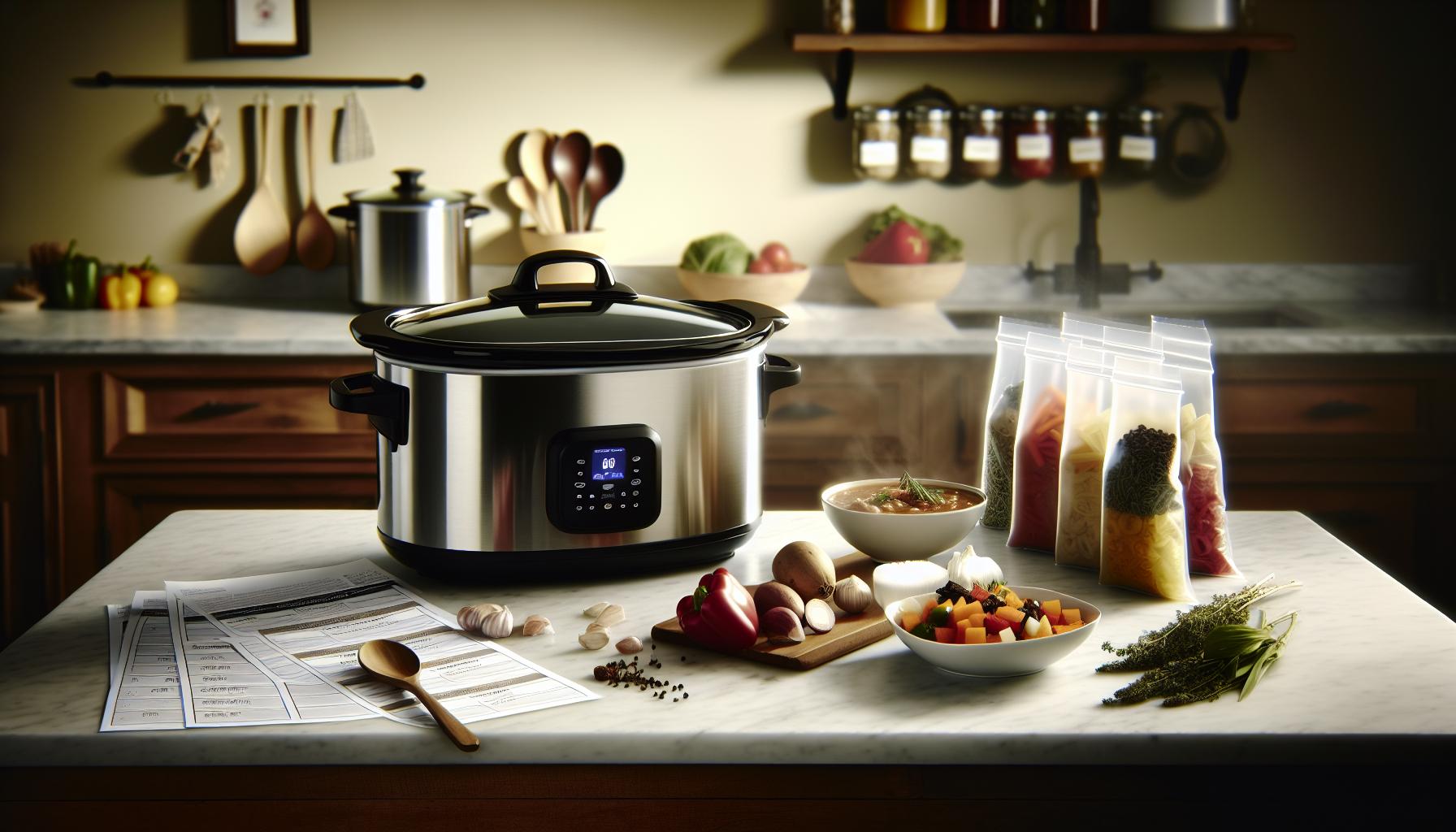
Faq
Q: How do I prevent my slow cooker meal from becoming watery or bland?
A: To avoid watery or bland slow cooker meals, limit added liquids since slow cookers retain moisture well. Use flavorful broths, herbs, and spices, and layer ingredients with dense items like root vegetables at the bottom for better flavor absorption. For more tips, see the How to Layer Ingredients section in our guide.Q: Can I add frozen ingredients directly to my slow cooker?
A: While you can add frozen ingredients, it’s better to thaw them first to ensure even cooking and food safety. Frozen food lowers the slow cooker temperature initially, potentially leaving some parts undercooked. Check out our Simple Ingredients and Prep steps for beginner-friendly meal prep advice.
Q: When is the best time to add dairy or fresh herbs during slow cooking?
A: Add dairy products and fresh herbs in the last 30 minutes of cooking to prevent curdling and preserve fresh flavors. This trick keeps your dish creamy and vibrant-perfect for slow cooker recipes that build confidence over time.
Q: How often should I open the slow cooker lid while cooking?
A: Avoid opening the lid frequently; each time it opens, heat and moisture escape, extending cooking time. Slow cookers are designed to cook evenly without stirring, so trust the process. For more on this, check the Common Slow Cooker Mistakes section.
Q: What size slow cooker should I use for beginner recipes?
A: A 4 to 6-quart slow cooker works great for beginners-it accommodates family meals without overcrowding. overfilling can cause uneven cooking, so stick to about two-thirds full. For size guidance, see Choosing the Right Slow Cooker in our article.
Q: How can I safely reheat slow cooker leftovers without drying them out?
A: Reheat leftovers gently on low heat or in the microwave with a cover to retain moisture. Adding a splash of broth or sauce helps keep the texture tender and delicious. learn detailed storage and reheating tips in How to Store and Reheat Slow Cooker Leftovers Deliciously.
Q: Why do some slow cooker recipes require layering ingredients in a specific order?
A: Layering matters because the slow cooker heats from the bottom, so placing dense vegetables first ensures they cook thoroughly. Meat goes on top to allow juices to drip and flavor the dish.See our How to Layer Ingredients for Perfect flavor and Texture for step-by-step tips.
Q: Can I convert traditional oven recipes to slow cooker meals easily?
A: Yes! Adjust cooking times (usually longer) and reduce liquids since slow cookers trap moisture. Avoid pre-browning unless specified, but layering and timing are key for success. Check out Tips for Adapting Slow Cooker Meals to Dietary Needs for personalized conversions.
Explore these helpful tips to ease into slow cooking with confidence-your next cozy meal awaits! For more detailed guidance, revisit sections like Step-by-Step Guide and Creative Slow Cooker Hacks included in the full beginner’s guide.
Concluding Remarks
Now that you’ve got the basics down on how to use a slow cooker for the first time, you’re well on your way to enjoying effortless, flavorful meals that fit your busy lifestyle. Remember, whether you’re aiming for hearty gluten-free stews or simple paleo-friendly dinners, the slow cooker makes prep easy-with just a few steps and minimal hands-on time. If you’re ready to dive deeper, check out our top slow cooker soup recipes or explore delicious dump-and-go slow cooker meals that take convenience to the next level.
Don’t let kitchen doubts hold you back-start experimenting today by swapping ingredients and making these cozy meals your own. Feel free to share your favorite slow cooker tips or ask questions in the comments below,so we can all learn together. And before you go, sign up for our newsletter to get fresh, tested slow cooker recipes delivered straight to your inbox-because delicious, easy dinners are only a click away!
Make SabriNasSinlessSecrets.com a Preferred SourceGet our latest guides, news, and insights highlighted in your Google Search & AI Overviews.
✓ Preferred Source Added
Get our latest guides, news, and insights highlighted in your Google Search & AI Overviews.