Did you know that the temperature your slow cooker operates at can make all the difference between a tender, flavor-packed meal and a disappointing dinner? Understanding what temperature your slow cooker cooks at on each setting-low, high, and sometimes warm-helps you nail the timing and texture every time.Whether you’re making a comforting paleo stew or a gluten-free chili, knowing these temps lets you plan meals that fit your busy life without sacrificing deliciousness. As someone who’s dodged overcooked mush and underdone roasts more than onc, I’ve found that a little insight into slow cooker temps saves both time and stress. Let’s dive into the science behind those cozy settings, so you can cook confidently and savor every bite, no matter your dietary preferences or schedule.
Table of Contents
- How Slow Cooker Temperatures Vary by Setting
- Understanding Low Setting Temperature Ranges
- What Happens at the High Setting Temperature
- The Keep Warm Setting: What Temperature Does It Maintain?
- How Slow Cooker Brands Differ in Temperature Control
- Impact of slow Cooker Temperature on Cooking Times
- Tips to Test Your Slow Cooker’s Actual Cooking Temperature
- Why Slow Cooker Temperature Matters for Food Safety
- Adjusting Recipes Based on Your Slow Cooker’s Heat Levels
- Common Myths About Slow Cooker Temperatures Debunked
- Using Temperature Insights to Master Meal Prep
- Troubleshooting Temperature Issues in Slow Cooking
- FAQ
- Q: How can I accurately measure the temperature inside my slow cooker on different settings? A: To measure your slow cooker’s actual temperature, use an oven-safe thermometer placed inside the pot with a bit of water. Run it on each setting for a few hours, then record the stable temperature. This practical test helps adjust recipes based on your model’s heat profile-see our section on *Tips to test Your Slow cooker’s Actual Cooking Temperature* for more details. Q: Why does my slow cooker’s temperature seem lower than the stated setting temperature?
- Q: How does the size or type of slow cooker affect cooking temperatures on each setting?
- Q: What is the ideal temperature for the high setting to cook meats safely in a slow cooker?
- Q: Can uneven temperatures inside my slow cooker affect the final dish quality?
- Q: How do low and keep warm settings differ in maintaining temperature over long cooking periods?
- Q: How should I adjust my slow cooker recipes based on observed temperature variations?
- Q: When is it critically important to avoid changing slow cooker settings for certain dishes?
- In Conclusion
How Slow Cooker Temperatures Vary by Setting
did you know that the heat inside your slow cooker doesn’t just turn on and off like a light switch but actually subtly shifts depending on the setting you choose? This variation is what allows you to adapt your cooking style from a gentle, all-day simmer to a quicker, more intense braise, and even to a low-heat “holding pen” for your meals. Whether you’re aiming for melt-in-your-mouth pulled pork or a delicate veggie stew, understanding these temperature nuances takes your slow cooking from “guess and hope” to ”chef-approved mastery.”
At its core, a slow cooker offers three main settings: low, high, and keep warm.The low setting hovers around 190°F to 200°F (about 88°C to 93°C), warming your ingredients slowly and steadily. This gentle heat is ideal for tough cuts of meat or dried beans that need hours to soften and develop deep flavors without drying out. It’s like a patient home cook, quietly working in the background while you get on with your day.
Switching to high increases the temperature to roughly 300°F to 320°F (149°C to 160°C). This setting shortens cook times, often by half, but beware: rushing can occasionally toughen more delicate cuts or cause liquids to evaporate faster. Many dishes benefit from starting on high for the frist hour and then dropping to low,blending speed with tenderness. Think of it as a turbo boost for your dinner prep when life gets hectic.
The keep warm setting, frequently enough overlooked, maintains temperatures between 140°F and 165°F (60°C to 74°C). its job isn’t to cook, but to keep your food safely warm without overcooking or drying it out-a kitchen sidekick that prevents that panicking “dinner’s ready now what?” moment. This setting is a game-changer for busy households or when you want to prep meals in advance and enjoy them piping hot hours later.
- Adjust liquids: Because the higher heat cooks faster and encourages evaporation, reduce liquids slightly when using high.
- Layer smartly: Dense veggies like carrots or potatoes can go on the bottom where it’s hotter, ensuring even cooking.
- Test your cooker: Slow cooker temperatures can vary by brand-using a thermometer helps you tailor recipes perfectly.
Turning up your slow cooker’s knowledge not only enhances your recipes but also unlocks flexible, stress-free meal planning. So whether you’re setting it low for an all-day lamb stew or flipping it to high to salvage a last-minute dinner, now you know the delicious science simmering beneath each knob twist.
Understanding Low Setting Temperature Ranges
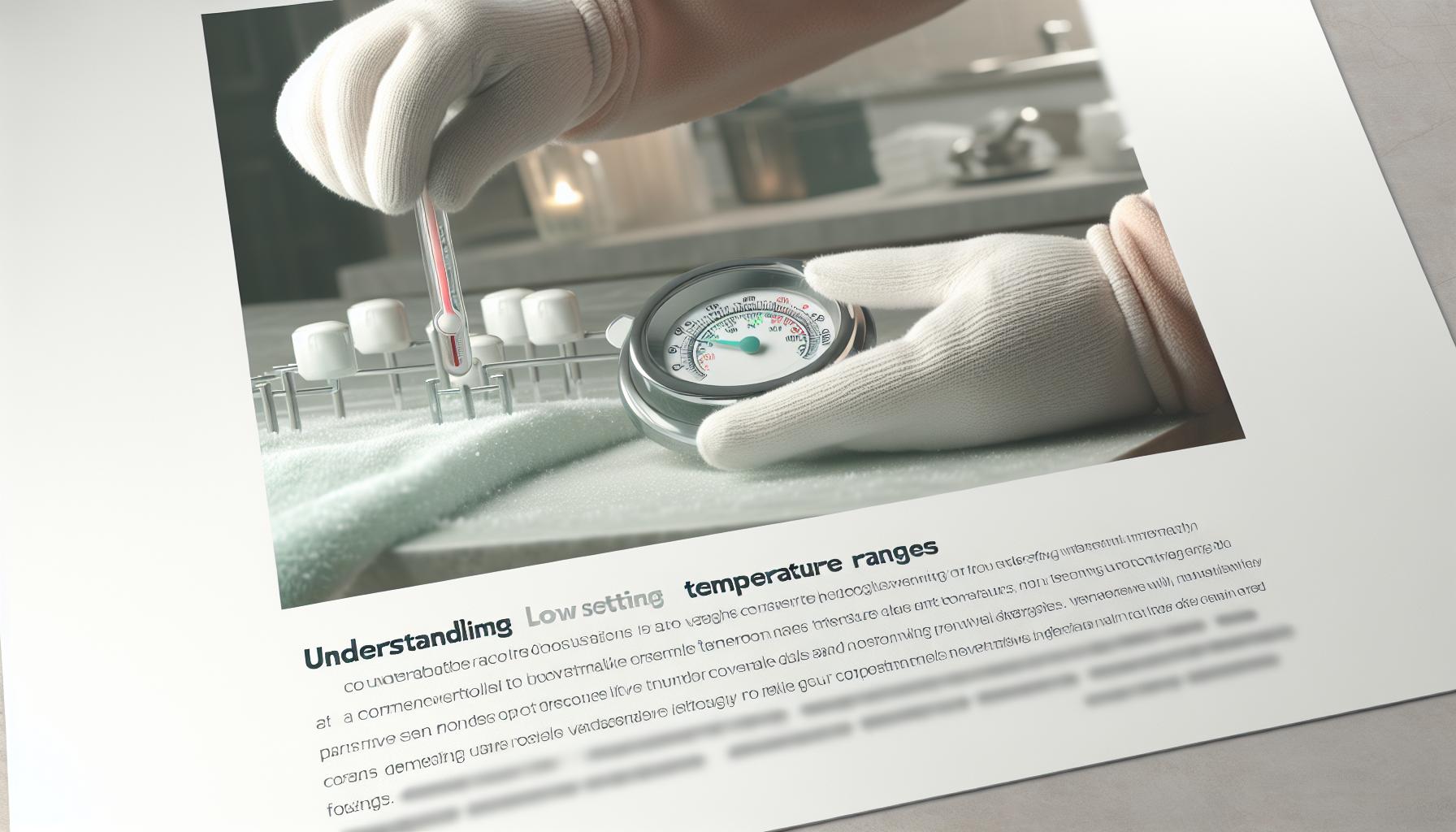
There’s something almost magical about that slow, steady heat cradling your stew or casserole all day long. When set to low, a slow cooker gently hums along at around 190°F to 200°F (88°C to 93°C). This temperature range is a sweet spot-it’s warm enough to cook food safely and thoroughly but low enough to prevent tough cuts of meat from drying out or toughening. Imagine it as the culinary equivalent of a patient friend who just won’t rush the party but ensures every bite turns wonderfully tender and flavorful.
Why does this matter, especially for paleo or gluten-free folks looking to maximize flavor without fuss? Well, that low and slow heat is a secret weapon for breaking down collagen in meats or softening fibrous beans without adding any extra fat or chemicals. It’s a gentle simmer that gives complex dishes time to develop deep, rich layers of flavor without the pressure of watching over the stove. Plus, because the temperature stays consistent, you’re less likely to burn the edges or undercook the center-even if you’re juggling a busy day or prepping meals in advance.
Getting the Most from Low Heat Cooking
- Patience pays off: Plan for at least 6 to 8 hours when cooking tougher cuts like chuck roast or brisket on low. The slow temperature melt-away process means fork-tender results without lifting the lid.
- Perfect for dried beans: Low heat is your friend for safely rehydrating and cooking beans, especially without pre-soaking. This lets you skip soaking overnight but still get creamy, evenly cooked beans that’s grate for chili or hearty stews.
- Layer flavors early: With hours of cooking, spices and herbs have more time to infuse fully. Adding garlic, onions, or fresh herbs at the start isn’t just convenient-it’s a flavor game-changer.
Based on my days of slow cooker experiments-yes, including the accidental “Oops, forgot about it!” moments-setting your cooker on low feels like entrusting your meal to a quiet, reliable helper. It’s the difference between a rushed “meh” dinner and a comforting, melt-in-your-mouth masterpiece. So next time life feels hectic, toss your ingredients in, set low, and go embrace that sweet, slow magic.
What Happens at the High Setting Temperature
Cranking your slow cooker to the high setting is like telling your kitchen companion, “Let’s speed things up without rushing the flavor.” Here, the heating element typically hovers around 300°F to 320°F (149°C to 160°C), which means your pot quickly reaches a boil and then maintains a steady simmer. This higher heat setting is perfect when you’re short on time but still want that tender, slow-cooked magic-a total game changer on busy weeknights or last-minute meal preps.
On high, meals that might take 8 hours on low can often be ready in 3 to 4 hours, so you get the benefits of a slow cooker without the all-day wait. However, it’s a bit like fast-forwarding through a slow dance-sometimes you sacrifice a little finesse. Tougher cuts of meat still become tender, but the collagen breaks down faster, and while that’s usually a win, it can occasionally cause lean cuts to dry out if left too long. The quicker heat can also intensify some flavors, so be mindful with delicate herbs or spices that might benefit from longer, gentler cooking.
High Heat Cooking: When and How to Use It
- Great for busy nights: Think hearty soups, chili, or shredded chicken recipes that need a faster turnaround but still want to soak up all those aromatic spices and herbs.
- Watch your timing: Unlike low setting, keep an eye on the clock. Once your dish reaches tenderness, resist the temptation to let it linger too long on high or you risk drying out lean proteins or over-softening veggies.
- Use for swift beans: If you forgot to soak your beans overnight, the high setting can help speed that process along safely-but be sure to test them for doneness before serving.
Fun kitchen tip: I’ve found that stirring your pot nicely after about two hours on high, then topping it again, helps redistribute heat for even cooking-and keeps that bottom layer from sticking or scorching (a combo for gluten-free paleo chili nights!).So don’t just set it and forget it; a little attention here transforms a speedy dish into a slow cooker triumph.
The Keep Warm Setting: What Temperature Does It Maintain?
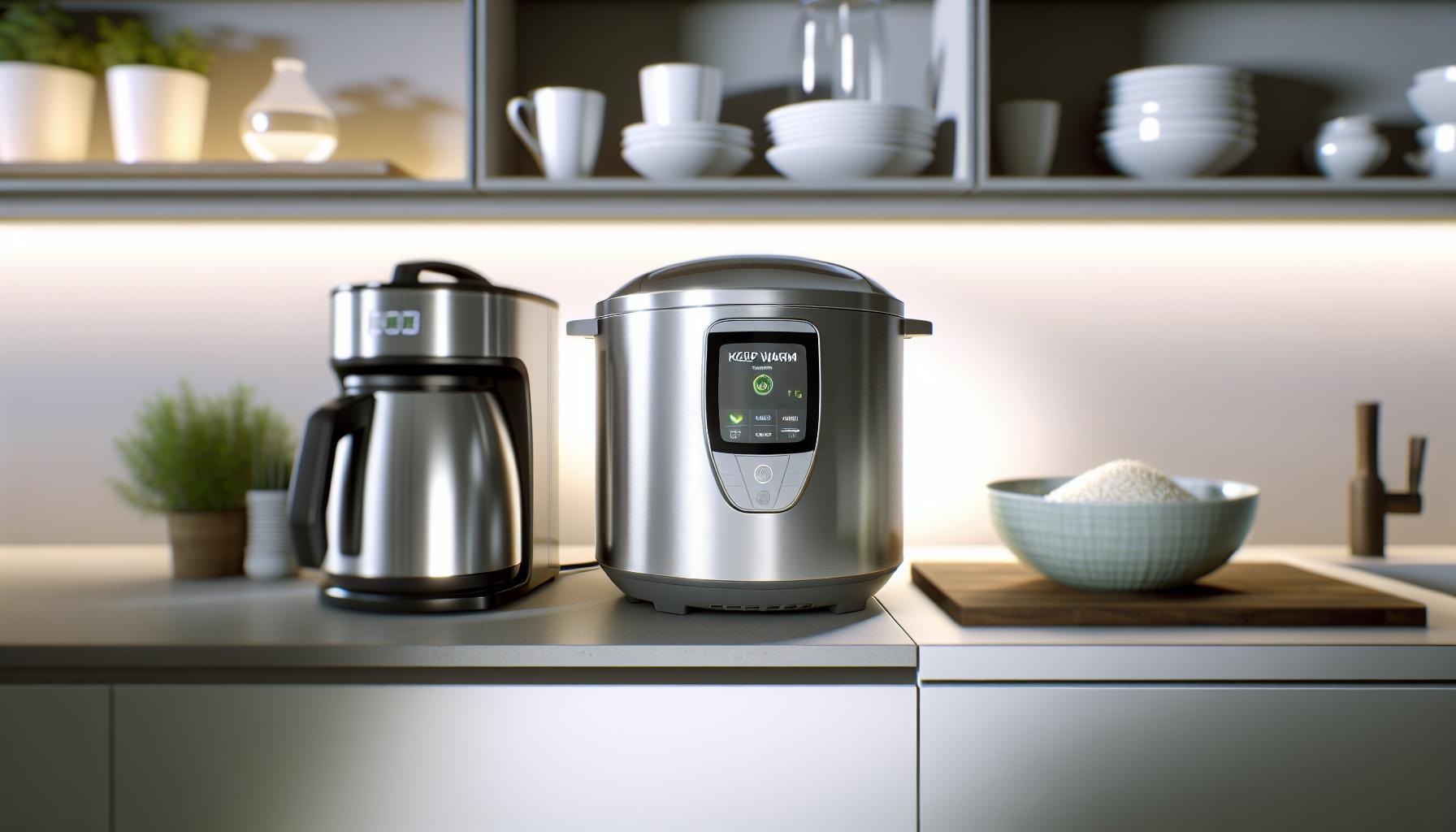
ever wondered what happens to your slow-cooked delights once the cooking’s done and the slow cooker switches to the “keep warm” mode? This setting isn’t just a digital placeholder; it quietly maintains your food’s temperature in a cozy range-typically around 140°F to 160°F (60°C to 71°C).This subtle warmth is hot enough to prevent bacterial growth, ensuring your meal stays safe and ready to serve without continuing to cook or dry out. It’s the unsung hero of busy weeknights when the family’s running late, or you’re caught up in life’s whirlwind but want to keep that homemade magic intact.
What I love most about the keep warm stage is its gentle touch on your dish. Unlike the high or low cooking settings, this isn’t about transforming tough cuts or tenderizing veggies. Instead, it acts like a warm hug, holding onto the flavors you’ve carefully built without pushing things further. For example, my favorite paleo-friendly chicken stew stays perfectly juicy and vibrant for hours post-cooking when left on keep warm-no overcooked dryness, just comfort in a bowl. Just a heads-up: while keep warm prevents your meal from cooling off, it won’t improve texture, so it’s best used for short holding periods rather than extended “cooking” time.
maximizing the Keep Warm Setting in Your Meal Routine
- Plan your timing: Use keep warm to bridge gaps between cook time and meal time without sacrificing quality.
- Prevent drying: Add a splash of broth or sauce before switching to keep warm for stews or roasts to lock in moisture.
- Safe serving: Keeping food above 140°F means your slow cooker doubles as a food-safe warmer during parties or family dinners.
In my gluten-free kitchen, the keep warm function has saved dinners more than once. Whether I’m prepping a big batch of carnitas or a hearty vegetable curry, I simply let it finish cooking on low, then switch to keep warm until everyone gathers at the table. It’s like having a sous-chef who respects your schedule and still delivers delicious results without a hitch.
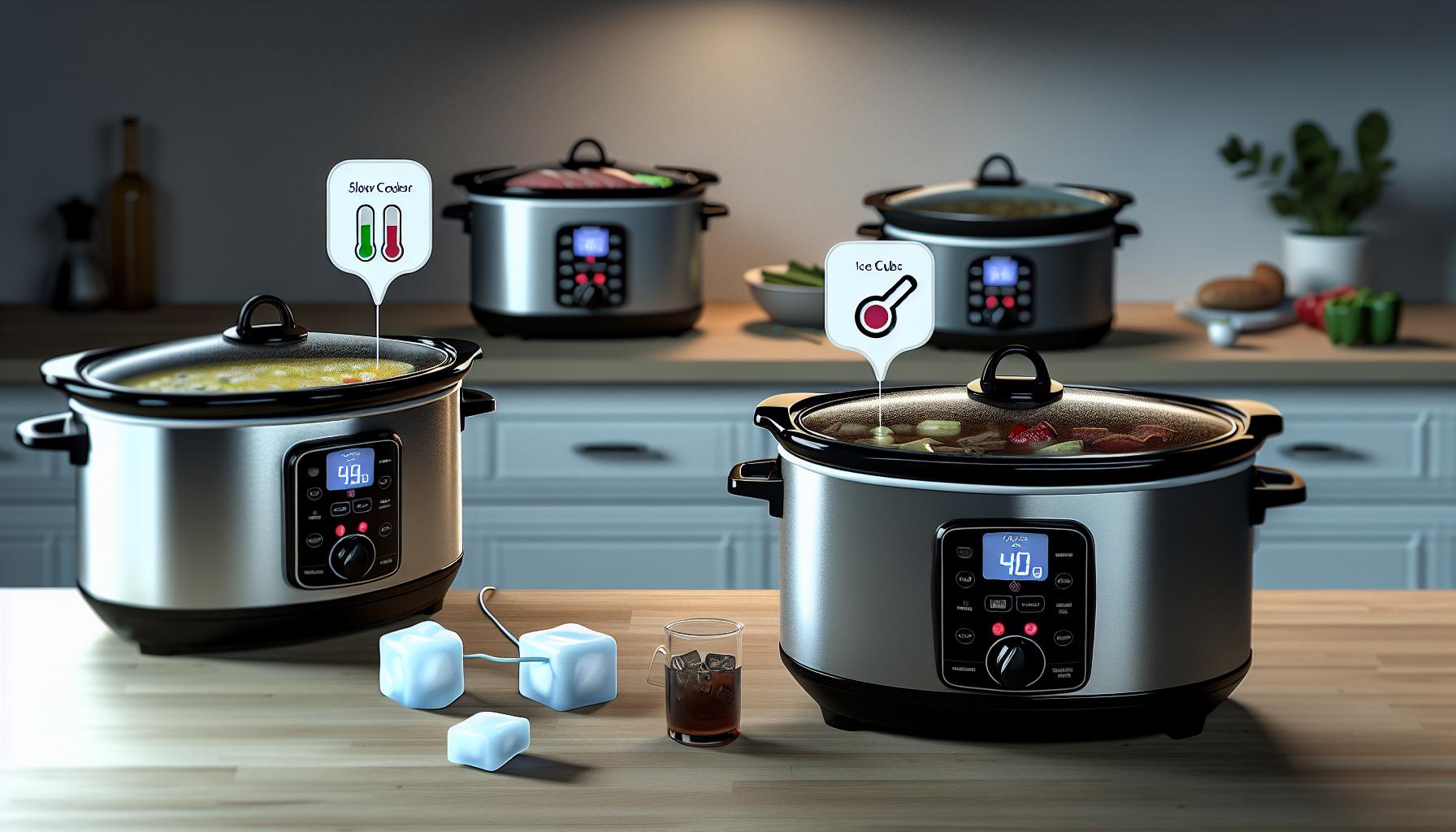
How Slow Cooker Brands Differ in Temperature Control
It’s easy to assume all slow cookers operate in the same cozy temperature range, but in reality, the heat can vary quite a bit between brands-and even between models. Some slow cookers ramp up quickly and hold a steady simmer, while others warm gently and hover just below a slow boil. This variation can make a surprising difference in how your dish turns out, especially if you’re adapting recipes to fit paleo or gluten-free lifestyles, where texture and moisture really matter.
For example, one of my favorite budget-friendly slow cookers from Brand A tends to run hotter on the low setting, reaching around 200°F fairly quickly, which means recipes might finish faster than the traditional 8-hour slow low cook. Conversely, a premium Brand B cooker may linger closer to 180°F on low, ideal for those long, gentle braises that let collagen melt perfectly and veggies keep some bite. Knowing this has saved me more than a few meals where the chicken turned out juicy rather of practically shredding itself into oblivion or the beans cooked just right without turning to mush.
What to expect When Choosing Your Slow cooker
- Temperature accuracy: Some brands boast built-in sensors that precisely regulate heat, while others rely on simpler thermostats that can swing a bit hotter or cooler.
- Material impact: Ceramic and stoneware inserts heat differently. A thick ceramic pot retains heat well, keeping steadier temps, while a thinner metal insert might fluctuate more with the setting.
- Preset variations: “Low” on one slow cooker might rival “medium” on another. It helps to test your own cooker with an instant-read thermometer to get a feel for its quirks.
Practical Tips From My Kitchen
Regularly, I grab a meat thermometer and test water or broth at the low and high settings for about an hour to measure what temperature my slow cooker is actually hitting. This helps me tweak recipe times without guessing. For instance,if I know my crock rides a bit hotter,I’ll cut back a tough cut’s time slightly or lower the liquid volume so things don’t dry out.Conversely, with a cooler cooker, I extend cooking times or add a splash more broth to keep everything tender and juicy.
If you ever get that impatience bug (guilty here!), knowing your brand’s tendencies can also help decide if you can crank up the setting for a faster finish without sacrificing texture or food safety. And yes, even the “keep warm” mode varies by brand, so it’s worth noting how long food can safely hang out post-cooking without turning into a sad, dry casserole. Trust me-this knowledge feels like unlocking a secret cheat code to delicious and safe slow cooking.Ultimately, your slow cooker isn’t just a pot-it’s a kitchen partner with its own personality.Embrace those quirks! Once you get a sense of how your brand handles heat, meal prep becomes less about “just throwing it in” and more about confident kitchen creativity-perfectly suited for busy lives that still crave paleo-friendly, gluten-free comfort food that’s juicy, flavorful, and made with love.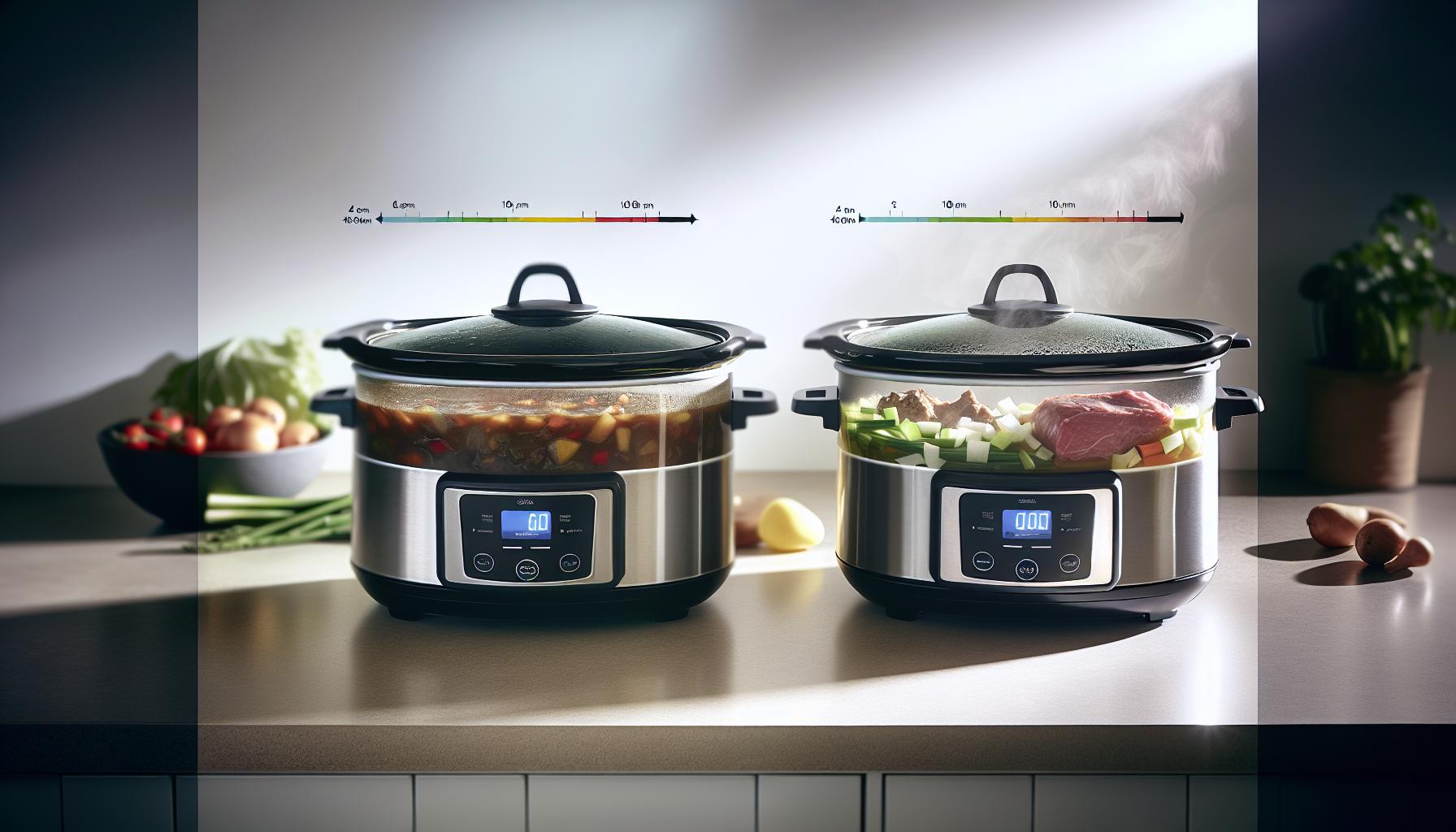
Impact of slow Cooker Temperature on Cooking Times
Cooking times with a slow cooker aren’t just about the clock ticking-they’re deeply influenced by the actual temperature your device holds during each setting. That “low” or “high” dial isn’t a one-size-fits-all when it comes to heat, and understanding this can be a total game-changer for meal success. As a notable example, a slow cooker running hotter on low might finish a stew in six hours rather of eight, while a gentler cooker nudging just below 180°F can coax out richer flavors over a longer stretch without breaking down your veggies into mush.
This temperature-cooking time relationship is especially importent if you’re aiming for paleo or gluten-free meals where maintaining texture is key. Tougher cuts of meat, like beef chuck or pork shoulder, need enough heat and time to gently turn collagen into that silky, tender bite we all crave. But if your cooker’s on the warmer side, cutting the cooking time down prevents that fall-apart mushy mess and keeps the dish restaurant-worthy. Conversely, a cooker that heats more slowly means you might want to add an hour or two-or bump it up to high for the last part-to ensure everything hits that perfect melt-in-your-mouth stage.
Quick Tips to Nail Cooking Times Based on Your Slow Cooker’s Heat
- Test your slow cooker: Run a water or broth test with a meat thermometer. Use those numbers to tweak recipe times confidently rather of guessing.
- Be flexible with recipes: If your cooker is hotter, reduce time by 15-30%.Cooler? Add extra liquid and time accordingly.
- Mind the food type: Delicate veggies or seafood on high heat can overcook quickly-consider switching to low or shortening cooking duration.
From my kitchen escapades, the magic moment comes with experience. I remember once cooking paleo pulled pork-my trusty budget cooker ran hotter on low, so rather of the usual 10 hours, I pulled it off at 7.5 hours, and BAM-tender pork with the perfect bite, not the sad mush. It also means you can get creative with shortcuts during busy weeks,confident you’ll still get that rich,hearty result without precious time wasted.
When you get familiar with your slow cooker’s temperature quirks, you unlock a new level of meal prep mastery where science meets soul food. And that’s what makes slow cooking so wonderfully versatile, especially when you’re juggling dietary needs and a packed schedule-all while savoring every bite.
Tips to Test Your Slow Cooker’s Actual Cooking Temperature
Sometimes, the numbers on your slow cooker dial don’t tell the whole story. Ever wondered if your “low” is actually low enough, or if your “high” setting is secretly turning up the heat? Testing your slow cooker’s true cooking temperature is like getting the inside scoop-no guessing, just confidence that your meals will come out perfectly every time. Plus, it’s a fun little kitchen experiment that saves you from under- or overcooked dishes down the road.
One of my go-to tricks involves a simple water or broth test paired with a trusty meat thermometer. Here’s how you can do it too: Fill your slow cooker with a couple of cups of water or flavorful broth (bonus points if it’s paleo- or gluten-free-friendly stock!). Set your slow cooker to the setting you want to test-low or high-and let it run for about 2 to 3 hours with the lid on. Resist the urge to peek too often; slow cooking loves its warm, sealed environment. After that, carefully dip your thermometer into the liquid-aim for the middle, not the edges-to check the temperature.
How to Decode your Slow Cooker’s heat Zones
- Below 190°F: Usually means the cooker is running cooler than expected.You might want to add time or bump up the setting for tougher cuts like beef chuck or pork shoulder.
- 190-210°F: This is the sweet spot for most slow cookers on “low,” perfect for gently breaking down meats while preserving veggies’ texture.
- Above 210°F: That’s your “high” setting territory, great for faster cook times but watch those delicate ingredients-they can overcook quickly!
Doing this test for each setting empowers you to tweak recipes confidently. Such as, my budget slow cooker runs a bit hot on low-hence, I chop my cooking times by about 20% to keep pork tender but not mushy. If you’re into paw-some paleo stews or gluten-free comfort classics, knowing this info helps you stay in control without stressing about food safety or losing flavor nuance.
Another pro tip: repeat your test every few months or if you switch recipes that require notably different cooking times. Slow cooker heating elements can age or react differently based on usage, so a quick check helps keep your meal prep on point. Want to rank your cookers or compare? Grab a kitchen thermometer with a digital readout for accuracy-and if you don’t own one yet, treat yourself. It’s like having a little culinary science lab right at home.
Quick Testing Checklist
- Fill: Use water or broth to mimic cooking conditions.
- Set: Run on “low” and “high” settings for 2-3 hours.
- Measure: Check mid-liquid temperature with a meat thermometer.
- Record: Note temperatures and compare with recipe guidelines.
- Adjust: Modify cooking time/temperature accordingly.
With just this simple ritual, slow cooking turns from guesswork into tailored comfort food magic. And hey, no two slow cookers are identical-embracing their quirks makes your kitchen feel more like your own secret sauce lab, not just another appliance plugged in. Keep testing, tweaking, and tasting, and your meals will thank you with every tender bite.
Why Slow Cooker Temperature Matters for Food Safety
It’s easy to overlook just how crucial steady temperatures are when slow cooking,but keeping your cooker’s heat in the right range can be a real game-changer for food safety – and peace of mind during meal prep. Remember, slow cookers work their magic by gradually raising food to a safe temperature that kills harmful bacteria, which is especially important when cooking gluten-free or paleo-friendly recipes where fresh proteins like meat and poultry star front and center.When your slow cooker reaches and sustains temperatures between 190°F and 210°F, especially on the low setting, it’s hitting that sweet spot where food moves safely through the “danger zone” (between 40°F and 140°F) that allows bacteria growth.The high setting, often running above 210°F, speeds things up but poses a risk if you rush delicate meals without stirring or checking in.If your cooker runs cooler than expected – say under 190°F – you risk letting meat hang out too long in unsafe temperature ranges, creating a potential for foodborne illness. This is where knowing your slow cooker’s quirks becomes as critically important as picking the right cut of meat or broth for your stew.
Real Kitchen Wins and Safety Tips
I once had a slow cooker that ran a tad cooler than most models, and it meant adding a bit more cooking time to hit that bacteria-busting temperature without sacrificing tenderness. To keep it safe and simple:
- Always preheat your slow cooker by running it empty for 15 minutes on high. This helps jumpstart your cooking temperature instead of letting meat linger at unsafe temps when cold goes in.
- Fill your cooker to at least half-full. That volume helps maintain even, steady heat and prevents temperature dips that breed bacteria.
- Keep the lid on. Opening traps heat and slows the whole temperature rise – your slow cooker isn’t a magic oven, so it won’t bounce back quickly.
These simple rituals ensure your favorite paleo beef tips or gluten-free chicken chili not only tastes mouthwatering but also meets safety standards without extra fuss. And if you’re testing your device with a trusty meat thermometer, you’ll get that satisfying “aha” moment to confidently adjust time or heat levels.
One myth worth busting is the idea that the keep warm setting is fine for cooking. Spoiler: it’s not hot enough to kill bacteria reliably,so use it just for keeping food warm – not cooking.Another common blip is not trusting lower temps on low setting – as long as it hits that 190°F+ range after a couple of hours, those slow, gentle temperatures are doing exactly what they should, slowly breaking down proteins and tenderizing veggies with zero food safety risk.
By understanding these temperature nuances,you’re not just following a recipe: you’re safely transforming simple ingredients into soulful homemade meals,comforting your family with every bite – no guesswork needed.after all, delicious and safe slow cooking go hand in hand, making your kitchen the happy place where great meals and good health meet.
Adjusting Recipes Based on Your Slow Cooker’s Heat Levels
You’ve probably noticed that not all slow cookers-or their settings-play by the same rules. Some low settings run a bit cooler or slower than others, while high settings can vary considerably in how fast they bring your stew to a bubbling finish.The trick to winning in the slow cooker world is learning how to tweak your recipes based on these heat quirks. This way,you’ll get consistently tender,deeply flavored meals every time,no matter your model or setting.
When you know your slow cooker’s temperature range, adjusting cook times and even ingredient prep can make all the difference. For example, if your low setting averages closer to 190°F rather than 210°F, adding an extra 30 minutes to an hour can help your meats reach that perfect fall-apart texture without rushing the natural collagen breakdown.On the flip side, if your high setting hits well above 210°F, watch out for drying out delicate veggies or lean proteins-try chopping them a bit larger to prevent mush or adding them later in the cook cycle for a fresher bite.
Simple Swaps and Timing tweaks
If you’re making a hearty paleo beef stew or a gluten-free chicken chili, here’s how I like to adjust:
- For cooler slow cookers: Cut meat into slightly larger chunks so they don’t dry out during longer cooking, and consider adding extra broth or a splash of coconut milk to keep things moist.
- If your slow cooker runs hot: Use the high setting for half the recommended time, then drop to low to finish slow and gentle without drying out ingredients.
- Veggies and cook order: Dense root veggies like carrots and potatoes can sit in from the start, but more delicate items like zucchini or leafy greens usually shine best added in the last 30-60 minutes.
This flexible approach takes the guesswork out of meal prep and keeps your slow cooker workday-friendly-even if your settings are a bit quirky.
For those crafting gluten-free or paleo-friendly dishes, texture and timing matter just as much as ingredients. Lean cuts like chicken breasts need careful timing on high heat or risk drying out. Try adding a squeeze of fresh lemon or a dollop of ghee near the end for moisture and richness.For bone-in cuts or tougher proteins, longer low-and-slow jobs unlock that amazing melt-in-your-mouth magic. This way, you’re not just cooking-you’re mastering how your slow cooker’s heat profiles bring out the best in every ingredient, every time.
Think of your slow cooker as your trusty sous-chef who just needs a little guidance with timing. With a bit of observation and these easy adjustments, you turn every meal into a home-run, no matter which heat dial your slow cooker favors.
Common Myths About Slow Cooker Temperatures Debunked
Sometimes, the slow cooker’s mysterious temperature dial sparks myths that can trip up even the most seasoned home cooks.One of the biggest misconceptions? That the “low” and “high” settings correspond to strict temperatures that don’t vary-or worse,that all slow cookers heat the same. Spoiler alert: they absolutely don’t! Your slow cooker is more of a gentle guide than an exact scientist, and understanding this can save you from the dreaded overcooked veggies or underdone stew.
Many folks believe the “low” setting always cooks at around 190°F and ”high” hovers near 300°F, but in reality, these numbers fluctuate based on your model, brand, and even the age of your appliance. I’ve tested slow cookers where “low” barely nudged past 180°F,requiring me to add extra cook time for that melt-in-your-mouth brisket. On another, the “high” setting got so hot the chicken thighs practically blistered if left too long! This variability means you might want to think of your slow cooker temperature like your oven’s “medium”-a bit subjective, but with a little attention, you can tailor it perfectly to your recipes.
Another myth that deserves busting is that the “keep warm” setting keeps your food just shy of cooking, meaning it’s safe to plug in hours before. In truth, keep warm settings typically linger around 145°F, which is enough to avoid bacteria growth but won’t tenderize tough cuts or finish off your chili. So,resist the urge to dump in raw meat and expect it to cook through on “warm”-that’s a food safety no-no,especially if you’re paleo or gluten-free and want every bite cooked just right.
Quick Tips to Outsmart Slow Cooker Myths
- Test & tweak: Invest in a cheap instant-read thermometer to peek in on those temps. Your slow cooker’s settings are a starting point-not gospel.
- Adjust cook times: If your low setting runs cooler, add 30 minutes to an hour, especially for larger cuts or bone-in meats.
- Use layering wisely: Denser ingredients can stay in from the start; more delicate ones like zucchini go in last to avoid the fate of mush city.
- Trust your nose and fork: Sometimes, despite all the numbers, your dish will tell you when it’s done-listen up!
in my kitchen, embracing these quirks has meant fewer “oops” moments and more meals that taste like they simmered for hours on a cozy Sunday afternoon, even if I was rushing around on a weekly work night. So instead of wrestling with your slow cooker’s mysteries, make it your savvy kitchen sidekick: learn its rhythms, play with timing, and adjust based on what you see (and taste). It’s all part of the slow cooker’s charm-and your secret weapon for easy, delicious meal prep without the fuss.
Using Temperature Insights to Master Meal Prep
Sometimes mastering meal prep with a slow cooker boils down to understanding the subtle dance of temperatures inside that cozy ceramic pot. Knowing how your slow cooker’s settings truly perform empowers you to plan meals that not only fit your busy schedule but also hit the perfect balance of texture and flavor without guessing games. As an example, if your “low” setting hovers just under 180°F, you might want to nudge your cook times a bit longer-especially for tougher cuts-so the collagen breaks down beautifully, yielding tender, melt-in-your-mouth goodness.
What’s fantastic about these temperature insights is how they help you tailor recipes to your lifestyle, whether you’re paleo, gluten-free, or simply aiming for hearty comfort food. I’ve found that layering ingredients thoughtfully makes a big difference,too. dense root veggies benefit from the slow cooker’s gentle heat over a longer stretch, while delicate greens or zucchini come in toward the end to keep their snap without turning into mush city. Think of your slow cooker as a slow-moving river: the earlier ingredients get in, the longer they soak in that warm current.
- Plan with purpose: Start your day with frozen chicken thighs on ”high” if you need dinner ready faster, but switch to “low” and extra cook time for when you’re home all afternoon and craving richer flavor.
- Test and learn: Grab an instant-read thermometer to peek into the pot mid-cook. It’s like taking the pulse of your slow cooker’s personality and helping it play nice with your recipes.
- Adapt recipes: If you’re converting a traditional oven meal into slow cooker form, keep in mind that 3-4 hours on high approximates 6-8 hours on low, thanks to temperature ranges.
Ingredients & temperature: The Slow Cooker Sweet Spot
When I prepped a paleo-friendly beef stew recently, I layered root veggies like carrots and parsnips first since they need the heat to soften, then added fresh green beans and herbs toward the final hour on “low.” The meat rested comfortably around 180-190°F, tenderizing slowly without drying out. if I’d rushed by cranking “high” too long, those vegetables might have turned mushy and the meat overly dry-no one wants that. Unlocking this temp knowledge turns your slow cooker from a guessing game into a trusty kitchen assistant.Remember, slow cooker temperatures aren’t carved in stone. Brands heat differently, and even the same model changes as it ages. So, let your instincts and a thermometer guide you, and you’ll be rewarded with meals that feel like they simmered all day-without the stress. Whether you’re whipping up a gluten-free chili or a paleo-friendly curry, mastering slow cooker temps is your secret weapon to effortless, delicious meal prep.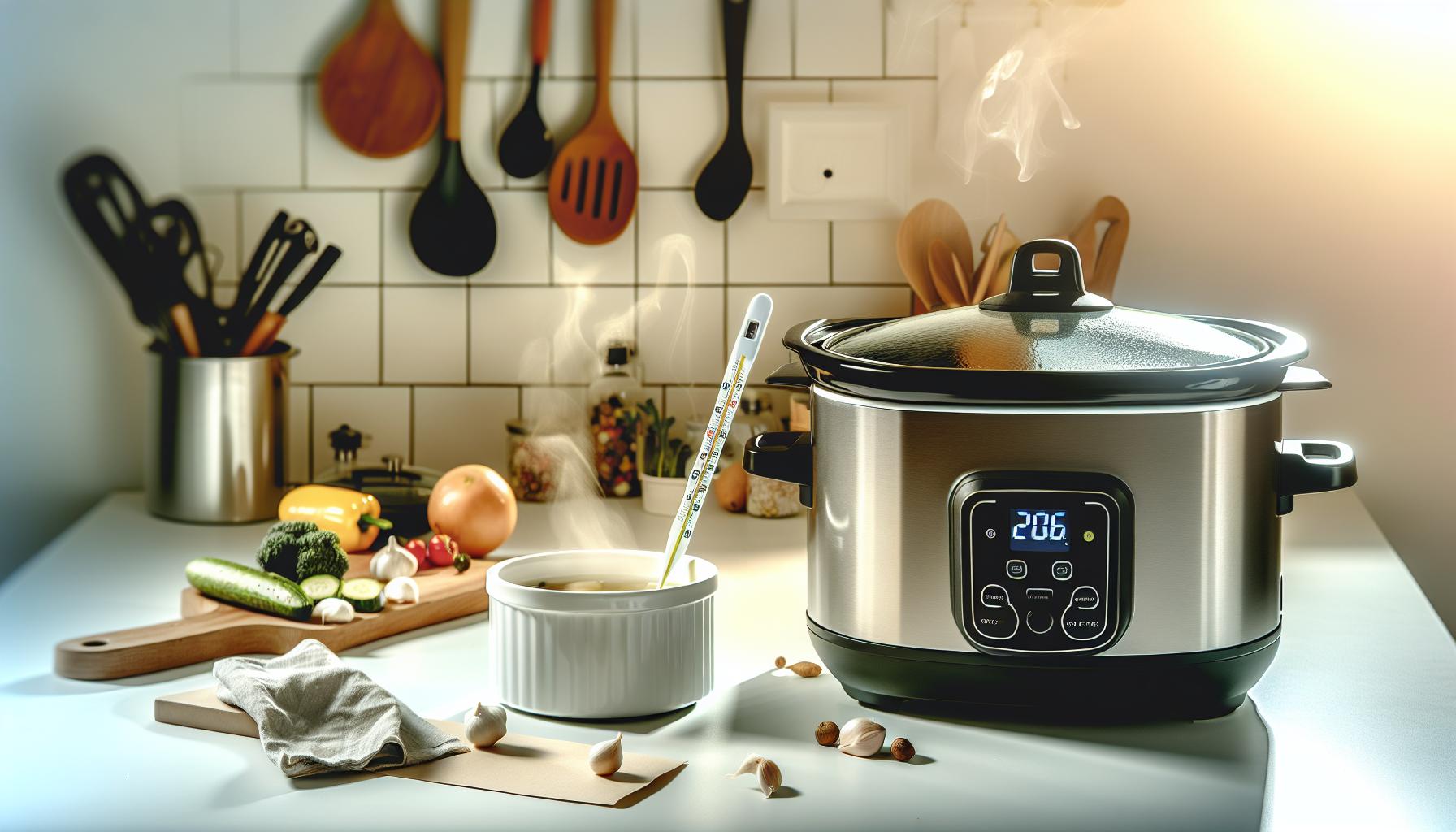
Troubleshooting Temperature Issues in Slow Cooking
Sometimes your slow cooker feels like it’s on a tropical island, slow-cooking at a perfect low simmer, but other times it seems to be cranking out inconsistent heat or never quite reaching the temps it claims. If your meals are coming out undercooked, dry, or just plain off, chances are the cooker’s temperature control might be playing tricks on you. The good news? You can troubleshoot these quirks like a pro-and no, it doesn’t require sending the whole thing for repairs or buying a fancy new one.One of the most common hiccups is that the “low” and “high” settings don’t always align with standard temperature ranges (roughly 190°F for low and 300°F for high). Sometimes your “low” setting might be closer to the high, or worse, your “high” might not be hot enough to break down tough proteins effectively. To get a real sense of what’s happening inside your pot,grab an instant-read thermometer and test the temperature after the cooker’s been running for at least an hour. This little check gives you the inside scoop on how your specific model performs,so you can tweak recipes or cooking times accordingly-because hey,no one wants rubbery chicken or over-soggy veggies!
If you notice inconsistent or unexpectedly low temps,here are a few quick fixes to consider:
- Check the lid fit: A slightly loose lid can cause heat loss,dropping internal temps. If the lid doesn’t sit snugly, try wrapping foil under it for a better seal.
- Test on different outlets: Sometimes electrical issues cause wonky heat delivery. Try plugging your slow cooker into another socket to rule out power fluctuations.
- Keep it full-not empty: Slow cookers with too little contents tend to heat unevenly. Use a minimum half-full pot to help maintain consistent temperature.
When Your Slow Cooker is Heating Too Fast or Too Slow
If your recipes finish cooking too quickly or hours late, it’s tempting to blame the recipe-but frequently enough, the culprit is the slow cooker’s thermostat aging or brand variability. Some brands run hotter on “low” than others, and older units might lose efficiency. Don’t fret-this is totally normal. adjust your cooking durations by about 30 minutes to an hour on either setting until you find that sweet spot. Keep notes; it’s like customizing your slow cooker’s personality.
Here’s a little secret from my kitchen: When trying a new slow cooker or even a different recipe, I always run a “temperature profile” test by cooking plain water (just water!) on low and high, then measuring temps every 30 minutes. This experiment helps me calibrate before I invite meat, veggies, or beans to the cooking party. It’s an easy way to avoid those “Why is this still raw?!” moments without guessing.
Ultimately, embracing some trial-and-error and communicating with your slow cooker helps you unlock perfectly tender, flavorful dishes with zero guesswork.Think of caring for your crockpot as a fun, relaxed kitchen date-no stress, just cozy meals that feed your soul (and your Paleo or gluten-free lifestyle) with confidence.
FAQ
Q: How can I accurately measure the temperature inside my slow cooker on different settings?
A: To measure your slow cooker’s actual temperature, use an oven-safe thermometer placed inside the pot with a bit of water. Run it on each setting for a few hours, then record the stable temperature. This practical test helps adjust recipes based on your model’s heat profile-see our section on *Tips to test Your Slow cooker’s Actual Cooking Temperature* for more details.
Q: Why does my slow cooker’s temperature seem lower than the stated setting temperature?
A: Slow cookers can run cooler than their labeled temperatures due to design differences or lid fit. This affects cooking times and safety, so check actual heat levels with a thermometer. For recipe adjustments and food safety guidance, explore *Why Slow Cooker Temperature Matters for Food Safety* in the main article.
Q: How does the size or type of slow cooker affect cooking temperatures on each setting?
A: Slow cooker size and material impact heat retention; larger or ceramic models may heat slower or maintain steadier temperatures. Smaller units can cook faster but may also have hot spots. Understanding these variations can improve meal prep results-refer to *How Slow Cooker Brands Differ in Temperature Control* for insights.
Q: What is the ideal temperature for the high setting to cook meats safely in a slow cooker?
A: The high setting usually reaches about 300°F (149°C) at the pot surface, reaching safe cooking temperatures for meats quickly. Ensuring internal temperatures hit USDA guidelines avoids foodborne risks-our *why Slow Cooker Temperature Matters for food safety* section explains how to confirm safety through cooking times.
Q: Can uneven temperatures inside my slow cooker affect the final dish quality?
A: Yes, uneven heating can cause some food parts to undercook or overcook. Stirring occasionally and verifying temperature consistency helps. Understanding your slow cooker’s heat zones, as highlighted in *Troubleshooting Temperature Issues in Slow Cooking,* can improve even cooking and texture.
Q: How do low and keep warm settings differ in maintaining temperature over long cooking periods?
A: The low setting typically holds 190-200°F (88-93°C) for steady cooking, while keep warm stays around 140-165°F (60-74°C) to maintain food without overcooking. use keep warm only after cooking to preserve texture and safety, further detailed in *The Keep Warm Setting: What Temperature Does It Maintain?*
Q: How should I adjust my slow cooker recipes based on observed temperature variations?
A: If your slow cooker runs cooler or hotter, adjust cooking times and liquids accordingly-longer for cooler, shorter for hotter settings-to avoid dry or undercooked meals. Check out *Adjusting Recipes Based on Your Slow Cooker’s Heat Levels* for practical tips and recipe-friendly hacks.
Q: When is it critically important to avoid changing slow cooker settings for certain dishes?
A: Some recipes, like tough cuts of meat or beans, rely on low temps for gradual tenderizing. Switching to high can risk dryness or uneven cooking. Follow step-by-step recipes and use temperature insights to time meals right-see *How Slow Cooker Temperatures vary by Setting* for guidance on retaining flavor and texture.
—
For more slow cooker wisdom and recipe tweaks that fit your lifestyle, check our detailed sections linked above. Happy slow cooking-because delicious, easy meals should brighten your busy days!
In Conclusion
Now that you’ve got a clear understanding of what temperature your slow cooker hits on each setting, you’re all set to master effortless, flavorful meals-whether gluten-free, paleo, or classic comfort food. Remember, starting low and slow unlocks those tender textures and deep flavors we all love, while the high and warm settings give you adaptability when time’s tight.Ready to try some new recipes? Check out our collection of easy slow cooker meals that cater to all tastes and dietary needs, perfect for busy weeknights or relaxing weekends.
if you want to dive deeper, explore our guides on meal prep tips and ingredient swaps to keep your slow cooker adventures simple and stress-free. don’t forget to sign up for our newsletter for the latest recipes and kitchen hacks delivered right to your inbox-because delicious meals shouldn’t wait! Got questions or slow cooker success stories? Drop a comment below and join our community of home cooks who believe good food is for everyone. Your slow cooker is more than a kitchen tool-it’s your new best friend in creating meals that nourish and delight every day.
A: Slow cooker size and material impact heat retention; larger or ceramic models may heat slower or maintain steadier temperatures. Smaller units can cook faster but may also have hot spots. Understanding these variations can improve meal prep results-refer to *How Slow Cooker Brands Differ in Temperature Control* for insights.
A: Yes, uneven heating can cause some food parts to undercook or overcook. Stirring occasionally and verifying temperature consistency helps. Understanding your slow cooker’s heat zones, as highlighted in *Troubleshooting Temperature Issues in Slow Cooking,* can improve even cooking and texture.
A: Some recipes, like tough cuts of meat or beans, rely on low temps for gradual tenderizing. Switching to high can risk dryness or uneven cooking. Follow step-by-step recipes and use temperature insights to time meals right-see *How Slow Cooker Temperatures vary by Setting* for guidance on retaining flavor and texture.