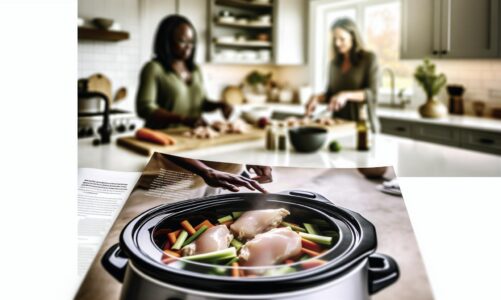
if you love slow cooking but dread the cleanup, slow cooker liners are about to become your new best friend. These simple, disposable liners fit right into your slow cooker, catching every dribble and spill so you can spend less time scrubbing and more time enjoying your meal. whether you’re simmering a rich chili or creating a paleo-pleasant stew, liners make cleanup effortless without altering your recipe. Perfect for busy cooks who appreciate convenience without sacrificing flavour, these liners save you the hassle of soaking and scrubbing sticky, baked-on messes-because who has the time? ready to make slow cooking even easier while keeping your kitchen happy? Let’s dive into how slow cooker liners work, why they’re a game-changer, and how they can fit seamlessly into your meal prep routine.
Table of Contents
- What exactly is a Slow Cooker Liner?
- Top Benefits: Why Use Slow Cooker Liners Every Time
- Step-by-Step Guide to Using Liners Like a Pro
- Best slow Cooker Liner Materials for Easy Cleanup
- Are Slow Cooker Liners Safe? What You Need to Know
- Creative Tips for Reusing and Disposing Slow Cooker Liners
- How Liners Save Time and Spice Up Meal Prep
- Comparing Slow Cooker Liners vs Traditional Cleanup
- customer favorites: Most Reliable Slow Cooker Liners
- Troubleshooting Common Slow Cooker Liner Problems
- Frequently Asked Questions
- Q: How do slow cooker liners help prevent burnt food?
- Q: can I use slow cooker liners with all types of crockpots?
- Q: Are slow cooker liners safe to use with acidic foods like tomatoes?
- Q: How do slow cooker liners affect cooking times and temperature?
- Q: Can I reuse a slow cooker liner more than once?
- Q: What environmental impact do slow cooker liners have, and are there eco-friendly options?
- Q: When should I avoid using a slow cooker liner in my recipes?
- Q: How do slow cooker liners improve meal prep beyond cleanup?
- To Conclude
What exactly is a Slow Cooker Liner?
Imagine finishing a hearty, slow-cooked stew or tender ribs without the dreaded scrubbing and soaking afterward.That’s the everyday magic a slow cooker liner brings to your kitchen. These handy disposable accessories act like a protective shield inside your crockpot, catching all the drips, spills, and sticky bits so your actual pot stays gleaming clean. If you’ve ever wrestled with baked-on sauces or stubborn food residue, liners can feel like a breath of fresh air – especially when meal prep is already a juggling act between work, family, and Netflix time.
At its core, a slow cooker liner is a thin, heat-resistant bag-usually made from food-safe materials like nylon or silicone-that you place inside your slow cooker before adding ingredients. As your meal simmers low and slow for hours (think: 6-8 hours of tender, set-it-and-forget-it bliss), everything cooks right inside the liner. Once your feast is done, you simply lift the liner out, toss it, and voilà-cleanup is drastically simplified without scrubbing stuck-on messes. For home cooks balancing gluten-free or paleo lifestyles, liners also help keep your crockpot pristine, reducing any risk of flavor cross-contamination from previous meals.
Why Slow Cooker Liners Are Kitchen Game-Changers
- Mess-free cooking: No more chasing sauce drips or scrubbing stubborn baked-in food.
- Time saver: Spend minutes wiping down rather of hours soaking and scouring.
- preserves your slow cooker pot: Keeps your appliance looking new longer, which is especially handy for those beautiful ceramic inserts.
- Versatility: Works beautifully for soups, stews, roasts, and even desserts like cobblers.
From personal experience, I once tried making my paleo-friendly chicken chili without a liner-and let’s just say, scrubbing black chilli stains off ceramic is no fun. Swapping to liners changed my cleanup game entirely. Plus, it freed me up to experiment with spicy variations or richer sauces I might shied away from before, knowing the liner had my back. In short,it’s like having a trusted sous-chef whose specialty is the cleanup.
Top Benefits: Why Use Slow Cooker Liners Every Time
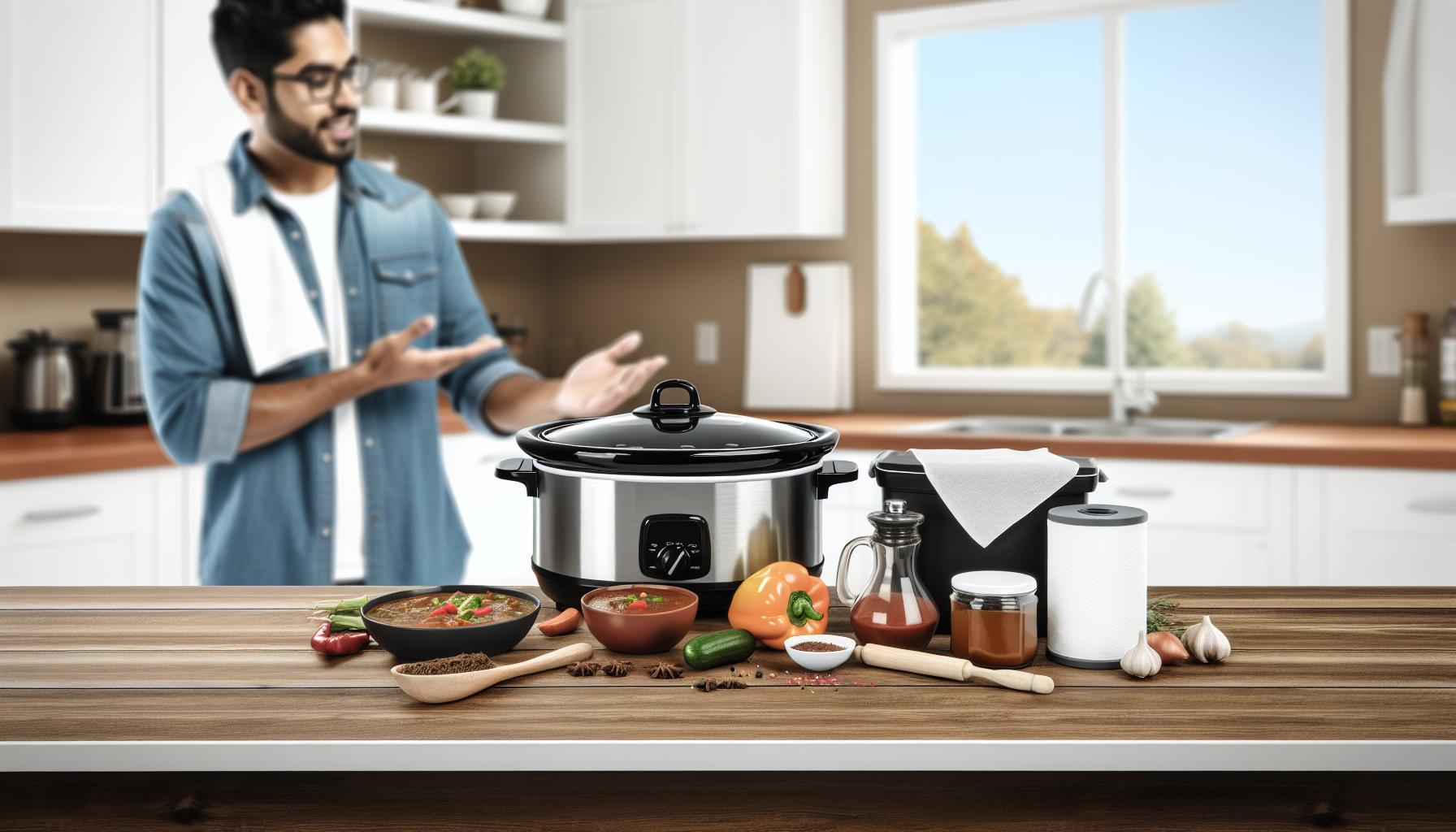
Nothing beats coming home to a house filled with warm, slow-cooked aromas-and knowing that cleanup won’t steal your evening. Slow cooker liners are the secret weapon that makes this possible. whether you’re simmering a hearty beef stew or a comforting butternut squash chili,liners turn dreaded pots full of sticky,baked-on mess into smooth,swift cleanup moments. Think of them as your kitchen’s behind-the-scenes superheroes, letting you savor every bite without fearing the scrubbing marathon that usually follows.
One of the standout perks is how liners save you precious minutes-and sanity. After hours of slow simmering, your ceramic crockpot insert is typically a stickiness nightmare that demands careful soaking and elbow grease. But when you cook with a liner? Simply lift out the bag, toss it, and wipe the pot. Instant sparkly clean! this is a game-changer especially for busy folks juggling dietary needs like paleo or gluten-free, where keeping your slow cooker spotless prevents cross-contamination and keeps flavors pure.Plus, less scrubbing means less wear and tear on your slow cooker pot, so it stays looking fresh-even if you’re experimenting with bold, spicy sauces that can stain.
More Reasons to Embrace Liners Every Time
- Flexibility in Cooking: From gelatin-rich bone broths to creamy desserts like cobblers, liners handle varying textures without mess.
- Food Safety: Liners reduce the risk of lingering allergens or flavors sticking around, ideal when switching between gluten-free or paleo recipes.
- Effortless Portioning: Make meal prepping easier by removing liners to store food directly in the fridge or freezer,limiting dirty containers.
- Encourages Culinary Creativity: Knowing cleanup is a breeze frees you to try new ingredients and mix bold spices-no worries about leftover stains.
From personal experience, trying a slow cooker liner felt like a small upgrade with huge returns. I recall one Sunday when I whipped up a rich paleo chicken curry with a spicy kick. Without liner protection, scrubbing the ceramic insert might have stolen precious Netflix time that night. But with liners, I was done in minutes and free to cozy up with zero kitchen guilt. So if you want to spend less time with sponges and more time savoring food and family, slow cooker liners are a genuinely practical, low-effort step to elevate your cooking routine.
Step-by-Step Guide to Using Liners Like a Pro
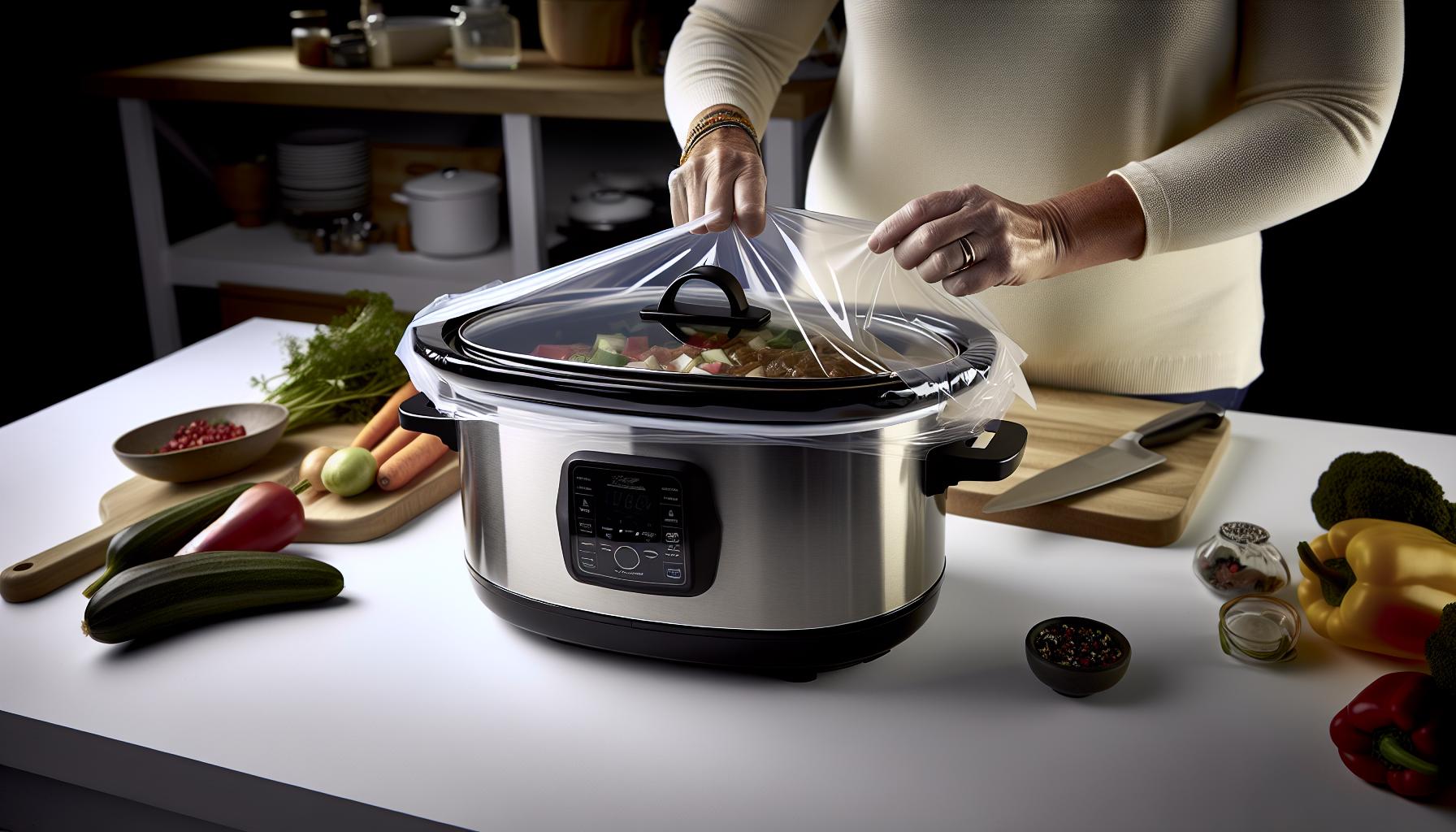
Cooking with slow cooker liners is one of those simple kitchen hacks that transforms a potentially tedious cleanup into a five-minute breeze. Once you get the hang of lining your crockpot properly, you’ll find yourself reaching for liners even on your busiest days-because who couldn’t use a little extra time to relax instead of scrubbing? The key lies in prepping your slow cooker with a few thoughtful steps that’ll make each meal feed your soul without taxing your evening.
Start by choosing a liner that fits your slow cooker snugly-most come in standard or universal sizes, but a well-fitted liner means less risk of slipping or uneven cooking. before adding your ingredients, give the liner a quick spray with a cooking oil or gently rub it with a bit of butter. This little trick ensures food won’t stick,especially if you’re simmering a thicker,sauce-heavy meal like a creamy paleo chicken curry or a rich gluten-free chili.
Easy Steps to Line Like a Pro
- Place your Liner Carefully: Unfold it fully to cover the whole insert,pressing it down into the corners just like wrapping a gift-no wrinkles or folds that might trap food.
- Secure and Trim Excess: If the liner is too long, fold or trim the edges to prevent excess from hanging over; this keeps it steady and avoids heat interference with the lid.
- Add Ingredients as Usual: Layer your ingredients right into the liner-no need to adjust timing or recipe amounts since liners are ultra-thin and heat penetrates the same.
- Cook Without worry: Cover with your slow cooker lid, set your timer, and walk away knowing the liner’s got cleanup covered.
- Cool and Lift: Once cooking is done,give it a few minutes to cool slightly (no rush to dump boiling hot stuff). Then lift the liner out gently-remember, it’ll be full, so use both hands or a spatula to support the bottom.
- Toss and Wipe: Dispose of the liner and give your insert a quick wipe with a damp cloth. No scrubbing necessary, and you’re done!
For those of you juggling paleo or gluten-free meal plans, liners not only save time but also protect against cross-contamination.I once prepped a batch of bone broth, followed by a sweet potato cobbler, all in the same crockpot but with fresh liners each time.The flavors stayed distinct and pure, making home cooking both safer and more exciting.
Pro tip: Store a box of liners near your slow cooker or inside a kitchen drawer dedicated to meal-prep essentials. When you’re rushing through breakfast prep or tossing together Sunday’s dinner, having liners on hand feels like having a little sous-chef by your side. It’s comfort food-minus the cleanup stress and with all the flavor freedom you want!

Best slow Cooker Liner Materials for Easy Cleanup
If you’ve ever spent more time scrubbing your slow cooker pot than enjoying the meal itself, picking the right material for your slow cooker liner can feel like a total game-changer.Not all liners are created equal-some cling too tightly, others risk melting, and a few can even interfere with cooking times. Let’s explore the slow cooker liner materials that turn cleanup into a snap and keep your meals tasting top-notch, whether you’re whipping up a hearty gluten-free stew or a cozy paleo chicken casserole.
Most slow cooker liners are made from reliable and food-safe polyethylene, a type of plastic that’s designed to hold up under low, moist heat without leaching chemicals or tearing. These liners are ultra-thin yet tough enough to trap flavors and juices inside, while letting heat pass through efficiently-meaning your dishes cook evenly and your cleanup chore shrinks. For those who want a little extra durability, some liners come quilted or reinforced with mesh fibers for extra resistance to punctures from sharp bones or utensils. I personally like these sturdier types when making ribs or bone-in cuts, as nothing bursts my dinner bubble faster than a liner accident!
If you prefer an eco-friendly twist, some brands now offer biodegradable liners made from plant-based materials like cornstarch or cellulose. These do a fine job in terms of performance and are great for the conscious cook looking to reduce plastic waste. Just keep in mind-even biodegradable liners need to match your slow cooker’s size snugly and aren’t as heat tough as polyethylene, so avoid super-long cook times or extremely thick sauces that might risk breakdown. Using a little extra cooking spray on the liner surface will always help with sticking-especially with paleo recipes that love rich fats and spices.
Quick guide to Choosing the Right Liner Material
- Standard Polyethylene: Best for everyday slow-cooked stews,soups,and casseroles. Easy on your wallet and usually compatible across most slow cooker brands.
- Reinforced liners: Ideal for heavy meals with sharp bones or thick cuts. Durable, puncture-resistant, and perfect if you like BBQ ribs or bone broth batches.
- Biodegradable Liners: The conscious choice for eco-warriors. Works well but treat gently-best for meals under 6 hours and medium sauces.
| Material Type | Heat resistance | Durability | Eco-Friendliness | Ideal Use |
|---|---|---|---|---|
| Polyethylene (Standard) | Up to 400°F | Moderate | Low (plastic-based) | Daily slow cook meals with moderate sauces |
| Reinforced/Mesh-Enhanced | Up to 400°F | High | Low (plastic-based) | Bone-in cuts, ribs, thick/greasy dishes |
| Biodegradable (Plant-Based) | Up to 375°F | Moderate-Low | High (compostable) | Light to medium dishes, eco-conscious cooks |
In my experience, starting with a trusty standard polyethylene liner keeps things simple and reliable as you get the hang of using liners. Once you’re comfortable, experimenting with reinforced options can give you peace of mind on those messy, flavor-packed build-ups. and if you’re anything like me, a sprinkle of humor with your house cleaning, you’ll appreciate the ease that any quality liner material brings-turning your slow cooker into a best friend who cleans as well as it cooks. No scrubbing required, just deliciousness served up with less fuss.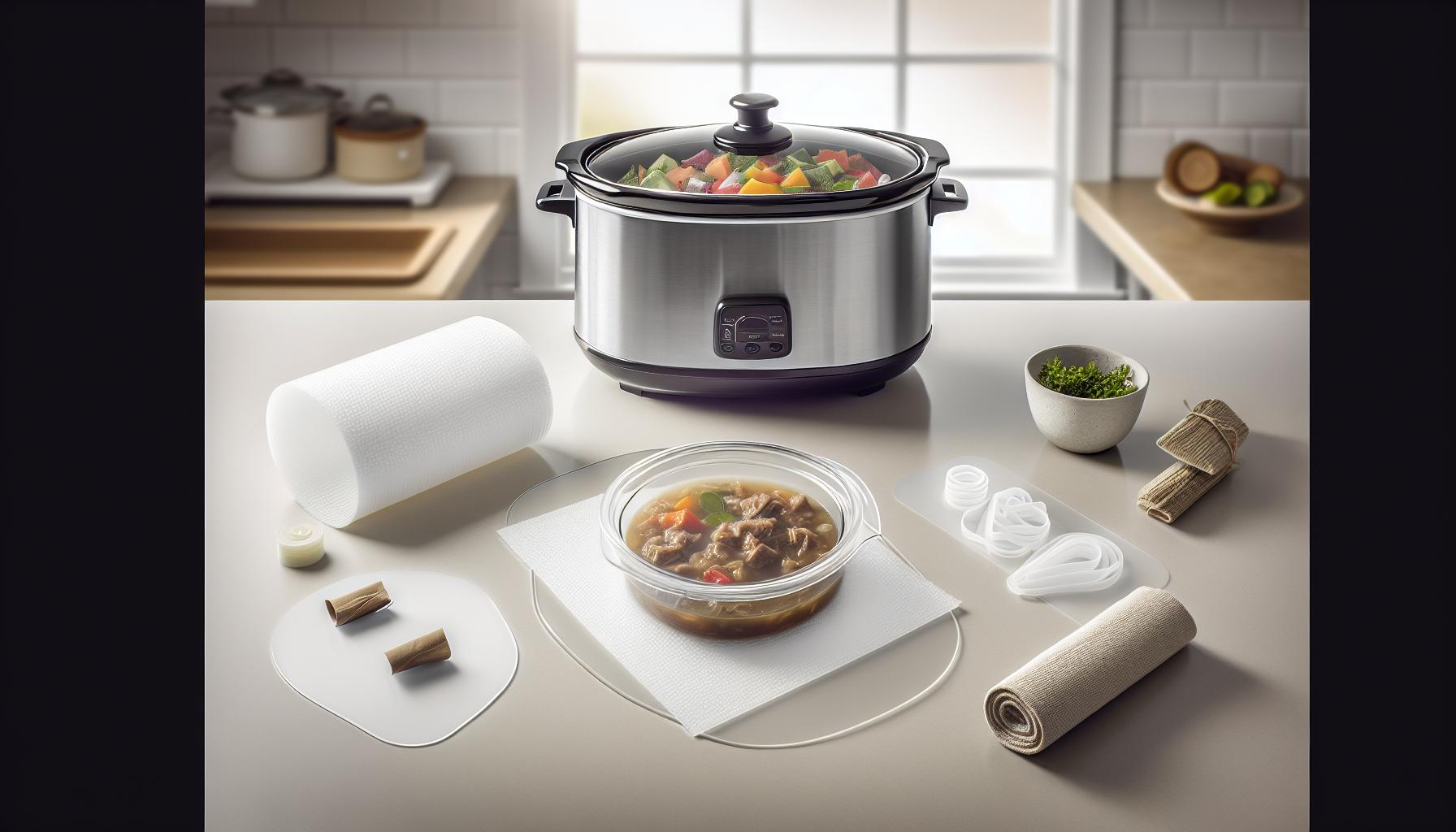
Are Slow Cooker Liners Safe? What You Need to Know
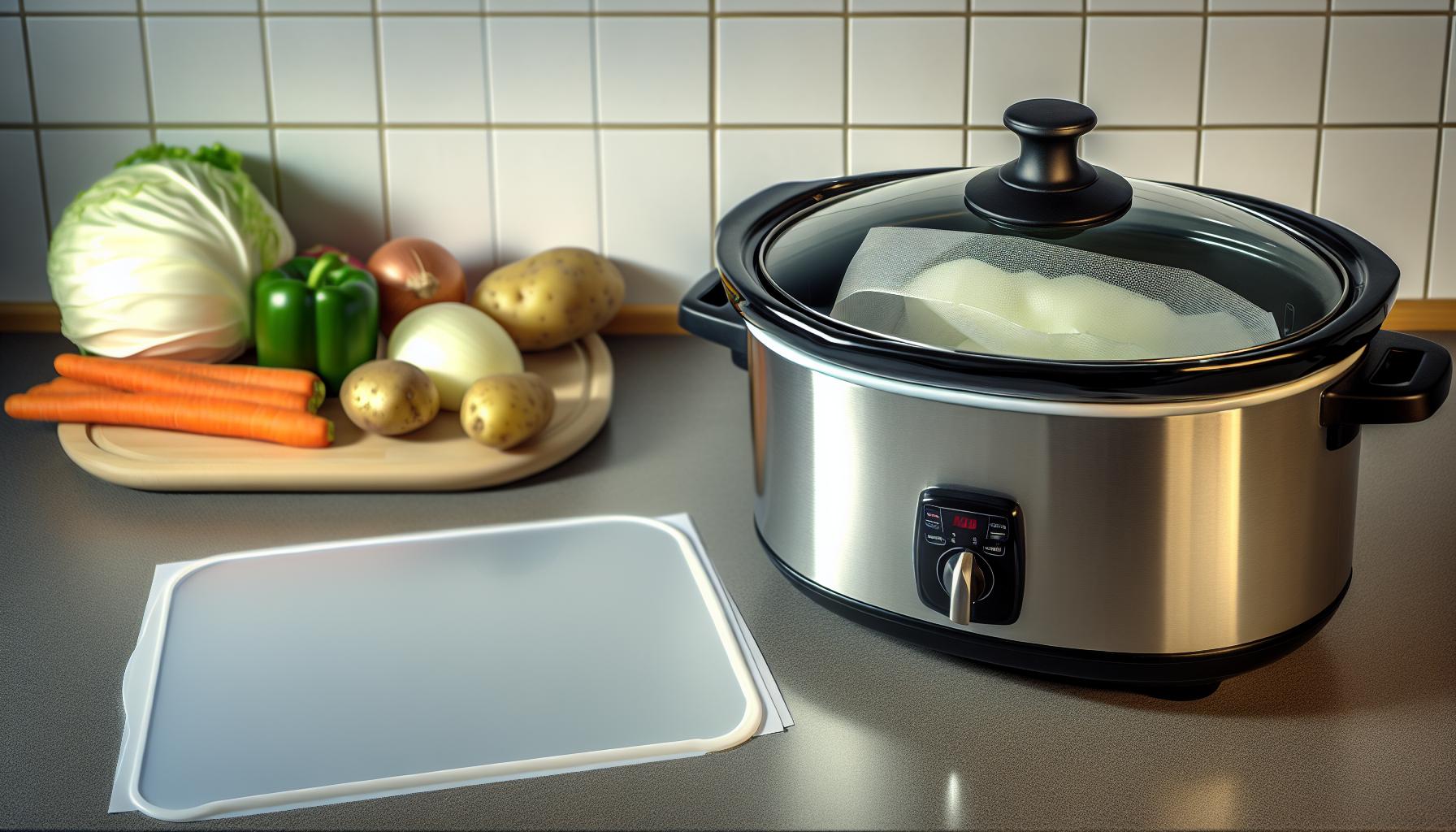
It’s completely natural to wonder whether those thin, flexible liners are actually safe to use around your slow cooker’s low, steady heat. After all, you want your meals to be free from any chemical drama and fully wholesome-especially if you’re cooking up paleo-friendly stews or gluten-free casseroles for your family. Fortunately, most slow cooker liners are made from food-grade polyethylene, a plastic specially designed to stand up to gentle heat without melting, releasing harmful substances, or altering your food’s flavor. Polyethylene liners are crafted to be heat-resistant up to about 400°F,which covers the typical slow cooker temperature range comfortably,making them a trustworthy kitchen sidekick.
That said, safety isn’t just about the liner material-it’s also about using them as intended. That means picking liners that snugly fit your slow cooker’s pot, avoiding temperatures or cooking durations well beyond the recommended limits, and steering clear of high oven broiling or direct flame contact. For example, I’ve found that leaving a biodegradable liner in for ultra-long cooks or super-thick sauces sometimes leads to slight weakening or tearing, which might allow juices to sneak through and make cleanup messier than expected. On the flip side, regular polyethylene liners have proven resilient even in fatty, spice-rich paleo dishes, especially when lightly coated with spray oil to prevent sticking.
Tips for Using Liners Safely
- Choose the right liner for your meal: Biodegradable liners are great for shorter cooks with lighter sauces, while reinforced polyethylene handles meaty ribs and bone-in dishes better.
- Avoid overheating: Never use liners in ovens or on stovetops; keep them in the slow cooker only, within the recommended temperature range.
- Test fit before filling: A liner that’s too tight or too loose can cause uneven cooking or tearing,so make sure it fits your pot snugly without stress.
- Don’t reuse disposable liners: While it might be tempting, single-use liners are designed for one meal to avoid bacterial buildup and maintain food safety.
From my own kitchen experiments, liners almost magically cut down the dreaded post-cook scrubbing, freeing up time to enjoy those cozy comfort meals instead of lingering over the sink. The peace of mind knowing that the liner won’t leach chemicals or jeopardize your gluten-free chili or paleo chicken tagine often makes these liners my unsung kitchen heroes. Of course,if you’re someone who loves DIY,some cooks opt for reusable silicone liners,which offer excellent safety and durability but come with cleanup of their own.
Creative Tips for Reusing and Disposing Slow Cooker Liners
Most slow cooker liners are designed as single-use helpers, but that doesn’t mean they have to go straight from your pot to the trash without a little extra thought. For the eco-conscious cook or anyone who appreciates squeezing out a bit more value, there are clever ways to handle used liners that honor both practicality and the planet. Even if you’re diving into a paleo-friendly stew or a savory gluten-free casserole, these liners often come spotless (or nearly so), which opens up a few second acts before they retire.
If your liner is only lightly soiled-think a batch of roasted veggies or a broth-heavy cook-consider washing it gently and reusing it one more time, especially if it’s made from sturdier polyethylene. This isn’t about pushing single-use to unsafe limits but about recognizing when a quick rinse and dry can extend a liner’s life safely. I once found that lightly greased liners held up for a couple of cooks with delicate meals like Mediterranean chicken thighs. Just keep an eye out for tiny tears or thinning areas, which are your clue to say goodbye.
When it comes time to part ways, disposal can feel a little tricky given the types of plastics involved. Most polyethylene liners are not biodegradable and shouldn’t go in your compost bin, but your local recycling program might accept them if they specify thin plastics. Otherwise, folding and bagging them to minimize plastic waste is the way to go. For cooks who want to ditch landfill-bound waste entirely, biodegradable liner options offer a compost-friendly choice, though they require mindful use – they’re better for quicker, less messy meals to avoid premature breakdown during cooking.
Extra Kitchen Tricks to Reduce Waste and Boost Reuse
- Wrap garlic or herbs: After cooking,clean liners make handy little pouches to hold fresh herbs or smashed garlic in the fridge,keeping your cutting board clutter down.
- Protect baking trays: Use a cleaned slow cooker liner as a disposable cover on your baking sheet when roasting sticky or sugary desserts to catch drips and simplify cleanup.
- Craft a seedling nursery: For garden lovers, cut and fold liners into mini plant holders-they’re perfect for starting seeds indoors before transplanting.
The big takeaway? Each liner isn’t just a quick cleanup hack-it can also be a small ingredient in a smarter, more lasting kitchen rythm. By giving a second life where it makes sense or disposing thoughtfully, you keep your cooking space tidy while doing a little good for the surroundings. plus, that extra bit of care fits perfectly with making paleo and gluten-free cooking easy, joyful, and low-fuss.Cleaning up shouldn’t steal the spotlight from what matters most-enjoying the food and the people around your table.
How Liners Save Time and Spice Up Meal Prep
There’s something almost magical about walking into the kitchen knowing you can just toss ingredients into the slow cooker, press start, and forget about it-until it’s time to serve a hot, delicious meal. Slow cooker liners turbocharge this magic by eliminating one of the least-loved steps: scrubbing that stubborn, baked-on residue. Imagine dialing down your cleanup time from a dreaded half-hour to a couple of effortless minutes. For anyone juggling work, family, or just the relentless dance of everyday life, that’s a game changer.
Beyond saving time, liners breathe new life into meal prep by letting you get creative with flavors and layering without worrying about tough cleanup. Want to experiment with a tangy paleo-friendly tomato stew or a gluten-free curry bursting with spices? Slap a liner in the pot, and you’re free to toss in aromatic herbs or marinated meats without hesitation. Because you’re not scrubbing burnt edges later, you might even feel a bit bolder, tossing in extra garlic or a splash of coconut aminos for that savory umami punch. I’ve lost count of how many times I’ve forgotten to season something extra, only to add it last minute because the liner lets me tweak without extra fuss.
Simple Steps to Maximize Your Slow Cooker Liners
- Prep like a pro: Place the liner in your slow cooker and sprinkle a tiny bit of oil or cooking spray to help prevent sticking,especially with lean proteins or sticky sauces.
- Layer wisely: Put root veggies on the bottom to create a natural barrier against any heat hotspots-this also helps your meal cook more evenly.
- Cook confidently: Add your seasoned proteins, sauces, and spices right on top. The liner keeps everything contained, so flavors meld beautifully without risking a burnt-on mess.
- Easy cleanup: When you’re done, let the liner cool slightly, lift it out by the edges, and toss it away or rinse gently if you’re reusing. Your slow cooker pot remains pristine-no scrubbing required!
Using liners also opens doors to practical meal prep hacks. For example, you can batch cook multiple meals without worrying about flavor crossover or soaking your slow cooker between uses. It’s a blessing for those who meal prep gluten-free or paleo dishes and want to keep flavors pure and pots spotless. Plus, liners help keep your crockpot looking brand new, extending its lifespan-a little kitchen love that pays off over time.
In the grand scheme of cooking, these liners aren’t just about convenience; they’re about freeing up mental space to get creative and enjoy the process. When you’re not sweating the mess, you can focus more on crafting delicious recipes, whether it’s an easy weeknight pork roast or a slow-simmered bone broth packed with nutrients. It’s the kind of kitchen companion that quietly changes your cooking game-once you start, you’ll wonder how you ever managed without it.
Comparing Slow Cooker Liners vs Traditional Cleanup
Few things are as satisfying as pulling together a delicious slow-cooked meal and knowing that cleanup won’t turn your kitchen into a battlefield.Comparing the use of slow cooker liners against the traditional cleanup grind might just convince you to keep a pack of liners handy-especially when you’re juggling busy schedules or experimenting with bold paleo or gluten-free recipes.
Traditional cleanup usually means soaking the ceramic insert, scrubbing stubborn baked-on bits, and sometimes even resorting to abrasive sponges or cleaners that can dull the finish over time. It’s not just tedious-it can discourage some from using their slow cookers as often as they’d like. On the other hand, slow cooker liners create a barrier between your food and the pot, drastically reducing the mess you face after mealtime. Instead of scrubbing, you’re often just peeling out one flexible, grease-resistant bag-a quick, almost magical transformation from sticky stew remnants to a clean pot ready for next use.
Practical Insights from the Trenches
- Time Saved: liners shrink your cleanup routine from 20-30 minutes of scrubbing to a few minutes of tossing. It’s a blessing when you’re meal prepping multiple slow cooker batches or on a hectic weekday evening.
- Flavor Integrity: if you’re cooking lots of different meals-think rich curries then delicate poultry dishes-liners prevent flavor contamination.No odd “leftover curry” hints sneaking into your next roast.
- Pot Longevity: Constant scrubbing can wear out your slow cooker’s insert. Liners act like a gentle shield, helping that coveted ceramic coating stay smooth, glossy, and intact for years.
- Eco Considerations: While liners are frequently enough single-use, many brands now feature recyclable or biodegradable options.For those who prefer minimal waste,occasional use paired with gentle rinsing and reuse can be a happy medium.
When Traditional cleanup Makes Sense
Sometimes, skipping the liner is just fine-especially if you’re making recipes where you want to develop a nice caramelized layer on the pot base for flavor or don’t mind a little elbow grease. Also,if you’re in a pinch or just craving the familiarity of your slow cooker’s natural seasoning developing over time,traditional cleanup has its place. Just keep a good non-scratch sponge and baking soda handy for soaking tough spots without damaging your pot.
In my kitchen, liners have made gluten-free stews and paleo roasts effortless. I remember one time tossing in a spicy chipotle chicken with tons of garlic and veggies, then pulling out the liner that evening for a near-spotless pot. It was like a little gift to myself at the end of a busy day. Meanwhile, traditional cleanup early in my slow cooker life meant late-night scrubbing that left me wishing for a simpler way.
Whichever route you take, the choice boils down to your lifestyle rhythm and cooking style. Liners bring speedy, no-fuss cleanup that plays well with adventurous recipes and busy lives, while traditional methods connect you to the deeper ritual of cooking care. Either way, your slow cooker remains the MVP for wholesome, effortlessly flavorful meals.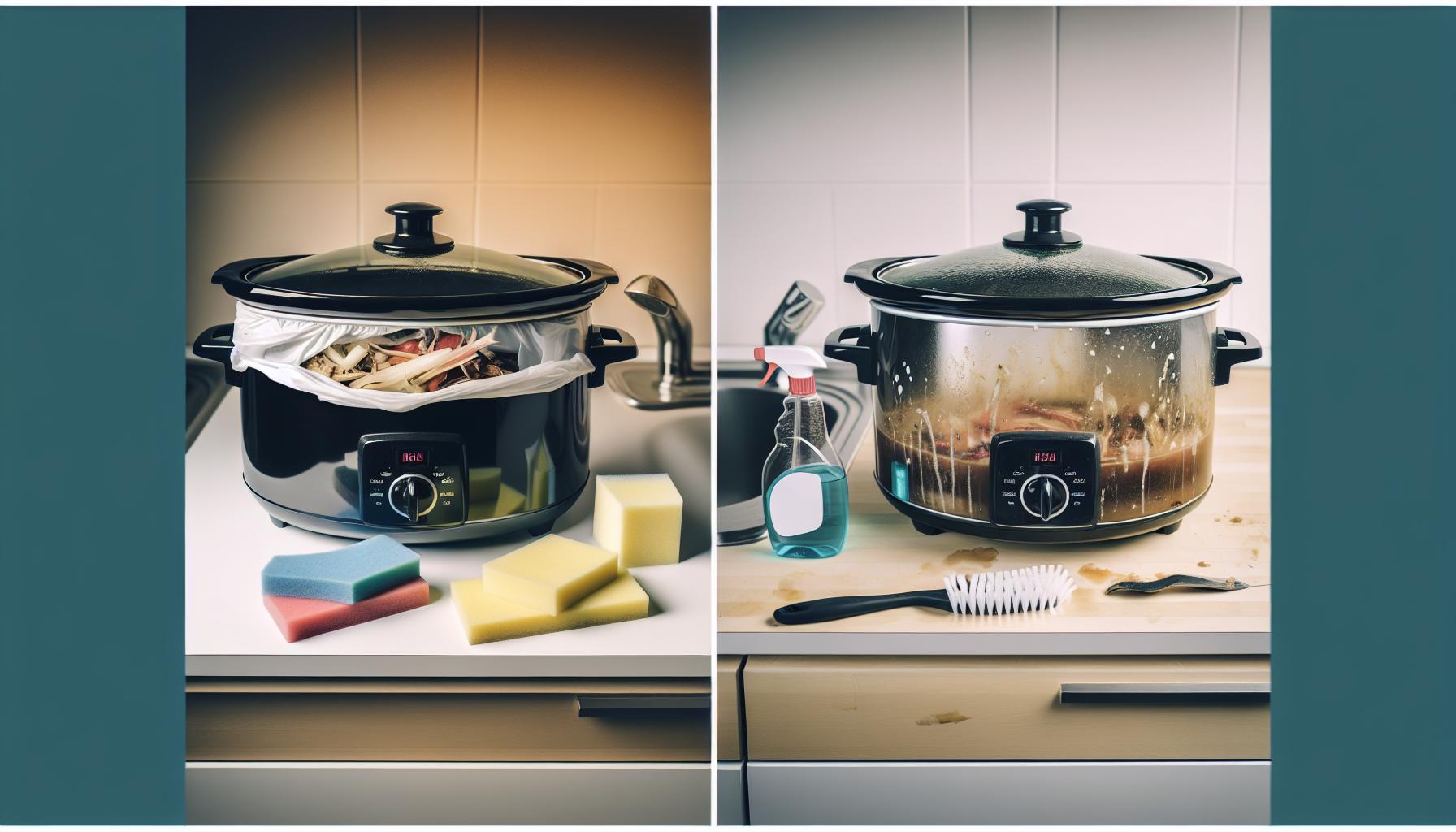
customer favorites: Most Reliable Slow Cooker Liners
Few kitchen helpers bring as much relief at cleanup time as a reliable slow cooker liner. After all, the last thing anyone wants is to wrestle with stubborn stew residue at the end of a long day. Over the years of trying various brands and styles, I’ve found certain liners consistently earn top marks from home cooks juggling busy schedules and bold recipes alike-whether you’re deep into paleo, gluten-free, or just craving less mess.
If you’re hunting for liners that combine durability with ease, brands like Dura-Liner and Reynolds Slow Cooker Liners frequently enough top customer wish lists.These liners are beloved for their thick, cut-resistant material and dependable fit, which means no accidental spillage or tearing during cooking. Plus, they’re wide and flexible enough to fit a slew of slow cooker sizes, so swapping between household units is a breeze. A few lines in their favor:
- Dura-Liner: Known for durable, BPA-free plastic that can handle rich stews and spicy paleo recipes without breaking down or leaking.
- Reynolds slow Cooker Liners: Basic but highly accessible liners, perfect for daily family meals with minimal fuss and easy disposal.
- SaveGreen Reusable Liners: for the eco-conscious, these silicone options bring reusability to the table, saving money and waste while standing up to heat and stickiness.
What makes These Liners Fan Favorites?
From personal experience, the liners that blend sturdiness with a non-stick finish really make a difference. As an example, when crafting a garlicky, slow-braised lamb shank (a favorite paleo dinner), the liner saved me from unplanned evening scrubbing.Instead of soaking and scrubbing the insert for half an hour, I simply lifted out the liner and tossed it. The pot underneath looked nearly brand-new. For gluten-free cooks, this means no cross-flavor contamination when switching from one meal to the next-invaluable when flavor clarity really counts.One insider tip: liners with longer ties or elastic edges reduce the need to fuss with tucking awkward corners under the rim, streamlining both prep and serving. It’s a small detail, but on a busy weeknight, every second counts. Also, keep an eye on liner thickness-the thicker, the better for cooking dishes with dense sauces or heavier ingredients.
Quick Reference: Pick the right Liner for Your Cooking Style
| Brand/Type | Best For | Material | Eco Factor | Price Range |
|---|---|---|---|---|
| Dura-Liner | Hearty meals, heavy sauces (paleo, gluten-free) | Thick plastic, BPA-free | Single-use, recyclable | Mid-range |
| Reynolds Slow Cooker Liners | Everyday family dinners | Standard plastic | Single-use | Budget-friendly |
| SaveGreen Reusable Silicone liners | Eco-friendly, frequent users | Silicone | Reusable, long-lasting | Higher upfront, saves over time |
Trying out different liners ultimately depends on your style of cooking and cleanup mindset-but having at least one trusted brand in your pantry changes the slow cooker game.Whether you’re racing the clock on weeknight dinners or treating yourself to long-simmered comfort food,a liner that holds up under pressure is nothing short of a kitchen win. And honestly,who doesn’t want meal prep that feels like less work and more joy?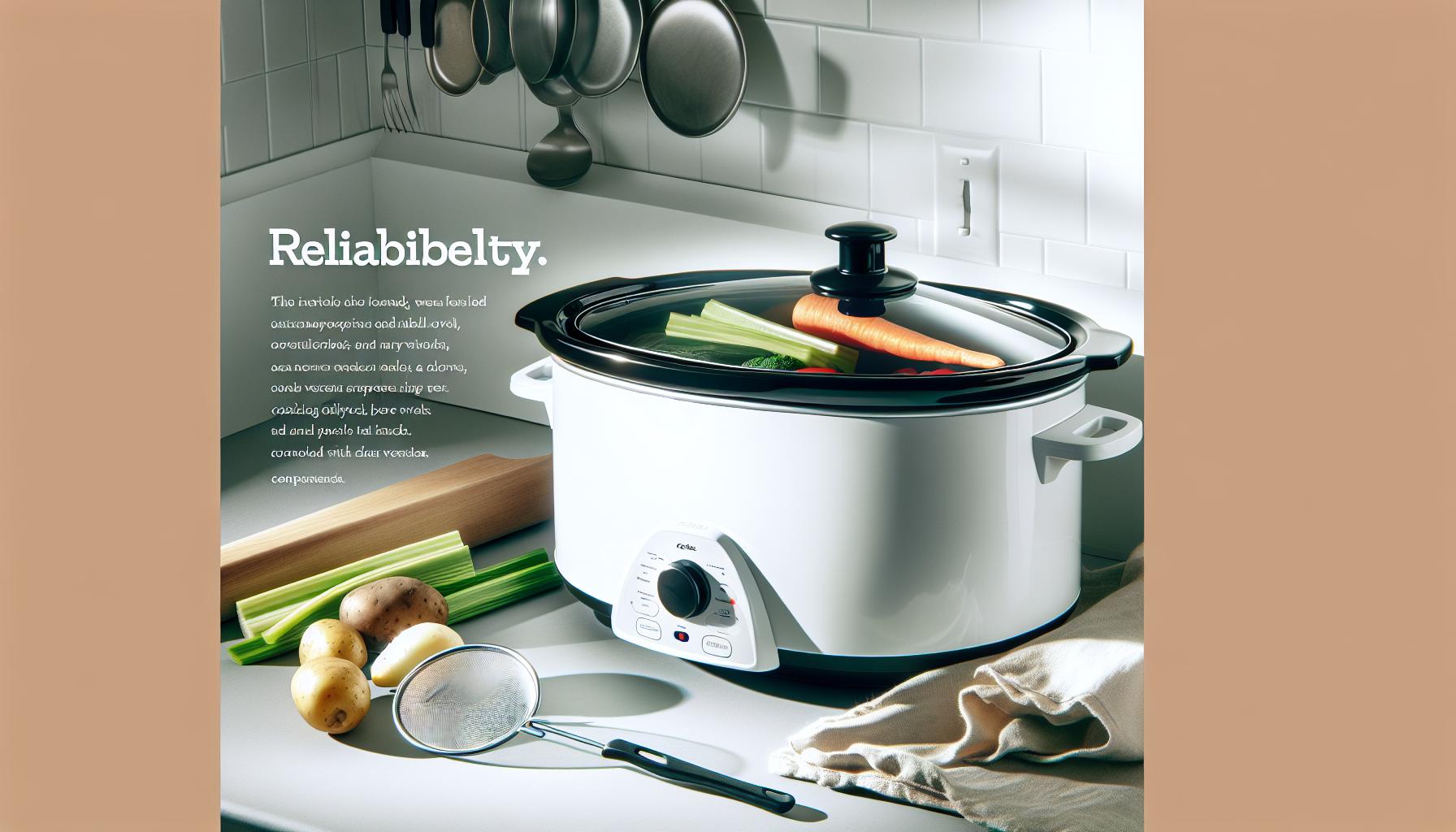
Troubleshooting Common Slow Cooker Liner Problems
Sometimes even the best slow cooker liners throw a curveball in the kitchen. Whether you’re a seasoned slow-cooker master or a newbie eager to simplify dinner nights, small setbacks can sneak in. Maybe the liner tears mid-cook, or it sticks stubbornly to your favorite pot, making you wonder if all the hype was just wishful thinking. Fear not-these hiccups are more common than you think and totally fixable with a few kitchen-tested tricks.
One of the most frequent culprits behind tearing is using liners that are too thin or not quite designed for your slow cooker’s size or shape. For example, a small liner stretched tightly over a large insert is begging for trouble. To avoid this, always pick liners labeled for your slow cooker size, and when in doubt, go for thicker ones like Dura-Liner, especially if you’re simmering dense, saucy dishes like chili or paleo stews. It’s like giving your meal a snug, protective sleeping bag rather than a flimsy sheet. Also, resist the urge to stuff large, rough ingredients against the liner’s walls-think big chunks of meat or thick, fibrous veggies-and consider layering them gently to reduce strain.
Sometimes liners stick despite best efforts, especially with sugary sauces that caramelize during the long cook. Here’s a kitchen hack I swear by: lightly spritz the liner with cooking spray or brush a thin layer of oil before adding ingredients.This extra slick layer helps keep things sliding off smoothly, saving you from the world’s worst post-meal scrubbing. And if sticking still happens? Warm water soak after cooking usually does the trick, loosening residues before you toss the liner away or clean your insert.
Lastly, if you’re trying to stretch a single-use liner through multiple meals or experimenting with SaveGreen silicone liners, keep in mind that reusability comes with extra care. avoid cutting or folding them aggressively, and wash gently with mild soap to keep their non-stick magic alive. Over time,even the best liners can lose their charm,so it’s perfectly fine to replace them when they show wear or weak spots.think of liners as your gentle sous-chefs-give them a little TLC, and they’ll keep your slow cooker deliveries smooth, stress-free, and mess-minimized.
Quick Tips to Avoid Liner Lovelorn moments
- Match liner size to your slow cooker: No stretching thin is worth the split risk.
- Pre-oil or spray liners: A slick surface is a happy liner.
- Layer ingredients thoughtfully: Keep heavy or jagged pieces away from liner edges.
- Use thicker liners for heavy sauces: More durability means less chance of damage.
- Handle reusable liners with care: Gentle washing and avoid cutting to prolong life.
With a little mindful prep and these practical pointers, liners become your best kitchen friends rather than kitchen headaches-turning slow cooking from “ugh, cleanup” into “ah, effortless.” Keep experimenting, celebrate the wins (and liner life hacks), and enjoy meals that taste as good as they clean up.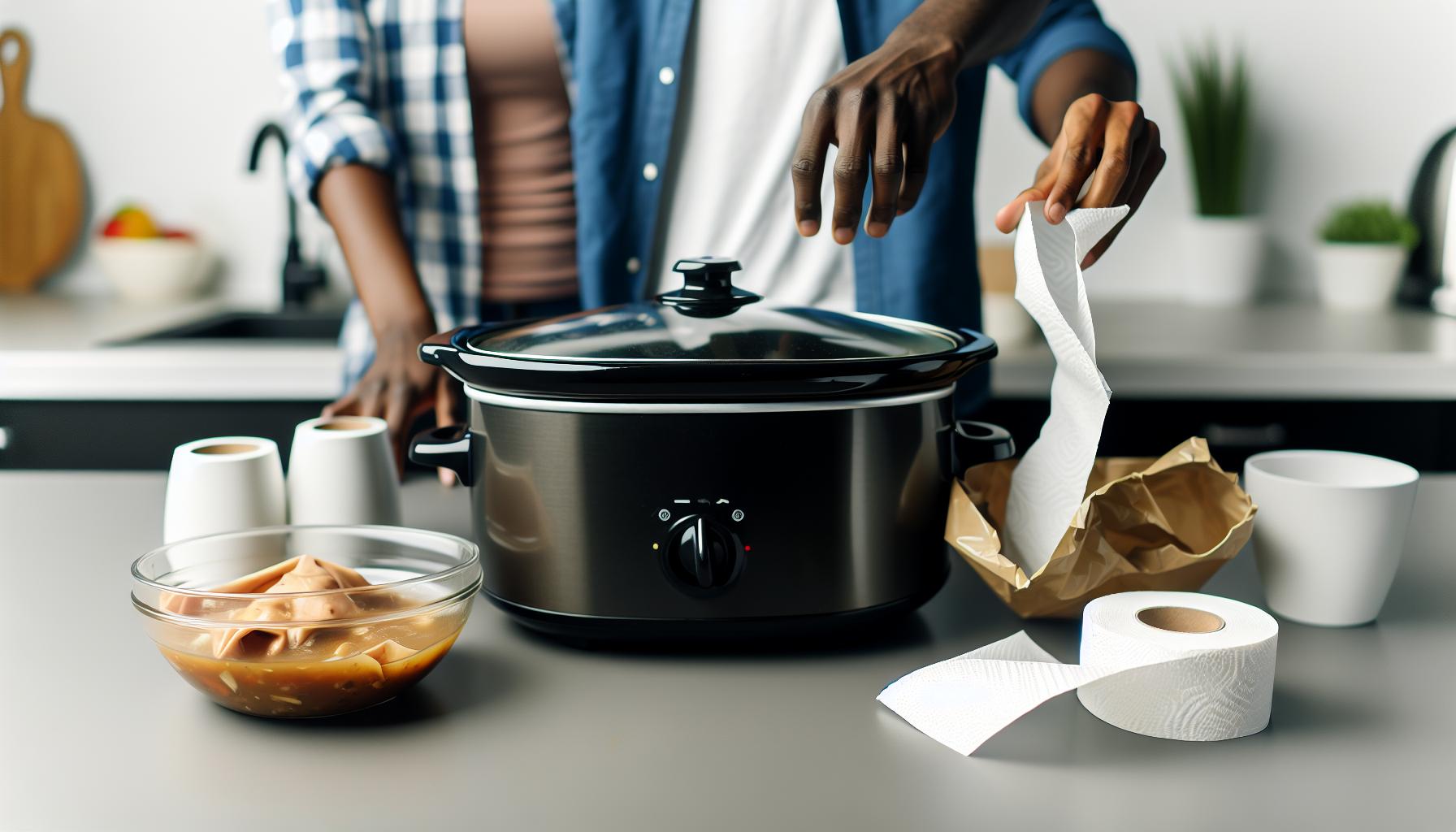
Frequently Asked Questions
Q: How do slow cooker liners help prevent burnt food?
A: Slow cooker liners create a non-stick barrier between your food and the pot, which helps distribute heat evenly and prevents food from burning or sticking to the sides. This saves time on scrubbing and keeps your meals perfectly cooked. For detailed tips, see the troubleshooting Common Slow Cooker Liner Problems section.
Q: can I use slow cooker liners with all types of crockpots?
A: Yes, most slow cooker liners are designed to fit standard ceramic or insert pots in a variety of brands and sizes. Always check liner size compatibility to ensure a snug fit and optimal cleanup. Refer to Best Slow Cooker Liner Materials for Easy Cleanup for sizing advice.
Q: Are slow cooker liners safe to use with acidic foods like tomatoes?
A: Slow cooker liners made from food-grade,heat-resistant materials are safe with acidic ingredients like tomatoes or citrus.They prevent the acid from reacting with your crockpot surface, protecting flavor and pot integrity. For more safety details,visit Are Slow Cooker Liners Safe? What You Need to Know.
Q: How do slow cooker liners affect cooking times and temperature?
A: slow cooker liners do not significantly alter cooking times or temperatures as they are thin and heat-conductive. Use your usual settings confidently, knowing liners primarily ease cleanup while maintaining your recipe’s cooking consistency.
Q: Can I reuse a slow cooker liner more than once?
A: Generally,slow cooker liners are designed for single use only to maintain hygiene and prevent contamination.However, some durable liners may allow gentle reuse if cleaned carefully. Check Creative Tips for Reusing and Disposing Slow Cooker Liners for practical guidance.
Q: What environmental impact do slow cooker liners have, and are there eco-friendly options?
A: Most liners are disposable and made from plastic, which can raise environmental concerns. Eco-friendly liners made from biodegradable or compostable materials are emerging, offering convenient cleanup with less waste. Explore disposal tips in Creative Tips for Reusing and Disposing Slow Cooker Liners.
Q: When should I avoid using a slow cooker liner in my recipes?
A: avoid liners when cooking recipes that require direct browning or searing in the pot, as liners prevent heat contact needed for caramelization.Also, skip liners if your crockpot’s instructions advise against them to maintain warranty and safety.
Q: How do slow cooker liners improve meal prep beyond cleanup?
A: Liners help with quick meal prep by allowing you to marinate or layer ingredients directly in the liner, saving time and keeping flavors contained. This smart step boosts efficiency and reduces kitchen mess. See How Liners Save Time and Spice Up meal Prep for clever ideas.
For a deeper dive into slow cooker liners and pro tips, check out our full guide sections and happy slow cooking!
To Conclude
Using a slow cooker liner truly transforms cleanup from a dreaded chore into a quick, hassle-free step-perfect for busy home cooks who crave delicious, no-fuss meals. Whether you’re crafting a gluten-free stew or a paleo-friendly chili, these liners save time and preserve your slow cooker’s lifespan, making every recipe feel effortless and enjoyable.Ready to simplify your cooking routine? try one today and experience that “set it and forget it” magic without the scrubbing!
If you loved learning about slow cooker liners, don’t miss our guides on easy paleo slow cooker recipes and tips for gluten-free meal prep-perfect next stops for kitchen inspiration. Got questions or your own liner hacks? Drop a comment below or share your favorite busy-weeknight recipes with our community. For even more convenience, sign up for our newsletter and get exclusive tips, product recommendations, and tasty weeknight ideas delivered straight to your inbox.
Remember, using slow cooker liners is a simple trick that boosts flavor, cuts cleanup time, and keeps your slow cooker in perfect shape-ideal for home cooks who want nutritious meals without the stress. dive into this game-changing tool now and turn your slow cooker into the ultimate kitchen sidekick!
Get our latest guides, news, and insights highlighted in your Google Search & AI Overviews.