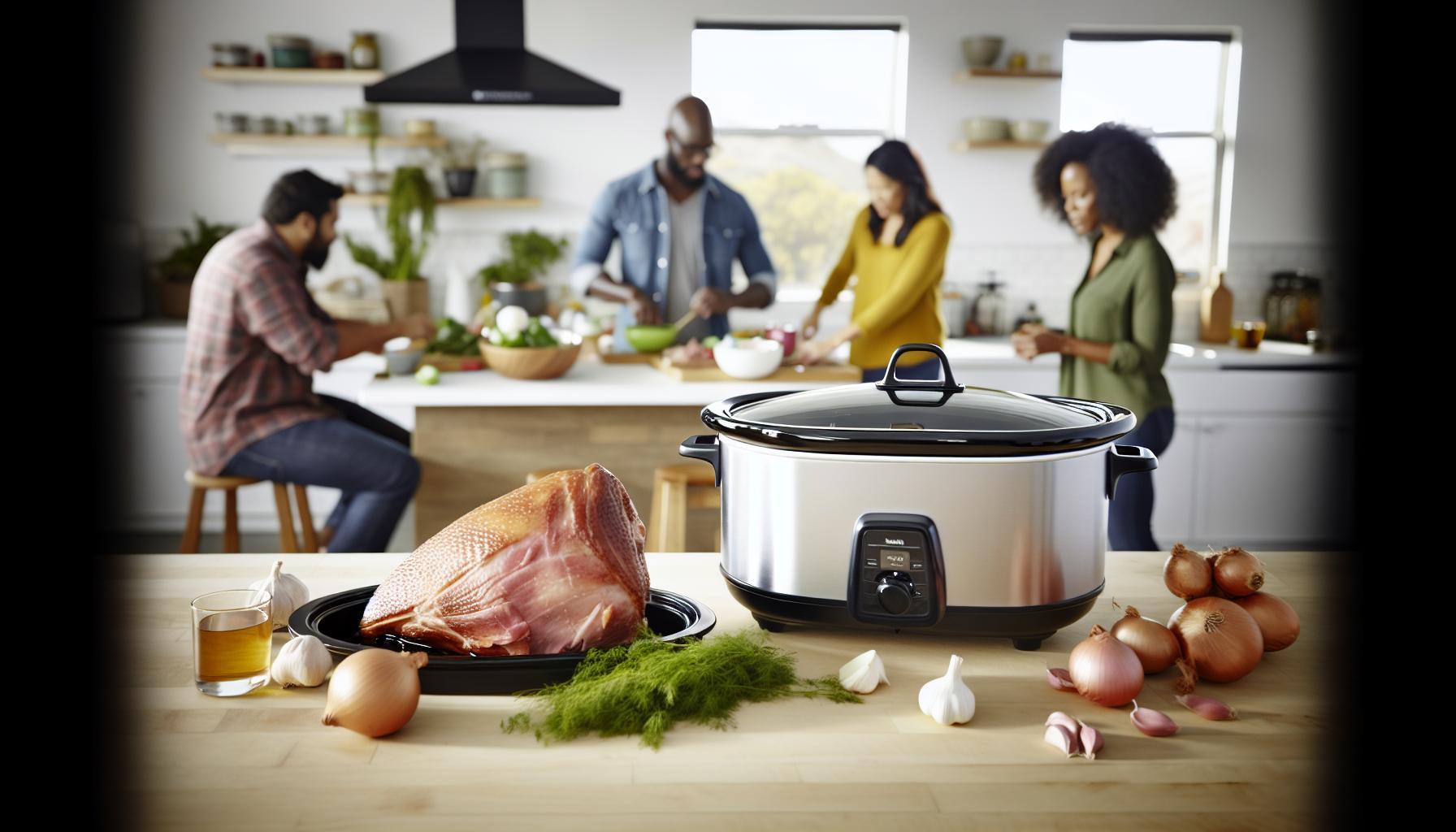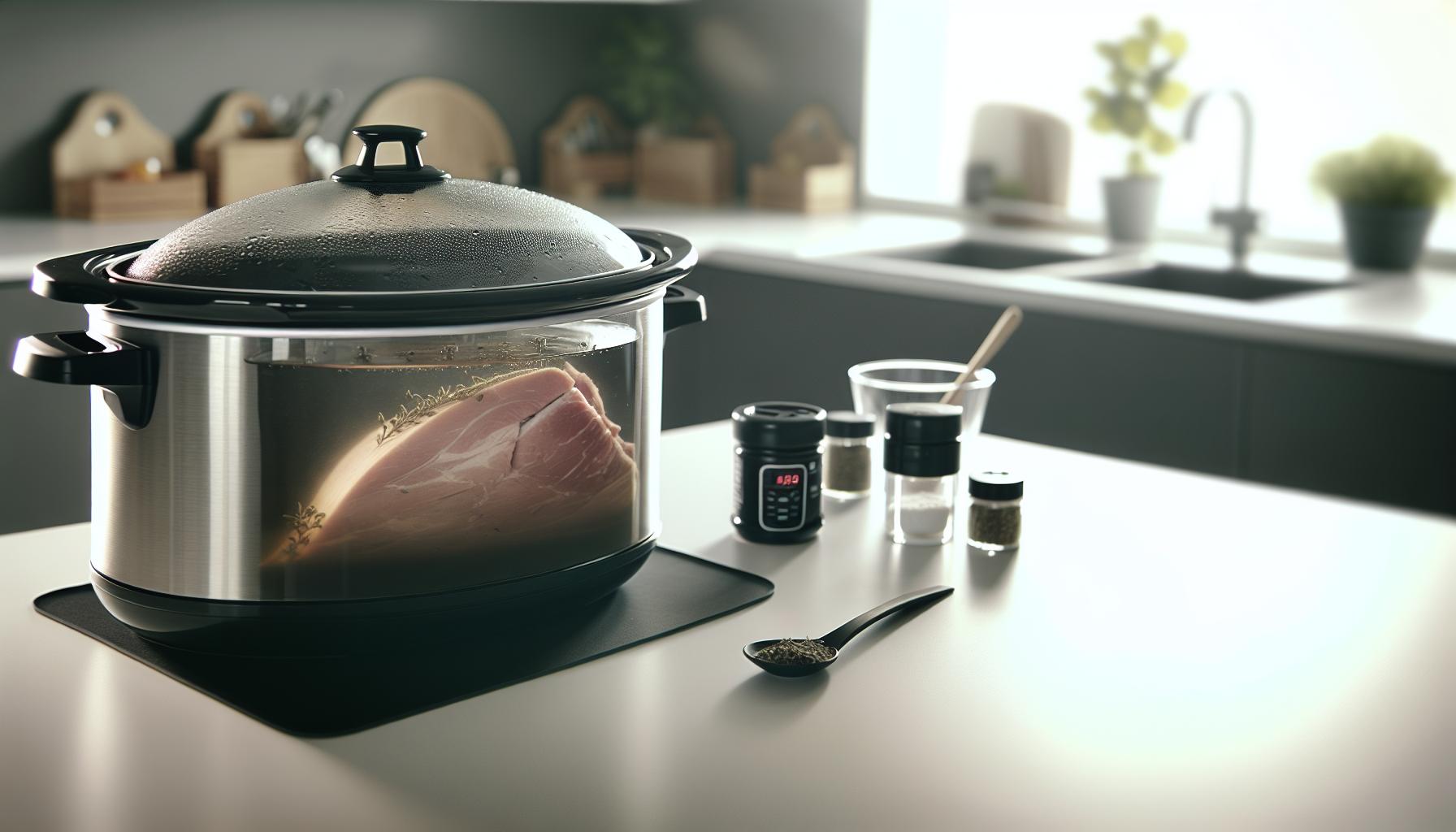
Did you know that getting the water amount just right when cooking ham in a slow cooker can be the secret to juicy, flavorful perfection? Too much water can dilute those delicious spices and glazes, while too little risks a dry ham. Whether you’re aiming for a gluten-free,paleo-friendly feast or just want a fuss-free,tender centerpiece with minimal hands-on time,mastering this simple detail makes all the difference. I’ve found that a careful balance of liquid not only locks in moisture but also helps your glaze caramelize beautifully, turning your slow cooker into a magic, stress-free flavour chamber. Stick around, and I’ll share practical tips, easy swaps, and my own kitchen-tested tricks to ensure your slow cooker ham comes out tender, juicy, and bursting with taste-no guesswork, just results you’ll want to serve again and again.
Table of Contents
- How Much Water to Use for Perfect Slow Cooker Ham
- Why Water Amount Affects Ham Flavor and Texture
- Slow Cooker Ham Water Ratios by Ham Size
- Best liquids to Add Beyond Water for Extra Flavor
- Step-by-Step Guide to Adding Water and Cooking ham
- How Water Level Impacts Slow Cooking Time
- Tips for Juicy, Moist Ham Without Too Much Water
- Common Mistakes When Adding Water to Slow Cooker Ham
- Flavor Boosters to Mix with Water for Gourmet Ham
- Adjusting Water Amount for Different Slow Cooker Models
- How to Test If Your Ham Has the Right Moisture
- storing and Reheating Ham Cooked with water in slow Cooker
- Frequently Asked Questions
- Q: How much water should I add to a slow cooker when cooking a pre-cooked ham?
- Q: Can using broth or juice rather of water improve slow cooker ham flavor?
- Q: Does the slow cooker size affect how much water to use for ham?
- Q: Why shouldn’t I fully submerge my ham in water in a slow cooker?
- Q: How can I tell if I’ve added the right amount of water when slow cooking ham?
- Q: Will adding too much water in a slow cooker increase cooking time for ham?
- Q: Should I add water at the beginning or during the cooking process in a slow cooker ham recipe?
- Q: What’s a simple way to boost ham flavor using water in a slow cooker?
- Final Thoughts
How Much Water to Use for Perfect Slow Cooker Ham
One of the first questions that comes to mind when slow-cooking ham is: how much water shoudl you actually add? It’s tempting to pour in a lot “just to be safe,” but here’s the scoop-too much water can dilute the natural flavors and steam your ham rather than gently braise it, while too little might leave your slow cooker dry and risk uneven cooking.The sweet spot is usually somewhere in between, where the liquid creates a moist environment that keeps the ham tender and juicy without washing out the amazing flavor that makes ham, well, ham.
In practical terms, adding about 1 cup to 1.5 cups of water for a standard 5 to 7-pound bone-in ham works beautifully. The key is to add enough liquid to come about halfway up the sides of the ham, but never to submerge it fully.Why? Because slow cookers work like mini steam ovens-the ham juices mingle with the water vapor to create a rich, flavorful steam bath. This method locks in moisture and cooks the meat evenly while encouraging that melt-in-your-mouth texture we all crave. Personally,I like to start with just one cup of water,then check toward the last hour of cooking-if it’s getting dry,I add a splash of water or a flavored liquid,but usually one cup does the trick just right.
Practical Tips for Adding Water
- less is more: Avoid drowning your ham. Think “moist but not swimming.”
- Check halfway through: slow cookers can vary in heat, so peek in occasionally to see if the water level is holding up (just a speedy lift of the lid, don’t overdo it!).
- Use a shallow pan: If your ham is tall, make sure the slow cooker has enough surface area so the water can steam around the meat.
- Reserve the juices: The ham will release flavorful juices-that’s liquid gold for making gravy or sauces later on.
If you’re cooking a smaller ham, say around 3 to 4 pounds, scale your water back to about half a cup to a cup. Larger hams up to 8 or 9 pounds might need up to 2 cups, but again, the crucial rule is to avoid submerging the ham completely. This approach prevents the meat from getting soggy while ensuring that it stays moist.Remember, the slow cooker isn’t a soup pot here-it’s a steamy hug for your ham! Cooking times will naturally vary depending on the water level, so adjusting your liquid carefully pays off big in flavor and texture.
For those balancing dietary preferences like paleo or gluten-free,water is the perfect neutral base to keep your ham moist without extra carbs or additives. Later on, you can jazz up the liquid with allergy-friendly herbs, spices, or natural sweeteners to amp the flavor without derailing your goals.So, next time you’re prepping your slow cooker ham, start with a modest splash of water-you’ll get a juicy, tender feast without the fuss or sogginess. Happy slow cooking!
For more details on easy and delicious slow cooker ham recipes, including ideal liquid choices, check out trusted foodie sources like Allrecipes and Taste of Home-they’re packed with tested tips and perfect for everyday cooks looking to nail the slow cooker ham game [1] [2].
Why Water Amount Affects Ham Flavor and Texture
One of the sneaky secrets to a tender, flavorful slow cooker ham lies in getting the water amount just right. Too much water and you risk boiling away all those lovely ham juices, turning your meat into a soggy, bland victim of overhydration. Too little, and your ham can dry out or cook unevenly, leaving you with tough patches and a less-than-juicy bite.The magic happens when the water gently steams around the ham, mingling with the meat’s natural fats and flavors to create a cozy, flavorful cooking environment that seals in moisture without diluting anything.
Water is more than just a cooking medium-it’s a flavor carrier and texture guardian. When the water level is properly balanced,it acts like a moisture shield that prevents the ham from drying while allowing the surface to develop that melt-in-your-mouth softness.Think of the slow cooker as a tiny steam bath where your ham slowly relaxes and soaks up its own rich juices. This subtle braising effect highlights the natural sweetness and smoky depth of the ham without the risk of it swimming in a diluted broth. As someone who’s learned the hard way, a flooded slow cooker means flavor loss and a less appealing texture-so starting small with water is always the best bet.
Practical Flavor and Texture tips
- Partial immersion wins: Filling the slow cooker so the liquid reaches about halfway up the ham’s sides allows steam to do most of the cooking, preserving a dense, satisfying bite.
- Juices are gold: The water pulls out some of the ham’s juices during cooking-don’t dump this liquid! It’s perfect for making a rich, savory gravy or glazes that pack a punch.
- Adjust as you go: If you peek during cooking (just a quick lift!), a splash of water or broth can keep things perfectly moist without drowning your ham.
as slow cookers vary in heat and shape, the water amount also affects how evenly the heat circulates, which directly impacts cooking time and texture. To keep your ham juicy but not soggy, aim for simplicity and precision rather than drowning the meat.That’s where the kitchen confidence kicks in-knowing your water is a partner in flavor, not an enemy. A modest amount of water keeps the atmosphere humid without washing out the ham’s character, letting every slice tell the story of a gentle, slow-cooked masterpiece that’s deliciously tender, deeply flavored, and wonderfully satisfying.
Slow Cooker Ham Water Ratios by Ham Size
It’s surprising how much the size of your ham influences exactly how much water you should add to your slow cooker. Using too much water for a smaller ham can lead to that dreaded soggy texture, while too little water for a massive ham might leave it dry and tough around the edges. The sweet spot is usually somewhere between a gentle steam bath and a partial bath, with the water level carefully tailored to the ham’s size.
For smaller hams-think around 2 to 4 pounds-a half to three-quarters inch of water at the bottom of the cooker is frequently enough all you need. This means roughly 1 to 1.5 cups of water. It’s enough to generate steam, keep the environment moist, and prevent drying out, without letting your ham sit in a soupy mess. For medium-sized hams in the 5 to 7-pound range, bump that water up to about 2 cups, which typically fills the pot up to about halfway on the ham’s sides-perfect for that balance between steam and a gentle simmer. Large hams over 8 pounds can handle closer to 2.5 to 3 cups, but the key is the water level, not just the quantity-aim to keep that halfway mark for the best texture.
| Ham Size | Water Amount | Water Level in Slow Cooker |
|---|---|---|
| 2-4 lbs (small) | 1 to 1.5 cups | Up to 1″ depth, partial coverage |
| 5-7 lbs (medium) | 2 cups | About halfway up the sides |
| 8+ lbs (large) | 2.5 to 3 cups | Halfway or just slightly less |
Why does the half-way mark matter so much? Think about it like this: the slow cooker works by gently circulating steam and heat. When the water reaches half the ham’s height, you’re encouraging a moist, hot atmosphere around the meat without submerging the whole thing, which would wash out the flavor. Over the years, I’ve found this technique invaluable when cooking paleo-friendly hams without added sugars or glazing sugars. The water amount ensures the meat stays juicy, keeping all those savory, smoky notes intact. Plus, it effectively works beautifully for gluten-free cooking as you aren’t relying on starch-thickened sauces to rescue dryness.
If your slow cooker runs hot or small, adjust the water slightly on the lower side and check on your ham more frequently. The good news? Unlike baking or roasting, it’s totally okay to add a splash of water or broth while cooking if it starts to look dry. Trust your instincts and have fun with it-slow cooking ham is forgiving, especially when you have these water benchmarks to guide you.
Best liquids to Add Beyond Water for Extra Flavor
It’s captivating how much the liquid you add alongside water can elevate a slow-cooked ham from “just dinner” to a memorable centerpiece. While plain water does the job of creating steam and maintaining moisture,swapping in or mixing water with flavorful liquids injects a whole new dimension of taste,keeping your ham juicy and beautifully aromatic. Think of it as turning your slow cooker into a savory spa bath for your ham-with a splash of personality!
Getting Creative with Liquids That Pack a Punch
Rather of just water, try these delicious liquids to boost flavor naturally without adding elaborate steps or sugar-laden glazes:
- Pineapple Juice - A classic sweet-tart partner that works wonders with ham’s salty, smoky notes. It tenderizes while imparting a subtle tropical brightness. Bonus: it’s paleo-friendly and gluten-free!
- Apple Cider or Apple Juice – Adds a warm, fruity undertone and a touch of natural sweetness. The acidity gently breaks down tough fibers for that melt-in-your-mouth effect.
- Low-Sodium Broth (Chicken or Vegetable) - This is your go-to when you want more savory depth without extra sugar. It keeps the ham richly moist and supports seasoning rather than overpowering.
- Dry White Wine - If you enjoy a little boozy aroma, splash in some dry white wine for complexity. It blends beautifully with herbs and spices, creating a gourmet vibe without fuss.
- Fresh Citrus Juice (Orange or Lemon) - A few tablespoons brighten and lift flavors instantly. Just watch acidity levels-too much can toughen the meat, so balance is key.
Personal Tips From My Kitchen
I once replaced half the water with pineapple juice and a drizzle of honey in my slow cooker for a holiday ham. the fragrance filled the kitchen all day, and the result was juicy ham with subtle sweet-savory layers that had everyone asking for seconds (and the recipe!). If you’re paleo or gluten-free, these swaps keep things clean without sacrificing taste.
Here’s a simple approach: use a roughly 50/50 mix of water and your chosen liquid as your base. This ratio helps with moisture control-too much juice and you risk a sticky or overly sweet finish; too little, and you miss the flavor magic. If you prefer richer umami notes, favor broth; for a lively twist, lean on fruit juices.
Adding herbs like rosemary, thyme, or a cinnamon stick right into the liquid can further infuse your ham with warmth and sophistication with almost zero extra work. This method turns your slow cooker into a flavor powerhouse while keeping things beautifully hands-off.
| Liquid Option | Flavor Contribution | Best For |
|---|---|---|
| Pineapple Juice | Sweet-tart, tenderizing | Classic sweet ham; paleo/gluten-free |
| Apple Cider/Juice | Warm, fruity acidity | Comfort food feel; pairs with herbs |
| Low-Sodium Broth | Savory depth, subtle | Less sweet, more umami |
| Dry White wine | Complex, aromatic | Gourmet, adult flavor profile |
| Citrus Juice (Orange, Lemon) | Shining, fresh | Light, lively variations |
At the end of the day, slow cooking is forgiving and fun. Experimenting with liquids beyond water is one of the easiest ways to customize your ham for any occasion or dietary preference-and it’s a guaranteed way to make your meal shine without fuss. Just remember: start with small amounts, taste as you go, and enjoy the playful side of cooking!
Step-by-Step Guide to Adding Water and Cooking ham
Ever wonder why your slow cooker ham sometimes turns out juicy and tender, but other times feels a bit dry or bland? The secret often starts with how you add water-or your chosen cooking liquid. Too little, and the ham can dry out; too much, and you risk losing that rich, concentrated flavor. The good news? it’s a simple balance anyone can master with a few friendly steps and a splash of creativity.
start by selecting your base liquid-typically a mix of water and a flavorful partner like pineapple juice or low-sodium broth works wonders. Aim to add enough liquid to come about halfway up the side of the ham. You don’t want to fully cover it-that’s a common misconception and leads to a boiled rather than slow-simmered texture. Enough liquid creates steam, gently infusing the meat with moisture while preserving its natural taste and texture.
Gather Your Ingredients and Tools
- Bone-in or boneless ham (check size for liquid ratio)
- Water plus your flavor liquid (50/50 ratio is a great start)
- Slow cooker large enough to fit ham comfortably
- Optional: herbs and spices like rosemary, thyme, or cinnamon sticks for boosting aroma and complexity
Simple Steps to a Perfect Slow Cooker Ham
- Place the ham flat-side down in your slow cooker. This helps the juices circulate naturally.
- Pour in your liquid mixture-enough to reach about halfway up the ham’s side, roughly 1 to 2 cups depending on your slow cooker and ham size. Remember, it’s steam and moisture, not a soup bath.
- Layer in flavor boosters like fresh herbs or a cinnamon stick directly into the liquid-this cozy slow simmer technique lets those scents permeate gently without overpowering.
- Cover and cook low and slow. For an average 5-pound ham, plan for about 4-5 hours on low. resist the urge to peek too much-the lid traps the moisture essential for tender results.
- check at the end. The ham should be fork-tender and juicy; if the liquid is nearly all evaporated, add a splash of water or broth and stir gently before serving.
Kitchen Wisdom from My Slow Cooker Adventures
I once learned the hard way that dumping in a ton of water at the outset can dilute those stunning ham juices and flatten the flavor. Now, I keep it simple: partial liquid coverage, low and slow cooking, and a little patience. My best tip? Use a 50/50 water and apple cider combo with fresh rosemary sprigs tucked around the ham. It wakes up the kitchen with cozy aroma and yields a ham that’s juicy enough to delight a crowd without any fuss.
Think of your slow cooker as a mini steam room-the gentle heat and moisture combo lets the ham relax and soak up flavor, making every bite a moment to savor. With just a little practise and attention to your liquid level, you’ll nail that tender, moist ham every time, no stress, no fancy gadgets-just home cooking magic.
| Step | Action | Tip |
|---|---|---|
| 1 | Place ham flat-side down | Ensures even moisture circulation |
| 2 | Add liquid to halfway point | Prevents boiling, encourages steam cooking |
| 3 | Add herbs or spices to liquid | Enhances aroma and subtleties |
| 4 | Cook on low, covered | 4-5 hours for average 5 lb ham |
| 5 | Check and add liquid if dry | Adjust moisture at end for juiciness |

How Water Level Impacts Slow Cooking Time
It’s fascinating how the amount of liquid in your slow cooker can quietly, but considerably, change how long your ham takes to reach juicy, tender perfection. Adding just the right amount of water (or flavored liquid) creates a moist, steamy environment that gently breaks down the meat fibers. Too little liquid, and cooking times can stretch out as the heat struggles to evenly penetrate the meat and moisture levels fluctuate. Too much, and that’s when you risk your ham essentially boiling, which speeds up the cooking but sacrifices texture and flavor.
The magic happens because water acts as a heat conductor inside the slow cooker. When the liquid level is about halfway up the ham’s side-not drowning it-it creates steam which transfers heat evenly and steadily. This steam bath ensures that the ham cooks uniformly, preserving tenderness without drying out. Plus,steam helps the flavors in your liquid blend right into the meat,so your patience is rewarded with more depth in every bite.
Watching Your liquid levels and Time
If you add less liquid than recommended, the cooking process slows down as the slow cooker has to work harder to maintain moisture and heat balance. You might find yourself adding water mid-cook or extending your time by 30 minutes or more. Conversely, if you add too much liquid-say, covering the ham completely-the cook time might appear shorter because boiling water transfers heat faster than steam. But here’s the catch: the vibrant concentration of ham’s juices can get diluted, turning your masterpiece more into a stew than that traditional tender roast you were aiming for.Here’s a quick tip from my kitchen: start with your 50/50 water and juice combo to the halfway mark, then trust the slow cooker to do its thing. Be patient and avoid peeking too often-the trapped steam is an essential player in the “slow cook” process. If you notice the liquid evaporates too quickly, a splash of water added toward the end will boost moisture without impacting your total cooking time drastically.
| Liquid Level | Effect on Cooking Time | flavor & Texture Impact |
|---|---|---|
| Less than halfway up ham | Longer cook time; risk of drying out | Perhaps dry, unevenly cooked ham |
| About halfway (ideal) | Recommended cook time; consistent and even | Juicy, tender, flavorful ham with good texture |
| Completely covered | Shorter cook time due to boiling | Diluted flavor; softer, stew-like texture |
Ultimately, the balance of moisture and heat carefully controlled by water level is key to nailing that perfect slow cooker ham. It’s less about flooding the cooker and more about creating the ideal steam room conditions that coax out natural flavors and melt-in-your-mouth tenderness. With a little attention to your liquid level, you’ll find slow cooking ham feels like a delicious slow dance-not a race!
Tips for Juicy, Moist Ham Without Too Much Water
There’s a sweet spot when it comes to keeping your slow cooker ham juicy without drowning it in water.Overloading the pot with liquid can make your ham soggy, watery, and rob it of that rich, porky flavor you’re craving. Instead, think of the water as a *partner* in crime-not the star-working quietly behind the scenes to create steam and maintain moisture without turning your ham into a boiled mush.
One trick I swear by is filling the slow cooker just about halfway up the side of the ham. This ensures the meat steams gently, locking in those mouthwatering juices and letting flavors mingle naturally. If you’re worried about dryness, try adding a splash of apple juice, pineapple juice, or even a little broth in with your water. These liquids not only keep moisture balanced but also layer in subtle sweet or savory notes that elevate your ham’s personality without extra fuss.
Simple Steps to Keep Your Ham Juicy and flavorful
- Use a flavor boost, not flooding: Replace half the water with fruit juices or broth to keep moisture without diluting flavor.
- Don’t cover completely: Water halfway up the ham’s edge is ideal-too much liquid risks boiling instead of steaming.
- Resist the urge to peek: Opening the lid lets steam escape, which can dry out your ham and increase cook time.
- Add liquid late if needed: If after a few hours your slow cooker looks dry, add a few tablespoons of water or juice to top it up without washing away flavor.
From my time in the kitchen, I’ve learned that patience and restraint here pay off big. When you avoid drowning the ham, it cooks in its own intensified juices, giving you tender, melt-in-your-mouth bites. Plus, a modest amount of water means you preserve that gluten-free or paleo-friendly purity, while still getting a comforting, rich meal with minimal effort.
Even if you’re juggling a busy weeknight or a holiday feast, this approach keeps things easy and reliably delicious. Remember: slow cooking is about nurturing flavors, so the right amount of moisture is your secret weapon to ham that’s anything but dry or bland.Treat your slow cooker like an oven with a steam setting, not a cauldron demanding a flood, and you’ll be rewarded every time.
Common Mistakes When Adding Water to Slow Cooker Ham
Sometimes, the best intentions in slow cooker ham prep can land you in hot water-literally. One of the trickiest balancing acts is adding just enough liquid to keep your ham juicy but not so much that it turns into a soggy, flavorless mess. I’ve seen folks drown their ham in water thinking “more is better,” only to end up with a bland, boiled texture that’s a long way from that tender, glistening slice you imagined. The key is to treat the water as a gentle steam companion,not a flood that washes away all those savory notes.
A common misstep is adding water *before* you even start cooking based on guesswork. Pouring in too much liquid upfront can turn the slow cooker into a mini hot tub, effectively boiling rather of slow steaming your ham. This dilutes the intense porky flavors and leaves you wondering why your slow cooker ham tastes like boiled pork shoulder rather than a slice of holiday magic. Instead, aim for about halfway up the ham’s side-this creates steam that envelops the meat and locks in moisture without drowning it. if you’re worried about dryness halfway through, it’s okay to sneak in a little extra water or juice then, rather than upfront. That way, you maintain control and keep flavors intact.
Another classic pitfall is using plain water exclusively without flavor enhancers. Water alone keeps the ham moist but can be pretty boring flavor-wise, almost like serving a blank canvas. When I started tossing in apple juice, broth, or even a splash of pineapple juice alongside my water, it transformed the whole slow cooker experience. These liquids add a subtle sweetness or umami boost, lending your ham layers of delicious complexity without any extra effort. don’t worry about it being “too much”-a modest substitution works best. Think of these flavor boosters like secret agents, quietly working behind the scenes to boost taste without stealing the spotlight.
resisting the urge to check the ham unnecessarily makes a huge difference. Every time you lift the lid to eyeball the water level,steam escapes,and the slow cooker loses precious moisture and heat. This not only increases cooking time but can dry out your ham’s edges. Rather, trust the process, and only add liquid if after a few hours things look a bit parched. Less fuss, better results, and your slow cooker ham comes out juicy and full-flavored every time.
Quick Tips to Avoid Water-Related Slow Cooker Slip-Ups
- Measure, don’t guess: Fill water halfway up the ham’s side, not covering it fully.
- Use flavorful liquids: Swap half the water for broth or fruit juices like apple or pineapple.
- Add liquids later: top up with small amounts after cooking starts if needed-don’t overdo it at once.
- Keep the lid closed: Avoid lifting it repeatedly to maintain steady steam and moisture.
With a little patience and these pointers, you’ll dodge all the common mistakes and enjoy a moist, savory slow cooker ham that’s as stress-free as it is delicious. Trust me, your busy weeknight or holiday spread will thank you!
Flavor Boosters to Mix with Water for Gourmet Ham
If you think of the slow cooker as your kitchen’s magic box, then the liquid you add is its secret elixir. Sure, water keeps the ham moist, but flavor boosters turn that simple simmer into a gourmet experience. These extras aren’t just for show-they infuse the meat with subtle layers of sweetness, acidity, and umami that can elevate your ham from “nice dinner” to “showstopper.” Trust me,a splash of the right liquid can transform your slow cooker ham into a juicy,aromatic masterpiece without extra fuss or fancy techniques.
Start by swapping out half of your water for a fruit juice like apple or pineapple. Apple juice adds a gentle sweetness and a touch of tang that pairs perfectly with the smoky, salty notes of ham. Pineapple juice brings in tropical brightness and a natural tenderizing effect thanks to its bromelain enzyme, which breaks down meat fibers ever so slightly. Both juices are naturally gluten-free and Paleo-friendly, making them an easy fit for many diets. If you want to go savory, try low-sodium chicken or vegetable broth instead. The broth adds depth and savory umami without overpowering your ham’s natural flavors. Remember, don’t overdo it-aim for a modest substitution, about a 50/50 split, to keep things balanced.
For those feeling adventurous,a little splash of dry white wine or even a tablespoon of Dijon mustard stirred into the liquid can provide a subtle sharpness that brightens the whole dish.Or throw in aromatics like a few crushed garlic cloves, a couple of bay leaves, or some fresh rosemary sprigs right into the water mixture. These botanical hints slowly release during the long cook,weaving gentle herbaceous notes throughout the meat. Not into herbs? Toss in a cinnamon stick or a star anise pod for a warm, comforting twist-perfect for holiday meals or cozy dinners.
- Apple juice: Sweet, tangy, works like a charm for traditional holiday ham
- Pineapple juice: Bright and tenderizing, adds tropical flair
- Low-sodium broth: Umami-rich, savory base perfect for Paleo and gluten-free eaters
- Dry white wine: Adds depth and acidity-go easy!
- Fresh herbs & spices: Bay leaves, rosemary, garlic, cinnamon, star anise all make subtle but noticeable flavor jumps
Mixing these flavor boosters with your water creates a gentle steam bath that not only preserves moisture but seeps into the meat with every hour it slow cooks. These liquids are like quiet mood-setters in the background, letting your ham’s natural richness shine while adding that special something only a slow simmer can deliver. Bottom line: never underestimate the humble power of swapping plain water for one of these tasty allies. It’s perhaps the easiest upgrade you can make to turn dinner into a feast - your guests (and your taste buds) will thank you.
Adjusting Water Amount for Different Slow Cooker Models
Great slow cooker ham magic often hinges on the right balance of liquid-and that balance can shift subtly depending on your slow cooker’s brand, size, and shape. Some models have taller, narrower inserts, while others are wide and shallow; these differences influence how much water you’ll need to keep your ham perfectly moist without drowning it in a swamp of liquid.If your slow cooker has a deep,narrow pot,you might get away with less water-just enough to create that steamy environment for gentle cooking and keep the ham from drying out.On the flip side, a wide, shallow slow cooker tends to evaporate moisture faster and spreads heat differently, so adding a bit more liquid helps maintain optimal steam and even cooking. I remember once trying a recipe in my roomy oval cooker and had to top up the liquid halfway through-lesson learned!
Finding Your Slow Cooker’s Sweet Spot
Start by adding about ½ to 1 cup of water (or your favorite flavored liquid) per pound of ham for most standard slow cookers. For smaller models (under 4 quarts), lean toward the lower end-especially if your ham fits snugly without much room to spare. larger slow cookers (6 quarts or more) usually benefit from more liquid to compensate for extra surface area and air volume, but avoid filling more than halfway with liquid to prevent boiling rather than slow simmering.
- Small (3-4 qt): ½ cup water per pound,tops the ham but keeps it cozy
- Medium (5-6 qt): Around ¾ cup water per pound to maintain moist heat evenly
- Large (7+ qt): Up to 1 cup water per pound-but watch for boil-over risk
Quick Tips for Liquid Adjustments
Depending on your slow cooker’s quirks,here’s an easy way to troubleshoot liquid levels:
- Too much water? you’ll notice diluted ham juices and less caramelization on your glaze. Tip: Reduce water by ¼ cup next time or cook uncovered for the last 30 minutes to thicken liquid.
- Too little water? Your ham may cook unevenly or taste dry in spots. Solution: Add a splash more liquid early on, or cover with foil to lock moisture.
- Use a liner? If you use a slow cooker liner, remember it traps more steam. You can often reduce water by a small margin without affecting juiciness.
ultimately, getting the water ratio right is a bit like Goldilocks-it should be just enough to create a gentle steam bath while flavor boosters and natural ham juices do the real work.Play around with small tweaks based on your slow cooker’s shape and size, and soon you’ll have the perfect, juicy ham every single time.after all,there’s no one-size-fits-all secret-just tasty experimentation and a little kitchen love!
How to Test If Your Ham Has the Right Moisture
You’ll know your ham is hitting that perfectly moist spot when it feels tender but not soggy, juicy but not swimming in liquid. This sweet balance is key because too little moisture leaves the ham dry and crumbly, while too much water dilutes the flavors and can turn the texture mushy. Think of it as the culinary version of Goldilocks-just right. A simple poke test is a great starting point: gently press the thickest part of the ham with your finger or a fork. It should spring back lightly without feeling rubbery or falling apart.
Another foolproof method is cutting into the ham to check for moisture visually and by taste. If the meat looks glossy and the juices glisten but don’t drip in a puddle, you’re in good shape. when you take a bite, it should offer a satisfying snap as you chew, releasing flavorful natural juices without being overly wet. For best results, let the ham rest briefly after cooking to allow those juices to redistribute-cutting too soon often leads to drier slices because the moisture hasn’t settled yet.
- Tip for texture check: Use a meat thermometer to ensure it’s cooked to a safe internal temperature (around 140°F/60°C for fully cooked hams), which also helps you avoid over or undercooking that affects moisture retention.
- Appearance clues: Look for a slight sheen on the surface but no pooling liquid, signaling just enough steam and moisture.
- Sniff test: A fragrant boost from your flavor-packed cooking liquid is a bonus sign you nailed the balance.
If your ham feels dry or tough, it’s likely time to add a splash more liquid next time or lower the heat slightly to maintain a gentle simmer rather than a rolling boil.Conversely, if juices seem thin or watery, reducing the amount of water or cooking uncovered for the last bit can concentrate those classic ham flavors and make your glaze caramelize beautifully. Remember, every slow cooker and ham is a little different, so don’t be shy about tweaking and tasting as you go. After all, delicious is the real goal, and a little kitchen detective work is part of the fun!
storing and Reheating Ham Cooked with water in slow Cooker
There’s something so comforting about slow cooker ham that’s been perfectly cooked with just the right amount of water-juicy, tender, and full of flavor. But what about when you’re faced with leftovers or want to prep ahead? Storing and reheating ham cooked this way is easier than you think, and done right, it keeps that mouthwatering moisture locked in without turning the meat dry or rubbery.
when it comes to storage, always cool the ham to room temperature but don’t let it sit out too long-ideally within two hours. Wrap it tightly in aluminum foil or store in an airtight container to keep those natural juices from escaping. If you cooked your ham with a flavorful liquid-perhaps a blend of water, apple cider, and spices-save some of that cooking broth. Pour a bit of it over the sliced ham before refrigerating; this little trick acts like a natural moisture booster and keeps every bite succulent.For longer storage, ham freezes beautifully when wrapped well, though it’s best enjoyed within 2-3 months for peak flavor and texture.
reheating sliced or whole ham without drying it out can be a delicate dance,but here’s a quick method that works every time: preheat your oven to 275°F (135°C). Place the ham in a baking dish and drizzle a few tablespoons of that reserved cooking liquid or fresh water over the top. Cover tightly with foil to trap steam,which gently warms the ham and prevents it from drying out. depending on thickness, plan on 10-15 minutes per pound-just enough to warm it through without overcooking. Bonus tip: if you’re using a microwave,cover the ham with a damp paper towel and reheat in short bursts on medium power for even moisture retention.
- Storing essentials: Wrap tightly; use airtight containers; add a splash of cooking liquid.
- Reheat tips: Moderate oven heat, covered to retain moisture; use reserved broth or water.
- Quick fix: Microwave with damp paper towel cover to prevent drying.
In my kitchen, leftover slow cooker ham frequently makes second appearances in everything from omelets to savory cabbage stir-fries, and maintaining that original juicy texture makes each meal feel fresh and special. Remember,slowing things down during reheating mirrors how you cooked the ham originally-low and steady with enough moisture to keep the flavor bright and the texture tender. No one wants a dry ham rescue mission, so keep these easy steps in your back pocket for stress-free storage and reheating every time!
Frequently Asked Questions
Q: How much water should I add to a slow cooker when cooking a pre-cooked ham?
A: For a pre-cooked ham, add just enough water to cover the bottom of the slow cooker, usually about ½ to 1 cup. This keeps the ham moist without watering down the flavor. Check out the *Tips for Juicy, Moist Ham Without Too Much Water* section for more on balancing moisture and taste.
Q: Can using broth or juice rather of water improve slow cooker ham flavor?
A: Yes, substituting water with broth, apple juice, or pineapple juice adds rich, natural sweetness and depth to your ham’s flavor. These liquids enhance moisture retention while infusing the ham with gourmet notes. See *Best Liquids to Add Beyond Water for Extra Flavor* for ideas and combinations.
Q: Does the slow cooker size affect how much water to use for ham?
A: Absolutely.Larger slow cookers may require slightly more liquid, but avoid filling more than one-third full to maintain proper cooking. Adjust water according to your slow cooker’s capacity-*Adjusting Water Amount for Different Slow Cooker Models* explains this in detail.
Q: Why shouldn’t I fully submerge my ham in water in a slow cooker?
A: Fully submerging ham can dilute its natural flavors and result in a bland texture. It’s best to keep water levels low-just enough to create steam and retain moisture without washing away seasoning. Refer to *Common Mistakes When Adding Water to Slow cooker ham* to avoid this pitfall.
Q: How can I tell if I’ve added the right amount of water when slow cooking ham?
A: The right amount creates a gentle simmer without excess liquid pooling around the ham. After cooking, check if the ham feels juicy but not soggy. The *How to Test If Your ham Has the Right Moisture* section covers simple texture and moisture checks to guide you.
Q: Will adding too much water in a slow cooker increase cooking time for ham?
A: Yes, excess water can lower the cooking temperature and extend cook times by preventing heat from penetrating the ham effectively.Keep liquid moderate to maintain efficient slow cooking. Learn more in *How Water Level Impacts Slow Cooking Time*.
Q: Should I add water at the beginning or during the cooking process in a slow cooker ham recipe?
A: It’s best to add water or your chosen liquid at the start to allow the ham to cook evenly and absorb moisture throughout. Adding water later can disrupt the slow cooking balance. See *Step-by-Step Guide to Adding Water and Cooking Ham* for timing tips.
Q: What’s a simple way to boost ham flavor using water in a slow cooker?
A: mix water with aromatics like garlic,herbs,or a splash of vinegar for an easy flavor boost. This creates a subtle braising liquid that enhances the ham without overpowering it.Find more flavor booster ideas in *Flavor Boosters to Mix with water for Gourmet Ham*.
—
For a deeper dive, explore the linked sections and experiment with your favorite liquids for a delicious, juicy slow cooker ham every time!
Final Thoughts
Mastering how much water to cook ham in your slow cooker is key to juicy, flavorful results every time. Remember, just enough liquid to keep things moist-without watering down that rich ham flavor-is your golden ticket. Whether you’re aiming for paleo-friendly, gluten-free comfort, or a quick go-to family meal, this simple step transforms your slow cooker ham into a delicious centerpiece with minimal fuss.
Ready to elevate your slow cooker skills? Check out our Easy Slow Cooker Side Dishes or explore Slow Cooker Glaze Recipes to complement your ham perfectly. Don’t miss signing up for our newsletter for more tested slow cooker tips, quick meal ideas, and seasonal flavors to keep your kitchen adventures fresh and fun. Got questions or your own slow cooker hacks? Drop a comment below-let’s share the joy of easy, mouthwatering meals that fit your busy life!
Keep this water-to-ham ratio trick handy and you’ll never worry about dry ham again. Next up, try experimenting with herbs or swaps to suit your diet-paleo, gluten-free, or classic comfort food. Your slow cooker journey just got tastier, and we’re here to make every meal a winner. Stay tuned for more delicious how-tos that turn simple ingredients into kitchen magic!