
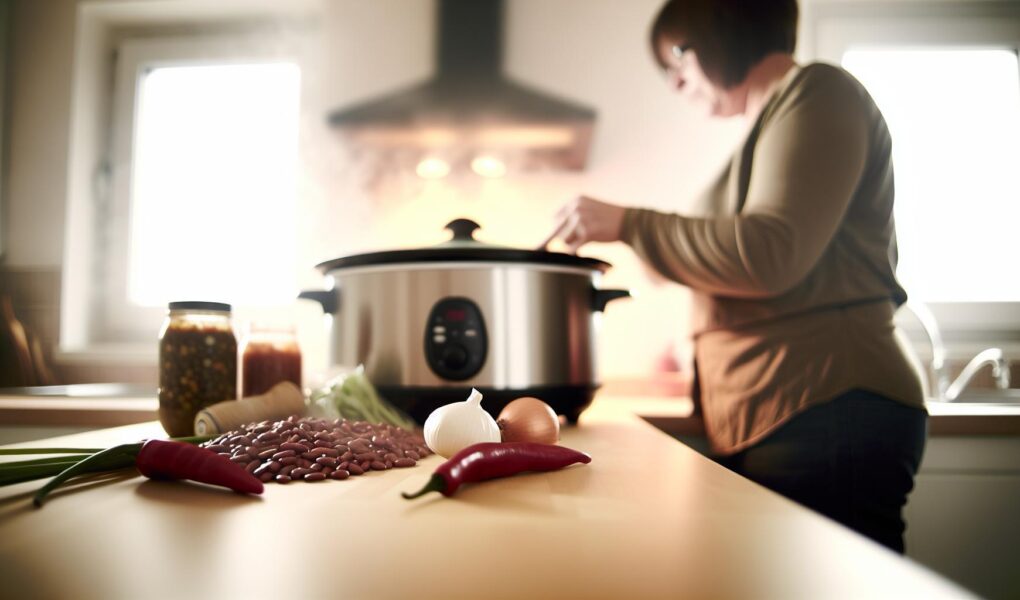
Did you know that slow cooking red beans not only deepens their flavor but also creates that irresistibly creamy texture everyone loves? If you’ve ever wrestled with beans that turned out either mushy or too firm, this simple slow cooker method is about to become your new best friend. Perfect for busy days, this hands-off approach lets you prep in minutes and come back to a comforting, gluten-free, budget-kind meal without the stress. Whether you’re aiming for a paleo-friendly bowl or just craving hearty comfort food, cooking red beans low and slow makes all the difference-no fancy tricks, just patience and love. Ready to turn your slow cooker into a magic pot of creamy goodness? Let’s dive into foolproof steps and helpful tips that make this everyday ingredient feel like a special occasion on your plate.
Table of Contents
- choosing the Best Red Beans for Slow Cooking
- Essential Prep Tips for Creamy, Tender Beans
- Step-by-Step Slow Cooker Red Beans Recipe
- Secret Tricks for Ultra-Creamy Texture
- How to Adjust Cooking Time and Temperature
- Flavor Boosters to Elevate Your Beans
- Healthy Ingredient Swaps and Variations
- Serving Suggestions for Every Meal
- Storing and Reheating Leftover Red Beans
- Troubleshooting Common Cooking Issues
- Q&A
- Q: Why do my red beans sometimes turn out grainy instead of creamy in a slow cooker?
- Q: How can I naturally thicken slow-cooked red beans without adding flour or starch?
- Q: What is the best water-to-bean ratio for cooking red beans in a slow cooker to get the perfect creamy texture?
- Q: Can I add acidic ingredients like tomatoes or vinegar during slow cooking without affecting the beans’ creaminess?
- Q: How does soaking red beans before slow cooking affect the texture and cooking time?
- Q: What slow cooker settings or programs yield the creamiest red beans? High or low?
- Q: Are there specific red bean varieties better suited for slow cooking creamy dishes?
- Q: Can I cook red beans with salty meat or broth in a slow cooker without making beans tough?
- Closing remarks
choosing the Best Red Beans for Slow Cooking
When it comes to slow cooking red beans, choosing the right variety can make all the difference between a bowl of gloriously creamy goodness and a disappointing plate of mealy beans. While “red beans” is a broad bracket, the classic variety for that perfect slow-cook texture is the small to medium-sized kidney bean or the specifically labeled “red beans” you’ll typically find in grocery stores. These beans hold up beautifully over hours without falling apart too soon, offering that dreamy balance between tender and intact.
Keep in mind, freshness matters. Older beans tend to take longer to soften and sometiems never reach that velvety texture no matter how long you cook them. So, give your beans the sniff and look test-avoid any that smell musty or are dusty and dry beyond reason. Buying in smaller batches or from bulk bins with good turnover helps keep your beans prime for cooking.
Why Size and Type Affect Slow Cooking Results
Smaller beans like cranberry or pinto can be lovely but tend to cook faster and may turn mushy if left in a slow cooker too long. If you’re craving that stick-to-your-ribs creamy stew feeling, sticking to the traditional red kidney or Louisiana red beans is your best bet. these varieties have thicker skins and a sturdy interior that softens just enough to swallow easily but stay whole enough to give you satisfying texture contrast.
Pro Tips for Bean Selection and Storage
- Go Organic or Non-GMO When Possible: It’s a tiny splurge that sometimes enhances flavor and gives you peace of mind, especially if you’re paleo or gluten-free and conscious about additives.
- Rinse and Sort at Home: Before cooking, rinse beans under cold water and pick through to remove stones or shriveled beans-this little step saves frustration down the road.
- Proper Storage: Keep your beans in an airtight container in a cool, dark place. Avoid moisture as this can break down their structure before you cook, making that creamy texture elusive.
From my own kitchen experiments, I’ve noticed that even subtle variation in bean variety or age can turn a good pot of red beans into a great one. So, invest a little time picking the best beans upfront-you’ll thank yourself when that slow cooker timer dings and you’re greeted by spoonfuls of rich, creamy comfort.

Essential Prep Tips for Creamy, Tender Beans
Achieving that perfect creamy, tender texture with slow-cooked red beans starts long before you set the cooker timer. The prep phase is where the magic happens-or where frustrations can sneak in if you skip some simple but crucial steps.A little upfront attention pays off with beans that soften evenly and soak up all those flavors you’re about to build. Trust me,this phase is worth savoring like a secret handshake among bean lovers who’ve mastered the slow cooker game.
first up, always rinse and sort your beans. This isn’t just kitchen busywork-it’s your chance to fish out any tiny stones, wrinkly rejects, or dust that might have hitchhiked in. Giving them a good rinse under cold water also wakes the beans up, starting to wash away starches that can sometimes cloud your cooking liquid and affect texture. If you want to speed things along, or if you’re short-handed on time, an overnight soak isn’t mandatory but highly recommended for creamier results. Soaking softens the beans evenly and reduces cooking time, which is great for long, slow cooks that can otherwise risk drying out beans at the edges while the center’s still firm.
Soaking Options for Diffrent Schedules
- Overnight Soak: Cover beans with 2 inches of cold water and leave them in the fridge or on the counter for 8-12 hours. Drain and rinse before cooking.
- Rapid Soak: Boil beans in water for 2 minutes, then remove from heat and let them sit for 1 hour. Drain and rinse before loading into the slow cooker.
- No Soak: If you forget,just add extra cook time (expect up to 2 extra hours) and more water. the beans will get soft eventually but soaking is really the shortcut to creamy bliss.
Another prep tip that I swear by is keeping an eye on the water-to-bean ratio-not too little, not too much.Beans swell as they cook, so aim for roughly 3 cups of liquid per cup of dry beans. Using broth rather of water can boost flavor, but if sodium is a concern, start with water and season later so you don’t overdo it.You want enough liquid to cover beans by about an inch once they’re nestled in the slow cooker-this encourages gentle, even cooking without drying out or ending up soupy.
Salt and Acid: When to Add What and Why
Here’s where a lot of home cooks get tripped up: adding salt or acidic ingredients (like tomatoes or vinegar) too early in the cooking process can toughen bean skins,resulting in a less tender bite. My personal trick is to season generously only after beans have mostly softened-usually the last 30-60 minutes of cook time. This way, the beans absorb flavor without stiffening up like a bean diva who’s had too much caffeine. It’s a simple timing shift that makes a noticeable difference to your red beans’ texture and taste.
Last but not least, don’t forget the joy of patience here. Slow cooking is about letting time and low heat work their wonders. Resist the urge to stir too often-it can break the beans prematurely before they’ve had a chance to reach that luscious creamy stage.Give your crockpot some space to do its thing. And hey, if life gets busy and the timing isn’t perfect, know that red beans are forgiving and can often be gently reheated with a splash of water or broth the next day for just-as-delicious results.

Step-by-Step Slow Cooker Red Beans Recipe
Getting those slow cooker red beans from dry and stubborn to tender and creamy is a delicious journey you’ll want to savor every step of. The magic isn’t just in the long cooking time-it’s in how you layer your ingredients and respect the beans’ slow transformation. With just a handful of steps and some kitchen patience,you’re on your way to a humble pot of red beans that could steal the show at any meal,from cozy weeknight dinners to festive gatherings.
Gather Your Ingredients and Prep Like a Pro
Start with about 1 cup of dry red beans, soaked or unsoaked (we talked soak options already-remember, soaking smooths out the ride but isn’t mandatory if you’re in a rush). Drain and rinse well. Toss the beans in your slow cooker, and then pour in about 3 cups of liquid: water or a low-sodium broth if you want an extra flavor boost without added salt early on.
- Vegetables: Dice one medium onion, 2 cloves garlic, and optionally a bell pepper. These aromatics build the base flavor.
- Seasonings: Wait to add your salt until the end.For now, add a bay leaf, ½ teaspoon smoked paprika, and a pinch of cayenne or black pepper to add depth without overpowering the beans.
- Optional Protein: If you’re feeling adventurous or paleo-friendly, toss in some diced smoked sausage or ham hock for richness. Skip if you prefer vegan or gluten-free simplicity.
Cook It Low and Slow, Resist the Urge to Peek
Set the slow cooker on low for 6 to 8 hours, or on high for 4 to 5 hours if you’re pressed for time. The low setting wins for the creamiest texture because it lets the starches gently break down without splitting the beans too soon. Resist stirring too frequently enough-once or twice is plenty. Think of it like letting the beans take a spa day; they need their space to get comfy and soft.
Around the last hour, check for tenderness. Now’s the time to add salt – about 1 teaspoon – and any acidic ingredients like a splash of vinegar or diced tomatoes, which brighten the flavors without toughening the skins.Stir gently and taste-test. If you want a thicker “gravy,” mash a few beans against the side of the pot to release starch, then stir back in.
Simple Swaps and Time Tweaks
If your schedule changes mid-cook or you’ve forgotten to soak the beans, no worries. Add water or broth as needed during cooking to keep beans submerged, and extend cooking time by an hour or two for unsoaked beans. For a quicker fix, the high setting works but expect slightly less creamy results.
easy substitutions like swapping smoked sausage for mushrooms or adding a handful of leafy greens in the last 30 minutes can transform the dish while keeping it wholesome. trust your taste buds-red beans are flexible and forgiving, perfect for playing with flavors and dietary preferences.
| Step | Action | Approximate Time | Tips |
|---|---|---|---|
| 1 | Soak beans (optional) and rinse | Overnight or 1 hour (quick soak) | Skipping this adds 1-2 hrs to cook time |
| 2 | Combine beans, liquid, and aromatics in slow cooker | 5-10 minutes prep | Use broth for richer flavor |
| 3 | cook on low or high | 6-8 hrs (low) or 4-5 hrs (high) | Resist frequent stirring |
| 4 | Add salt and acidic ingredients in last hour | Last 30-60 minutes | Enhances flavor without toughening beans |
| 5 | Mash some beans for creamier texture (optional) | Final 10 minutes | Gives that luscious finish |
Secret Tricks for Ultra-Creamy Texture
Nothing says comfort like red beans that practically melt in your mouth with a luxuriously creamy texture. That velvety, dreamy quality isn’t just luck-it’s all about the clever little moves you make during cooking that coax out the best from these humble legumes. If you think slow cookers just magically do the work, you’ll love these insider tips that help deliver ultra-creamy beans without hours of babysitting or complicated techniques.
First off, let your beans soak up the love before they even hit the pot. While soaking isn’t mandatory, a quick soak or overnight rest softens the beans’ skins, allowing starches to break down gently and release that natural creaminess we crave. Don’t toss the soaking water-rinse beans after soaking to avoid bitterness from tannins, but hold onto the concept that this preparatory step sets up your beans for silky smooth success.
As your slow cooker works its magic, avoid over-stirring! Frequent stirring can break bean skins prematurely, turning your pot into a mosaic of split beans rather than a harmonious creamy stew.Instead, trust the process and leave your beans to slowly soften undisturbed for several hours. Then, around the last half hour, unleash your secret weapon: mash a spoonful or two of the beans directly against the cooker side. This simple trick releases extra starch, thickening the cooking liquid naturally and bumping up that luscious mouthfeel.
Flavor-Friendly Creaminess hacks
- Heat control matters: Cooking on low heat preserves bean integrity and encourages a gentle starch breakdown. The ‘high’ setting works in a pinch, but lower and slower is softer and creamier.
- Don’t salt too soon: Salt’s best held until near the end as early salting tightens bean skins, making them less likely to become tender and creamy.
- Dairy & fat add richness: A pat of butter, splash of coconut milk, or a drizzle of olive oil stirred in at the end can elevate creaminess while keeping the dish paleo-friendly or vegan.
- Acidic brighten-ups: Adding a dash of vinegar or a squeeze of lemon juice after cooking lifts flavor without compromising the smooth, rich texture.
In my kitchen, this combo of gentle hands plus strategic starch release turns any slow cooker batch into a silky, deeply satisfying bowl of red beans perfect for everything from weeknight dinners to weekend feasts. Give your beans a little grace and these techniques a try-you’ll be amazed how creamy comfort food can be so effortless and adaptable to every diet and lifestyle.
How to Adjust Cooking Time and Temperature
Red beans are wonderfully forgiving, but dialing in the perfect cooking time and temperature is like finding the sweet spot where tender meets creamy without turning mushy. Slow cookers vary,so getting comfortable with your machine’s quirks can save you from surprise mush or stubborn firmness. Think of it as coaxing your beans gently, rather than rushing or poking them too much. Patience and a little practice go a long way in achieving that dreamy red bean texture.
Low and slow truly is the golden rule here. Cooking on the low setting for 6 to 8 hours usually lets the beans soften gradually, giving their starches time to break down and swell, enriching the cooking liquid with that velvety body we crave. For busier days,bumping up to high cuts time to about 3 to 4 hours,but be warned-this faster heat can sometimes cause the skins to split prematurely,leaving you with a less uniform texture. If you find your beans breaking down too much when pressed, try lowering the temperature and adding a little extra cooking time. On the flip side, if your beans are stubbornly firm, popping them in for an hour or so on high after slow cooking low can give them that last push without sacrificing creaminess.
Timing Tips for Different Beans and Sizes
- Soaked beans: typically need less cooking time-around 6 hours on low or 3-4 hours on high.
- Unsoaked beans: Add 1-2 hours at low or an extra 30 minutes at high, but expect a firmer bite if unsoaked.
- Older or dried-out beans: They may require even longer cooking (closer to 8-9 hours low) to soften fully.
Adjusting time is also a matter of trusting your palate. About 30 minutes before the end of cooking, test a few beans for softness. If they’re not quite there, allow more time but remember the beans will keep softening a bit even after you turn off the heat while cooling. If you’re preparing beans for a big batch meal or meal prep, sequencing your slow cooker start times can definitely help you hit mealtime just right without overcooking.
Practical Temperature Hacks
- Cook low for creaminess: Gentle temperatures let starches expand evenly, making your beans lush and silky.
- Use high for speed: When pressed for time, high works but watch for bean skins bursting and slightly grainy texture.
- combine settings smartly: Start on high for the first 30 minutes to jump-start heat penetration, then switch to low for gradual softening.
Personally, I’ve found a “high then low” approach especially handy when I’m rushing weeknight dinners-beans get a quick heat boost but then have ample gentle time to mellow out. If your schedule allows a full-day slow cook, however, just setting and forgetting on low is the best invitation for beans to reveal their creamiest self.
| Cooking Method | Approximate Time | Texture Outcome | Best for |
|---|---|---|---|
| Low only | 6-8 hours | Soft, creamy, intact skins | Weekends, meal prep, hands-off cooking |
| High only | 3-4 hours | Faster but risk of splitting skins | Quick dinners, when short on time |
| High then low | 30 min high + 5-6 hours low | Balanced tenderness & creaminess | Weeknight meals, semi-rushed cooking |
Remember, slow cooker sizes and brands can vary their heat output, so keep a cookbook-worthy sense of curiosity, and don’t be shy about tweaking based on your beans’ behavior. A little tweak in time and temp goes a long way to getting that luscious, spoon-coating texture that makes red beans more than just a side dish-they become a star.

Flavor Boosters to Elevate Your Beans
Nothing transforms a pot of slow-cooked red beans quite like a well-chosen lineup of flavor boosters. While the creamy texture is crucial, it’s the little extra punches of seasoning and aromatics that turn your beans from humble to unforgettable. The beauty here is you can tailor these additions to your mood, dietary needs, or just what’s lurking in your pantry-no rules, just tasty guidelines.
First, start with a savory foundation. Classic slow cooker stars include smoked paprika, cumin, and bay leaves. These bring warmth and depth without overshadowing the beans’ gentle creaminess. For those who like a bit of heat, I often throw in crushed red pepper flakes or diced jalapeños early on-they infuse the whole batch with a cozy, slow-building kick. If you’re aiming for paleo-friendly and gluten-free magic, these spices fit the bill perfectly and ignite vibrant flavors without extra fuss.
Layering with Aromatics and Herbs
Onion and garlic are slow cooker MVPs-you can’t go wrong sautéing them first to bring out their natural sweetness before adding the beans, or just toss them raw for a simpler, fuss-free flavor boost.Fresh herbs like thyme or rosemary work wonders,but add them toward the end of cooking so they don’t get lost or turn bitter. If you’re feeling adventurous,a splash of fresh lemon juice or apple cider vinegar near the finish brightens the whole pot,creating a subtle tang that balances the rich,creamy beans beautifully.
Umami Boosters for a Comfort Food Kick
If you want your beans to sing with a deep, savory resonance, try sneaking in a little miso paste, tomato paste, or even a small anchovy fillet (yes, really!). These ingredients melt into the beans over hours and invite a delicious umami complexity that’s hard to replicate with simple salt and pepper. For a fully plant-based lift, roasted mushrooms or a dash of nutritional yeast can also add that “something special” that makes you keep coming back for more.
- Pro Tip: Add salt toward the end of cooking to avoid tough skins.
- Experiment: Try swapping smoked paprika for chipotle powder when you want a smoky,southwestern flare.
- Shortcut: Use a high-quality vegetable or chicken broth in place of water for an instant flavor upgrade without extra work.
At the end of the day, the best flavor boosters are the ones that make your slow cooker red beans feel like home, every single time. Whether you keep it simple with herbs and spices or go all-in with umami-rich additions,these little lifts will elevate your beans from good to “please-don’t-stop-eating” cozy.

Healthy Ingredient Swaps and Variations
Not all kitchens-or diets-are created equal, but the good news is that slow cooker red beans are incredibly adaptable. Whether you’re navigating paleo, gluten-free, or just craving a fresh spin on your favorite pot, swapping ingredients can be both fun and flavorful without sacrificing that much-loved creamy texture. I’ve found the key is to keep the swaps simple, respecting the beans’ natural richness, while sneaking in some healthful alternatives that work in harmony with slow cooking.
For starters, the classic smoked sausage or ham hock that often stars in red beans can be swapped out for lighter, leaner proteins or even plant-based options without losing depth. Think turkey sausage, chicken thighs, or diced tempeh. These all hold up well during long cooks and infuse the pot with great body. if you’re aiming paleo or gluten-free, steer clear of processed meats laden with nitrates and sodium-your beans will love you for it. Instead, try using smoked paprika and a dash of liquid smoke to mimic that smoky goodness naturally.
Creative Broth and Liquid Swaps
The cooking liquid is a silent hero here-it elevates beans from bland to brilliant. While chicken or beef broth are classics, using homemade vegetable broth or even a blend of water and a spoonful of coconut aminos can brighten the flavor with fewer additives. If salt intake is a concern, low-sodium broths or just water with aromatic herbs can offer more control. And here’s a quick trick: a splash of unsweetened almond milk or coconut milk added at the end gives your beans a silky,luscious finish without veering off the creamy course.
Grains, Greens, and the Veggie Factor
Boosting your beans with vegetables or grains is a breeze that also upgrades nutrition. Instead of white rice, try serving your beans over cauliflower rice for a paleo-friendly plate or warm quinoa for added protein and fiber. For the bean pot itself, tossing in chopped kale, spinach, or even finely shredded cabbage during the last 30 minutes of cooking adds color, texture, and vitamins without overpowering. Just remember, leafy greens cook down fast, so add them late to keep a fresh snap amid the creaminess.
- pro tip: Swapping regular garlic for roasted garlic adds sweetness with less bite-perfect if you prefer mellow flavors.
- Experiment: Instead of regular red beans, try small red lentils for a quicker cook and softer texture, though they’ll break down more.
- Shortcut: Use pre-chopped frozen veggies to save time and reduce prep stress on busy days.
Ultimately, your ”healthy” ingredient swaps don’t have to be complicated or rigid.I like to think of them as little kitchen nudges that keep red beans feeling soulful and satisfying, yet aligned with your lifestyle. with a dash of humor and a bit of curiosity, you’ll find the perfect combo that feels both comforting and just right for you.

Serving Suggestions for Every Meal
Red beans cooked low and slow offer such a cozy, hearty base that you might find yourself craving them at every meal. The beauty is in their versatility-once you master that creamy texture with the slow cooker magic, these beans make a fantastic canvas to pair with breakfast, lunch, or dinner favorites without ever feeling repetitive or heavy.
For a wholesome breakfast boost, spoon your creamy red beans over a warm bed of sautéed greens and top with a fried or poached egg. The richness of the yolk nestled among the beans brings a luxurious mouthfeel that wakes up sleepy taste buds. Want to keep it paleo or gluten-free? Serve them alongside a crispy sweet potato hash or dollop on mashed avocado for added healthy fats without the need for bread.
Midday meal Magic
Lunchtime calls for something satisfying but not too heavy-think red beans stirred into a fresh grain bowl with quinoa, roasted veggies, and a squeeze of lemon or a drizzle of your favorite vinaigrette to brighten things up. If you’re plant-based or avoiding meat, adding toasted pumpkin seeds or spiced tempeh chunks adds surprising texture and protein.For meat lovers, lean turkey sausage or shredded chicken works beautifully tossed in for body and flavor without feeling greasy after hours of slow cooking.
Dinner Done Right
When it comes to dinner, red beans shine in classic Creole or Cajun style served over fluffy white rice, but don’t hesitate to experiment. Try them spooned over cauliflower rice if you’re keeping it low-carb, or alongside grilled meats or fish for a protein punch. A side of roasted Brussels sprouts or sautéed greens keeps dinner colorful and balanced. I love stirring in a handful of fresh herbs-parsley or green onions at the end-to give the bowl that inviting,fresh “just cooked” aroma and flavor that makes your kitchen feel like home.
- Kid-friendly idea: Blend some of the beans with a bit of broth to make a creamy dip perfect for veggies or gluten-free crackers.
- Meal prep hack: Portion your cooked beans into individual containers layered over your favorite grains or greens for grab-and-go power meals.
- Finishing touch: A spoonful of Greek yogurt or a dollop of salsa adds cool contrast and tang that plays beautifully with the creamy beans.

Storing and Reheating Leftover Red Beans
leftover slow-cooked red beans can be just as delightful the next day-or even a week later-if stored and reheated properly. Since these beans soak up flavors like a sponge and develop that velvety, creamy texture, preserving that quality is all about gentle handling and smart storage.Trust me, nothing beats pulling out a perfectly creamy batch from the fridge or freezer when dinner needs to happen fast but still tastes homemade and comforting.
For best results, allow the beans to cool slightly at room temperature but don’t leave them out longer than two hours to avoid any food safety issues. Then, portion the beans into airtight containers-glass works great here for preserving freshness and avoiding any funky plastic smells. Stored in the refrigerator, they stay good for about 4 to 5 days. If you want to keep your culinary magic longer, freezing is a safe bet: freeze the cooked beans in well-sealed freezer bags or containers, ideally in meal-sized portions so you can thaw just what you need. Frozen beans maintain their luscious texture and flavor for up to 3 months.
perfectly Reheating Creamy Beans
Reheating red beans doesn’t have to be intimidating. To avoid drying them out or losing that signature creaminess, warm them gently over low-medium heat on the stove or in the microwave. Stir in a splash of vegetable broth, water, or even your favorite non-dairy milk to loosen up the texture-slow cooker beans sometimes thicken overnight, and this little tip brings them back to silky life. If using a microwave, heat in short bursts (30 seconds or so), stirring between intervals for even warmth and to prevent hot spots.
For those busy weeknights, reheating straight from frozen works just fine, but remember to give them extra time and keep the heat low to avoid scorching.and here’s a fun hack I use often: fold in a handful of fresh herbs, a drizzle of olive oil, or a dollop of tangy yogurt when serving to revive brightness and add a bit of new flavor life to your leftovers.
Storage and Serving Tips from My Kitchen
- Keep it airtight: Exposure to air dulls the fresh “just cooked” flavor of your beans,so airtight containers or well-sealed freezer bags are your best friends.
- Label your containers: dates matter! Mark when you cooked and froze your beans so nothing lingers past its prime.
- Freeze in portions: Avoid the defrosting-and-refreezing cycle by freezing in meal-sized servings.
- Rehydrate smartly: A little extra liquid during reheating is the secret sauce-it restores that cozy pudding-like texture we all love.
With these little tricks, your slow-cooker red beans will feel like they were just simmered fresh, making meal planning easier and more delicious. Plus, you’ll crush those ”leftovers blues” with hearty, healthy goodness whenever hunger strikes.

Troubleshooting Common Cooking Issues
Even the most seasoned slow cooker enthusiasts have faced those “Why aren’t my red beans creamy yet?” moments. Slow cooking red beans to silky perfection sounds simple,but several little hiccups can sneak up and throw off the creamy texture you’re aiming for. Luckily, most of these common issues have easy fixes that can turn your batch from “just okay” to downright drool-worthy with minimal extra effort.
First off, if your beans come out tough or gritty, it’s usually as they haven’t cooked long enough or the temperature was too low. Red beans are hardy little fellas and need ample time and a cozy environment to break down their starches and soften fully. Try bumping the slow cooker heat from low to high for the last hour or so, especially if your initial cook felt too gentle. Also, make sure you’ve pre-soaked your beans overnight or at least for a few hours-the soak jumpstarts the softening process and reduces cooking time significantly.
If you notice your beans are mushy but the texture is more watery than creamy, the culprit might be excess cooking liquid or a lack of thickening. Slow cookers tend to hold on to all the moisture, so after the beans are soft, try removing the lid and letting the beans simmer uncovered for 30 minutes to an hour to help some liquid evaporate. Stirring occasionally encourages a luscious consistency. For an extra ultra-creamy finish, stir in a little mashed bean pulp or a splash of your favorite non-dairy milk and keep it warm for a bit before serving.
key Culprits and Quick Fixes
- undercooked Beans: Increase cook time or temperature; pre-soak beans for at least 6 hours.
- Too Watery: Remove lid near the end and simmer to reduce liquid; add mashed beans or broth thickener.
- Beans breaking Apart: Overcooking or too much stirring early on; stir gently only after beans are tender.
- Bitter or Off Flavors: Check for old beans past prime or avoid adding acidic ingredients (tomatoes,vinegar) too early as these toughen skins.
One friendly tip from my kitchen: patience is key, but so is knowing when to tweak.Every slow cooker runs a little differently-mine tends to run hot, so I set it on low and check at the 6-hour mark. Also, if you want to save time and still get that silky texture, try soaking your beans with a pinch of baking soda. It helps soften the beans faster, but just a pinch-too much will give you an odd texture and flavor.
Lastly, don’t sweat it if you need shortcuts. Canned beans can be your best backup friend-just rinse and toss them in at the tail end with a splash of stock to warm through. You’ll still get that cozy home-cooked vibe without the wait. Cooking beans creamy is more about love and a bit of kitchen curiosity than perfection. Keep playing with times,temperatures,and little tweaks until your slow cooker works like your own bean butler-delivering creamy,dreamy beans while you relax or prep the next dish.
Q&A
Q: Why do my red beans sometimes turn out grainy instead of creamy in a slow cooker?
A: Red beans can turn grainy if cooked too quickly or with high heat, causing the skins to burst before the starches fully break down. To prevent this, cook on low heat for longer periods and avoid stirring too often. For creamy texture tips, see the Secret Tricks for Ultra-Creamy Texture section in the article.
Q: How can I naturally thicken slow-cooked red beans without adding flour or starch?
A: To naturally thicken red beans, mash some cooked beans gently with a fork or immersion blender right in the slow cooker. This releases starches, creating a creamy base without extra thickeners. Check Step-by-Step Slow Cooker Red Beans Recipe for mashing tips.
Q: What is the best water-to-bean ratio for cooking red beans in a slow cooker to get the perfect creamy texture?
A: A good rule of thumb is using about 3 cups of water for every 1 cup of dried red beans. this ensures enough liquid for slow cooking while preventing soupy results. Adjust slightly for your slow cooker size; see How to Adjust Cooking time and Temperature for detailed guidance.
Q: Can I add acidic ingredients like tomatoes or vinegar during slow cooking without affecting the beans’ creaminess?
A: Acidic ingredients can prevent beans from softening fully if added too early. Add tomatoes,vinegar,or citrus after the beans have softened,usually in the last 30-60 minutes. This keeps beans tender and creamy without toughening skins.
Q: How does soaking red beans before slow cooking affect the texture and cooking time?
A: Soaking beans reduces overall cook time and helps them cook more evenly, leading to a creamier texture. However, unsoaked beans can still work if cooked longer on low. For best results, soak overnight or use quick-soak methods discussed in Essential Prep Tips for Creamy, Tender Beans.
Q: What slow cooker settings or programs yield the creamiest red beans? High or low?
A: Cooking red beans on the low setting provides slow, even heat that breaks down starches for creamy texture. High heat can cause uneven cooking and graininess. Refer to How to Adjust Cooking Time and Temperature to optimize your slow cooker for best results.
Q: Are there specific red bean varieties better suited for slow cooking creamy dishes?
A: Yes, smaller red beans like light red or small red beans soften more easily and yield creamier results compared to kidney beans. Choosing the right bean variety supports your creamy slow cooker recipe-see choosing the Best Red Beans for Slow Cooking for expert picks.
Q: Can I cook red beans with salty meat or broth in a slow cooker without making beans tough?
A: It’s best to add salty ingredients like sausage or broth mid-way or near the end of cooking to avoid tough beans. Salt can firm up beans if added too early. For flavor boosters that maintain creaminess, check flavor Boosters to Elevate Your Beans section.
For more detailed preparation techniques and ingredient swaps, explore the full article sections linked above. Experiment with these easy tips to boost your slow cooker red beans’ creamy goodness-because every busy cook deserves comfort food that’s simple and delicious!
Closing remarks
Now that you’ve mastered the simple steps to cook red beans in your slow cooker for a rich, creamy texture, you’re just minutes away from enjoying a comforting, gluten-free, and paleo-friendly meal. Whether you’re short on time or craving that slow-simmered goodness, this method keeps things easy – just prep, set, and let your slow cooker work its magic. Don’t hesitate to try ingredient swaps like smoked paprika or coconut aminos to make it your own!
Ready for more cozy, wholesome recipes? Check out our guide to slow cooker chili for another hands-off meal full of bold flavors, or dive into our collection of paleo-friendly sides that perfectly complement these creamy red beans. Feel free to leave a comment below and share your own tips or variations – we love hearing how real home cooks make these dishes their own.And if you want weekly kitchen inspiration, sign up for our newsletter packed with quick, approachable recipes that’ll keep your taste buds happy and your cooking stress-free!
Remember, creamy slow cooker red beans aren’t just delicious; they’re a nutritious foundation to your meals that fit your busy lifestyle. Keep experimenting, keep sharing, and most importantly, keep enjoying every spoonful!
Get our latest guides, news, and insights highlighted in your Google Search & AI Overviews.


