

here’s a common kitchen question that might keep you up at night: Can you leave your slow cooker on the “warm” setting overnight without risking food safety? Slow cookers are busy home cooks’ best friends, delivering hands-off magic with minimal fuss-but that lingering “warm” light can cause some serious curiosity (and a little worry). Whether you’re prepping a paleo stew or a gluten-free chili, understanding if that cozy “warm” mode keeps your meal safe or invites unwanted bacteria is key to protecting your family and your dinner plans.Stick around-I’ll share what science and kitchen pros say about keeping your slow cooker cozy yet safe while you sleep, plus some tips from my own adventures in slow cooker land.because letting your food warm without stressing about it? That’s the kind of kitchen confidence we all deserve.
Table of Contents
- Is Leaving a Slow Cooker on Warm Overnight Safe?
- How the Warm Setting Works on Slow Cookers
- Risks of Leaving Food on Warm Too Long
- best Foods for Overnight Warming in Slow Cookers
- Tips to Keep Food Safe on Warm Overnight
- When to Avoid Using warm Overnight
- Comparing Warm vs. Low and High Settings Overnight
- Real-Life Stories: What Happened When I Left It On
- How to Store Slow Cooker Food After Warming
- Energy Use and Cost of Leaving Slow Cooker Warm
- Expert Advice on Slow Cooker safety and Warm Time
- FAQ
- Q: Can leaving a slow cooker on warm overnight affect the food’s texture or flavor?
- Q: How long can food safely stay on the slow cooker’s warm setting without spoilage?
- Q: Does the warm setting on a slow cooker maintain food at a safe temperature to prevent bacteria?
- Q: What are the energy costs of leaving a slow cooker on warm overnight compared to off?
- Q: can leaving a slow cooker on warm overnight cause any fire hazards or safety concerns?
- Q: How can I adjust meal prep to safely use the warm setting overnight?
- Q: Is the warm setting suitable for gluten-free or paleo-friendly dishes left overnight?
- Q: What’s the best way to safely reheat slow cooker food after warming overnight?
- The Way Forward
Is Leaving a Slow Cooker on Warm Overnight Safe?
Ever wondered if your slow cooker’s *warm* setting is truly “safe” to leave on all night, or if it’s secretly plotting a kitchen coup? It’s a fair concern-after all, slow cookers are champions of convenience, but safety is queen in the kitchen kingdom. The “warm” function is designed primarily to keep food at serving temperature, not to cook or hold food safely for hours unattended. So, leaving it on overnight can be a bit like relying on a nightlight to heat your house: it effectively works in a pinch but isn’t quite built for full thermal management.
Here’s the scoop: the *warm* setting usually keeps food at around 140°F (60°C), a threshold that’s right on the edge of what’s considered the safe “hot” zone to prevent bacteria growth. If the food is already cooked properly and you’re just maintaining heat for a couple of hours, it’s generally okay. But stretching that across an entire night risks slipping into the “danger zone” (40°F-140°F), where pathogens thrive. My personal rule? If I’m leaving food on warm overnight, it’s because I’ve cooked it fully at a proper temperature first, and I keep the pot at least half full to preserve heat better. Sometimes I even give the slow cooker a swift high-heat hour before switching to warm to make sure everything hits the safe zone[[1]](https://www.canr.msu.edu/resources/cooking_safely_with_a_slow_cooker_e3255).
- Never start raw or partially cooked food on warm-it won’t reach safe internal temperatures quickly enough.
- Keep the lid closed to trap heat and moisture, which helps keep food safely warm longer.
- Remember that the warm setting varies by model-some might hover closer to 150°F, others nearer to 130°F, so know your appliance’s tendencies.
A dear recipe friend once left her paleo-friendly hearty stew on warm all night. when she checked in the morning,it was a little less hot than usual but perfectly edible. She’d learned to always stir and check that thermometer before serving or storing. that *extra check* lets you catch when your slow cooker “warm” isn’t quite warm enough to keep bacteria at bay. The long and short is this: if you’re using the warm setting overnight, treat it like a gentle nudge-*not* a full cooking temperature-and be mindful about how long that nudge lasts and what kind of food it’s holding.
Bottom Line
While leaving your slow cooker on “warm” overnight occasionally can be safe-especially with fully cooked food-it’s not a guaranteed foolproof way to hold food for many hours. For a busy household balancing paleo, gluten-free needs, and lifesaving convenience, it’s best paired with careful prep, an understanding of your slow cooker’s heat levels, and a dash of thermometer confidence. After all, we want those cozy meals, but without inviting unwanted bacterial guests to the feast!
How the Warm Setting Works on Slow Cookers
It’s easy to think the warm setting on your slow cooker is just like a gentle oven glove for your food – keeping it cozy but not cooking it further. In reality,that little dial packs a very specific punch invisible to the naked eye. Typically,the warm function runs at around 130°F to 150°F (54°C to 65°C),which is designed to keep your dishes hot enough to serve but not quite hot enough to safely cook raw ingredients or kill bacteria effectively. This temperature range sits right on the edge of what food safety experts call the “safe zone” – anything below 140°F risks encouraging bacterial growth, while above that maintains a safer environment[[1]](https://www.eatright.org/food/home-food-safety/safe-cooking-and-prep/10-food-safety-tips-for-the-slow-cooker).
Because the warm setting doesn’t generate the same steady, thorough heat as the low or high cooking modes, it’s perfect for holding soups, stews, or casseroles that are already fully cooked, but less reliable for anything that needs to hit a safe internal cooking temperature. In my kitchen, I always think of “warm” as a patient little guardian: it’s there to uphold deliciousness after cooking, not to take over the tough job of cooking itself. For paleo or gluten-free dishes, where you want to protect the nutrient profile and texture without drying things out, the warm setting nails that delicate balance if you keep your eye on it and don’t leave food sitting too long.
- Temperature consistency varies by model: Some slow cookers hover closer to 150°F while others dip near 130°F, so knowing your specific appliance is key. Keep a meat thermometer handy to double-check if you’re warming overnight.
- The volume matters: A half-full or fuller slow cooker maintains heat better, so if you’re only warming a small batch, the temperature is more likely to dip into unsafe zones more quickly.
- Lid’s on, friends: keeping the lid closed traps moisture and heat, helping the warm setting stay steady and your food safe longer.
from experience, I’ve found that giving your slow cooker a quick blast on high or low before switching to warm overnight can make all the difference.It ensures the food is in the safe zone before the gentle heat maintenance begins. This little prep step has saved me from turning my kitchen into a science experiment more than once. So, next time you’re wondering if that paleo stew or gluten-free chili will be fine on warm while you catch some Zs, remember: it’s more of a “keep it toasty” mode rather than a safe-cook mode. Treat it like a warm hug after the heavy lifting of cooking is done, not the main event.
Risks of Leaving Food on Warm Too Long
Food left on the warm setting for too long can turn the kitchen from a cozy culinary haven into a risky playground for bacteria. The warm function on a slow cooker isn’t designed to keep food safely hot indefinitely-it usually hovers between 130°F and 150°F, with many models dipping dangerously close to the lower end of that spectrum. As the USDA recommends keeping hot food at or above 140°F to avoid bacterial growth,leaving food “warming” overnight,when temperatures can hover under that mark,creates an inviting environment for pathogens like *Clostridium perfringens* and *Bacillus cereus* to multiply. this is a red flag for anyone who enjoys their paleo or gluten-free meals but doesn’t want an unexpected backstage visit from food poisoning.
Think of the warm setting less like a hot sauna and more like a lukewarm sauna suit. It keeps your stew toasty but doesn’t maintain the high heat necesary to neutralize any lingering bacteria. If the warm setting drops close to 130°F,or if the slow cooker is just a quarter full,the food temperature can fall even further,slipping right into the “danger zone” (40°F to 140°F) where bacteria love to party. The lower the temperature and longer the time spent there, the greater the risk of foodborne illness. Even if your slow cooker’s lid is on tight, that doesn’t guarantee the temperature stays consistently high enough to be safe. Moisture retention helps,but doesn’t replace solid heat control.
- Texture and taste pay the price: Beyond safety concerns, extended time on warm can cause some foods-especially delicate veggies, fish, or paleo-friendly ingredients-to break down too much, getting mushy or dry, throwing off your carefully curated meal experience.
- Quality fades: Long warming stretches can lead to flavor dulling or ingredient separation, making leftovers less appetizing and encouraging food waste.
- Avoid intermittent warming phases: Switching between warm and off or other settings repeatedly overnight can create temperature fluctuations that further encourage bacterial growth.
How to Keep It Safe Without Losing That Cozy Warmth
To dodge these pitfalls, I always recommend cooking your food fully on high or low first, ensuring it hits that safe 185°F+ mark, then switching to warm just for serving. If you’re warming leftovers overnight, keep the cooker at least half-full with food that’s already hot, and double-check with a food thermometer.When in doubt, transfer leftovers into the fridge after two hours or so, and rewarm later if needed. These small steps keep the flavors vibrant and your gut happy.
If you’re anything like me-busy, wanting to save time without sacrificing taste or safety-you might also find it helpful to set a timer or use a smart plug to turn off the slow cooker after a certain period. That way, your warm setting doesn’t stretch from a gentle heat hug into a risky all-night stew incubator. Because let’s be honest, no one wants their slow cooker to outlast their sleep and turn dinner into a microbial science project!
[[3]] and [[2]] provide solid advice on target temperatures and cooking safety that perfectly back this up-always aim for hot, safe food first, then keep it cozy just long enough for the family to gather and enjoy.
best Foods for Overnight Warming in Slow Cookers
Some foods handle the slow cooker’s warm setting overnight better than others, turning your busy schedule into a low-maintenance flavor win. If you’re thinking about leaving something on warm for hours,it pays to choose dishes that maintain taste and texture without flirting dangerously with the bacterial danger zone. After all, the warm setting generally rests between 130°F and 150°F, which isn’t quite the temperature fortress some foods need for safety or quality.
Stews and hearty soups are quintessential “warm all night” champions. packed with proteins like beef, chicken, or pork, plus root veggies that hold their shape, these meals often stay moist and flavorful even after extended warming. Bonus: the broth or sauce helps maintain a steady internal temperature, giving bacteria less wiggle room.Think classic beef stew with carrots and potatoes, or a robust chili rich in spices. These dishes often improve overnight, melding flavors in a way that turns simple ingredients into comfort bowls – and all with minimal fuss or texture issues.
On the flip side, delicate proteins and quick-cooking veggies don’t fare as well when left on warm for hours. Fish, shellfish, or lean paleo-friendly meats can dry out or become rubbery. Likewise, tender veggies like zucchini, spinach, or sweet corn tend to collapse or get mushy, stealing the joy from your carefully crafted meal. If your menu leans paleo or gluten-free, consider slow-cooked roasts, bone broths, or hearty carnivore-style casseroles over these more fragile options when planning overnight warming.
- Great for overnight warming: Beef stew, chili, pork shoulder, chicken thighs, lentil or bean soups, hearty veggie stews with carrots, potatoes, and winter squash.
- Best avoided for long warming: Fish dishes, seafood, delicate greens, soft vegetables like zucchini or mushrooms, and paleo dishes heavy on eggs or fresh herbs.
Keeping the slow cooker at least half full helps maintain safer temperatures by reducing heat loss,so always fill it well if you plan to warm overnight. leftover casseroles or breakfast grain bowls made from sturdier ingredients like root veggies and beans can also be safely warmed this way with minimal loss of texture. Remember, even with safe choices, never stretch warming beyond a few hours without checking the temperature to keep your gut happy and your meals delicious.Whether you’re aiming for paleo-friendly comfort or gluten-free crowd-pleasers,knowing what survives the overnight slow cooker warm gives you a tasty edge without sacrificing food safety or that crave-worthy,just-right texture.Because life’s busy, but your food should never feel like a science experiment gone wrong.
Tips to Keep Food Safe on Warm Overnight
Leaving your slow cooker on the warm setting overnight can feel like a culinary life hack-set it and forget it, waking up or coming home to a cozy meal waiting for you. But while the “warm” setting keeps food just cozy enough to avoid immediate spoilage, it frequently enough hovers between 130°F and 150°F-a bit of a culinary Goldilocks zone that’s not too hot, not too cold, and sometimes just risky enough to invite bacterial growth if you’re not careful. That’s why knowing a few insider tricks can save your dinner, your digestion, and your peace of mind.
Keep the Pot at Least half Full – It Matters More Than You Think
A slow cooker that’s only a quarter full loses heat faster, making it tougher to maintain safe temperatures above 140°F-the critical food safety cutoff to keep bacteria from partying in your stew. I always top up my pot with extra broth or a handful of sturdy veggies (think carrots, potatoes, or winter squash) when I plan to warm overnight. This not only preserves temperature but keeps everything juicy and flavor-packed. Plus, a fuller pot means the warming element doesn’t have to work overtime, saving energy-a win-win!
Stir Occasionally and Use a Food thermometer
Here’s a practical kitchen tip that feels fancy but is super simple: give your dish a quick stir a few times if you’re around, or when you first get up to eat. This keeps heat distributed evenly and prevents cold spots where danger-zone bacteria lurk (between 40°F and 140°F). If you’re a food safety geek like me,a quick thermometer check before serving can settle your worries-aim for internal temps consistently above 140°F. It’s not about obsessing, but staying casually smart.
Choose Ingredients That Play Nice on Warm
Remember, hearty stews and bean soups are your slow cooker’s BFFs here. The liquid acts as a thermal buffer, helping maintain heat while flavor deepens and textures stay intact. In contrast, delicate proteins like fish or leafy greens lose their charm and possibly safety after prolonged warm hours. My advice? Load up on tougher cuts of meat and root veggies if you’re planning a gentle overnight warm.And if craving paleo or gluten-free delights, recipes like slow-braised pork shoulder or lentil chili hold up beautifully and still feel like a treat.
- Fill your slow cooker at least halfway. It helps maintain safe temperatures longer.
- Keep stirring if possible, or check temps with a food thermometer. This prevents unsafe “cold pockets.”
- Favor robust dishes over delicate ones for extended warming.
- Store leftovers promptly. Don’t let food linger in the warm zone too long after mealtime to stay safe.
Following these steps has saved me from countless post-warming disappointment dinners and turned warming into a reliable convenience rather than a game of microbial roulette. Think of the warm setting as your food’s gentle hug, not a pressure cooker blast.With the right foods and a sprinkle of kitchen commonsense, you’ll keep that slow cooker safely humming overnight-and your taste buds (and tummy!) happy the next day.[1] [2]
When to Avoid Using warm Overnight
Leaving food on the warm setting overnight sounds super tempting, especially on busy days when you crave a no-fuss, ready-to-eat meal.But that cozy “warm” zone, usually hovering between 130°F and 150°F, is a culinary tightrope. It can keep your dish tasty and safe under the right conditions-but sometimes, it’s just not the place to be.Here’s when it’s a better idea to hit pause rather than risk turning your slow cooker into a bacterial playground.
First off, avoid leaving delicate or quick-spoil foods on the warm setting for extended periods.Think fish, seafood, or leafy greens-they simply don’t hang well overnight where temps don’t consistently reach or hold above 140°F.Prolonged warming here can cause textures to turn mushy or flavors to dull. Worse yet, it creates an inviting environment for bacteria to behave badly, increasing your risk of foodborne illness.Similarly, dishes with dairy or eggs fare better when eaten fresh or promptly refrigerated rather than hanging out under a gentle heat hug all night.
If your slow cooker isn’t filled at least halfway, that’s another red flag. A nearly empty pot loses heat quickly, making it tricky for the device to stay in the safe zone above 140°F. This temp drop allows cold spots where bacteria thrive-no good for anyone’s digestion. I once tried a half-hearted pot of chili on warm for hours, only to find it cooled unevenly and had to toss half. lesson learned: the fuller, the safer.
Also, steer clear of warming meals longer than about 4 to 6 hours unless you’re absolutely certain your slow cooker maintains temps above 140°F consistently. Most warm settings are designed to keep food cozy pre-serving, not to cook or hold all night. Use a food thermometer if you can-it’s like having a food-safety sidekick making sure danger-zone temps stay at bay. And if you’re not around to stir occasionally, cold spots can sneak in unnoticed.
- Don’t warm seafood, delicate greens, or dairy-heavy dishes overnight.
- Avoid leaving a nearly empty slow cooker on warm-fill it half to two-thirds full.
- Limit warming time to 4-6 hours unless confident your slow cooker holds a safe temp.
- Use a food thermometer to check temps before serving when warming for long periods.
When in doubt, finishing your meal soon after cooking or refrigerating leftovers is your safest bet. Slow cookers are champs for set-it-and-forget-it cooking but slow and steady warming requires a little TLC-not just trust. So, treat that warm setting like your food’s gentle bedtime story, not a full overnight retreat, and you’ll keep mealtime magic-and tummy smiles-going strong.
Comparing Warm vs. Low and High Settings Overnight
Slow cookers are magical for busy days, but understanding their settings is key to keeping your meals both delicious and safe-especially overnight. While the warm setting feels like a gentle hug for your food, it frequently enough can’t match the slow cook or high temperatures when it comes to safety and taste during extended hours. the warm setting typically holds temps between 130°F and 150°F, which might keep your stew cozy but sometimes flirts dangerously close to the bacterial “danger zone” below 140°F. That’s where the low and high settings flex their muscles.
The low and high settings are where the heavy lifting happens. Low usually ranges around 190°F, and high hits roughly 300°F, guaranteeing the food reaches a safe temperature quickly and stays there. Left on overnight, these settings keep your food out of harm’s way by maintaining heat above 140°F consistently, slowing bacterial growth. I have a slow cooker chili recipe I swear by-when I use the low setting overnight, it comes out perfect: tender, flavors melded, and absolutely safe. But when I tried leaving it on warm overnight “just to be safe,” I ended up with some patches that weren’t quite hot enough, and I had to toss leftovers. Lesson learned: trust low for long cooks and warm for short holds.
- Warm Setting: Ideal for short holding (up to 4-6 hours). Risks include uneven heating and potential bacteria growth if food isn’t hot enough or the crock is less than half full.
- Low Setting: Best for long, slow cooking. Heats food slowly but stays consistently above 140°F, making it safer to leave on overnight.
- high Setting: Great for quick cooking and reaching safe temperatures fast. Using high overnight is usually needless and may dry out food.
Keep in mind, the warm setting’s charm lies in convenience-it’s perfect for holding a hearty stew or soup right before serving.But if you’re planning a long cook or leaving the appliance unattended overnight, low is your safety net.High is great when you’re in a hurry or need to rapidly bring food to a safe temp before lowering to low or warm. If your recipe needs to cook or hold for 8+ hours, skip warm as your overnight companion unless you’re home to stir and check temps. Using a food thermometer to make sure your food stays above 140°F can save you from any unpleasant surprises.So next time you’re prepping a slow cooker meal,think of the warm setting as the cozy guest who leaves early-not the overnight party host. Low’s the reliable friend who sticks around to make sure everything’s safe and sound in the pot. And high? The fast-talking buddy who gets things done quickly but shouldn’t overstay. Treat your slow cooker like the kitchen teammate it is, adjusting settings based on timing and food type, and your meals will shine with safety and flavor-even when you’re asleep!
Real-Life Stories: What Happened When I Left It On

Sometimes, the best lessons in the kitchen come from those “oops” moments that leave you scratching your head-like that time I accidentally left my slow cooker on the warm setting all night. I was making a big batch of paleo-friendly beef stew, prepping it after dinner and intending to switch the cooker to low for a slow, safe overnight cook. But in the hustle of bedtime routines,the slow cooker got left on warm instead-thinking it would just “keep it cozy.” Spoiler alert: cozy didn’t cut it. By morning, some spots inside the stew were barely above lukewarm, poking me with that sneaky bacterial risk I’d hoped to avoid. That batch? Into the compost bin it went, and I learned a very vital slow cooker safety lesson the hard way.I’m definitely not alone here. A friend who swears by her gluten-free chili admits she once tried to “keep it warm” overnight as she thought it would save time before the next meal. Instead, she found her crock only half full and the food cooled down too much in some parts overnight. Bacteria growth? A real worry-and that leftover chili tasted off. After that, she switched to always finishing her cooking cycle on low overnight and then promptly refrigerating leftovers. The peace of mind is worth it, especially when feeding a hungry crowd or managing special diets.
- Always preheat the slow cooker before adding your food.Starting with a warm crock helps keep temps safer even on the warm setting.
- Fill your crock at least halfway to promote consistent heat distribution and avoid cold patches.
- Use a trusted food thermometer to double-check food temperature stays above 140°F.
- If you wake up to find your food only “warm” but not hot, play it safe and toss it. The risk isn’t worth it,especially with delicate proteins or dairy-based dishes.
For me, these real-life slow cooker adventures turned into a friendly kitchen pact: warm setting is my short-term buddy, perfect for 4-6 hours tops, but not the overnight campfire to rely on. Low setting is my slow & steady partner that takes care of business safely while I catch Z’s.Plus, not every crockpot is created equal-some warm settings run cooler or unevenly, so even more reason to test yours before trusting it overnight.
So if you’re tempted like I was to just “set it and forget it” on warm through the night, consider this your cautionary tale wrapped in the softest, tastiest hug: warm is great for holding just-cooked food ready to serve soon, but not for unattended, all-night cooking.Your palate-and your microbiome-will thank you.
How to Store Slow Cooker Food After Warming
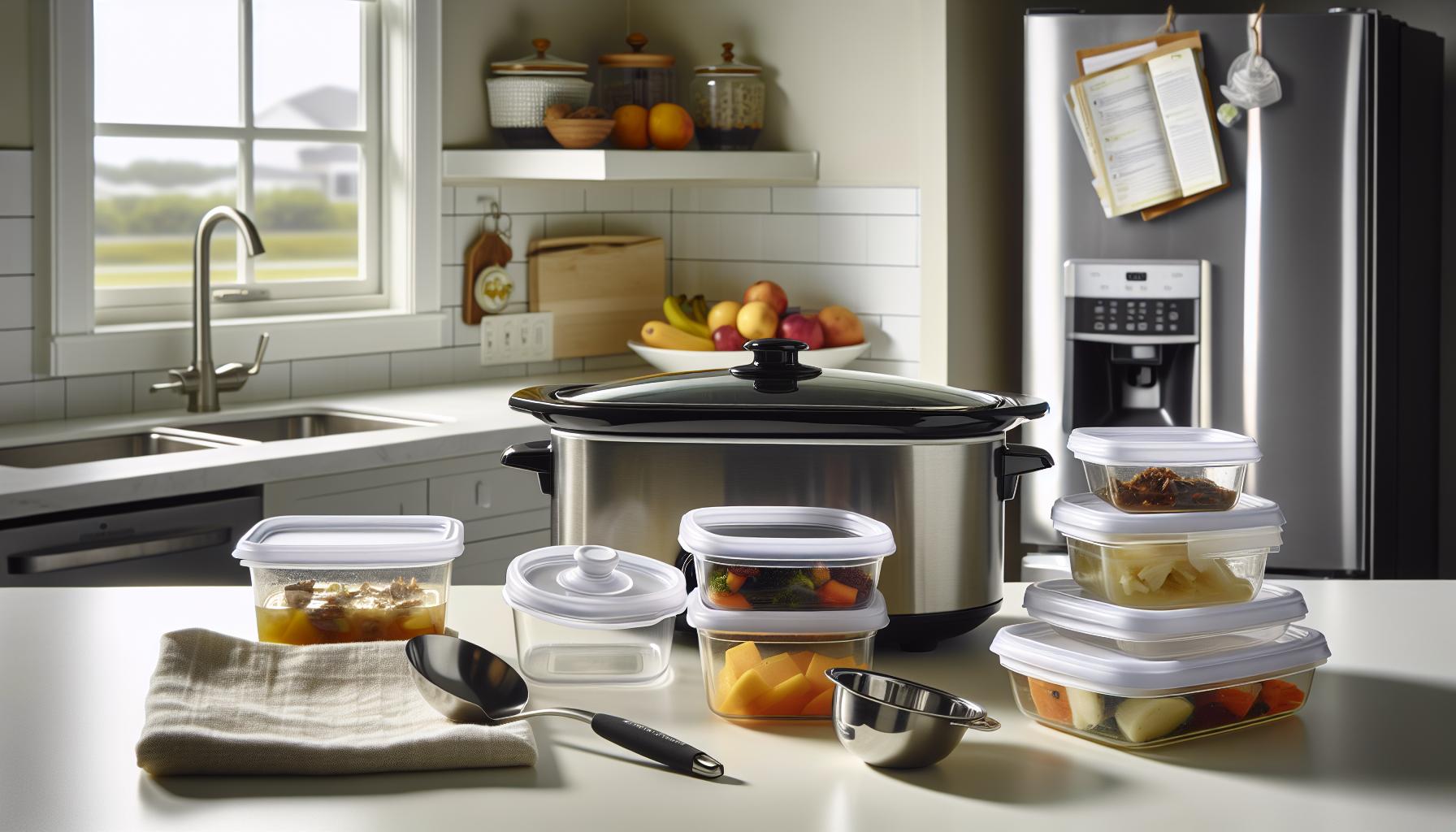
Nothing ruins the joy of a slow cooker meal like discovering your carefully simmered stew turned lukewarm and questionable overnight. Once your slow cooker has done its job-whether warming or cooking-knowing how to properly store that delicious food is the next key step to keep your paleo-friendly or gluten-free dishes safe and tasty. You want to lock in freshness without inviting those sneaky bacteria guests.
The first rule of thumb is to cool your food promptly after the warm cycle ends. Leaving goodies in the slow cooker for hours after warming, especially on a low or “keep warm” setting, can allow temperatures to slip into the “danger zone” (between 40°F and 140°F), where bacteria multiply fast [[1]](https://www.health.state.mn.us/people/foodsafety/cook/slowcook.html). As tempting as it is to keep the stew cozy until dinner, the best move is to transfer the food into shallow, airtight containers within two hours of finishing. I like to divide a big batch into smaller portions-this chills it faster in the fridge and means less reheating hassle later.
Smart Cooling and storage Tips
- Divide and conquer: Use wide, shallow containers rather than one giant Tupperware. This helps the food cool evenly and quickly.
- Cover it right: Seal containers tightly to preserve moisture and prevent fridge odors from mingling with your chili or stew.
- Label it: A simple date note on your container keeps track of freshness – ideally consume leftovers within 3-4 days.
- Freeze if needed: For paleo beef stews or gluten-free soups, freezing in meal-sized portions is a great way to save time and keep quality intact for weeks.
When reheating your slow cooker leftovers, always bring food to an internal temperature of 165°F using a microwave, stovetop, or oven. Avoid reheating in the slow cooker itself as these appliances often heat unevenly and too slowly to safely destroy bacteria once the food has cooled [[3]](https://extension.colostate.edu/resource/crockpot-and-slow-cooker-food-safety/).
Real-World Kitchen Wisdom
A fellow slow cooker enthusiast once shared how she’d store her gluten-free chili: after a long cooking day, she’d scoop out single servings into glass jars, refrigerate overnight, and heat only what she needed. This minimized leftovers going funky and saved her vast amounts of time prepping next meals-a true kitchen win! Plus, using glass jars meant no weird plastic odors mingled with her food, and cleanup was a breeze.
Remember, slow cookers are fabulous for making life easier but don’t let the convenience fool you into skipping proper cooling and storage steps. A little extra effort after warming will keep your paleo and gluten-free feasts not just tasty but safe. So next time you’re tempted to keep the “warm” button on till morning, think ahead to the fridge, containers, and that trusty thermometer-you’ll sleep better knowing your microbiome is safe and your belly will be happily fed later.
| Step | Action | Why It Helps |
|---|---|---|
| 1 | Transfer food to shallow containers within 2 hours | Speeds cooling to avoid bacterial growth |
| 2 | Seal containers tightly and label date | Preserves freshness and prevents odor exchange |
| 3 | Refrigerate or freeze promptly | Keeps food safe longer and maintains quality |
| 4 | Reheat to 165°F before serving | Kills any lingering bacteria safely |
Energy Use and Cost of Leaving Slow Cooker Warm
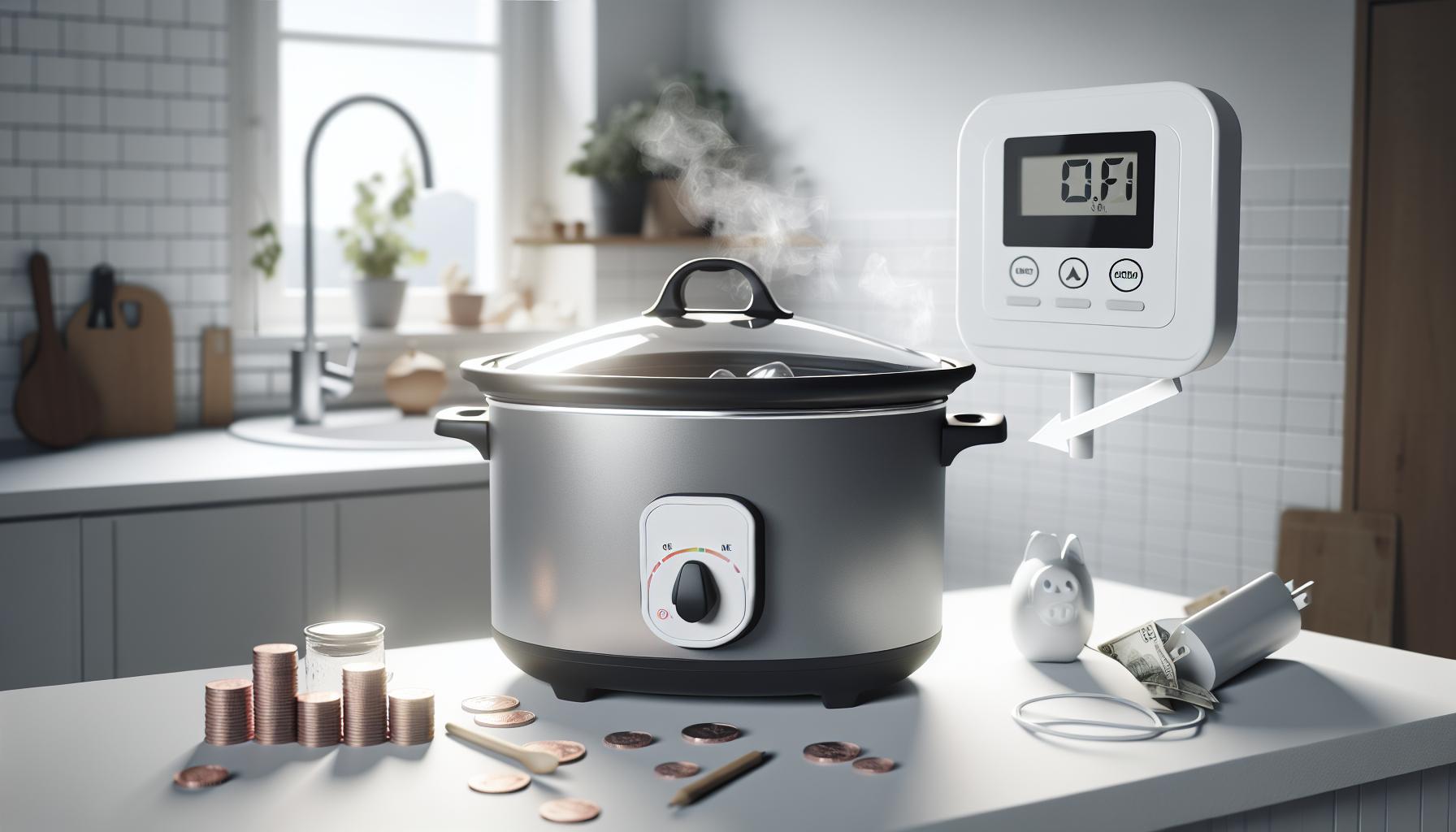
Few kitchen gadgets are as cozy and convenient as the slow cooker, especially when it comes to paleo and gluten-free comfort foods.But when you hit that “warm” button overnight, how much is it actually costing you in energy and dollars? spoiler: slow cookers are surprisingly energy-efficient, but leaving them on warm for hours does add up more than you might think – and not always in the ways you expect.
Slow cookers usually run on about 70 to 150 watts while warming,which sounds small compared to your oven or stovetop,but it can mean an extra 0.5 to 1.5 kWh if left on warm for an entire night (around 8-12 hours). that’s roughly 5 to 15 cents per night depending on your local electricity rates – not a budget buster, but hey, it’s like paying for a mini-nighttime campfire that’s just keeping your food cozy, not cooking it. On chilly mornings, that might be worth it for the fresh, ready-to-eat stew aroma wafting through your kitchen. But if you’re trying to save, letting the cooker do its job and then moving leftovers to the fridge is kinder to both your wallet and planet earth.
Practical Tips to keep Energy Use in Check
- Warm, don’t cook: Use the warm setting only to keep food above 140°F for safe serving-not as a slow cooker replacement. It’s designed to maintain temperature, not boost it significantly.
- Half or less for the win: A smaller batch or partial filling means your slow cooker uses less energy to maintain heat overnight.
- Timer magic: Many modern slow cookers have built-in timers or programmable features. Set it to cook fully, then switch to warm for a short window before mealtime, saving energy.
Consider this real-world kitchen snapshot: A gluten-free slow cooker enthusiast shared that she often programs her slow cooker to finish cooking an hour before dinner and then uses the warm setting only until the family sits down. This cut her energy use in half compared to leaving it warm all evening, plus dinner was still piping hot and ready, freeing her up for evening activities without losing that fresh-from-the-pot vibe.
Balancing Comfort and Cost
If you’re at the intersection of busy-life hustle and mindful cooking, think of your slow cooker’s warm setting like an oven’s pilot light-not a high-consumption appliance but one that adds up with use. Paying attention to how long your slow cooker stays warm and pairing that with proper food storage means you get to enjoy all the cozy flavors without the “gulp” energy bill moments. With paleo-friendly stews and gluten-free soups, every ounce of nutrient and flavor locked in feels better when you know it’s also energy-smart.
| Factor | Approximate Energy Use Per Hour | estimated Cost per Night (8-12 hours) |
|---|---|---|
| Slow Cooker Warm Setting (70-150 watts) | 0.07 – 0.15 kWh | $0.05 – $0.15 |
| Slow Cooker Low or High Setting | 0.2 – 0.4 kWh | $0.16 – $0.32 |
Next time you’re tempted to cozy up your stew all night, weigh the convenience gain against a few cents and your safety checklist. A little planning with timers and prompt refrigeration means you can have the best of both worlds-a slow cooker that warms well without warming your electric bill more than necessary. Plus, it keeps your gluten-free, paleo-friendly masterpieces tasting fresh and safe from dinner ’til snack time!
Expert Advice on Slow Cooker safety and Warm Time
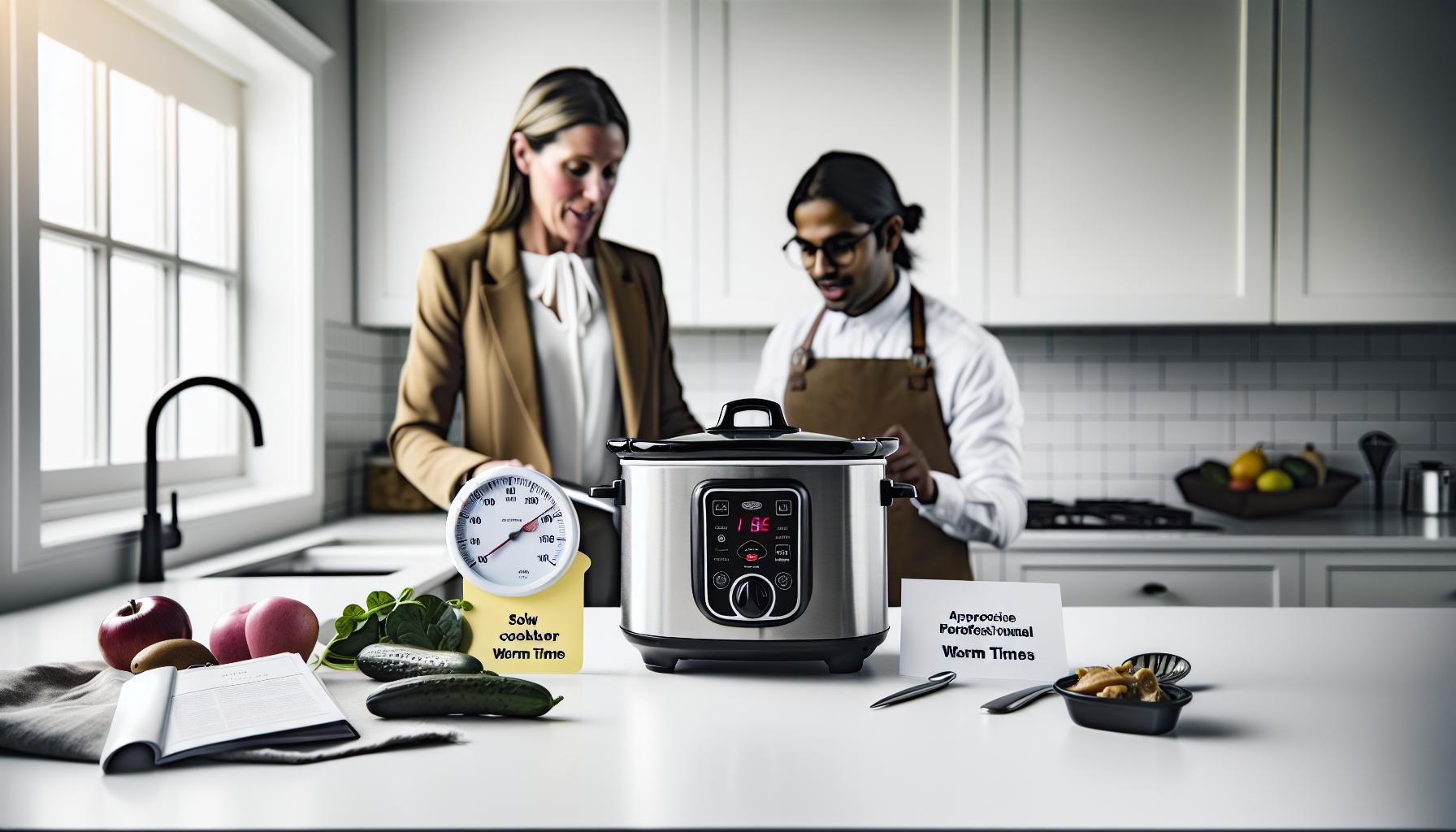
Here’s the scoop: using your slow cooker’s warm setting overnight isn’t automatically risky, but it definitely calls for a bit of savvy to keep your meal safe and tasty. The warm function is designed to hold food above 140°F, safely out of bacteria’s favorite hangout – the infamous “danger zone” between 40°F and 140°F. However, slow cookers vary, and not every unit excels at keeping food at this critical safe temperature for extended periods.So, it’s a good idea to know your slow cooker’s quirks and use a reliable food thermometer to monitor temps, especially if you’re warming food all night long.
Many food safety pros suggest that warming should be a short interim step-think “holding pattern” until dinnertime-not a prolonged cook session. That means once your stew or chili hits the perfect, safe internal temperature, feel free to switch to warm to keep it cozy. But if you’re tempted to leave it on warm for more than 4-6 hours-say, overnight-you risk the slow cooker not maintaining high enough heat steadily, potentially allowing bacteria to creep in. Based on my experience (and what I’ve seen across countless kitchen tales), it’s safer-and honestly, tastier-to cook fully before mealtime, then use warm sparingly just to hold flavor and heat briefly.
practical Tips From a Foodie Friend
- Invest in a quality meat thermometer. I can’t stress this enough. Whether paleo-friendly grass-fed stew or a gluten-free bean chili, checking that your food holds above 140°F on warm is your best line of defense.
- Don’t overload or underfill. Slow cookers like a happy medium-half to two-thirds full is ideal-to keep heat circulating evenly without overdriving the appliance.
- Plan for leftovers. If you know you’ll need to keep food warm for a while, consider finishing most cooking on low or high, then refrigerating promptly and reheating safely later. This keeps flavors fresh and peace of mind high.
Think of the warm setting as your kitchen’s gentle hug, not a spa treatment. It helps your meal hang out at a safe temperature without “cooking” it further. that’s especially critically important for paleo and gluten-free comfort meals,where delicate ingredients sometimes don’t want to be shoved around too much once perfectly cooked.On the flip side, if your dinner involves thick meat chunks or beans, a few extra hours on warm with occasional stirring usually plays out fine-just be mindful of the time.
For the most conscientious slow cooker cooks, setting a timer to automatically switch from low or high to warm is a neat hack that balances safety, flavor, and energy use. Plus, consider unplugging the cooker an hour before serving to keep food warm in residual heat, reducing electricity while still serving steaming dishes. A little attention goes a long way in turning your slow cooker into a clever kitchen partner rather than just an appliance sitting silently overnight.
| Key Safety Checklist for Warm Setting Overnight Use | Why It Matters |
|---|---|
| Food temperature Above 140°F | Prevents harmful bacteria growth |
| Use a Food Thermometer | Confirms warm setting is maintaining safe temps |
| Cook Food Fully Before Warming | Ensures thorough cooking and flavor growth |
| Don’t Leave on Warm Longer Than 4-6 Hours | Minimizes food safety risks from slow cool-down |
| Store Leftovers Promptly After Use | Preserves freshness and prevents spoilage |
So, go ahead and cozy up your paleo-friendly chili or gluten-free stew with confidence-just do it with a little kitchen mindfulness. When you combine safe temps, proper timing, and a trusty thermometer, that warm button becomes your best friend, keeping meals safe and delicious without sacrificing convenience or flavor. After all, life is busy and your slow cooker is here to simplify, not stress, your dinner game!
FAQ
Q: Can leaving a slow cooker on warm overnight affect the food’s texture or flavor?
A: Yes, leaving food on warm overnight can sometimes cause it to overcook or dry out, especially delicate dishes like soups or vegetables. To maintain texture and flavor,use the warm setting sparingly and consider adding extra liquid. Check out our tips on best foods for overnight warming for ideal results.
Q: How long can food safely stay on the slow cooker’s warm setting without spoilage?
A: Food can typically stay safely on warm for up to 4 hours without significant risk of spoilage. Beyond this, bacteria risk rises. For longer holding times, refrigerate or reheat as needed to ensure safety. For more on food safety and slow cooker warm time, see the expert advice section.
Q: Does the warm setting on a slow cooker maintain food at a safe temperature to prevent bacteria?
A: The warm setting usually holds food around 140°F (60°C), which meets USDA standards to prevent bacteria growth.However, this temperature can vary by model, so it’s critical to verify your slow cooker’s warm temp and avoid leaving food too long. More on this in how the warm setting works.
Q: What are the energy costs of leaving a slow cooker on warm overnight compared to off?
A: Leaving your slow cooker on warm overnight uses very little electricity, often less than a light bulb. It’s an energy-efficient way to keep food ready, but to save more, turn it off if you don’t need to maintain warmth. Refer to energy use and cost for details and tips.
Q: can leaving a slow cooker on warm overnight cause any fire hazards or safety concerns?
A: Modern slow cookers are designed to be safe when left on warm overnight without fire risk, as long as they’re used properly and placed on heat-resistant surfaces. Always follow manufacturer instructions and avoid placing near flammable materials for peace of mind.
Q: How can I adjust meal prep to safely use the warm setting overnight?
A: To use the warm setting safely overnight, start with fully cooked dishes and avoid high-risk ingredients like dairy or seafood. Add moisture-rich ingredients late to prevent drying.Check our tips to keep food safe on warm overnight for easy, tested meal prep strategies.
Q: Is the warm setting suitable for gluten-free or paleo-friendly dishes left overnight?
A: Absolutely! The warm setting works well for gluten-free and paleo dishes like vegetable stews or bone broths kept overnight. Just monitor cooking times and use sealed lids to keep flavors fresh and textures tender for a wholesome meal ready in the morning.
Q: What’s the best way to safely reheat slow cooker food after warming overnight?
A: The safest method is to stir the food, then reheat to at least 165°F (74°C) on high or a stovetop.This ensures any bacteria are destroyed and the dish retains great flavor. See our how to store and reheat slow cooker food section for foolproof tips.
Explore these FAQs alongside our main article sections to confidently master your slow cooker’s warm setting with safety and delicious results.
The Way Forward
Leaving your slow cooker on warm overnight can be safe when done right, but knowing the best practices ensures your meals stay delicious and hazard-free. Whether you’re prepping a cozy gluten-free stew or a paleo-friendly chili, using the warm setting thoughtfully keeps flavors intact without compromising safety. For busy cooks like us who love simple, tasty meals with minimal fuss, this little tip can make weeknight dinners smoother and stress-free.Ready to dive deeper into slow cooker magic? Check out our guides on “Slow Cooker Meal Prep for Busy Families” and “Top 5 Slow Cooker Hacks for Perfect Paleo Dinners” to master your kitchen game. Plus,don’t forget to sign up for our newsletter-packed with easy recipes,kitchen tips,and time-saving shortcuts perfect for any home cook juggling gluten-free or paleo lifestyles.
Got questions or your own slow cooker stories? Share them in the comments below-we love hearing from fellow food lovers. Keep experimenting, and remember: great food is all about enjoying the process as much as the result. Stay tuned for more kitchen wisdom and tasty inspiration!
Get our latest guides, news, and insights highlighted in your Google Search & AI Overviews.


