
✨ This article was AI edited. Editorial responsibility: SabriNasSinlessSecrets.com.
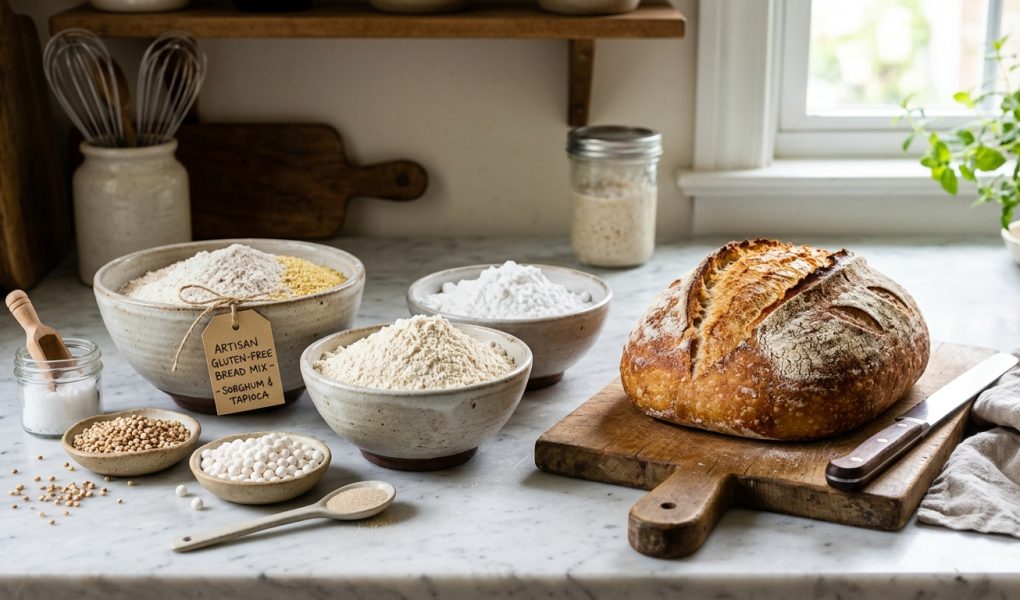
Transitioning to a gluten-free lifestyle—whether due to celiac disease, wheat allergy, or non-celiac gluten sensitivity—can initially feel overwhelming. Understanding the fundamental chemistry of gluten, knowing how to substitute traditional wheat flours with balanced starch blends, and mastering natural hydrocolloid binders like xanthan gum will transform your home kitchen into a confident culinary sanctuary.
Table of Contents
- What Gluten Actually Does in Cooking & Baking
- Master Guide to Gluten-Free Alternative Flours & Starches
- The Essential Role of Hydrocolloid Binders
- Hidden Sources of Gluten to Watch Out For
- Frequently Asked Questions
- Gluten-Free Baking Conversion Rules of Thumb
- Essential Tools for the Gluten-Free Kitchen
- Master 1-to-1 All-Purpose Gluten-Free Flour Blend Recipe
What Gluten Actually Does in Cooking & Baking
Gluten is a composite protein consisting of gliadin and glutenin found in wheat, barley, rye, and triticale. When mixed with water and kneaded, gluten forms an elastic microscopic webbing that:
- Traps carbon dioxide bubbles during yeast fermentation, enabling bread to rise tall.
- Provides chewiness and tensile elasticity in pasta, pizza dough, and artisan bread crusts.
- Functions as a thickener and emulsifier in gravies, pan sauces, and canned soups.
Master Guide to Gluten-Free Alternative Flours & Starches
| Flour / Starch Variety | Classification | Flavor & Culinary Strength |
|---|---|---|
| Brown / White Rice Flour | Heavy Grain Base | Neutral, mild, structural backbone for flour blends |
| Tapioca Starch (Cassava) | Elastic Starch | Provides stretch, browning, and chewiness to breads and crusts |
| Potato Starch | Moisture Starch | Holds moisture inside crumb; creates tender bakery cakes |
| Almond Flour (Blanched) | Nut Flour (Grain-Free) | Rich healthy fats, low-carb, tender crumb for cookies and crusts |
| Sorghum Flour | Ancient Grain Base | Smooth, sweet, wheat-like whole grain flavor |
The Essential Role of Hydrocolloid Binders
Because gluten-free flours lack natural elastic protein chains, baked goods will crumble into dust without a binder. The two most reliable binders are:
- Xanthan Gum: A natural polysaccharide produced through fermentation. Standard rule: use 1/4 tsp per cup of flour for cakes and cookies, and 1/2 to 3/4 tsp per cup for breads and pizza dough.
- Psyllium Husk Powder: The ultimate plant-based binder for yeast breads. When mixed with warm water, psyllium forms a gel that closely mimics real wheat gluten dough handling.
Hidden Sources of Gluten to Watch Out For
Gluten frequently hides under technical food industry additives. Always read ingredient labels for:
- Soy Sauce: Traditional soy sauce is brewed with wheat. Always choose Tamari or certified gluten-free soy sauce.
- Malt Extract / Malt Vinegar: Derived from germinated barley; substitute with pure apple cider vinegar or white wine vinegar.
- Beer Batter & Panko: Choose certified gluten-free breadcrumbs or crushed rice cereal for crisp breading.
- Modified Food Starch: In the US, food starch from wheat must declare “wheat” on the allergen label; potato, corn, or tapioca starch is gluten-free safe.
Frequently Asked Questions
Can I replace wheat flour with 100% almond flour in any recipe?
No. Almond flour contains high fats and zero starch, making it heavy. Substitute almond flour in recipes specifically designed for nut flours, or combine it in a 30/70 ratio with starches.
Why do gluten-free baked goods dry out so quickly?
Gluten-free starches retrograded (recrystallize) faster than wheat starches. Add 1 to 2 tablespoons of applesauce, yogurt, or extra butter to doughs to lock in moisture.
What does ‘Certified Gluten-Free’ mean?
Organizations like the Gluten-Free Certification Organization (GFCO) test products to ensure they contain less than 10 parts per million (ppm) of gluten, far stricter than the FDA’s 20 ppm legal standard.
Gluten-Free Baking Conversion Rules of Thumb
| Traditional Recipe Element | Gluten-Free Adjustment | Why This Is Necessary |
|---|---|---|
| 1 Cup All-Purpose Wheat Flour | 140g GF Blend (by weight, not volume) | GF flours are denser; measuring by weight prevents dry bricks |
| Batter Rest Time | Rest batter for 15 to 30 minutes before baking | Allows starches (rice/tapioca) to fully hydrate and eliminates gritty mouthfeel |
| Baking Temperature & Time | Bake 5 minutes longer at 25°F lower temp | GF doughs contain higher hydration that requires steady evaporation |
Essential Tools for the Gluten-Free Kitchen
- Digital Kitchen Scale: Invaluable for weighing flours in grams rather than inaccurate cup scoops.
- Oven Thermometer: Ensures accurate baking temperatures since gluten-free bakes are sensitive to thermal fluctuations.
- Fine-Mesh Sifter: Aerates dense rice flours and thoroughly incorporates xanthan gum into starch mixes.
Master 1-to-1 All-Purpose Gluten-Free Flour Blend Recipe
If you prefer making your own universal gluten-free baking mix at home rather than purchasing expensive commercial blends, mix this large batch in an airtight container:
| Ingredient | Weight / Volume | Percentage of Blend |
|---|---|---|
| Superfine White Rice Flour | 400 grams (approx. 2 2/3 cups) | 40% (Structural Base) |
| Brown Rice Flour | 300 grams (approx. 2 cups) | 30% (Earthy Whole Grain Body) |
| Tapioca Starch (Flour) | 200 grams (approx. 1 2/3 cups) | 20% (Chewiness & Golden Browning) |
| Potato Starch | 100 grams (approx. 3/4 cup) | 10% (Moisture Retention) |
Get our latest guides, news, and insights highlighted in your Google Search & AI Overviews.


