
Did you know that the “high” setting on your slow cooker typically heats food to around 300°F (150°C)? Understanding this temperature is a game-changer for anyone who loves convenient, hands-off meals but wants to get the timing and texture just right. Whether you’re prepping a cozy stew, a paleo-kind roast, or gluten-free chili, knowing what “high” really means can help you cook smarter, not harder. It’s like having a kitchen assistant who knows exactly when your dish hits that perfect safe-and-tasty zone without boiling over or drying out. Plus, it removes the guesswork for busy folks juggling family dinners or meal prepping for the week. Stick around, and I’ll share how this temp influences cooking times, ingredient swaps, and even how to rescue a dish if your slow cooker runs hot or cold. Trust me, mastering this simple fact will make your slow cooker recipes more foolproof and appetizing-no stress, no fuss, just comforting meals ready when you want them.
Table of Contents
- Understanding slow Cooker Temperature Basics on High Setting
- Why Exact Temperatures Matter for Food Safety
- How slow cooker Heat Differs from Oven and Stove
- Typical Temperature Ranges of Popular slow Cooker Brands
- How Slow Cooker Temperature Affects Cooking Times
- Tips to Measure and monitor Your Slow Cooker’s Heat
- Common Recipe Adjustments for High setting Temperatures
- Avoiding Overcooking and Undercooking on High Heat
- Slow Cooker cooking Mistakes Related to Temperature
- real-Life Kitchen Stories: High Setting Success and Fails
- How Altitude and Ingredients Impact Slow Cooker Temperatures
- Frequently Asked Questions
- Key Takeaways
Understanding slow Cooker Temperature Basics on High Setting
Here’s a fun fact to kick things off: when you switch your slow cooker to the high setting, it’s basically cranking the heat to around 300°F (about 148°C). This means your dish is simmering away at a pace that’s roughly 2 to 2.5 times faster than the low setting. For busy cooks like us, that turbocharge can turn a seven-hour slow roast into a speedy three-hour meal without sacrificing flavor or tenderness.
Understanding this heat level is crucial, not just for timing but for food safety. slow cookers work by gradually bringing ingredients up to a safe internal temperature, but the high setting reaches the simmer point quicker-around 300°F at the heating element-giving you confidence that your meal is warming through thoroughly. Think of it like a friendly kitchen assistant who keeps the heat consistent but respects the delicate dance of slow simmering. Just remember, high heat in a slow cooker isn’t digging into the same dry heat territory as your oven’s 350°F or higher temperatures, so expect moist, melting textures rather than crispness.
What Happens Under the Lid?
Slow cooker high settings don’t just blast heat; they cycle it to maintain that target temperature, preventing burning while promoting even cooking. As the ceramic pot distributes heat evenly, your ingredients can break down patiently, coaxing out deep flavors in a way that’s especially kind to paleo and gluten-free meals, which frequently enough rely on whole, natural ingredients that benefit from slow, steady heat. Such as, I once tossed sweet potatoes, chicken, and coconut cream into my slow cooker on high, and the result was a velvety, comforting stew that came together in just 3 hours-perfect for a weeknight paleo dinner.
- High setting temp range: roughly 300°F (148°C)
- Cooking time equivalency: 1 hour on high ≈ 2-2.5 hours on low
- Heat cycling: Maintains simmer without burning
Keeping a mental note of these points turns your slow cooker from a mysterious appliance to your go-to mealtime hero. And here’s a little kitchen wisdom: if you’re running behind, bumping up to high can save the meal without losing a lick of flavor-just keep an eye on timing to avoid overcooked mush!
Why Exact Temperatures Matter for Food Safety
Ever wonder why your slow cooker’s high setting is more than just a dial cranked to “hot”? It’s as the exact temperature it reaches plays a starring role in keeping your meals safe-not just tasty. When cooking poultry, beef, or those scrumptious paleo-friendly stews, the magic number is hitting that internal temperature of 165°F (74°C) or higher to zap any lurking bacteria. The high setting’s cozy range of around 300°F (148°C) at the heating element means your dish gets up to safe temperatures faster, cutting down the “danger zone” time where food-borne bugs love to throw a party.
Think of your slow cooker as a patient sous-chef who knows the importance of steady heat. Unlike your oven, which blasts hot air, or the stove’s direct flame, the slow cooker wraps food in gentle, even warmth through its ceramic pot. This steady finish line ensures a consistent rise in temperature that’s crucial for complex dishes like bone broth or a hearty chili,where it’s all about breaking down collagen and melding flavors while keeping things safe. Remember when I tried a slow cooker white chicken chili that took exactly 3 hours on high? it came out silky, flavorful, and perfectly safe, thanks to that reliable heat cycle.
Simple Tips to Stay Safe and Savor Every Bite
- preheat Smart: If you want to speed things up, preheating your slow cooker on high before adding ingredients can help reach that safe cooking zone sooner.
- Use a Thermometer: Invest in a good, inexpensive kitchen thermometer. Checking the internal temperature of your main protein ensures it’s hit that safety sweet spot.
- Lid Discipline: Resist the urge to peek! Every time you lift the lid, heat escapes, which can add 15-30 minutes to cooking time and affect food safety.
- Don’t Skimp on Liquid: Slow cookers rely on moisture to maintain temperature and cook evenly-plus, it keeps your paleo stews and gluten-free curries moist and luscious.
By respecting the exact temperature ranges your slow cooker hits, you’re not just avoiding foodborne illnesses-you’re unlocking a world of juicy, tender, melt-in-your-mouth meals that celebrate whole-food goodness, whether you’re paleo or gluten-free (or just hungry!). Like a trusty cooking buddy, your slow cooker’s high heat setting is there to be dependable, consistent, and downright delicious-just keep that practical thermometer handy, and you’ll be serving safe, scrumptious food every time.
How slow cooker Heat Differs from Oven and Stove
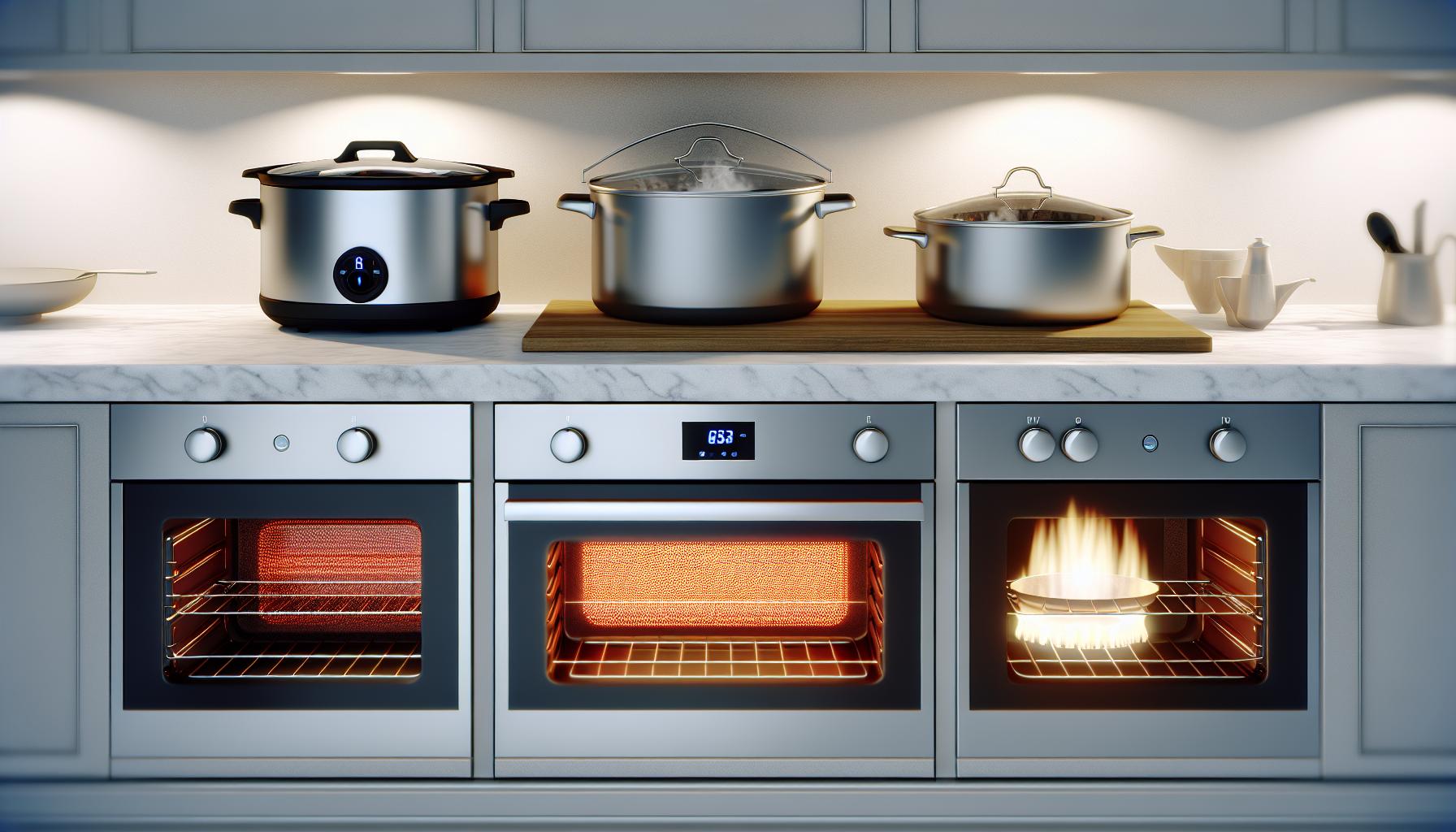
Ever notice how your slow cooker feels like a gentle hug for your food, while the oven shouts at it wiht a roaring heat blast? That’s as slow cookers-and especially their high setting-use a fundamentally different cooking approach compared to ovens and stovetops.While ovens rely on circulating hot air (sometimes upwards of 350°F or more) and stovetops deliver direct, intense heat via flames or electric coils, slow cookers envelope your meal in steady, moist warmth that rarely exceeds 300°F at the heating element-and even less inside the food itself. This difference isn’t just about temperature; it’s about the cooking style that transforms your tougher cuts of meat into tender, juicy perfection without the fast, high-heat scorch.
The magic lies in the slow cooker’s ceramic pot that absorbs and radiates heat evenly,creating a kind of warm steam bath inside. Unlike the dry heat of an oven, where your food can brown quickly and even dry out if not monitored, the slow cooker’s gentle heat promotes gradual collagen breakdown and flavor melding, perfect for those paleo-friendly stews and gluten-free curries we love. I remember once using my slow cooker for a beef bone broth on high-it took about 4 hours,but the rich depth of flavor and silky mouthfeel wouldn’t have been possible with quick stovetop simmering or baking.
How This Affects Your Cooking Game
- Consistent, Moist heat: The slow cooker’s enclosed environment traps moisture, preventing the dryness you might see with roasting or pan frying.
- Lower Maximum Temperatures: While an oven can hit 400°F or more, slow cookers max out closer to 300°F, but with longer cook times to compensate.
- Less Risk of Burning: The diffuse heat distribution in a slow cooker lowers the chance of scorching-as long as you stick to recommended cook times.
- Great for tough Cuts and Complex Flavors: Slow, steady heat breaks down connective tissue over time, making budget-friendly cuts tender and dishes deeply savory.
In practical terms, if you’re switching a recipe from oven or stove to slow cooker high setting, expect longer cook times but more hands-off ease. for example, a roast that browns beautifully in a 375°F oven for 90 minutes might take 4 hours slow-cooked on high-but with juicy, fork-tender results worth the wait. Plus, the added bonus of freeing up your stovetop for side dishes or that all-crucial homemade paleo gravy.
Quick Tips for Mastering Slow Cooker Heat vs. oven and Stove
- Don’t Rush the Process: Embrace slower cooking; it’s a trade-off for moist, melt-in-your-mouth results.
- Use Moisture wisely: Liquid in the slow cooker prevents drying and helps maintain that even heat environment.
- Adjust Seasonings: Herbs and spices may intensify over long cooking, so add fresh herbs near the end for that bright pop.
- Preheat If You Can: Starting your slow cooker on high for 15 minutes before adding food shortens time to hit that safe and savory temperature zone.
So, if you think of your slow cooker as your chill, low-key kitchen buddy, quietly coaxing flavors and textures over hours, while your oven and stove bring the party with higher heat and shorter timelines-you’re well on your way to mastering the art of slow, steady cooking that’s as safe as it is scrumptious. Whether paleo, gluten-free, or just plain hungry, this gentle heat is your secret weapon for tasty, foolproof meals with zero fuss.
Typical Temperature Ranges of Popular slow Cooker Brands
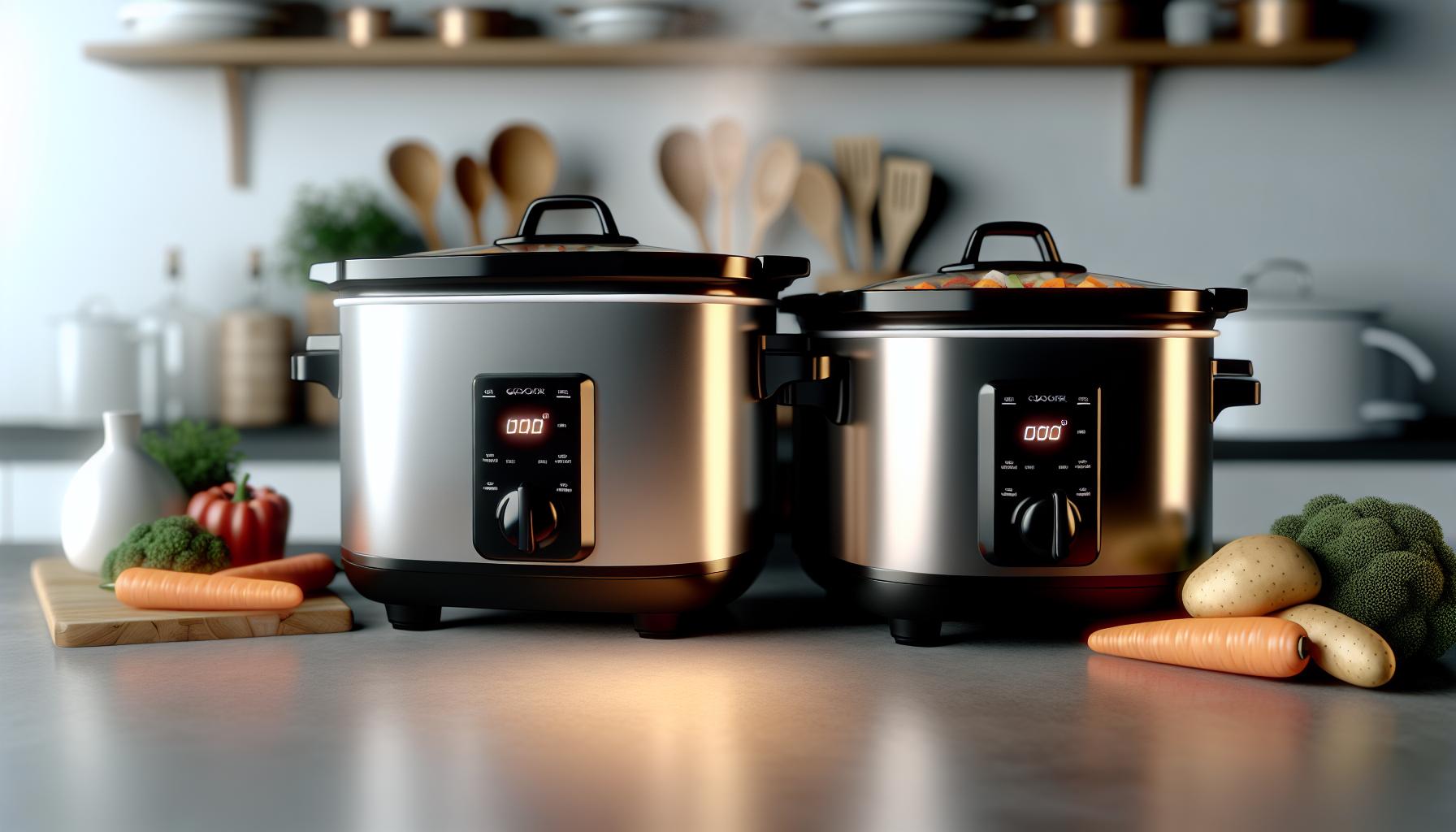
Ever wondered why your slow cooker’s “High” setting on one brand feels a little different from another? It turns out that while most slow cookers aim for a similar cozy heat range, the exact temperatures can vary quite a bit between manufacturers-and even between models. That’s why your favorite gluten-free stew might cook perfectly in your trusty Crock-Pot® but can stubbornly cling to its undercooked state in a different unit, or why Paleo-friendly bone broth takes a smidge longer depending on the slow cooker’s heating quirks.
Generally speaking, when set to high, most slow cookers hover around the 200°F to 300°F range. For example,crock-Pot® slow cookers typically reach between 280°F and 300°F on high,gently coaxing meats and veggies till tender without scorching. Simultaneously occurring, brands like Hamilton Beach or Ninja’s Foodi slow cookers frequently enough run a bit cooler, closer to 200°F to 250°F on their high settings, which means dishes might need a longer timeout to get that melt-in-your-mouth consistency we all crave.
| Brand | approximate High Setting Temp (°F) | Typical Use Cases |
|---|---|---|
| Crock-Pot® | 280-300°F | great for tougher paleo-friendly roasts and hearty stews; speeds up cooking without sacrificing moistness |
| Hamilton Beach | 200-250°F | Perfect for delicate curries and gluten-free vegetable medleys; slower with more gentle heat |
| Ninja Foodi | 210-260°F | Versatile for both slow cooking and pressure cooking; best for recipes needing flexible cooking times |
Why It Matters for Your Meals
Knowing your slow cooker’s temperature range is like having a secret handshake with your kitchen gadget-it helps tailor cook times, adjust liquid levels, and even affect seasoning tweaks. For example, paleo slow cooker chili cooks differently if your high setting peeks at 300°F versus 210°F. In the hotter cooker, that chili hits the safe and tender zone faster, whereas the cooler setting calls for patience and perhaps an extra splash of broth to keep everything luscious.
From personal kitchen adventures, I’ve learned that preheating the slow cooker on High for 15 minutes before adding ingredients can definately help kickstart the temperature climbing process, especially if your model tends to run cooler. And if you’re swapping recipes between brands, consider using a kitchen thermometer to check the actual pot’s heat-it’s a handy way to avoid surprises like underdone pork or dried-out veggies.after all,slow cooking is meant to be the “set it and forget it” hero for busy cooks,not a guessing game!
How Slow Cooker Temperature Affects Cooking Times
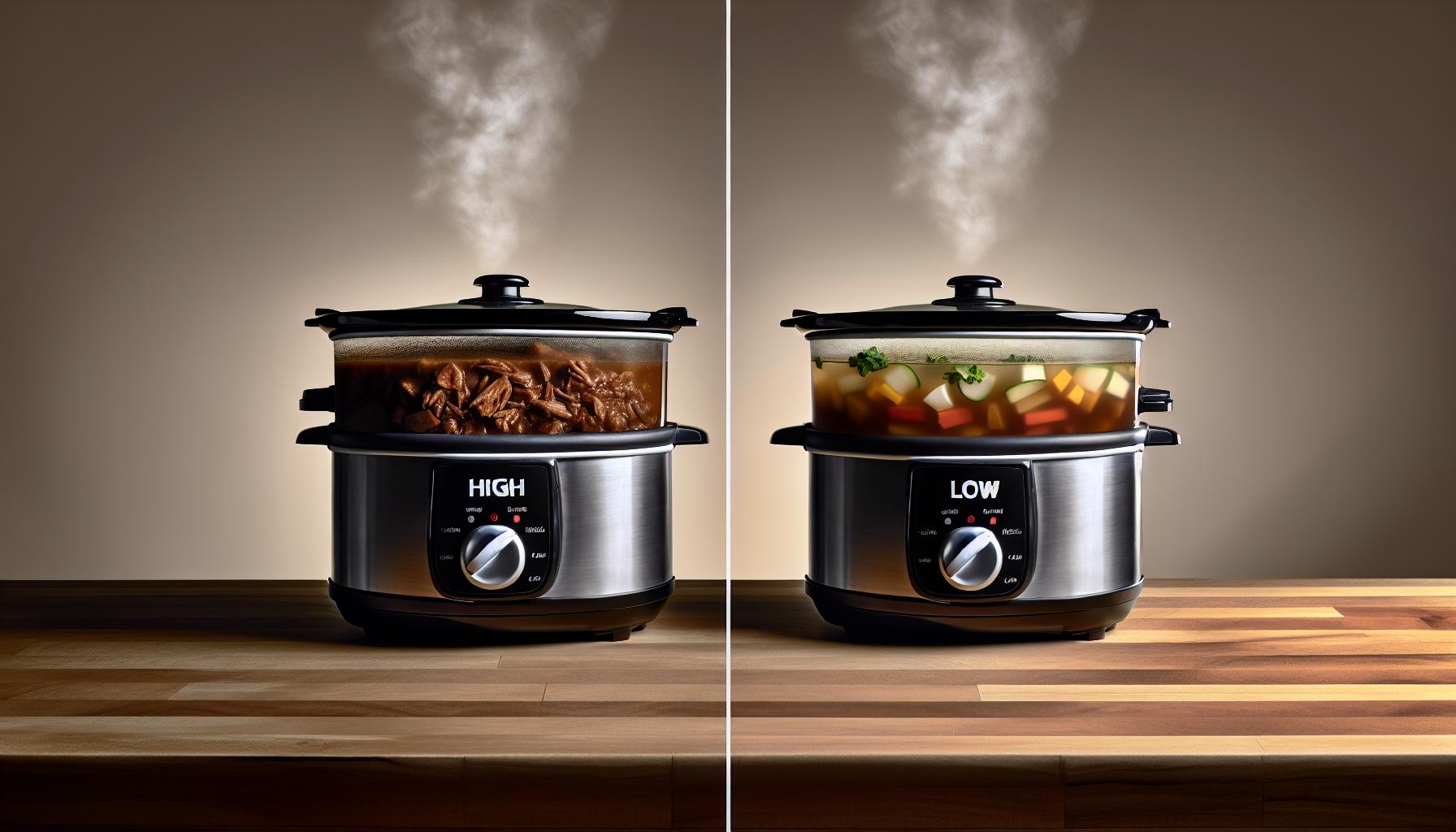
Believe it or not, the exact temperature your slow cooker hits on high can rewrite the whole story of your meal’s cooking time. Even a 50-degree difference can stretch or shrink your schedule by hours-like turning a picnic into a marathon or a sprint into a laid-back stroll. As a notable example, a Crock-Pot® setting chugging near 300°F will have that paleo-friendly brisket fork-tender in about 4 to 6 hours.But pop that same cut into a Hamilton Beach set around 210°F, and you’re looking at a patient 7 to 9 hours of cozy slow heat before it’s ready to shine.
This heat variation means that while your recipe might say “cook on high for 5 hours,” it’s actually a flexible guide, not gospel. From my kitchen experiments, when hopping between brands or models, I always recommend factoring in the cooker’s top-range heat to avoid tough bites or mushy veggies. Tip to try: start checking doneness an hour before the recipe’s finish time if your cooker runs hot. Conversely,if it’s on the cooler side,add a little extra cook time or toss in an extra splash of broth-especially for gluten-free stews or delicate curries that can dry out or lag behind.
How Ingredients and heat Work Together
It’s not just the slow cooker’s heat but the ingredients’ temperature thresholds that shape timing. Tougher cuts like beef shanks or pork shoulder hold their collagen longer, needing higher heat and more time to become glowingly tender. Meanwhile, delicate veggies or seafood can turn to mush if the heat’s too fierce or the cook time stretches out. I once rushed a gluten-free ratatouille in a high-temp cooker and ended up with a lovely veggie purée-delicious, but not quite what I’d planned!
- Meaty, dense recipes: Benefit from higher temps near 280°F-300°F for optimal tenderness without drying out.
- Delicate dishes: Like veggie medleys or paleo seafood work better with 200°F-230°F, allowing gentle heat to preserve texture and flavor.
- Mixed ingredient meals: Sometimes need compromises-consider adding firmer veggies later or setting a timer to adjust heat midway.
Ultimately, getting to know how your slow cooker’s high setting behaves is like learning a new dance step-once you find the rhythm, your dinners arrive perfectly on time, every time. my kitchen hacks: preheat your cooker for 15 minutes on high before piling in ingredients to jump-start temperature stabilization,and keep a trusty kitchen thermometer handy to track internal heat progress. These tricks turn “set it and forget it” into “set it,check it lightly,and celebrate effortless deliciousness.”
Tips to Measure and monitor Your Slow Cooker’s Heat
You might think a slow cooker’s “high” setting is a one-size-fits-all heat zone, but spoiler alert: each cooker has its own personality, and temperatures can vary quite a bit. That’s why measuring your slow cooker’s heat gives you superpowers to get dinners just right-no more guessing if you’re turning out perfectly tender chicken or a veggie mush fest. A quick kitchen tip from my own paleo and gluten-free adventures: a simple kitchen thermometer can be your best sous-chef to track what’s really going on inside that ceramic pot.
Getting started is easier than it sounds. Frist, preheat your slow cooker on high for about 15 minutes without food-this jump-starts the internal temperature. Then, fill it with water (the easiest heat conductor around) and carefully insert a probe thermometer into the water’s center. Keep the lid closed as you wait; lifting it lets heat sneak away like an escape artist. You’ll likely see temperatures between 200°F and 300°F depending on your brand and model-Crock-Pots tend to run hotter, frequently enough nearing 300°F, while some programmable Hamilton Beach models hover closer to 210°F on high [[1]](https://www.facebook.com/groups/ninjafoodipossiblecookercommunity/posts/763039032340000),[[[2]](https://thedefaultcook.com/testing-slow-cooker-temperature/). Jot down your slow cooker’s usual high temp and compare it to your recipe’s expectations to adjust your cooking plan confidently.
Tools and Techniques to Keep It simple
- Use a digital probe thermometer: These give fast, precise readings without guessing, and many come with alarms for set temperatures-perfect for hands-off cooking.
- Test with water first: Before you toss in your precious brisket or paleo stew, check your cooker’s heat with water. This acts like a temperature baseline and saves your food from an unexpected culinary roller coaster.
- Keep a temperature log: Write down what you find for your slow cooker and note any oddities. For example,if “high” is boiling your broth,dial in with timed checks during cooking.
From experience, even small differences in heat can transform your dish dramatically. Once, I underestimated my cooker’s high temp by 50 degrees and ended up with a perfectly cooked pork shoulder in half the usual time-score! But that means checking doneness early and adjusting your schedule accordingly. Conversely, a cooler cooker might need a little extra love-and cook time-to tenderize that gluten-free stew without drying it out.
So embrace your slow cooker’s quirks and make heat measurement part of your routine. With just a few simple steps, you’ll turn “set it and forget it” into a fun, confident kitchen ritual that respects your paleo or gluten-free lifestyle-and delivers delicious results every time.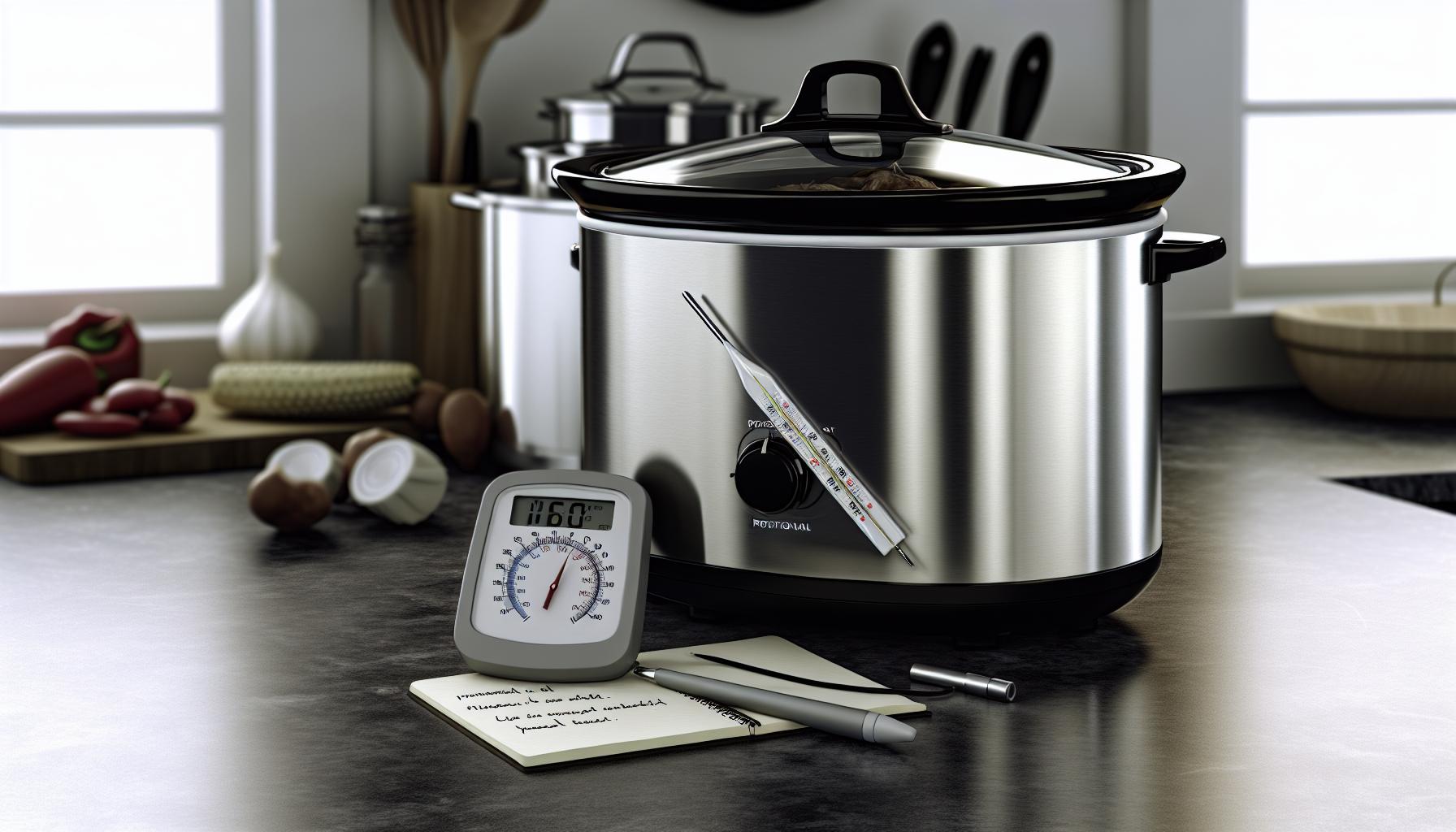
Common Recipe Adjustments for High setting Temperatures
sometimes, dialing your slow cooker to “high” doesn’t meen you’re in for a guaranteed fast cook. As temperatures can range anywhere from around 200°F to nearly 300°F depending on your model, adapting recipes becomes less about blind trust and more about savvy kitchen intuition. For example, if your slow cooker tends to hover near 300°F on high (hello, some Crock-pots!), you’ll want to shorten the cooking time or reduce the liquid to prevent your paleo stew from turning into a soggy, overcooked mess. Conversely, if your slow cooker runs cooler-closer to a gentle 210°F-you might need to add time or gently raise the heat earlier to coax that gluten-free brisket to tender perfection.
Adjusting recipes for high setting temperatures is all about tuning into your cooker’s unique heat signature without losing the joy of easy meals. A neat trick I’ve picked up is to reduce cook times by about 25% if my recorded “high” temp pushes north of 275°F. That means a typical 6-hour recipe might onyl need 4.5 hours rather-perfect when you’re short on time but craving that slow-cooked flavor. Alternatively, on models running cooler, I’ve added up to an hour or two extra and sometimes slipped in ingredients that break down connective tissue faster, like a splash of apple cider vinegar for paleo-friendly meals or extra aromatics.
- Watch your liquid levels: Higher temps mean faster evaporation. if your cooker is heating hotter than expected,add a bit more broth or water at the start,or check midway through cooking.
- Layer ingredients wisely: Denser items like root veggies go on the bottom where heat is strongest. This helps even cooking, especially important if your cooker’s high setting runs on the cooler side.
- Use timers smartly: set alarms or reminders to check for doneness earlier than usual when testing your cooker’s heat-especially if you’re experimenting with a new recipe or appliance.
Ingredient Swaps for High Heat Success
Getting creative with paleo and gluten-free substitutions can also help adjust for temperature quirks. take cauliflower rice instead of grains that might dry out under intense heat, or swap tender mushrooms for tougher cuts of meat that love long, hot cooking. And here’s a little kitchen secret: adding root vegetable chunks slightly larger than usual can prevent them from turning mushy when your cooker runs hotter than expected. Plus, these swaps add textural balance without sacrificing flavor.
At the end of the day, the goal is simple: embrace your slow cooker’s style while having delicious food land on your plate every time. With just a few tweaks-timing, liquid, layering, and ingredient choices-you’ll move from “did I overcook it?” worry to “wow, that’s amazing” satisfaction, all while keeping paleo or gluten-free cooking approachable and fun. Remember, your slow cooker isn’t just a machine; it’s a kitchen partner with personality, and tailoring your recipes to its heat quirks is your secret weapon for tasty wins.
Avoiding Overcooking and Undercooking on High Heat
Cooking on the high setting in a slow cooker is like a balancing act – too hot or too long, and you risk turning tender cuts into tough leather or mushy veggies; too cool or too short, and your food might end up undercooked or unsafe. What most home cooks don’t realize is that “high” can be quite the wild card, swinging anywhere from about 210°F to almost 300°F depending on your brand and model. That’s why dialing in your timing and technique is essential, especially if you’re following paleo or gluten-free recipes that rely on precise textures and moisture levels.One of my favorite go-to tricks is to treat your slow cooker like a new kitchen buddy you’re still getting to know. If you notice your cooker’s high setting runs hotter (close to 285-300°F), I recommend trimming down conventional cook times by about 25%. Such as, a six-hour beef stew can usually handle 4.5 hours in a hotter slow cooker without losing its tenderness or drying out your broth. on the flip side, if your slow cooker leans cooler (around 210-220°F), don’t hesitate to add an hour or two, especially for tougher cuts. Slow and steady wins the race when it comes to breaking down collagen and connective tissues-plus, a splash of acid like apple cider vinegar can really help speed that up without extra heat.
- Layer thoughtfully: Put dense root vegetables like carrots and potatoes at the bottom, where the heat is strongest. This prevents undercooked, crunchy surprises and helps the heat penetrate evenly.
- Mind the liquids: Hotter temps cause faster evaporation. Start with a little extra broth or water, especially if you plan to cook longer.Keep some handy to top off midway if it looks dry.
- Set early timers: Use your phone alarms or kitchen timers to remind yourself to peek at food doneness earlier than recipes suggest.It’s a small step that prevents a fridge-full-of-‘oops’ moments.
I remember one time trying to speed up my paleo chili in my older Crock-Pot that hits close to 290°F. Ignoring my gut, I stuck with the 6-hour mark – turns out, I ended up with mushy squash and beans that had given up the ghost far too soon.after that culinary episode, I started jotting down the temps of my slow cooker when on high and used a simple food thermometer for spot checks. Now, if flavors are melding too fast or textures go south, I tweak my approach based on those notes.It turns slow cooking into a personalized,stress-free ritual instead of a guessing game.
The key takeaway? Trust your slow cooker’s heat signature and don’t be afraid to play with time, temperature, and ingredient sizes. Bigger chunks of root veggies resist turning to mush, tougher meats break down tenderly when given the right time, and adding a dash of kitchen science (hello, vinegar!) can make all the difference. After all, paleo and gluten-free don’t have to mean finicky-think of your slow cooker as your trusty sidekick that just needs a little personal touch to deliver those crave-worthy dishes every time.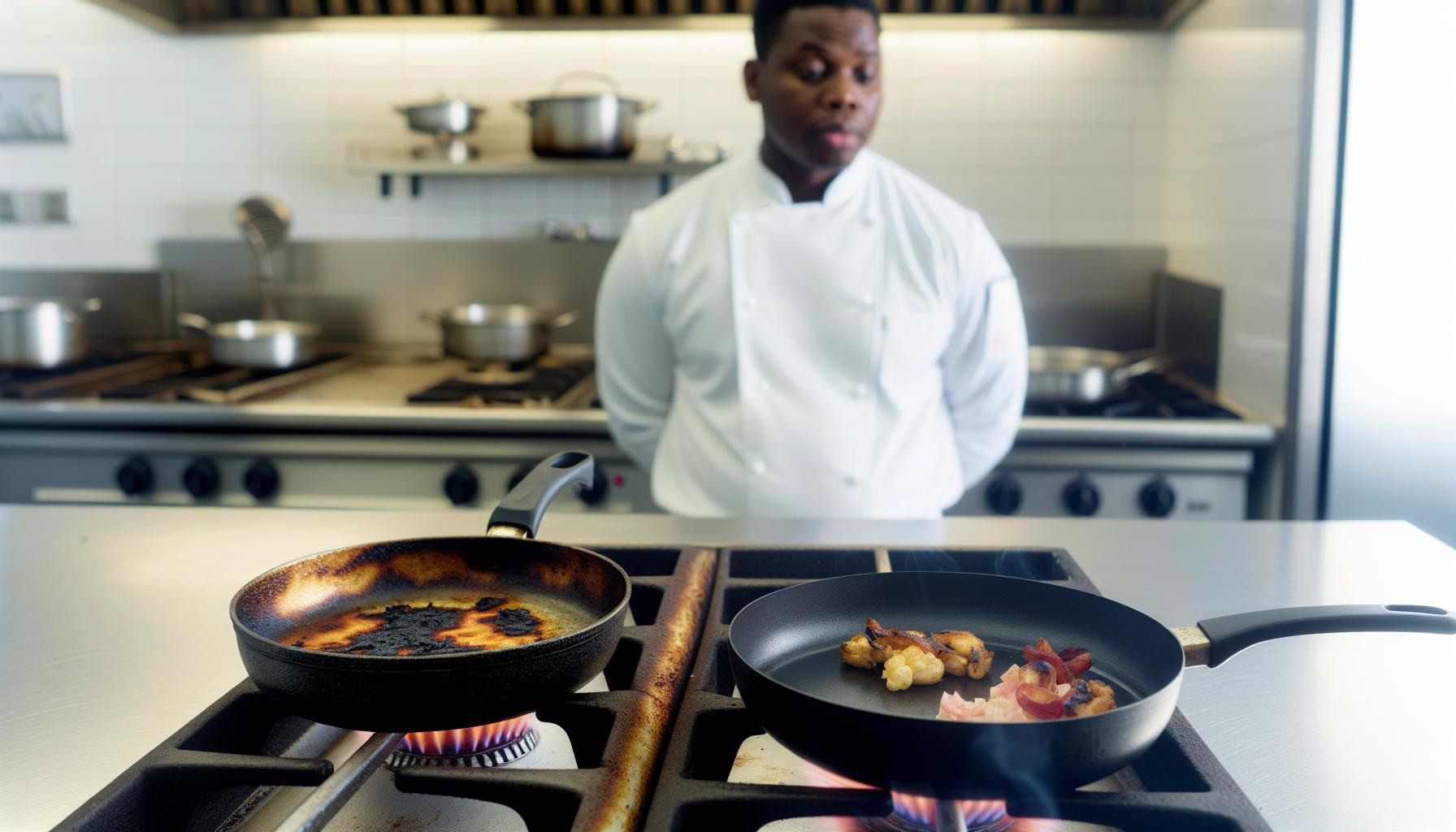
Slow Cooker cooking Mistakes Related to Temperature
Cooking with a slow cooker on high sounds simple, but trust me, the temperature quirks can trip up even the most confident home chefs. A big pitfall is assuming that all slow cookers heat “high” the same way.Spoiler: They don’t.Some reach about 210°F, while others soar close to 300°F-which turns your stew into a dry brick if your timing stays traditional. Knowing your slow cooker’s heat signature is your secret weapon to avoid these mishaps.
One common slip is ignoring how those temperature swings affect ingredient texture and doneness. Such as,if your slow cooker runs hot,dense root veggies like carrots can go from tender to mushy alarmingly fast. And meats? They can loose that melt-in-your-mouth quality and end up stringy or tough if left too long at blazing temps. Conversely, a cooler slow cooker might leave tougher cuts chewy and undercooked. The fix? Adjust your cooking times accordingly-cutting down by 20-30% for hotter models and adding a bit more time for cooler ones. It’s all about playing matchmaker between heat and hours.
Quick Tips to Dodge Temperature Traps
- Check your slow cooker’s true “high” temp: Use a probe thermometer or test with water to see how hot it really gets. Make a note-it’s great intel for every recipe.
- Don’t crowd your cooker: Overfilling can lower the temperature, causing uneven cooking. Keep it about two-thirds full for the best heat circulation.
- Layer with purpose: Place root veggies on the bottom where it’s hottest; put delicate items on top to prevent overcooking.
- Keep an eye on liquids: High temps evaporate moisture faster. Start slightly wetter than recipes suggest, and have broth on standby to top off if things look dry.
- resist the urge to lift the lid: Every peek drops the heat, extending your cooking time and messing with timing accuracy.
Lessons From the Slow Cooker Trenches
I once rushed through a paleo-friendly lamb stew, excited to serve at 5 hours on high in my trusty old Crock-Pot. It was supposed to be tender. Instead, I got a sad plate of dried-out meat and mushy potatoes. Lesson learned: high isn’t a one-size-fits-all countdown. Since then, I started taping little notes on my slow cooker. If it’s on the hotter side, I reduce hours, chunk veggies bigger, and sneak in a splash of apple cider vinegar to help break down meat fibers gently. My kitchen mishaps have turned into experiment wins!
The magic of slow cooking is in patience and personalization. don’t chastise yourself for tweaking times or layering strategies; that’s part of the fun. When you understand your slow cooker’s personality-its real heat range and quirks-you’re halfway to culinary success. And yes, that flexible approach means paleo, gluten-free, or any diet can savor hearty, perfectly cooked slow cooker meals every time.
| Common Mistake | Result | Easy Fix |
|---|---|---|
| Ignoring actual high temperature variations | Mushy veggies or dry meat | Test slow cooker temp; adjust cook times by ±25% |
| Overfilling slow cooker | Uneven cooking, underdone center | Fill to ~⅔ capacity |
| Lifting lid frequently | Longer cook time, inconsistent results | Set timers; trust the process |
| Not adjusting liquids for heat | Dry or scorched meals | Start with more broth; replenish during cooking |

real-Life Kitchen Stories: High Setting Success and Fails
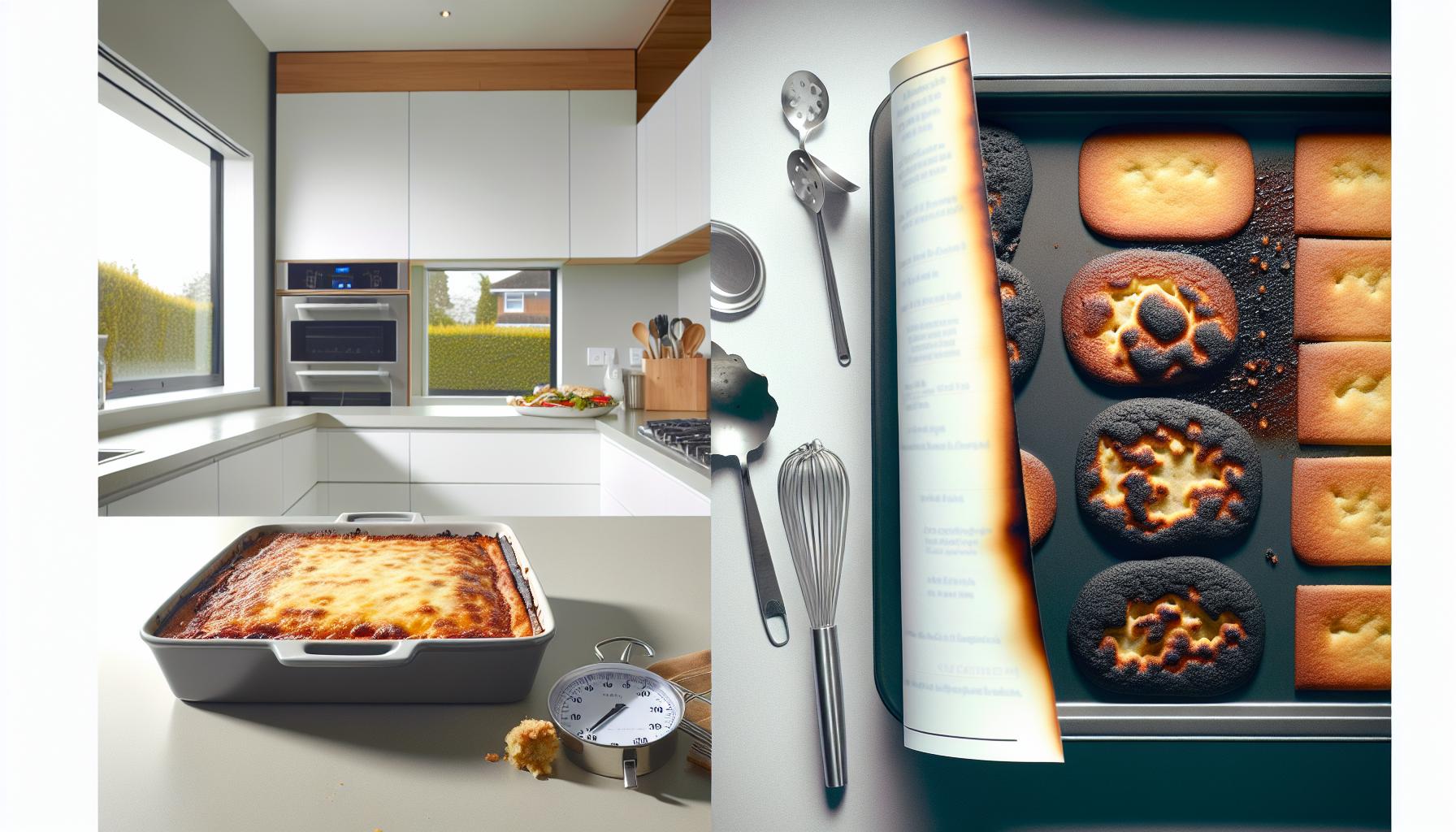
cooking on high in a slow cooker might sound straightforward, but the real kitchen drama often unfolds in how hot your machine actually gets. I’ve had my fair share of wins and “what was I thinking?” moments, all thanks to those sneaky temperature quirks that vary by brand and model. Such as, my trusty Crock-Pot usually peaks around 210°F on high, which makes a perfect tender beef stew after about 4 hours. But my friend’s newer Hamilton Beach model races to nearly 300°F,turning a similar recipe into a tough,dry disaster if I don’t cut the cooking time back drastically. These temp differences can mean the difference between a dish worth savoring and one you’d rather forget.
One kitchen tale that still makes me chuckle involved a paleo-friendly chicken chili.The recipe called for 5 hours on high, which I followed religiously, assuming all slow cookers play by the same rules. Halfway through, I peeked and noticed the sauce was reduced alarmingly fast. When dinner time came, the chicken was overcooked and the veggies were mushy blobs. So, lesson learned: high heat can mean high evaporation, and without enough liquid or shorter cook times, your chili could end up more like hot glue. now I always add an extra half cup of broth and set a timer to check halfway, swapping in frozen veggies late in the cook for some texture magic.
Strategies That Save the Day
- test Before you Trust: Use a digital probe thermometer with water to check your slow cooker’s hot setting temp. Jot it down and adjust recipes accordingly.
- Chunk It Up: Bigger vegetable pieces withstand higher heat better, slowing their breakdown at those hotter temps.
- Liquid TLC: Add a splash more broth or water than the recipe states, especially when cooking for longer durations at high heat.
- Layer Wisely: Root veggies belong at the bottom near the heating element; softer or quicker-cooking items go on top.
- Be Lid-loyal: Resist the urge to lift the lid. It’s tempting but drops the temperature considerably, making cooking times unreliable.
In another experiment, I dialed back the cook time on a gluten-free pulled pork recipe by 30% after measuring my slow cooker’s high temp. The result? Juicy, tender meat that shredded like a dream without drying out. Adjustments like these make all the difference when navigating the heat variance between slow cooker brands. So whether you’re whipping up a cozy winter stew or a vibrant paleo curry, getting to know your slow cooker’s heat quirks can turn a frustrating fail into a triumphant feast. Remember, it’s less about rigid perfection and more about loving the process and the delicious results.
| Kitchen Challenge | What Happened | How I Fixed It |
|---|---|---|
| High heat,long cook time (5 hrs on hot) | Dry meat & mushy veggies | Reduced time by 25%; bigger veggie chunks; more liquid |
| Slow cooker temp higher than expected (~300°F) | Recipe burned and dried out quickly | Tested actual temp; cut cooking time; added broth later |
| Frequent lid lifting to check progress | Extended cook times; inconsistent results | Used timers; trusted slow cooker process |
How Altitude and Ingredients Impact Slow Cooker Temperatures
Altitude can be a sneaky player in your slow cooker kitchen adventures, quietly influencing how your slow cooker’s temperature behaves and, ultimately, how your meal turns out. At higher elevations, the air pressure is lower, which lowers the boiling point of water-meaning liquids evaporate faster and don’t stay as hot for as long. So, if you live in the mountains or at high altitude, your slow cooker’s “high” setting might not actually reach the same simmering heat as someone cooking at sea level. This can lead to longer cooking times or undercooked meals if you follow recipes designed for lower altitude without adjustments.
The trick I’ve found is to treat those high-altitude slow cooker recipes a bit like a science experiment-start by adding a touch more liquid than a recipe calls for (think an extra ¼ to ½ cup of broth or water). This helps counteract faster evaporation, especially on those high settings that can crank up the heat close to 300°F on some models. Also, I tend to bump up my cook times by 15-20%, but I always keep a closer eye on texture, because some meats and veggies still don’t need to turn to mush! This is especially true for paleo and gluten-free slow cooker meals, where ingredient texture matters so much for a satisfying finished dish.Ingredients themselves play a starring role in how temperature works inside your slow cooker’s pot. Dense root veggies like carrots, sweet potatoes, or turnips absorb heat differently and take longer to soften, so layering these near the bottom (closest to the heating element) ensures they actually cook through. In contrast, softer veggies or quick-cooking greens on top can easily overcook if your slow cooker runs hot on high.Fat content in meats also affects temperature dynamics. Fattier cuts tend to retain heat differently and provide moisture that slows evaporation, while lean meats, like paleo chicken breasts, dry out faster if you’re not careful.
Smart Ingredient Swaps and Layering for Temperature Control
- Bulk it up: Larger, thicker cuts of meat or bigger chunks of vegetables help regulate internal temperature better, giving a slow cooker with a higher-than-average high setting time to do its magic without overcooking.
- Liquid lovers: Incorporate bone broth, coconut milk, or other flavorful liquids that also lend moisture, keeping temperatures steady and reducing drying on high heat.
- Strategic layering: Place sturdy ingredients at the bottom to absorb heat gradually, and softer or frozen ingredients near the top or added later to avoid mush.
- Altitude awareness: If you’ve noticed your meals take longer or dry out inexplicably, experiment with longer cook times and more liquid, then take notes for future runs.
I once made a paleo beef stew while visiting my sister in a high-altitude town and promptly noticed the sauce evaporating like a magic trick. I ended up topping off the liquid midway through the cooking process and sliding frozen peas in only near the end to preserve their snap and color. It wasn’t just tasty; it was a reminder that slow cooking at altitude is a little like an ongoing science experiment, with delicious results for those willing to tweak and learn.
| factor | Impact on Slow Cooker Temperature & Cooking | Practical Tips |
|---|---|---|
| High Altitude (5,000+ ft) | Lower boiling point, faster evaporation, potential undercooking | increase liquid by ¼-½ cup; add 15-20% more cook time; watch textures closely |
| Dense, Starchy Ingredients (Root Veggies) | Require longer heat exposure, slower to soften | Place near bottom; cut in larger chunks to prevent mush |
| Lean meats (Chicken breasts, turkey) | Cook faster, dry out easily on high heat | Add more liquid or fat; consider layering on top; reduce cook time |
| Fatty Meats (Beef chuck, pork shoulder) | Retain moisture better; may slow heat penetration | Ideal for longer slow cooking; balance with enough liquid |
Navigating the dance of altitude and ingredient quirks can be a bit like having a slow cooker soulmate-sometimes temperamental, always rewarding. The best part? With a little testing, note-taking, and a sprinkle of kitchen creativity, you’ll turn these temperature puzzles into a personalized slow cooker rhythm that makes weeknight dinners both foolproof and fabulous.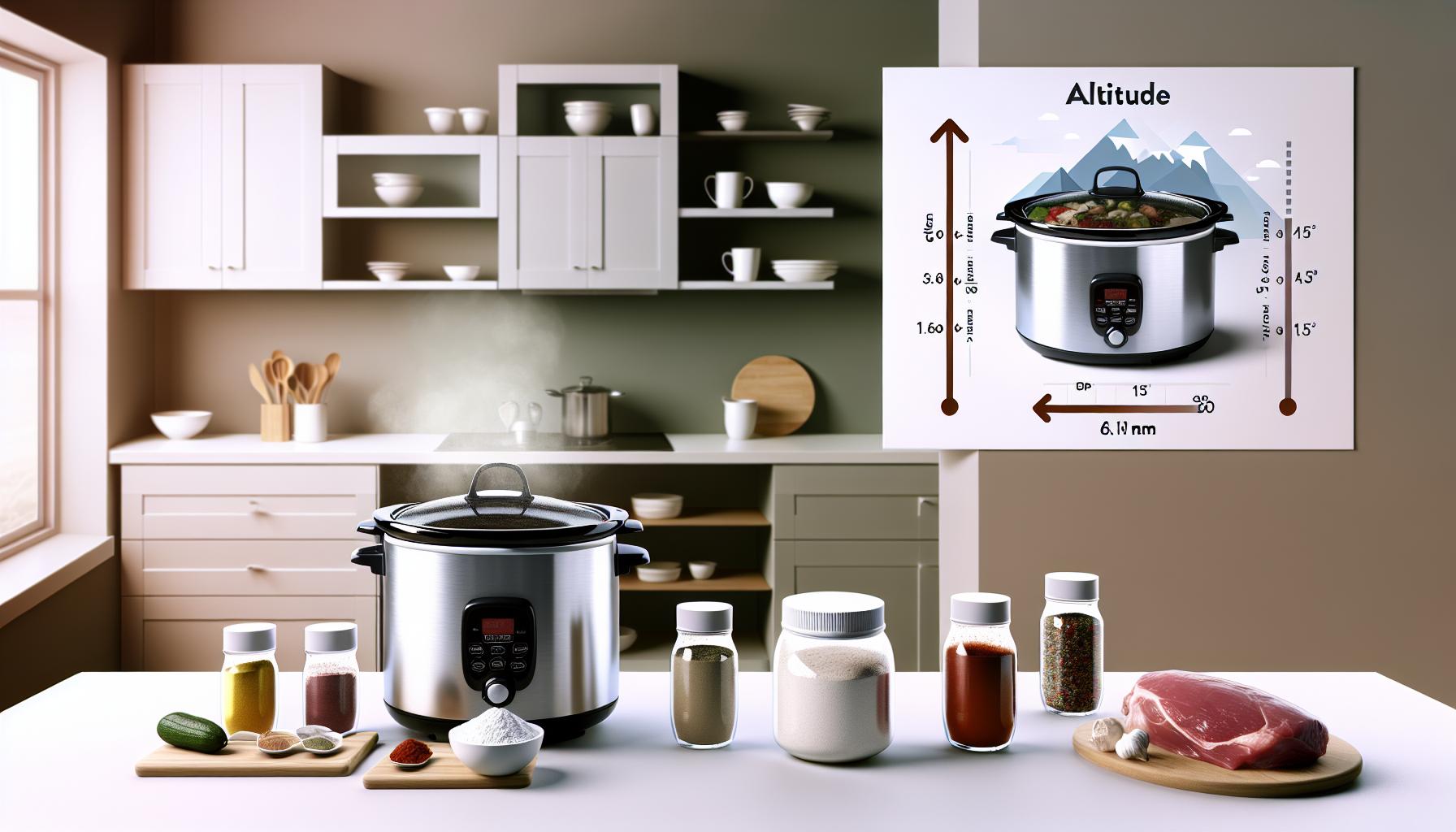
Frequently Asked Questions
Q: How quickly does a slow cooker reach its high setting temperature?
A: A slow cooker typically reaches its high setting temperature of around 300°F (149°C) within 1.5 to 3 hours. This time can vary based on the model size and contents. Preheating the cooker with hot water or starting with room temperature ingredients can help speed up the process. For timing tips, see Slow Cooker Temperature Basics in the main article.Q: Can the high setting on a slow cooker cause food to overcook or dry out?A: Yes, the high setting (about
300°F) cooks faster but increases the risk of food drying or overcooking. To prevent this, monitor liquid levels and reduce cook time by 25-30% compared to the low setting. Check Avoiding Overcooking on High Heat for practical adjustments.Q: Does the high temperature on a slow cooker vary with different recipes or ingredients?
A: Yes, the high setting (about
300°F) cooks faster but increases the risk of food drying or overcooking. To prevent this, monitor liquid levels and reduce cook time by 25-30% compared to the low setting. Check Avoiding Overcooking on High Heat for practical adjustments.Q: Does the high temperature on a slow cooker vary with different recipes or ingredients?
A: The high setting maintains a consistent heat around 300°F, but thick or dense ingredients may slow internal temperature rise. Foods with high water content heat faster. Adjust cooking times based on ingredient density to ensure thorough cooking, as outlined in How Ingredients Impact Slow Cooker Temperatures.
Q: How does a slow cooker’s high setting compare to baking or simmering temperatures?A: Slow cooker high setting (~
300°F) is lower than typical oven baking (~350°F+) and higher than stove simmering (~185-205°F). This controlled heat gently cooks food without burning, ideal for stews and meats. For more on heat differences, refer to Slow Cooker Heat vs Oven and Stove.Q: Is it safe to leave a slow cooker on the high setting overnight?
A: leaving a slow cooker on high (~300°F) overnight is generally not recommended due to risk of overcooking or drying out food. Use the low setting for long cook times or use a programmable model to switch to warm afterward. See Slow cooker Safety and Temperature Tips for detailed advice.
Q: Can altitude affect the temperature and cooking efficiency on high setting of a slow cooker?A: Yes,at higher altitudes,water boils at lower temperatures,which can reduce slow cooker efficiency even on high (~
300°F). Adjust cook time longer, and monitor food’s texture closely. For altitude effects, check How Altitude Impacts Slow Cooker Temperatures.Q: How can I accurately measure my slow cooker’s high setting temperature at home?
A: Use a probe or instant-read thermometer inserted through a gap in the lid to check internal temperature, aiming for around 300°F. Fill with water for consistent readings during testing.For detailed measurement tips, see Tips to measure and Monitor Your Slow Cooker’s Heat.
Q: Why does the warm setting on some slow cookers feel as hot as the high setting?*A: some slow cookers, like certain oval Crock-Pots, have a
warm setting that actually heats near the high setting temperature (~300°F). If food boils on warm, consider manual testing or switching to a different appliance mode, as explained in Slow Cooker Temperature Variations by Model.
for tasty,perfectly timed slow cooker meals,explore our detailed sections on adjusting cooking time and temperature control.* Happy cooking!Key Takeaways
Understanding the temperature of your slow cooker on the high setting empowers you to make delicious, perfectly cooked meals with confidence-whether you’re aiming for tender paleo stews or gluten-free comfort classics.Remember, typical high settings range between 200°F to 300°F, heating your food safely and efficiently in just a few hours. If you’re wondering how to adjust cooking times or try ingredient swaps, explore our guides on slow cooker meal prep and gluten-free slow cooker recipes for fresh inspiration and practical tips.Ready to level up your slow cooker game? Dive into our meal planning resources or sign up for our newsletter to get weekly recipes tailored for busy home cooks who love easy, wholesome meals-no stress, just flavor. have questions or a favorite slow cooker tip? Share it in the comments below and join our community of food lovers mastering slow-cooked magic every day. Keep cooking smart, exploring flavors, and making every meal feel like a warm hug-because great food should be as enjoyable to make as it is to eat.
Get our latest guides, news, and insights highlighted in your Google Search & AI Overviews.

