Frozen vegetables are a lifesaver when time’s tight, but cooking them perfectly in a slow cooker can feel like a guessing game. You want tender, flavorful veggies without ending up with mush or undercooked crunch. The good news? Knowing exactly how long to cook frozen vegetables in your slow cooker makes weeknight meals easier, healthier, and more delicious-plus, it’s great for gluten-free and paleo-amiable dinners.Whether you’re tossing in broccoli, green beans, or mixed veggies, dialing in the timing ensures you get that perfect texture every time.Stick around, as I’ll share my tried-and-true tips from plenty of slow cooker experiments, helping you avoid the common pitfalls and turn frozen greens into a star side or main dish-no fuss, no stress, just tasty home cooking that fits your busy life.
Table of Contents
- How to Safely Cook Frozen Vegetables in a Slow Cooker
- ideal Cooking Times for Common Frozen Veggies
- Best Slow Cooker Settings for Perfect Texture
- Tips for Flavor Boosting Frozen Veggie Meals
- Combining Frozen vegetables with Proteins in Slow Cooking
- How to Prep Frozen Vegetables for slow Cooker Recipes
- gluten-Free and Paleo-Friendly Slow Cooker Veggie Ideas
- Troubleshooting Common Slow Cooker Vegetable Issues
- Creative Slow Cooker Recipes Using Frozen Vegetables
- Time-Saving Hacks for Busy Home Cooks Using Frozen Veggies
- FAQ
- Q: Can I add frozen vegetables to a slow cooker without thawing first?
- Q: How does cooking frozen vegetables in a slow cooker affect their nutrient content?
- Q: What slow cooker cooking time adjustments are needed for large batches of frozen vegetables?
- Q: Why do frozen vegetables sometimes release too much water in the slow cooker? How can I fix this?
- Q: Can frozen vegetables be cooked on high in a slow cooker to reduce cooking time? Is it safe?
- Q: How do different types of frozen vegetables affect slow cooker cooking times? For example, starchy vs. leafy greens?
- Q: Is it better to add frozen vegetables at the start or toward the end of the slow cooker recipe?
- Q: Can seasoning frozen vegetables before slow cooking improve flavor without compromising cooking time?
- Wrapping Up
How to Safely Cook Frozen Vegetables in a Slow Cooker
Frozen vegetables are kitchen superheroes-convenient, nutritious, and ready whenever you are. But tossing them straight into a slow cooker without a game plan can sometimes lead to mushy messes or uneven cooking. The key to safely cooking frozen veggies in a slow cooker lies in balancing temperature, timing, and a little patience. As slow cookers heat gradually, it’s critically important to avoid adding frozen vegetables too early or in large frozen clumps, which can leave your dish undercooked or increase the risk of food safety issues.
When working with frozen vegetables,remember that they release extra moisture as they thaw and cook. This natural liquid can be a blessing, cutting down on added broth or water, but it also means you should adjust your recipe’s liquid amounts accordingly to avoid overly watery results. To speed things up and ensure safety, consider partially thawing frozen veggies in the fridge or under cold running water before adding them to your slow cooker. This small step reduces the time your food spends in the “danger zone” temperature range (between 40°F and 140°F) where bacteria love to hang out.
- Layer smartly: Place frozen vegetables closer to the heat source (near the bottom of the slow cooker) instead of on top, where they’ll take longer to reach a safe temperature.
- Stir occasionally: If your recipe allows, giving your veggies a gentle stir midway through cooking can help distribute heat evenly and prevent cold spots.
- Use low or high settings wisely: For most frozen vegetables, cooking on low for 3-4 hours or high for 1.5-2.5 hours usually works well, but always check doneness based on texture and taste.
Pairing these tips with your go-to slow cooker protein or grains transforms simple frozen veggies into hearty, wholesome meals without fuss. Trust me-after a few tries, you’ll treat frozen veggies like second nature, simplifying dinner prep without sacrificing flavor or health-conscious choices.
ideal Cooking Times for Common Frozen Veggies

Frozen vegetables can be surprisingly easy to master in the slow cooker once you get a feel for their cooking rhythms. The key is recognizing that different veggies have their own ideal time windows to reach that perfect “just tender” stage without turning into a mushy disappointment. As a notable example, hearty vegetables like frozen carrots or green beans usually need about 3 to 4 hours on low or 1.5 to 2 hours on high to soften up nicely without losing texture. These veggies hold their shape well and make excellent companions for proteins or starches in any slow cooker meal.
On the flip side, softer frozen veggies like peas, corn, or spinach require much less cook time-typically closer to 1 to 2 hours on low or even less on high heat. Because they tend to cook quickly and release more moisture, tossing them in later during your slow cooker cycle or even stirring them in during the last half hour helps maintain their vibrant color and fresh taste. I like to think of these as the veggies that like a speedy cameo rather than a long, lingering role.
General Slow Cooker Time Ranges for Popular Frozen Vegetables
| Vegetable | Low Setting | High Setting | Texture Notes |
|---|---|---|---|
| Carrots | 3-4 hours | 1.5-2 hours | Firm yet tender, holds shape well |
| Green beans | 3-4 hours | 1.5-2 hours | Crunchy-tender if timed right |
| Peas | 1-2 hours | Less than 1 hour | Soft, radiant, avoid overcooking |
| Corn | 1-2 hours | Less than 1 hour | Sweet, juicy, quick to soften |
| Spinach | 30-60 minutes | 20-30 minutes | Delicate, wilts fast |
The one thing that’s saved me from many a soggy vegetable disaster? adding frozen veggies later in the cooking process rather than at the very start. This is especially true if your slow cooker recipe simmers for 6-8 hours with meats or beans-throwing in frozen peas or spinach for the last hour or so keeps their freshness alive.
Also, remember that slow cooker temperatures differ, and so does the size of your veggie pieces or whether your pack is a mixed bag.So taste-testing around the suggested times is your best friend.I tend to nudge the timing slightly based on texture preferences-for example, a bit longer for extra softness or less if you want a gentle bite. With these cues, your frozen veggies will go from “meh” to memorable every time!
Best Slow Cooker Settings for Perfect Texture
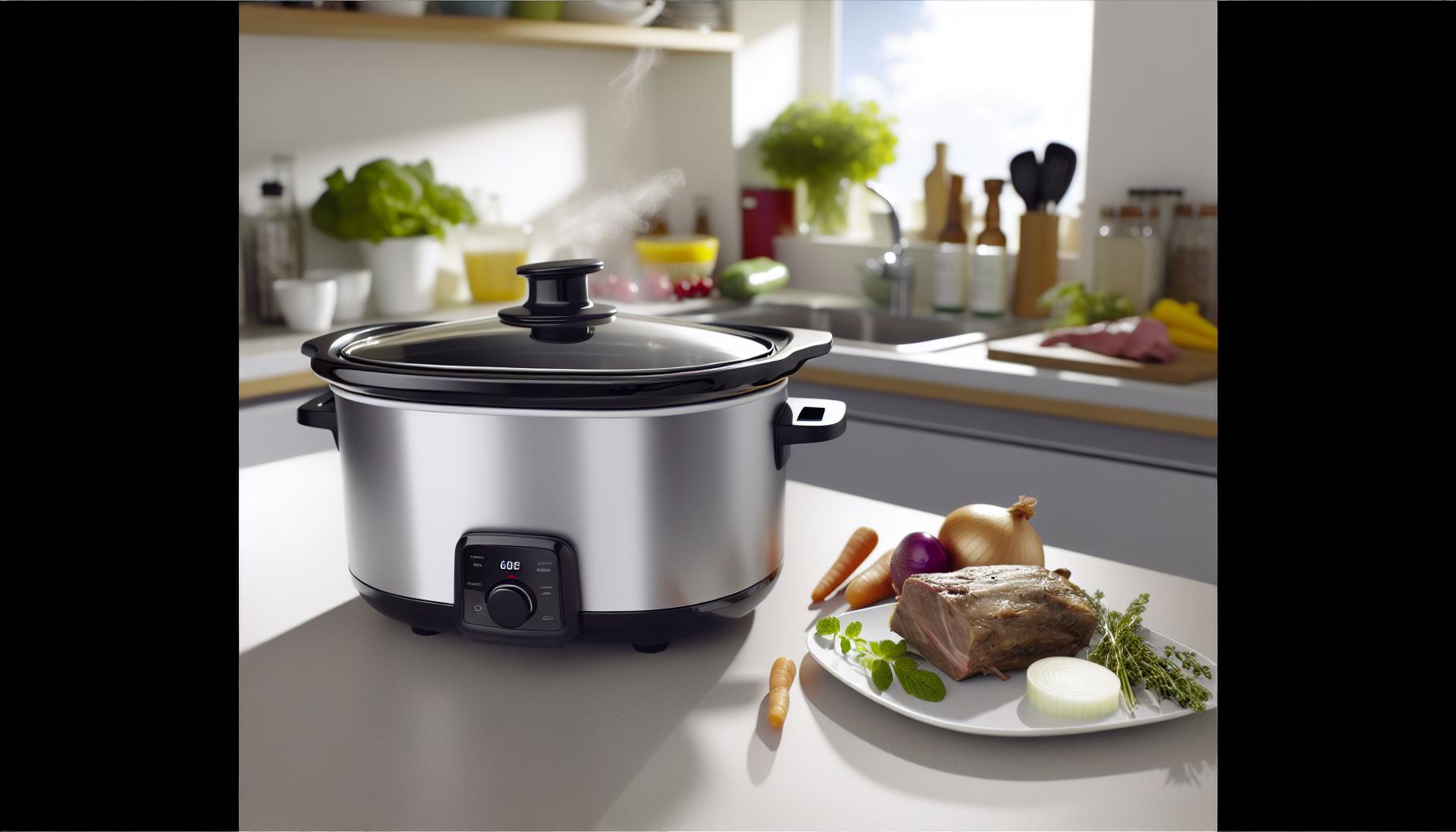
Cooking frozen vegetables in a slow cooker can feel like a bit of kitchen magic-but nailing the right settings is what turns that magic into mouthwatering, perfectly textured meals. You don’t want your veggies turning into mush or ending up undercooked, and thankfully, slow cooker settings give you a lot of control to make those textures sing. In my experience, balancing low and slow versus high and quick makes all the difference, especially when you’re working with mixed vegetable bags or recipes that combine proteins and starches.
Starting with the low setting is usually the safest bet for hearty frozen veggies like carrots or green beans. This gentler option (think 3 to 4 hours) lets them soften gradually without breaking down too much, preserving that satisfying bite that makes a dish feel homemade and thoughtful. If you’re in a rush,the high setting can save time-usually cutting cooking times roughly in half-but you’ll want to keep a close eye on things or add those softer veggies later on to avoid overcooking. For softer frozen options like peas, corn, or spinach, they tend to get tender super fast, so throwing them in during the last 30 to 60 minutes helps keep their vibrant color and fresh taste alive without turning them into a soggy mess.
- Pro tip: Since slow cookers heat a little differently, it pays to test your favorite vegetables a couple of times with your specific model. I’ve found that what works on mine might need a bit of tweaking for yours-the same goes for how thickly the veggies are cut or their mixed variety.
- Adding frozen veggies later: when making multi-hour recipes with meat or beans, add those delicate frozen greens or peas in the last hour or so. This keeps them from dissolving into the broth and gives you that “fresh from the garden” snap even after hours of slow simmering.
If you want a handy visual, here’s a quick reference for typical slow cooker settings and timing that balances texture and ease:
| Setting | Hearty Veggies (Carrots, Green Beans) | Delicate Veggies (Spinach, Peas, Corn) |
|---|---|---|
| Low | 3-4 hours for tender yet firm texture | 1-2 hours, add later to avoid mushiness |
| High | 1.5-2 hours, watch closely | <1 hour, add last 30 mins ideally |
A little storytelling moment: I once threw a bag of frozen green beans into a brisk overnight slow cooker roast on high and woke up to a pot of what could only be described as veggie soup. Lesson learned – high heat needs careful timing or staging your freeze-friendly vegetables for best results. That’s why I always recommend thinking of your frozen veggies as the actors in your slow cooker show-some like the spotlight early on, others deserve their big moment just before the curtain falls.So yes, set that slow cooker right and play with timing-and you’ll find frozen vegetables turning into literal slow-cooked stars. Gluten-free, paleo, or just hungry? You can trust these settings for vibrant flavor and texture every time.
Tips for Flavor Boosting Frozen Veggie Meals
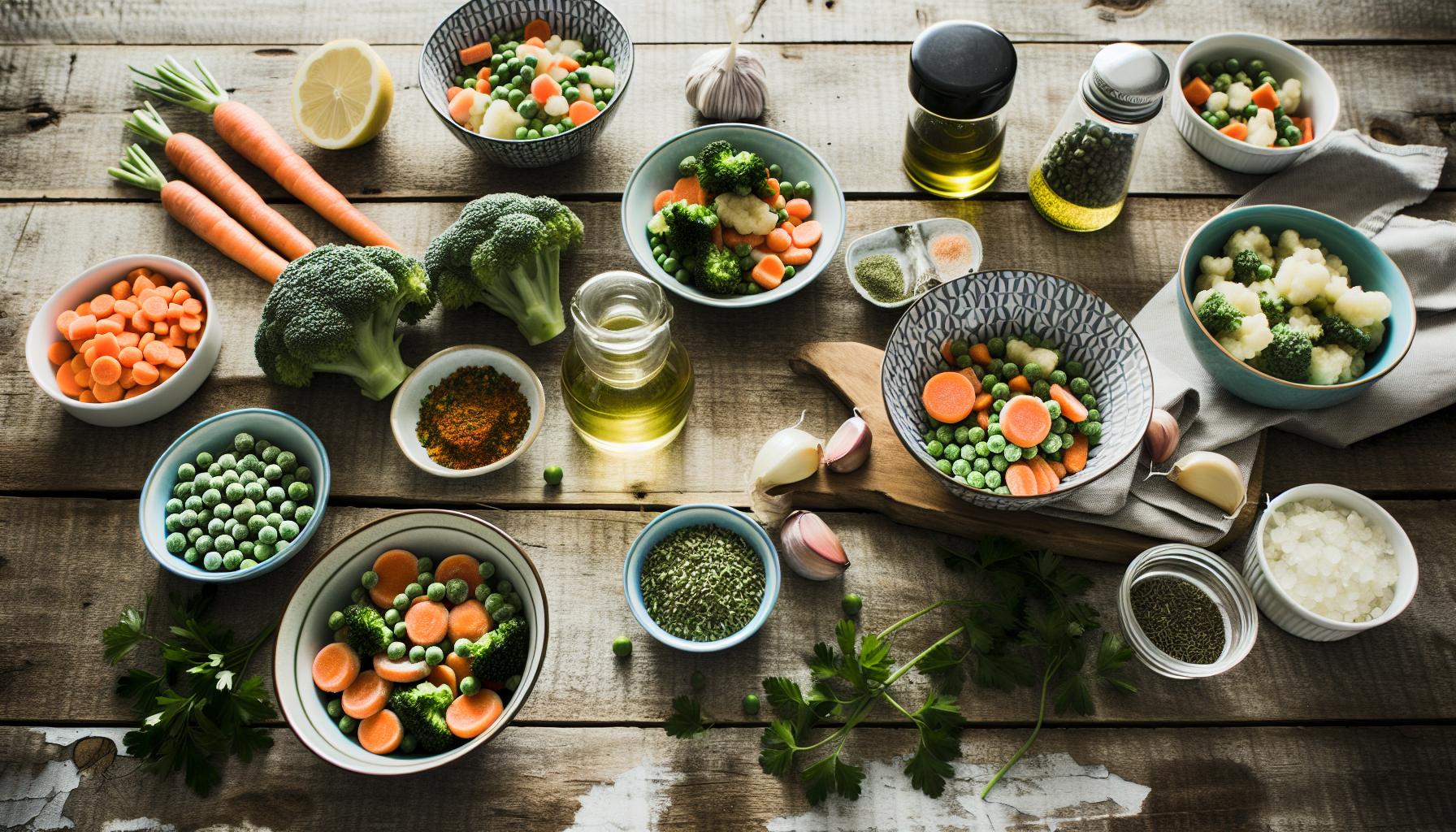
Cooking frozen vegetables in a slow cooker is a total game-changer for busy home cooks, but sometimes those veggies can turn out a little… meh. Elevating their flavor without turning your slow cooker into a flavorless stew doesn’t have to be a mystery. The trick? Layering in ingredients that play off the natural sweetness or earthiness of your frozen veggies while letting the slow cooker do its magic.
Start by thinking beyond salt and pepper, which we certainly know are essential but barely scratch the surface of flavor possibilities here. For that deeper, richer vibe, adding aromatics like minced garlic, diced onions, or fresh herbs early in the cook cycle sets a savory foundation. If you’re paleo or gluten-free, no worries-ingredients like rosemary, thyme, or smoked paprika amp up flavor without any sneaky additives. For those who love a little zing, a splash of acid at the end-think fresh lemon juice or a touch of apple cider vinegar-can brighten the whole dish beautifully, making the veggies pop without extra fuss.
Boost Flavor Without Extra Fuss
- Use Broth Rather of Water: Cooking frozen veggies in a flavorful bone broth, vegetable stock, or even homemade chicken broth instantly adds richness and complexity.
- Don’t Forget the Fat: A small dab of coconut oil, ghee, or olive oil helps carry those seasonings and adds mouth-coating satisfaction.
- Throw in Umami Boosters: For a savory punch, consider coconut aminos (great for paleo), nutritional yeast, or sautéed mushrooms added near the start.
From my kitchen to yours, I’ve learned that layering textures keeps slow cooker veggie dishes exciting. tossing in toasted nuts or seeds just before serving adds that delightful crunch contrast to soft cooked veggies-as who wants a one-note mushy bowl? Plus, freshly chopped herbs at the end bring a pop of green and freshness that slow cooking can mute.
Even the simplest meals become memorable when you pay attention to these small flavor boosters. Frozen veggies might start out humble, but with a little love and layering, they can steal the slow cooker show. Trust me, your taste buds-and your busy schedule-will thank you!
Combining Frozen vegetables with Proteins in Slow Cooking

Combining proteins with frozen vegetables in your slow cooker is a fantastic way to create complete, nourishing meals with minimal fuss. The beauty of slow cooking is how it tenderizes even the toughest cuts of meat while coaxing out the natural flavors of frozen veggies. However, to keep everything perfectly cooked without one element turning mushy or dry, timing and layering are key. For example,proteins like chicken thighs,pork shoulder,or beef chuck can go straight into the slow cooker at the bottom to soak up juices and develop that classic slow-cooked tenderness,while frozen vegetables usually join in later to keep their texture intact.
lean proteins like chicken breasts or fish fillets are more delicate, so add those frozen veggies right at the start if you prefer super soft veggies, OR add the veggies halfway through cooking if you want some bite left. For instance, I often start with a base of bone-in chicken thighs on low for about 6 hours, then toss in a medley of frozen green beans, carrots, and corn with a splash of broth in the last hour to keep them from turning to mush. It’s a little timing dance, but totally worth it for balanced textures and flavors.
- Hearty Protein + Sturdy Veggies: Tough cuts like beef stew meat, pork shoulder, or turkey legs pair well with root vegetables-just throw everything in early and cook low and slow.
- delicate Protein + Quick Veggies: Fish, shrimp, or chicken breasts work best added later in the cooking process with quicker-cooking frozen veggies like peas or broccoli florets.
- Plant-Based Proteins: Tofu and tempeh are terrific in slow cooker veggie dishes-press tofu first, add it towards the last 30 minutes to maintain texture.
Layering Flavors and Textures
The slow cooker thrives on layering aromas and soaking ingredients with a rich sauce or broth. Season your proteins upfront with herbs and spices that complement the veggies you choose-think smoked paprika with sweet potatoes and chickpeas or rosemary with green beans and lamb. For paleo or gluten-free meals, use simple, fresh ingredients like garlic, onion powder, and fresh herbs to infuse depth without artificial boosters.
Also, don’t shy away from adding fats early on-a drizzle of olive oil or a pat of ghee helps carry the flavors and improves mouthfeel. Frozen veggies release water as they cook and can sometimes dilute the dish, so balancing with broth and fats is a secret weapon. From my experience, finished dishes garnished with crunchy toasted nuts or seeds add a welcome contrast to tender slow cooker meals-texture is just as important as flavor!
Bringing it all together, think of your slow cooker meal as a cozy, well-rehearsed band: proteins laying down the soulful base, frozen veggies jumping in with bright notes, and seasonings tying everything into a harmonious, comforting feast. With a bit of planning on timing and ingredients, your frozen veg and protein combos will feel fresh, flavorful, and effortless-even after a full day of slow cooking.
How to Prep Frozen Vegetables for slow Cooker Recipes
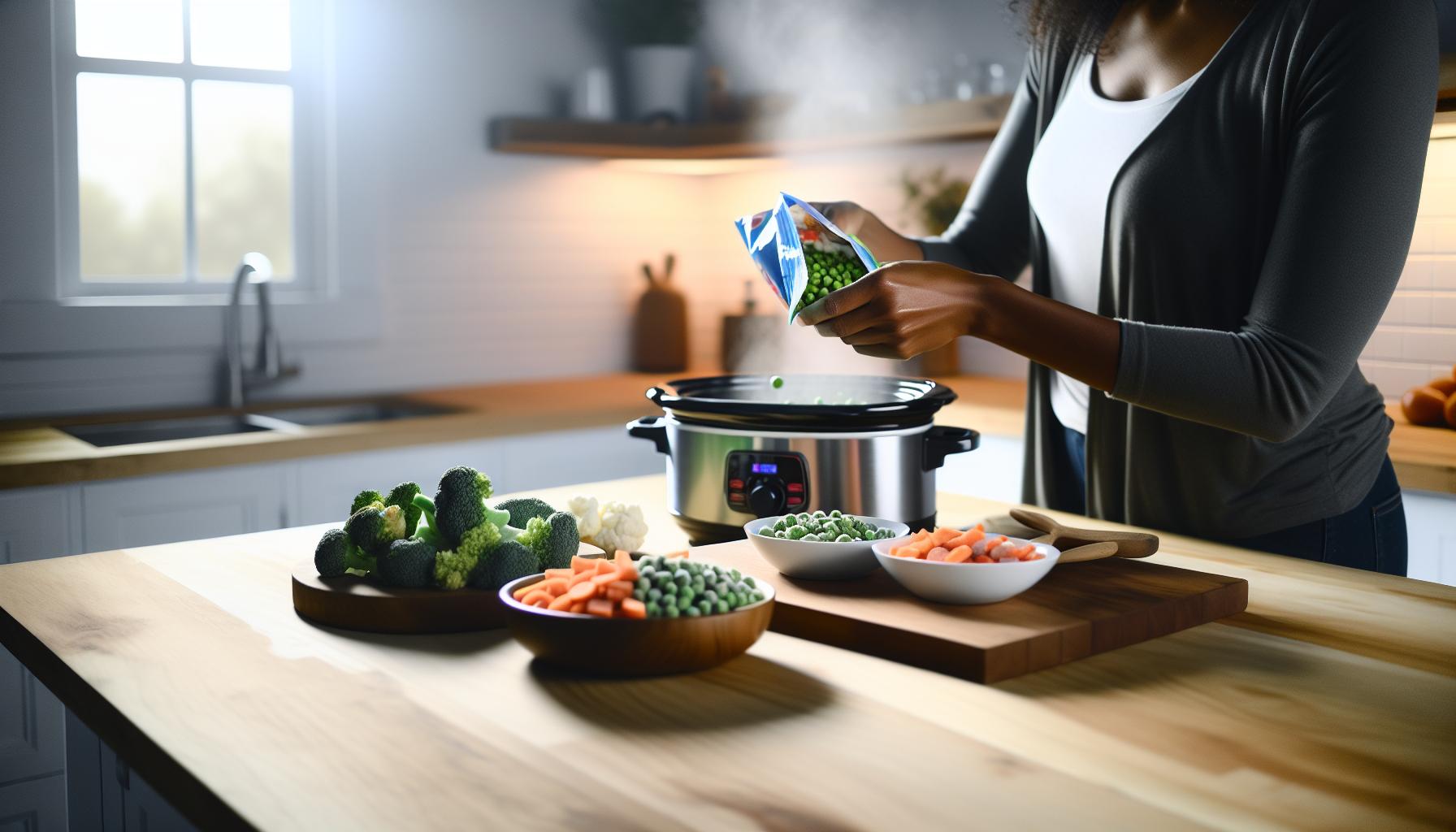
Frozen vegetables might seem like a “just toss it in and go” type of ingredient, but a little prep can go a long way in ensuring your slow cooker veggies come out perfectly every time. Unlike fresh veggies that have sturdier structures and more predictable cook times, frozen veggies often bring extra moisture and a slightly altered texture. So before you dump that bag in your slow cooker, it helps to understand how to prep them-or not-to get the best flavor and consistency in your dish.
First off, avoid thawing frozen vegetables before slow cooking. It might feel like the right move to prevent sogginess, but actually, keeping them frozen until the right moment preserves their structure during cooking. If you add them too early while still frozen, they’ll release water slowly and cook gently into tender bites instead of mush. this is especially true for firmer veggies like green beans, broccoli, or mixed medleys. Though, for softer or quick-cooking choices like spinach or peas, tossing them in during the last 30 minutes works wonders to keep their bright color and fresh flavor intact. Pro tip: If you’re layering your slow cooker with a protein base,add frozen veggies midway or late in the cooking process to maintain that satisfying bite without overcooking.
Another kitchen trick I swear by is giving frozen veggies a quick rinse under cold water just before adding them, especially if your brand packs them in frost or ice crystals. This rinsing helps wash away excess freezer burn and can reduce any chilling shock in your slow cooker-plus, it helps keep your sauces from getting too watered down. If you’re following a paleo or gluten-free plan, stick to veggies without added sauces or seasonings in the bag, then season yourself in the slow cooker for total flavor control. A splash of broth, a drizzle of olive oil, or tossing in fresh herbs and garlic early on will elevate your frozen veggies to something fresh and flavorful, not just convenient.
Balancing Frozen Veggies with Other ingredients
Because frozen veggies give off water, it’s smart to consider the liquid ratios in your recipe. Generally, reduce added water or broth slightly when using frozen vegetables so that the dish doesn’t become too soupy by the end. For starchier slow cooker meals-think sweet potatoes or butternut squash combos with beans and spices-a quick soak or pat dry with paper towels after rinsing frozen cubes can prevent extra mush. For greens like kale or spinach, adding them near the end retains their nutrients and prevents that slippery texture that slow cooking sometimes causes.
In my experience, prepping frozen vegetables for the slow cooker is more about “when” and “how” than heavy prepping. Treat them like your trusty team players-timed right,they bring a punch of color,nutrition,and ease to your meal with barely any fuss. Trust me: a little prep pays off in that magical slow-cooked balance of tender, tasty, and just-right texture.
gluten-Free and Paleo-Friendly Slow Cooker Veggie Ideas
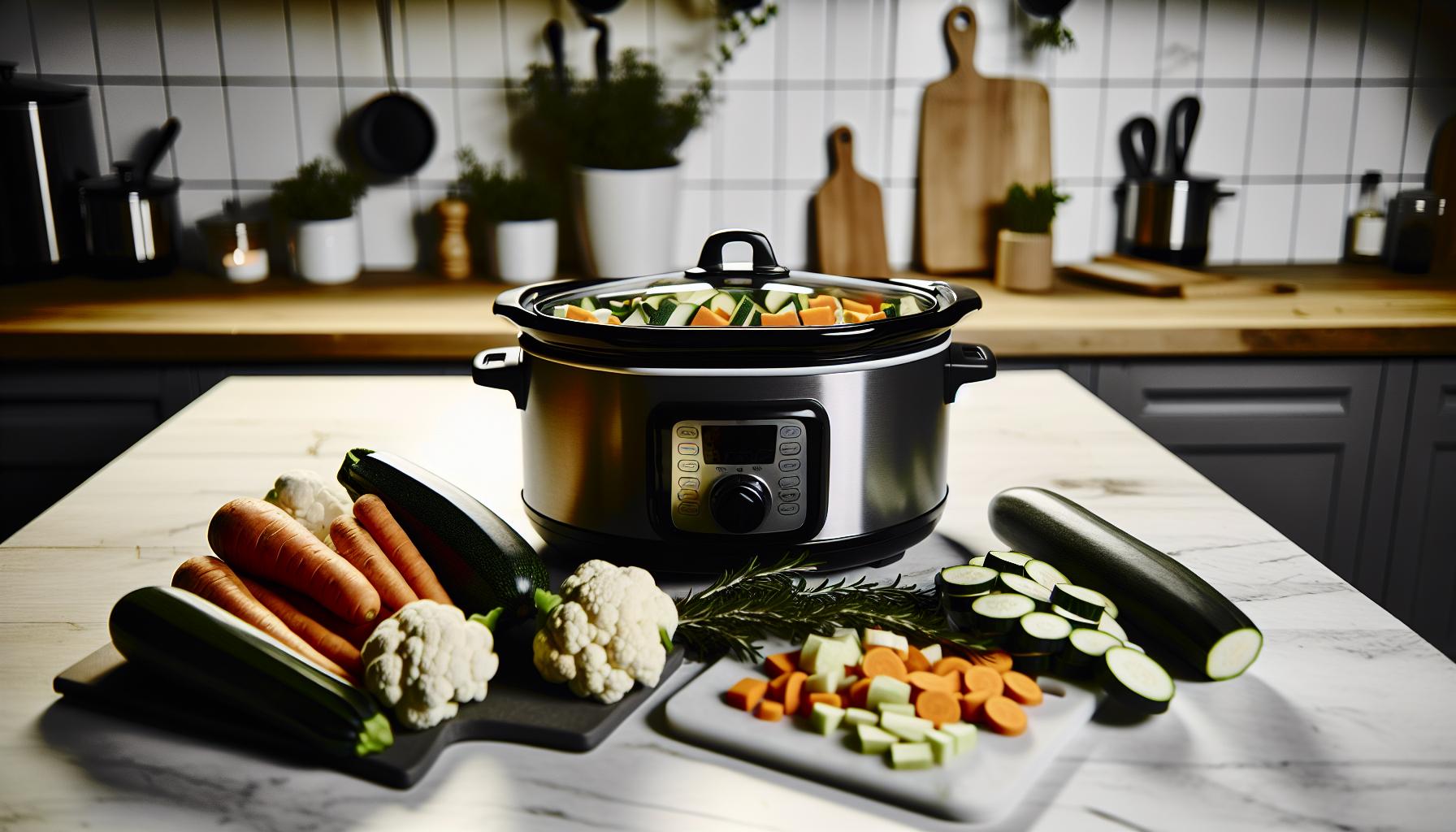
Cooking frozen vegetables in a slow cooker while sticking to gluten-free and paleo principles can be surprisingly simple and delicious-without feeling like you’re missing out on comfort food. The secret is choosing the right veggies, pairing them well, and mastering timing so textures stay just-right. Unlike some diets that feel like a culinary punishment, these plans work wonderfully when you let vibrant, natural flavors shine. Plus,slow cooking can mellow and meld herbs and spices in a way that really elevates humble frozen veggies to an outstanding meal centerpiece.
Frozen cauliflower, green beans, Brussels sprouts, and butternut squash make outstanding staples here. They hold up well to long,slow cooking without turning into mush. Just remember: because frozen veggies release a bit of moisture, reduce any added broth or water by about ¼ cup per every 2 cups of frozen vegetables to avoid a watery stew. Toss them frozen in early for sturdier veggies, but add softer greens like spinach or kale only in the last 30 minutes to preserve their color and nutrient punch.Adding a splash of coconut aminos or avocado oil early on amps up that rich, savory depth paleo cooking loves, while herbs like rosemary and thyme give you warm, aromatic vibes without any gluten worries.
Simple, Flavorful Gluten-Free and Paleo Veggie Combos
Try a cozy mix of frozen butternut squash cubes, baby carrots, and green beans with chopped garlic and a handful of walnuts tossed in toward the end for crunch and healthy fats-pure autumn comfort. Or whip up a hearty paleo chili by layering frozen bell peppers, zucchini, and diced tomatoes with ground turkey and spices, simmering low for 6-8 hours. Both dishes take about 6-8 hours on low or 3-4 hours on high to get everything tender with fantastic melded flavors.
- TIP: fry your protein (if using) first for a richer base,then add frozen veggies partway through cooking to keep textures balanced.
- Use bone broth or homemade veggie stock: it adds depth and richness without hidden gluten or needless sugars.
- Season boldly! Paleo cooking is all about celebrating whole-food flavors-don’t be shy with turmeric, cumin, or smoked paprika.
For busy cooks, pre-measured frozen veggie packs designed for stir-fries or mixed medleys are a terrific shortcut. They fit perfectly into slow cooker meals and keep grocery runs short-plus, no chopping needed. A personal favorite is combining frozen spinach (added last 30 minutes) with roasted sweet potato cubes and shredded chicken for a fast, satisfying paleo bowl. Toss in a bit of fresh lemon juice just before serving to brighten everything up and wow your taste buds.
These tips and combos prove gluten-free and paleo diets in slow cookers don’t have to be complicated or bland. With a little prep and smart layering, your frozen veggies transform into meals that warm you up and keep you energized-all with zero gluten drama and plenty of paleo passion.
Troubleshooting Common Slow Cooker Vegetable Issues

Frozen veggies are a lifesaver when you’re juggling busy days and craving cozy slow cooker meals-but sometimes, they can behave a little unpredictably. Ever opened your slow cooker to a watery stew or a mushy veggie mess? It’s a classic hiccup, but one that’s totally avoidable with a few easy tweaks that keep your gluten-free and paleo dinners on point and delicious.
A common culprit behind a soupy meal is the moisture frozen vegetables release as they cook. Because those icy crystals turn to water, your recipe might need less added broth or liquid.A good rule of thumb: reduce any additional liquids by about ¼ cup per two cups of frozen veggies you toss in. this little swap preserves that luscious texture without diluting flavors or turning your dish into a soggy swamp. If you’re layering proteins and tougher vegetables like carrots or butternut squash, add the frozen veggies partway through cooking rather than at the start. This prevents overcooking, so they stay vibrant and have a pleasant bite instead of disappearing into mush.
On the flip side, sometimes veggies just don’t soften enough, leaving you with a crunch you didn’t bargain for. This often happens with dense veggies like Brussels sprouts or cauliflower if they’re added too late or if your slow cooker runs a bit cooler than expected. If you notice this, give your meal an extra 30 minutes to an hour on low. Slow cooking is forgiving; it just wants a little patience. Also, stirring occasionally (if your recipe allows) helps evenly distribute heat so everything softens uniformly. Remember, low-and-slow is the phrase here-not racing the cooker.
- Too watery? Cut back on broth or water by ¼ cup for every 2 cups frozen veggies.
- Mushy veggies? Add sturdier frozen veggies partway through cooking,not at the very start.
- Undercooked crunch? Extend cooking time an extra 30-60 minutes on low, or add frozen greens late for fresh texture.
- Flavor thinning? Don’t forget to season boldly and use flavor boosters like coconut aminos, smoked paprika, or fresh herbs-frozen veggies need all the love they can get.
An insider kitchen secret from my slow cooker adventures: whenever I combine frozen veggies with meat, I always brown the protein first.It builds a rich flavor base that compensates for any wateriness and gives the dish a heartier feel. Plus, tossing frozen veggies in about halfway through not only protects their texture but also keeps their vibrant colors intact-which is especially rewarding when you’re aiming for a paleo-friendly feast that looks as good as it tastes.
Embracing frozen veggies in your slow cooker can feel like a juggling act, but with these tips, you’re not just managing-you’re mastering. A few smart adjustments and a dash of patience turn those humble frozen cubes into star players in hearty, gluten-free meals that hit the spot every time. So go ahead, hit that “set it and forget it” button with confidence-your slow cooker has your back.
Creative Slow Cooker Recipes Using Frozen Vegetables

Frozen vegetables aren’t just convenient; they’re a gateway to quick, colorful, and wholesome slow cooker meals that can jazz up any weeknight dinner without demanding hours of prep.One of my favorite tricks is using frozen mixed veggies as a flavor and texture booster in dishes that might or else lean heavy on protein or grains. Picture a hearty beef stew or a tangy chicken curry brightened up by bursts of carrots, peas, and green beans-all thrown in frozen and cooked low and slow to tender perfection. These frozen gems absorb spices beautifully, adding natural sweetness and a lovely bite without the fuss of chopping.
If you’re aiming for paleo or gluten-free comfort food, slow cooker stuffed peppers are a walk in the park with frozen veggies.Simply mix ground turkey or beef with cauliflower rice, diced tomatoes, and a handful of frozen spinach or chopped kale. Stuff your peppers, toss them into the slow cooker, and let the magic happen for about 4 hours on low. The frozen veggies thaw gradually, meld flavors, and keep the filling moist without any extra water needed-win-win!
Simple Recipes to Try Tonight
- Slow Cooker Ratatouille (Gluten-Free, Paleo-Friendly)
Layer frozen zucchini, eggplant, bell peppers, tomatoes, and onions with garlic and Italian herbs. Cook on low for 5-6 hours.The frozen veggies keep their shape without turning into mush, and the slow simmer melds the flavors into a rustic, vibrant dish.
- Hearty Paleo Chili
Brown ground beef first, then add canned tomatoes, frozen corn, frozen diced peppers, and beans (if your diet allows). cook 6-7 hours on low. Toss frozen veggies in midway to preserve some crispness and vibrant color.
- Veggie-Loaded Chicken Soup
Use frozen peas, carrots, and green beans with chicken broth and herbs.Add frozen veggies during the last hour to avoid overcooking. This technique keeps a fresh “snap” instead of the dreaded slow cooker mush everyone fears.
Here’s a quick tip: since frozen vegetables release water, reduce broth or liquid by about ¼ cup per 2 cups of frozen veggies to avoid a watery final dish.and if you want that “restaurant-level” richness, brown your meat first to build deep, caramelized flavors-trust me, it’s worth the tiny extra step.Even if you’re juggling a full schedule, these recipes transform frozen veggies from humble pantry staples into show-stopping slow cooker stars. Reliable, nutritious, and totally forgiving, slow cooker meals with frozen veggies are the kind of magic that gives you more time for yourself-and maybe an extra slice of paleo-friendly zucchini bread.
Time-Saving Hacks for Busy Home Cooks Using Frozen Veggies
Frozen vegetables are the unsung heroes of busy weeknights-ready to toss straight from the bag into your slow cooker, they save on chopping, washing, and prep time without sacrificing taste or nutrition. The real magic lies in simple habits that turn these kitchen shortcuts into complete, delicious meals with minimal effort.For starters, keep a variety of frozen veggies on hand that suit your favorite dishes-mixed peppers, corn, peas, spinach, and diced carrots are versatile crowd-pleasers that add color and crunch with zero fuss.
One time-saving pro tip? Layer your frozen veggies strategically. If you’re cooking a slow cooker stew or chili, add hearty frozen veggies like carrots or corn at the beginning, but hold off on delicate greens or peas until the last hour of cooking. This keeps textures lively and prevents mushy disappointments. For example, I love tossing frozen kale into my paleo chili just 30 minutes before the end. The result is a vibrant, tender pop of green that elevates the dish without slowing down dinner plans.
Smart Swaps and Prep Tricks
- Use frozen cauliflower rice or mixed veggie blends instead of fresh counterparts to cut down chopping time while maintaining nutrition.
- Prep your protein in advance. Whether it’s browning ground turkey or quickly searing chicken breasts, cooking protein separately and layering it with frozen veggies in the slow cooker speeds up the process on busy days.
- Reduce added liquids: Frozen veggies release water as they cook, so cut back on broth or sauce by about ¼ cup per two cups of frozen veggies to avoid a watery mess.
- Double up on flavors early: Sauté garlic, onions, and spices before dumping everything into the slow cooker. This small step wakes up the dish instantly and means less seasoning hassle later.
When you’re strapped for time, embracing frozen vegetables isn’t just practical-it’s downright liberating. Imagine coming home to a fragrant, perfectly cooked meal where the biggest effort was opening a bag and stirring occasionally. From gluten-free slow cooker stuffed peppers to paleo-friendly veggie chili, frozen veggies simplify healthy eating without skimping on taste or texture. Life is busy, but your slow cooker dinner doesn’t have to be complicated-and with these easy hacks, you can spend less time prepping and more time enjoying the meal and your evening.
| Frozen Veggie | Ideal Cooking Time (Low) | best use |
|---|---|---|
| Green Beans | 3-4 hours | Soups, stews, side dishes |
| Carrots (diced) | 6-7 hours | Chilies, slow cooker roasts |
| Peas | 1 hour (add late) | Soups, light stews |
| Spinach/Kale | 30 minutes (add late) | Stuffed peppers, soups |
| Mixed Veggie Blends | 4-5 hours | Ratatuoille, casseroles |
FAQ
Q: Can I add frozen vegetables to a slow cooker without thawing first?
A: Yes, you can add frozen vegetables directly to your slow cooker without thawing. Doing so helps maintain texture and prevents overcooking. Just add them early in the cooking process and adjust cooking times slightly if needed. For safety and best texture, see tips in *How to Safely Cook Frozen Vegetables in a Slow Cooker*.
Q: How does cooking frozen vegetables in a slow cooker affect their nutrient content?
A: Cooking frozen vegetables in a slow cooker may cause slight nutrient loss but generally retains more vitamins than boiling. Slow, gentle heat preserves *gluten-free* and *paleo-friendly* benefits well. To maximize nutrition, avoid overcooking and refer to *Best Slow Cooker Settings for Perfect Texture* for guidance.
Q: What slow cooker cooking time adjustments are needed for large batches of frozen vegetables?
A: For large batches, increase cooking time by 30-60 minutes on low heat to ensure even cooking. Stir midway if possible to distribute heat.This tweak keeps veggies tender without turning mushy. Check out *Ideal Cooking Times for Common Frozen Veggies* for baseline times to adapt.
Q: Why do frozen vegetables sometimes release too much water in the slow cooker? How can I fix this?
A: Frozen veggies release water due to ice crystals melting and natural moisture. To prevent sogginess, avoid adding extra liquid and use the *Troubleshooting common Slow Cooker Vegetable Issues* tips like draining excess liquid after cooking or increasing temperature slightly for evaporation.
Q: Can frozen vegetables be cooked on high in a slow cooker to reduce cooking time? Is it safe?
A: Yes, cooking frozen vegetables on high shortens cook time and is safe if the internal temperature reaches at least 165°F (74°C). However, high heat may soften veggies more quickly, so check texture often. Balancing temperature for texture is explained in *Best Slow Cooker Settings for Perfect Texture*.
Q: How do different types of frozen vegetables affect slow cooker cooking times? For example, starchy vs. leafy greens?
A: Starchy veggies like corn or peas take longer (3-4 hours low), while leafy greens cook faster (1-2 hours low). Adjust times accordingly for texture and flavor. Consult *Ideal Cooking Times for Common frozen Veggies* to find specific times tailored for your vegetable types.
Q: Is it better to add frozen vegetables at the start or toward the end of the slow cooker recipe?
A: For even cooking and flavor infusion, add frozen vegetables at the start. Though, delicate veggies like spinach or peas are best added in the last 30 minutes to preserve texture and color. See *How to Prep Frozen Vegetables for Slow Cooker Recipes* for timing tips.
Q: Can seasoning frozen vegetables before slow cooking improve flavor without compromising cooking time?
A: Absolutely! Season your frozen vegetables with herbs, spices, or a dash of salt before cooking to enhance flavor. This doesn’t affect cooking time but boosts meal taste and enjoyment. explore *Tips for Flavor Boosting Frozen Veggie Meals* for easy seasoning ideas that make your dishes shine.
—
For more slow cooker vegetable wisdom and delicious, easy recipes, feel free to explore the sections above - cooking frozen veggies has never been this approachable or tasty!
Wrapping Up
Now that you know exactly how long to cook frozen vegetables in your slow cooker, you’re just a few simple steps away from a nutritious, hassle-free meal that fits any lifestyle-gluten-free, paleo, or just plain delicious. Remember, slow cooking lets those veggies soak up flavors while keeping prep easy and stress low. If you want to take your healthy cooking further, check out our guides on slow cooker meal planning and tasty vegetable swaps to keep your dinners fresh and exciting.
ready to make weeknight dinners a breeze? Don’t forget to subscribe to our newsletter for more practical recipes, time-saving tips, and kitchen hacks tailored to busy home cooks like you. Got questions or unique veggie combos you love? Drop a comment below-we love hearing your kitchen stories! And when you’re set to experiment more with slow cooker magic, explore our slow cooker soups and vegan sides sections next to keep your culinary adventure going strong. Here’s to joyful, simple meals that make life easier and tastier!
Get our latest guides, news, and insights highlighted in your Google Search & AI Overviews.