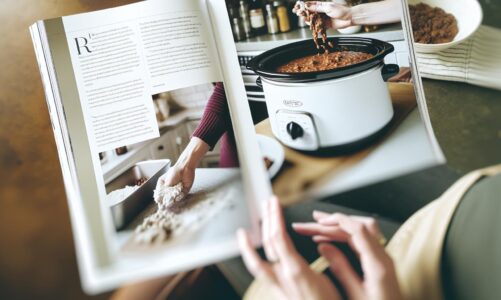
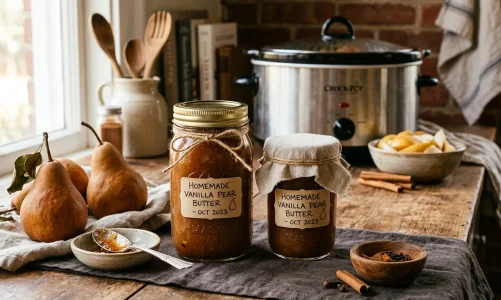
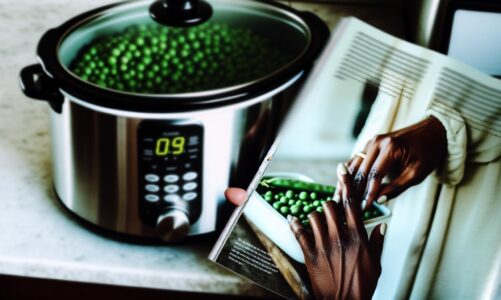
Did you know that the way you cook your food can actually affect its nutritional punch? Slow cookers have become a beloved kitchen sidekick, promising hands-off meals with rich flavors, but how do they stack up against other cooking methods like roasting, steaming, or sautéing when it comes to health? If you’re juggling busy days and still want wholesome, tasty meals-whether you’re paleo, gluten-free, or just hungry for nutritious comfort food-understanding which cooking styles preserve vitamins and keep things flavorful is a game-changer. Let’s dig into the pros and cons of slow cooking versus other common techniques, so you can confidently choose the best method for your plate without sacrificing taste or nutrition. No hard rules here-just practical tips, friendly advice, and a sprinkle of kitchen wisdom to make your next meal both easy and nourishing.
Table of Contents
- Health Benefits of Slow Cooking Compared to Other Methods
- How Slow Cookers Preserve nutrients and Flavor
- Impact of Cooking Temperature on Food Quality
- Slow Cooker Safety and Food Hygiene Tips
- Comparing Fat and Calorie Retention in Cooking Styles
- Best Slow Cooker Recipes for Healthy Eating
- How Slow Cooking Fits Paleo, Gluten-Free, and Keto Diets
- Energy Efficiency and Environmental Benefits of Slow Cooking
- Common Mistakes That Reduce Slow Cooker Healthiness
- Balancing Convenience and Nutrition in Slow Cooking
- FAQ
- Q: How does slow cooking affect the antioxidant levels in vegetables compared to steaming or boiling? A: Slow cooking can help retain or even enhance antioxidants in vegetables compared to boiling, which often leaches nutrients into water. Unlike boiling, slow cooking at lower temperatures preserves antioxidant compounds, though steaming might retain slightly more due to less water contact. Try slow-cooked veggie recipes to enjoy rich, nutrient-dense meals and check out our How slow cookers Preserve Nutrients and Flavor section for tips. Q: Why might slow cooking be better for maintaining healthy fats than frying or grilling?
- Q: What types of foods are healthiest to prepare in a slow cooker versus other cooking methods?
- Q: How can slow cooking reduce the formation of harmful compounds compared to grilling or frying?
- Q: When is slow cooking less healthy than other methods,and how can I avoid it?
- Q: How does the use of a slow cooker support weight management compared to baking or sautéing?
- Q: What slow cooker tips help maintain vitamin C and B vitamins better than conventional cooking?
- Q: How does slow cooking compare environmentally to other healthy cooking methods like steaming or grilling?
- Wrapping Up
Health Benefits of Slow Cooking Compared to Other Methods
Cooking methods matter, but few are as delightfully practical and gently effective as slow cooking. Unlike high-heat techniques that can sometimes zap nutrients and toughen proteins, slow cooking simmers your ingredients at a leisurely pace, coaxing out deep flavors and tender textures without the risk of overcooking. Think of it as giving your food a spa day-low stress, all the benefits.
The magic behind the health perks lies in the extended cooking time and controlled temperature. Slow cooking helps retain more water-soluble vitamins (hello, vitamin C and B vitamins) compared to boiling or frying because the lid keeps steam and nutrients trapped.Plus, there’s less chance for charring or burning, which can create harmful compounds. A beef stew simmered for hours can transform tough cuts into melt-in-your-mouth yum, making it easier on your digestion and maximizing nutrient absorption.
Why Slow Cooking is a Heart-Friendly Choice
because slow cookers don’t require added fats for cooking-unlike pan frying or roasting where oil often plays a starring role-you can keep your dishes leaner without sacrificing richness. Plus, the slow extraction of flavors from herbs, spices, and vegetables means you might reduce salt without losing taste. In my experiance, even a modest pinch of smoked paprika or cinnamon, combined with slow-med cooking, turns simple meals into cozy, nourishing feasts that your heart and taste buds appreciate.
- Less nutrient loss: Low heat helps preserve vitamins that fryers and grills tend to destroy.
- Improved digestion: Tenderizes protein and veggies, easing digestion, especially for paleo and gluten-free diets.
- Convenience bonus: Prep once, cook unattended, and come home to a nutrient-rich meal ready to enjoy.
- Fat control: Minimal added oils mean lower fat content without blandness.
when balancing a busy life and health goals,slow cooking offers a kind of kitchen peace. You get to savor wholesome flavors and textures that other methods might sacrifice for speed or crispiness. So next time you’re eyeing that busy week, consider your slow cooker your nutritional sidekick-not just a time-saver but a way to make genuinely healthier dishes that celebrate real food with real flavor.
How Slow Cookers Preserve nutrients and Flavor
There’s a simple magic in how slow cookers coax the best out of your ingredients while quietly preserving nutrients that other hot-and-fast methods might steamroll. The secret? It’s all about gentle,consistent heat combined with a sealed environment. Unlike boiling or frying where high temperatures can whip away delicate vitamins (think vitamin C and many B vitamins), slow cooking keeps temperatures low and water vapor locked in under the lid, trapping those precious nutrients inside your pot rather than letting them drift away with the steam.
This slow and steady heat also has another superpower: it tenderizes tougher cuts of meat and fibrous veggies until they practically melt in your mouth. From personal kitchen trials, I’ve noticed how a slow cooker transforms a humble piece of chuck roast into a rich, juicy marvel without needing all the extra oil or salt that quicker methods often rely on. The flavors aren’t just intact-they deepen. The slow extraction process lets herbs and spices unfurl gradually, creating layers of taste that explode with minimal added seasoning. It’s like your food gets a relaxing soak in flavor, which means you can dial back on salt and fats without sacrificing the joy of a satisfying meal.
- Seal the goodness: Keeping the lid on locks in moisture and water-soluble vitamins that fast boiling or high-heat frying would or else evaporate.
- Low-and-slow = nutrient buddy: Avoiding high heats means less vitamin breakdown and fewer harmful compounds from charring or overcooking.
- Natural tenderizing: Connective tissues in meat break down gradually, improving digestibility and nutrient bioavailability-a perk especially for diets like paleo or gluten-free where whole ingredients shine.
- Flavor infusion: Slow cooking spontaneously enhances herb and spice profiles, letting you experiment with bold, artery-friendly combinations like smoked paprika, rosemary, or cinnamon without the extra sodium.
In practical terms,if you’re juggling family dinners on a busy weekday,a slow cooker lets you prep once,then forget it-knowing your nutrients and flavors will be respectfully preserved and enhanced. A weeknight chili or bone broth cooked low and slow brings out nutrients into the broth and yields a taste that shortcuts simply can’t mimic. So, not only does slow cooking save precious vitamins and minerals, it gifts your taste buds a slow dance of flavor that feels like a treat rather than a chore. It’s a win-win for health, convenience, and downright flavorful comfort.
Impact of Cooking Temperature on Food Quality
There’s more to cooking than just turning up the heat-temperature plays a starring role in how our food tastes, feels, and even how nutritious it ends up. High heat isn’t always the hero of the kitchen; actually, when cooking temperatures spike too quickly or get too intense, it can cause vitamins to break down and flavors to become one-dimensional or, worse, burnt. Slow cooking thrives because it keeps things cozy-low and steady-letting ingredients develop rich textures without the drama of charring or nutrient loss.This slow-and-low approach really shines when you want meals that nourish as much as they please the palate.
Imagine simmering a beef stew at a gentle 190°F rather than blasting your skillet at 400°F. The collagen in tougher cuts melts gradually, giving you that melt-in-your-mouth tenderness without requiring added fats to soften things up. Plus, sensitive vitamins like C and some B-complex types are less likely to evaporate or degrade because the temperature isn’t harsh or fluctuating wildly. That sealed environment in a slow cooker traps moisture, preventing precious nutrients from slipping away into the air, which is frequently enough why quick, open-pot methods lose so much of their goodness. This also means your vibrant veggies keep their color and bite instead of turning to mush or losing that snap of freshness.
Cooking temperature affects more than just food chemistry-it shapes flavor in surprising ways. Slow, sustained heat encourages herbs and spices to unfold gently, layering the dish with complexity rather than an intense one-note punch you sometimes get with quick searing or frying. I remember making a slow cooker Moroccan chicken with cinnamon and smoked paprika that evolved during the 6-hour cook into something savory, sweet, and smoky without a lick of added salt. Contrast that with a quick stovetop sauté, where you might miss those subtle flavor melds, or end up adding more salt or fat to compensate for what cooking robbed.
- Keep temps low: Helps protect delicate vitamins and minimizes creation of harmful compounds like acrylamides, which can form during very high-heat frying or roasting.
- Consistent heat is key: Avoids temperature spikes that cause overcooking or uneven textures, ensuring meats stay juicy and vegetables retain a pleasant bite.
- Sealed cooking traps moisture: Prevents nutrient evaporation and helps infuse flavors evenly throughout the cooking time.
Understanding how temperature gently guides food change can help you choose the right method for your health goals and flavor cravings. So whether you’re into paleo-friendly brisket or gluten-free veggie stews, dialing down the heat and letting time do the work may just be your shortcut to a deeply satisfying, nutrient-packed meal.And hey, it’s always nice to come home to a pot of magic that’s been bubbling away quietly, turning humble ingredients into something worthy of a weekday festivity.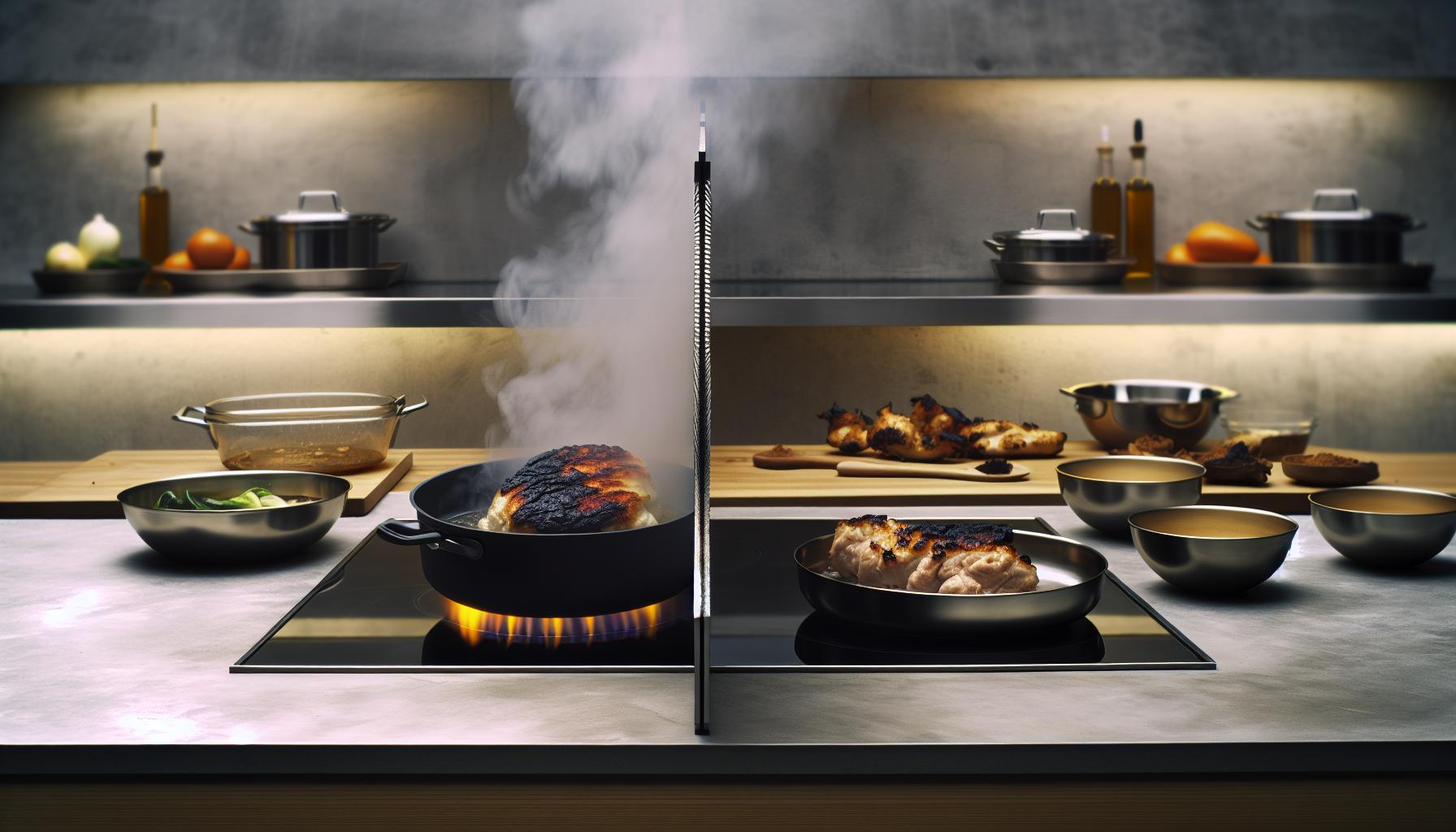
Slow Cooker Safety and Food Hygiene Tips
There’s a cozy magic to slow cookers, but it’s worth remembering that even the easiest kitchen helpers need a little attention to keep your meals safe and tasty. Slow cooking is fantastic for tenderizing meats and melding flavors, but as it involves long cook times at relatively low temperatures, it demands careful handling from start to finish to avoid any food safety hiccups. Think of your slow cooker as a slow dance partner-you want to keep things smooth and steady, not rushed or left hanging in risky temperature zones.
One of the top tips to keep in mind is to avoid tossing frozen ingredients directly into the slow cooker. While that might sound like a tempting shortcut after a busy day,starting with frozen meat can leave your dish stuck in the danger zone (between 40°F and 140°F) too long,allowing bacteria to party where you don’t want them. Instead, plan ahead to thaw meat in the fridge overnight or use cold water thawing for quicker times. This extra step keeps your slow cooker safely humming along, heating food evenly from the get-go. Also, layering your ingredients thoughtfully-putting denser, slower-cooking items like root veggies at the bottom-helps everything reach a safe internal temperature without overcooking the softer bits.
- Preheat your slow cooker: Run it empty for 15 minutes before adding ingredients if you have the time. This jump-starts the cooking process.
- Keep the lid on: Every peek steals heat and can add a couple of extra hours to cooking time, increasing safety risks.
- Check internal temperatures: Especially for meats, aim for a safe minimum of 165°F to make sure the food is cooked through and bacteria-free.
Another often overlooked factor is how you handle leftovers and storage once your feast is ready. as slow cooker meals tend to be large and hearty,don’t leave your delicious dinner lounging at room temperature for more than two hours. Quickly portion any leftovers into shallow containers to chill them fast in the fridge, which prevents bacterial growth and keeps your dish tasting fresh when reheated. in my own kitchen, I’ve found that doubling the batch and freezing half in well-sealed bags or containers means I can always rely on a quick, safe, and nutrient-packed paleo-friendly meal when life races ahead.
This peace of mind is one of slow cooking’s unspoken perks: not just flavor and nutrition preserved by gentle heat,but the confidence to prep meals that fuel your week safely and simply. Remember, a little food hygiene TLC goes a long way and lets you enjoy the warm comforts of slow-cooked eating without worrying about your tummy’s peace of mind.
Comparing Fat and Calorie Retention in Cooking Styles
It’s a fun twist of kitchen fate that slow cooking frequently enough shines when it comes to managing fat and calories, especially compared to some of the flashier, higher-heat methods like frying or broiling. When you slow cook, the gentle heat allows fat to slowly render out of meats, but rather of evaporating or burning off, much of it stays contained within the cooking liquid-perfect for spooning some of those rich juices back over your food or skimming a bit off if you like things leaner. This “fat retention” can be a double-edged sword, though, depending on your nutritional goals and how you handle the leftovers!
For those mindful of calories, slow cooking can be surprisingly forgiving.Because you rarely need additional fats or oils to keep things from sticking or drying out (unlike pan-frying), many slow cooker recipes naturally call for fewer added fats. Plus, the sealed environment means moisture doesn’t escape, which helps maintain a juicy texture without charring or overcooking, often letting you hold onto more nutrients and flavor while nudging down calorie density. In contrast, grilling and frying, which reach higher temperatures quickly, might cause fats to drip away or burn off partially, but can also lead to the Maillard reaction that some folks adore flavor-wise-just watch out for burnt bits and excess oil.
- Try this: When prepping stews or pulled meat recipes in your slow cooker, once the dish is done, let it cool a bit and refrigerate. the fat will solidify on top, making it super easy to skim off-instant calorie control with zero drama.
- One-pot wonders: Slow cooker “dump” meals frequently enough call for simple, wholesome ingredients where you can control fat sources from the start-swap cream for coconut milk or use leaner cuts of meat without sacrificing creaminess or richness.
Comparing Cooking Methods: Fat Behavior and Caloric Impact
| Method | Fat Retention | calorie Considerations | Flavor Notes |
|---|---|---|---|
| Slow Cooking | High (fat stays mostly in liquids) | Lower added fat needed; easy fat skimming after cooking | Rich, mellow flavors with tender textures |
| Frying | Variable (often increased by added oils) | Higher calories due to absorbed oils | Crispy, intense, sometimes greasy |
| Grilling/Roasting | Moderate (fat drips off; some lost) | Moderate calories but watch charred bits | Smoky, caramelized notes |
| Steaming/Boiling | Low (fat mostly stays in food) | Lower calories but may lack flavor depth | Neutral, sometimes bland |
These nuances mean there’s really no one-size-fits-all when it comes to fat and calorie retention-it boils down to your cooking style and the dish’s purpose. I love using slow cookers on busy days when I want a no-fuss, hearty meal that keeps its juiciness and lets me tweak fat levels after the fact. Simultaneously occurring, if I’m craving crunchy, golden edges or smoky flavor, grilling earns its spot despite the minor calorie bump.
a quick kitchen pro tip: if you’re following paleo, keto, or gluten-free lifestyles, slow cooking is a friend that invites you to experiment with healthy fats like avocado oil or grass-fed butter without worrying about scorching or overpowering flavors. It’s like having a stress-free flavor lab right in your slow cooker, where fat plays a delicate but essential role in creating those comforting meals we all crave!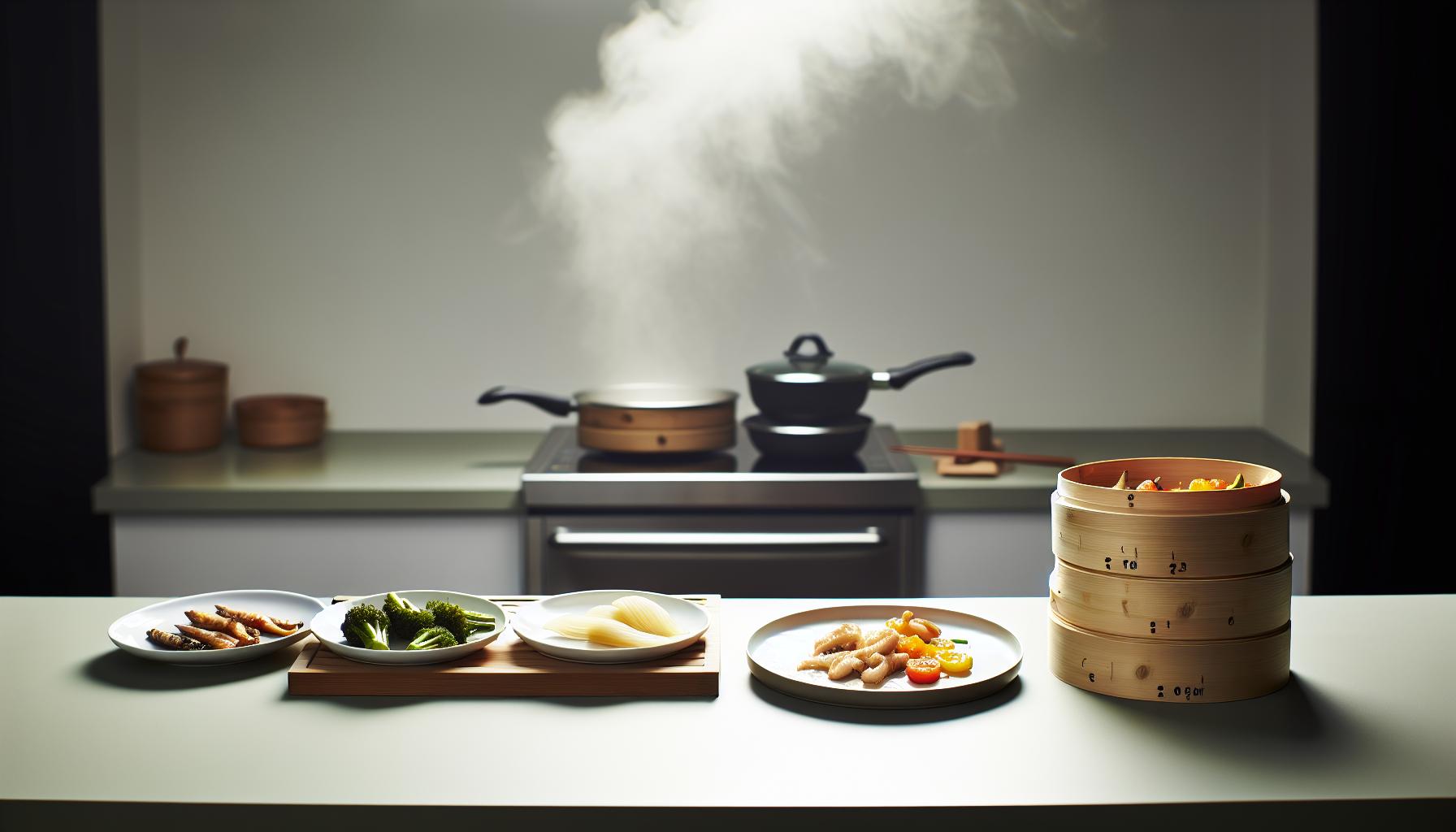
Best Slow Cooker Recipes for Healthy Eating
There’s something wonderfully satisfying about coming home to a meal that’s been quietly bubbling all day while you were tackling real life. Slow cooker dishes marry convenience with nutrient-rich, wholesome ingredients in a way few other methods can-plus, they’re ideal for anyone juggling a busy schedule but still craving healthy home-cooked flavors. Whether you’re aiming to keep things paleo, gluten-free, or keto-friendly, there’s a slow cooker recipe out there that fits your lifestyle and tastes like a hug in a bowl.Want a quick go-to for weeknight dinners? Try a chicken thighs and root vegetable stew (prep time 10 mins, cook 6-8 hours, easy). Brown your chicken to lock in flavor, then dump in carrots, parsnips, and celery with bone broth and herbs. The slow simmer breaks down the veggies to tender perfection without losing nutrients, all without stewing in added fat. Bonus: the collagen-rich broth is a bonus for gut health, making this a tasty, nutrient-dense winner.
Comfort Meals That Don’t Sacrifice Nutrition
For something a bit heartier, whip up a beef and butternut squash chili (prep 15 mins, cook 7 hours, moderate). Use lean ground beef or swap for turkey to cut calories. Add diced butternut squash,tomatoes,and your favorite spices-cumin,smoked paprika,and a touch of cinnamon keep it punchy but healthy. The slow cooker lets flavors meld without drying out, and because you’re not frying with oil, you avoid excess unhealthy fats seeping in. Serve over cauliflower rice for a low-carb, paleo-friendly twist! Here’s a quick insider tip: throw in some black beans if you want fiber-rich, gluten-free protein or skip them for strict keto days.
Bright Breakfast ideas (Yes, Slow Cooker Breakfast! 🥣)
Don’t overlook the magic of overnight oats or savory egg frittatas cooked low and slow while you sleep. I love prepping a coconut milk chia pudding overnight (prep 5 mins, cook 0 mins, no-cook assembly) in the slow cooker’s “keep warm” mode. It’s paleo, gluten-free, and keto-adaptable if you mind your portion sizes, and results in a creamy, nutrient-packed start-just layer with berries and nuts in the morning. For savory fans, try a vegetable-packed frittata with spinach, mushrooms, and bell peppers that take on a silkier texture than the pan-fried versions, as slow cooking gently pulls out sweetness without drying the eggs.
- Pro tip: When adapting recipes, swap heavy cream for coconut cream or almond milk for dairy-free richness.
- Extra flavor hack: Add fresh herbs like rosemary or thyme at the end of cooking to brighten the dish without losing their essential oils to heat.
- Ingredient swaps: Lean cuts like chicken breast or pork tenderloin work beautifully in slow cookers and keep the calorie count in check.
Slow cooker recipes can feel like a flavor playground with none of the stress. Just toss your ingredients in, adjust for your dietary needs, and savor the delicious benefits of cooking that’s as kind to your time as it is to your body. Plus, there’s usually enough left over for the next day’s lunch (hello, effortless meal prep). who said healthy eating has to be complicated?
How Slow Cooking Fits Paleo, Gluten-Free, and Keto Diets
Slow cookers are the unsung heroes when it comes to making specialized diets feel approachable, delicious, and downright satisfying. Whether you’re navigating paleo, gluten-free, or keto lifestyles, slow cooking offers remarkable adaptability-it gently coax flavors from whole foods while keeping ingredient lists clean and simple. Plus, the ease of dumping everything in and walking away is a game-changer for busy folks who want to eat well without turning dinner prep into a part-time job.Take paleo, such as, which emphasizes nutrient-dense meats, fresh vegetables, and excludes grains and dairy. Slow cookers shine here as they tenderize tougher cuts of meat like pork shoulder or beef brisket without losing moisture or nutrients.A hearty slow-simmered bone broth with herbs and veggies not only aligns perfectly with paleo principles but also doubles as gut-loving nourishment. Toss in root vegetables like carrots and parsnips, and you’ve got a full meal that tastes effortless but feels like a labor of love. I swear by a simple pork and apple stew (prep 10 mins, cook 6 hours) that’s paleo-friendly and perfect for those fall evenings when you want comfort without compromise.Gluten-free eaters, rejoice! Slow cooking naturally avoids hidden gluten hazards often found in processed sauces or quick-fix meals. Just steer clear of soy sauce (hello coconut aminos) or thickening agents like flour; instead,swap in arrowroot or tapioca starch for silky texture in stews or sauces. I love a slow cooker chili loaded with ground turkey, bell peppers, tomatoes, and cumin-simple, robust, and totally gluten-free. plus, because slow cooking emphasizes whole foods, you’ll often find yourself relying less on processed substitutes and more on fresh ingredients, which feels empowering.
For keto fans, slow cookers can be a secret weapon to low-carb success. High-fat, moderate-protein meals like creamy chicken thighs with mushrooms or beef pot roast with cauliflower mash fit perfectly into keto macros when cooked low and slow. The slow cooker helps keep fats tasty and intact, so there’s no need to add excess oils or butter that might tip your balance. Pro tip: incorporate plenty of non-starchy vegetables and consider substituting tomato-based recipes with lower-carb options like zucchini noodles served on the side. This way, you’re not just eating keto-approved meals-you’re savoring them without feeling like you’re missing out.
- Simple swaps: Coconut aminos instead of soy sauce for paleo and gluten-free sauces.
- Ingredients to favor: Bone broth,grass-fed meats,fresh herbs,and non-starchy veggies shine in all three diets.
- meal prep win: Make big batches that work for lunches or dinners, freeing up precious time during your week.
Slow cooking in these dietary frameworks isn’t about being perfect; it’s about making wholesome, flavor-packed meals doable.Whether it’s a cozy beef stew that checks all the paleo boxes, a chili that’s gluten-free and bold, or a creamy keto-friendly chicken curry, slow cookers help you keep the joy in eating well-one delicious simmer at a time.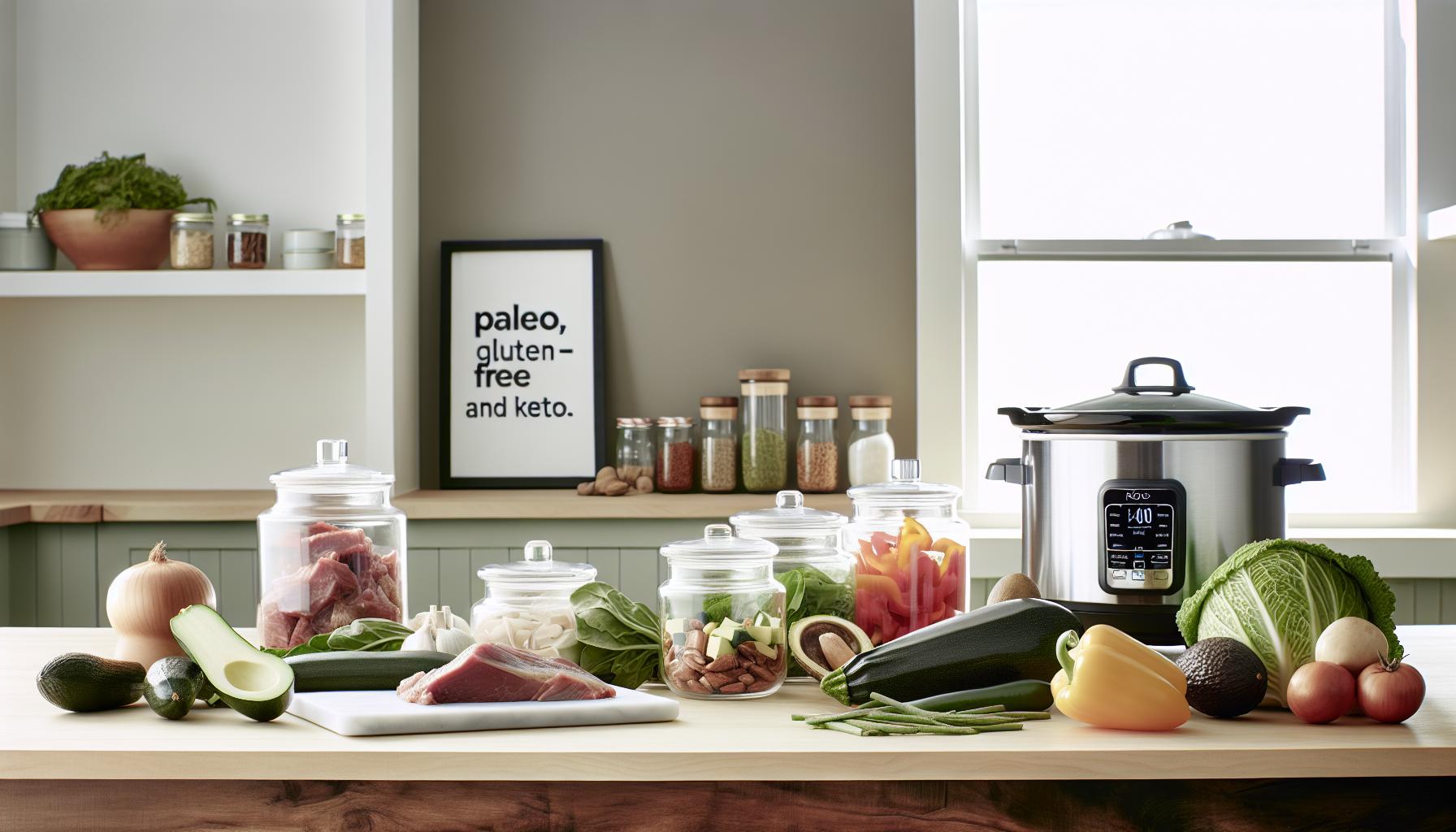
Energy Efficiency and Environmental Benefits of Slow Cooking
Cooking with a slow cooker isn’t just great for making your taste buds happy-it’s surprisingly kind to the planet and your energy bill too. Unlike an oven or stove that cranks out heat in bursts, slow cookers gently simmer your meals over several hours while using a fraction of the electricity. Think of it as the culinary equivalent of a marathon runner versus a sprinter: slow and steady wins the eco-friendly race.This means while your tough pork shoulder is turning tender or your chili is building layers of flavor, your slow cooker is quietly sipping electricity-about 3-7 watts per hour compared to 2000 watts for a conventional oven.
What’s really cool is that this low, steady energy use can add up to significant savings over time, especially for home cooks who meal prep or batch cook regularly. I remember switching from my old gas stove to a slow cooker for weeknight dinners and seeing the difference in my energy use was like switching from a gas-guzzler to a hybrid car. Plus, slow cookers generally generate less excess heat in the kitchen, meaning less need for air conditioning in the summer months. More comfort, less environmental impact-what’s not to love?
Small Changes, Big Impact
- Batch Cooking Wins: Filling up your slow cooker for multiple meals maximizes both energy use and your time. Using one slow-cooked pot dinner for lunches and dinners reduces how often you need to fire up other appliances.
- Lid On, please: Keeping the lid sealed traps heat and moisture, letting the slow cooker use energy more efficiently and preserving that delicious slow-simmered flavor without extra wattage.
- Choose the Right Size: Using a slow cooker sized to your portion needs avoids wasting energy heating an empty or half-full pot.
This method also pairs beautifully with sustainability-focused eating, like paleo and gluten-free diets that highlight fresh, whole ingredients. Slow cooking makes the most of every veggie and herb, reducing food waste by transforming less-than-perfect cuts and slightly bruised produce into crave-worthy meals. bonus: You avoid convenience foods often packaged with excess plastic, so slow cooking nudges you toward a greener kitchen lifestyle without sacrificing flavor or nutrition.
So next time you’re tempted to blast the oven or spend ages at the stove for a hearty stew or curry, consider the slow cooker’s quiet magic. It’s energy-smart, wallet-friendly, and effortlessly supports your health goals while making cooking feel like a low-stress, high-reward adventure. That’s a win-win-win-makes me want to start prepping a pot roast this weekend!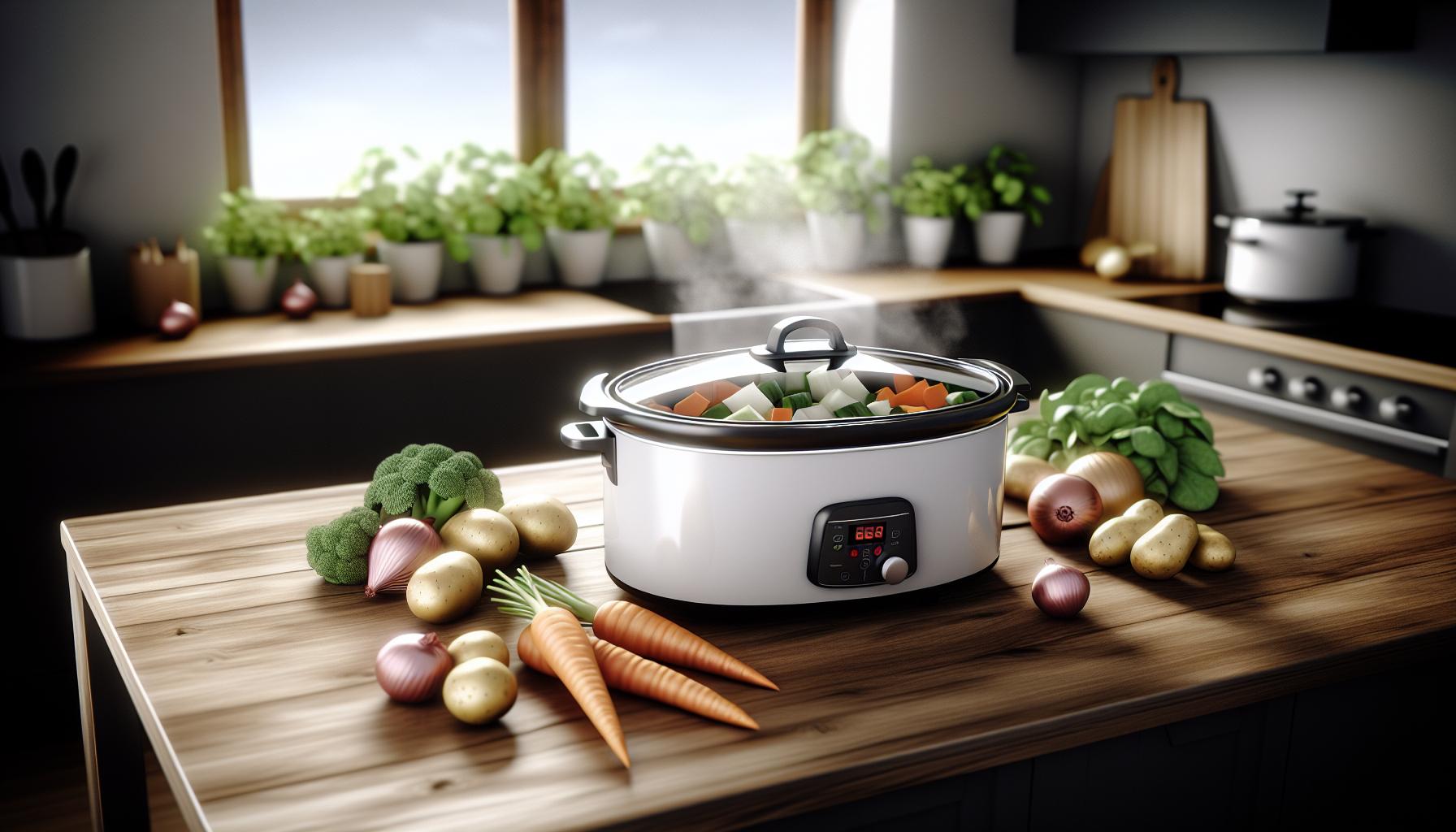
Common Mistakes That Reduce Slow Cooker Healthiness
Cooking low and slow does wonders for flavor, but a few common slip-ups can sneak in and quietly sabotage the health benefits you’re aiming for. Picture this like accidentally turning your slow cooker into a fast-food fryer-except slower and less tasty. The beauty of slow cooking lies in its gentle approach, but that gentleness requires a bit of finesse.From ingredient choices to timing, small tweaks can make a big difference in keeping your meals nourishing and satisfying without turning into calorie traps or nutrient casualties.
One easy misstep is loading the slow cooker with fatty cuts or too much oil *right* at the start, thinking the all-day cook will magically drain or burn it off. Nope! Slow cooking locks in fats and oils just and also it does flavors, so the result can be a greasier dish that’s not exactly light on calories. Rather, go for leaner proteins like skinless chicken breasts or trimmed pork loin, and try delaying high-fat add-ins like cream or cheese until the last 30 minutes of cooking. Another tip: chop your veggies into uniform pieces to ensure even cooking and prevent some from turning mushy while others remain undercooked,which can lead to lost texture and nutrients.
Timing Is Everything
Leaving your slow cooker on “low and slow” *too* long can also backfire, especially with delicate veggies and herbs. After about 6-8 hours, water-soluble vitamins-think vitamin C and some B vitamins-start to degrade. To keep that vibrant pop of nutrition and flavor, add fresh greens, herbs, or quick-cooking veggies like zucchini in the final hour.Trust me, your taste buds and your body will thank you. Plus, it’s a fun way to tweak recipes for variety without extra effort.
straight from Kitchen Stories
A little kitchen confession: I once dumped frozen chicken straight into my slow cooker without thawing. While convenient, it extended the low-temperature “danger zone” time, increasing food safety risks. Always thaw meats beforehand or use the “high” setting for the first hour to speed up safe cooking. This keeps your meal both healthy and safe to eat-no one wants a side of upset stomach with their stew! also, avoid the temptation to peek and stir too frequently enough. Lifting the lid releases precious heat and ups the cooking time (and energy use), which can impact texture and nutrient retention.
- Don’t Overdo Sauces and Salt: Bottled sauces often hide tons of added sugars and sodium. Slow cooking intensifies these flavors, so start with less and adjust toward the end.
- Beware Overcooking Grains: Some grains like rice and quinoa can turn mushy if slow-cooked for too long. Add them later or cook separately to keep fluffy texture and nutrients.
- Use Fresh Ingredients When Possible: Fresh herbs, veggies, and quality cuts make all the difference in flavor and health benefits over pre-packaged or processed ingredients.
Slow cooking shouldn’t feel like a health hazard or a flavor compromise.It’s about smart choices that let you embrace the easy, hearty magic of set-it-and-forget-it meals while staying on track with your paleo, gluten-free, or keto goals. The take-home? Pay attention to fats, timing, and ingredient quality, and you’ll keep the healthiness on the slow cooker’s winning side-without sacrificing that cozy, delicious comfort food feel. And hey, if you do sneak in a shortcut here and there (we’re all human!), you’re still cooking at a pace that’s gentle on your kitchen and your schedule-which is a win in itself.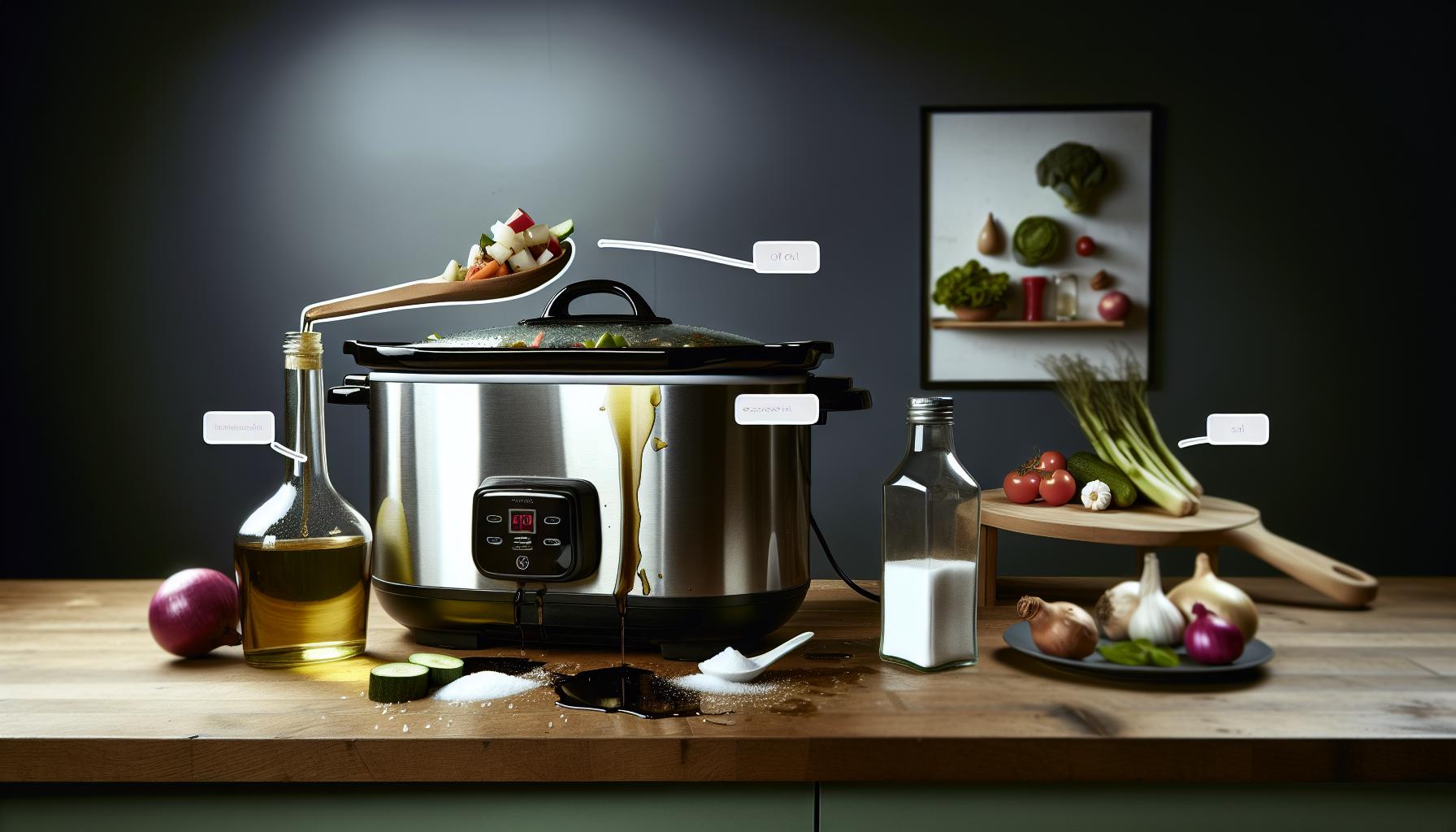
Balancing Convenience and Nutrition in Slow Cooking
Believe it or not, slow cooking can actually be your best ally when juggling busy days and nutritious meals – all without feeling like you’ve sacrificed flavor or health. The magic? it’s all in how you approach the process. Unlike rushing through a pan or oven, slow cookers let you prep in a flash, toss in wholesome ingredients, and go about your day while the magic unfolds. But with convenience, the real win comes when you balance easy prep with thoughtful choices that keep your meal vibrant and nourishing.
In my kitchen adventures, I’ve found that layering flavors and nutrients in smart stages makes a huge difference. Such as, starting with lean proteins like skinless chicken breasts or trimmed pork loin sets a solid, health-conscious base.toss in hearty root veggies early for a gentle simmer that softens without turning them into mush. Then, just before dinner, I add quick-cooking greens or fresh herbs to keep vitamins and freshness alive. This simple tweak ensures my paleo-friendly, gluten-free, or keto meals stay juicy, not soggy – and full of those micronutrients we all want to sneak in.
Simple Swaps and Time-Saving Tricks
- Skip the drowning fat: Instead of fatty cuts or heavy oils at the start, opt for lean proteins and add fats like avocado oil or nut butters late in the cooking process to enhance flavor without overload.
- use pre-chopped frozen veggies: These can be great time-savers and still pack a nutritional punch. Just remember to add them later in the cook cycle so they don’t turn to mush.
- Batch cook for busy weeks: Double your recipes and freeze portions in handy containers. This means fewer nights stressing about meals-and more time enjoying your food guilt-free.
- Mind the sauces and salts: Slow cooking intensifies flavors, so start with less salt or sugar and adjust at the end to keep sodium and added sugars in check.
Balancing convenience with nutrition comes down to being a little strategic-but don’t worry, you don’t need to be a kitchen guru to nail it. Think of your slow cooker as a gentle teammate that just wants to make your life easier, not complicate it. Even if you throw in shortcuts like frozen meats or pre-packaged broths, a little attention to timing and ingredient quality will keep your meals wholesome and delicious.After all, healthy eating should be joyful and approachable-slow cooking lets you have your cozy comfort food and eat well, too.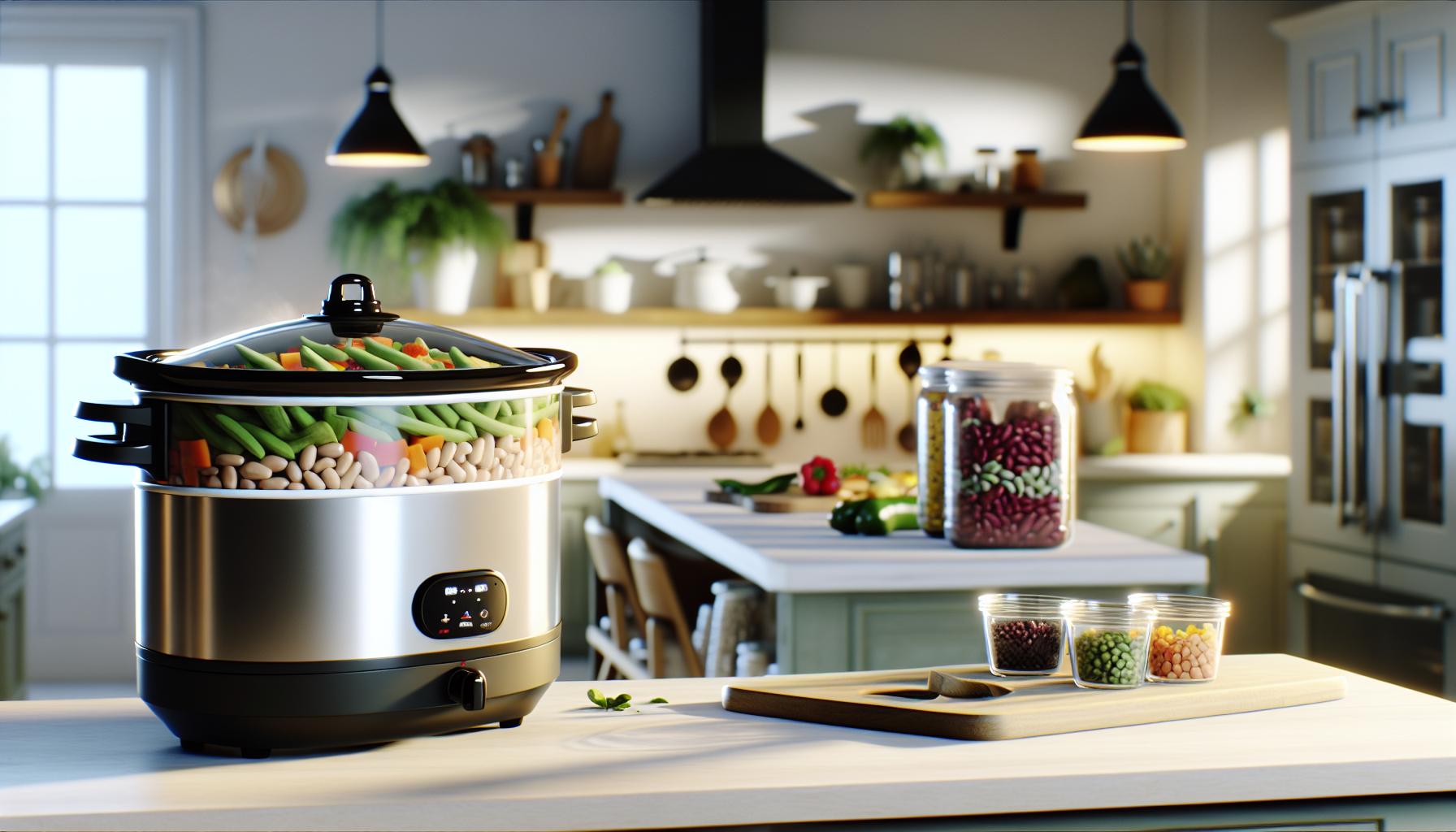
FAQ
Q: How does slow cooking affect the antioxidant levels in vegetables compared to steaming or boiling?
A: Slow cooking can help retain or even enhance antioxidants in vegetables compared to boiling, which often leaches nutrients into water. Unlike boiling, slow cooking at lower temperatures preserves antioxidant compounds, though steaming might retain slightly more due to less water contact. Try slow-cooked veggie recipes to enjoy rich, nutrient-dense meals and check out our How slow cookers Preserve Nutrients and Flavor section for tips.Q: Why might slow cooking be better for maintaining healthy fats than frying or grilling?
A: Slow cooking preserves healthy fats better by using gentle heat, avoiding high-temperature damage or oxidization common in frying and grilling. This method retains more omega-3s and monounsaturated fats, crucial for heart health. For meal ideas combining slow cooking and healthy fats, see the Balancing Convenience and Nutrition in Slow Cooking section.
Q: What types of foods are healthiest to prepare in a slow cooker versus other cooking methods?
A: Lean meats, legumes, tough cuts, and fibrous vegetables are healthiest when slow-cooked, as the gentle heat breaks down fibers without nutrient loss. Slow cooking also works well for soups and stews, fitting diets like paleo and keto. To find recipes tailored for your diet, explore Best Slow Cooker Recipes for Healthy Eating.
Q: How can slow cooking reduce the formation of harmful compounds compared to grilling or frying?
A: Slow cooking minimizes harmful compounds like acrylamides and advanced glycation end products (AGEs) that form during high-heat methods like grilling or frying. Cooking at low temperatures for longer periods helps preserve food integrity and keeps meals healthier.Review our Impact of Cooking Temperature on Food Quality for deeper insights.
Q: When is slow cooking less healthy than other methods,and how can I avoid it?
A: Slow cooking can be less healthy if fatty cuts or excessive salt are used,or when vegetables become overly mushy and lose nutrients. Avoid this by trimming fat,using fresh herbs for flavor,and timing cook sessions precisely. Learn more in Common mistakes That Reduce Slow Cooker Healthiness.
Q: How does the use of a slow cooker support weight management compared to baking or sautéing?
A: Slow cooking supports weight management by reducing the need for added fats, preserving fibers, and enabling portion-controlled meals. Unlike sautéing or baking, it allows bulk cooking of nutrient-dense, lower-calorie dishes that satisfy fullness. Check Comparing Fat and calorie Retention in Cooking Styles for meal planning tips.
Q: What slow cooker tips help maintain vitamin C and B vitamins better than conventional cooking?
A: To better preserve vitamin C and B vitamins, add delicate vegetables later in the slow cooking cycle or lightly steam before adding. As these vitamins degrade with heat and time, avoid overcooking to keep nutrient levels high. For detailed techniques,see How Slow cookers Preserve Nutrients and Flavor.
Q: How does slow cooking compare environmentally to other healthy cooking methods like steaming or grilling?
A: Slow cooking is often more energy-efficient and environmentally friendly than oven baking or grilling, thanks to lower heat and longer cooking times using less electricity or gas. Its energy savings align with enduring kitchen practices-learn more in Energy Efficiency and Environmental Benefits of Slow Cooking.
Explore these answers alongside our full article to elevate your cooking game with slow cookers. Try recipes, experiment with timing, and savor every healthy bite-because nutritious food should always be delicious and easy to make!
Wrapping Up
Choosing the healthiest cooking method doesn’t have to feel like a chore. Whether you’re team slow cooker, stovetop, or oven, understanding how each method preserves nutrients and fits your lifestyle is key. Slow cookers shine by locking in flavors and nutrients with minimal effort,making them perfect for busy home cooks craving wholesome,comforting meals. Ready to dive deeper? Explore our easy slow cooker recipes, or balance your weeknight dinners with fresh ideas from our quick stovetop meals.
Still wondering how to make healthful, gluten-free, or paleo-friendly dishes without the fuss? Check out our guide to ingredient swaps and meal prep hacks for practical tips that fit every dietary style. Don’t miss out-sign up for our newsletter to get tested recipes and kitchen tricks straight to your inbox.Have questions or favorites slow cooker dishes? Share your thoughts below and keep the conversation cooking. because great food, like any good friendship, is all about sharing joy-one delicious meal at a time.
Make SabriNasSinlessSecrets.com a Preferred SourceGet our latest guides, news, and insights highlighted in your Google Search & AI Overviews.
✓ Preferred Source Added
Get our latest guides, news, and insights highlighted in your Google Search & AI Overviews.