
There’s nothing quite like sinking your fork into a perfectly tender lamb roast that’s been slow-cooked to juicy perfection. But how long should you actually cook lamb in a slow cooker to get that melt-in-your-mouth texture without overdoing it? Whether you’re juggling a busy schedule,navigating paleo or gluten-free diets,or just craving an easy,no-fuss roast dinner,knowing the ideal cook time takes the guesswork out of your kitchen. In this guide, I’ll share simple timing tips and practical tricks from my own slow cooker adventures, so you can relax while your lamb turns into a tasty, tender masterpiece – no stress, no fuss, just great food. Ready to master slow-cooked lamb with confidence? Let’s dive in.
Table of Contents
- Optimal H2 Headings for “How Long To Cook Lamb In Slow Cooker For Tender No-Fuss Roasts
- Choosing the Best Lamb Cuts for Slow Cooking
- Essential Prep Tips for Tender Slow Cooker Lamb
- Exact Cooking Times for Lamb in Slow Cooker
- How to Layer flavors for Mouthwatering Lamb Roasts
- Slow Cooker Settings: Low vs. High heat Explained
- Simple Ingredient Swaps for Paleo and Gluten-Free Lamb
- Checking Doneness: How to Know When Lamb Is Perfect
- Avoiding Common Slow Cooker Lamb Mistakes
- Serving suggestions to Elevate Your Slow Cooker Lamb
- Storing and Reheating Leftover Slow Cooker Lamb
- Q&A
- Q: How can I prevent lamb from drying out in a slow cooker?
- Q: What’s the best way to add herbs and spices for slow-cooked lamb?
- Q: Can I cook frozen lamb in a slow cooker, and how does that affect cooking time?
- Q: Why does slow cooker lamb sometimes turn out stringy, and how do I fix it?
- Q: How do different lamb cuts affect slow cooker tenderness?
- Q: When should I add vegetables to slow cooker lamb roasts, and which types work best?
- Q: How does altitude affect slow cooker lamb cooking times?
- Q: What are easy paleo and gluten-free ingredient swaps for slow cooker lamb recipes?
- Future Outlook
Optimal H2 Headings for “How Long To Cook Lamb In Slow Cooker For Tender No-Fuss Roasts
Picking the right headings for your lamb slow cooker article is like seasoning your roast-get it just right, and everything tastes better. Good H2 headings guide your readers effortlessly, helping them find exactly what they need without digging through a mountain of text. Especially for an audience juggling paleo, gluten-free, or busy lifestyle preferences, clear, practical, and inviting headings feel like a friendly tap on the shoulder that says, “I’ve got you.”
When crafting these headings, think about what questions pop up most often in the slow cooker aisle or around the dinner table. What cut works best? How long to cook it without the guesswork? What if someone wants to swap an ingredient for paleo compliance or make sure leftovers shine on Day Two? Each heading should promise a nugget of wisdom, a shortcut, or a little inspiration. You can even sneak in some fun-after all, slow cooking is meant to be stress-free and joyful, not an intimidating science experiment.
Tips for Crafting Effective H2 Headings
- Keep it specific: Instead of “Cook Times,” use “Exact Cooking Times for Lamb in Slow Cooker” to pinpoint what the reader will find.
- Use approachable language: Friendly, helpful words like ”Simple,” “Essential,” and “Avoiding” invite readers with a warm tone.
- Match headings to reader needs: Organize by cut, time, flavor, and dietary swaps to cover common choices and hurdles.
- Encourage browsing: Make each heading stand out so skimmers can zero in fast.
It also helps to sprinkle in hints of dietary preferences without overwhelming the reader-think “simple ingredient Swaps for Paleo and Gluten-Free Lamb” rather than separate, heavy sections that might feel daunting. This way, everyone feels included, whether they’re passionate paleo chefs or the family cook grabbing whatever’s in the pantry.
Ultimately, the best headings act like trusted kitchen companions, pointing the way to tender, no-fuss lamb roast dinners with minimal stress and maximum flavor.Your readers will thank you for making slow cooking feel like a friendly, achievable adventure.
Choosing the Best Lamb Cuts for Slow Cooking
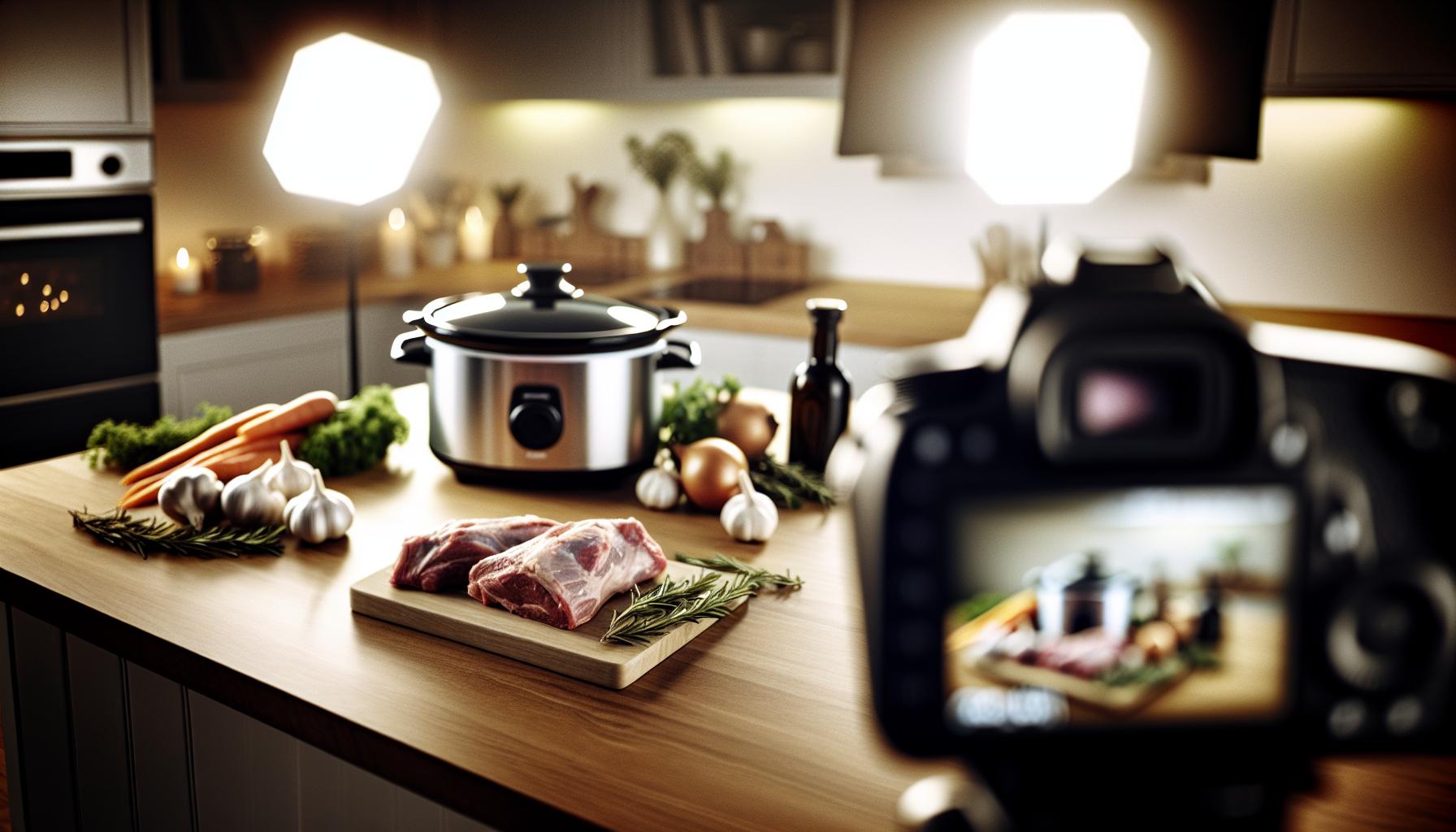
When it comes to slow cooking lamb, choosing the right cut is your secret weapon for a tender, melt-in-your-mouth roast with zero fuss. Not all lamb cuts are created equal in the slow cooker kingdom-some need longer love and slow heat to unlock their full flavor potential, while others cook more quickly but risk drying out. Think of it like picking shoes: comfy, well-broken-in ones make the journey a joy, just like the right lamb cut makes your dinner effortless.
For the slow cooker,look for cuts with plenty of connective tissue and marbling because that’s what breaks down over hours of gentle cooking to create that luscious,fork-tender texture we all crave. The classic heavyweight here is the shoulder.It’s budget-friendly, flavorful, and packed with the fat and collagen your slow cooker dreams about. Bone-in or boneless? Both work well, though bone-in often amps up the taste with extra richness.
Another champion is the lamb shank. While shanks need a bit more cooking time, their slow-braised goodness is legendary, making them worth the wait for special occasions or cozy weeknight dinners. And if you’re after a leaner option, a leg of lamb cut into chunks or left whole (trimmed, of course) can shine in the slow cooker but watch the cook time closely so it doesn’t dry out. For busy cooks juggling paleo or gluten-free lifestyles, these cuts are naturally compliant and easy to pair with your favorite herbs and veggies.
Speedy Cut Comparison
| cut | Best For | Cook Time | Flavor & Texture |
|---|---|---|---|
| Lamb Shoulder | Everyday roasts, pulled lamb | 6-8 hours (low) | Rich, juicy, very tender |
| Lamb Shank | Hearty, braised meals | 8-10 hours (low) | Deep flavor, silky texture |
| Leg of lamb | Lean roasts, chunked stews | 5-7 hours (low) | Moderate flavor, tender but firmer |
| Lamb Neck | Slow-cooked stews | 7-9 hours (low) | Gelatinous, flavorful |
From my kitchen to yours: I’ve often grabbed lamb shoulder on sale and casually tossed it into the slow cooker with garlic, rosemary, and a splash of broth, then came back hours later to a house smelling like a fancy bistro. It’s proof that you don’t need to be a culinary wizard or haul out your sous-vide gear to impress with lamb. When life’s busy, and hunger calls, picking the right cut turns your slow cooker into a magic box of effortless deliciousness.
- Tip: Don’t skimp on trimming excess fat if you want a cleaner paleo-friendly meal, but a little fat is your flavor friend in slow cooking.
- Bone-in cuts add richness, so save leftovers for tasty soups or salads that stretch your effort further.
- For beginners, lamb shoulder is your go-to- forgiving, versatile, and always a crowd-pleaser.
Essential Prep Tips for Tender Slow Cooker Lamb
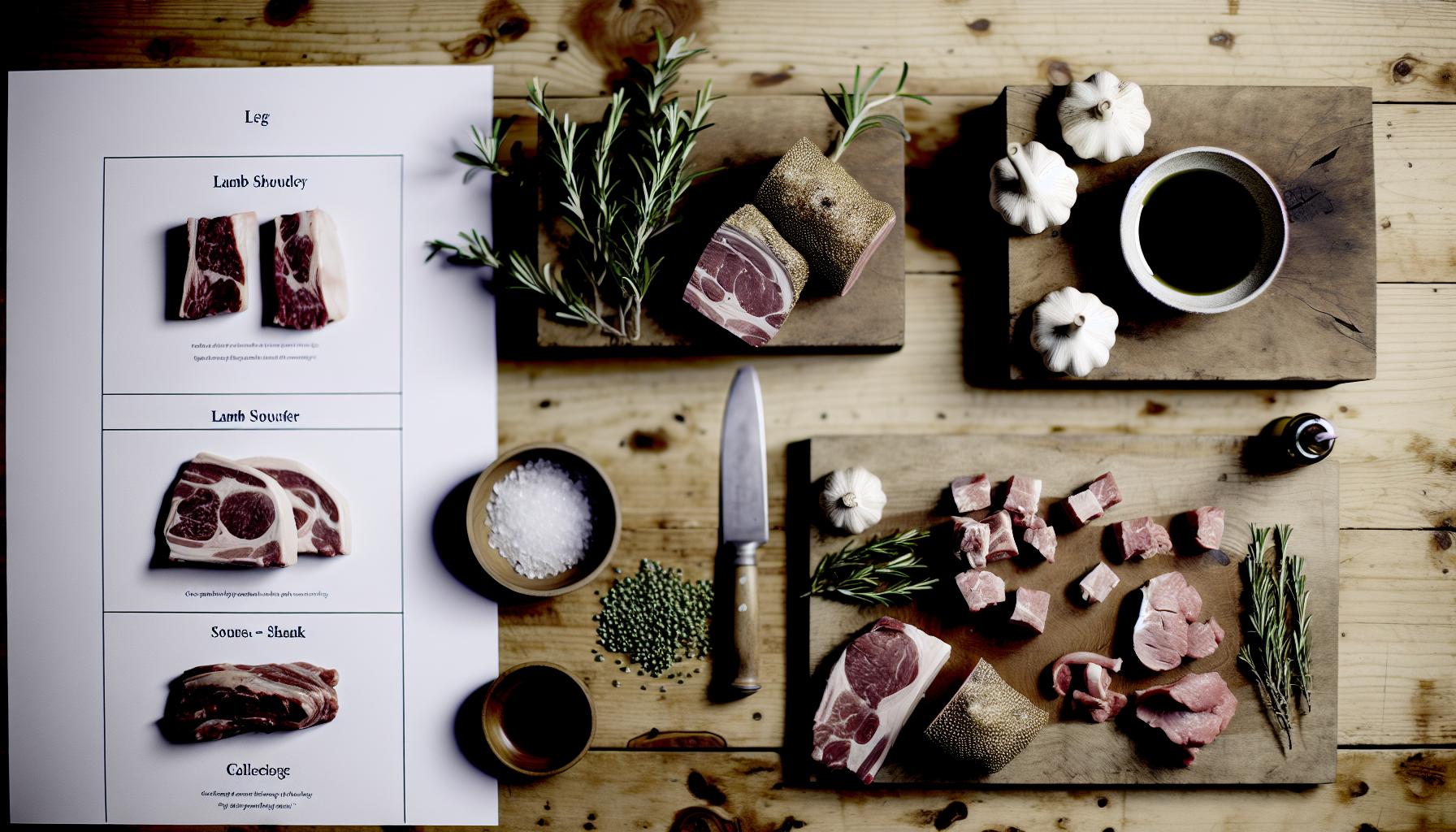
Getting your lamb ready for slow cooking doesn’t have to be a grand production, but a few thoughtful prep steps can turn your roast from good to seriously swoon-worthy. A little attention before the slow cooker gets going sets the stage for that tender, juicy texture we all chase, without any extra hassle at dinner time. think of it as priming the lamb for its long, lazy soak in flavor and warmth – and trust me, your future self (and taste buds) will thank you.
First off, trimming your lamb is a small but mighty secret. Leave some fat for flavor and moisture, but cutting away any thick chunks of excess fat helps keep the dish balanced and paleo-friendly.A clean trim also prevents the slow cooker from filling up with greasy broth, which clogs the palate. I usually save those fatty trimmings and toss them in my freezer for future slow-roasted veggies or to enrich soups, so nothing goes to waste.
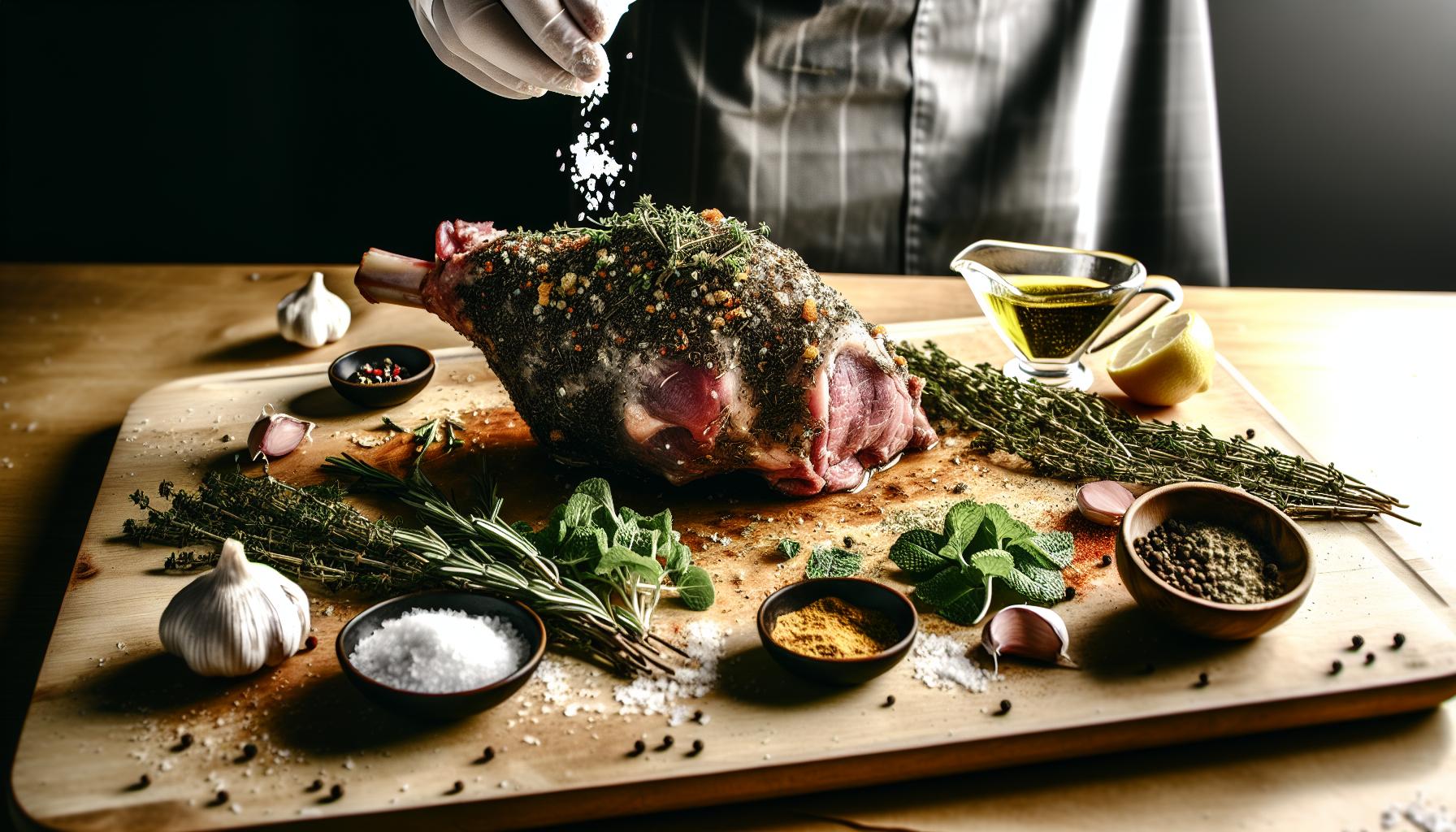
Seasoning early is another game-changer. While you can absolutely sprinkle your herbs and spices straight into the slow cooker,giving the lamb a quick rub-down with salt,pepper,and your favorite aromatics-think garlic,rosemary,or smoked paprika-before it hits the pot locks in flavor. If you have an extra 10 minutes, searing the meat on all sides in a hot pan creates that irresistible caramelized crust and amps up the savory notes. it’s a classic step that’s optional but worth the effort if you want to showcase layers of taste without fuss.
Simple Prep Checklist for stress-Free, Tender Lamb
- Trim excess fat but keep some for moisture and richness.
- Pat the lamb dry for better browning if you’re searing.
- Season generously with salt, pepper, and your favorite herbs or spice blend.
- Sear the lamb in a hot skillet for 2-3 minutes per side for extra flavor, or skip to save time.
- Prep your veggies by chopping hearty roots and aromatics-place them under the lamb in the slow cooker for a natural flavor bed.
- Use liquids wisely: Broth, wine, or even a splash of balsamic adds moisture and depth but keep it light to avoid diluting taste.
I’ve found that layering your slow cooker with roughly chopped carrots, onions, and celery before placing the lamb on top not only infuses the meat with gentle veggie sweetness but also saves a side dish moment for later. Plus, it keeps the roast elevated, allowing heat to surround it evenly.When life’s hectic-whether you’re squeezing in a paleo lifestyle or avoiding gluten-this prep strategy feels like cheating, but it’s just smart, delicious cooking.

Exact Cooking Times for Lamb in Slow Cooker
Slow cooking lamb is a bit like setting it to a long, luxurious spa day-the result? Melt-in-your-mouth tenderness that’s worth every minute. The trick is finding that perfect window where the meat becomes juicy and tender without turning mushy. Depending on the cut and slow cooker heat setting, your lamb could take anywhere from a few hours to most of the day, but don’t worry, it’s mostly hands-off!
In general, smaller cuts like lamb shoulder chops or stew meat reach peak tenderness in about 4 to 6 hours on low, or 2.5 to 3.5 hours on high. Larger pieces, like a whole boneless leg of lamb weighing around 3 to 4 pounds, will need about 8 to 10 hours on low heat for that perfect fork-tender finish. High settings speed things up, but I frequently enough recommend going low and slow-not just as it’s gentler on the meat, but it also lets flavors develop more fully without any worry of drying out.
Cooking Times at a Glance
| Cut of Lamb | Weight | Slow Cooker Low | Slow Cooker High |
|---|---|---|---|
| Lamb Shoulder (Boneless) | 2-3 lbs | 6-8 hours | 3-4 hours |
| Lamb Leg (Boneless) | 3-4 lbs | 8-10 hours | 4-5 hours |
| Lamb Shanks | Individual (1-1.5 lbs each) | 7-9 hours | 3.5-4.5 hours |
| Lamb stew Meat | 1-2 lbs | 4-6 hours | 2.5-3.5 hours |
Of course, your slow cooker model and even altitude can tweak these times somewhat, so I always recommend checking the meat a little before the minimum suggested cook time, especially if you’re new to your appliance. The beauty of lamb slow cooking is forgiving versatility-you can leave it warming on “low” for an extra hour or two without disaster.It’s perfect for busy days or when dinner needs to be ready the moment you walk in the door.
One fun tip from my kitchen: if you’re using cuts with bones, like shanks or a whole leg with the bone in, you might want to add an extra 30 minutes to an hour on low.That extra slow simmer helps coax all the delicious marrow and richness out into the sauce, making every bite a savory experiance. And no worries if your schedule demands the high setting-just keep an eye on it near the end so it doesn’t dry out. Either way,your patience sets the stage for lamb that’s tender,flavorful,and absolutely fuss-free.

How to Layer flavors for Mouthwatering Lamb Roasts
Nothing turns a regular lamb roast into a memorable meal quite like layering flavors thoughtfully throughout the cooking process. Slow cooking isn’t just about time; it’s a flavor journey. As the lamb gently simmers, every herb, spice, and veggie you add gets the chance to weave into the meat’s fibers, creating a depth that’s pure magic on your plate. Think of your slow cooker as a flavor-building powerhouse-one where the right combinations can make your no-fuss roast sing with complexity but without any extra fuss.
To create those mouthwatering layers, start by seasoning your lamb generously-even a simple sprinkle of salt and pepper works wonders. Then, take it up a notch by using fresh herbs like rosemary, thyme, or oregano, which are classic lamb companions. Don’t be shy about adding aromatics like garlic and onion to the base of your slow cooker-it’s these humble ingredients that release savory oils and sweetness during cooking, acting as the flavor foundation.
Building Flavor Step-by-Step
- Brown the Lamb First: Before it hits the slow cooker, a quick sear on all sides caramelizes the surface, locking in juices and adding those irresistible brown bits (hello, umami!). It’s an easy step that pays off big time in flavor depth.
- Layer Your Aromatics: Place a bed of sliced onions, carrots, or celery at the bottom of the cooker. These veggies slowly break down and infuse their sweetness and earthiness into the meat and sauce.
- Season in Stages: Add dried spices early (cumin, coriander, or smoked paprika for a warm twist) with the lamb, but reserve fresher herbs to stir in later during cooking or just before serving. This keeps their brightness intact and avoids overcooking delicate flavors.
- Don’t Forget the Liquid: Using bone broth, wine, or even a splash of lemon juice can brighten flavors and carry the savory notes evenly throughout the dish. It also helps keep the meat moist and tender.
For those embracing paleo or gluten-free lifestyles, consider swapping out any traditional seasoning blends that might hide gluten for pure herbs and spices you control yourself. For a personal touch, I like to add a cinnamon stick or a star anise pod-just one-and it adds a subtle warmth without turning the roast into a dessert. Trust me,it sounds weird but tastes like a cozy hug after a long day.
Creating layered flavor is less about complex recipes and more about thoughtful ingredient choices working together over time. The beauty of slow cooking is how all these elements meld gently but powerfully. By the time your lamb comes out fall-apart tender, every bite is a harmonious blend of herbaceous, savory, and vibrant notes that keep you coming back for more.
Slow Cooker Settings: Low vs. High heat Explained
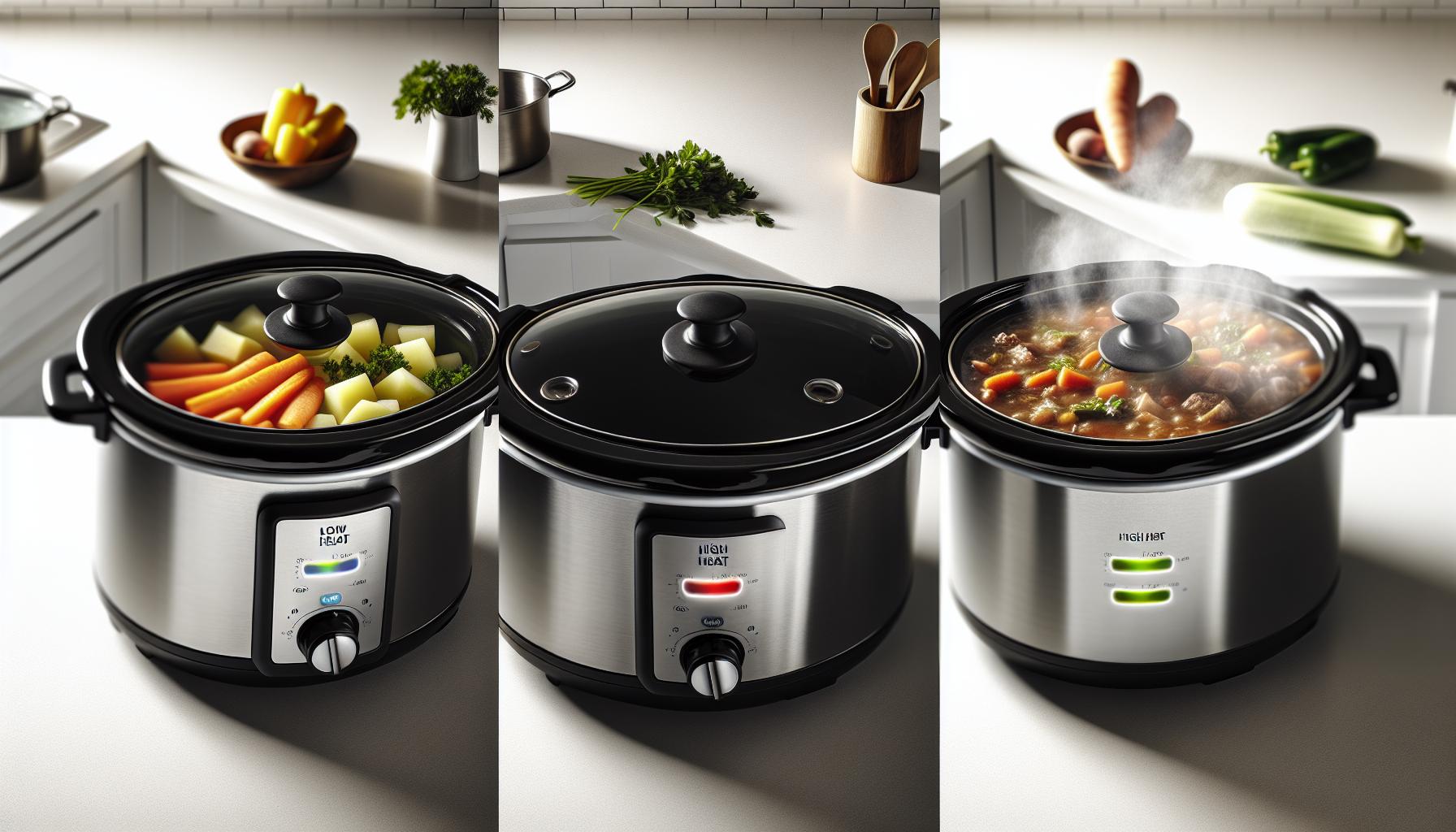
Few kitchen debates stir quite as much curiosity as whether to use the low or high setting on your slow cooker for lamb roasts. The truth? Both have their merits, and the “right” choice really depends on your schedule, the cut of lamb, and how you like your meat to turn out. Low heat is the slow-and-steady hero that gently breaks down connective tissues, making even tougher lamb cuts melt-in-your-mouth tender.High heat speeds things up, perfect when time’s tight but you still want that rich, no-fuss roast flavor.
When using the low setting, expect your lamb to cook anywhere from 6 to 8 hours, depending on the size and cut. This gentle simmer lets collagen transform into luscious gelatin, giving you that satisfying, fall-apart texture that feels indulgent without any extra effort. Using low also means flavors have more time to mingle and deepen, perfect for layering herbs and spices gradually just like we talked about earlier. It’s like a slow meditation for your roast, one that rewards patience handsomely.
Switching to high heat typically cuts cook time to about 3 to 4 hours, which can be a lifesaver on busy weeknights or when unexpected guests pop in. However, there’s a trade-off: cooking too quickly can sometiems dry out leaner cuts if liquid is sparse or if the roast isn’t adequately protected by aromatics and fat. Consider adding a splash of broth or a drizzle of olive oil to keep things moist if you’re going high heat.Personally, when I’m pressed for time but still craving tenderness, I toss in a handful of chopped veggies and cover the lamb well with broth-no dry, tough bites here!
Tips for Choosing Your Heat Setting
- Go low for maximum tenderness: Ideal for tougher cuts like leg or shoulder. It’s about letting time do the work.
- High setting is your shortcut: Great when you need a lamb roast on the table sooner, but keep an eye on moisture.
- Adjust based on your rise and shine: Set low overnight and come home to a ready-to-serve feast. Or start on high after work for dinner in a flash.
- Mix it up: Some cooks start on high to kickstart cooking, then drop to low for the last few hours for perfect texture.
One last nugget: no matter your heat choice, resist the temptation to peek inside too often. Every lift of the lid drops the heat and extends cooking time, turning your lamb roast into a patience challenge. Trust the process, surround that meat with your favorite herbs, and get ready for an effortless, tender centerpiece that celebrates simple, wholesome cooking. Paleo-friendly, gluten-free, and always delicious-your slow cooker should feel like your best sous chef, not a taskmaster.
Simple Ingredient Swaps for Paleo and Gluten-Free Lamb
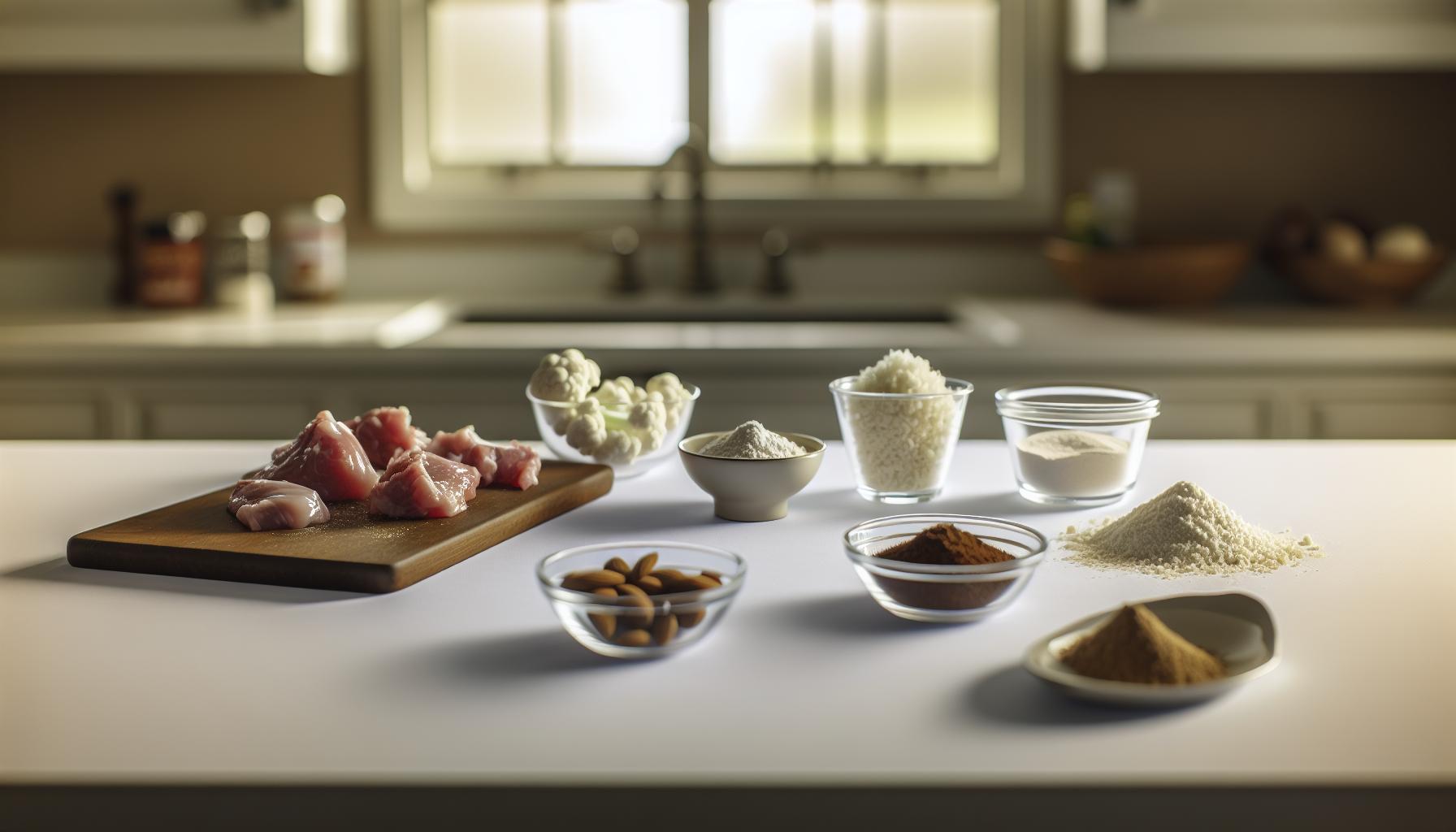
cooking a tender, flavorful lamb roast in a slow cooker doesn’t mean you have to compromise your paleo or gluten-free lifestyle-or get tangled up in complex ingredient lists. In fact,swapping out a few common ingredients can keep your roast both allergy-friendly and bursting with flavor,without missing a beat. Whether you’re whipping up a weeknight dinner or prepping for a cozy weekend meal, these smart swaps turn your slow cooker into a culinary shortcut that’s both nourishing and fuss-free.
Lamb pairs beautifully with bold, earthy herbs and subtle aromatics, so start by rethinking seasonings. Many traditional spice blends and sauces sneak in gluten, dairy, or sugar-no bueno for paleo or gluten-free folks.Instead of soy sauce or store-bought marinades,reach for
Swapping Staples Without Skipping Flavor
- Breadcrumbs for Meatballs: Use ground almonds or crushed pork rinds instead of breadcrumbs to keep things moist and bind-friendly.
- Dairy Alternatives: if your recipe calls for butter or cream in finishing, swap in ghee or coconut cream for that rich, silky mouthfeel without dairy.
- sugar-Free Sweetness: Replace honey or maple syrup with a splash of pure fruit juice (think pomegranate or apple) to add natural sweetness and a fruity tang that melds beautifully with slow-cooked lamb.
- Broth Boosters: Use homemade bone broth or check labels carefully to ensure commercial broths don’t contain hidden gluten or additives. Bone broth adds collagen and deepens the roast’s tenderness and flavor.
Here’s a little kitchen wisdom I picked up the hard way: slow cookers love moisture. When you swap for paleo or gluten-free ingredients,maintaining good liquid balance is key to keep your lamb juicy and tender. I once tried a paleo-friendly recipe that used ground almond “breadcrumbs” but forgot the broth-end result was more chewy than melt-in-your-mouth.Lesson learned! So, no matter the swaps, keep that slow cooker cozy with enough liquid-whether broth, a splash of wine, or your trusty coconut aminos blend.
Simple, light swaps don’t have to dread your dinner prep. They actually open doors to experimenting with fresh herbs like rosemary and thyme, earthy spices like cumin and smoked paprika, and even bright notes of lemon zest or garlic-the kind of bold flavor combos that slow-cooked lamb loves. It’s a kitchen friendship where paleo and gluten-free aren’t a penalty-they’re a passport to vibrant meals that nourish your body and satisfy your soul.
Checking Doneness: How to Know When Lamb Is Perfect
Getting that slow cooker lamb just right can feel like a bit of a culinary guessing game, but the truth is, there’s a cozy science and a few tasty tricks to tell when your roast has reached lamb perfection. Unlike quick stovetop searing, slow cooking is all about patience and tender transformation-so while you’re waiting, use simple cues beyond just time on the dial to know your lamb is ready to impress.
First off, don’t be shy with the fork test-your trusty slow cooker sidekick. When lamb’s done, it should practically fall apart with gentle poking or twisting.If the meat offers slight resistance,it likely needs more time. But if it’s shredding easily and feels buttery soft without drying out, you’re golden. Another tip: the internal temperature for tender lamb is about 195°F to 205°F (90°C to 96°C) when aiming for the succulent, fall-apart texture that slow cooking promises. If you have a meat thermometer handy, this is your best friend for precision and peace of mind, especially if you’re aiming for consistent results in your paleo or gluten-free culinary adventures.
Visual and Sensory Clues That Matter
- Color: The lamb should turn a rich, rosy brown throughout, not gray or raw-looking.
- Aroma: A fragrant aroma of herbs and slow-cooked meat means flavors have melded perfectly.
- Juiciness: When cut, the meat should release flavorful juices, signaling it hasn’t dried out.
I once rushed dinner prep and lifted my slow cooker lid too early-classic rookie move! The temperature drops,and lamb ends up tougher than my patience allows. Let the heat do its magic uninterrupted, and check only near the end of cooking time to avoid heat loss. Also, resting the meat for 10 minutes post-cook helps juices redistribute, meaning each bite bursts with moisture, and your roast will reward you with melt-in-your-mouth tenderness.
Quick Reference: lamb Doneness Guide for Slow Cooker Roasts
| Doneness Level | Internal Temperature | Texture | Ideal For |
|---|---|---|---|
| Medium-Rare | 135°F (57°C) | Firm but tender, sliceable | Quick roasts, more chew |
| Medium | 145°F (63°C) | Tender with some pink | Balanced tenderness |
| Well-Done | 160°F (71°C) & above | Very tender, easily shredded | Slow cooker roasts, pulled lamb |
While slow cookers tend toward the “well-done” realm because of long, moist heat, keep in mind that preference and cut choice steer how you approach doneness. Heavier cuts like shoulder or shank become lush and tender at higher temps, while leaner cuts cook faster and need more watchful timing. Adjust your expectations and thermometer accordingly!

Avoiding Common Slow Cooker Lamb Mistakes
Slow cooker lamb is one of those magical recipes where patience truly pays off-but it can be easy to let small missteps sneak in and turn your melt-in-your-mouth dreams into a fibrous chew-fest. One of the biggest bummers is lifting the lid too often. Every peek lets precious steam-and heat-escape, throwing off your cooking time and leaving lamb tougher than anticipated. Trust me, I’ve made this mistake more than once, especially on busy weeknights when the temptation to check is high. Rather, set a timer and resist the urge; your lamb will reward you with juicy, tender bites when you finally take that first forkful.
Another common hiccup is under-seasoning or skipping that early sear on your lamb before it hits the slow cooker.While the slow cooker is fabulous at tenderizing, it can’t replace the depth of flavor that a quick brown on the stovetop provides. Browning adds a caramelized richness and helps lock in juices, which is especially helpful when sticking to simple paleo or gluten-free herbs and spices-no need for added sugars or heavy sauces to fake it. If you’re pressed for time, even a hot skillet and a few minutes can make a world of difference.
Quick Tips to Keep You On Track
- Skip the hurry: Slow and low is your mantra. Resist cranking the heat to “speed things up”-it frequently enough dries the lamb out or toughens connective tissue rather of breaking it down.
- Mind the cut: Tougher cuts like shoulder or shank thrive in slow cookers thanks to their marbling and connective tissue. Lean cuts (like loin) need less time and more watchful eyes.
- Layer smartly: If you pile too many wet ingredients at the bottom, your lamb can boil rather than slow-cook, which dulls flavors and messes with texture.Elevate your roast on sliced veggies or a rack to allow heat circulation.
- Rest is best: Once it’s done, let your lamb rest outside the cooker for about 10 minutes. This gives juices a chance to redistribute and prevents dryness.
Lastly,embrace ingredient swaps as your secret weapons. coconut aminos,fresh herbs,or smoked paprika can do wonders,especially for paleo and gluten-free diets,without fuss. This approach makes slow cooker lamb feel not only easy but truly personalized, honoring your kitchen rhythms and taste buds.
Serving suggestions to Elevate Your Slow Cooker Lamb
Nothing makes slow cooker lamb feel more like a party than the right finishing touches on the plate. Whether you’re feeding a crowd or just want to elevate your weeknight dinner, pairing your tender lamb with thoughtfully chosen sides and sauces can transform your roast from “just dinner” to “memorable meal.” Think of it as giving your slow-cooked masterpiece a little personality-something that honors the hours you put into that melt-in-your-mouth tenderness without requiring extra hours in the kitchen.
For those following paleo or gluten-free lifestyles, complementing lamb with vibrant, nutrient-dense veggies is a no-brainer. Roasted root vegetables like carrots, parsnips, and sweet potatoes bring a subtly sweet balance to the savory richness of lamb. If you’re short on time, a quick sauté of garlic kale or spinach in olive oil adds freshness and a pop of color with minimal effort. And here’s a pro tip from my kitchen: sprinkle freshly chopped mint or rosemary over the dish just before serving. These herbs unlock the lamb’s natural earthiness and brighten the entire plate-no fancy sauce needed.
simple Sauce Ideas to Boost Flavor Without the Fuss
- Coconut Yogurt Tzatziki: Combine coconut yogurt, cucumber, garlic, lemon juice, and fresh dill for a creamy, dairy-free sauce that’s tangy and cooling.
- Smoky paleo Chimichurri: Blend parsley, cilantro, garlic, smoked paprika, olive oil, and a splash of apple cider vinegar for a zesty, herbaceous drizzle that complements slow-cooked lamb beautifully.
- Mustard & Herb Glaze: Whisk together Dijon mustard, lemon zest, thyme, and a touch of honey or maple syrup (optional) to brush on roasted veggies or even the lamb after the slow cooker stage.
If you want to serve lamb in a more casual way, shredded slow-cooker lamb is a game-changer. Toss it in gluten-free wraps or serve over cauliflower rice for a quick paleo-friendly bowl. Add some avocado slices, pickled red onions, and a drizzle of olive oil for a simple combination that feels special without fuss. Trust me, this kind of flexible serving style turns leftovers into culinary magic, keeping your weeknight dinners fresh and exciting without piling on work.
Storing and Reheating Leftover Slow Cooker Lamb
Leftover slow cooker lamb is a true kitchen treasure-if stored and reheated properly, it can taste just as luscious as the day it came out of the slow cooker.Because lamb remains juicy and tender from those long, gentle cooking hours, preserving that texture comes down to smart storage and gentle reheating. Whether you’re meal prepping for busy weekdays or just savoring second-day magic, a few straightforward tips will keep your lamb roast singing with flavor and tenderness.
Start by letting your lamb cool to room temperature (but no longer than two hours to stay safe).then, slice or shred it based on how you plan to use it next. Store in an airtight container with a splash of the cooking juices to keep things moist-this little trick prevents drying out in the fridge and keeps every bite flavorful. Leftover lamb will safely last 3 to 4 days refrigerated, but if you want to stretch it further (perfect for quick paleo or gluten-free meals later in the month), pop it in the freezer. Wrapped well in foil or freezer-safe bags, it can chill happily for up to 3 months without losing much of its tender charm.
Gentle and Flavorful reheating Tips
How you reheat your lamb can make all the difference. I’ve learned the hard way that blasting it in the microwave can turn a luscious roast into a leathery imitation of itself-ouch! Instead, try these gentle methods:
- Oven Method: Place leftovers in a baking dish, add a splash of lamb juices or broth, cover tightly with foil, and warm at 300°F (150°C) for 15-20 minutes. This brings back all that tender moistness with minimal fuss.
- Stovetop Reheat: Toss shredded lamb in a skillet over low heat with a bit of cooking liquid or olive oil. Stir frequently to heat evenly without drying out. Bonus: you can sneak in some fresh herbs or a squeeze of lemon to brighten it up.
- Slow Cooker Revival: If you have more time, pop leftovers back into the slow cooker on low for an hour or so-especially great if you want to rehydrate the meat into a juicy, shreddable state perfect for wraps or paleo bowls.
For quick lunches, shredded slow cooker lamb wraps or lamb salad bowls with fresh veggies and herbs revive the protein beautifully, offering that no-fuss, vibrant meal without reheating stress. If you’re on a paleo or gluten-free path, remember that tossing leftovers with nutrient-packed greens, avocado, and your favorite dressing can feel just as satisfying as a hot plate.And if you’re someone who loves shortcuts like me, storing smaller portions in ready-to-go containers keeps you from the “what’s for dinner?” scramble on busy nights.
Q&A
Q: How can I prevent lamb from drying out in a slow cooker?
A: To prevent lamb from drying out,cook it on low heat and avoid lifting the lid frequently. Adding a bit of broth or fat helps maintain moisture.also, choose well-marbled cuts like shoulder and follow proper prep tips in the Essential Prep Tips section for moist, tender results.
Q: What’s the best way to add herbs and spices for slow-cooked lamb?
A: The best way is to layer fresh herbs and robust spices early, but add delicate herbs like parsley or mint near the end of cooking. This technique enhances depth without losing freshness-see How to Layer flavors for blending aromatic pistachios with paleo-friendly options.
Q: Can I cook frozen lamb in a slow cooker, and how does that affect cooking time?
A: Cooking frozen lamb is absolutely possible but adds 50% more cooking time and can risk uneven cooking. For the best, safest results, thaw lamb beforehand using recommended prep tips in Essential Prep Tips for Tender Slow Cooker Lamb.
Q: Why does slow cooker lamb sometimes turn out stringy, and how do I fix it?
A: Stringy lamb usually means it’s overcooked or cooked too hot. Stick to low heat settings and proper cooking times to break down connective tissues evenly-details are in Slow Cooker Settings: Low vs. High Heat Explained. Rest lamb after cooking to redistribute juices.
Q: How do different lamb cuts affect slow cooker tenderness?
A: Cuts like shoulder and shank have more collagen,which melts during slow cooking,giving ultra-tender roasts. Lean cuts like leg may dry out faster. Choose wisely as explained in Choosing the Best Lamb Cuts for Slow Cooking for perfect texture.
Q: When should I add vegetables to slow cooker lamb roasts, and which types work best?
A: Add root vegetables like carrots and potatoes at the start for even cooking, but softer veggies like zucchini go in the last hour to avoid mushiness. See serving Suggestions for pairing paleo/gluten-free sides that complement your roast perfectly.
Q: How does altitude affect slow cooker lamb cooking times?
A: Higher altitudes can increase cooking times by 15-25% due to lower boiling points. Add extra cooking time gradually and check doneness as described in Checking Doneness: How to Know When Lamb Is Perfect to ensure tender, no-fuss results.
Q: What are easy paleo and gluten-free ingredient swaps for slow cooker lamb recipes?
A: Swap soy sauce for coconut aminos, use arrowroot instead of flour for thickening, and substitute regular broth with homemade or gluten-free options. These simple swaps are covered in Simple Ingredient Swaps for Paleo and Gluten-Free Lamb to keep your roast flavorful and diet-friendly.
Explore these answers alongside our core sections for a full guide to effortless, tender slow cooker lamb roasts anyone can master!
Future Outlook
Cooking lamb to tender perfection in your slow cooker doesn’t have to be complicated-just remember: low and slow is the way to go for that melt-in-your-mouth roast everyone will rave about. Whether you’re aiming for a paleo-friendly, gluten-free favorite or simply a comforting family meal, these easy steps keep dinner stress-free and delicious. if you’re short on time,try our handy ingredient swaps or quick prep tips to fit your busy schedule without sacrificing flavor.
Ready to elevate your slow cooker game? Explore our guide on easy side dishes that pair perfectly with slow-cooked lamb or dive into time-saving meal prep hacks for busy weeknights. Don’t forget to sign up for our newsletter to get fresh, tested recipes delivered straight to your inbox-think of it as your personal kitchen buddy cheering you on! got questions or a slow cooker success story? Drop a comment below and share your experience. Your next no-fuss, tender lamb roast is just a click away, so let’s keep cooking-and keep celebrating food that feels good and tastes amazing!
Get our latest guides, news, and insights highlighted in your Google Search & AI Overviews.


