Did you know that adding potatoes and carrots at just the right time can make or break your slow cooker meal? Too early, and these hearty veggies might turn to mush; too late, and they stay stubbornly crunchy. Whether you’re whipping up a cozy paleo stew or a gluten-free delight, timing matters more than you’d think. I’ve been there-juggling busy days, wanting a fuss-free dinner that still feels like a warm hug. This little timing trick brings out the perfect texture and flavour without standing watch over the pot. Stick around, and I’ll share easy, practical tips and substitutions that fit your lifestyle and keep your slow cooker meals effortlessly delicious. Because who says slow cooking can’t be as smart as it is tasty?
Table of Contents
- Understanding slow Cooker Basics for Veggies Timing
- How Texture and Size Affect Cooking Potatoes and Carrots
- Perfect Timing: When to Add Potatoes for Creamy Results
- Carrots in the Slow Cooker: Best Moments to Add
- Adjusting Cook times for Different Potato and Carrot Varieties
- Tips to prevent Mushy or Undercooked Potatoes and Carrots
- Slow Cooker Meal Ideas Featuring Perfectly Timed Potatoes and Carrots
- Common Mistakes to Avoid When Adding Root Veggies to Your Crockpot
- Flavor Boosters to Add Alongside Potatoes and Carrots
- How Dietary Preferences Influence Slow Cooker Timing Choices
- Q&A
- Q: Can I add frozen potatoes and carrots directly to the slow cooker without thawing?
- Q: how does layering potatoes and carrots in the slow cooker affect their cooking?
- Q: What slow cooker settings are best for cooking potatoes and carrots to the right texture?
- Q: How can I prevent potatoes and carrots from absorbing too much liquid in a slow cooker?
- Q: Should I peel potatoes and carrots before adding them to the slow cooker?
- Q: Why do some potatoes become mealy while carrots stay firm in slow cooker recipes?
- Q: Can adding acidic ingredients like tomatoes affect when to add potatoes and carrots in a slow cooker?
- Q: How do slow cooker recipes differ for paleo or gluten-free diets when timing veggies?
- In Retrospect
Understanding slow Cooker Basics for Veggies Timing

Potatoes and carrots might seem like simple players in a slow cooker, but getting thier timing right can transform your meal from “meh” to memorable.These humble veggies vary widely in how they react to slow, steady heat.toss them in too early, and you might end up wiht mushy potatoes or overcooked carrots that lose their snap and flavor. add them too late, and you’ll struggle with hard centers that just won’t soften by dinner time. Understanding their cooking rhythms helps turn your slow cooker into a magic wand for perfectly tender, flavorful root veggies-whether you’re paleo, gluten-free, or just craving cozy comfort food.
One handy tip is to think of your slow cooker as a gentle waterfall rather than a boiling pot. the low-and-slow heat builds texture gradually, which calls for a bit of strategic planning with potatoes and carrots. Because potatoes have a higher starch content, they tend to cook faster than most carrots, so usually, they hit the pot a little later or get cut bigger to keep pace. But this timeline shifts if you’re using waxy potatoes like red or fingerlings,which hold shape longer and can go in earlier. And carrots? They’re a bit more flexible-smaller pieces soften faster, naturally, so chunk size plays a starring role in when you add them.
pro tips for perfect Texture Every Time
- Uniform size means uniform cooking: Chop potatoes and carrots into similar-sized chunks to help everything finish together nicely.
- Layer wisely: Placing denser veggies like potatoes at the bottom, closer to the heat source, can help them cook through without overdoing the carrots.
- Adjust based on the slow cooker model: Newer multicookers might run hotter or more evenly than classic crockpots-when in doubt, check a bit earlier in the cooking process.
From my own kitchen adventures, I learned that a speedy “test fork” at the two-thirds mark can save the day. If the potatoes feel particularly firm while carrots are nearly done, its a green light to add potatoes at the halfway point next time. Remember, there’s no one-size-fits-all rule-slow cookers vary, as do potato and carrot varieties. Play with timing like a friendly experiment, and you’ll soon know how to deliver that perfect bite every time, without fuss or stress. This approach honors the natural qualities of these veggies and encourages playful, intuitive cooking that suits your schedule and taste buds equally.
How Texture and Size Affect Cooking Potatoes and Carrots
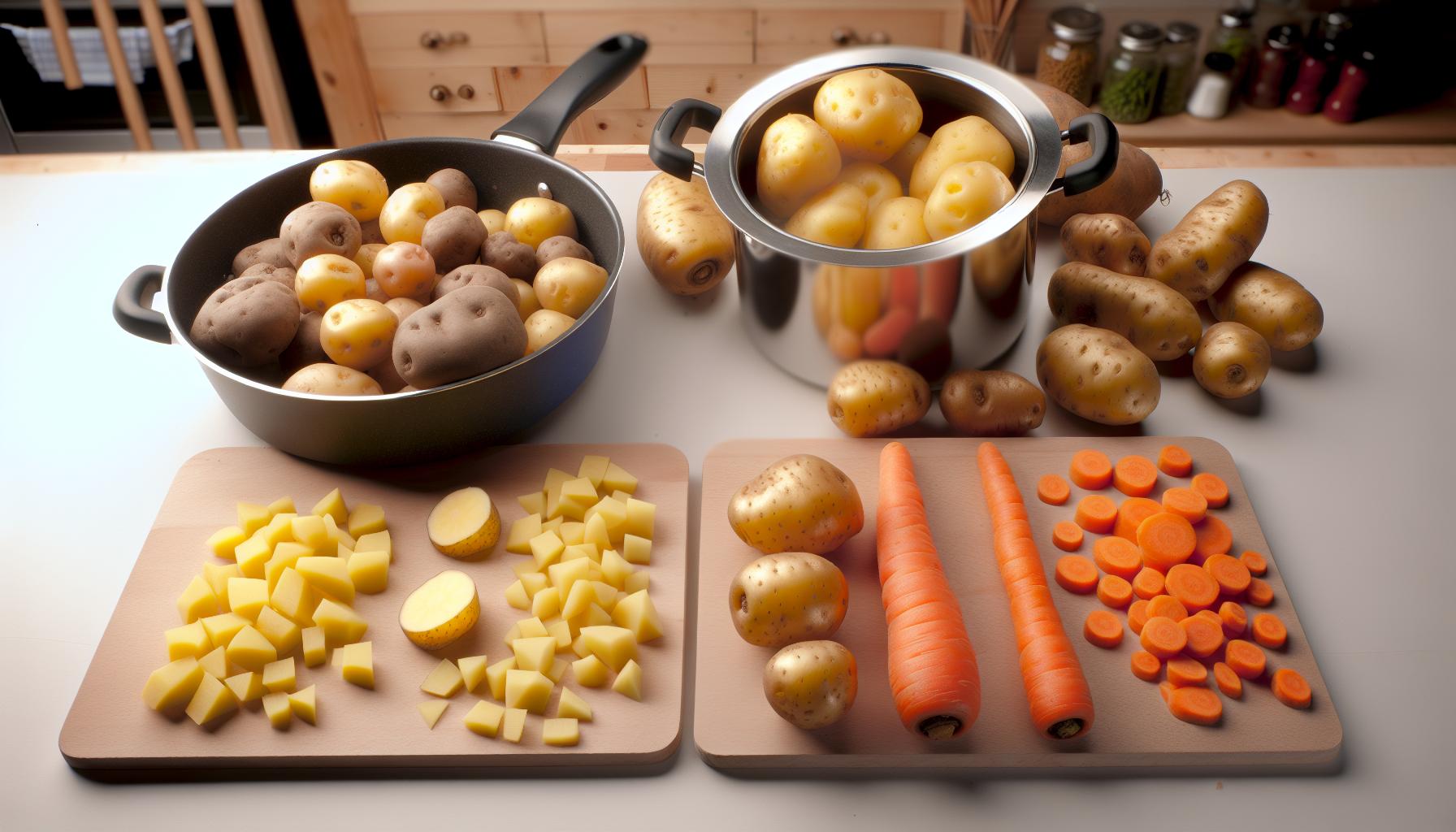
Potatoes and carrots may both be root veggies,but their textures are a world apart-and that difference has everything to do with how they behave in a slow cooker. Potatoes are starchier and tend to break down faster, especially when chopped smaller, while carrots hold their structure longer because of their firm, fibrous nature. This means if you’re tossing them in together without a second thought,you could be setting yourself up for mushy potatoes and carrots still craving a little crunch. Size matters as much as texture here: larger pieces take longer to cook through, so cutting potatoes bigger can slow their cooking pace to better match carrots, which soften more slowly.
Think of it like a dance between firmness and softness. For instance, waxy potatoes-like fingerlings or reds-contain less starch and maintain their shape better than russets, allowing you to add them earlier without risking a pile of potato mash. On the flip side, if your goal is that cozy, creamy potato texture, Russets or Yukon Golds chopped small will give you that melt-in-your-mouth feel but demand careful timing to avoid turning to sauce. Carrots are more forgiving but still merit attention: chunky carrot coins or sticks will take their sweet time,while smaller diced bits turn tender quickly,which is something you can use to your advantage when layering flavors and textures.
Why Uniformity Is Your Slow Cooker’s Best Friend
When prepping potatoes and carrots, try to keep their sizes consistent-not just with each other, but within their own group. A pot full of tiny carrot cubes mixed with giant potato chunks will cook unevenly, leaving you guessing who’s done and who isn’t. Here’s a quick kitchen hack from my slow cooker obsession: chopping both into roughly one-inch pieces harmonizes cooking time nicely. This uniform chop means when you stab your fork in, everything offers the same satisfying “done” resistance, rather than a frustrating tug-of-war between crunch and mush.
- Smaller chunks: Cooks faster but can become mushy if left too long
- larger chunks: Slower to cook; good for meals where you want distinct veggie bites
- Waxy vs starchy potatoes: Waxy hold shape better and can go in earlier
From personal experiance messing up with minute-sized potato cubes that disappeared into the broth, I learned that leaving some size variation can actually create fun mouthfeel contrasts-but only when planned. Or else, sticking to uniform chunks simplifies things and keeps your slow cooker meals stress-free and consistently delicious.
Layering and Placement: A Quiet Trick to perfect Potatoes and Carrots
One secret not everyone talks about? Where your potatoes and carrots land inside the slow cooker matters. Potatoes are denser and benefit from being placed near the bottom or around the heat source, so they get enough direct heat. Carrots can hang out more on top or mingled gently with proteins and herbs. This subtle layering helps both cook evenly without carrots turning into forgotten snacks or potatoes ending up half-raw. A little kitchen feng shui for your crockpot!
Keep in mind, every slow cooker can have its own “personality”-some run hotter or cooler and change the usual timing game. A handy trick: try a “test fork” halfway through cooking and adjust your next batch based on what you find. Over time,you’ll develop a feel for how your equipment,potato type,and carrot size all come together to shape your perfect dish. It’s part science, part art-and all about enjoying great food with less guesswork!
Perfect Timing: When to Add Potatoes for Creamy Results
Potatoes have a sneaky way of turning from perfectly tender to mushy in the blink of an eye-especially in a slow cooker where heat is gentle but relentless. Getting creamy,luscious potatoes without losing their shape is all about timing and knowing your spuds. For those cozy, melt-in-your-mouth mashed textures, russets and Yukon Golds are your go-to. They’re starchier and mellow beautifully if added just right. Toss them in too early, and you risk a starchy soup; add them too late, and you’ll bite into a stubbornly firm chunk.
The magic trick? Add starchy potatoes about halfway through the cooking process,after your other longer-cooking ingredients (like carrots or tougher cuts of meat) have had their time to soften. This usually means dropping those diced or quartered potatoes in when your slow cooker’s been going for around 2 to 3 hours on low (or about 1 to 1.5 hours on high). It’s the “sweet spot” that lets them break down just enough to soak up flavors and become creamy without disintegrating completely.
Size and Variety Matter More Than You Think
Cutting potatoes into roughly 1-inch chunks is the safest bet. Smaller pieces speed up cooking but are prone to turning to mush fast. larger wedges hold up longer but take forever to soften through, which might leave you with an uneven texture mix.If you’re after a creamier vibe, chopping your Yukon Golds or russets smaller works wonders-but remember to adjust your timing accordingly. On the flip side, waxy potatoes like fingerlings or reds hold their shape better and can actually be added earlier in the cooking cycle without the risk of falling apart. This little swap can save you from last-minute stress if timing isn’t your forte.
Practical Tips From the Slow Cooker Trenches
- Layer potatoes near the bottom: They love being close to heat to cook evenly and get creamy faster.
- Consider adding acidic ingredients after potatoes: Vinegar or tomatoes can toughen potatoes if added too early.
- Don’t overcrowd your slow cooker: Too many ingredients can slow the entire cooking process, so fewer potatoes with room to breathe ofen means better results.
From my own kitchen experiments, adding potatoes too early resulted in a starchy broth-delicious, but definately not what I was aiming for. By testing the “fork-squeeze” method (where a fork slides in easily but the potato still holds its shape), I’ve nailed the timing on multiple recipes. You’ll feel a proud kind of chef glow when that first bite hits just right-and trust me, the patience payoff is real!
Carrots in the Slow Cooker: Best Moments to Add
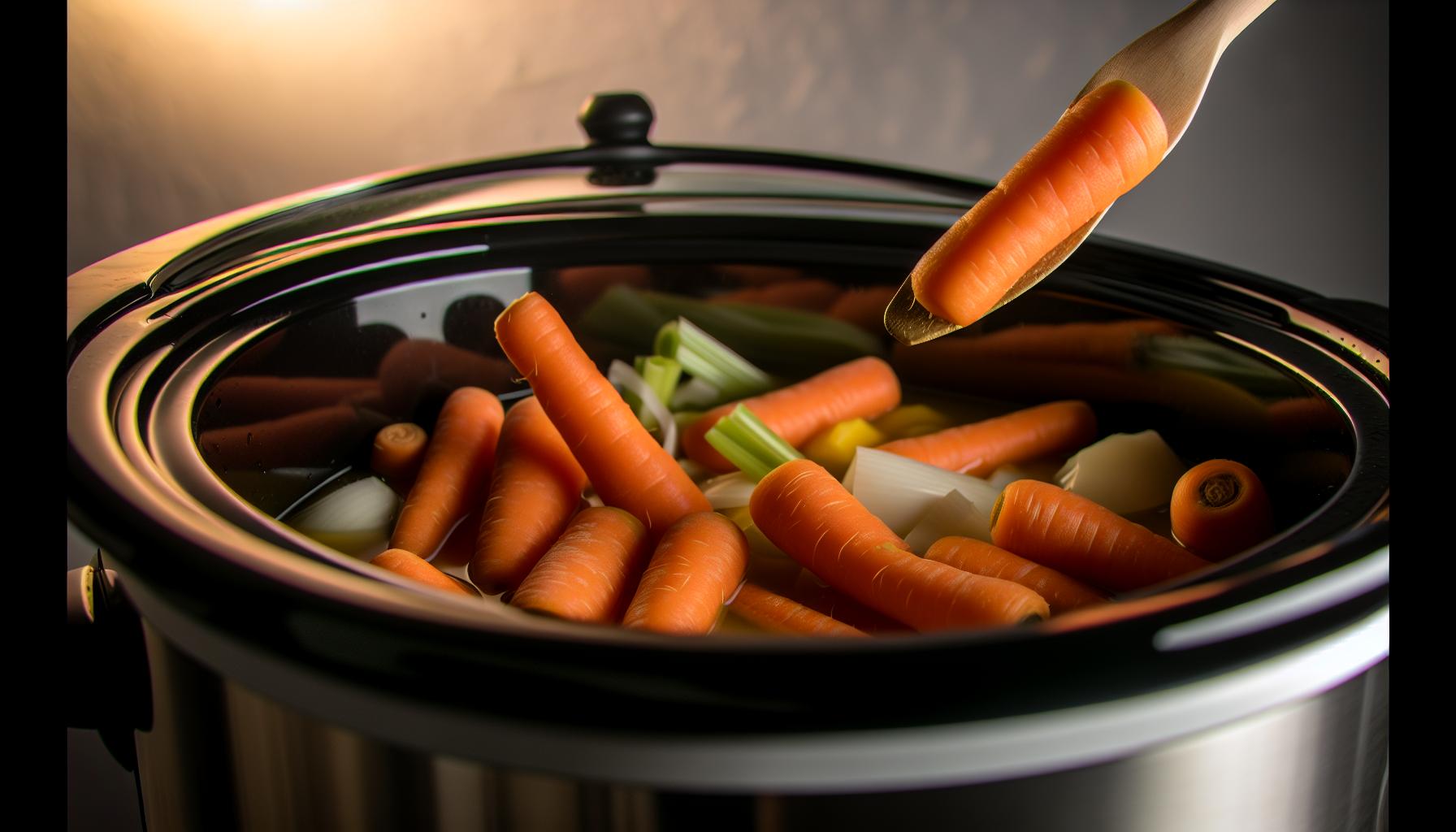
Carrots are the unsung heroes of slow cooker meals-adding a natural sweetness and vibrant color that can brighten up even the simplest dish. What many home cooks don’t realize is that timing is key to unlocking their perfect texture: tender yet still holding a little bite, never mushy or underdone. Because carrots are denser and take longer to soften than many other vegetables, adding them too late can leave you wrestling with crunchy chunks, while tossing them in too early might send them into a soggy spiral.
Generally, carrots love to slow-cook from the get-go. When cooking on low heat, they typically require around 4 to 6 hours to reach that lovely tender state-meaning you want them in the pot right at the start, especially if you’re aiming for a fuss-free, one-and-done meal. On high heat, they take roughly half that time, so if your recipe is a quickie, add them as soon as the slow cooker gets going. Another kitchen nugget: the size you chop your carrots greatly influences timing,so if you slice them thin or coin them,they’ll cook faster and risk losing some snap. Larger chunks behave like gentle giants-cooking slower but staying intact.
- For a cozy stew or pot roast: Add carrots in large or medium chunks right away so they soften alongside your meat and other root vegetables.
- if layering flavors matters: Place carrots toward the bottom or sides near the heat source for more even cooking.
- Mixing textures: Combine carrots cut in varying sizes if you want a nice interplay between creamy soft pieces and firmer bites.
From personal experience, I once impatiently threw in carrots halfway through cooking and got a batch that was halfway crunchy-definitely not the melt-in-your-mouth from a slow cooker that I expected. Now, I toss my carrots in right at the start when making soups or braises, saving later additions for ingredients like potatoes or delicate greens. And if you’re following paleo or gluten-free diets, carrots provide that natural sweetness without any added sugar, making them kitchen mvps for hearty, wholesome meals.
Carrot Varieties and Timing Tweaks
Carrot types can also sneakily change your timing game. Heirloom carrots or the more fibrous orange types might take a bit longer to soften than sweeter, petite baby carrots.Want to speed things up? Slice them thinner or opt for baby carrots that cook up faster-perfect for those nights you want dinner in under four hours. Another little trick I use is to parboil carrots for a few minutes before adding them to the slow cooker when time’s tight. Less waiting,same great flavor.
Adding carrots at the right moment transforms your slow cooker dishes from “meh” to “wow.” Keep these tips in your culinary toolkit to get carrots that complement perfectly without overshadowing other flavors – all while making your meal prep as smooth and joyful as possible.
Adjusting Cook times for Different Potato and Carrot Varieties

Few things in slow cooking are as satisfying as those tender, flavorful potatoes and carrots that practically melt in your mouth. But here’s the twist: not all potatoes and carrots are created equal, and their cook times can dance to very different rhythms depending on variety, size, and even your preferred texture. Understanding these nuances is your secret weapon to transforming every meal into a homey masterpiece without a single mushy or crunchy surprise.
Let’s start with potatoes.Waxy varieties like red or new potatoes hold their shape beautifully and generally cook faster than starchy russets, which are perfect if you want creamier, fluffier bites. If you’re aiming for that perfect stew or chili base, toss in waxy potatoes toward the beginning-they’ll be tender but still keep their form after 4-5 hours on low. Russets, with their higher starch content, can fall apart faster and usually benefit from being added a little later, about 2-3 hours before mealtime, to avoid turning your whole dish into potato mush. I once learned this the hard way, adding all russets at the start and getting a mashed-potato soup-delicious but not quite what I had planned!
Carrots, as you know, are a bit heartier and less forgiving when it comes to timing-especially the fibrous heirloom types. Baby carrots or sliced carrots cook much faster as all that surface area lets heat get to the center quickly, so adding them at the start can sometimes result in oversoftening. For a recipe that needs a bit of crunch with sweet tenderness, start cooking with larger carrot chunks and add finely sliced or baby carrots midway through.This layered approach gives you delightful texture contrast in every bite. Personally, I find parboiling denser carrot varieties for 5 minutes before slow cooking shaves off time and ensures even tenderness-great if you’re juggling a busy schedule but still want that homemade touch.
| Potato/Carrot Variety | Recommended Cook Time on Low | Best Time to Add | Texture Notes |
|---|---|---|---|
| Waxy Potatoes (Red, New) | 4-5 hours | Start of cooking | Holds shape, slightly firm |
| Starchy potatoes (Russet) | 2-3 hours | Midway through | Creamy, can break down |
| Heirloom Carrots | 5-6 hours | Start (parboil for faster cooking) | Firm, fibrous |
| Baby/Thinly Sliced Carrots | 2-3 hours | Mid-cook | Sweet, tender |
By matching your veggie type with the right timing, you can easily avoid those classic slow cooker pitfalls-mushy potatoes drowning in broth or carrots that fight back with crunch during dinner.Always remember that size also matters: bigger chunks take longer and help veggies keep their shape,while smaller or thinner pieces cook faster and blend smoothly into the sauce. When in doubt, chop veggies a little bigger than you think you need and adjust from there next time.Slow cooking is as much about experimenting as it is about relaxing, so play around and find what works for your taste buds and schedule.
here’s a quick takeaway for your next slow cooker adventure:
- Plan your additions: Start with denser, larger veggies; add delicate or smaller-cut types later.
- Parboil to speed up: Give hearty carrots or potatoes a quick boil to reduce slow cooker time.
- Balance textures: Mix chunk sizes in the pot to keep every bite interesting and perfectly cooked.
Whether you’re paleo, gluten-free, or just a fan of hearty comfort food, mastering these timing tweaks makes all the difference. Trust me, a little extra attention here means your slow cooker meals will be bursting with flavor and texture-minus the guesswork and kitchen drama.
Tips to prevent Mushy or Undercooked Potatoes and Carrots
Potatoes and carrots can be the unsung heroes or the troublemakers of your slow cooker meals, depending on how you handle their timing and prep. Nothing derails a cozy dinner faster than biting into a mushy potato puddle or chasing crunchy carrot chunks that just didn’t soften enough. The magic here lies in balancing cook times with your veggies’ natural tendencies-think of it as slow cooking with a sprinkle of science and a dash of kitchen intuition.
One of my go-to tricks is to mind the size and cut of your vegetables. Large chunks are your friends when it comes to resisting mushiness, while thin slices or small pieces tend to break down faster-sometimes too fast. For potatoes, especially the starchy ones like russets, adding them later (about 2-3 hours before serving) keeps them creamy rather than a hot mess. Waxy varieties like red or fingerlings forgive you a bit more and can kick off the cooking with the rest of your ingredients. Carrots, on the other hand, require a bit more TLC. Denser heirloom carrots benefit from a head start or a quick parboil to soften their fibers, while baby carrots and thin slices shine when added midway, preserving their tenderness and a little snap.
Essential Prep and Timing Tips to Nail Texture
- Parboil if Time Allows: A quick 5-minute boil of carrots or potatoes before adding them to the slow cooker cuts cook time and helps get even tenderness, especially handy when juggling busy schedules.
- Go Big or Go Home: Chop large chunks rather than thin slivers, unless you want the veggie to melt into your broth. Larger pieces hold their shape and produce a beautiful texture balance in stews or roasts.
- Layer Your Additions: Start with the hardiest veggies first. Add softer, smaller-cut veggies halfway or closer to the end, so they don’t turn to mush or stay stubbornly firm.
- Embrace Variety: Mixing waxy and starchy potatoes or thick and thin carrot cuts can give you that perfect textural play-creamy meets tender-crisp in every bite.
Real-World Kitchen Wisdom
In my test kitchen marathon, I learned that timing can save you from “carrot remorse.” Once, a stew got saddled with baby carrots from the start, and they practically vanished by the 6-hour mark. Switched gears next time by layering in big carrot chunks first, then popping the baby carrots in 3 hours before dinner-the textural payoff was worth the wait. Similarly, swapping all russets at the start turned my intended stew into something resembling mashed potatoes with gravy (delicious-but not the goal!). Tweaking the timing made all the difference and helped me relax more knowing the slow cooker was doing the work right.
If you want to keep your cooking paleo or gluten-free, these timing tips still hold strong. No special ingredients needed-just the right patience with your roots. Plus, if you’re on the go, parboiling before tossing veggies in adds a shortcut that doesn’t compromise flavor or texture.
Trust that with a bit of practice and these simple strategies, your slow cooker will deliver delightful vegetables every time-never mushy or raw, just perfect bites that soak up all the seasoning and love you put into your meal.Cooking should feel like a partner in your kitchen adventures, not a battleground of texture wars!
Slow Cooker Meal Ideas Featuring Perfectly Timed Potatoes and Carrots
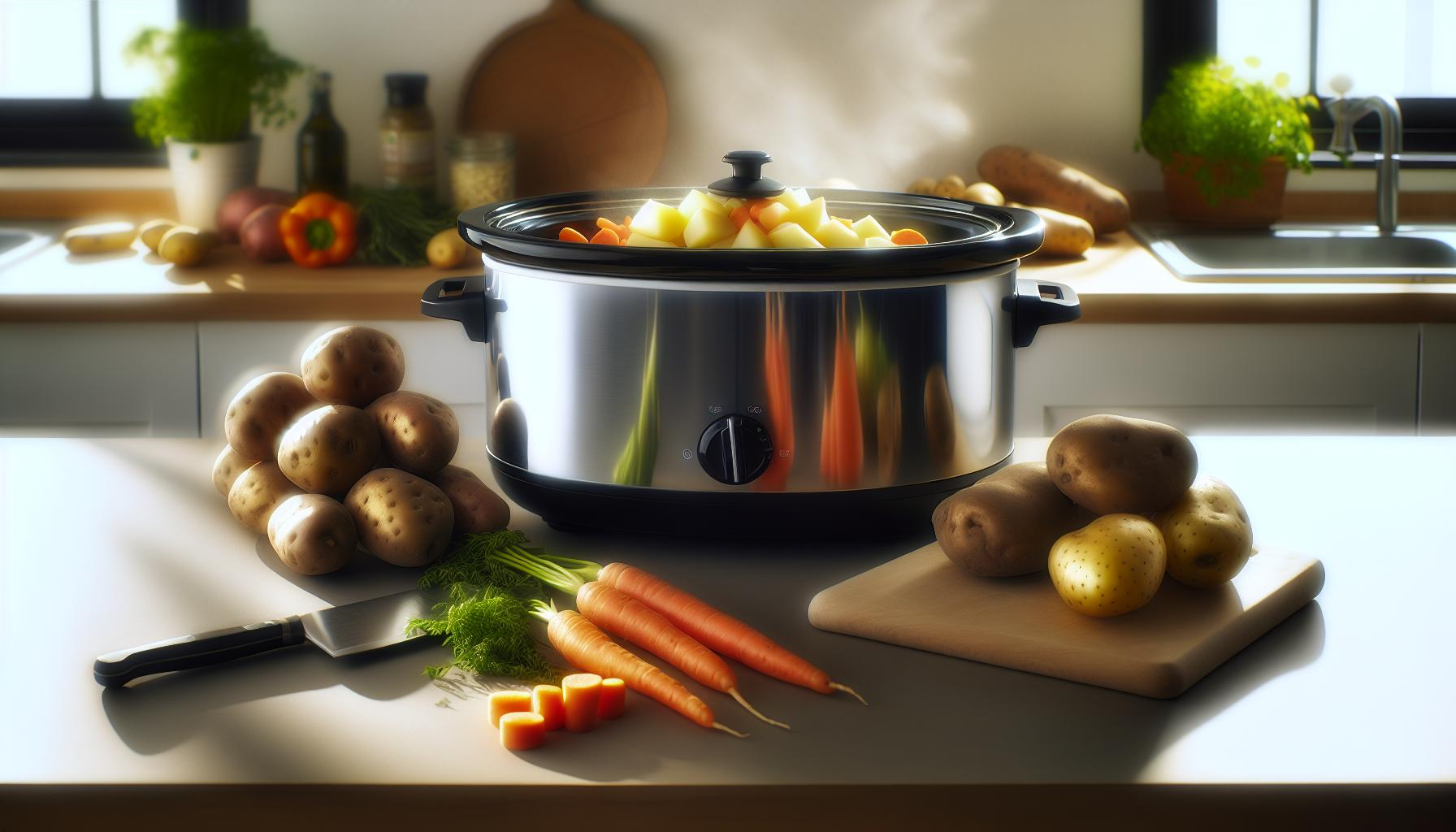
Potatoes and carrots aren’t just humble sidekicks in the slow cooker world-they’re the MVPs when it comes to comforting, hearty meals that feel like a warm hug on a plate.But getting their timing just right can turn a “meh” dish into something truly memorable.As a notable example,I love preparing a rustic beef stew that uses chunky red potatoes and thick carrot slices. Starting those carrots early gives them a rich, melt-in-your-mouth texture, while adding the waxy red potatoes about halfway through ensures they hold their shape perfectly, soaking up the broth without dissolving into mush.
If you’re short on time but still craving that slow-cooked depth, try parboiling your root veggies for five minutes before tossing them in. This little shortcut shaves off cooking time and guarantees tender-but-not-soggy results. I often do this for slow cooker chicken stew recipes that lean paleo and gluten-free, using fingerling potatoes and heirloom carrots-both hearty but forgiving in timing. Toss in fresh herbs, a splash of bone broth, and you’ve got a meal that’s simple, nutritious, and totally satisfying without a ton of fuss.
- Hearty vegetarian Chili: Add dense carrot chunks and red potatoes at the start for a base that melds beautifully with beans and tomatoes. Add softer veggies, like sweet potatoes or zucchini, halfway through to avoid overcooking.
- Paleo Pot Roast: Place large carrot pieces in with the roast at the beginning, then add russet potatoes 2-3 hours before serving so they’re creamy but not falling apart.
- Cozy Chicken and Veggie Soup: Start with carrots early to extract sweetness, then stir in diced red potatoes midway; parboiling can make this a speedy weeknight win.
- Gluten-Free Beef stew: Mix waxy and starchy potatoes for textural contrast; add baby carrots near the end to keep their slight crispness.
The magic of slow cooking lies in this kind of layering-letting the sturdier, slower-to-cook veggies take the early shift, while those that tenderize quickly come in closer to the finish line. And don’t stress if life throws a curveball! It’s perfectly fine to tweak chopped sizes or toss in pre-cooked potatoes when you’re in a pinch. I’ve been there, turning “oops” moments into delicious last-minute dinners that still get rave reviews from friends and family. The key is knowing your veggies and embracing the slow cooker as a forgiving kitchen buddy, ready to elevate even the simplest ingredients into something special.
Common Mistakes to Avoid When Adding Root Veggies to Your Crockpot
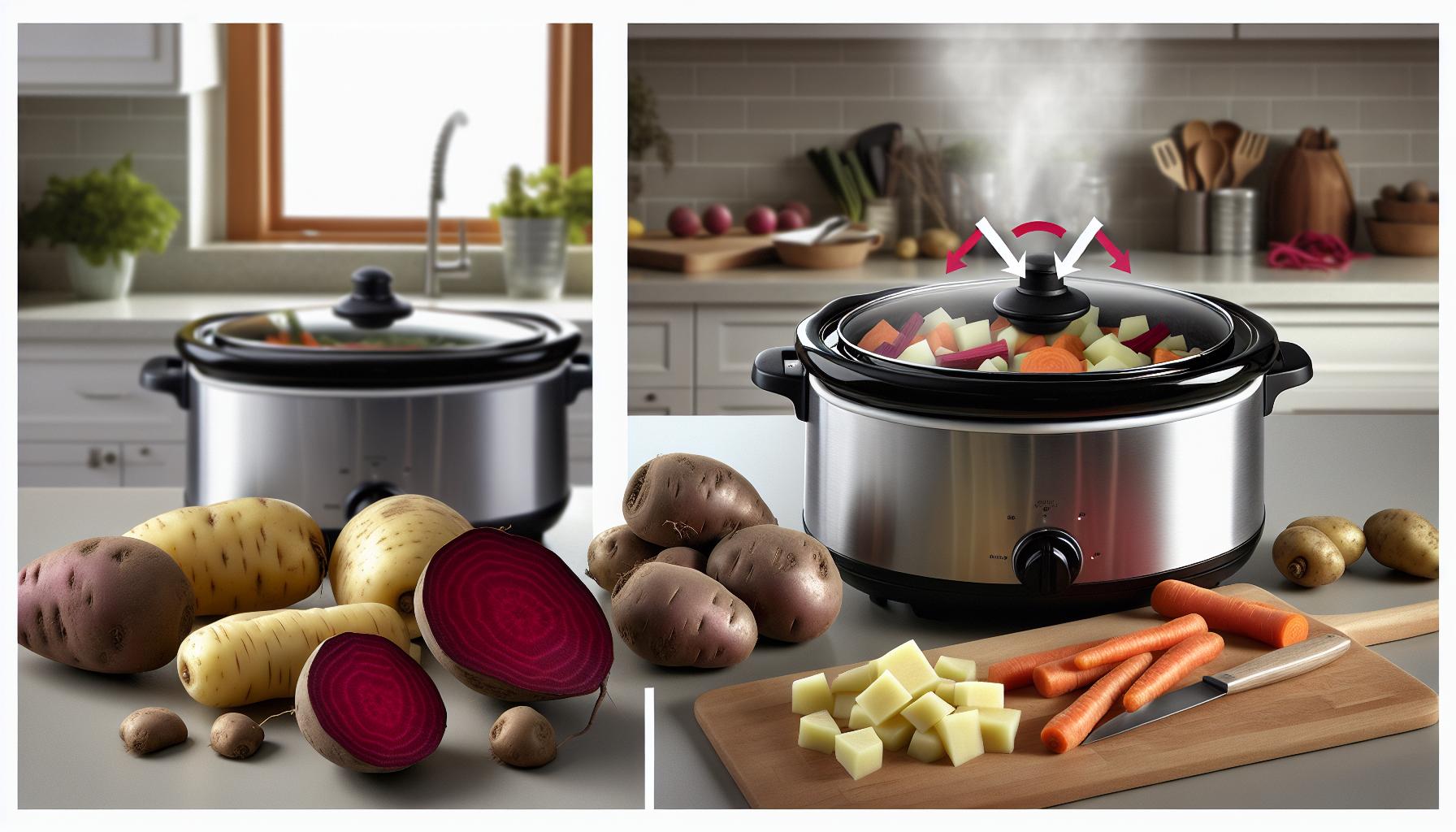
Slow cookers are magical,but tossing root veggies in without a plan can turn that magic into a mushy or crunchy disappointment faster than you can say “comfort food.” one of the sneakiest pitfalls is adding everything at once without considering the natural differences in how potatoes and carrots cook. Carrots, especially large or thick-cut ones, take longer to soften and benefit from early inclusion. Potatoes, on the other hand, can quickly lose their shape and become gluey if left too long in the slow cooker. Balancing these timing quirks is where the slow cooker becomes your best friend, not your foe.
Another common slip-up is ignoring the size and type of your veggies. For example, waxy potatoes like reds or fingerlings hold up better over longer cook times, while starchy potatoes like russets demand a gentler touch and a shorter stint in the heat. Similarly, cutting potatoes or carrots into uneven chunks means some pieces will be mush before others are tender. I learned this the hard way when making a gluten-free chicken stew-halving fingerling potatoes worked much better than leaving them whole, so they didn’t steal all the stage time from the carrots. If you’re in a rush or want perfect texture every time, a quick parboil adds a forgiving step that saves a lot of heartburn and hungry sighs.
- Don’t overload early: tossing in all root veggies at the start can lead to ‘potato mush’ syndrome, where they disintegrate into the broth, robbing your dish of texture.
- Mind your cuts: Larger, uniform chunks ensure even cooking; tiny pieces can disappear or burn while big chunks stay tough.
- Skip the “set it and forget it” mentality: Slow cooking loves layering; adding potatoes mid-cook preserves their creaminess while letting carrots build flavor.
- Beware of veggie variety: Mixing waxy and starchy potatoes is tasty but requires timing finesse to get both right.
Quick Fixes for Common Pitfalls
If you find yourself staring at mushy potatoes and crunchy carrots, don’t despair. Try these quick lifesavers from my own kitchen trials:
| Issue | Simple Fix | Why it Works |
|---|---|---|
| Mushy potatoes | Add potatoes 2-3 hours before meal time or use waxy varieties | shorter cook time prevents breakdown of starch |
| Crunchy carrots | Start carrots early or cut smaller chunks | More cooking time breaks down tough fibers |
| Uneven cooking | Cut veggies uniformly and consider parboiling tougher pieces | Parboiling jump-starts cooking, balancing texture |
The goal isn’t to be a slow-cooker perfectionist-life and schedules vary widely, and sometimes pre-cooked root veggies or size tweaks are your best pal. Embrace that flexibility. Treat your slow cooker like a trusty sous-chef who knows how to handle your veggies with care, and you’ll have comforting, hearty meals that impress without stress-even on busy weeknights or when you’re juggling paleo or gluten-free preferences.Ultimately,good slow cooking is about confidence and experimentation with these humble heroes-potatoes and carrots. When you avoid the usual missteps and honor their differences, your crockpot creations go from “just okay” to downright crave-worthy, every single time.
Flavor Boosters to Add Alongside Potatoes and Carrots
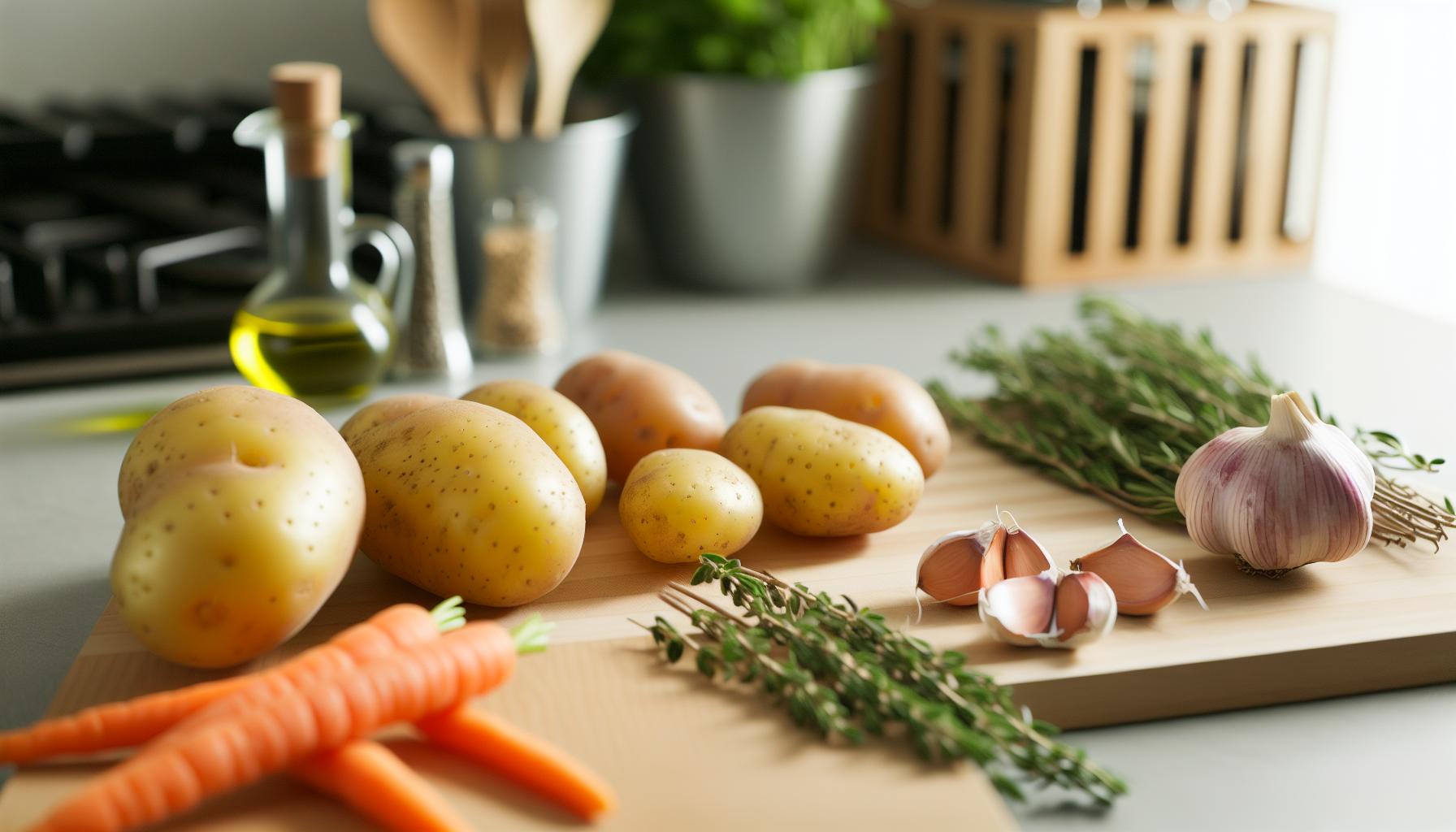
There’s something truly magical about how the right flavor boosters can transform humble potatoes and carrots into a slow cooker masterpiece. While these root veggies bring natural sweetness and earthiness on their own, the secret to next-level cozy meals lies in what you add alongside them. Think beyond salt and pepper-herbs, spices, and even a splash of acid can turn your crockpot into a flavor powerhouse that’s both comforting and vibrant, no matter your dietary style.
A few tried-and-true additions that I swear by involve layering flavors early and throughout the cooking time.Such as, tossing in fresh rosemary or thyme sprigs with carrots right from the start infuses the dish with a woodsy aroma that softens beautifully over the hours. Potatoes, since they cook a bit faster, respond wonderfully to a late hit of smoked paprika or garlic powder, which adds just enough punch without overwhelming their buttery texture. If you’re keeping things paleo or gluten-free, these seasonings are safe and super versatile, plus they require zero extra fuss.
- Citrus zest or a splash of lemon juice towards the end of cooking brightens things up and cuts through the richness, especially helpful if you’re adding creamy elements like coconut milk or bone broth.
- Bay leaves are simple but classic slow cooker stars, releasing subtle herbal notes that marry well with root vegetables.
- Onion powder or minced shallots can add depth early on without the risk of burning,unlike fresh onions that sometimes need special timing.
- A dash of ground cumin or coriander introduces a warm, slightly exotic edge that pairs beautifully with both potatoes and carrots, especially in stew or chili recipes.
If you’re someone who loves a flavor boost without the hassle, adding bouillon cubes or paste formulated for paleo or gluten-free diets at the start creates a savory base that seeps into the veggies during slow cooking. Another of my kitchen hacks is a splash of apple cider vinegar or balsamic, stirred in during the last 30 minutes to lend a gentle tang and balance out sweetness.
Ultimately, experimenting with these flavor boosters alongside mindful timing is like giving your slow cooker a personality upgrade. Rather of bland blobs of mush, your potatoes and carrots will come out bursting with character and warmth-comfort food that’s both approachable and elevated. Remember, slow cooking invites you to play chef and taste-test your way to your favorite combos; there’s no one “right” answer, just delicious discoveries waiting in the pot.
How Dietary Preferences Influence Slow Cooker Timing Choices

You know, juggling dietary needs while timing root veggies in a slow cooker can feel like trying to crack a secret code. The truth is, whether you’re paleo, gluten-free, or just tweaking your meals for better digestion, these preferences subtly shift when and how you add potatoes and carrots to your crockpot.As an example, paleo folks often ditch starchy potatoes altogether or swap them for sweet potatoes to keep that primal vibe intact. As sweet potatoes cook a bit faster and tend to get mushier if left too long, throwing them in midway works best to preserve their creamy texture and vibrant color.
On the flip side, gluten-free eaters usually don’t have to worry about the types of root veggies themselves but might be extra cautious about seasoning blends or broths that sneak in gluten. That means timing your additions not only for texture but also for flavor integration without compromising purity.Adding carrots early on allows them to mellow and infuse sweetness, which pairs beautifully with gluten-free stocks or bone broths that simmer gently alongside. Potatoes, especially waxy varieties like yukon Gold, can join a bit later-say, one to two hours before dinner-to soak in flavor without breaking down into a soggy mess.
- For paleo cooks: Consider cutting down on cooking time for starchy tubers or substituting with lower-starch options. Timing gets trickier with different potato types, so keep an eye on texture and nix them early if you want crispness.
- Gluten-free eating: Focus on clean broths and spice blends.Add seasoning cubes or pastes at the start for maximum flavor infusion, but hold off on delicate greens or acidic boosters until near the end.
- Vegetarian or vegan mixes: As these frequently enough lean heavily on potatoes and carrots for body, stagger your veggie additions to keep everything tender but intact. Add hardy carrots first, potatoes later.
If you’re a busy home cook like me,embracing these subtle shifts makes slow cooking a joyful experiment instead of a stressful “did I mess it up?” moment. For example, when I’m making a paleo-friendly shepherd’s pie, I toss carrots in early for that deep sweetness, but I add mashed cauliflower (instead of potatoes) late in the game to keep it fluffy without overcooking.meanwhile,in my gluten-free chili,potatoes get a nice slow bake alongside spices,but I add fresh herbs just before serving to keep things shining and fresh.
Remember, flexibility is your friend here. Whether you’re avoiding gluten, loving paleo, or just aiming for a tender-crisp bite, adjusting when and how you add these root stars can totally elevate the dish-no rigid rules, just delicious wins. Cooking should feel fun and freeing, not like a science experiment that needs a lab coat. So go ahead, tweak those timings, swap your tubers, and savor each slow cooker adventure!
Q&A
Q: Can I add frozen potatoes and carrots directly to the slow cooker without thawing?
A: Yes, you can add frozen potatoes and carrots directly, but expect slightly longer cooking times and a softer texture. To avoid mushy veggies, chop them into larger pieces and add them earlier in the cooking process. for perfect results, check our tips on adjusting cook times for different potato and carrot varieties in the article.
Q: how does layering potatoes and carrots in the slow cooker affect their cooking?
A: Layering impacts even cooking-denser vegetables like potatoes should go at the bottom, where heat is strongest, with carrots on top. This layering ensures both cook evenly without over-softening. Refer to our “Common Mistakes to Avoid” section for more on layering techniques for slow cooker root veggies.
Q: What slow cooker settings are best for cooking potatoes and carrots to the right texture?
A: Use Low heat for 6-8 hours for tender but firm potatoes and carrots, or High for 3-4 hours if short on time. Adjusting heat helps control texture-slower cooking prevents mushy veggies. See the “Slow Cooker Basics for Veggies Timing” section for setting-specific guidance.
Q: How can I prevent potatoes and carrots from absorbing too much liquid in a slow cooker?
A: To prevent sogginess, avoid adding excess broth or water early.Use measured liquids and add after potatoes and carrots, or use starchy potatoes that hold shape better. for more tricks, check the “Tips to Prevent mushy or Undercooked Potatoes and Carrots” part of the article.
Q: Should I peel potatoes and carrots before adding them to the slow cooker?
A: Peeling is optional and depends on preference and recipe. Leaving skins on adds texture and nutrients, especially for thin-skinned potatoes. For creamy dishes, peeling gives a smoother texture.See our “How Texture and Size Affect Cooking” section for insights on prep choices.
Q: Why do some potatoes become mealy while carrots stay firm in slow cooker recipes?
A: Texture differences are due to starch content and cooking timing. High-starch potatoes can break down faster,becoming mealy,while carrots retain firmness when added later. Adjust timing and potato type for balanced results-explore “Adjusting Cook Times for Different Varieties” for details.
Q: Can adding acidic ingredients like tomatoes affect when to add potatoes and carrots in a slow cooker?
A: Yes, acids slow down softening, so add potatoes and carrots earlier if your recipe has tomatoes or vinegar. This avoids undercooked veggies and balances texture. For more on flavor layering and timing, check the “Flavor Boosters to Add alongside Potatoes and Carrots” section.
Q: How do slow cooker recipes differ for paleo or gluten-free diets when timing veggies?
A: Paleo and gluten-free slow cooker meals often require precise timing to maintain veggie texture without added thickeners. Adding potatoes and carrots at optimal times ensures balanced nutrition and taste. Visit “How Dietary Preferences Influence Slow Cooker Timing Choices” for practical paleo and gluten-free timing tips.
For even deeper tips and tested recipes, don’t miss our full guide sections on slow cooker timing, texture control, and flavor boosting.Happy cooking with your slow cooker friend!
In Retrospect
Getting the timing right for adding potatoes and carrots to your slow cooker truly transforms your meal-tender, flavorful veggies without a mushy mess.Whether you’re aiming for a cozy paleo stew or a gluten-free comfort dish, starting with firm-root veggies about halfway through the cooking time usually does the trick. If you’re experimenting with ingredient swaps or meal types, don’t miss our slow cooker meal prep tips and easy paleo side dishes to keep dinner time stress-free and delicious.
Ready to take your slow cooking to the next level? Check out our ultimate guide to slow cooker soups and stews for tried-and-true recipes that celebrate wholesome, hearty meals. And hey, if you want fresh updates, handy kitchen hacks, and more personalized cooking advice, be sure to subscribe to our newsletter below. Drop a comment to share your favorite slow cooker hacks or questions-because nothing beats learning from your fellow home cooks who get that life’s busy but tasty meals are non-negotiable. keep cooking, keep experimenting, and remember: the perfect slow cooker timing is just a little practice away!
Get our latest guides, news, and insights highlighted in your Google Search & AI Overviews.