Did you know your trusty slow cooker typically uses between 70 to 250 watts, depending on teh setting? Understanding how many watts a slow cooker draws can help you manage energy use without sacrificing those tasty, hands-off meals that fit perfectly into busy lives. Weather you’re simmering a paleo-friendly stew or a cozy gluten-free chili, knowing the energy footprint keeps your kitchen efficient and your bills in check. Let’s dive into what those watts really mean,how slow cookers compare to other appliances,and some easy tips to get the most flavor-and savings-out of every watt. Because slow cooking isn’t just about convenience; it’s about making every moment (and every energy bit) count towards meal magic.
Table of Contents
- What Is the Average Wattage of a Slow Cooker?
- How Slow cooker Wattage Affects Cooking Times
- Comparing Energy Use: Slow Cooker vs. Other Appliances
- How to Calculate Your Slow Cooker’s Energy Consumption
- Tips to Cut Slow Cooker Electricity costs Without Sacrificing Flavor
- What Factors Influence Slow Cooker Power and Efficiency?
- Choosing the right Slow Cooker Wattage for Your Kitchen Needs
- Understanding Low, Medium, and High Settings on Slow Cookers
- Real-Life Energy-Saving Hacks from Home Cooks
- How Slow Cooker Size Impacts Energy Usage and Cooking Results
- Is It Worth Using a Slow Cooker for Energy Efficiency?
- Smart Features That Help Control Slow Cooker Energy Use
- Q&A
- Q: How does slow cooker wattage impact the reliability of cooking results?
- Q: What are common troubleshooting steps if a slow cooker uses more watts than stated?
- Q: Why do some slow cookers have variable wattage settings and how does that affect energy use?
- Q: When is it most energy-efficient to use a slow cooker based on wattage and cooking duration?
- Q: How does ambient kitchen temperature affect slow cooker wattage and energy consumption?
- Q: What wattage range is best for portable or travel slow cookers to balance power and convenience?
- Q: how can smart slow cookers optimize wattage use to save energy without user intervention?
- Q: What are simple habits to prevent a slow cooker from consuming excessive watts during cooking?
- Future Outlook
What Is the Average Wattage of a Slow Cooker?
If you’ve ever peeked at the label on the bottom of your slow cooker, you might have noticed something like 200 to 300 watts listed. That’s pretty modest compared to many kitchen appliances, which is part of why slow cookers sneak their way into the hearts of home cooks who want hearty meals without sky-high energy bills. Most slow cookers typically operate between 70 watts on low settings up to around 250-300 watts on high. This wattage keeps the cooking temperature low and steady, which is perfect for gently coaxing flavors out of your favorite gluten-free stews or paleo-friendly braises.
Smaller models, often designed for one or two servings (think 1.5 to 2 quarts), generally draw less power-around 140 to 180 watts-while larger family-sized slow cookers (4 to 7 quarts) trend toward the higher wattage range. It’s engaging to note that just as a slow cooker uses less wattage doesn’t mean it cooks slower in a way that’s frustrating. In fact, the heat is delivered gradually and evenly, making energy use efficient and the process nearly foolproof for busy weeknights.
Why This Wattage Range Makes Sense for Your Busy Kitchen
Using a slow cooker with average wattage is like having a reliable sous-chef who works quietly in the background.It won’t spike your electricity bill like that flashy air fryer or oven, which might crank out 1500 watts or more. And because slow cookers don’t cycle their heating elements on and off frequently, the energy is used continuously but at low power-kind of a low-and-slow power delivery that’s gentle on your budget. If you’re cooking paleo pulled pork or a coconut curry that simmers all afternoon, you’re getting great flavor development with surprisingly little juice drawn from your socket.
- Wattage varies by brand and size, so check labels if you’re hunting for an energy-friendly option.
- Most slow cookers hover between 70-300 watts, combining safe low heat with consistent cooking.
- lower wattage can mean longer cooking times, but with slow cookers, that’s part of the magic.
So, when shopping or dialing in your slow cooker, remember that its humble wattage is a feature, not a bug. It’s how you get tender brisket, succulent cassoulets, or cozy bone broth without breaking a sweat-or the bank!
How Slow cooker Wattage Affects Cooking Times
Ever noticed how some slow cooker recipes seem to magically cook pasta sauce all afternoon, while others take extra hours to tenderize a pork shoulder? That’s the wattage whispering behind the scenes. Generally, the higher the wattage, the faster and more intense the heating element works, speeding up cooking times without sacrificing that deep, slow-simmered flavor that makes meals so comforting. But don’t worry-low wattage doesn’t mean you’re stuck twiddling your thumbs waiting for dinner. It’s actually kind of a blessing, giving you plenty of margin for “set it and forget it” ease, especially on busy weekdays.
Here’s the scoop: slow cookers typically range from about 70 watts on low to around 300 watts on high. When your slow cooker is on the lower side,say 100 to 150 watts,it delivers heat gently and steadily,which means meals will take longer-think 8 to 10 hours for that tender stew. Higher wattage slow cookers (200 watts and up) can shorten cooking times, slicing off a couple of hours, perfect when your stoves are tied up or when impatience strikes (because hey, we all have those days). but this power boost doesn’t mean sacrificing quality. The heat is still uniform, coaxing flavors to develop slowly rather than rush through the chemistry.
How Wattage plays with Settings and Size
It’s not just about raw watts, though. The size of your slow cooker and the selected heat setting work hand in hand with wattage to decide how quickly your meal progresses. Larger models with greater wattage might handle a hefty 6-quart chili in about six hours on high, while a smaller, low-watt 2-quart cooker might need 7 to 9 hours for the same dense flavor. Think of it like this: higher wattage on a bigger pot is the equivalent of having a sous-chef who knows when to speed things up, while lower wattage is your trusty, slow-and-steady pal.
cooking times vary, but here’s a speedy guide to Wattage vs.prep:
| Wattage Range | Typical Size | Approximate Cook Time on Low | Approximate Cook Time on High |
|---|---|---|---|
| 70-130 Watts | 1.5 – 2 Quarts | 8-10 hours | 4-6 hours |
| 140-180 Watts | 3 – 4 Quarts | 7-9 hours | 3-5 hours |
| 200-300 Watts | 5 - 7 Quarts | 6-8 hours | 3-5 hours |
Pro tip: For gluten-free or paleo dishes loaded with bone broth or tougher cuts, leaning into the longer, lower-wattage cook can actually deepen flavor and tenderness. Slow cookers with higher wattage shine when you want a shorter cook time but still crave that melt-in-your-mouth magic.
Bridging Wattage and Real-Life Kitchen Wins
My go-to slow cooker is a mid-range 180-watt model, and I’ve found that it strikes a perfect balance between “set it early and come home to dinner” and “need a speedy stew fix.” Some evenings I’m whipping up paleo coconut curry with a 6-hour low simmer, and others, a higher wattage setting on my cooker slices the time dramatically for a faster weeknight meal. Remember, your slow cooker’s wattage is like a friendly kitchen timer with personality-it nudges your cooking rhythm but never rushes the joy of delicious, easy meals.
- Lower wattage = longer cooks, deeper flavor (great for stews, bone broth, and roasts)
- Higher wattage = faster cooks, equally tender results (ideal for last-minute meal prep)
- Size and lid fit matter: a well-sealed lid preserves heat so your wattage works efficiently
Comparing Energy Use: Slow Cooker vs. Other Appliances
Here’s a fun fact to kick things off: slow cookers are some of the most energy-efficient kitchen appliances out there-even when buzzing away for 8 hours or more! If you’ve ever wondered how they stack up against the more power-hungry oven or stovetop, you’re in for a pleasant surprise. Slow cookers typically sip electricity, working steadily at around 70 to 300 watts depending on size and setting, which usually adds up to less energy use than firing up a conventional oven for the same meal.
Take my own kitchen such as-when I’m making a hearty paleo beef stew, I toss everything in the slow cooker set on low and let it hum along while I handle other things. The countertop companion consumes less electricity over six hours than my oven does over just an hour or two. Plus, slow cookers don’t heat up the kitchen, which means less demand on your AC during summer-a small but neat bonus!
Energy Use Showdown: Slow Cooker vs. Oven, Microwave, and Stovetop
| Appliance | Typical Wattage | Typical Cook Time | Approximate Energy Use (kWh) |
|---|---|---|---|
| Slow Cooker (Medium, ~180 W) | 150-300 Watts | 6-8 Hours on Low | ~1.2 kWh |
| Electric Oven | 2000-5000 Watts | 1-2 Hours | ~2-4 kWh |
| Microwave Oven | 800-1200 watts | 10-30 Minutes | ~0.15-0.6 kWh |
| Stovetop (Electric burner) | 1500-3000 Watts | 30-60 Minutes | ~0.75-3 kWh |
Slow cookers shine by spreading lower power use over longer times, which means they avoid those energy spikes you get from ovens or electric stovetops heating up fast and hot. If you’re like me and occasionally forget the oven is on (we’ve all been there!), a slow cooker feels like a safe, low-wattage friend that won’t send your electricity bill through the roof.
Why Not use Your Microwave Instead?
Microwaves come out ahead for speed and lower overall consumption for small, quick meals-think reheating leftovers or cooking a batch of seasoned veggies. But when it comes to complex meals like slow-simmered bone broth or paleo chili that need deep melding of flavors, microwaves can’t compete. The slow cooker uses steady, consistent heat to work its magic. Plus, it’s hands-off, freeing you up for binge-watching or prepping next meals while dinner happens in the background.
- Slow cooker: Best for all-day, low-effort meals and energy savings over time.
- Oven: Ideal for roasting and baking but uses more power in shorter bursts.
- Microwave: Great for quick heating and smaller portions,minimal energy use.
- Stovetop: Versatile and fast but can use more electricity depending on burner size and cook time.
So, next time you’re planning a gluten-free or paleo meal that needs some TLC, consider your slow cooker not just as a flavor wizard but also an energy-wise kitchen hero. it’s like letting your food take a relaxing spa day while you save on both time and electric bills. And really, who doesn’t want that kind of multitasking magic?
How to Calculate Your Slow Cooker’s Energy Consumption
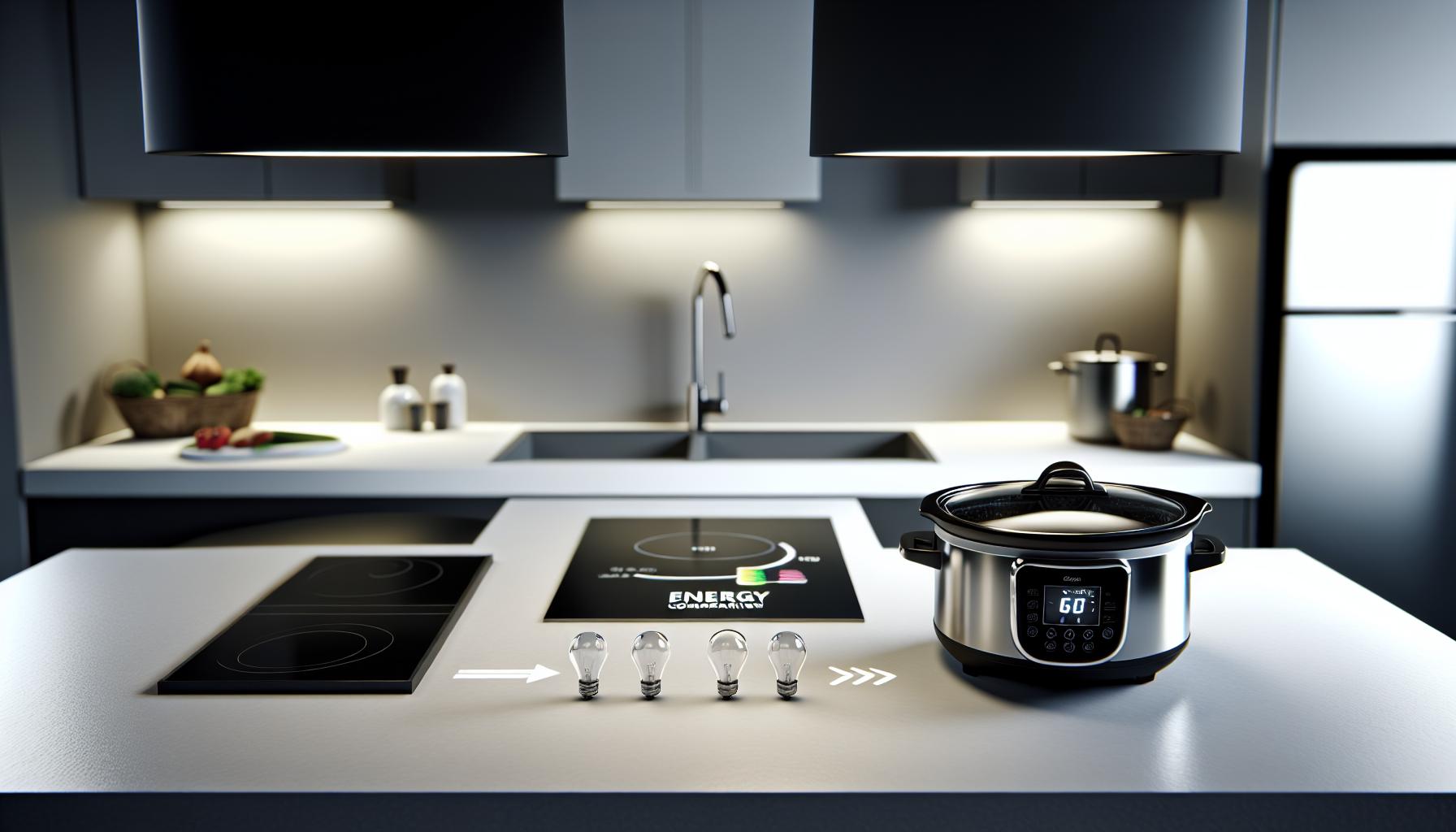
calculating how much electricity your slow cooker uses is easier than you might think-and knowing this can be a game-changer for meal planning and energy-wise cooking. Imagine your slow cooker as a gentle little hummingbird sipping power steadily, rather of your oven gulping it down in huge bursts. To figure out your slow cooker’s energy consumption, all you need are two key numbers: the wattage (which you can usually find on a label or in the manual) and the number of hours you cook.
Here’s a simple formula that turns these numbers into your electricity use in kilowatt-hours (kWh), the unit your utility company cares about:
Energy (kWh) = (Wattage ÷ 1000) × cooking Time (hours)
For example, if your slow cooker runs at around 200 watts on the low setting and you leave it buzzing for 6 hours, the math looks like this:
- 200 Watts ÷ 1000 = 0.2 kW
- 0.2 kW × 6 hours = 1.2 kWh
That 1.2 kWh is what you’ll roughly see added to your electricity bill from this single meal-pretty gentle on your wallet compared to other kitchen appliances.
Getting the Wattage Right: Checking Your Slow Cooker’s Label
Not all slow cookers are created equal. Compact models for single servings might sip power around 70-120 watts, while larger family-sized cookers can push 250-300 watts, especially on higher settings. If you can’t find the wattage on your slow cooker itself, an easy hack is to look up your model online or check the manual. This ensures you don’t overestimate (or underestimate) when calculating.
If you want to get super-accurate, here’s a fun kitchen science project: plug your slow cooker into an electricity usage monitor (those nifty little gadgets many people swear by).It tracks real-time consumption and gives you exact kWh numbers for your favorite chili or stew sessions. Trust me, it’s oddly satisfying to see how little energy your slow cooker actually uses during a full 8-hour cook!
Keep It Real with Cooking Times and Settings
Remember, wattage isn’t a static number during the whole cook cycle. Slow cookers frequently enough cycle their heating elements on and off to maintain temperature, so the average power draw might be a bit lower than the max wattage. That’s why estimating based on cooking time and stated wattage gives a handy ballpark-perfect for home cooks making dinner plans without diving into electrical engineering.
Here’s a quick checklist to help you measure your slow cooker’s energy use:
- Check the wattage on the appliance or manual.
- Decide your cooking duration (usually between 4-10 hours).
- Apply the formula to calculate kWh (wattage ÷ 1000 × hours).
- Compare it to other appliances for a feel of energy efficiency.
With these numbers in hand, you can confidently plan meals that fit your budget and lifestyle-while still creating those melt-in-your-mouth paleo roasts or gluten-free stews that make your kitchen smell like love.
And hey, slow cooking isn’t just about saving watts; it’s about freeing up your time, letting flavors mingle, and enjoying the kind of relaxed cooking that celebrates food joy without the fuss. So grab your crockpot, set it low, and maybe throw in an extra veggie or two-you’re fueling both your belly and your budget with smarts and deliciousness.
Tips to Cut Slow Cooker Electricity costs Without Sacrificing Flavor
Slow cookers are champions at gentle,steady cooking,but even small savings add up when you’re feeding a family or living that paleo,gluten-free lifestyle on a budget. One surprising trick I learned early on in my crockpot adventures is to start your meal on the high setting just long enough to bring things up to heat, than switch to low for the remainder.this ‘warm-up period’ lets the slow cooker do its flavor magic at lower wattage, trimming costs without sacrificing that rich, slow-simmered taste we all crave.
Another tip? Fill your slow cooker close to full capacity. The more food inside, the less heat escapes, meaning less power wasted on reheating airspace. I love throwing in a mountain of root veggies and a hearty protein – think paleo-friendly stew or comforting gluten-free chili – because it maximizes every bit of wattage consumed. Plus, leftovers are always a bonus! And if your recipe feels too large, try adding frozen ingredients directly. It sounds counterintuitive, but slow cooking gently thaws and cooks frozen items without extending cook times too much or forcing the cooker into extra energy-consuming bursts.
- Use insulated mitts or a kitchen towel to cover the lid for the first hour or two.It traps heat and reduces cycling of the heating element.
- avoid peeking frequently. every lid lift steals heat and energy, so trust the process and check sparingly.
- Opt for recipes rich in natural fats and oils. Fats conduct heat well, speeding cooking and flavor melding - extra yum for paleo dishes.
- Consider crockpot liners (allergy-safe and compostable options exist) to speed clean-up and prevent scrubbing – energy saved in the kitchen is energy earned!
Smart Ingredient Choices Make a Difference
Fight the urge to chop everything into tiny pieces; chunkier cuts retain moisture and heat better, reducing cooking time and energy use. Such as, large slabs of beef brisket work wonders in slow cookers, melting tender without needing super-high heat or hours of extra power. I once swapped diced sweet potatoes for thick wedges in a paleo pot roast, and the difference both in texture and total electricity cost was noticeable.
In my kitchen, I’ve also learned to embrace multi-tasking slow cooker meals: using the residual heat from one batch to gently warm a second dish or prepping sauces in a smaller, low-watt model together. This way, you harness every watt your appliances spend, keeping your menu vibrant and the electric meter happy.
Cooking with a slow cooker doesn’t mean you must compromise on taste or tradition, but there are plenty of easy, practical hacks to squeeze every kilowatt out of your device and keep meals nourishing, comforting, and budget-wise. After all, a slow cooker’s best feature is freeing your time-not draining your energy bill. So go ahead, tuck in that stew, put your feet up, and let your crockpot hum the delicious tune of savings.
What Factors Influence Slow Cooker Power and Efficiency?
Power and efficiency in slow cookers don’t just come down to wattage alone – a handful of surprising factors team up behind the scenes to shape how much energy your slow cooker actually uses, and how well it cooks your meals. For starters, the slow cooker’s design and material quality play a significant role. Thick ceramic pots retain heat better, meaning the heating element doesn’t have to cycle on and off as frequently enough, which saves energy and keeps your stew simmering evenly.I’ve found that older or budget models sometimes use electricity less efficiently, partly because their insulation isn’t as tight or their heating elements are less precise.
Your cooking habits matter just as much as the device itself. For example,keep that lid closed! Every time you lift it to check on your chili or paleo pot roast,precious heat escapes – forcing the cooker to work longer and harder to maintain temperature. Trust me,it’s tough to resist peeking,but patience rewards you with both better flavor and energy savings. Similarly, how full you fill the pot changes the game. Running a crockpot half-empty wastes more electricity than cooking a meal brimming with hearty root vegetables and thick-cut meats. The food acts like a thermal battery, holding onto warmth and smoothing out the energy demand.
how Food and Settings Affect Efficiency
the type of ingredients and your chosen heating setting also influence power consumption. Fats and oils are great conductors of heat, so recipes rich in natural fats tend to cook more evenly and often faster, shaving off some cook time and thus electricity use. Chunkier cuts of meat and larger vegetable pieces retain moisture and heat well, meaning the cooking element cycles less aggressively.I’ve swapped the usual diced sweet potatoes for bigger wedges and noticed not only a better texture but a subtle drop in cooking time – all those saved watts make a quiet victory on the electric bill.
Lastly, don’t underestimate the clever ninja moves of warm-up cycles and using residual heat. For busy paleo families like mine,starting on high just long enough to bring your meal to temperature and then switching down to low is a little energy dance that keeps flavors bold without running the heating element full throttle all day. Pair this with a well-insulated crockpot lid-sometimes I toss an insulated mitt or kitchen towel over the lid early on to trap heat-and you’re squeezing extra efficiency from every watt without breaking a sweat (or your budget).
- Better insulation and thick ceramic inserts boost heat retention, meaning fewer energy-sapping cycles.
- Constant lid closure helps maintain temperature and shortens cooking time.
- Full pots cook more efficiently by reducing heat loss from empty space.
- Natural fats and chunkier ingredient cuts direct heat better and speed up cooking.
- Smart use of settings – warm on high, cook on low – blends power and flavor perfectly.
Getting to know your slow cooker’s unique quirks and pairing it with food that loves slow, steady heat turns cooking into an energy-friendly, flavor-packed adventure. It’s like having a kitchen buddy who’s not just about saving time but also quietly cutting electricity costs, one delicious meal at a time.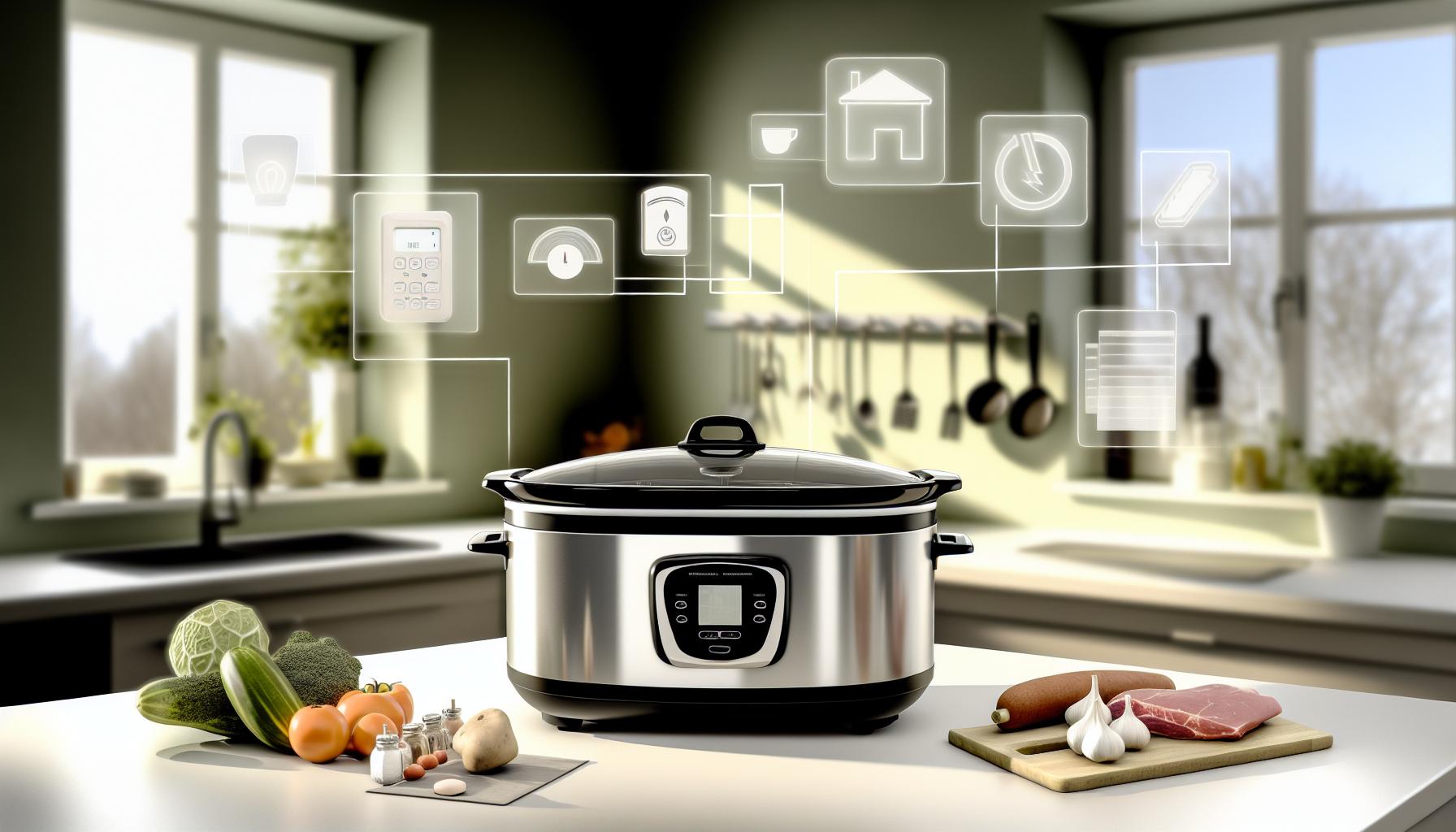
Choosing the right Slow Cooker Wattage for Your Kitchen Needs
Choosing your slow cooker’s wattage is a bit like picking the perfect spice level-it all comes down to what works best for *your* kitchen rhythm and appetite size. Most slow cookers hover between 200 to 300 watts on low settings and can reach up to 400 watts or more on high.But before you get overwhelmed by numbers, think about how many people you’re feeding, what your schedule looks like, and how long you want those flavors to marry.If you’re cooking primarily for one or two, a smaller slow cooker with around 200-250 watts is a gem. It heats gently, uses less electricity, and fits snugly on your countertop without hogging space. Such as, my weekday paleo breakfasts usually involve a 2-quart slow cooker that wakes up fully energized with about 225 watts-enough wattage to soften fibrous veggies and tenderize cuts of wild-caught meats without racking up a high electric bill. For bigger families or when prepping meals that need to cook longer and in larger volumes (hello, Sunday pot roasts), stepping up to a 300-400 watt slow cooker can save time without compromising that low-and-slow magic.
here’s the kicker: wattage doesn’t just mean “faster cooking.” Higher wattage cooks faster but can also spike energy use if you’re not strategic. That’s why some savvy home cooks (me included) dance between starting on high for an hour or so to kick-start gelatinous goodness, then dial down to low wattage for the rest of the day, balancing energy consumption with tender results. Personally, I use my 300-watt slow cooker this way when I’m short on time but still want those rich Paleo beef stews to develop deep flavors.
- Small Slow Cooker (~200-250 watts): Ideal for singles or couples; great for soups, desserts, and side dishes.
- Medium Slow Cooker (~300 watts): Perfect for families of 3-4; balances energy use with meal size.
- Large Slow Cooker (350+ watts): Best for big batches,entertaining,or meal prep; cooks faster but uses more power if left on high.
Keep in mind that the wattage works hand-in-hand with the cooker’s size. A large 6-quart pot on low wattage might still need more cooking time, but it avoids the runaway energy kick of high wattage models. The real win is matching *size* to your meal prep plans-if you consistently run a half-full 6-quart slow cooker at 350 watts, you could be wasting power and flavor potential. Better to pick a smaller slow cooker or cook multiple smaller batches for energy-savvy meals.
Choosing the right wattage also means tuning into how your slow cooker blends with your daily routine.If you’re the kind of cook who loves throwing ingredients together in the morning and coming back to a warm, ready meal in the evening, a bit more wattage might save those precious minutes without guzzling excess power. For those with more flexible schedules, a lower wattage slow cooker patiently and efficiently does its slow dance all day long.
Remember, in the grand symphony of slow cooking, wattage is a key instrument-but it plays best when tuned to your lifestyle, meal size, and flavor goals. so whether you’re simmering paleo bone broth or crafting a hearty gluten-free chili, picking a slow cooker with wattage that fits *you* feels a lot like discovering that secret ingredient that elevates every dish-effortlessly and deliciously.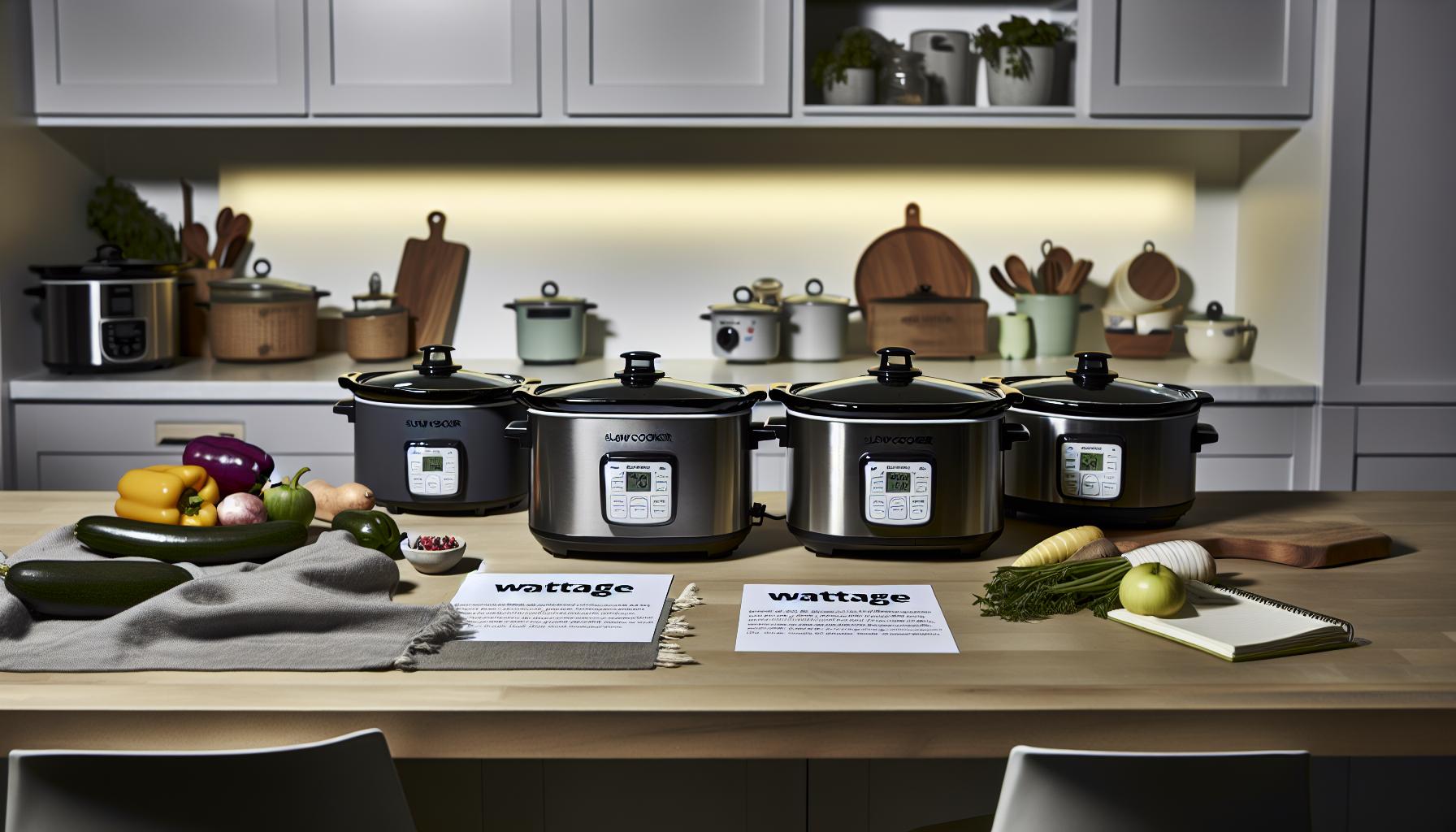
Understanding Low, Medium, and High Settings on Slow Cookers
Slow cookers might seem simple with just a few buttons, but those Low, Medium, and High settings are actually the secret rhythm sections of your slow-cooked symphony. Each setting controls how much wattage your cooker uses and, in turn, how quickly your meal reaches that perfect tenderness. Think of Low as the inviting, slow jazz of cooking – mellow and patient, coaxing flavors to gently mingle over hours. High, on the other hand, cranks up the wattage, almost like switching gears to a livelier tempo, perfect for when you need to speed up the magic but still get that slow-cooked depth.Typically, Low settings hover around 200-250 watts, producing gentle heat that slowly transforms tough cuts of meat and dense root veggies into melt-in-your-mouth delights. This is where your gluten-free stews and paleo bone broths benefit the most-nurturing flavors develop without breaking a sweat or overcooking.medium usually slots between Low and High, though not every slow cooker has this middle gear. When it does, it’s a handy shortcut for dishes needing a bit more heat without rushing, often around 300 watts. High settings punch in at 350 watts or more, firing up faster so you can enjoy hearty meals like carnitas or chili a little sooner without compromising too much on texture.
Balancing Time, Temperature, and Energy Use
here’s a savvy home cook’s tip: start on High for the first hour or two to jumpstart collagen breakdown in meats or soften fibrous veggies faster. Then switch down to Low for the rest of the cooking time. This method gets you tender results without the high energy price tag that running Long on High might bring. Plus, it’s a smart trick when you’re short on time but still crave those luscious Paleo beef stews or rich, gluten-free chilis that benefit from slow flavor marriage.
- Low: Low wattage, longest cooking time, ideal for delicate flavors and tough ingredients.
- Medium: A middle ground (if available), balancing moderate heat and speed.
- high: Highest wattage, fastest cooking, great for jumpstarting meals or when time is tight.
Remember, the wattage tied to these settings interacts with slow cooker size and the volume of food inside. Half-filling a 6-quart slow cooker on High might cook faster but can waste energy and risk drying out your meal. Instead, pick a slow cooker size that fits your batch size, and dance between settings to keep your kitchen efficient and your dinners delicious.
Tailoring these temperature and time settings to your lifestyle makes cooking feel like less of a chore and more like your culinary sidekick. Whether you’re a busy weekday warrior or a weekend flavor explorer, understanding these wattage-driven settings helps you design slow cooker meals that fit your schedule, your palate, and your energy bill. now go ahead, set that dial confidently-your next favorite slow-cooked masterpiece is just a pot away!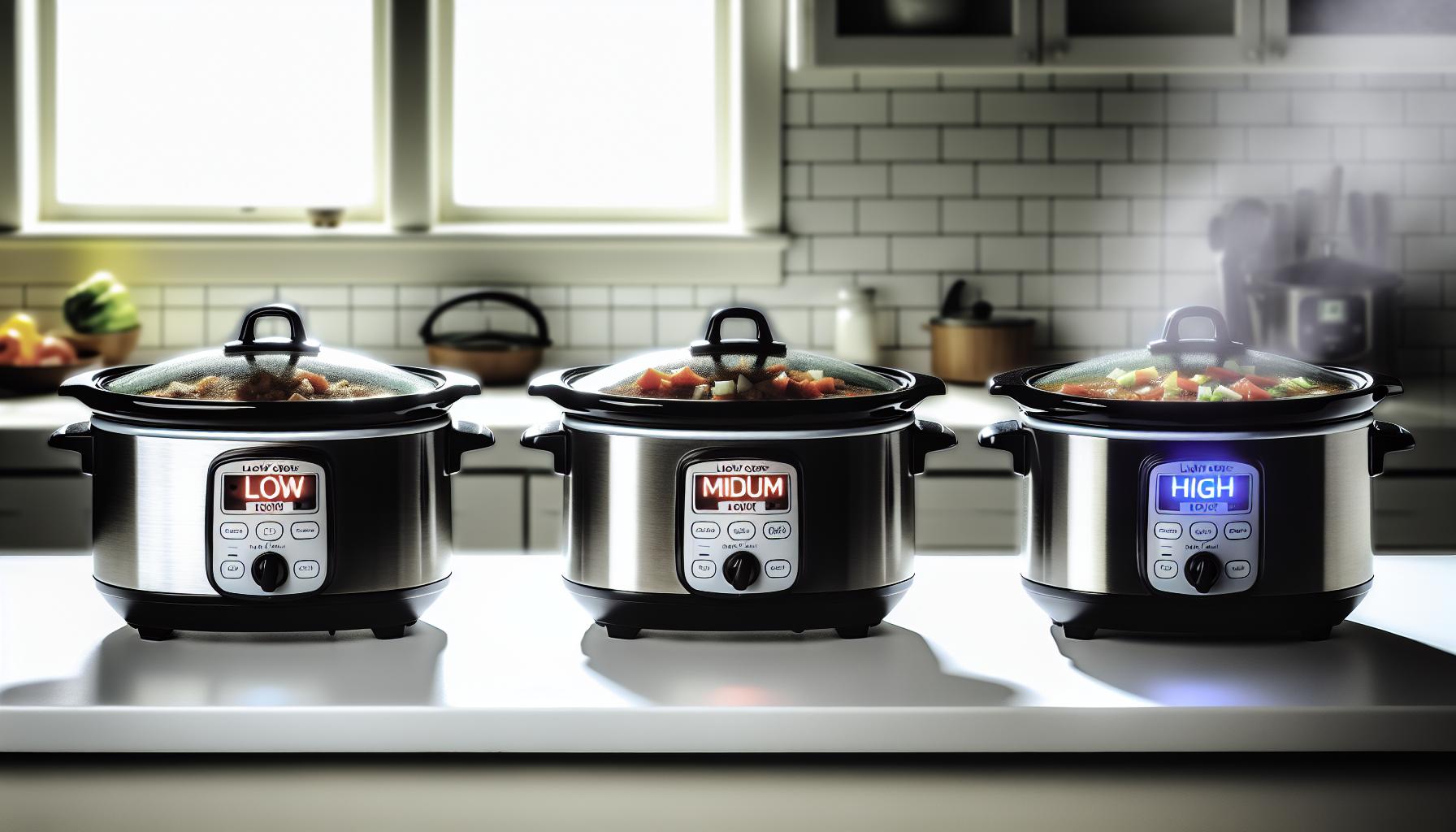
Real-Life Energy-Saving Hacks from Home Cooks
Sometimes, saving energy in the kitchen feels like trying to catch smoke with your hands-but slow cookers offer surprisingly simple ways to keep those watts down without compromising on rich, satisfying meals. One savvy tip from home cooks who’ve mastered the slow game? Use the right-sized cooker for your batches. A 3-quart slow cooker chugging along half-empty is basically working overtime for no reason-choose a pot that fits your meal volume snugly, so less power goes into heating empty space and more into tenderizing those paleo-friendly ribs or gluten-free vegetable stews you love.
Another cozy kitchen secret: resist the urge to lift the lid every time the slow cooker ”sounds quiet.” Each peek lets heat escape,forcing the cooker to burn extra energy getting back to temperature.I’ve personally turned this into a fun challenge-less lid lifting means more energy saved and more time to dream up my next recipe experiment. Speaking of experiments, some home cooks swear by an initial high-heat burst to lock in juices before dropping to low-a tactic that warms the meal quickly, cuts total cook time, and trims energy use without skipping flavor harmony.
- Fill your cooker methodically: Half-full pots waste power and risk drying out meals-aim for three-quarters full for even heating.
- Prep ahead, cook smart: Chopping veggies uniformly helps them cook evenly and quicker, reducing wattage needed on higher settings.
- Combine weekday shortcuts: Set it and forget it, but harness timers or smart plugs so your slow cooker only runs when needed.
For gluten-free and paleo aficionados, energy-saving doesn’t mean sacrificing that ‘just-right’ texture. Swapping out tougher cuts for naturally tender proteins can shorten cook times, and boosting seasonings early on helps those low-watt magic hours develop vibrant, cozy flavors. It’s like getting a slow-cooked hug from your oven,without the energy guilt. In a busy life where every watt counts, these real-life tweaks make slow cooking feel less like a ritual and more like a practical joy you’ll want to invite to dinner every night.
How Slow Cooker Size Impacts Energy Usage and Cooking Results
Finding the sweet spot between slow cooker size and energy use can transform your kitchen game, especially when balancing busy schedules and tasty, wholesome meals. It’s tempting to buy the biggest slow cooker on the market, picturing endless batches of stew or bone broth, but going too large for your typical meal size can quietly guzzle more electricity than necessary. A pot too big for your recipe wastes energy warming empty space,leaving you with longer cooking times,uneven cooking,and a bill that’s less friendly than your last batch of paleo chili.
From my experience, a 4- to 6-quart slow cooker is a perfect everyday size for a small family or meal prepping, while a 2- to 3-quart model shines when you’re cooking for one or two and want to minimize energy waste. The key is matching your slow cooker size closely with your meal volume, so heat targets the food and not the empty air. This approach not only saves watts but keeps stew, soups, and roasts moist, tender, and bursting with flavor-think perfectly cooked paleo pulled pork without a dry surprise.
How Meal Volume Shapes Cook Time and Power Use
Smaller slow cookers heat quicker simply because they have less space to warm up, which means meals usually reach those tasty safe temps faster with less energy burnt. On the flip side,large slow cookers holding smaller amounts of food tend to run longer to compensate for the empty space’s heat loss,hiking energy costs and risking dry or uneven results. So, for paleo-friendly briskets or gluten-free veggie stews, consider how much you’re actually feeding to avoid lengthening cook times unnecessarily.
Practical Tips for Size-savvy Cooking
- fill Your pot Right: Aim to fill your slow cooker between half and three-quarters full. This reduces heat loss and cooks food evenly.
- Batch and Freeze: Cook full-capacity batches and freeze portions to reheat later, maximizing energy spent upfront.
- Consider Multi-Pot Solutions: If you cook very different portion sizes regularly, invest in two sizes-a larger main cooker and a small one for quick meals.
Ultimately, treating your slow cooker like a team player rather than a one-size-fits-all hero reshapes how much power it puts out and how your meals develop over time.This small shift not only trims the monthly energy tally but layers extra layers of flavor and moisture – proving that slow and steady (with the right-sized pot) really does win the energy race and the dinner table.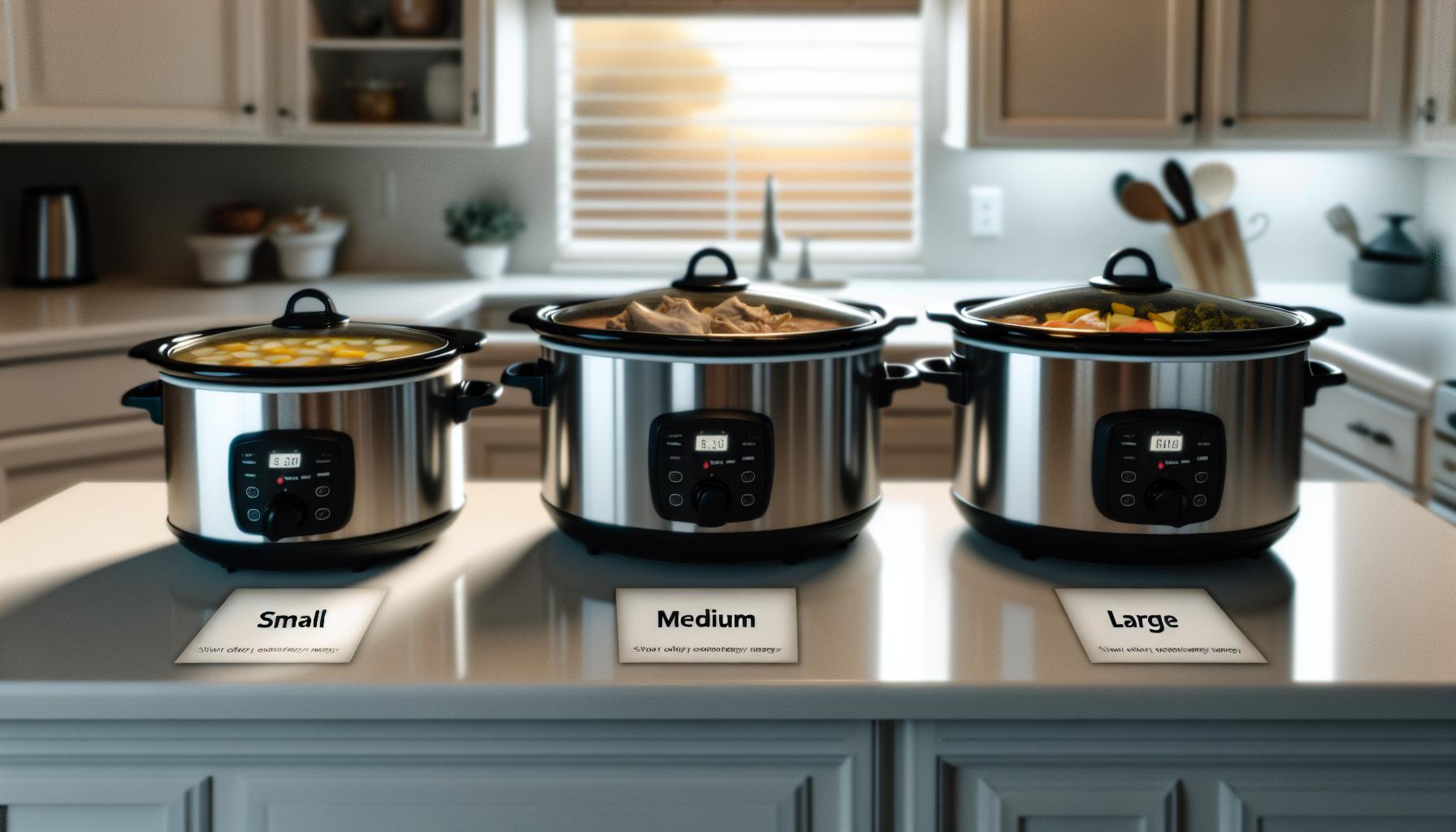
Is It Worth Using a Slow Cooker for Energy Efficiency?
You might be surprised how energy-friendly a slow cooker really is, especially when you stack it against your oven or stove. Despite its name, it’s not just about leisurely simmering flavors-it’s a total champ in keeping your electric bill in check without forcing you to sacrifice those melt-in-your-mouth paleo roasts or hearty gluten-free casseroles. A typical slow cooker runs anywhere between 70 to 250 watts, depending on size and heat setting, which is modest compared to the hundreds or even thousands of watts an oven demands for the same cooking time.
The real magic lies in how it spreads out energy use over several hours. Instead of blasting your food at high heat for a short burst, a slow cooker uses low, steady watts to gently coax flavors out without overheating your kitchen or spiking power consumption. This makes it a great choice for busy days when you want dinner prepped early and cooked while you tackle work or errands.
How Slow cooking Saves Energy Without Skimping on Taste
- One-and-Done Prep: Toss all your ingredients in and walk away. This not only saves energy but also frees up stove space, so you’re not running multiple appliances simultaneously.
- Retained Moisture: Slow cookers lock moisture in, ensuring your paleo-friendly brisket or veggie stew doesn’t dry out, even at lower heat settings.Less drying means less need for reheating, which saves energy too.
- Batch cooking Friendly: Make a big batch of stew or chili that can feed you for days. The upfront energy cost pays off over multiple meals.
In my kitchen, swapping the oven for a slow cooker on chilly winter weekends cut my cooking-related energy use noticeably. Plus, there’s a kind of quiet satisfaction watching the hours tick by as the aroma builds in the background-almost like edible calm in a busy world.
Practical Considerations and When to Opt for Alternatives
While energy-wise slow cookers usually come out ahead, they’re not the global answer for every cooking situation. If you’re whipping up quick meals or prefer high-heat methods (hello, seared paleo steaks), the slow cooker’s wattage economy might not align with your style. Also, if you often cook small portions in a large slow cooker, remember the empty space eats up energy and time, so matching pot size to meal size is key.
| Appliance | Typical Wattage | Approx. Cooking Time | Energy Use Insights |
|---|---|---|---|
| Slow Cooker | 70 – 250 W | 4 to 8 hours | Low steady power, ideal for batch meals |
| Electric Oven | 2000 - 5000 W | 1 to 2 hours | High power for shorter bursts, heats kitchen |
| Stovetop (Electric Range) | 1200 – 3000 W | Varies | High immediate heat but less energy for slow cooking |
Ultimately, embracing a slow cooker isn’t just about convenience or flavor-it’s a smart, energy-conscious move that suits many lifestyles. Whether you’re meal prepping paleo soups for the week or simmering a batch of gluten-free chili for weekend gatherings, it helps you cook thoughtfully, save watts, and savor every bite. and hey, who says saving energy can’t be tasty too?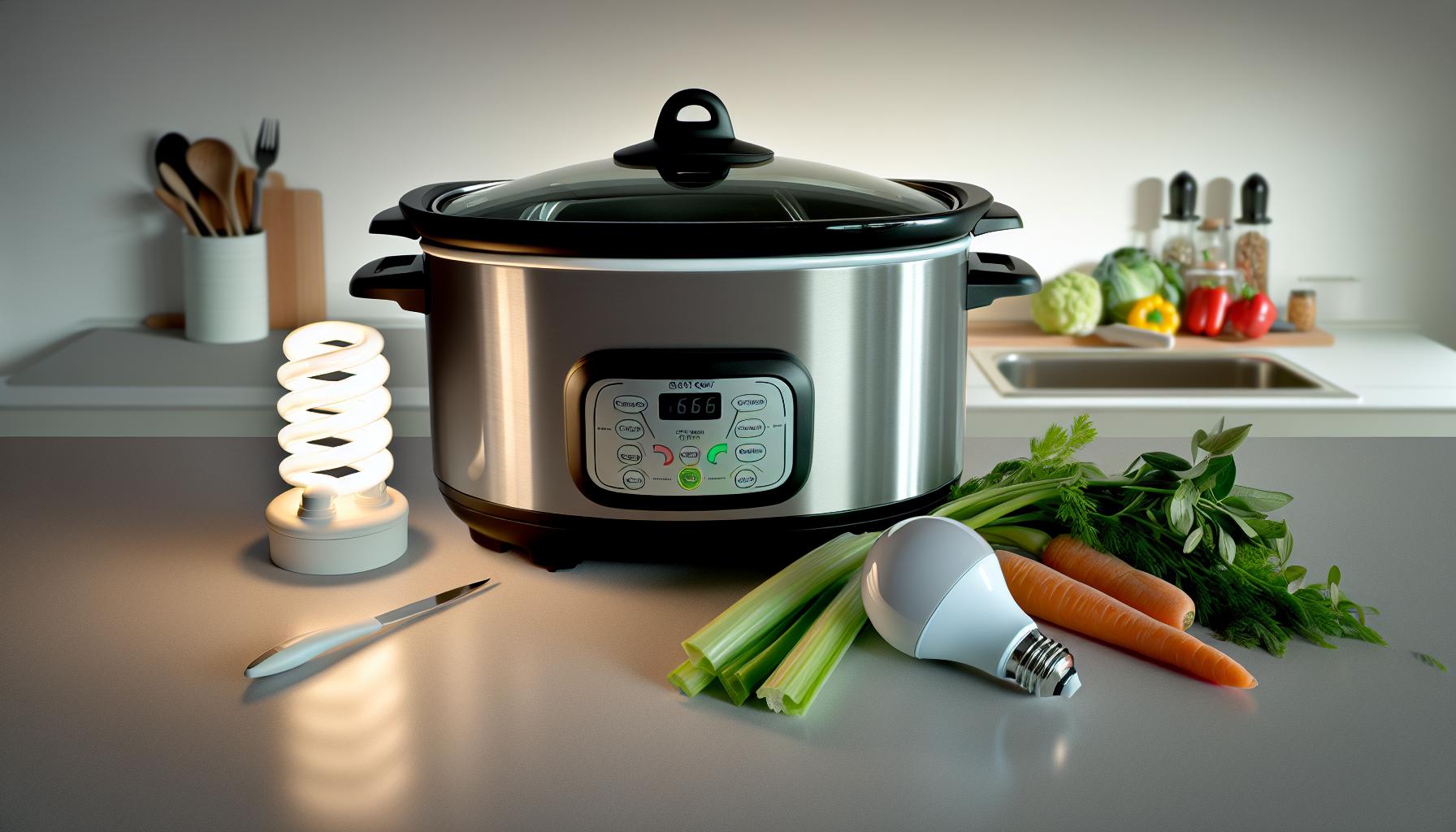
Smart Features That Help Control Slow Cooker Energy Use
You’d be surprised how clever some slow cookers have gotten when it comes to managing energy, making them even more wallet- and eco-friendly. Modern models often come packed with smart features designed not just for convenience but to trim electricity use without leaving you in the lurch on taste or texture. Think of them as your kitchen sidekick, silently dialing down the power when it’s safe to, and cranking it up just enough to keep those paleo-friendly roasts tender and satisfying.
One of the trickiest parts of slow cooking is balancing heat - too little and your chili’s still soup; too much and you’re wasting energy plus risking dried-out meat. That’s where programmable timers and automatic switches shine. Set your cooker to high initially to kick-start that rich flavor development, then have it automatically drop to low or warm once the magic’s underway. This hands-off heat control not only gives you peace of mind (no more rushed reboots or “Did I leave it on?” anxieties) but trims watt usage by running fewer watts when full power isn’t needed. Personally, I’ve saved both energy and sanity by making a paleo-friendly beef stew that simmers hard for the first two hours and then cruises on low until dinner bells ring.
Many appliances now include thermal sensors that monitor internal pot temperatures to prevent overheating and needless energy spikes. These sensors ensure your slow cooker isn’t working harder than it needs to, especially significant for smaller batch cooking. For example,when I prepped a gluten-free veggie stew recently,the cooker dialed back heat automatically after reaching safe simmer,which kept the veggies perfectly tender without sucking extra power. It’s like the slow cooker is learning your cooking style and adapting to save those watts for your next paleo meatball batch.
- Delay Start Functions: Want dinner ready exactly when you walk in, without starving your wallet meanwhile? Delay start lets you schedule your cooking to begin during off-peak energy hours (think late night or early morning).
- keep Warm Settings: Instead of full-power cooking, keep warm maintains food at a comfy eating temp using minimal electricity-great for those post-gym gluten-free chili cravings.
- Smart App Controls: Some high-tech slow cookers sync with your phone, letting you adjust cooking times and temperatures remotely. Whether you’re stuck in a meeting or out running errands,you can make quick watt-saving tweaks without racing home.
These features feel like small kitchen miracles when juggling paleo meal prep,busy schedules,and a desire to keep energy bills in check. The best part? You don’t need to be a tech whiz to get the most out of them. Just a bit of upfront tweaking and you’ll be rewarded with perfectly cooked, energy-smart meals that make your slow cooker more than just an appliance-it becomes your kitchen’s MVP.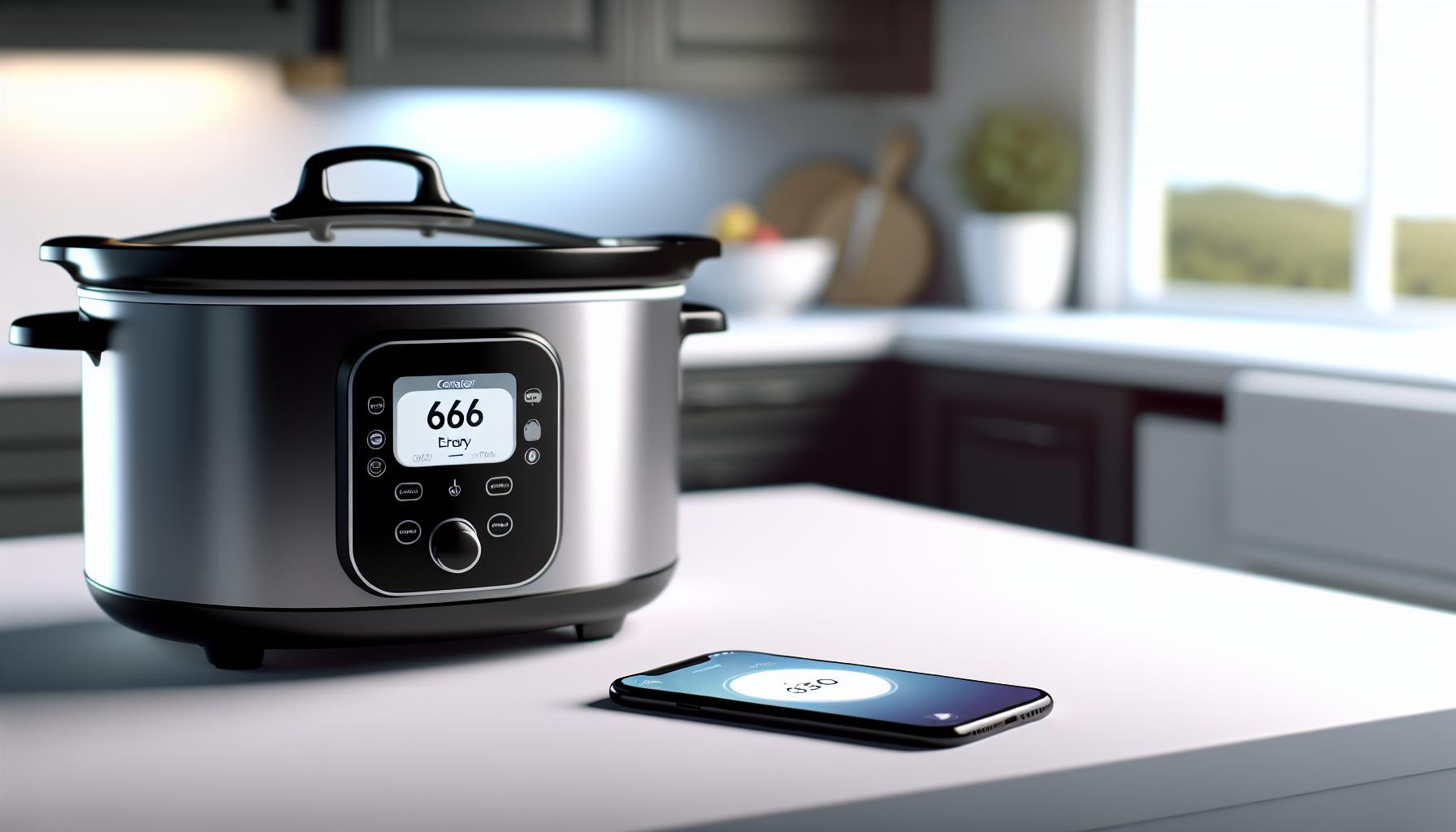
Q&A
Q: How does slow cooker wattage impact the reliability of cooking results?
A: wattage influences how evenly and quickly a slow cooker heats. Higher wattage models usually maintain consistent temperatures, improving cooking reliability. To ensure perfect results, pair slow cooker wattage with proper cooking times and settings as explained in our guide on slow cooker wattage effects on cooking times. Trying different wattage models can definitely help you find your kitchen’s sweet spot!
Q: What are common troubleshooting steps if a slow cooker uses more watts than stated?
A: If your slow cooker consumes extra energy, check for damaged cords or faulty thermostats, which cause overheating. Also, ensure the lid fits tightly to avoid heat loss. using a watt meter to monitor actual power use can help you adjust cooking habits. For more,see our section on energy-saving hacks to keep your slow cooker efficient.
Q: Why do some slow cookers have variable wattage settings and how does that affect energy use?
A: Variable wattage settings allow tailored heat control, reducing excess energy consumption. by selecting low, medium, or high wattage modes, you adapt cooking intensity to the recipe, saving power without sacrificing flavor. For practical tips, check out the understanding low, medium, and high settings in the main article.
Q: When is it most energy-efficient to use a slow cooker based on wattage and cooking duration?
A: Using a slow cooker at low wattage for longer periods is usually more energy-efficient than shorter, high-wattage cooking. This steady, slow heat method conserves electricity while tenderizing meals beautifully. Learn more by linking to our sections on energy consumption calculation and tips to cut electricity costs.
Q: How does ambient kitchen temperature affect slow cooker wattage and energy consumption?
A: Cooler kitchen environments may cause your slow cooker to draw slightly more watts to maintain heat. Keeping the appliance away from drafts or cold surfaces helps improve efficiency. For in-depth advice, see our article’s part on factors influencing power and efficiency to keep your crockpot cooking smartly.
Q: What wattage range is best for portable or travel slow cookers to balance power and convenience?
A: Portable slow cookers typically use between 120-250 watts, balancing lower power needs with practical cooking times. This wattage range suits dorms, travel, or small kitchens. For choosing the right wattage appliance, refer to the choosing the right slow cooker wattage section for personalized suggestions.
Q: how can smart slow cookers optimize wattage use to save energy without user intervention?
A: Smart slow cookers adjust wattage automatically based on temperature sensors and cooking progress, cutting unnecessary power use. Features like timers and app controls help optimize energy. Discover smart features that help control energy use in our dedicated section for effortless kitchen wins.
Q: What are simple habits to prevent a slow cooker from consuming excessive watts during cooking?
A: Avoid lifting the lid frequently, use the right slow cooker size for your meal, and preheat ingredients if possible to reduce high wattage spikes. These habits maintain steady heat and effective energy use. explore more real-life energy-saving hacks shared by home cooks in our article to keep your kitchen cozy and cost-effective.
For more insights on wattage and energy-saving tips, feel free to explore related sections linked above-empowering you to cook delicious meals effortlessly!
Future Outlook
Now that you know how many watts a slow cooker uses and what that means for your energy bills, it’s easier to see why this kitchen champion is a smart choice for busy cooks who want hearty, home-cooked meals without the fuss. Whether you’re meal prepping paleo-friendly stews or gluten-free soups, slow cookers combine convenience with energy efficiency-perfect for making cooking feel both easy and delicious. If you’re curious about optimizing your kitchen even more, check out our guide on energy-saving kitchen appliances or dive into our slow cooker recipe collection for fresh ideas that fit your dietary preferences.
Ready to take your slow cooker skills up a notch? sign up for our newsletter to get weekly tips, recipes, and hacks straight to your inbox. Got questions or favorite slow cooker tricks? Drop a comment below and share your experience-our community of home cooks loves swapping stories and shortcuts. Keep exploring energy-smart cooking and discover how simple adjustments can make your kitchen greener and tastier. Remember, mastering energy usage isn’t just good for your wallet-it’s a tasty step toward a more mindful, joyful cooking routine.
Get our latest guides, news, and insights highlighted in your Google Search & AI Overviews.