Did you know a slow cooker can turn the simplest ingredients into a mouthwatering, hands-off meal that’s perfect for busy days? Choosing the right slow cooker isn’t just about picking a pot-it’s about finding a kitchen sidekick that fits your lifestyle, dietary needs, adn cooking style.Whether you’re whipping up gluten-free stews, paleo-friendly roasts, or flavor-packed soups, the right slow cooker makes meal prep effortless and mealtime joyful. In this guide, we’ll walk through the key features to look for so you can pick a slow cooker that matches your kitchen vibe and helps you enjoy homemade comfort without the stress. ready to make slow cooking your secret weapon? let’s dive in and find the perfect fit for your next cozy, flavor-packed meal.
Table of Contents
- how to Choose the Right Slow Cooker Size for your Kitchen
- Must-Have Features That Make Slow Cooking Easier
- Exploring Different Slow Cooker Programs and Settings
- Comparing Materials: Ceramic vs. Stainless Steel Cookers
- Top Slow Cooker Accessories That Boost Your Meals
- Energy Efficiency and Safety Tips for Slow Cooker Use
- Best Slow Cooker tips for Busy Home Cooks
- How to Clean and Maintain Your Slow Cooker for Longevity
- Slow Cooker Recipes That Showcase Versatility and Flavor
- Understanding Cooking Times and Temperature Controls
- Budget-friendly Slow Cookers That don’t Sacrifice Quality
- FAQ
- Q: How important is the slow cooker’s lid design for cooking and safety?
- Q: Can slow cookers be used for meal prep and batch cooking?
- Q: What should I consider about the slow cooker’s shape and size beyond capacity?
- Q: Are programmable slow cookers worth the extra cost?
- Q: How does the slow cooker’s material effect cooking performance and cleaning?
- Q: What extra features enhance slow cooker usability for new users?
- Q: How do I know if a slow cooker is energy efficient?
- Q: Can a slow cooker double as a multi-cooker or have additional cooking functions?
- Wrapping Up
how to Choose the Right Slow Cooker Size for your Kitchen
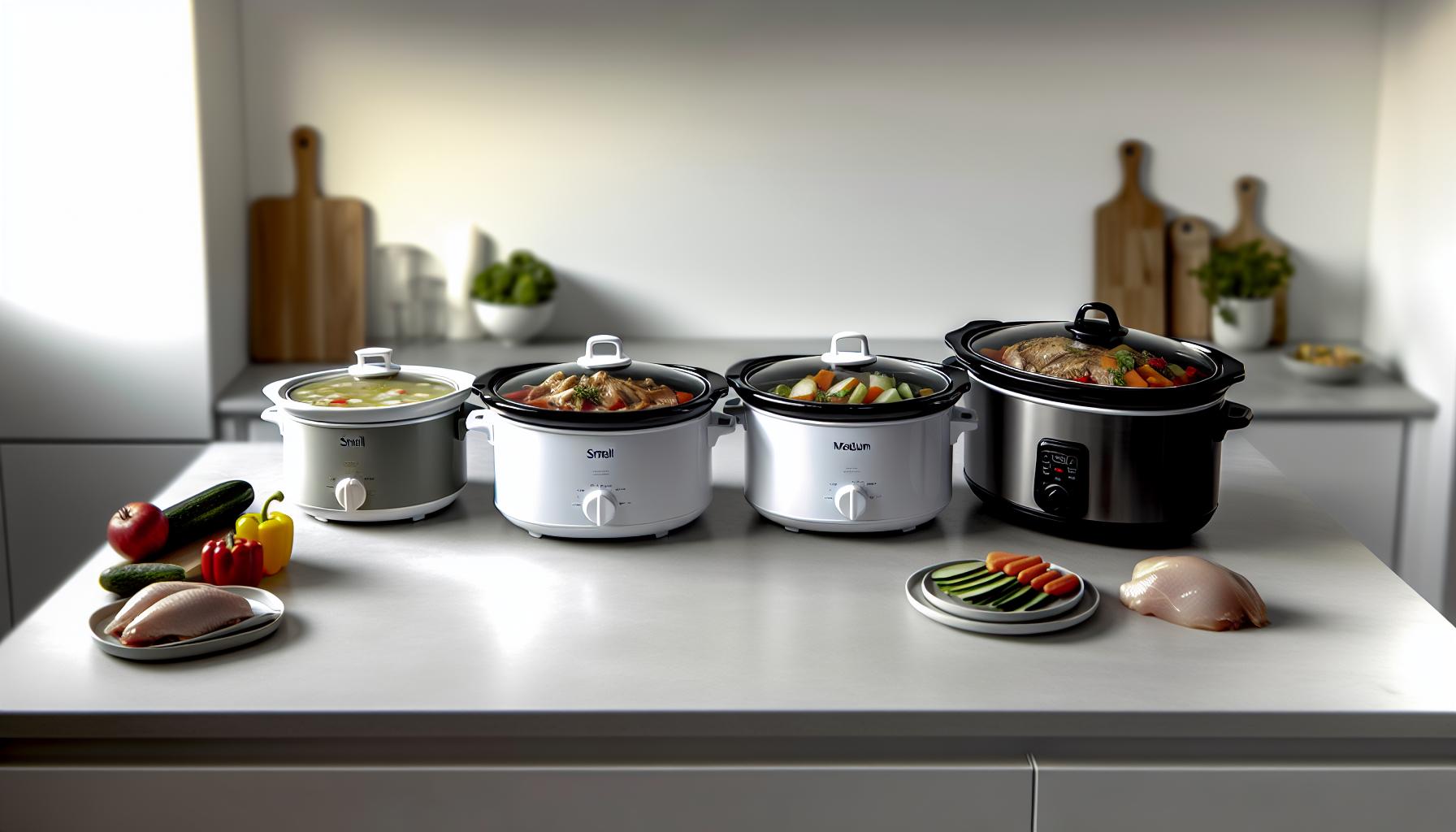
Choosing the perfect size for your slow cooker can transform your kitchen experience from “meh” to marvelous. Whether you’re feeding a solo gluten-free foodie or a hungry family of five, the right capacity ensures your meals come out tender, flavorful, and perfectly cooked every time. Too small,and you’ll be making doubles of the same dish back to back; too large,and you might end up with a vampire-sized batch of stew that even a couple of paleo warriors can’t finish before it’s time to redo the fridge shelf arrangement.
A handy rule of thumb is to match the slow cooker size to your typical meal prep needs and household size. For example, a 3 to 4-quart cooker is usually ideal for singles, couples, or small families (around 2-4 people).It’s also great if you’re often making side dishes or desserts. If you regularly cook for larger groups, lean toward a 5 to 7-quart model, wich comfortably handles roasts, whole chickens, or big batches of chili without feeling overcrowded or drying out the food. Keep in mind that slow cookers work best when filled about halfway to two-thirds full, so overfilling can slow the cooking or lead to less-than-perfect results [[2]](https://www.asweetpeachef.com/how-to-use-a-slow-cooker/).
Balancing kitchen Space and Meal Goals
Slow cookers are generally squat and wide, which means their footprint can sneakily hog precious counter or cabinet space. if your kitchen is more cozy than castle, a compact model might be the wiser choice-especially as thay come in sizes as small as 1.5 quarts. These mini versions are perfect for single portions or side dishes and make a fantastic backup slow cooker for those “double batch” days when you’re swapping between a paleo stew and a gluten-free dessert. On the flip side, if batch cooking or meal prepping is your thing, investing in a larger slow cooker means you’ll have plenty of seasonal soups or chili locked and loaded for busy weekdays, saving you time without sacrificing flavor.
Consider Your Cooking style and Versatility
Your slow cooker’s size can open or limit opportunities for experimenting with different recipes. For instance, 6- or 7-quart models not only accommodate bigger cuts of meat but also allow room for layering ingredients, which is key when working with recipes that require placing tougher veggies first or adding spices at different stages. If you’re all about easy one-pot meals that you want to have ready and waiting when hunger strikes,don’t underestimate how a slightly larger size can add flexibility in ingredient swaps or extras like paleo-friendly bone broth or gluten-free grains.
- 3-4 quarts: Perfect for sides, dips, desserts, or meals for 2-4 people.
- 5-6 quarts: Great for most families and versatile cooking adventures.
- 7+ quarts: Ideal for batch cooking, feeding guests, or meal prep enthusiasts.
When I first got my 5-quart slow cooker,I was amazed at how it balanced perfectly between making enough stew for dinner and leftovers without the guilt of another “too much” night.Plus, the cleanup was easier than my usual stovetop juggling act. So, think about your usual meal portions, kitchen space, and how adventurous you like your recipes-the slow cooker size you choose should fit like your favorite apron: functional, cozy, and just right for what you want to make.
Selecting the right slow cooker size isn’t just about how many it feeds; it’s about matching your rhythm, kitchen vibe, and appetite for tasty, fuss-free meals that fit your life beautifully [[1]](https://lunchladylou.com.au/recipes/slow-cooker-101/).
Must-Have Features That Make Slow Cooking Easier
Cooking with a slow cooker is pure magic, especially when your appliance has the right features that simplify meal prep and fit your lifestyle like your favorite cozy sweater. Imagine walking into your kitchen after a busy day to find a perfectly cooked, flavorful meal waiting for you with minimal fuss-that’s the power of smart slow cooker design. beyond just “on” and “off,” certain must-have functions and thoughtful details really elevate your slow cooking game, whether you’re a paleo pro or navigating a gluten-free diet.
One of the standout features you’ll want is programmable timers and automatic keep-warm modes. These save you the stress of rushing home right as your dinner finishes. For example, I love my slow cooker’s 12-hour timer, which lets me pop ingredients in before leaving for work and not worry about overcooking. Once the cooking cycle ends,it switches to keep-warm,so the flavors stay cozy without drying your stew or toughening lean meats. Delay-start options are also gems, allowing you to prep in advance but cook later-ideal when your schedule is unpredictable and you want dinner to meet you halfway.
Another game-changer? Removable, dishwasher-safe inserts made from ceramic or stoneware.These make cleanup a breeze, especially after thick sauces or sticky desserts like a paleo pumpkin spice pudding.Non-stick coatings are nice but can sometimes react with acidic ingredients, so I personally prefer natural ceramic-it’s durable and friendly to a variety of recipes, from hearty bone broth to zucchini lasagna layers. Plus, inserts compatible with oven use add extra versatility for finishing dishes with a broil or crisping topping, saving you time and extra pans.
Extra perks to look for include:
- Clear,tight-fitting lids: Traps moisture and flavor,helping everything cook evenly.Bonus points if the lid is glass so you can sneak a peek without letting the heat escape.
- Multiple heat settings: “Low,” “high,” and sometimes “medium” or “sauté” settings allow flexibility. When I’m in a hurry,high speed roasts a chicken faster; for a set-it-and-forget-it day,low heat simmers tough cuts to tender bliss.
- Compact and lightweight design: Perfect for kitchens with limited counter space or if you want to tuck your slow cooker on a shelf between uses.
- Secure handles: For easy, safe transport from kitchen to table or potluck events-because sharing is caring, especially with paleo chili!
Small Features, Big Difference
I can’t stress enough how a digital display with a countdown timer changed my slow cooker experience. Now I don’t guess if my stew’s done or if it’s been simmering too long. You get real-time control and confidence that your gluten-free curry isn’t overcooked or your paleo-friendly sauce isn’t underdone. Also, many modern slow cookers have programmable memory settings, meaning you can save your favorite cook cycles for chili, soups, or desserts. This makes repeat meals no-fuss and perfectly consistent.
Ultimately, the features that make life easier boil down to flexibility, ease of use, and cleanup. When these are part of your slow cooker’s toolkit, you can focus on tasty, nourishing meals with less hassle-and spend more time savoring your feast and less time fretting over it.After all, slow cooking isn’t just about convenience; it’s about creating joy in your kitchen, one tasty dish at a time.
Exploring Different Slow Cooker Programs and Settings
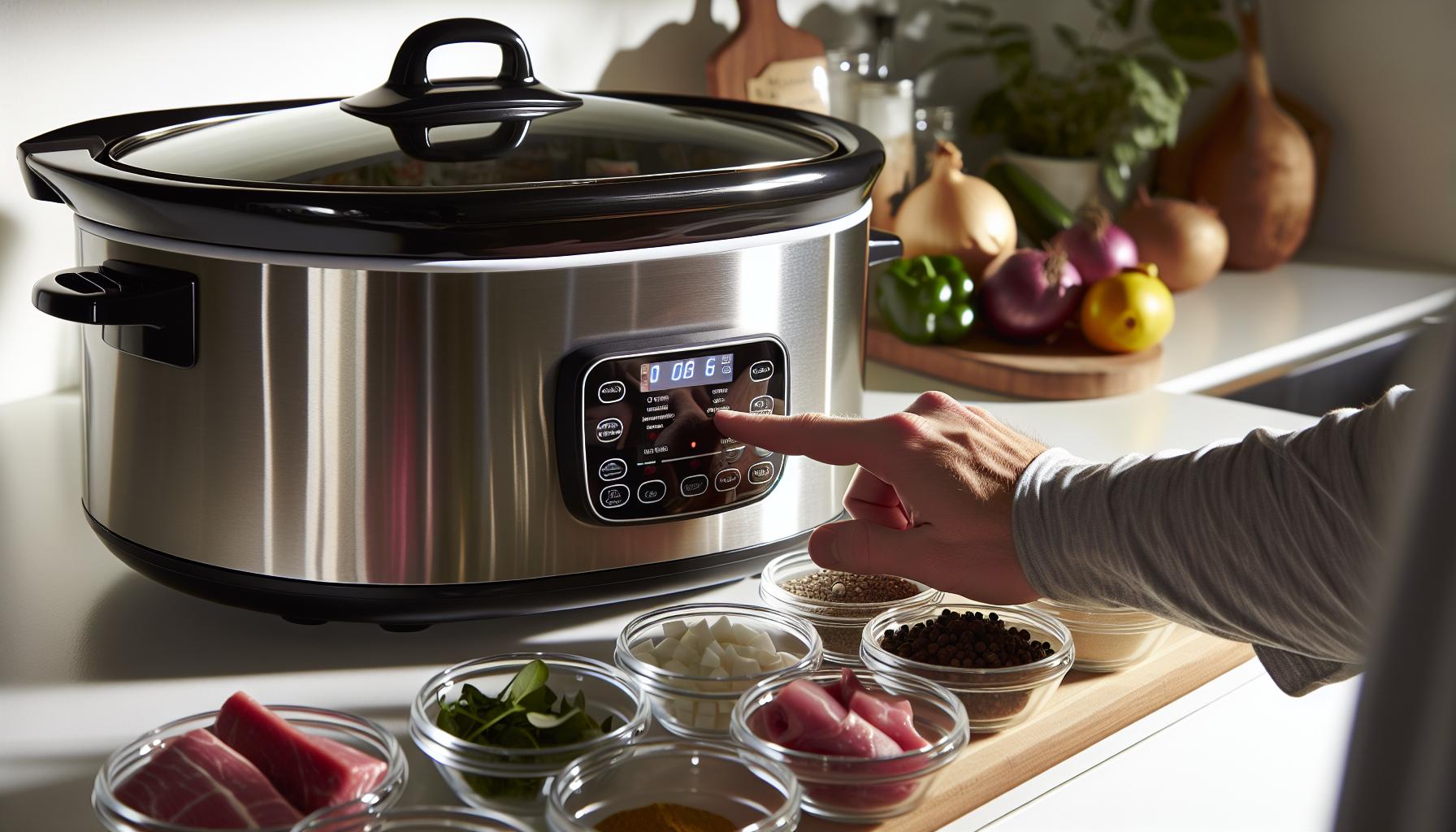
Sometimes, the magic of slow cooking lies not just in the low and slow heat but in the clever variety of programs and settings modern slow cookers offer. These “smart” features do the heavy lifting for busy home cooks-helping you juggle mealtime with meetings or errands without anxiety over timing or texture. Whether you’re simmering a bone broth that needs 12 hours or whipping up a quick stew in a snap, understanding these options lets you tailor your slow cooker to exactly how you like to cook (and eat!).
Most slow cookers come with the classic low and high heat settings – low for gentle, all-day cooking and high when you need to speed up the process without sacrificing tenderness.But newer, programmable models add layers of convenience with automatic transitions to keep-warm mode, so once your food hits perfection, the cooker gently holds temperature without drying out your paleo chili or gluten-free curry. This feature is pure gold for anyone who wants dinner ready but doesn’t have to serve it promptly. And a delay start function? Yes, please! It lets you load your ingredients early and delay cooking until later, syncing your meal prep with your unpredictable schedule without worrying about food safety (yet always check manufacturer guidance to ensure this suits your recipe).
- Programmable timers: Set precise cooking times (frequently enough from 1 up to 20 hours) that shift your cooker between heat levels or to warming automatically. This frees you from watching the clock-no more guesswork or overcooked stews.
- Multi-stage cooking: Some fancy slow cookers jumpstart on high heat and then drop to low, perfectly tenderizing tougher cuts while sealing in juices. Ideal for lean cuts that you want moist but not mushy.
- Specialty modes: Beyond the basics, you might find settings for sautéing (handy for browning veggies before slow cooking), rice cooking, or even baking cakes, expanding what your slow cooker can do beyond soups and roasts.
Practical Tips from the Trenches
In my kitchen, I lean on the keep-warm setting like a trusty sous-chef-it means dinner waits for everyone without drying out the sauce. When experimenting with paleo bone broth (a patient, slow job), the programmable timer has saved me countless times by shifting from low to warm without intervention. That lesser-known delay start function? An absolute scheduling lifesaver on hectic mornings, but I use it cautiously-avoiding raw meat recipes since letting uncooked ingredients sit too long isn’t safe.
For gluten-free cooks, certain settings like a gentle simmer on low can preserve the delicate textures of veggies and grains without breaking them down too much. And if you’re in a rush, using the high or sauté function at the start browns proteins and releases deeper flavors better than tossing everything in cold-a simple trick to boost both flavor and appearance without adding complexity.
| Setting | Best For | Typical Cook Time | Recipe Examples |
|---|---|---|---|
| Low | All-day cooking, tough cuts | 6-10 hours | Beef stew, paleo pulled pork, bone broth |
| High | speedy meals, vegetables, quicker cooks | 3-4 hours | Chicken thighs, gluten-free chilis, vegetable soups |
| Keep Warm | Holding food without overcooking | Indefinite post-cook | All cooked dishes before serving |
| delay Start | Scheduling cooking to start later | Variable (up to 12 hours typical) | Prepped meals to cook after prep |
| Sauté/Browning (if available) | Pre-cooking flavors, browning meat/veg | 10-15 minutes prep | Curries, risottos, caramelized onions |
embracing the right programs lets you put your slow cooker on autopilot without sacrificing quality or flavor. Think of it as your kitchen’s multitasking marvel, balancing timing with technique so you get tender, tasty meals that celebrate your dietary needs and your busy life-all while you focus on the parts of your day that can’t be rushed.
Comparing Materials: Ceramic vs. Stainless Steel Cookers
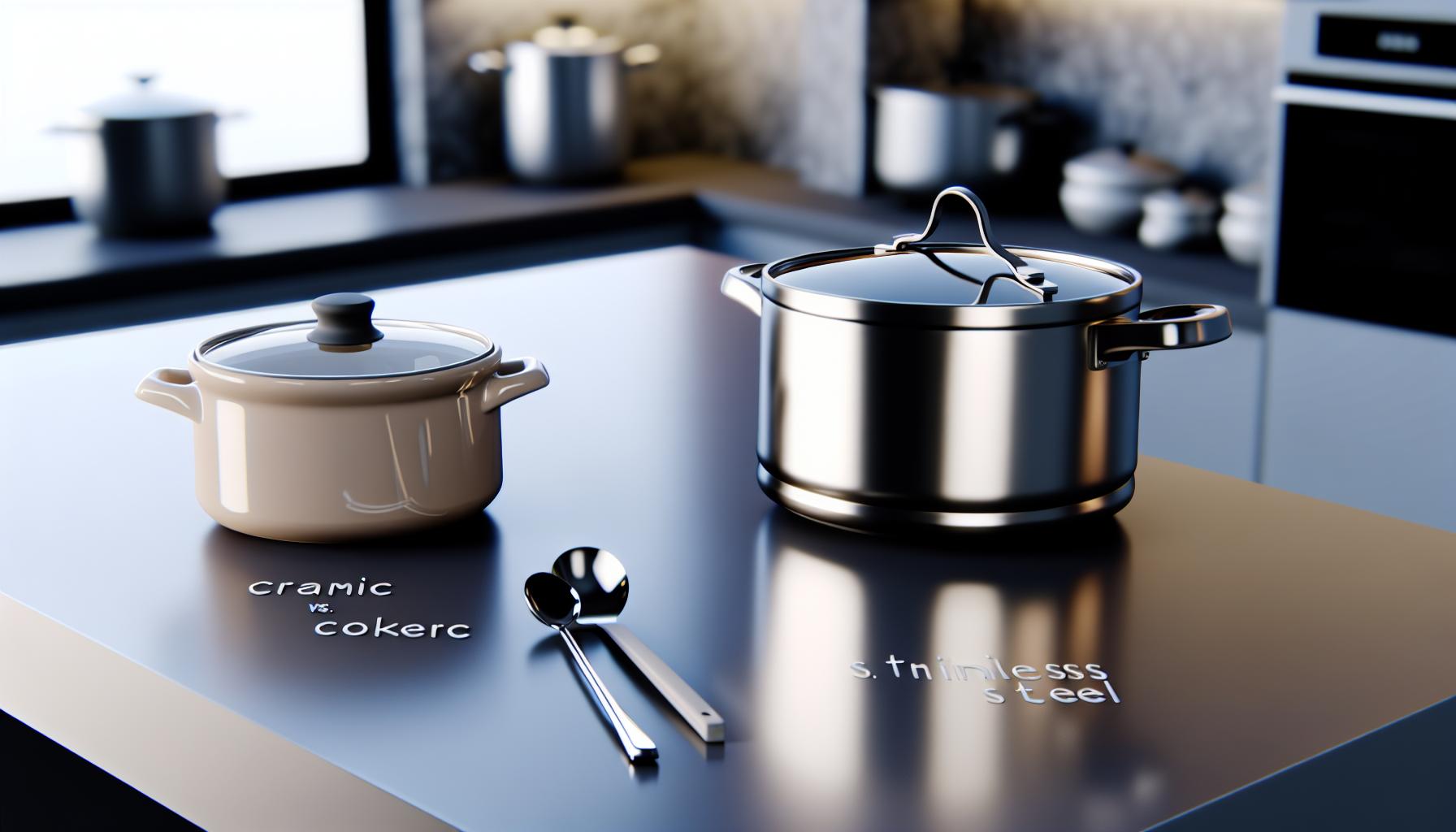
When it comes to picking the perfect slow cooker, the material of the cooking pot is a surprisingly big deal. It’s not just about looks-this choice deeply influences how your food cooks, how easy cleanup is, and even how well the cooker fits your lifestyle, especially if you’re balancing paleo or gluten-free diets that thrive on slow, mindful cooking. Two of the most popular materials you’ll encounter are ceramic and stainless steel, and each has its own strengths and quirks worth knowing.
Ceramic pots, often called stoneware, are the conventional slow cooker champions. They’re beloved because they hold and distribute heat gently and evenly-ideal for recipes that need a slow, steady simmer, like pulled pork or gluten-free soups where texture matters. The tactile warmth of ceramic mirrors the comfort of slow cooking itself; I frequently enough find my stews and curries develop that deep,melded flavor that gourmet home cooks dream about. Plus,ceramic pots are usually removable,making them easy to bring straight to the table or pop in the dishwasher-a true bonus after a long day. The downside? They tend to be heavier, and if you’re a bit clumsy (raising my hand here!), ceramic may chip or crack if bumped too hard.
On the other side, stainless steel slow cooker inserts are making a quiet but powerful comeback. If you like versatility, these pots can go from the slow cooker base right onto the stovetop for searing or sautéing, meaning you can brown that chicken or caramelize onions without dirtying another pan-saving time and boosting flavor. Stainless steel is also incredibly durable: no chipping,cracking,or worrying about accidental drops. They clean up easily, often hand-wash or quick in the sink with no special care required. Though, stainless steel heats a bit faster and can be less forgiving if left unattended at higher temps as it doesn’t retain heat as evenly as ceramic. This precision is great if you’re used to multitasking but might fool the slow cooker’s classic “low and slow” charm if you’re new to it.
What to Consider Before Choosing
- Diet & Cooking Style: Ceramic excels for slow, gentle cooking essential for paleo-friendly bone broth or grain-based gluten-free dishes where you want to preserve texture without overcooking.
- Cleanup & Convenience: Removable ceramic pots are dishwasher-safe, whereas some stainless steel pots need hand washing, but they shine for one-pot stovetop-to-slow-cooker meals.
- Durability: Got kids or a busy kitchen? Stainless steel’s resilience may reduce stress over accidental knocks, making it a chill choice for everyday use.
- Weight & Handling: lifting a full ceramic pot requires some muscle, so if you prefer lightweight or plan to transport your slow cooker dishes often, stainless steel may be kinder on your arms.
| Feature | Ceramic | Stainless Steel |
|---|---|---|
| Heat Retention | Excellent, heats evenly and slowly | Good, heats quickly but less evenly |
| Durability | Fragile, can chip or crack | Very durable, resists dents and scratches |
| Cleaning | Usually dishwasher-safe | Hand wash preferred but easy to clean |
| Weight | Heavier | Lighter and easier to handle |
| Stovetop Use | No, not safe on direct heat | Yes, often compatible for browning/searing |
What’s funny is I’ve used both and tend to reach for my ceramic pot when making my gluten-free vegetable soups or paleo chili-it just feels like it “breathes” with the ingredients. Simultaneously occurring, my stainless steel insert is my go-to for when I want to brown meat right then and there before slow cooking, cutting corners but never flavor. Both can deliver soulful,satisfying meals that fit around busy schedules and dietary preferences,so you can’t go too wrong either way!
Whatever material you pick,remember that the best slow cooker is the one that fits your time,kitchen habits,and taste buds-because cooking shouldn’t be intricate,it should be joyful and approachable,just like sharing a meal with friends. Happy slow cooking!
Top Slow Cooker Accessories That Boost Your Meals
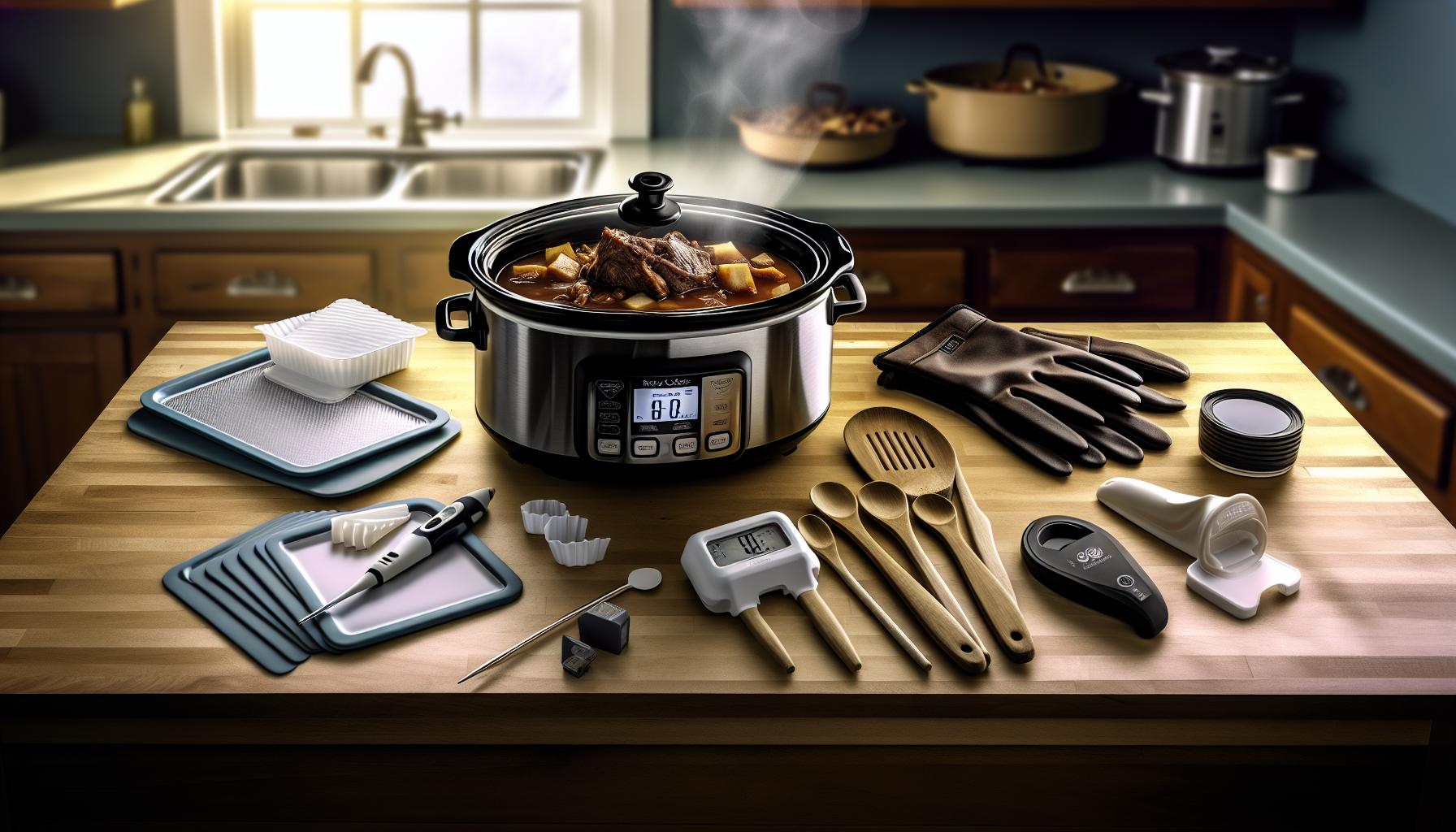
slow cooking is already a game-changer in the kitchen, but pairing your slow cooker with the right accessories can take your mealtime magic up a notch. Imagine the joy of prepping a feast that practically makes itself, with clean-up so easy you barely break a sweat-that’s where these clever add-ons come in handy. From liners that save you scrubbing time to handy racks that turn your slow cooker into a multi-tiered oven, the right accessories not only enhance your cooking experience but also help you get creative with minimal effort.
One of my absolute favorites is the reusable silicone slow cooker liner. These flexible inserts slip right into your crock pot, catching every drip and spill. After a busy day, the last thing you want is to spend extra time scrubbing burnt-on sauces (looking at you, chili night).With liners, cleanup becomes a breeze-just peel it out and toss it in the dishwasher. They’re a hit for paleo and gluten-free cooks too, since you can avoid flavor cross-contamination when switching meals. Plus, these liners are heat-safe up to a high temperature and fit most 6 to 8-quart slow cookers, making them a practical staple I keep on hand regardless of my meal plans[2].
If you love to multitask, consider a slow cooker rack or steamer basket. These nifty racks elevate meats or veggies above the cooking liquid, perfect for steaming or slow roasting without sogginess. For example, when making paleo-friendly short ribs or gluten-free stuffed peppers, the rack lets you separate ingredients easily, so textures stay spot-on. They also make it simple to lift out food without unwanted splatters or breaks. It’s like giving your slow cooker a mini upgrade to handle more complex meals or batch cooking with flair.
Other Handy Helpers That Deliver Big in Flavor and Convenience
- Programmable Crock Pot Covers: Keeping your kitchen airtight and your slow cooker sealed tight makes for better heat control and deliciously consistent results.
- Slow Cooker Food Thermometers: These digital tools take the guesswork out of cooking times-great if you’re juggling busy days and want perfectly cooked meals without peeking every hour.
- Extra Removable Inserts: Swapping out inserts means you can prep your next meal while the current one cooks.This is a lifesaver for meal preppers and those who love to batch cook with dietary variety.
- Serving Dishes and Portable Inserts: Removable pots that double as serving bowls mean you spend less time transferring food and more time enjoying it surrounded by family and friends.
With a few well-chosen accessories, your slow cooker can stretch beyond its basics. It’s not just about convenience-it’s about unlocking a bigger range of meals that fit your lifestyle and dietary needs with zero fuss. whether you’re easing into gluten-free cooking or jazzing up paleo dinners,these tools give slow cooking a fresh twist that keeps dinner exciting and cleanup chill. As at the end of the day, food joy should be simple, tasty, and a little bit playful-just like sharing a kitchen with your best buddy.
Energy Efficiency and Safety Tips for Slow Cooker Use
Slow cookers are champions of gentle cooking, but did you know they’re also surprisingly energy-friendly compared to your oven or stovetop? Using a slow cooker not only frees you from hovering over the stove but also trims electricity use, making it a smart choice for busy home cooks who want to save both time and energy. To get the best bang for your watt, it’s all about maximizing heat efficiency and practicing a few simple safety tricks that keep meal prep smooth and worry-free.
One of my top kitchen hacks for energy efficiency looks deceptively simple-keep the lid on tight.Slow cookers rely on moisture and trapped heat to work their magic. Lifting the lid releases steam and cools the pot so much that the slow cooker has to turn up the heat to compensate. That’s extra energy flying out the window and longer cooking times. So unless a quick stir is absolutely necessary, keep that lid cozy and let the cooker do the work. Another tip: match your recipe size to your slow cooker’s capacity.Overfilling can cause uneven cooking, and underfilling wastes energy heating unused space. If you’re feeding two but have a 6-quart pot, try using a smaller insert if your model supports one; otherwise, just scale your recipes for the pot size.
Simple Safety moves That Keep You Covered
- Use a dedicated outlet: Avoid extension cords to reduce fire risks, because slow cookers run for hours and need steady power.
- Place on heat-resistant surfaces: Countertops or stovetops (turned off!) work best. Keep it clear of flammable materials like curtains or paper towels.
- Check the power cord regularly: no frays, kinks, or soot marks-these little inspections can prevent kitchen disasters before they start.
- Unplug when finished: It’s sporty to save energy and keeps your slow cooker happy for years to come.
I remember once trialing a recipe for paleo carnitas that needed a long slow roast. I filled my slow cooker just right, left the lid on, and in the coolest part of my kitchen, too.The cooker hummed quietly for 8 hours, delivering juicy, tender pork without spiking my electric bill. plus, with a slow cooker food thermometer accessory on hand, I didn’t have to guess if it was done-perfect every time! These simple energy and safety conscious habits mean more of your cooking time is about enjoying meal prep, not worrying about appliances.
For those diving into gluten-free or paleo dishes that demand precise cooking times and temperatures, investing in slow cooker liners and racks (which help heat circulate better) can also aid efficiency. Plus, they speed up cleaning so you’re ready for the next meal quicker without extra waste. Little upgrades and mindful use turn your slow cooker into a powerhouse that’s as safe as it is thrifty-making delicious dishes easier than ever.
| Tip | Benefit |
|---|---|
| Keep lid closed while cooking | Retains heat,reduces cooking time & energy use |
| Match food volume to cooker size | Prevents uneven cooking,maximizes energy efficiency |
| Use heat-safe surfaces and dedicated outlets | Prevents fire hazards and electrical risks |
| Regular cord checks & unplug after use | extends appliance lifespan,improves safety |
Best Slow Cooker tips for Busy Home Cooks

When life gets hectic, the slow cooker becomes your best kitchen buddy-doing the heavy lifting while you get on with everything else. It’s amazing how a few simple habits can turn your slow cooker from “just another appliance” into a total game-changer for busy home cooks,especially if you’re juggling paleo,gluten-free,or any other food preferences without sacrificing flavor or time.Think of your slow cooker as a magical box that gently transforms humble ingredients into nourishing, soulful meals that practically make themselves.
One of the biggest hacks I swear by is the make-ahead method. If your slow cooker has a removable insert (and it should!), prepare your ingredients the night before. Chop your veggies, season your meat, and layer everything in the pot, then cover and pop it in the fridge. The next morning, just plug it in and go. I promise this not only saves precious morning minutes but also deepens the flavors as the ingredients marinate overnight.And here’s a little secret: using slow cooker liners is a blessing for speedy cleanup after a long day-you can spend less time scrubbing and more time kicking back with your favorite show or a good book[2].
Keep It Simple and Smart: Energy and Timing Tips
Mastering the timing is just as significant as the ingredients.Always keep the lid on tight unless your recipe explicitly says otherwise. Every time you lift it, you lose heat, which makes your slow cooker work overtime and extends cooking time-no one needs that! If you’re cooking for two but your cooker is huge, consider smaller batches or try inserts if your model allows. This prevents uneven cooking and trims needless energy use. I once made a paleo-inspired pulled pork meal that cooked for 8 hours effortlessly without ruining my electric bill-just by keeping the lid snug and my portions balanced[1].
pro tip: Invest in a slow cooker food thermometer or a programmable model with automatic keep-warm settings. These tools take the guesswork out, especially for gluten-free or paleo dishes that need precise temperature control. It ensures your meals are perfectly cooked, safe, and always tasty without standing over the stove or interrupting your busy day.
Quick Tricks for Flavor and Convenience
Before tossing your meat into the pot,sear it briefly on the stovetop if you have time. This extra step seals in juices and creates deeper flavors while keeping your slow cooker clean(er). No time? No worries-your dish will still be delicious. I’m all about shortcuts that don’t sacrifice taste, so feel free to swap ingredients to suit your pantry or dietary needs. For example, swap beef for chicken thighs for a quicker cook or use bone broth in place of water for richer flavor, especially in paleo or keto-friendly recipes.
- double up meals: Cook once, eat twice or thrice. Freeze extras for no-fuss meals down the road.
- Batch prep staples: Slow cook beans, shredded chicken, or sauces in bulk to toss into salads, wraps, or quick meals.
- Use racks or slow cooker inserts: They help to cook food more evenly and make cleanup easier.
In all, slow cookers are your culinary co-pilot for stress-free, wholesome meals that celebrate both food and life’s pace. With these tips, you’ll master the art of slow cooking with a warm, welcoming kitchen vibe that fits your busy schedule and dietary whims-because everyone deserves a tasty, simple feast waiting when they walk in the door.
| Tip | Why it effectively works |
|---|---|
| Prepare ingredients the night before | Saves morning time and boosts flavors |
| Keep lid closed during cooking | retains heat and reduces cook time |
| Sear meat before slow cooking (if possible) | Enhances flavor and texture |
| Use food thermometers or programmable cookers | Ensures perfection and food safety |
| Batch cook and freeze leftovers | Maximizes efficiency, reduces cooking days |
How to Clean and Maintain Your Slow Cooker for Longevity
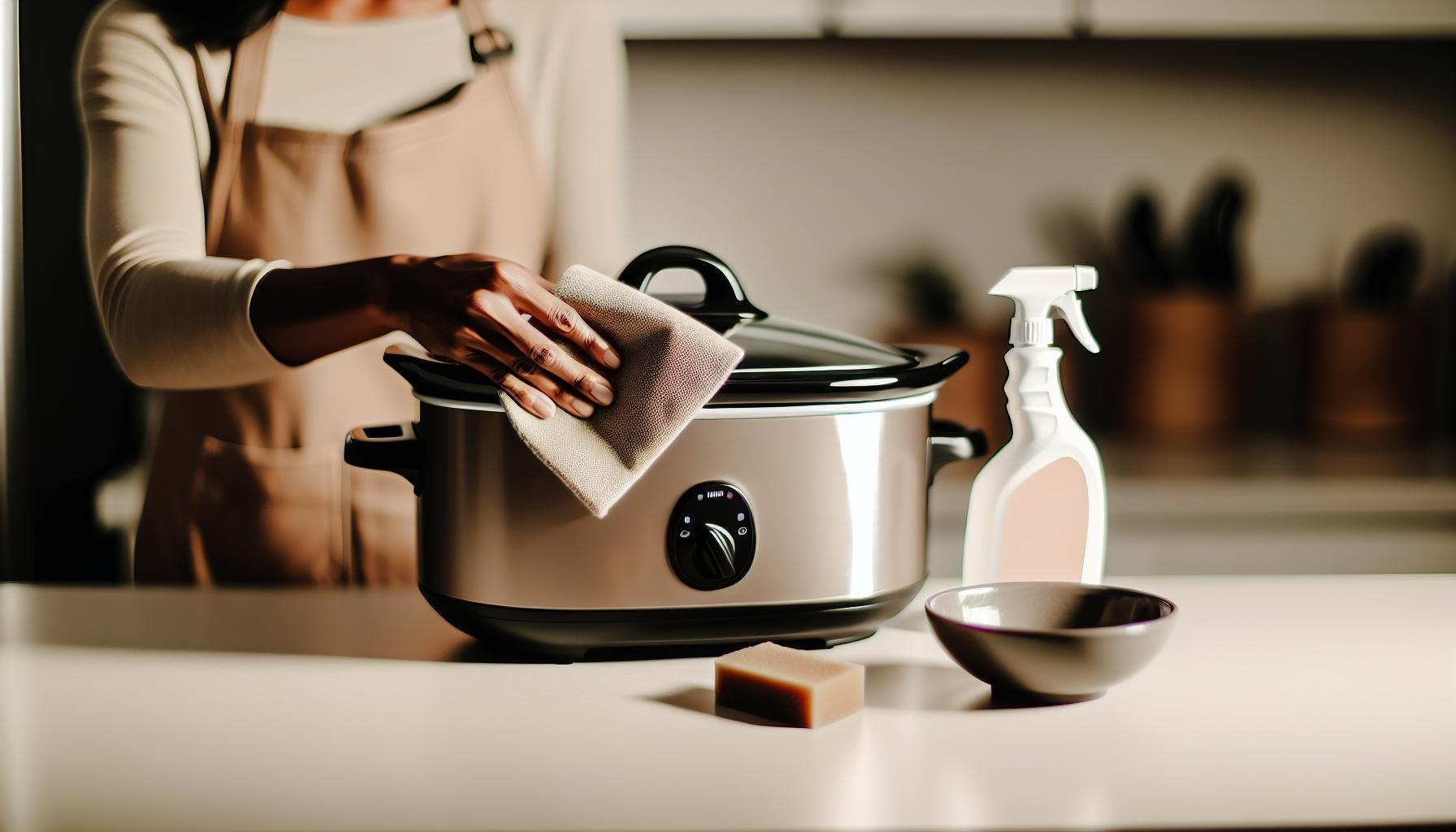
Ever notice how your slow cooker, that trusty kitchen sidekick, performs best when it’s clean and well cared for? keeping your slow cooker in tip-top shape isn’t just about good hygiene-it’s also about extending its lifespan and preserving flavors in every paleo, gluten-free, or comfort meal you make. I’ve seen kitchens where the slow cooker looks like it’s been through a forest fire, but trust me, a little TLC can bring it back to gleaming, ready for your next culinary adventure.One golden rule: always clean your removable insert after each use. Let it cool entirely, then soak any stuck-on food in warm, soapy water. For stubborn stains or odors (hello, garlic-heavy dishes), sprinkle baking soda over the surface, add a splash of vinegar, and let it fizz for 10 minutes before scrubbing gently. This chemical dance helps loosen grime without harsh scrubbing that could damage the ceramic coating. Never use abrasive pads-your slow cooker is delicate, like a fine cast member in your cooking show. If your slow cooker has a ceramic insert, avoid sudden temperature shifts (like dunking it in cold water while it’s still hot) to prevent cracking.
Cleaning the Base and Controls: Safety First
The heating base, where all the magic (and electricity) happens, deserves attention but a softer touch. Unplug it before wiping down the surface with a damp cloth. Never submerge the base in water or run it under the tap-that’s a quick way to ruin your cooker’s electrical parts. If you encounter splatters or spills, a gentle spray of mild cleaner and a microfiber cloth will do the trick to keep buttons and dials in smooth working order[3].
Smart Habits for Long-Lasting Performance
- Use slow cooker liners: They’re a lifesaver for busy cooks. Throw one in before your ingredients, and cleanup becomes nearly effortless. No scrubbing,no soaking! Just toss the liner,rinse the pot,and you’re done[2].
- Avoid metal utensils: Plastic, wood, or silicone tools protect your cooker’s finish and keep it looking new for longer.
- Don’t overload: Filling your slow cooker more than two-thirds full can cause uneven cooking and strain the appliance.
- Deep clean for stubborn grease: Once in a while, fill the insert with 1/2 cup baking soda and 1/2 cup vinegar, turn it on low for 15 minutes, then cool and wash. This trick cuts through oily buildup and refreshing your slow cooker’s overall vibe[1].
I remember the first time I tried that baking soda-vinegar method: my slow cooker looked brand new the next day. It was like a spa day-not just for me, but for my kitchen companion!
| Maintenance Tip | Why It Works |
|---|---|
| Clean soon after use | Prevents food from hardening and odors from setting |
| use liners | Saves time and keeps ceramic in great shape |
| Gentle cleaning tools only | Protects the surface and maintains appearance |
| deep clean periodically | Removes buildup and refreshes cooker |
| Keep base dry and wipe with soft cloth | Protects electrical parts and ensures safety |
The slow cooker is about making your life easier, not harder-so these simple cleaning rituals fit perfectly with your busy rhythm. Think of it as a little gratitude for the meals it helps you create, from paleo stews to gluten-free chili, ensuring every dish tastes as fresh as the first time you slow-cooked it.
Slow Cooker Recipes That Showcase Versatility and Flavor
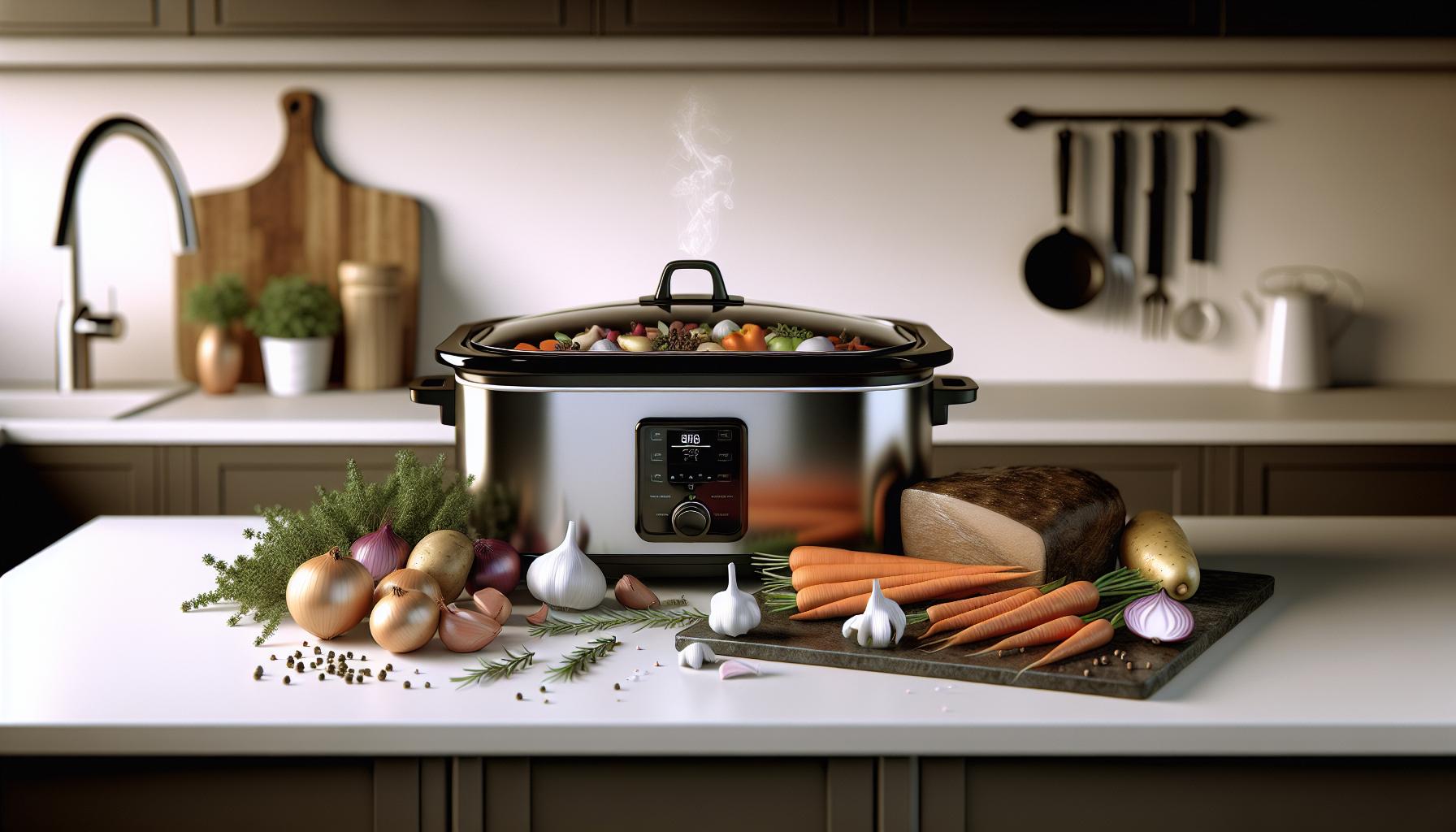
Few kitchen gadgets embody versatility quite like the slow cooker. Beyond stews and soups, it’s a game-changer for effortlessly unlocking flavor in everything from tender roasts to creative desserts. With the right recipe and a bit of confidence, you can craft meals that delight every craving while fitting neatly into busy schedules and specialized diets like paleo or gluten-free.
easy, Flavor-Packed Meals for Every Time of Day
Start your morning right with a gluten-free overnight steel-cut oats recipe: toss oats, almond milk, cinnamon, and your favorite chopped fruit into the pot before bed, and wake up to a creamy, warm breakfast that feels like a hug in a bowl. Prep time is just five minutes, and low and slow does all the work while you catch some Z’s.
For lunch or dinner, consider a hearty paleo beef and vegetable stew. Here’s the secret: layer tougher cuts of meat with root veggies and a splash of bone broth, seasoning to taste. Cook on low for 8 hours. The slow cooker’s gentle heat transforms ingredients into melt-in-your-mouth goodness without lifting a finger during your busy day.
Mix and Match Ingredients Without Stress
One of my favorite slow cooker joys is how forgiving it is indeed with ingredient swaps, making it perfect for pantry improvisation or dietary tweaks:
- Protein: Use chicken thighs rather of beef for a lighter option – they stay juicy and tender.
- Veggies: Swap out potatoes for sweet potatoes for a paleo twist, or use cauliflower rice as a grain substitute.
- Flavor boosters: Experiment with fresh herbs added at the end for brightness, or throw in dried spices early for deep, mellow notes.
Desserts You’d Never Expect to Slow Cook
Don’t box slow cookers into savory only! Try a simple slow cooker apple crisp with gluten-free oats and a sprinkle of cinnamon. peeling and slicing apples is the most effort here. Toss ingredients together and cook on low for 3 hours. It’s like the bakery came to your kitchen without sugar overload or fussing over the oven.
| Recipe | Dietary Type | Prep Time | Cook Time | Difficulty |
|---|---|---|---|---|
| Steel-Cut Oats | Gluten-Free, Vegan | 5 min | 7-8 hrs (overnight) | Easy |
| Paleo Beef & Veggie Stew | Paleo, Gluten-Free | 10 min | 8 hrs on Low | Easy |
| Apple Crisp | Gluten-Free | 10 min | 3 hrs on Low | Easy |
These recipes show just how adaptable slow cookers can be, inviting you to get creative without complication. The beauty of slow cooking lies in its “set it and (mostly) forget it” nature, yet delivering dishes full of layered flavors and welcoming textures. Whether you’re experimenting with paleo protein swaps or accommodating gluten-free needs, slow cooking turns mealtime into an effortless celebration of taste.
Understanding Cooking Times and Temperature Controls
Cooking times and temperature settings can feel like a slow cooker’s secret sauce-get them right, and you’re rewarded with tender, flavor-packed meals without breaking a sweat. The beauty of slow cookers lies in their gentle, consistent heat, which transforms humble ingredients like tougher cuts of meat or root veggies into melts-in-your-mouth magic. But not all slow cookers are created equal, and understanding how cooking times and temperature controls work will save you from overcooked mush or underdone meals.
Most slow cookers offer at least two basic settings: Low and High. Low usually cooks between 190-200°F (88-93°C), while High cranks it up to about 275°F (135°C). Interestingly,cooking on Low for eight hours often yields better texture and richer flavors than rushing on High for four.Here’s the trick many busy home cooks swear by for the perfect gluten-free stew or paleo roast: start on High for 30 minutes to jumpstart the cooking, then drop to Low for the remainder of the time. This approach helps build layers of flavor without drying out proteins like chicken thighs or beef chuck.
Dialing in Your Cooking Time
Times are generally guidelines rather than hard rules.For example, early on, root vegetables like carrots and sweet potatoes benefit from being on the bottom of the cooker because they take longer to soften, and layering tougher ingredients first is always smart. If you swap ingredients-say, cauliflower rice rather of potatoes-the cooking time can drop substantially as delicate items cook fast. When improvising recipes or adapting paleo and gluten-free staples, trust the texture instead of the clock. A fork-tender bite is your finish line.
| Temperature Setting | Ideal Foods | Typical Cook Time |
|---|---|---|
| Low (190-200°F) | Beef stews, roasts, soups, tougher cuts | 6-10 hours |
| High (275°F) | Vegetables, chicken breasts, quick meals | 3-5 hours |
| Keep Warm | Holding cooked food, gentle heat without further cooking | Indefinite, post-cooking |
Modern Temperature Controls and Why They Matter
Some slow cookers now come with digital timers and programmable temperature controls. These features are like having a sous-chef who remembers exactly when your meal should finish. For example, you can set a timer to switch from High to Low automatically or to shift into a Keep Warm mode after cooking. It means you can prep your paleo beef and veggie stew in the morning, run errands, and come home to a perfect meal without worrying about overcooking.
Older dials rely on a bit more intuition and kitchen rhythm, which is great if you like to tinker or keep things simple. Either way, keeping the lid on during cooking is chef’s kiss essential – it prevents heat loss and ensures that magic slow simmer that makes bone broth silky or dessert crisps tender. Resist the urge to peek!
Tips From the Trenches
- Don’t overfill: Fill your slow cooker between half and two-thirds full for even cooking.
- Adjust for altitude and slow cooker size: Cooking times may vary, so testing your favorite gluten-free chili or paleo stew a couple of times helps nail the perfect timing.
- Layer smartly: Denser veggies and tougher proteins go on the bottom, delicate items on top.
Armed with this knowledge, you can confidently adjust times and temperatures like a pro, knowing that slow cooking is forgiving by design. Whether you need a cozy breakfast of overnight oats or a luscious apple crisp, tuning your slow cooker’s settings is the secret ingredient to effortless deliciousness that fits your life, dietary choices, and taste buds perfectly.
Budget-friendly Slow Cookers That don’t Sacrifice Quality

Finding a slow cooker that fits your budget without feeling like a compromise can feel like chasing a unicorn-but good news, it’s totally doable! Many affordable models pack a surprising punch, delivering consistent heat and solid features that let you whip up your favorite paleo stews or gluten-free chili without breaking the bank. The trick is knowing what essentials you really need versus “nice-to-haves” that can wait until your slow cooker game is more advanced.
First off, size matters. A 6-quart slow cooker tends to be the sweet spot for most households-big enough to feed a family or have leftovers but not so huge that you’re paying for empty space. Many budget-friendly options stick to this size range, which also means they’re versatile enough for anything from soups to dessert crisps. If you’re cooking for one or two, a 3- to 4-quart cooker can also be a wallet-friendly pick and save on counter real estate.
What You Really need Without the Frills
When shopping on a budget, focus on:
- Reliable temperature control. Even a simple low/high dial can yield fantastic results-as long as it’s consistent.
- Removable, dishwasher-safe ceramic inserts. They’re easier to clean, and ceramic helps tenderize food wonderfully.
- Lid that seals well. The “no-peek” rule isn’t just a myth-it traps steam and heat, speeding up cooking times and enhancing flavors.
Fancy digital controls or programmable timers? Totally great but not always necessary, especially if you enjoy a little kitchen rhythm or checking in on your stew without panic. It’s about what fits your lifestyle and assures that your paleo beef roast or vegetable curry comes out spot-on, no matter your budget.
Stretching Your Dollar Without Stress
Stores and online retailers often have slow cooker sales-especially during holidays or seasonal clearance events. Keep an eye out for well-reviewed brands that consistently deliver durability and maintain heat well at a fair price. Brands like Crock-Pot, Hamilton Beach, and some store brands usually top that list for reliable budget choices.
Remember, you’re investing not just in a gadget, but a kitchen sidekick. A slower cook time can actually help you stretch cheaper cuts of meat into gourmet-level dinners that impress without extra effort or cost. So if you snag a basic slow cooker for under $40 or $50, you’re still fully equipped for delicious adventures with meals like hearty gluten-free soups or paleo-friendly roasts that comfort and nourish.
| Budget Slow Cooker Features | Why It Matters |
|---|---|
| Simple Low/High settings | Consistent cooking temperature with less fuss. |
| Dishwasher-Safe Ceramic Pot | Makes cleanup a breeze, encourages more frequent use. |
| Well-Fitting Lid | Prevents heat and moisture loss, improves cooking speed and flavor. |
| Compact Size options | Less energy use, ideal portion control, and countertop-friendly. |
The right budget-friendly slow cooker is out there, just waiting to help you prep those make-ahead meals that let you come home to “wow” flavors without the stress. Keep it simple, trust your slow cooker’s gentle heat, and feel free to experiment-you might just discover your new favorite comfort dish that’s both wallet-wise and tastebud-approved.
FAQ
Q: How important is the slow cooker’s lid design for cooking and safety?
A: The lid design is crucial for heat retention and moisture control in slow cookers. Look for a well-fitting, heavy glass lid that seals tightly to keep flavors locked in and prevent spills. Some lids have locking features, ideal for transporting meals safely. Review our section on energy efficiency and safety tips for more insights.
Q: Can slow cookers be used for meal prep and batch cooking?
A: Yes, slow cookers are perfect for meal prep and batch cooking due to their large capacity and set-it-and-forget-it style. Choose a model with a timer or automatic switch to warm to avoid overcooking. check our best slow cooker tips for busy home cooks to maximize your meal prep game.
Q: What should I consider about the slow cooker’s shape and size beyond capacity?
A: Besides capacity, consider the shape (round vs. oval) based on the dishes you cook most-oval is better for roasts, round for soups or stews. Also, think about countertop space and storage. See how to choose the right slow cooker size for your kitchen in our guide for extra help.
Q: Are programmable slow cookers worth the extra cost?
A: Programmable slow cookers offer convenience with precise cooking times and temperature control, which can reduce guesswork and improve meal results. If you value flexibility and hands-free cooking, investing in one can be worthwhile. explore our section on slow cooker programs and settings for detailed benefits.
Q: How does the slow cooker’s material effect cooking performance and cleaning?
A: materials impact heat distribution and maintenance: ceramic inserts provide even heat and retain warmth but can be heavier, while stainless steel inserts heat faster and are easier to clean. Choose based on your cooking style and cleaning preferences, detailed in our ceramic vs. stainless steel cookers comparison.
Q: What extra features enhance slow cooker usability for new users?
A: Extras like removable stoneware,dishwasher-safe parts,locking lids,and digital timers make slow cookers more user-friendly.Features that simplify cleanup and set precise cooking times help beginners feel confident. For more, see must-have features that make slow cooking easier in our essential guide.
Q: How do I know if a slow cooker is energy efficient?
A: Energy-efficient slow cookers use low wattage settings and good insulation to save electricity while cooking evenly over hours. Look for models with energy-saving certifications or reviews highlighting power use. Refer to our energy efficiency and safety tips to balance performance and savings.
Q: Can a slow cooker double as a multi-cooker or have additional cooking functions?
A: Some slow cookers come with added functions like sautéing, steaming, or pressure cooking, making them versatile multi-cookers. These combine convenience but may be pricier. Review your kitchen needs before choosing; our guide on exploring slow cooker programs and settings describes how to pick the best fit.
For a deeper dive into selecting the perfect slow cooker and boosting your culinary adventures, don’t miss our full “Essential Buying Guide” sections linked above. Happy slow cooking!
Wrapping Up
Choosing the right slow cooker can truly transform your mealtime-whether you’re whipping up a cozy gluten-free stew or a paleo-friendly roast that simmers to perfection with minimal effort. Remember, focusing on key features like size, heat settings, and ease of cleaning helps you find that perfect slow cooker that fits your lifestyle and dietary needs. Ready to dive deeper? Check out our Easy Paleo Slow Cooker Recipes for simple meal ideas and Gluten-Free Slow cooker Tips to make your kitchen adventures even smoother.
If you’re wondering what to cook next or need guidance on getting the most out of your new slow cooker, our detailed Slow Cooker Meal Planning Guide has you covered-from prep steps to ingredient swaps that keep things flexible and fun.Don’t wait-grab your slow cooker today, and join our newsletter for weekly kitchen hacks, tested recipes, and expert advice that turn busy nights into delicious wins. Feel free to share your slow cooker wins or questions in the comments below-we love hearing your stories and tips!
By investing in the right slow cooker tailored to your cooking style,you’re not just buying a kitchen tool-you’re setting up for countless hearty meals made easy.Let’s keep this food journey going together, making every dish a celebration of flavor, health, and simplicity.
Get our latest guides, news, and insights highlighted in your Google Search & AI Overviews.