✨ This article was AI edited. Editorial responsibility: SabriNasSinlessSecrets.com.
Knowing how to safely store leftover marinade is one of the most vital food safety and meal-prep skills in home cooking. Whether you prepared a batch of zesty herb-infused citrus vinaigrette, a sweet teriyaki glaze, or a rich yogurt-based curry marinade, handling both unused and meat-exposed marinades correctly prevents foodborne illnesses while saving time and grocery money.
Table of Contents
- The Golden Rule: Unused vs. Meat-Contact Marinade
- How to Store Unused Marinade in the Refrigerator and Freezer
- Can You Reuse Marinade That Touched Raw Meat?
- Chemical Dynamics: Acid, Salt, Oil, and Enzymes
- Hygiene Protocols and Cross-Contamination Prevention
- Creative Culinary Uses for Extra Pristine Marinade
- Best Freezing Techniques for Meal Prep
- Frequently Asked Questions
The Golden Rule: Unused vs. Meat-Contact Marinade
Before storing any leftover marinade, you must distinguish between two fundamental categories:
- Unused (Pristine) Marinade: Portions divided and set aside before touching raw meat, poultry, seafood, or tofu. This marinade is completely clean and can be stored as a condiment, salad dressing, or dipping sauce.
- Meat-Contact (Used) Marinade: Liquid that has been in direct contact with raw proteins. This liquid contains harmful pathogens such as Salmonella, Campylobacter, and E. coli. It must either be safely boiled before reuse or discarded.
How to Store Unused Marinade in the Refrigerator and Freezer
Unused marinade can be stored effectively using clean airtight containers. Here are the precise timelines based on the chemical composition of the ingredients:
| Marinade Base Type | Refrigerator (38°F / 3°C) | Freezer (0°F / -18°C) | Key Storage Recommendation |
|---|---|---|---|
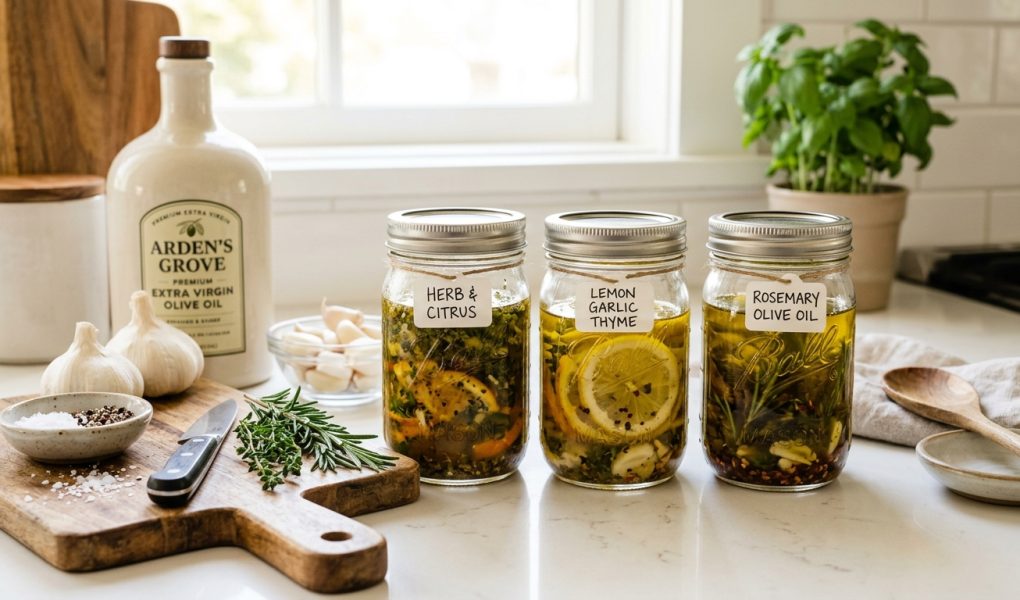
| Oil & Vinegar / Citrus (High Acid) | 7 to 14 days | 3 to 6 months | Store in glass Mason jars; shake well before use |
| Soy Sauce & Sugar (Teriyaki, BBQ) | 2 to 3 weeks | 6 to 9 months | High sodium and sugar act as natural preservatives |
| Dairy-Based (Yogurt, Buttermilk) | 3 to 4 days | 1 to 2 months | May separate upon thawing; whisk vigorously to reconstitute |
| Fresh Allium / Herb (Garlic, Basil) | 3 to 5 days | 2 to 4 months | Always refrigerate promptly to avoid bacterial risk |
Can You Reuse Marinade That Touched Raw Meat?
Yes, but only if you boil it vigorously first. According to the USDA Food Safety and Inspection Service (FSIS), marinade that touched raw meat can be made safe for basting or serving as a sauce by following this protocol:
- Pour the used marinade into a small stainless steel or enameled saucepan.
- Bring the liquid to a rolling, full boil over medium-high heat.
- Maintain the rolling boil for a minimum of 1 to 2 minutes, ensuring the entire mixture reaches at least 165°F (74°C) to completely destroy vegetative pathogenic bacteria.
- Thicken with a cornstarch slurry (1 tsp cornstarch dissolved in 1 tbsp cold water) if desired to create a rich, savory glaze.
Chemical Dynamics: Acid, Salt, Oil, and Enzymes
To preserve marinade quality during storage, it helps to understand how different components interact over time:
- Acid (Vinegar, Citrus, Wine): Acid weakens protein bonds. When storing marinades containing raw fresh fruit purees (like pineapple, papaya, or kiwi), active proteolytic enzymes like bromelain will continue breaking down marinades, so use them promptly.
- Lipids (Olive Oil, Sesame Oil): Oils solidify when chilled in the refrigerator. Allow chilled marinades to rest on the counter for 10 minutes or run the jar under lukewarm water to restore fluidity.
- Emulsifiers (Dijon Mustard, Egg Yolk, Honey): These ingredients maintain cohesion between oil and water phases, preventing greasy separation during extended storage.
Hygiene Protocols and Cross-Contamination Prevention
Preventing bacterial transmission in home kitchens requires meticulous clean habits during meal preparation:
- Separate Utensils: Use dedicated silicone basting brushes and tongs for raw meat versus cooked items. Never dip a brush that touched raw chicken back into the clean marinade jar.
- Glass vs. Plastic Storage: Glass jars (such as Pyrex or Mason jars) do not absorb strong essential oils, turmeric, or garlic aromas, whereas plastic containers can harbor microscopic fissures where bacteria colonize.
- Sanitizing Preparation Surfaces: Wash cutting boards and countertops with a warm, soapy bleach solution or food-safe sanitizing spray after packaging marinades.
Creative Culinary Uses for Extra Pristine Marinade
Never let batch-prepped pristine marinade go to waste. Transform excess quantities into versatile weeknight components:
- Grain Bowl Dressings: Whisk with extra extra-virgin olive oil and drizzle over quinoa, farro, roasted sweet potatoes, and kale.
- Vegetable Roasting Glazes: Toss cauliflower florets, asparagus stalks, or portobello mushroom caps in marinade before roasting at 425°F (220°C).
- Slow Cooker Flavor Bases: Pour 1/2 cup of unused marinade into slow cooker pulled pork, beef roast, or shredded chicken for instant savory complexity.
- Compound Herb Butters: Blend reduced herb-and-garlic marinade into softened unsalted butter and chill for searing over grass-fed steaks.
Best Freezing Techniques for Meal Prep
Freezing extra marinade in portion-controlled vessels streamlines future dinner prep. Use these kitchen-tested methods:
- Silicone Ice Cube Trays: Pour excess marinade into silicone cube molds (approx. 2 tbsp per cube). Freeze solid, then transfer cubes to a heavy-duty freezer zip-top bag labeled with the date and flavor profile. Pop 2–3 cubes into stir-fries or skillet meals for instant seasoning.
- Flat Freezer Bags: Pour 1 cup portions of marinade into quart-sized freezer bags. Press out excess air, seal tightly, and freeze flat on a baking sheet to save freezer footprint.
- Pre-Marinated Frozen Proteins: Add raw chicken breasts, pork chops, or beef flank steak directly into the bag with the marinade and freeze immediately. As the meat thaws in the refrigerator on cooking day, it marinates automatically.
Frequently Asked Questions
How do I know if stored marinade has gone bad?
Discard marinade immediately if you notice sour or off odors, mold growth along the container rim, unusual cloudiness in clear dressings, or fizzing gas when opening the jar.
Can I store marinade in metal containers?
Avoid storing acidic marinades (containing lemon juice, vinegar, or wine) in reactive metal containers like aluminum or unlined copper, as the acid can leach metallic flavors and discolor the sauce. Stick to food-grade glass, ceramic, or BPA-free plastic.
How long can marinade sit at room temperature?
Never leave marinade (especially any that has touched meat or contains fresh garlic/dairy) at room temperature for more than 2 hours (or 1 hour if the ambient temperature exceeds 90°F / 32°C).
Get our latest guides, news, and insights highlighted in your Google Search & AI Overviews.