
✨ This article was AI edited. Editorial responsibility: SabriNasSinlessSecrets.com.
Yes, you can absolutely freeze gluten-free bread—and in fact, freezing is the single best way to preserve its fresh texture, moisture, and flavor. Because gluten-free baked goods lack the protein network of wheat gluten and often contain higher moisture-binding starches, they staled much faster at room temperature. Freezing halts retrogradation and prevents your favorite artisanal loaves, sandwich breads, and bagels from drying out or crumbling.
Table of Contents
- Why Freezing is Essential for Gluten-Free Bread
- Step-by-Step Method: How to Freeze Gluten-Free Bread Perfectly
- Starch Retrogradation and Hydrocolloid Stabilization
- Special Handling for Gluten-Free Sourdough, Bagels, and Pizza Crusts
- Reviving Stale Gluten-Free Bread: Culinary Rescue Hacks
- Best Practices for Thawing and Reheating
- Why You Should NEVER Store Gluten-Free Bread in the Refrigerator
- Frequently Asked Questions
Why Freezing is Essential for Gluten-Free Bread
Traditional wheat bread relies on gluten strands to trap moisture and maintain elasticity. Gluten-free flours (such as rice, tapioca, sorghum, and almond flour) depend on binders like xanthan gum and psyllium husk. At room temperature, gluten-free starches begin to recrystallize (a process called starch retrogradation) within 24 to 48 hours, causing bread to become gritty, dry, and brittle.
Freezing drops the temperature below the starch crystallization zone, locking the bread at peak freshness for up to 3 to 6 months without compromising taste or structural integrity.
Step-by-Step Method: How to Freeze Gluten-Free Bread Perfectly
Follow these essential rules when freezing commercial or homemade gluten-free bread:
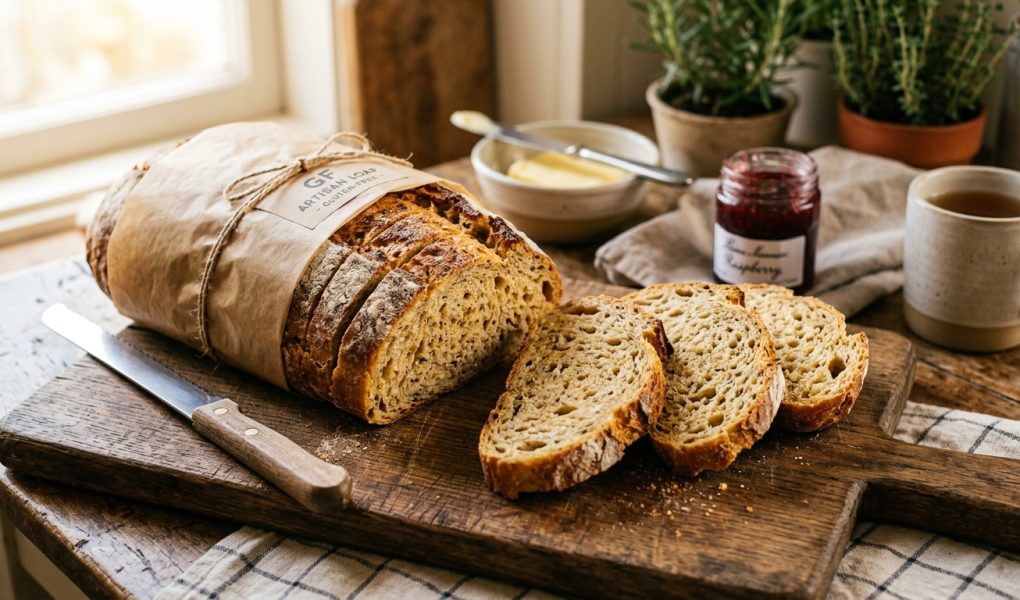
- Slice Before Freezing: Never freeze a whole uncut gluten-free loaf unless you plan to serve the entire loaf at once. Trying to slice a rock-hard frozen loaf will shatter the delicate crumb.
- Insert Parchment Separators (Flash Freezing Method): Place small squares of parchment paper between individual slices. This allows you to pull out a single slice for morning toast without defrosting the entire package.
- Double-Wrap for Freezer Burn Protection: Wrap the sliced loaf snugly in plastic cling wrap or aluminum foil, then slide it into a heavy-duty freezer-grade zip-top bag. Squeeze out all excess air before sealing.
- Label with Date and Type: Mark the bag clearly with the freezing date and bread variety (e.g., Sourdough, Multi-Grain, Cinnamon Raisin).
Starch Retrogradation and Hydrocolloid Stabilization
Gluten-free bakers incorporate specialized hydrocolloids to emulate gluten elasticity. Here is how freezing preserves their structural integrity:
- Psyllium Husk Gels: Psyllium creates a sponge-like network holding moisture. Deep freezing stabilizes these water molecules, preventing syneresis (liquid leakage) upon thawing.
- Xanthan Gum: Xanthan provides cold-temperature stability. Slices frozen with xanthan maintain tensile strength, avoiding the crumbly collapse typical of room-temperature aging.
- Tapioca and Potato Starches: These high-gelatinization starches freeze exceptionally well without turning gummy when reheated under dry heat like a toaster.
Special Handling for Gluten-Free Sourdough, Bagels, and Pizza Crusts
Different baked goods require customized freezing protocols:
- Gluten-Free Sourdough Loaves: Sourdough loaves have thicker artisanal crusts. Thawing in an oven at 350°F (175°C) for 10 minutes revives the crisp, blistered crust while keeping the interior soft and aerated.
- Gluten-Free Bagels: Slice bagels in half completely before freezing. Place parchment between halves and pop them straight into the bagel slot of your toaster.
- Par-Baked Pizza Crusts: Freeze pizza crusts flat on cardboard disks wrapped tightly in plastic wrap. Add toppings while still frozen and bake directly on a preheated pizza stone.
Reviving Stale Gluten-Free Bread: Culinary Rescue Hacks
If a few slices were left out and became dry before freezing, use these tested culinary methods to restore their tender crumb:
- The Steam Refresh: Lightly mist the frozen slice with filtered water or drape a barely damp paper towel over it before toasting. The external moisture turns to steam, re-gelatinizing amylose starches.
- Golden French Toast: Whisk pasture-raised eggs, almond milk, cinnamon, and vanilla. Dip frozen gluten-free slices straight into the batter and pan-fry in coconut oil or grass-fed butter.
- Artisanal Garlic Croutons: Dice dry or thawed slices into 1/2-inch cubes. Toss with extra virgin olive oil, sea salt, garlic powder, and Italian herbs, then bake at 375°F (190°C) for 12 to 15 minutes until crunchy.
- Gluten-Free Breadcrumbs: Pulse dry crusts in a food processor with dried parsley and black pepper for breading fish fillets or meatballs.
Best Practices for Thawing and Reheating
How you thaw gluten-free bread directly impacts its final texture. Avoid common pitfalls with these recommended heating techniques:
| Thawing Method | Preparation Time | Best Suited For | Resulting Texture |
|---|---|---|---|
| Direct Toaster / Toaster Oven | 2 to 4 minutes | Breakfast toast, sandwiches, garlic bread | Crisp golden exterior, soft warm interior (Recommended) |
| Oven Reheating (350°F / 175°C) | 8 to 12 minutes | Artisan baguettes, dinner rolls, whole boules | Freshly baked bakery crust with moist crumb |
| Room Temperature Countertop | 15 to 20 minutes | Soft sandwich bread for packed lunch | Soft, but best toasted lightly to refresh starches |
| Microwave (Low Power) | 10 to 15 seconds | Emergency quick thaw | Can become chewy/gummy if overheated; use damp paper towel |
Why You Should NEVER Store Gluten-Free Bread in the Refrigerator
While freezing extends shelf life, the refrigerator is the worst place to store gluten-free bread. The cool temperature (around 40°F / 4°C) accelerates starch retrogradation up to six times faster than room temperature, rapidly turning your bread stale, dry, and crumbly within 24 hours. Always keep what you will eat in 1–2 days on the counter in a bread box, and freeze the rest immediately.
Frequently Asked Questions
How long does gluten-free bread last in the freezer?
Properly double-wrapped gluten-free bread maintains optimal flavor and texture for 3 to 6 months in a standard freezer. It remains safe to eat beyond that, though ice crystals may cause minor freezer burn.
Can I refreeze gluten-free bread after thawing?
It is best not to refreeze previously thawed bread, as repeated freeze-thaw cycles cause cell wall degradation, releasing moisture and creating a soggy, gummy texture upon the second thaw. Freeze in individual slices so you only thaw what you need.
Can you freeze homemade gluten-free bread?
Yes! Allow homemade gluten-free bread to cool 100% completely to room temperature (at least 2–3 hours after baking) before slicing and freezing. Freezing warm bread traps steam, leading to icy buildup and soggy crusts.
Get our latest guides, news, and insights highlighted in your Google Search & AI Overviews.


