✨ This article was AI edited. Editorial responsibility: SabriNasSinlessSecrets.com.
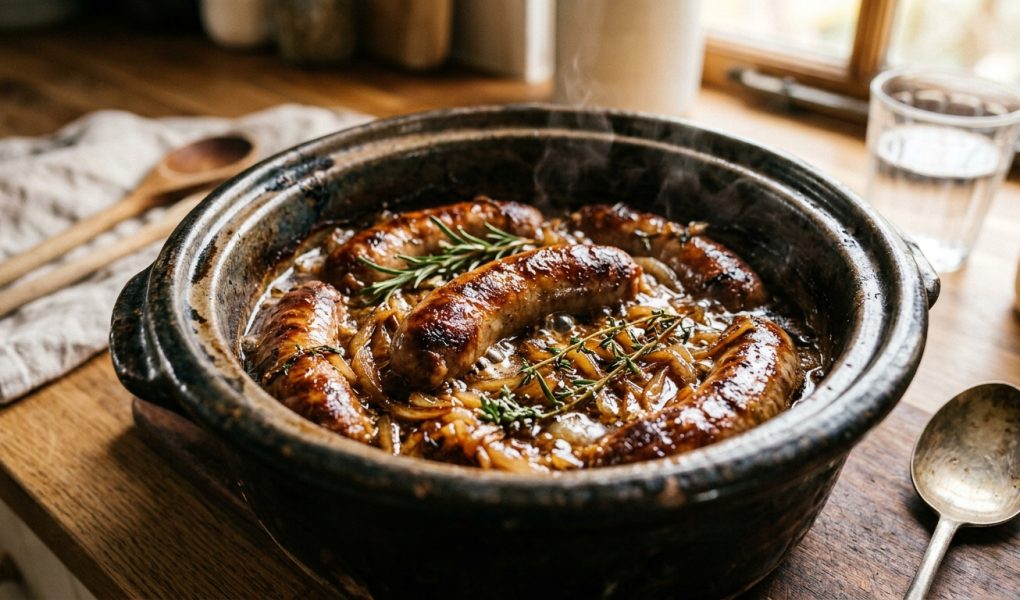
Cooking sausages low and slow using the slow release method unlocks a depth of flavor, juiciness, and tenderness that high-heat grilling or fast frying simply cannot replicate. When pork, beef, chicken, or vegan sausages are subjected to gentle, sustained heat, their internal fats render evenly throughout the meat casing rather than bursting violently through the skin, preserving essential moisture and aromatics.
Table of Contents
- The Culinary Science of Slow Release Sausage Cooking
- Step-by-Step Slow Cooker Method for Tender Sausages
- Mastering Temperature Curves and Casing Types
- Comparison Table: Slow Release vs. Traditional High Heat
- Troubleshooting Common Slow Cooking Sausage Mistakes
- Flavor Profiles and Regional Variations
- Pairing and Serving Ideas
- Nutritional Breakdown & Macro Management
- Frequently Asked Questions
The Culinary Science of Slow Release Sausage Cooking
Traditional high-heat pan-frying or broiling causes the natural casings of sausages to contract abruptly. This rapid thermal shock creates extreme internal pressure, forcing savory juices and flavorful fat emulsion out of the sausage, leading to dry, rubbery results with charred exteriors and unevenly cooked centers.
The slow release technique relies on steady heat transfer—typically between 190°F and 210°F (88°C–99°C)—which achieves three critical biochemical transformations:
- Gradual Collagen Breakdown: Connective tissues within quality coarse-ground sausages gently break down into natural gelatin without squeezing out moisture.
- Controlled Fat Emulsification: Spices and fats remain bound to the meat matrix, infusing every bite with robust flavor.
- Intact Casing Integrity: The casing expands smoothly alongside the meat, preventing splitting and maintaining aesthetic perfection.
Step-by-Step Slow Cooker Method for Tender Sausages
Using your slow cooker is the easiest and most reliable way to execute slow-release sausage preparation. Follow this precise blueprint for maximum culinary success:
- Layer the Aromatics: Line the bottom of your slow cooker stoneware with sliced yellow onions, bell peppers, crushed garlic cloves, and fresh sprigs of rosemary and thyme.
- Arrange the Sausages: Place your favorite raw sausages (such as Italian sweet sausage, bratwurst, or kielbasa) in a single layer over the vegetable bed. Do not puncture or prick the casings with a fork.
- Add Minimal Braising Liquid: Pour in 1/2 cup of low-sodium chicken broth, dry white wine, or hard apple cider. The onions and sausages will release abundant natural moisture during cooking.
- Set to LOW: Secure the lid and cook on the LOW setting for 4 to 5 hours (or HIGH for 2.5 to 3 hours). The internal temperature should register 160°F (71°C) for pork/beef or 165°F (74°C) for poultry sausages on an instant-read digital thermometer.
- Optional Crisping: If you desire a golden-brown snap on the exterior, transfer the slow-cooked sausages to a hot cast-iron skillet for 60 to 90 seconds per side right before serving.
Mastering Temperature Curves and Casing Types
Different types of sausage casings react uniquely to sustained thermal exposure. Understanding the distinction ensures consistent results every single time:
- Natural Hog and Sheep Casings: Highly elastic and permeable, natural casings excel in slow cooker braises. They allow subtle aromatic transfer from onions and herbs while retaining rich intramuscular juices.
- Collagen Casings: Manufactured from beef or poultry protein, collagen casings require gentle moisture. Slow cooking prevents them from peeling away or becoming tough and chewy.
- Cellulose / Skinless Sausages: For skinless breakfast links or plant-based sausages, use parchment paper lining on the cooker base to prevent surface sticking during long braises.
Comparison Table: Slow Release vs. Traditional High Heat
| Cooking Attribute | Slow Release (Slow Cooker / Low Oven) | High Heat (Grill / Skillet) |
|---|---|---|
| Internal Temperature Control | Even, gradual, zero hot spots | High risk of burnt crust, raw center |
| Juice & Moisture Retention | 92–96% moisture preserved | 65–75% (fat renders out into pan) |
| Casing Split Risk | Near 0% (natural expansion) | High (frequent bursts and blowouts) |
| Prep Inconvenience | Hands-off, set-and-forget | Requires constant turning & monitoring |
Troubleshooting Common Slow Cooking Sausage Mistakes
Ensure foolproof dinner preparation by avoiding these common pitfall areas:
- Adding Too Much Liquid: Vegetables and sausages release significant juices during braising. Adding more than 1/2 cup of broth results in boiled meat rather than rich braised sausages.
- Lifting the Slow Cooker Lid: Each time the lid is removed, 15 to 20 minutes of thermal energy is lost. Keep the lid sealed tightly until the final 30 minutes of cooking.
- Overcooking on High: Leaving sausages on HIGH for over 4 hours will eventually dry out the leaner poultry varieties. Stick to LOW heat for delicate tenderness.
Flavor Profiles and Regional Variations
Adapt your slow cooker sausage recipes with these curated regional combinations:
- German Bratwurst & Beer: Cook bratwurst with thinly sliced onions, sauerkraut, caraway seeds, and 1/2 cup of German pilsner or wheat beer.
- Italian Sausage & Peppers: Braise sweet and hot Italian links with tricolor bell peppers, sweet marinara sauce, dried oregano, and a splash of chianti wine.
- Louisiana Andouille & Greens: Simmer smoky andouille with chopped collard greens, smoked paprika, chicken stock, and diced celery for robust Southern warmth.
- Spanish Chorizo & Cider: Slow cook cured or fresh chorizo with dry Spanish apple cider, garlic, and fresh bay leaves for an irresistible tapas-style dish.
Pairing and Serving Ideas
Slow-released sausages create rich pan drippings that naturally sauce accompaniments. Serve these succulent sausages with:
- Creamy cauliflower mash or roasted garlic mashed potatoes.
- Warm sauerkraut braised with caraway seeds and sweet honeycrisp apples.
- Crusty gluten-free artisanal rolls with stone-ground whole mustard and caramelized onions.
- Polenta infused with aged parmesan cheese, fresh cracked black pepper, and grass-fed butter.
Nutritional Breakdown & Macro Management
When incorporating slow-braised sausages into ketogenic, paleo, or whole-food diets, macro profiles can be easily balanced by choosing clean, nitrate-free meats and non-starchy vegetable beds. The gentle braising liquid collects fat-soluble vitamins (A, D, E, K) that can be drizzled over steamed greens for nutrient-dense satiety.
Frequently Asked Questions
Should I prick sausages before slow cooking?
No, you should never prick or pierce sausages before slow cooking. Pricking punctures the casing and allows all the flavorful fats and natural juices to escape, leaving the sausage dry and stringy.
Can I cook frozen sausages directly in the slow cooker?
For food safety reasons outlined by the USDA, it is recommended to thaw sausages completely in the refrigerator before placing them in the slow cooker to ensure they pass through the bacterial danger zone (40°F–140°F) quickly.
How do I store and reheat leftover slow cooked sausages?
Store leftovers in an airtight glass container in the refrigerator for up to 4 days. Reheat gently in a covered skillet over medium-low heat with a splash of broth to preserve moisture.
Get our latest guides, news, and insights highlighted in your Google Search & AI Overviews.