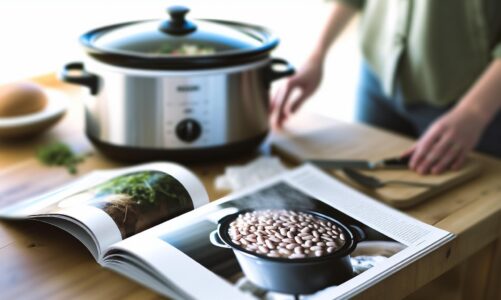
Did you no that when most people say “Crockpot,” they’re usually talking about a slow cooker-but are they really the same thing? A Crockpot is actually a brand name of slow cookers, which are kitchen gadgets designed to simmer food gently over hours. Whether you’re juggling gluten-free meals, paleo-friendly dishes, or just need dinner ready when you walk in the door, knowing the difference can make your meal prep smoother and your recipes more reliable.
I’ve been there-scrambling after work, hoping my slow cooker (or Crockpot) has done its magic without turning dinner into mush. Understanding how these devices work means you can tailor cooking times,swap in fresh or frozen ingredients confidently,and enjoy tasty meals without fuss. Stick around, and I’ll share practical tips and easy recipes that make slow cooking feel less like a mystery and more like your secret kitchen sidekick. ready to slow down without missing out on flavor? Let’s dive in!
Table of Contents
- What Is a Crockpot? A Slow Cooker Explained
- Key Differences Between Crockpots and Slow Cookers
- How Do Crockpots and Slow Cookers Work?
- Top Benefits of Using a Crockpot Versus Other Slow Cookers
- Popular Crockpot Models Compared to Other Brands
- When to Choose a Crockpot Over a Traditional Slow Cooker
- How to Get the Best Cooking Results with Your Crockpot
- Crockpot Recipes That Show its Unique Strengths
- common Myths About Crockpots and Slow Cookers Debunked
- Essential Tips for Maintaining and Cleaning Your Crockpot
- Faq
- Q: Can a crockpot be used for recipes other than slow cooking? A: Yes, a crockpot is versatile and can be used for steaming, sautéing, and even baking certain dishes. Experiment with recipes like slow cooker bread or steamed vegetables to unlock its full potential.for more tips, check the section on How to Get the best Cooking Results with Your Crockpot for practical ideas. Q: Why do some people prefer Crockpot brand slow cookers over others?
- Q: what safety tips should I follow when using a Crockpot or slow cooker?
- Q: How does the cooking time in a Crockpot differ from other slow cookers?
- Q: Can you convert traditional slow cooker recipes to a Crockpot easily?
- Q: When is it better to choose a non-Crockpot slow cooker instead?
- Q: What common troubleshooting tips help when a Crockpot or slow cooker isn’t heating properly?
- Q: How can I make crockpot meals healthier without losing flavor?
- The Way Forward
What Is a Crockpot? A Slow Cooker Explained
If you’ve ever wandered down the kitchen appliance aisle or scrolled through endless recipes online, chances are you’ve stumbled upon both ”crockpot” and “slow cooker” and wondered-are they the same thing? Here’s the fast scoop: a Crock-Pot® is essentially the brand name that became so popular it’s often used interchangeably with slow cooker, which is the general category of countertop appliances designed to cook food slowly at low temperatures. Think of it like Kleenex for tissues-different names, but same general idea.
These handy devices are culinary superheroes for anyone who loves hands-off cooking. The magic lies in their ceramic or stoneware pot and a heating element that gently bubbles your stew, roast, or chili over several hours. The result? Tender, flavorful meals with minimal effort. I’ve personally come to embrace my Crock-Pot on busy weeknights when juggling work and family-it’s basically my secret weapon for turning simple ingredients into comforting dinners that even my pickiest eater enjoys. Whether you’re paleo, gluten-free, or just craving a hearty stew, this slow, low-heat method infuses flavors like no other.
It’s All About the Slow and Steady
Unlike pressure cookers or instant pots that crank up the heat to speed things along, Crockpots and slow cookers cozy up to dishes gradually-usually at ”low” (around 200°F) or “high” (about 300°F) settings. This slow pace is perfect for tough cuts of meat, beans, and root veggies, breaking them down into melt-in-your-mouth goodness without drying out your meal.Plus, you can prepare your ingredients in the morning, set it, and forget it until dinnertime, freeing you up for more vital things-like binge-watching your favorite show or sneaking a quick workout.
- prep time: Usually 10-20 minutes
- Cook Time: 4-10 hours depending on settings and recipe
- Difficulty level: Beginner-no fancy culinary skills needed
In essence, the Crock-Pot is the friendly neighborhood slow cooker that many people trust and love, but slow cookers come in a variety of shapes, sizes, and brands, each with unique bells and whistles. So, if someone says, “I’m making a meal in my slow cooker,” they might be using a Crock-Pot or another brand entirely-and either way, they’re tapping into that same sweet convenience that makes slow-cooked meals a cozy kitchen staple.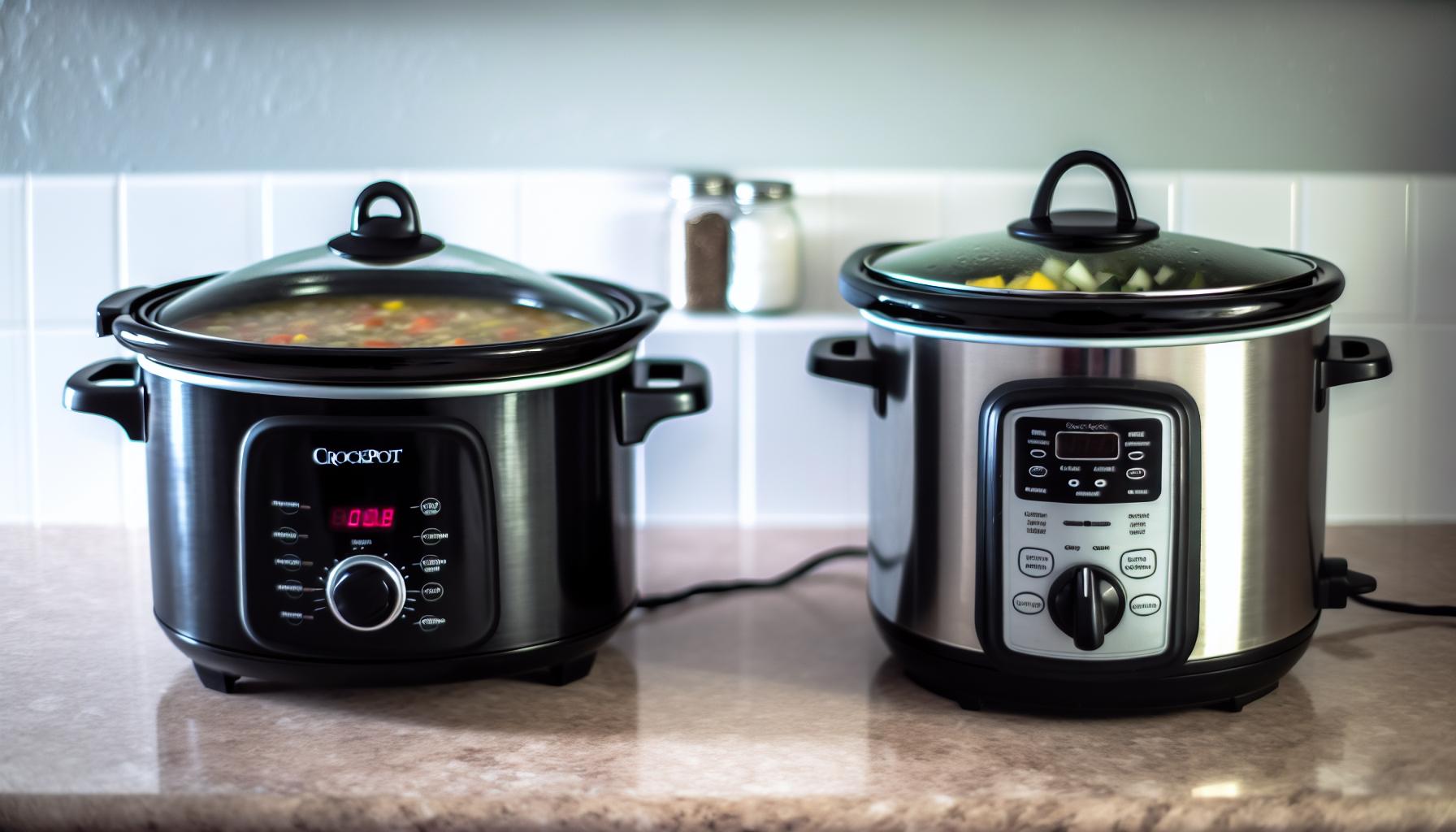
Key Differences Between Crockpots and Slow Cookers
If you’ve ever found yourself mid-scroll through kitchen gadget ads or recipe blogs, you might have stumbled on “Crockpot” and “slow cooker” used like twins separated at birth.The truth? They *are* practically siblings-same family, different names.The Crock-Pot® is actually a brand, the OG slow cooker that made this style of appliance a household staple. Meanwhile, slow cookers cover a broad spectrum of brands and models, each with its own personality and quirks.
What really sets a Crockpot apart from other slow cookers is often subtle but worth knowing, especially if you’re hunting for the right slow-and-low tool in your kitchen arsenal. Crock-Pots traditionally feature a ceramic or stoneware insert that sits inside a heating base,designed to evenly cradle your stew or pot roast at a gentle heat.This classic combo tends to offer reliable temperature consistency and a lid that seals just so-locking in steam and flavor. Other slow cookers might use different materials like aluminum inserts or have more high-tech options like programmable timers and digital displays, which can be handy but sometimes come with a learning curve or a bigger price tag.
The Practical Differences That Matter
While all slow cookers share the mission of hands-off cooking, the Crockpot’s simple design is frequently enough praised for durability and ease of use. No fancy bells needed-you set the dial to ”low” or “high” and walk away with confidence.Many modern slow cooker brands now offer multi-function features such as sautéing or keep-warm modes, but some home cooks (myself included!) prefer the Crockpot’s straightforward “plug and cook” vibe when life gets hectic.
Cooking-wise, you might notice that some non-Crockpot slow cookers heat a bit faster or have different temperature ranges, which means recipes could need minor tweaks.For example, the Crock-Pot’s low setting hovers around 200°F-perfect for those melt-in-your-mouth paleo or gluten-free stews that just need slow simmering. Other slow cookers might vary by 10-20 degrees, which sounds small but can subtly alter cooking times or texture, especially for delicate recipes.
What This Means for Your Kitchen
If your recipe calls for a slow cooker and you want to swap in a Crockpot (or vice versa), you’re generally in safe territory. The big wins are that both let you prep in minutes (usually 10-20),and set-it-and-forget-it until you’re ready to eat. But your choice could boil down to a few factors:
- Features: Are digital timers and programmable settings a must-have, or do you prefer simplicity?
- Material: Do you want a ceramic insert for slow, even heat and easy cleaning, or is a metal insert with different heat conduction okay?
- Size & Shape: Some slow cookers have taller inserts or different capacities-consider what fits your meal plans best.
- Price Point: Crockpots often come at a great value, especially if you want dependable results without tech overload.
In a nutshell, loving your slow cooker is more about how it fits your kitchen rhythm and recipes than the brand name. Whether you grab a Crock-Pot or another slow cooker, you’re signing up for the same magic: slow-cooked meals made easy, flavorful, and just right for busy life and gluten-free, paleo, or classic comfort food cravings. Speaking from experience, sometimes the best pick is simply the one that feels like your kitchen BFF, ready to whip up deliciousness with zero judgement and all the flavor.
How Do Crockpots and Slow Cookers Work?
There’s something downright magical about tossing your ingredients into a Crockpot or slow cooker, setting the dial, and walking away-only to return hours later to a kitchen filled with irresistible aromas and meals that taste like they’ve simmered all day (because, well, they have!). Understanding the behind-the-scenes of how these appliances work can make you feel like you’re wielding a bit of culinary wizardry, perfect for creating everything from melt-in-your-mouth paleo stews to hearty gluten-free comfort dishes.
At their core, both Crockpots and slow cookers function by applying gentle, steady heat over a long period. The ceramic or stoneware insert nestled inside the heating base acts like a cozy little oven, distributing heat evenly to coax flavors out of your ingredients without ever letting things boil over or burn.This gradual cooking process breaks down tough fibers in meats and melds seasonings in ways stovetop shortcuts just can’t touch. If you’ve ever been surprised at how tender a cheap cut of meat becomes after hours in the slow cooker, you get the magic at work here.
- Heat Source and Temperature: The heating element warms the base, which gently radiates heat upward and around the pot. Most Crockpots settle around a “low” setting equivalent to about 190-200°F, perfect for slow simmering. This is crucial for recipes focused on tender texture, like paleo beef stew or slow-cooked chili.
- lid Locks in Moisture: The snug lid traps steam, creating a humid, sealed environment that locks in moisture and flavor.This means less risk of drying out your meal, which is key for leaner proteins typical in gluten-free or paleo diets.
- Material Effects: Crockpots traditionally use ceramic inserts, prized for even heat retention and easy cleanup.Other slow cookers might use metal pots, which can heat faster but sometimes cause hotter “hot spots,” subtly changing cooking times or texture.
Tips from the Trenches: getting It Just Right
From my own kitchen misadventures, I’ve learned that the ”set it and forget it” mantra works best when you respect the temperature zones slow cookers create. Such as, adding delicate veggies like zucchini too early can turn them to mush, while harder roots shine when nestled at the bottom where heat is strongest. Another trick? Layering ingredients thoughtfully: place denser cuts at the bottom to ensure thorough cooking, layering herbs and spices toward the top for more nuanced flavor release.
Programming timers and digital settings on some slow cookers can be great - but sometimes the simplicity of turning a dial on a Crockpot is a breath of fresh air, especially on hectic days when you just want to prep, plug in, and plot out your Netflix binge. This steady heat approach also means you can safely start cooking in the morning and come home to a perfectly done meal, avoiding the ”overcooked” pitfall as everything is moving at snail’s pace.
Whether you’re gluten-free, paleo, or just a busy home cook, choosing a slow cooker often boils down to how well it fits your daily rhythm and favorite recipes. The science behind these appliances ensures that with a little planning, your meals will be tender, flavorful, and perfectly suited to any dietary preference-even if you’re juggling life’s chaos one plug-in at a time. So go ahead, embrace the slow-and delicious-life.
| Component | Function | Why It Matters for Your Meal |
|---|---|---|
| Heating Base | Provides consistent low heat | Prevents burning; ideal for tough cuts and long cooking times |
| Ceramic Insert | Even heat distribution | Ensures uniform cooking and easy cleanup |
| Lid | Locks in moisture and heat | Keeps dishes juicy and flavorful |

Top Benefits of Using a Crockpot Versus Other Slow Cookers
Few kitchen gadgets inspire as much loyalty and love as the Crockpot. While the terms “Crockpot” and ”slow cooker” frequently enough get used interchangeably, choosing a Crockpot specifically comes with subtle perks that can elevate your everyday meal prep - especially when juggling paleo, gluten-free, or just busy-home-cook lifestyles. For starters,the Crockpot’s signature ceramic insert is a real game-changer for even heat distribution,which means your stew won’t have hot spots or uneven cooking. This is a blessing when you’re working with lean proteins or tougher, budget-friendly cuts of meat that need gentle coaxing over hours to reach peak tenderness.When I switched from a generic slow cooker to a Crockpot, I promptly noticed the difference in moisture retention. The Heavy ceramic lid fits like a snug little hug,locking in steam to keep dishes juicy without needing to add a ton of liquid – perfect for paleo meals where you want bold flavors,not soggy textures. It’s also forgiving if you’re on a tight schedule: you can layer ingredients the night before and wake up to a slow-cooked chili or a pot roast that practically falls apart at the fork, all while knowing you won’t overcook or dry out your dinner.
Why Crockpots Shine in Everyday Cooking
- Consistent, gentle heat: The heating element in a Crockpot is designed to maintain low, steady temperatures (about 190-200°F on the low setting). This reliable heat zone breaks down collagen and fibers in a way that feels almost magical for tougher meats, while coaxing out flavors over time, unlike some faster-heating metal inserts found in other slow cookers.
- Easy cleanup and durability: Because the ceramic insert heats evenly without sticking, cleanup is usually a breeze - a rarity when you’re multitasking after a long day. Plus, ceramic lasts for years, often longer than metal pots that can dent or lose their coating.
- Great for diet-focused dishes: The moisture-locking design makes the Crockpot ideal for paleo and gluten-free recipes, where avoiding excess water or preservatives is part of the game. Your bone broth or grass-fed beef stew comes out richer, deeper, and fully infused with flavor.
Real-World Tips from My Crockpot Journey
I remember the frist time I made a gluten-free vegetable stew in my Crockpot – usually, the veggies would turn to mush if cooked too long. But with just a few tweaks-adding softer ingredients like zucchini late in the cooking cycle and placing root veggies nearer the bottom where heat concentrates-the outcome was rich, perfectly textured, and bursting with layers of flavor. that “set it and forget it” charm is why so many of us fall hard for Crockpots. Whether you’re dashing out for work or settling in for a lazy Sunday, it feels good knowing dinner’s cooking without needing constant babysitting.
| Feature | Benefit | Why It Matters |
|---|---|---|
| ceramic Insert | Even heat and excellent moisture retention | Prevents burning and keeps meals juicy, ideal for lean or paleo-friendly meats |
| Simple Controls | Plug and dial simplicity | Less fuss during hectic days; perfect for batch cooking and meal prep |
| Durable Build | Long-lasting materials | More cost-effective over time and reliable for gluten-free stews and bone broths |
At the end of the day, the Crockpot isn’t just another appliance – it’s like a tiny sous-chef who knows your schedule and food preferences, quietly working its magic so you can enjoy wholesome, delicious meals with minimal stress. Whether you’re eyeing comfort food classics or paleo-gluten-free delights, the Crockpot’s distinctive heat distribution, moisture control, and simplicity truly put it a notch above many other slow cookers. So go ahead, embrace that slow-cooked goodness and savor how easy and rewarding homemade meals can be.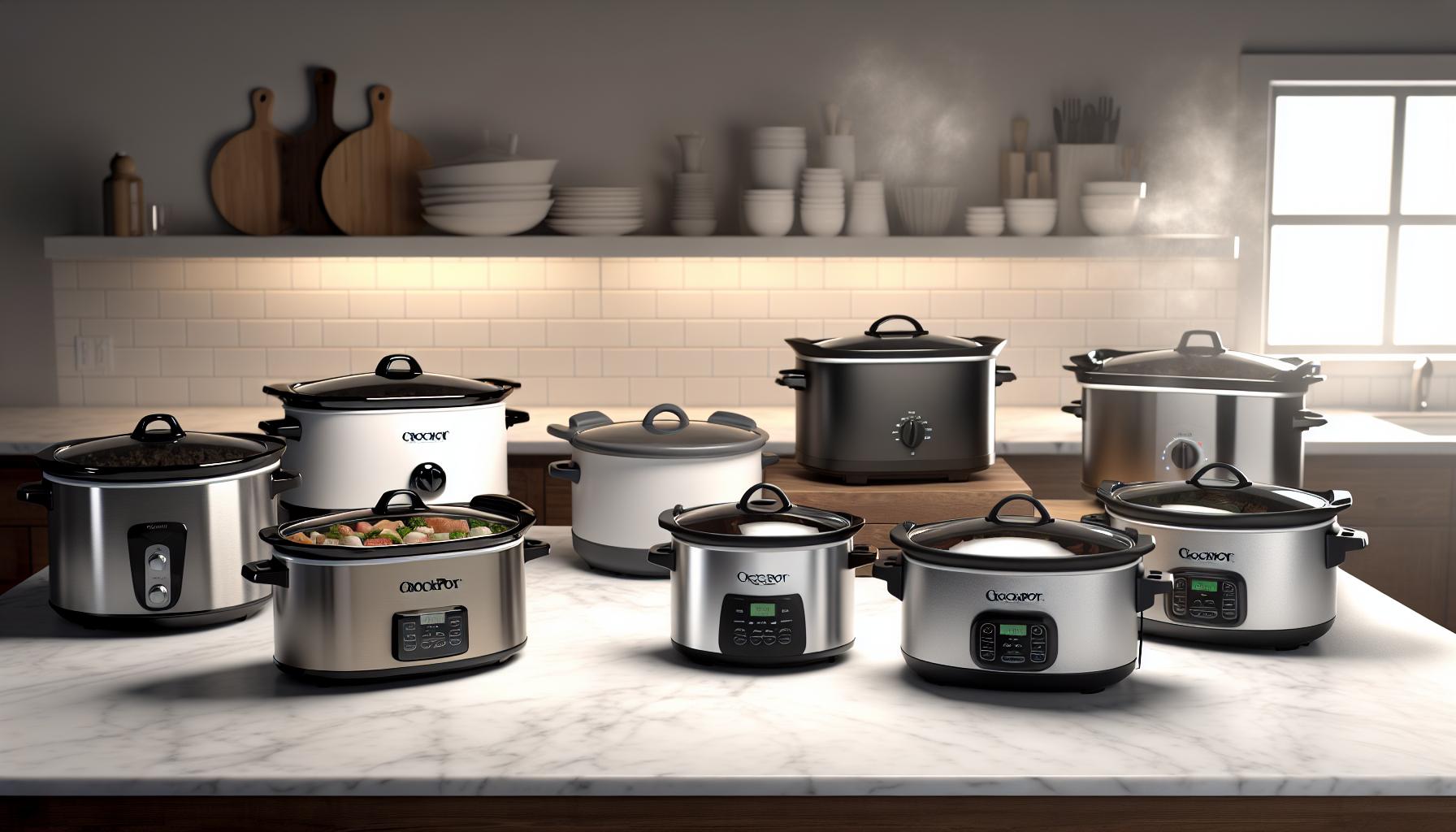
Popular Crockpot Models Compared to Other Brands
Finding the right slow cooker can feel a bit like a treasure hunt-especially when the terms ”Crockpot” and “slow cooker” dance around as if they’re separate creatures. Spoiler alert: a Crockpot is a brand synonymous with slow cookers, but it often outshines many others, thanks to its signature ceramic insert and time-tested design. If you’re wondering whether to stick with the classic Crockpot or venture into the wilds of other brands, here’s a friendly breakdown from my own kitchen adventures.
Many home cooks,especially those juggling paleo or gluten-free diets,tend to swear by Crockpot models like the classic 6-quart manual slow cooker or the programmable 7-quart versions. Their ceramic inserts heat gently and evenly-crucial when you want your collagen-rich stews to be tender without turning vegetables into mush. By contrast, some generic slow cookers rely on metal inserts which can heat unevenly, drying out delicate recipes or causing hot spots. In my experience,the Crockpot’s snug ceramic lid locks in moisture beautifully,so you’ll notice soups,bone broths,and paleo-friendly meats coming out juicier and more flavorful even if you accidentally add a little less liquid.
comparing Features That Matter In Real Kitchens
- Size versatility: Crockpot offers a variety of sizes from mini 2-quart options (perfect for singles or side dishes) to large 8-quart models that feed a hungry family or batch cook easily. Other brands sometimes offer specialty sizes but may sacrifice some consistency in cooking performance.
- Control simplicity vs.programmability: If you tend to crave a “set it and forget it” approach, Crockpot’s basic plug-and-turn dial is your best friend-minimal fuss with reliable results.Meanwhile, other brands like Instant Pot or Hamilton Beach have embraced digital timers and multiple cooking modes including sauté and delay start, but these can add complexity that isn’t always necessary for slow cooking comfort.
- Durability and cleanup: The ceramic stoneware insert in most Crockpots is dishwasher safe and resistant to chipping,which earns big points if you’re looking for long-term value. Some alternate slow cookers use metal pots coated with non-stick surfaces that can scratch easily,affecting both flavor and clean-up ease after months of use.
Putting It All Together: Which Model Fits Your Lifestyle?
If your slow cooking prefers a more hands-off, straightforward routine-think weekday dinners or Sunday meal prep where you want consistent results without babysitting-the Crockpot’s proven reliability can’t be beat. Its performance shines especially in recipes that ask for slow, even cooking such as gluten-free chilis, paleo roasts, or layered vegetables where moisture retention is everything.
On the flip side, if you love experimenting with multi-function cooking gadgets and want to press a few buttons to switch modes, brands like Instant Pot might scratch that itch better. But beware: the slow cooker function on multi-cookers often doesn’t replicate the true crockpot effect of gentle,steady heat,sometimes leading to slightly overcooked meals if you’re not careful.
| Model | Key Feature | Best For | Potential Drawback |
|---|---|---|---|
| Crockpot Classic 6-Quart | Ceramic insert, simple dial controls | Great for families and paleo/gluten-free meals | Manual controls only, no programmable options |
| Crockpot Programmable 7-Quart | Digital timer, warming setting | Busy cooks who want timed cooking then auto warm | Higher price point |
| Instant Pot Duo | Multi-function: pressure cook, slow cook, sauté | Experimental cooks who want one appliance to rule them all | Slow cooker setting less gentle, can require monitoring |
| hamilton Beach Slow Cooker | Affordable, simple controls | Casual use, budget-conscious kitchens | Metal inserts can cause uneven heat spots |
At the end of a busy day, choosing the right slow cooker isn’t just about specs-it’s about what fits your kitchen rhythm and taste preferences. Choosing a Crockpot often means investing in that steady, even heat and a ceramic embrace that’s truly a hug for your food. Other brands have their place, but when it comes to slow cooking perfected over decades, the Crockpot’s blend of simplicity, durability, and moisture mastery remains a home cook favorite. So whether you’re simmering a spicy paleo chili or crafting a gluten-free veggie stew, your Crockpot just might be the slow cooker soulmate you didn’t know you needed!
When to Choose a Crockpot Over a Traditional Slow Cooker
Choosing a Crockpot over a generic slow cooker frequently enough comes down to trust-and a bit of kitchen magic that you might not notice until you’ve witnessed it firsthand. The Crockpot’s ceramic stoneware insert heats gently and evenly, making it a quiet champion for delicate dishes where texture and moisture mean everything, such as a paleo-friendly pot roast or a rich, gluten-free vegetable stew. If you’ve ever battled uneven cooking from spotty heating elements or dried-out meals from metal inserts, the consistent warmth of a Crockpot feels like a sigh of relief.It’s less about gadgets and more about simple, dependable cooking performance that fits smoothly into your busy life.
Many slow cookers come loaded with features-digital timers, multiple cooking modes, sauté functions-that might seem irresistible to gadget lovers. However, if your kitchen ideology leans towards the “set it and forget it” school of thought, the classic Crockpot excels thanks to its straightforward dial controls and foolproof mechanics. This simplicity lets you focus less on babysitting your dinner and more on daydreaming about all the sauces and soups you’ll enjoy later. Plus, the snug-fitting ceramic lid traps moisture beautifully, so even if you accidentally skip a cup of broth or two, your dish comes out juicy, tender, and full of flavor. It’s the kind of reliable magic that makes meal prep on hectic days a total breeze.
When Precision and Patience Matter Most
- Cooking paleo or gluten-free meals: The Crockpot’s gentle heat is perfect for tenderizing tougher cuts of meat or simmering nutrient-dense bone broths without turning veggies into mush.
- Busy weekday dinners or meal prep: If your go-to meals require long, slow cooks with minimal fuss, the Crockpot saves you time thanks to its solid, no-fuss design.
- Families and batch cooking: larger Crockpot sizes offer generous portions where everyone leaves the table satisfied, or where you have leftovers that reheat beautifully without losing texture or flavor.
My own go-to routine includes tossing a handful of paleo-friendly bones, carrots, and herbs into the Crockpot early in the morning before work. By evening, I’m greeted with a fragrant broth that could only come from patient, consistent slow heat-not the rushed, hot-toast approach some multi-cookers deliver. This “low and slow” mantra also means less risk of overcooking delicate dishes versus some modern slow cooker settings, which can default to higher temperatures at surprise times. There’s comfort knowing your Crockpot works with you, not against you.
| Scenario | Why a Crockpot Wins | Helpful Tip |
|---|---|---|
| Preparing collagen-rich stews | Even heat from ceramic insert locks in moisture and tenderness | Use the “Low” setting for 6-8 hours for best results |
| Cooking for a gluten-free diet | gentle cooking protects delicate veggies and gluten-free grains from turning into mush | Layer ingredients, placing harder veggies at the bottom |
| Busy schedules with minimal kitchen time | Simple controls let you set it and forget it without worrying about digital glitches | Choose a programmable Crockpot if you want auto-warm for ready-to-serve meals |
Choosing a Crockpot feels like making a cozy, reliable friend a permanent part of your kitchen tribe-someone who understands the joy of effortlessly delicious, nourishing meals without the fuss. It’s ideal for those who want more than just heat; they want consistency, moisture mastery, and a touch of slow-cooked love that turns everyday ingredients into comfort food royalty. Whether you’re experimenting with new paleo recipes or simply craving that perfect stew texture, the Crockpot knows how to bring out the best flavors while you go about your day, stress-free and kitchen-happy.
How to Get the Best Cooking Results with Your Crockpot
There’s something quietly magical about the way a Crockpot gently transforms humble ingredients into tender, flavor-packed meals with almost no fuss.Getting the best out of your Crockpot starts with understanding its slow and steady nature-it’s not about rushing but about setting things up right and letting time do its delicious work. Whether you’re making a paleo-friendly beef stew or a gluten-free vegetable medley, a few simple tips can elevate your slow-cooked dishes from “nice” to ”wow, what’s your secret?”
One golden rule: don’t lift the lid too often! Every peek steals heat and moisture, which slows cooking and can dry out your dish. Rather, trust the Crockpot’s snug ceramic lid to trap steam and circulate it evenly. If you’re simmering something long like a bone broth or collagen-rich stew, start with your hardest ingredients-think carrots, potatoes, or thick cuts of meat-at the bottom, where the heat is strongest.Layer more delicate veggies or quick-cooking grains on top to avoid overcooking. this layering tactic works wonders for keeping textures intact and flavors balanced.
Keeping It Simple – But Smart
Your Crockpot’s low and high settings are straightforward, but knowing when to use each can make a big difference. For example, collagen-rich dishes benefit hugely from a long, gentle simmer on the “Low” setting (think 6-8 hours) to unlock that melt-in-your-mouth tenderness. Busy schedule? Don’t shy away from a programmable crockpot model that offers an auto-warm function. This keeps your meal at a safe, cozy temperature until you’re ready to eat-a lifesaver for those unpredictable evenings. And if your recipe calls for a little sauté or browning before slow cooking, feel free to use your stovetop or a multi-cooker’s sauté feature, but keep in mind that Crockpots themselves don’t usually have this function.
Here’s a quick roadmap for a weekday paleo stew, ready in about 7 hours of hands-off time:
- Ingredients: Grass-fed beef chuck, sweet potatoes, celery, bone broth, fresh herbs
- Prep: chop veggies, season meat, layer bottom to top (hard to soft)
- Cook: Set on Low for 6-7 hours, no lid lifting!
- Finishing touch: Stir in fresh herbs or a dash of lemon juice for brightness
Substitutions and shortcuts are totally welcomed and won’t sabotage your dish-swap in butternut squash for sweet potatoes or skip browning the meat if time’s tight. The magic of the crockpot will still shine through.
| Tip | Why It Works | Example |
|---|---|---|
| Don’t lift the lid during cooking | Prevents heat and moisture loss | Leaving a pot roast untouched for 8 hours keeps it juicier |
| Layer ingredients by cooking time | Ensures even cooking and texture preservation | Root veggies bottom, leafy greens top |
| Use Low setting for longer cook times | Tenderizes tough cuts gently | 6-8 hour collagen-rich stews |
| Try auto-warm feature for dinner timing | Keeps food safe and warm if you’re running late | Programmable Crockpot models |
Ultimately, your Crockpot is your patient kitchen companion. Feed it quality ingredients, give it time, and watch as it quietly perfects your meals while you focus on living your busy life. Cooking slow doesn’t mean complicated – it means more freedom to savor every bite and every moment.
Crockpot Recipes That Show its Unique Strengths
Few kitchen tools invite as much laid-back magic as the Crockpot, especially when it comes to meals that develop rich flavors over hours without constant babysitting. What really makes the Crockpot shine is how it excels in turning simple, wholesome ingredients-think paleo-friendly meats and gluten-free veggies-into sumptuous dishes with minimal fuss. It’s perfect for cooks who want hearty comfort without complicated steps or a pile of fancy gadgets cluttering the countertop.
A classic example is a slow-simmered beef stew that starts the day looking like a humble mix of meat and root veggies, only to transform into a tender, melt-in-your-mouth dinner by evening. The Crockpot’s even heat and ceramic pot do a fantastic job of gently unlocking collagen and blending flavors, making tough cuts like chuck roast downright luscious. Here’s a quick recipe idea to try:
- Diet: Paleo, gluten-free
- Prep time: 15 minutes
- Cook time: 7 hours (low setting)
- Difficulty: Easy-perfect for beginners
Ingredients: Grass-fed beef chuck, sweet potatoes (or butternut squash), celery, bone broth, fresh rosemary and thyme, salt, pepper.
Steps:
- Chop veggies; season meat well.
- Layer vegetables first (root veggies on the bottom) and meat on top to keep textures balanced.
- Pour in bone broth to just cover; no need to stir.
- Cook on low for 6-7 hours, then sprinkle fresh herbs and season to taste.
- Optional shortcut: Brown meat first for an extra flavor kick, or skip if in a time crunch.
Breakfast & Beyond: Versatility in Action
The Crockpot’s slow and steady heat isn’t just for dinners. It amazingly doubles as a breakfast hero with recipes like overnight steel-cut oats or a frittata loaded with veggies and spices. Just prep the night before, set it on low, and wake up to a steaming, ready-to-eat breakfast-no early morning rush required. want gluten-free? Swap oats for quinoa flakes or buckwheat groats for a hearty twist that keeps things grain-free and paleo-friendly.
When it comes to hearty soups and stews, the Crockpot’s big personality allows ingredients to mingle gently without the risk of overcooking delicate items. As an example, in a vegetable-packed chili or bone broth-based chicken soup, you can add beans or quick-cooking greens toward the end to maintain texture, which is a bit trickier with other slow cookers that overheat or cook unevenly.This makes the Crockpot a clear winner for cooks who like a mix of textures and want simplicity without sacrificing zest.
Special Touch for Effortless Entertaining
There’s nothing like pulling together a crowd-pleasing meal with almost zero fuss. The Crockpot easily handles crowd-size portions-think pulled pork with paleo-friendly spice rubs or a layered casserole with veggies and lean protein. And thanks to its generous capacity and keep-warm function, it’s ideal for those unpredictable dinner times with family or friends. Serve straight from the pot, and you’ve got a meal that looks extraordinary but only asked for a little morning prep.
here’s a quick-reference table highlighting some crowd-pleaser Crockpot recipes that showcase its strengths:
| Meal Type | Recipe Idea | Dietary notes | Key Crockpot Strength |
|---|---|---|---|
| Dinner | Collagen-rich Beef Stew | Paleo, gluten-free | Long, gentle simmer tenderizes tough cuts |
| Breakfast | Steel-Cut Oats with Fresh Berries | Gluten-free (swap grains for paleo) | Hands-off overnight cooking |
| Soup/Stew | chicken & Vegetable Bone Broth Soup | Gluten-free, paleo | Even cooking preserves texture and nutrients |
| Entertaining | Slow-Cooked Pulled Pork | Paleo friendly | Large batches and auto-warm keep guests happy |
The bottom line? Your Crockpot isn’t just a slow cooker-it’s a gentle flavor builder, a time-saver, and a reassuring friend in the kitchen who quietly makes it easier to eat well, no matter how packed life gets. Embrace its patient style, don’t fret the small stuff, and experiment with your favorite ingredients. You’ll soon realize that easy, nourishing meals don’t have to be complicated-they just need the right pot and a little faith in the magic of slow cooking.
common Myths About Crockpots and Slow Cookers Debunked
If you’ve ever scratched your head wondering whether a Crockpot is the same as a slow cooker or secretly some magical hybrid, you’re not alone. There’s a surprising number of myths swirling around these humble kitchen heroes, and clearing them up can save both kitchen frustration and wasted ingredients. Let’s set the record straight and help you feel confident the next time you fire up your slow cooking device-because yes, your Crockpot is a type of slow cooker, but there’s a little more to the story.
One common misconception is that crockpots and slow cookers are wildly different gadgets. In reality, a Crockpot is actually a brand name that became so popular it’s frequently enough used interchangeably for any slow cooker. think of it like “Kleenex” for tissues or “band-Aid” for bandages. Crockpots typically feature a ceramic or stoneware pot nestled inside a heating unit, and their heating method and material provide that gentle, even warmth that earns them a place in so many recipes. Other slow cookers might have different shapes, sizes, or technology but follow the same basic slow-and-low principle that turns tough cuts of meat tender and flavors melded. So, any device cooking low and slow is part of the same family, with crockpots as a beloved member.
You might also hear that slow cookers are slow because they’re not very powerful or somehow inferior compared to ovens or pressure cookers. Not true! The secret sauce is low, steady heat that coax flavor and tenderness without stressing ingredients or requiring constant attention. This makes slow cookers (including Crockpots) brilliant for paleo and gluten-free cooks who prize wholesome, nutrient-rich meals with minimal effort. Plus, forget the myth that you must brown meat first or that slow cooking ruins texture-I’ve skipped browning on busy mornings, and my chicken bone broth soup still came out silky and rich, while adding delicate greens late in the cycle preserved their fresh bite perfectly.
Practical Tips to embrace and Bust More myths
- Myth: Slow cookers are only for dinner. Nope! Try overnight steel-cut oats or a morning frittata that cooks while you sleep-easy, wholesome breakfasts that taste far from boring.
- Myth: Crockpots can’t do anything fancy or healthy. Not true. From collagen-rich stews to vibrant veggie-packed chili, they shine brightest when you want simple but nourishing meals. And with paleo-friendly swaps like rutabaga or cauliflower, you’re all set.
- Myth: You can’t skip stirring. One of the joys of Crockpots is they demand so little fuss, including stirring. Layer flavors,set the timer,and let the slow heat do the work.
- Myth: Crockpot meals are bland or mushy. Far from it! The key is timing your ingredients-add quick-cooking veggies near the end to keep texture and pop.
Above all, remember that slow cooking is a flexible friend, not a strict taskmaster. Swap ingredients, test shortcuts, and own your unique kitchen style; your Crockpot will adapt just fine. If you ever worry you’ve overcooked something? It happens to the best of us (including this home cook), but there are usually easy fixes like thickening stews with pureed veggies or brightening flavors with fresh herbs added last minute.
Unlocking the Crockpot’s (and slow cookers’) quiet magic means embracing these tools as your go-to teammates in the kitchen-a cozy way to celebrate good food without complexity or stress. So go ahead,break those myths,and make slow cooking your secret weapon for meals that satisfy body and soul.
| Myth | Reality |
|---|---|
| crockpot is different from a slow cooker | Crockpot is a popular brand of slow cooker; all slow cookers use slow, even heat |
| slow cookers only cook dinner meals | They’re perfect for breakfast, soups, desserts, and more |
| meat must be browned first to get good flavor | Optional step; skipping still yields tasty and tender results |
| Slow cooked meals are always mushy | Proper timing of ingredient addition preserves texture and flavor |

Essential Tips for Maintaining and Cleaning Your Crockpot
You might be surprised how a little TLC can keep your Crockpot-or any slow cooker-running smoothly and ready to deliver those perfectly tender, flavorful meals. Maintenance and cleaning aren’t just chores; think of them as small rituals that preserve your kitchen sidekick’s magic.Plus, a well-cared-for slow cooker stays safe, efficient, and less prone to stray flavors from last week’s stew sneaking into your next batch of paleo chili.
The ceramic or stoneware insert is frequently enough the star performer but also the most delicate part. After each use, let it cool down naturally; sudden temperature changes can cause cracking. For cleanup, I swear by soaking the crock in warm, soapy water right after dinner.This simple step softens stubborn food residue without scrubbing away your sanity. If you’re dealing with baked-on bits, a sprinkle of baking soda sprinkled on a damp sponge works wonders-a gentle, food-safe abrasive that respects your stoneware’s surface. Bonus tip: Avoid harsh scouring pads or metal utensils on the insert to keep that smooth finish intact,which is especially helpful when you want a quick,easy release next time you cook.
Keeping the Heating Base Happy
The heating element deserves some love too but is a hands-off zone when it comes to water. Wipe down the heating base with a damp cloth and mild detergent, making sure it’s unplugged and dry before the next use. If spills happen (hey, I’ve been there during a busy dinner hustle), immediately unplug and clean to prevent any electrical hiccups. Never submerge the heating base-think of it like the heart of your Crockpot; it runs quietly but needs gentle care. If you notice any cracks in power cords or the plug, it’s time for a replacement-kitchen safety first, always.
Tips to Extend your Crockpot’s Lifespan
- Use liner bags for an ultra-easy cleanup option-especially when cooking sticky or fatty dishes. They’re paleo-friendly and don’t add waste as you can compost some brands.
- Don’t overfill your slow cooker; leave some space to allow heat circulation, typically about 2/3 full for best results.
- Store the ceramic insert separately from the heating base if you’re not using it often to avoid accidental cracks or chips.
- Avoid thermal shock: Don’t rinse the hot ceramic insert immediately with cold water, which can cause damage.
- Regularly check gasket seals if your model has a lid gasket-replace if worn to maintain moisture pacing inside dishes.
and if you ever feel like your crockpot is holding onto stubborn odors from last month’s curry experiment, a quick de-odorizing session helps: fill the insert with a mix of water, white vinegar, and a bit of lemon juice, then run on high for about an hour while unplugged.Rinse and dry thoroughly, and it’ll be ready for your next gluten-free feast.Taking a few simple steps can transform cleanup from a dreaded task into an easy routine, freeing you up to experiment with new slow cooker recipes and enjoy every delicious, fuss-free meal you create.After all, your Crockpot isn’t just a kitchen appliance-it’s a trusted partner in your culinary adventures.
Faq
Q: Can a crockpot be used for recipes other than slow cooking?
A: Yes, a crockpot is versatile and can be used for steaming, sautéing, and even baking certain dishes. Experiment with recipes like slow cooker bread or steamed vegetables to unlock its full potential.for more tips, check the section on How to Get the best Cooking Results with Your Crockpot for practical ideas.Q: Why do some people prefer Crockpot brand slow cookers over others?
A: Many prefer Crockpot brand slow cookers for their reliable temperature control and user-friendly features. the consistent heat and convenient settings make Crockpots a favorite for home cooks seeking steady, no-fuss cooking. See Popular Crockpot Models Compared to Other Brands for detailed comparisons.
Q: what safety tips should I follow when using a Crockpot or slow cooker?
A: Always ensure your slow cooker/crockpot is on a flat, heat-resistant surface, avoid overfilling, and keep the lid closed during cooking to maintain safe temperatures. Regularly inspect the cord and plug for damage. For more cleaning and maintenance advice, visit the Essential Tips for Maintaining and Cleaning Your Crockpot section.
Q: How does the cooking time in a Crockpot differ from other slow cookers?
A: Cooking times can slightly differ due to temperature settings; Crockpots typically offer steady low and high heat, but variations depend on wattage and model. Always refer to your manual and check the Key Differences Between Crockpots and Slow Cookers to fine-tune cooking times for perfect results.
Q: Can you convert traditional slow cooker recipes to a Crockpot easily?
A: Yes, most slow cooker recipes convert easily to a Crockpot since the cooking method is similar.Start by matching temperature settings (low, high) and adjusting times slightly based on your Crockpot model. experiment with the recipes in the Crockpot Recipes That Show Its Unique Strengths to build confidence.
Q: When is it better to choose a non-Crockpot slow cooker instead?
A: Consider other slow cookers when you need specialized features like programmable timers, digital controls, or multi-cooking capabilities. These extras can add precision but might not be necessary for everyday crockpot classics. Review When to Choose a Crockpot over a Traditional slow Cooker for guidance.
Q: What common troubleshooting tips help when a Crockpot or slow cooker isn’t heating properly?
A: If heating is inconsistent, ensure the unit is plugged in properly, the removable stoneware sits evenly, and that the lid seals well. Also, try resetting or testing another outlet. For more detailed fixes,see How Do Crockpots and Slow Cookers Work? and maintenance advice.
Q: How can I make crockpot meals healthier without losing flavor?
A: Use lean proteins, fresh vegetables, and low-sodium broths in your crockpot recipes. Adding spices and herbs can boost flavor without extra salt or fat. For recipe inspiration that balances health and comfort, explore our Crockpot Recipes That Show Its Unique Strengths section.
Feel free to explore these FAQs alongside our comprehensive guide on What Is a Crockpot? A Slow Cooker Explained to deepen your understanding and enjoy every delicious meal made easy!
The Way Forward
Whether you call it a Crockpot or a slow cooker, knowing how to harness this handy kitchen tool can transform your meal prep-especially for busy days or special dietary needs like gluten-free or paleo. Ready to dive deeper? Check out our easy gluten-free Crockpot recipes or explore meal prep tips for slow cookers that make weeknight dinners a breeze. Need help picking the perfect slow cooker? Our top-rated slow cooker guide has you covered with trusted advice and pro tips.
Don’t let confusion hold you back-take that first step and start experimenting today. Drop a comment below with your favorite slow cooker questions or recipe wins, and share this post with fellow home cooks who deserve delicious, fuss-free meals. Stay tuned for more practical kitchen hacks and recipes designed to make your cooking joyful and simple. After all, anyone can enjoy cozy, wholesome meals with a little help from a slow cooker or Crockpot-your next tasty adventure is just a click away!
Make SabriNasSinlessSecrets.com a Preferred SourceGet our latest guides, news, and insights highlighted in your Google Search & AI Overviews.
✓ Preferred Source Added
A: Many prefer Crockpot brand slow cookers for their reliable temperature control and user-friendly features. the consistent heat and convenient settings make Crockpots a favorite for home cooks seeking steady, no-fuss cooking. See Popular Crockpot Models Compared to Other Brands for detailed comparisons.
A: Cooking times can slightly differ due to temperature settings; Crockpots typically offer steady low and high heat, but variations depend on wattage and model. Always refer to your manual and check the Key Differences Between Crockpots and Slow Cookers to fine-tune cooking times for perfect results.
A: Yes, most slow cooker recipes convert easily to a Crockpot since the cooking method is similar.Start by matching temperature settings (low, high) and adjusting times slightly based on your Crockpot model. experiment with the recipes in the Crockpot Recipes That Show Its Unique Strengths to build confidence.
Get our latest guides, news, and insights highlighted in your Google Search & AI Overviews.