
Ever wondered what “high” really means on your slow cooker’s dial? It might seem simple, but understanding the actual temperature range behind that setting can make a huge difference in your cooking results-and your kitchen confidence. Whether you’re simmering a gluten-free stew or prepping a paleo-kind roast, knowing how hot “high” gets helps you nail the timing and texture without guesswork or overcooking.
Think of it like this: slow cookers aren’t just about low and slow; the “high” setting is your shortcut to faster,reliable meals without sacrificing flavor. I’ve been ther-busy days when you want hearty comfort food that fits your dietary needs but can’t babysit the stove. grasping the temps behind “high” means you can swap ingredients, tweak recipes, and enjoy effortless, appetizing dinners that feel homemade but require less brainpower. Ready to demystify your slow cooker’s “high” and get those perfect bites every time? Let’s dive in.
Table of Contents
- What Is Considered High Temperature on a Slow Cooker
- how Slow Cooker Settings Affect Cooking Times and Results
- Understanding internal Temperatures for Safe Slow Cooking
- Common Foods That Benefit from High Slow Cooker Heat
- Troubleshooting When Your Slow Cooker Isn’t getting Hot Enough
- Tips to Adjust and Control Slow Cooker Heat Levels
- Comparing Slow Cooker High Settings Across popular Brands
- Impact of High Temperature on Food Texture and Flavor
- How to Know When Your Slow cooker Has Reached High Heat
- Energy Use and Efficiency at High Slow Cooker Temperatures
- FAQ
- Q: How quickly does a slow cooker reach its high temperature setting? A: A slow cooker typically reaches its high temperature (around 300°F or 150°C) within 2 to 3 hours. For best results, allow this time to ensure even cooking, especially for tougher meats. Check your model’s manual for exact timings and visit our section on how slow cooker settings affect cooking times for more tips. Q: Why does my slow cooker’s “high” heat sometimes not cook food faster? A: Slow cookers maintain a steady heat, but their “high” setting mainly speeds up cooking by increasing temperature to about 300°F. If food isn’t cooking faster, it may be due to lid removal or uneven ingredient layering. See troubleshooting slow cooker heat to fix this quickly and safely. Q: Can cooking on high in a slow cooker affect the nutritional value of food?
- Q: Is the high temperature setting on slow cookers safe for all types of recipes?
- Q: How does the ambient room temperature affect a slow cooker’s high heat performance?
- Q: Do all slow cookers reach the same high temperature setting?
- Q: What safety precautions should I take when using the high temperature setting in my slow cooker?
- Q: How can I tell if my slow cooker is truly heating to its high temperature setting?
- Key Takeaways
What Is Considered High Temperature on a Slow Cooker
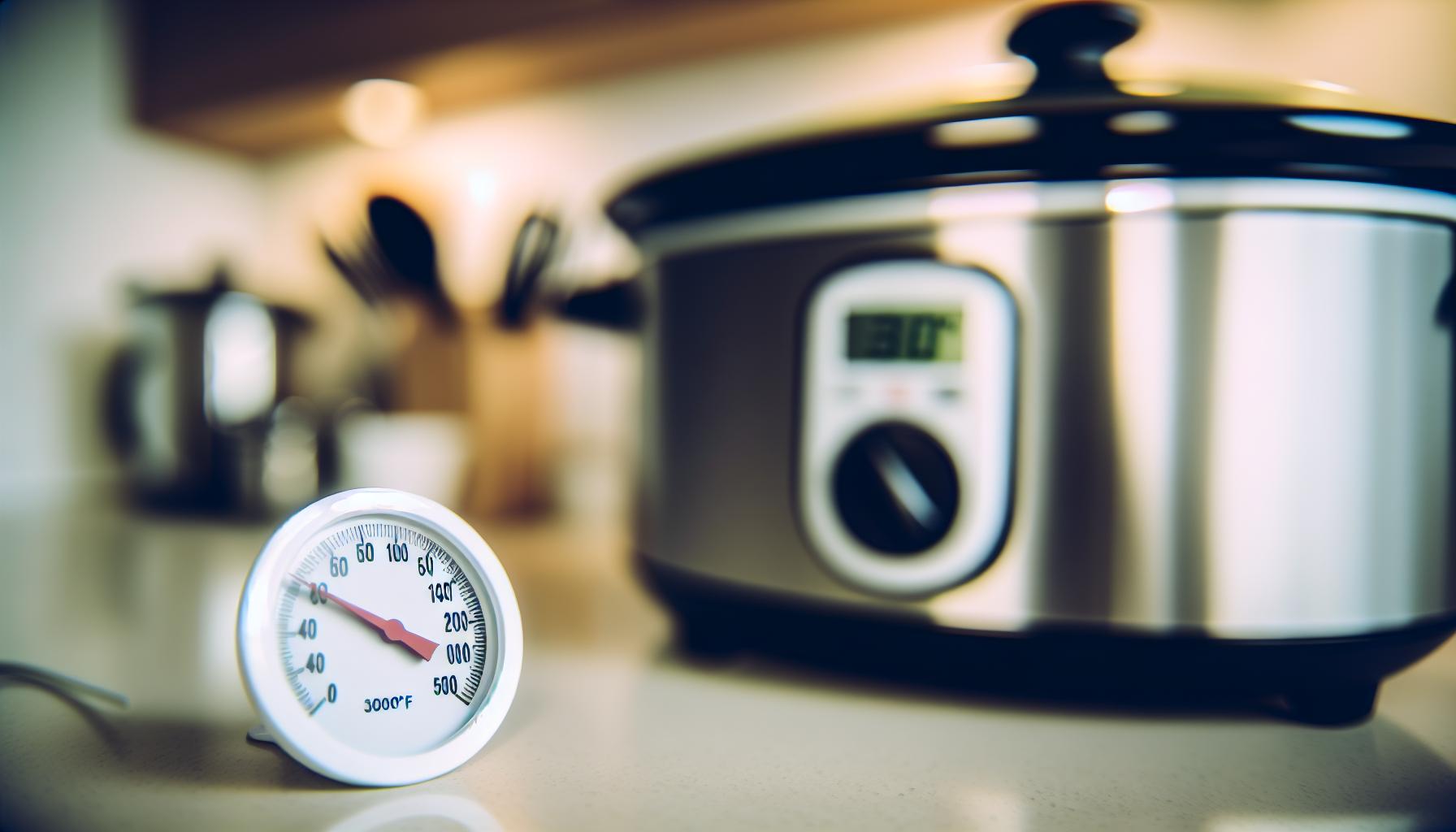
It’s amazing how such a humble kitchen gadget like a slow cooker can work its magic by simply heating food gently over hours. But when we talk about “high temperature” on these trusty appliances, what does that really mean? Unlike your oven, which blasts heat at 350°F or more, slow cookers keep things cozy – yet “high” in this context still packs enough warmth to bring tough cuts of meat to tender perfection or cook hearty beans in no time.
Typically,the high setting on a slow cooker hovers between 280°F and 300°F (about 135°C to 150°C). This range is hot enough to push your meal well above the safe cooking temperature – which is essential for killing bacteria and ensuring your dish is both delicious and safe to eat. But unlike fast stovetop methods, this tempered warmth avoids overcooking the edges while leaving the center underdone, making slow cookers perfect for recipes that need hours of gentle heat.
What That Means in Your Kitchen
if you measure the inside temperature of your slow cooker’s liquid on high, it usually maxes out just under boiling point. This slower climb to doneness means that you’ll get food cooked all the way through without boiling over or scorching the bottom. I’ve found that while my crockpot’s “high” doesn’t boil away sauces,it definitely produces bubbling joy – picture tender stews with flavors melding beautifully over 4-6 hours instead of rushing that perfect moment.
- For Paleo & Gluten-Free cooks: high slow cooker heat reliably softens fibrous veggies and meats without needing added gluten or grains to bulk up meals.
- Busy weeknight heroes: Use “high” for 3-4 hour cook times when you forgot to set it up earlier, still getting great texture and flavor.
- Cooking shortcuts: No shame in starting on high to kick things off hot, then switching to low to finish simmering like a pro chef balancing flavor and time.
So, while your slow cooker’s “high” isn’t exactly the blazing inferno like a grill or oven, it’s the perfect gentle heat zone that turns simple ingredients into soulful, melt-in-your-mouth meals with ease-and without you hovering over the stove.
how Slow Cooker Settings Affect Cooking Times and Results
Slow cookers may seem like simple appliances,but the settings you choose can dramatically change how your meals turn out,not just in texture and flavor,but also in cooking time.While “high” on a slow cooker generally means temperatures around 280°F to 300°F, understanding how that setting stacks up against “low” and “warm” can help you tailor your cooking to suit your schedule, ingredients, and taste preferences-without stressing the process.
When you switch your slow cooker from low to high, you’re effectively accelerating the cooking timeline. For example, a stew that takes 8 hours on low might be done in about 4 hours on high-but it’s not just math; the pace changes how flavors develop and textures emerge.Think of high heat as a focused sprint while low is a relaxed stroll.Faster cooking is great when you’re pressed for time but can sometimes lead to firmer veggies or meat with less time for collagen to break down into silky tenderness. A good workaround I’ve used is to start meals on high to jumpstart cooking, then dial it down to low to let flavors deepen slowly-sort of like giving your dinner both a power boost and a slow simmer.
- Kitchen win for paleo and gluten-free diets: High settings soften fibrous veggies and tougher meats efficiently, so you don’t have to rely on thickening agents or grains for texture.
- weeknight wonders: When you forget to plan ahead, high is your go-to to whip up wholesome meals in just 3-4 hours.
- Delicate balance: Some dishes like seafood or quick-cooking veggies actually benefit from lower heat to avoid falling apart or drying out.
Practical Tips for Timing and textures
If you’ve ever tossed a chicken breast into a high-setting slow cooker for 3 hours only to find it a tad dry, you’ll appreciate that not all proteins respond the same way to heat. Lean meats fare better with gentler, longer cooking, while tough cuts like chuck roast or pork shoulder shine at high heat by melting connective tissues into a luscious tender finish. Also, ingredient density matters-a thick chili on high will heat more evenly than a pot filled with water and delicate greens that could disintegrate quickly.
Here’s a handy little mental map for you:
| Setting | approx. Temp °F (°C) | Ideal Uses | typical Time Range |
|---|---|---|---|
| Low | 190-210°F (88-99°C) | Stews, tougher meats, delicate veggies | 6-10 hours |
| High | 280-300°F (135-150°C) | Quicker cooking of meats, fibrous veggies, beans | 3-5 hours |
| Warm | 140-160°F (60-71°C) | Keeping food hot without overcooking | Indefinite, but best not long-term |
Switching between these settings mid-cook isn’t just safe; it’s smart. It lets you finish dishes perfectly without rushing or drying them out. From my days experimenting with paleo soups and hearty gluten-free chilis, ramping up the heat helped break down fibrous textures fast, while slowing things at the end preserved delicate flavors and moisture.
So, the heat setting you pick isn’t just about cooking faster or slower-it’s also about understanding your ingredients and what final texture or flavor you’re chasing. Embrace your slow cooker’s quirks, mix in some timing tweaks, and you’ll master meals that feel both comforting and effortlessly gourmet.
Understanding internal Temperatures for Safe Slow Cooking
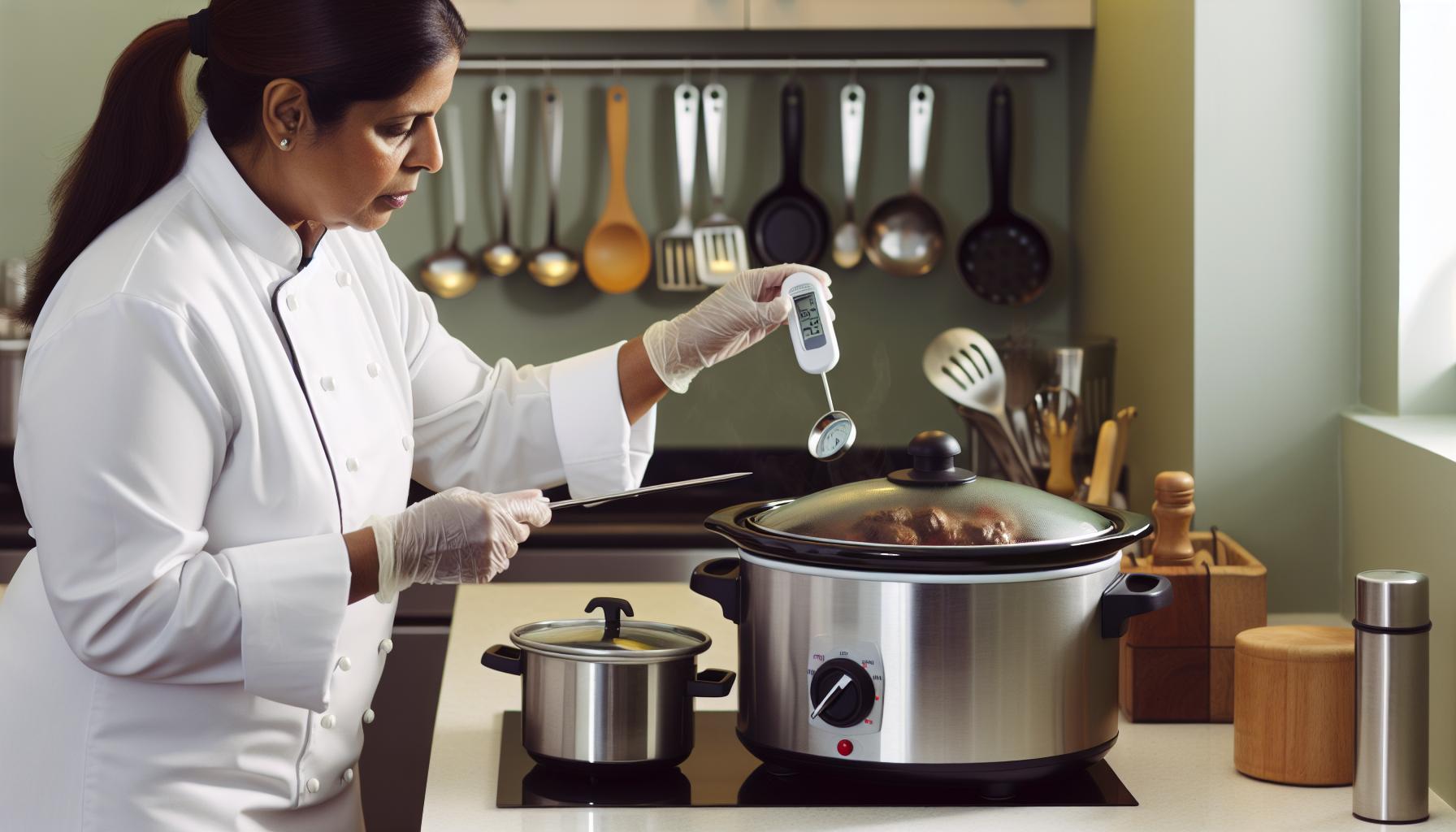
Cooking low and slow is comforting, but safety always cooks alongside flavor in a slow cooker. One of the biggest kitchen “aha!” moments is realizing that no matter how cozy and tempting your stew smells, the magic really happens when your food reaches the right internal temperature-not just the setting on your slow cooker dial. Keeping proteins and other ingredients at safe temps means you avoid those scary bugs (think salmonella or E. coli) while preserving all that delicious tenderness.
Slow cookers on high generally get the contents up to around 280°F to 300°F, which means the food itself usually hits safe zones well before your cooking time’s up. Such as, poultry should reach an internal temp of 165°F (74°C) to be perfectly safe. Beef and pork roasts usually need at least 145°F (63°C), but the beauty of slow cooking is going beyond safety temperatures to break down collagen and create melt-in-your-mouth texture, frequently enough requiring sustained temps around 190-205°F inside the meat.The key is the thermometer-not guessing! A simple instant-read thermometer is your best friend here and can keep you out of food safety trouble while making sure your meal is spot-on.
Real-World Tips from My Slow Cooker Adventures
- Don’t Lift That Lid!: Every time you lift the lid, heat escapes and slows down reaching the target internal temperature. Patience is tough but pays off here!
- Layer Wisely: Dense foods like beans or root veggies heat slower than small cuts of meat or seafood, so place those at the bottom where it’s hotter.
- Use Liquid Wisely: Enough broth or sauce helps conduct heat evenly. Dry casseroles might cook unevenly and take longer to reach safe temps.
For paleo and gluten-free friendly cooks juggling busy schedules,focusing on internal temps can take the worry out of meal prep. High settings speed things up but checking food temp gives you the confidence to serve or to let it simmer a little longer without stressing the meat drying out or veggies turning to mush. Remember, slow cookers trap steam which helps maintain even heat, so internal temps slowly climb until that perfect spot.
| Food Type | Safe Internal Temp °F (°C) | Slow Cooker Tip |
|---|---|---|
| Chicken/ Poultry | 165°F (74°C) | Use high early to quickly pass this temp, then switch to low for tender finish |
| Beef, Pork, Lamb (Roasts, Chops) | 145°F (63°C) | Slow cook long for breaking down collagen, check temp at 4 hours on high |
| Ground Meats | 160°F (71°C) | Break into chunks for even heating, stir occasionally |
| Vegetables (Root, Fibrous) | 190-210°F (88-99°C) Internal (softening goal) | Place at bottom of cooker for steady heat exposure |
Checking internal temperature feels like giving your dinner a quick health check – not just safe but ready to wow your taste buds. So grab that meat thermometer (yes,they’re affordable and life-changing!),trust your slow cooker,and remember: safe temps lead to happy tummies and happier cooks.After all, a meal that’s both safe and scrumptious is the best kind of win in any kitchen.
Common Foods That Benefit from High Slow Cooker Heat
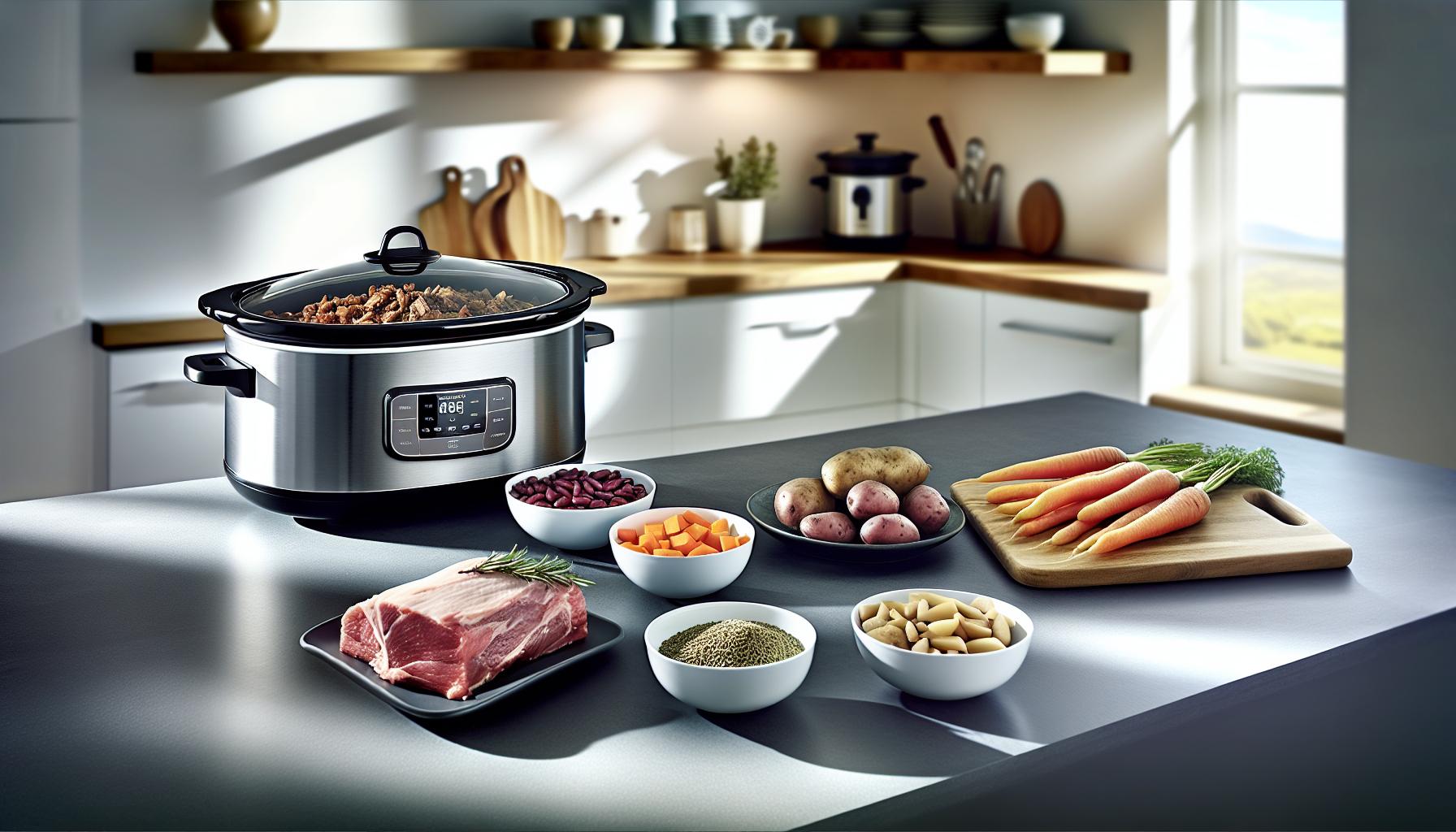
There’s something wonderfully satisfying about letting your slow cooker crank up the heat and do the heavy lifting,especially when certain foods truly shine under its warm embrace. When your slow cooker hits those high temperatures-hovering around 280°F to 300°F-it speeds up cooking times without sacrificing the tenderness or depth of flavor that low and slow methods offer. This setting is a real lifesaver for busy home cooks who want a hearty, comforting meal on the table without staying glued to the kitchen clock.
Proteins like chicken, pork, and tougher cuts of beef are prime candidates for high heat. Chicken thighs or breasts, when started on high, quickly reach that safe 165°F internal temp, sealing in juices and reducing risk, before you can switch to low for a tender finish. I frequently enough use turkey meatballs or shredded pork shoulder on high for the first few hours, then slow them down so the flavors can mingle gently without drying out. For paleo and gluten-free eaters, it means you get that melt-in-your-mouth texture with minimal fuss and no gluten to worry about sneaking in.
Vegetables and Beans That Crave the Heat
Root vegetables and legumes are another category that benefit massively from the boost of high heat. Carrots, potatoes, turnips, and dried beans start off dense and stubborn, requiring that steady burst of warmth to break down their fibrous walls within a practical time frame. Here’s a little kitchen secret: layering matters. Pop these veggies and beans at the bottom of the crock to soak up consistent high heat while more delicate veggies or meats can rest on top. I’ve found that this also helps those paleo-friendly cassoulet-style dishes come together perfectly, with tender beans and flavorful broth marrying effortlessly.
Using high heat while cooking dry beans is a game changer too. It speeds up the softening process without adding the guesswork of long soaking or multiple temperature changes. plus, it’s fantastic for gluten-free chili recipes or hearty stews where every bit of legume tenderness counts. Just keep an eye on the liquid level as these guys absorb moisture-adding broth or water as needed keeps your dish silky rather than sticky.
Seafood and Delicate Proteins – Handle With Care
While most seafood prefers gentler slow cooker settings, some heartier fish like salmon or shellfish in brothy dishes can handle brief high heat to jumpstart cooking, especially when in a sauce or curry. Though, keep portions small and cook times short to avoid turning your fish into a sad, mushy mess. A quick burst on high can gently wake the flavors before a longer, gentler simmer on low finishes the job perfectly.
- Tip: For mixed dishes, start on high for the hearty proteins or tough veggies to get the temp up fast.
- Layer smartly: Denser items on bottom, delicate ingredients near the top or added later in the cook.
- Use enough liquid: Helps regulate heat and prevents scorching-slow cookers love a cozy steam bath.
Diving into your slow cooker’s high setting with these foods means less waiting, more dining, and plenty of time left for whatever else your busy day demands. As someone who’s juggled paleo life, gluten-free meals, and the randomness of a full calendar, I promise you this: harnessing high heat when it counts is a delicious shortcut, not a compromise. So go ahead – set it to high, and trust your cooker to work its magic.Your taste buds (and time management) will thank you!
Troubleshooting When Your Slow Cooker Isn’t getting Hot Enough
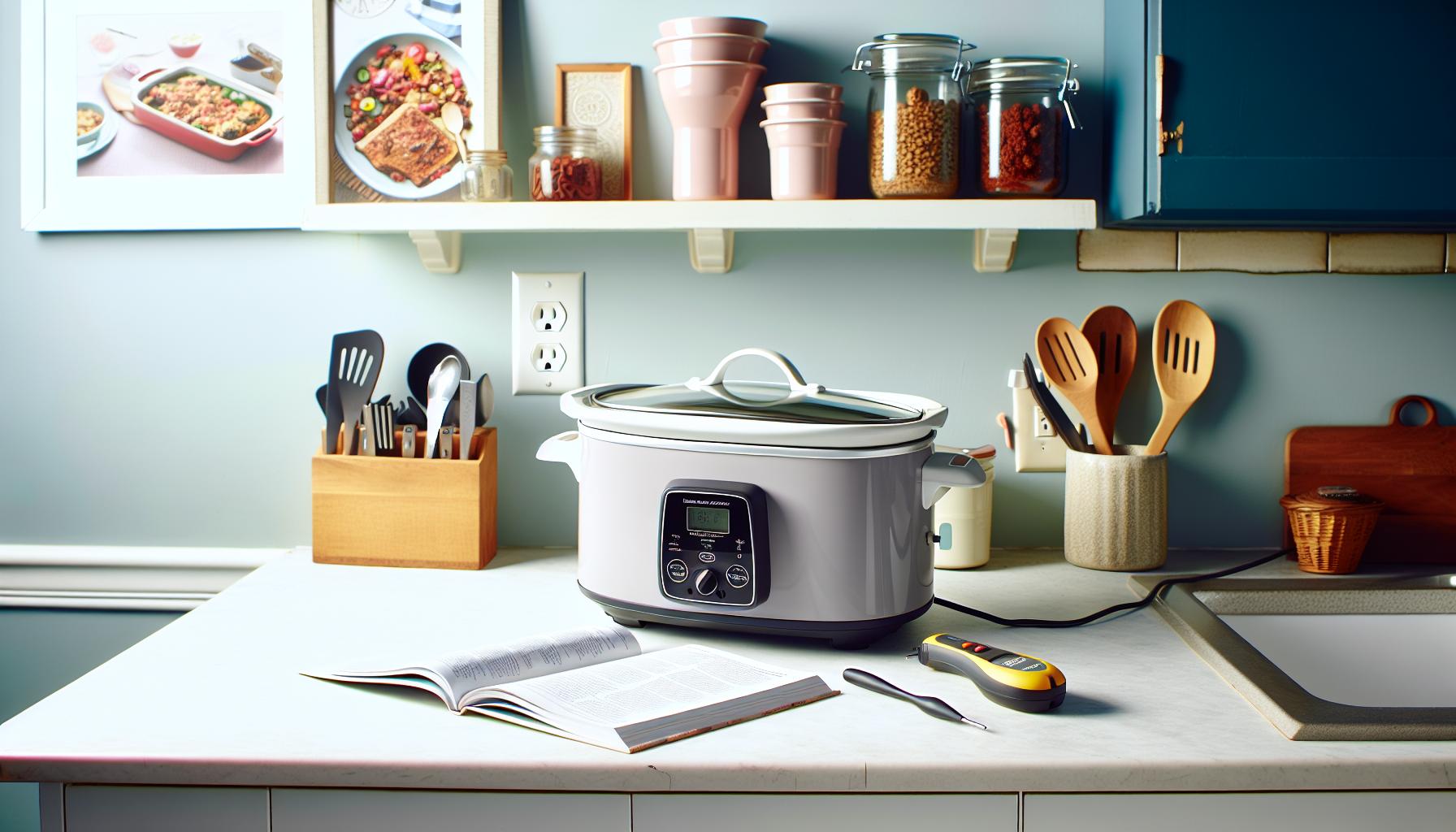
Sometimes, your slow cooker just doesn’t seem to turn up the heat like it should, leaving you staring at a meal that’s taking way longer than expected. It’s frustrating – especially when you’re counting on that “high” setting to push your chicken to a safe 165°F or get those root veggies melting towards perfection by dinner time. But before you resign yourself to a lukewarm stew and emergency takeout, there are a few key things you can troubleshoot to get the warmth back where it belongs.First off, check the simple stuff-yes, the basics count! Make sure you’ve got the slow cooker on a flat, heat-resistant surface that isn’t swaddled with kitchen towels or sitting inside a drafty spot. Uneven placement can mess with the heating element’s ability to do its job. Also, some crockpots have loose or worn seals where the lid sits; that little gap can let precious heat escape, kinda like a sneaky stealth cooler. I once had a slow cooker that just felt “off” and it turned out the lid gasket needed a gentle clean and reseating to do its cozy steam bath magic again.
If your cooker still feels chilly, consider the size and amount of food inside. Slow cookers like to be filled at least halfway, ideally up to about 2/3 full – otherwise, the temperature doesn’t ramp up quickly or evenly.I found this out the hard way when trying to make a small batch of paleo stew. It just took forever to bubble, so I threw in some extra root veggies to bulk it up, and voilà – heat returned to normal and the stew tasted even better from that extra veg sweetness.
Easy Fixes to Heat Things Up
- Test the power: Make sure the slow cooker is plugged in securely and try swapping outlets to rule out loose power sources.
- Check the temperature: Use a digital thermometer to measure the actual heat inside. The high setting should hover around 280°F to 300°F at the inner crock,a good baseline for safe temperatures.
- Layer wisely: Put denser, slower-cooking ingredients like carrots and beans at the bottom where the heat is strongest.
- Enough liquid: Avoid a dry pot – liquid helps conduct heat and keeps your dishes from scorching or cooking unevenly.
If after all this your cooker still feels like it’s slacking off,it could be a hint of something more technical – heating elements can wear out over time,or the thermostat might be slipping. I’ve had one trusty crockpot that needed a replacement part after years of faithful service, but before you toss it, try running a water-only test: fill the pot halfway with water, turn it on high, and occasionally check the temperature over 2-3 hours. This simple kitchen science experiment quickly tells you if that high setting is truly bringing the heat or just playing cool.
Remember, slow cooking is as much about patience as it is about temperature, but if your cooker isn’t doing its part, these tips get you back to tender, cozy meals – whether that’s a gluten-free chili or a pork shoulder that flakes off the bone just right. don’t let a lukewarm slow cooker steal your dinner mojo; small fixes often turn heat headaches into flavorful wins.
Tips to Adjust and Control Slow Cooker Heat Levels
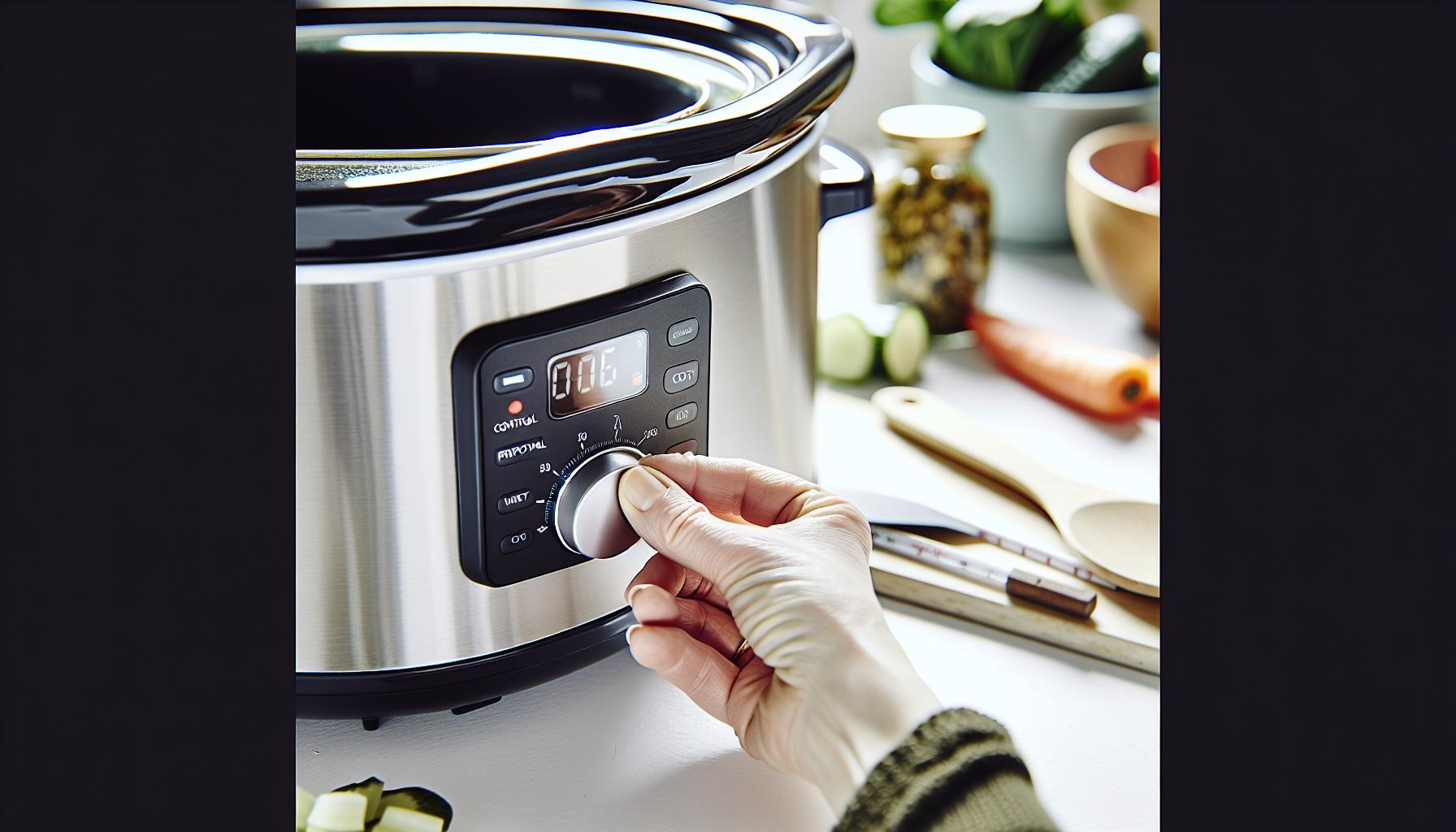
Controlling the heat in your slow cooker is like tending a cozy campfire-you want a steady, gentle warmth that nurtures your food without letting it run away with the flames. Getting this just right can elevate your dishes from “meh” to mouthwatering without constant babysitting. One of the easiest ways to keep your slow cooker churning out that perfect heat is mastering the balance between your ingredients and the device’s settings. For example, I learned the hard way that tossing in just a few chunks of chicken breast on “high” might not push the internal temperature where you want it, especially if the pot is half-empty. Filling the slow cooker to about two-thirds capacity and layering dense veggies at the bottom warms things up faster and steadies the heat all around.
Another golden rule is respecting your slow cooker’s quirks-each brand and model heats a bit differently, and many run hotter or cooler even on the same setting. I always grab a trusty instant-read thermometer during longer cooks to keep tabs on the temperature inside. If the reading on “high” falls short of the 280°F to 300°F range (which is what most slow cookers aim for), it’s time to tinker a bit. Maybe swap to a different outlet, ensure that the lid is snug (no sneaky heat escapes!), or even try a water test-just half-fill the pot with water and monitor temperature over a couple of hours. This little experiment has saved me from ruined meals more than once.
Simple Hacks to Tune Your Slow Cooker’s Temperature
- Use a heat diffuser: Sometimes your stovetop or counter surface transfers too much or not enough heat to the slow cooker’s base.Placing a diffuser pad or even a thick silicone mat under your cooker helps steady heat flow.
- Adjust liquid levels: Liquids are heat conductors, so adding an extra splash of broth or water can definitely help heat circulate evenly, preventing hotspots or dry edges. Just don’t go overboard and water down your stew-go for balance.
- Mind the lid: Avoid lifting your slow cooker lid unless it’s really necessary. Every peek steals steam and lowers the temperature inside, turning your high setting into a slow simmer.
- Layer with intention: Root vegetables and tougher cuts of meat love the bottom of the crock where heat is strongest; quicker-cooking items like leafy greens or fish go closer to the top, so everything finishes in harmony.
When you combine these practical tweaks, you not only regain control over the heat but also nudge your slow cooker towards that sweet spot where flavors burst and textures soften naturally. And if you’ve tried all this and your crockpot still feels lukewarm, don’t fret-sometimes these appliances just age like us, needing a little repair TLC or a replacement. until then, think of your slow cooker as your experimental kitchen buddy: test, tweak, and taste, and soon you’ll be serving up paleo-friendly roasts and rich gluten-free stews with a big smile and zero stress.
Comparing Slow Cooker High Settings Across popular Brands
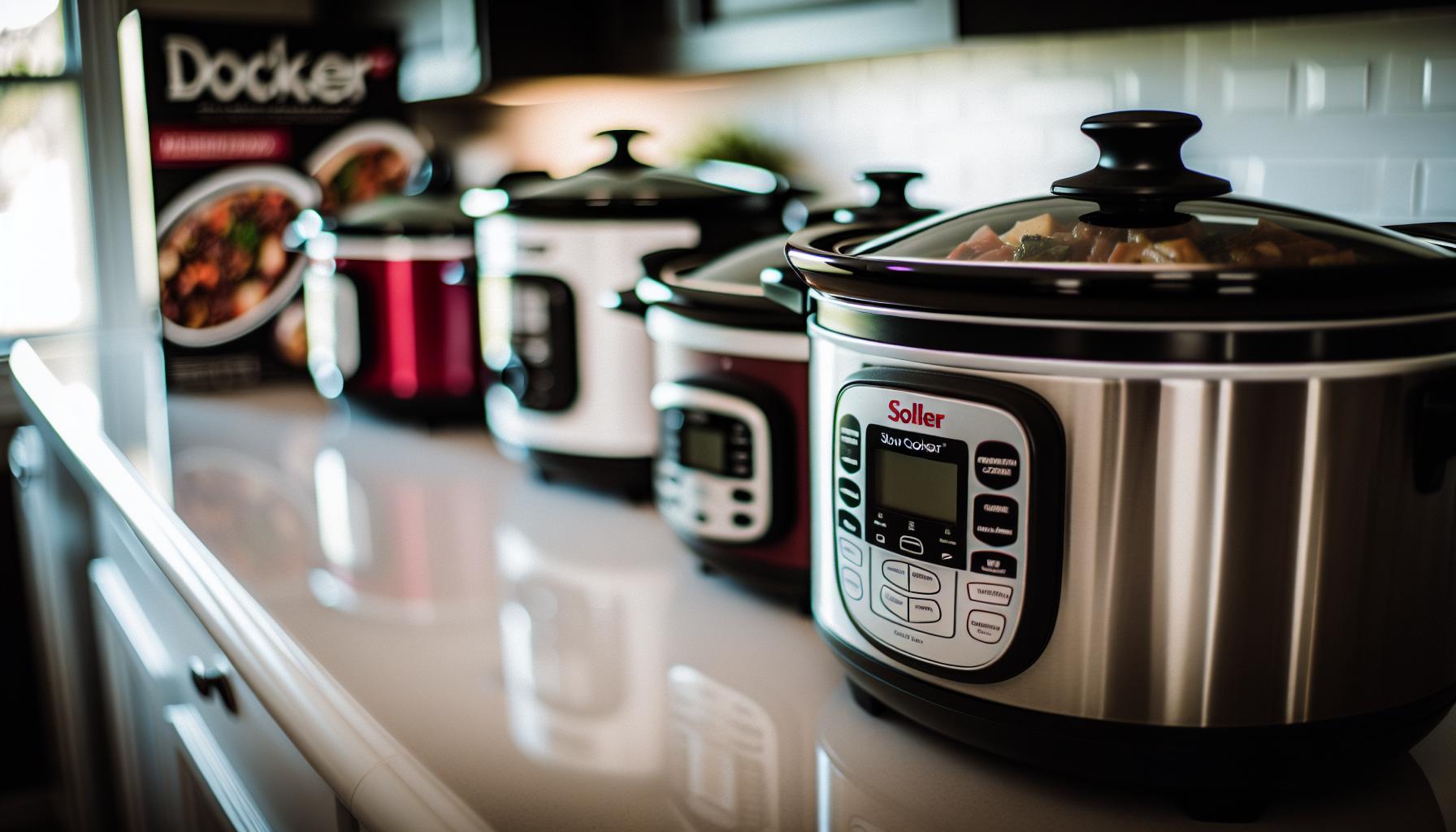
When it comes to slow cooking,not all “high” settings are created equal.The temperature dialed in on your slow cooker can vary substantially across brands,and knowing what each one really means helps you avoid overcooked stews or underdone roasts. For example, some popular brands shoot for the classic 300°F high mark, while others hover a bit lower-around 280°F-trying to balance faster cooking with gentle heat that preserves texture and nutrients. I’ve had slow cookers that hit the 300°F sweet spot like a champ,turning tougher paleo-friendly cuts into tender morsels by dinner time,but others seemed to shy away from that intensity,leaving me waiting just a little longer.The differences usually boil down to heating elements, crock thickness, and even thermostat calibration.Onos and Crock-Pot models, for example, tend to heat a little more aggressively on high, making them speedy workhorses great for last-minute meal saves. on the flip side, brands like Hamilton Beach or Instant Pot’s slow cooker function lean slightly cooler, which is perfect when you want slow and steady flavor development-ideal for complex gluten-free stews where balance is king. If you’re like me, juggling busy weeknights and a tight schedule, knowing which brand aligns with your timing and texture goals can be a game changer.
| Brand | Approx. High Temp Range | Ideal Use Case | Notes |
|---|---|---|---|
| Crock-Pot | 290°F – 300°F | Robust meats, fast stews | Classic, reliable heating; good for busy cooks |
| Hamilton Beach | 275°F – 290°F | Delicate greens, light soups | Gentler heat helps preserve texture |
| Instant Pot (Slow Cooker Mode) | 280°F – 295°F | Versatile, consistent cooking | Multi-use, slightly cooler on high than customary crockpots |
| Breville | 290°F – 305°F | Thick root veggies, dense roasts | Often runs hotter; great for robust dishes |
In my experience, pairing your favorite “high” setting with smart layering and full-to-two-thirds pot fills takes some of the guesswork out. If your slow cooker brand tends to hover under 280°F on high, don’t despair-adjust your cooking time, use thicker cuts, or toss in veggies that love slow heat like sweet potatoes or carrots at the bottom of your crock for heat absorption. A trusty instant-read thermometer becomes your best friend here to make sure those foods aren’t just safe but also hitting that tender, melt-in-your-mouth mark.
Lastly, don’t be shy about experimenting a bit with your appliance’s quirks. Maybe your crock-pot has a hotter high setting, but your Hamilton Beach heats more gently-both can deliver epic dinners, just with slightly different rhythms. Think of these differences like your slow cooker’s personality-and once you get to know it, it becomes less of a guessing game and more of a trusted partner in your food adventures, paleo or gluten-free, simple or special.
Practical Tips for Matching Brand Heat with Your Cooking Style
- Test with water: Half fill your pot with water,set to high,and track max temp over 2 hours to know exactly where your brand falls.
- Adjust timings: If your slow cooker skews lower on high, add 30-60 minutes to recipe cook times for perfect done-ness.
- Layer veggies wisely: Put dense, heat-loving roots at the bottom to maximize heat transfer in cooler models.
- Use a lid snugly: A good seal locks in steam and temperature, crucial when your slow cooker naturally runs on the cooler side.
Embracing quirks and tuning your slow cooker to your personal kitchen beat is the secret sauce to many slow-cooked triumphs.Once you get this down, even the pickiest paleo or gluten-free dishes will have the perfect, tender texture and flavor you crave-no stress, no fuss, just happy plates.
Impact of High Temperature on Food Texture and Flavor
Cooking at higher temperatures in a slow cooker can be a bit like tuning the volume on your favorite song: crank it just enough, and everything comes to life beautifully; push it too far, and you risk losing the magic. The heat level you set doesn’t just influence how fast your meal cooks-it shapes the very texture and flavor of your dishes. When slow cookers hit that high mark of around 290°F to 300°F (or slightly above, depending on your brand), the intense, steady warmth works wonders on tougher cuts, breaking down collagen and connective tissues into luscious, fork-tender bites that melt in your mouth.But beware: too high, too long, and even the most patient cook can end up with dry or mushy results.
One of the neatest things about high-temp slow cooking, especially for paleo and gluten-free fans, is how it layers flavor without the fuss of constant stirring or watching over the pot. Take a hearty paleo beef stew-it thrives on that solid heat to caramelize of sorts, unlocking rich, meaty depths that slow simmering might miss. Contrast that with delicate veggies or fish, where high heat risks turning tender greens to mush or fish to fishy disintegration faster than you can say “dinner’s ready.” So, it’s not just how hot the slow cooker gets, but *when* and *what* you put in it that dictates the outcome.
Balancing Temperature for Optimum Texture
- Robust meats: High heat speeds up tenderizing tough cuts like chuck or brisket, perfect for dishes where you want bold, hearty textures.
- Root veggies: Dense potatoes, carrots, and sweet potatoes soak up this heat without losing their structure-think cozy, not soggy.
- Delicate greens and seafood: Better off with medium or low settings to avoid overcooking and preserving their natural flavors.
From personal kitchen battles, I’ve learned that a bit of patience and a pinch of experimentation go a long way.For example, my Crock-Pot’s higher heat setting got a brisket done in just 4 hours (a game changer on a busy weekday), while my Instant Pot’s slower high setting stretches cooking closer to 6 hours but delivers an almost velvety stew that’s just as satisfying. Tossing sweet potatoes at the bottom, where the heat is more direct, helped rescue cooler brands’ slower rise, letting the whole dish reach that perfect tenderness.
Another little secret: don’t underestimate the power of layering-placing root veggies beneath meats or thicker cuts helps transfer heat slowly, protecting the softer ingredients from drying out while ensuring everything reaches a safe and delicious doneness concurrently. And always keep the lid on snug-losing steam is like letting your dinner’s best flavors escape on a chilly winter breeze.
So yes, cranking your slow cooker to “high” is about more than just speed. It’s a flavorful dance between temperature, timing, and texture that, once mastered, makes paleo-friendly and gluten-free meals not only stress-free but genuinely crave-worthy. Embrace those hot spots in your slow cooker like little flavor accelerators-you’ll find your dishes develop depth and richness that make all the difference, turning simple ingredients into true comfort food gems.
How to Know When Your Slow cooker Has Reached High Heat
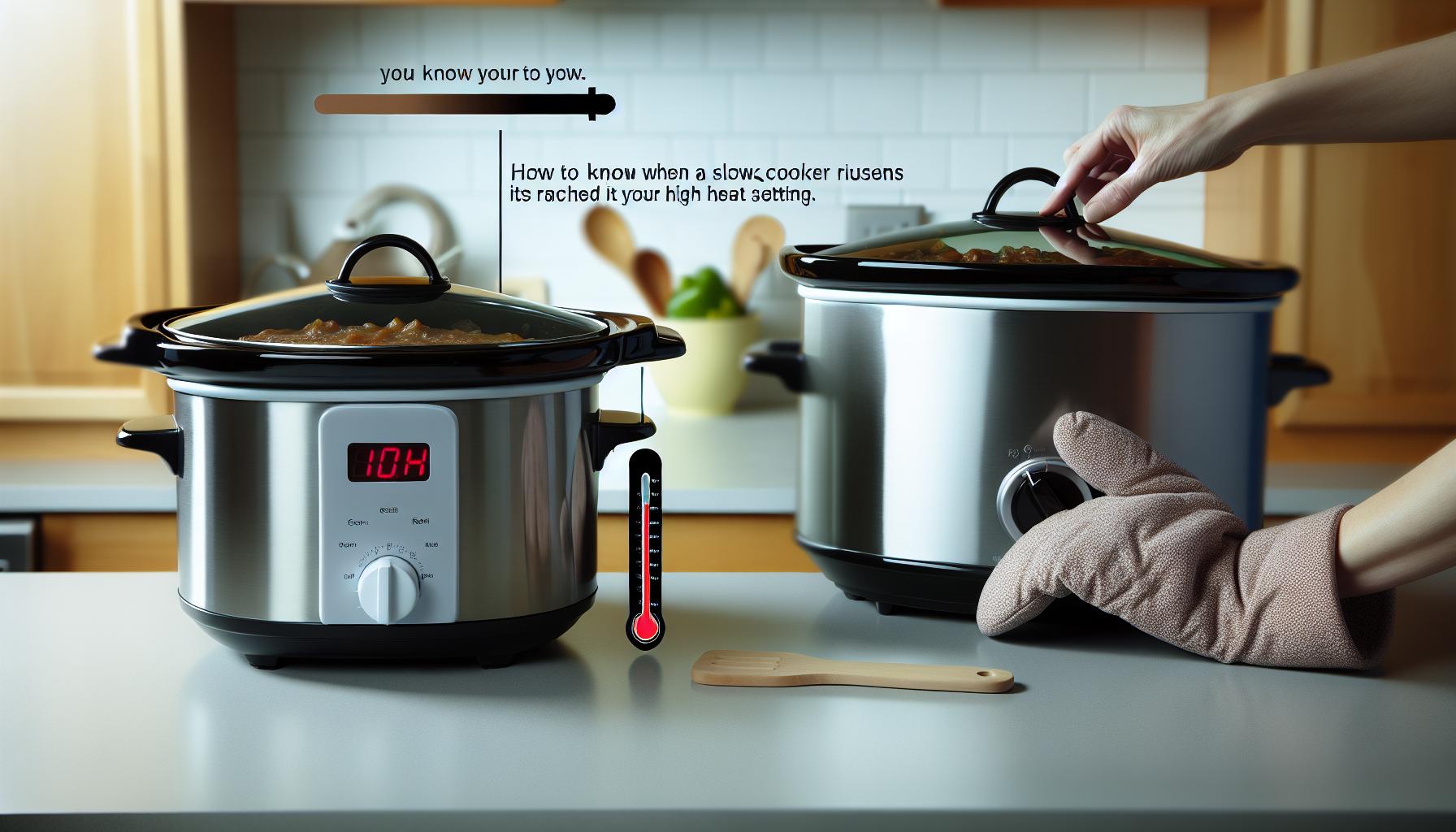
Getting a feel for when your slow cooker hits that perfect high temperature can feel a little like catching lightning in a bottle-you want that steady, even heat without the kitchen feeling like a science lab. Typically, “high” on a slow cooker means the pot’s interior warms up somewhere around 290°F to 300°F (143°C to 149°C), but the best way to really know if you’ve reached that sweet spot is to check both the cooking progress and internal food temperature, not just the dial setting. After all, every slow cooker brand has its own personality; some crank up faster, while others like to take their time.
You’ll definitely notice a difference in how quickly aromas fill your kitchen. When on high, the ingredients start bubbling gently within an hour or so-think cozy simmering rather than a roaring boil. If you’re making a robust beef stew (gluten-free and paleo-friendly, of course), the meat will become tender and fork-ready in about 4 hours, much faster than the 6-8 hours it takes on low. If you want to test it scientifically (I sometimes do this for fun, like a geeky kitchen scientist), grab an instant-read meat thermometer and pop it into the thickest part of your dish; hitting around 190°F (88°C) inside generally means your crockpot is doing its high-heat job right, breaking down those collagen strands into mouth-melting goodness.
Quick Ways to Gauge High Heat in Your slow Cooker
- Visual clues: Look for consistent, gentle bubbling-not vigorous boiling-lifting the lid every 45 minutes or so to peek without losing too much heat.
- Time testing: For paleo stews or roasts, high heat usually has them tender within 3-5 hours; if it takes much longer, your cooker might be heating low or inconsistently.
- Thermometer check: Aim for internal food temps of 190°F for tougher cuts to ensure the slow cooker is “high” enough to do its magic.
- Texture experience: The texture of root veggies and meats tells a story-if they’re tender yet firm without disintegrating, congrats! Your heat setting is spot-on.
Here’s a little pro tip I picked up after many trial-and-error dinners: setting your slow cooker on high and layering root veggies at the bottom ensures heat rises gradually, letting everything reach that luscious, safe temp simultaneously without turning your broccoli into mush. Pair this with a snug lid, and you’re trapping steam and heat like a pro. Bonus: this technique keeps your paleo-friendly dishes vibrant and gluten-free meals full of life and flavor.Whether you’re prepping a quick weekday meal or a cozy weekend feast,knowing exactly when your slow cooker is delivering high heat transforms cooking from guesswork to confidence. It’s like having a warm, dependable kitchen buddy that helps you whip up crave-worthy dishes with minimal fuss-because let’s face it, delicious food should never be elaborate.
Energy Use and Efficiency at High Slow Cooker Temperatures
When your slow cooker is set to high, it’s working harder and faster to get your meal bubbling at that cozy 290°F to 300°F range. This means it’s using more electricity compared to the low setting, but before you grimace at your upcoming energy bill, take a breath-slow cookers are still among the most energy-efficient kitchen appliances around! Think of it this way: your slow cooker uses roughly the same amount of power as a standard light bulb, but it frees you up to do other things while it gently delivers tender, flavorful meals. For those balancing paleo or gluten-free diets, this efficiency also means you can enjoy smart, slow-cooked dishes without worrying about energy waste.
From my own kitchen experiments,I’ve noticed that shorter cook times on high generally result in similar or slightly higher energy consumption than a long slow low-and-slow braise-but the real magic is in the tradeoff. If you’re in a time crunch,cooking a stew on high for 4 hours rather of low for 8 can actually save you energy overall as the slow cooker is on for half the time. Plus, dishes like bone broth or tougher cuts of meat reach safe internal temperatures quicker, cutting down on heat lost through repeated lid lifts or reheating later on. If you want to keep tabs on your energy use, consider a plug-in watt meter-it’s a nifty gadget that shows you in real-time how hungry your slow cooker is for power.
Balancing heat, Time, and Efficiency for Best results
- maximize lid use: Avoid lifting the lid frequently when cooking on high. Every peek drops pot temperature and forces your cooker to work harder, wasting energy.
- Layer thoughtfully: Place dense root veggies at the bottom where heat is most concentrated. This ensures even cooking, so your slow cooker doesn’t have to ramp up unnecessarily.
- Choose the right size cooker: Smaller slow cookers heat faster and use less energy when cooking small batches, while larger units shine when you’re feeding a hungry family or making batches for the freezer.
It’s a bit like roasting a chicken in a convection oven minus all the preheating-slow cookers steadily infuse flavors at these high temps, but on a friendly electric budget. Even if you relish those low-and-slow recipes, it’s fun (and efficient) to know you can speed things up on high without sneaking a guilty glance at your power meter.And if you’re juggling busy weeks, that kind of control turns slow cooking into a delicious time-saver that fits perfectly with a busy, health-conscious lifestyle. So go ahead, crank up that setting when you’re short on time-you’re still making smart, energy-friendly choices without sacrificing taste or texture.
FAQ
Q: How quickly does a slow cooker reach its high temperature setting?A: A slow cooker typically reaches its high temperature (around 300°F or 150°C) within 2 to 3 hours. For best results, allow this time to ensure even cooking, especially for tougher meats. Check your model’s manual for exact timings and visit our section on how slow cooker settings affect cooking times for more tips.
Q: Why does my slow cooker’s “high” heat sometimes not cook food faster?A: Slow cookers maintain a steady heat, but their “high” setting mainly speeds up cooking by increasing temperature to about 300°F. If food isn’t cooking faster, it may be due to lid removal or uneven ingredient layering. See troubleshooting slow cooker heat to fix this quickly and safely.
Q: Can cooking on high in a slow cooker affect the nutritional value of food?
A: Cooking on high heat can cause slight nutrient loss, especially in delicate vegetables. though, slow cooking retains more nutrients than boiling. For maximum nutrition, use high heat for shorter times as outlined in tips to adjust slow cooker heat levels.
Q: Is the high temperature setting on slow cookers safe for all types of recipes?
A: Yes, the high setting is safe for most recipes but best suited for dishes requiring faster cooking like stews and chili. For delicate dishes, low or medium heat prevents overcooking. Refer to common foods that benefit from high slow cooker heat for recipe ideas.
Q: How does the ambient room temperature affect a slow cooker’s high heat performance?
A: Ambient room temperature can affect slow cooker efficiency-very cold kitchens might increase cooking times even on high. To compensate, preheat the cooker or keep it away from drafts. Our slow cooker heat level control guide offers pro tips for consistent results nonetheless of surroundings.
Q: Do all slow cookers reach the same high temperature setting?
A: No, high temperature varies by brand and model but usually ranges from 280°F to 320°F (138°C to 160°C). Some modern models have advanced heating elements. Check comparing slow cooker high settings across brands for specific model insights.
Q: What safety precautions should I take when using the high temperature setting in my slow cooker?
A: Always ensure the lid stays on to maintain temperature and moisture. Avoid overfilling to prevent uneven cooking. Use a food thermometer for internal temperature checks, as explained in understanding internal temperatures for safe slow cooking to keep meals both delicious and safe.
Q: How can I tell if my slow cooker is truly heating to its high temperature setting?
A: Use an oven-safe probe thermometer placed inside the slow cooker’s ceramic pot. The temperature should stabilize around 300°F (150°C). If not, refer to how to know when your slow cooker has reached high heat for troubleshooting and adjustment tips.
For a deeper dive into these topics and easy kitchen-tested tricks, explore the linked article sections above. Cooking with your slow cooker on high can be both fast and flavorful-let’s make your next meal a breeze!
Key Takeaways
Now that you know what “high” really means on your slow cooker-typically around 300°F and perfect for those meals that need a bit more speed without sacrificing flavor-you’re set to make the most of your kitchen companion.Whether you’re crafting a gluten-free stew or a paleo-friendly brisket,understanding these temperatures helps you cook with confidence and ease. Want some foolproof recipes tailored for slow cookers? Check out our guides on [easy gluten-free slow cooker meals] and [paleo slow cooking tips] to keep dinner both delicious and stress-free.
still wondering about low vs. high settings or how to tweak cook times for your favorite dishes? Dive into our comprehensive slow cooker temperature chart and toolkits designed to simplify your meal prep.Don’t forget to subscribe to our newsletter for weekly kitchen hacks and exclusive recipes that make specialized cooking feel approachable-and fun! Drop a comment below with your slow cooker success stories or questions; we love hearing from home cooks just like you. Let’s keep the slow-cooked deliciousness coming!
A: Slow cookers maintain a steady heat, but their “high” setting mainly speeds up cooking by increasing temperature to about 300°F. If food isn’t cooking faster, it may be due to lid removal or uneven ingredient layering. See troubleshooting slow cooker heat to fix this quickly and safely.
Q: Can cooking on high in a slow cooker affect the nutritional value of food?
A: Cooking on high heat can cause slight nutrient loss, especially in delicate vegetables. though, slow cooking retains more nutrients than boiling. For maximum nutrition, use high heat for shorter times as outlined in tips to adjust slow cooker heat levels.
Q: Is the high temperature setting on slow cookers safe for all types of recipes?
Get our latest guides, news, and insights highlighted in your Google Search & AI Overviews.


